

Stick bugs, also known as walking sticks or stick insects, are masters of camouflage and among the most fascinating herbivorous insects on Earth. Their twig-like bodies allow them to blend seamlessly into trees and shrubs, making them nearly invisible to predators. But behind this remarkable disguise lies a very simple lifestyle centered around one key activity: eating leaves.
Understanding what stick bugs eat is essential not only for appreciating their role in nature but also for properly caring for them in captivity. Different species rely on specific plants for survival, and even slight changes in diet can affect their health, growth, and lifespan. Whether in tropical forests or temperate woodlands, their feeding habits are closely tied to their environment.
In this guide, you’ll discover the 30 most common foods stick bugs eat, along with insights into how their diet works in the wild. This knowledge is especially useful for hobbyists, students, and wildlife enthusiasts who want a deeper understanding of these unique insects.
What Do Stick Bugs Eat in the Wild ?
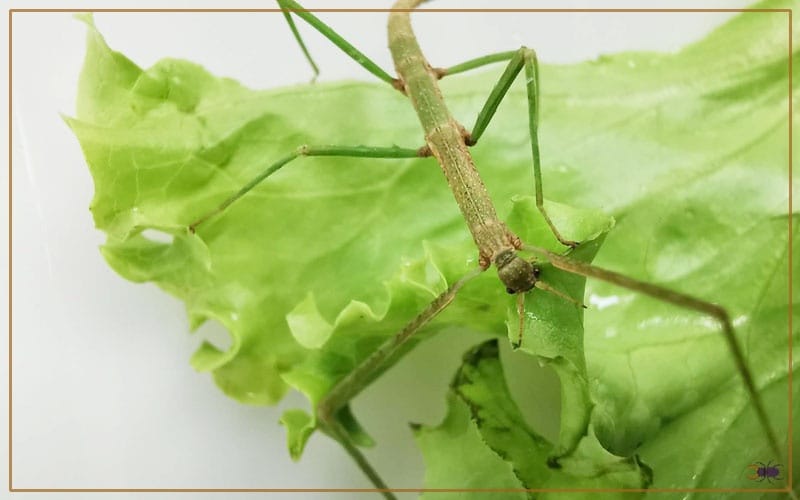
In the wild, stick bugs are strict herbivores that primarily consume fresh leaves from a variety of trees, shrubs, and plants. However, they are not generalist feeders like many insects. Most species prefer a narrow range of host plants, often sticking to just a few types of leaves throughout their lives.
Their diet is influenced by habitat, climate, and species-specific adaptations. Tropical species tend to favor plants like eucalyptus and guava, while temperate species rely more on bramble, oak, and hazel. Despite these differences, all stick insects share a preference for tender, moisture-rich foliage that is easy to digest.
1. Bramble Leaves
Bramble leaves are widely considered one of the most important food sources for stick bugs, especially in temperate regions. These leaves come from blackberry plants and are commonly found in hedgerows, forests, and even urban areas, making them easily accessible. Many stick insect species thrive on bramble leaves because they are both nutritious and available year-round in mild climates.
The texture of bramble leaves plays a crucial role in their popularity. They are firm enough to provide structure but still soft enough for stick bugs to chew with their relatively simple mouthparts. Unlike tougher leaves that may be difficult to process, bramble leaves offer an ideal balance of fiber and moisture, supporting healthy digestion.
In addition, bramble plants tend to regrow quickly, ensuring a consistent food supply. This makes them a staple diet for both wild and captive stick insects. Their nutritional profile supports molting, growth, and reproduction, which is why they are often recommended as a primary food source for beginners raising stick bugs at home.
2. Blackberry Leaves
Blackberry leaves, closely related to bramble leaves, are another favorite among stick bugs. These leaves are rich in nutrients and provide a reliable food source in many natural habitats. Because blackberry plants grow abundantly in the wild, they serve as a dependable feeding ground for various stick insect species.
Stick bugs are naturally drawn to blackberry leaves due to their chemical composition, which appears to be both palatable and easy to digest. The leaves contain essential plant compounds that support the insect’s metabolism without introducing harmful toxins. This compatibility is critical because stick bugs are highly sensitive to unsuitable plants.
Another advantage of blackberry leaves is their durability. They remain fresh for extended periods compared to softer foliage, allowing stick bugs to feed gradually. This reduces the need for constant foraging and helps conserve energy, especially in environments where food availability may fluctuate.
3. Raspberry Leaves
Raspberry leaves are a valuable food source for many stick bug species, particularly those adapted to cooler climates. These leaves are softer and more delicate than blackberry or bramble leaves, making them especially suitable for younger nymphs that may struggle with tougher plant material.
The high moisture content in raspberry leaves helps keep stick bugs hydrated, which is essential since they obtain most of their water from the plants they consume. This reduces their dependence on external water sources and allows them to survive in environments where free water may be scarce.
In addition to hydration, raspberry leaves provide important nutrients that support growth and molting. However, because they are more delicate, they tend to wilt faster after being picked. In the wild, this is not an issue, but in captivity, fresh leaves must be supplied regularly to maintain their quality.
4. Oak Leaves
Oak leaves are commonly consumed by certain species of stick bugs, especially those living in woodland environments. These leaves are tougher than many other food sources, but some species have evolved to handle their fibrous texture effectively.
One of the key benefits of oak leaves is their abundance. Oak trees are widespread in many regions, providing a stable and long-term food supply. This reliability is crucial for stick bugs, which depend on consistent access to suitable foliage.
Despite their toughness, oak leaves contain valuable nutrients that contribute to the insect’s overall health. Stick bugs that feed on oak often exhibit strong development and resilience, particularly in environments where softer leaves are less available.
5. Hazel Leaves
Hazel leaves are another important component of the stick bug diet, particularly in temperate forests. These leaves are softer than oak leaves and easier to digest, making them suitable for a wider range of species and life stages.
Stick bugs feeding on hazel leaves benefit from their balanced nutritional profile, which supports steady growth and energy production. The leaves are also relatively abundant, ensuring that stick bugs can find food without traveling long distances.
In many habitats, hazel plants grow alongside other preferred food sources, allowing stick bugs to diversify their diet slightly while still sticking to familiar plants. This flexibility can be advantageous in changing environmental conditions.
6. Hawthorn Leaves
Hawthorn leaves are a commonly overlooked but highly valuable food source for many stick bug species living in hedgerows and woodland edges. These plants are widespread across temperate regions and provide a reliable source of foliage during the growing season. Stick insects that inhabit these environments often rely on hawthorn as part of their regular diet due to its accessibility and balanced nutritional value.
The leaves themselves are moderately soft, making them suitable for both juvenile and adult stick bugs. Unlike tougher foliage, hawthorn leaves are easier to chew and digest, reducing the amount of energy the insect must expend during feeding. This efficiency is particularly important for nymphs, which need consistent nourishment to support rapid growth and frequent molting cycles.
Additionally, hawthorn plants often grow in dense clusters, offering both food and shelter. This dual benefit makes them especially attractive to stick bugs, which prefer to remain hidden while feeding. By staying within a single plant, they can minimize exposure to predators while maintaining a steady food intake.
7. Privet Leaves
Privet leaves are another popular food choice, particularly for stick bugs that live in areas with cultivated landscapes or suburban environments. Privet hedges are commonly used in gardens and parks, making them a convenient and consistent food source for species that have adapted to human-altered habitats.
These leaves are relatively smooth and tender, allowing stick bugs to feed efficiently without excessive effort. Their mild chemical composition also makes them highly palatable, as they lack many of the defensive compounds found in other plant species. This makes privet an ideal option for stick bugs that are selective eaters.
In captivity, privet is often recommended as an alternative to bramble, especially when other food sources are unavailable. However, it is important that the leaves are free from pesticides or pollutants, as stick bugs are highly sensitive to toxins and can be harmed by contaminated foliage.
8. Ivy Leaves
Ivy leaves serve as an important food source for certain species of stick bugs, particularly those adapted to shaded environments. Ivy is an evergreen plant, which means it remains available throughout the year, even during colder months when other plants lose their leaves.
This year-round availability makes ivy especially valuable in regions with seasonal climates. Stick bugs that rely on ivy can continue feeding even when other food sources become scarce. The leaves are thick and slightly waxy, but some species have evolved to handle this texture effectively.
However, not all stick bugs will accept ivy, as dietary preferences can vary significantly between species. Those that do feed on ivy benefit from its consistent availability, which helps stabilize their feeding patterns and reduces the risk of starvation during unfavorable conditions.
9. Eucalyptus Leaves
Eucalyptus leaves are one of the most iconic food sources for stick bugs, particularly for species native to Australia and other tropical regions. These leaves are rich in essential oils and compounds that many insects cannot tolerate, yet certain stick bug species have adapted specifically to consume them.
This specialization gives eucalyptus-feeding stick bugs a unique ecological advantage. Because fewer animals can utilize these leaves, there is less competition for food. This allows stick bugs to thrive in environments where other herbivores may struggle to survive.
Eucalyptus leaves are also highly nutritious, supporting rapid growth and healthy development. In captivity, they are often used as a primary food source for species that naturally depend on them. However, availability may be limited outside of regions where eucalyptus trees are commonly grown.
10. Rose Leaves
Rose leaves are a versatile and widely accepted food source for many stick bug species. These leaves are commonly found in both wild and cultivated environments, making them easily accessible in a variety of habitats.
The texture of rose leaves is moderately soft, allowing stick bugs to feed without difficulty. They also contain a range of nutrients that support overall health, including compounds that aid in digestion and energy production.
In captivity, rose leaves are often used as a supplemental food source alongside bramble or privet. Their availability in gardens makes them a convenient option for those raising stick bugs at home. As with all food sources, it is essential to ensure that the leaves are free from chemical treatments before feeding them to insects.
11. Strawberry Leaves
Strawberry leaves are a soft and highly palatable food option for many stick bug species, particularly those that prefer tender foliage. These leaves are commonly found in gardens and cultivated areas, making them an accessible food source in both wild and human-influenced environments. Their relatively thin structure makes them easy for stick bugs to chew, especially for younger nymphs that may struggle with tougher plant material.
One of the key advantages of strawberry leaves is their moisture content. Stick bugs rely heavily on the leaves they consume not just for nutrients but also for hydration, and strawberry foliage provides a useful balance of both. This helps maintain proper bodily function, particularly during molting stages when hydration is critical.
However, strawberry leaves are more delicate than many other food sources and tend to wilt quickly once detached from the plant. In natural settings, this is rarely an issue, but in captivity, fresh leaves must be provided regularly to ensure optimal feeding conditions. When available, strawberry plants can be a valuable addition to a varied diet.
12. Blueberry Leaves
Blueberry leaves are another suitable food source for certain stick bug species, especially those living in regions where these shrubs grow naturally. These leaves are slightly tougher than strawberry leaves but still soft enough for most stick insects to consume without difficulty.
Nutritionally, blueberry leaves offer a mix of fiber and plant compounds that support digestion and energy production. Stick bugs feeding on these leaves often show steady growth and consistent feeding patterns, provided the leaves are fresh and free from contaminants.
In the wild, blueberry plants often grow in clusters, allowing stick bugs to remain in one area while feeding. This reduces their need to move frequently, which in turn lowers their exposure to predators. This behavior aligns with their overall survival strategy of remaining still and camouflaged.
13. Black Cherry Leaves
Black cherry leaves are consumed by some stick bug species, although they are not as universally accepted as bramble or rose leaves. These leaves are found in forested areas and can provide a seasonal food source when other plants are less available.
The texture of black cherry leaves is moderately firm, requiring slightly more effort to chew. However, stick bugs that have adapted to these plants are able to process them efficiently. The leaves contain nutrients that support development, though they may also include compounds that limit their appeal to certain species.
As with many plant types, acceptance of black cherry leaves depends largely on the specific species of stick bug. Some will feed on them readily, while others may ignore them entirely in favor of more familiar foliage.
14. Ferns
Ferns represent a unique category of food for stick bugs, particularly in moist, shaded environments where these plants thrive. Unlike flowering plants, ferns reproduce via spores and often have softer, more delicate fronds that are easier for insects to consume.
Stick bugs that feed on ferns benefit from their high water content and tender structure. These qualities make ferns especially suitable for younger individuals or species that prefer softer vegetation. Additionally, ferns are often abundant in forest understories, providing a reliable food source in certain habitats.
However, not all fern species are suitable for consumption, and some may contain compounds that deter feeding. Stick bugs typically select specific types of ferns that align with their dietary needs and digestive capabilities.
15. Salal Leaves
Salal leaves are a staple food for some stick bug species native to coastal and forested regions, particularly in parts of North America. These leaves are thick, glossy, and relatively durable, making them a long-lasting food source in the wild.
Despite their toughness, salal leaves are rich in nutrients and can sustain stick bugs over extended periods. Species that feed on salal have adapted to handle its texture, allowing them to extract the necessary nutrients efficiently.
Another advantage of salal plants is their evergreen nature. Like ivy, they remain available throughout much of the year, providing a consistent food supply even when other plants are not in season.
16. Tradescantia
Tradescantia, often referred to as wandering plant, is a soft-stemmed plant that some stick bug species readily consume. It is commonly found in tropical and subtropical environments, as well as in cultivated indoor and garden settings.
The leaves of tradescantia are tender and easy to digest, making them particularly suitable for captive stick bugs. Their high moisture content also contributes to hydration, which is essential for maintaining proper physiological function.
Because tradescantia grows quickly and can be cultivated easily, it is often used as a supplementary food source. However, it is typically not relied upon as a primary diet unless the species specifically prefers it.
17. Beech Leaves
Beech leaves are commonly eaten by stick bugs inhabiting deciduous forests. These leaves are relatively smooth and moderately tough, providing a balanced feeding option for species adapted to woodland environments.
In spring and early summer, young beech leaves are especially appealing due to their softness and higher nutrient content. As the leaves mature, they become tougher, which may limit their suitability for younger stick bugs.
Beech trees are often abundant in certain regions, ensuring a stable food supply for species that depend on them. This consistency supports long-term survival and population stability.
18. Willow Leaves
Willow leaves are another valuable food source, particularly in areas near water where willow trees commonly grow. These leaves are narrow, flexible, and relatively easy for stick bugs to consume.
They contain a range of natural compounds that are generally well tolerated by stick bugs, making them a reliable option for many species. The high moisture content of willow leaves also contributes to hydration, which is essential for maintaining health.
Because willow trees often grow in clusters, stick bugs can feed extensively without needing to travel far. This supports their strategy of minimizing movement to avoid detection by predators.
19. Guava Leaves
Guava leaves are an important food source for tropical stick bug species. These leaves are widely available in warm climates and provide a nutritious option for insects adapted to these environments.
The leaves are moderately tough but still manageable for stick bugs with the appropriate adaptations. They contain nutrients that support growth and reproduction, making them a valuable part of the diet for tropical species.
In captivity, guava leaves are often used when available, particularly for species that naturally feed on them in the wild. Their availability may be limited in cooler regions, but they remain an important natural food source.
20. Mango Leaves
Mango leaves are consumed by certain stick bug species, especially in tropical and subtropical regions where mango trees are common. These leaves are thicker and more fibrous than many other food sources, requiring some adaptation to process effectively.
Stick bugs that feed on mango leaves benefit from their nutritional content, which supports sustained energy and development. However, not all species will accept them, as dietary preferences can vary widely.
When used as a food source, mango leaves should be fresh and free from chemical treatments. In natural habitats, they provide a seasonal but valuable addition to the diet of stick bugs that are adapted to consume them.
21. Lettuce
Lettuce is not a natural staple in the wild diet of stick bugs, but it becomes relevant in environments where human agriculture overlaps with natural habitats or in captive care situations. In the wild, stick bugs may occasionally nibble on lettuce if they encounter it in gardens, though this is relatively uncommon compared to their preference for shrubs and tree leaves.
The appeal of lettuce lies in its softness and extremely high water content. It is easy to chew and digest, making it accessible even for young stick bugs. However, nutritionally, lettuce is relatively poor compared to tougher, more fibrous leaves like bramble or oak. It lacks the dense nutrients required for long-term health and development.
Because of this, lettuce should be considered more of an emergency or supplementary food rather than a primary diet. In the wild, stick bugs instinctively favor more nutrient-rich foliage when given the choice, ensuring they meet their biological needs for growth and reproduction.
22. Spinach
Spinach is another plant that may occasionally be consumed by stick bugs in areas influenced by human cultivation. While it is rich in nutrients from a human dietary perspective, it is not a natural food source for most stick insect species.
The leaves of spinach are soft and easy to consume, which can make them attractive in the absence of preferred plants. However, spinach contains certain compounds, such as oxalates, that may not be ideal for stick bugs if consumed in large quantities. This makes it a less suitable long-term food option.
In natural environments, stick bugs typically avoid plants that do not align with their evolved dietary preferences. As a result, spinach is rarely a significant part of their wild diet, though it may still be sampled opportunistically.
23. Herb Leaves
Herb leaves encompass a wide variety of plants, including species like basil, mint, and parsley. While some stick bugs may occasionally feed on certain herbs, these plants are not universally accepted and often depend on the specific species of stick insect.
In the wild, herbaceous plants are less commonly targeted than woody shrubs and trees. This is partly due to differences in plant chemistry, as many herbs contain strong aromatic compounds that can deter feeding. However, some stick bugs may tolerate or even prefer certain mild herbs under the right conditions.
The variability of herb leaves makes them an inconsistent food source. While they can provide additional nutrients and dietary diversity, they are rarely relied upon as a primary component of the stick bug diet.
24. Young Shrub Leaves
Young shrub leaves are among the most important food sources for stick bugs in the wild. These newly grown leaves are softer, more nutrient-rich, and easier to digest than mature foliage, making them highly desirable for feeding.
Stick bugs often target the newest growth on a plant, where the leaves are still tender and contain higher concentrations of nutrients. This preference supports rapid growth and efficient digestion, particularly in developing nymphs that require consistent nourishment.
The seasonal availability of young leaves plays a significant role in stick bug feeding patterns. During periods of new growth, food is abundant and easy to access. As leaves mature and toughen, stick bugs may need to adjust their feeding behavior or seek alternative plants.
25. Hedge Plant Leaves
Hedge plant leaves come from a variety of shrubs commonly used in landscaping, such as privet, boxwood, and other dense-growing species. In areas where natural habitats overlap with human environments, these plants can become an important food source for stick bugs.
The suitability of hedge plants varies depending on the species. Some are highly palatable and provide adequate nutrition, while others may contain chemicals that deter feeding or even pose risks to the insects. Stick bugs typically rely on instinct to determine which plants are safe to eat.
In the wild, hedge plants can offer both food and shelter, similar to hawthorn or bramble. This makes them particularly valuable in fragmented habitats where natural vegetation may be limited.
26. Acacia Leaves
Acacia leaves are a key food source for certain stick bug species, particularly those found in tropical and arid regions. These plants are known for their resilience and ability to thrive in harsh conditions, providing a stable food supply where other النباتات may struggle.
The leaves of acacia are often small and sometimes protected by thorns, which can make feeding more challenging. However, stick bugs adapted to these environments have evolved to navigate these defenses and consume the foliage effectively.
Acacia leaves contain valuable nutrients that support survival in demanding climates. Their availability throughout the year makes them a reliable resource for species that depend on them.
27. Bracken
Bracken, a type of fern, is another food source utilized by certain stick bug species. It grows abundantly in many regions and provides a consistent supply of foliage in forested and open areas alike.
The fronds of bracken are relatively soft when young, making them easier to consume. As they mature, they become tougher, which may limit their appeal to some stick bugs. However, species that specialize in ferns are well adapted to handle this change in texture.
Bracken can serve as an important fallback food source when other preferred plants are not available, helping stick bugs maintain their energy levels during periods of scarcity.
28. Olive Leaves
Olive leaves are consumed by certain stick bug species, particularly in Mediterranean and subtropical regions where olive trees are common. These leaves are thick and somewhat leathery, requiring specialized adaptations to process effectively.
Stick bugs that feed on olive leaves benefit from their durability, as the leaves remain on the tree for extended periods. This provides a long-lasting food source that does not deteriorate quickly.
While not all species will accept olive leaves, those that do can rely on them as a stable part of their diet, especially in regions where alternative food sources may be limited.
29. Gum Tree Leaves
Gum tree leaves, another term for eucalyptus leaves, are a primary food source for many Australian stick bug species. These leaves are rich in oils and compounds that deter most herbivores, but specialized stick bugs have evolved to consume them safely.
This specialization reduces competition and allows stick bugs to occupy ecological niches that are less crowded. Gum tree leaves provide the nutrients needed for growth while also supporting the insect’s unique adaptations.
In both wild and captive environments, gum tree leaves are essential for species that depend on them, highlighting the importance of matching diet to natural habitat.
30. Mixed Forest Foliage
Mixed forest foliage refers to the variety of leaves available in diverse woodland ecosystems. In such environments, stick bugs may have access to multiple plant species, allowing for a slightly more varied diet.
While most stick bugs still show strong preferences for specific plants, the availability of multiple options can be beneficial during times of scarcity. This flexibility allows them to adapt to changing conditions without straying too far from their dietary needs.
Mixed foliage also supports ecological balance, as stick bugs contribute to plant population control while serving as prey for other animals. Their feeding habits play a subtle but important role in maintaining healthy ecosystems.
How Diet Varies by Species or Subspecies
Not all stick bugs eat the same plants. Some species are highly specialized and will only feed on one or two types of leaves, while others are more flexible and can adapt to a wider range of النباتات. Tropical species often rely on plants like eucalyptus, guava, or mango, whereas temperate species prefer bramble, oak, or hazel.
These differences are driven by evolutionary adaptations. Mouthparts, digestive systems, and even behavior are shaped by the plants available in each region. This specialization helps reduce competition between species and ensures that each one occupies a unique ecological niche.
Seasonal Diet Changes
Stick bugs experience seasonal changes in food availability, particularly in temperate climates. During spring and summer, fresh leaves are abundant, providing optimal feeding conditions. This is when stick bugs grow rapidly and reproduce.
In autumn, leaves begin to toughen and lose nutritional value, forcing stick bugs to adapt or reduce activity. Some species may rely on evergreen plants like ivy or salal to survive during colder months. In winter, many stick bugs enter a state of reduced activity or rely on eggs to overwinter until conditions improve.
What Do Stick Bugs Eat in Captivity or Around Humans?
In captivity, stick bugs are typically fed easily accessible plants such as bramble, privet, or rose leaves. These options closely mimic their natural diet and are widely accepted by many species. Freshness is critical, as wilted or contaminated leaves can harm the insects.
Foods like lettuce or spinach may be offered occasionally but should not replace natural foliage. It is also essential to avoid plants treated with pesticides, as stick bugs are extremely sensitive to chemicals.
Feeding Behavior & Foraging Techniques
Stick bugs are nocturnal feeders, meaning they are most active at night. This behavior helps them avoid predators while feeding. During the day, they remain motionless, blending in with their surroundings.
They use simple chewing mouthparts to consume leaves, often starting at the edges and working inward. Their slow, deliberate feeding style minimizes movement, further enhancing their camouflage.
Ecological Role of Stick Bugs’ Diet
Stick bugs play an important role in ecosystems by helping regulate plant growth. By feeding on leaves, they contribute to natural pruning, which can stimulate new plant growth.
They also serve as a food source for birds, reptiles, and small mammals, making them an integral part of the food chain. Their presence helps maintain ecological balance in both forests and shrublands.
Fun Facts About Stick Bugs’ Eating Habits
- Some stick bugs sway like leaves in the wind while eating to stay camouflaged.
- They can survive on a single type of plant for their entire life.
- Most stick bugs get nearly all their water from the leaves they eat.
- They often feed at night to avoid predators.
- Certain species can regenerate lost limbs while continuing to feed normally.
Conclusion
Stick bugs are highly specialized herbivores with a diet centered on leaves from specific plants and trees. From bramble and eucalyptus to guava and oak, their food choices are closely tied to their habitat and evolutionary adaptations.
Understanding what stick bugs eat helps us appreciate their role in nature and ensures proper care in captivity. By providing the right food sources and maintaining natural conditions, these remarkable insects can thrive and continue to play their part in the ecosystem.
Frequently Asked Questions About What Stick Bugs Eat
1. What do stick bugs eat in the wild?
Stick bugs mainly eat fresh leaves from trees and shrubs such as bramble, oak, ivy, eucalyptus, and rose plants. They are strict herbivores and rarely eat anything other than foliage.
2. Do stick bugs eat meat?
No. Stick bugs are completely herbivorous and do not eat meat, insects, or animal matter under any circumstances.
3. Can stick bugs eat lettuce?
Yes, but only in captivity. Lettuce is not nutritious enough to be a primary food source and should only be used as a temporary substitute.
4. What is the favorite food of stick insects?
Many species prefer bramble (blackberry leaves), rose leaves, and privet because they are soft, nutritious, and widely available.
5. Do all stick bugs eat the same plants?
No. Different species have different dietary preferences, and some are highly specialized to only a few plant types.
6. Can stick bugs eat fruit leaves?
Yes. Some species can eat leaves from fruit trees like guava, mango, and apple depending on their natural habitat.
7. Do stick bugs drink water?
They usually get moisture from leaves, but they may also drink droplets of water from surfaces in humid environments.
8. Can stick bugs eat spinach?
Spinach can be eaten in captivity occasionally, but it is not a natural or ideal long-term food source.
9. What leaves should I feed pet stick insects?
Bramble, privet, rose, oak, and ivy leaves are the safest and most commonly recommended options.
10. Do stick bugs eat flowers?
Most stick bugs prefer leaves over flowers, although they may occasionally nibble soft plant parts.
11. Can stick bugs eat herbs?
Some herbs may be eaten, but many contain strong oils that stick bugs avoid.
12. Do stick bugs eat eucalyptus leaves?
Yes, especially Australian species that are adapted to eucalyptus trees.
13. Can stick insects survive without food?
They can survive a short time without food, but prolonged starvation will be fatal.
14. How often do stick bugs eat?
Stick bugs typically feed at night and may eat continuously for several hours.
15. Do stick bugs eat dead leaves?
No. They prefer fresh, living leaves with moisture and nutrients.
16. Can stick bugs eat ivy?
Yes, ivy is a common food source, especially in temperate regions.
17. What trees do stick bugs eat from?
They feed on oak, beech, willow, eucalyptus, and cherry trees depending on species.
18. Do stick bugs eat bark?
No. They only consume soft leaf tissue, not bark or wood.
19. Can stick bugs eat mango leaves?
Yes, some tropical species feed on mango leaves.
20. Do stick bugs eat acacia leaves?
Yes, certain species in arid and tropical regions feed on acacia.
21. Why do stick bugs only eat leaves?
Their digestive system is adapted to break down plant cellulose found in leaves.
22. Can stick bugs eat strawberries?
They do not eat fruit but may eat strawberry plant leaves.
23. Do stick bugs eat grass?
Most stick bugs do not eat grass and prefer broadleaf plants.
24. Can stick bugs eat fern leaves?
Yes, some species consume ferns, especially in humid forest environments.
25. Do stick bugs eat during the day?
They are mostly nocturnal feeders and prefer eating at night.
26. How do stick bugs chew food?
They use strong mandibles to slowly chew leaf edges.
27. Do stick bugs eat toxic plants?
Most avoid toxic plants, but some species have adapted to specific plant chemicals.
28. Can stick bugs eat rose leaves?
Yes, rose leaves are widely accepted and commonly used in captivity.
29. Do stick bugs eat oak leaves?
Yes, oak leaves are a common wild food source for many species.
30. What do baby stick bugs eat?
Nymphs eat the same leaves as adults but prefer softer, younger foliage.
31. Can stick bugs eat privet leaves?
Yes, privet is one of the most popular food plants for captive stick insects.
32. Do stick bugs eat citrus leaves?
Some species may eat citrus leaves, but it depends on the species.
33. Can stick bugs eat beech leaves?
Yes, beech leaves are a natural food source in woodland habitats.
34. Do stick bugs need variety in diet?
Some species benefit from variety, but many thrive on a single plant type.
35. Can stick bugs eat blueberry leaves?
Yes, blueberry leaves are sometimes consumed in wild habitats.
36. Do stick bugs eat weeds?
They may eat some wild plants that grow as weeds if they match their dietary preference.
37. Can stick bugs eat olive leaves?
Yes, some Mediterranean species consume olive leaves.
38. Do stick bugs eat soft or hard leaves?
They prefer soft, young leaves but can adapt to tougher ones.
39. Can stick bugs eat house plants?
Some house plants are safe, but many are toxic and should be avoided.
40. Do stick bugs eat all year round?
In warm climates they may feed year-round, but in colder regions activity slows down.
41. Why do stick bugs eat slowly?
Their feeding is slow to minimize movement and avoid predators.
42. Can stick bugs eat guava leaves?
Yes, guava leaves are common in tropical stick insect diets.
43. Do stick bugs eat mango tree leaves in captivity?
Yes, if the species naturally accepts them and leaves are pesticide-free.
44. Can stick bugs eat bracken?
Yes, some species feed on bracken ferns in forest environments.
45. Do stick bugs eat during molting?
No, they usually stop feeding while molting until their exoskeleton hardens.
46. Can stick bugs eat salal leaves?
Yes, salal leaves are consumed by certain forest-dwelling species.
47. Do stick bugs eat young or old leaves?
They prefer young, tender leaves with higher moisture and nutrients.
48. Can stick bugs eat mixed forest plants?
Yes, in diverse habitats they may feed on multiple plant types.
49. Do stick bugs eat continuously?
They feed intermittently, often resting between feeding periods.
50. What happens if stick bugs eat the wrong plant?
They may stop eating, become weak, or die if the plant is toxic or unsuitable.
51. How important is food quality for stick bugs?
Very important—fresh, pesticide-free leaves are essential for survival and growth.
Read more: