

If you’re curious about the types of wild rabbits in Ohio, you’re in for a treat. While Ohio doesn’t host a huge variety of lagomorphs, it does have a couple of well‑known species plus a lesser-known one that sparks debate among wildlife experts. In this guide, we’ll cover their physical traits, behavior, habitats, diets, reproduction, and how they interact with people. Whether you’re a backyard nature watcher or a wildlife enthusiast, you’ll get a clearer picture of what wild rabbits call Ohio home.
—
1. Eastern Cottontail (Sylvilagus floridanus)
Physical Characteristics & Identification Tips
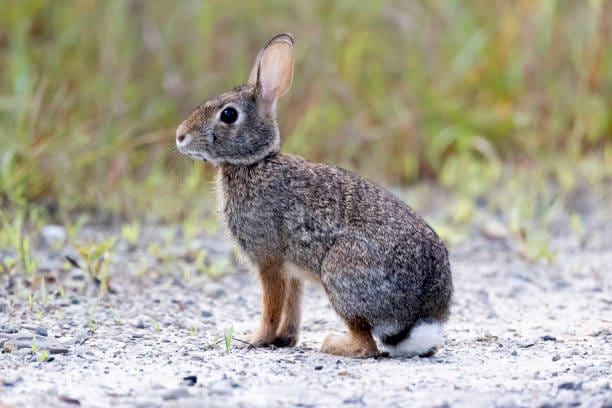
The Eastern Cottontail is the most common wild rabbit in Ohio. Adults typically measure about 14–18 inches in length and weigh between 2 and 4 pounds. Their fur is a warm mix of gray‑brown, often with a subtle rusty patch near the neck, blending well with grassy or brushy terrain. One of their most distinctive features is the bright white, fluffy tail — the “cotton” in cottontail. Their ears are moderately long, helping them detect sounds. Their large, round eyes show on the sides of the head, giving them good peripheral vision.
When you’re trying to identify one in the wild, watch how it moves: Eastern Cottontails use short, choppy hops rather than long bounds, and when startled, they’ll freeze and then dart off in a zigzag path. Their coloration, especially in summer, helps them blend into field edges and brushy borders. In Ohio, these rabbits are abundant, and you might spot them near open fields, hedgerows, or even suburban yards. According to the Ohio DNR, their population is relatively stable.
Behavior
Eastern Cottontails are mostly active at dawn and dusk (crepuscular), but they may also venture out during the day if they feel safe and there’s enough cover. They are generally solitary but may share overlapping home ranges, especially in areas with rich vegetation. One of their defense tactics is to thump their hind feet when they sense danger, which can alert nearby rabbits.
These rabbits don’t dig deep burrows. Instead, females build a “form” — a shallow depression in the grass or brush lined with soft grasses and fur — for nesting. If a predator or human approaches, they rely on freezing (blending into the background) and then that quick zigzag dash to safety. Their alertness is high: strong hearing, good vision, and quick reflexes help them survive in environments with foxes, hawks, coyotes, and more.
Habitat and Range
Eastern Cottontails are extremely adaptable. In Ohio, they thrive in a variety of habitats: open fields, meadows, forest edges, fence rows, and even suburban gardens. According to wildlife control data, they prefer brushy fence rows, overgrown pastures, and hedgerows that offer both food and shelter.
Their range covers nearly the entire state. They particularly benefit from “edge habitats” — places where forest meets field — because these environments offer both hiding cover and feeding opportunities. Their adaptability is one reason they remain so common, even as land use changes.
Diet
These rabbits are herbivores, and their diet shifts with the seasons. In spring and summer, they favor tender grasses, clovers, and other herbaceous plants. As fall and winter arrive, they turn to woody plant material: twigs, buds, and bark become vital food sources.
One interesting behavior of Eastern Cottontails is coprophagy — they eat a special type of droppings (soft pellets) to extract more nutrients. This helps them make the most out of their plant-based diet, especially when food quality is lower in colder months.
Reproduction and Life Cycle
Eastern Cottontails breed several times a year in Ohio. Females can produce 3–5 litters annually. Each litter contains around 3–7 young, though typical numbers may vary. Gestation lasts about 28–30 days, depending on conditions.
When kits (baby rabbits) are born, they are blind, hairless, and very vulnerable — they stay hidden in a form for safety. Within about a week, they develop fur and start to open their eyes. By two weeks, they begin to leave the nest and explore nearby vegetation, under the mother’s watch. Because many don’t survive predation, the high reproduction rate helps maintain overall population stability.
Fun Facts / Traits
– Eastern Cottontails are very good at hiding. Their brown‑gray fur matches the brush and grasses of their habitat, and they freeze low when alarmed.
– Their famous “cotton” tail is a signal: when they bolt, their tail flashes white, warning other rabbits.
– Their population in Ohio has stayed fairly stable over decades, according to DNR surveys.
– They can have overlapping home ranges, meaning multiple individuals may use similar areas without aggressive interactions.
Human Interaction
Humans frequently see Eastern Cottontails in yards, parks, and field edges. Because they live so close to us, they sometimes eat garden plants, shrubs, or young tree bark. While they can be nuisances, they also benefit people by controlling weeds and serving as beloved wildlife to observe.
For gardeners worried about damage, removing thick brush near garden edges or using rabbit‑resistant fencing can help. Observers should keep a respectful distance; these are wild animals. The Ohio DNR monitors their populations, and they are a popular small-game species under regulated hunting seasons.
—
2. Snowshoe Hare (Lepus americanus)

Physical Characteristics & Identification Tips
The Snowshoe Hare is quite different from your typical rabbit. Adults in Ohio can reach 16–20 inches in body length and often weigh around 2.5–4 pounds. Their most striking feature is their large hind feet, which are wide and well‑furred — perfect for moving through snow without sinking. Their ears are longer than cottontails’ and help with hearing predators.
One of the most fascinating things about Snowshoe Hares is how their fur changes color. In winter, their coat turns white to blend with snow. In summer, it shifts to brown or gray to match forest floors. This seasonal camouflage is one of nature’s clever survival tools. Their eyes are large and set to spot predators from different angles.
Behavior
Snowshoe Hares are primarily nocturnal and crepuscular, meaning they’re active at night, dawn, and dusk. They are mostly solitary, especially outside mating season. When threatened, they rely on their powerful legs to sprint away in long, bounding leaps. Rather than zigzagging like cottontails, their style is long, deliberate leaps — efficient for crossing snowy ground.
They also use freezing behavior. When danger is near, they often remain absolutely still, relying on their white winter coat or brown summer fur to blend in. Communication is subtle: they thump their hind feet, leave scent marks, and flick their tails to warn other hares.
Habitat and Range
In Ohio, Snowshoe Hares prefer dense forested areas, especially mixed woodlands, shrub thickets, and places with thick understory cover. They are most common in northern Ohio, where snow is more consistent in winter and shrub cover is available.
Their home range can be quite variable, but they tend to stay near areas that provide both food and shelter. Unlike species that thrive in open fields, Snowshoe Hares are woodland specialists. They rely on dense vegetation to hide from predators like bobcats, foxes, owls, and coyotes.
Diet
Snowshoe Hares are herbivores with a flexible diet. In spring and summer, they feed on grasses, ferns, leaves, and soft plants. As seasons shift, they turn to woody plants: twigs, buds, bark, and stems become their main food sources. When snow covers low plants, they may browse on shrubs and small trees.
They also use coprophagy, the re‑eating of certain droppings, to absorb more nutrients — especially important in winter when food is less digestible. This helps them get the most out of every bite.
Reproduction and Life Cycle
Snowshoe Hares breed from early spring into summer. In Ohio, they may produce 2–3 litters per year, with 3–6 leverets (young) in each. Gestation lasts about 35–40 days. Unlike cottontail kits, Snowshoe Hare young are born furred, though their eyes are closed; they open after a few days.
Growth is rapid. Young hares gain strength quickly, and by a few weeks old, they begin to explore. Because they are born relatively mature compared with cottontails, they are more mobile and can evade predators sooner — although adult mortality is still high.
Fun Facts / Traits
– Their name comes from their large feet that act like snowshoes, enabling movement on deep snow without sinking.
– Their fur color shift is a seasonal adaptation that perfectly matches their surroundings.
– Snowshoe Hares are a critical prey species for higher predators, especially in winter, including bobcats, lynx, and owls.
– Their population can vary greatly year to year, often influenced by predator pressure and available food.
Human Interaction
Snowshoe Hares are less likely than cottontails to be spotted near human dwellings because of their forest‑dwelling habits. Still, they are sometimes hunted in Ohio during open small game seasons under regulated conditions. For nature watchers, seeing a Snowshoe Hare can be a special moment — especially in winter when its white coat stands out against trees and snow.
Because they rely heavily on forested areas, conservation of their habitat matters. Protecting shrub thickets and woodlots helps maintain hare populations and supports the bigger picture of ecosystem health.
—
3. Appalachian Cottontail (Possible / Rare in Ohio)
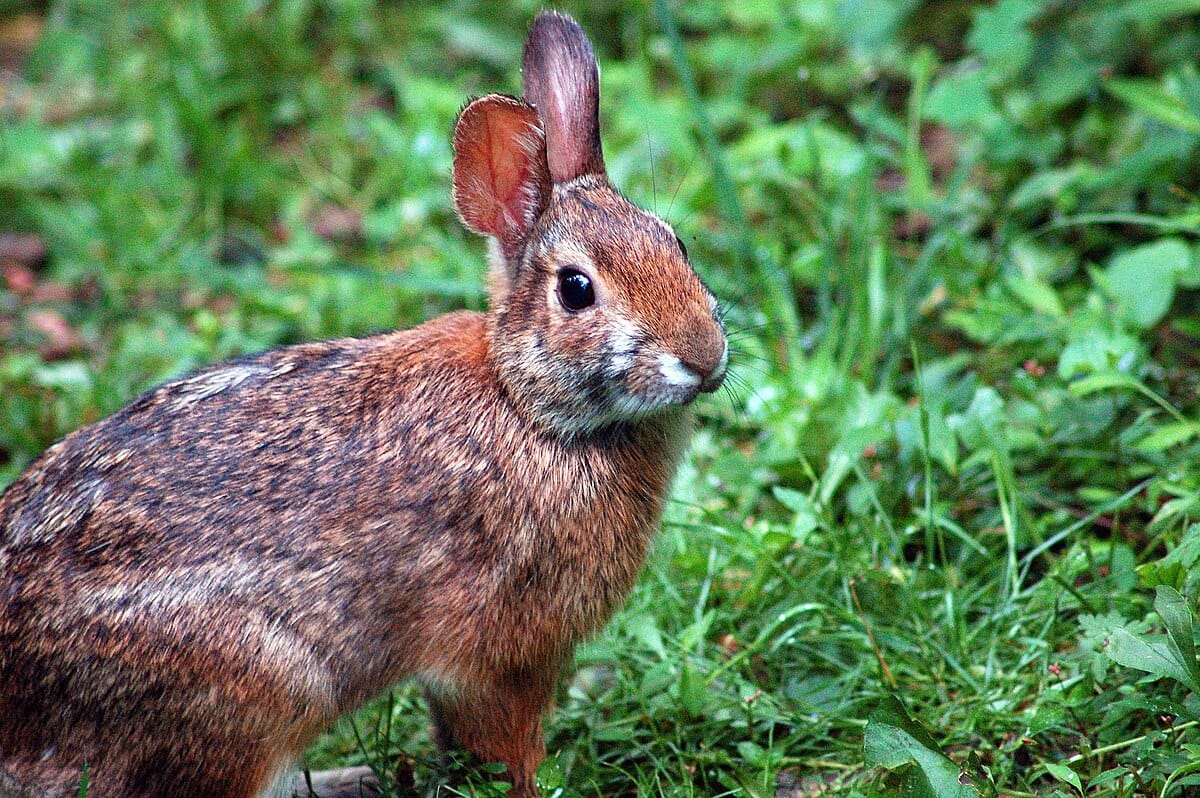
While not officially confirmed across all Ohio counties, the Appalachian Cottontail (Sylvilagus obscurus) is mentioned by some wildlife‑enthusiast sources and may be present in parts of southeastern Ohio. This rabbit is less common than the more widespread Eastern Cottontail, and identifying it in the field can be quite tricky.
Physical Characteristics & Identification Tips
The Appalachian Cottontail closely resembles the Eastern Cottontail. It’s slightly smaller on average, and its fur tends to be a bit darker. Some individuals show a small black patch between the ears. Experts often say that visual ID is very difficult because physical differences are subtle. In many cases, genetic testing or skull examination is needed for a definite ID.
In the field, you might try to spot them in dense underbrush in southeastern Ohio, where Appalachian Cottontails are most likely to hide. But even seasoned wildlife watchers may rely on signs like very particular habitat use and behavior more than just appearance.
Behavior
These cottontails are secretive and prefer thick, brushy habitats. They tend to avoid open fields, instead favoring dense undergrowth, rhododendron thickets, and forest edges. Their behavior is more cautious than that of Eastern Cottontails — they rely heavily on cover and escape routes. Their daily activity is similar: mainly crepuscular (dawn and dusk) and sometimes nocturnal.
Habitat and Range</
In Ohio, Appalachian Cottontails may be restricted to the southeastern part of the state, where the foothills of the Appalachian Mountains provide suitable brushy vegetation. According to wildlife‑enthusiast sources, they prefer thick understory in regenerating forests, rocky terrain, and dense brush patches.
Diet
Their diet is likely similar to Eastern Cottontails, including grasses, leaves, buds, and twigs. Because their habitat is more forested and rocky, they might lean more on woody plants than open-field cottontails. Precise dietary studies in Ohio are limited, but experts suspect overlap in food preferences.
Reproduction and Life Cycle
Little specific data is published for Appalachian Cottontails in Ohio, but based on studies in their more common range, they likely breed similar to Eastern Cottontails. That means multiple litters per year, shallow nests, and kits that are born blind and hairless. Because this species is less studied in Ohio, much of what we infer comes from nearby states.
Fun Facts / Traits
– Visually, they’re nearly identical to Eastern Cottontails, making field identification difficult.
– Their limited range in Ohio makes them less encountered and less well-known.
– Conservation of dense brush habitat is especially important for them, as they rely on cover more heavily than more open‑habitat cottontails.
Human Interaction
Sightings of Appalachian Cottontails in Ohio are rare. Because of their secretive behavior and dense habitat preferences, even seasoned wildlife watchers may go years without confirming one. For most Ohioans, the rabbits seen are Eastern Cottontails or, occasionally, Snowshoe Hares, rather than Appalachian cottontails.
If you’re interested in spotting or reporting one, consult local wildlife groups or biologists. Exact identification may require expert help, but your observations (photos, location, behavior) can contribute to our understanding of their presence in Ohio.
Comparison of 3 Types of Wild Rabbits in Ohio
| Species | Size & Appearance | Habitat | Behavior | Reproduction |
|---|---|---|---|---|
| Eastern Cottontail | Small to medium (12–20 in), brown-gray fur, white “cotton” tail | Fields, forest edges, suburban areas, gardens | Crepuscular, short hops, thumping feet to warn of predators | 3–5 litters/year, 3–7 kits per litter |
| Snowshoe Hare | Medium to large (16–22 in), large hind feet, fur white in winter and brown in summer | Dense forests, shrubs, northern Ohio regions | Nocturnal and crepuscular, long bounding leaps, solitary | 2–3 litters/year, 2–5 leverets per litter |
| Appalachian Cottontail | Small (11–18 in), reddish-brown or grayish fur, white tail, slightly smaller than Eastern Cottontail | Southeastern Ohio, dense undergrowth and thickets | Solitary, shy, mainly crepuscular | 2–4 litters/year, 3–5 kits per litter |
Conclusion
In Ohio, the wild rabbits you’re most likely to come across are the **Eastern Cottontail** and the **Snowshoe Hare**, with the **Appalachian Cottontail** being a possible but rare resident in certain areas. These species cover a range of habitats — from open fields and suburban gardens to dense forest understories. Learning about the types of wild rabbits in Ohio helps you appreciate their behavior, role in ecosystems, and how to safely watch or coexist with them. Next time you hear that quiet thump or spot a flash of white tail, you’ll have a better idea of who you’re seeing — and why they matter.
Frequently Asked Questions About Wild Rabbits in Ohio
1. What types of wild rabbits are found in Ohio?
Ohio is home to mainly two confirmed species: the Eastern Cottontail (Sylvilagus floridanus) and the Snowshoe Hare (Lepus americanus). A rare third, the Appalachian Cottontail (Sylvilagus obscurus), may also occur in southeastern Ohio, though sightings are limited.
2. How can I identify an Eastern Cottontail?
Look for its brown-gray fur with subtle rusty patches near the neck, moderate-length ears, and the distinctive white “cotton” tail. Short, choppy hops and zigzag escapes are characteristic when startled.
3. How can I identify a Snowshoe Hare?
Snowshoe Hares are slightly larger than Eastern Cottontails and have large hind feet, long ears, and seasonal fur color changes—white in winter and brown in summer. They move in long bounding leaps rather than short hops.
4. Where do wild rabbits live in Ohio?
Eastern Cottontails prefer open fields, hedgerows, forest edges, and suburban yards. Snowshoe Hares favor dense forests and shrub thickets, mostly in northern Ohio. Appalachian Cottontails inhabit dense undergrowth in southeastern Ohio.
5. Are wild rabbits active during the day?
Wild rabbits are mainly crepuscular, meaning they are active at dawn and dusk. Snowshoe Hares are also nocturnal. Eastern Cottontails may occasionally be seen during the day if the area feels safe.
6. What do wild rabbits eat?
They are herbivores. Eastern Cottontails eat grasses, clovers, twigs, and bark. Snowshoe Hares consume grasses, ferns, leaves, buds, and woody plants depending on the season. They also practice coprophagy to extract more nutrients.
7. How do rabbits avoid predators?
Rabbits use camouflage, freezing behavior, quick zigzag dashes (cottontails), and long bounding leaps (hares). Thumping their hind feet also alerts other rabbits nearby.
9. Do rabbits live alone or in groups?
Wild rabbits are mostly solitary. Eastern Cottontails may have overlapping home ranges but are not social. Snowshoe Hares and Appalachian Cottontails are solitary, especially outside breeding season.
10. How often do rabbits reproduce in Ohio?
Eastern Cottontails can have 3–5 litters annually, while Snowshoe Hares may have 2–3 litters per year. Each litter typically contains 3–7 young, depending on species and environmental conditions.
11. How long do wild rabbits live?
In the wild, most Eastern Cottontails live 1–3 years due to predation, while Snowshoe Hares may live 3–5 years. Appalachian Cottontails’ lifespan is less studied, but it is likely similar to Eastern Cottontails.
12. What predators threaten rabbits in Ohio?
Common predators include foxes, coyotes, bobcats, owls, hawks, and domestic dogs or cats. Young kits and leverets are especially vulnerable.
13. Are wild rabbits dangerous to humans?
No, wild rabbits are generally harmless. They may nibble garden plants but do not pose direct threats. Observing from a distance is recommended.
14. How can I attract rabbits to my backyard?
Providing food sources such as grasses, clover, or native plants, and creating brushy cover can attract rabbits. Avoid pesticides and maintain safe hiding spots.
15. Why do rabbits thump their feet?
Thumping is a warning signal. It alerts nearby rabbits to predators or potential threats.
16. Do rabbits hibernate in winter?
No, rabbits remain active year-round. Snowshoe Hares rely on seasonal fur and large feet to survive snow, while cottontails feed on woody plants and bark in winter.
17. Can rabbits survive in urban areas?
Yes, Eastern Cottontails are highly adaptable and can thrive near gardens, parks, and suburban areas as long as food and cover are available.
18. What is the difference between cottontails and hares?
Cottontails are smaller, have shorter ears, and young are born blind and hairless. Hares are larger, with longer ears and feet, and young are born with fur and open eyes, ready to move shortly after birth.
19. How do rabbits communicate?
Through thumping, scent marking, body posture, and occasionally soft vocalizations. These signals warn of danger or establish territory.
20. Are there endangered rabbit species in Ohio?
No wild rabbits in Ohio are currently classified as endangered. However, Appalachian Cottontails are rare and poorly studied.
21. Do rabbits dig burrows?
Eastern Cottontails do not dig deep burrows; they create shallow depressions called forms. Snowshoe Hares and Appalachian Cottontails rely on natural cover instead of burrows.
22. How can I protect my garden from rabbits?
Use fencing, repellents, and remove brush near garden edges. Planting rabbit-resistant species also helps.
23. Are rabbits good for the ecosystem?
Yes, they control vegetation, provide prey for predators, and contribute to soil fertilization through their droppings.
24. How far do rabbits travel from their nest?
Home ranges vary: Eastern Cottontails usually stay within 1–5 acres. Snowshoe Hares may cover larger areas in forests. Appalachian Cottontails stay near dense cover.
25. Do rabbits dig up lawns?
Occasionally, cottontails may dig shallow areas for forms or nibble young plants, but they rarely cause extensive lawn damage.
26. Can I domesticate a wild rabbit?
No, wild rabbits are not suitable as pets. They are easily stressed, have high predation instincts, and require specialized diets and care.
27. Do rabbits carry diseases?
Wild rabbits can carry diseases like tularemia or parasites, but transmission to humans is rare if you avoid handling them.
28. Why do Snowshoe Hares turn white in winter?
This seasonal fur color change provides camouflage against snow, reducing predation risk.
29. Can rabbits swim?
Rabbits can swim if necessary, though it’s not common. Snowshoe Hares may cross small streams in forested habitats.
30. How do young rabbits develop?
Cottontail kits are blind and hairless at birth, while Snowshoe Hare leverets are born with fur and open eyes. Both develop quickly to escape predators.
31. What is coprophagy?
Coprophagy is when rabbits eat certain droppings to reabsorb nutrients. This behavior is crucial during winter when food is less digestible.
32. How do rabbits contribute to hunting?
Rabbits are a small-game species in Ohio. Hunters target them under regulated seasons, helping manage populations while supporting wildlife observation and outdoor recreation.
Read more: 7 Types of Wild Rabbits in Oregon: Species, Identification, and Photos