

Rabbits are strict herbivores, meaning their entire digestive system is built around breaking down fibrous plant material. In the wild, they spend most of their day grazing on grasses, herbs, and leafy vegetation. This constant intake of fiber is not optional—it is essential for gut movement, dental health, and survival.
A rabbit’s teeth grow continuously throughout its life, and only abrasive, fibrous foods naturally wear them down. Without the right diet, rabbits quickly develop serious health issues such as dental overgrowth, obesity, and gastrointestinal stasis. That is why understanding their natural food sources is critical for both wild and domestic rabbits.
This guide explores 70 foods rabbits eat, starting with their most important foundation: hay and grasses.
What Do Rabbits Eat in the Wild?
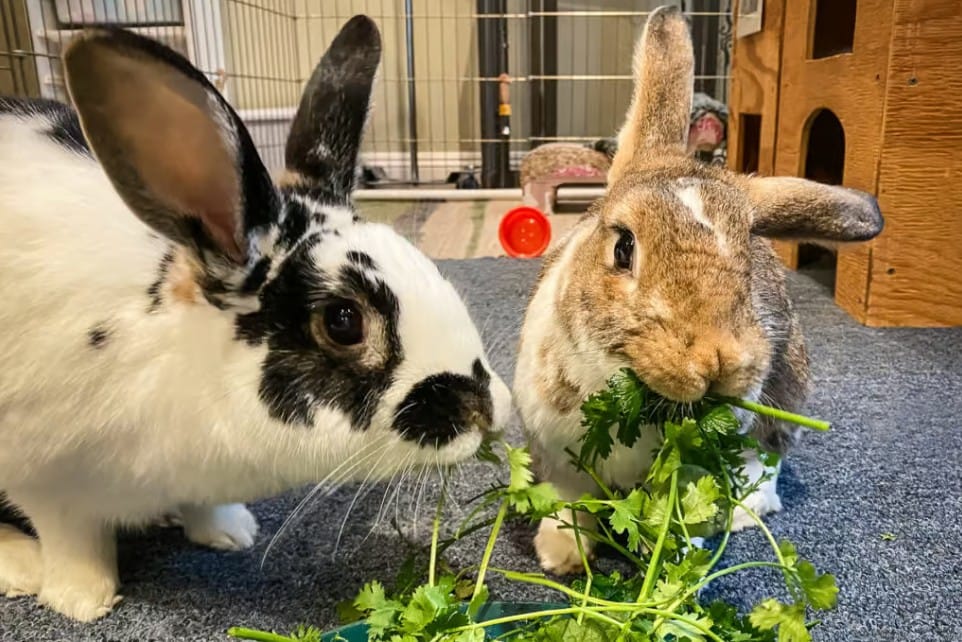
Wild rabbits are natural grazers that feed mainly on low-growing vegetation. Their diet changes seasonally but always remains centered on fiber-rich plants. They prefer tender grasses, fresh shoots, and leafy greens but will also consume bark, twigs, and herbs when necessary.
Unlike omnivores, rabbits do not rely on protein-rich or fatty foods. Their survival depends on constant grazing behavior, often eating small amounts throughout the day and night to maintain digestive flow.
Main Food Categories of Rabbits (1–10)
1. Timothy Hay
Timothy hay is the gold standard of rabbit nutrition. It is extremely high in indigestible fiber, which is essential for keeping the rabbit’s digestive system moving. In the wild, this closely mimics the dry grasses rabbits naturally graze on.
It also plays a critical role in dental health. Because rabbits’ teeth grow continuously, chewing coarse hay helps naturally grind them down. Without this, rabbits can develop painful malocclusion and eating difficulties.
Timothy hay is also low in calories, making it ideal for preventing obesity while still allowing rabbits to eat freely throughout the day.
2. Orchard Grass Hay
Orchard grass hay is softer and slightly sweeter than Timothy hay, making it highly palatable for picky rabbits. Despite its softer texture, it still provides the essential long-strand fiber needed for gut health.
It is often used as an alternative for rabbits that refuse coarser hay types. The variation in texture also encourages more natural chewing behavior, keeping rabbits mentally stimulated.
3. Meadow Hay
Meadow hay is a natural blend of grasses and wild plants. Because of its diversity, it closely resembles what rabbits would encounter in wild grasslands.
This variety provides a broader nutrient profile compared to single-grass hays. The different textures and plant types also encourage longer chewing time, which is beneficial for dental wear.
4. Alfalfa Hay
Alfalfa hay is rich in protein and calcium, making it suitable mainly for young, growing rabbits. It supports rapid growth and bone development during early life stages.
However, for adult rabbits, too much alfalfa can lead to weight gain and urinary issues due to its high calcium content. In nature, rabbits would only occasionally encounter similar high-protein forage.
5. Oat Hay
Oat hay includes mature oat stalks and seed heads. It is more textured than grass hay and provides additional chewing stimulation.
The seed heads offer extra carbohydrates, giving rabbits a mild energy boost while still maintaining high fiber content for digestive health.
6. Bermuda Grass
Bermuda grass is a tough, warm-season grass commonly found in wild grazing areas. Rabbits naturally consume it when available.
Its fibrous structure makes it excellent for gut motility and dental wear. It is also highly adaptable and grows in many environments, making it a reliable food source for wild rabbits.
7. Rye Grass
Rye grass is a soft, fast-growing grass that rabbits graze on heavily in the wild. It is highly digestible and rich in moisture when fresh.
This grass supports hydration and energy balance, especially during active grazing periods.
8. Wheatgrass
Wheatgrass is young cereal grass that rabbits enjoy for its tender texture. It contains vitamins, chlorophyll, and moisture.
While nutritious, it is usually consumed as part of a broader diet rather than a staple food.
9. Barley Grass
Barley grass is another young grass variety that rabbits may graze on in open fields. It provides fiber and mild nutrients that support digestion.
10. Clover
Clover is a wild legume found in meadows and grassy areas. Rabbits eat both leaves and flowers.
It is richer in protein than grasses, so it should be balanced with high-fiber hay. In the wild, it is an important seasonal food source.
11. Dandelion Greens
Dandelion greens are one of the most nutritious wild plants rabbits naturally consume. In the wild, rabbits actively seek out these leaves because they are rich in calcium, iron, and antioxidants. The slightly bitter taste does not deter rabbits; instead, it signals nutrient density that supports overall health.
These greens also act as a natural digestive aid, helping maintain gut motility due to their high fiber content. Rabbits may eat both leaves and flowers, making the entire plant valuable in their diet. In natural ecosystems, dandelions are often among the first plants rabbits graze on in spring.
12. Carrot Tops
Carrot tops are far more beneficial for rabbits than the carrot root itself. In the wild, rabbits would not encounter cultivated carrots often, but they readily consume leafy greens with similar nutritional profiles.
Carrot tops are rich in vitamin K and fiber, supporting blood health and digestion. They are safe, low in sugar, and ideal for regular feeding compared to the high-starch root. Rabbits prefer the leafy texture, which mimics wild forage.
13. Romaine Lettuce
Romaine lettuce is one of the safest lettuce varieties for rabbits due to its high water content and low oxalate levels. It provides hydration and gentle fiber that supports digestion.
Unlike iceberg lettuce, which lacks nutrients, romaine offers meaningful vitamins such as A and K. Rabbits often eat it eagerly because of its crisp texture and mild flavor, making it a reliable leafy green in both wild-like and domestic diets.
14. Butter Lettuce
Butter lettuce is soft, tender, and easy for rabbits to chew, making it ideal for young or older rabbits with sensitive teeth. It contains moisture and light fiber that helps with hydration.
While not as nutrient-dense as darker greens, it plays a useful role in dietary variety. Rabbits often consume it alongside other leafy plants in natural grazing environments where soft vegetation is available.
15. Green Leaf Lettuce
Green leaf lettuce is a nutrient-balanced leafy green that rabbits enjoy in both wild and domestic settings. It provides fiber and hydration without excessive sugar or starch.
Its loose, frilly structure encourages natural foraging behavior, and rabbits tend to graze on it slowly over time. It is a safe everyday vegetable when combined with hay-based diets.
16. Red Leaf Lettuce
Red leaf lettuce contains slightly more antioxidants compared to lighter lettuce varieties. Rabbits benefit from its fiber content and mild micronutrients.
The darker pigmentation indicates higher levels of plant compounds that support overall health. It is a gentle, safe leafy green that fits naturally into a rabbit’s herbivorous diet.
17. Kale
Kale is a nutrient-rich leafy green that rabbits consume in moderation. In the wild, rabbits would encounter similar tough leafy plants that require more chewing effort.
It is high in vitamins A, C, and K, but also contains calcium, so it should be rotated with other greens. Its fibrous texture supports dental wear and digestive stimulation.
18. Spinach
Spinach is a highly nutritious leafy green but should be fed in moderation due to its oxalate content. In natural environments, rabbits may encounter similar leafy plants seasonally.
It provides iron and vitamins that support blood health and energy metabolism. Its soft texture makes it easy to eat, especially for younger rabbits.
19. Arugula
Arugula has a peppery flavor that rabbits still enjoy. It is rich in calcium, vitamin K, and antioxidants, making it a nutrient-dense leafy green.
In the wild, rabbits consume similar spicy-tasting plants as part of their varied herbaceous diet. Arugula supports digestive diversity and provides stimulation through flavor variation.
20. Bok Choy
Bok choy is a cruciferous leafy vegetable that rabbits can safely consume. It offers hydration, fiber, and vitamins while being easy to digest.
Its crunchy stalks and soft leaves mimic natural wild vegetation structure, making it appealing to rabbits. When introduced properly, it becomes a valuable part of dietary variety.
30. Beet Greens
Beet greens are highly nutritious leafy tops of beet plants and are commonly consumed by rabbits in both wild and cultivated environments. They are rich in fiber, vitamins A and K, and essential minerals.
Their broad, tender leaves make them easy to digest while still providing enough structure for dental wear. In natural habitats, rabbits often prefer leafy tops over root vegetables.
Beet greens are an excellent example of how rabbits prioritize leafy, fibrous foods over sugary underground storage organs.
31. Rosemary
Rosemary is a woody, aromatic herb that rabbits may encounter in Mediterranean-style habitats or mixed vegetation areas. While not a primary food source, it can be consumed in small amounts when rabbits are browsing diverse plant environments. Its tough, needle-like leaves require significant chewing effort, which helps support natural tooth wear in rabbits.
From a nutritional perspective, rosemary contains plant compounds and antioxidants that may support overall health, but rabbits do not rely on it for essential nutrients. Instead, it plays a minor role in dietary variety, offering scent-based stimulation that encourages natural foraging behavior. In the wild, rabbits rarely consume large quantities of strongly aromatic herbs like rosemary, preferring softer greens and grasses.
Because of its intensity, rosemary is best considered a supplemental forage plant rather than a dietary staple. It reflects the rabbit’s opportunistic feeding behavior, where a wide range of safe vegetation is sampled depending on availability in the environment.
32. Beet Greens
Beet greens are one of the most nutrient-rich leafy foods rabbits can consume. These leaves grow above the beet root and are significantly healthier for rabbits than the sugary root itself. In natural feeding behavior, rabbits tend to prefer leafy tops over underground storage organs, as their digestive systems are optimized for fiber rather than sugar.
Beet greens are high in fiber, vitamin K, and essential minerals, making them excellent for digestive health and blood function. Their soft yet fibrous texture supports both gut motility and dental wear. In the wild, rabbits frequently consume similar leafy green plants that grow in fertile soil environments.
However, beet greens also contain moderate calcium levels, so they should be rotated with other greens to maintain dietary balance. When fed appropriately, they serve as a highly valuable leafy component in a rabbit’s diet.
33. Radish Tops
Radish tops are the leafy green portion of the radish plant and are far more suitable for rabbits than the root itself. In natural environments, rabbits focus heavily on leafy vegetation rather than carbohydrate-rich roots, which aligns with their specialized digestive system.
These greens are rich in fiber, vitamin C, and phytonutrients that support immune health and digestion. Their slightly peppery taste reflects the rabbit’s ability to tolerate a variety of plant flavors, especially in wild-foraging situations where plant diversity is high.
Radish tops also provide a good chewing texture, helping maintain dental health while contributing hydration and nutrients. They are a safe and beneficial part of a varied leafy diet.
34. Turnip Greens
Turnip greens are another excellent leafy food source for rabbits. While the root of the plant is less suitable due to its higher starch content, the leafy tops are rich in fiber and essential nutrients.
In the wild, rabbits naturally gravitate toward similar leafy greens that provide bulk nutrition without excessive sugar. Turnip greens support digestive balance and help maintain healthy gut flora due to their fiber density.
They also provide vitamins A, C, and K, contributing to immune support and overall vitality. When included in a mixed diet of greens and hay, turnip greens help replicate the natural diversity rabbits experience in the wild.
35. Mustard Greens
Mustard greens are nutrient-dense leafy vegetables with a slightly spicy flavor. Rabbits can consume them safely in moderation, and in the wild, they may encounter similar wild brassica plants.
These greens are rich in antioxidants, fiber, and vitamins that support metabolic and immune function. Their stronger flavor profile does not deter rabbits, who naturally sample a wide range of vegetation in their environment.
Mustard greens should be rotated with milder leafy greens to maintain dietary balance. They are particularly useful for adding variety and encouraging natural foraging behavior.
36. Celery Leaves
Celery leaves are often more nutrient-rich than the stalks and are commonly consumed by rabbits in both wild and semi-natural environments. Their fibrous structure makes them ideal for digestive health and dental wear.
Rabbits benefit from the hydration and micronutrients found in celery leaves, which help support kidney function and overall metabolism. In natural ecosystems, rabbits often consume similar fibrous plant leaves found near water sources.
The texture encourages prolonged chewing, which is essential for maintaining healthy teeth. Celery leaves are a safe and beneficial addition to a varied rabbit diet.
37. Celery Stalks
Celery stalks provide hydration and fiber but are less nutrient-dense than the leaves. Rabbits enjoy their crunchy texture, which mimics natural fibrous stems found in wild vegetation.
The fibrous strands within celery stalks promote dental wear and digestive movement. While not a primary food source, they complement leafy greens in a balanced diet.
In natural feeding behavior, rabbits consume both soft and fibrous plant structures, making celery stalks a suitable occasional food.
38. Broccoli Leaves
Broccoli leaves are highly nutritious and safe for rabbits when introduced properly. They are far better suited for rabbits than the florets, which can cause gas in some individuals.
These leaves are rich in fiber, vitamins, and plant compounds that support immune health and digestion. Their tough texture also promotes natural chewing behavior.
In the wild, rabbits frequently consume similar cruciferous leaves, making broccoli leaves a natural dietary match when fed in moderation.
39. Broccoli Stems
Broccoli stems are fibrous and crunchy, making them suitable for rabbits in small portions. They provide hydration and chewing stimulation rather than dense nutrition.
The texture helps maintain dental health, while the mild flavor makes them acceptable to most rabbits. However, due to their density, they should be balanced with softer greens.
They mimic natural fibrous plant stems that rabbits would encounter in wild forage environments.
40. Cauliflower Leaves
Cauliflower leaves are another safe leafy vegetable that rabbits can consume. They are fibrous, nutrient-rich, and closely resemble wild greens in texture and composition.
These leaves support digestion and dental wear while offering vitamins and minerals essential for health. Rabbits often prefer leaves over the central vegetable head, which aligns with their natural feeding instincts.
Cauliflower leaves are a valuable addition to a diverse leafy diet and help replicate the variety found in natural grazing environments.
41. Cabbage
Cabbage is a leafy cruciferous vegetable that rabbits may encounter in cultivated areas or wild-like environments where similar plants grow. It provides fiber, hydration, and a range of micronutrients, making it a useful but moderate part of a rabbit’s diet. In the wild, rabbits often consume related wild brassica plants that resemble cabbage in structure.
Although cabbage is nutritious, it must be fed in moderation because it can sometimes cause gas in sensitive digestive systems. Rabbits rely heavily on fiber-rich hay, and cabbage acts as a supplemental leafy food rather than a dietary staple. Its layered leaves encourage natural chewing behavior, which supports dental health.
When included properly, cabbage adds variety to leafy green rotation and helps mimic the diversity of vegetation rabbits naturally graze on in the wild.
42. Brussels Sprouts
Brussels sprouts are compact leafy buds that belong to the same plant family as cabbage and broccoli. Rabbits can eat them in small amounts, though they are not a primary wild food source. In nature, rabbits would more commonly consume similar wild brassica leaves rather than tightly formed cultivated buds.
They contain fiber, vitamins, and plant compounds that contribute to overall nutrition, but their dense structure means they should be offered cautiously. Some rabbits may experience digestive sensitivity, so moderation is essential.
Despite this, Brussels sprouts can provide variety and enrichment when balanced with hay and gentler leafy greens.
43. Apple (No Seeds)
Apple is one of the most commonly offered fruits to rabbits, but it must be given without seeds due to toxic compounds found in the core. In the wild, rabbits rarely encounter cultivated fruits, but they may consume fallen wild fruit when available.
Apples provide natural sugars, hydration, and small amounts of fiber. Because rabbits are adapted to low-sugar diets, fruit should always be treated as an occasional supplement rather than a staple food.
Small portions of apple can serve as enrichment food, encouraging natural foraging behavior while adding variety to the diet.
44. Banana
Bananas are a high-sugar fruit that rabbits can eat in very small amounts. While not part of a natural wild diet, they are sometimes used as occasional treats in controlled feeding environments.
They provide quick energy due to their natural sugar content but lack the fiber density rabbits need for optimal digestion. Because of this, bananas should only be offered sparingly.
When used responsibly, banana can act as a training or enrichment treat, but it should never replace fibrous plant-based foods like hay or leafy greens.
45. Blueberries
Blueberries are small, antioxidant-rich fruits that rabbits may consume when available in wild forest-edge environments. They provide vitamins and natural sugars in a compact form.
Their soft texture makes them easy to eat, and rabbits usually enjoy them as occasional treats. However, due to their sugar content, they should remain a minor part of the diet.
In natural settings, berries like blueberries also contribute to seed dispersal, as rabbits help spread plant life through digestion.
46. Strawberries
Strawberries are another fruit rabbits can safely consume in moderation. In the wild, rabbits may occasionally eat wild strawberry varieties when foraging in open fields and woodland edges.
They are rich in vitamin C and water content, making them refreshing but not nutritionally essential. Because rabbits thrive on low-sugar diets, strawberries should be limited to small portions.
Their bright flavor and soft texture make them suitable as occasional enrichment food rather than a regular dietary component.
47. Raspberries
Raspberries are nutrient-dense fruits that rabbits may encounter in wild hedgerows. They contain fiber, antioxidants, and natural sugars that provide short-term energy.
The seeds inside raspberries add a mild fibrous element, though the fruit itself is still considered a treat. Rabbits typically consume them opportunistically when available.
As with other fruits, raspberries should be offered sparingly to maintain digestive balance and prevent excess sugar intake.
48. Blackberries
Blackberries are commonly found in wild bramble habitats and are naturally part of a rabbit’s potential foraging environment. They provide hydration, antioxidants, and fiber.
Rabbits may eat both the fruit and occasionally the leaves of blackberry plants, depending on availability. The combination of sweet fruit and fibrous structure makes them a seasonal food source.
They are best considered a natural but occasional dietary addition rather than a staple.
49. Pear
Pears are soft fruits that rabbits can eat in small, controlled portions. In natural environments, rabbits would only encounter similar fruits when they fall from trees.
They provide hydration and sugars but lack the high fiber content needed for daily nutrition. Because of this, pears should only be offered occasionally.
Proper portion control ensures pears can be used as a safe enrichment treat without disrupting digestive balance.
50. Peach
Peaches are another fruit that rabbits may consume in moderation when available. They are juicy and sweet, making them appealing but nutritionally limited for rabbits.
The flesh provides hydration and sugars, while the skin contains some fiber. However, like all fruits, peaches should not make up a significant portion of the diet.
51. Mango
Mango is a tropical fruit that rabbits may consume only in very small, occasional portions. In the wild, rabbits would rarely encounter fruits like mango, as their natural habitats are typically temperate or grassland environments rather than tropical zones. However, when offered in controlled environments, rabbits may enjoy its soft texture and sweet flavor.
Nutritionally, mango contains natural sugars, vitamin A, and vitamin C, but it is relatively low in fiber compared to the grasses and leafy greens that form the core of a rabbit’s diet. Because rabbits have sensitive digestive systems designed for high-fiber foods, mango should be treated strictly as an occasional enrichment treat.
When used responsibly, mango can provide variety and sensory stimulation, but it should never replace hay or leafy greens. Its role is purely supplemental, offering a rare taste experience rather than nutritional necessity.
52. Papaya
Papaya is another tropical fruit that rabbits may eat in moderation. It is soft, juicy, and easy to chew, which makes it appealing as a treat. In natural conditions, rabbits would not typically encounter papaya, but they may consume similar soft fruits when available in human-influenced environments.
Papaya contains digestive enzymes such as papain, along with vitamins and antioxidants. While these compounds can support digestion in small amounts, rabbits primarily rely on fiber-rich hay for gut health. Therefore, papaya should remain a rare supplement rather than a dietary staple.
Because of its sugar content, papaya should be given sparingly to avoid disrupting the delicate balance of gut bacteria essential for rabbit health.
53. Pineapple
Pineapple is a highly acidic tropical fruit that rabbits can eat only in very small quantities. Its natural sugars and acidity make it unsuitable for regular feeding, but it is sometimes used as an occasional treat.
In wild environments, rabbits would not naturally encounter pineapple, so its inclusion in their diet is entirely human-driven. While it contains vitamin C and digestive enzymes like bromelain, these benefits are minor compared to the importance of fiber-rich plants.
Pineapple should be offered cautiously and infrequently, always prioritizing hay and leafy greens as the foundation of nutrition.
54. Watermelon
Watermelon is a hydrating fruit that rabbits may enjoy in small portions, especially during warm weather. In nature, rabbits may consume similarly watery plants that help maintain hydration during hot seasons.
The fruit is high in water content and contains natural sugars, making it refreshing but not nutritionally dense. Rabbits benefit more from the hydration than the sugar content, so portion control is important.
Watermelon is best considered a seasonal enrichment food rather than a dietary staple, offering variety and hydration support in controlled amounts.
55. Cantaloupe
Cantaloupe is another melon that rabbits can safely consume in moderation. It is sweet, soft, and hydrating, but like other fruits, it is not part of a rabbit’s natural high-fiber diet.
It provides vitamins A and C along with water content, making it a refreshing occasional treat. However, its sugar levels mean it must be limited to small portions.
In a balanced diet, cantaloupe serves as enrichment rather than nutrition, helping mimic seasonal food variety rabbits might experience in the wild.
56. Grapes
Grapes are small, sweet fruits that rabbits may eat occasionally. In wild settings, rabbits might encounter similar berries or small fruits, though grapes themselves are cultivated.
They contain natural sugars and antioxidants but should be fed sparingly due to their high sugar concentration. Overfeeding grapes can disrupt digestive balance in rabbits.
When used correctly, grapes can act as a rare treat that encourages natural curiosity and foraging behavior.
57. Kiwi
Kiwi is a tangy fruit that rabbits can eat in very small amounts. It contains vitamin C, fiber, and enzymes that are mildly beneficial, but it is not a natural part of a rabbit’s wild diet.
Its soft texture makes it easy to consume, but the acidity means it should be offered carefully. Rabbits are sensitive to sudden dietary changes, so kiwi must be introduced slowly if used at all.
Kiwi remains a supplemental treat rather than a meaningful dietary component.
58. Carrots
Carrots are one of the most commonly associated foods with rabbits, but they are actually high in sugar and should be fed in moderation. In the wild, rabbits focus more on carrot tops and leaves than the root itself.
The crunchy texture of carrots provides chewing stimulation, but their nutritional profile is not ideal for daily feeding. Excessive carrot intake can lead to digestive imbalance due to sugar content.
Carrots should be viewed as an occasional treat rather than a dietary staple, with leafy greens being far more important for long-term health.
59. Sweet Potato (Small Amounts)
Sweet potato is a starchy root vegetable that rabbits can eat only in very small amounts. It is not part of their natural diet and is much higher in carbohydrates than their digestive system is designed to handle regularly.
While it contains vitamins and fiber, the starch content makes it unsuitable for frequent feeding. Rabbits thrive on fibrous greens, not starchy roots.
If offered at all, sweet potato should be considered an occasional enrichment food rather than a nutritional necessity.
60. Pumpkin
Pumpkin is a seasonal food that rabbits may consume in small amounts. It is soft, mildly sweet, and contains fiber, making it somewhat more suitable than other starchy vegetables.
In wild environments, rabbits may encounter similar soft plant matter during seasonal changes, though pumpkin itself is cultivated. Its fiber content can support digestion when given appropriately.
However, because it contains natural sugars, pumpkin should only be used occasionally and never replace hay or leafy greens.
61. Squash
Squash is a soft, seasonal vegetable that rabbits may consume in small amounts when available. In natural environments, rabbits would not encounter cultivated squash, but they may feed on similar soft plant matter during seasonal abundance. Its texture is easy to chew and digest compared to harder root vegetables.
Squash contains fiber, water, and small amounts of vitamins that can contribute to hydration and digestive variety. However, it is higher in carbohydrates than a rabbit’s natural forage diet, so it should not be a staple food. Rabbits rely primarily on fibrous grasses and leafy greens to maintain gut health.
When offered appropriately, squash serves as an occasional enrichment food that adds diversity to the diet without replacing essential hay-based nutrition.
62. Zucchini
Zucchini is a mild, watery vegetable that rabbits can safely eat in moderation. Its soft structure makes it easy to chew, and its high moisture content helps support hydration, especially in warm weather conditions.
Unlike starchy vegetables, zucchini is relatively low in sugar and more aligned with the type of soft plant material rabbits might naturally graze on in the wild. It provides small amounts of fiber and micronutrients that support general health.
While beneficial as a supplemental food, zucchini should always be balanced with hay and leafy greens, which remain the foundation of a healthy rabbit diet.
63. Cucumber
Cucumber is one of the most hydrating foods rabbits can eat due to its extremely high water content. In the wild, rabbits often consume plants with similar moisture-rich structures to help regulate hydration.
It is low in calories and sugar, making it a safe occasional food. However, it is also low in nutrients, meaning it should not be relied upon as a significant dietary component.
Cucumber is best used as a refreshing treat during hot weather or as part of a varied vegetable rotation that mimics natural grazing diversity.
64. Bell Peppers
Bell peppers are colorful vegetables that rabbits can safely consume in moderation. They are rich in vitamin C and antioxidants, though rabbits primarily rely on their gut bacteria rather than dietary vitamin C intake.
Their crisp texture provides chewing stimulation, which supports dental health. In natural environments, rabbits would not typically encounter peppers, but the fibrous structure resembles some wild plant materials.
Bell peppers are best used as part of a varied vegetable mix, offering enrichment and dietary diversity rather than nutritional necessity.
65. Green Beans
Green beans are a fibrous vegetable that rabbits can eat in small amounts. They provide plant-based fiber and a crunchy texture that encourages chewing behavior.
While not a natural wild food, green beans resemble fibrous plant pods that rabbits might occasionally encounter in diverse vegetation environments. They are generally safe when fed appropriately.
Green beans should be offered as a supplement to leafy greens and hay, not as a primary food source.
66. Peas
Peas are nutrient-dense legumes that rabbits can eat in moderation. They contain protein, starch, and fiber, making them more calorie-rich than typical leafy greens.
In wild conditions, rabbits would rarely consume peas directly but may encounter similar seed pods or legumes. Because of their higher carbohydrate content, peas should be limited.
When used carefully, peas can provide variety and enrichment but should not replace fibrous forage foods.
67. Edamame
Edamame, or young soybeans, are not a natural rabbit food but can be consumed in very small amounts. They are rich in protein and plant compounds, though rabbits do not require high-protein diets in adulthood.
Due to their density and richness, edamame should be treated cautiously. In natural environments, rabbits rarely encounter similar legumes in edible form.
They are best considered an occasional novelty food rather than part of a regular feeding plan.
68. Sunflower Leaves
Sunflower leaves are a natural forage plant that rabbits may encounter in wild or semi-wild environments. They are fibrous, leafy, and align well with the rabbit’s natural grazing behavior.
These leaves provide roughage that supports digestion and dental wear. Unlike sunflower seeds, which are high in fat, the leaves are much more suitable for regular feeding.
Sunflower leaves help mimic natural plant diversity and are a valuable addition to a wild-style rabbit diet.
69. Apple Leaves (Safe Types, Small Amounts)
Apple leaves, when sourced safely, can be consumed by rabbits in small quantities. In the wild, rabbits may browse on leaves from various non-toxic trees and shrubs.
These leaves provide fiber and mild plant nutrients but should always be ensured free from pesticides or harmful chemicals. They add natural browsing variety similar to wild foraging behavior.
Apple leaves are best used as occasional enrichment food that reflects the rabbit’s instinct to graze on available vegetation.
70. Hibiscus Leaves
Hibiscus leaves are a safe and edible plant that rabbits may consume in natural or garden environments. They are soft, leafy, and suitable for grazing behavior.
These leaves provide fiber and mild nutrients while supporting digestive movement. In wild-like settings, rabbits often consume a wide variety of similar leafy plants depending on seasonal availability.
Hibiscus leaves complete the diverse range of foods in a rabbit’s natural-style diet, reinforcing their need for plant variety rather than single-food dependence.
Conclusion
Rabbits are specialized herbivores whose health depends on a constant intake of fiber-rich plant material. Across wild and domestic environments, their diet is built around hay, grasses, leafy greens, herbs, and occasional fruits or vegetables. The diversity of foods they can safely consume reflects their adaptability, but their digestive system always prioritizes fiber over sugar or starch.
Understanding these 70 foods helps ensure better care for domestic rabbits and deeper appreciation of their natural behavior in the wild. A balanced diet centered on hay, supported by fresh greens and limited treats, is the key to a healthy and long-lived rabbit.
Frequently Asked Questions About What Rabbits Eat
1. What do rabbits eat in the wild?
Rabbits mainly eat grasses, leafy weeds, herbs, bark, and seasonal vegetation found in grasslands and forests.
2. What is the main food for rabbits?
Hay is the most important food for rabbits because it provides essential fiber for digestion and dental health.
3. Can rabbits eat carrots every day?
No, carrots are high in sugar and should only be given as an occasional treat, not a daily food.
4. What vegetables can rabbits eat safely?
Safe vegetables include romaine lettuce, kale, parsley, cilantro, bok choy, and carrot tops.
5. Can rabbits eat lettuce?
Yes, but romaine and green leaf lettuce are safe, while iceberg lettuce should be avoided.
6. Do rabbits eat fruit?
Yes, but only in small amounts due to high sugar content. Fruits are treats, not staples.
7. What fruits are safe for rabbits?
Safe fruits include apple (no seeds), banana, strawberries, blueberries, and raspberries.
8. Can rabbits eat grass?
Yes, fresh grass is a natural and important part of a rabbit’s diet.
9. Why is hay important for rabbits?
Hay provides fiber that keeps the digestive system working properly and helps wear down teeth.
10. Can rabbits eat spinach?
Yes, but in moderation because it contains oxalates that can affect calcium balance.
11. Can rabbits eat cabbage?
Yes, but in small amounts as it may cause gas in sensitive rabbits.
12. Do rabbits eat herbs?
Yes, rabbits enjoy basil, parsley, mint, dill, and cilantro.
13. Can rabbits eat broccoli?
Yes, but only small portions, especially leaves and stems rather than florets.
14. Can rabbits eat cucumber?
Yes, cucumber is safe and hydrating but low in nutrients.
15. Do rabbits eat seeds?
No, seeds are not a natural or recommended food for rabbits.
16. Can rabbits eat nuts?
No, nuts are too high in fat and can harm rabbit digestion.
17. What should rabbits never eat?
Rabbits should avoid chocolate, bread, dairy, meat, and processed foods.
18. Can rabbits eat bananas?
Yes, but only small pieces due to high sugar content.
19. Do rabbits need water?
Yes, fresh clean water is essential at all times.
20. Can rabbits eat apples?
Yes, but seeds must be removed as they are toxic.
21. Do rabbits eat flowers?
Yes, safe flowers include hibiscus, dandelions, and rose petals.
22. Can rabbits eat dandelions?
Yes, dandelion greens and flowers are highly nutritious for rabbits.
23. Can rabbits eat grass clippings?
No, fresh cut grass clippings can ferment and cause digestive problems.
24. Do rabbits eat hay every day?
Yes, hay should be available at all times for healthy digestion.
25. Can baby rabbits eat the same food as adults?
Baby rabbits need more alfalfa hay for growth compared to adults.
26. Do rabbits eat bark?
Yes, rabbits chew bark for fiber and to wear down teeth.
27. Can rabbits eat potatoes?
No, potatoes are toxic and should never be fed to rabbits.
28. Can rabbits eat sweet potatoes?
Only very small amounts occasionally, but not recommended as a regular food.
29. Do rabbits eat flowers in gardens?
Yes, rabbits often eat safe garden flowers and leaves if accessible.
30. Can rabbits eat celery?
Yes, celery stalks and leaves are safe and provide hydration.
31. Why do rabbits need fiber?
Fiber keeps their digestive system moving and prevents serious gut problems.
32. Can rabbits eat grapes?
Yes, but only occasionally due to high sugar content.
33. Do rabbits eat wild plants?
Yes, rabbits naturally graze on wild grasses, herbs, and leafy weeds.
34. Can rabbits eat kale?
Yes, kale is nutritious but should be fed in moderation.
35. Can rabbits eat lettuce every day?
Yes, safe lettuce types like romaine can be fed daily in rotation.
36. Do rabbits overeat?
Rabbits usually self-regulate when fiber is available but may overeat treats.
37. Can rabbits eat oranges?
Yes, but only in very small amounts due to acidity and sugar.
38. Can rabbits eat pineapple?
Yes, but only occasionally as a treat.
39. Do rabbits eat insects?
No, rabbits are strict herbivores and do not eat insects.
40. Can rabbits eat tomatoes?
Yes, ripe tomatoes in small amounts, but avoid stems and leaves.
41. Can rabbits eat mushrooms?
No, mushrooms can be toxic and should be avoided.
42. Do rabbits eat roots?
Rarely; they prefer leaves and stems over root vegetables.
43. Can rabbits eat turnip greens?
Yes, turnip greens are safe and nutritious.
44. Can rabbits eat radish tops?
Yes, radish leaves are safe and healthy for rabbits.
45. Do rabbits eat alfalfa?
Yes, especially young rabbits, but adults should eat it in moderation.
46. Can rabbits eat pumpkin?
Yes, pumpkin is safe in small amounts as an occasional treat.
47. Can rabbits eat watermelon?
Yes, but only small pieces due to high water and sugar content.
48. Do rabbits eat in the morning or night?
Rabbits are most active during dawn and dusk when they graze heavily.
49. Why do rabbits chew so much?
Chewing helps wear down continuously growing teeth.
50. Can rabbits survive without hay?
No, hay is essential for survival and digestive health.
51. What is the healthiest rabbit diet?
A diet based on hay, leafy greens, and limited safe vegetables and fruits.
52. Do rabbits need supplements?
Most rabbits do not need supplements if they eat a balanced diet.
Read more: