

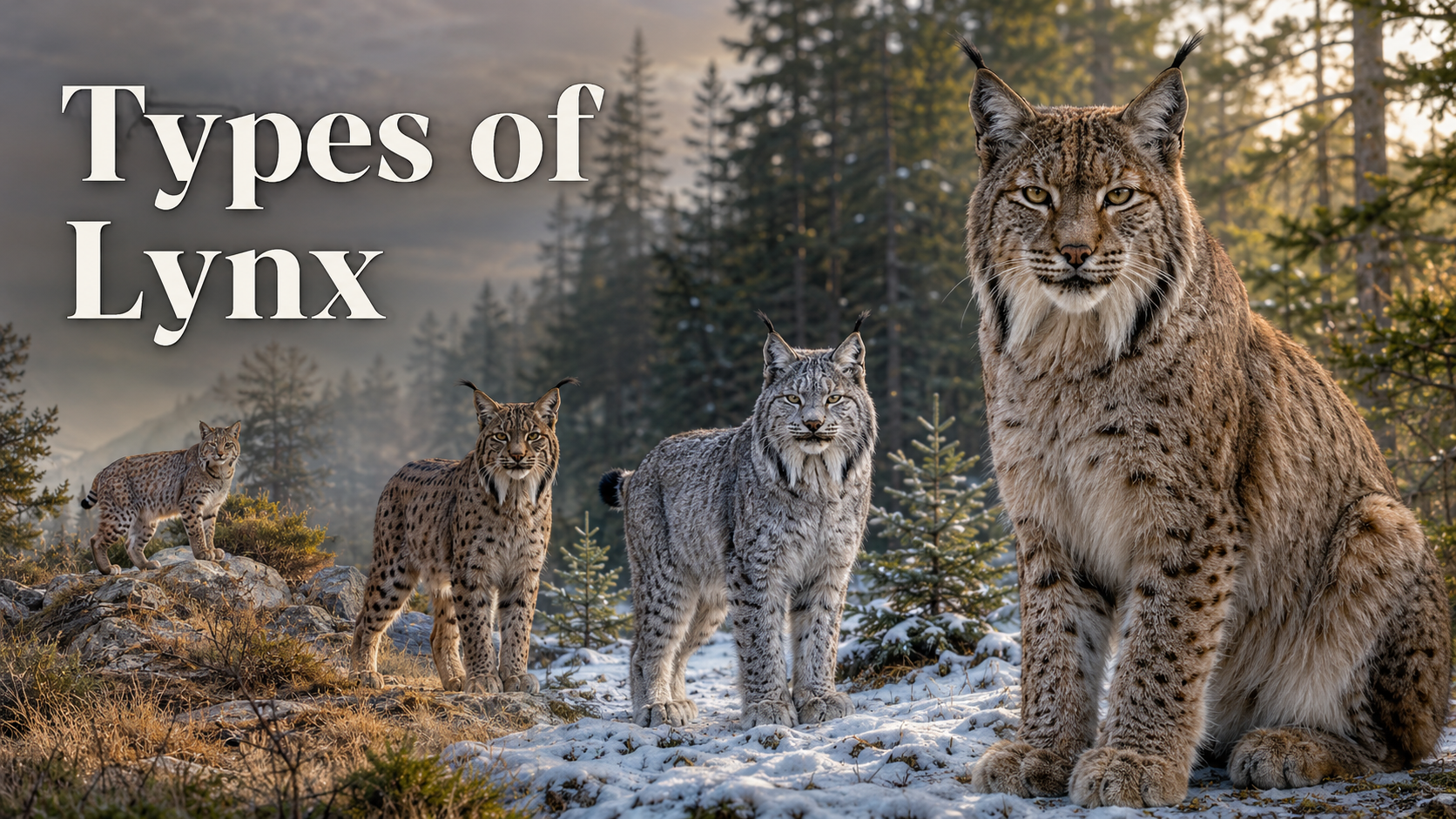
There are four living types of lynx in the world: the Eurasian lynx, Canada lynx, Iberian lynx, and bobcat. All belong to the wild cat genus Lynx, yet each is adapted to a different combination of climate, habitat, and prey. Their ranges collectively stretch across much of the Northern Hemisphere, from the boreal forests of Alaska to Mediterranean scrub in Spain and Portugal.
This practical guide compares the four species by size, coat, feet, tail pattern, habitat, geographic distribution, diet, behavior, and conservation status. It also explains how to distinguish a Canada lynx from a bobcat, why the Iberian lynx remains conservation-dependent, and how to look for these elusive cats without disturbing them.
What Are the Main Types of Lynx?
The four recognized living lynx species are the Eurasian lynx (Lynx lynx), Canada lynx (Lynx canadensis), Iberian lynx (Lynx pardinus), and bobcat (Lynx rufus). The Eurasian lynx is generally the largest, the Canada lynx is the snow specialist, the Iberian lynx is closely tied to European rabbits, and the bobcat is the most adaptable across habitat types. The bobcat’s common name can hide the relationship, but it is a true member of the genus Lynx.
| Species | Scientific name | Main range | Key clue | Global IUCN status |
|---|---|---|---|---|
| Eurasian lynx | Lynx lynx | Europe and northern to central Asia | Largest species; powerful build and long legs | Least Concern |
| Canada lynx | Lynx canadensis | Alaska, Canada, and parts of the northern United States | Very broad, furry paws and a fully black tail tip | Least Concern |
| Iberian lynx | Lynx pardinus | Spain and Portugal | Bold spots, strong facial ruff, and Mediterranean habitat | Vulnerable |
| Bobcat | Lynx rufus | Southern Canada, the United States, and Mexico | Shorter ear tufts, smaller paws, and a barred tail | Least Concern |
Conservation note: A global category can hide serious regional problems. For example, the Canada lynx is globally Least Concern but receives federal protection as threatened in the contiguous United States. Some small Eurasian lynx populations are also far more vulnerable than the species is across its entire range.
1. Eurasian Lynx
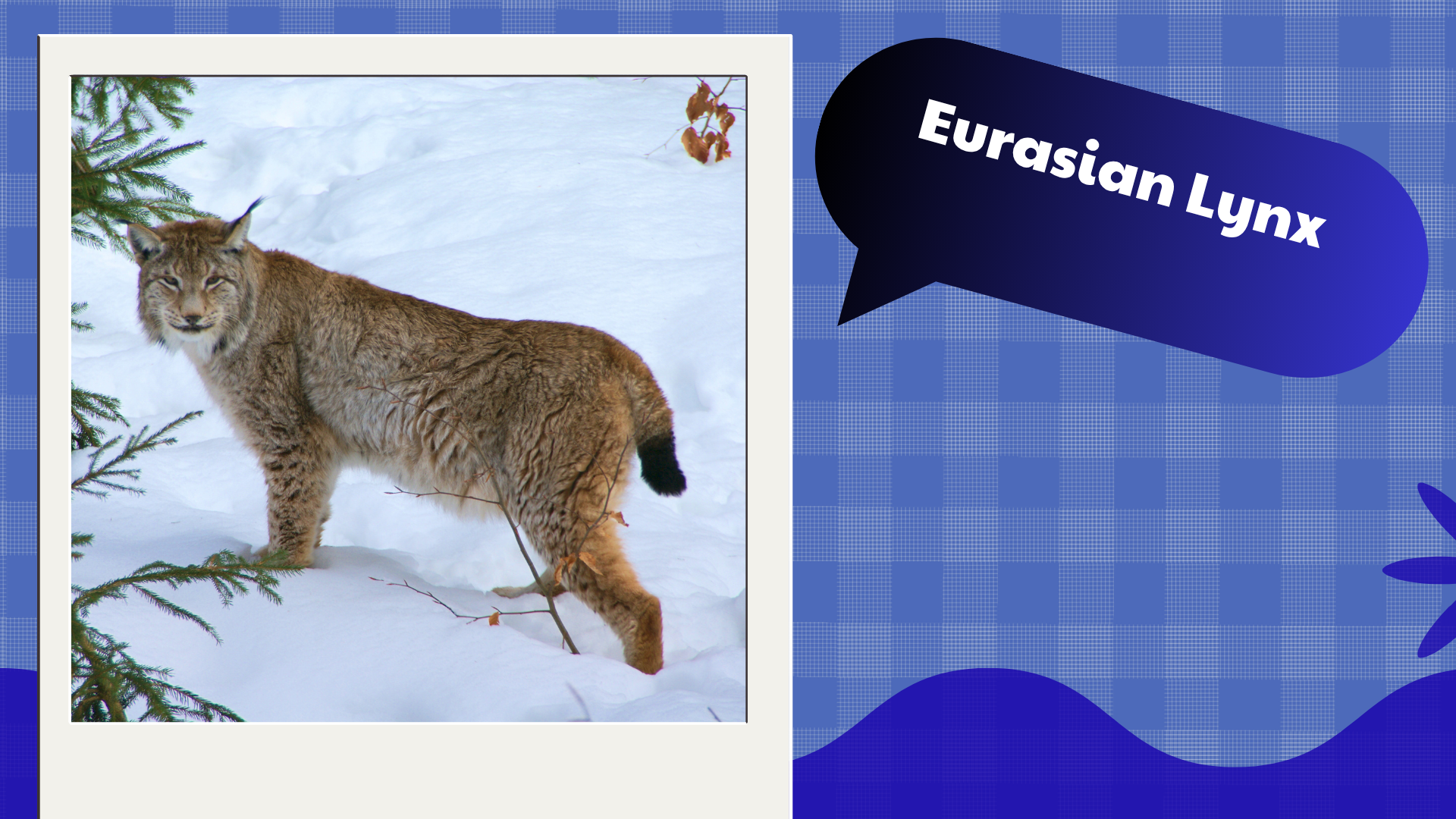
Scientific name: Lynx lynx
The Eurasian lynx is the largest living member of the genus. Adult males commonly weigh about 18 to 30 kilograms, although size varies geographically and females are usually lighter. Its tall legs, deep chest, broad paws, pointed ears, prominent black ear tufts, and short black-tipped tail give it a powerful but unmistakably lynx-like outline.
Coat color changes with region and season. Summer fur may be reddish or yellowish brown, while the dense winter coat is often gray or gray-brown. Some individuals carry bold dark spots; others appear only faintly marked. A pale facial ruff frames the cheeks. The combination of large size, long legs, and short tail separates it from most other wild cats in its range.
This species has the broadest distribution of any lynx, extending from parts of Scandinavia and continental Europe through Russia and into Central and East Asia. It usually occupies forested or forest-mosaic landscapes with cover for stalking and sufficient prey. In northern areas it can use boreal forest, while farther south it occurs in mountain woodland, rocky slopes, and mixed habitats.
The Eurasian lynx is a solitary ambush predator. It approaches quietly, then attacks over a short distance rather than pursuing prey in a long chase. Its diet includes hares, rodents, birds, and ungulates. Roe deer are especially important in many European populations, making this species capable of killing larger prey than the other three lynxes usually take.
Globally, the Eurasian lynx is classified as Least Concern, but its story differs greatly by region. It disappeared from many parts of western and central Europe before protection, reintroductions, and natural recolonization restored some populations. Habitat fragmentation, vehicle collisions, illegal killing, prey availability, and conflict with livestock interests remain concerns. Tracks or camera-trap images are far more common than direct sightings because the cat is quiet, mostly solitary, and often active around dusk or at night.
2. Canada Lynx
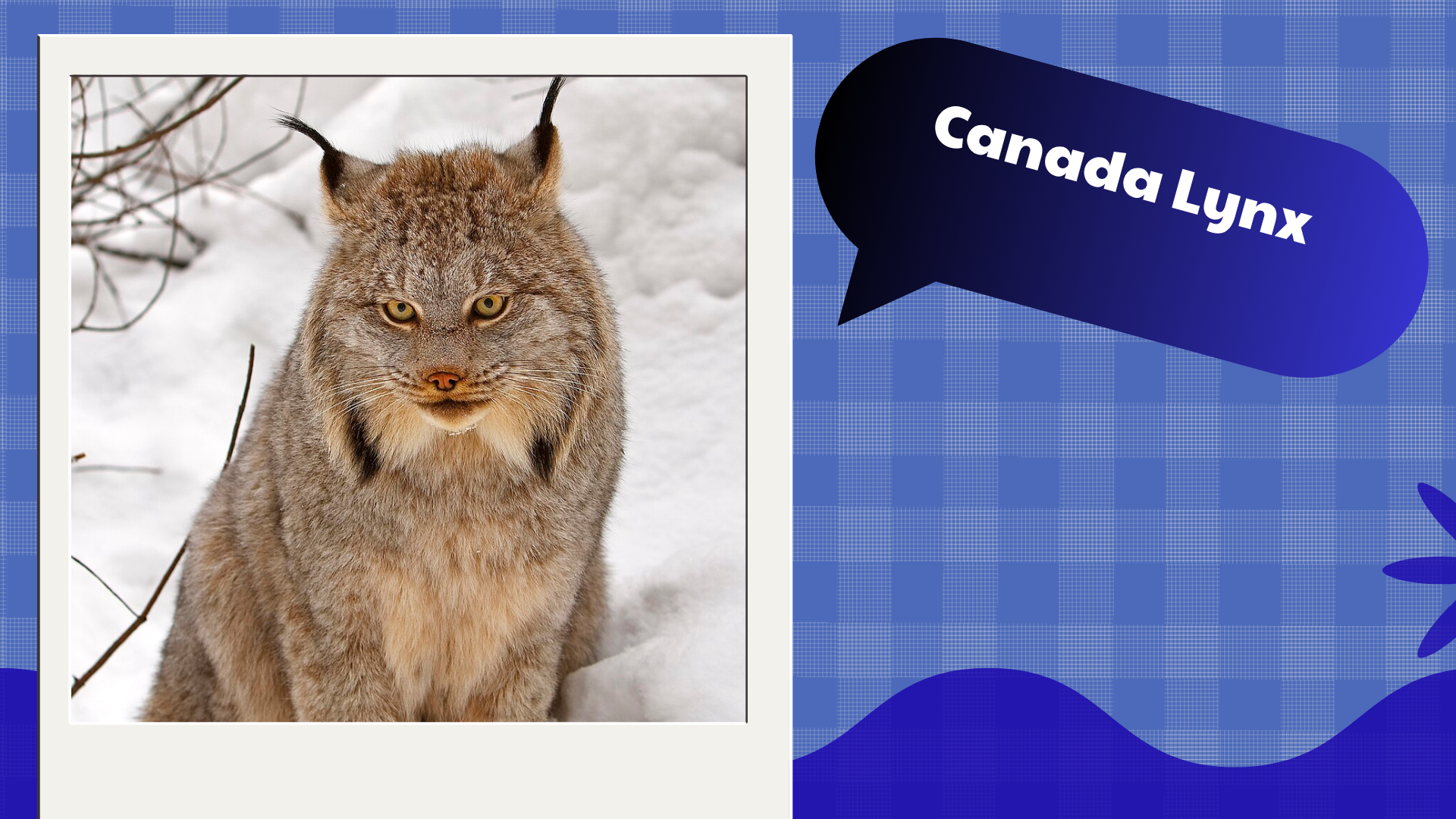
Scientific name: Lynx canadensis
The Canada lynx is built for deep snow. Its most useful identification features are unusually large, well-furred paws, long hind legs, a dense gray winter coat, long black ear tufts, and a short tail ending in a solid black tip. The paws spread the animal’s weight across soft snow, functioning much like natural snowshoes. Adults commonly weigh around 8 to 14 kilograms.
The species lives primarily in boreal forest across Alaska and Canada, with smaller populations in parts of the northern contiguous United States. It favors landscapes that support snowshoe hares and provide different forest ages: young growth can supply dense forage for hares, while older or structurally complex forest offers shelter and denning features. Canada lynx can also cross openings and use high-elevation forest in the southern part of the range.
Its ecology is closely linked to the snowshoe hare. Where hare numbers rise and fall in roughly decade-long cycles, Canada lynx numbers and reproduction often follow. Hares dominate the diet, but the cat may also take red squirrels, grouse, rodents, and other small animals, particularly when hares are scarce. Long legs help it move through snow, though it generally hunts through stealth and short bursts.
A Canada lynx can resemble a bobcat where the two overlap. The Canada lynx normally looks longer-legged and more lightly built, with much larger paws and longer ear tufts. Its tail is relatively plain and has a black tip that appears to wrap around the entire end. A bobcat’s tail usually shows dark bars, with black mainly on the upper surface and a pale underside at the tip.
The species is globally assessed as Least Concern, but the distinct population in the contiguous United States is federally listed as threatened. Climate-driven changes to snow conditions, habitat fragmentation, reduced hare habitat, trapping management, and road development can affect local persistence. Observers should rely on multiple traits, tracks, habitat, and location rather than using one blurry photograph to identify this cat.
3. Iberian Lynx
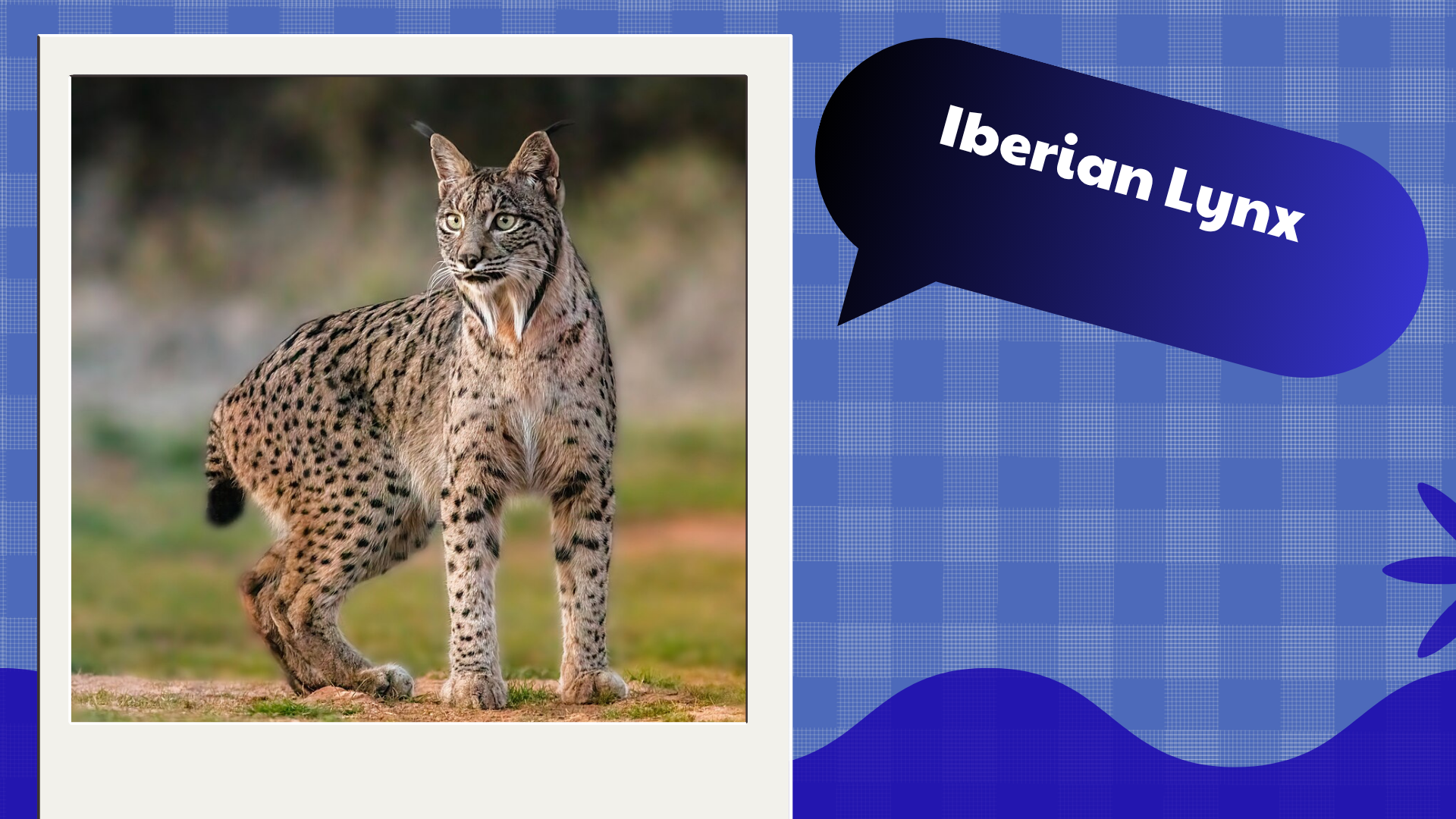
Scientific name: Lynx pardinus
The Iberian lynx is a medium-sized, strongly spotted lynx native only to the Iberian Peninsula. Adults generally weigh about 8 to 16 kilograms, with males heavier than females. It has long legs, a relatively small head, long black ear tufts, a short black-tipped tail, and an especially conspicuous facial ruff. Coat color ranges from grayish or yellowish to reddish brown, marked with dark spots that may be small and scattered or larger and more distinct.
Wild populations occur in Spain and Portugal, where the species uses Mediterranean scrub, open woodland, pasture-scrub mosaics, and other landscapes that combine cover with abundant European rabbits. Females need secure den sites, which may include hollow trees, dense vegetation, or sheltered rock features. Connected habitat is crucial because dispersing cats must move between breeding populations without being isolated by highways or broad areas of unsuitable land.
The Iberian lynx is a dietary specialist. European rabbits typically make up most of its food, although it may also catch rodents, hares, partridges, waterbirds, reptiles, or young ungulates. Dependence on rabbits made the cat exceptionally vulnerable when rabbit populations collapsed because of disease, habitat change, and other pressures.
This lynx became one of the world’s rarest cats after severe twentieth-century decline. Intensive habitat protection, rabbit recovery work, captive breeding, translocation, road-safety measures, and reintroduction changed its trajectory. In 2024, the IUCN Red List moved the species from Endangered to Vulnerable as its numbers and occupied range increased. That achievement does not mean the recovery is complete: rabbit disease, low genetic diversity, road deaths, poaching, domestic-animal disease, habitat alteration, and climate change remain significant threats.
For field identification, geography is decisive because no other living lynx is native to Spain or Portugal today. The bold spotting and broad cheek ruff provide additional clues. Ethical viewing should occur with experienced local operators from established observation points, never by following a cat, approaching a den, or using food and calls to draw it closer.
4. Bobcat
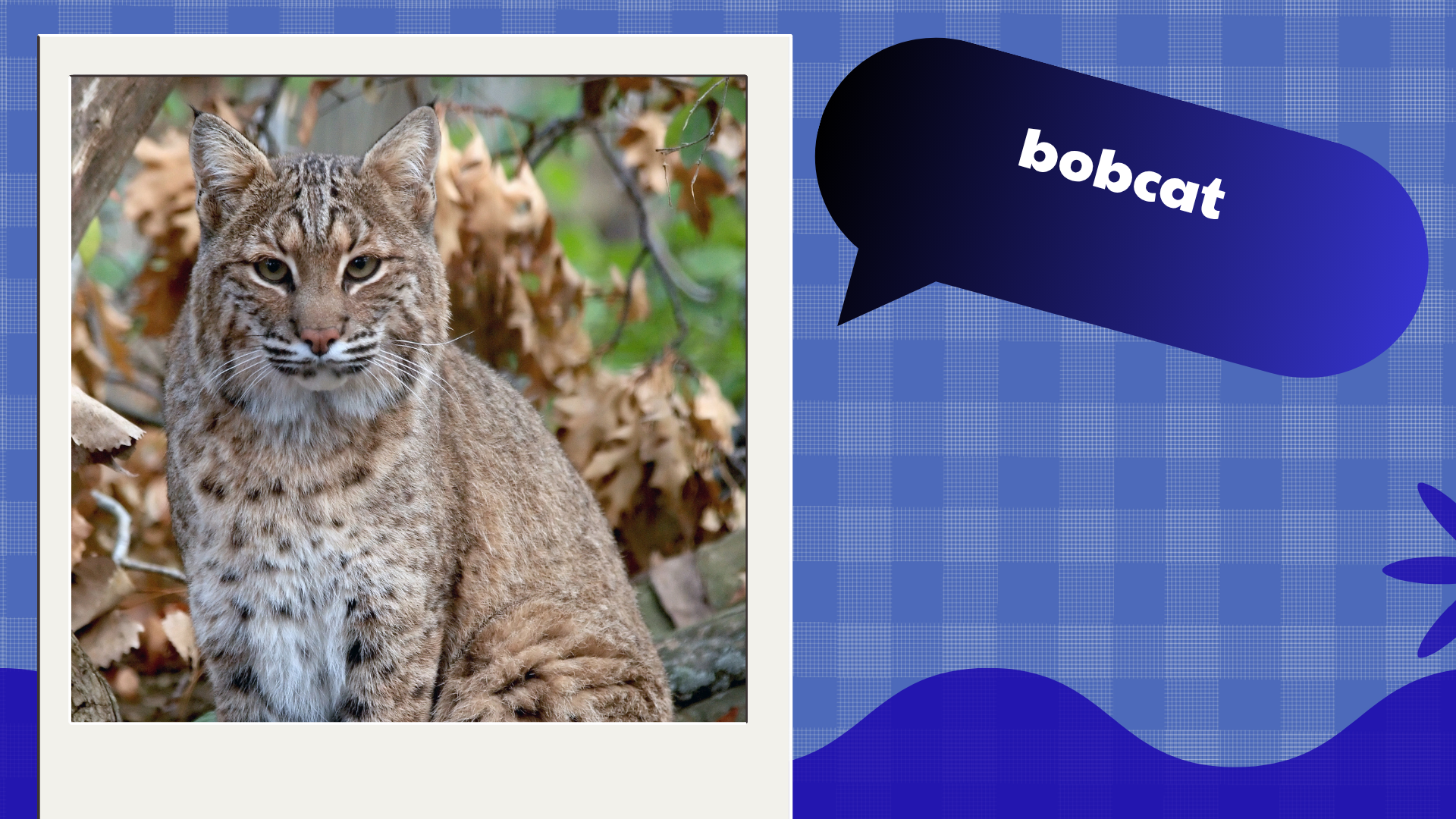
Scientific name: Lynx rufus
The bobcat is the most widely distributed and ecologically adaptable North American lynx. It ranges from southern Canada through most of the contiguous United States and into Mexico. Unlike the Canada lynx, it is not tied mainly to boreal forest and persistent snow. Bobcats occupy forests, deserts, chaparral, swamps, rocky canyons, agricultural edges, and even carefully connected habitats near towns.
Adults vary greatly by sex and region but commonly fall between about 6 and 18 kilograms. The coat is usually buff, brown, reddish, or gray with dark spots and streaks. It has a short “bobbed” tail marked with dark bars, black on much of the upper tip, and pale fur beneath. Ear tufts are present but usually shorter and less dramatic than those of a Canada lynx. The feet are also smaller and less densely furred.
Bobcats are solitary, territorial, and mainly active around dawn, dusk, or night, although daytime movement is possible. They hunt by stalking and pouncing. Rabbits and hares are major prey in many areas, but the diet can include rodents, squirrels, birds, reptiles, and occasionally animals as large as deer, particularly young or weakened individuals. Their ability to shift prey and habitat helps explain their broad distribution.
Where bobcats and Canada lynx overlap, winter identification can be difficult. Do not rely only on coat spots because either species may look more or less marked. Compare the tail, paws, leg proportions, ear tufts, track size, snow conditions, and habitat. A bobcat often appears stockier and lower to the ground, while a Canada lynx can look as though it is standing on oversized feet.
The bobcat is globally classified as Least Concern, but hunting and trapping regulations differ among countries, states, provinces, and local jurisdictions. Vehicle collisions, habitat fragmentation, indiscriminate predator control, and exposure to rodenticides can harm local populations. Bobcats sometimes pass near homes without causing trouble; securing poultry, feeding pets indoors, and never leaving wildlife food outside are safer responses than attempting to approach or corner the animal.
How Are These Wild Animals Classified?
| Rank | Group | Meaning |
|---|---|---|
| Kingdom | Animalia | Lynxes are animals. |
| Phylum | Chordata | They are vertebrates with a spinal column. |
| Class | Mammalia | They have hair and nurse their young. |
| Order | Carnivora | They are specialized meat-eating mammals. |
| Family | Felidae | They belong to the cat family. |
| Subfamily | Felinae | They belong to the lineage containing the smaller and medium-sized cats. |
| Genus | Lynx | This genus contains the four living species reviewed here. |
Common names can cause confusion. A bobcat is a lynx because its scientific name is Lynx rufus. The “desert lynx” name sometimes applied to the caracal does not make the caracal a member of Lynx; it belongs to a different genus, Caracal. Likewise, a lynx-point domestic cat is a color pattern, not a wild lynx hybrid.
Where Do These Wild Animals Live?
Lynxes are native to North America, Europe, and Asia. The Canada lynx occupies northern North America’s boreal forests, while the bobcat ranges much farther south and uses a wider variety of landscapes. Across the Atlantic, the Eurasian lynx has an enormous but fragmented distribution from Europe through northern and central Asia. The Iberian lynx has the smallest natural range, restricted to recovering populations in Spain and Portugal.
Cover and prey are more important than a simple label such as “forest cat.” Eurasian lynxes use forest mosaics and mountain woodland; Canada lynxes need boreal systems that support snowshoe hares; Iberian lynxes depend on rabbit-rich Mediterranean habitat; and bobcats can thrive in forest, desert, scrub, wetland edges, and broken rural landscapes. Habitat corridors allow young cats to disperse and help small populations retain genetic diversity.
How to Identify Different Types of Lynx
- Overall size: The Eurasian lynx is usually the largest; the other three overlap enough that size alone is unreliable.
- Paws: The Canada lynx has exceptionally broad, furry paws adapted to deep snow.
- Tail: A Canada lynx usually has a plain tail with a completely black tip; a bobcat generally has bars and a pale underside near the tip.
- Spots: Iberian lynxes are often strongly spotted, bobcats commonly show spots or streaks, and Canada and Eurasian lynxes vary.
- Facial ruff: The Iberian lynx has a particularly pronounced beard-like cheek ruff.
- Ear tufts: All four can have black ear tufts, but they tend to be longer on Canada, Eurasian, and Iberian lynxes than on bobcats.
- Legs: Canada and Eurasian lynxes often look tall and long-legged; a bobcat commonly appears more compact.
- Habitat: Deep boreal snow suggests Canada lynx, while desert or chaparral in North America points strongly toward bobcat.
- Range: Spain and Portugal indicate Iberian lynx; Europe or Asia indicate Eurasian lynx.
- Behavior: All are secretive ambush predators, so behavior usually cannot confirm species without location and physical evidence.
Canada Lynx vs. Bobcat
| Feature | Canada lynx | Bobcat |
|---|---|---|
| Paws | Very large and heavily furred | Smaller and less snow-adapted |
| Tail tip | Black appears to encircle the end | Black mainly above, often pale below |
| Tail pattern | Usually plain or faint | More clearly barred |
| Ear tufts | Usually longer | Usually shorter |
| Build | Long-legged and light-looking | More compact and muscular-looking |
| Typical habitat | Boreal forest with persistent snow | Highly varied, from forest to desert |
Lynx Tracks, Sign, and Field Clues
Lynx tracks are round, with four toe pads and a broad heel pad. Claw marks are usually absent because cats retract their claws, although claws may register on slippery or difficult ground. Canada lynx tracks can look surprisingly large and indistinct in powder because dense foot fur spreads over the snow. Bobcat prints are typically smaller and more compact, but overlap occurs among large bobcats, young lynxes, and prints distorted by melting snow.
Other clues include scrapes, scent-marking sites, scat, beds beneath cover, and prey remains. None should be handled. Tracks are most useful when photographed beside a ruler, with the entire trail pattern and habitat also recorded. Never use a hand, boot, or car key as the only scale.
Outdoor Tips for Finding and Observing Lynx
- Begin with range maps and recent guidance from a park, wildlife agency, or qualified local guide.
- Look for tracks after fresh snow or on quiet muddy roads rather than attempting to follow a cat directly.
- Use binoculars and a telephoto lens; give any wild cat a clear escape route.
- Stay on legal trails and respect seasonal closures, private land, and protected denning areas.
- Never bait lynxes or play prey, kitten, or mating calls to attract them.
- Do not publish exact den, kitten, or sensitive population coordinates online.
- Keep dogs leashed where required and never allow a pet to chase wildlife.
- Drive slowly in signed wildlife corridors, especially around dawn and dusk.
- If using a trail camera, follow land rules and position it without altering a den or travel route.
- Report unusual or conservation-important sightings through the appropriate wildlife agency or verified observation program.
Safety, Sustainability, and Conservation Notes
Lynxes generally avoid people, and attacks are extremely rare. If one remains nearby, stay calm, keep children and pets close, do not run toward it, and allow it to leave. Never approach a kitten; its mother may be nearby. A sick, injured, trapped, or unusually fearless wild cat should be reported to local wildlife professionals rather than handled.
Habitat protection must account for prey and movement, not only isolated patches of trees. Snowshoe hare habitat supports Canada lynx; rabbit recovery remains central to Iberian lynx survival; and connected forest or scrub corridors help dispersing animals avoid roads and inbreeding. Responsible rodent control also matters because poisoned rodents can expose predators to toxic chemicals.
Hunting and trapping laws vary widely. Never assume that a global Least Concern category makes harvest legal. Follow the current national, state, provincial, or regional regulations, seasons, quotas, protected-area rules, and identification requirements. Where two similar cats overlap, mistaken identity can have serious conservation and legal consequences.
Fun Facts About Lynx
- All four living lynx species have short tails and tufted ears.
- The bobcat is a true lynx even though “lynx” is not in its common name.
- The Eurasian lynx is generally the largest species in the genus.
- Canada lynx paws spread weight over snow like natural snowshoes.
- Canada lynx population changes often follow cycles in snowshoe hare abundance.
- The Iberian lynx depends heavily on European rabbits.
- The Iberian lynx improved from Endangered to Vulnerable on the IUCN Red List in 2024.
- A caracal is sometimes called a desert lynx but is not a member of the genus Lynx.
- Lynxes usually stalk and pounce rather than chase prey over long distances.
- Ear tufts may assist visual signaling or sensory awareness, but their exact function is not fully settled.
Final Thoughts on Types of Lynx
The four types of lynx are the Eurasian lynx, Canada lynx, Iberian lynx, and bobcat. Range is the fastest way to narrow an identification, while paws, tail markings, ear tufts, body proportions, coat pattern, and habitat help separate similar species. Learning these distinctions is especially important where Canada lynxes and bobcats overlap. Observe quietly, protect sensitive locations, and remember that even globally secure species can face serious local threats.
Frequently Asked Questions
1. How many types of lynx are there?
There are four living species in the genus Lynx: Eurasian lynx, Canada lynx, Iberian lynx, and bobcat.
2. What are the four lynx species?
They are Lynx lynx, Lynx canadensis, Lynx pardinus, and Lynx rufus. Each is a full species rather than merely a regional color form.
3. Is a bobcat a type of lynx?
Yes. The bobcat’s scientific name is Lynx rufus, placing it in the same genus as the other three lynx species.
4. Which is the largest lynx species?
The Eurasian lynx is generally the largest. Large males exceed the typical weight of Canada lynxes, Iberian lynxes, and bobcats.
5. Which is the smallest lynx?
The bobcat is often described as the smallest species on average, but its size overlaps with the Canada and Iberian lynxes. Sex, age, and region create considerable variation.
6. Which lynx is the rarest?
The Iberian lynx remains the most threatened of the four globally. Its recovery has been remarkable, but it is still classified as Vulnerable and depends on continued conservation.
7. Where do lynxes live?
Lynxes occur across parts of North America, Europe, and Asia. Habitats range from boreal forest and snowy mountains to Mediterranean scrub and North American desert.
8. Are there lynxes in Africa?
No true wild members of the genus Lynx are native to Africa today. The caracal is sometimes called a desert lynx, but it belongs to another genus.
9. Are there lynxes in South America?
No. The natural range of living lynx species does not extend into South America.
10. What is the difference between a lynx and a bobcat?
A bobcat is one lynx species. In everyday North American usage, “lynx” often means Canada lynx, which has larger paws, longer legs, longer ear tufts, and a fully black tail tip.
11. How can I tell a Canada lynx from a bobcat?
Check several traits: Canada lynxes usually have larger furry paws, longer hind legs, longer ear tufts, and an unbarred tail with a fully black tip. Bobcats usually have smaller paws and a barred tail pale underneath.
12. Can a lynx and bobcat live in the same area?
Yes. Their ranges overlap in parts of Canada and the northern United States. They may use different snow conditions, prey, and habitat features within the same broad landscape.
13. Do lynxes have tails?
Yes. All four species have short tails, but the length and pattern differ. Tail markings are among the most useful field clues for separating Canada lynx from bobcat.
14. Why do lynxes have ear tufts?
The exact function is not conclusively established. Proposed roles include visual communication, breaking up the head’s outline, or assisting awareness of air movement and sound direction.
15. Why do Canada lynxes have large paws?
Broad, furry paws distribute body weight across soft snow. This adaptation allows the cat to travel and hunt more efficiently in boreal winters.
16. What do lynxes eat?
All are meat eaters. Common prey includes rabbits, hares, rodents, and birds; the Eurasian lynx also regularly takes small and medium-sized ungulates.
17. Which lynx eats snowshoe hares?
The Canada lynx is especially dependent on snowshoe hares. Its population and reproductive success often change as hare numbers cycle.
18. Which lynx eats European rabbits?
The Iberian lynx relies heavily on European rabbits. Disease-driven rabbit declines were a major factor in the cat’s historical collapse.
19. Do lynxes hunt deer?
Eurasian lynxes regularly hunt roe deer and other suitable ungulates. Bobcats may occasionally kill young or weakened deer, while Canada and Iberian lynxes focus more heavily on hares or rabbits.
20. Are lynxes nocturnal?
They are often most active around dusk, night, and dawn, but activity changes with prey, season, human disturbance, and local conditions. Daylight sightings are possible.
21. Do lynxes live in groups?
Adults are mainly solitary outside mating. A female travels with her dependent kittens until they are old enough to disperse.
22. Can lynxes climb trees?
Yes. Lynxes can climb, although they spend most of their hunting and travel time on the ground. Trees may provide escape, rest, or a vantage point.
23. Can lynxes swim?
Yes. They can cross water when necessary, though swimming is not the feature that best distinguishes them from other wild cats.
24. How long do lynxes live?
Wild lifespan varies by species and conditions, but many can reach their early to mid-teens. Survival is affected by food, disease, conflict, roads, trapping, and territorial competition.
25. Are lynxes dangerous to humans?
Healthy wild lynxes normally avoid people, and attacks are extremely rare. Never approach, feed, corner, or attempt to touch one, especially near kittens.
26. What should I do if I see a lynx?
Remain calm, keep your distance, secure pets and children, and give the animal an open route away. Photograph with a zoom lens and report the sighting if local wildlife officials request records.
27. Will a lynx attack a dog or cat?
Encounters are uncommon, but any medium-sized predator could injure an unattended pet. Keep cats indoors and dogs controlled, especially at dawn, dusk, and in known wild cat habitat.
28. Can lynxes be pets?
No lynx is a suitable household pet. They are powerful, territorial wild predators with complex welfare needs, and possession is illegal or restricted in many places.
29. Are lynxes endangered?
The Iberian lynx is globally Vulnerable. The other three species are globally Least Concern, although particular populations may be threatened, endangered, or strictly protected under regional law.
30. Why did the Iberian lynx nearly disappear?
Major causes included rabbit population crashes, habitat loss and fragmentation, illegal killing, road deaths, and small isolated populations with limited genetic diversity.
31. Is the Iberian lynx recovering?
Yes. Breeding, reintroduction, rabbit management, habitat work, and mortality reduction produced a major increase. The IUCN moved it from Endangered to Vulnerable in 2024, but continued action remains essential.
32. Is the Canada lynx endangered?
It is globally Least Concern. However, the distinct population in the contiguous United States is federally listed as threatened, illustrating why local status matters.
33. Are bobcats protected?
Protection and regulated harvest vary by jurisdiction. Always check current state, provincial, national, and protected-area rules instead of assuming one policy applies everywhere.
34. What do lynx tracks look like?
They are round cat tracks with four toes, a broad heel pad, and usually no claw marks. Canada lynx prints can appear very large and fuzzy-edged because of the fur around their paws.
35. How do I photograph a lynx track?
Photograph it straight down with a ruler beside it, then capture the sequence of prints, trail width, stride, and surrounding habitat. Avoid stepping on the trail before documenting it.
36. Is a lynx-point cat part lynx?
No. “Lynx point” describes a tabby-point coat pattern in domestic cats. It does not indicate wild lynx ancestry.
37. Is a caracal a lynx?
No. Despite the nickname “desert lynx,” the caracal belongs to the genus Caracal. Its long ear tufts reflect resemblance, not membership in Lynx.
38. Can the four lynx species interbreed?
Closely related wild cats may occasionally hybridize where ranges overlap or in captivity, but the four are recognized as separate species. Hybridization is not a basis for treating them as one species.
39. What is the best place to see a wild lynx?
The answer depends on the species. Choose an established, ethical wildlife destination within its natural range and use a trained guide rather than seeking dens or baited sites.
40. Why are lynxes important?
As predators, lynxes influence prey populations and food-web relationships. Their need for connected habitat can also make them useful symbols for protecting larger functioning landscapes.