

Texas has an extraordinary variety of fish because its rivers, reservoirs, bays, coastal waters, and offshore habitats support both freshwater and marine species. This guide to the types of fish in Texas covers popular game fish, native species, stocked fish, and important coastal catches. You will learn how to identify each fish, where it lives, what it eats, how large it can become, and why it matters to Texas anglers and wildlife observers.
What Are the Main Types of Fish in Texas?
The main types of fish in Texas include largemouth bass, catfish, striped bass, white bass, crappie, sunfish, gar, trout, red drum, spotted seatrout, flounder, snapper, and several other freshwater and saltwater species. Texas fish live in habitats ranging from clear spring-fed streams and large reservoirs to coastal bays and the Gulf of Mexico. Some are prized for sport fishing, while others are important predators, prey species, commercial catches, or conservation concerns.
1. Largemouth Bass
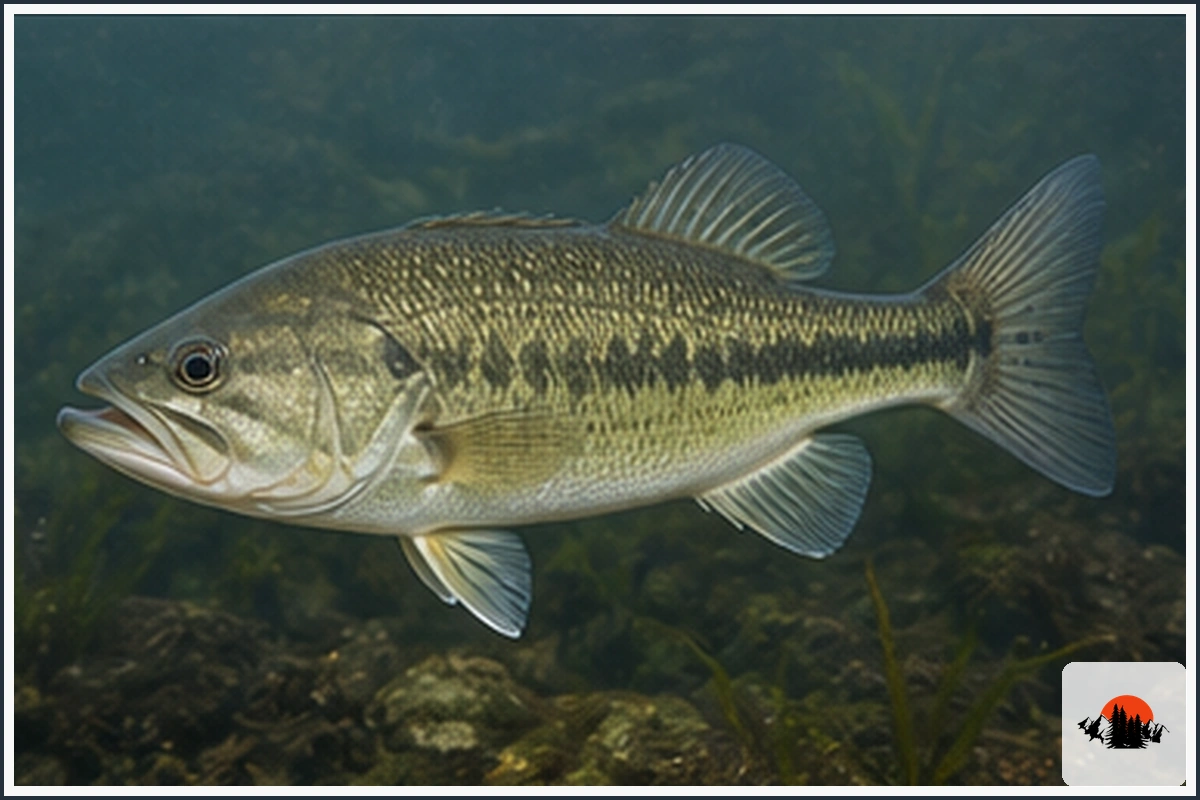
Scientific name: Micropterus salmoides
Largemouth bass are among the most popular freshwater fish in Texas. They have a green to olive body, a broad mouth that extends behind the eye, and a dark horizontal stripe along the side. Most adults measure 12 to 20 inches, although trophy fish can exceed 10 pounds.
They inhabit reservoirs, farm ponds, slow rivers, creeks, and vegetation-rich shorelines. Largemouth bass eat minnows, sunfish, crayfish, frogs, and insects. They often hide near submerged trees, docks, grass, and rocky cover before ambushing prey. Spring is a productive season because bass move into shallow water to spawn. Texas anglers commonly catch them with plastic worms, spinnerbaits, crankbaits, and topwater lures.
2. Channel Catfish
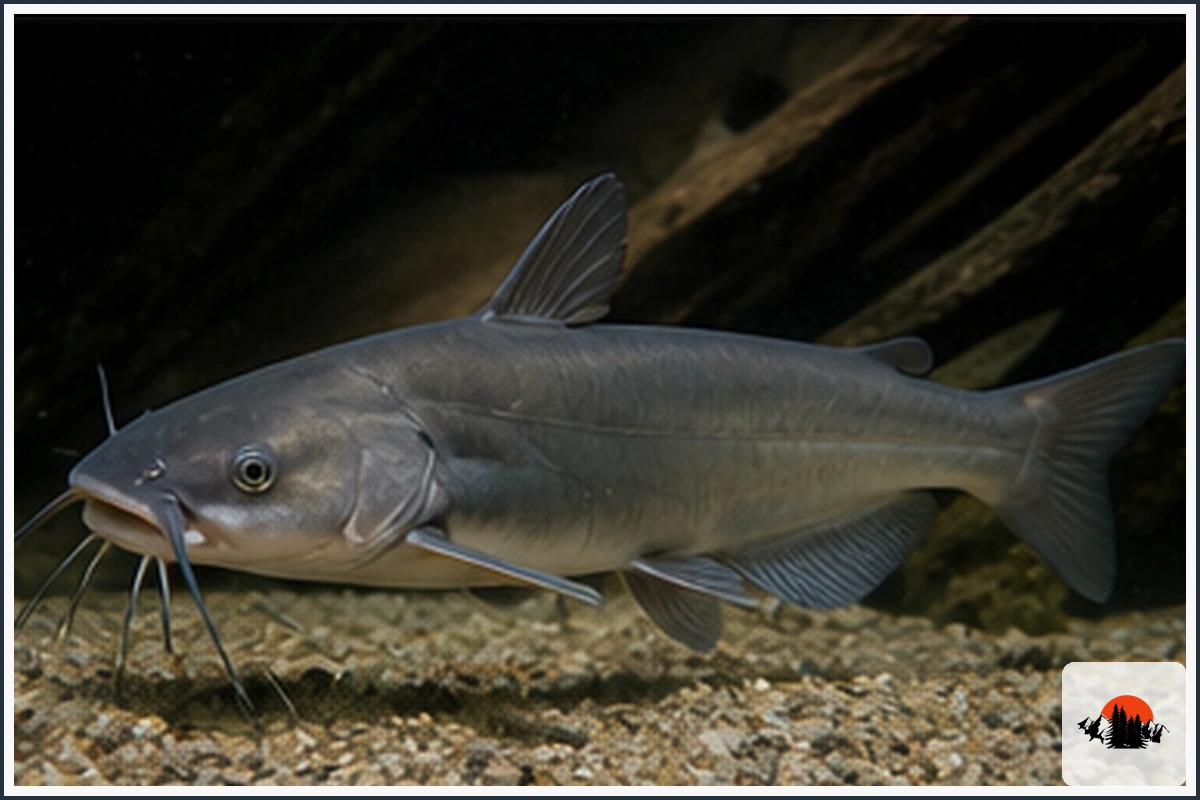
Scientific name: Ictalurus punctatus
Channel catfish have slender bodies, deeply forked tails, dark spots, and four pairs of barbels around the mouth. Their coloring ranges from silvery blue to gray or olive. Adults commonly reach 1 to 3 feet, with larger specimens found in productive reservoirs and rivers.
These adaptable fish live in lakes, reservoirs, streams, and rivers throughout Texas. They feed on insects, crustaceans, small fish, plant material, and carrion. Channel catfish are especially active around dusk and at night. Anglers often use stink bait, worms, cut bait, or shrimp near the bottom. Handle them carefully because the spines on the dorsal and pectoral fins can cause painful punctures.
3. Blue Catfish
Scientific name: Ictalurus furcatus
Blue catfish are large, powerful freshwater fish with a blue-gray back, pale sides, a deeply forked tail, and smooth, scaleless skin. They are commonly 2 to 4 feet long, but Texas waters produce much larger individuals. Blue catfish are famous for trophy fishing in major reservoirs and rivers.
They prefer deep channels, submerged structure, and strong current, although they may move into shallower areas to feed. Their diet includes shad, small fish, crayfish, and other aquatic animals. Fresh cut bait is a common choice for anglers. Blue catfish are important predators, but unusually large populations can affect prey fish in some reservoirs, making responsible harvest and management important.
4. Flathead Catfish
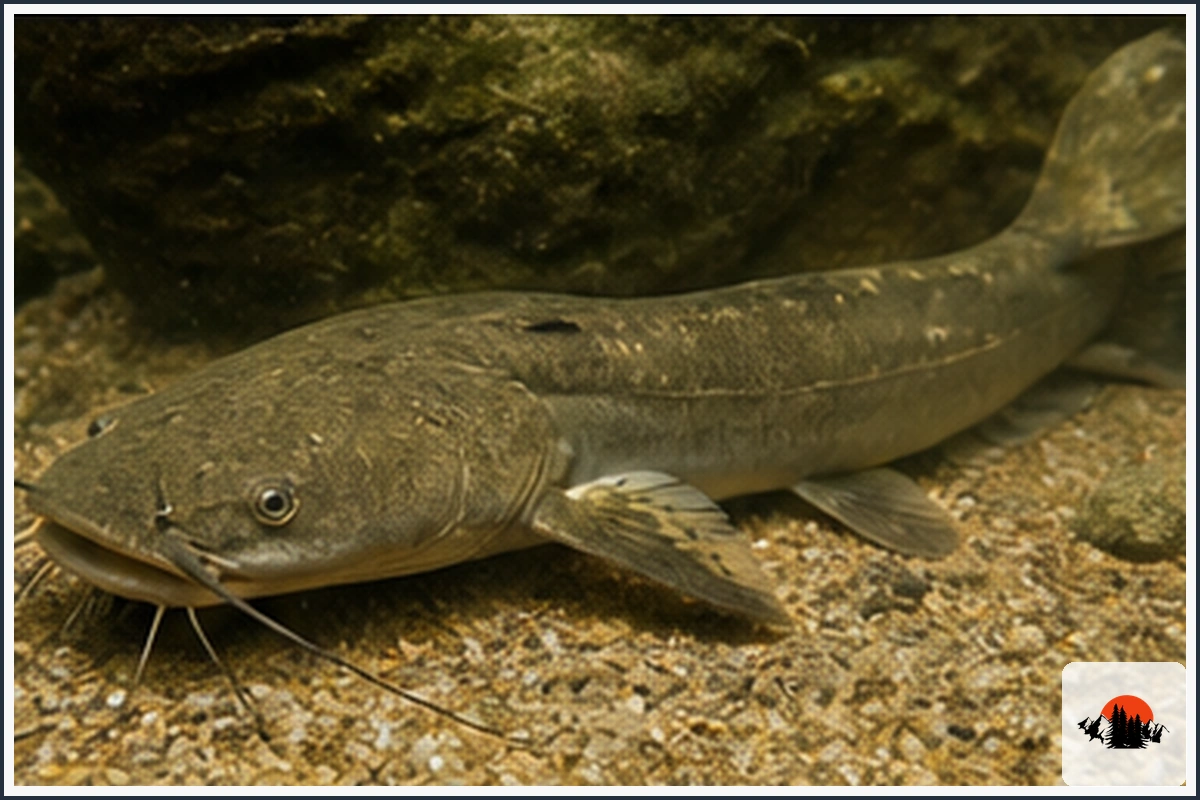
Scientific name: Pylodictis olivaris
Flathead catfish are recognizable by their broad, flattened heads, small eyes, yellow-brown coloration, and squared or slightly notched tail. They are powerful fish that can exceed 3 feet and weigh more than 50 pounds in suitable Texas rivers and reservoirs.
Unlike channel and blue catfish, flatheads are primarily active predators. Their diet consists largely of live fish, especially sunfish, shad, and other baitfish. They prefer deep holes, undercut banks, logjams, and areas with current. Anglers targeting flatheads often use live bait near structure, particularly at night. Because they depend on healthy river habitats and large prey populations, protecting their waterways benefits this species.
5. Striped Bass
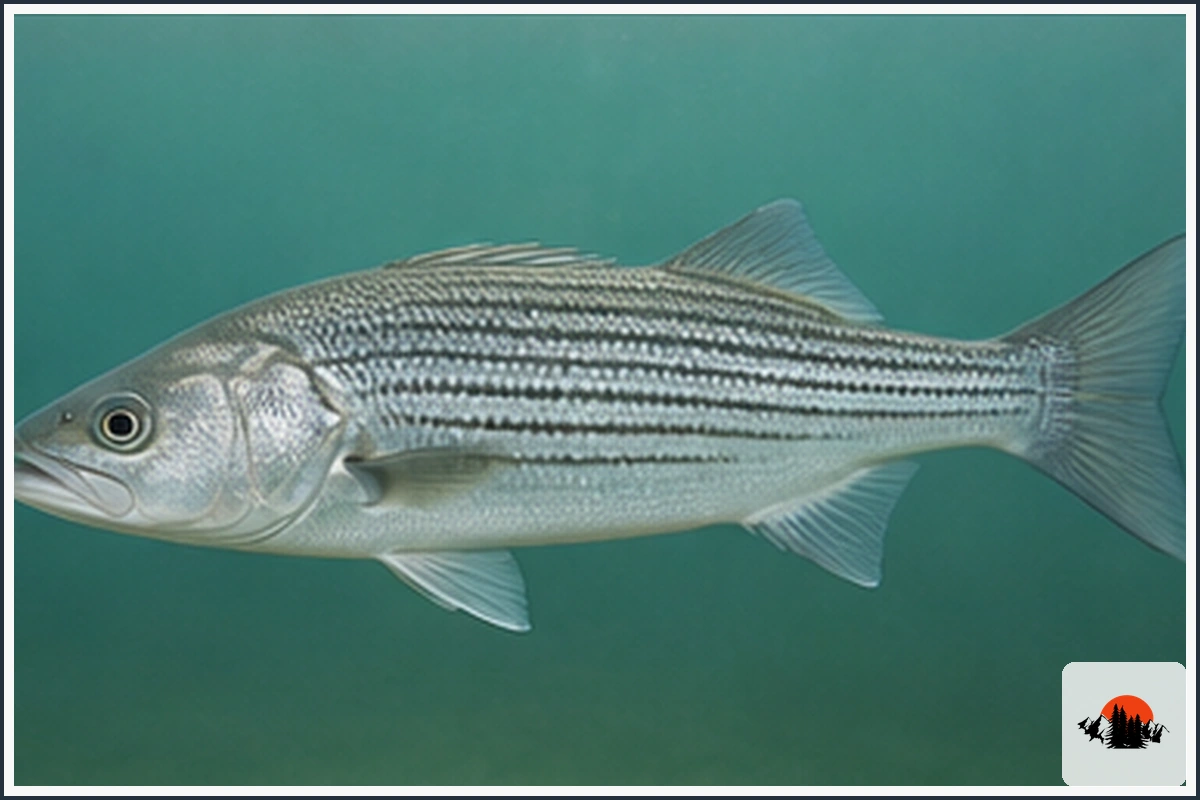
Scientific name: Morone saxatilis
Striped bass have a silvery body marked by several dark horizontal stripes. They are streamlined, strong swimmers and can grow beyond 30 inches. Texas has stocked striped bass in several reservoirs, where they support popular fisheries.
These fish prefer open water, deep channels, and areas where baitfish gather. They mainly eat shad and other schooling fish. Striped bass often feed aggressively when bait is concentrated, and anglers may locate them with sonar or by watching for surface activity. Warm Texas summers can place stress on striped bass, especially in reservoirs with low dissolved oxygen. Check current regulations and handling guidance before fishing for them.
6. White Bass
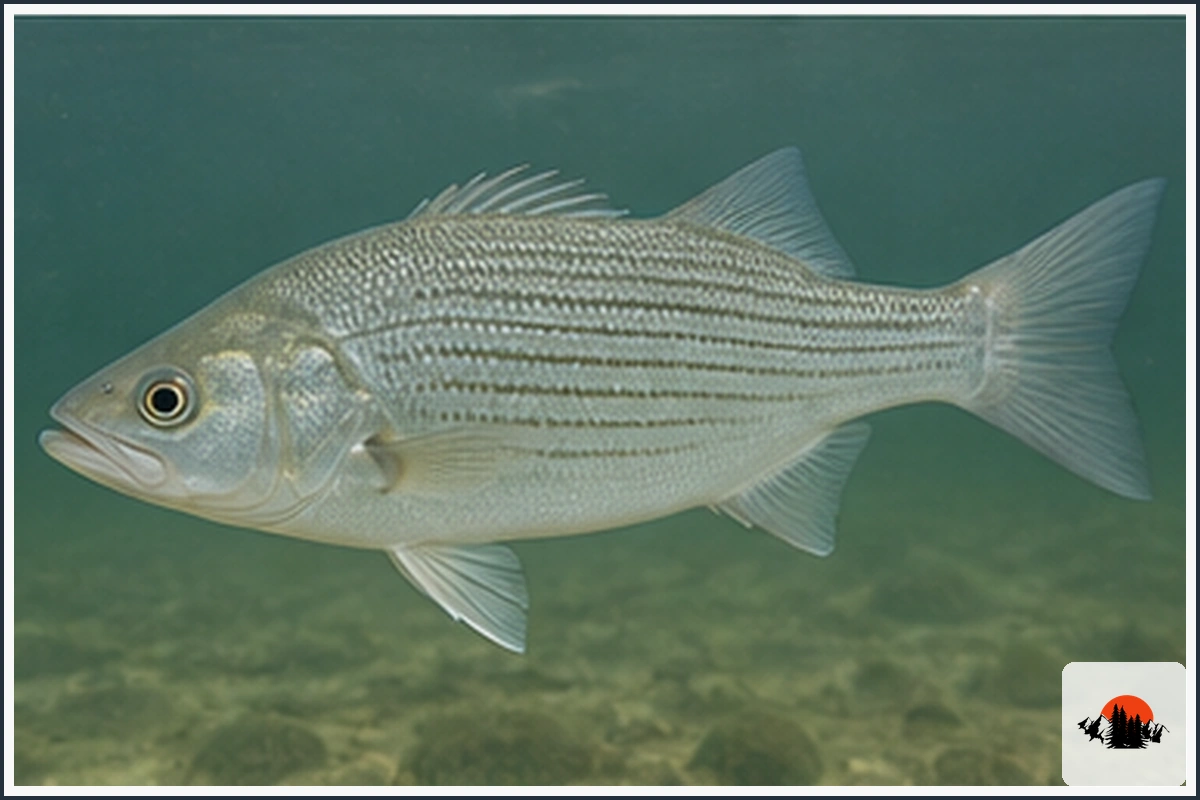
Scientific name: Morone chrysops
White bass are smaller than striped bass and usually have a silvery body with dark horizontal lines. They commonly measure 10 to 15 inches. Their back is deeper and more compact than that of a striped bass, and the first dorsal fin has a single strong spine.
White bass live in reservoirs, lakes, and rivers. During spring, large numbers move upstream into tributaries to spawn, creating some of Texas’s best seasonal fishing opportunities. They feed mainly on shad and other small fish. Small spoons, jigs, spinners, and live bait can be effective. White bass are schooling fish, so finding one often means more are nearby.
7. Hybrid Striped Bass
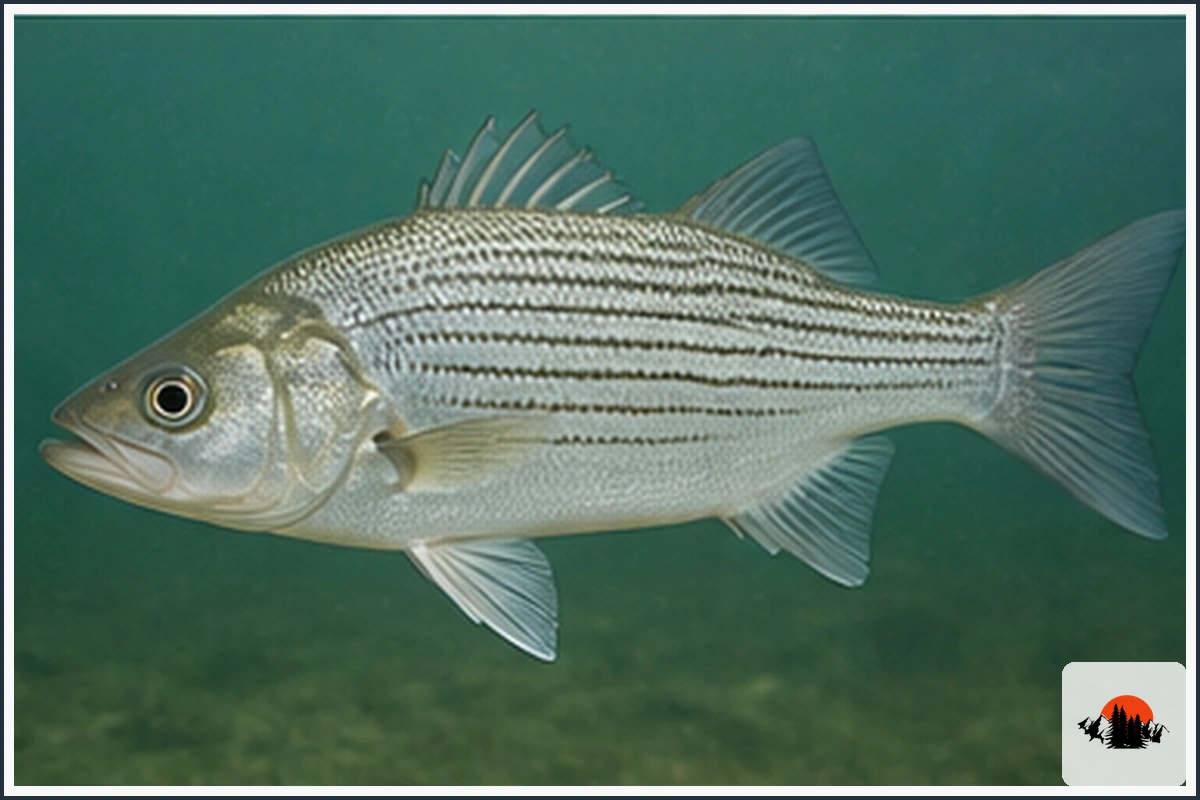
Common names: Hybrid bass, wiper
Hybrid striped bass are produced by crossing white bass with striped bass. They usually have a robust, silvery body with broken or irregular dark stripes. Many grow between 15 and 25 inches and are known for powerful runs.
Texas fisheries agencies and private managers stock hybrids in selected reservoirs and ponds. These fish thrive in open water and feed heavily on shad, minnows, and other baitfish. They are popular because they combine the hard fighting of striped bass with the adaptability of white bass. Anglers often target them with live bait, spoons, jigs, and trolling lures. Identification can be difficult, so examine the stripe pattern and body shape carefully.
8. Black Crappie
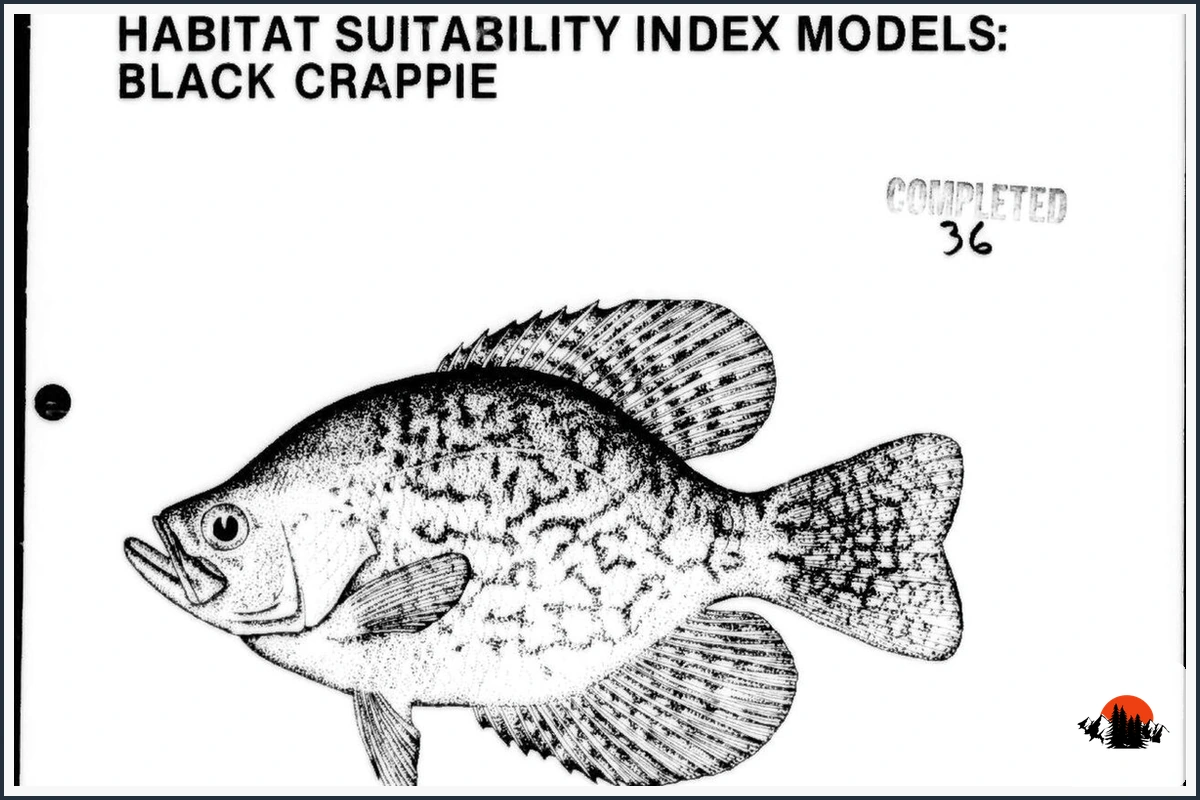
Scientific name: Pomoxis nigromaculatus
Black crappie have a deep, laterally compressed body covered with irregular dark spots. Their dorsal and anal fins are relatively large, and adults often reach 9 to 15 inches. They are prized as table fish and sport fish.
They live in reservoirs, lakes, oxbows, and slow-moving backwaters, especially around brush piles, standing timber, and submerged vegetation. Black crappie eat small minnows, insects, and crustaceans. They often move into shallow cover during spring spawning but return to deeper structure during warmer weather. Small jigs and minnows are traditional choices for crappie fishing.
9. White Crappie
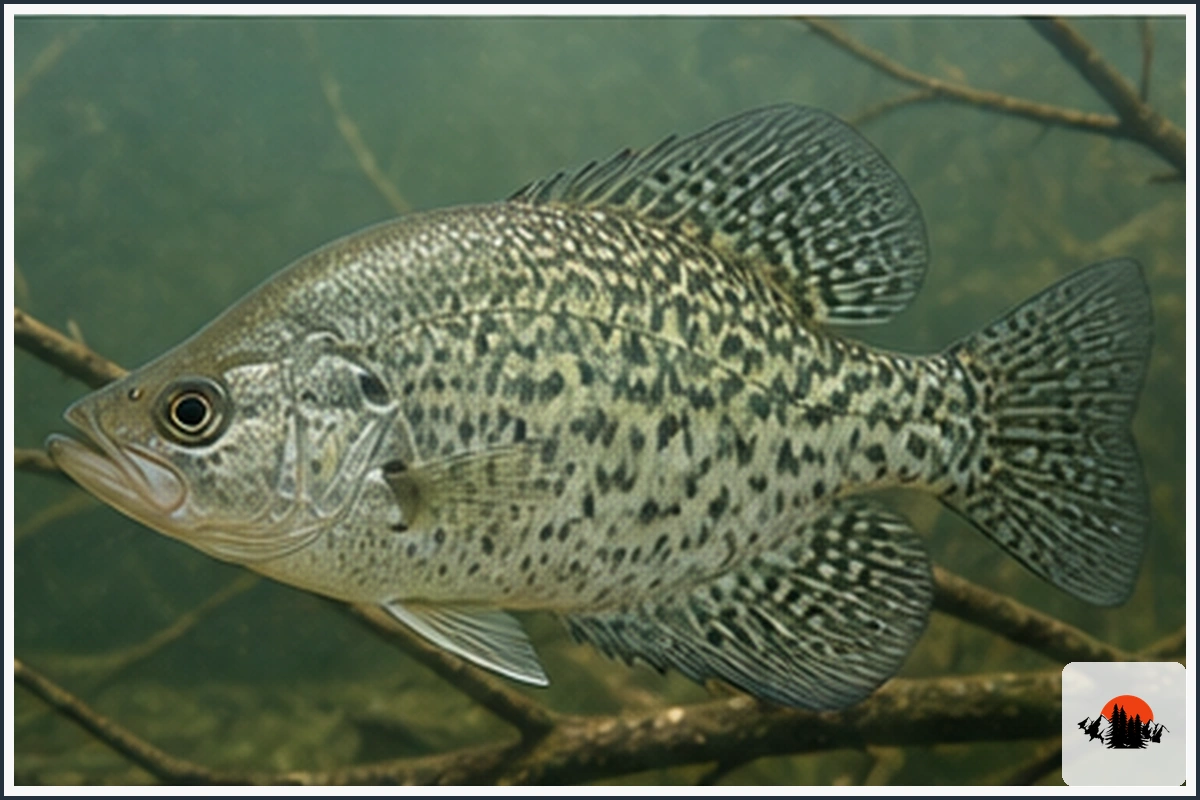
Scientific name: Pomoxis annularis
White crappie are similar to black crappie but generally have vertical bars rather than irregular spots. Their bodies are often slightly less deep, and the dorsal fin typically has fewer spines. Most adults measure 9 to 15 inches.
White crappie tolerate a range of water conditions and are common in Texas lakes, reservoirs, and sluggish rivers. They gather around submerged brush, bridge pilings, timber, and creek channels. Their diet includes minnows and small aquatic invertebrates. During spring, anglers often find them in shallow spawning areas. Because white and black crappie can overlap in habitat, fin structure and body markings help with identification.
10. Bluegill
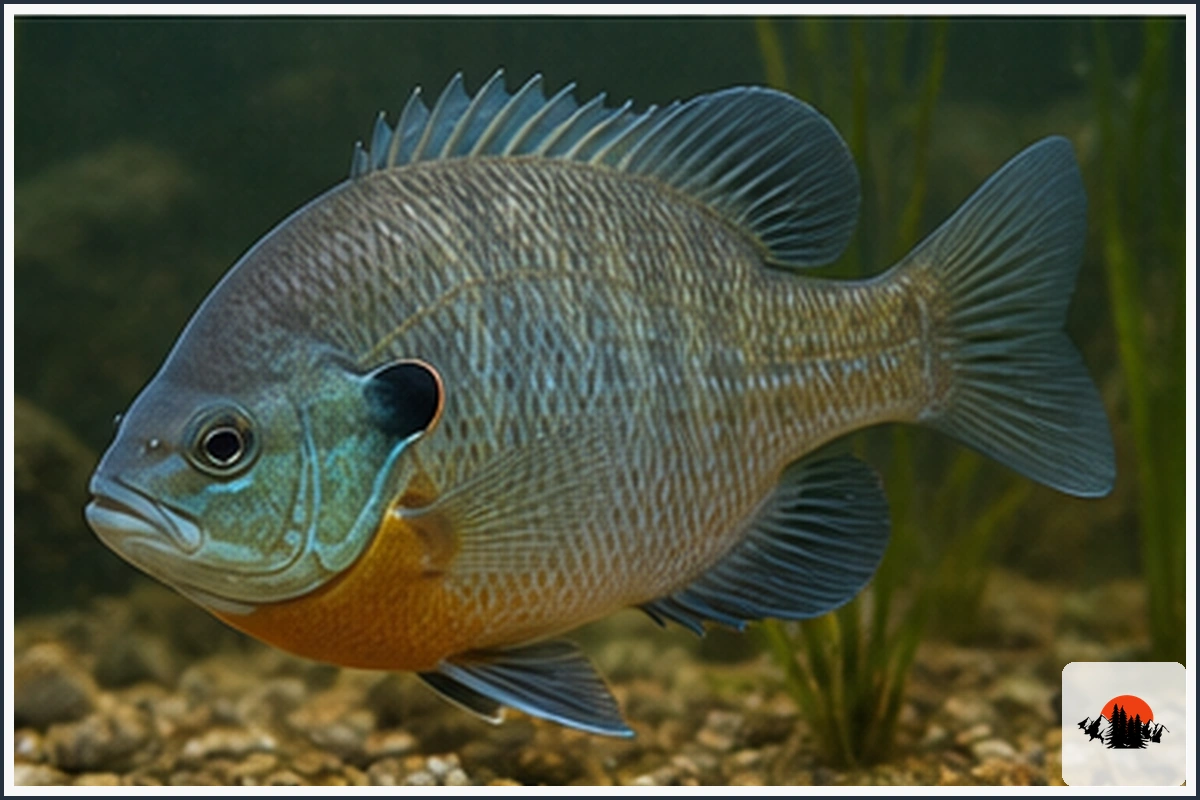
Scientific name: Lepomis macrochirus
Bluegill are compact sunfish with a rounded body, blue or turquoise coloring near the cheek and gill cover, and a dark spot on the rear edge of the gill flap. Most are 4 to 8 inches long, although larger fish occur in well-managed ponds and lakes.
They live in ponds, lakes, reservoirs, creeks, and slow rivers. Bluegill eat insects, larvae, small crustaceans, and tiny fish. They often form nesting colonies in shallow water during warm months. Bluegill are excellent beginner fish because they readily take small worms, crickets, flies, and tiny lures. They are also an important food source for largemouth bass and other predators.
11. Redear Sunfish
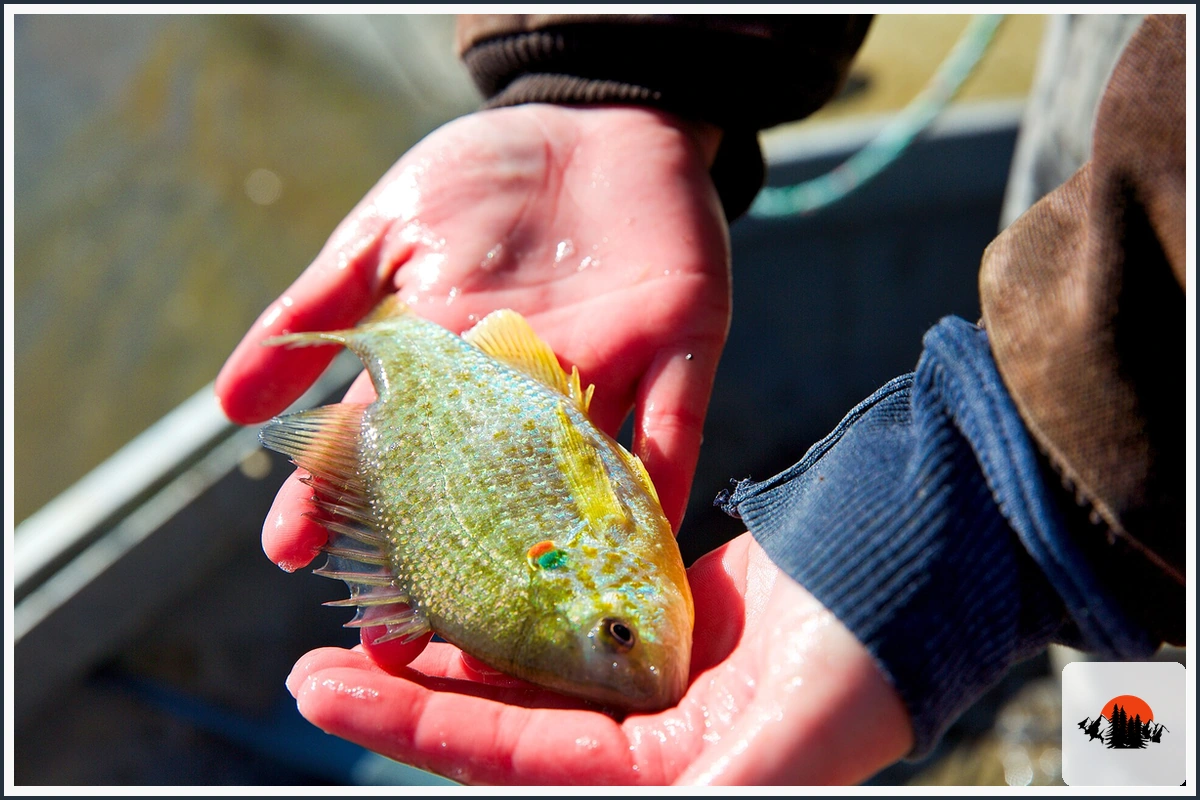
Scientific name: Lepomis microlophus
Redear sunfish are commonly called shellcrackers because their strong pharyngeal teeth help crush snails and other hard-shelled prey. They have a deep, rounded body and a distinctive red or orange edge on the gill cover, especially in mature males.
These sunfish inhabit warm lakes, ponds, reservoirs, and slow-moving waters with vegetation or firm bottoms. They feed heavily on snails, mussels, insect larvae, and small crustaceans. Redear sunfish often grow larger than bluegill and are valued for both fishing and ecological control of some aquatic snails. Small worms and natural baits work well when fishing near the bottom.
12. Alligator Gar
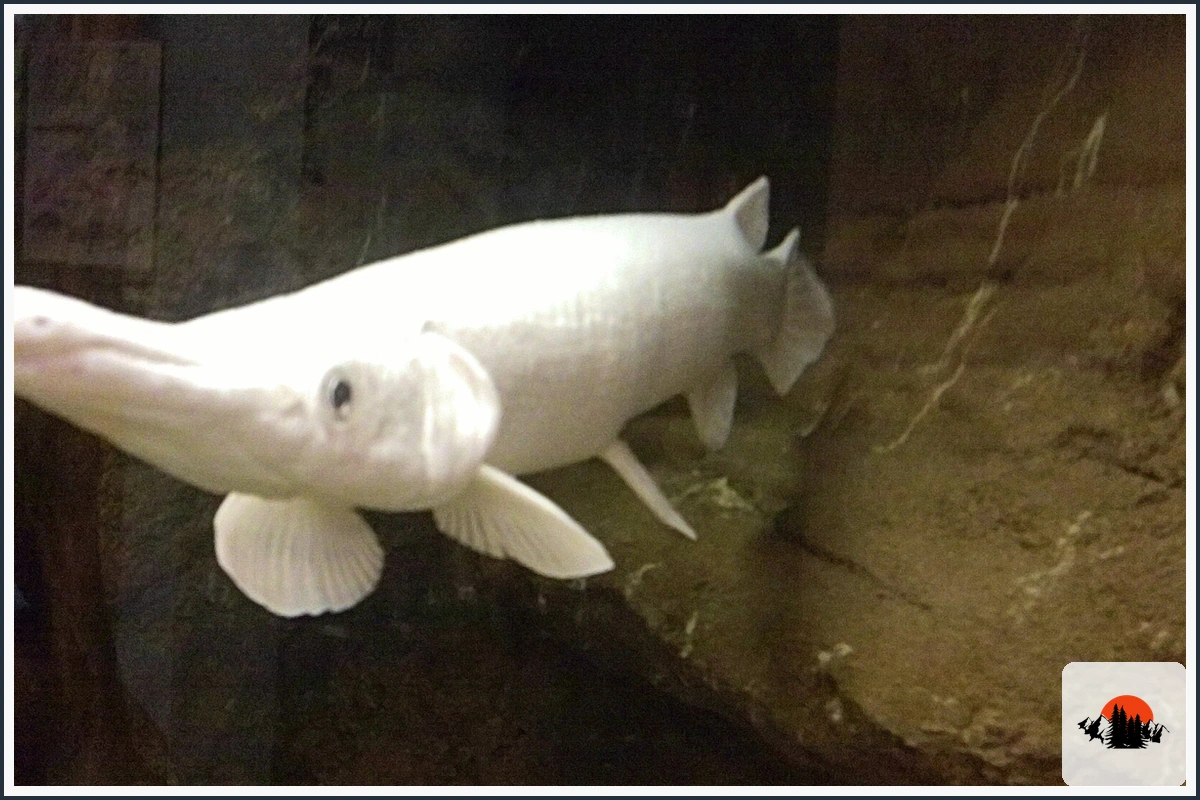
Scientific name: Atractosteus spatula
Alligator gar are among the largest freshwater fish in North America. They have long, cylindrical bodies, an elongated snout filled with needle-like teeth, heavy diamond-shaped scales, and a greenish or olive back. Large individuals can exceed 6 feet and weigh more than 100 pounds.
They inhabit large rivers, reservoirs, oxbows, backwaters, and coastal waters. Alligator gar are ambush predators that eat fish, turtles, birds, and other animals when available. They often lie motionless near the surface or along banks before striking. Once greatly reduced in some areas, populations have benefited from conservation and management efforts. Regulations vary, so anglers should check current Texas rules before targeting or keeping them.
13. Spotted Gar
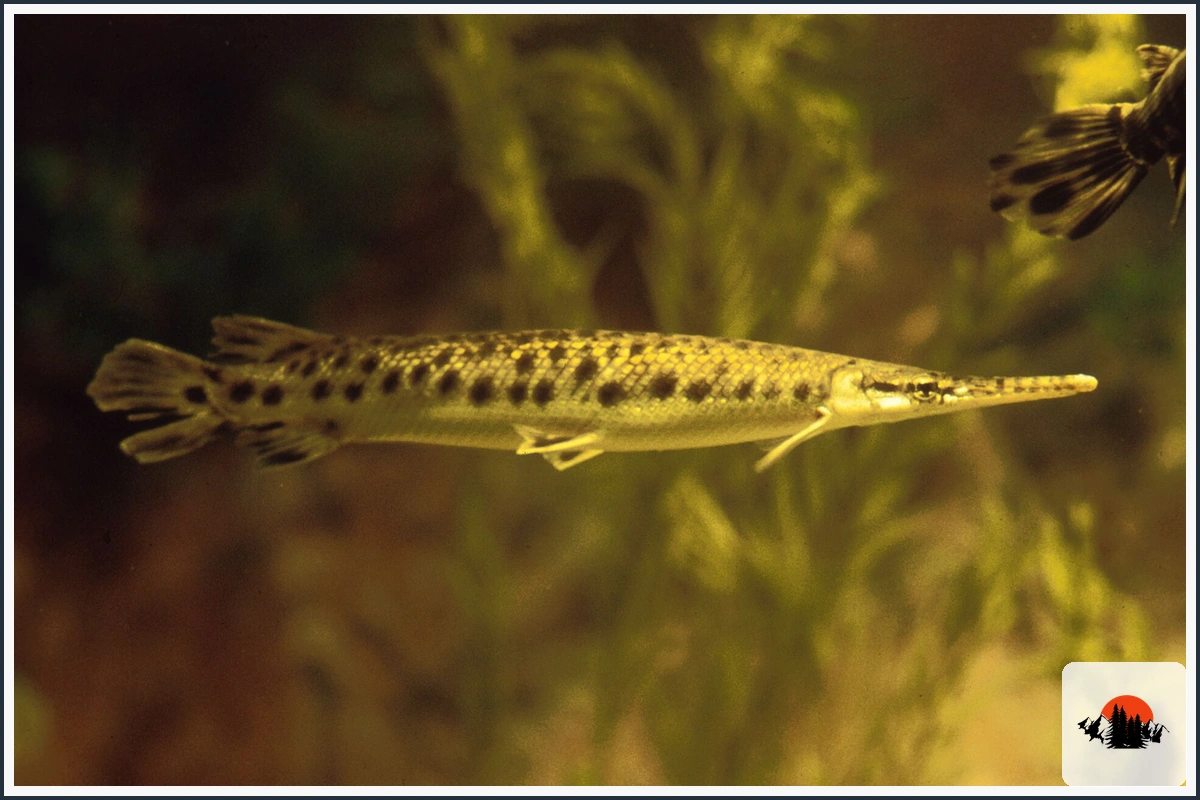
Scientific name: Lepisosteus oculatus
Spotted gar are slender, torpedo-shaped fish with a long snout, sharp teeth, and dark round spots scattered across the body and fins. They are smaller than alligator gar, usually measuring 2 to 3 feet.
They live in quiet rivers, backwaters, oxbows, lakes, and vegetated areas. Spotted gar use their narrow jaws to seize fish, crayfish, and other aquatic prey. They are ambush hunters that often remain still among submerged plants or woody cover. Their ability to breathe atmospheric air helps them survive in warm, low-oxygen water. Avoid handling their teeth and support the body carefully if releasing one.
14. Guadalupe Bass
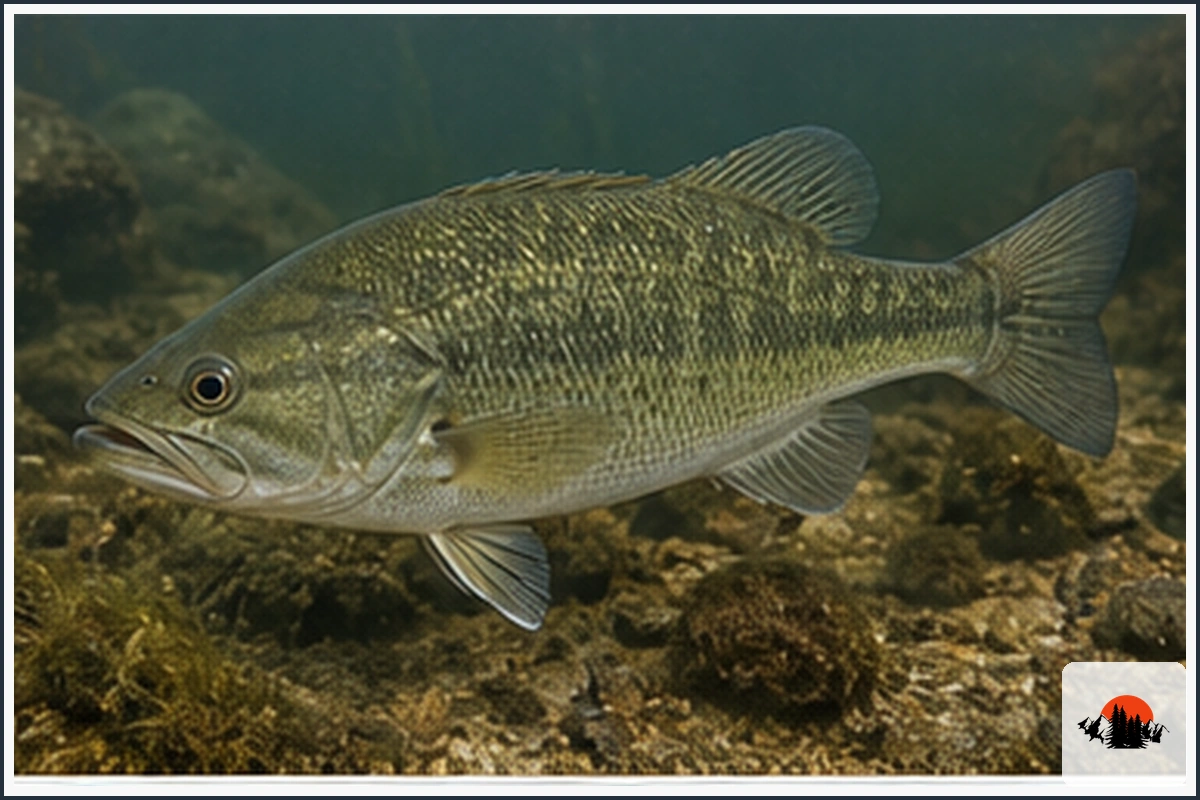
Scientific name: Micropterus treculii
The Guadalupe bass is the official state fish of Texas. It has a smallmouth-like body, a green to bronze color, dark vertical markings, and a mouth that usually does not extend far behind the eye. Adults commonly reach 8 to 12 inches.
This native Texas bass is strongly associated with clear, flowing streams in central Texas, including parts of the Guadalupe, Colorado, Brazos, and nearby river systems. It eats insects, crayfish, and small fish. Guadalupe bass prefer rocky riffles, pools, and woody cover. Hybridization with introduced smallmouth bass is a conservation concern in some watersheds, so protecting native stream habitats and following local regulations are important.
15. Rainbow Trout
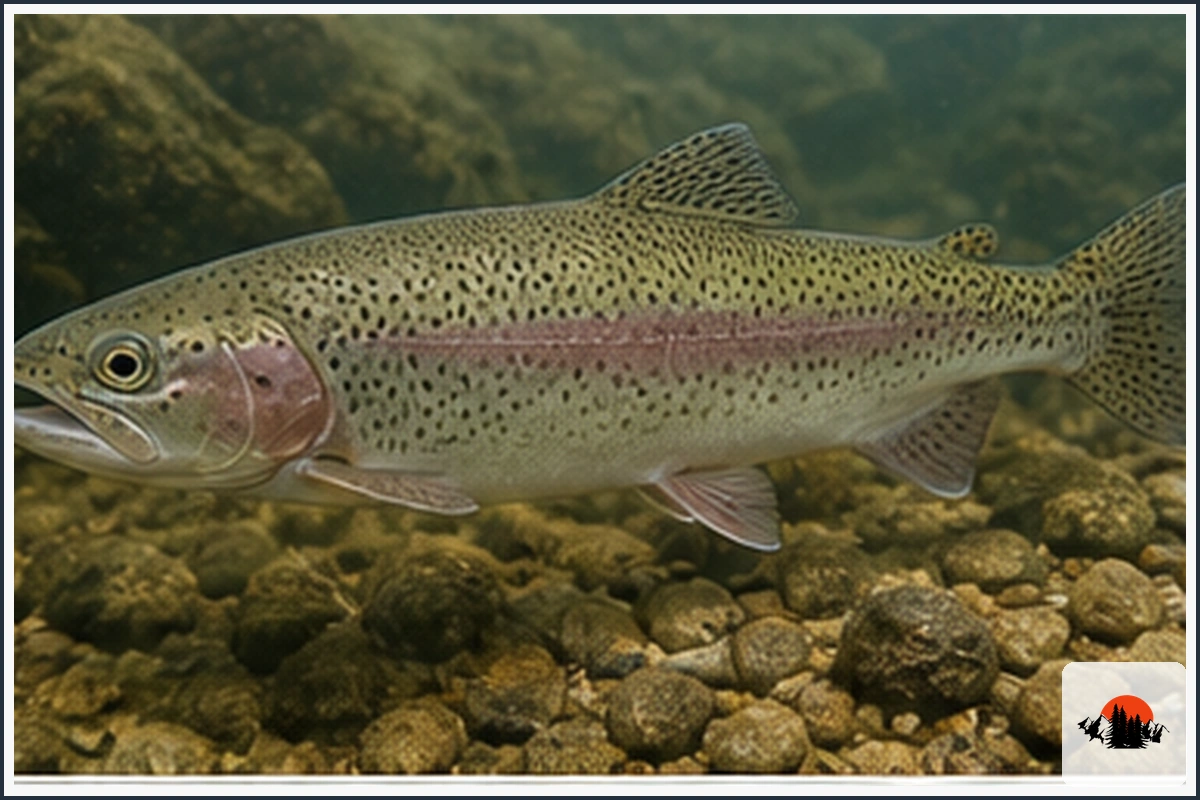
Scientific name: Oncorhynchus mykiss
Rainbow trout are recognized by their silvery body, dark spots, and pink to red lateral stripe. They usually measure 10 to 16 inches in Texas stocked waters. Because they require cool water, they are most common in winter stocking programs and cold spring environments.
Texas parks and fisheries managers stock rainbow trout in selected lakes, rivers, and neighborhood fishing waters during cooler months. They feed on insects, aquatic larvae, crustaceans, and small fish. Small spoons, artificial flies, worms, and prepared bait can be effective. Trout become stressed quickly in warm water, so use wet hands, minimize air exposure, and release them carefully when regulations or personal ethics call for release.
16. Red Drum
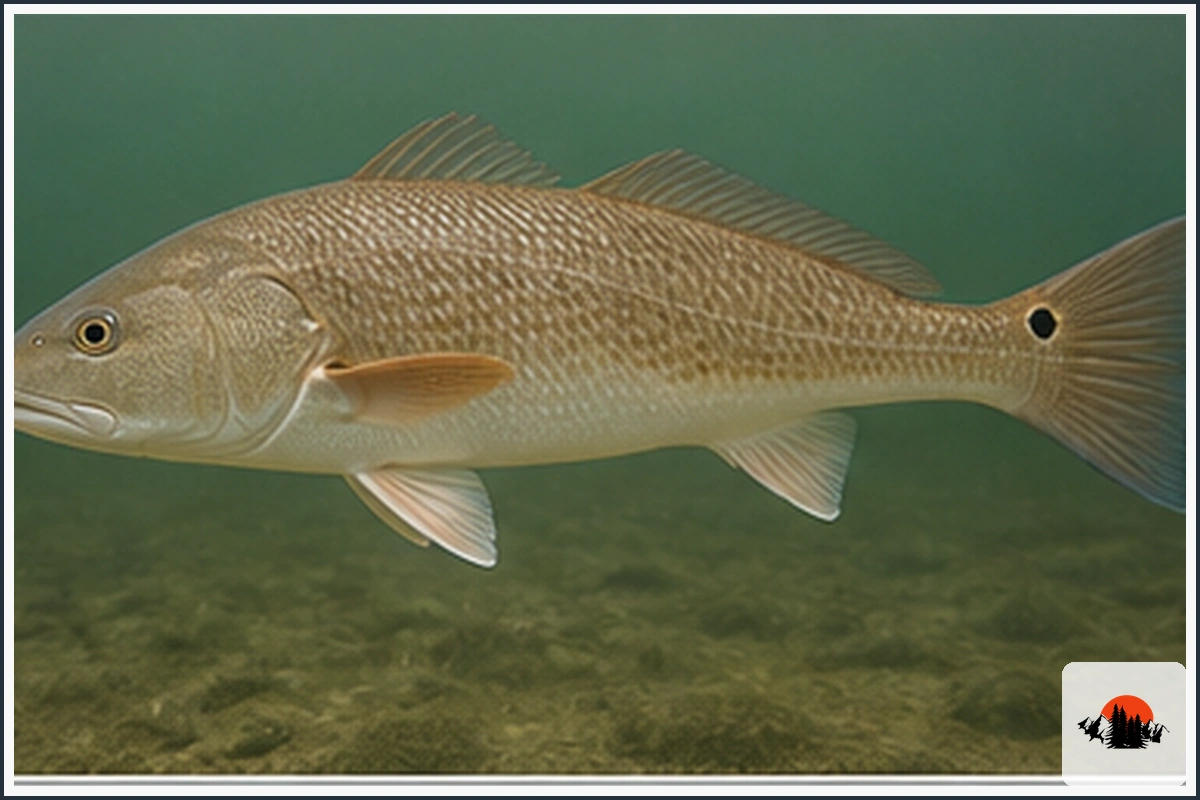
Scientific name: Sciaenops ocellatus
Red drum, also called redfish, have a copper, bronze, or reddish body and often display one or more dark spots near the tail. They are powerful coastal fish, with adults commonly measuring 20 to 40 inches. Red drum are one of Texas’s best-known inshore game fish.
They inhabit bays, marsh edges, passes, jetties, beaches, and nearshore Gulf waters. Young red drum feed on shrimp, crabs, and small fish in shallow estuaries. Larger fish may move offshore. Anglers target them with shrimp, cut bait, soft plastics, spoons, and topwater lures. Regulations protect breeding-sized fish, so check current Texas limits and slot rules before keeping one.
17. Spotted Seatrout
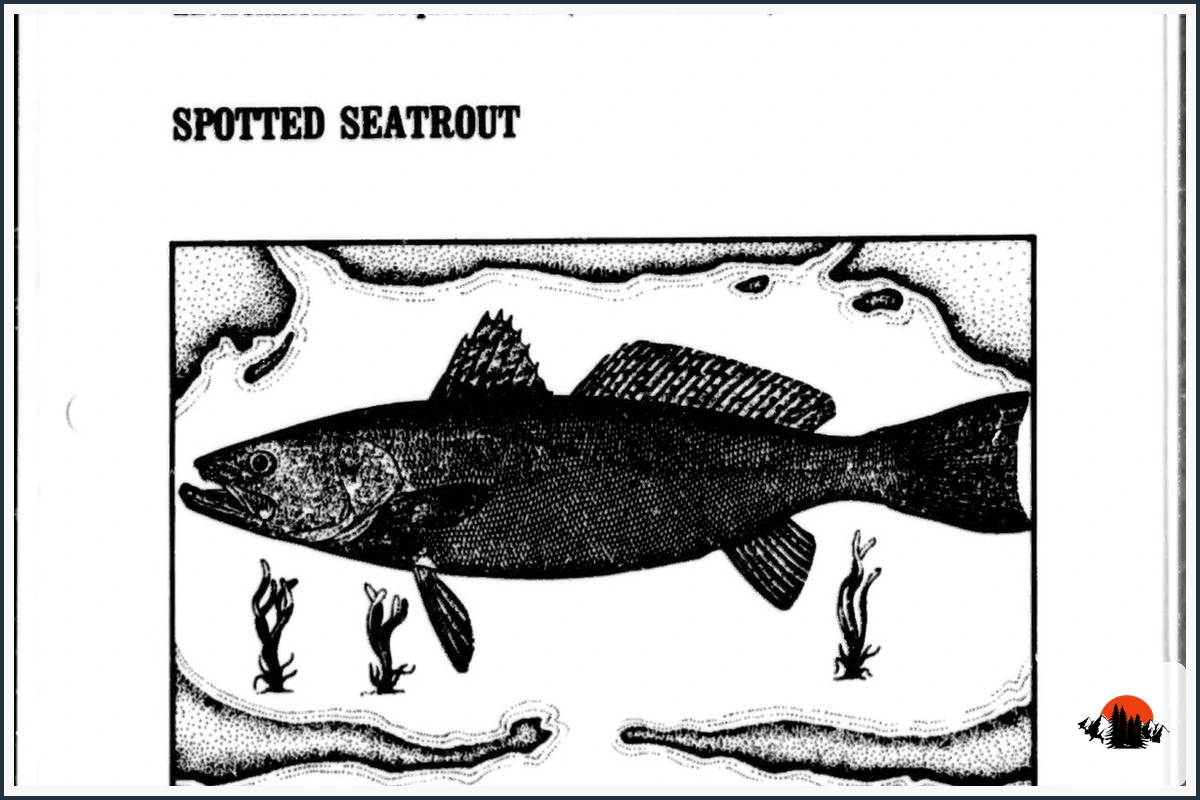
Scientific name: Cynoscion nebulosus
Spotted seatrout, often called speckled trout, have a silvery to pale gold body covered with dark spots on the back and fins. Their canine teeth are visible near the front of the upper jaw. Most inshore fish measure 15 to 25 inches.
They live in Texas bays, grass flats, oyster reefs, channels, and nearshore coastal waters. Spotted seatrout eat shrimp, small fish, and crabs. They often feed around moving water, especially near tide changes. Soft plastic lures, suspending plugs, live shrimp, and small baitfish are common choices. Handle large trout carefully because older breeding fish contribute significantly to the population.
18. Southern Flounder
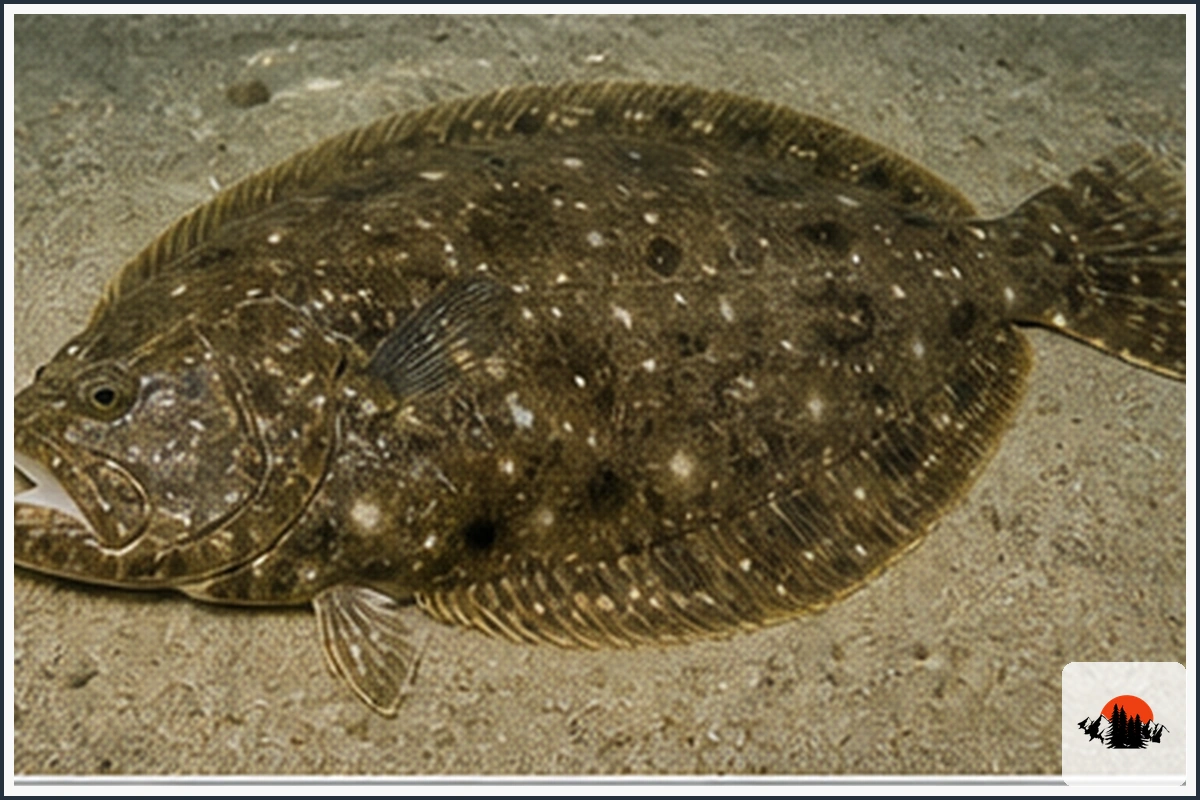
Scientific name: Paralichthys lethostigma
Southern flounder are flatfish with both eyes on one side of the head, a dark upper surface, and a pale underside. They can change shade to blend with sandy or muddy bottoms. Adults often reach 12 to 20 inches.
They occupy bays, estuaries, tidal creeks, marshes, and nearshore waters. Young flounder eat small crustaceans and fish, while adults become more fish-eating predators. Their flat bodies allow them to hide in sediment and ambush prey. Anglers commonly find them near channels, passes, and structure. Seasonal rules may protect spawning migrations, so always review current regulations before fishing.
19. Red Snapper
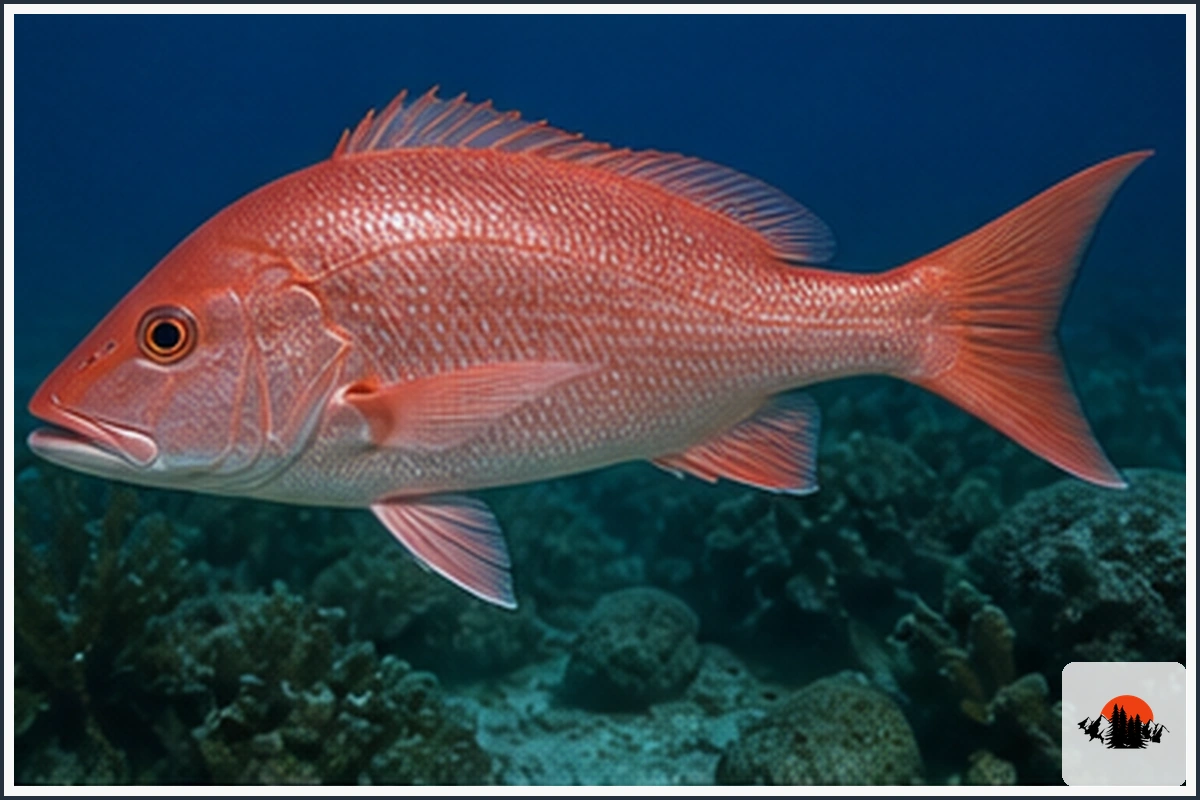
Scientific name: Lutjanus campechanus
Red snapper are deep-bodied marine fish with a pink to red body, pointed anal fin, and large eye. Young fish often have a lighter color, while adults may exceed 30 inches. They are among the most popular offshore fish in the Gulf of Mexico.
Red snapper live around reefs, oil platforms, wrecks, rock piles, and other hard structure. They eat fish, squid, shrimp, and crabs. Offshore anglers commonly use cut bait, squid, or artificial jigs near the bottom. Because red snapper populations are carefully managed, seasons, size limits, and bag limits can change. Check federal and state rules before keeping any fish.
20. Black Drum
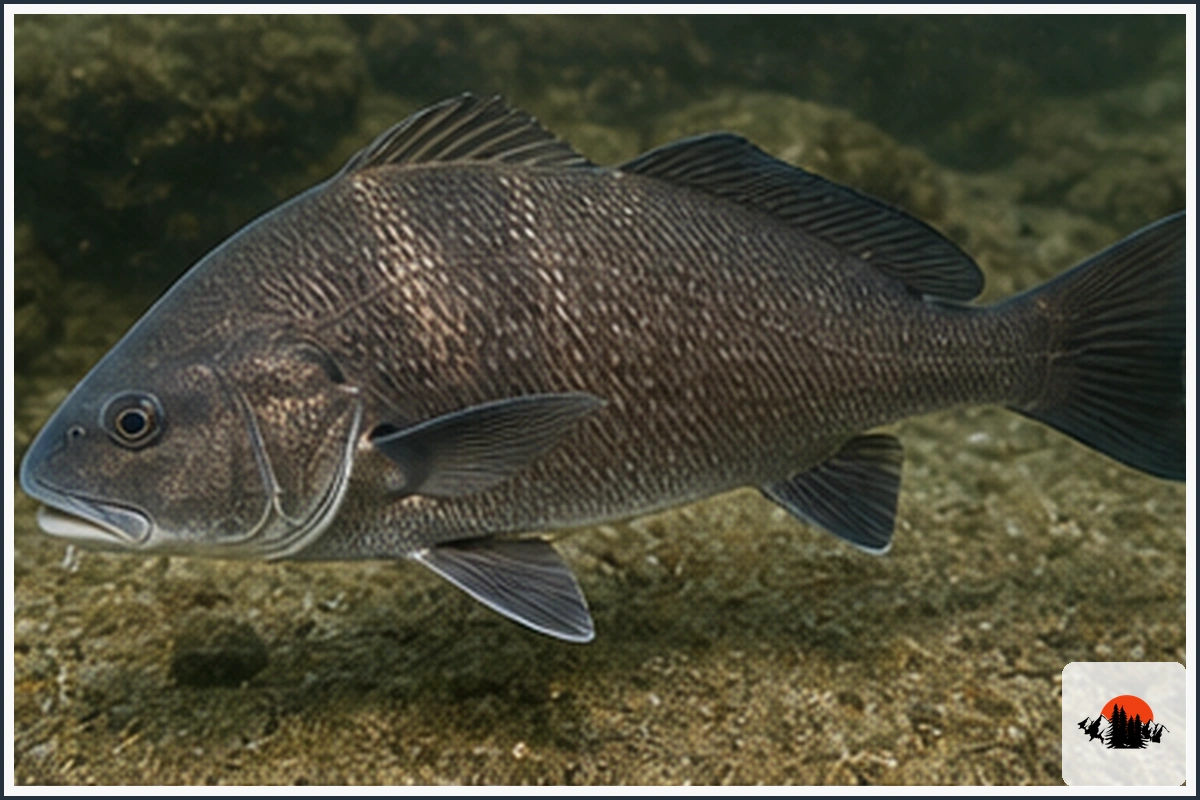
Scientific name: Pogonias cromis
Black drum are heavy-bodied coastal fish with a dark gray to black back, barbels under the chin, and strong pharyngeal teeth. Smaller fish may be silvery, while large adults can exceed 40 inches and weigh more than 50 pounds.
They live in bays, passes, estuaries, jetties, channels, and nearshore Gulf waters. Black drum feed on oysters, clams, crabs, shrimp, and other bottom-dwelling animals. They often create a distinctive drumming sound using muscles near the swim bladder. Smaller drum are valued as food fish, while very large individuals are commonly released because older fish help maintain breeding populations.
How Are These Types of Fish Classified?
Texas fish can be classified in several useful ways:
- Freshwater fish: Bass, catfish, crappie, sunfish, gar, trout, and other species that spend most of their lives in lakes, rivers, ponds, or streams.
- Marine fish: Red drum, spotted seatrout, flounder, red snapper, and black drum that live in bays, estuaries, or the Gulf of Mexico.
- Game fish: Species managed for recreational fishing, including largemouth bass, striped bass, redfish, trout, and snapper.
- Native fish: Species that naturally occurred in Texas waters before modern stocking and introductions.
- Stocked fish: Fish such as rainbow trout, striped bass, and hybrid striped bass that may be introduced to selected waters to support fishing opportunities.
- Predators and prey: Bass, gar, and larger catfish are predators, while shad, minnows, sunfish, and young fish form important prey groups.
Where Do These Fish Live?
Texas fish occupy a wide range of habitats. East Texas contains many reservoirs, forested streams, and wetlands that support bass, crappie, catfish, and sunfish. Central Texas has spring-fed rivers and rocky creeks that provide habitat for Guadalupe bass and other stream fish. West Texas has desert rivers, irrigation waters, and reservoirs with more specialized fish communities. Along the coast, bays, marshes, passes, seagrass beds, jetties, oyster reefs, and Gulf reefs support red drum, spotted seatrout, flounder, snapper, and black drum.
Water temperature, salinity, flow, depth, vegetation, dissolved oxygen, and available prey strongly influence where each species is found. Seasonal movements are also important. Many fish move into shallow water to spawn in spring, while others seek deeper or cooler habitats during the hottest part of summer.
How to Identify Different Types of Fish in Texas
- Check body shape: Deep-bodied fish include sunfish and snapper, while gar and trout have long, streamlined bodies.
- Examine the mouth: A largemouth bass has a mouth extending behind the eye, while Guadalupe bass usually has a smaller mouth.
- Look at markings: Red drum may have a black spot near the tail, spotted seatrout have many dark spots, and crappie show bars or irregular spotting.
- Notice the tail: Catfish often have forked tails, while flounder have a flattened body and a different swimming shape.
- Consider habitat: A fish caught in a clear stream may be a Guadalupe bass, while a fish from a coastal bay may be red drum or spotted seatrout.
- Estimate size carefully: Size helps, but it should not replace identifying features because young fish can look different from adults.
- Use a reliable guide: Texas Parks and Wildlife identification resources and current regulations are useful for difficult cases.
Fishing Tips and Notes
- Match bait and lures to the fish’s natural prey, such as shad for striped bass or shrimp for coastal species.
- Look for structure, including submerged timber, brush piles, rocks, vegetation, oyster reefs, docks, and drop-offs.
- Fish during low-light periods when species such as bass, catfish, and redfish may become more active.
- Use a landing net for larger fish and wet your hands before handling fish you plan to release.
- Keep freshwater and saltwater tackle clean and dry to reduce the spread of invasive organisms and disease.
- Check current Texas fishing regulations, seasonal closures, size limits, and bag limits before fishing.
Safety, Sustainability, and Conservation Notes
Responsible fishing helps protect Texas fisheries for future generations. Follow current regulations, keep only legal fish, and release unwanted fish quickly and carefully. Never transport live fish, bait, or aquatic plants between waterways unless regulations clearly allow it. This helps reduce invasive species and disease risks.
Use extra care with gar, catfish spines, sharp dorsal fins, and the teeth of predatory fish. Saltwater anglers should use proper ice storage and follow local consumption advisories. Protecting riverbanks, wetlands, marshes, seagrass, and coastal reefs benefits fish throughout their life cycles. When observing wildlife, avoid disturbing spawning areas, nests, and shallow nursery habitat.
Fun Facts About Fish in Texas
- Texas has freshwater, brackish, estuarine, and marine fish habitats.
- The Guadalupe bass is the official state fish of Texas.
- Alligator gar are among the largest freshwater fish in North America.
- Red drum can produce a drumming sound using muscles near the swim bladder.
- Flatfish such as southern flounder have both eyes on one side of the head.
- Bluegill are important prey for largemouth bass.
- White bass often migrate upstream during spring spawning runs.
- Redear sunfish are nicknamed shellcrackers because they crush snails and other hard prey.
- Some Texas reservoirs support stocked striped bass and hybrid striped bass fisheries.
- Many coastal fish use bays and marshes as nurseries before moving into deeper water.
Final Thoughts on Types of Fish in Texas
The types of fish in Texas range from small stream sunfish and native Guadalupe bass to enormous alligator gar and powerful Gulf redfish. Learning to recognize body shape, markings, habitat, and behavior makes fishing and wildlife observation more rewarding. Before heading out, check local conditions and regulations, handle fish responsibly, and continue exploring the remarkable waters of Texas.
Frequently Asked Questions
1. What are the most common types of fish in Texas?
Common Texas fish include largemouth bass, channel catfish, blue catfish, white bass, crappie, bluegill, red drum, and spotted seatrout.
2. What is the state fish of Texas?
The Guadalupe bass is the official state fish of Texas.
3. What is the most popular freshwater fish in Texas?
Largemouth bass are widely considered the most popular freshwater sport fish in Texas because they live in many lakes, reservoirs, ponds, and rivers.
4. What is the largest freshwater fish in Texas?
Alligator gar can reach enormous sizes and are among the largest freshwater fish found in Texas.
5. What catfish species live in Texas?
Important Texas catfish include channel catfish, blue catfish, and flathead catfish.
6. What fish are stocked in Texas lakes?
Depending on the location, Texas waters may be stocked with rainbow trout, striped bass, hybrid striped bass, channel catfish, and other managed species.
7. Where can I find largemouth bass in Texas?
Largemouth bass live in reservoirs, ponds, lakes, rivers, and creeks, especially near vegetation, timber, docks, rocks, and other cover.
8. What do Texas largemouth bass eat?
They eat shad, minnows, sunfish, crayfish, frogs, insects, and other suitable prey.
9. What is the difference between blue catfish and channel catfish?
Blue catfish usually have a slate-blue body and a deeply forked tail, while channel catfish are more slender, often have spots, and may show a forked tail with a narrower body.
10. What is the difference between white bass and striped bass?
Striped bass are generally longer and more streamlined, with clearer continuous stripes. White bass are smaller and deeper-bodied, with less distinct markings.
11. Are crappie common in Texas?
Yes. Black crappie and white crappie are common in many Texas lakes, reservoirs, rivers, and backwaters.
12. When is the best time to catch crappie?
Spring is often productive because crappie move into shallow areas to spawn, although they can be caught year-round near structure.
13. What are the best baitfish in Texas?
Shad, minnows, and small sunfish are important natural prey for many Texas predators, although bait regulations vary by location.
14. What fish live in Texas rivers?
Texas rivers may contain bass, catfish, sunfish, gar, crappie, carp, minnows, and native species such as Guadalupe bass.
15. Where do Guadalupe bass live?
Guadalupe bass are strongly associated with clear, flowing streams and rivers in central Texas.
16. Are rainbow trout native to Texas?
Rainbow trout are not native to most Texas waters. They are commonly stocked during cooler months in selected locations.
17. What fish live in Texas bays?
Texas bays support red drum, spotted seatrout, southern flounder, black drum, sheepshead, croaker, mullet, and many smaller forage fish.
18. What is the best bait for red drum?
Live or cut shrimp, crab, mullet, and other natural baits can work well, along with soft plastic lures, spoons, and plugs.
19. What is the difference between red drum and black drum?
Red drum are usually copper-colored and may have a black spot near the tail. Black drum have a heavier body, chin barbels, and a darker gray or black appearance.
20. Are spotted seatrout and speckled trout the same fish?
Yes. Spotted seatrout and speckled trout are common names for Cynoscion nebulosus.
21. What is the best habitat for spotted seatrout?
Spotted seatrout commonly use grass flats, oyster reefs, channels, marsh edges, and areas with moving tidal water.
22. What fish have teeth in Texas waters?
Alligator gar, spotted gar, largemouth bass, red snapper, and several other predatory fish have noticeable teeth or sharp mouth structures.
23. Are alligator gar dangerous?
Alligator gar are powerful predators but generally avoid people. Their teeth and heavy bodies require careful handling, especially when removing hooks.
24. Can you eat fish caught in Texas?
Many Texas fish are eaten, but anglers should follow size and possession rules and check current local consumption advisories before eating their catch.
25. How should I handle a fish I plan to release?
Wet your hands, support the fish horizontally, avoid touching the gills, remove the hook quickly, and return the fish to the water with minimal air exposure.
26. What should beginners fish for in Texas?
Bluegill, channel catfish, largemouth bass, and stocked rainbow trout are beginner-friendly targets because they are widespread and respond to simple baits or lures.
27. What fish are found in the Gulf of Mexico near Texas?
Texas Gulf waters contain red snapper, kingfish, sharks, grouper, cobia, tuna, red drum, flounder, and many other marine species.
28. Are Texas fish affected by invasive species?
Some Texas waterways face invasive species concerns, including introduced fish and aquatic organisms that compete with native species or alter habitats.
29. Can I move fish from one Texas lake to another?
Moving live fish between waterways can spread disease and invasive species and may violate regulations. Follow Texas rules and never release unwanted aquarium fish.
30. What is the easiest way to identify a fish in Texas?
Record the location, habitat, size, body shape, mouth, fins, tail, color pattern, and any distinctive markings. A reliable regional fish guide can then help confirm the species.
31. Do Texas fish migrate?
Some do. White bass move upstream to spawn, coastal fish move between bays and the Gulf, and many species shift between shallow and deep habitats seasonally.
32. Why are wetlands important to Texas fish?
Wetlands, marshes, and shallow coastal areas provide food, shelter, spawning habitat, and nursery grounds for young fish.
33. What is the best season for freshwater fishing in Texas?
Spring is productive for many species because fish become active and spawn, but summer, fall, and winter each offer opportunities depending on the fish and location.
34. What is the best season for saltwater fishing in Texas?
Saltwater fishing can be productive year-round, but seasonal movements, water temperature, tides, weather, and regulations strongly affect success.
35. Do Texas fish need clean water?
Yes. Clean, oxygenated water supports healthy fish, prey populations, spawning, and aquatic vegetation. Pollution and habitat loss can affect entire fish communities.
36. Where can I find current Texas fishing regulations?
Use the official Texas Parks and Wildlife Department resources for current licenses, seasons, bag limits, size limits, and special regulations.