

Canada is home to an extraordinary range of wildlife, from polar bears and Arctic foxes to moose, beavers, whales, and colorful birds. This guide to the types of animals in Canada highlights 25 notable species found across the country’s forests, mountains, wetlands, coastlines, grasslands, and Arctic tundra. You will learn how to identify them, where they live, what they eat, and why they matter to Canadian ecosystems.
What Are the Main Types of Animals in Canada?
The main types of animals in Canada include mammals, birds, marine animals, reptiles, and amphibians. Iconic species include moose, polar bears, grizzly bears, beavers, caribou, wolves, orcas, bald eagles, and Canada geese. Their habitats range from Pacific and Atlantic waters to boreal forests, prairie grasslands, alpine regions, and the Arctic.
1. Moose
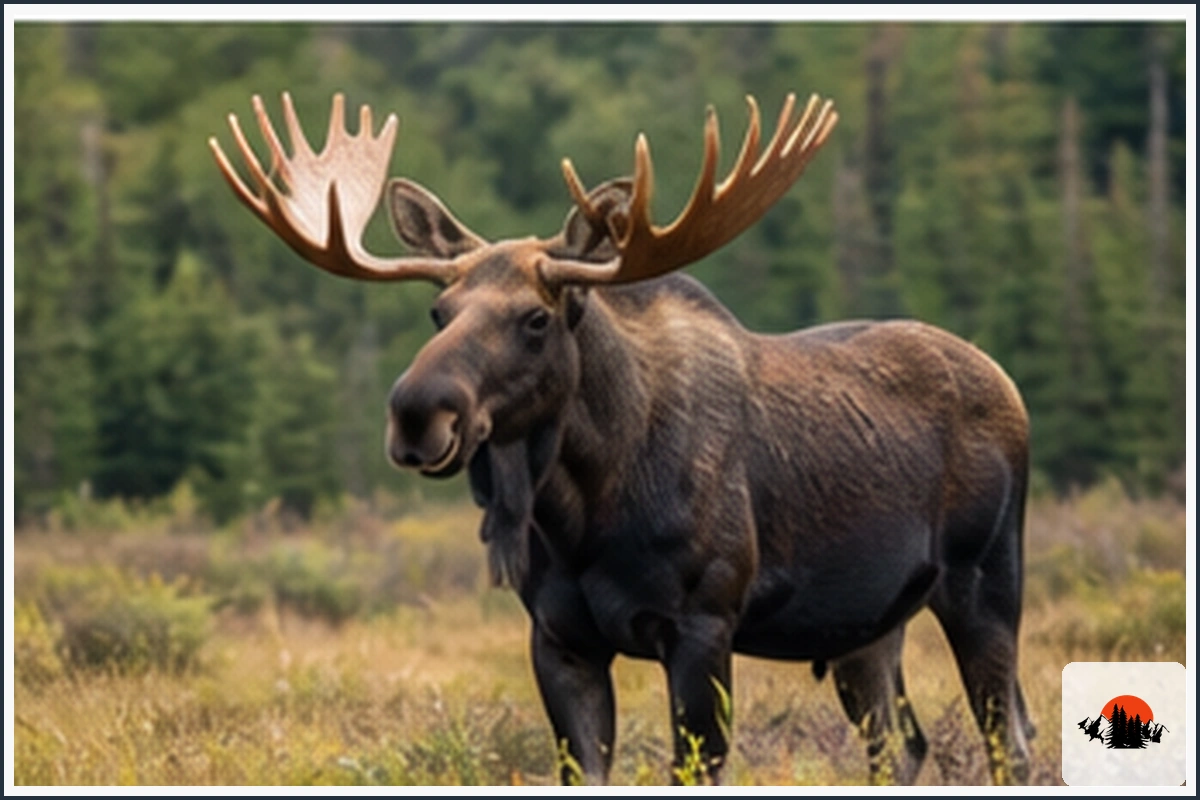
Scientific name: Alces alces. The moose is Canada’s largest land mammal and one of its most recognizable animals. It has long legs, a large muzzle, a shoulder hump, and broad, flattened antlers in adult males. Moose commonly inhabit boreal forests, wetlands, lakeshores, and areas with young shrubs.
They feed mainly on leaves, twigs, aquatic plants, and woody vegetation. Moose are generally solitary, although females remain with their calves. They are excellent swimmers but can be dangerous when approached, especially during the autumn breeding season or when a cow is protecting a calf.
2. Polar Bear
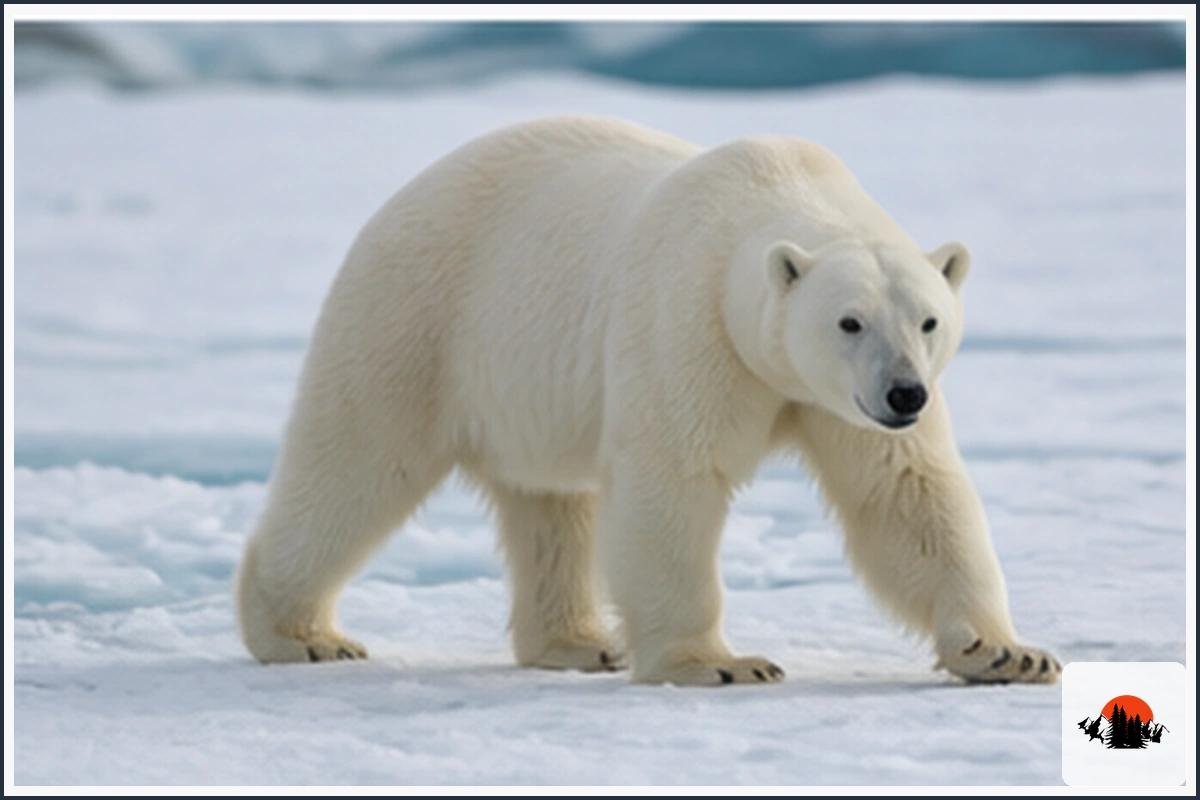
Scientific name: Ursus maritimus. Polar bears live across Canada’s Arctic coast, sea ice, islands, and tundra. Their creamy fur, black skin, large paws, and streamlined body help them survive extreme cold and move across snow and ice.
Seals are their primary prey, and polar bears depend heavily on sea ice for hunting. They are powerful swimmers and may travel long distances between feeding areas. Climate change and shrinking sea ice are major conservation concerns for this Arctic species.
3. Grizzly Bear
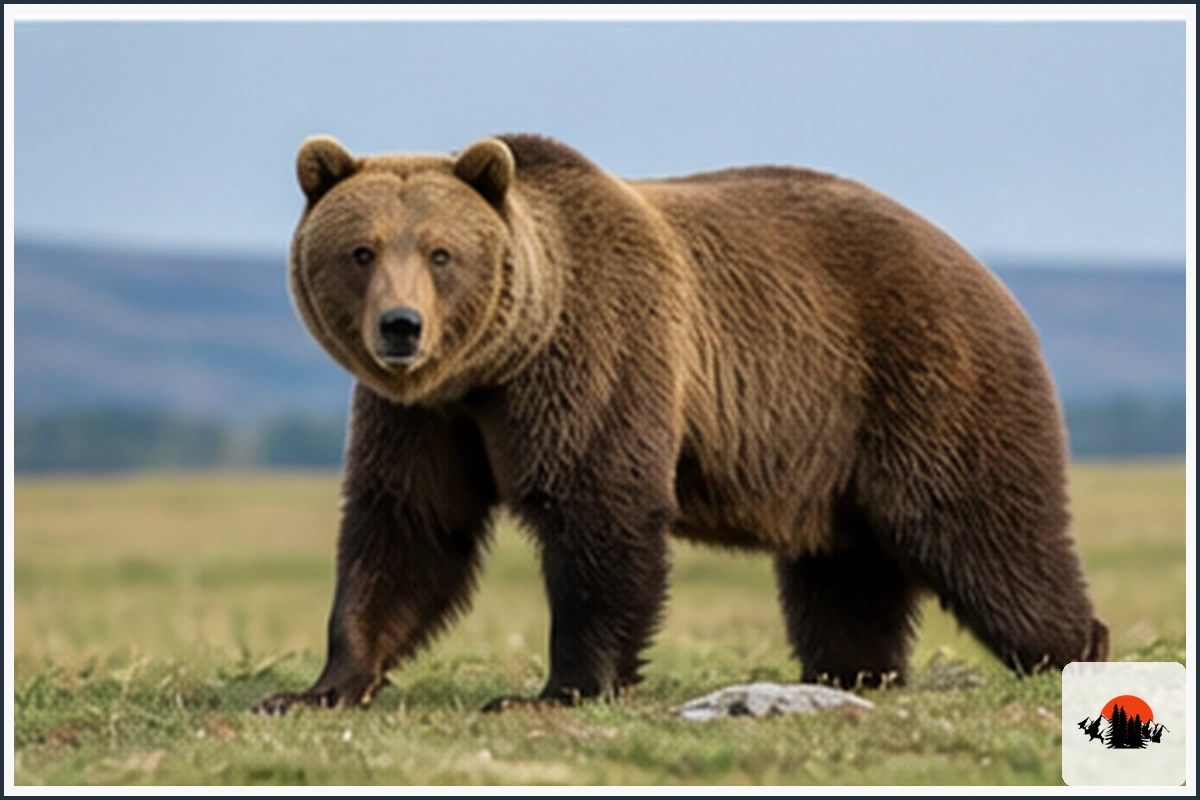
Scientific name: Ursus arctos horribilis. Grizzly bears are found mainly in western and northern Canada, including British Columbia, Alberta, Yukon, and the Northwest Territories. They are identified by a shoulder hump, long claws, rounded ears, and fur that may appear brown, blond, or nearly black.
Grizzlies are omnivores that eat berries, roots, insects, fish, small mammals, and carrion. They usually avoid people but can react defensively if surprised, approached near food, or encountered with cubs. Visitors in bear country should follow local food-storage and viewing rules.
4. Black Bear
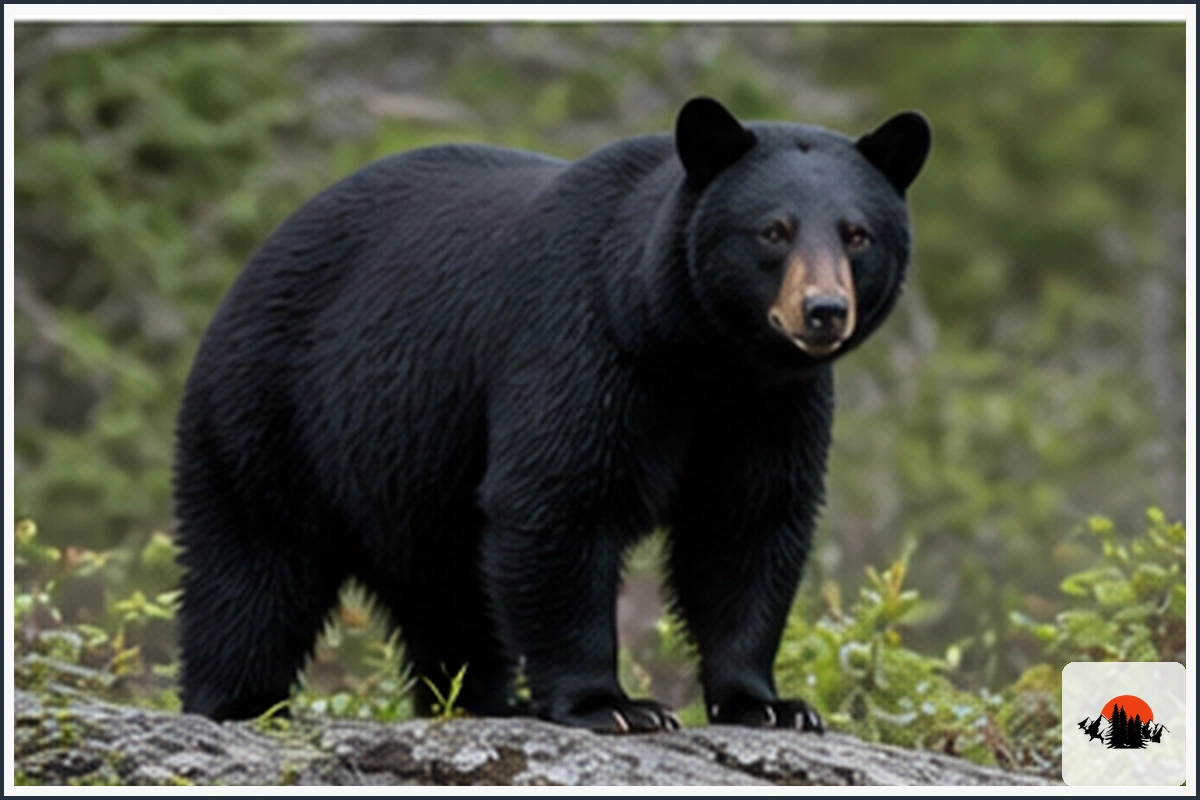
Scientific name: Ursus americanus. Black bears are widely distributed across Canada and occur in forests, mountains, wetlands, and some northern regions. Despite their name, their fur can be black, brown, cinnamon, or even blond.
They eat berries, nuts, insects, roots, fish, carrion, and occasionally young animals. Black bears are generally solitary and spend winter in dens. Never feed a bear, leave food outdoors, or approach one for a photograph.
5. Gray Wolf
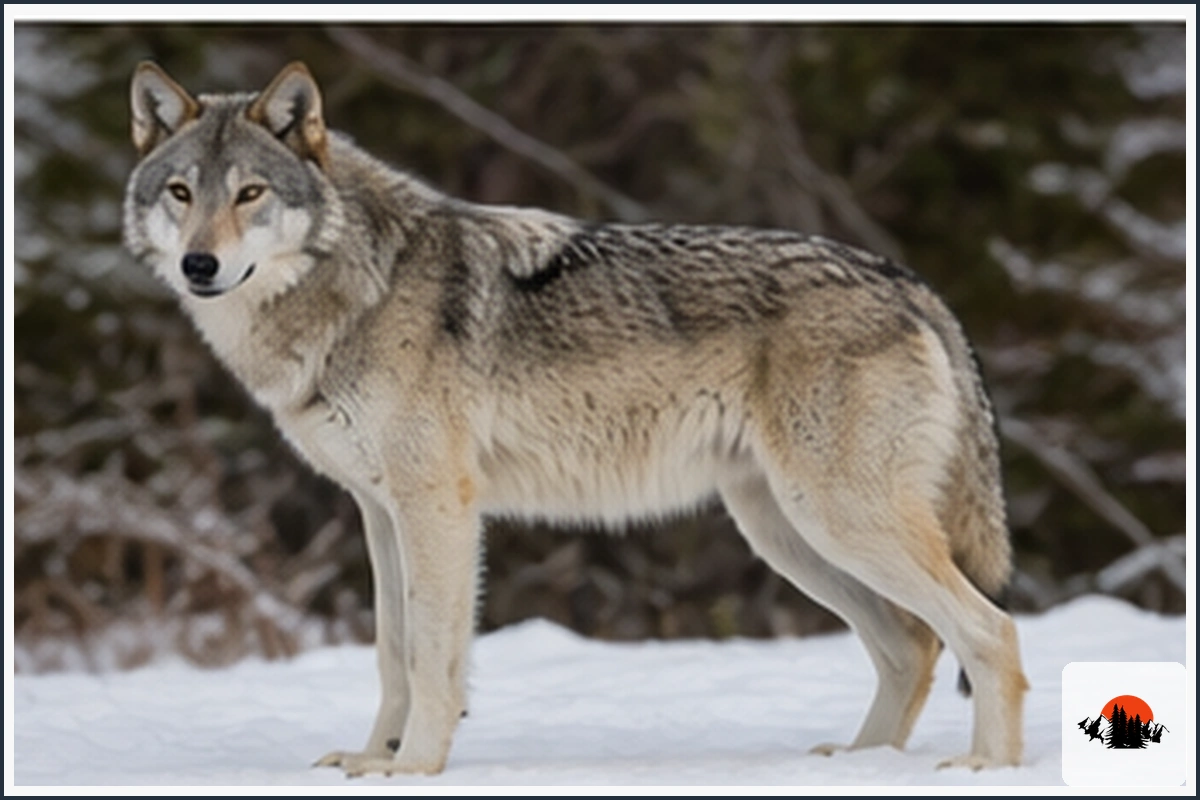
Scientific name: Canis lupus. Gray wolves inhabit forests, tundra, mountains, and grasslands across much of Canada. They have long legs, bushy tails, strong jaws, and highly developed hearing and scent.
Wolves live in family-based packs and cooperate when hunting prey such as deer, moose, caribou, and smaller mammals. Their presence can influence prey populations and help shape ecosystem balance. Fur color varies from gray and brown to black or nearly white.
6. Arctic Fox
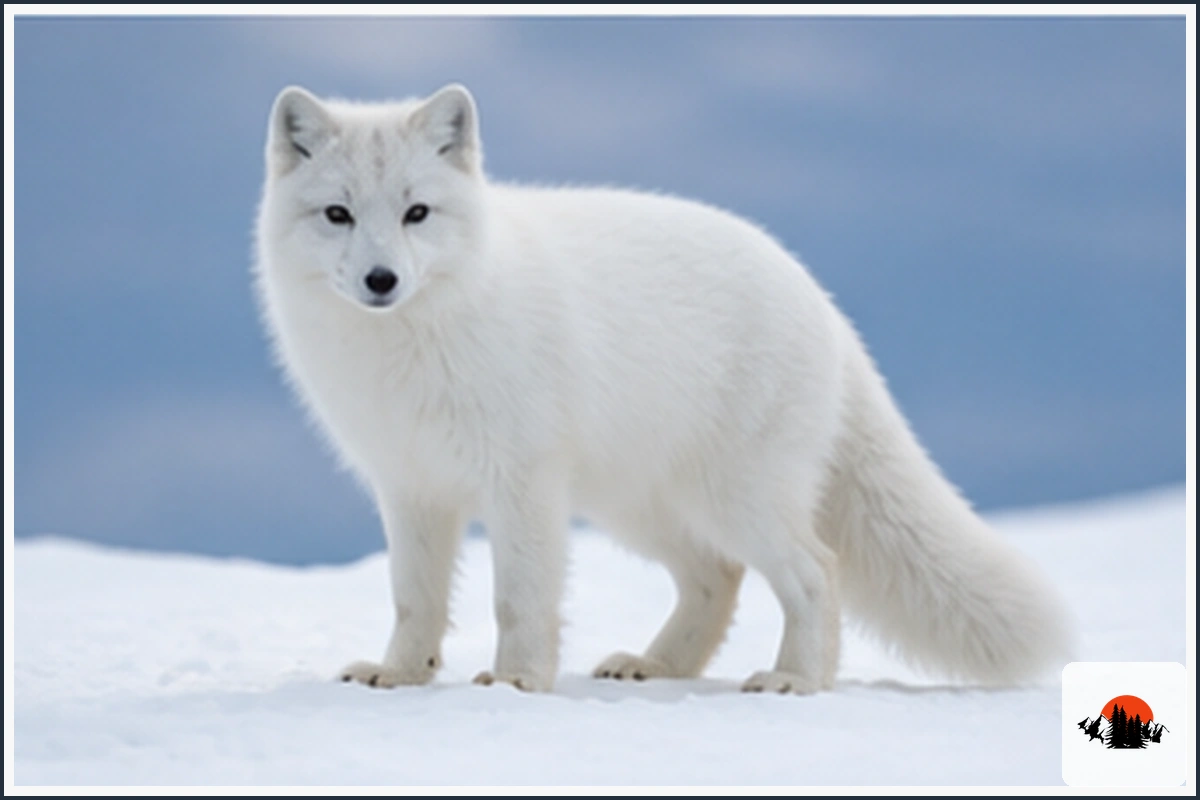
Scientific name: Vulpes lagopus. The Arctic fox lives throughout Canada’s far north. Its compact body, short ears, furry footpads, and thick seasonal coat help reduce heat loss. The coat is usually white in winter and brown or gray in summer.
Arctic foxes eat lemmings, birds, eggs, fish, carrion, and berries. They may follow polar bears to feed on leftovers and can survive long periods of scarce food. Their populations are closely connected to the availability of small Arctic rodents.
7. Beaver
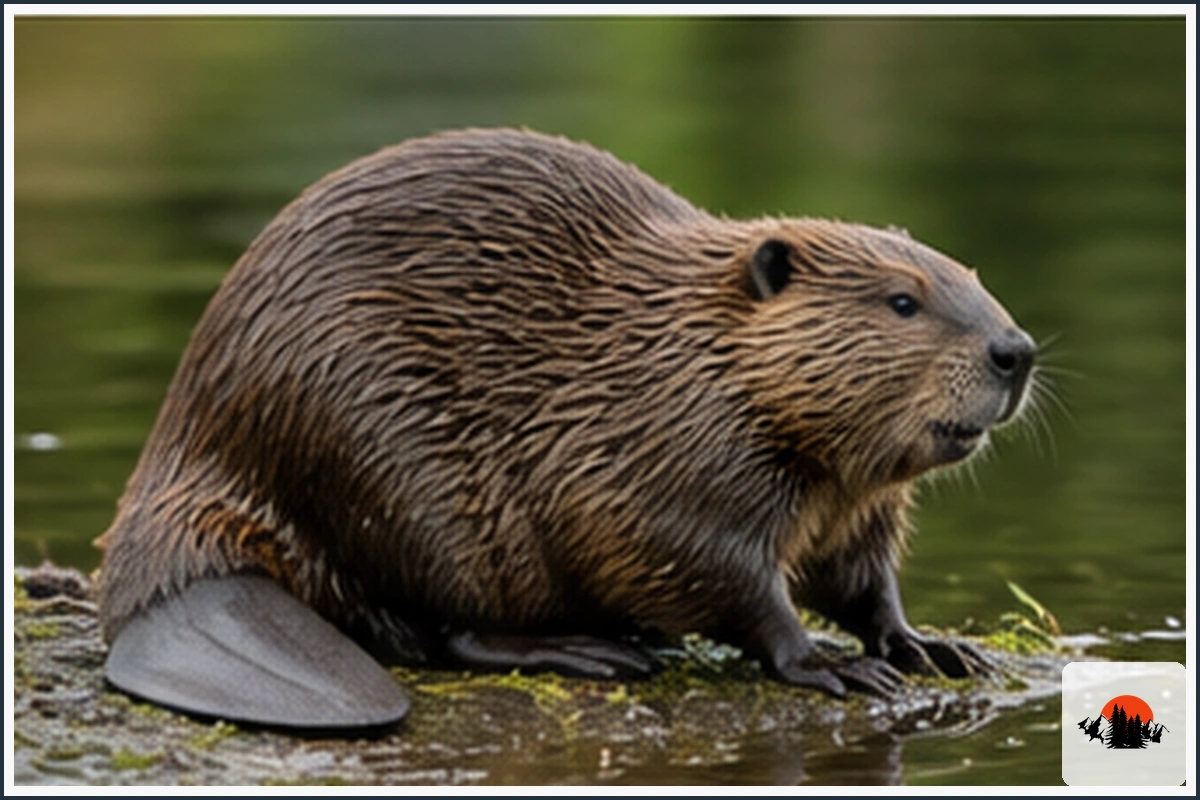
Scientific name: Castor canadensis. The North American beaver is Canada’s national animal and an important wetland engineer. It has orange front teeth, webbed hind feet, dense fur, and a broad, flat tail.
Beavers eat bark, aquatic plants, leaves, and twigs. By building dams and lodges, they create ponds that provide habitat for fish, frogs, waterfowl, insects, and plants. Their work can change water flow and increase local wetland diversity.
8. Caribou
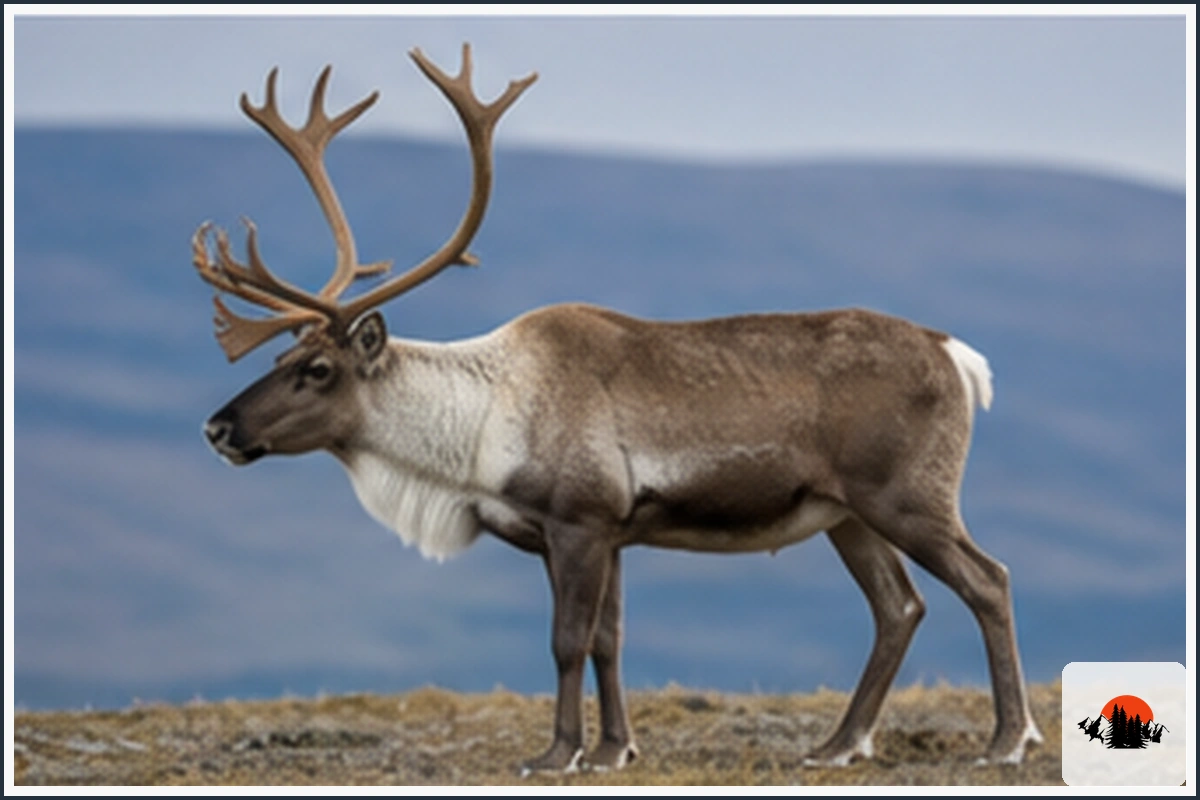
Scientific name: Rangifer tarandus. Caribou, called reindeer in some regions, are adapted to northern forests and Arctic tundra. Both males and females can grow antlers, although antler size and timing vary among populations.
Caribou eat lichens, grasses, leaves, and other tundra plants. Many populations migrate seasonally over great distances. Habitat fragmentation, changing climate, insect pressure, and disturbance can affect their survival.
9. American Bison
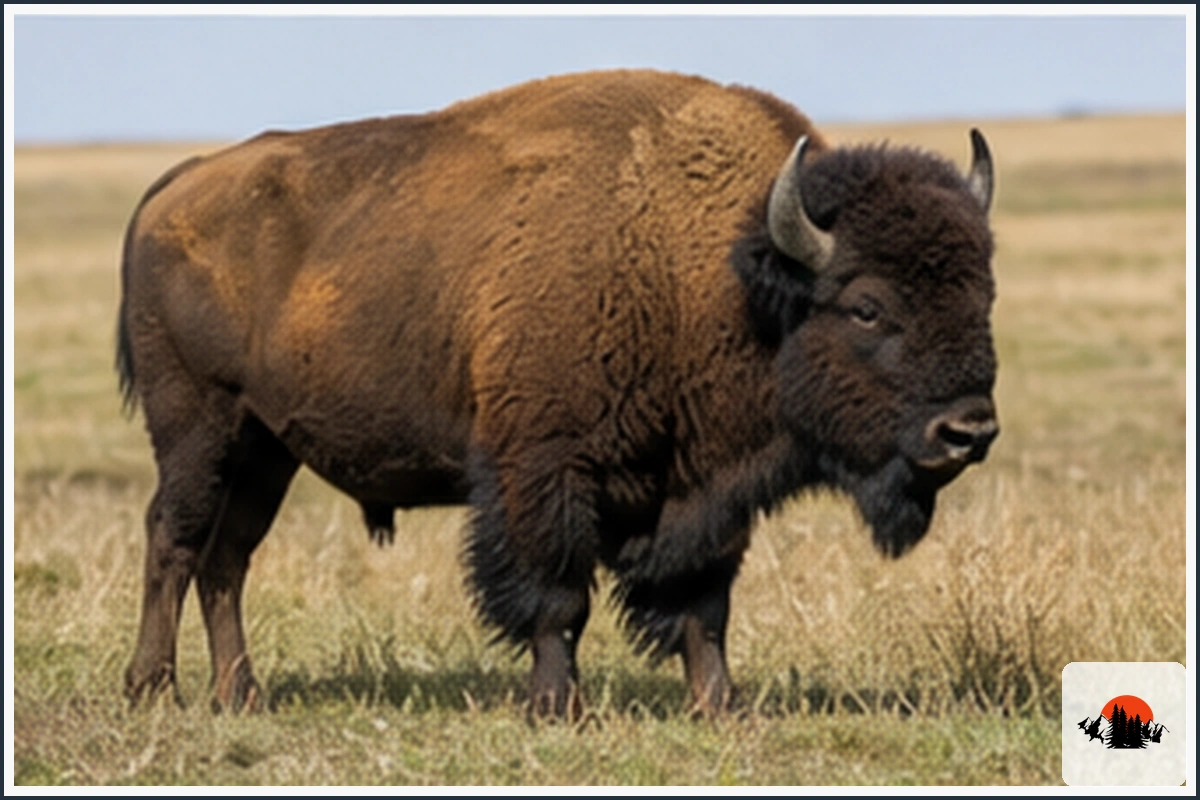
Scientific name: Bison bison. American bison are large grazing mammals with a heavy shoulder hump, shaggy forequarters, short horns, and a dark beard. In Canada, they are associated with prairie grasslands, protected areas, and some northern forests.
Bison feed primarily on grasses and sedges. Their grazing, wallowing, and movement help shape prairie ecosystems. Wild herds are protected in several national parks and conservation areas.
10. Canada Lynx
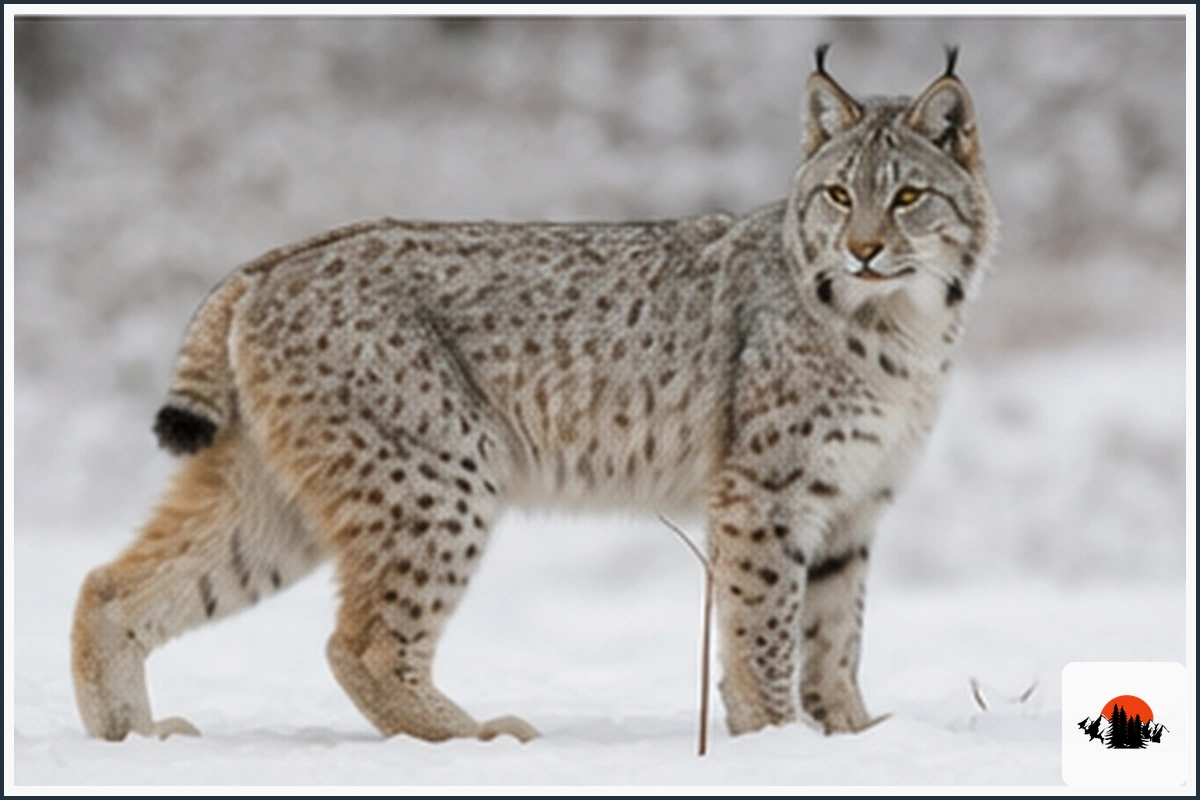
Scientific name: Lynx canadensis. The Canada lynx is a medium-sized wild cat with long legs, large furry paws, ear tufts, and a short, black-tipped tail. It is found mainly in boreal forests where snowshoe hares are abundant.
Snowshoe hares make up much of its diet, and lynx numbers often rise and fall with hare populations. Canada lynx are quiet, solitary hunters that are well adapted to moving across deep snow.
11. Cougar
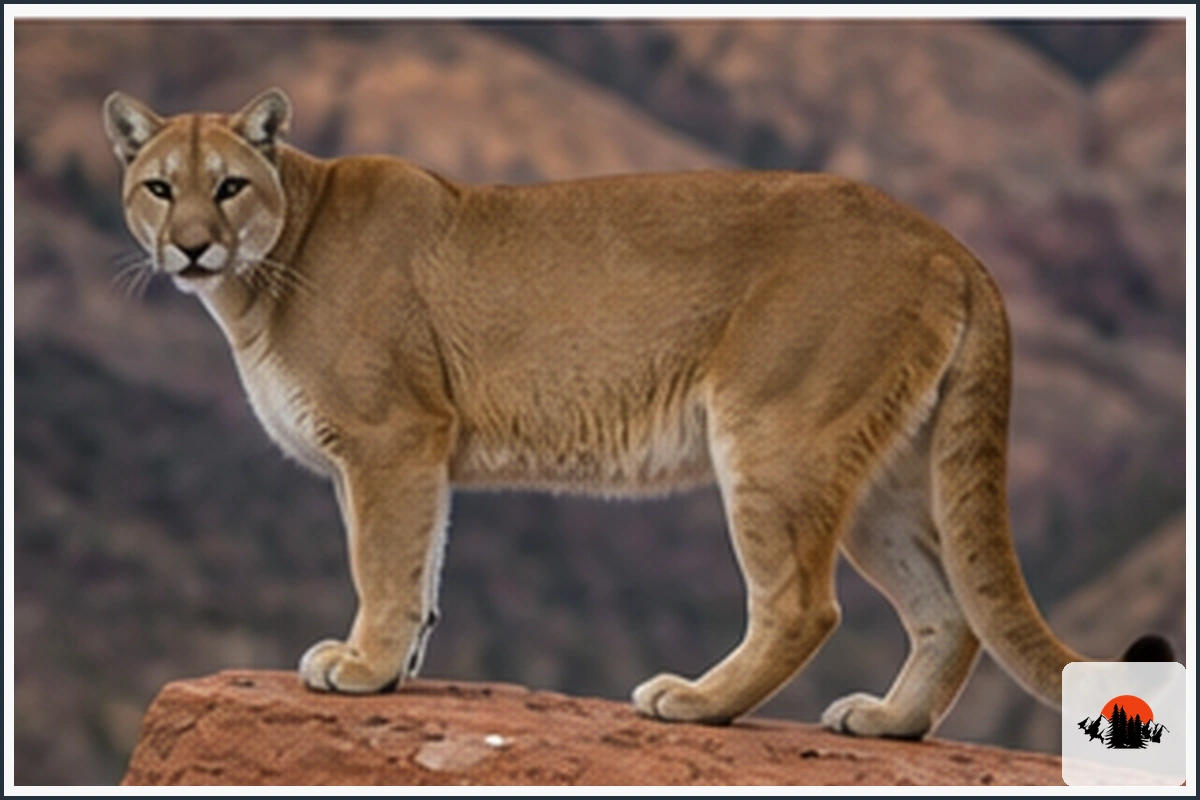
Scientific name: Puma concolor. Cougars, also called mountain lions, live mainly in western Canada, especially in mountainous and forested areas. They have tawny coats, long tails, rounded ears, and powerful hind legs.
Cougars hunt deer, elk, smaller mammals, and occasionally livestock. They are solitary and most active at dawn, dusk, or night. Sightings are uncommon, and people should never approach or follow one.
12. Red Fox
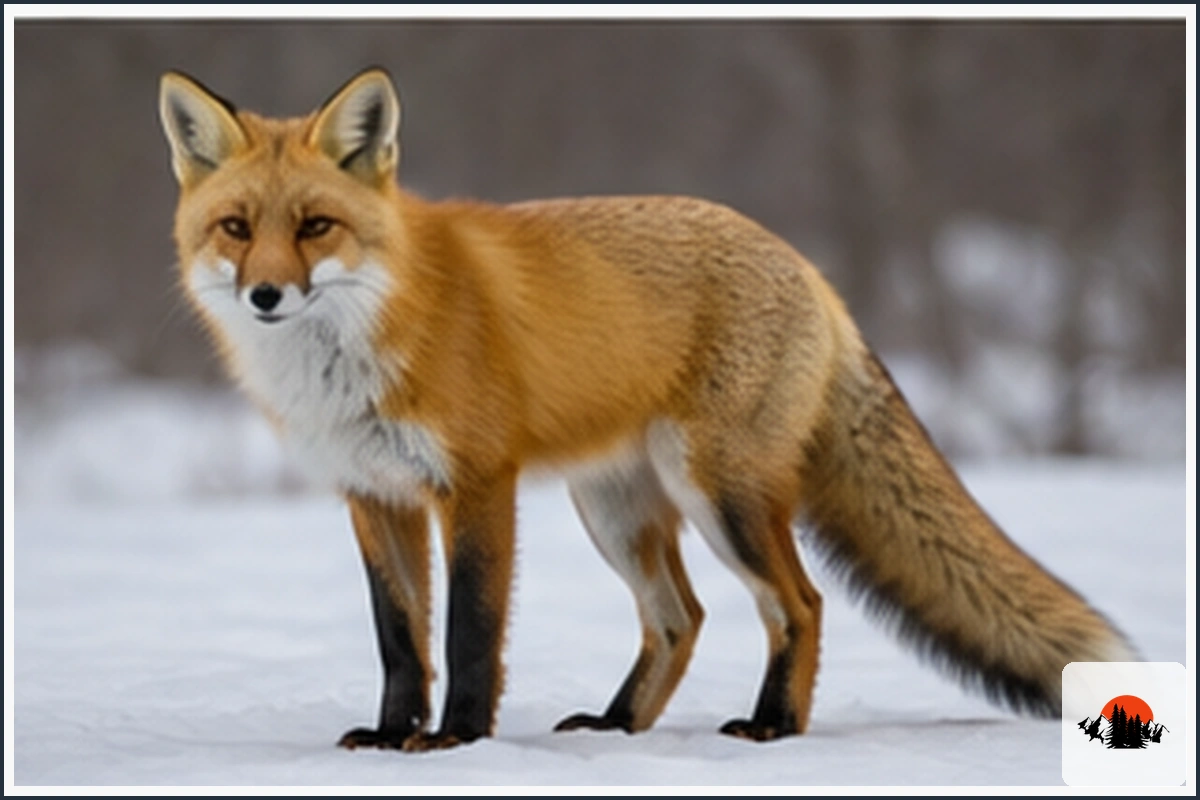
Scientific name: Vulpes vulpes. Red foxes are widespread across Canada and adapt well to forests, farmland, grasslands, suburbs, and city edges. Their classic appearance includes reddish fur, dark legs, pointed ears, and a bushy tail with a pale tip.
They eat rodents, rabbits, birds, insects, fruit, and carrion. Red foxes are usually solitary and use keen hearing to locate prey beneath grass or snow.
13. Snowshoe Hare
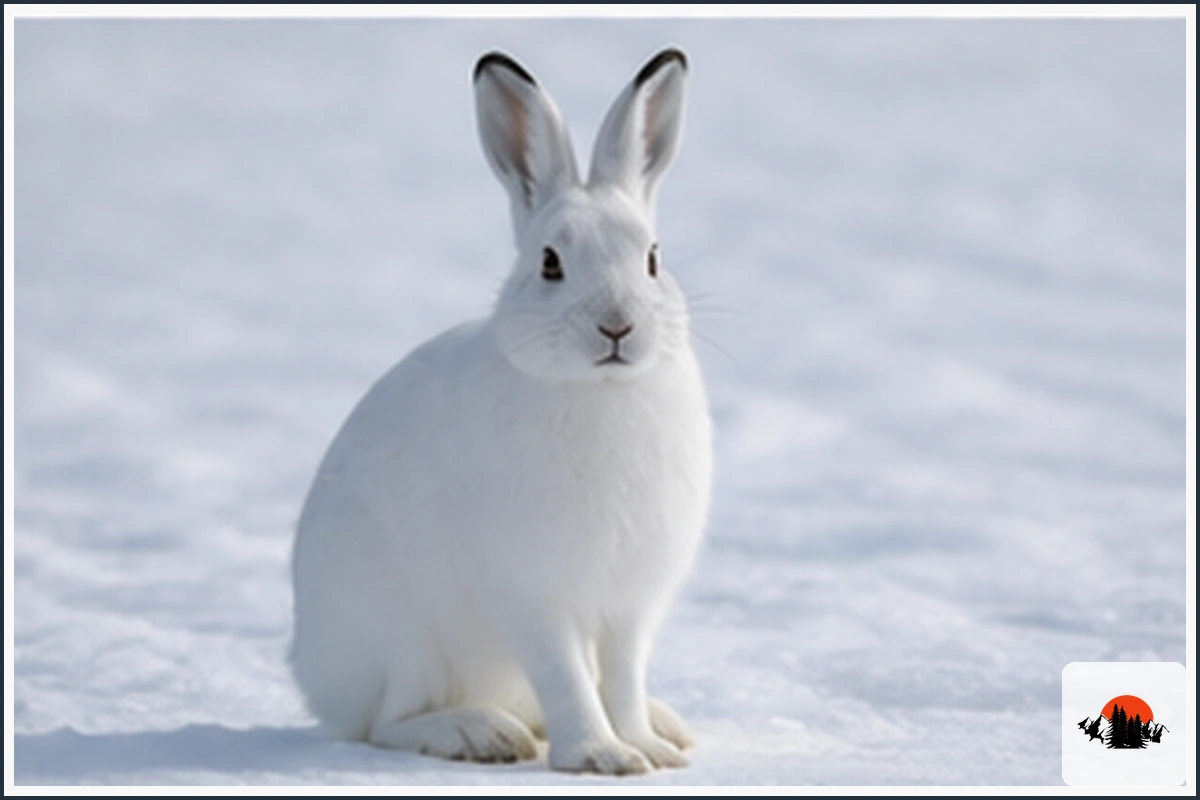
Scientific name: Lepus americanus. The snowshoe hare is named for its large hind feet, which help it move over soft snow. Its coat changes from brown in summer to white in winter, providing seasonal camouflage.
It feeds on grasses, leaves, bark, buds, and twigs. Snowshoe hares are important prey for lynx, foxes, owls, coyotes, and other predators. Their population cycles strongly influence many Canadian forest food webs.
14. Canada Goose
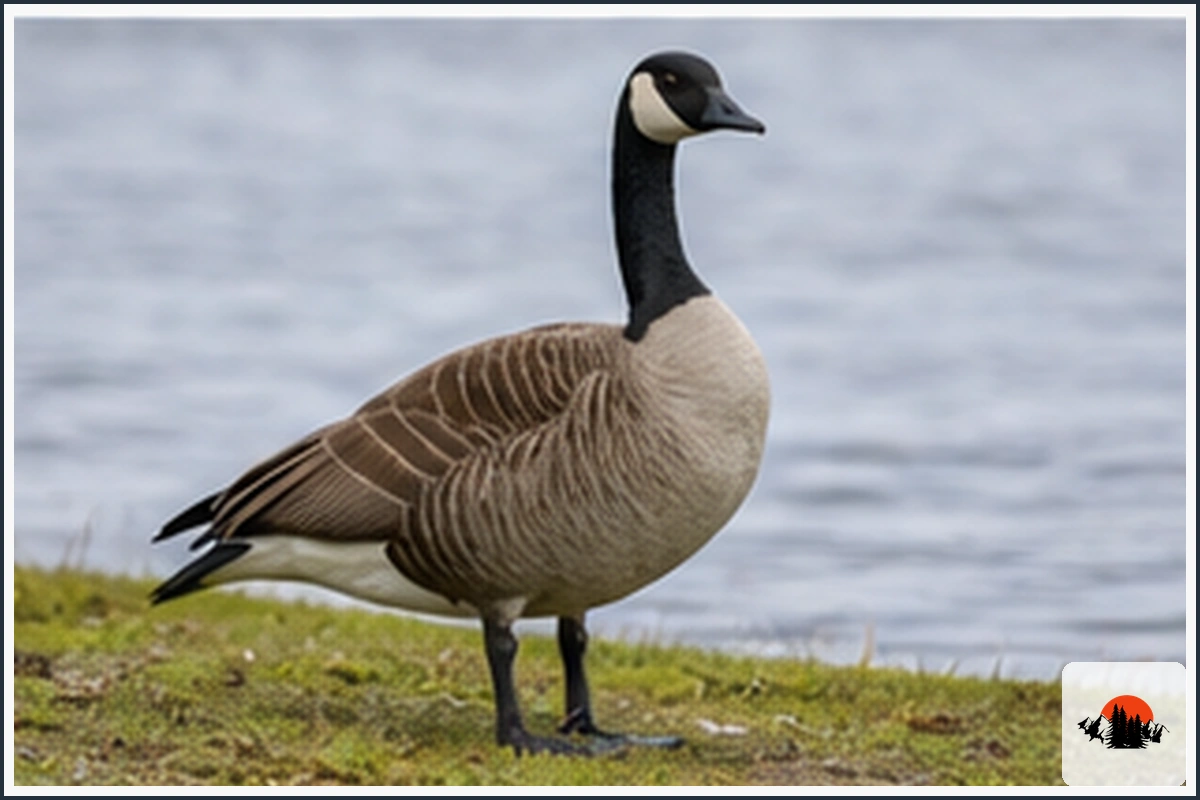
Scientific name: Branta canadensis. Canada geese are recognizable by their black heads and necks, white cheek patches, brown bodies, and loud honking calls. They occur in wetlands, lakes, rivers, grasslands, farmland, and urban parks.
They graze on grasses and crops and also eat aquatic vegetation. Many populations migrate, while some remain year-round where food and open water are available. Geese are social and often travel in family groups.
15. Bald Eagle
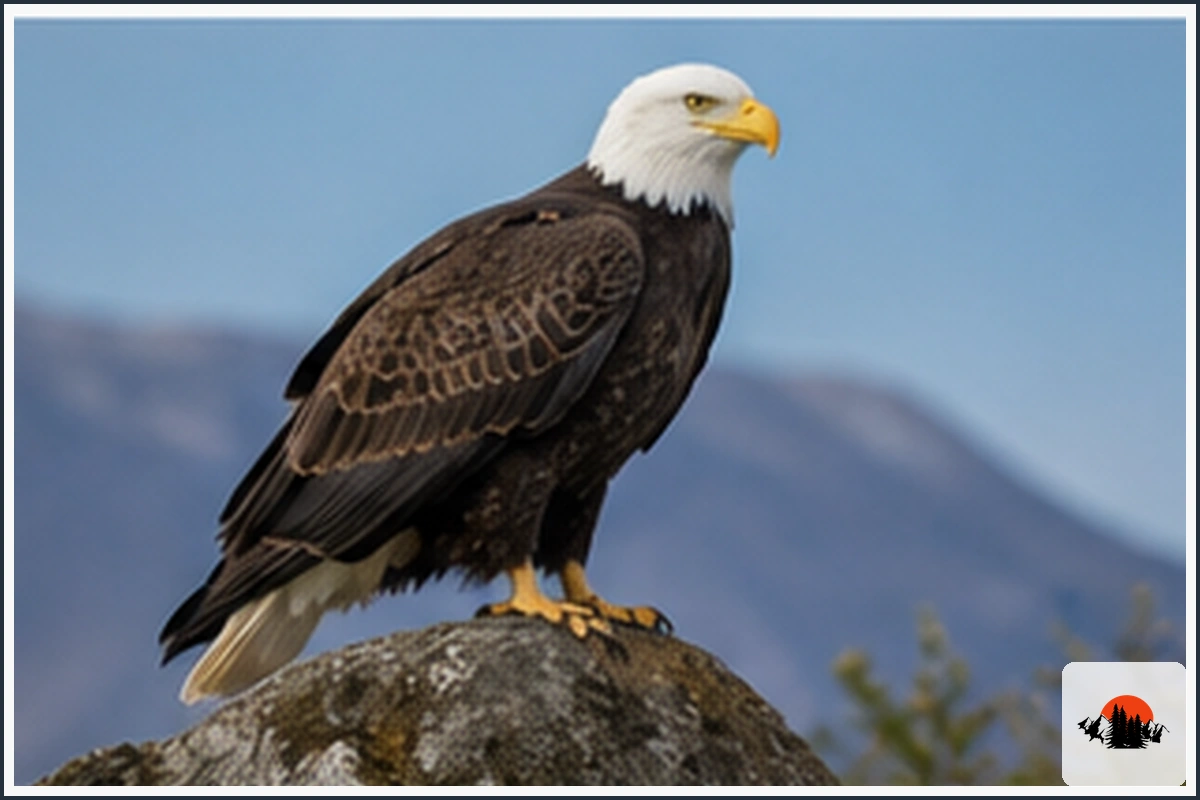
Scientific name: Haliaeetus leucocephalus. Adult bald eagles have white heads and tails, dark brown bodies, yellow eyes, and powerful hooked beaks. They live near rivers, lakes, coastlines, and large wetlands across much of Canada.
Fish are an important food, but bald eagles also eat waterfowl, carrion, and small mammals. Their broad wings allow them to soar efficiently, and large nests may be reused for many years.
16. Common Loon
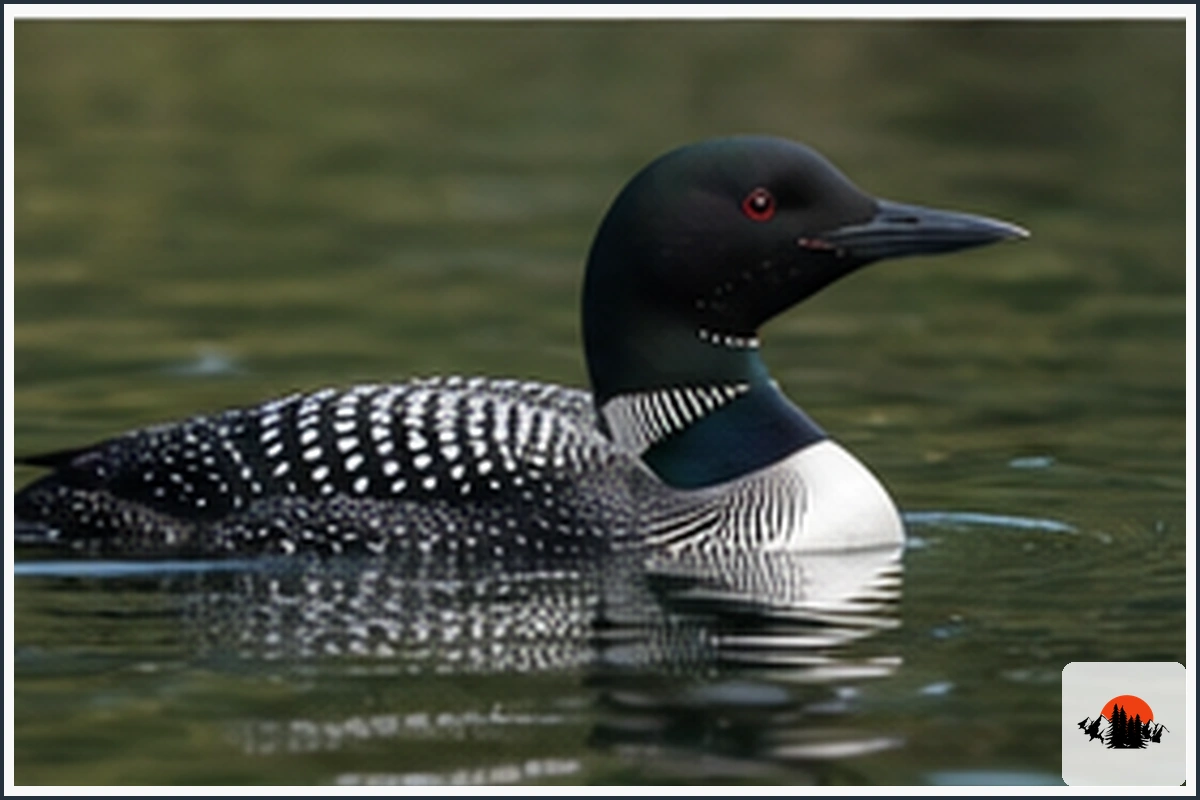
Scientific name: Gavia immer. The common loon is famous for its haunting call and striking black-and-white breeding plumage. It breeds on clear lakes across Canada and spends winters along coastal waters.
Loons dive underwater to catch fish, crayfish, insects, and aquatic animals. Their legs are positioned far back on the body, making them excellent swimmers but awkward on land.
17. Great Horned Owl
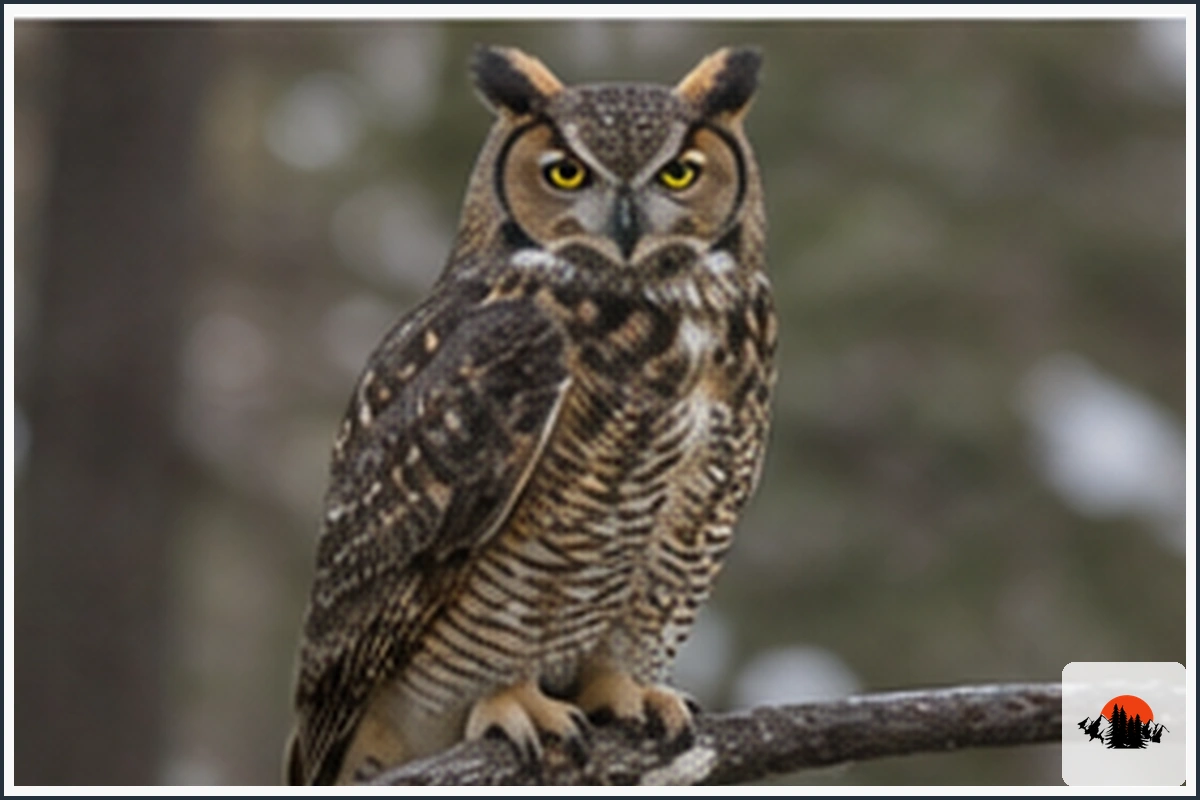
Scientific name: Bubo virginianus. Great horned owls are large nocturnal birds with prominent feather tufts that resemble horns, yellow eyes, and mottled camouflage. They inhabit forests, grasslands, wetlands, and urban edges.
These powerful predators eat rabbits, rodents, birds, and other animals. Their deep hoots are often heard at night, and they may use abandoned nests built by other birds.
18. Snowy Owl
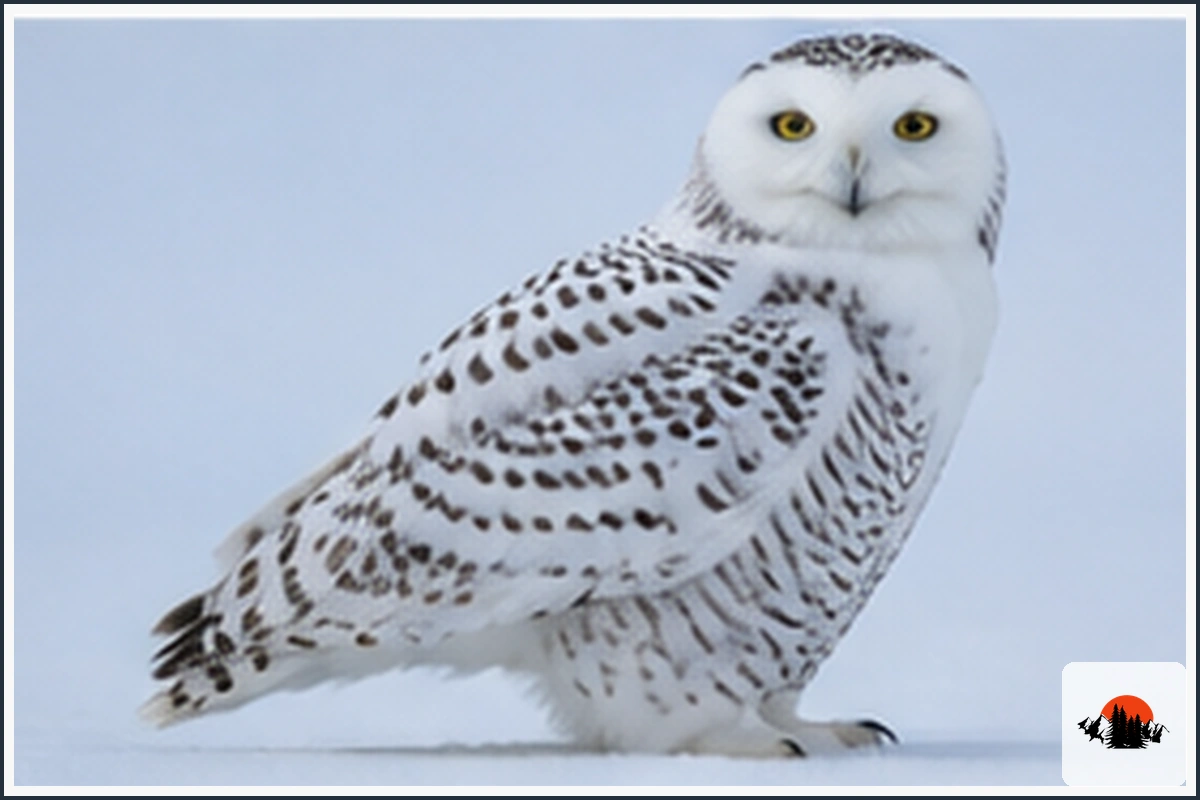
Scientific name: Bubo scandiacus. Snowy owls breed in Canada’s Arctic tundra and sometimes travel south during winters when food is scarce. Males may be almost entirely white, while females and young birds usually show more dark barring.
They hunt lemmings, birds, and small mammals. Unlike many owls, snowy owls may hunt during daylight, especially during the bright Arctic summer.
19. Atlantic Puffin
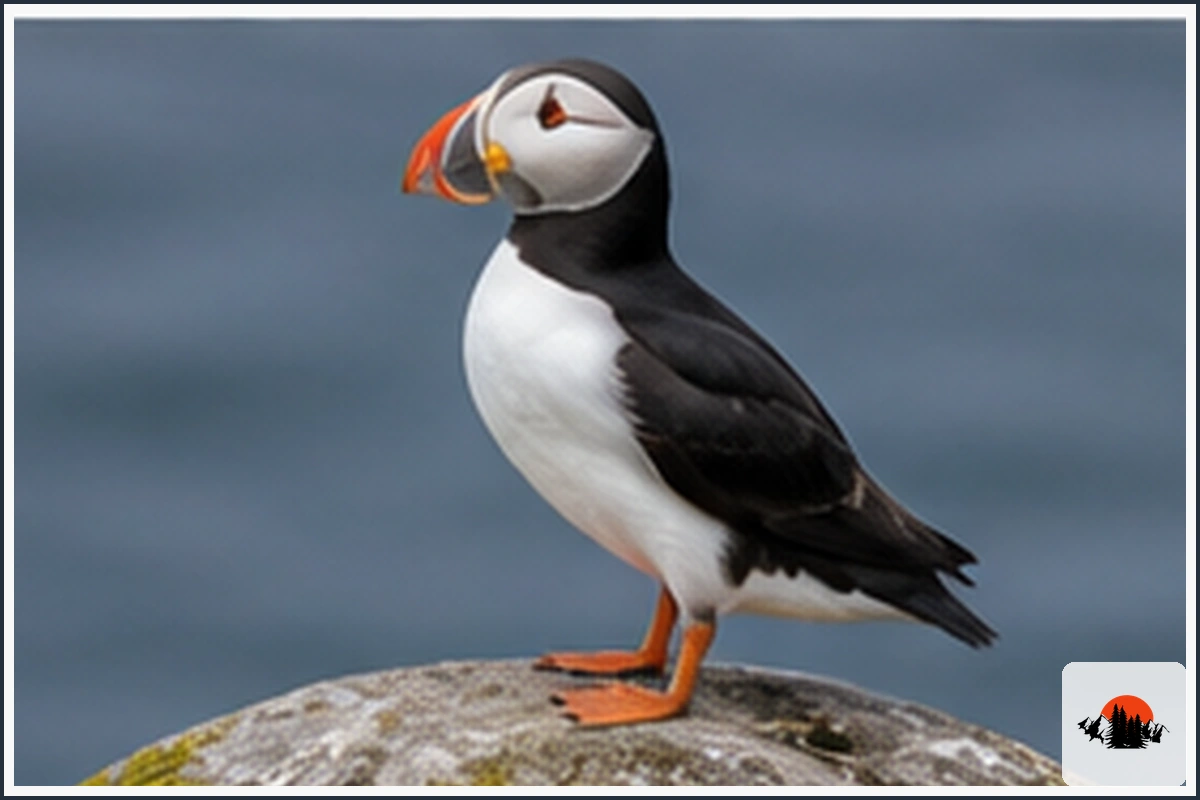
Scientific name: Fratercula arctica. Atlantic puffins breed on rocky islands and coastal cliffs in eastern Canada. Their colorful bills, black-and-white bodies, and fast wingbeats make them popular coastal wildlife subjects.
Puffins catch small fish underwater and carry several fish crosswise in their bills. They spend much of the year at sea and return to breeding colonies during the nesting season.
20. Orca
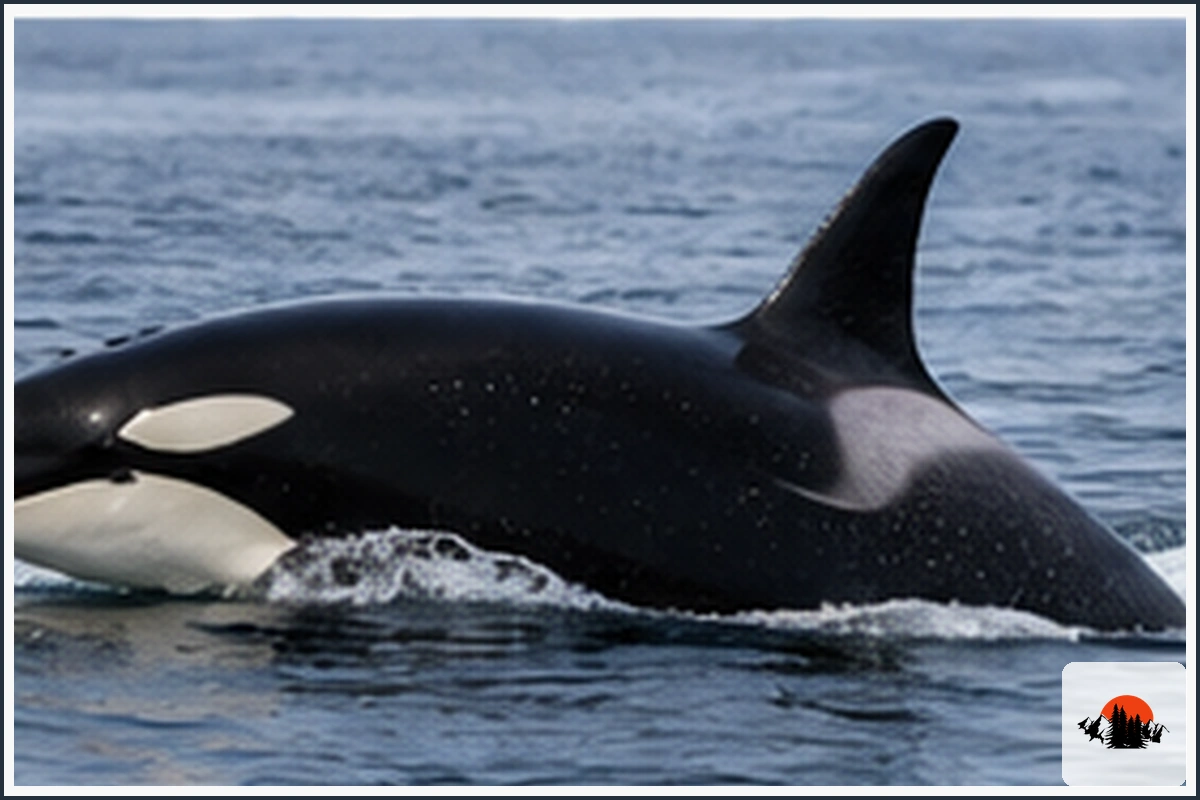
Scientific name: Orcinus orca. Orcas, or killer whales, are found in Canadian Pacific, Arctic, and Atlantic waters. Their black-and-white pattern, tall dorsal fin, and powerful bodies make them easy to recognize.
Different populations may specialize in fish, seals, or other marine prey. Orcas live in closely connected family groups and communicate through calls and coordinated behavior.
21. Humpback Whale
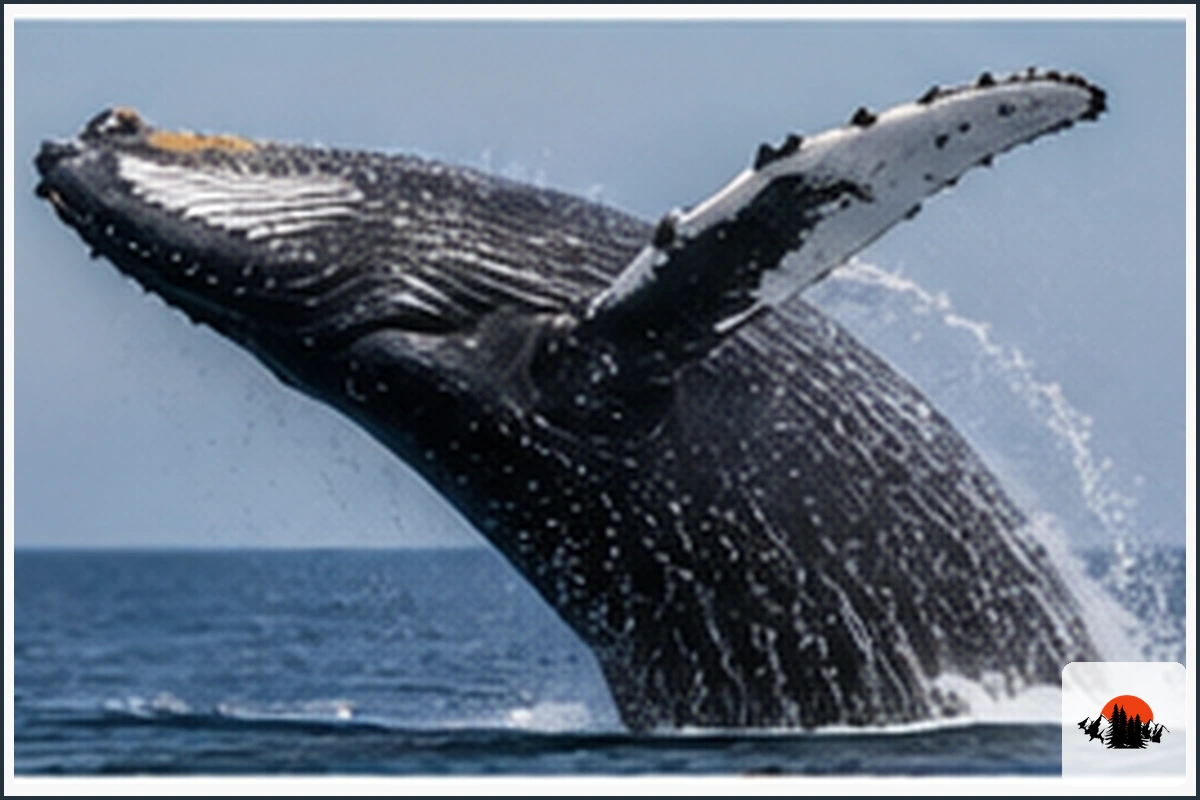
Scientific name: Megaptera novaeangliae. Humpback whales visit Canada’s Atlantic, Pacific, and Arctic waters. They are identified by long pectoral fins, knobby heads, a broad tail, and complex songs produced mainly by males.
Humpbacks feed by filtering krill and small fish through baleen plates. Many migrate between cold feeding waters and warmer breeding areas, passing through productive Canadian coastal habitats.
22. Beluga Whale
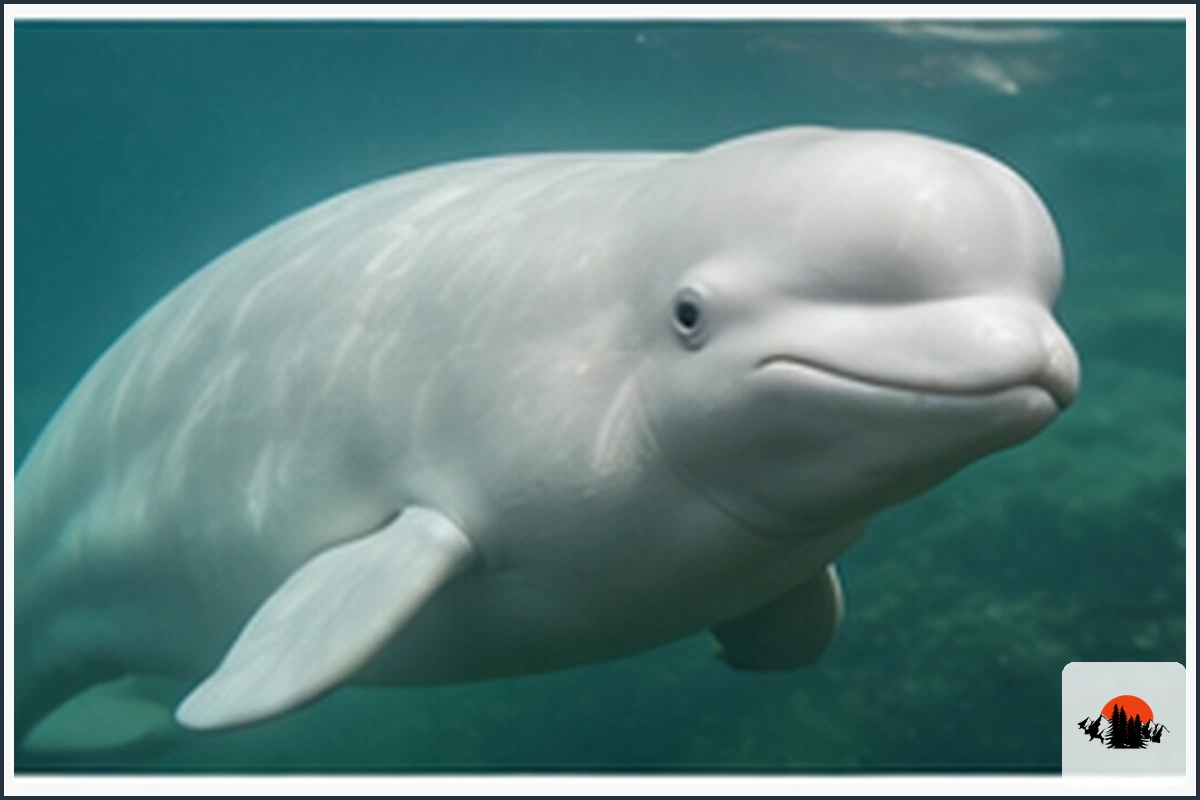
Scientific name: Delphinapterus leucas. Belugas are small Arctic whales with white adult bodies, rounded foreheads, and flexible necks. They occur in northern Canadian seas, estuaries, and coastal channels.
Belugas eat fish, squid, crustaceans, and other marine prey. They are highly social and use clicks, whistles, and other sounds to communicate. Their pale color provides camouflage in icy waters.
23. Atlantic Salmon
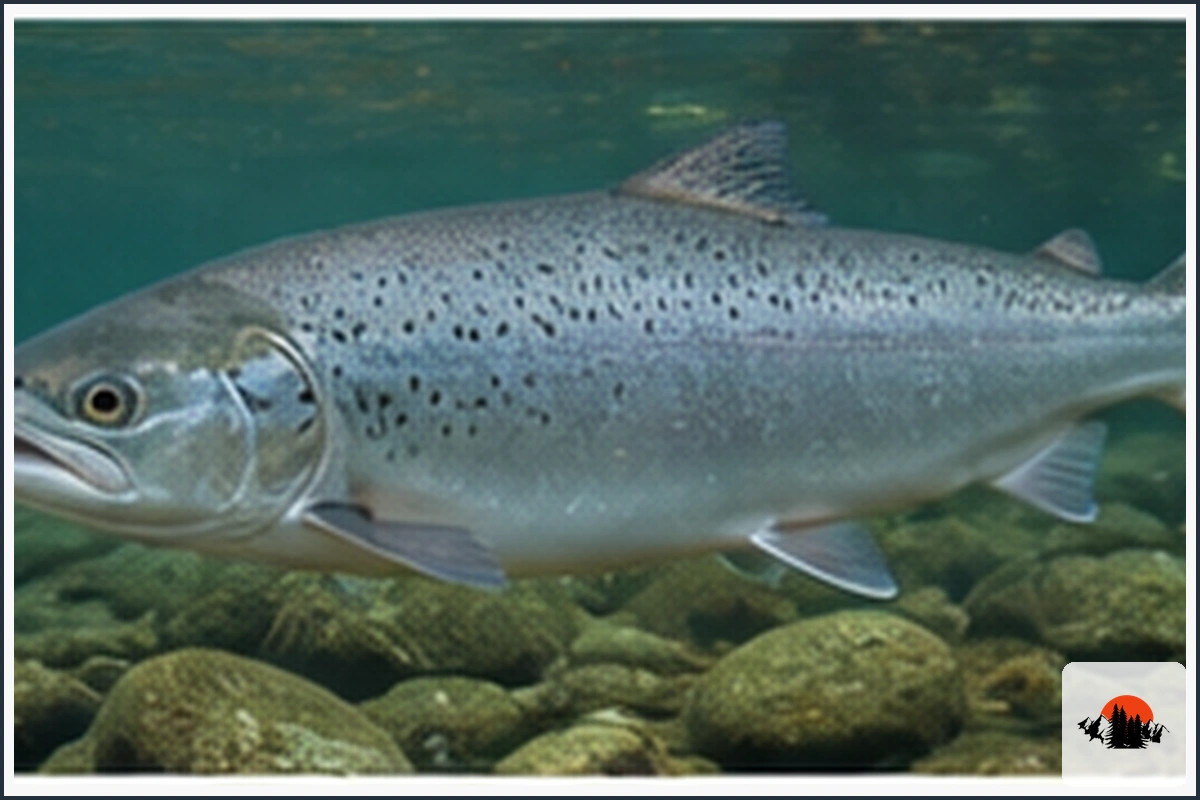
Scientific name: Salmo salar. Atlantic salmon are anadromous fish, meaning they can hatch in freshwater, migrate to the ocean, and return to rivers to reproduce. They are found in suitable waterways along eastern Canada.
Young salmon feed on aquatic insects, while adults at sea eat fish and invertebrates. Clean rivers, connected waterways, and healthy coastal ecosystems are essential to their life cycle.
24. Garter Snake
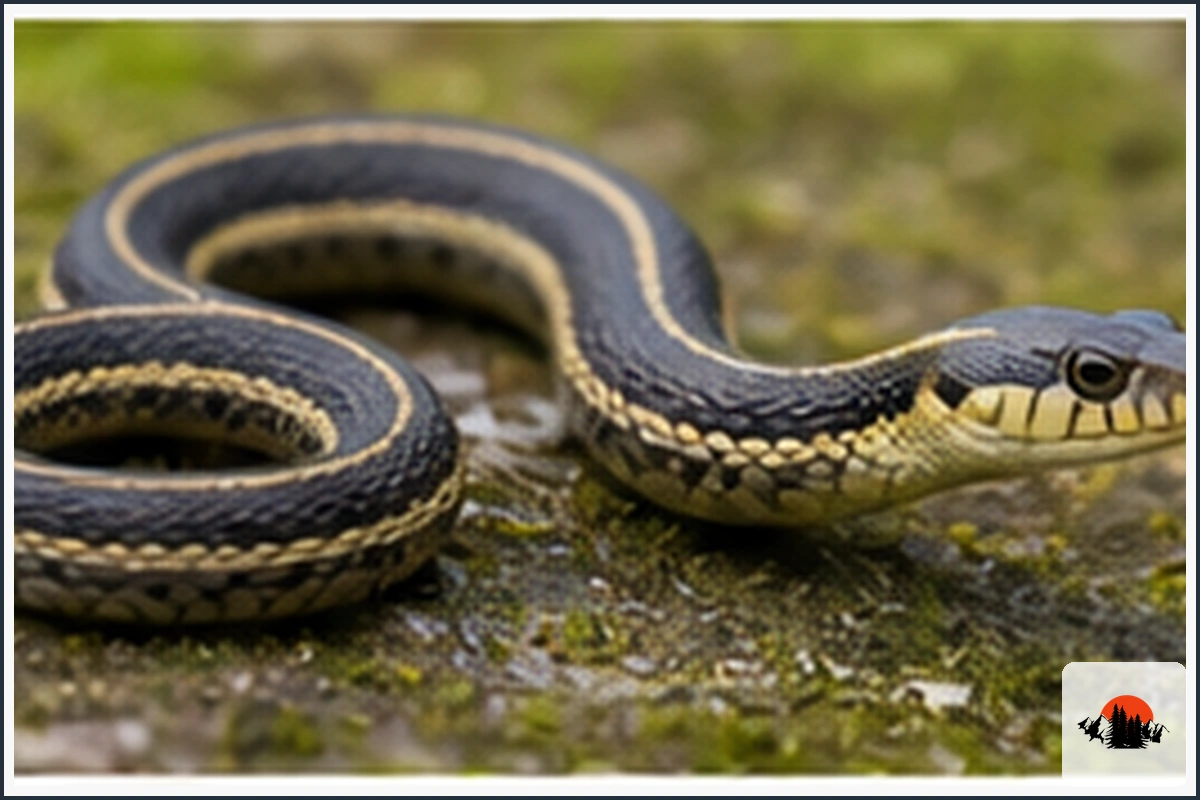
Scientific name: Thamnophis species. Several garter snake species occur across Canada. They are usually identified by narrow stripes running along the body, although colors and patterns vary.
Garter snakes eat insects, earthworms, slugs, small fish, amphibians, and other small prey. They are harmless to people and may gather in large numbers at communal winter dens in colder regions.
25. Wood Frog
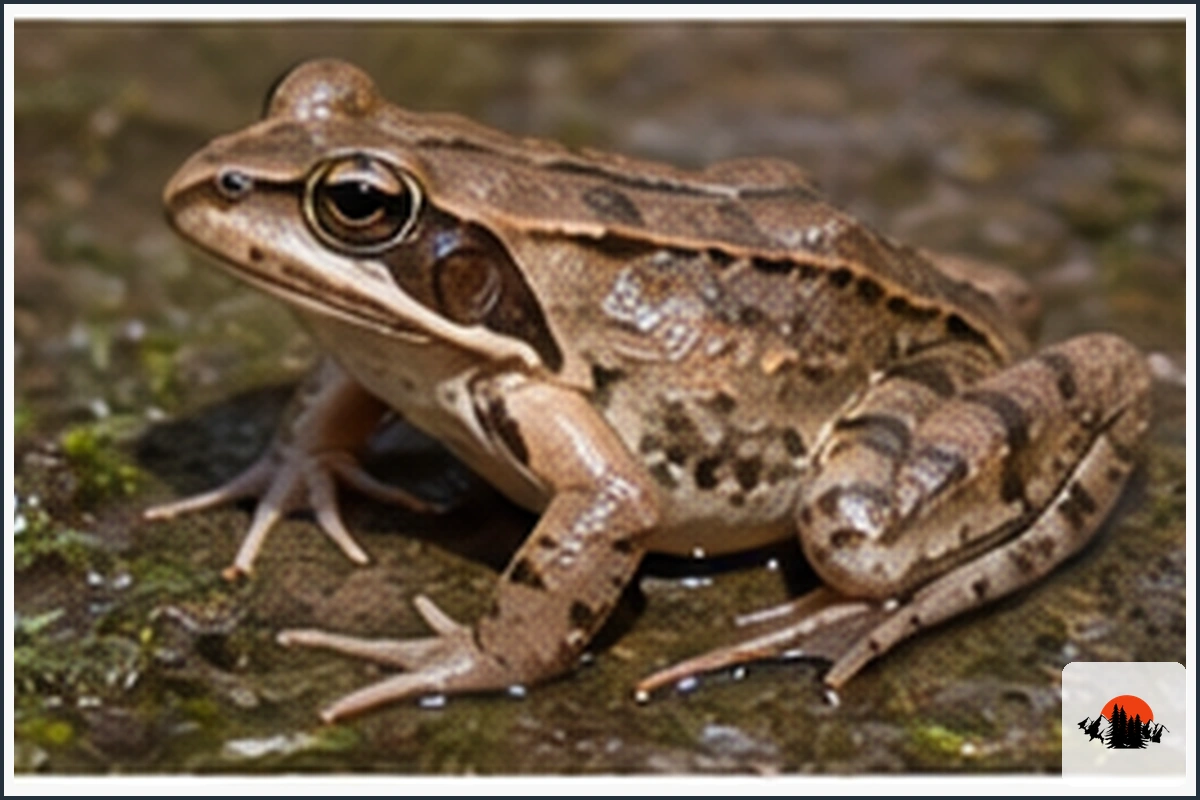
Scientific name: Lithobates sylvaticus. Wood frogs live in forests, wetlands, ponds, and northern habitats across much of Canada. They commonly have a dark mask through the eyes and a brown, tan, or reddish body.
Wood frogs eat insects and other small invertebrates. They are famous for tolerating partial freezing during winter, then becoming active again as temperatures rise in spring.
How Are These Animals Classified?
Canadian wildlife can be grouped by biological class and lifestyle:
- Mammals: Moose, bears, wolves, foxes, beavers, lynx, bison, whales, and cougars have hair or fur and feed their young with milk.
- Birds: Eagles, loons, owls, geese, puffins, and snowy owls have feathers, beaks, and lay eggs.
- Fish: Atlantic salmon live underwater and use gills to breathe.
- Reptiles: Garter snakes have scales and rely on external heat to regulate body temperature.
- Amphibians: Wood frogs have life stages connected to both water and land.
Where Do These Animals Live?
Canada’s wildlife is spread across several major habitats:
- Arctic tundra: Polar bears, Arctic foxes, caribou, snowy owls, and belugas.
- Boreal forest: Moose, wolves, lynx, beavers, snowshoe hares, and black bears.
- Mountains: Grizzly bears, cougars, bighorn-associated wildlife, wolves, and eagles.
- Prairies: Bison, foxes, owls, snakes, and grassland birds.
- Freshwater lakes and rivers: Loons, beavers, salmon, geese, and bald eagles.
- Coastal waters: Orcas, humpback whales, puffins, and other marine species.
What Do Canadian Animals Eat?
Canadian animals use many different food sources. Herbivores such as moose, caribou, and bison eat plants. Carnivores such as wolves, lynx, and cougars hunt mammals or birds. Omnivores including bears, foxes, and ravens use both plant and animal foods. Marine animals may feed on fish, krill, squid, or seals, while birds such as eagles and loons often depend on fish.
How Do Canadian Animals Behave?
- Moose, lynx, and cougars are usually solitary.
- Wolves, orcas, geese, and belugas are strongly social.
- Caribou and many birds migrate seasonally.
- Bears enter winter dens and reduce activity during cold months.
- Beavers modify habitats by building dams.
- Owls and foxes may hunt during low-light periods.
How to Identify Different Types of Animals in Canada
- Look at body shape: Antlers, horns, wings, flippers, tails, and shoulder humps can be highly distinctive.
- Study markings: White cheek patches, facial masks, stripes, and black-and-white patterns help narrow identification.
- Consider habitat: A whale offshore, a moose in a wetland, or a puffin on a coastal island is easier to identify using location.
- Notice tracks and signs: Footprints, scat, gnawed wood, feathers, nests, and feeding marks provide useful clues.
- Listen carefully: Loon calls, wolf howls, owl hoots, and goose honks can reveal nearby wildlife.
- Respect distance: Use binoculars or a telephoto lens instead of approaching animals.
Outdoor Tips for Finding and Observing Canadian Wildlife
- Research the habitat and active season before visiting.
- Use binoculars, a field guide, and a notebook or camera.
- Watch quietly from trails, boats, or designated viewpoints.
- Never feed wildlife or leave food and garbage behind.
- Keep dogs leashed where regulations require it.
- Give bears, moose, nesting birds, and marine mammals plenty of space.
- Check park rules and seasonal closures before exploring.
Safety, Sustainability, and Conservation Notes
Wild animals should be observed without interference. Do not approach young animals, block migration routes, surround wildlife, or attempt to touch or attract an animal. In bear country, secure food and scented items. On the water, follow boating rules and keep a safe distance from whales and seals.
Habitat loss, climate change, pollution, road mortality, fishing pressure, and human disturbance affect different Canadian species in different ways. Supporting protected areas, following fishing regulations, keeping waterways clean, and choosing responsible outdoor practices can help protect wildlife.
Fun Facts About Animals in Canada
- Canada is home to one of the world’s largest remaining boreal forest regions.
- Beavers create wetlands that benefit many other species.
- Both male and female caribou can grow antlers.
- Snowshoe hares change coat color with the seasons.
- Belugas are sometimes called “sea canaries” because of their varied sounds.
- Common loons have solid bones that help them dive efficiently.
- Polar bears have black skin beneath their pale fur.
- Orcas live in stable family groups called pods.
- Wood frogs can survive partial freezing during winter.
- Atlantic puffins can carry several small fish in their bills at once.
Final Thoughts on Types of Animals in Canada
The many types of animals in Canada reflect the country’s remarkable range of habitats, from Arctic sea ice and tundra to prairie grasslands, forests, lakes, and oceans. Learning to recognize these species makes wildlife watching more rewarding and encourages responsible care for the places they depend on. Observe patiently, keep your distance, and continue exploring Canada’s natural world respectfully.
Frequently Asked Questions
1. What are the most famous animals in Canada?
Some of the most famous Canadian animals are moose, beavers, polar bears, grizzly bears, caribou, wolves, Canada geese, bald eagles, and orcas.
2. What is Canada’s national animal?
The beaver is Canada’s official national animal and appears on the Canadian five-cent coin.
3. How many animal species live in Canada?
Canada contains thousands of animal species, including mammals, birds, fish, reptiles, amphibians, insects, and marine invertebrates. The exact number changes as scientists revise classifications and discover or document species.
4. What is the largest land animal in Canada?
The moose is generally considered Canada’s largest land mammal by body mass and height.
5. What is the largest animal found in Canadian waters?
Blue whales are the largest animals found in Canadian waters, although they were not included in the main list above.
6. Are polar bears found throughout Canada?
No. Polar bears are concentrated in northern Arctic regions, coastal areas, sea ice zones, and islands rather than southern Canada.
7. Where can people see moose in Canada?
Moose can be found in boreal forests, wetlands, lakeshores, and some mountain regions. Provincial and national parks often provide good viewing opportunities, especially near dawn or dusk.
8. Are all Canadian bears dangerous?
Any bear can be dangerous if surprised, fed, or approached. Following park guidance, securing food, and maintaining a safe distance greatly reduce risk.
9. What do Canadian wolves eat?
Wolves commonly eat deer, moose, caribou, elk, beavers, and smaller mammals. Their diet depends on region and prey availability.
10. Are Canadian lynx and bobcats the same animal?
No. They are related but different species. Canada lynx have larger paws, longer ear tufts, and a shorter tail than most bobcats.
11. Do all Canadian animals migrate?
No. Some species migrate, including caribou, many birds, whales, and salmon. Others remain in the same general area year-round and adapt to seasonal changes.
12. What animals live in Canada’s Arctic?
Arctic wildlife includes polar bears, Arctic foxes, caribou, snowy owls, belugas, narwhals, seals, walruses, and many migratory birds.
13. What animals live in Canadian forests?
Canadian forests support moose, black bears, wolves, lynx, beavers, foxes, snowshoe hares, owls, wood frogs, and many other species.
14. What animals live in Canadian lakes?
Canadian lakes may support loons, beavers, geese, ducks, fish, frogs, turtles, and bald eagles. The exact species depend on water quality, climate, and region.
15. Are beavers helpful to ecosystems?
Yes. Beaver dams can create wetlands that provide habitat for fish, amphibians, birds, insects, and plants, although dams may sometimes conflict with roads or human infrastructure.
16. What do Canadian animals eat?
Diet varies widely. Herbivores eat plants, carnivores hunt animals, omnivores use both sources, and marine species may eat fish, krill, squid, or seals.
17. What is the best way to identify wildlife?
Use body shape, markings, tracks, habitat, behavior, vocalizations, and season together. A field guide or wildlife identification app can provide additional help.
18. Can people feed wild animals in Canada?
Feeding wildlife is unsafe and often illegal in parks or municipalities. It can make animals dependent on people and increase aggressive encounters.
19. How close can people get to Canadian wildlife?
Safe distances vary by species and local rules. Stay farther away from bears, moose, nesting birds, and marine mammals, and use binoculars rather than approaching.
20. Are Canadian animals active in winter?
Many remain active, including wolves, foxes, moose, caribou, and owls. Others reduce activity, migrate, or enter winter dormancy.
21. Which Canadian animals are nocturnal?
Great horned owls, many foxes, some bears, and several small mammals are most active at night or during low-light periods.
22. What is the difference between a caribou and a reindeer?
Caribou and reindeer are the same species, Rangifer tarandus. “Caribou” is commonly used for wild populations in North America, while “reindeer” often refers to domesticated or Eurasian populations.
23. Are Canada geese native to Canada?
Yes. Canada geese are native to North America and breed across much of Canada, although some populations now live year-round in areas where food and open water are available.
24. Why are Canadian wildlife corridors important?
Wildlife corridors connect separated habitats and allow animals to move between feeding, breeding, and seasonal areas. They can also reduce road collisions.
25. Which Canadian animals are threatened?
Threatened species vary by region and legal assessment. Some populations of caribou, whales, salmon, birds, amphibians, and other animals face risks from habitat change, climate pressures, pollution, or human disturbance.
26. Can I keep a wild Canadian animal as a pet?
No. Wild animals have specialized needs and are protected by laws. Wildlife should remain in natural habitats or be cared for by licensed rehabilitation professionals.
27. What should I do if I see an injured wild animal?
Keep your distance, prevent pets and children from approaching, and contact a licensed wildlife rehabilitator or local wildlife authority. Do not attempt to treat or transport the animal without advice.
28. What equipment helps with wildlife watching?
Binoculars, a field guide, weather-appropriate clothing, water, a notebook, and a camera with a zoom lens are useful. Carry safety equipment appropriate for the habitat.
29. Are Canadian whales protected?
Many Canadian whale species and populations are protected through federal laws, marine regulations, recovery plans, and protected areas. Boaters should follow local approach-distance rules.
30. Why are Canadian animals important?
Canadian animals pollinate plants, disperse seeds, control prey populations, recycle nutrients, build habitats, and support healthy food webs. They also have cultural, educational, and ecological value.