

The term types of British Shorthair cats usually refers to coat colors and patterns, not separate breeds. The British Shorthair is one breed with a remarkably broad palette, from the famous solid blue to tabby, smoke, shaded, tortie, bicolor, and registry-dependent pointed varieties.
This guide organizes the most practical coat families without pretending that every color combination is a different breed. It also explains where registry rules differ so you can distinguish everyday color names from formal show classifications.
What Are the Main Types of British Shorthair Cats?
The best-known British Shorthair is the solid blue, but the breed also appears in black, white, red, cream, chocolate, lilac, cinnamon, fawn, tabby, shaded, smoke, tortie, bicolor, calico, and other combinations. Some registries accept colorpoint patterns while others do not.
Because the number of possible combinations is large, grouping them into major color and pattern families is clearer than claiming one universal total.
British Shorthair Coat Families at a Glance
| Coat Family | Examples | Key Visual Feature | Registry Note |
|---|---|---|---|
| Solid | Blue, black, white, red, cream | Even color | Core category |
| Dilute/Warm solids | Chocolate, lilac, cinnamon, fawn | Softer pigment shades | Details vary |
| Tabby | Classic, mackerel, spotted | Visible stripes or spots | Common pattern family |
| Shaded | Silver, golden | Dark tipping over pale base | Many subcategories |
| Smoke | Black smoke, blue smoke | Pale undercoat under darker fur | Best seen in motion |
| Parti/Bicolor | Tortie, calico, bicolor | Multiple colors and/or white | Many combinations |
1. Blue British Shorthair
Blue is the signature British Shorthair color and the one most people recognize immediately. “Blue” in cat terminology means an even gray coat with a bluish cast, paired in many standards with rich gold or copper eyes.
The color should not be confused with a separate breed. A blue British Shorthair has the same compact body, round head, dense plush coat, and calm companion traits expected of the breed.
Because blue has been popular for a long time, it is widely available, but buyers should still prioritize health and temperament over the classic color.
2. Black British Shorthair
A black British Shorthair has a deep black coat extending to the roots, without the rusty cast that sun exposure can create. The dense coat gives black cats a particularly plush, velvety appearance.
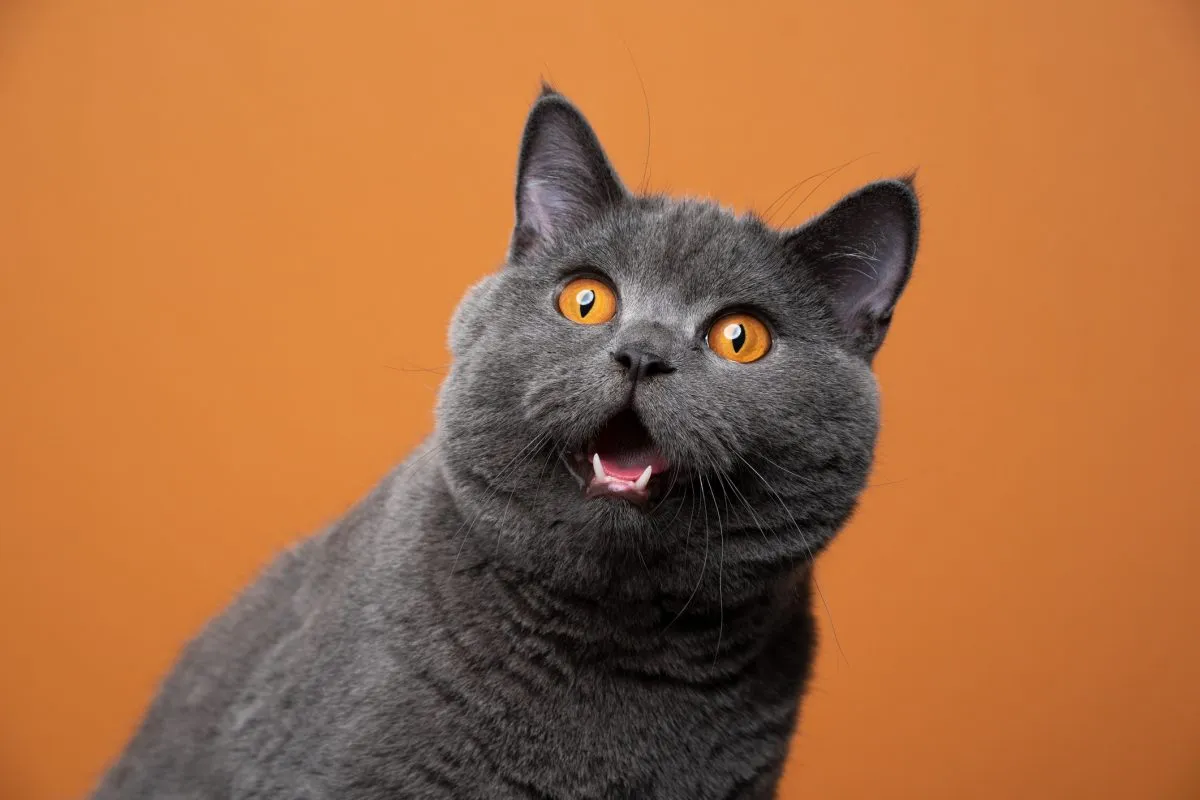
Kittens may show faint ghost tabby markings that become less obvious with maturity. Strong light can also make black fur appear brownish in photographs.
Black is one of several solid colors and does not represent a different body type or temperament.
3. White British Shorthair
White British Shorthairs have an unpigmented white coat. Eye color may vary by registry and can include blue, gold/copper, or odd eyes.
White coat genetics are separate from the British Shorthair breed itself. In cats generally, some forms of dominant white and blue-eyed white coloration can be associated with congenital deafness, so ethical breeding and appropriate veterinary evaluation are important.
A white coat also shows staining more readily, making gentle face and coat hygiene useful.
4. Red and Cream British Shorthair
Red British Shorthairs range through warm orange-red shades, while cream is the diluted form of red. Because tabby expression is closely linked with red pigment, faint markings can be difficult to eliminate completely.
These warm-toned cats have the same dense coat and rounded build as other British Shorthairs. Color does not predict whether an individual will be more outgoing or more reserved.
Sunlight and seasonal coat changes can alter how rich the color appears.
5. Chocolate and Lilac British Shorthair
Chocolate British Shorthairs have warm brown coats, while lilac is a dilute, paler lavender-beige version. These shades are softer than black and blue and can look quite different under indoor lighting.
Registry acceptance varies in details, so show breeders should use the standard of the organization in which they compete. Pet owners mainly need to understand that both are pigment variations within the breed.
The dense British coat makes these colors look especially even when the coat is in good condition.
6. Cinnamon and Fawn British Shorthair
Cinnamon is a light reddish brown, while fawn is its dilute form. These colors are less familiar to the general public and may be handled differently by various registries or color classes.
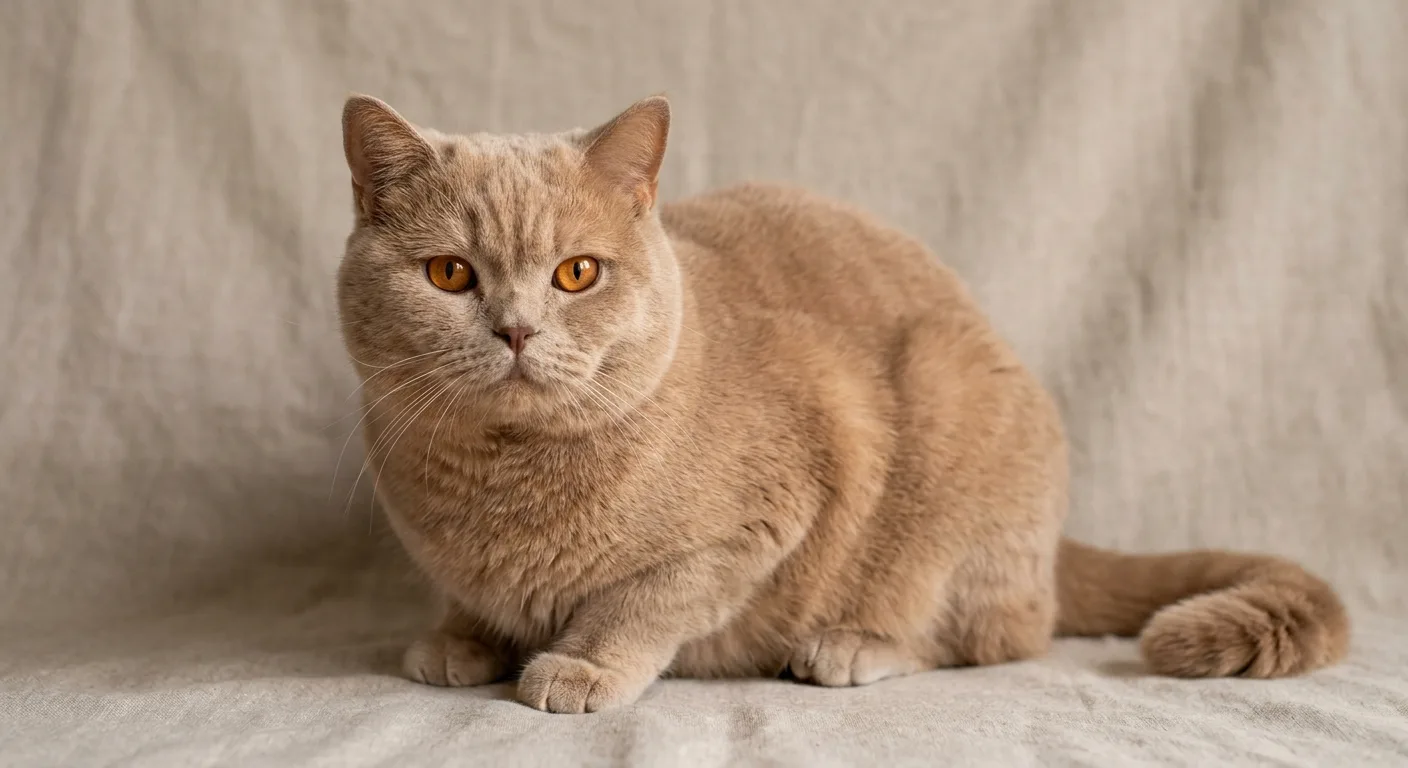
Because unusual colors can attract premium marketing, buyers should be careful not to let rarity overshadow health screening and pedigree quality.
A responsibly bred cinnamon or fawn British Shorthair should still conform to the breed’s sturdy structure and characteristic plush coat.
7. Tabby British Shorthair
British Shorthairs occur in classic, mackerel, spotted, and—in some registry systems—ticked tabby patterns. The dense coat can make the markings look broad and bold, especially in classic tabbies.
Tabby describes the pattern, while terms such as brown, silver, blue, red, or cream describe the color. A silver classic tabby and a brown spotted tabby are therefore different combinations within the same pattern family.
Face markings, leg bars, tail rings, and body pattern help identify tabbies.
8. Silver and Golden Shaded British Shorthair
Shaded and chinchilla-style British Shorthairs have color concentrated toward the tips of the hairs, creating a luminous appearance over a lighter undercoat. Silver varieties have a cool white or silver base, while golden varieties have a warmer base tone.
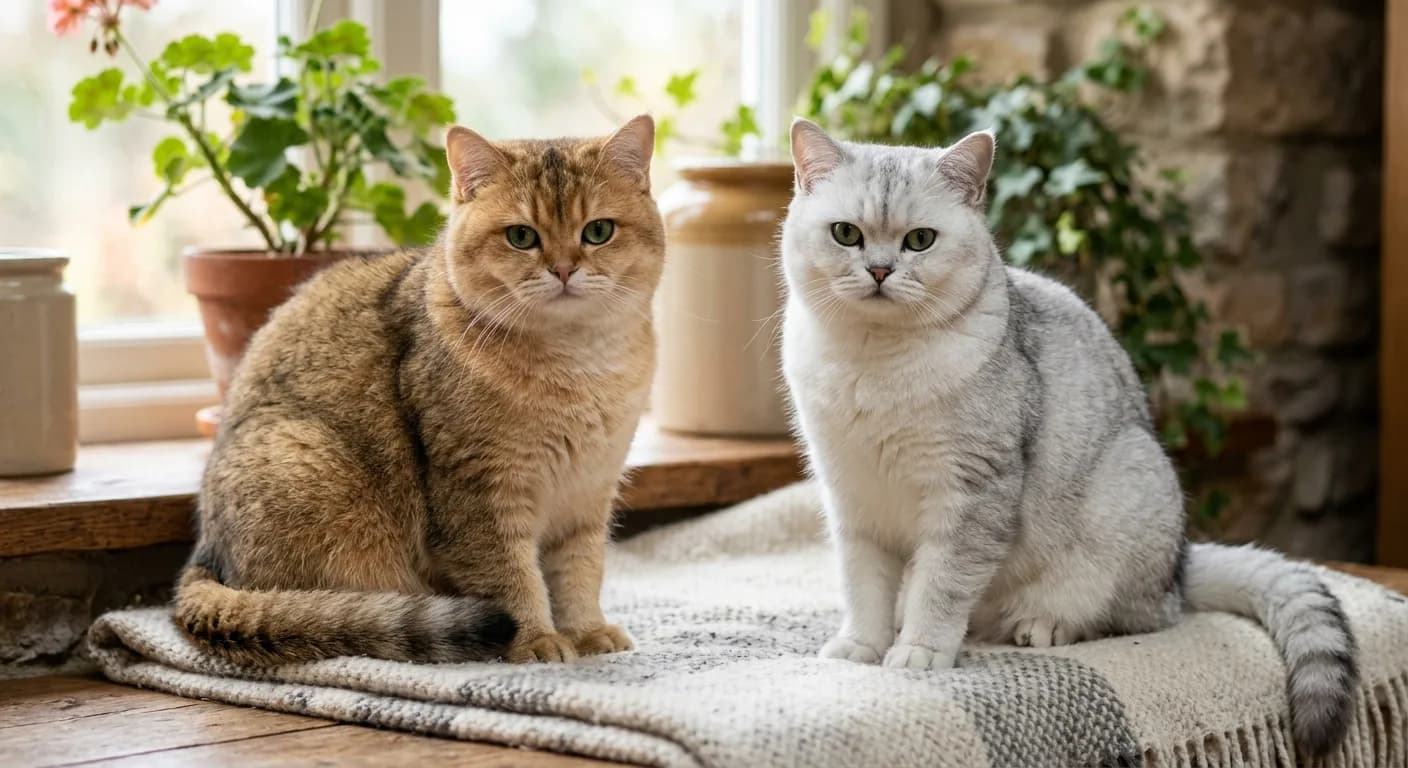
The exact terminology differs between registries and breeder communities. “Golden British Shorthair” is especially popular online, but there are multiple genetic and show-standard distinctions hidden inside that broad label.
Buyers should ask for the actual registered color description if precise classification matters.
9. Smoke British Shorthair
Smoke British Shorthairs can look almost solid when resting, but movement parts the coat and reveals a pale silver undercoat beneath the darker outer hair. The contrast is one of the most distinctive effects in the breed.
Smoke can occur with black, blue, red, cream, tortie, and other color combinations depending on the registry.
Because the effect depends on the undercoat, it can be hard to appreciate in still photos. Seeing the cat in motion often makes the pattern obvious.
10. Tortoiseshell and Blue-Cream British Shorthair
Tortoiseshell combines black-based pigment with red-based pigment, while blue-cream is the dilute counterpart. The colors are intermingled or patched across the coat.
These patterns are overwhelmingly female because the genes for black and red are carried on the X chromosome. Rare male tortoiseshell cats can occur with atypical sex-chromosome arrangements.
Tortie is a color pattern, not a temperament category, despite folklore about “tortitude.”
11. Bicolor and Calico British Shorthair
Bicolor British Shorthairs combine white with another color or pattern. Calico combines white with black-and-red patches, while dilute calico substitutes blue and cream.
The amount of white can range widely, and some standards define preferred distributions for show purposes. Pet owners can simply use the markings to describe appearance.
Because the British Shorthair body is round and compact, high-contrast bicolor markings can make the silhouette especially striking.
12. Colorpoint British Shorthair
Colorpoint British Shorthairs have darker ears, face, legs, and tail with a paler body. However, registry rules differ significantly: some organizations accept pointed British cats, while others do not accept Himalayan-style patterning in their British Shorthair standard.
This makes colorpoint a perfect example of why “types of British Shorthair cats” cannot be reduced to one universal list. The same cat may be registrable differently depending on the organization.
If showing or breeding, consult the current standard directly. For a pet home, focus on health, temperament, and documentation.
How Are British Shorthair Types Classified?
Formal classification combines base color, dilution, tabby or non-tabby genetics, silver or golden effects, white spotting, tortie expression, and sometimes point restriction. That creates many possible combinations. For general readers, major coat families are more useful than a huge registry code list.
Where Did British Shorthair Cats Originate?
The British Shorthair is one of the oldest established cat breeds, developed from sturdy domestic cats in Britain and refined through the early cat fancy. The classic blue variety became especially famous, but breeders maintained and developed a much broader color range.
Modern standards emphasize a compact, powerful body, broad chest, round head, large round eyes, and a short, very dense coat.
How to Identify Different Types of British Shorthair Cats
- Identify whether the coat is solid, tabby, shaded, smoke, tortie, or combined with white.
- Then identify the base color: blue, black, red, cream, chocolate, lilac, cinnamon, fawn, or another accepted shade.
- Look at the undercoat in smoke and shaded cats.
- Use eye color as a supporting clue, not the only identifier.
- Remember that lighting can dramatically change blue, lilac, chocolate, and golden tones in photos.
- Use pedigree records to confirm breed identity.
Practical Care Tips for British Shorthair Owners
- Comb the dense coat regularly, especially during seasonal shedding.
- Monitor body weight; the sturdy build can make gradual weight gain less obvious.
- Provide interactive play and climbing opportunities even if the cat has a calm temperament.
- Use sturdy scratching posts that can handle a heavier adult cat.
- Maintain routine dental, nail, parasite, and veterinary care.
Health and Responsible Breeding Notes
Responsible breeders select for health and structure rather than extreme roundness or rare color alone. Ask about breed-relevant screening, family longevity, and any inherited conditions known in the line.
Rare color should never be a substitute for pedigree quality. A well-bred blue British Shorthair is a better choice than an unusually colored cat from poorly documented breeding.
Fun Facts About British Shorthair Cats
- Blue is a dilute form of black pigment.
- Lilac is a dilute form of chocolate.
- Fawn is a dilute form of cinnamon.
- Smoke coats hide a pale undercoat beneath darker fur.
- Golden and silver shaded coats depend on hair-tip coloration.
- The breed matures slowly compared with many cats.
- British Shorthairs are known for a dense, crisp-feeling plush coat.
- The same breed can look dramatically different in blue, golden, or calico.
- Some registry standards disagree on pointed British cats.
- Coat color does not determine personality.
Final Thoughts on Types of British Shorthair Cats
The most useful way to understand types of British Shorthair cats is by coat family rather than by claiming that every color is a separate breed. Blue may be the icon, but tabbies, silvers, goldens, smokes, torties, bicolors, and many other combinations show how diverse the breed can be.
If you need a formal classification for showing or breeding, check the current standard of the registry you use.
Frequently Asked Questions
1. How many types of British Shorthair cats are there?
There is no single fixed number because British Shorthairs occur in many colors and patterns, and registry rules differ. It is more accurate to group them into major coat families.
2. What is the most famous British Shorthair color?
Blue is the classic and most widely recognized color.
3. Is a British Blue a separate breed?
No. British Blue is a blue-colored British Shorthair, not a separate breed.
4. What colors can British Shorthairs be?
They can occur in white, black, blue, red, cream, chocolate, lilac, cinnamon, fawn, and many patterned combinations, depending on registry rules.
5. What tabby patterns occur in British Shorthairs?
Classic, mackerel, and spotted are widely recognized, with some standards also including ticked forms.
6. What is a golden British Shorthair?
It is a British Shorthair with warm golden shaded or tipped coloration. Exact genetic and registry labels can be more specific than the popular term.
7. What is a silver shaded British Shorthair?
It has a pale silver undercoat with darker tipping concentrated toward the ends of the hairs.
8. What is a smoke British Shorthair?
A smoke has a pale silver undercoat beneath darker outer fur, creating strong contrast when the coat moves.
9. What is a lilac British Shorthair?
Lilac is a pale dilute of chocolate with a warm pinkish-lavender appearance.
10. What is a cinnamon British Shorthair?
Cinnamon is a warm reddish-brown color lighter than chocolate.
11. What is a fawn British Shorthair?
Fawn is the dilute form of cinnamon and appears pale beige-pink or cocoa-toned.
12. What is a tortoiseshell British Shorthair?
It has black-based and red-based pigment mixed or patched together.
13. What is a blue-cream British Shorthair?
It is the dilute counterpart of tortoiseshell, combining blue-gray and cream.
14. What is a calico British Shorthair?
A calico combines white with black and red patches; dilute calico uses blue and cream.
15. What is a bicolor British Shorthair?
It has white areas combined with another solid color or pattern.
16. Are colorpoint British Shorthairs recognized everywhere?
No. Registry rules differ, so pointed British cats may be accepted in one system and excluded in another.
17. What eye colors do British Shorthairs have?
Gold and copper are common, but eye color varies with coat pattern and registry standard. Some silvers, points, and whites can have different accepted eye colors.
18. Do British Shorthair kittens change color?
Coat depth and eye color can develop with age, and kitten ghost markings may fade.
19. Are British Shorthairs large cats?
They are medium to large, powerfully built cats with dense coats and substantial bodies.
20. When do British Shorthairs mature?
They mature slowly and can take several years to reach full adult development.
21. Do British Shorthairs shed?
Yes. Their dense coat sheds, particularly during seasonal coat changes.
22. How often should a British Shorthair be brushed?
Weekly combing is often sufficient for many cats, with more frequent grooming during heavy shedding.
23. Are British Shorthairs hypoallergenic?
No. They produce normal cat allergens and should not be considered hypoallergenic.
24. Are British Shorthairs good indoor cats?
Yes. They usually adapt well to indoor life when given play, scratching areas, climbing opportunities, and weight control.
25. Are British Shorthairs lap cats?
Some enjoy laps, while others prefer sitting nearby. Individual temperament varies.
26. Are British Shorthairs good with children?
Many are tolerant and steady, but respectful handling and supervision remain important.
27. What health issues should British Shorthair owners know about?
Potential inherited concerns can include heart disease and other line-specific problems. Responsible breeders use appropriate health screening.
28. Does coat color affect personality?
No reliable evidence supports choosing British Shorthair temperament by coat color.
29. How can I tell a British Shorthair from a similar-looking cat?
Look for pedigree documentation plus the breed’s compact build, round head, dense plush coat, broad chest, and rounded features.
30. What is the best British Shorthair color?
The best color is a personal preference. Health, temperament, and responsible breeding are more important than rarity.