

Snappers are important reef, coastal, deepwater, food, and sport fish found mainly in warm seas. This guide covers 40 types of snapper fish from the family Lutjanidae, including familiar western Atlantic species, eastern Pacific snappers, Indo-Pacific reef snappers, jobfish, and deepwater forms. Each profile explains scientific name, range, habitat, relative size, feeding habits, identification marks, and practical fishing or seafood relevance.
What Are the Main Types of Snapper Fish?
The snapper family contains more than 100 species, so this guide selects 40 widely recognized and useful examples. Major groups include Lutjanus reef snappers, deepwater Etelis and Pristipomoides species, yellowtail and vermilion snappers, Macolor snappers, and jobfish. Most are predatory marine fish, but juveniles of several species use mangroves and estuaries, and a few tolerate freshwater.
Quick Comparison of 40 Snapper Fish
| Fish | Scientific Name | Group | Relative Size | Typical Habitat |
|---|---|---|---|---|
| Northern Red Snapper | Lutjanus campechanus | Lutjanus snapper | large | reefs, banks, and hard bottom |
| Mutton Snapper | Lutjanus analis | Lutjanus snapper | large | reefs, seagrass, and rocky areas |
| Schoolmaster Snapper | Lutjanus apodus | Lutjanus snapper | medium | mangroves, seagrass, and reefs |
| Gray Snapper | Lutjanus griseus | Lutjanus snapper | large | mangroves, estuaries, and reefs |
| Cubera Snapper | Lutjanus cyanopterus | Lutjanus snapper | very large | deep reefs, wrecks, and rocky ledges |
| Dog Snapper | Lutjanus jocu | Lutjanus snapper | large | rocky reefs and ledges |
| Mahogany Snapper | Lutjanus mahogoni | Lutjanus snapper | medium | clear coral reefs |
| Lane Snapper | Lutjanus synagris | Lutjanus snapper | medium | reefs, sandy bottoms, and seagrass |
| Yellowtail Snapper | Ocyurus chrysurus | yellowtail snapper | medium | coral reefs and clear offshore waters |
| Vermilion Snapper | Rhomboplites aurorubens | vermilion snapper | medium | offshore reefs and banks |
| Queen Snapper | Etelis oculatus | deepwater snapper | large | deep rocky slopes |
| Wenchman | Pristipomoides aquilonaris | deepwater snapper | medium | continental shelf and slope |
| Black Snapper | Apsilus dentatus | deepwater snapper | large | deep reefs and rocky slopes |
| Yellow Snapper | Lutjanus argentiventris | Lutjanus snapper | large | rocky reefs and coastal structure |
| Pacific Cubera Snapper | Lutjanus novemfasciatus | Lutjanus snapper | very large | rocky reefs, estuaries, and mangroves |
| Spotted Rose Snapper | Lutjanus guttatus | Lutjanus snapper | medium | coastal reefs and sandy bottoms |
| Pacific Red Snapper | Lutjanus peru | Lutjanus snapper | large | rocky reefs and offshore banks |
| Mullet Snapper | Lutjanus aratus | Lutjanus snapper | large | rocky shores and reefs |
| Mexican Barred Snapper | Hoplopagrus guentherii | barred snapper | large | rocky reefs |
| Mangrove Red Snapper | Lutjanus argentimaculatus | Lutjanus snapper | very large | mangroves, estuaries, and offshore reefs |
| Two-Spot Red Snapper | Lutjanus bohar | Lutjanus snapper | large | coral reefs and drop-offs |
| Bluestripe Snapper | Lutjanus kasmira | Lutjanus snapper | medium | coral reefs and lagoons |
| Blacktail Snapper | Lutjanus fulvus | Lutjanus snapper | medium | lagoons, reefs, and estuaries |
| Dory Snapper | Lutjanus fulviflamma | Lutjanus snapper | medium | seagrass, mangroves, and reefs |
| Humpback Red Snapper | Lutjanus gibbus | Lutjanus snapper | large | coral reefs and outer slopes |
| One-Spot Snapper | Lutjanus monostigma | Lutjanus snapper | medium | reef flats and lagoons |
| Emperor Red Snapper | Lutjanus sebae | Lutjanus snapper | very large | reefs and soft-bottom areas |
| Russell’s Snapper | Lutjanus russellii | Lutjanus snapper | large | reefs, estuaries, and coastal waters |
| Brownstripe Red Snapper | Lutjanus vitta | Lutjanus snapper | medium | coastal reefs and offshore banks |
| Bengal Snapper | Lutjanus bengalensis | Lutjanus snapper | medium | coral reefs |
| Checkered Snapper | Lutjanus decussatus | Lutjanus snapper | medium | coral reefs and lagoons |
| Blackspot Snapper | Lutjanus ehrenbergii | Lutjanus snapper | medium | mangroves, lagoons, and reefs |
| Blubberlip Snapper | Lutjanus rivulatus | Lutjanus snapper | very large | coral and rocky reefs |
| Malabar Blood Snapper | Lutjanus malabaricus | Lutjanus snapper | very large | offshore reefs and soft-bottom structure |
| Crimson Snapper | Lutjanus erythropterus | Lutjanus snapper | large | coastal and offshore reefs |
| Papuan Black Snapper | Lutjanus goldiei | freshwater-capable snapper | very large | large rivers and estuaries |
| Yellow-Banded Snapper | Lutjanus adetii | Lutjanus snapper | medium | rocky and coral reefs |
| Black and White Snapper | Macolor niger | Macolor snapper | large | outer reefs and drop-offs |
| Midnight Snapper | Macolor macularis | Macolor snapper | large | coral reefs and drop-offs |
| Green Jobfish | Aprion virescens | jobfish snapper | very large | outer reefs and open reef slopes |
1. Northern Red Snapper
Scientific name: Lutjanus campechanus. Northern Red Snapper is a large Lutjanus snapper associated with reefs, banks, and hard bottom in western Atlantic and Gulf of Mexico. Its clearest identification feature is pink-red body with a pointed profile. That combination of color, body shape, habitat, and behavior is more reliable than color alone when comparing similar fish.
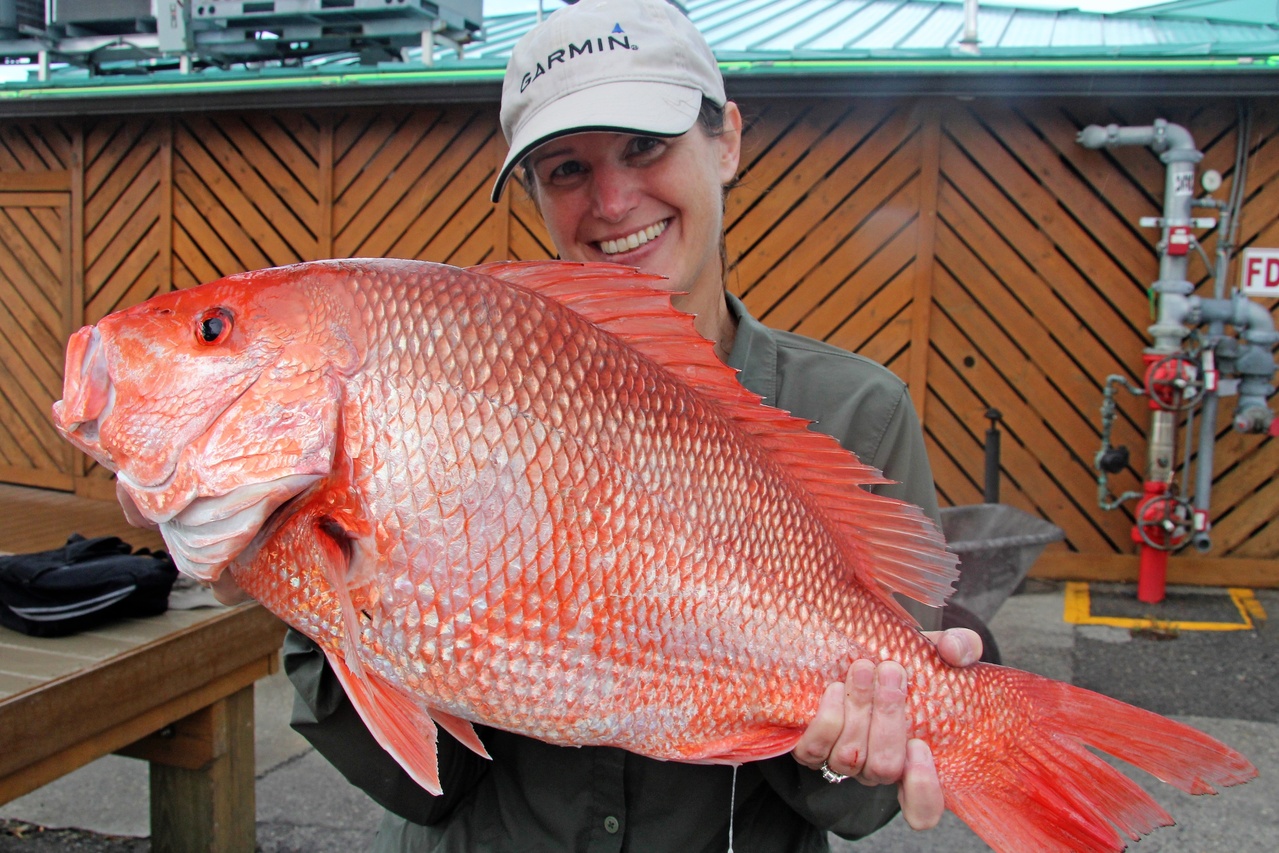
In the wild, it feeds mainly on fish, shrimp, crabs, and squid. For readers interested in fishing, wildlife observation, food fish, or aquariums, it matters because it is major commercial and recreational species. Always check adult size, water conditions, legal harvest rules, and conservation guidance before collecting, keeping, or targeting this species.
2. Mutton Snapper
Scientific name: Lutjanus analis. Mutton Snapper is a large Lutjanus snapper associated with reefs, seagrass, and rocky areas in western Atlantic. Its clearest identification feature is olive-red body with a dark upper-side spot. That combination of color, body shape, habitat, and behavior is more reliable than color alone when comparing similar fish.
In the wild, it feeds mainly on fish and crustaceans. For readers interested in fishing, wildlife observation, food fish, or aquariums, it matters because it is strongly associated with reefs and spawning aggregations. Always check adult size, water conditions, legal harvest rules, and conservation guidance before collecting, keeping, or targeting this species.
3. Schoolmaster Snapper
Scientific name: Lutjanus apodus. Schoolmaster Snapper is a medium Lutjanus snapper associated with mangroves, seagrass, and reefs in western Atlantic. Its clearest identification feature is yellow fins and pale vertical bars. That combination of color, body shape, habitat, and behavior is more reliable than color alone when comparing similar fish.
In the wild, it feeds mainly on fish and crustaceans. For readers interested in fishing, wildlife observation, food fish, or aquariums, it matters because it is juveniles often use mangrove nurseries. Always check adult size, water conditions, legal harvest rules, and conservation guidance before collecting, keeping, or targeting this species.
4. Gray Snapper
Scientific name: Lutjanus griseus. Gray Snapper is a large Lutjanus snapper associated with mangroves, estuaries, and reefs in western Atlantic. Its clearest identification feature is gray-green body with reddish fins. That combination of color, body shape, habitat, and behavior is more reliable than color alone when comparing similar fish.

In the wild, it feeds mainly on fish, shrimp, and crabs. For readers interested in fishing, wildlife observation, food fish, or aquariums, it matters because it is also called mangrove snapper. Always check adult size, water conditions, legal harvest rules, and conservation guidance before collecting, keeping, or targeting this species.
5. Cubera Snapper
Scientific name: Lutjanus cyanopterus. Cubera Snapper is a very large Lutjanus snapper associated with deep reefs, wrecks, and rocky ledges in western Atlantic. Its clearest identification feature is massive head and heavy canine teeth. That combination of color, body shape, habitat, and behavior is more reliable than color alone when comparing similar fish.
In the wild, it feeds mainly on fish, lobsters, and crabs. For readers interested in fishing, wildlife observation, food fish, or aquariums, it matters because it is one of the largest true snappers. Always check adult size, water conditions, legal harvest rules, and conservation guidance before collecting, keeping, or targeting this species.
6. Dog Snapper
Scientific name: Lutjanus jocu. Dog Snapper is a large Lutjanus snapper associated with rocky reefs and ledges in western Atlantic. Its clearest identification feature is reddish-brown body and a pale triangular mark below the eye. That combination of color, body shape, habitat, and behavior is more reliable than color alone when comparing similar fish.
In the wild, it feeds mainly on fish and crustaceans. For readers interested in fishing, wildlife observation, food fish, or aquariums, it matters because it is powerful reef predator. Always check adult size, water conditions, legal harvest rules, and conservation guidance before collecting, keeping, or targeting this species.
7. Mahogany Snapper
Scientific name: Lutjanus mahogoni. Mahogany Snapper is a medium Lutjanus snapper associated with clear coral reefs in western Atlantic. Its clearest identification feature is reddish fins and a dark spot below the dorsal fin. That combination of color, body shape, habitat, and behavior is more reliable than color alone when comparing similar fish.
In the wild, it feeds mainly on small fish and crustaceans. For readers interested in fishing, wildlife observation, food fish, or aquariums, it matters because it is often occurs in small groups. Always check adult size, water conditions, legal harvest rules, and conservation guidance before collecting, keeping, or targeting this species.
8. Lane Snapper
Scientific name: Lutjanus synagris. Lane Snapper is a medium Lutjanus snapper associated with reefs, sandy bottoms, and seagrass in western Atlantic. Its clearest identification feature is pink-red stripes and a dark side spot. That combination of color, body shape, habitat, and behavior is more reliable than color alone when comparing similar fish.
In the wild, it feeds mainly on fish, shrimp, worms, and crabs. For readers interested in fishing, wildlife observation, food fish, or aquariums, it matters because it is common in mixed coastal habitats. Always check adult size, water conditions, legal harvest rules, and conservation guidance before collecting, keeping, or targeting this species.
9. Yellowtail Snapper
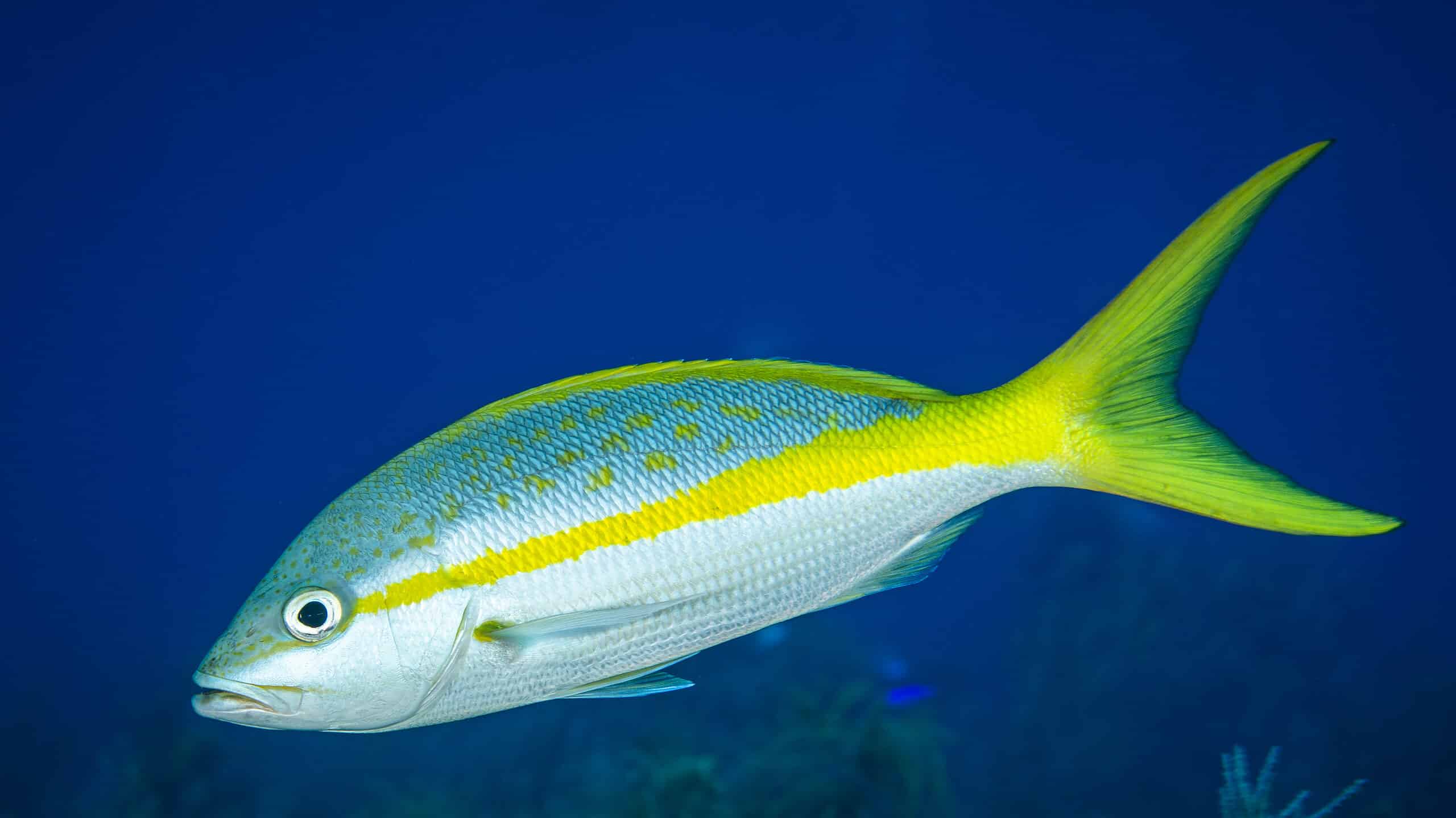
Scientific name: Ocyurus chrysurus. Yellowtail Snapper is a medium yellowtail snapper associated with coral reefs and clear offshore waters in western Atlantic. Its clearest identification feature is bright yellow tail and yellow side stripe. That combination of color, body shape, habitat, and behavior is more reliable than color alone when comparing similar fish.
In the wild, it feeds mainly on plankton, fish, and crustaceans. For readers interested in fishing, wildlife observation, food fish, or aquariums, it matters because it is often schools above reefs. Always check adult size, water conditions, legal harvest rules, and conservation guidance before collecting, keeping, or targeting this species.
10. Vermilion Snapper
Scientific name: Rhomboplites aurorubens. Vermilion Snapper is a medium vermilion snapper associated with offshore reefs and banks in western Atlantic. Its clearest identification feature is slender red body with yellowish lines. That combination of color, body shape, habitat, and behavior is more reliable than color alone when comparing similar fish.
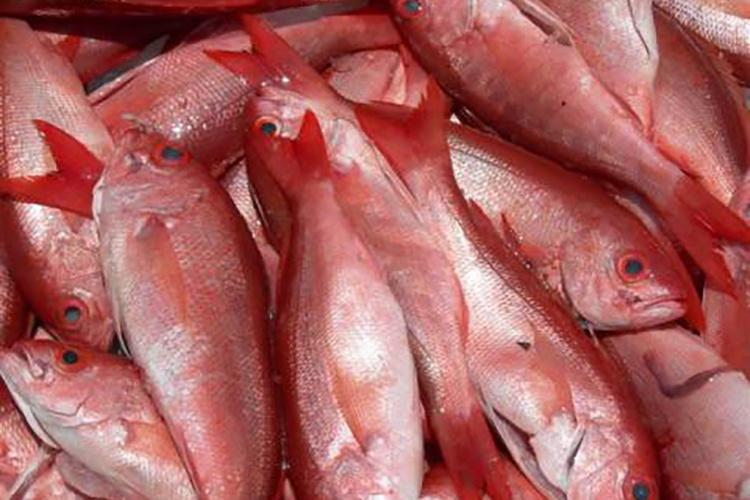
In the wild, it feeds mainly on small fish, squid, and crustaceans. For readers interested in fishing, wildlife observation, food fish, or aquariums, it matters because it is forms schools in deeper water. Always check adult size, water conditions, legal harvest rules, and conservation guidance before collecting, keeping, or targeting this species.
11. Queen Snapper
Scientific name: Etelis oculatus. Queen Snapper is a large deepwater snapper associated with deep rocky slopes in western Atlantic. Its clearest identification feature is long red body and deeply forked tail. That combination of color, body shape, habitat, and behavior is more reliable than color alone when comparing similar fish.
In the wild, it feeds mainly on fish and squid. For readers interested in fishing, wildlife observation, food fish, or aquariums, it matters because it is caught mainly in deep water. Always check adult size, water conditions, legal harvest rules, and conservation guidance before collecting, keeping, or targeting this species.
12. Wenchman
Scientific name: Pristipomoides aquilonaris. Wenchman is a medium deepwater snapper associated with continental shelf and slope in western Atlantic. Its clearest identification feature is pink-red body with a large eye. That combination of color, body shape, habitat, and behavior is more reliable than color alone when comparing similar fish.
In the wild, it feeds mainly on small fish and crustaceans. For readers interested in fishing, wildlife observation, food fish, or aquariums, it matters because it is a smaller deepwater food fish. Always check adult size, water conditions, legal harvest rules, and conservation guidance before collecting, keeping, or targeting this species.
13. Black Snapper
Scientific name: Apsilus dentatus. Black Snapper is a large deepwater snapper associated with deep reefs and rocky slopes in western Atlantic. Its clearest identification feature is dark violet-brown body and forked tail. That combination of color, body shape, habitat, and behavior is more reliable than color alone when comparing similar fish.
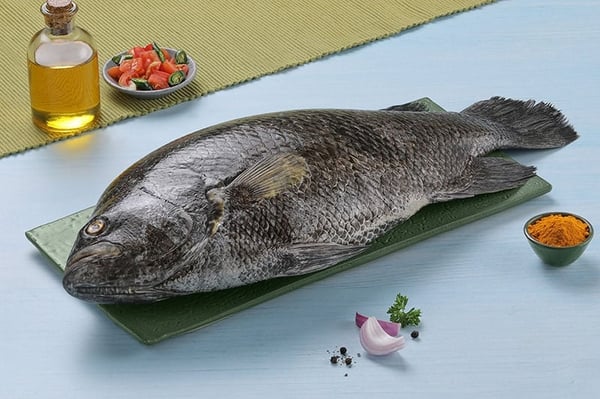
In the wild, it feeds mainly on fish and crustaceans. For readers interested in fishing, wildlife observation, food fish, or aquariums, it matters because it is a deep reef predator. Always check adult size, water conditions, legal harvest rules, and conservation guidance before collecting, keeping, or targeting this species.
14. Yellow Snapper
Scientific name: Lutjanus argentiventris. Yellow Snapper is a large Lutjanus snapper associated with rocky reefs and coastal structure in eastern Pacific. Its clearest identification feature is yellow lower body and reddish upper body. That combination of color, body shape, habitat, and behavior is more reliable than color alone when comparing similar fish.
In the wild, it feeds mainly on fish and crustaceans. For readers interested in fishing, wildlife observation, food fish, or aquariums, it matters because it is important to eastern Pacific fisheries. Always check adult size, water conditions, legal harvest rules, and conservation guidance before collecting, keeping, or targeting this species.
15. Pacific Cubera Snapper
Scientific name: Lutjanus novemfasciatus. Pacific Cubera Snapper is a very large Lutjanus snapper associated with rocky reefs, estuaries, and mangroves in eastern Pacific. Its clearest identification feature is deep body with dark bars in juveniles. That combination of color, body shape, habitat, and behavior is more reliable than color alone when comparing similar fish.
In the wild, it feeds mainly on fish and crustaceans. For readers interested in fishing, wildlife observation, food fish, or aquariums, it matters because it is a powerful coastal predator. Always check adult size, water conditions, legal harvest rules, and conservation guidance before collecting, keeping, or targeting this species.
16. Spotted Rose Snapper
Scientific name: Lutjanus guttatus. Spotted Rose Snapper is a medium Lutjanus snapper associated with coastal reefs and sandy bottoms in eastern Pacific. Its clearest identification feature is pink body with a dark side spot. That combination of color, body shape, habitat, and behavior is more reliable than color alone when comparing similar fish.
In the wild, it feeds mainly on fish, shrimp, and squid. For readers interested in fishing, wildlife observation, food fish, or aquariums, it matters because it is widely landed in regional fisheries. Always check adult size, water conditions, legal harvest rules, and conservation guidance before collecting, keeping, or targeting this species.
17. Pacific Red Snapper
Scientific name: Lutjanus peru. Pacific Red Snapper is a large Lutjanus snapper associated with rocky reefs and offshore banks in eastern Pacific. Its clearest identification feature is uniform reddish-pink body. That combination of color, body shape, habitat, and behavior is more reliable than color alone when comparing similar fish.
In the wild, it feeds mainly on fish and crustaceans. For readers interested in fishing, wildlife observation, food fish, or aquariums, it matters because it is not the same species as northern red snapper. Always check adult size, water conditions, legal harvest rules, and conservation guidance before collecting, keeping, or targeting this species.
18. Mullet Snapper
Scientific name: Lutjanus aratus. Mullet Snapper is a large Lutjanus snapper associated with rocky shores and reefs in eastern Pacific. Its clearest identification feature is red-brown body and robust head. That combination of color, body shape, habitat, and behavior is more reliable than color alone when comparing similar fish.
In the wild, it feeds mainly on fish and crustaceans. For readers interested in fishing, wildlife observation, food fish, or aquariums, it matters because it is a strong inshore game fish. Always check adult size, water conditions, legal harvest rules, and conservation guidance before collecting, keeping, or targeting this species.
19. Mexican Barred Snapper
Scientific name: Hoplopagrus guentherii. Mexican Barred Snapper is a large barred snapper associated with rocky reefs in eastern Pacific. Its clearest identification feature is broad dark bars over a pale body. That combination of color, body shape, habitat, and behavior is more reliable than color alone when comparing similar fish.

In the wild, it feeds mainly on fish, crabs, and mollusks. For readers interested in fishing, wildlife observation, food fish, or aquariums, it matters because it is the only species in its genus. Always check adult size, water conditions, legal harvest rules, and conservation guidance before collecting, keeping, or targeting this species.
20. Mangrove Red Snapper
Scientific name: Lutjanus argentimaculatus. Mangrove Red Snapper is a very large Lutjanus snapper associated with mangroves, estuaries, and offshore reefs in Indo-West Pacific. Its clearest identification feature is copper-red body and large canine teeth. That combination of color, body shape, habitat, and behavior is more reliable than color alone when comparing similar fish.
In the wild, it feeds mainly on fish and crustaceans. For readers interested in fishing, wildlife observation, food fish, or aquariums, it matters because it is juveniles use estuaries before moving offshore. Always check adult size, water conditions, legal harvest rules, and conservation guidance before collecting, keeping, or targeting this species.
21. Two-Spot Red Snapper
Scientific name: Lutjanus bohar. Two-Spot Red Snapper is a large Lutjanus snapper associated with coral reefs and drop-offs in Indo-Pacific. Its clearest identification feature is deep red body; juveniles may show two pale spots. That combination of color, body shape, habitat, and behavior is more reliable than color alone when comparing similar fish.
In the wild, it feeds mainly on fish and crustaceans. For readers interested in fishing, wildlife observation, food fish, or aquariums, it matters because it is large adults may carry ciguatera risk in some regions. Always check adult size, water conditions, legal harvest rules, and conservation guidance before collecting, keeping, or targeting this species.
22. Bluestripe Snapper
Scientific name: Lutjanus kasmira. Bluestripe Snapper is a medium Lutjanus snapper associated with coral reefs and lagoons in Indo-Pacific. Its clearest identification feature is yellow body with four blue horizontal stripes. That combination of color, body shape, habitat, and behavior is more reliable than color alone when comparing similar fish.
In the wild, it feeds mainly on fish and crustaceans. For readers interested in fishing, wildlife observation, food fish, or aquariums, it matters because it is often forms conspicuous schools. Always check adult size, water conditions, legal harvest rules, and conservation guidance before collecting, keeping, or targeting this species.
23. Blacktail Snapper
Scientific name: Lutjanus fulvus. Blacktail Snapper is a medium Lutjanus snapper associated with lagoons, reefs, and estuaries in Indo-Pacific. Its clearest identification feature is yellow-brown body with a dark tail. That combination of color, body shape, habitat, and behavior is more reliable than color alone when comparing similar fish.
In the wild, it feeds mainly on fish and crustaceans. For readers interested in fishing, wildlife observation, food fish, or aquariums, it matters because it is uses a range of shallow habitats. Always check adult size, water conditions, legal harvest rules, and conservation guidance before collecting, keeping, or targeting this species.
24. Dory Snapper
Scientific name: Lutjanus fulviflamma. Dory Snapper is a medium Lutjanus snapper associated with seagrass, mangroves, and reefs in Indo-Pacific. Its clearest identification feature is yellow fins and a dark side spot. That combination of color, body shape, habitat, and behavior is more reliable than color alone when comparing similar fish.
In the wild, it feeds mainly on fish and crustaceans. For readers interested in fishing, wildlife observation, food fish, or aquariums, it matters because it is juveniles often occupy sheltered coastal nurseries. Always check adult size, water conditions, legal harvest rules, and conservation guidance before collecting, keeping, or targeting this species.
25. Humpback Red Snapper
Scientific name: Lutjanus gibbus. Humpback Red Snapper is a large Lutjanus snapper associated with coral reefs and outer slopes in Indo-Pacific. Its clearest identification feature is high-backed red body and dark fins. That combination of color, body shape, habitat, and behavior is more reliable than color alone when comparing similar fish.
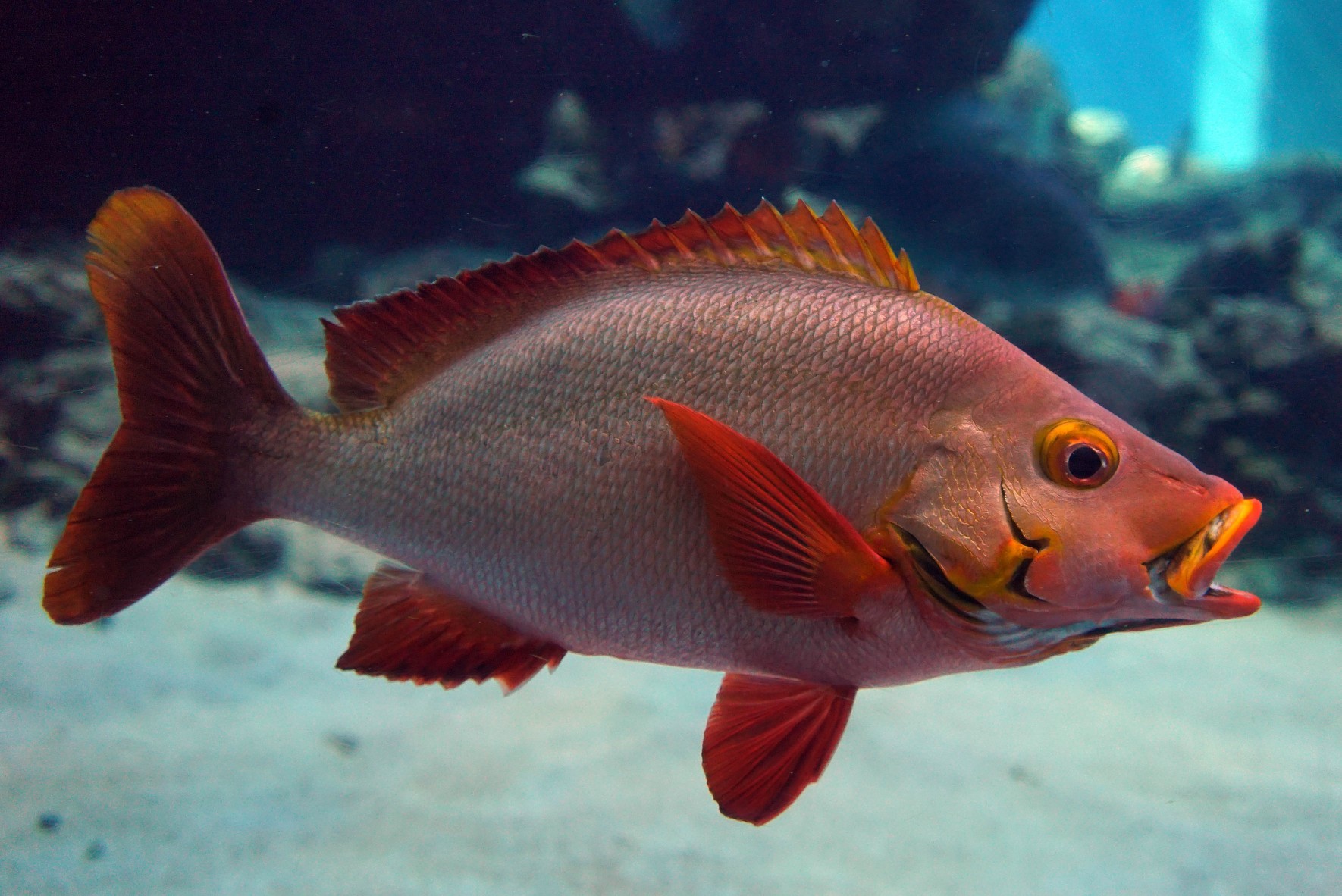
In the wild, it feeds mainly on fish and crustaceans. For readers interested in fishing, wildlife observation, food fish, or aquariums, it matters because it is often rests in groups by day. Always check adult size, water conditions, legal harvest rules, and conservation guidance before collecting, keeping, or targeting this species.
26. One-Spot Snapper
Scientific name: Lutjanus monostigma. One-Spot Snapper is a medium Lutjanus snapper associated with reef flats and lagoons in Indo-Pacific. Its clearest identification feature is pale body with one dark spot below the dorsal fin. That combination of color, body shape, habitat, and behavior is more reliable than color alone when comparing similar fish.
In the wild, it feeds mainly on fish and crustaceans. For readers interested in fishing, wildlife observation, food fish, or aquariums, it matters because it is widely distributed across tropical reefs. Always check adult size, water conditions, legal harvest rules, and conservation guidance before collecting, keeping, or targeting this species.
27. Emperor Red Snapper
Scientific name: Lutjanus sebae. Emperor Red Snapper is a very large Lutjanus snapper associated with reefs and soft-bottom areas in Indo-West Pacific. Its clearest identification feature is juveniles have bold red bands; adults become red overall. That combination of color, body shape, habitat, and behavior is more reliable than color alone when comparing similar fish.
In the wild, it feeds mainly on fish and crustaceans. For readers interested in fishing, wildlife observation, food fish, or aquariums, it matters because it is a large ornamental juvenile that outgrows home aquariums. Always check adult size, water conditions, legal harvest rules, and conservation guidance before collecting, keeping, or targeting this species.
28. Russell’s Snapper
Scientific name: Lutjanus russellii. Russell’s Snapper is a large Lutjanus snapper associated with reefs, estuaries, and coastal waters in Indo-West Pacific. Its clearest identification feature is pale body with a dark spot and fine horizontal lines. That combination of color, body shape, habitat, and behavior is more reliable than color alone when comparing similar fish.

In the wild, it feeds mainly on fish and crustaceans. For readers interested in fishing, wildlife observation, food fish, or aquariums, it matters because it is a widespread coastal species. Always check adult size, water conditions, legal harvest rules, and conservation guidance before collecting, keeping, or targeting this species.
29. Brownstripe Red Snapper
Scientific name: Lutjanus vitta. Brownstripe Red Snapper is a medium Lutjanus snapper associated with coastal reefs and offshore banks in Indo-West Pacific. Its clearest identification feature is silver body with a brown stripe and yellowish fins. That combination of color, body shape, habitat, and behavior is more reliable than color alone when comparing similar fish.
In the wild, it feeds mainly on fish and crustaceans. For readers interested in fishing, wildlife observation, food fish, or aquariums, it matters because it is often harvested with other reef fishes. Always check adult size, water conditions, legal harvest rules, and conservation guidance before collecting, keeping, or targeting this species.
30. Bengal Snapper
Scientific name: Lutjanus bengalensis. Bengal Snapper is a medium Lutjanus snapper associated with coral reefs in Indian Ocean and western Pacific. Its clearest identification feature is yellow body with blue horizontal stripes. That combination of color, body shape, habitat, and behavior is more reliable than color alone when comparing similar fish.
In the wild, it feeds mainly on small fish and crustaceans. For readers interested in fishing, wildlife observation, food fish, or aquariums, it matters because it is closely resembles several other striped snappers. Always check adult size, water conditions, legal harvest rules, and conservation guidance before collecting, keeping, or targeting this species.
31. Checkered Snapper
Scientific name: Lutjanus decussatus. Checkered Snapper is a medium Lutjanus snapper associated with coral reefs and lagoons in Indo-West Pacific. Its clearest identification feature is a checkerboard pattern of dark bars and pale lines. That combination of color, body shape, habitat, and behavior is more reliable than color alone when comparing similar fish.
In the wild, it feeds mainly on fish and crustaceans. For readers interested in fishing, wildlife observation, food fish, or aquariums, it matters because it is easy to identify at close range. Always check adult size, water conditions, legal harvest rules, and conservation guidance before collecting, keeping, or targeting this species.
32. Blackspot Snapper
Scientific name: Lutjanus ehrenbergii. Blackspot Snapper is a medium Lutjanus snapper associated with mangroves, lagoons, and reefs in Indo-West Pacific. Its clearest identification feature is yellowish body with a black spot high on the flank. That combination of color, body shape, habitat, and behavior is more reliable than color alone when comparing similar fish.
In the wild, it feeds mainly on fish and crustaceans. For readers interested in fishing, wildlife observation, food fish, or aquariums, it matters because it is juveniles use shallow nurseries. Always check adult size, water conditions, legal harvest rules, and conservation guidance before collecting, keeping, or targeting this species.
33. Blubberlip Snapper
Scientific name: Lutjanus rivulatus. Blubberlip Snapper is a very large Lutjanus snapper associated with coral and rocky reefs in Indo-West Pacific. Its clearest identification feature is thick lips and blue facial lines on a mottled body. That combination of color, body shape, habitat, and behavior is more reliable than color alone when comparing similar fish.
In the wild, it feeds mainly on fish, crabs, and mollusks. For readers interested in fishing, wildlife observation, food fish, or aquariums, it matters because it is a large, wary reef fish. Always check adult size, water conditions, legal harvest rules, and conservation guidance before collecting, keeping, or targeting this species.
34. Malabar Blood Snapper
Scientific name: Lutjanus malabaricus. Malabar Blood Snapper is a very large Lutjanus snapper associated with offshore reefs and soft-bottom structure in Indo-West Pacific. Its clearest identification feature is deep red body and large eye. That combination of color, body shape, habitat, and behavior is more reliable than color alone when comparing similar fish.
In the wild, it feeds mainly on fish and crustaceans. For readers interested in fishing, wildlife observation, food fish, or aquariums, it matters because it is important in offshore fisheries. Always check adult size, water conditions, legal harvest rules, and conservation guidance before collecting, keeping, or targeting this species.
35. Crimson Snapper
Scientific name: Lutjanus erythropterus. Crimson Snapper is a large Lutjanus snapper associated with coastal and offshore reefs in Indo-West Pacific. Its clearest identification feature is bright crimson body, especially when fresh. That combination of color, body shape, habitat, and behavior is more reliable than color alone when comparing similar fish.
In the wild, it feeds mainly on fish and crustaceans. For readers interested in fishing, wildlife observation, food fish, or aquariums, it matters because it is often confused with related red snappers. Always check adult size, water conditions, legal harvest rules, and conservation guidance before collecting, keeping, or targeting this species.
36. Papuan Black Snapper
Scientific name: Lutjanus goldiei. Papuan Black Snapper is a very large freshwater-capable snapper associated with large rivers and estuaries in New Guinea. Its clearest identification feature is dark body and powerful jaw. That combination of color, body shape, habitat, and behavior is more reliable than color alone when comparing similar fish.
In the wild, it feeds mainly on fish and crustaceans. For readers interested in fishing, wildlife observation, food fish, or aquariums, it matters because it is unusual among snappers for its freshwater association. Always check adult size, water conditions, legal harvest rules, and conservation guidance before collecting, keeping, or targeting this species.
37. Yellow-Banded Snapper
Scientific name: Lutjanus adetii. Yellow-Banded Snapper is a medium Lutjanus snapper associated with rocky and coral reefs in southwestern Pacific. Its clearest identification feature is yellow stripe running along a pinkish body. That combination of color, body shape, habitat, and behavior is more reliable than color alone when comparing similar fish.
In the wild, it feeds mainly on fish and crustaceans. For readers interested in fishing, wildlife observation, food fish, or aquariums, it matters because it is often seen around reef structure. Always check adult size, water conditions, legal harvest rules, and conservation guidance before collecting, keeping, or targeting this species.
38. Black and White Snapper
Scientific name: Macolor niger. Black and White Snapper is a large Macolor snapper associated with outer reefs and drop-offs in Indo-Pacific. Its clearest identification feature is juveniles are black-and-white while adults darken. That combination of color, body shape, habitat, and behavior is more reliable than color alone when comparing similar fish.
In the wild, it feeds mainly on plankton as juveniles; fish and crustaceans as adults. For readers interested in fishing, wildlife observation, food fish, or aquariums, it matters because it is dramatic color change with age. Always check adult size, water conditions, legal harvest rules, and conservation guidance before collecting, keeping, or targeting this species.
39. Midnight Snapper
Scientific name: Macolor macularis. Midnight Snapper is a large Macolor snapper associated with coral reefs and drop-offs in Indo-Pacific. Its clearest identification feature is dark adult body with pale spots; patterned juveniles. That combination of color, body shape, habitat, and behavior is more reliable than color alone when comparing similar fish.
In the wild, it feeds mainly on fish and crustaceans. For readers interested in fishing, wildlife observation, food fish, or aquariums, it matters because it is a deep-bodied reef snapper. Always check adult size, water conditions, legal harvest rules, and conservation guidance before collecting, keeping, or targeting this species.
40. Green Jobfish
Scientific name: Aprion virescens. Green Jobfish is a very large jobfish snapper associated with outer reefs and open reef slopes in Indo-Pacific. Its clearest identification feature is elongated green-gray body with a pointed snout. That combination of color, body shape, habitat, and behavior is more reliable than color alone when comparing similar fish.
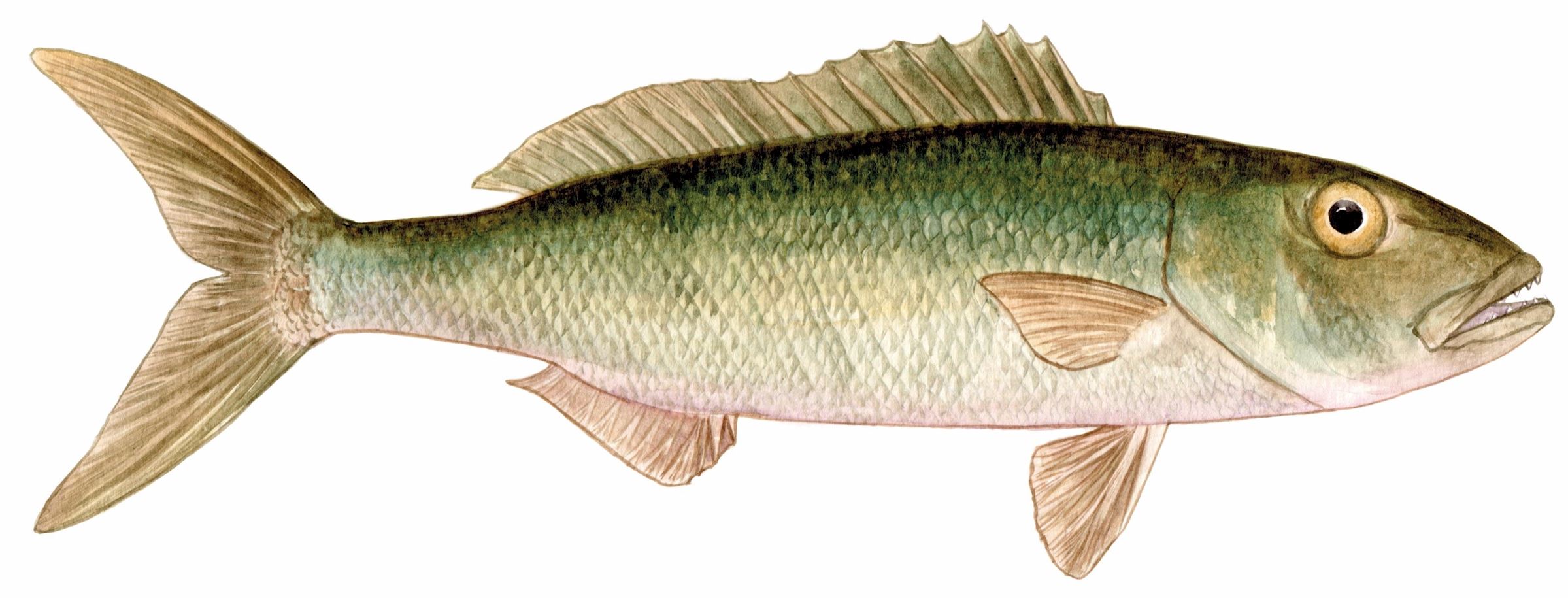
In the wild, it feeds mainly on fish and squid. For readers interested in fishing, wildlife observation, food fish, or aquariums, it matters because it is a fast, strong predator and prized game fish. Always check adult size, water conditions, legal harvest rules, and conservation guidance before collecting, keeping, or targeting this species.
How Are These Types of Fish Classified?
True snappers belong to the family Lutjanidae. The large genus Lutjanus contains many reef and coastal snappers. Other genera include Ocyurus, Rhomboplites, Etelis, Pristipomoides, Apsilus, Hoplopagrus, Macolor, and Aprion. Not every fish sold as snapper belongs to Lutjanidae, so scientific names are essential in seafood and fishing contexts.
Where Do Snapper Fish Live?
Snappers occupy tropical and subtropical reefs, rocky coasts, mangroves, estuaries, seagrass beds, offshore banks, wrecks, continental slopes, and deep rocky habitats. Juveniles often use protected nursery areas before moving to deeper adult habitat. Distribution and depth are among the best clues for separating similar red, yellow, and striped species.
How to Identify Different Types of Snapper Fish
- Head and teeth: True snappers usually have a sloping head, a large mouth, and noticeable canine teeth.
- Tail color: Yellowtail, blacktail, and several jobfish are quickly narrowed by tail color and shape.
- Side spots: Lane, mutton, dory, one-spot, and other species have distinctive flank spots.
- Stripes and bars: Bluestripe, Bengal, checkered, schoolmaster, and juvenile emperor snapper show useful linear patterns.
- Depth: Queen snapper, wenchman, and other deepwater species differ from shallow mangrove and reef snappers.
- Region: Western Atlantic, eastern Pacific, and Indo-Pacific faunas contain different look-alike species.
Fishing and Seafood Tips
- Confirm the exact snapper species because seasons, size limits, and bag limits may differ.
- Use tackle strong enough to keep large fish away from reefs and wrecks.
- Release undersized or unwanted fish quickly and avoid damaging the gills.
- Ice retained fish promptly and keep the catch clean.
- In ciguatera regions, follow local health guidance for large tropical reef predators.
Safety, Sustainability, and Conservation Notes
- Protect mangroves and seagrass beds that serve as snapper nurseries.
- Respect spawning closures and aggregation sites.
- Use descending devices where required or recommended for barotrauma in deep-caught fish.
- Do not assume a market label such as red snapper identifies one species.
- Choose seafood from traceable, well-managed fisheries.
Fun Facts About Snapper Fish
- The snapper family contains reef, coastal, estuarine, deepwater, and rare freshwater-associated species.
- Cubera snappers have exceptionally strong canine teeth.
- Yellowtail snapper often feed above the reef rather than directly on the bottom.
- Juvenile emperor red snapper have bold bands that fade with age.
- Papuan black snapper can live far upriver.
- Many juvenile snappers depend on mangrove habitat.
- Deepwater snappers commonly have large eyes and red coloration.
- Several unrelated fish are marketed under the name red snapper.
- Jobfish are streamlined members of the snapper family.
- Accurate species identification supports better fisheries data.
Final Thoughts on types of snapper fish
These 40 types of snapper fish represent only part of a diverse family, but they show the most useful differences in color, spots, stripes, depth, range, habitat, and body shape. Anglers and seafood buyers should confirm scientific names, follow current regulations, and choose traceable sources. Protecting reefs, mangroves, seagrass, and spawning areas supports healthy snapper populations.
Frequently Asked Questions
1. What does the term “types of snapper fish” mean?
It refers to species in the snapper family Lutjanidae, although markets sometimes use the word snapper for unrelated fish.
2. How many types of snapper fish are covered in this guide?
This guide profiles 40 carefully selected examples. The number is a practical editorial list, not a claim that only 40 such fish exist worldwide.
3. Are all types of snapper fish closely related?
The 40 true snappers in this guide are related within Lutjanidae, but they represent multiple genera and ecological groups.
4. Which is the easiest types of snapper fish to identify?
Northern Red Snapper is a useful starting point because pink-red body with a pointed profile. However, identification should also consider body shape, fin placement, range, and habitat.
5. Which types of snapper fish is the largest in this list?
Cubera snapper, Pacific cubera snapper, mangrove red snapper, blubberlip snapper, Malabar blood snapper, and green jobfish are among the largest listed.
6. Which types of snapper fish is the smallest in this list?
Bengal snapper, wenchman, and several smaller reef snappers are among the more compact species in the guide.
7. Where do types of snapper fish live?
They live around coral and rocky reefs, mangroves, estuaries, seagrass, offshore banks, wrecks, continental shelves, and deep slopes.
8. What do types of snapper fish eat?
Most are carnivores that eat fish, shrimp, crabs, squid, worms, or other benthic animals.
9. Can types of snapper fish live in freshwater?
Most are marine, but Papuan black snapper is strongly associated with rivers, and juveniles of several species enter estuaries.
10. Can types of snapper fish live in saltwater?
Yes. The great majority are marine fish from tropical and subtropical seas.
11. Are any types of snapper fish suitable for home aquariums?
Small juveniles are sometimes displayed in public or very large marine aquariums, but most grow too large for ordinary home tanks.
12. Do types of snapper fish need to be kept in groups?
Some species school, especially yellowtail, bluestripe, vermilion, and certain reef snappers. Large predators may be solitary or form loose groups.
13. How can beginners identify types of snapper fish?
Begin with body shape, fin arrangement, mouth position, color pattern, adult size, and habitat. Photograph the fish from the side when possible and compare it with a regional field guide rather than relying on a single color.
14. Can fish color change with age or season?
Yes. Many fish change color as they mature, breed, migrate, become stressed, or move between habitats. Lighting and water clarity also affect how color appears.
15. Why are scientific names useful?
Common names vary between countries and fisheries. A scientific name points to one recognized species and helps prevent confusion between unrelated fish that share a similar nickname.
16. Are any types of snapper fish dangerous to handle?
Large snappers have powerful jaws and canine teeth. Tropical species may also carry ciguatera toxins depending on region and size.
17. Can people eat types of snapper fish?
Many are valued food fish with firm white flesh, but legal status, traceability, contamination advisories, and correct labeling should be checked.
18. How should edible fish be stored?
Keep fresh fish cold immediately after capture or purchase, use clean food-safe containers, and follow local food-safety guidance. Refrigerate promptly and freeze portions that will not be used soon.
19. How can anglers fish responsibly for these species?
Follow current seasons, size limits, bag limits, protected-area rules, and gear restrictions. Use appropriate tackle, minimize handling, release unwanted fish quickly, and never transport live fish between waters.
20. Why should fish never be released from an aquarium?
Released aquarium fish can become invasive, spread disease, or die from unsuitable conditions. Rehome unwanted fish through a responsible aquarium store, club, rescue, or experienced keeper.
21. How does habitat loss affect these fish?
Dams, polluted runoff, sedimentation, wetland loss, reef damage, and coastal development can remove feeding, nursery, and spawning habitat. Species with small ranges are often especially vulnerable.
22. Are color-based fish names always accurate?
No. Names based on red, silver, black, or blue may describe only one life stage, sex, regional form, or market appearance. Taxonomy and location provide a more dependable identification.
23. What equipment helps with fish identification?
A camera, polarized sunglasses, regional field guide, ruler or measuring board, and notes about depth, water type, substrate, and location are useful. Handle wild fish only when legal and necessary.
24. Should I use an identification app?
An app can narrow the possibilities, but it should not be the only source for legal harvest or conservation decisions. Confirm important identifications with an authoritative regional guide or fisheries agency.
25. What is the most common identification mistake?
The most common mistake is choosing a species from color alone. Similar species may differ in fin rays, tail shape, mouth size, body proportions, spots, stripes, or geographic range.
26. Do juvenile fish look like adults?
Not always. Juveniles may have bars, spots, or colors that disappear with age, and some move from sheltered nursery areas to deeper adult habitats.
27. Are wild populations stable?
Status varies by species and fishery. Slow growth, spawning aggregation fishing, nursery habitat loss, and mislabeling can complicate management.
28. Can climate change affect their distribution?
Yes. Warming water, altered river flow, ocean acidification, oxygen loss, and changing food webs can shift suitable habitat. Effects vary by species and region.
29. What should I check before buying one as a pet?
Confirm the exact species, adult size, social behavior, diet, water chemistry, temperature, tank length, filtration, and legal status. Avoid buying fish that cannot be housed responsibly for their full lifespan.
30. What is the best way to learn more about types of snapper fish?
Use regional fish guides, museum and university resources, fisheries agencies, responsible aquarium organizations, and direct observation. Keep notes and compare several identification features at once.
Read more;
40 Types of Wild Animals: A Global Guide