

Bumblebees are among the most fascinating and vital pollinators in the world. With their fuzzy bodies, striking color patterns, and unique buzzing sounds, they are easily recognized and adored by gardeners, ecologists, and nature enthusiasts alike. Understanding the types of bumblebee helps not only in identifying these species but also in appreciating their crucial ecological roles. From small mountain species to widespread lowland bumblebees, each type has its own behavior, habitat preference, and contribution to pollination. In this guide, we review 40 different bumblebee species, providing detailed information on appearance, diet, behavior, and conservation.
40 Types of Bumblebee
1. American Bumblebee (Bombus pensylvanicus)
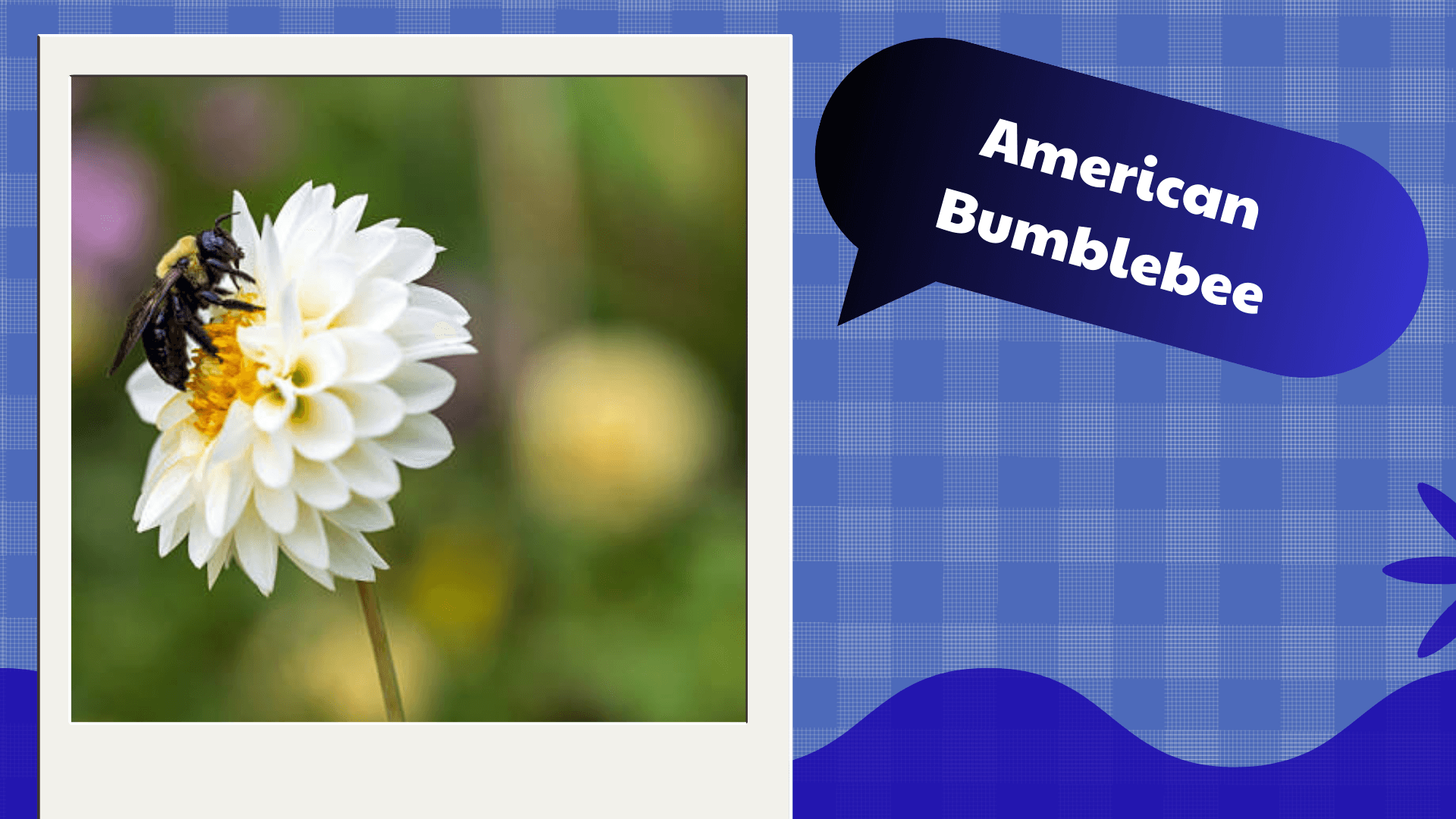
The American Bumblebee is a large, robust species native to North America, historically widespread across the United States and southern Canada. Its signature golden-yellow bands contrast with a black midsection and a slightly orange-tinted tail. This bumblebee is primarily active from late spring through early fall and is often found in meadows, agricultural fields, and gardens. As a generalist pollinator, it feeds on a wide variety of flowers, including clovers, sunflowers, and wildflowers. Its long proboscis allows it to reach deep tubular flowers that many other bees cannot access, making it an indispensable pollinator for certain crops and wild plants.
Socially, the American Bumblebee lives in colonies that range from 50 to 400 individuals. Colonies are founded by a single queen each spring, who first builds a nest in abandoned rodent burrows, grass tussocks, or soil cavities. Workers assist in foraging and caring for the brood, while drones emerge in late summer to mate with new queens. Over the past decades, populations have declined due to habitat loss, pesticide exposure, and climate change, making conservation efforts crucial for this species. Observing their foraging behavior in gardens or wild meadows highlights their efficiency and importance in maintaining healthy ecosystems.
2. Common Eastern Bumblebee (Bombus impatiens)
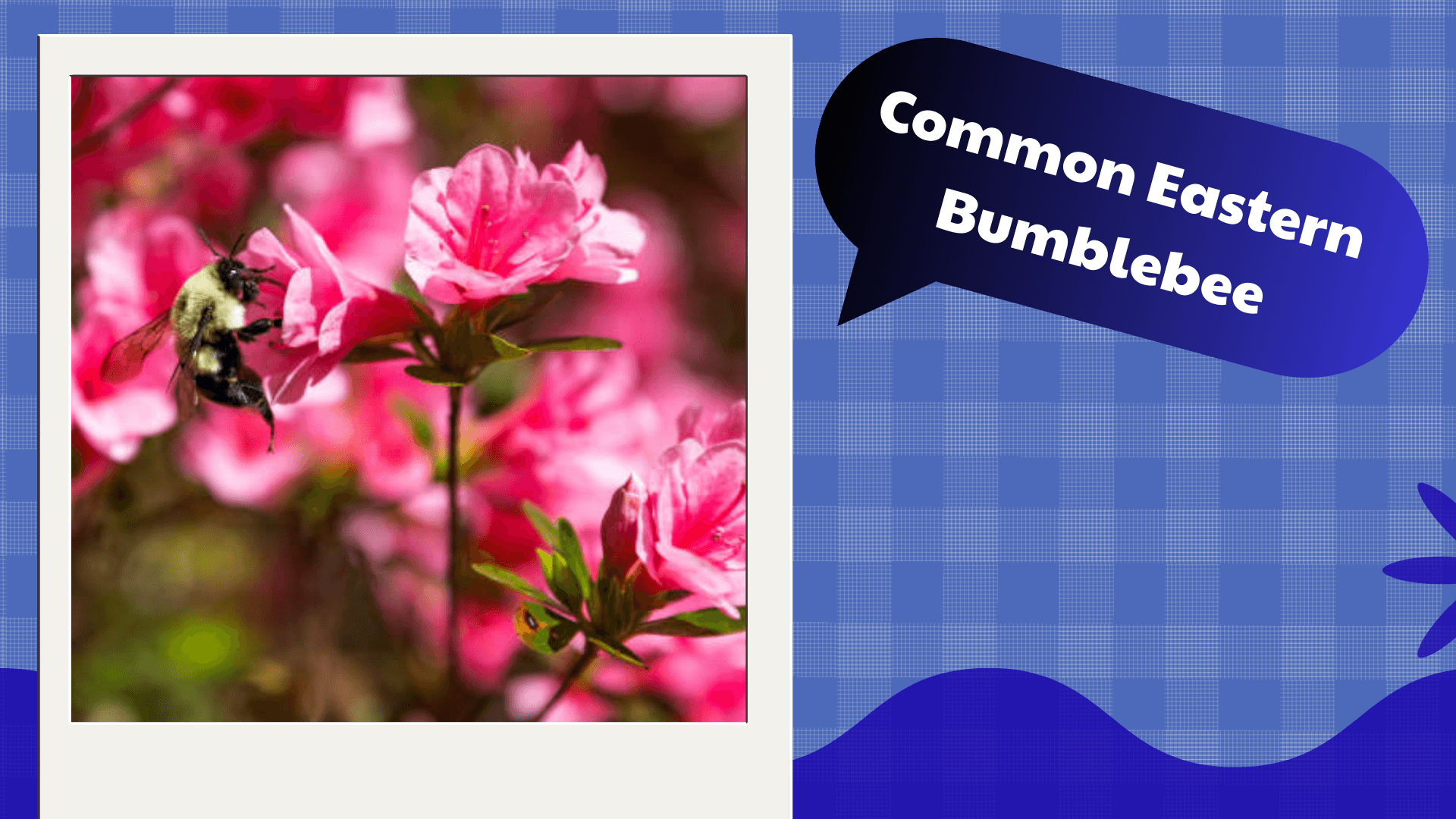
The Common Eastern Bumblebee is one of the most familiar and widespread species in eastern North America. Its black body is accented with two bright yellow bands on the thorax and abdomen, and it has a relatively short, rounded shape compared to larger species. Highly adaptable, this bumblebee thrives in urban, suburban, and rural environments, visiting gardens, orchards, and wildflower fields. Its diet consists mainly of nectar and pollen from a wide variety of flowers, making it an essential pollinator for both ornamental plants and crops like tomatoes, blueberries, and peppers.
This species is highly social, living in colonies with a complex division of labor. The queen lays eggs in early spring, and workers take over foraging and nest maintenance. Drones are produced later in the season to ensure mating and the continuation of the colony. Common Eastern Bumblebees are also popular in greenhouse pollination due to their efficiency and gentle nature. Their ability to buzz-pollinate certain flowers makes them irreplaceable in agriculture. Watching these bees in action demonstrates their strength, endurance, and adaptability in various environments, contributing significantly to plant reproduction and biodiversity.
3. Rusty-Patched Bumblebee (Bombus affinis)
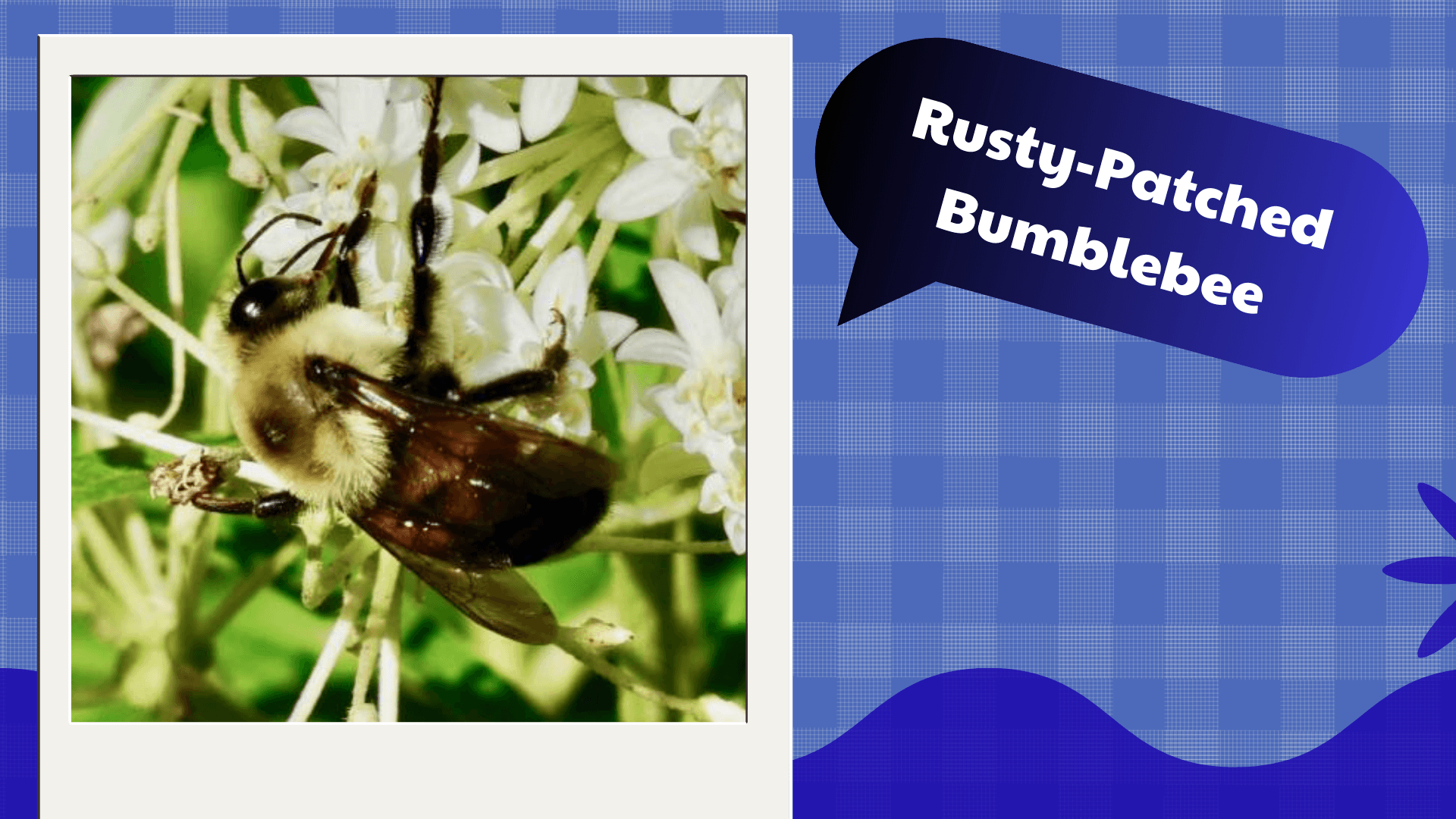
The Rusty-Patched Bumblebee is a small-to-medium-sized species known for its distinctive rusty-orange patch on the abdomen, contrasting with a black body and yellow thorax band. Native to eastern and midwestern North America, this species has faced significant population declines and is now listed as endangered in the United States. Its preferred habitats include meadows, prairies, and gardens with abundant wildflowers. Its long tongue allows it to access nectar from deep flowers, while its fuzzy body collects and transfers pollen efficiently.
Colonies are small, typically numbering between 50 and 100 individuals, with a single queen founding the nest in spring. Workers forage for nectar and pollen, often visiting a wide range of plant species, including clovers, goldenrods, and milkweeds. The Rusty-Patched Bumblebee is highly important for pollination of native plants, supporting the reproduction of wildflower communities. Conservation programs focus on protecting its habitat, planting pollinator-friendly flowers, and reducing pesticide exposure. Observing this species highlights the fragility of bumblebee populations and the need for habitat restoration to ensure their survival.
4. Two-Spotted Bumblebee (Bombus bimaculatus)
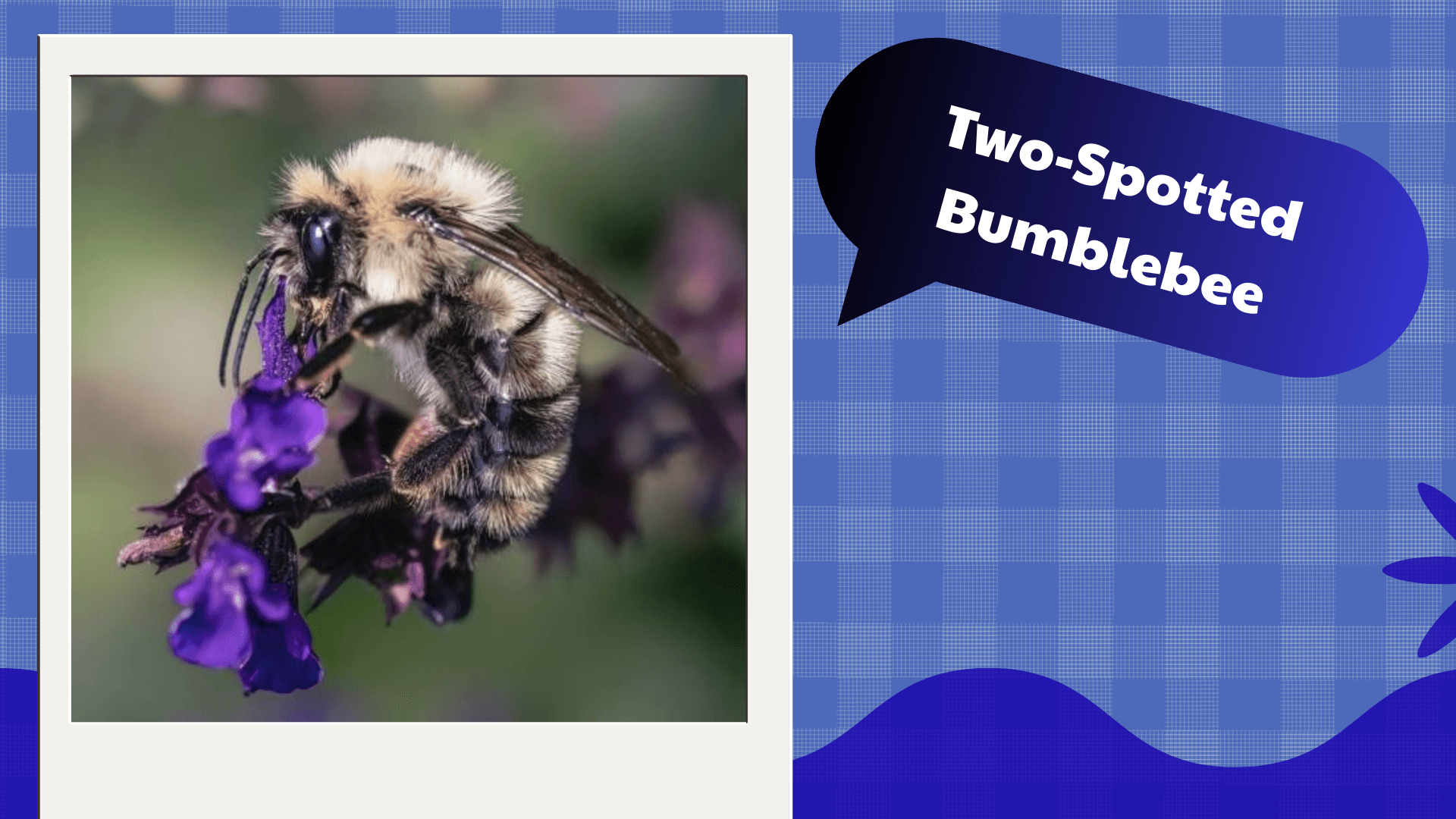
The Two-Spotted Bumblebee is a medium-sized, adaptable species found in eastern North America. Its most striking feature is the two small dark spots on the abdomen, complemented by a yellow thorax band and black head. This bumblebee thrives in gardens, fields, and forest edges, foraging on a wide range of flowering plants. Its diet is primarily nectar and pollen, and it plays a critical role in pollinating both wild and cultivated flowers.
Colonies usually contain 100–300 individuals, founded by a queen each spring. Workers take on various roles, from foraging to caring for larvae and defending the nest. The Two-Spotted Bumblebee is known for its gentle behavior and adaptability to urban and suburban environments, making it one of the most observed bumblebees by gardeners and nature enthusiasts. Its buzz-pollination technique allows it to extract pollen from certain flowers more effectively than many other pollinators. Protecting meadows and wildflower habitats ensures the continuation of this species and supports ecosystem health and biodiversity.
5. Yellow-Banded Bumblebee (Bombus terricola)
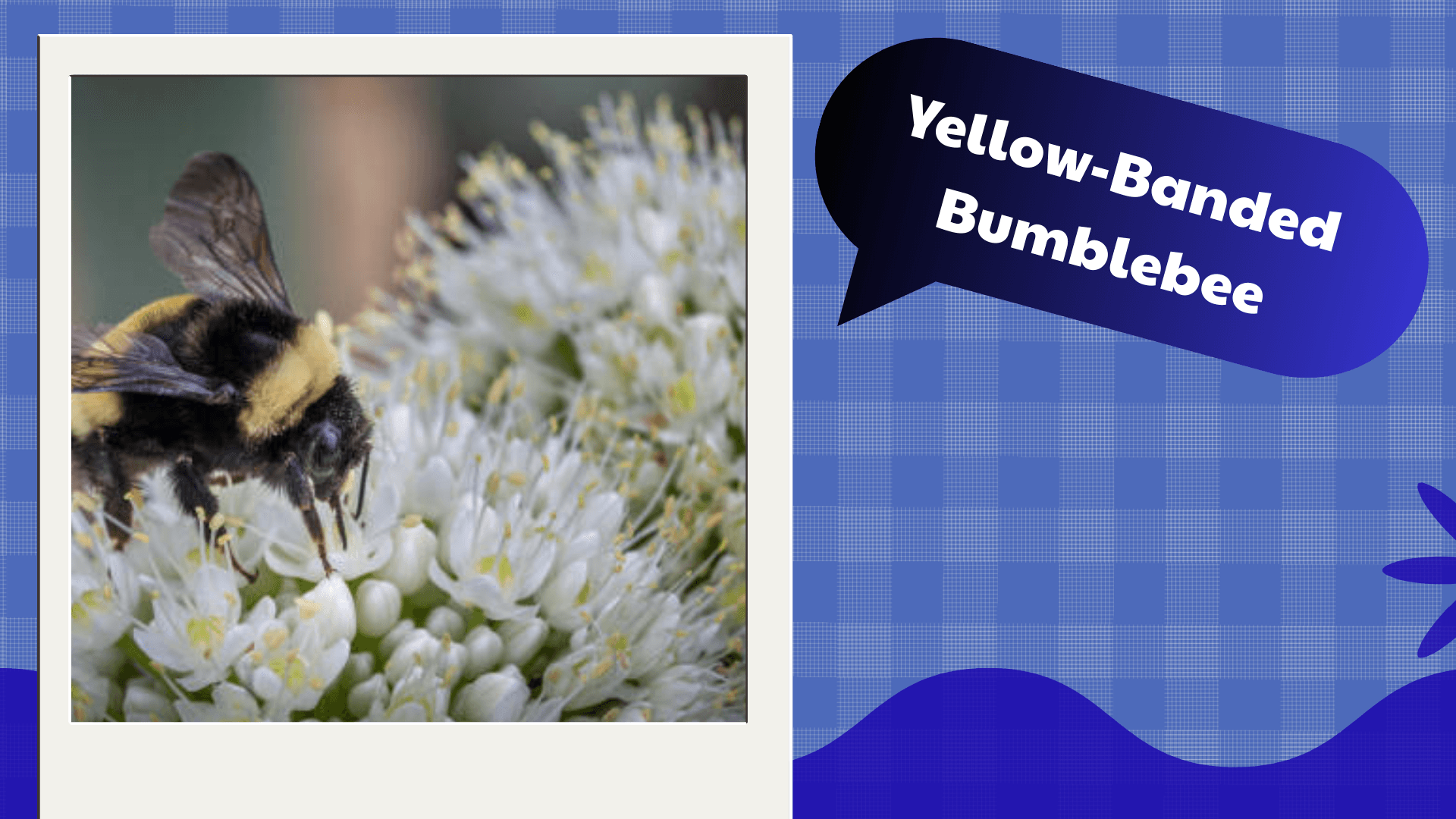
The Yellow-Banded Bumblebee is a medium-sized species recognized by a bright yellow band across the thorax and additional yellow markings on the abdomen. Native to North America, it prefers open fields, meadows, and gardens where wildflowers are abundant. Its diet is diverse, feeding on nectar and pollen from flowers like goldenrod, clover, and daisies. The long tongue allows efficient nectar collection from deep tubular flowers, supporting plant reproduction across its habitat.
This species is social, forming colonies with a queen, workers, and drones. Nesting typically occurs in underground cavities or abandoned rodent burrows, with the queen initiating colony development in early spring. Workers forage, care for the young, and defend the nest. Over the years, populations have been impacted by habitat loss and pesticide use, leading to conservation concerns. Observing Yellow-Banded Bumblebees demonstrates their agility, pollination efficiency, and contribution to both natural and agricultural ecosystems. Planting pollinator-friendly gardens helps support their populations and ensures the continued health of local biodiversity.
6. Western Bumblebee (Bombus occidentalis)
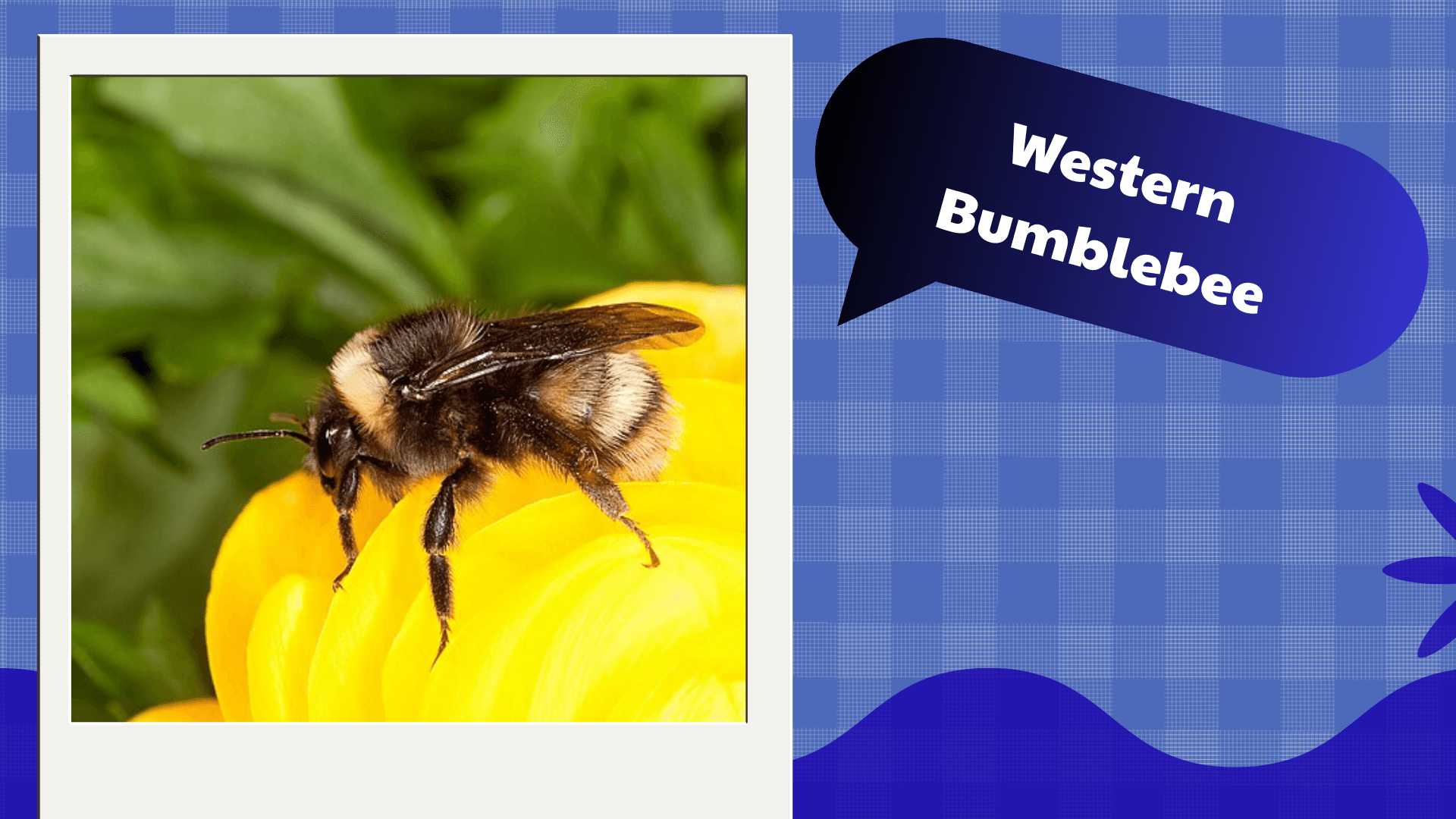
The Western Bumblebee is a medium-sized bumblebee native to western North America, recognized for its black body with pale yellow bands on the thorax and abdomen, and a white tail. Historically widespread across the western United States and Canada, this species has faced population declines over recent decades due to habitat loss, pesticide exposure, and disease. Despite these challenges, Western Bumblebees remain essential pollinators for wildflowers and agricultural crops, including tomatoes, peppers, and berries. Their long tongues allow them to forage on deep tubular flowers, making them critical for plant reproduction in various ecosystems.
Western Bumblebees are social insects, living in colonies founded by a single queen in early spring. Colonies can range from 100 to 400 workers, depending on environmental conditions and food availability. Workers perform various tasks, including foraging, brood care, and nest defense. Drones are produced in late summer to mate with new queens, ensuring the continuation of the species. Observing these bees in action highlights their efficiency and adaptability; they are capable of foraging in cooler temperatures than many other pollinators, which allows them to visit early-blooming flowers.
Western Bumblebees are often found in open meadows, grasslands, orchards, and gardens where flowers are abundant. They prefer nesting in abandoned rodent burrows or in dense vegetation on the ground. Their diet consists primarily of nectar and pollen, but they also occasionally consume small insects for added protein. As generalist pollinators, they support both agricultural productivity and biodiversity, dispersing seeds and pollinating a variety of native plant species.
Conservation efforts for Western Bumblebees focus on restoring native habitats, planting pollinator-friendly flowers, and reducing pesticide use. Citizen science programs and pollinator gardens also help monitor populations and provide vital resources for these bees. Observing Western Bumblebees at work offers a glimpse into the critical ecological services they provide and the challenges faced by pollinators in a changing environment.
7. Black‑Tailed Bumblebee (Bombus melanopygus)
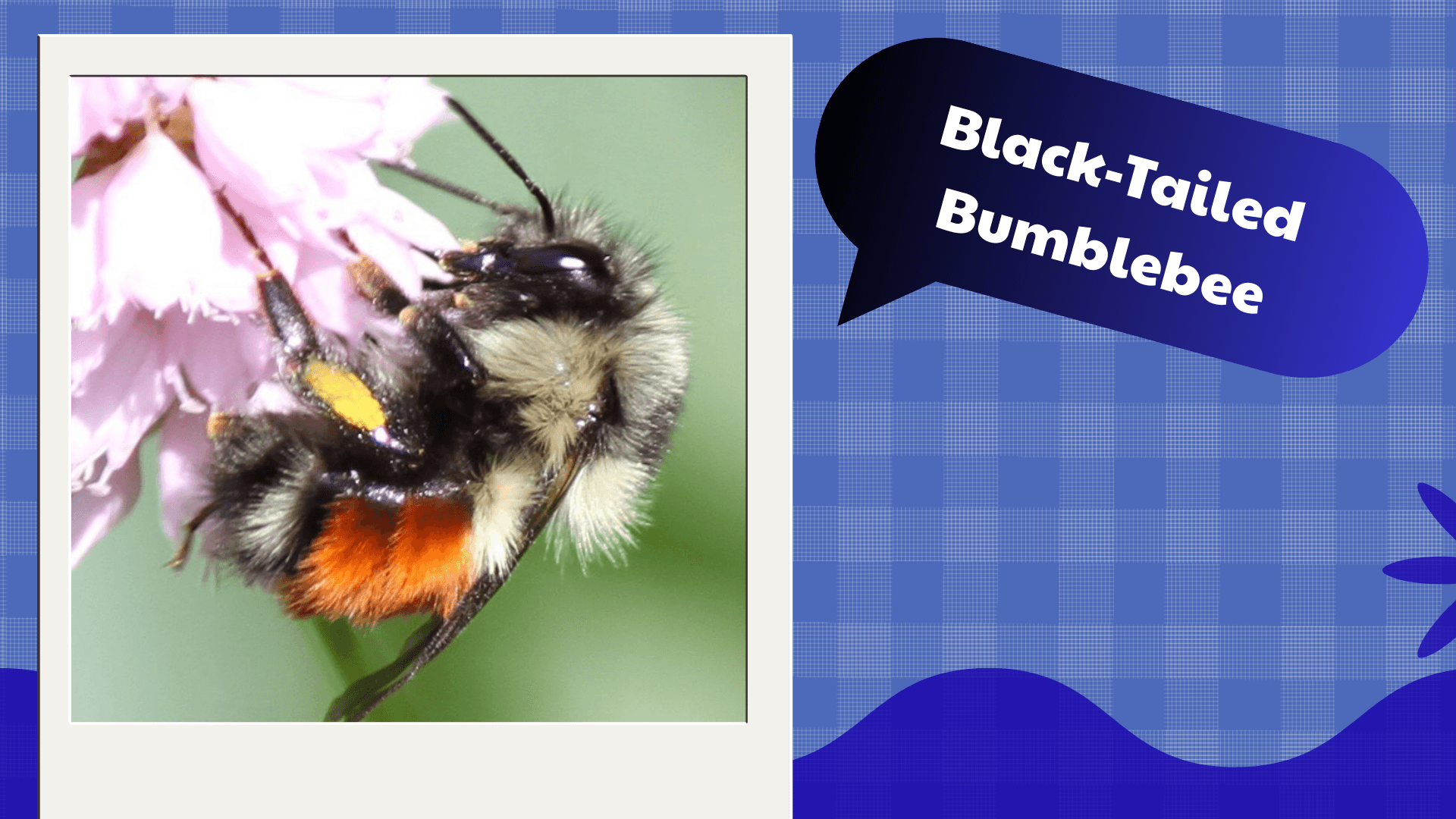
The Black-Tailed Bumblebee is a medium-sized species native to western North America, easily identified by its entirely black abdomen and yellow bands on the thorax. Its robust, fuzzy body makes it an efficient pollinator, and it is often seen visiting a wide range of flowers, from wildflowers to cultivated crops. This bumblebee has adapted to various habitats, including meadows, forest edges, gardens, and alpine regions. The black tail is a key identification marker, distinguishing it from other yellow-banded or red-tailed species.
Black-Tailed Bumblebees live in colonies established by a queen in the spring. Colonies typically contain 100–300 workers, with each bee contributing to foraging, brood care, and nest maintenance. They are highly adaptable foragers and can work in cooler, overcast conditions when many other pollinators are inactive. This trait makes them essential for early-season pollination of fruiting plants and wildflowers. The species’ long proboscis allows access to deep, tubular flowers, increasing pollination efficiency.
Nesting usually occurs in underground cavities, abandoned rodent burrows, or thick grass clumps. Both queens and workers play an active role in caring for larvae, while drones are produced later in the season to ensure reproduction. Black-Tailed Bumblebees are generalist feeders, visiting flowers of various colors, shapes, and sizes. Their foraging behavior supports both agricultural crops and wild plant communities, promoting biodiversity and ecosystem stability.
Population trends of Black-Tailed Bumblebees remain relatively stable, but habitat loss and pesticide exposure still pose risks. Conservation initiatives focus on protecting native meadows, planting pollinator-friendly flora, and monitoring colony health. Observing these bees highlights their vital role in pollination ecology and their adaptability in diverse environments, making them a key species for both natural and managed landscapes.
8. Red‑Belted Bumblebee (Bombus rufocinctus)
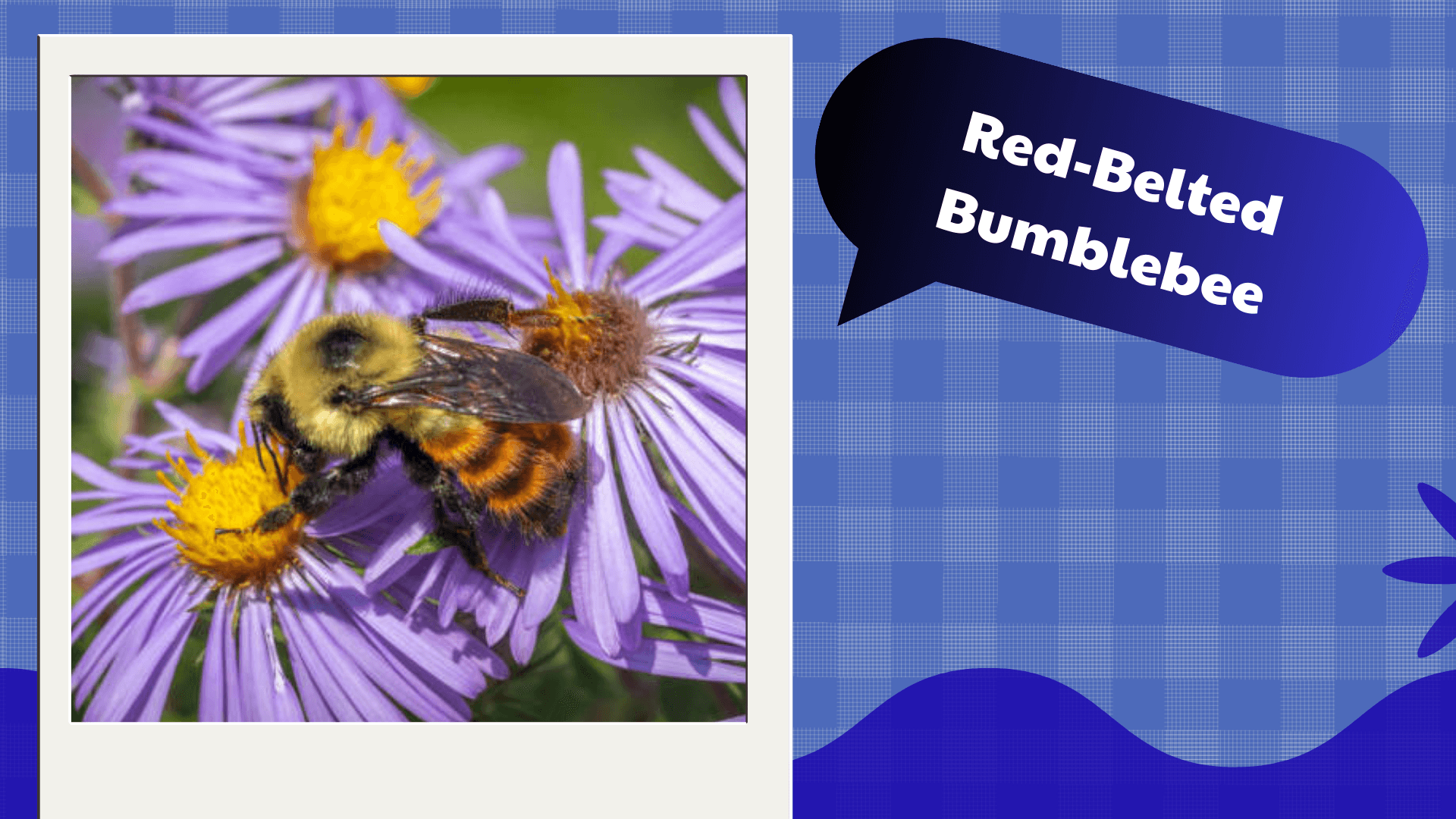
The Red-Belted Bumblebee is a medium-sized species known for its striking red band across the abdomen, contrasting with a yellow thorax and black head. Native to North America, it inhabits forests, meadows, gardens, and prairies where flowers are abundant. The red band is a distinctive feature that sets this species apart from other yellow-banded or black-tailed bumblebees. Its fuzzy body, strong flight, and long tongue make it an efficient pollinator of both wild and cultivated flowers.
Colonies are social and founded by a single queen in spring, with 100–300 workers typically participating in foraging, nest maintenance, and brood care. Red-Belted Bumblebees are generalist foragers, feeding on nectar and pollen from a wide variety of flowers, including clovers, sunflowers, and native wildflowers. Their long tongues allow them to access nectar from deep corollas, making them essential for certain plants’ reproductive success.
These bees prefer nesting in underground cavities, such as abandoned rodent burrows, but may also use dense vegetation for protection. Both queens and workers contribute to rearing the brood, ensuring colony survival. The Red-Belted Bumblebee is notable for its adaptability; it can forage under cooler temperatures and in less-than-ideal weather, which benefits early-season crops and wild plants alike.
Conservation of the Red-Belted Bumblebee includes protecting meadows and open forests, planting pollinator-friendly flowers, and reducing pesticide exposure. By observing this species in gardens or natural areas, one can appreciate its efficiency, resilience, and role in supporting ecological health. Its vivid coloration and buzzing activity make it a favorite among wildlife enthusiasts and gardeners alike.
9. Southern Plains Bumblebee (Bombus fraternus)
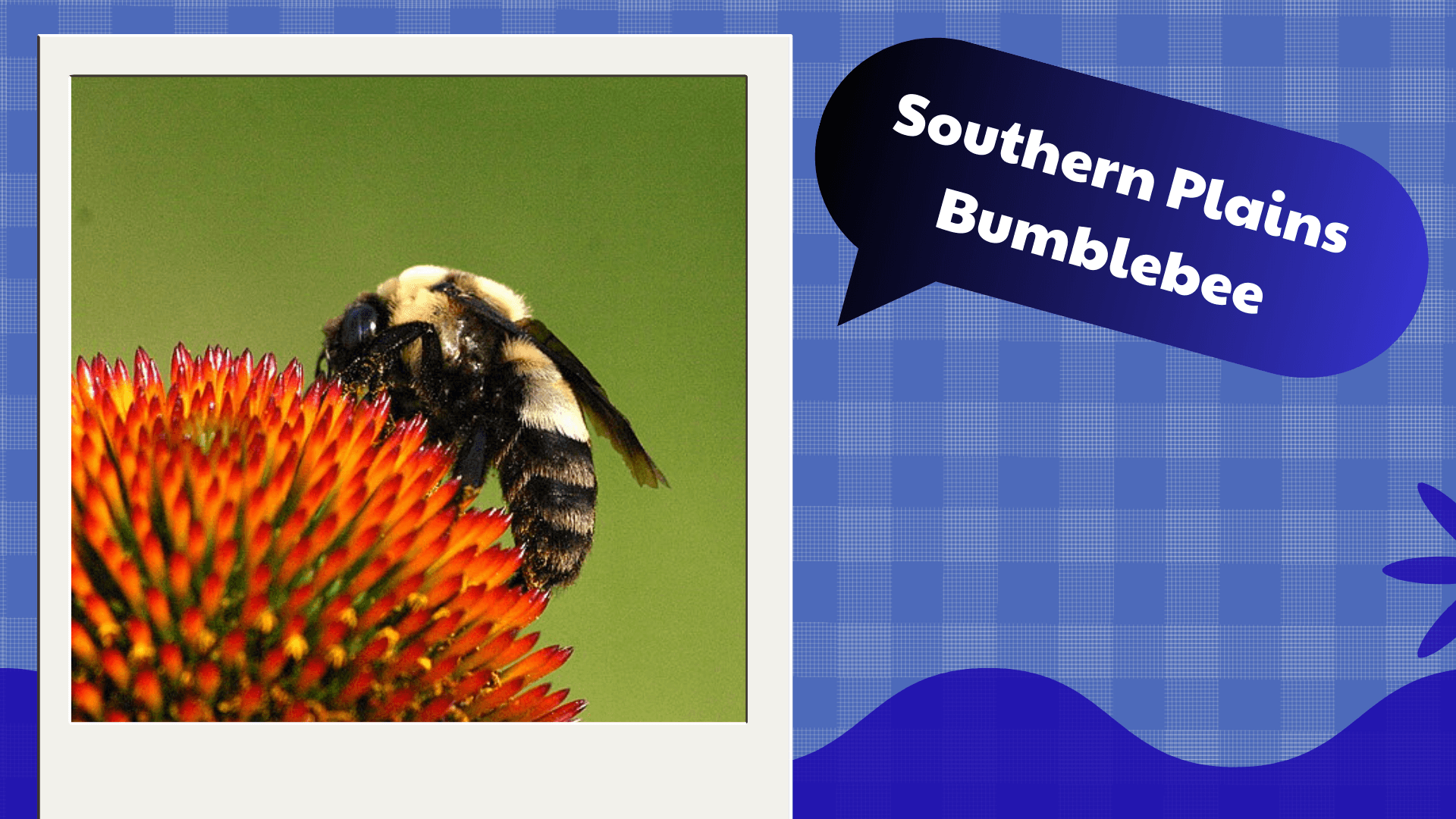
The Southern Plains Bumblebee is a large, striking species native to the central and southern plains of North America. Its black body is accented with yellow bands across the thorax and abdomen, and its white or pale tail distinguishes it from other yellow-banded species. This bumblebee inhabits prairies, open fields, and meadows, where it is an active and efficient pollinator of native plants, including sunflowers, clovers, and milkweeds.
Colonies of the Southern Plains Bumblebee are relatively small, usually 50–200 individuals, but highly organized. The queen establishes the nest in underground cavities or abandoned rodent burrows. Workers forage extensively for nectar and pollen, while drones are produced later in the season to ensure reproduction. This species is particularly adapted to open, sunlit habitats and can forage over long distances, making it vital for pollination across wide prairie landscapes.
Southern Plains Bumblebees are generalist feeders, contributing to both agricultural and wild plant pollination. Their long proboscis enables them to extract nectar from a variety of flower types, and their fuzzy bodies efficiently transfer pollen. Population declines have been reported due to habitat loss, pesticide use, and climate change, highlighting the importance of prairie restoration, wildflower planting, and pesticide reduction for their survival.
Observing the Southern Plains Bumblebee provides insight into the resilience and ecological importance of bumblebees in open landscapes. Their activity supports biodiversity, enhances crop yields, and maintains the health of prairie ecosystems, making them a keystone pollinator in North America.
10. Brown‑Belted Bumblebee (Bombus griseocollis)
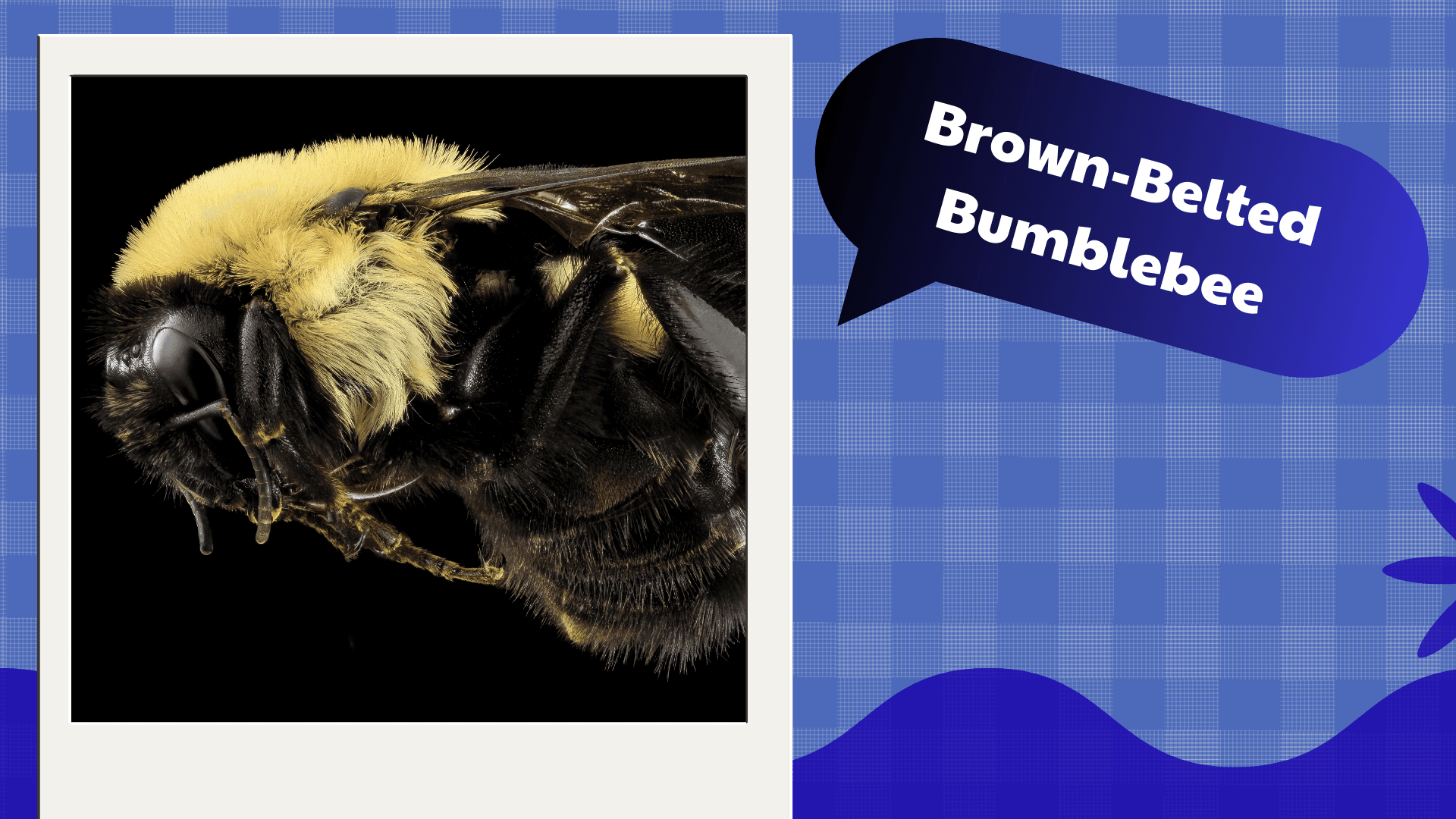
The Brown-Belted Bumblebee is a medium-sized species easily identified by a brown band across its abdomen, yellow thorax markings, and black head. Native to North America, it is adaptable to forests, gardens, meadows, and urban parks. Its diet consists primarily of nectar and pollen, and its long tongue allows access to deep tubular flowers. The Brown-Belted Bumblebee is an efficient pollinator for both wildflowers and cultivated crops, including tomatoes, peppers, and squash.
Colonies are founded by a queen in spring and range from 100–300 workers. The queen oversees egg-laying while workers forage for food, care for larvae, and defend the nest. Drones are produced later in the season to mate with new queens, ensuring the continuation of the species. The Brown-Belted Bumblebee is a generalist pollinator, visiting a variety of flowers and supporting ecosystem diversity through seed dispersal and pollination services.
Nesting typically occurs in underground cavities, abandoned rodent burrows, or dense grass tussocks. These bees are resilient and can forage under cooler temperatures, which allows them to be active earlier in the season than some other species. Conservation efforts focus on providing wildflower-rich habitats, limiting pesticide exposure, and protecting nesting sites. Observing the Brown-Belted Bumblebee demonstrates its agility, pollination efficiency, and contribution to ecological balance, highlighting why bumblebees are crucial for biodiversity and agriculture alike.
11. Confusing Bumblebee (Bombus perplexus)
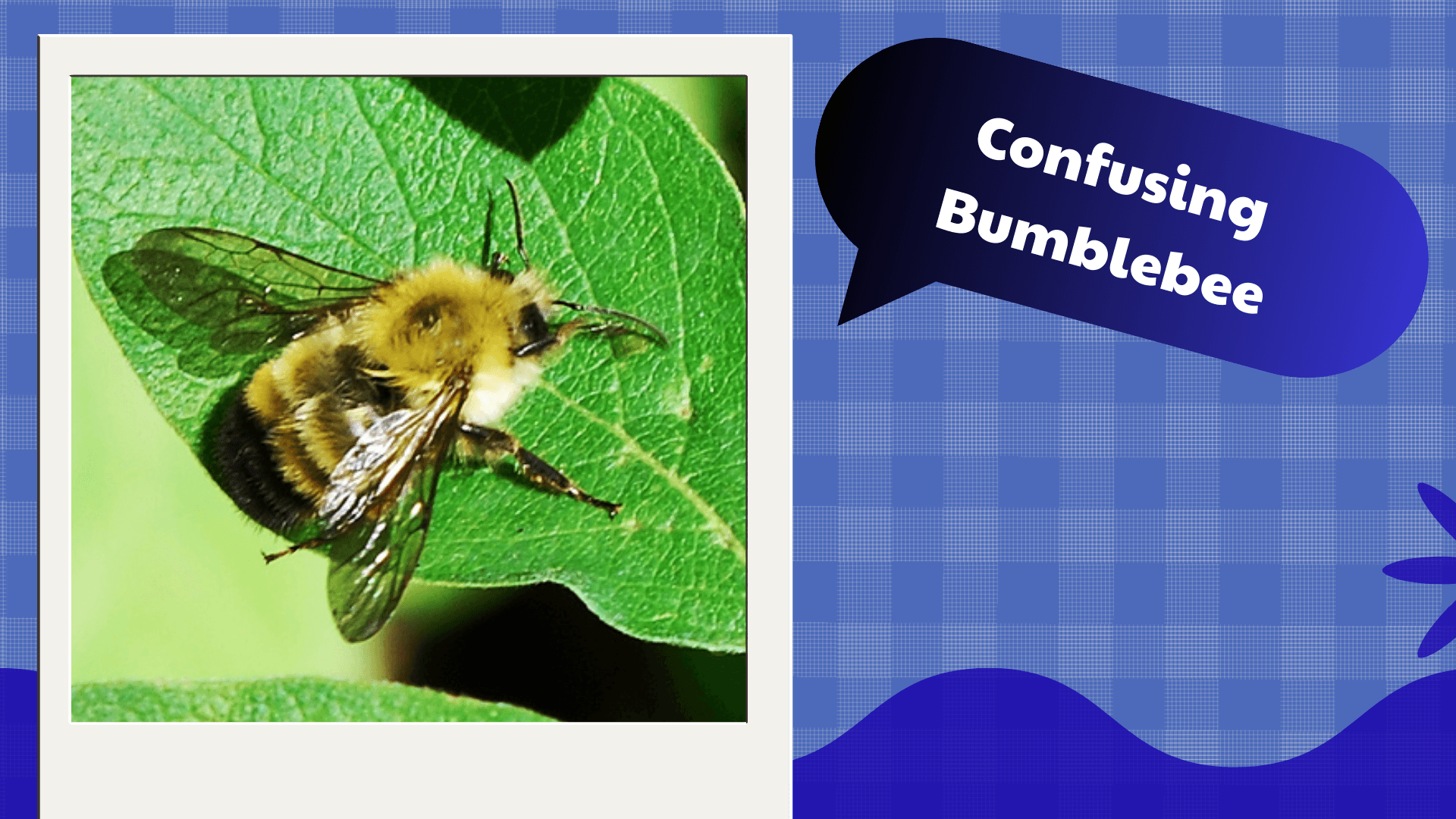
The Confusing Bumblebee is a medium-sized species native to eastern North America, known for its complex color patterns that often make it difficult to identify, hence the name “perplexus.” Its body typically features black and yellow bands with variable white or orange markings on the abdomen. This bumblebee thrives in meadows, forest edges, gardens, and open woodlands, where flowers are plentiful. Its long tongue allows it to forage effectively on tubular flowers, while its fuzzy body collects pollen efficiently, making it a vital pollinator for native plants and cultivated crops alike.
Colonies of the Confusing Bumblebee are founded by a single queen each spring, producing 100–300 workers who assist in foraging, brood care, and nest defense. Drones are produced later in the season for mating purposes. Their foraging behavior is adaptable; they can forage under cool or overcast conditions, which gives them a competitive advantage early in the season. The Confusing Bumblebee feeds on nectar and pollen from clovers, goldenrods, milkweeds, and other wildflowers. Its generalist feeding behavior helps support diverse plant communities, maintaining ecosystem balance.
Nesting occurs in underground cavities, abandoned rodent burrows, or dense grass tussocks. Observing this species in the wild demonstrates its unique agility and resilience, as well as its critical role in pollination. Due to habitat loss and pesticide exposure, populations of the Confusing Bumblebee have experienced localized declines, emphasizing the need for pollinator-friendly gardens and conservation initiatives to protect wildflower habitats and ensure the survival of this adaptable species.
12. Nevada Bumblebee (Bombus nevadensis)
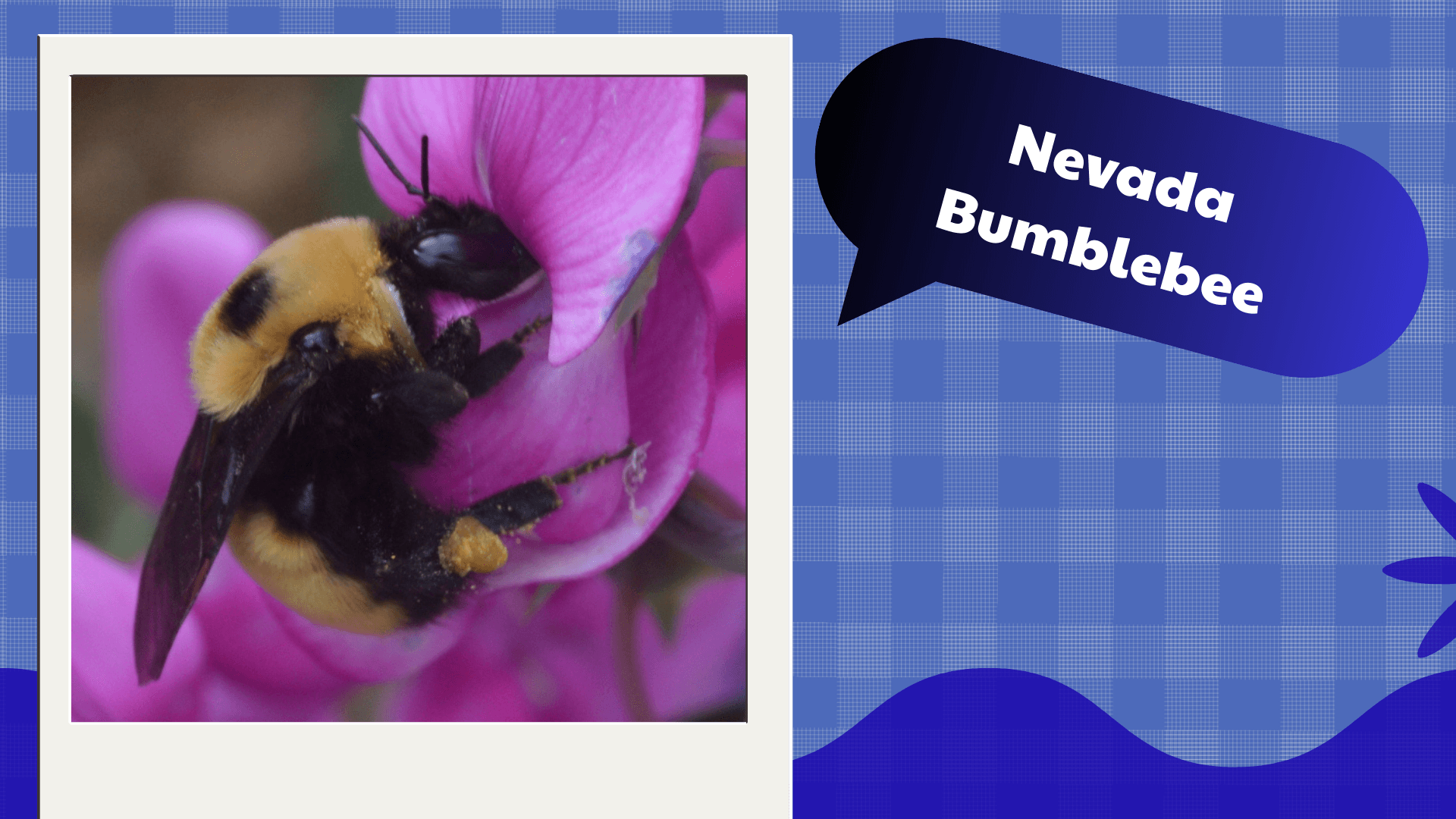
The Nevada Bumblebee is a medium to large species found primarily in western North America, particularly in meadows, mountain slopes, and grasslands. Its striking black and yellow banding, combined with a slightly orange-tinted tail, makes it identifiable among other regional bumblebees. This species is an essential pollinator, feeding on a variety of flowering plants such as lupines, sunflowers, and clovers. Its long tongue allows it to reach nectar deep within tubular flowers, making it highly effective at pollinating both native plants and agricultural crops.
Colonies are established by a queen each spring, usually in underground burrows or sheltered cavities. Workers perform various roles, including foraging, brood care, and nest defense. The Nevada Bumblebee is a generalist forager, capable of visiting numerous flower species over a wide area. Drones are produced later in the season to mate with new queens, ensuring population continuity. Observing this species highlights its adaptability and efficiency, particularly in cooler, high-altitude environments where it often thrives.
Conservation efforts for the Nevada Bumblebee focus on preserving natural meadows and reducing pesticide use. Pollinator gardens planted with native wildflowers also provide crucial forage during peak flowering periods. By protecting the habitats and nesting sites of this species, we maintain biodiversity, support ecosystem services, and ensure the continuation of important pollination networks that benefit both wildlife and humans.
13. Half‑Black Bumblebee (Bombus vagans)
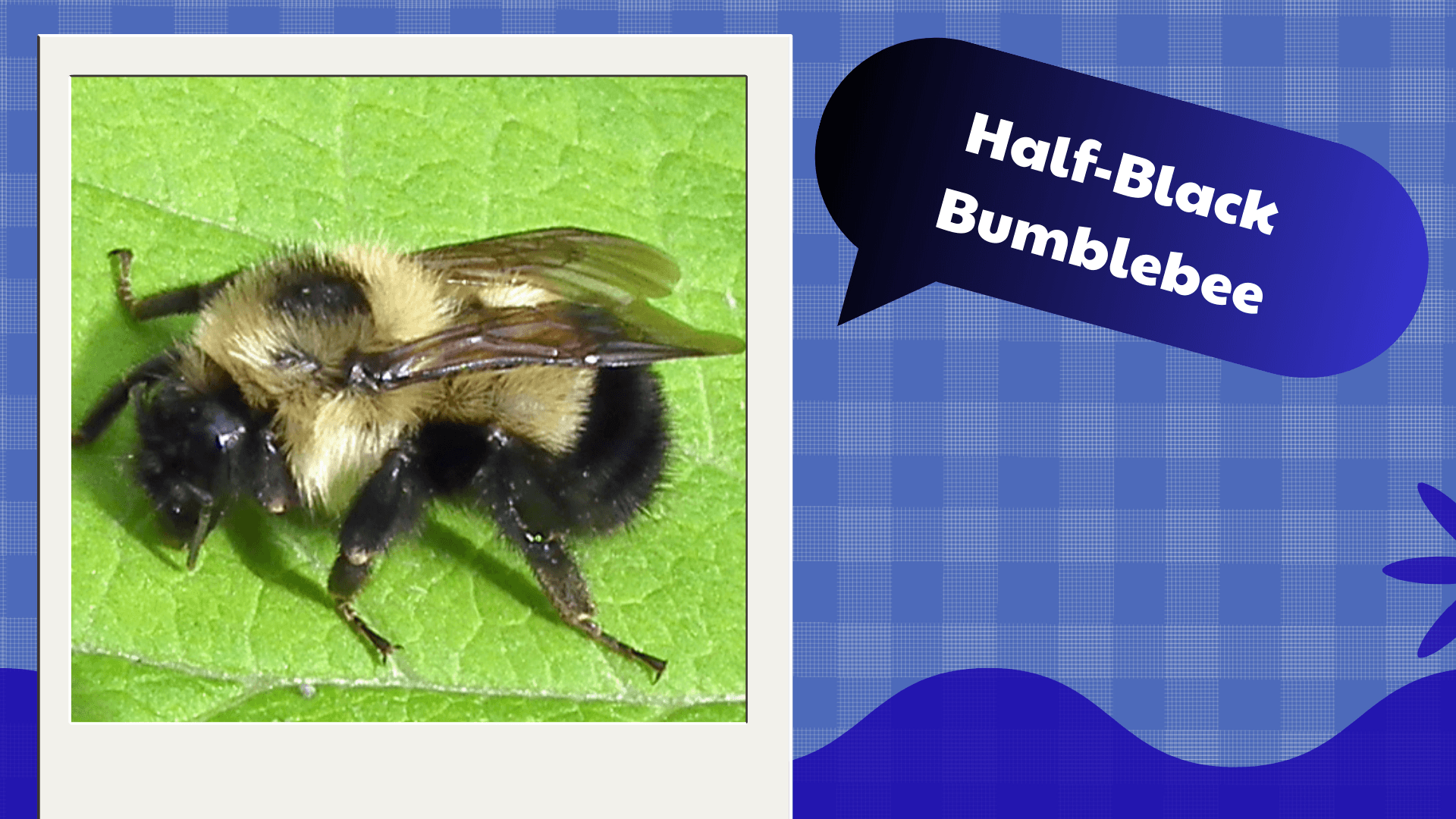
The Half-Black Bumblebee is a medium-sized species distributed across eastern North America. Its body is distinctive, with a black front half and a yellow rear half, complemented by a white or pale tail. This color pattern makes it easy to identify compared to other similar species. The Half-Black Bumblebee inhabits forests, meadows, gardens, and suburban areas, visiting flowers for nectar and pollen. Its long tongue allows it to access deep tubular flowers, while its fuzzy body aids in efficient pollen transfer, which is vital for the reproduction of both wildflowers and crops.
Colonies are social, founded by a single queen each spring, with 100–300 workers contributing to foraging, nest maintenance, and brood care. Drones are produced later in the season for reproduction. The Half-Black Bumblebee is adaptable and can forage under cool or overcast conditions, which increases its activity window compared to other species. Its diet is generalist, including clovers, goldenrods, milkweeds, and other flowering plants, supporting diverse ecosystems and promoting plant health.
Nesting typically occurs underground, often in abandoned rodent burrows or soil cavities. Both queens and workers are active in maintaining the nest and caring for the brood. Conservation concerns include habitat fragmentation and pesticide exposure. Planting native flowers and protecting natural meadows helps sustain healthy populations. Observing the Half-Black Bumblebee showcases its efficiency, resilience, and ecological importance, emphasizing why bumblebees are essential for maintaining biodiversity and pollination services.
14. Morrison’s Bumblebee (Bombus morrisoni)
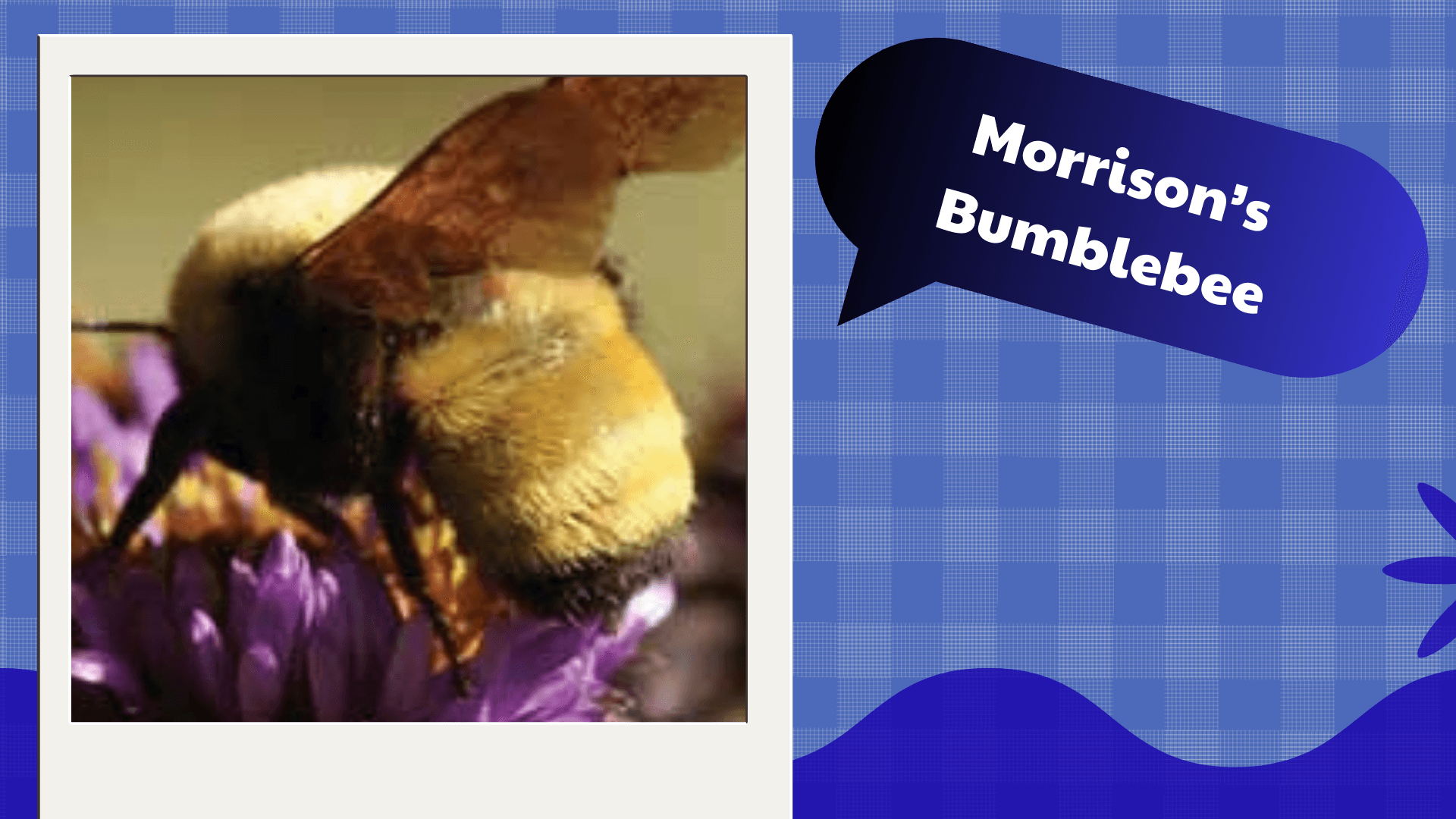
Morrison’s Bumblebee is a medium to large species native to western North America. Its body is primarily black with pale yellow bands across the thorax and abdomen, and its tail is slightly orange or cream-colored. This species is commonly found in meadows, open forests, and mountainous regions, where it visits a variety of flowers for nectar and pollen. Its long tongue allows access to deep tubular flowers, making it an effective pollinator of both wild and cultivated plants. Morrison’s Bumblebee contributes significantly to the health of native ecosystems and supports the reproduction of numerous flowering species.
Colonies are founded by a queen in early spring, producing 100–300 workers who assist in foraging, brood care, and nest defense. Drones are produced later in the season to mate with new queens. This species is highly adaptable and can forage under cooler temperatures, making it particularly active in higher elevations and early in the season when fewer pollinators are available. Its diet is diverse, feeding on wildflowers, clovers, and crop plants, which makes it valuable for both agriculture and natural ecosystems.
Nesting occurs in underground cavities, abandoned rodent burrows, or thick grass. Conservation efforts focus on protecting meadows, forests, and high-altitude habitats where this species thrives. Reducing pesticide use and planting pollinator-friendly flowers support its populations. Observing Morrison’s Bumblebee highlights its resilience, foraging efficiency, and essential role in sustaining biodiversity and pollination services across western landscapes.
15. Obscure Bumblebee (Bombus caliginosus)
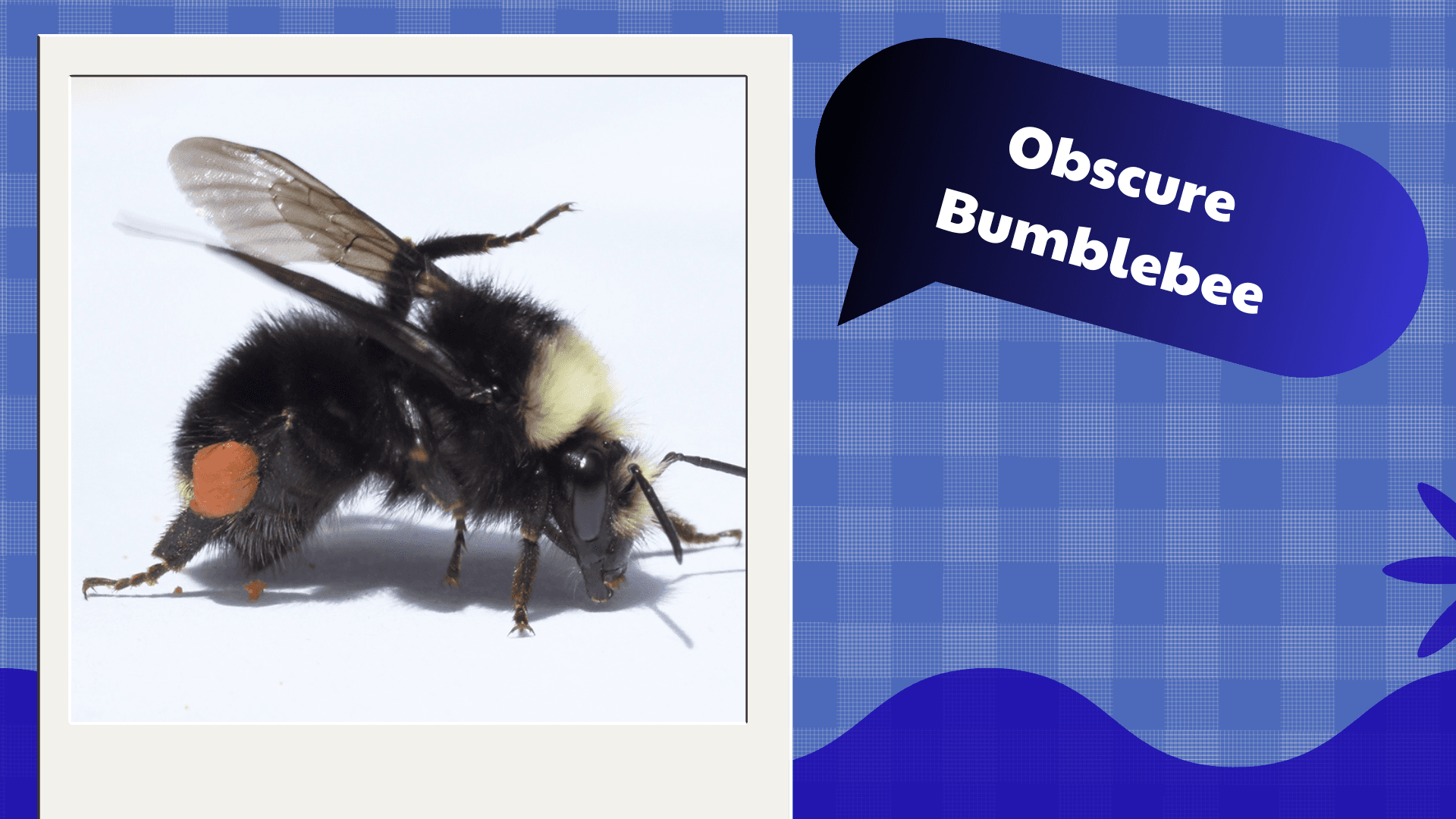
The Obscure Bumblebee is a medium-sized species native to western North America, particularly coastal and mountainous regions. Its coloration is subtle, with black and yellow banding that is less vivid than other bumblebees, hence the name “obscure.” Despite its understated appearance, this species is an effective and important pollinator, feeding on nectar and pollen from a variety of wildflowers, shrubs, and agricultural crops. Its long tongue allows it to reach deep tubular flowers, while its fuzzy body efficiently collects and transfers pollen between plants.
Colonies are social, founded by a single queen in the spring. Workers forage for food, care for the brood, and maintain the nest, while drones are produced later in the season to ensure reproduction. The Obscure Bumblebee is adaptable, capable of foraging in cooler, overcast conditions that limit other pollinators. Its diet is generalist, including native flowers like lupines, goldenrods, and clovers, supporting ecosystem health and plant reproduction.
Nesting occurs in underground burrows, soil cavities, or dense vegetation. Conservation concerns include habitat loss, pesticide exposure, and climate change. Protecting meadows, planting pollinator-friendly gardens, and monitoring populations are essential for the survival of this species. Observing the Obscure Bumblebee demonstrates its ecological importance, resilience, and adaptability, highlighting the critical role of bumblebees in pollination and ecosystem maintenance.
16. Indiscriminate Cuckoo Bumblebee (Bombus insularis)
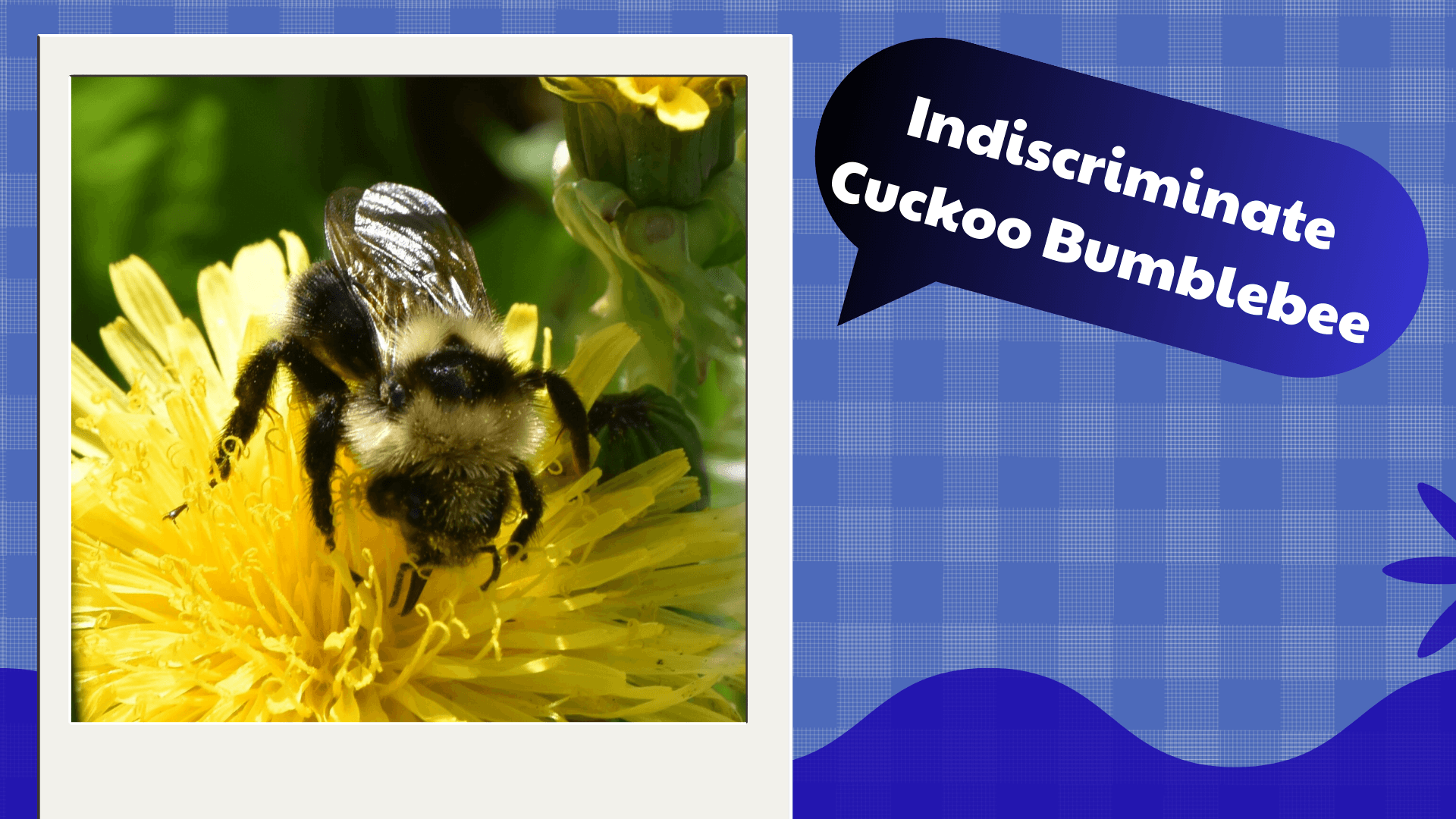
The Indiscriminate Cuckoo Bumblebee is a fascinating species native to North America, particularly the northern forests and meadows. Unlike typical bumblebees, cuckoo bumblebees do not build their own nests. Instead, the female invades the nests of other bumblebee species, particularly Bombus vagans and related species, laying her eggs so that the host workers raise her offspring. Its black and yellow coloration resembles other bumblebees, making it harder for predators to distinguish it from its hosts. Its long tongue allows it to forage for nectar, though it spends much of its life depending on host colonies for reproduction.
Behaviorally, the Indiscriminate Cuckoo Bumblebee is intriguing. Females patrol flower patches while searching for potential host nests. Once a suitable nest is found, they enter stealthily, often subduing or killing the host queen, then laying eggs that will be cared for by the unsuspecting workers. Males, on the other hand, do not participate in nest invasion and focus entirely on mating. Despite its parasitic lifestyle, the species is an important pollinator while foraging for nectar, contributing to the health of forest and meadow ecosystems.
Habitat conservation is vital for this species. Protecting the nesting sites of host bumblebees indirectly supports cuckoo populations. Additionally, planting a variety of nectar-rich flowers across meadows and gardens ensures food availability during the active season. Observing the Indiscriminate Cuckoo Bumblebee provides a unique opportunity to study unusual behavioral adaptations among pollinators and emphasizes the diversity of bumblebee strategies in nature.
17. Golden Northern Bumblebee (Bombus fervidus)
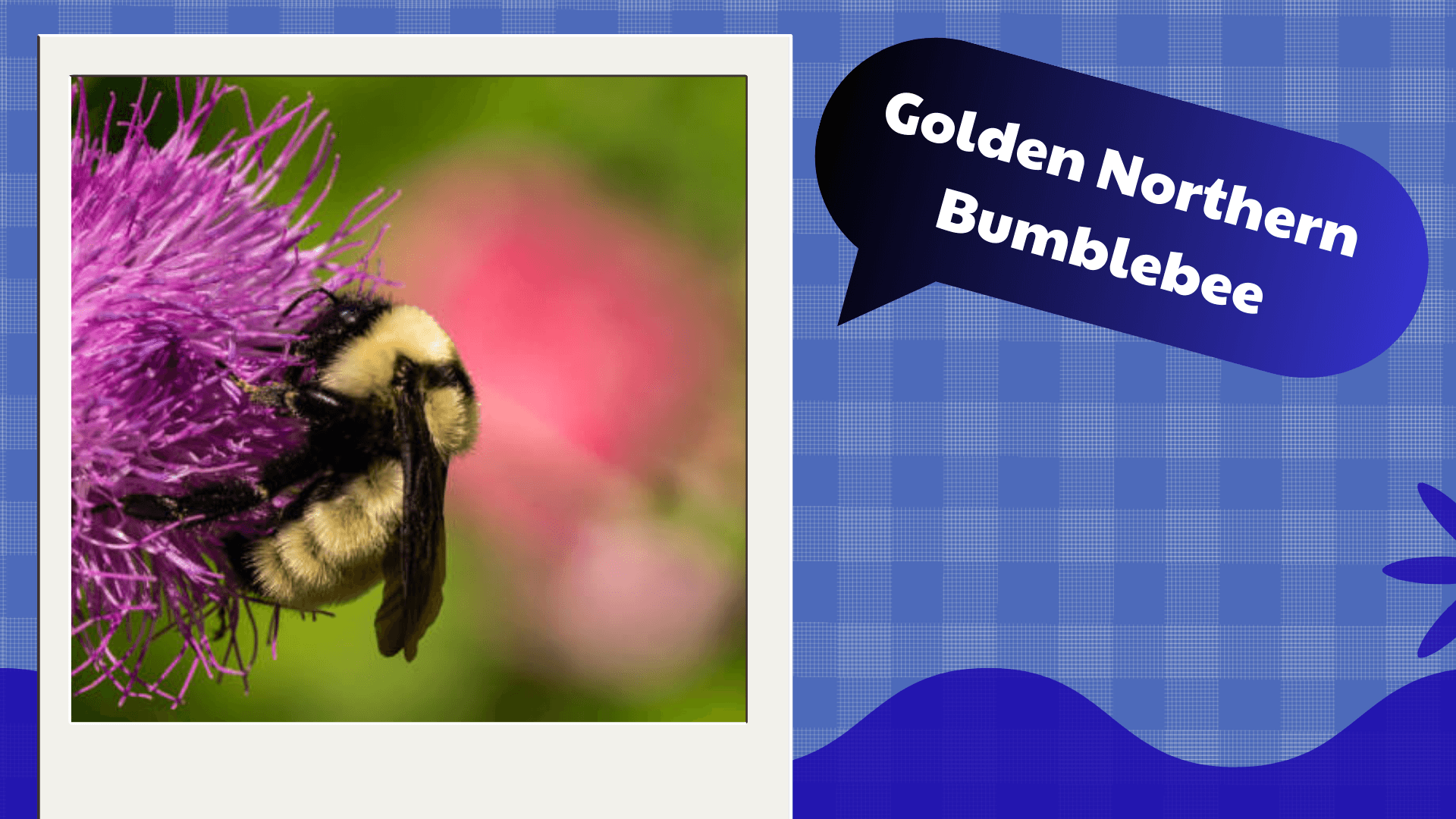
The Golden Northern Bumblebee is a medium to large species native to North America, known for its bright yellow bands and black markings, giving it a striking golden appearance. This species inhabits open meadows, grasslands, agricultural fields, and gardens where a variety of wildflowers thrive. Its long tongue enables it to forage from deep tubular flowers, while its fuzzy body efficiently collects pollen. As a generalist pollinator, it visits clovers, sunflowers, goldenrods, and many other plants, playing a critical role in both natural ecosystems and agricultural productivity.
Colonies are founded by a single queen in spring, producing 100–400 workers. Workers forage, care for larvae, and defend the nest. Drones are produced in late summer to ensure mating and reproduction. Golden Northern Bumblebees are particularly active in cooler climates, making them essential for early-season pollination. Their robust flight ability and energetic foraging behavior contribute to the maintenance of flower populations across their habitat range.
Conservation for this species focuses on preserving meadows and wildflower-rich habitats. Reducing pesticide use, planting pollinator gardens, and maintaining nesting sites are crucial. Observing Golden Northern Bumblebees highlights their bright coloration, efficiency, and essential ecological roles, demonstrating why bumblebees are vital for biodiversity and food security.
18. Yellow Bumblebee (western form of Bombus fervidus)
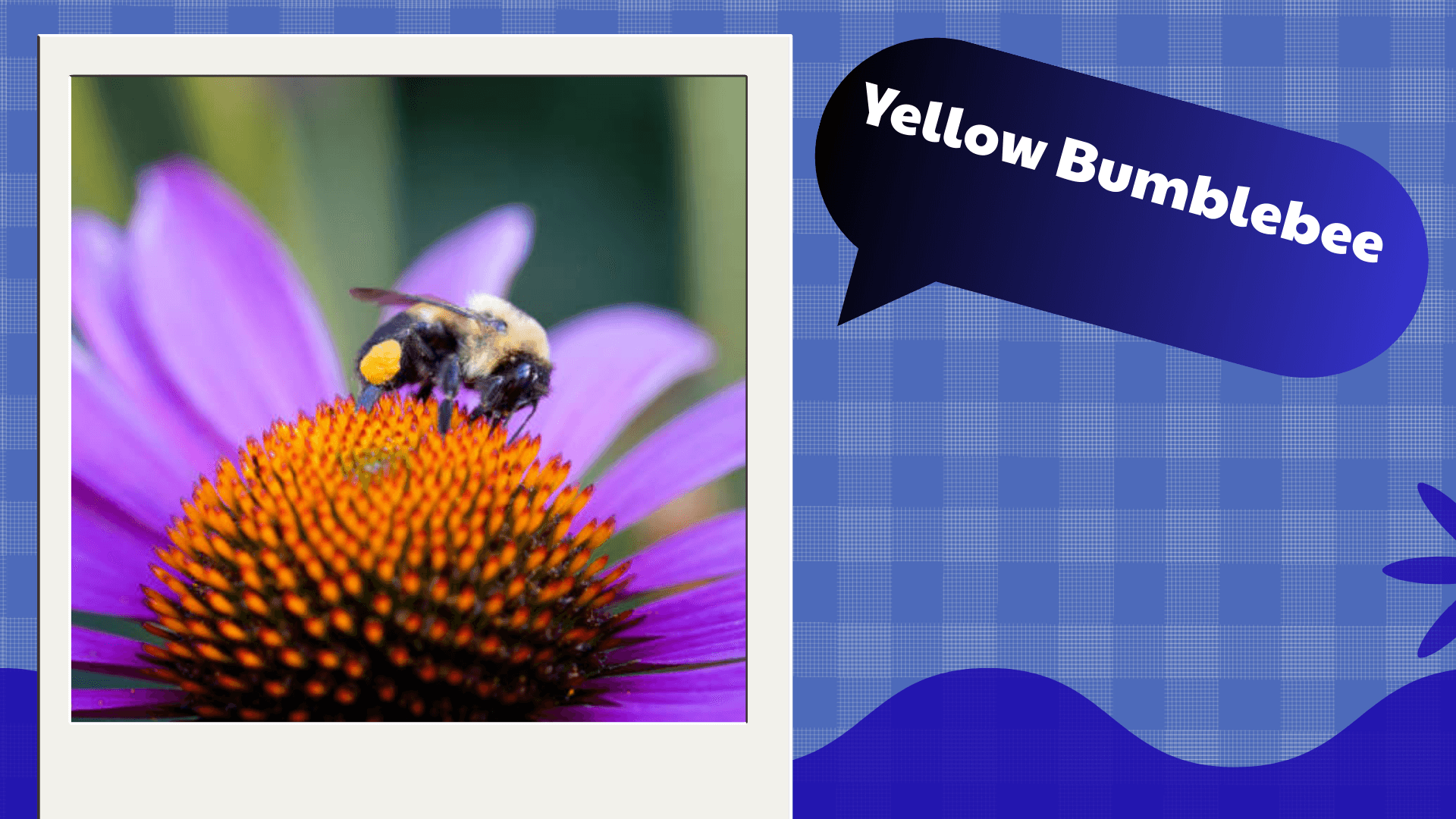
The Yellow Bumblebee is a western variant of Bombus fervidus, distinguished by its almost entirely bright yellow thorax and abdomen with minimal black markings. Native to western North America, it inhabits meadows, open forests, and agricultural lands. This species is highly adaptable, feeding on a wide variety of flowers including clovers, lupines, and sunflowers. Its long tongue allows access to deep tubular flowers, supporting pollination of diverse plants, including crops such as tomatoes and peppers.
Colonies are founded in early spring by a single queen, producing 100–400 workers who forage, care for the brood, and maintain the nest. Drones emerge later for mating. Yellow Bumblebees are generalist foragers and exhibit impressive resilience to cooler temperatures and variable weather conditions. Their efficiency ensures robust pollination across both wild and managed habitats.
Conservation efforts include planting native wildflowers, protecting meadows, and minimizing pesticide exposure. Observing the Yellow Bumblebee reveals its bright coloration, efficient foraging behavior, and critical role in maintaining ecosystem balance, particularly in western North American landscapes.
19. Suckley’s Cuckoo Bumblebee (Bombus suckleyi)
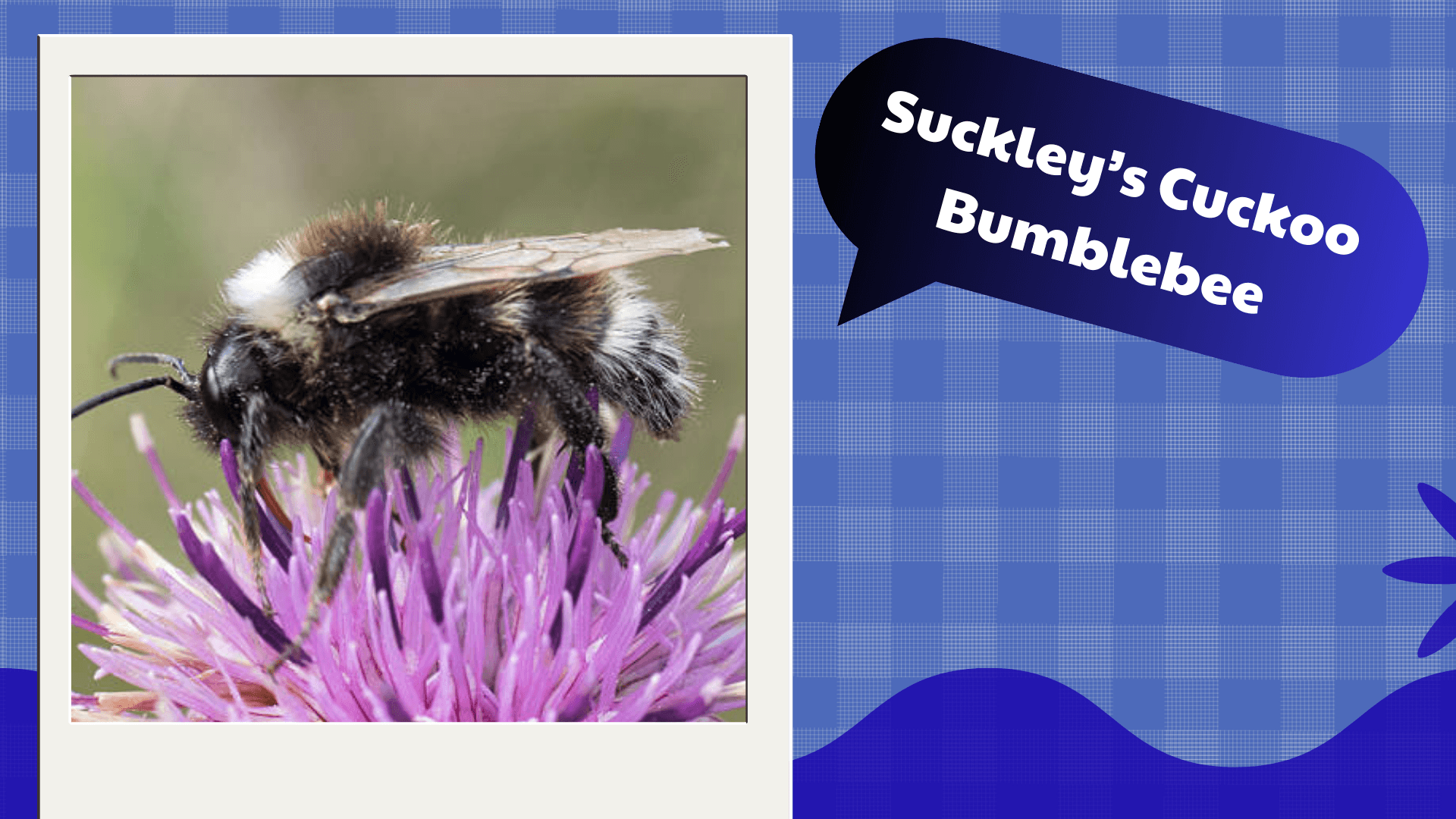
Suckley’s Cuckoo Bumblebee is an endangered species native to western North America. Like other cuckoo bumblebees, it does not build its own nest. Instead, females invade the nests of closely related species, such as Bombus occidentalis and Bombus appositus, laying eggs that are then cared for by the host workers. Its black and yellow coloration allows it to resemble its hosts, aiding in nest infiltration. While foraging, it collects nectar from various flowers, contributing to plant pollination despite its parasitic life cycle.
Behaviorally, Suckley’s Cuckoo Bumblebee is fascinating for its reproductive strategy. Females patrol meadows and forest edges to locate suitable host nests. Upon finding a nest, they use aggressive or stealthy tactics to take over, ensuring their offspring are raised without laboring themselves. Males focus on mating and do not interact with host nests. Their feeding behavior includes a wide range of nectar sources, which supports ecosystem biodiversity.
Habitat conservation is critical due to their endangered status. Preserving habitats for host species indirectly supports Suckley’s Cuckoo Bumblebee. Planting wildflowers and reducing pesticide use are also essential. Observing this species provides unique insight into cuckoo bumblebee ecology and highlights the importance of conserving complex pollinator networks in North American ecosystems.
20. Ashton’s Cuckoo Bumblebee (Bombus ashtoni)
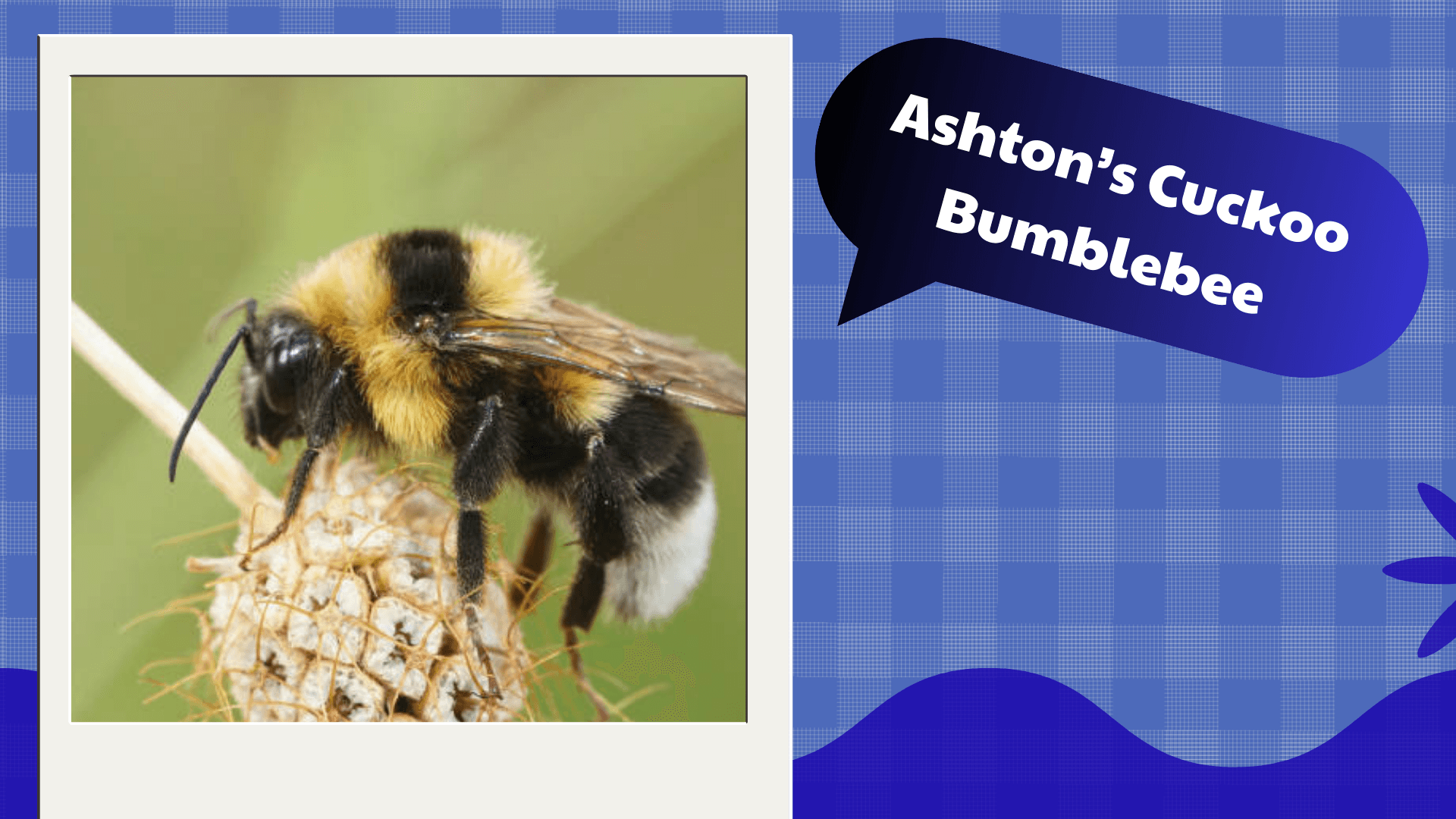
Ashton’s Cuckoo Bumblebee is another parasitic species, native to western North America, relying on the nests of other bumblebee species to reproduce. Its black and yellow markings resemble those of its hosts, allowing it to infiltrate colonies without detection. Females lay eggs in host nests, where the workers care for the young. Males focus exclusively on reproduction. While it does not form its own colony, Ashton’s Cuckoo Bumblebee plays an important role as a pollinator during nectar foraging, supporting the reproduction of flowering plants in its habitat.
This species inhabits meadows, grasslands, and forest edges. Its long tongue and fuzzy body make it an effective pollinator, capable of visiting deep tubular flowers and transferring pollen efficiently. Conservation of Ashton’s Cuckoo Bumblebee depends on protecting habitats for host species, preserving meadows, and planting pollinator-friendly flowers. Studying this species emphasizes the diversity of bumblebee reproductive strategies and the importance of interconnected pollinator communities for ecosystem health.
Types of Bumblebee: Bumblebees 21–25
21. Fernald’s Cuckoo Bumblebee (Bombus fernaldae)
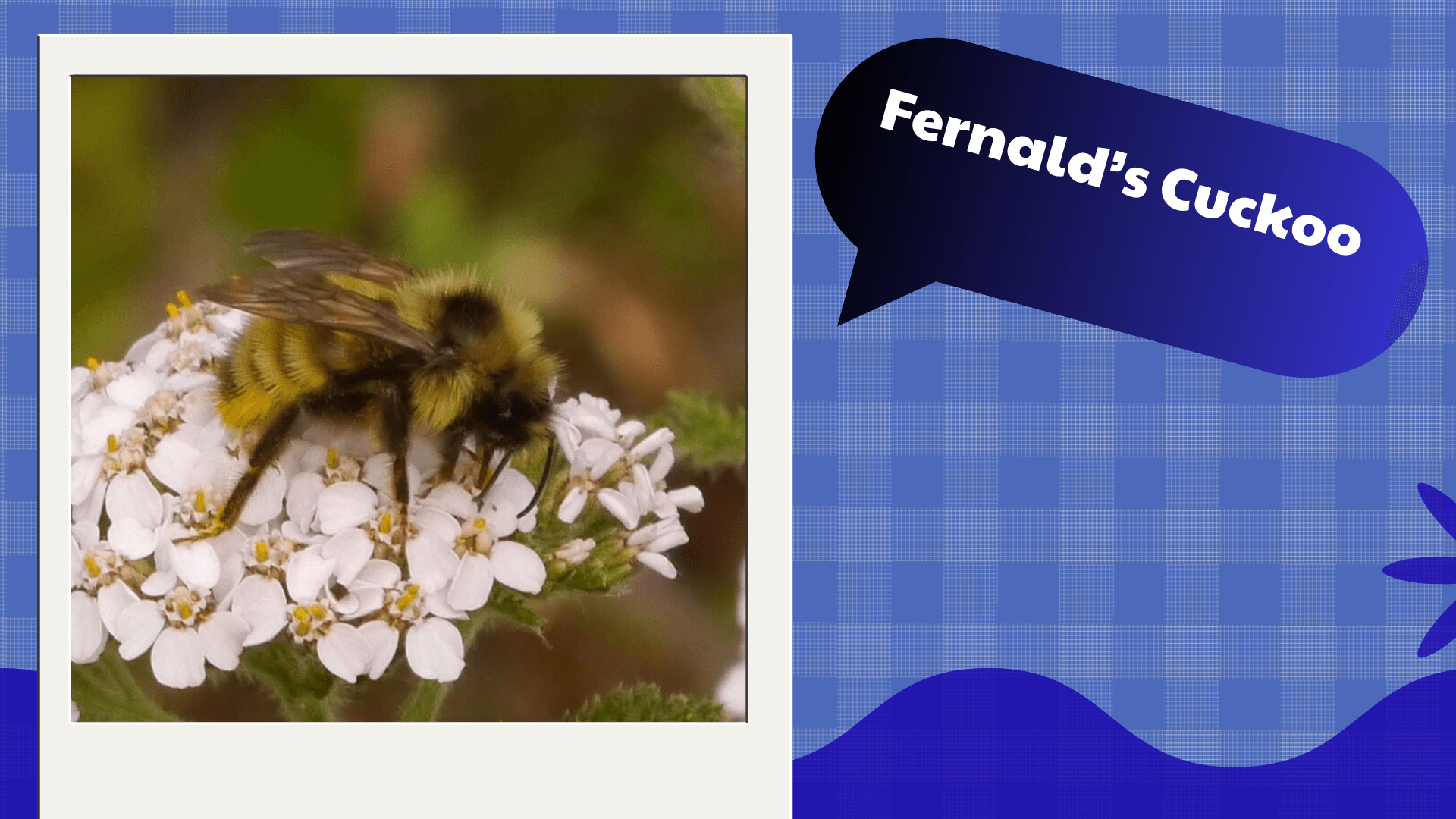
Fernald’s Cuckoo Bumblebee is a parasitic bumblebee species native to North America, particularly in eastern forests and meadows. Like other cuckoo bumblebees, it does not establish its own nest; instead, females invade the nests of host species, such as Bombus perplexus or Bombus vagans, and lay eggs to be raised by the host workers. This species has a distinctive black and yellow pattern, allowing it to resemble its hosts and avoid detection. While it relies on other bumblebee colonies for reproduction, it still plays a role as a pollinator during foraging.
Behaviorally, Fernald’s Cuckoo Bumblebee is fascinating for its parasitic strategy. Females actively search for host nests during the early spring and may use aggressive or stealth tactics to dominate the host queen and lay eggs. Males do not enter nests and focus entirely on mating with queens. Adults forage for nectar from various flowers, including clovers, goldenrods, and wildflowers, indirectly supporting pollination in their ecosystems. Their fuzzy bodies facilitate effective pollen transfer, ensuring continued plant reproduction.
Habitat conservation is critical for this species since its survival is closely linked to host bumblebee populations. Protecting meadows, forest edges, and wildflower-rich areas, along with reducing pesticide use, ensures suitable habitats for both host and cuckoo bumblebees. Observing Fernald’s Cuckoo Bumblebee highlights its unique reproductive strategy and underscores the importance of maintaining complex pollinator networks that sustain biodiversity and ecological balance.
22. Forest Bumblebee (Bombus sylvicola)
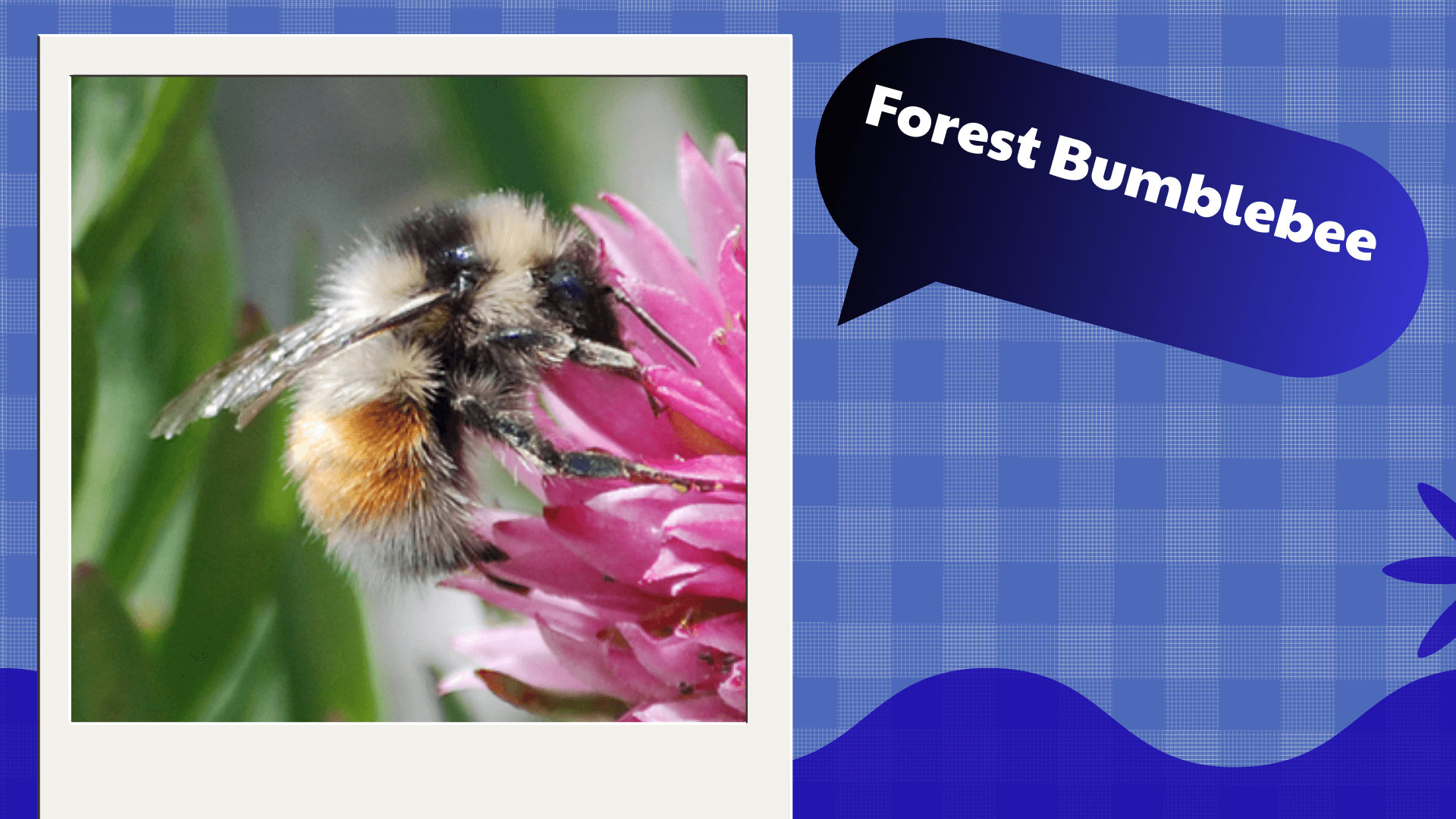
The Forest Bumblebee is a medium-sized species distributed across northern North America, favoring coniferous and mixed forests. Its black body with yellow bands and pale-tipped abdomen helps it blend with shaded forest environments. The species is highly adaptable, foraging on a wide variety of flowers in forest clearings, meadows, and gardens. Its long tongue allows it to access deep nectar sources, while its fuzzy body ensures efficient pollen collection. As a generalist pollinator, it plays a vital role in the reproduction of many native plants.
Colonies are founded by a single queen in early spring, producing 100–300 workers. Workers are responsible for foraging, nest maintenance, and brood care, while drones are produced later for mating. The Forest Bumblebee is known for its resilience to cooler temperatures and shaded environments, making it one of the few species that thrive under dense forest canopies. Its diet includes clovers, blueberries, and various wildflowers, contributing to plant diversity and ecosystem health.
Nesting typically occurs underground in abandoned rodent burrows or soil cavities, sometimes under dense moss. Conservation efforts focus on preserving forested habitats, planting wildflowers, and minimizing pesticide exposure. Observing the Forest Bumblebee demonstrates its efficiency, adaptability, and vital role in maintaining healthy forest and meadow ecosystems, emphasizing the importance of protecting native pollinator populations.
23. Frigid Bumblebee (Bombus frigidus)
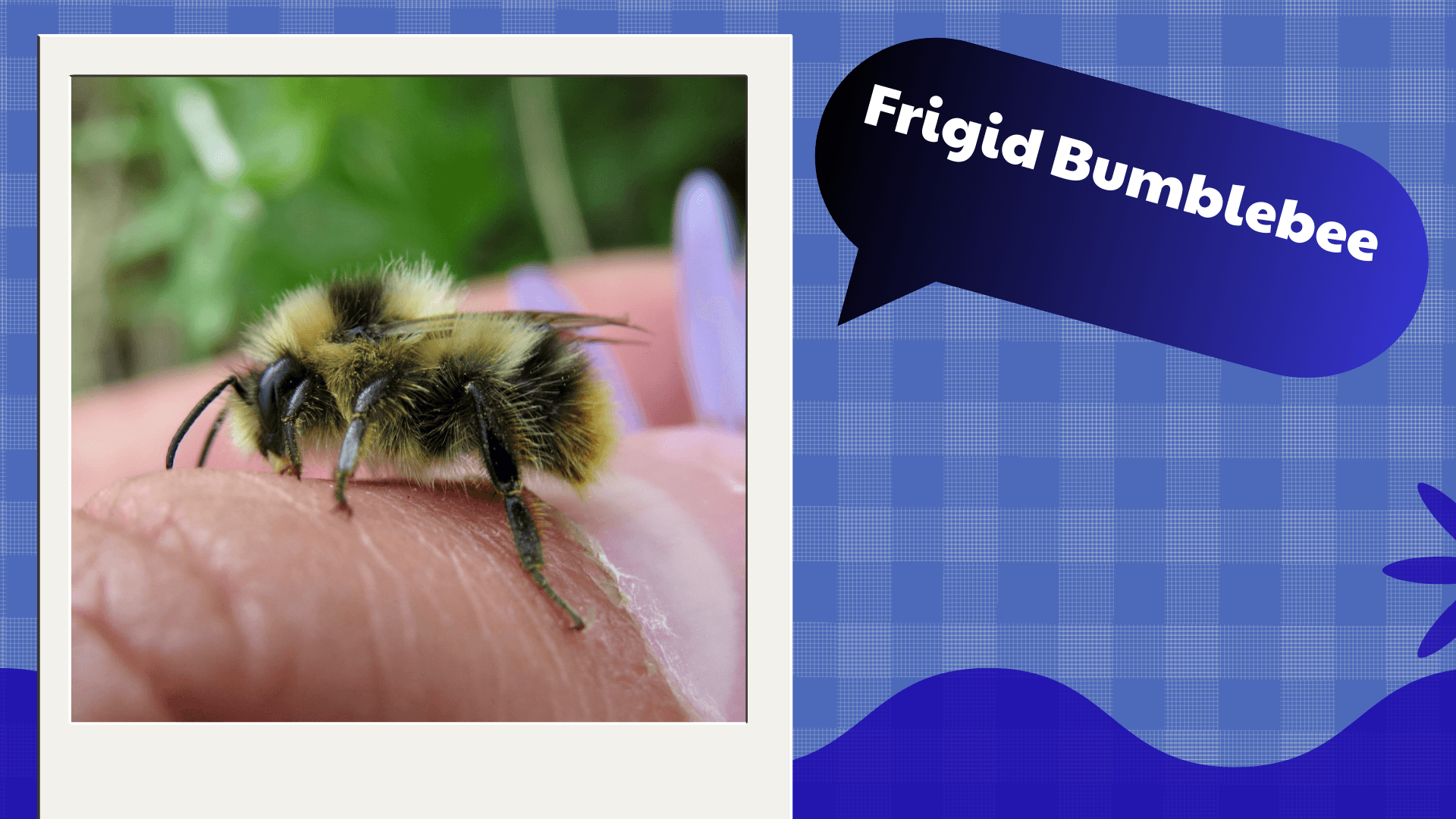
The Frigid Bumblebee is a northern species, primarily found in boreal forests, tundra regions, and subalpine meadows of North America. Its black body is complemented by pale yellow bands and a white-tipped tail. As the name suggests, it is adapted to cold climates, capable of foraging under temperatures that would limit many other pollinators. Its long tongue allows it to access nectar from tubular flowers, while its fuzzy body ensures effective pollen transfer. This species is a generalist pollinator, visiting clovers, wildflowers, and alpine blooms.
Colonies are established by a single queen in the spring or early summer, depending on local climate conditions, producing 50–200 workers. Drones are produced later in the season for mating purposes. The Frigid Bumblebee’s adaptations to cold weather, including its insulating fur and ability to regulate body temperature, allow it to forage efficiently in short growing seasons. Its pollination activity supports the reproductive success of alpine and boreal flora.
Habitat preservation is critical due to its reliance on cold-adapted plants and ecosystems. Conservation strategies include protecting boreal forests, tundra, and alpine meadows, planting wildflowers suited to northern climates, and reducing pesticide use. Observing the Frigid Bumblebee highlights its specialized adaptations, resilience, and importance in maintaining the biodiversity of northern ecosystems.
24. White‑Tailed Bumblebee (Bombus lucorum)
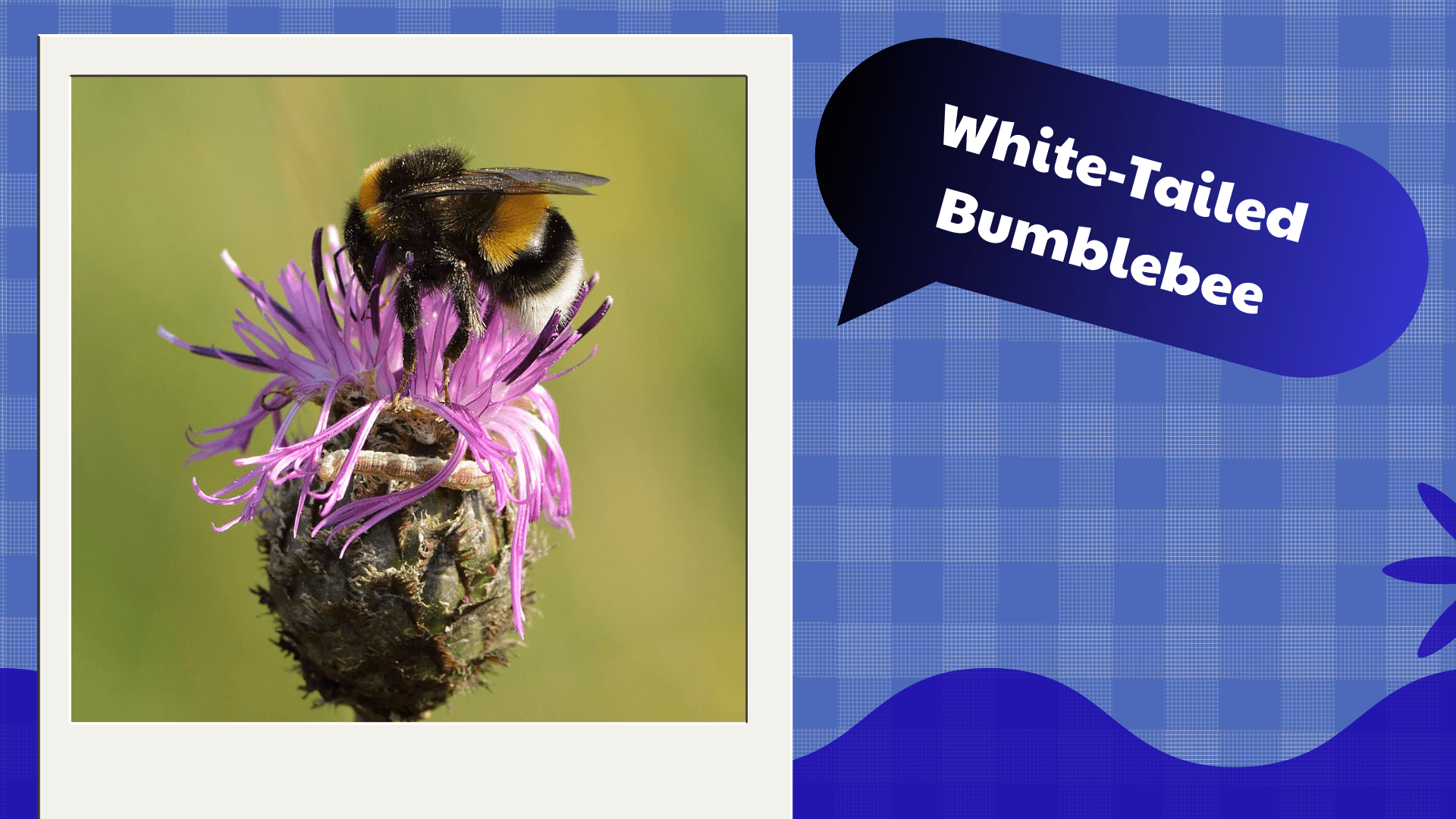
The White-Tailed Bumblebee is a medium-sized species native to North America and Europe, recognized for its yellow thorax bands and distinctive white tail. This species inhabits meadows, gardens, and open forests, foraging on a wide range of flowers including clovers, daisies, and wildflowers. Its long tongue and fuzzy body make it an efficient pollinator, capable of transferring pollen effectively between plants. As a generalist pollinator, it plays an essential role in supporting ecosystem health and agricultural productivity.
Colonies are founded by a queen in early spring, with 100–400 workers carrying out foraging, brood care, and nest maintenance. Drones appear later in the season to mate with new queens. White-Tailed Bumblebees are highly adaptable, foraging in variable weather and tolerating cooler temperatures, which extends their active period for pollination. They contribute significantly to plant reproduction and the maintenance of floral diversity in gardens and wild habitats.
Nesting typically occurs in underground cavities or abandoned rodent burrows. Conservation efforts focus on preserving wildflower-rich habitats, providing nesting resources, and minimizing pesticide exposure. Observing White-Tailed Bumblebees highlights their bright coloration, efficiency, and ecological importance, reinforcing the need to protect native pollinator populations and their habitats.
25. Northern Amber Bumblebee (Bombus borealis)
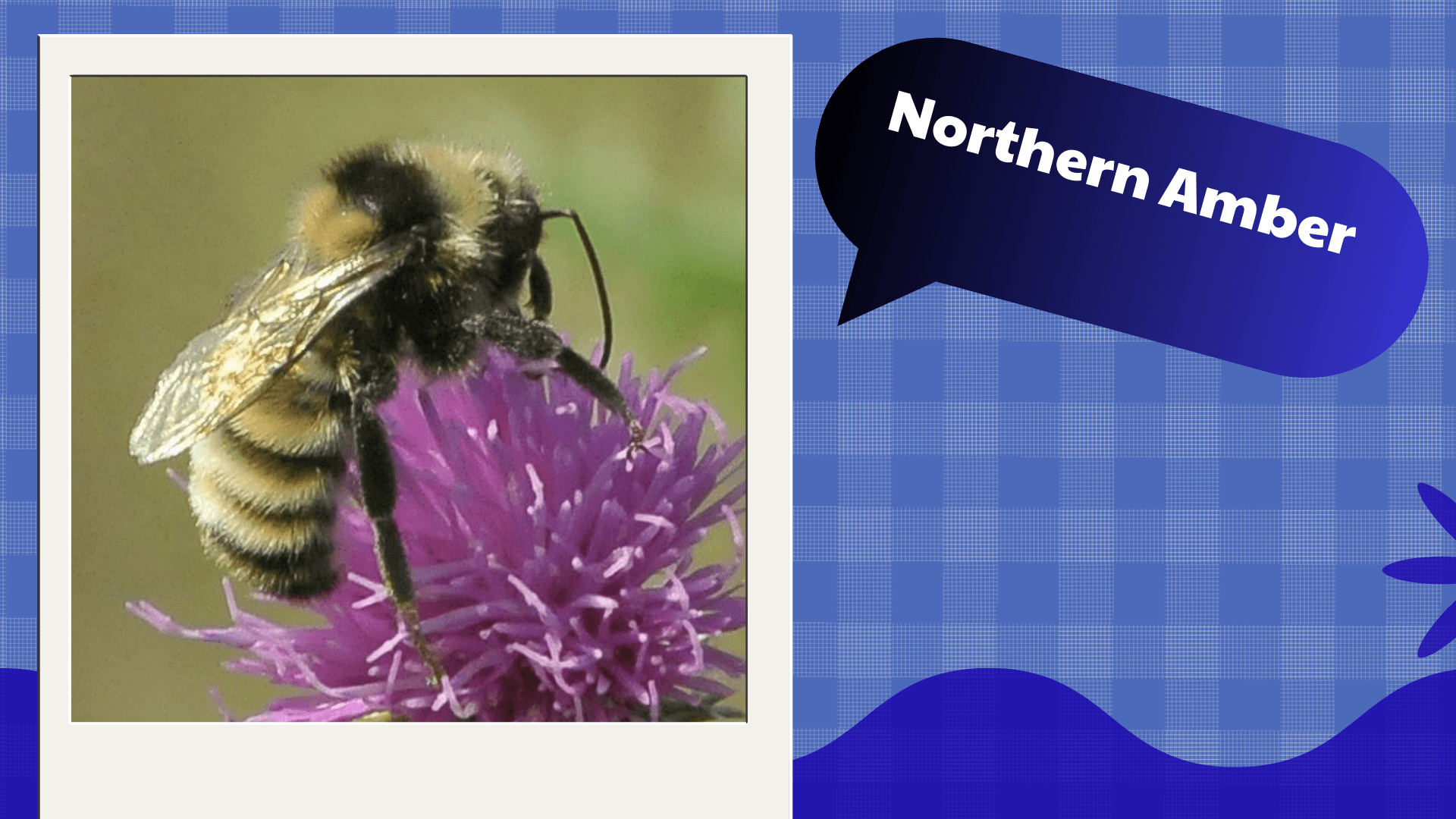
The Northern Amber Bumblebee is a medium-sized species distributed across northern North America, especially in boreal forests and meadows. Its distinctive amber-colored thorax and black abdomen make it easily identifiable. This species forages on a variety of flowers, including clovers, goldenrods, and alpine wildflowers. Its long tongue allows it to access nectar in deep tubular flowers, while its fuzzy body collects pollen efficiently. The Northern Amber Bumblebee is a generalist pollinator, contributing to plant reproduction and supporting ecosystem biodiversity.
Colonies are established by a single queen in early spring, producing 50–300 workers. Workers forage, maintain the nest, and care for larvae, while drones appear later to mate with queens. This species is adapted to cooler climates and can forage under overcast or chilly conditions, making it a reliable pollinator in northern ecosystems. Its activity supports the reproduction of a wide range of native plants, including many early-blooming species.
Conservation focuses on protecting meadows, forest edges, and tundra habitats, as well as providing nectar-rich flowers throughout the growing season. Reducing pesticide use and maintaining natural habitats are critical for population stability. Observing the Northern Amber Bumblebee highlights its adaptability, pollination efficiency, and essential role in sustaining northern plant communities and ecosystem health.
26. Sitka Bumblebee (Bombus sitkensis)
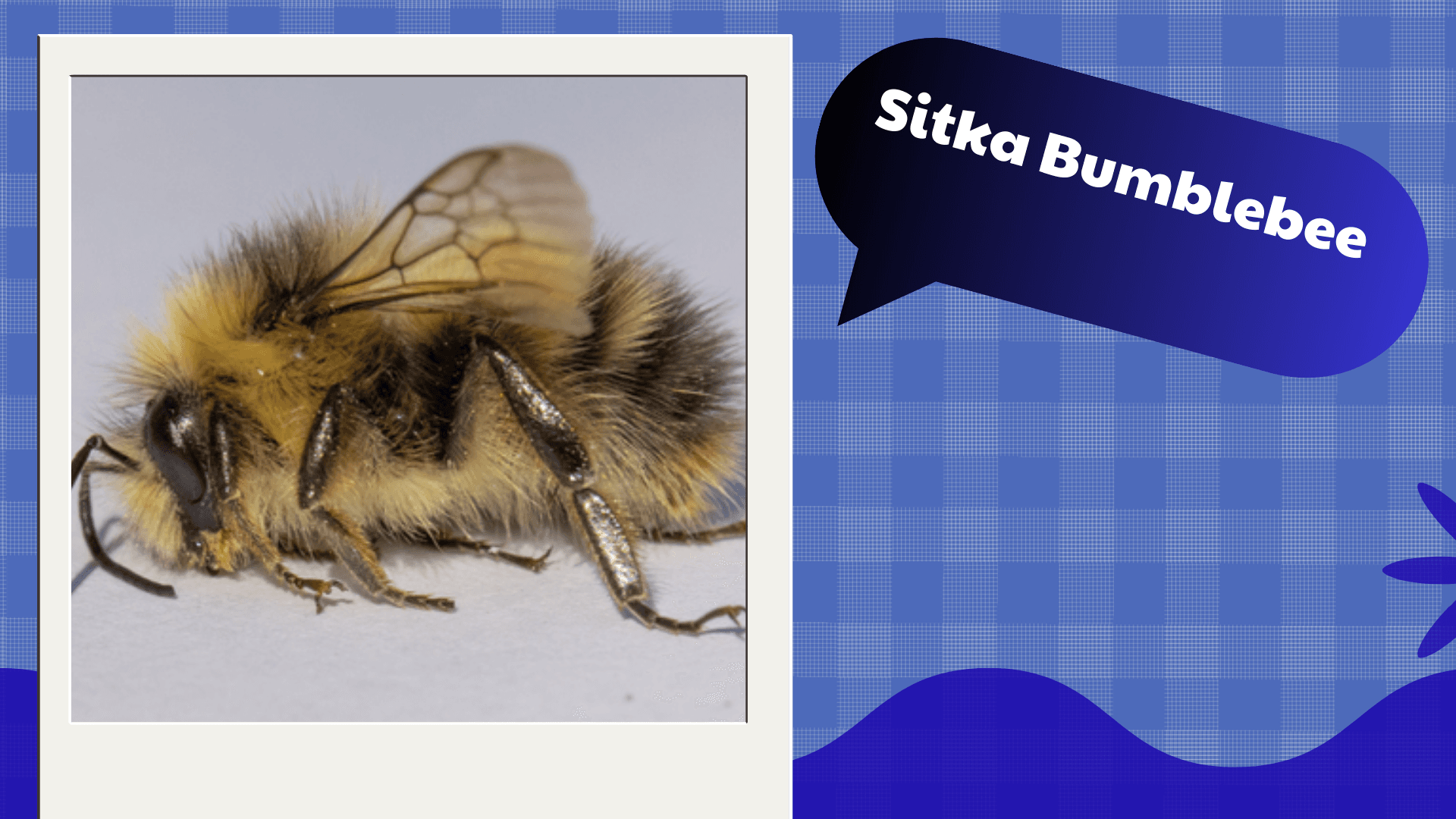
The Sitka Bumblebee is a coastal species native to the Pacific Northwest of North America, ranging from Alaska down through British Columbia and into northern Washington. It is well adapted to cool, wet environments and is commonly found in coastal forests, meadows, and alpine areas. This bumblebee has a fuzzy body with yellow and black banding, often accompanied by a pale or whitish tail. Its dense hair helps insulate it against cold temperatures, allowing it to forage even in foggy or drizzly conditions where other pollinators are inactive.
Like most social bumblebees, the Sitka Bumblebee colony begins with a single queen in early spring. She establishes a nest, often underground in abandoned rodent burrows or beneath dense vegetation. Worker bees emerge to forage for nectar and pollen, care for larvae, and protect the nest. The species feeds on a wide variety of native coastal plants, including lupines, fireweed, blueberries, and salmonberry. This broad diet makes it an important generalist pollinator in forest and coastal ecosystems.
The Sitka Bumblebee plays a vital role in maintaining plant diversity in cool, maritime environments. Conservation concerns include habitat loss due to logging, urban development, and climate change. Preserving native vegetation, reducing pesticide use, and protecting coastal meadows are key to supporting healthy populations. Observing the Sitka Bumblebee highlights how bumblebees adapt to unique environments and remain essential pollinators even in challenging climates.
27. Buff-tailed Bumblebee (Bombus terrestris)
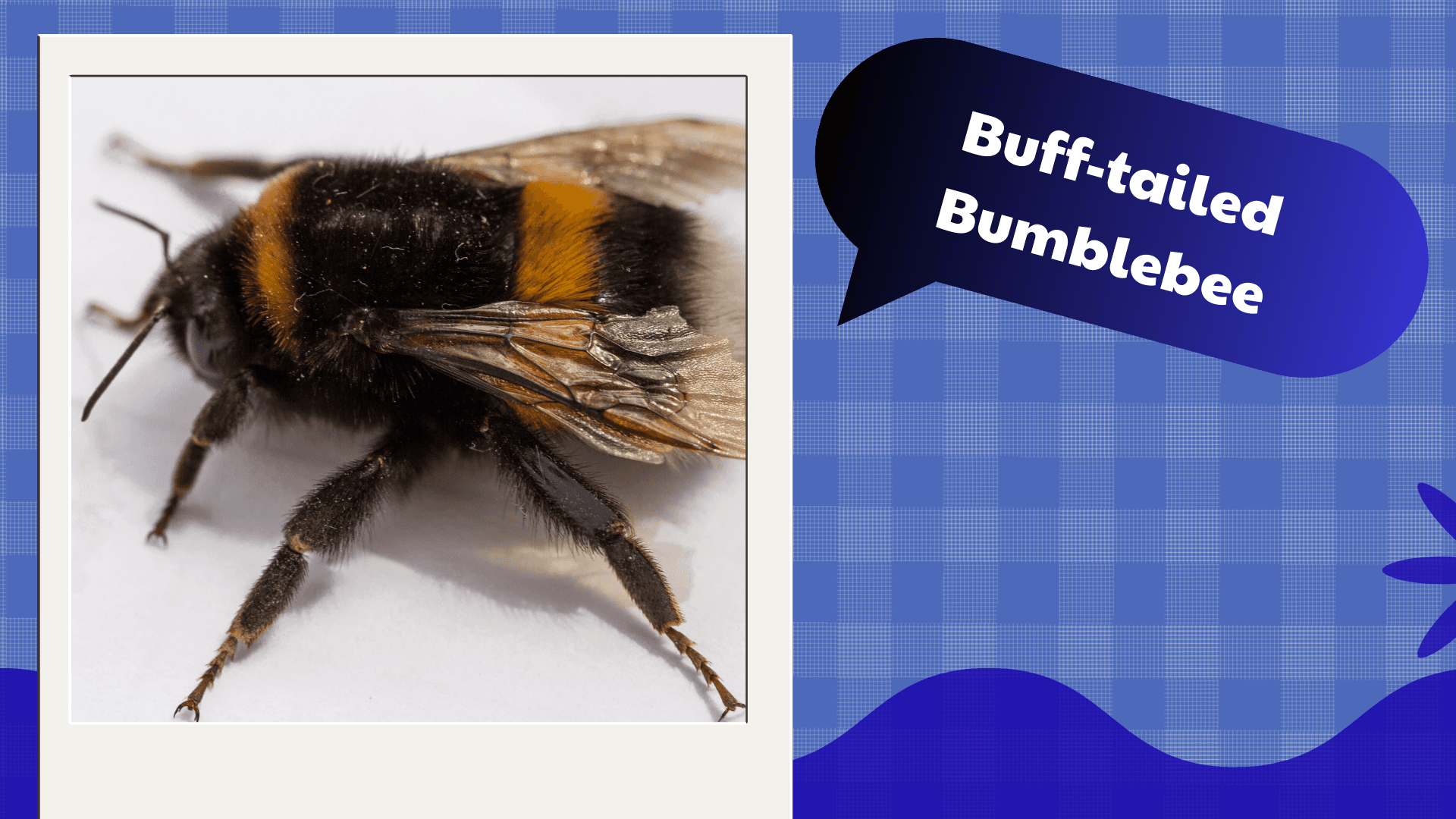
The Buff-tailed Bumblebee is one of the most well-known and widely distributed bumblebee species, native to Europe but now present in many other regions due to human introduction. It is easily recognized by its black body, bright yellow bands, and buff-colored tail. This species thrives in a wide range of habitats, including gardens, farmland, grasslands, and urban areas. Its adaptability and strong foraging ability make it one of the most successful bumblebees in the world.
Colonies of the Buff-tailed Bumblebee can be quite large, often containing several hundred workers. Queens emerge early in spring and establish nests underground or in sheltered cavities. Workers are active foragers, visiting flowers such as clover, lavender, foxglove, and fruit blossoms. This species has a relatively long active season and can forage in cool or cloudy weather, making it an excellent pollinator for early- and late-blooming plants.
Because of its efficiency, Bombus terrestris is widely used in commercial greenhouse pollination, particularly for tomatoes. However, its introduction outside its native range has raised ecological concerns, as it can compete with local bumblebee species. Conservation efforts focus on managing its spread while protecting native pollinators. The Buff-tailed Bumblebee demonstrates both the power and responsibility involved in pollinator management and highlights the importance of ecological balance.
28. Garden Bumblebee (Bombus hortorum)
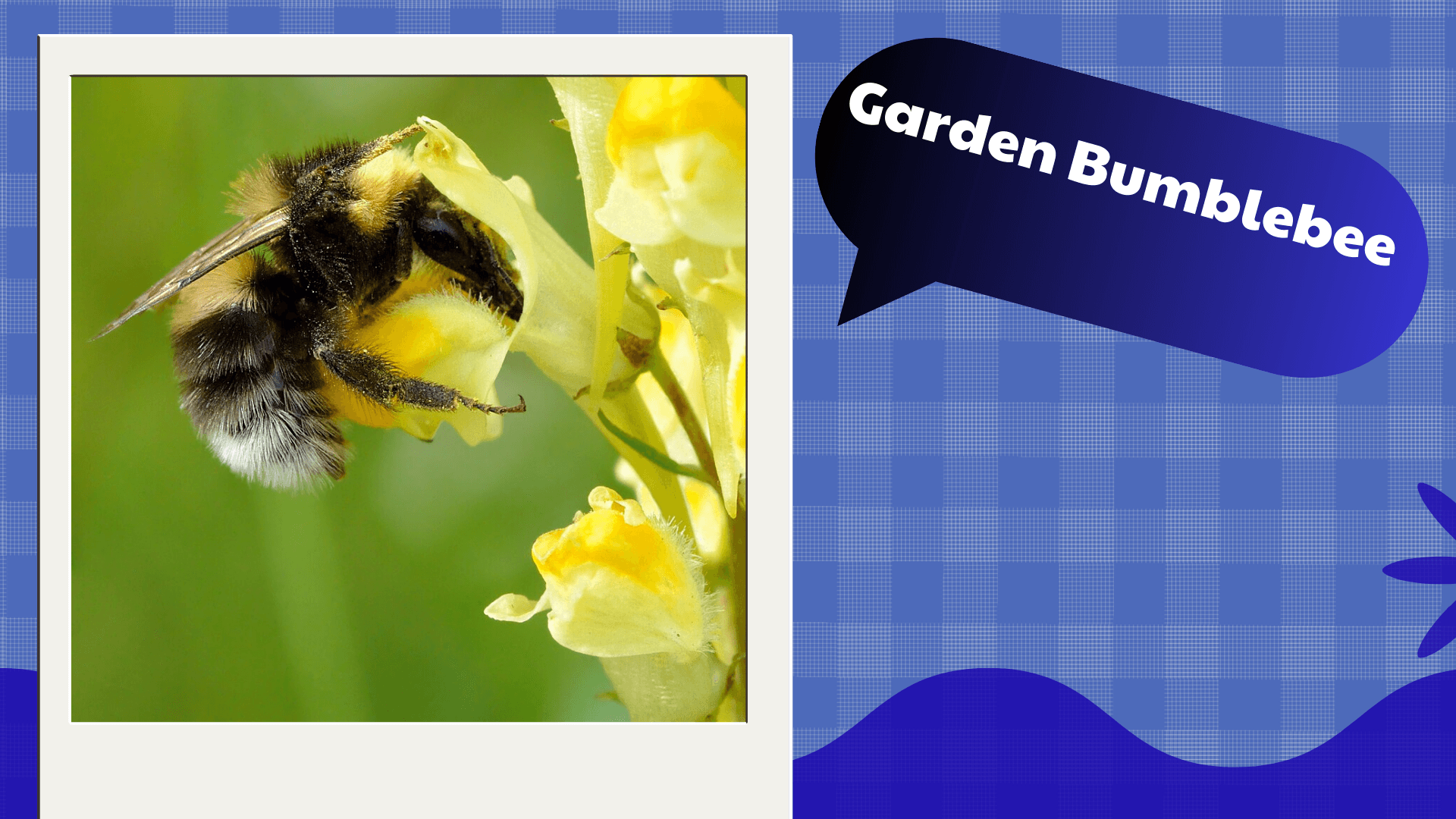
The Garden Bumblebee is a slender, long-tongued species native to Europe and parts of Asia, commonly found in gardens, meadows, hedgerows, and farmland. It is easily identified by its black body with yellow bands and a white tail. One of its most notable features is its exceptionally long tongue, which allows it to access nectar from deep, tubular flowers that many other bees cannot reach.
Garden Bumblebees are especially important for pollinating plants such as foxglove, honeysuckle, red clover, and other long-flowered species. Colonies are founded by queens in spring and are typically smaller than those of some other bumblebees, usually containing fewer than 200 workers. Despite smaller colony size, their specialized foraging makes them extremely valuable pollinators within their ecological niche.
Nests are often built underground or in dense vegetation. Conservation efforts for the Garden Bumblebee include maintaining flower-rich gardens, planting native wildflowers, and preserving hedgerows. Avoiding pesticides is especially important for this species, as it relies heavily on continuous access to nectar-rich flowers. The Garden Bumblebee is an excellent example of how specialization within the Types of Bumblebee contributes to overall ecosystem stability.
29. Heath Bumblebee (Bombus jonellus)
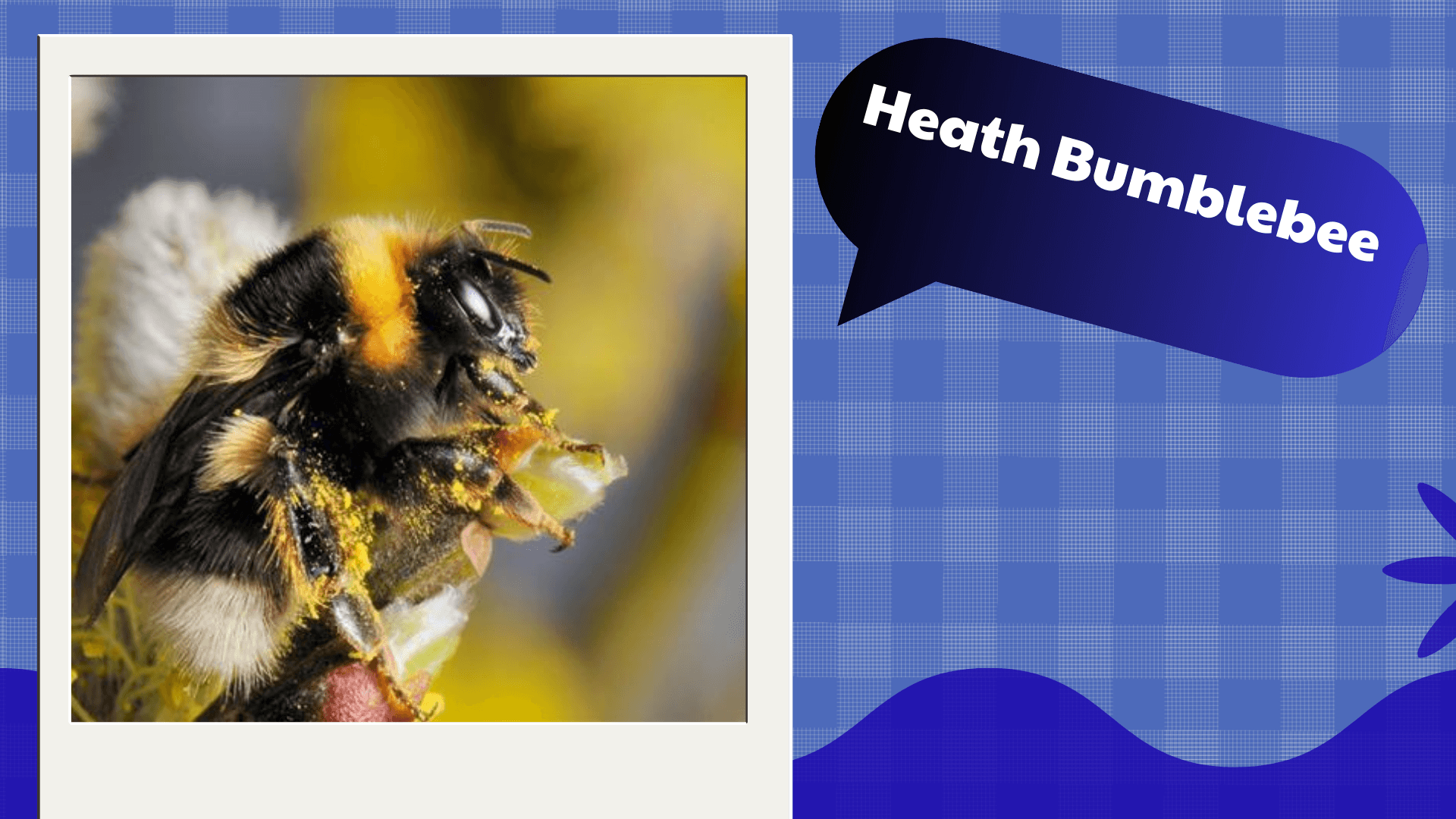
The Heath Bumblebee is a small to medium-sized species found across northern Europe, parts of Asia, and coastal regions of North America. It is well adapted to cool climates and is commonly associated with heathlands, moorlands, coastal grasslands, and tundra environments. Its appearance includes black and yellow banding with a pale or white tail, and its compact body helps conserve heat in cold, windy habitats.
This species often has two generations per year in milder climates, which is unusual among bumblebees. Colonies are founded by queens in spring and sometimes again in late summer. Heath Bumblebees forage on a wide range of low-growing flowers, including heather, bilberry, thyme, and clover. Their ability to function in harsh environments makes them crucial pollinators in ecosystems with short growing seasons.
Threats to the Heath Bumblebee include habitat degradation, loss of heathland, and climate change. Conservation strategies focus on protecting natural heath habitats and maintaining diverse floral resources. Observing the Heath Bumblebee illustrates how certain bumblebees are specially adapted to survive and pollinate in environments that challenge many other insects.
30. Broken-belted Bumblebee (Bombus soroeensis)
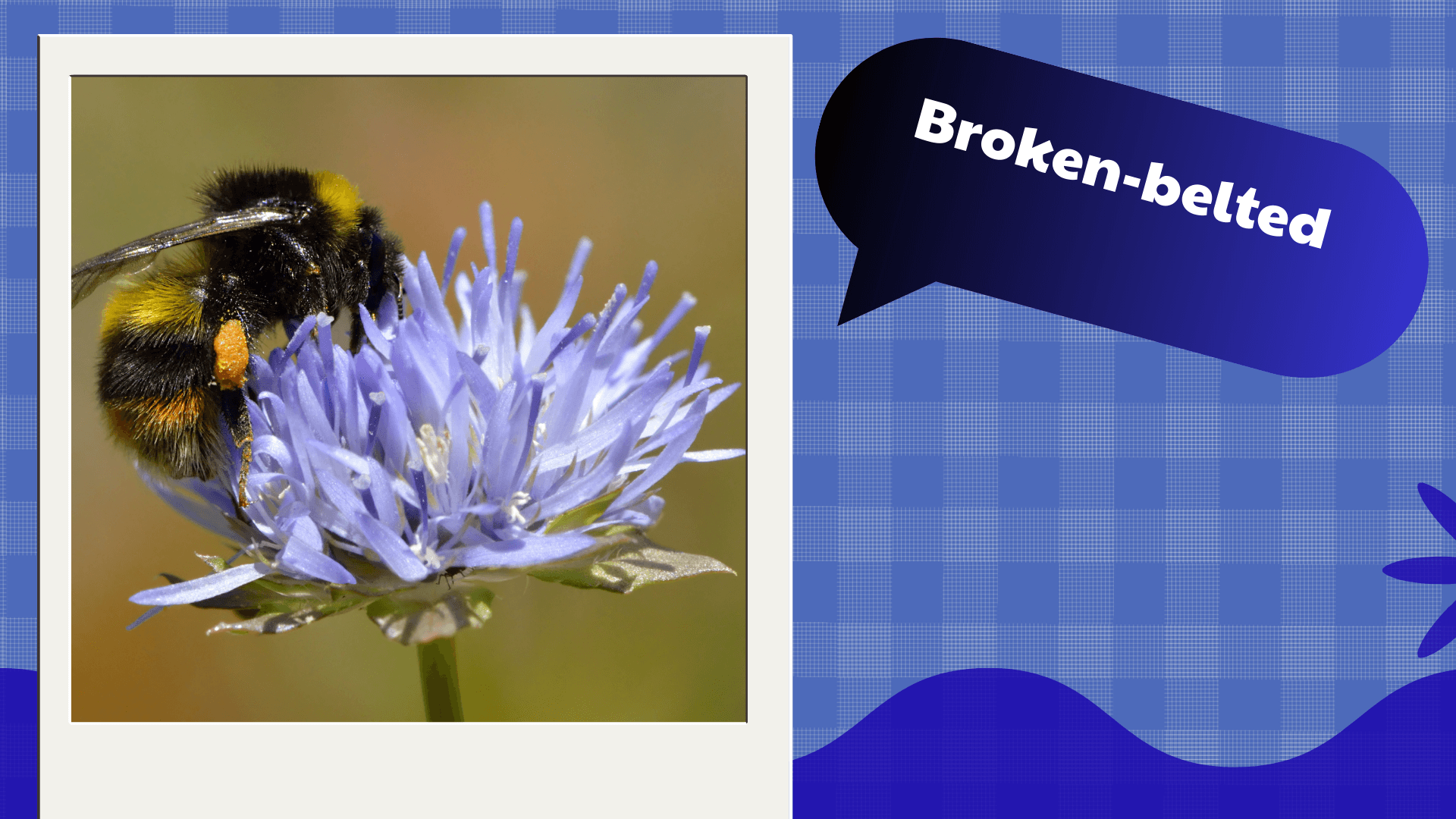
The Broken-belted Bumblebee is a visually distinctive species named for the incomplete or “broken” yellow band across its abdomen. It is native to Europe and parts of Asia, where it inhabits meadows, grasslands, woodland edges, and heathlands. Its black body, yellow thoracic band, and reddish or orange tail make it recognizable to experienced observers.
Colonies are founded by queens in spring and are usually modest in size, with fewer than 200 workers. Workers forage on a variety of flowers, including knapweed, clover, thistles, and heather. The Broken-belted Bumblebee is a generalist forager, contributing to the pollination of both wild plants and agricultural crops. Its activity supports plant reproduction and helps maintain diverse plant communities.
Conservation concerns include agricultural intensification and loss of wildflower-rich habitats. Protecting meadows, reducing pesticide use, and encouraging traditional land management practices help sustain this species. The Broken-belted Bumblebee highlights the importance of habitat diversity within the broader group of Bumblebee species and demonstrates how even subtle physical traits can help identify different pollinators in the wild.
31. Red-tailed Bumblebee (Bombus lapidarius)
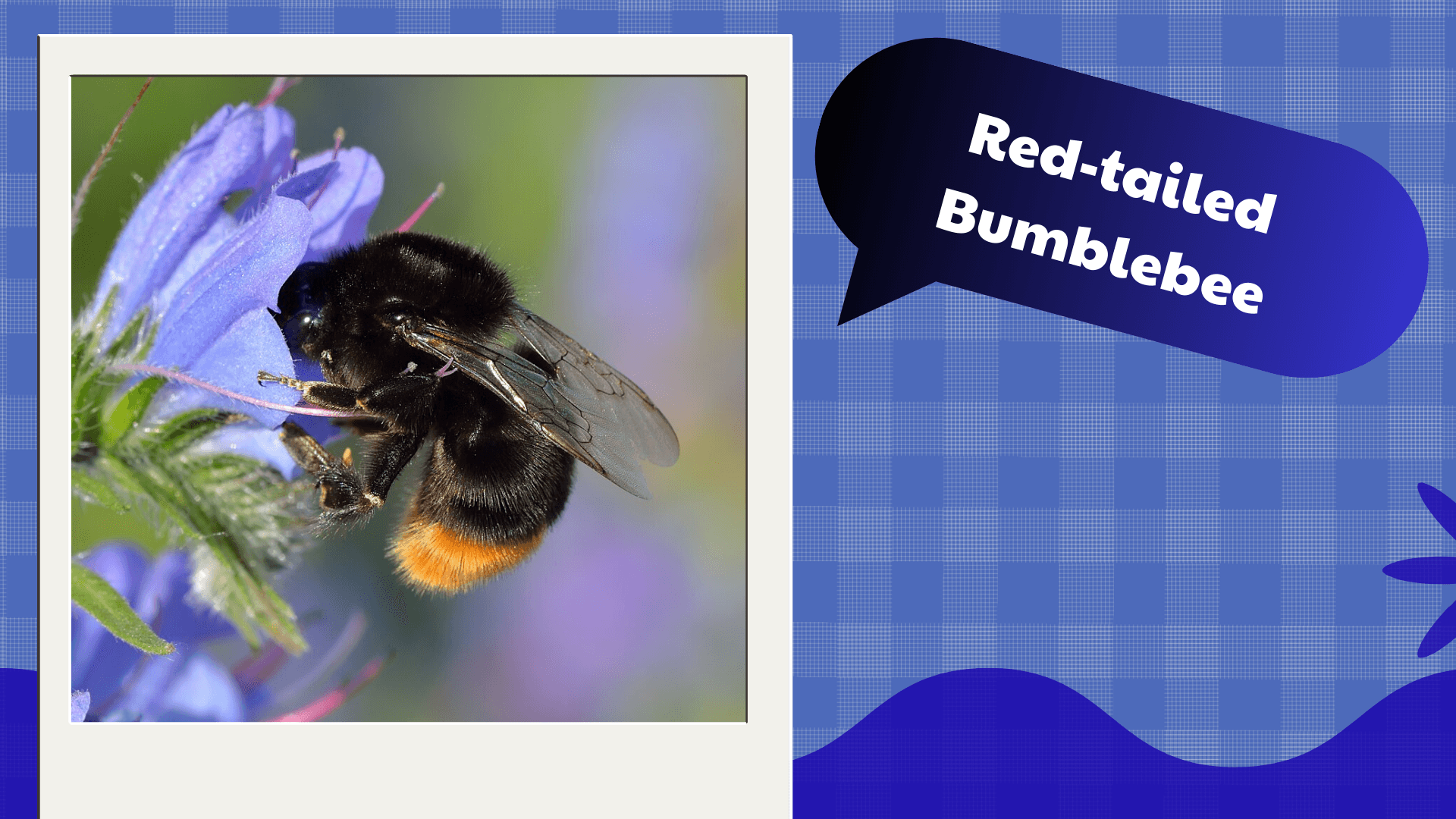
The Red-tailed Bumblebee is one of the most striking and easily recognizable bumblebee species due to its jet-black body and vivid red or orange tail. Native to Europe and parts of Asia, this species thrives in a wide range of habitats, including gardens, meadows, farmland, hedgerows, and urban green spaces. Its bold coloration serves as a warning signal to predators, indicating its ability to sting if threatened.
This bumblebee is highly adaptable and commonly seen in human-modified environments. Queens emerge early in spring and establish nests underground, often in abandoned rodent burrows or compost piles. Colonies can grow large, sometimes exceeding 300 workers. Workers are energetic foragers, visiting a wide variety of flowers such as lavender, thistles, clover, and fruit blossoms. Their relatively short tongue makes them especially effective at pollinating open or shallow flowers.
The Red-tailed Bumblebee plays a major role in pollinating crops and garden plants. It is tolerant of urban conditions and is often one of the first species to recolonize restored habitats. Conservation efforts focus on maintaining flower-rich areas throughout the season and limiting pesticide exposure. This species is a powerful example of how some Types of Bumblebee can coexist successfully with humans while still providing critical ecosystem services.
32. Orange-belted Bumblebee (Bombus ternarius)
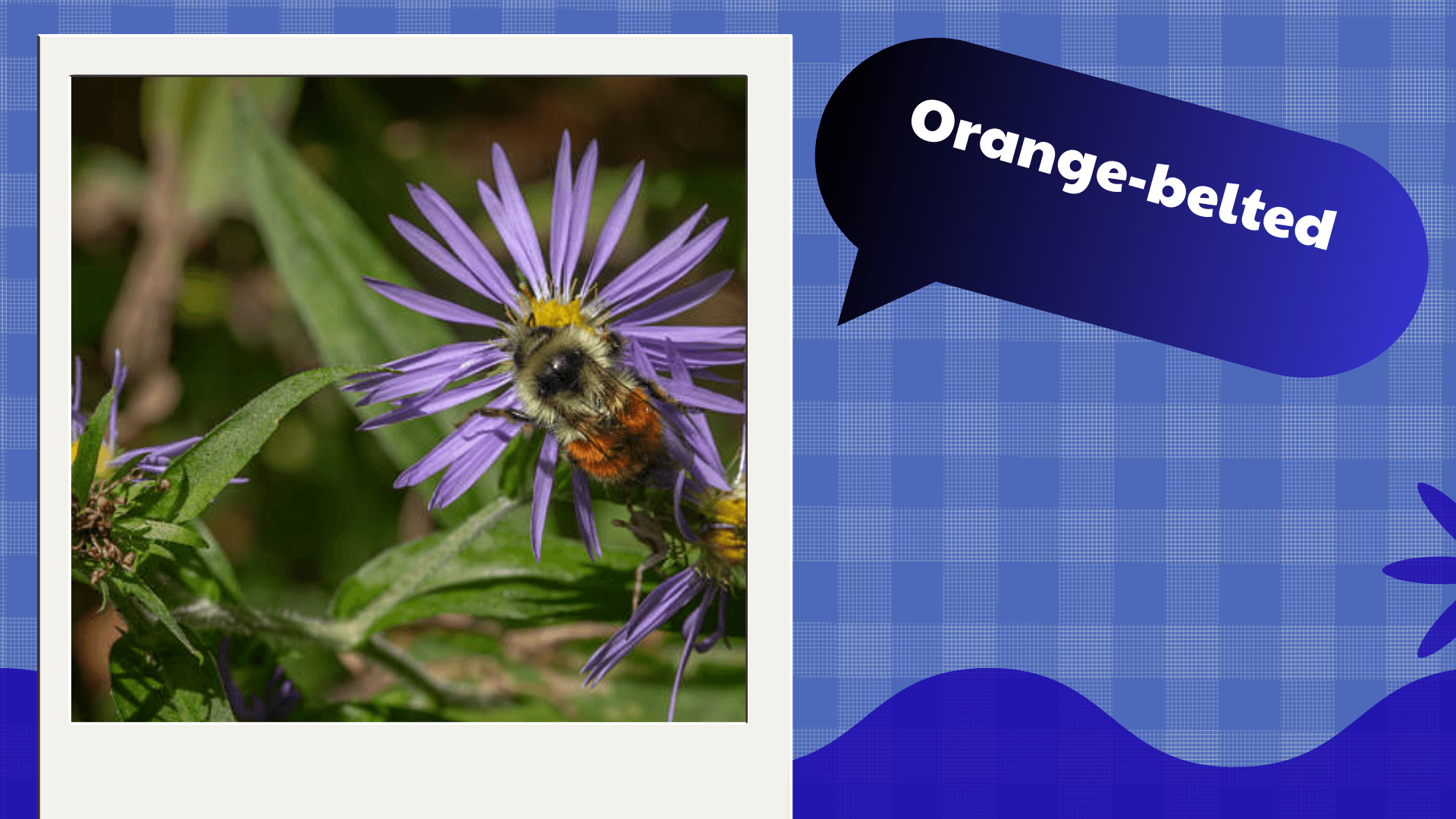
The Orange-belted Bumblebee is a medium-sized species native to North America, most commonly found in boreal forests, woodland edges, and northern meadows. It is named for the bright orange band across its abdomen, which contrasts sharply with its black and yellow body. This distinctive coloration makes it one of the easiest bumblebees to identify in the field.
Queens emerge in late spring and establish colonies in underground nests or sheltered cavities. Colonies are moderate in size, typically consisting of 100–200 workers. The Orange-belted Bumblebee is a generalist forager, visiting a wide range of flowers including blueberries, raspberries, clover, and goldenrod. Its foraging activity is especially important in forest ecosystems where fewer pollinators may be present.
This species is well adapted to cooler climates and can forage under cloudy or cool conditions. Habitat loss and climate change pose growing threats, particularly in southern portions of its range. Conservation strategies include protecting forest edges, maintaining native flowering plants, and supporting pollinator-friendly land management. The Orange-belted Bumblebee demonstrates how color variation within Bumblebee species often reflects adaptation to specific environments.
33. Cryptic Bumblebee (Bombus cryptarum)
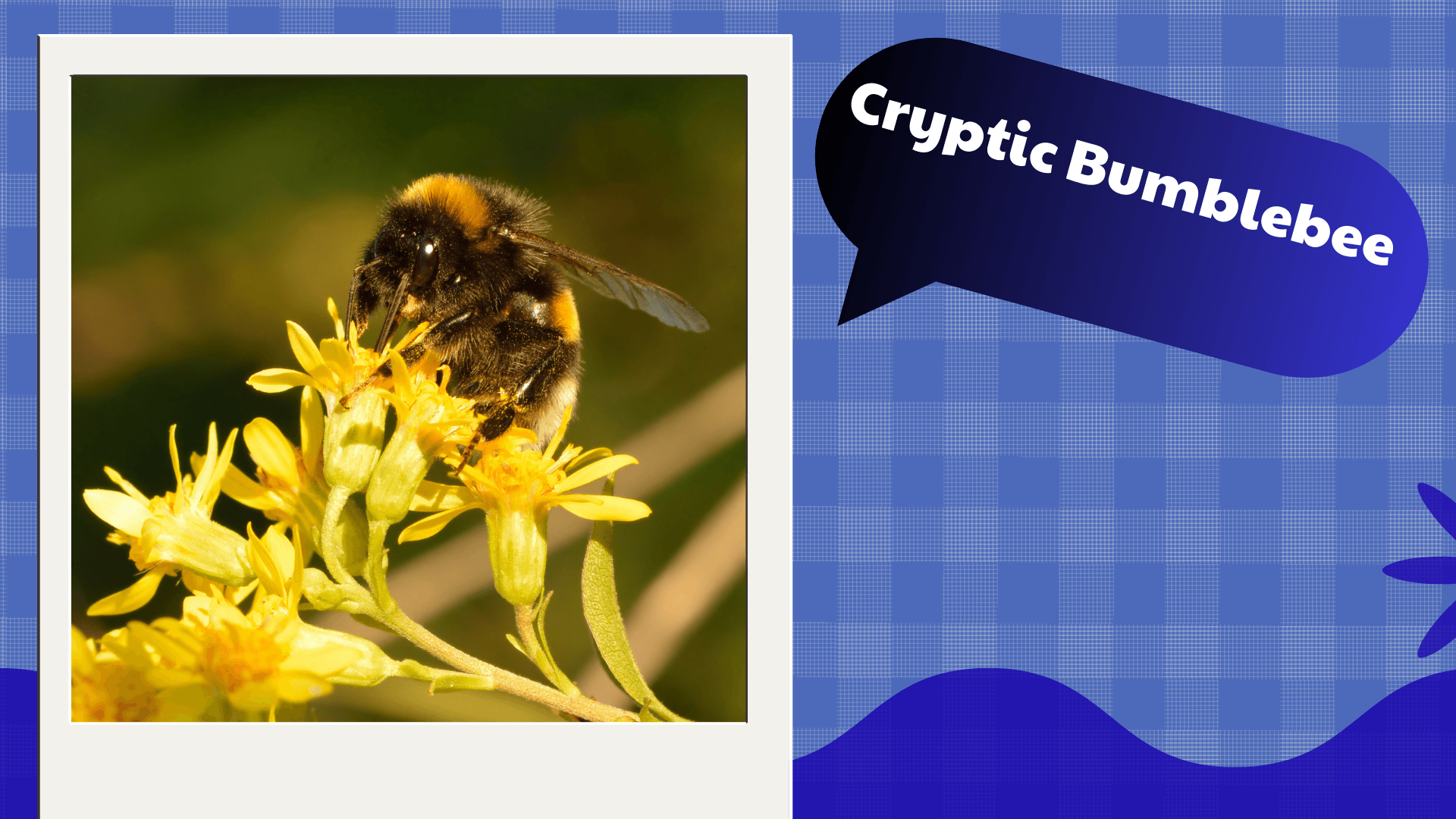
The Cryptic Bumblebee lives up to its name by being difficult to distinguish from closely related species, especially the White-tailed Bumblebee. Native to Europe and parts of northern Asia, this species is nearly identical in appearance to Bombus lucorum, requiring genetic analysis for accurate identification. Despite this challenge, it is an important pollinator in grasslands, gardens, woodland edges, and agricultural landscapes.
Colonies are founded by queens in early spring, often nesting underground. Workers forage on a wide variety of plants, including clovers, dandelions, brambles, and fruit trees. The Cryptic Bumblebee is highly adaptable and can thrive in both rural and urban environments. Its ability to forage in cooler temperatures allows it to remain active during early mornings and overcast days.
Because it is often overlooked or misidentified, population trends for the Cryptic Bumblebee are harder to track. Conservation efforts benefit from general pollinator-friendly practices, such as preserving wildflower meadows, reducing pesticide use, and encouraging diverse plantings. This species highlights the hidden diversity within the Types of Bumblebee and the importance of scientific research in understanding pollinator communities.
34. Franklin’s Bumblebee (Bombus franklini)
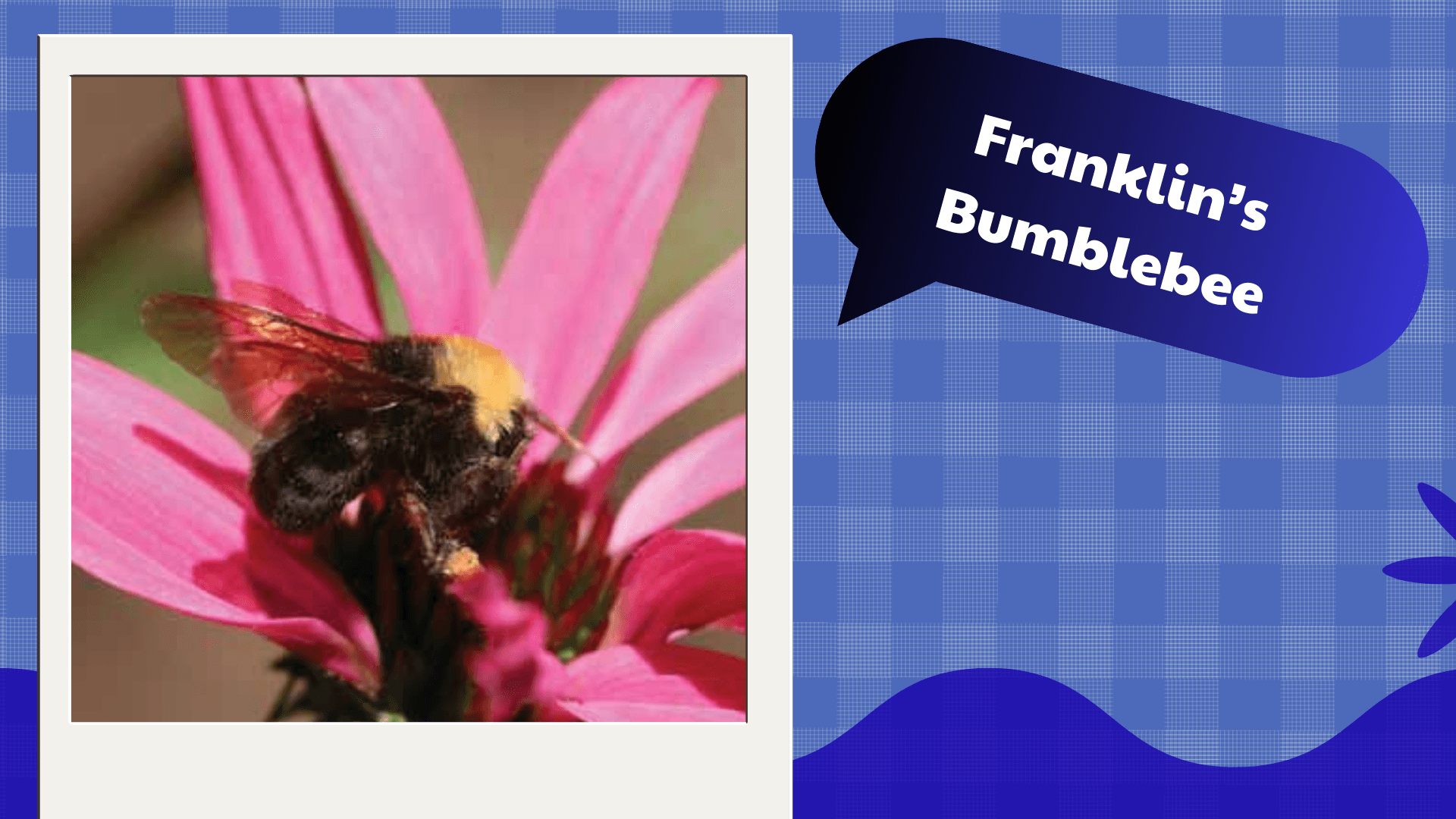
Franklin’s Bumblebee is one of the rarest bumblebee species in the world and is possibly extinct. It was historically found only in a very small range in southern Oregon and northern California. This species had a distinctive black body with yellow bands and a white tail, making it visually striking despite its limited distribution.
Very little is known about its biology due to its rarity. Like other social bumblebees, it likely formed small colonies founded by a single queen each spring. Workers would have foraged on native wildflowers, contributing to pollination in its restricted habitat. The species has not been reliably observed since the early 2000s, despite extensive surveys.
Potential causes of its decline include habitat loss, disease transmission from commercial bumblebees, pesticide exposure, and climate change. Franklin’s Bumblebee has become a symbol of pollinator conservation and the urgent need to protect vulnerable species before they disappear. Its story serves as a powerful reminder of how fragile pollinator populations can be without proactive conservation measures.
35. Black-and-gold Bumblebee (Bombus auricomus)
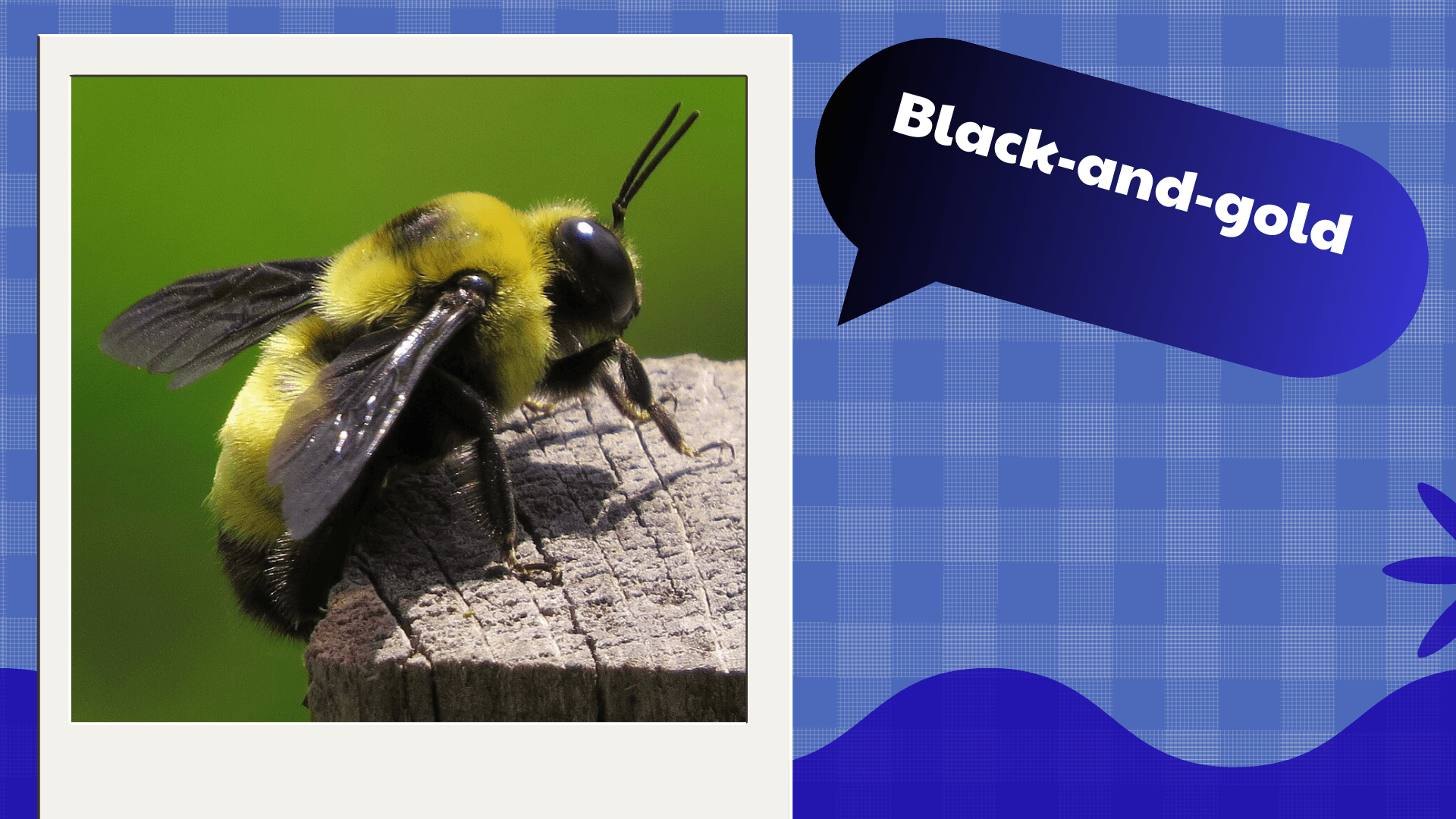
The Black-and-gold Bumblebee is a large, robust species native to eastern and central North America. It is named for its rich golden-yellow hairs contrasted against a black body. This species prefers tallgrass prairies, meadows, open woodlands, and farmland, especially areas with abundant flowering plants.
Queens emerge in late spring and establish nests on or just below the ground surface, often in grassy areas. Colonies are moderate in size, usually containing fewer than 200 workers. Workers forage on a variety of plants, including sunflowers, clover, milkweed, and prairie wildflowers. Its strong flight ability allows it to cover large foraging areas efficiently.
The Black-and-gold Bumblebee is especially important in prairie ecosystems, where it supports the reproduction of many native plants. Habitat loss due to agricultural expansion and urban development is a major threat. Conservation efforts focus on preserving native prairies, restoring wildflower corridors, and reducing chemical use. This species represents the deep connection between Bumblebee diversity and healthy grassland ecosystems.
36. Small Tree Bumblebee (Bombus cingulatus)
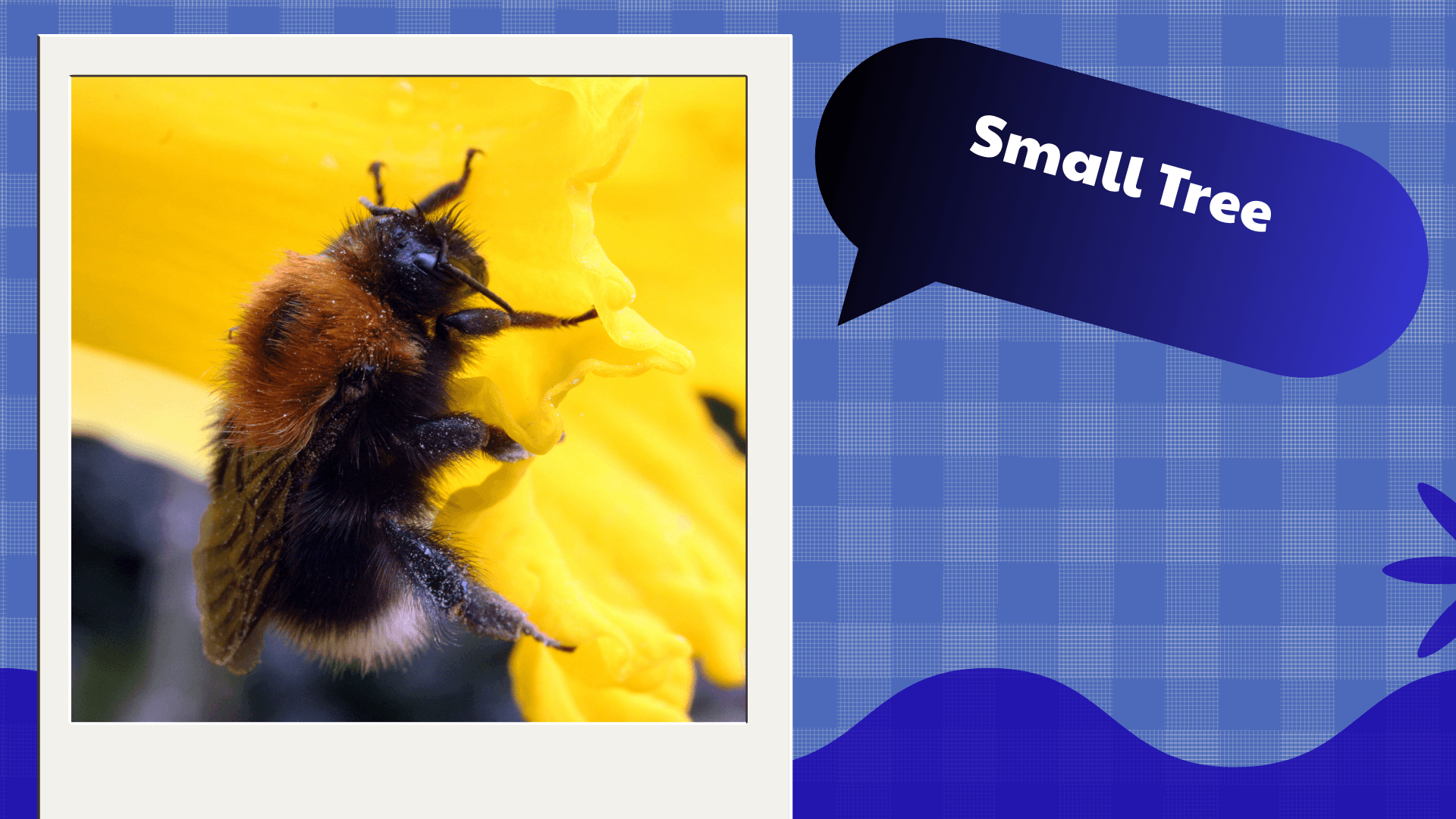
The Small Tree Bumblebee is a northern species found across boreal forests, subalpine regions, and cool temperate zones of North America and parts of Eurasia. Despite its name, it is not particularly small compared to other bumblebees, but it is more slender in appearance. Its coloration typically includes black and yellow banding with a pale or whitish tail, allowing it to blend well into forested environments.
This species prefers woodland edges, clearings, mountain meadows, and shrubby areas where flowering plants are abundant. Queens emerge in late spring or early summer and establish nests either underground or above ground in tree cavities, old bird nests, or sheltered vegetation—an unusual trait among bumblebees. Colonies are usually modest in size, often containing fewer than 150 workers.
The Small Tree Bumblebee forages on a wide variety of flowers, including willow, blueberry, fireweed, clover, and alpine wildflowers. Its adaptability to cooler climates and shaded habitats makes it a crucial pollinator in forest ecosystems. Conservation efforts focus on protecting boreal forests, maintaining native plant diversity, and reducing habitat fragmentation. This species highlights how different Types of Bumblebee adapt their nesting behavior to survive in diverse environments.
37. Yellow-fronted Bumblebee (Bombus flavifrons)
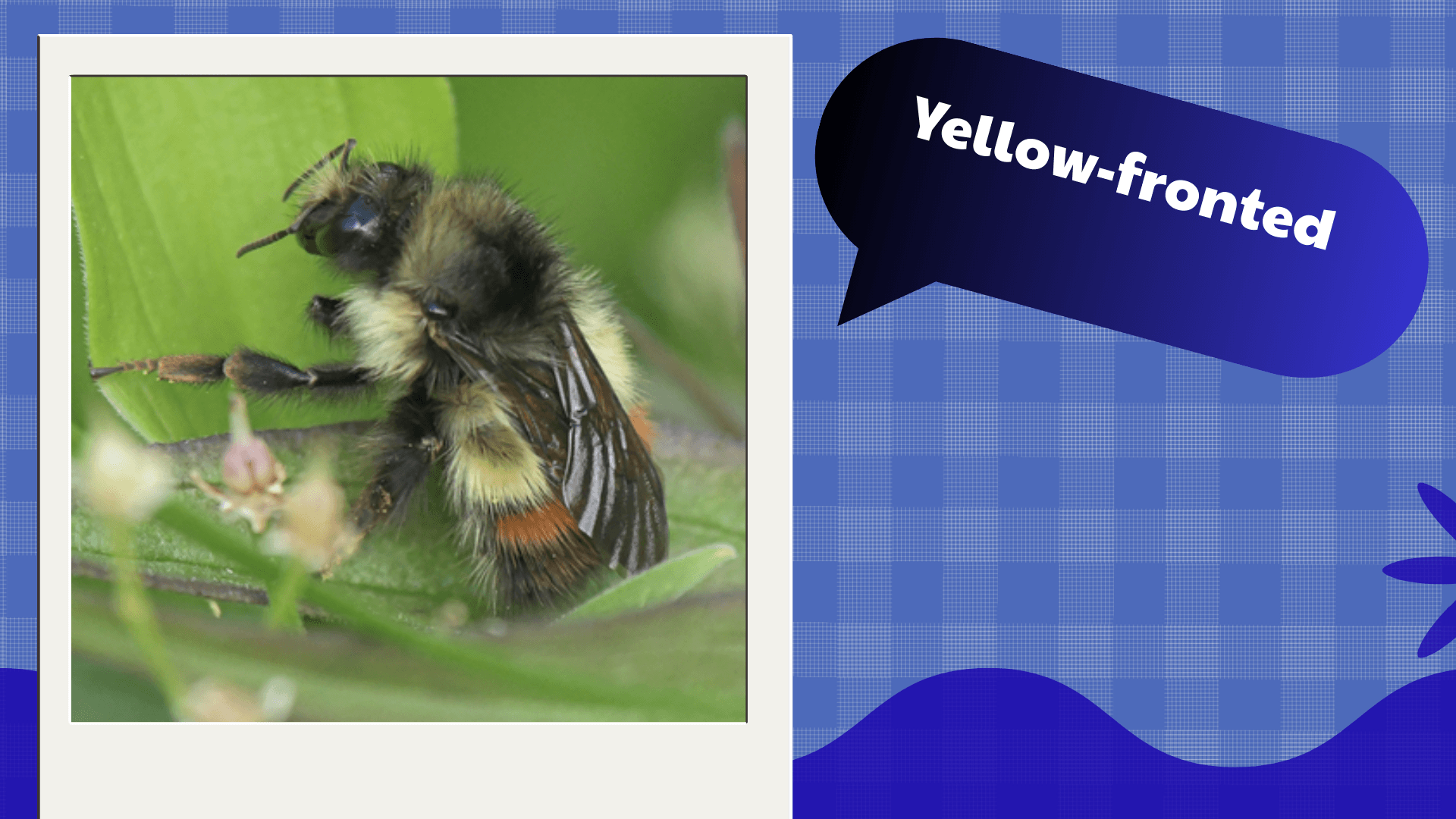
The Yellow-fronted Bumblebee is a striking species native to western North America, particularly in mountainous regions, forests, and open meadows. It is named for the bright yellow hairs on the front of its face and thorax, which contrast with its darker abdomen. This coloration makes it relatively easy to identify among western bumblebee species.
Queens emerge in late spring and establish nests underground, often in abandoned rodent burrows or beneath dense vegetation. Colonies are moderate in size and typically active through summer. Workers forage on a wide range of flowering plants, including lupine, penstemon, thistle, and wild berries. Its long tongue allows it to access nectar from deep tubular flowers, making it an efficient pollinator for specialized plants.
The Yellow-fronted Bumblebee is especially important in mountain ecosystems, where flowering seasons are short and pollinators must work efficiently. Habitat loss, climate change, and pesticide exposure pose growing threats. Conservation strategies include preserving mountain meadows, planting native wildflowers, and supporting pollinator corridors. This species demonstrates how Bumblebee diversity supports pollination across challenging landscapes.
38. Alpine Bumblebee (Bombus alpinus)
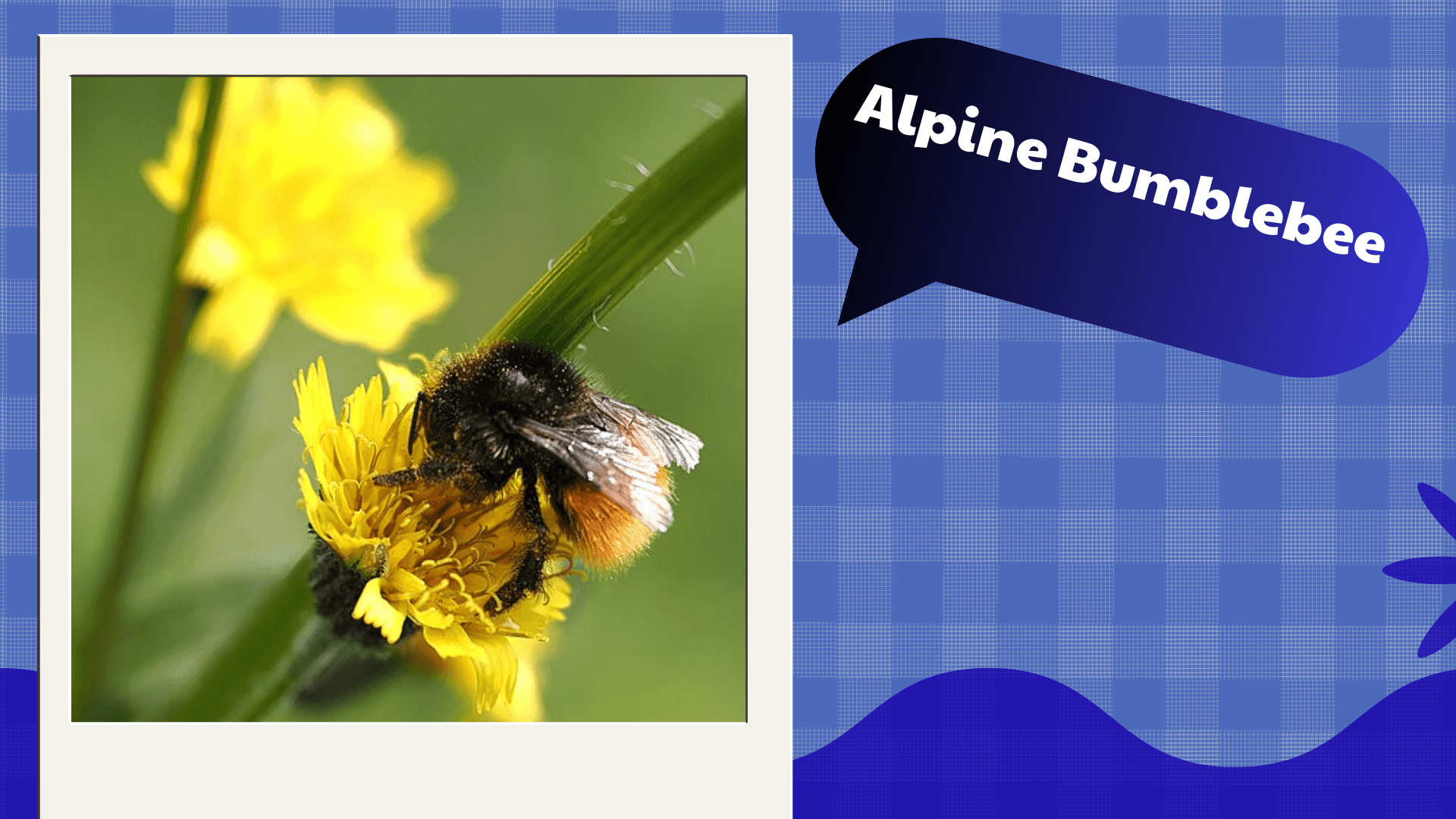
The Alpine Bumblebee is a cold-adapted species found in high-altitude and Arctic regions across Europe, Asia, and parts of North America. It is superbly adapted to life in extreme environments, with a dense coat of hair that helps insulate it against freezing temperatures and strong winds. Its coloration varies but often includes black, yellow, and reddish bands.
This species inhabits alpine meadows, tundra, and mountainous terrain above the tree line. Queens establish colonies later than lowland species due to delayed snowmelt. Colonies are typically small, often containing fewer than 100 workers, but they are highly efficient. Alpine Bumblebees forage on hardy, low-growing plants such as saxifrage, alpine clover, and mountain asters.
The Alpine Bumblebee plays a critical role in pollinating plants that survive in extreme conditions, ensuring seed production in fragile ecosystems. Climate change poses a significant threat by altering flowering times and reducing suitable habitat. Conservation of alpine environments is essential for this species. The Alpine Bumblebee is a powerful example of resilience among the Types of Bumblebee.
39. Golden-belted Bumblebee (Bombus balteatus)
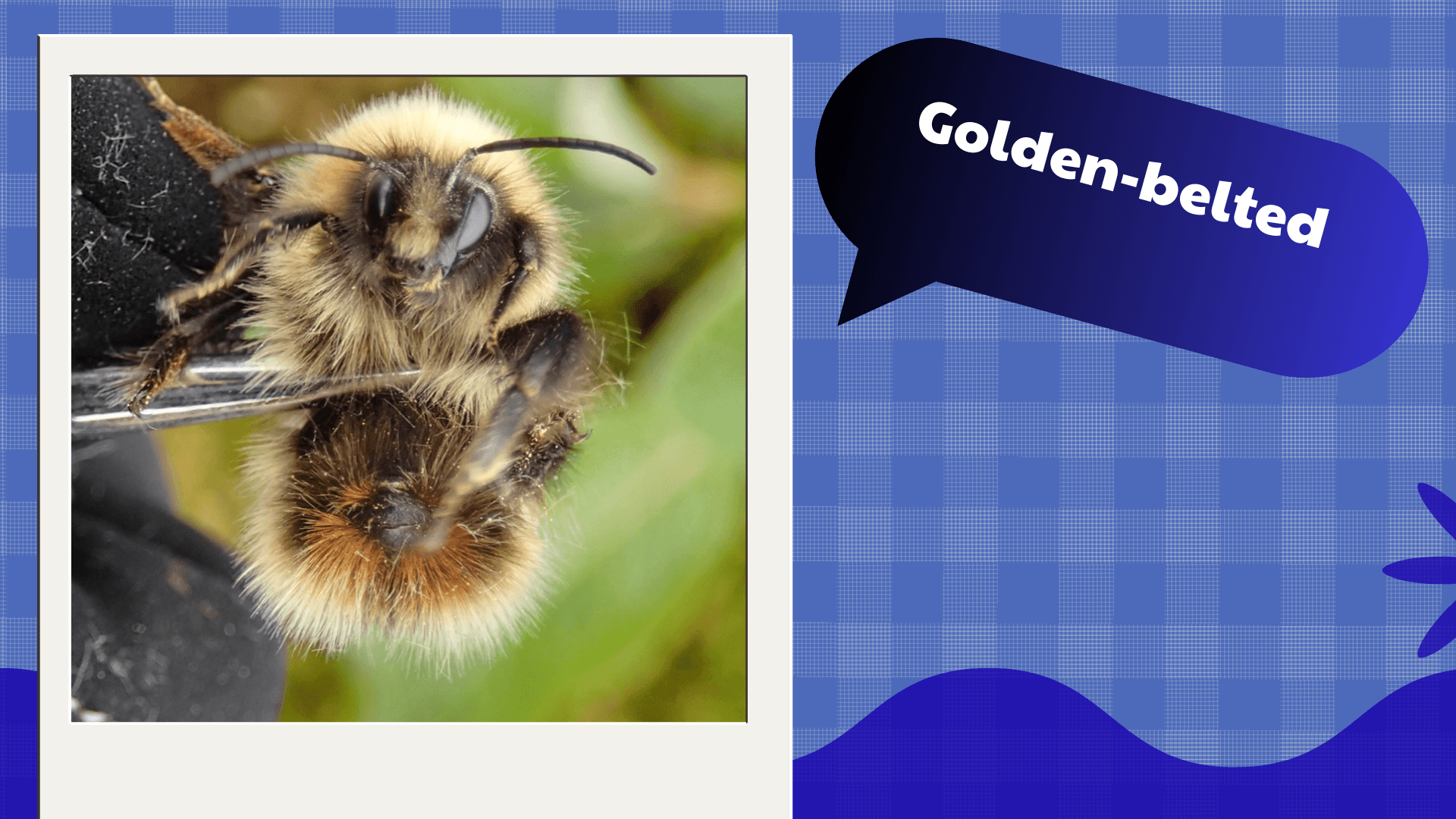
The Golden-belted Bumblebee is a high-altitude species native to western North America, particularly in the Rocky Mountains and other alpine regions. It is named for the bright golden-yellow band across its abdomen, which contrasts with its dark body. This species is well adapted to cold temperatures and thin mountain air.
Queens emerge in early summer and establish nests underground or in sheltered rock crevices. Colonies are relatively small, reflecting the short alpine growing season. Workers forage on mountain wildflowers such as monkshood, alpine clover, and sky pilot. This species is known for its long tongue, which allows it to pollinate deep, tubular flowers that few other insects can access.
Recent studies have shown that climate change may be influencing tongue length and foraging behavior in this species. Conservation efforts focus on protecting alpine habitats and monitoring population changes. The Golden-belted Bumblebee highlights the delicate balance between pollinators and climate-sensitive ecosystems.
40. Polar Bumblebee (Bombus polaris)
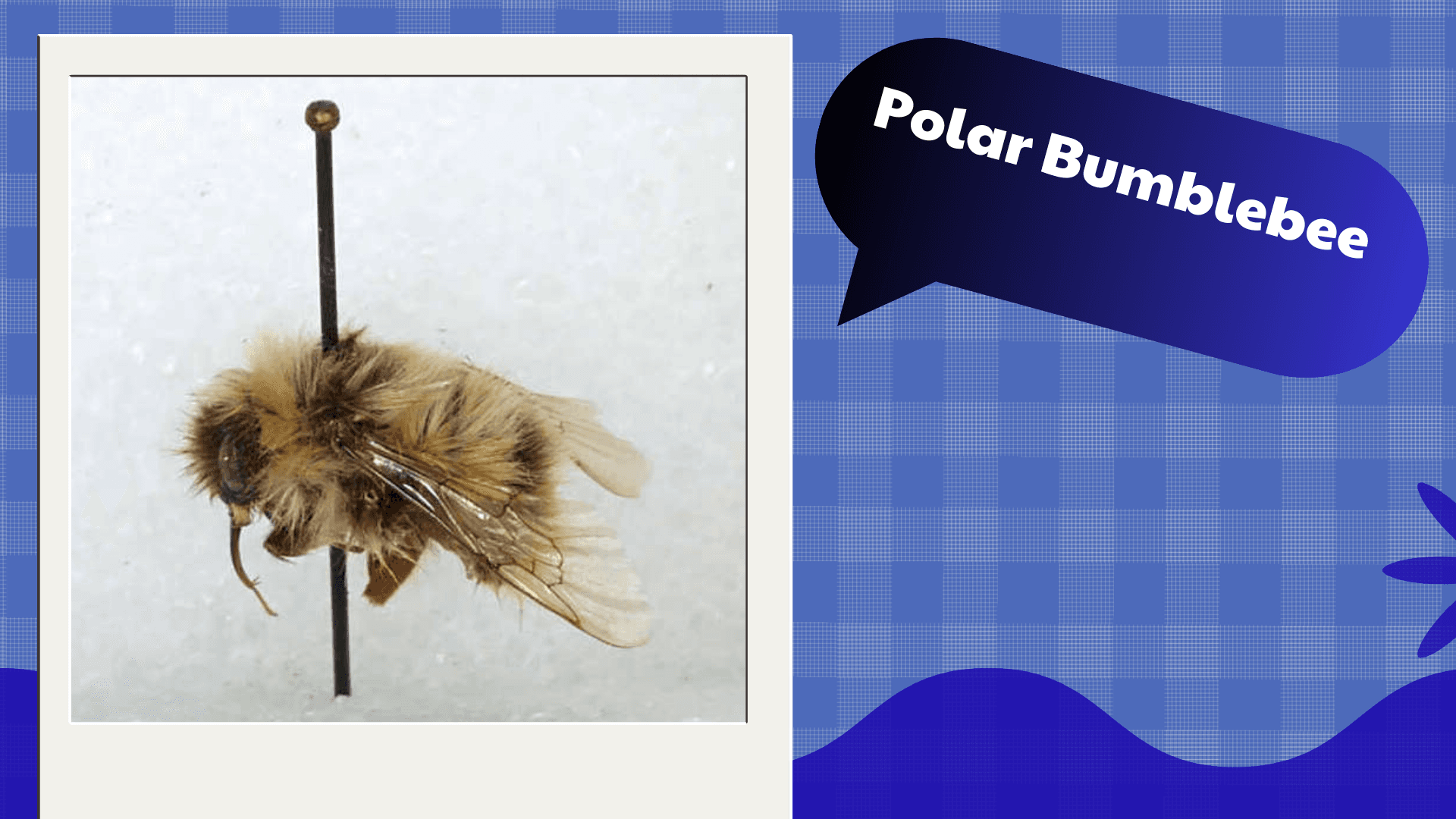
The Polar Bumblebee is one of the most extreme-living bumblebee species, found in Arctic regions of North America, Greenland, and northern Europe. It survives in environments with very short summers, low temperatures, and limited floral resources. Its thick fur and compact body help it retain heat and remain active in cold conditions.
Colonies are small and highly seasonal. Queens emerge as soon as flowers become available, sometimes when snow is still present. Workers forage rapidly on Arctic flowers such as Arctic poppy, saxifrage, and dwarf willow. Every foraging opportunity is critical, as the entire life cycle must be completed within a short summer window.
The Polar Bumblebee is a keystone pollinator in Arctic ecosystems, supporting plant reproduction in one of the harshest environments on Earth. Climate change is both a threat and a disruptor, altering plant availability and timing. Protecting Arctic habitats is essential for this species. The Polar Bumblebee perfectly illustrates the incredible adaptability and ecological importance of Bumblebees worldwide.
Conclusion: Why Understanding Types of Bumblebee Matters
Learning about the many Types of Bumblebee reveals just how diverse, adaptable, and essential these pollinators truly are. From the cold-tolerant Polar Bumblebee of the Arctic to the garden-friendly Red-tailed Bumblebee and the rare Franklin’s Bumblebee, each species plays a unique role in supporting ecosystems around the world. Bumblebees are not only responsible for pollinating wildflowers but also contribute directly to food production by helping crops like berries, tomatoes, and legumes thrive.
Despite their importance, many Bumblebee species face serious challenges, including habitat loss, pesticide exposure, climate change, and disease. Some species are declining rapidly, while others have already become extremely rare. Understanding their habitats, behaviors, and ecological roles helps raise awareness and encourages conservation efforts that protect flowering plants, nesting sites, and pollinator corridors.
Whether you are a gardener, student, wildlife enthusiast, or conservation advocate, recognizing different Types of Bumblebee empowers you to make informed choices that support pollinators. Planting native flowers, avoiding harmful chemicals, and preserving natural habitats can make a meaningful difference. By appreciating and protecting Bumblebees, we help ensure healthier ecosystems, stronger biodiversity, and a more sustainable future for both wildlife and humans.
Frequently Asked Questions About Types of Bumblebee
1. What is a bumblebee?
A bumblebee is a large, fuzzy bee belonging to the genus Bombus, known for its strong pollination ability and social colony structure.
2. How many Types of Bumblebee are there?
There are over 250 recognized Types of Bumblebee worldwide, with about 40–50 commonly identified species in North America.
3. Why are bumblebees important?
Bumblebees are essential pollinators that help plants reproduce, support ecosystems, and improve crop yields.
4. What makes bumblebees different from honeybees?
Bumblebees are larger, hairier, live in smaller colonies, and can pollinate flowers in colder conditions.
5. Do all bumblebees live in colonies?
Most bumblebees are social, but cuckoo bumblebees do not form their own colonies and instead parasitize others.
6. What are cuckoo bumblebees?
Cuckoo bumblebees are parasitic Types of Bumblebee that lay their eggs in the nests of other bumblebee species.
7. Do bumblebees make honey?
Bumblebees produce small amounts of honey, but not enough for human harvesting.
8. Can bumblebees sting?
Yes, female bumblebees can sting, but they are generally non-aggressive and sting only when threatened.
9. Do bumblebees die after stinging?
No, unlike honeybees, bumblebees can sting multiple times without dying.
10. What do bumblebees eat?
Bumblebees feed on nectar for energy and pollen for protein.
11. How long does a bumblebee live?
Worker bumblebees live a few weeks, while queens can live up to one year.
12. Where do bumblebees build nests?
Bumblebees often nest underground, in grass tussocks, abandoned rodent burrows, or tree cavities.
13. Are bumblebees active in cold weather?
Yes, bumblebees can fly in cooler temperatures thanks to their thick fur and ability to generate body heat.
14. What is buzz pollination?
Buzz pollination is a technique where bumblebees vibrate flowers to release pollen, especially useful for tomatoes and berries.
15. Which crops depend on bumblebees?
Crops like tomatoes, blueberries, peppers, squash, and strawberries benefit greatly from bumblebee pollination.
16. Are bumblebees endangered?
Some Types of Bumblebee are endangered or declining due to habitat loss, pesticides, and climate change.
17. What happened to Franklin’s Bumblebee?
Franklin’s Bumblebee is possibly extinct and has not been reliably seen since the early 2000s.
18. How can I identify different bumblebee species?
Species can be identified by body size, color patterns, band placement, tail color, and habitat.
19. Do bumblebees live all year?
No, most colonies die off in fall, leaving only fertilized queens to overwinter.
20. Where do bumblebee queens overwinter?
Queens overwinter underground in soil, leaf litter, or other sheltered locations.
21. Are bumblebees aggressive?
Bumblebees are generally gentle and only defend themselves when disturbed.
22. Can bumblebees recognize flowers?
Yes, bumblebees can learn and remember flower shapes, colors, and locations.
23. Do bumblebees sleep?
Bumblebees rest at night or during bad weather, often inside flowers or nests.
24. Are bumblebees important for wild plants?
Yes, many wild plants rely exclusively on bumblebees for effective pollination.
25. How far can bumblebees fly?
Bumblebees can forage up to 1–2 miles from their nest when necessary.
26. What colors attract bumblebees?
Bumblebees are attracted to blue, purple, yellow, and white flowers.
27. Do bumblebees see color?
Yes, bumblebees can see ultraviolet light, helping them locate nectar guides on flowers.
28. Are bumblebees affected by pesticides?
Yes, pesticides—especially neonicotinoids—can harm bumblebee health and navigation.
29. What plants are best for bumblebees?
Native wildflowers, clover, lavender, sunflowers, and flowering herbs are excellent choices.
30. Can I help bumblebees in my garden?
Yes, plant native flowers, avoid pesticides, and provide undisturbed nesting areas.
31. Do bumblebees communicate?
Bumblebees use scent cues and behavior to communicate food sources within the colony.
32. Are bumblebees found worldwide?
Bumblebees are mainly found in temperate and cold regions, not tropical lowlands.
33. What is the largest bumblebee species?
Some alpine and Arctic species are among the largest due to adaptations for cold climates.
34. Why are bumblebees fuzzy?
Their fur helps keep them warm and traps pollen for effective pollination.
35. Do male bumblebees sting?
No, male bumblebees do not have stingers.
36. How do bumblebees survive winter?
Only fertilized queens survive winter by entering a dormant state called diapause.
37. Are bumblebees declining globally?
Yes, many bumblebee populations are declining due to environmental pressures.
38. What is the rarest bumblebee?
Franklin’s Bumblebee is considered one of the rarest and possibly extinct species.
39. Can bumblebees recognize humans?
Bumblebees can learn shapes and patterns but do not recognize individual humans.
40. Are bumblebees protected by law?
Some endangered bumblebee species are legally protected in certain regions.
41. Do bumblebees migrate?
No, bumblebees do not migrate; new colonies are formed each year locally.
42. What happens if bumblebees disappear?
Plant reproduction would decline, ecosystems would weaken, and food production would suffer.
43. Can bumblebees live in cities?
Yes, many Types of Bumblebee thrive in urban gardens and green spaces.
44. Are bumblebees active at night?
No, bumblebees are diurnal and active during daylight hours.
45. How fast do bumblebees fly?
Bumblebees can fly up to 15 miles per hour when foraging.
46. Do bumblebees return to the same nest?
Yes, workers use memory and scent to return to their nest.
47. Can bumblebees learn?
Yes, studies show bumblebees can learn tasks and solve simple problems.
48. What time of year are bumblebees most active?
Bumblebees are most active from spring through late summer.
49. Why are bumblebees good pollinators?
Their size, hairiness, and buzz pollination make them extremely effective.
50. How can farmers protect bumblebees?
Farmers can plant flower strips, reduce chemical use, and preserve nesting habitats.
51. Why should we care about Types of Bumblebee?
Understanding Types of Bumblebee helps protect biodiversity, food systems, and healthy ecosystems.
Read more:
- 80 Types of Chameleons (Pictures And Identification)
- 45 Types of Bees (Pictures And Identification)
- What Do Bees Eat? 30 Foods They Love the Most (Complete Guide)
- 50 Types of Beetles (Pictures and Identification)
- What Do Wasps Eat ? 30 Foods They Love the Most
- 40 Types of Wasps (Pictures And Identification)