

If you’re curious about the wildlife roaming Idaho, the state is home to several fascinating deer species. In this article, we’ll explore the 5 types of deer in Idaho, highlighting their unique characteristics, habitats, and behaviors. Understanding these deer in Idaho helps outdoor enthusiasts, hunters, and nature lovers identify them more easily and appreciate their role in local ecosystems. From the familiar mule deer to the majestic moose, each species has traits that make it remarkable and worth knowing about.
1. Mule Deer

The Mule Deer (Odocoileus hemionus) is one of Idaho’s most iconic deer species. Named for its large, mule-like ears, this deer is a common sight in Idaho’s forests, grasslands, and shrublands. Mule deer are medium-sized, with males (bucks) sporting branched antlers that can grow impressively wide. Their coat changes with the seasons, offering a reddish-brown color in summer and grayish-brown in winter, helping them blend into their surroundings.
These deer are known for their bounding leaps, called “stotting” or “pronking,” which can cover significant distances to escape predators. Mule deer primarily feed on shrubs, leaves, and grasses, adapting their diet to the seasons. They are crepuscular, meaning they are most active during dawn and dusk. Observing mule deer requires patience; they are wary and can sense danger quickly. Idaho’s public lands, especially in the mountainous regions, provide excellent habitats for mule deer, making them a favorite for wildlife watchers and photographers alike.
During the rut, typically from November to December, bucks engage in sparring matches for dominance. Antlers are shed each winter, and new growth begins in spring. Understanding mule deer behavior and patterns is key for anyone interested in Idaho’s wildlife.
2. White-Tailed Deer

The White-Tailed Deer (Odocoileus virginianus) is easily recognized by the white underside of its tail, which it raises as an alert signal when threatened. Though not as widespread as mule deer in Idaho, white-tailed deer occupy forest edges, riparian areas, and agricultural lands. They are generally smaller than mule deer, with slender bodies and less dramatic antlers.
White-tailed deer are adaptable feeders, eating a variety of plants including leaves, twigs, fruits, and nuts. This adaptability allows them to thrive in diverse environments. Their keen senses of smell and hearing help them detect predators early. In Idaho, hunters and wildlife enthusiasts often spot them near water sources or fields where they forage during early morning or late evening.
Behaviorally, white-tailed deer are social creatures, often forming small groups or family units. Bucks will fight during the mating season to establish dominance. Observing their behavior provides insight into their survival strategies and how they coexist with other species in Idaho’s ecosystems.
3. Elk (Wapiti)
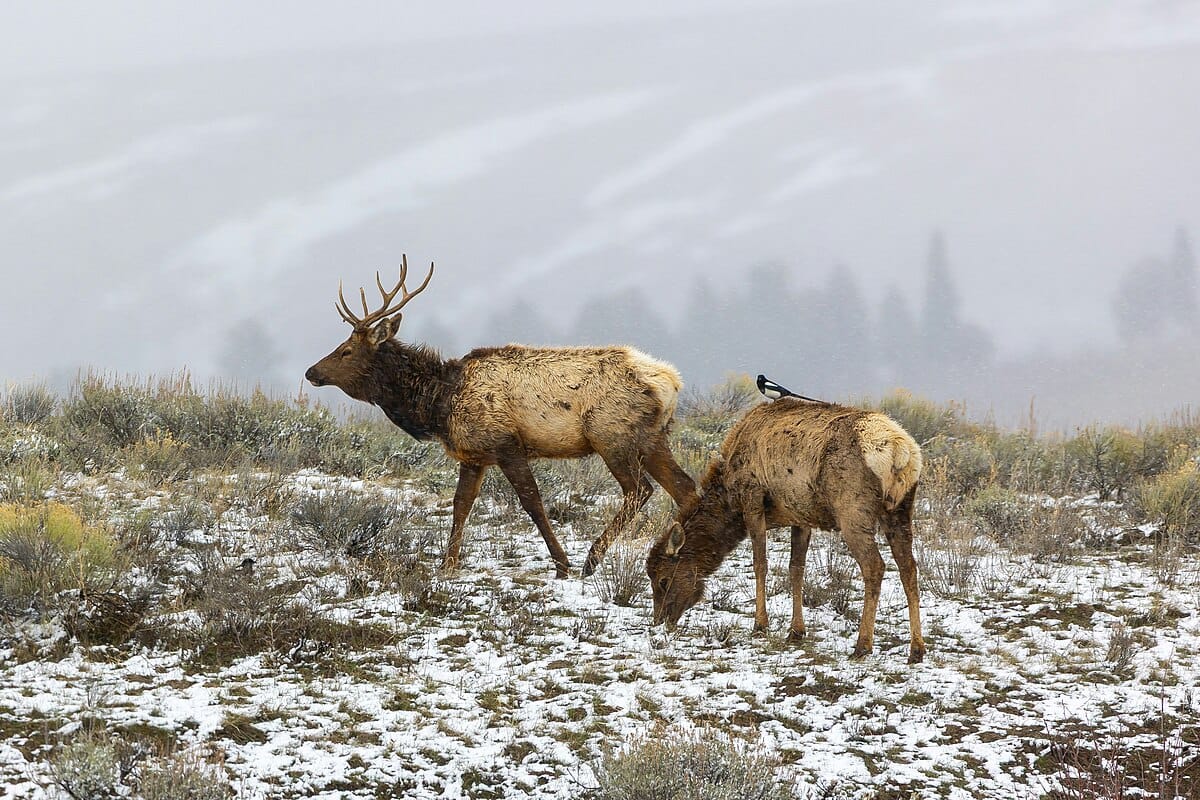
Elk, also known as Wapiti (Cervus canadensis), are the largest of Idaho’s deer-like species. Standing taller and heavier than mule or white-tailed deer, elk are impressive to see in the wild. Males, called bulls, grow massive antlers each year, which they use during the rut to compete for females (cows). Idaho’s forests, mountain meadows, and river valleys provide ideal habitats for elk.
Elk are herbivores, consuming grasses, shrubs, and tree bark depending on the season. Their behavior includes bugling calls, particularly during the fall rut, which can be heard over long distances and serve to attract mates and assert dominance. Herds of elk can be quite large, sometimes numbering in the hundreds, and they often migrate seasonally to find food and suitable climate conditions.
For wildlife enthusiasts, spotting elk in Idaho can be a rewarding experience. Their size, vocalizations, and social behavior make them fascinating subjects for observation and photography. Respecting their space and observing from a distance ensures both safety and minimal disturbance to their natural habits.
4. Moose
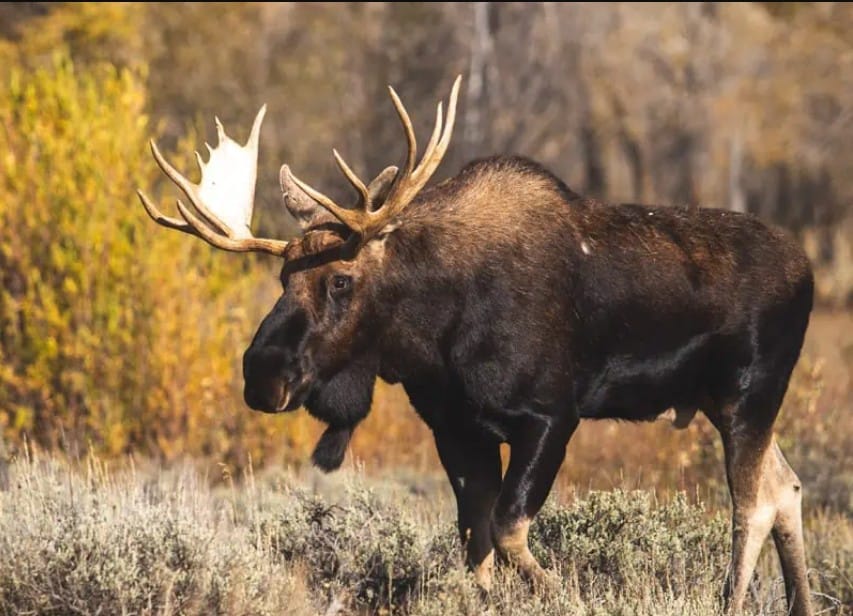
Moose (Alces alces) are Idaho’s largest cervids and are truly awe-inspiring to encounter. Easily distinguishable by their long legs, humped shoulders, and broad, palmate antlers, moose thrive in wetland areas, river valleys, and forested regions. Unlike other deer, moose are solitary creatures for most of the year.
Moose feed on aquatic vegetation, shrubs, and young trees. Their large size allows them to access food sources that smaller deer cannot reach. Despite their bulk, moose are excellent swimmers and can travel long distances through rivers and lakes. The rut occurs in the fall, with bulls competing through vocal displays and physical contests for mating rights. Observing moose requires caution; their size and strength make them potentially dangerous if approached too closely.
Moose play an essential role in Idaho’s ecosystems, helping maintain vegetation balance and providing prey for predators such as wolves and bears. Seeing a moose in the wild is a memorable experience for any wildlife enthusiast.
5. Black-Tailed Deer

Black-Tailed Deer (Odocoileus hemionus columbianus) are a subspecies of mule deer, found primarily in western Idaho. They are similar in appearance to mule deer but are slightly smaller and have darker, black-tipped tails. These deer prefer dense forests, brushy areas, and riparian zones along rivers and streams.
Feeding on shrubs, grasses, and woody plants, black-tailed deer are agile and alert. They exhibit the same bounding leaps as mule deer to evade predators. Seasonal migrations are common as they move to lower elevations during winter to access food. Bucks grow antlers that are shed annually, with new growth beginning in the spring. Observing black-tailed deer offers insight into Idaho’s diverse deer populations and how these subspecies have adapted to local environments.
Wildlife watchers often find black-tailed deer near forest edges, where they balance cover with access to food. Understanding their habits and habitat preferences enhances the experience of exploring Idaho’s natural landscapes.
Conclusion
Idaho’s deer populations offer a fascinating glimpse into the diversity of North American cervids. From the nimble mule deer to the towering moose, each species has unique traits, behaviors, and habitats. Learning about the types of deer in Idaho helps outdoor enthusiasts, hunters, and nature lovers identify these animals and appreciate their ecological importance. Observing these deer in their natural environments provides both education and enjoyment while fostering respect for Idaho’s wildlife. By understanding and protecting these species, we help ensure that deer in Idaho continue to thrive for generations to come.
FAQ’s About Deer in Idaho
1. What types of deer live in Idaho?
Idaho hosts 5 main types of deer: mule deer, white-tailed deer, elk (wapiti), moose, and black-tailed deer.
2. Where can I find mule deer in Idaho?
Mule deer are common across forests, shrublands, and open grasslands throughout Idaho.
3. How can I identify a white-tailed deer?
Look for the white underside of its tail, slender body, and smaller antlers compared to mule deer.
4. What is the difference between mule deer and black-tailed deer?
Black-tailed deer are a subspecies of mule deer with darker, black-tipped tails and slightly smaller size.
5. Are elk considered deer in Idaho?
Elk are large cervids related to deer but are typically listed separately due to their size.
6. Where do moose live in Idaho?
Moose inhabit wetlands, rivers, and forested regions, especially in northern and mountainous areas.
7. What do mule deer eat?
Mule deer feed on shrubs, leaves, grasses, and other vegetation, adjusting their diet seasonally.
8. When is the rut season for mule deer?
The rut typically occurs from late October to December in Idaho.
9. Can I see white-tailed deer in urban areas?
Yes, they are adaptable and may appear near farms, parks, and forest edges.
10. How big are elk in Idaho?
Elk are the largest deer-like species, with bulls weighing up to 700 pounds and standing over 5 feet tall at the shoulder.
11. Do moose have antlers?
Yes, adult male moose grow large palmate antlers each year during the rut season.
12. How do black-tailed deer escape predators?
They use bounding leaps, similar to mule deer, and rely on speed and alertness to evade danger.
13. Are mule deer migratory?
Some populations migrate seasonally to find food and better climate conditions.
14. What predators hunt deer in Idaho?
Wolves, cougars, bears, and coyotes are the main natural predators of deer in Idaho.
15. How can I tell an elk apart from a moose?
Moose are larger, have longer legs, and palmate antlers, while elk have pointed antlers and smaller body size.
16. Do deer in Idaho live in herds?
Mule and white-tailed deer form small groups, elk form large herds, while moose are mostly solitary.
17. What time of day are deer most active?
Deer are crepuscular, meaning they are most active during dawn and dusk.
18. How long do mule deer live?
Mule deer typically live 9–11 years in the wild.
19. Do white-tailed deer shed antlers?
Yes, bucks shed their antlers every winter and regrow them in spring.
20. Can you hunt deer in Idaho?
Yes, Idaho has regulated hunting seasons for mule deer, white-tailed deer, and elk.
21. What is the black-tailed deer’s habitat?
They prefer dense forests, brushy areas, and riparian zones along rivers and streams.
22. How do elk communicate?
Elk use bugling calls, body postures, and scent marking, especially during the rut.
23. Do moose eat aquatic plants?
Yes, aquatic vegetation is a key part of their diet, along with shrubs and tree bark.
24. Are white-tailed deer solitary?
They are social and often form small family groups or bachelor groups outside the rut season.
25. How fast can mule deer run?
Mule deer can reach speeds of 35–40 mph to escape predators.
26. Do elk migrate in Idaho?
Yes, elk herds may migrate seasonally to access food and milder climates.
27. How can I spot a black-tailed deer?
Look for the black tip on the tail, smaller size, and habitat along forested areas or streams.
28. What is the average weight of a mule deer?
Adult mule deer typically weigh 120–300 pounds depending on age and sex.
29. Do moose have natural predators?
Yes, calves can be preyed on by wolves and bears, while adults are mostly safe from predation.
30. Can deer adapt to changing seasons?
Yes, deer change coat color, diet, and behavior according to seasonal conditions.
31. How can I differentiate a mule deer from a white-tailed deer?
Mule deer have larger ears, forked antlers, and a different tail pattern compared to white-tailed deer.
32. What is the lifespan of elk in the wild?
Elk typically live 10–13 years in the wild.
33. Do black-tailed deer eat the same food as mule deer?
Yes, both feed on shrubs, grasses, and leaves, but habitat differences influence food availability.
34. Are moose good swimmers?
Yes, moose are excellent swimmers and can travel long distances through lakes and rivers.
35. Can I see deer year-round in Idaho?
Yes, deer are present year-round, though activity levels and locations change seasonally.
36. How do bucks compete during the rut?
Bucks engage in sparring with antlers, vocalizations, and displays of strength to win mates.
37. Do elk live in groups?
Yes, elk form herds, sometimes numbering hundreds of individuals, for protection and social structure.
38. What is the main threat to deer in Idaho?
Natural predators, hunting, habitat loss, and harsh winters can affect deer populations.
39. How can I observe deer safely?
Use binoculars, maintain distance, avoid sudden movements, and respect their habitat.
40. Are all deer in Idaho native species?
Mule deer and white-tailed deer are native, while elk, moose, and black-tailed deer are native cervids but vary in subspecies and distribution.
41. When is the best time to see deer in Idaho?
Early morning and late evening are optimal times to observe deer in the wild.
Read more: 5 Types of Deer in Norfolk (Pictures And Identification)