

Hawaii’s warm Pacific waters support an extraordinary variety of fish, from colorful reef dwellers and native freshwater species to powerful offshore game fish. This guide to the types of fish in Hawaii highlights commonly seen, caught, studied, or culturally important species. You will learn how to recognize them, where they live, what they eat, and why they matter to Hawaii’s marine ecosystems and fishing traditions.
What Are the Main Types of Fish in Hawaii?
The main types of fish in Hawaii include reef fish such as parrotfish, surgeonfish, butterflyfish, and triggerfish; pelagic species such as mahi-mahi and tuna; deep-water fish such as swordfish and opakapaka; and native freshwater species such as o’opu gobies. Some are popular aquarium or snorkeling sightings, while others are important food fish and sport-fishing species.
1. Yellowfin Tuna
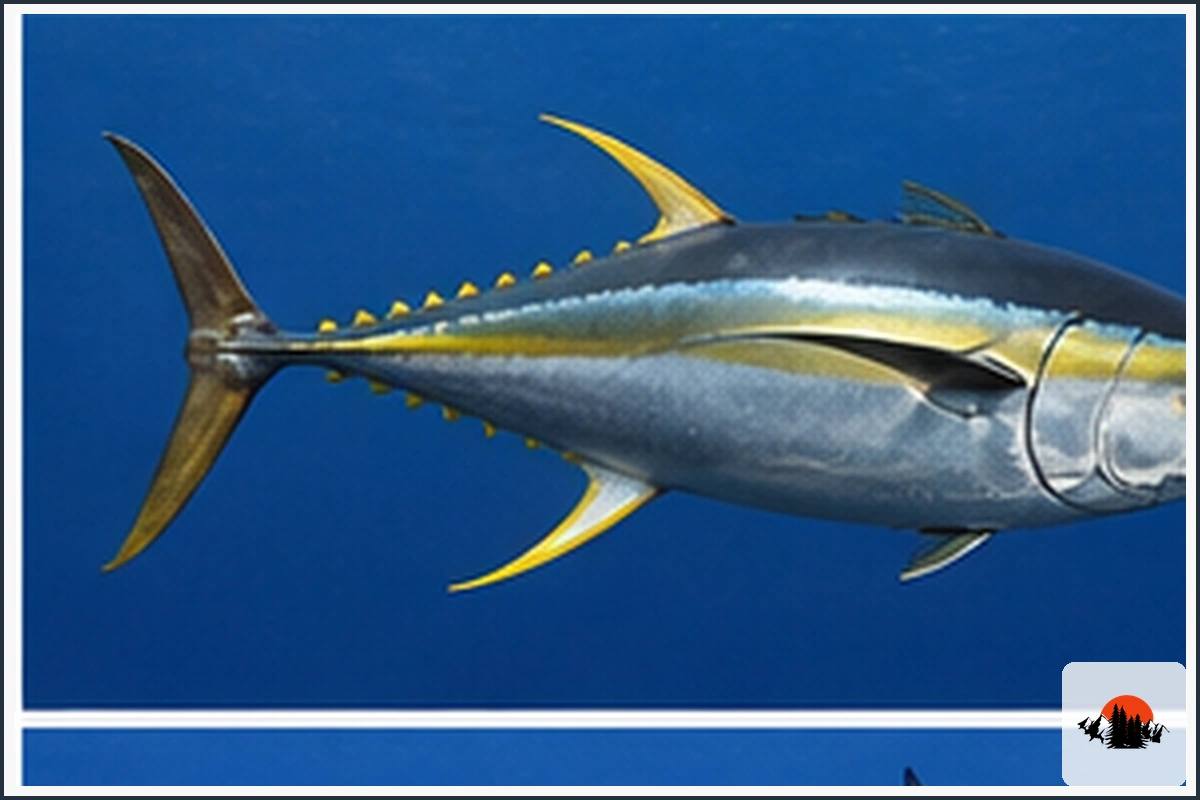
Scientific name: Thunnus albacares
Yellowfin tuna, called ahi in Hawaii, is one of the islands’ best-known offshore fish. It has a streamlined body, dark blue back, silver sides, and bright yellow dorsal and anal fins. Yellowfin commonly live in open ocean waters but may approach islands where baitfish gather.
They feed on smaller fish, squid, and crustaceans. Fast swimming and powerful, yellowfin are prized by offshore anglers and are commonly prepared as sashimi, poke, grilled steaks, or seared fillets. Large individuals can exceed 100 pounds, although many Hawaiian catches are smaller.
2. Skipjack Tuna
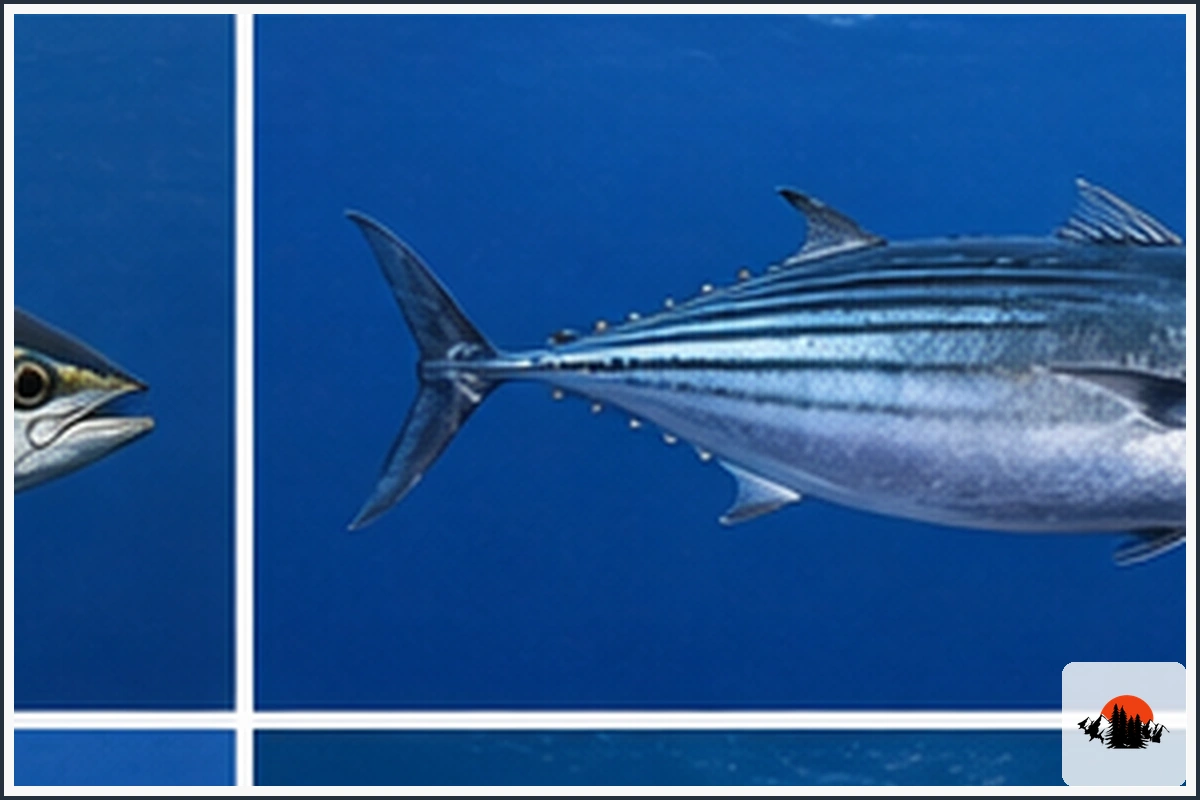
Scientific name: Katsuwonus pelamis
Skipjack tuna is known locally as aku. It has dark, wavy stripes along its lower sides and a compact, muscular body. Aku often travel in schools near floating debris, current breaks, or schools of small baitfish.
This energetic tuna eats fish, squid, and crustaceans. It is an important commercial and recreational fish in Hawaii and has a darker, oilier flavor than many lighter-fleshed species. Anglers often find skipjack by watching for diving seabirds and surface-feeding schools.
3. Mahi-Mahi
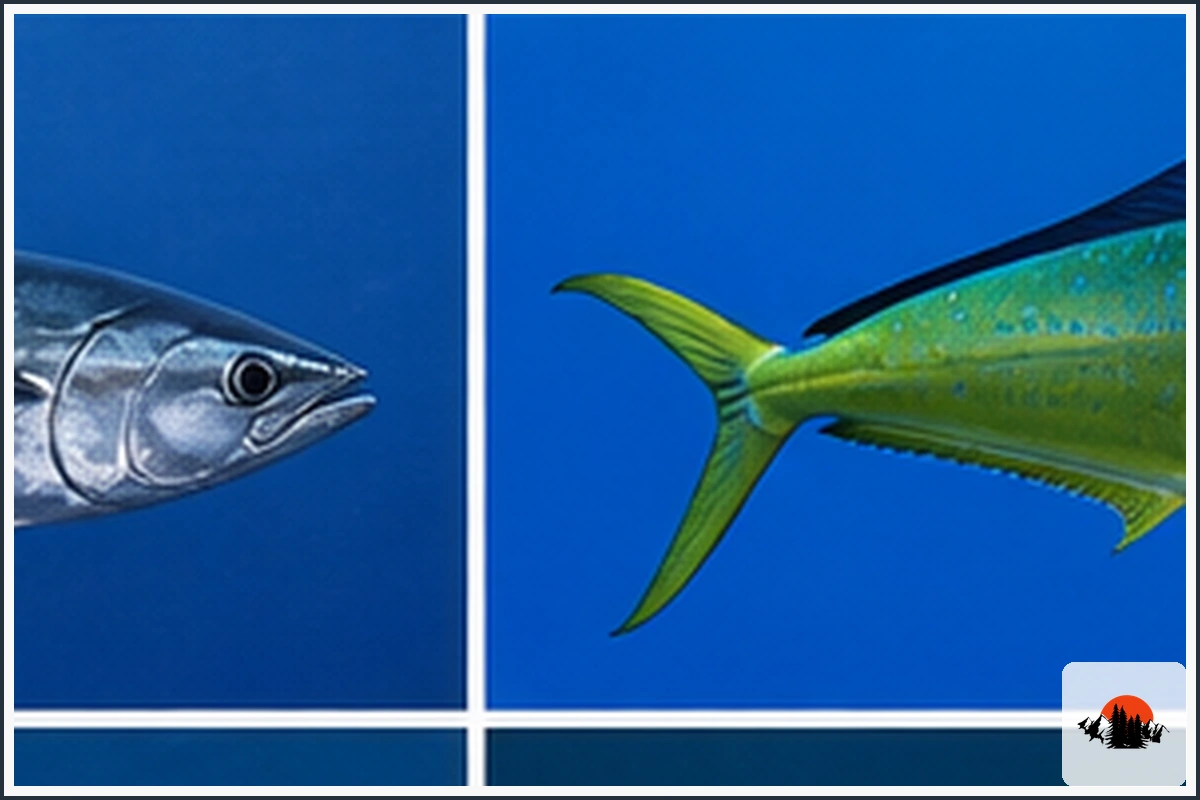
Scientific name: Coryphaena hippurus
Mahi-mahi, also called dolphinfish, is famous for its brilliant blue-green, gold, and yellow coloration. The species has a long dorsal fin and a distinctly sloping forehead, especially in mature males.
Mahi-mahi live in warm offshore waters and often gather around floating vegetation, logs, and drifting debris. They eat flying fish, small tuna, squid, and other prey. Their firm, mild flesh makes them a favorite for grilling, pan-searing, and fish tacos. Color fades quickly after death, so freshly caught fish may look much brighter than market fillets.
4. Wahoo
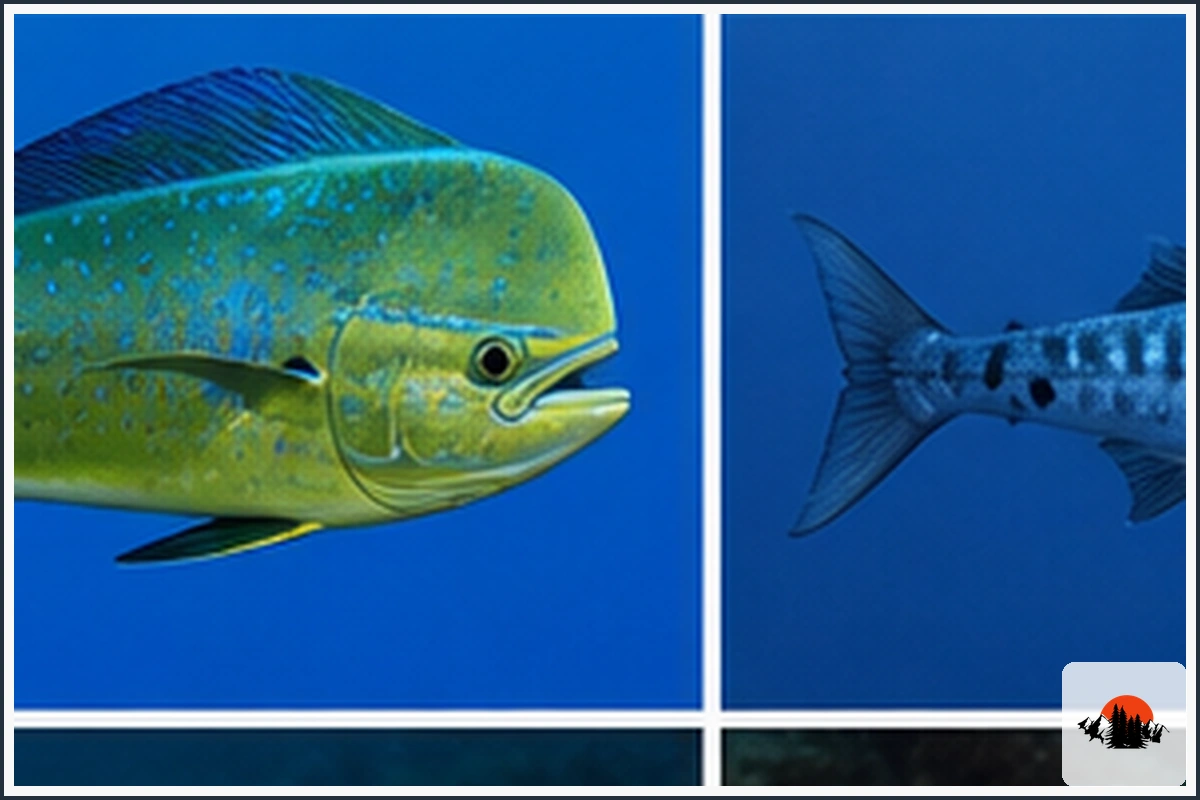
Scientific name: Acanthocybium solandri
Wahoo, known as ono in Hawaii, is a long, streamlined predator with sharp teeth, blue-green coloring, and vertical blue or dark bars along its sides. It is built for speed and can make sudden, powerful runs when hooked.
Wahoo usually inhabit warm offshore waters near reefs, drop-offs, and current edges. They prey on smaller fish and squid. The flesh is white, firm, and mild, making ono a highly valued food fish. Trolling with lures or rigged baits is a common way to target them.
5. Blue Marlin
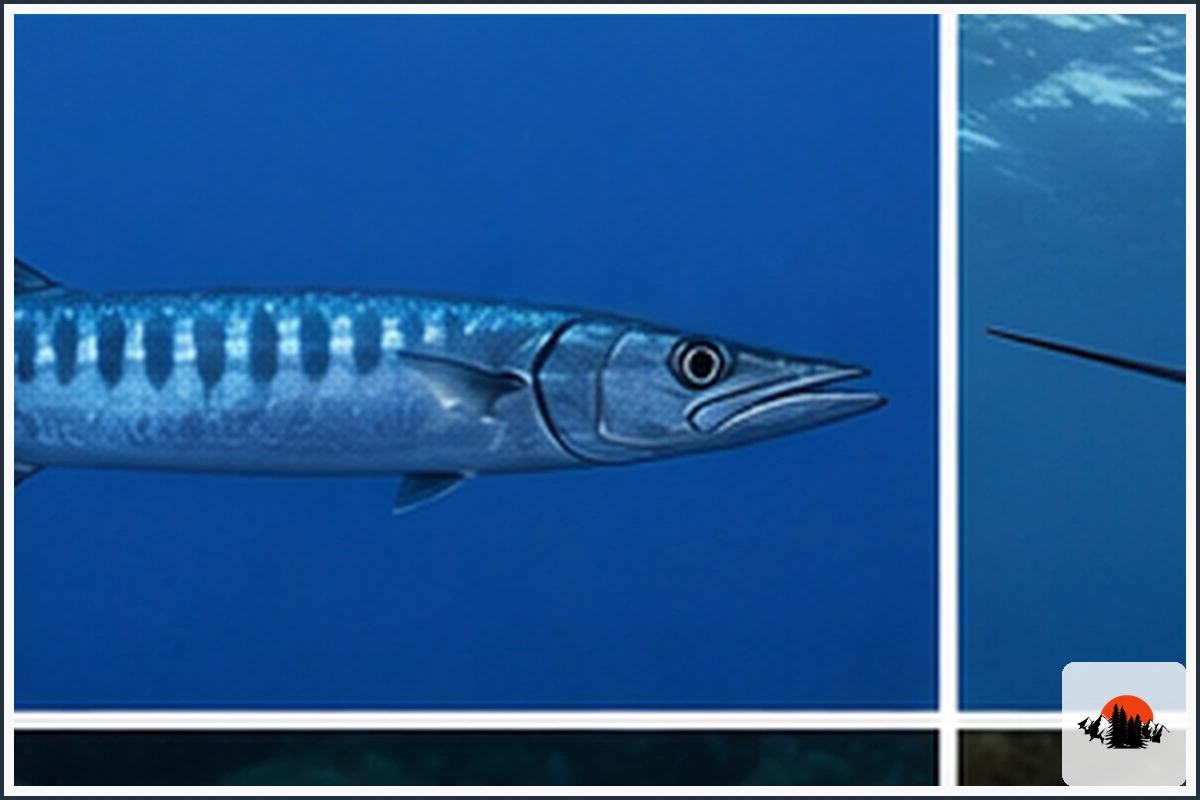
Scientific name: Makaira nigricans
Blue marlin is one of Hawaii’s most impressive game fish. It has a long bill, tall dorsal fin, cobalt-blue upper body, and lighter belly. Large females can weigh hundreds of pounds and are much larger than males.
This open-ocean predator eats tuna, mahi-mahi, squid, and other fast-moving prey. Blue marlin are usually found near deep water, current boundaries, and offshore seamounts. They are primarily valued for sport fishing, and responsible anglers follow local rules concerning handling, release, and harvest.
6. Striped Marlin
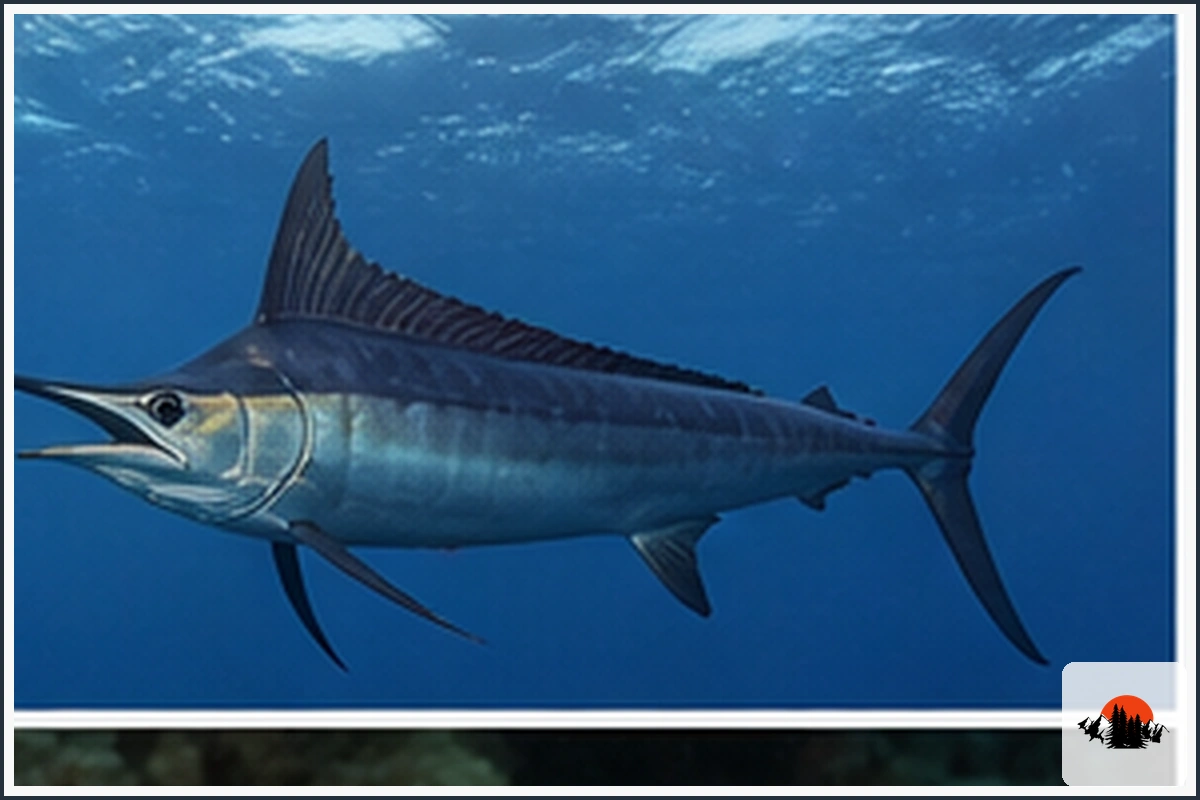
Scientific name: Kajikia audax
Striped marlin has a slender body, long pointed bill, rounded dorsal fin, and dark vertical stripes that may become more visible when the fish is excited. It is generally slimmer than blue marlin.
Striped marlin travel through offshore Hawaiian waters and pursue squid, mackerel-like fish, and other prey. They are highly respected game fish because of their speed, jumping ability, and long runs. Their seasonal abundance can vary with water temperature and ocean conditions.
7. Swordfish
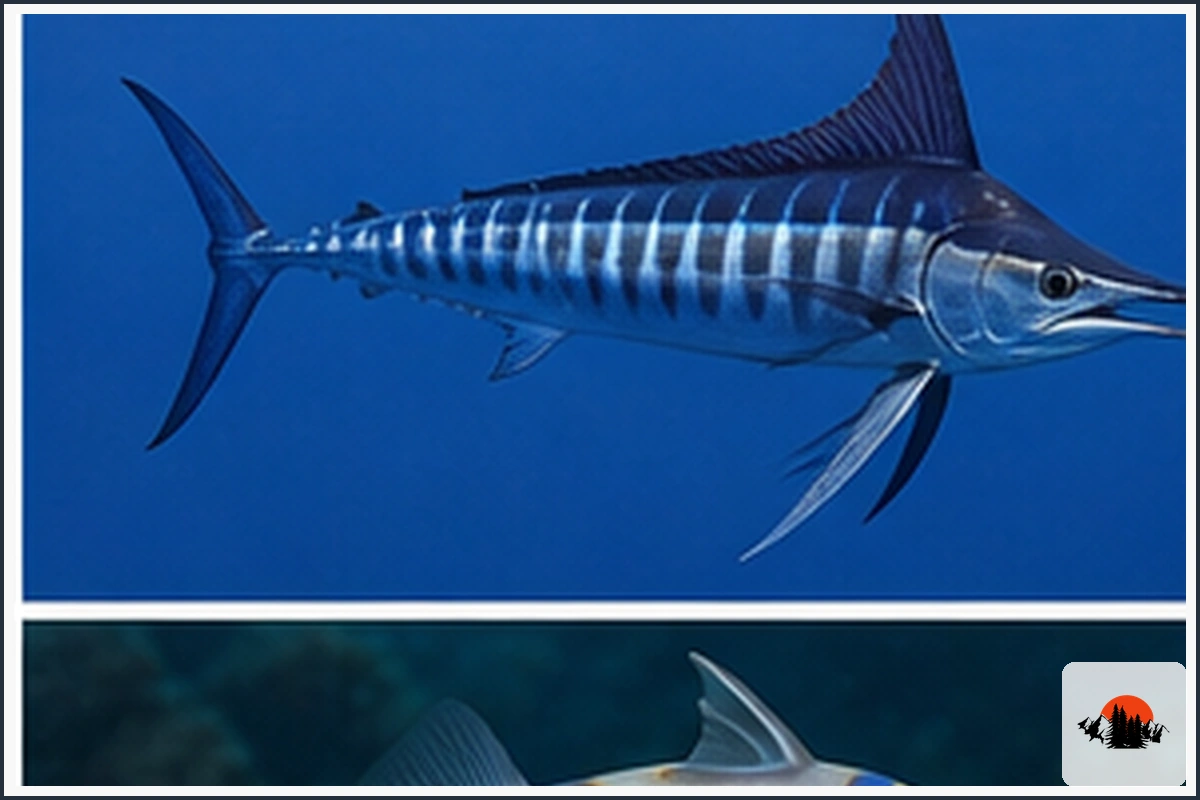
Scientific name: Xiphias gladius
Swordfish are recognized by their long, flattened bill and powerful, rounded body. Adults lose most of their scales and teeth, giving them a smooth appearance. They inhabit deep offshore waters and may move toward the surface at night.
They feed on squid, tuna, and other large prey. Swordfish are important commercial and recreational fish in Hawaii, but harvesting them requires specialized gear and knowledge. Their meat is firm and rich, and consumers should choose fish from responsibly managed sources.
8. Opakapaka
Scientific name: Pristipomoides filamentosus
Opakapaka is a deep-water snapper with a pinkish or reddish body, large eyes, and a streamlined shape. It commonly lives around rocky bottoms, ledges, and deep reef structure in Hawaiian waters.
This ambush predator eats small fish, squid, and crustaceans. Opakapaka is highly regarded as a food fish because of its delicate, slightly sweet flavor and moist texture. Deepwater fishing methods are commonly used to catch it.
9. Onaga
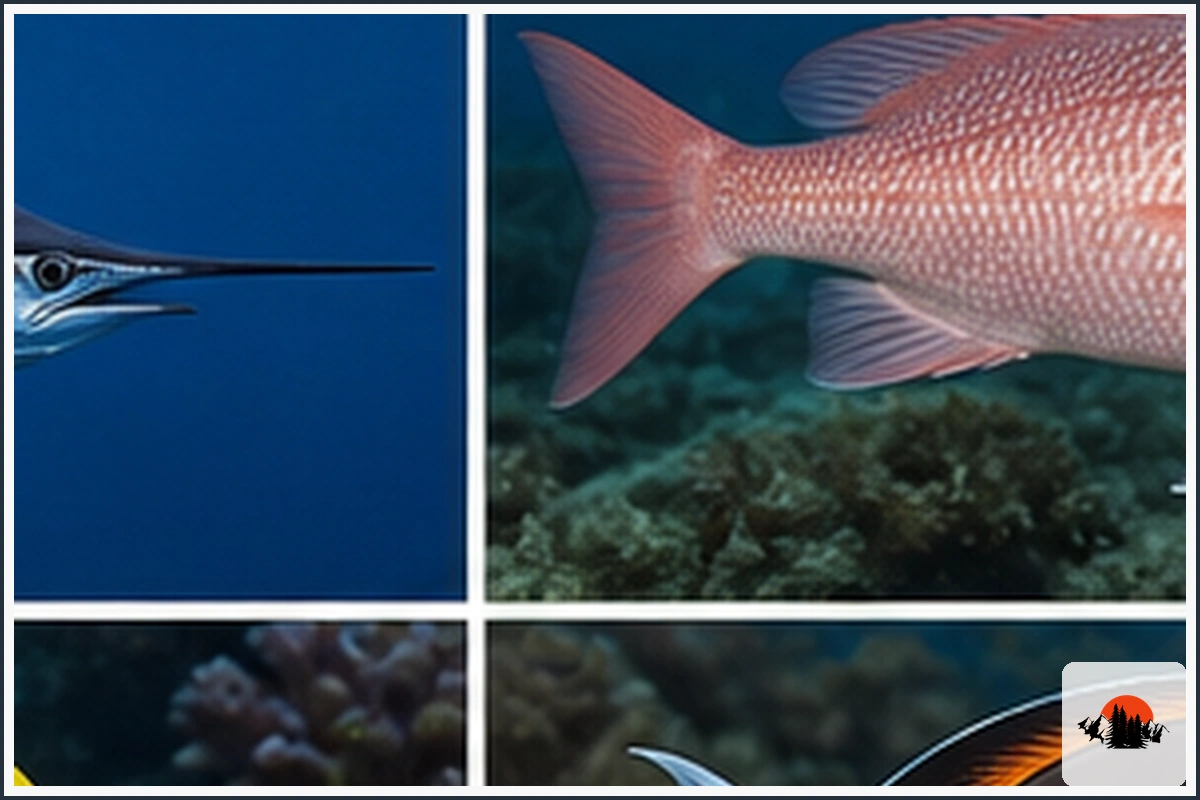
Scientific name: Etelis coruscans
Onaga is a red deep-water snapper with a long body, pointed snout, and elongated tail. It is often found near steep underwater structures and deep rocky habitats.
Onaga feeds on smaller fish and crustaceans. Its bright red appearance and excellent table quality make it one of Hawaii’s most prized snappers. Because it lives at depth and grows slowly compared with many shallow-water fish, careful management is important.
10. Moi
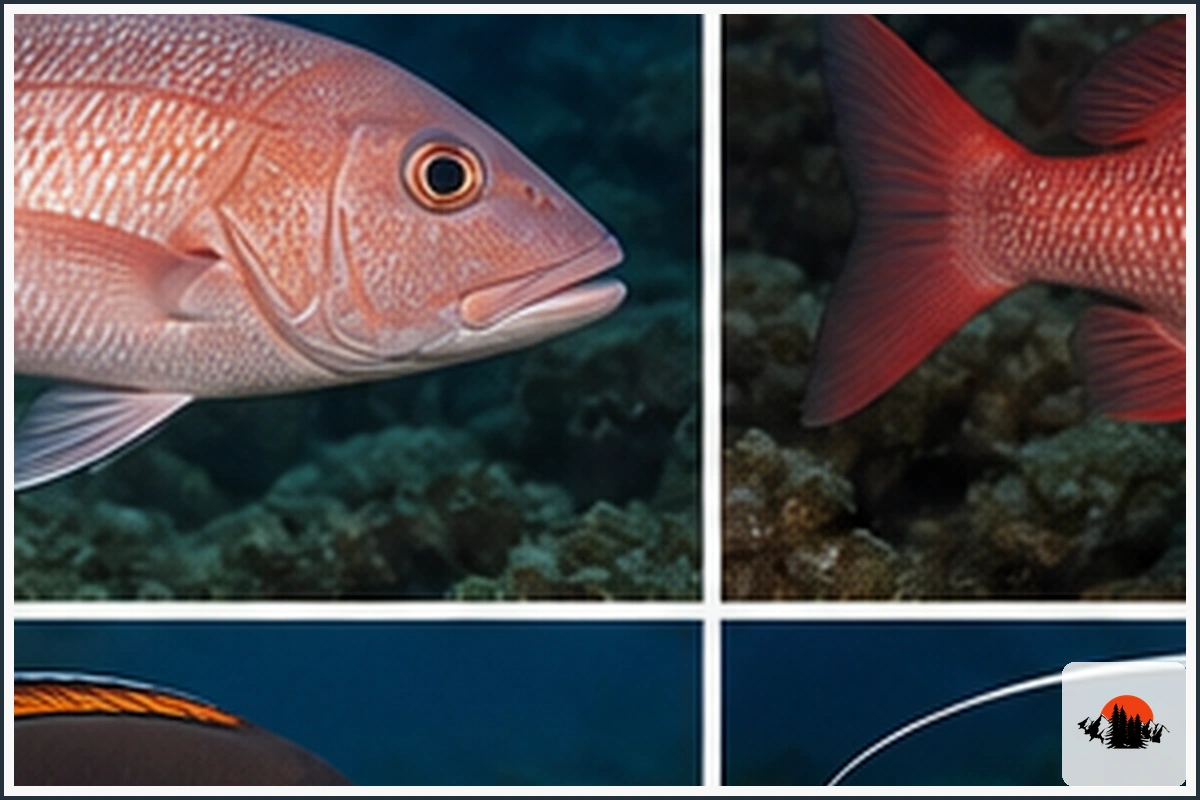
Scientific name: Polydactylus sexfilis
Moi, or threadfin, has a silver body, pointed head, and distinctive thread-like feelers extending from its pectoral fins. Young moi often occupy shallow sandy areas and protected coastal habitats.
They use their sensitive barbels to locate small crustaceans and other bottom-dwelling prey. Moi has long been valued in Hawaiian food traditions. Juveniles are sometimes associated with shallow bays and estuaries, while adults may range over reefs and coastal bottoms.
11. Humuhumunukunukuapua’a
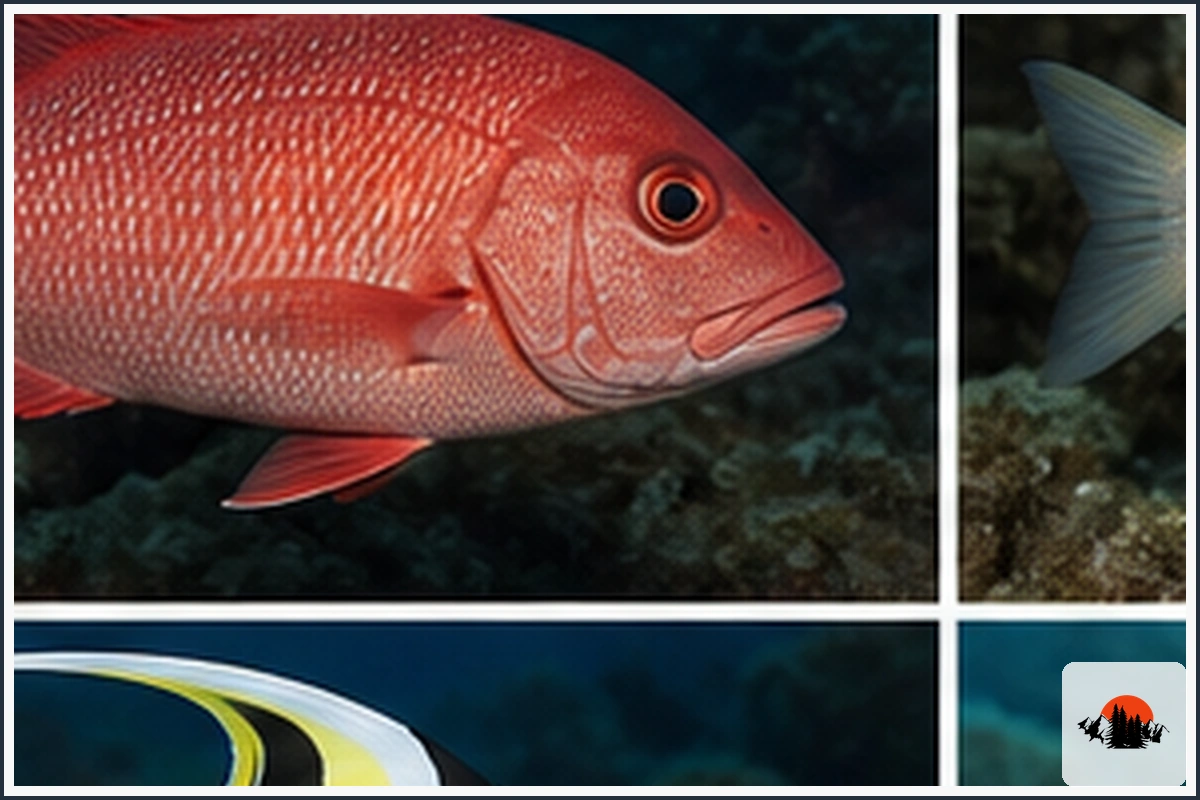
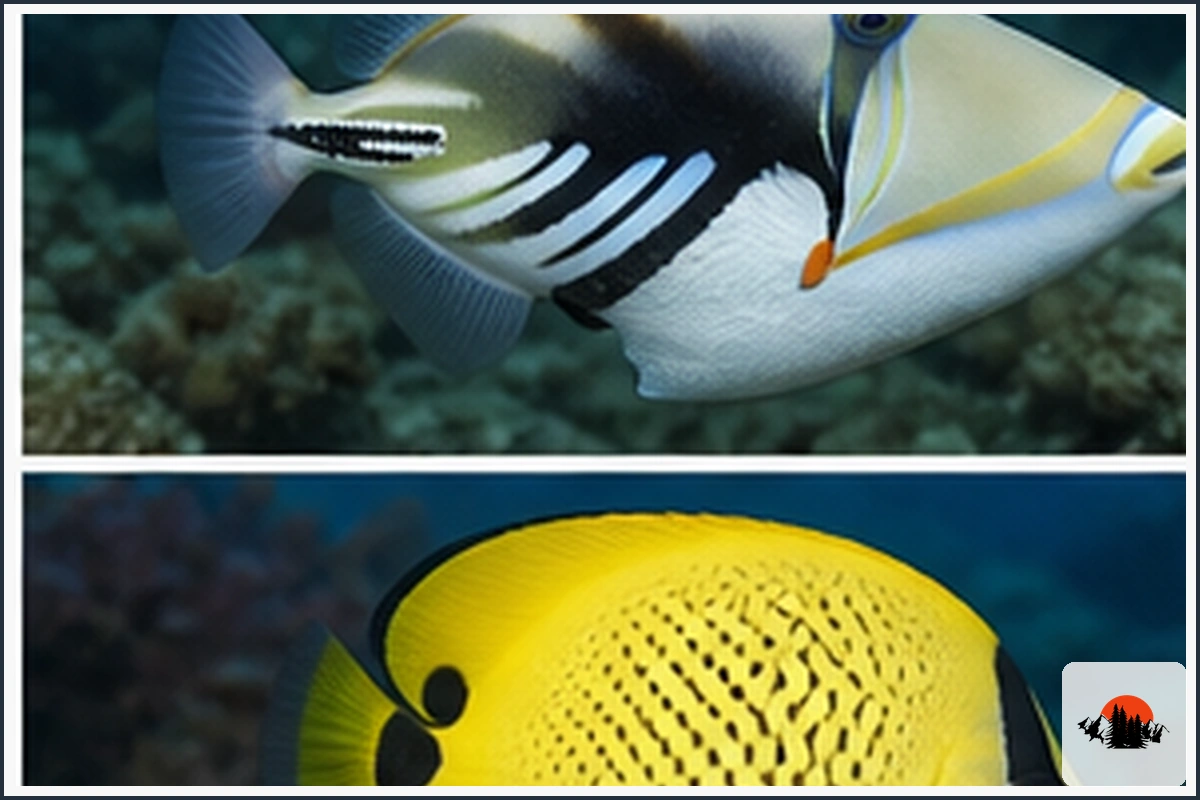
Scientific name: Rhinecanthus rectangulus
The humuhumunukunukuapua’a, or wedgetail triggerfish, is Hawaii’s state fish. It has a wedge-shaped body, bold blue, yellow, black, and gray markings, and a small mouth adapted for biting hard-shelled prey.
It lives around shallow reefs, rocky shorelines, and sandy reef flats. The fish eats algae, mollusks, crustaceans, and other small organisms. A triggerfish can lock its dorsal spine upright, helping it wedge itself into reef cracks when threatened.
12. Yellow Tang
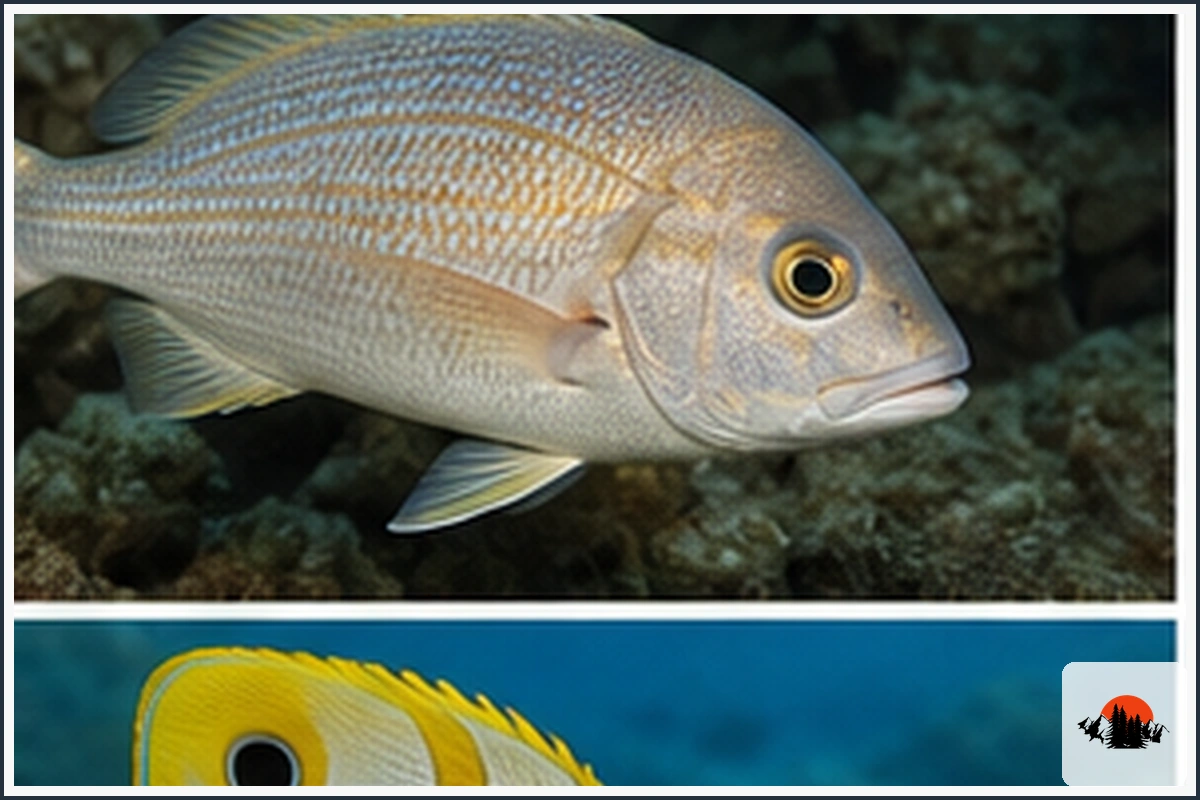
Scientific name: Zebrasoma flavescens
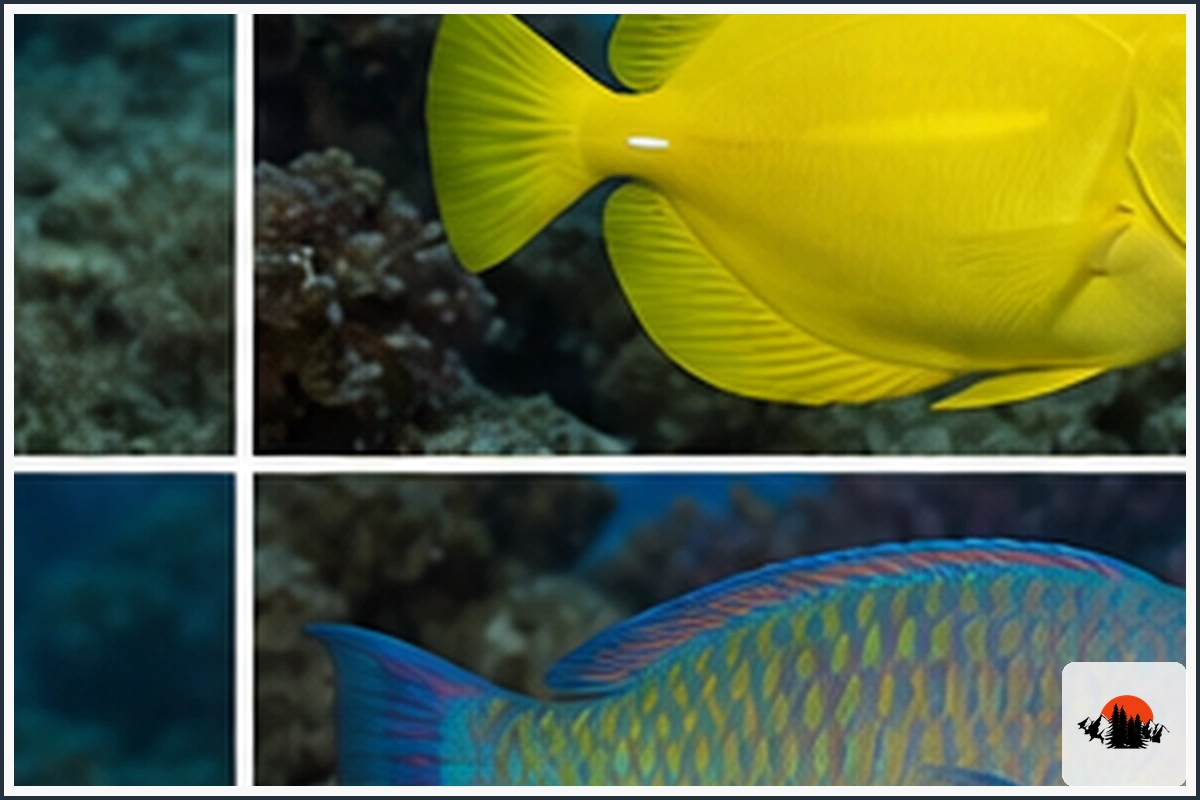
Yellow tang is one of Hawaii’s most recognizable reef fish. Its entire adult body is bright yellow, with a laterally compressed shape and a sharp spine near the tail.
Yellow tangs graze mainly on algae growing over reef surfaces. They are commonly seen in clear, shallow water around coral and rocky habitats. Young fish often shelter in reef structure, while adults may gather in loose groups. They play an important role in controlling algae on reefs.
13. Achilles Tang
Scientific name: Acanthurus achilles
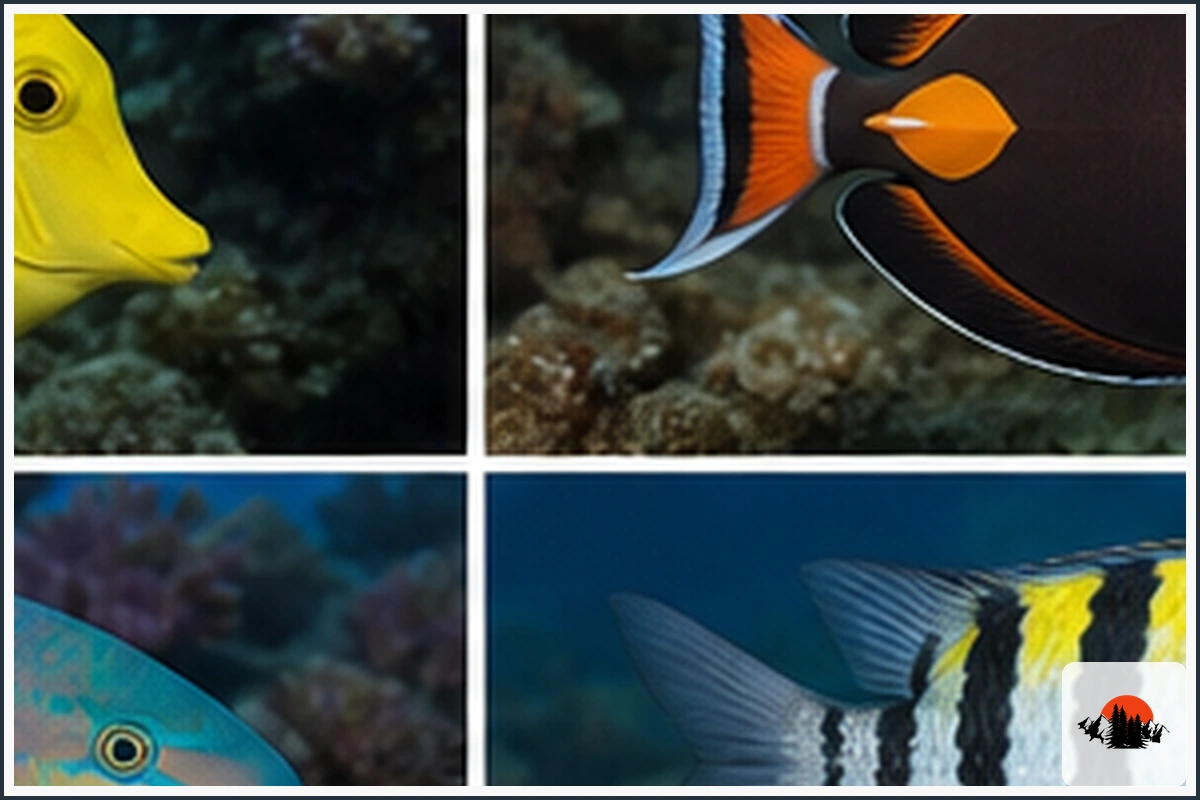
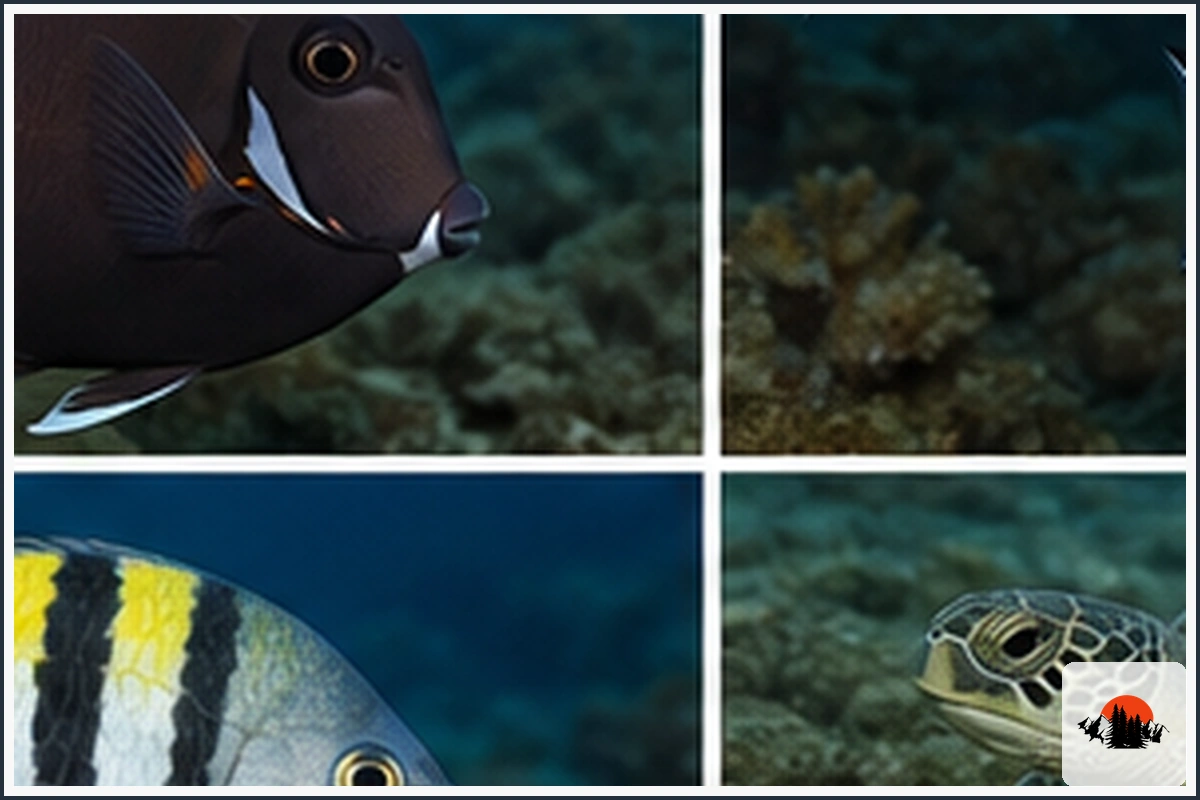
Achilles tang has a dark gray to black body with vivid orange markings near the tail and behind the eye. Its sharp tail spine gives surgeonfish their common family name.
This active reef fish prefers surge zones, exposed reef faces, and areas with strong water movement. It grazes on algae and moves constantly while feeding. The species is admired by divers and experienced marine aquarists but requires excellent water quality and a large, mature aquarium.
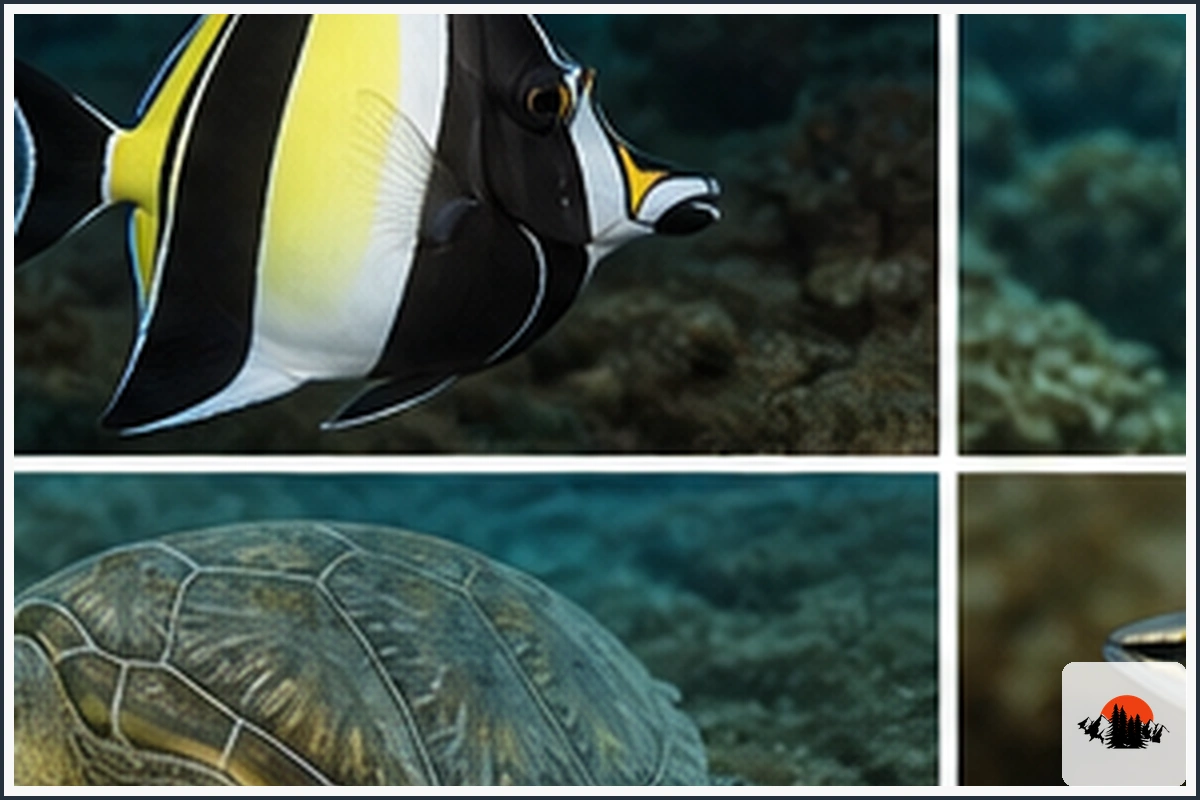
14. Moorish Idol
Scientific name: Zanclus cornutus
Moorish idol is easy to recognize by its bold black, white, and yellow bands, long trailing dorsal filament, and pointed snout. It is not a true angelfish, although its shape may resemble one.
Moorish idols live around coral reefs, rocky structures, and reef slopes. They browse on sponges, algae, and small invertebrates. Their striking appearance makes them popular with snorkelers, but they are difficult to maintain in home aquariums because they need a varied diet and stable conditions.
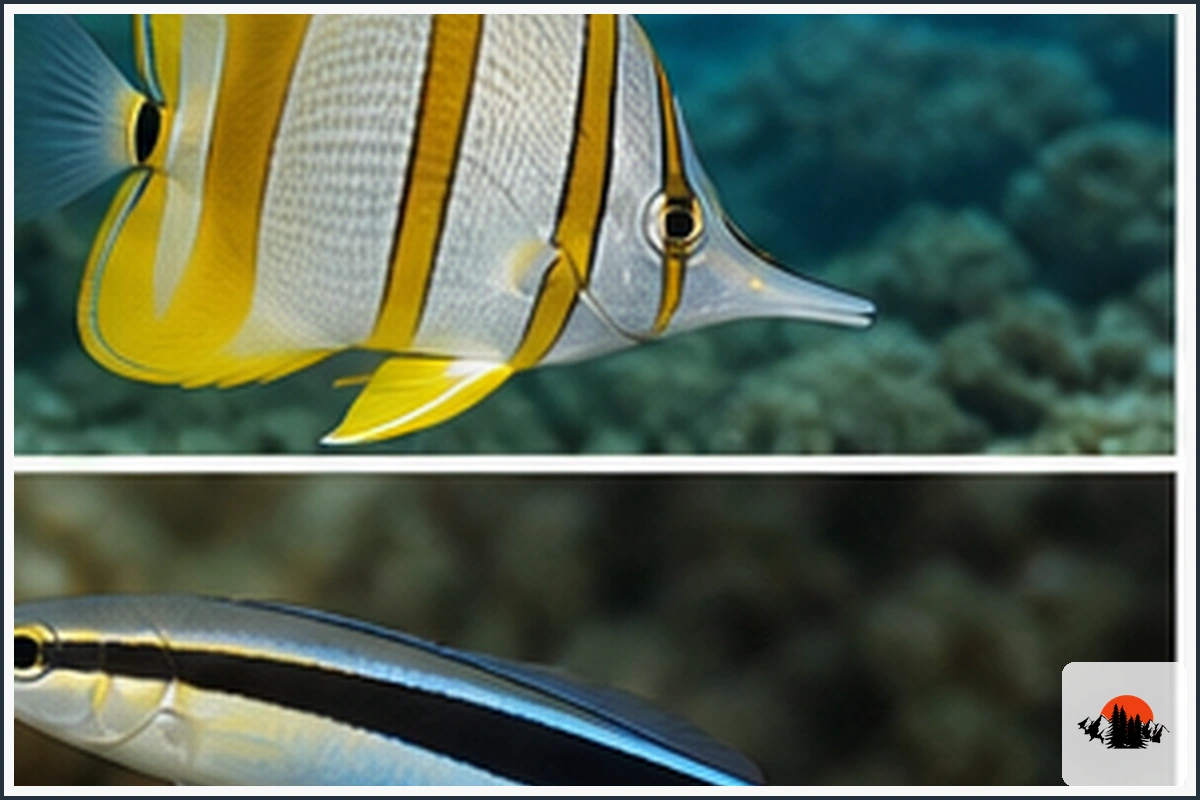
15. Longnose Butterflyfish
Scientific name: Forcipiger flavissimus
Longnose butterflyfish has a bright yellow body, a black face mask, and an unusually long, narrow snout. The snout helps it reach small prey hidden in coral branches and reef crevices.
It feeds on tiny crustaceans and other invertebrates. Longnose butterflyfish are usually seen singly or in pairs around clear coral reefs. Their distinctive profile makes them one of the easier Hawaiian reef fish to identify while snorkeling.
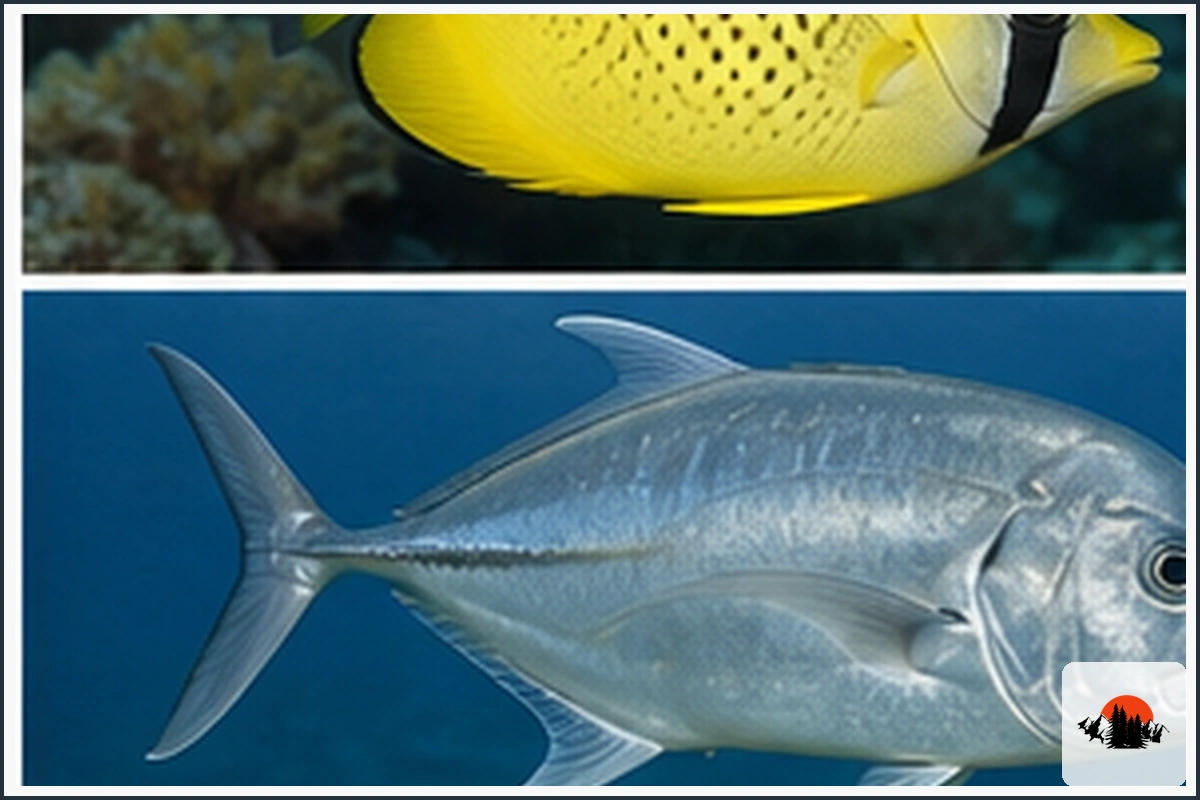
16. Milletseed Butterflyfish
Scientific name: Chaetodon miliaris
Milletseed butterflyfish is a Hawaiian reef species with a yellowish body covered in small dark spots. It also has a darker marking near the rear of the body and a narrow, disk-shaped profile.
This butterflyfish commonly occurs in shallow coral and rocky reef habitats. It feeds on small invertebrates and other reef organisms. Unlike some butterflyfish that specialize heavily in live coral, milletseed butterflyfish has a broader feeding pattern, helping it occupy different reef areas.
17. Parrotfish
Common Hawaiian examples: bullethead parrotfish and spectacled parrotfish
Hawaiian parrotfish include several colorful species with fused, beak-like teeth. Their colors may include blue, green, turquoise, pink, and yellow, and males and females can look very different.
Parrotfish scrape algae from rocks and dead coral using their strong teeth. They also ingest small amounts of reef material, which is later processed and released as sand. Because of this feeding behavior, parrotfish contribute to the formation of some Hawaiian beach sand and help prevent algae from overwhelming reef surfaces.
18. Hawaiian Sergeant
Scientific name: Abudefduf abdominalis
Hawaiian sergeant is a sturdy damselfish with dark vertical bars and a pale to yellowish body. It often lives in shallow rocky areas, tide pools, and reef habitats with good water movement.
Adults feed on algae and small invertebrates. During breeding, males guard and clean nesting surfaces, while eggs attach to rocks. Hawaiian sergeants are generally easy to spot because they often remain close to reefs and defend small territories.
19. Hawaiian Green Sea Turtle Fish Associates
Examples: cleaner wrasse and juvenile trevally
Several Hawaiian fish are commonly observed around green sea turtles, although they are not dependent on turtles as a single habitat. Cleaner wrasses may remove parasites and dead tissue from larger animals, while juvenile fish may shelter near reef structure visited by turtles.
These associations show how reef communities are connected. Observers should never touch, chase, or block sea turtles to obtain a closer view. Watching from a respectful distance protects both the turtle and the fish using the surrounding habitat.
20. Hawaiian Cleaner Wrasse
Scientific name: Labroides phthirophagus
Hawaiian cleaner wrasse is a small, slender reef fish with a dark horizontal stripe and a pale lower body. It establishes cleaning stations where larger fish pause while parasites and dead tissue are removed.
The wrasse feeds on parasites and tissue picked from client fish. Cleaning behavior benefits the wider reef community and provides a fascinating example of cooperation between species. It is usually found around coral heads, reef ledges, and other busy fish-cleaning locations.
21. Giant Trevally
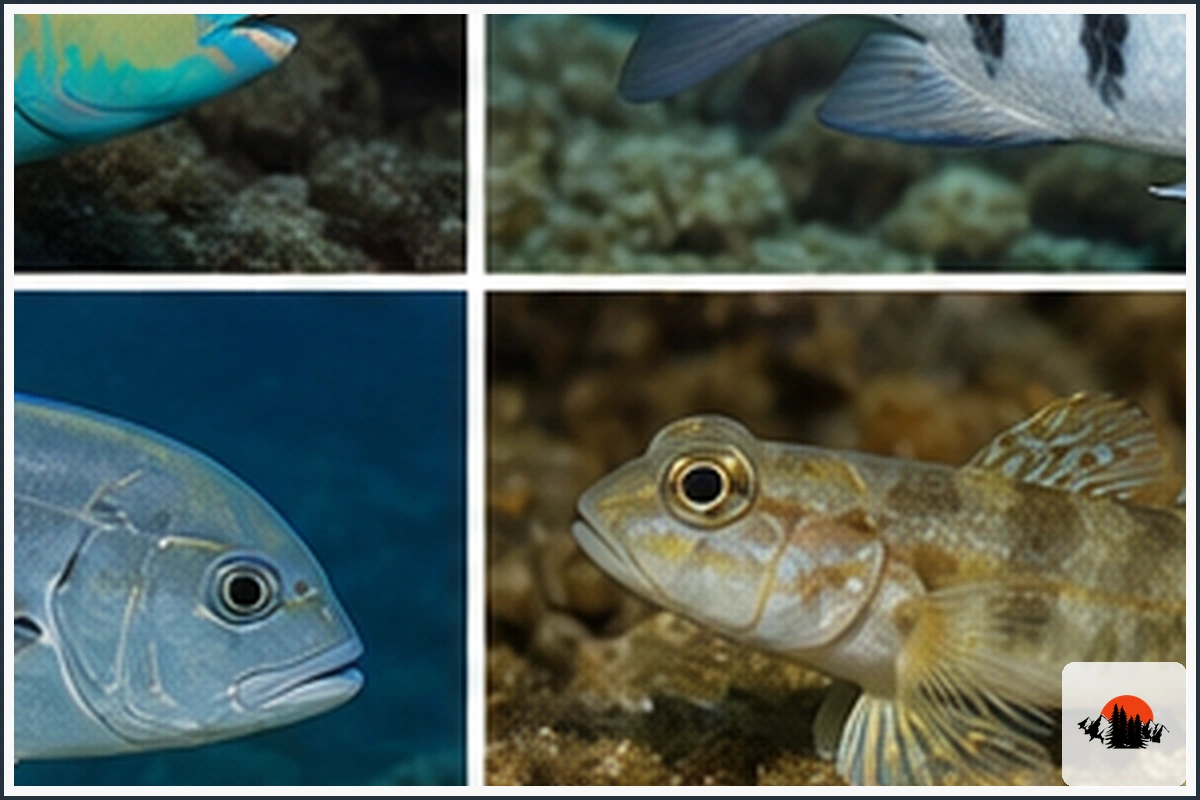
Scientific name: Caranx ignobilis
Giant trevally, called ulua in Hawaii, is a powerful jack with a deep body, blunt head, strong jaws, and dark coloration in mature adults. It can grow very large and is one of Hawaii’s most respected inshore game fish.
Ulua patrol reefs, channels, rocky shorelines, bays, and offshore structures. They eat fish, squid, crustaceans, and sometimes other large prey. Anglers pursue them from shore and boats, but strong tackle, careful handling, and knowledge of local regulations are essential.
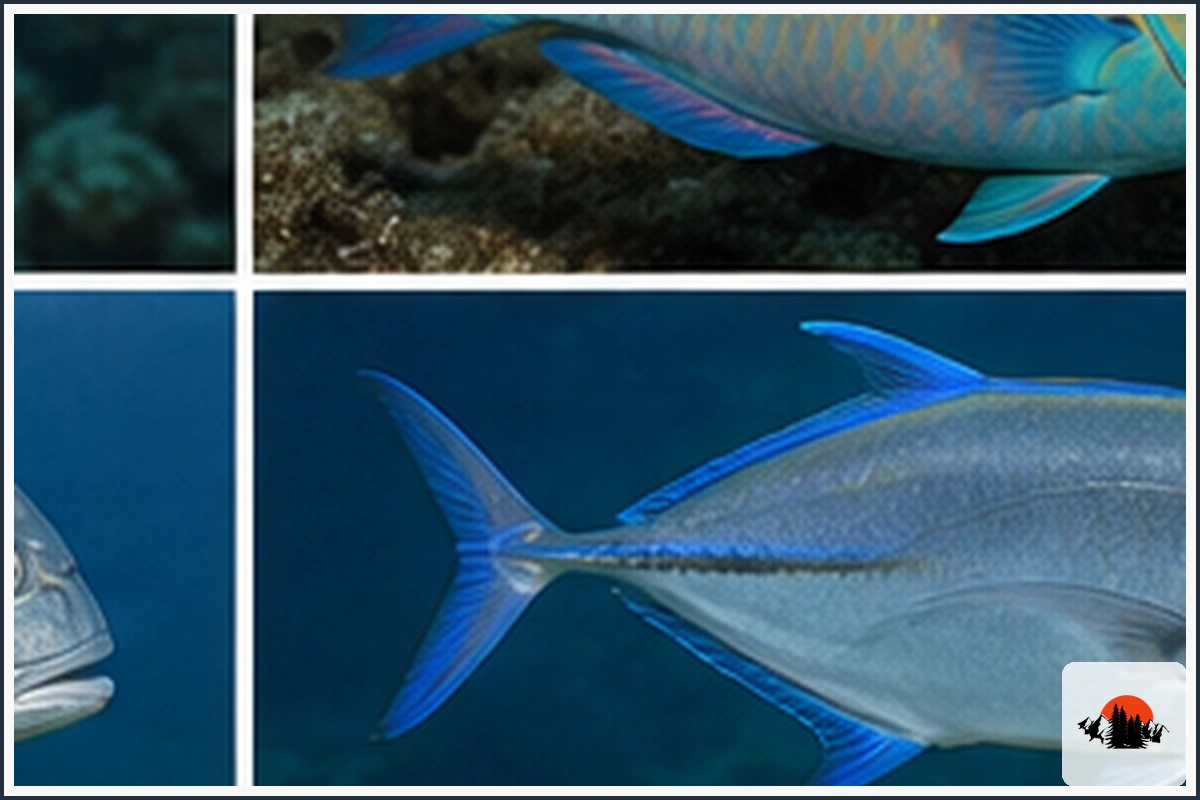
22. Bluefin Trevally
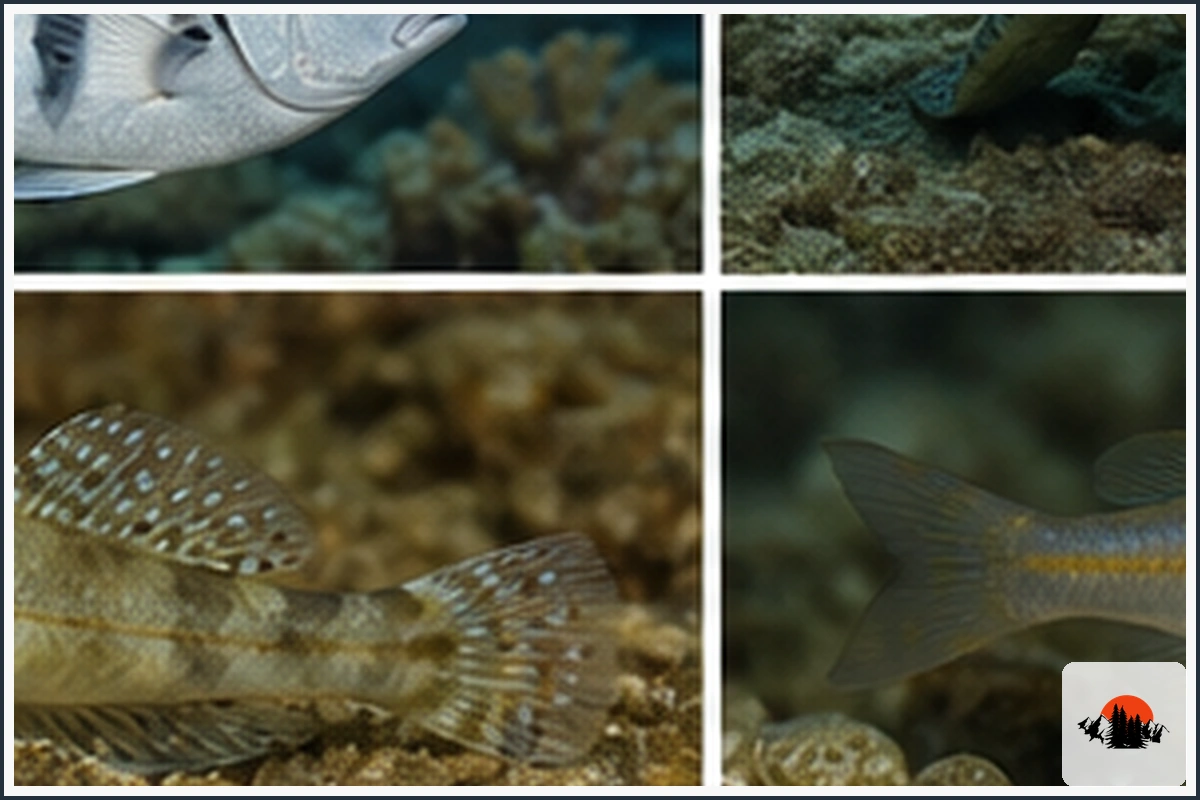
Scientific name: Caranx melampygus
Bluefin trevally has a silvery to blue-gray body, dark fins, and distinctive electric-blue markings around the fins and tail. It is more streamlined than giant trevally and often hunts actively along reef edges.
This fast predator eats small fish, shrimp, crabs, and squid. It may hunt alone or in small groups and is frequently encountered by divers in clear coastal water. Juveniles often use protected bays and shallow reef areas.
23. Hawaiian Freshwater Goby
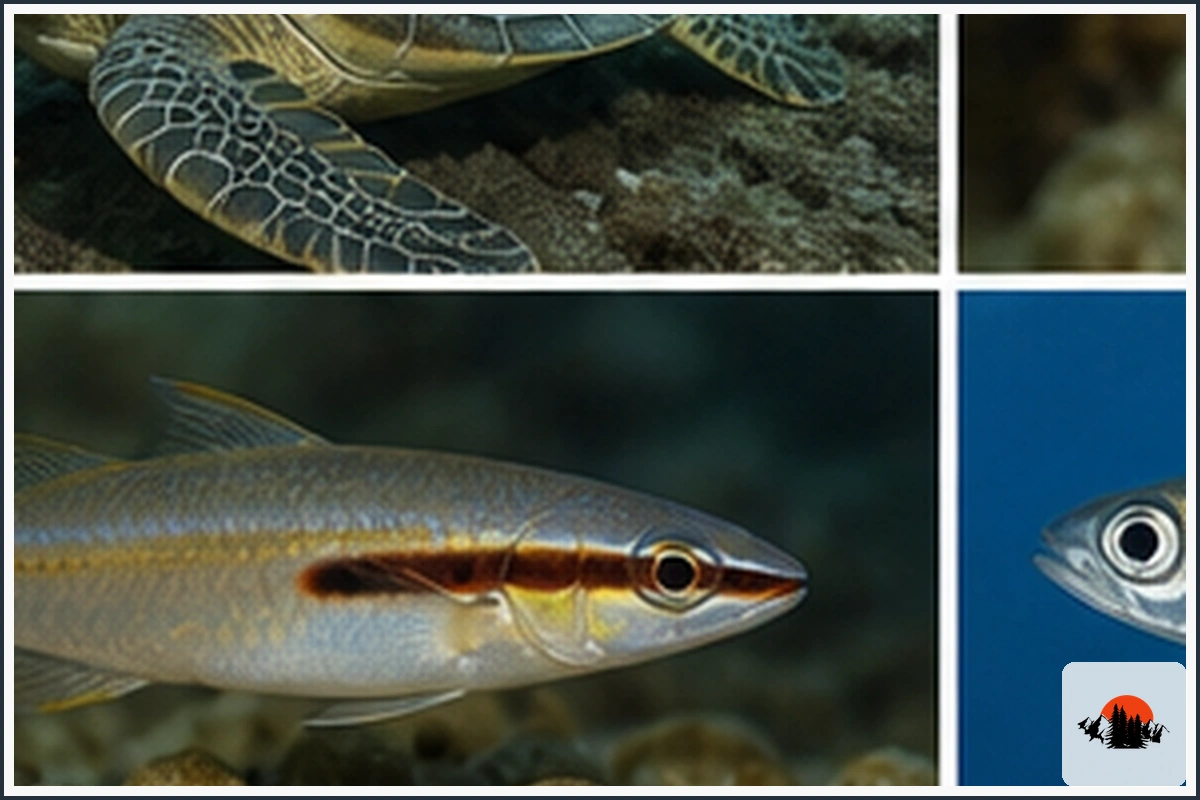
Scientific name: Lentipes concolor
Hawaiian freshwater goby, commonly called o’opu alamo’o, is a native fish adapted to Hawaii’s steep streams. It has a small, elongated body and specialized pelvic fins that help it cling to wet rocks.
Adults live in freshwater streams, often above waterfalls or in fast-flowing sections. Young fish begin life in the ocean before entering streams, an impressive migration known as amphidromy. The species feeds on algae, tiny invertebrates, and organic material scraped from stream surfaces.
24. Hawaiian Flagtail
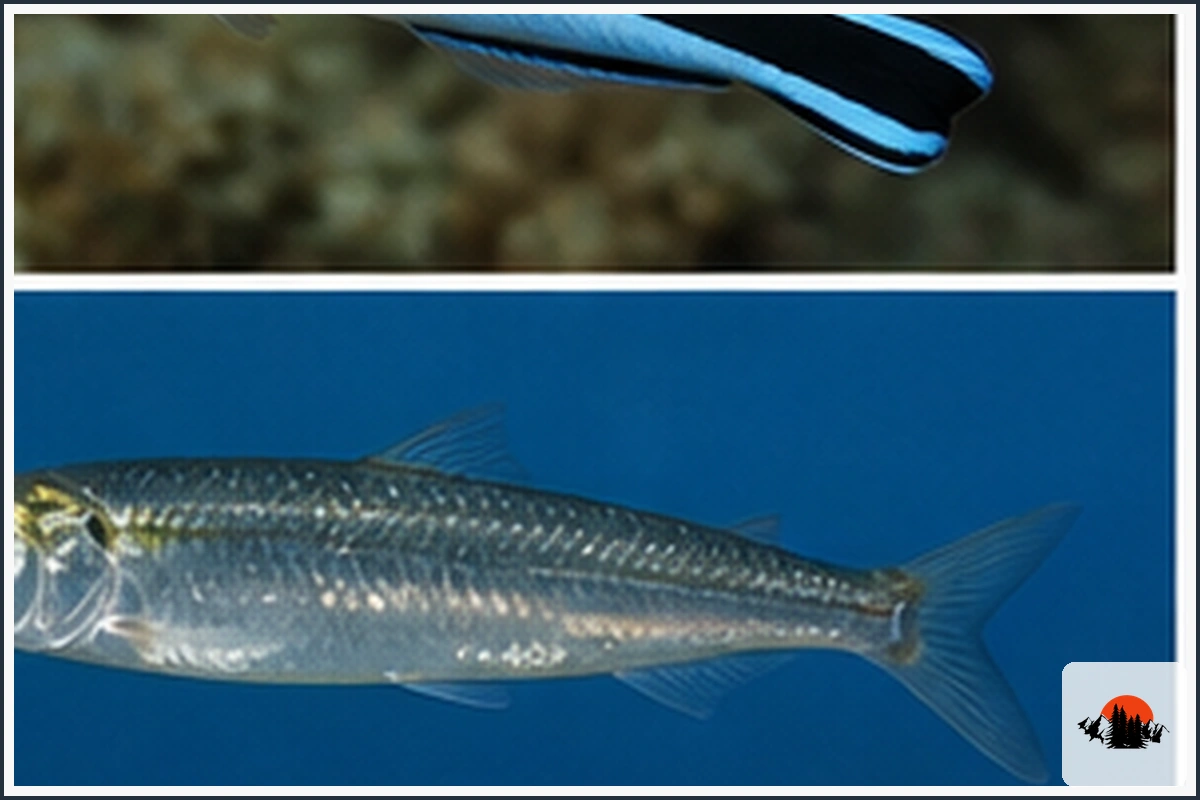
Scientific name: Kuhlia sandvicensis
Hawaiian flagtail, or aholehole, is a silvery fish found in both coastal and brackish environments. It may show a darker edge on the tail and a streamlined body suited to moving water.
Aholehole commonly occur in estuaries, stream mouths, bays, and protected coastal areas. Juveniles may enter lower stream habitats, while adults use nearshore waters. They eat small fish, insects, crustaceans, and other small prey and have cultural importance in Hawaii.
25. Hawaiian Anchovy

Scientific name: Encrasicholina purpurea
Hawaiian anchovy, known locally as nehu, is a small schooling fish with a silvery body and delicate form. Large schools may gather in protected bays, near shorelines, and around current-rich waters.
Nehu feed mainly on plankton and are important prey for larger fish, seabirds, and other marine animals. They have also played a role in traditional Hawaiian fishing and food systems. Because baitfish schools attract predators, their presence can help anglers locate feeding activity.
How Are These Types of Fish Classified?
Hawaiian fish can be classified in several useful ways:
- Reef fish: Species such as yellow tang, butterflyfish, parrotfish, and triggerfish live around coral or rocky reef structure.
- Pelagic fish: Tuna, mahi-mahi, wahoo, and marlin spend much of their lives in open water.
- Deep-water fish: Opakapaka, onaga, and swordfish are associated with deep offshore habitats.
- Coastal game fish: Ulua and bluefin trevally patrol reefs, channels, bays, and rocky shorelines.
- Native freshwater and diadromous fish: O’opu and aholehole use streams, estuaries, or both freshwater and marine environments.
- Forage fish: Nehu and other small schooling fish transfer energy from plankton to larger predators.
Where Do These Fish Live?
Hawaii’s fish occupy habitats ranging from shallow tide pools to extremely deep offshore waters. Coral reefs support herbivores, butterflyfish, wrasses, damselfish, and reef predators. Sandy flats and bays provide feeding and nursery areas for juveniles. Rocky shorelines and channels attract trevally and other ambush predators.
Farther offshore, tuna, mahi-mahi, wahoo, marlin, and swordfish follow temperature boundaries, current lines, floating objects, and schools of baitfish. Native stream fish use clear, fast-flowing waterways, while species such as aholehole may move between freshwater, estuaries, and the sea.
What Do Hawaiian Fish Eat?
- Algae: Yellow tangs, surgeonfish, parrotfish, and some damselfish graze on reef algae.
- Plankton: Small schooling fish such as nehu filter or pick tiny drifting organisms from the water.
- Small fish: Tuna, trevally, wahoo, marlin, and many snappers are active fish predators.
- Squid: Offshore game fish and deep-water predators commonly consume squid.
- Crustaceans: Wrasses, butterflyfish, snapper, gobies, and coastal predators eat shrimp, crabs, or other small crustaceans.
- Sponges and reef invertebrates: Moorish idols, butterflyfish, and cleaner wrasses use specialized feeding strategies.
How to Identify Different Types of Fish in Hawaii
- Start with habitat: Note whether the fish is in a tide pool, coral reef, sandy bay, stream, or open ocean.
- Look at body shape: Disk-shaped reef fish differ greatly from streamlined tuna and deep-bodied trevally.
- Check color and markings: Stripes, spots, masks, tail patches, and bright fins are often valuable clues.
- Study the mouth: Parrotfish have beak-like teeth, while butterflyfish often have narrow snouts.
- Observe movement: Schooling, hovering, grazing, hiding, and fast surface feeding can narrow identification.
- Estimate size carefully: Use nearby reef features for scale, but avoid approaching wildlife.
- Look for special structures: Triggerfish spines, tang tail spines, marlin bills, and goby gripping fins are distinctive.
- Consider location and depth: Some species are strongly associated with shallow reefs, streams, or deep offshore water.
Fishing Tips and Notes
Hawaiian fishing methods vary by habitat and species. Offshore anglers commonly troll for ahi, aku, ono, mahi-mahi, and marlin, while shore anglers may target trevally, moi, and other coastal fish. Reef fishing requires careful attention to tides, swell, current, structure, and local regulations.
Use tackle suited to the fish, handle released fish as little as possible, and avoid dragging them over rocks. Check current Hawaii fishing rules before keeping any fish because size limits, seasons, gear restrictions, closed areas, and bag limits can change.
Aquarium Care Notes
Some Hawaiian reef fish appear in the marine aquarium trade, but collection and ownership require serious responsibility. Species such as yellow tang need large, mature aquariums, excellent filtration, algae-based foods, and stable water conditions. Moorish idols and some butterflyfish are difficult for beginners because of specialized diets and stress sensitivity.
Never release aquarium fish, plants, or invertebrates into the ocean, streams, or storm drains. Non-native species can spread disease, compete with native wildlife, or damage local ecosystems.
Safety, Sustainability, and Conservation Notes
- Follow Hawaii’s current fishing regulations and respect marine life protection areas.
- Do not touch coral, sea turtles, monk seals, or unfamiliar fish.
- Use reef-safe observation practices and maintain a respectful distance from wildlife.
- Choose seafood from legal, traceable, and responsibly managed sources when possible.
- Large predatory fish can contain elevated mercury; follow current public health guidance, especially for children and pregnant people.
- Protect native streams by preventing sediment, pollution, and invasive species from entering waterways.
- Release unwanted aquarium animals through an approved surrender program rather than placing them outdoors.
- Support healthy reefs by reducing litter, avoiding coral contact, and using established access points.
Fun Facts About Fish in Hawaii
- Humuhumunukunukuapua’a is the Hawaiian state fish.
- Yellowfin tuna is commonly called ahi in Hawaii.
- Parrotfish help create sand by grinding reef material while feeding.
- Some Hawaiian stream fish climb wet rocks and waterfalls using specialized fins.
- Mahi-mahi can change color dramatically after capture.
- Ulua can grow large enough to challenge experienced shore anglers.
- Cleaner wrasse establish stations where larger fish come for parasite removal.
- Many offshore predators gather where seabirds reveal schooling baitfish.
- Young Hawaiian freshwater gobies spend part of their early life in the ocean.
- Butterflyfish often use narrow snouts to reach prey in reef cracks.
Final Thoughts on Types of Fish in Hawaii
The types of fish in Hawaii range from tiny schooling nehu and colorful reef fish to powerful tuna, marlin, trevally, and native stream species. Learning their body shapes, colors, habitats, and behaviors makes snorkeling, fishing, aquarium keeping, and outdoor exploration more rewarding. Observe responsibly, follow local rules, and help protect the reefs, shorelines, and streams these fish depend on.
Frequently Asked Questions
1. What are the most common types of fish in Hawaii?
Commonly seen fish include yellow tang, parrotfish, butterflyfish, damselfish, triggerfish, wrasses, trevally, and small schooling fish. Offshore anglers commonly encounter ahi, aku, mahi-mahi, ono, and marlin.
2. What is Hawaii’s state fish?
Hawaii’s state fish is the humuhumunukunukuapua’a, also called the wedgetail triggerfish.
3. What is ahi fish in Hawaii?
Ahi is the common Hawaiian name for tuna, especially yellowfin tuna. Bigeye tuna may also be called ahi in some fishing and seafood contexts.
4. What fish are commonly caught offshore in Hawaii?
Common offshore catches include yellowfin tuna, skipjack tuna, mahi-mahi, wahoo, blue marlin, striped marlin, swordfish, and several deep-water snappers.
5. What fish can you see while snorkeling in Hawaii?
Snorkelers often see yellow tang, parrotfish, butterflyfish, wrasses, damselfish, triggerfish, Moorish idols, and small reef predators.
6. Are all Hawaiian fish saltwater fish?
No. Hawaii also has native stream and estuary fish, including gobies and flagtails. Some move between freshwater and the ocean during their life cycle.
7. What is an ulua?
Ulua is the Hawaiian name commonly used for giant trevally and, in some contexts, other large trevally. Giant trevally are powerful coastal predators and popular game fish.
8. What is ono fish?
Ono is the Hawaiian name for wahoo. It is a fast offshore predator with firm, mild white flesh.
9. What is aku fish?
Aku is the Hawaiian name for skipjack tuna. It is a schooling offshore fish with dark stripes and oily, flavorful meat.
10. What is the best-tasting fish in Hawaii?
Taste is personal, but opakapaka, onaga, ono, mahi-mahi, and ahi are widely appreciated for their texture and flavor. Freshness and preparation strongly affect the final taste.
11. Which Hawaiian fish are good for grilling?
Mahi-mahi, ono, ahi, swordfish, and thick trevally fillets can work well on a grill when cooked carefully. Avoid overcooking lean fish.
12. Which Hawaiian fish are used for poke?
Ahi is the most familiar fish used for poke, especially yellowfin tuna. Poke recipes may also use other locally legal and suitable fish.
13. Are yellow tang native to Hawaii?
Yes. Yellow tang are native to Hawaii and are naturally associated with Hawaiian coral reef habitats.
14. Are Moorish idols native to Hawaii?
Yes. Moorish idols occur naturally in Hawaii and across broad tropical and subtropical Indo-Pacific regions.
15. Are parrotfish important to Hawaiian reefs?
Yes. Parrotfish graze algae from reef surfaces and contribute to sand production by processing reef material.
16. How can I identify a yellow tang?
Look for a bright yellow, laterally compressed body and a sharp spine near the tail. Yellow tang usually graze around shallow reefs.
17. How can I identify a humuhumunukunukuapua’a?
Look for a wedge-shaped body with bold dark, yellow, blue, and gray markings. The fish also has a triggerfish spine and a small, strong mouth.
18. Which Hawaiian fish live in deep water?
Opakapaka, onaga, swordfish, and some other snappers and pelagic species use deep-water habitats. Depth preferences differ by species and life stage.
19. Do Hawaiian fish migrate?
Some offshore fish travel long distances across the Pacific, while native gobies migrate between streams and the ocean during their life cycles.
20. What do reef fish in Hawaii eat?
Reef fish may eat algae, plankton, sponges, coral-associated invertebrates, crustaceans, squid, or small fish, depending on the species.
21. Are Hawaiian reef fish dangerous?
Most reef fish are not dangerous when left alone. Some have sharp spines or strong bites, so avoid touching, cornering, or feeding unfamiliar fish.
22. Can I keep Hawaiian fish in a home aquarium?
Some species can be kept by experienced marine aquarists, but legal collection, tank size, diet, filtration, and long-term care must all be considered. Never release an aquarium fish outdoors.
23. Are yellow tang beginner aquarium fish?
Yellow tang can be manageable for experienced beginners with a suitably large, mature marine aquarium, but they still require stable water quality, algae-based food, and adequate swimming space.
24. What should I do if I catch a fish I cannot identify?
Photograph it without putting yourself or the fish at risk, avoid eating it until correctly identified, and consult a local fisheries guide or agency.
25. Are Hawaiian fish protected?
Some species and habitats receive protection through fishing regulations, marine life conservation districts, seasonal rules, and size or bag limits. Regulations can change, so check current official guidance.
26. Is it safe to eat all fish caught in Hawaii?
No. Safety depends on correct identification, legal harvest, handling, location, size, and current consumption advisories. Follow Hawaii Department of Health and fisheries guidance.
27. Which Hawaiian fish are native freshwater species?
Native freshwater species include several gobies and sleepers, along with Hawaiian flagtail in coastal and estuarine habitats. Their distributions vary among islands and streams.
28. Why are small baitfish important in Hawaii?
Small fish such as nehu transfer energy from plankton to larger predators, seabirds, and people. Their schools also help anglers locate feeding offshore game fish.
29. What is the easiest Hawaiian fish to recognize?
Yellow tang, Moorish idol, humuhumunukunukuapua’a, longnose butterflyfish, and parrotfish have distinctive colors or body shapes that make them relatively easy to recognize.
30. How can visitors help protect Hawaiian fish?
Stay off coral, do not feed wildlife, keep distance from animals, follow fishing rules, reduce plastic waste, and never release aquarium species into natural waterways.