

Looking for fish beginning with K can lead from kelp forests and coral reefs to African floodplains, Asian rivers, cold lakes, estuaries, and home aquariums. This alphabetical wildlife guide covers 31 real fish names that start with K, including individual species, accepted regional names, and clearly labeled broad common-name groups.
What Are the Main Fish Beginning With K?
Popular fish beginning with K include koi carp, king salmon, king mackerel, kokanee salmon, kuhli loach, kissing gourami, kelp bass, king angelfish, kawakawa, and kaluga. Some K names are regional, such as kahawai, karimeen, kumu, and kampango, while killifish and knifefish describe large groups rather than single species.
Quick Comparison of Fish Beginning With K
| # | Common Name | Scientific Name | Group | Typical Habitat |
|---|---|---|---|---|
| 1 | Kahawai | Arripis trutta | Marine schooling fish | Coastal waters of New Zealand and southern Australia |
| 2 | Kaluga | Huso dauricus | Sturgeon | Amur River basin of Russia and China |
| 3 | Kampango | Bagrus meridionalis | Bagrid catfish | Lake Malawi |
| 4 | Kangal Fish | Garra rufa | Cyprinid | Warm rivers and springs of the Middle East |
| 5 | Karimeen | Etroplus suratensis | Cichlid | Brackish lagoons, estuaries, and backwaters of South Asia |
| 6 | Kawakawa | Euthynnus affinis | Small tuna | Tropical Indo-Pacific coastal waters |
| 7 | Kelp Bass | Paralabrax clathratus | Sea bass | Kelp forests and rocky reefs off California and Baja California |
| 8 | Kelp Greenling | Hexagrammos decagrammus | Greenling | Rocky reefs and kelp habitats of the North Pacific |
| 9 | Kelp Perch | Brachyistius frenatus | Surfperch | Shallow kelp beds on the Pacific coast of North America |
| 10 | Kelp Rockfish | Sebastes atrovirens | Rockfish | Kelp forests and rocky reefs from California to Baja California |
| 11 | Kenyi Cichlid | Maylandia lombardoi | African cichlid | Rocky shores of Lake Malawi |
| 12 | Keta Salmon | Oncorhynchus keta | Pacific salmon | North Pacific Ocean and rivers of Asia and North America |
| 13 | Key Silverside | Menidia conchorum | Silverside | Shallow waters of the Florida Keys |
| 14 | Killifish | Cyprinodontiformes | Freshwater and brackish fish group | Ponds, streams, marshes, temporary pools, and estuaries worldwide |
| 15 | King Angelfish | Holacanthus passer | Marine angelfish | Rocky reefs of the tropical eastern Pacific |
| 16 | King Mackerel | Scomberomorus cavalla | Mackerel | Western Atlantic, Gulf of Mexico, and Caribbean |
| 17 | King Salmon | Oncorhynchus tshawytscha | Pacific salmon | North Pacific Ocean and spawning rivers |
| 18 | King Threadfin | Polydactylus macrochir | Threadfin | Coastal northern Australia and southern New Guinea |
| 19 | Kingklip | Genypterus capensis | Cusk-eel | Deep rocky waters off southern Africa |
| 20 | Kissing Gourami | Helostoma temminckii | Gourami | Slow rivers, wetlands, and floodplains of Southeast Asia |
| 21 | Knifefish | Gymnotiformes and Notopteridae | Elongated freshwater fish groups | Tropical freshwaters of Africa, Asia, and the Americas |
| 22 | Knight Goby | Stigmatogobius sadanundio | Goby | Fresh and brackish waters of South and Southeast Asia |
| 23 | Knobbed Porgy | Calamus nodosus | Porgy | Western Atlantic reefs and hard-bottom habitats |
| 24 | Koi Carp | Cyprinus carpio | Domesticated carp | Ornamental ponds worldwide |
| 25 | Kokanee Salmon | Oncorhynchus nerka | Landlocked salmon | Cold deep lakes of western North America and introduced waters |
| 26 | Koran Angelfish | Pomacanthus semicirculatus | Marine angelfish | Coral reefs of the Indo-Pacific |
| 27 | Kuhli Loach | Pangio kuhlii | Loach | Soft forest streams of Southeast Asia |
| 28 | Kumu | Chelidonichthys kumu | Gurnard | Coastal waters of New Zealand, Australia, and the western Pacific |
| 29 | Kelp Pipefish | Syngnathus californiensis | Pipefish | Kelp and eelgrass habitats of the eastern Pacific |
| 30 | Kafue Pike | Hepsetus cuvieri | African pike-characin | Rivers, floodplains, and lagoons of south-central Africa |
| 31 | Kafue Killifish | Nothobranchius kafuensis | Annual killifish | Seasonal pools in the Kafue drainage of Zambia |
1. Kahawai
Kahawai (Arripis trutta) belongs to the marine schooling fish group. It is most closely associated with coastal waters of new zealand and southern australia. Look for a streamlined silver body with dark spots along the upper sides when making an identification.
Kahawai are fast predators that chase baitfish near beaches, headlands, and river mouths. They are popular light-tackle sport fish and are also used as food and bait.
2. Kaluga
The Kaluga, scientifically known as Huso dauricus, is a sturgeon. It is most closely associated with amur river basin of russia and china. Look for a huge armored body, flattened snout, barbels, and rows of bony scutes when making an identification.
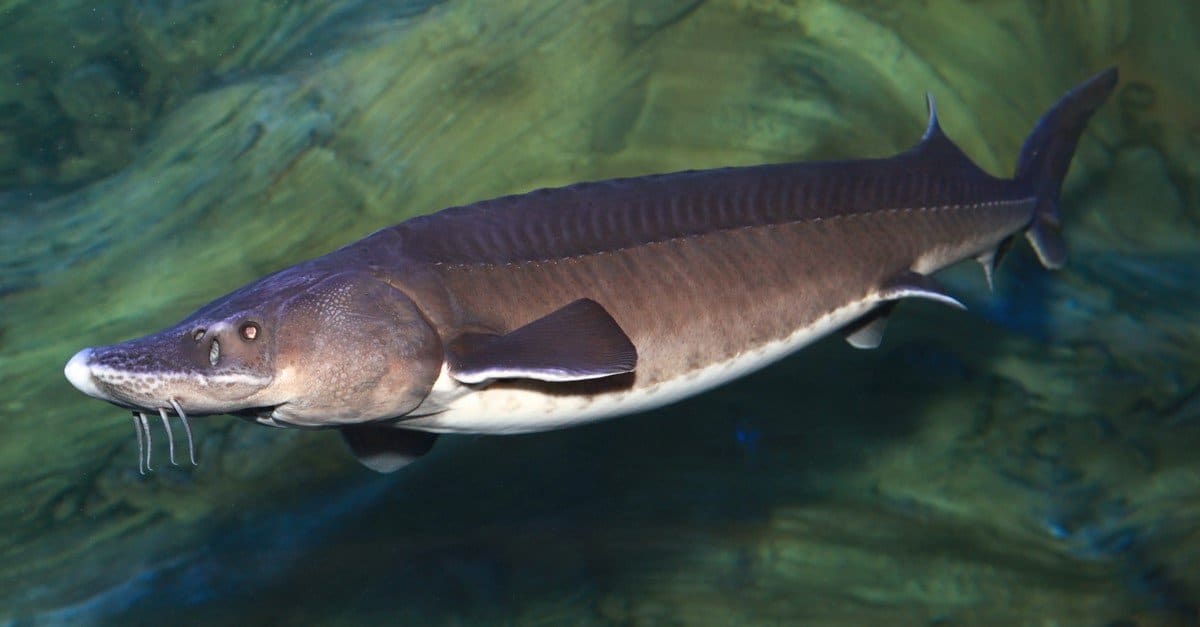
Kaluga is one of the world’s largest freshwater fish. It grows slowly, matures late, and requires strong conservation protection from overfishing and habitat disruption.
3. Kampango
Among the most recognizable fish in this guide is the Kampango (Bagrus meridionalis), a bagrid catfish. It is most closely associated with lake malawi. Look for a large dark catfish with long barbels and a forked tail when making an identification.

Kampango is a major native predator that hunts fish, crabs, and other prey. Adults are known for guarding their young, an unusual and fascinating behavior among large catfish.
4. Kangal Fish
Kangal Fish is the common name used here for Garra rufa, a member of the cyprinid group. It is most closely associated with warm rivers and springs of the middle east. Look for a small brownish body and an underslung scraping mouth when making an identification.
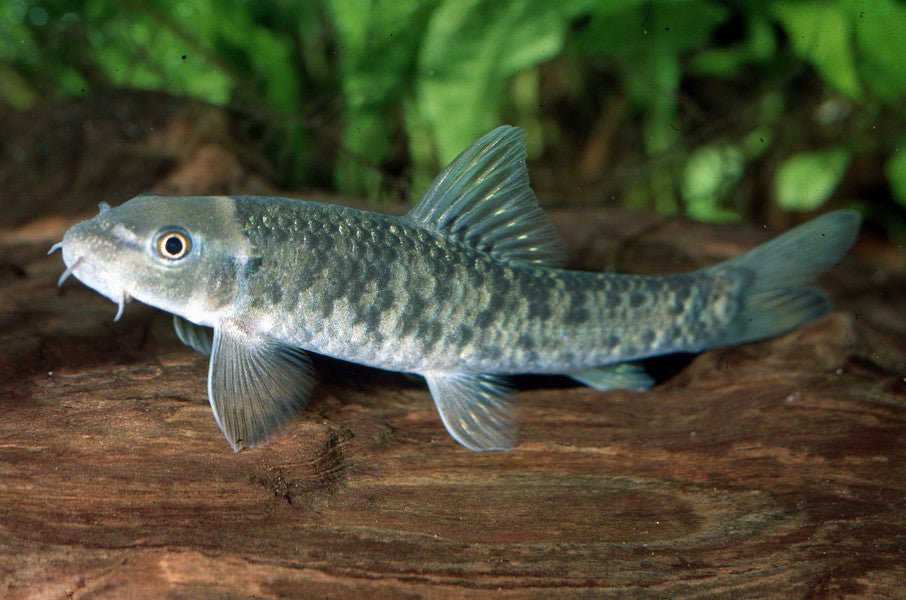
Also called doctor fish, it grazes algae and biofilm from rocks. Its use in spa treatments has created welfare and hygiene concerns, so it should be treated as a living animal rather than a novelty tool.
5. Karimeen
Karimeen (Etroplus suratensis) belongs to the cichlid group. It is most closely associated with brackish lagoons, estuaries, and backwaters of south asia. Look for a deep oval body with dark vertical bars and pearly spotting when making an identification.
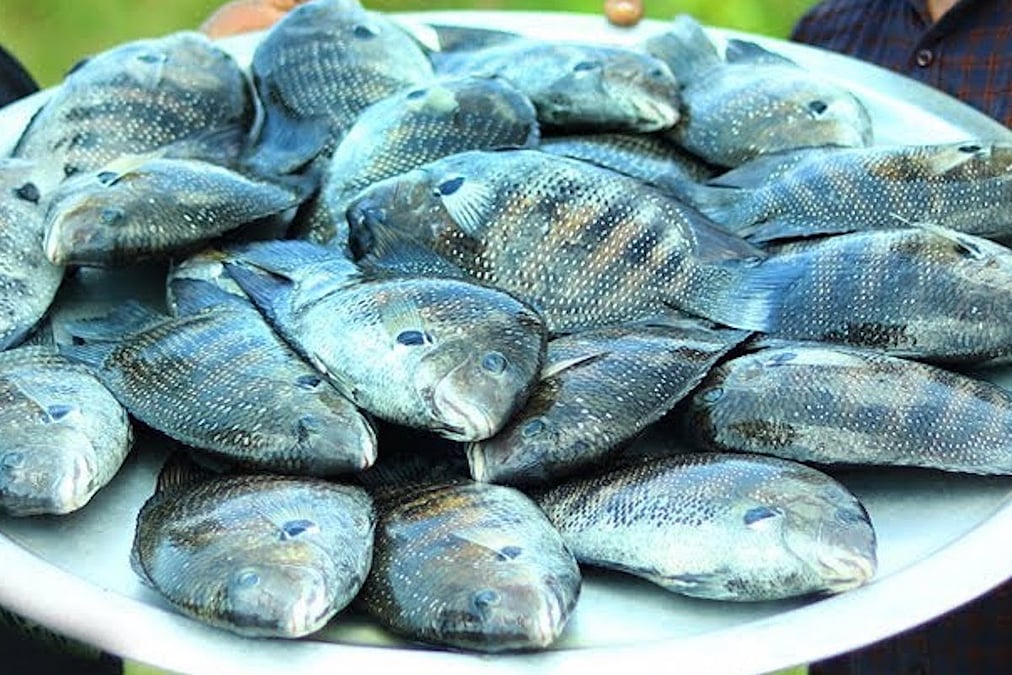
Also known as green chromide, karimeen is closely associated with Kerala cuisine and backwater fisheries. It tolerates both fresh and brackish water.
6. Kawakawa
The Kawakawa, scientifically known as Euthynnus affinis, is a small tuna. It is most closely associated with tropical indo-pacific coastal waters. Look for dark wavy marks on the upper back and dark spots near the pectoral fins when making an identification.

Kawakawa is a fast schooling predator that feeds on small fish, squid, and crustaceans. It supports coastal commercial and recreational fisheries.
7. Kelp Bass
Among the most recognizable fish in this guide is the Kelp Bass (Paralabrax clathratus), a sea bass. It is most closely associated with kelp forests and rocky reefs off california and baja california. Look for an olive-brown body with pale rectangular blotches and a large mouth when making an identification.
Kelp bass often hold among kelp stalks and reef structure. Anglers target them with live bait and artificial lures, while marine protected areas help conserve local populations.
8. Kelp Greenling
Kelp Greenling is the common name used here for Hexagrammos decagrammus, a member of the greenling group. It is most closely associated with rocky reefs and kelp habitats of the north pacific. Look for a mottled elongated body; males and females can show different colors and patterns when making an identification.

Kelp greenling feed on crabs, worms, fish, and other bottom animals. They are common targets in shore and small-boat fisheries.
9. Kelp Perch
Kelp Perch (Brachyistius frenatus) belongs to the surfperch group. It is most closely associated with shallow kelp beds on the pacific coast of north america. Look for a small oval body with bronze or green tones and a continuous dorsal fin when making an identification.
Kelp perch browse small crustaceans among kelp blades. Like other surfperches, they give birth to live young rather than laying external eggs.
10. Kelp Rockfish
The Kelp Rockfish, scientifically known as Sebastes atrovirens, is a rockfish. It is most closely associated with kelp forests and rocky reefs from california to baja california. Look for a mottled olive, brown, or black body that blends into kelp when making an identification.

Kelp rockfish often hover near kelp fronds and reef ledges. Rockfish can be long-lived, making correct identification and compliance with local limits especially important.
11. Kenyi Cichlid
Among the most recognizable fish in this guide is the Kenyi Cichlid (Maylandia lombardoi), a african cichlid. It is most closely associated with rocky shores of lake malawi. Look for females and juveniles are blue with dark bars, while mature males often become yellow when making an identification.
Kenyi cichlids are colorful but territorial aquarium fish. They require hard alkaline water, rockwork, careful stocking, and an experienced keeper who can manage aggression.
12. Keta Salmon
Keta Salmon is the common name used here for Oncorhynchus keta, a member of the pacific salmon group. It is most closely associated with north pacific ocean and rivers of asia and north america. Look for a silver ocean form that develops bold purple-green bars during spawning when making an identification.
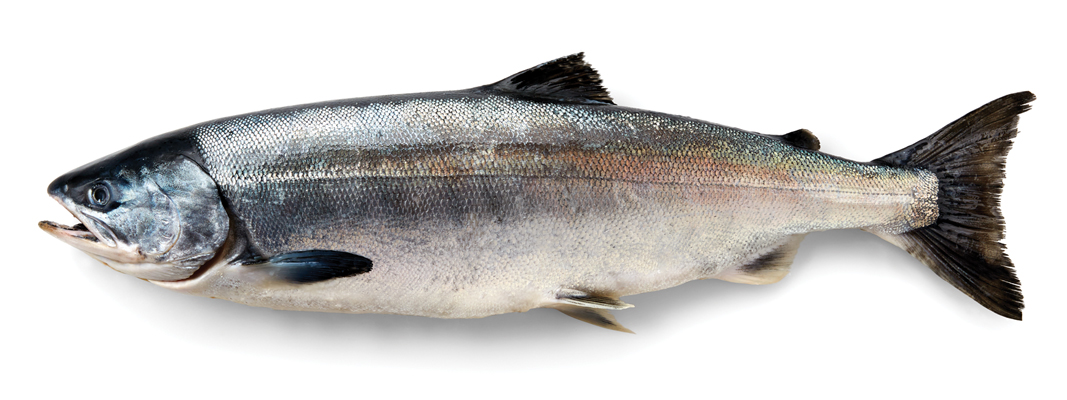
Keta is another name for chum salmon. Adults return from the sea to freshwater to spawn, then die after reproduction.
13. Key Silverside
Key Silverside (Menidia conchorum) belongs to the silverside group. It is most closely associated with shallow waters of the florida keys. Look for a tiny translucent-silver body with a bright side stripe when making an identification.
This small schooling fish is closely tied to seagrass and nearshore habitats. It is more important ecologically as prey than as a target for anglers.
14. Killifish
The Killifish, scientifically known as Cyprinodontiformes, is a freshwater and brackish fish group. It is most closely associated with ponds, streams, marshes, temporary pools, and estuaries worldwide. Look for usually small fish with an upturned mouth and colorful fins or body patterns when making an identification.
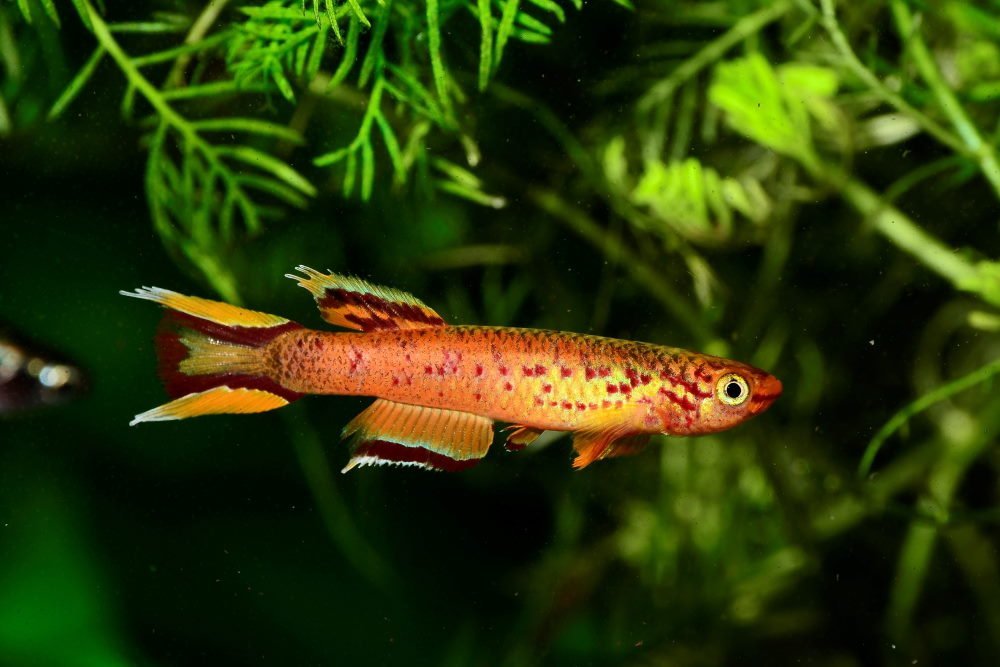
Killifish include hundreds of species rather than one single fish. Some annual killifish produce drought-resistant eggs that survive after temporary pools dry.
15. King Angelfish
Among the most recognizable fish in this guide is the King Angelfish (Holacanthus passer), a marine angelfish. It is most closely associated with rocky reefs of the tropical eastern pacific. Look for a dark blue body, bright yellow tail, and a pale vertical bar behind the head when making an identification.
King angelfish graze sponges and other encrusting organisms. They are striking but demanding aquarium fish that need large, mature marine systems.
16. King Mackerel
King Mackerel is the common name used here for Scomberomorus cavalla, a member of the mackerel group. It is most closely associated with western atlantic, gulf of mexico, and caribbean. Look for a long silver body, pointed head, deeply forked tail, and sharp teeth when making an identification.
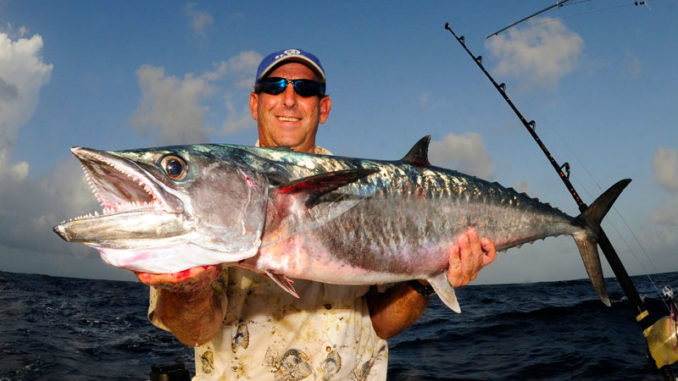
Also called kingfish in parts of its range, king mackerel is a fast coastal predator. Trolling live bait or lures is a common fishing method.
17. King Salmon
King Salmon (Oncorhynchus tshawytscha) belongs to the pacific salmon group. It is most closely associated with north pacific ocean and spawning rivers. Look for large size, black gums, dark spots on both tail lobes, and a powerful body when making an identification.
King salmon is the common sport-fishing name for Chinook salmon. It is the largest Pacific salmon and supports major cultural, recreational, and commercial fisheries.
18. King Threadfin
The King Threadfin, scientifically known as Polydactylus macrochir, is a threadfin. It is most closely associated with coastal northern australia and southern new guinea. Look for a silver body with long thread-like pectoral filaments and a large mouth when making an identification.
The sensory filaments help it locate food over muddy or sandy bottoms. It is a prized estuary sport and table fish.
19. Kingklip
Among the most recognizable fish in this guide is the Kingklip (Genypterus capensis), a cusk-eel. It is most closely associated with deep rocky waters off southern africa. Look for an elongated eel-like body, broad head, and continuous fin edging when making an identification.
Despite its name, kingklip is not a true eel. It is a commercially valuable white-fleshed fish usually caught over the continental shelf.
20. Kissing Gourami
Kissing Gourami is the common name used here for Helostoma temminckii, a member of the gourami group. It is most closely associated with slow rivers, wetlands, and floodplains of southeast asia. Look for a laterally compressed body and thick protruding lips when making an identification.
The famous ‘kissing’ is often a dominance contest rather than affection. This species can grow much larger than many beginners expect and needs a spacious aquarium.
21. Knifefish
Knifefish (Gymnotiformes and Notopteridae) belongs to the elongated freshwater fish groups group. It is most closely associated with tropical freshwaters of africa, asia, and the americas. Look for a long knife-shaped body with an extended anal fin used for smooth movement when making an identification.
Knifefish is a broad common-name category, not one species. Many are nocturnal predators, and some South American species generate weak electric fields.
22. Knight Goby
The Knight Goby, scientifically known as Stigmatogobius sadanundio, is a goby. It is most closely associated with fresh and brackish waters of south and southeast asia. Look for a pale gray body with scattered black spots and two separate dorsal fins when making an identification.
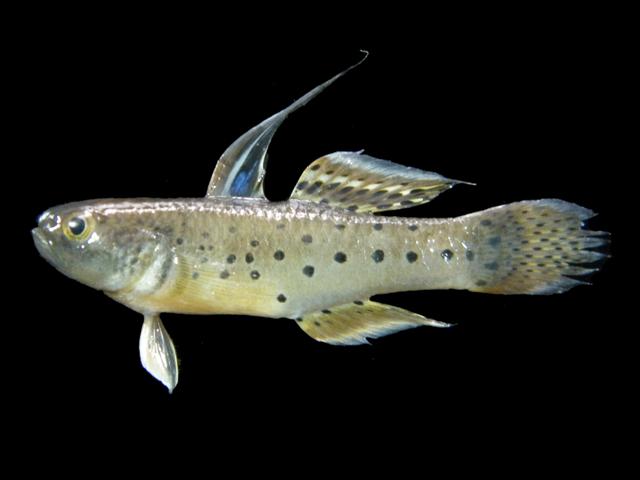
Knight gobies are bottom-oriented fish that prefer hard, often slightly brackish water. They may eat very small tankmates and need meaty foods.
23. Knobbed Porgy
Among the most recognizable fish in this guide is the Knobbed Porgy (Calamus nodosus), a porgy. It is most closely associated with western atlantic reefs and hard-bottom habitats. Look for a deep pinkish body and a pronounced forehead profile in large adults when making an identification.

This bottom-feeding fish crushes mollusks and crustaceans with strong teeth. It is caught around reefs and offshore structure.
24. Koi Carp
Koi Carp is the common name used here for Cyprinus carpio, a member of the domesticated carp group. It is most closely associated with ornamental ponds worldwide. Look for a robust carp body bred in white, orange, red, black, yellow, and patterned varieties when making an identification.
Koi are ornamental forms of common carp, not a separate wild species. They can live for decades, grow large, and require excellent filtration and responsible pond management.
25. Kokanee Salmon
Kokanee Salmon (Oncorhynchus nerka) belongs to the landlocked salmon group. It is most closely associated with cold deep lakes of western north america and introduced waters. Look for a silver lake form that turns red with a green head during spawning when making an identification.
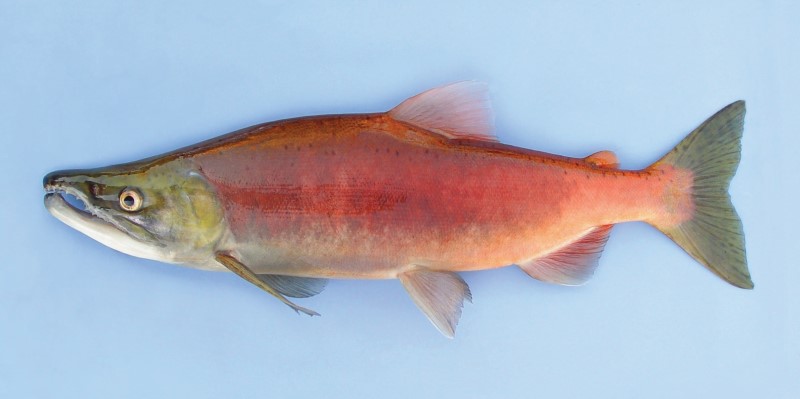
Kokanee are landlocked sockeye salmon. They feed heavily on zooplankton and are often caught by trolling small lures at precise depths.
26. Koran Angelfish
The Koran Angelfish, scientifically known as Pomacanthus semicirculatus, is a marine angelfish. It is most closely associated with coral reefs of the indo-pacific. Look for juveniles have blue and white semicircular lines; adults become green-brown with blue-edged scales when making an identification.
The dramatic juvenile-to-adult color change makes this species easy to misidentify. It grows large and requires a substantial marine aquarium.
27. Kuhli Loach
Among the most recognizable fish in this guide is the Kuhli Loach (Pangio kuhlii), a loach. It is most closely associated with soft forest streams of southeast asia. Look for a slender eel-like body with alternating dark and yellowish bands when making an identification.

Kuhli loaches are peaceful nocturnal bottom fish. They do best in groups with soft substrate, hiding places, stable water, and a secure lid.
28. Kumu
Kumu is the common name used here for Chelidonichthys kumu, a member of the gurnard group. It is most closely associated with coastal waters of new zealand, australia, and the western pacific. Look for a reddish body, armored-looking head, and large wing-like pectoral fins when making an identification.
Kumu is a New Zealand name for red gurnard. Finger-like rays beneath the pectoral fins help it probe the seabed for prey.
29. Kelp Pipefish
Kelp Pipefish (Syngnathus californiensis) belongs to the pipefish group. It is most closely associated with kelp and eelgrass habitats of the eastern pacific. Look for a very thin tubular body, long snout, and small fins when making an identification.
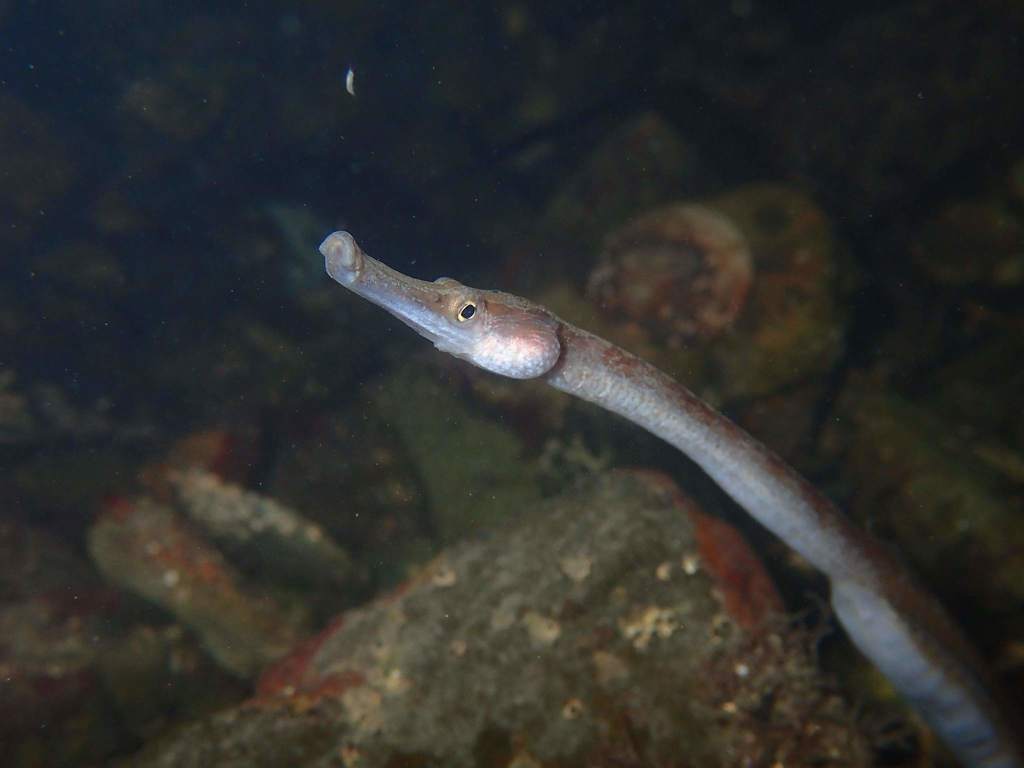
Kelp pipefish are relatives of seahorses and blend into vegetation. Males carry developing eggs in a specialized brood area.
30. Kafue Pike
The Kafue Pike, scientifically known as Hepsetus cuvieri, is a african pike-characin. It is most closely associated with rivers, floodplains, and lagoons of south-central africa. Look for a long predatory body, pointed snout, and large canine-like teeth when making an identification.
Despite its name, it is not a true pike. It ambushes smaller fish near vegetation and quiet current edges.
31. Kafue Killifish
Among the most recognizable fish in this guide is the Kafue Killifish (Nothobranchius kafuensis), a annual killifish. It is most closely associated with seasonal pools in the kafue drainage of zambia. Look for a small brightly colored fish, with males showing stronger red, blue, or turquoise patterning when making an identification.
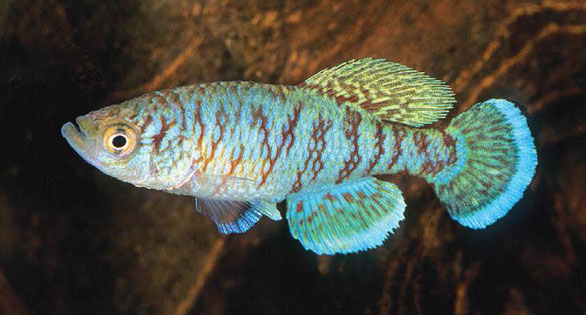
Its eggs survive in dry mud after temporary pools disappear. The next generation hatches when seasonal rains refill the habitat.
How Are These Types of Fish Classified?
The K fish in this list are not one taxonomic group. They include sturgeon, salmon, tuna, cichlids, cyprinids, gobies, loaches, reef fish, kelp-forest fish, catfish, and broad common-name groups. Alphabetical lists are useful for learning vocabulary, but scientific classification is based on shared ancestry rather than the first letter of a common name.
Where Do These Fish Live?
These fish live across nearly every major aquatic environment: cold rivers, tropical wetlands, temporary pools, large lakes, coral reefs, kelp forests, estuaries, deep continental shelves, and open ocean. Always read the range information because common names such as kingfish can refer to different fish in different places.
How to Identify Different Types of Fish
- Body shape: Decide whether the fish is deep-bodied, eel-like, torpedo-shaped, flattened, or armored.
- Mouth and teeth: Note whether the mouth points upward, forward, or downward and whether teeth or barbels are visible.
- Tail shape: Forked, rounded, squared, and three-lobed tails are valuable clues.
- Fin pattern: Count separate dorsal fins and look for spines, spots, colored margins, or long filaments.
- Color and markings: Use bars, spots, stripes, mottling, and breeding colors, but do not rely on color alone.
- Habitat: Match the fish to water temperature, depth, current, vegetation, reef, or bottom type.
- Range: Confirm that the species is documented in the state, country, drainage, lake, or ocean region.
Fishing and Outdoor Observation Tips
- Use the scientific name when searching for care, fishing, food, or conservation information.
- For aquarium fish, research adult size, social behavior, water chemistry, and legal status before purchase.
- For unfamiliar marine fish, check regional regulations because similar-looking species may have different limits.
- Do not assume every fish called a salmon, pike, eel, or bass is closely related to the better-known fish with that name.
- Keep a pronunciation and scientific-name note when using the list for school or nature education.
Safety, Sustainability, and Conservation Notes
Several fish in this list are threatened, slow-growing, geographically restricted, or vulnerable to habitat loss. Kaluga and co-occurring sturgeons need strong protection, while aquarium species should never be released. When fishing, eating, or keeping any K fish, rely on current regional guidance rather than an alphabetical list alone.
Fun Facts About Fish Beginning With K
- Koi are domesticated color forms of common carp.
- Kokanee are landlocked sockeye salmon.
- Keta is another common name for chum salmon.
- The ‘kiss’ of kissing gouramis is often a dominance display.
- Kuhli loaches are nocturnal and prefer to live in groups.
- Kaluga is a giant sturgeon of the Amur basin.
- Kelp perch give birth to live young.
- Male pipefish carry developing eggs.
- Annual killifish eggs can survive a dry season in mud.
- Kingklip is a cusk-eel, not a true eel.
Final Thoughts on fish beginning with K
This guide to fish beginning with K provides 31 factual names without padding the list with duplicates or invented species. Use the scientific names to explore each fish further and remember that regional common names can change across countries.
Frequently Asked Questions
1. How many fish are included in this fish beginning with K guide?
This guide covers 31 carefully selected fish. The number is kept below 50 and focuses on species or common-name groups that directly match the topic.
2. What are the best-known fish beginning with K?
Widely recognized examples include Kahawai, Kaluga, Kampango, Kangal Fish, Karimeen. Which fish is best known depends on location, fishing culture, and whether the reader is interested in food, sport, aquariums, or conservation.
3. Why do common fish names sometimes cause confusion?
A single common name may refer to different species in different countries, while one species may have several local names. Scientific names are included where useful to reduce confusion.
4. How can beginners identify a fish accurately?
Start with body shape, fin placement, mouth size, color pattern, tail shape, scales or skin, and habitat. Then compare those features with a trusted regional field guide.
5. Does habitat help with fish identification?
Yes. A fish seen on a coral reef, in a cold deep lake, in a muddy pond, or in a fast river belongs to a very different set of likely species.
6. Can fish color change?
Yes. Color can vary with age, sex, breeding condition, stress, water clarity, depth, and lighting. Shape and fin features are often more reliable than color alone.
7. Why is fish size not always a reliable clue?
Young fish may look very different from adults, and growth depends on food, temperature, habitat, and age. Use size together with several other traits.
8. What is the safest way to handle an unfamiliar fish?
Keep hands wet, support the body, avoid gills and eyes, and watch for sharp teeth, fin spines, or venomous spines. When uncertain, minimize contact and use appropriate tools.
9. Should every caught fish be released?
Release decisions depend on local regulations, species status, harvest goals, and whether the fish is invasive. Learn the rules before fishing and never release a prohibited invasive species where regulations forbid it.
10. Why are fishing regulations different between waters?
Fish populations and habitat conditions vary across freshwater, brackish, marine, and aquarium habitats worldwide. Managers adjust seasons, size limits, bag limits, and permitted methods to protect breeding stocks and balance fisheries.
11. What equipment helps with identification?
A regional fish guide, measuring board, camera, polarized glasses, and small notebook are useful. Photograph both sides, the mouth, fins, and distinctive markings when legal and safe.
12. Can an aquarium fish be released into the wild?
No. Aquarium releases can introduce disease, invasive populations, and genetic problems. Rehome unwanted fish through responsible aquarium channels instead.
13. What do these fish eat?
Diets range from plankton and algae to insects, mollusks, crustaceans, and other fish. Mouth position and tooth shape often provide clues to feeding style.
14. Why do some fish school?
Schooling can reduce predation risk, improve feeding efficiency, and help fish find mates. Open-water species are especially likely to form large coordinated groups.
15. Why do some fish stay near the bottom?
Bottom habitats provide insects, mollusks, shelter, and cooler or calmer water. Catfish, loaches, suckers, and many reef fish are adapted to feeding near the substrate.
16. What is the difference between freshwater and marine fish?
Freshwater fish maintain body salts in water with very low salinity, while marine fish manage water loss in salty environments. Some species move between both and are called diadromous or euryhaline.
17. Can the same fish live in rivers and lakes?
Many species use both. Rivers may provide spawning habitat, while lakes offer feeding and nursery areas. Dams and barriers can interrupt these movements.
18. Why are wetlands important to fish?
Wetlands provide nursery habitat, shelter, seasonal food, and flood connections. Losing wetlands can reduce recruitment even when the main lake or river remains.
19. What are the biggest threats to fish diversity?
Common threats include habitat loss, pollution, excessive harvest, dams, water withdrawal, climate change, and invasive species. The most important threat differs by region.
20. How can anglers support conservation?
Follow regulations, prevent litter, clean and dry gear, avoid moving live bait, report tagged or unusual fish, and handle released fish quickly and gently.
21. Why should live bait not be moved between waters?
Bait buckets can carry invasive fish, plants, parasites, and pathogens. Use bait legally and dispose of unused bait on land where required.
22. Are all fish safe to eat?
No. Some species may be protected, too small, contaminated, naturally toxic, or subject to local health advisories. Check current regional guidance before keeping fish for food.
23. How should a fish photograph be taken for identification?
Use natural light, include a size reference, and capture the side profile, head, tail, and fins. Avoid delaying release merely to obtain a perfect photo.
24. What is a native fish?
A native fish occurs naturally in a region without human introduction. Native status can be specific to a drainage basin, not just a country or state.
25. What is an introduced fish?
An introduced fish has been moved by people beyond its natural range, intentionally or accidentally. Some introductions support fisheries, while others damage native ecosystems.
26. What is an invasive fish?
An invasive fish is a non-native species that spreads and causes ecological, economic, or social harm. Not every introduced species becomes invasive.
27. Why are scientific names useful?
Scientific names identify one species consistently across languages and regions. They are especially valuable when common names overlap or change.
28. Can hybrids be included in fish guides?
Yes, when they are common, stocked, or important to anglers. Hybrids should be labeled clearly because they are not the same as naturally occurring parent species.
29. What season is best for observing fish?
Spring and early summer often bring fish into shallow water for spawning, while hot or cold periods may push them deeper. Timing varies by climate and species.
30. What is the main lesson from this guide to fish beginning with K?
Use several identification clues, respect local rules, and consider habitat and conservation status. A careful observer learns more than someone relying on color or a single common name.
Read more:
8 Types of Lobe-Finned Fish: Every Living Species