

Michigan’s lakes, rivers, streams, and Great Lakes shorelines support an impressive variety of fish. This guide to the types of fish in Michigan covers popular game fish, native freshwater species, introduced fish, and a few species anglers may encounter in connected Great Lakes waters. Each profile includes identification clues, habitat, diet, behavior, and practical fishing or conservation notes.
What Are the Main Types of Fish in Michigan?
The main types of fish in Michigan include bass, trout, salmon, walleye, muskellunge, pike, panfish, catfish, sturgeon, and several native forage species. Michigan’s fish community contains many native species, along with carefully managed introduced fish such as brown trout and salmon. The species you find depend heavily on the water body, season, depth, temperature, and connection to the Great Lakes.
1. Largemouth Bass
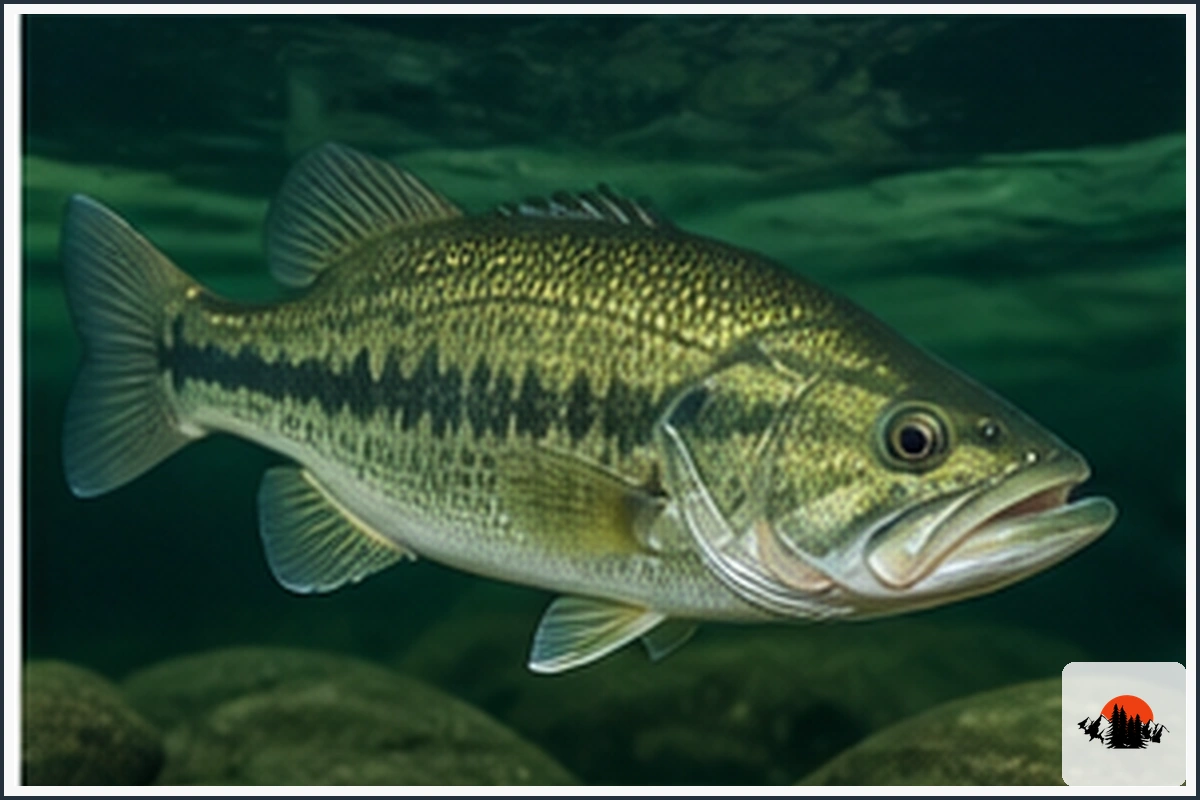
Scientific name: Micropterus salmoides. Largemouth bass are among Michigan’s most popular warmwater sport fish. They have a large mouth that extends behind the eye, a green to olive body, and a dark lateral stripe. Adults commonly measure 12 to 20 inches, although larger fish occur.
They prefer weedy bays, fallen trees, docks, lily pads, and other cover in lakes, ponds, and slow rivers. Largemouth bass eat crayfish, minnows, frogs, insects, and smaller fish. They are aggressive ambush predators and are often caught with plastic worms, spinnerbaits, crankbaits, and topwater lures.
2. Smallmouth Bass
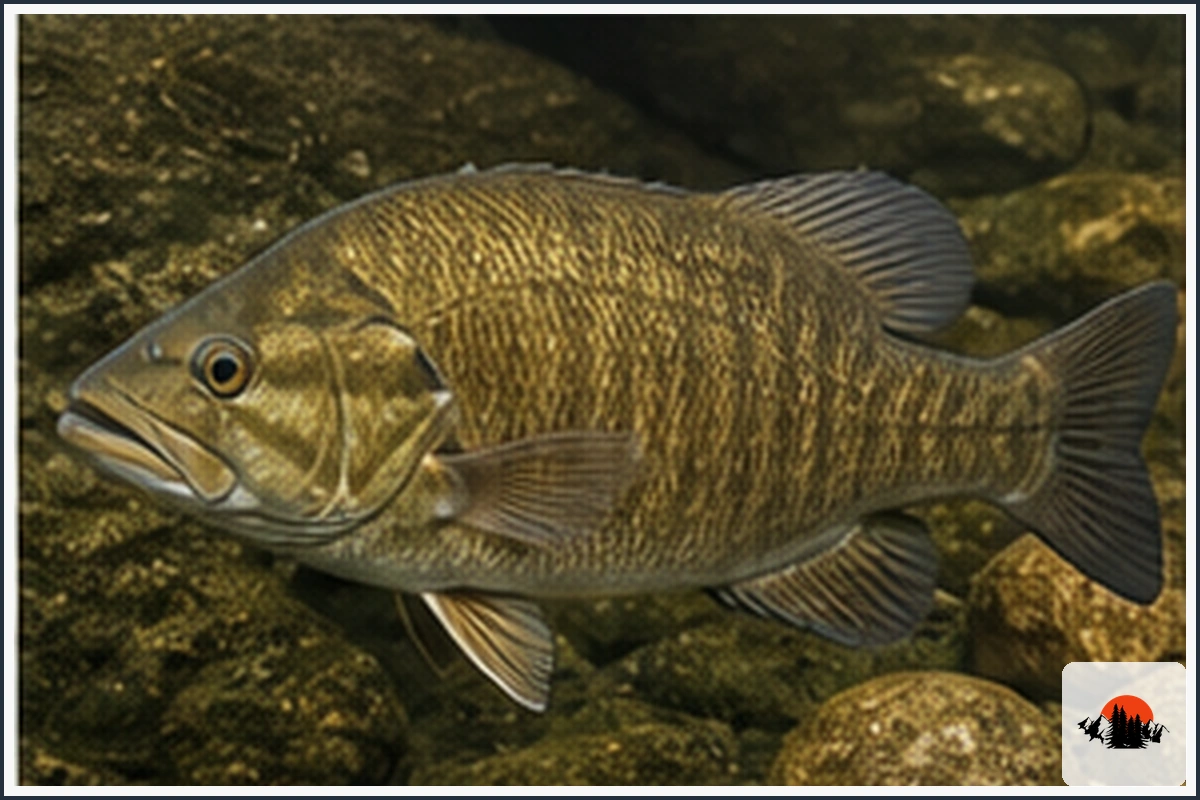
Scientific name: Micropterus dolomieu. Smallmouth bass have a bronze or brown body, vertical bars, red or orange eyes, and a jaw that usually does not extend behind the eye. They commonly reach 12 to 18 inches and are known for powerful fights.
Smallmouth bass favor clear, rocky lakes, gravel shorelines, reefs, and flowing rivers. Their diet includes crayfish, insects, minnows, and other small fish. Rocky points, current breaks, and submerged boulders are productive places to look, especially during warmer months.
3. Walleye
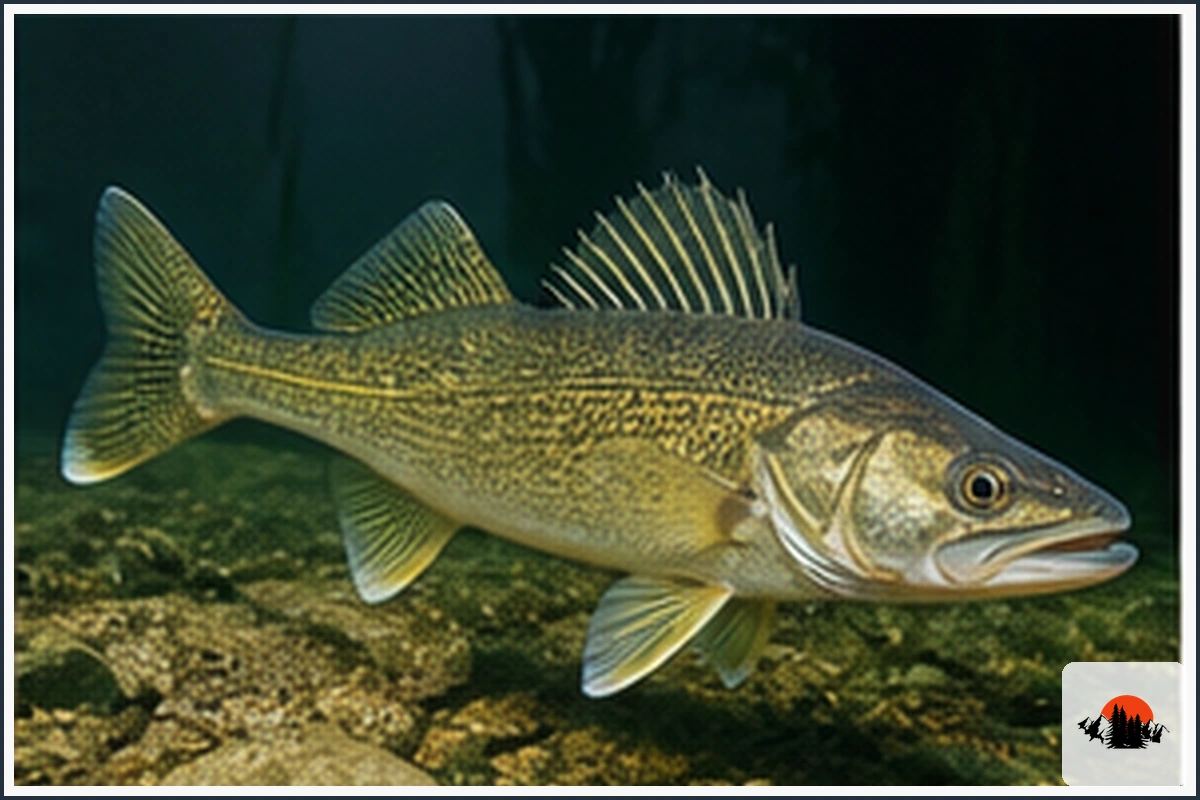
Scientific name: Sander vitreus. Walleye are prized Michigan sport fish with a long body, olive-gold coloring, a white belly, and a distinctive glassy eye caused by a reflective layer behind the retina. Many adults measure 15 to 25 inches.
They live in lakes, reservoirs, and rivers, often near rocky structure, drop-offs, reefs, and current. Walleye feed mostly on yellow perch, minnows, ciscoes, and other fish. They are especially active during low-light periods, including dawn, dusk, and nighttime.
4. Yellow Perch
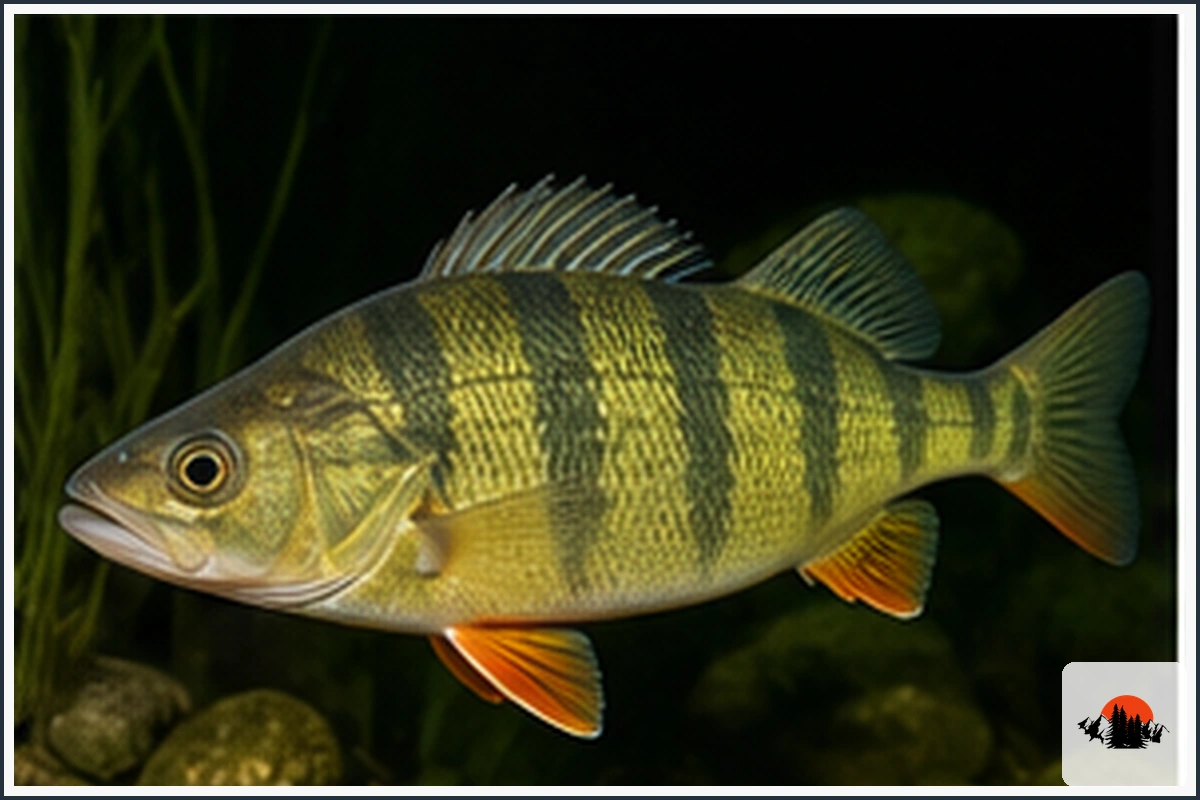
Scientific name: Perca flavescens. Yellow perch are easy to recognize by their golden-yellow body and several dark vertical bars. Most are 6 to 12 inches long, though larger fish are possible.
They occur in lakes, bays, rivers, and Great Lakes waters. Yellow perch eat insects, small crustaceans, fish eggs, and minnows. They often travel in schools, making them an important food source for walleye, bass, pike, and other predators. Perch are also one of Michigan’s favorite panfish.
5. Bluegill
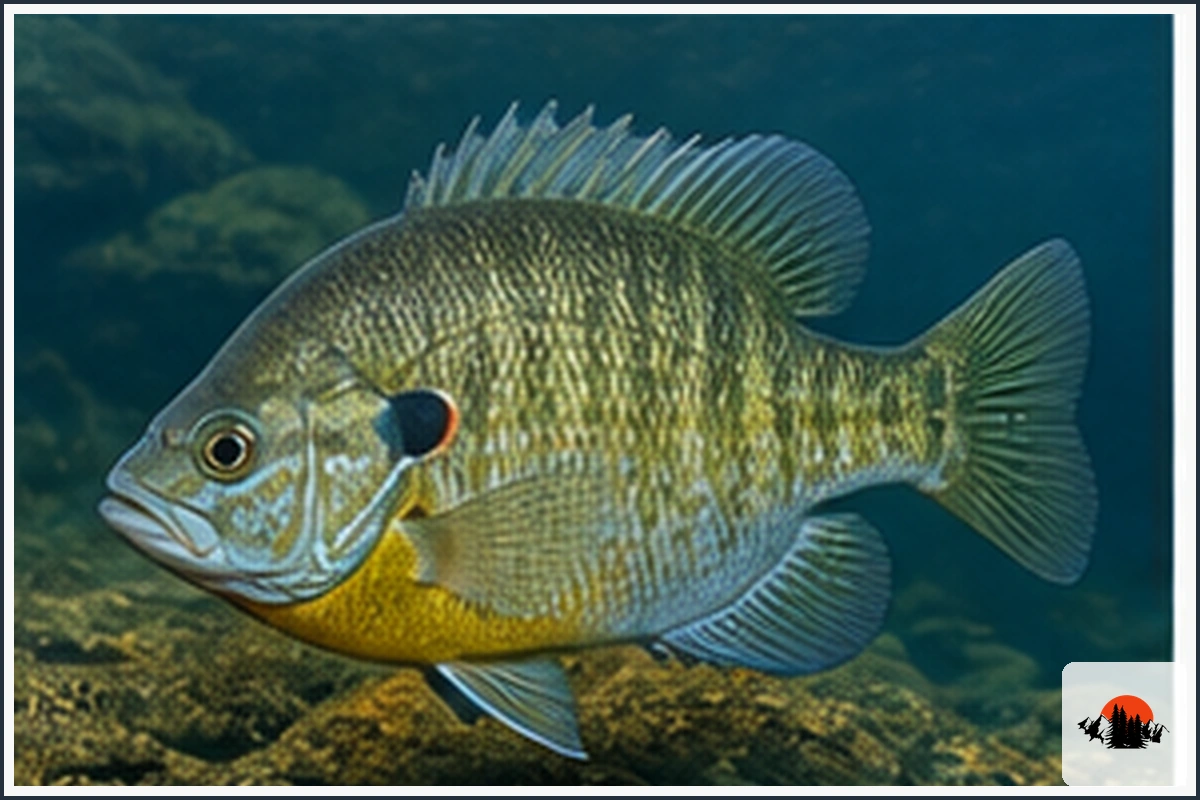
Scientific name: Lepomis macrochirus. Bluegill have a deep, rounded body, blue coloring near the gill cover, and dark vertical bars. Adults are commonly 6 to 10 inches long.
They thrive in warm lakes, ponds, quiet rivers, and protected bays. Bluegill feed on insects, larvae, small crustaceans, and tiny fish. They often gather around weeds, docks, brush, and submerged trees. Their willingness to bite makes them a popular choice for beginning anglers and family fishing trips.
6. Pumpkinseed Sunfish
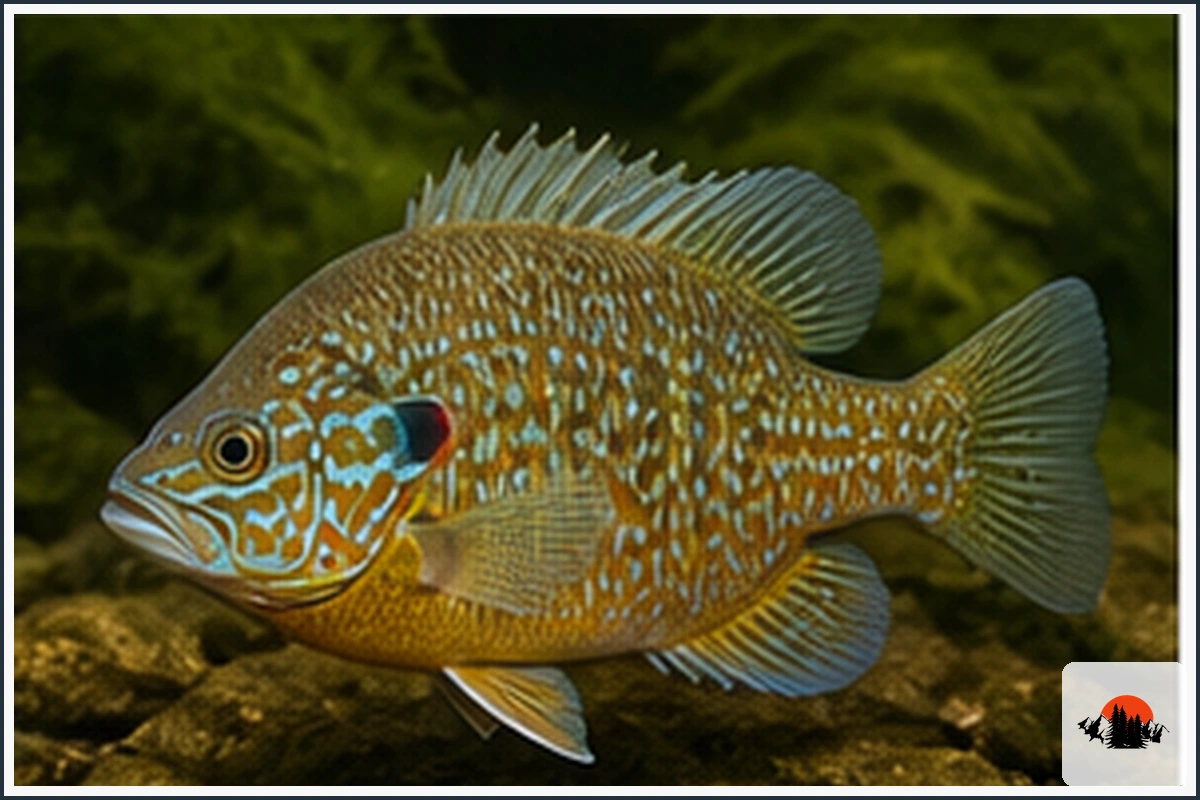
Scientific name: Lepomis gibbosus. Pumpkinseed sunfish are colorful panfish with orange, yellow, blue, and green markings. A red or orange spot on the rear edge of the gill cover is a useful identification feature.
They prefer quiet water with vegetation, sandy or muddy bottoms, and abundant cover. Pumpkinseeds eat snails, insect larvae, small crustaceans, and other invertebrates. They are common in ponds, inland lakes, and slow-moving waters, where their small mouths make them easy to catch with worms or small artificial lures.
7. Black Crappie
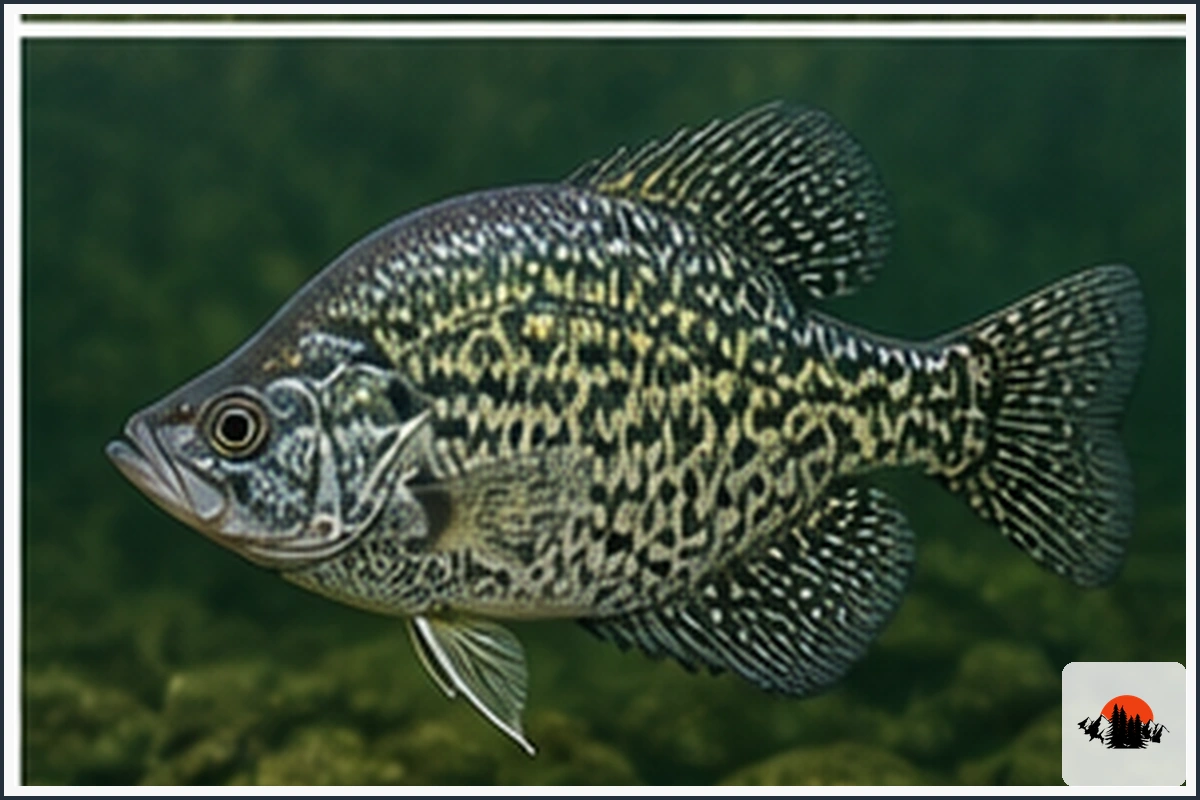
Scientific name: Pomoxis nigromaculatus. Black crappie have a silvery, deep-bodied shape with irregular dark spots and a large mouth. They often grow 8 to 14 inches long.
They favor clear lakes, quiet bays, reservoirs, and slow rivers with submerged brush or vegetation. Black crappie feed on insects, zooplankton, minnows, and small fish. They are frequently caught around brush piles, fallen trees, and weed edges, especially in spring and early summer.
8. White Crappie
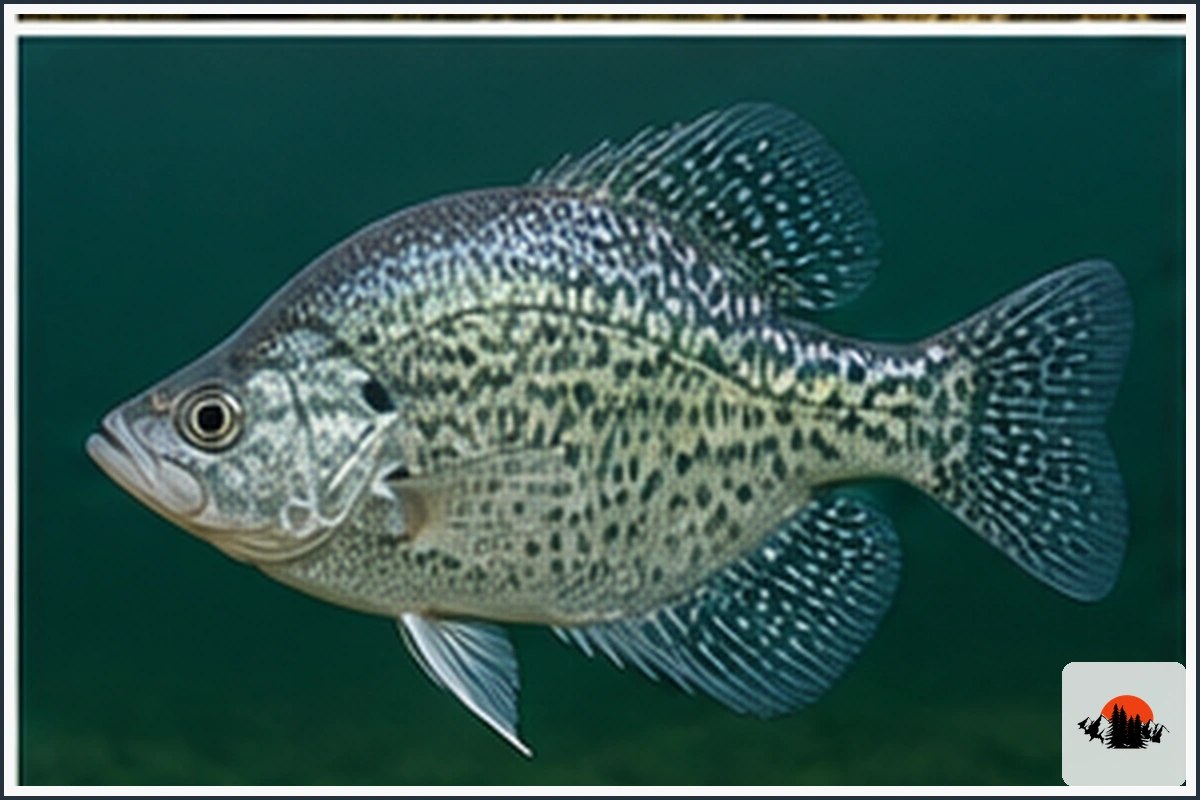
Scientific name: Pomoxis annularis. White crappie are similar to black crappie but usually have fewer dorsal spines, more regular vertical bars, and a slightly more elongated body. They commonly reach 8 to 14 inches.
These fish inhabit warm lakes, backwaters, reservoirs, and slow rivers. They feed on small fish, insects, and crustaceans. White crappie often school near submerged wood and vegetation, making them a popular target for light tackle and small jigs.
9. Rock Bass
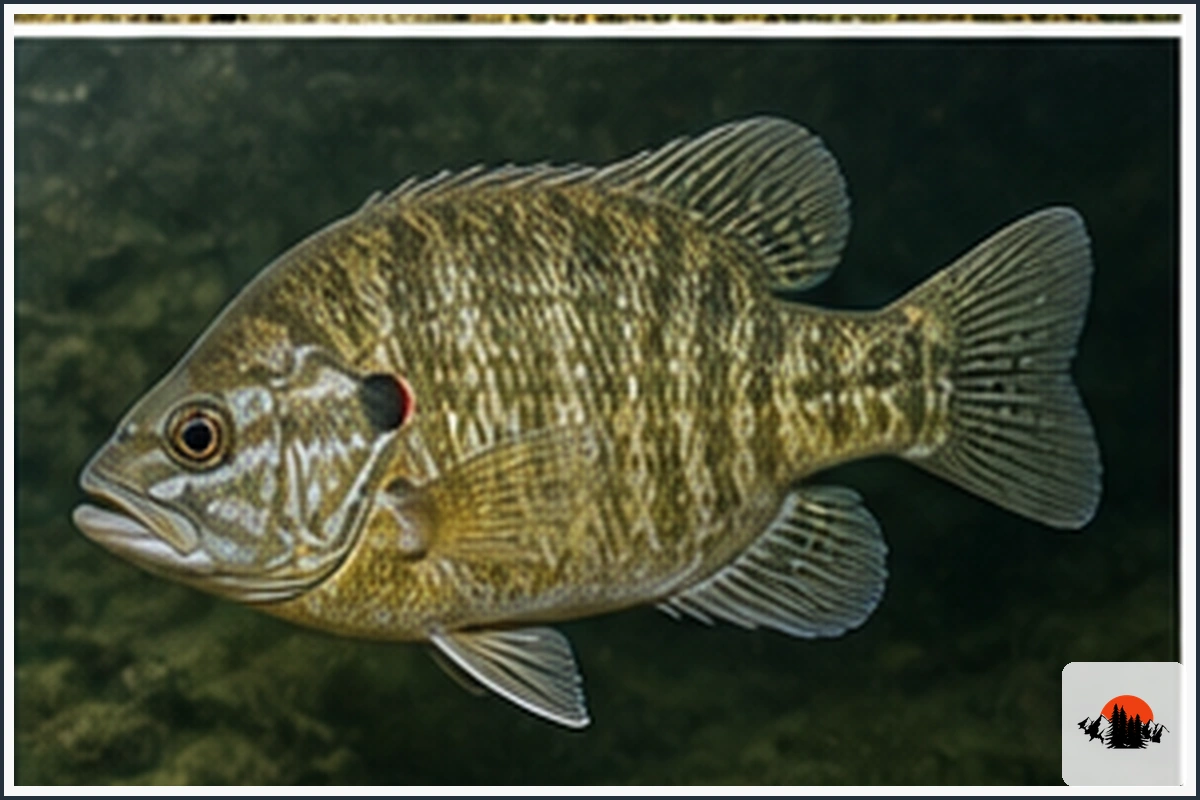
Scientific name: Ambloplites rupestris. Rock bass are compact sunfish with a large mouth, reddish eyes, and dark spots along the body. Their colors range from olive to brown, and adults commonly measure 6 to 10 inches.
They prefer rocky shorelines, clear streams, rivers, and lakes with firm bottoms. Rock bass eat crayfish, insects, minnows, and other small aquatic animals. They often hold near boulders, bridge structures, and current edges.
10. Muskellunge
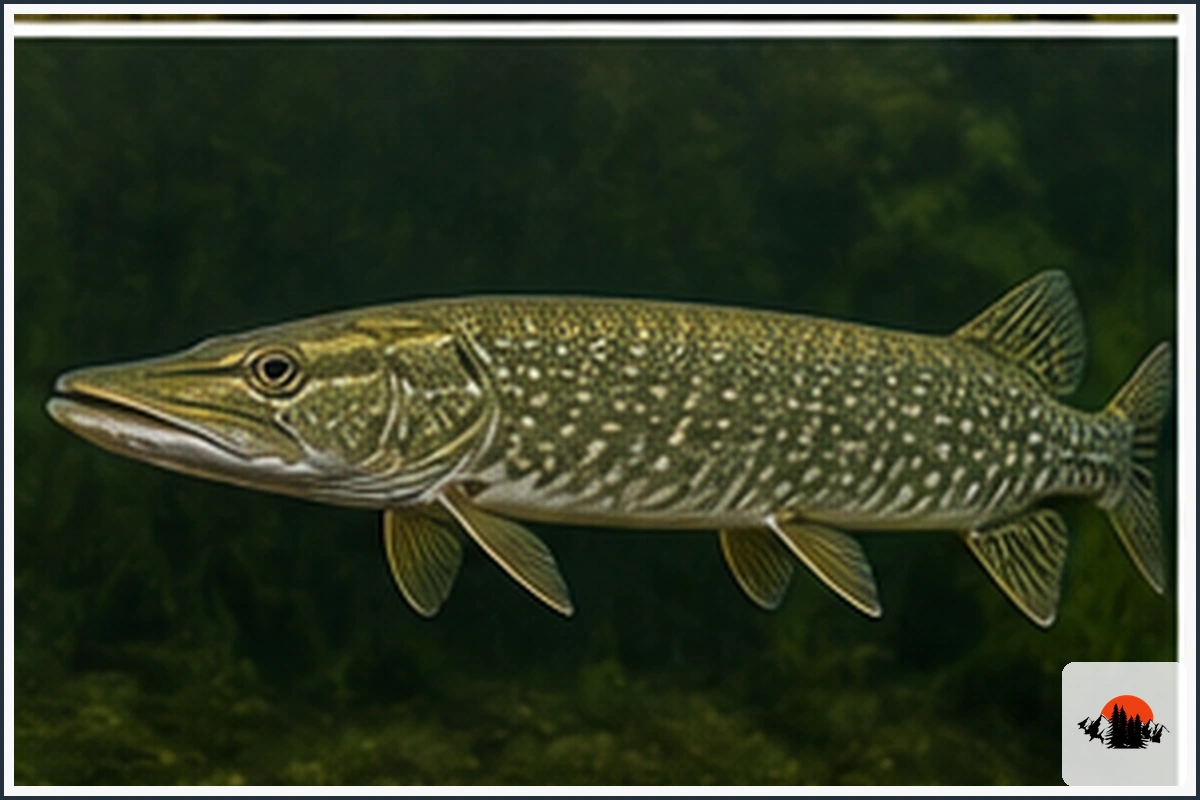
Scientific name: Esox masquinongy. Muskellunge, commonly called muskies, are Michigan’s famous large freshwater predators. They have long cylindrical bodies, flattened heads, sharp teeth, and dark markings that vary from bars to spots. Many adults exceed 40 inches.
Muskies live in large lakes, rivers, and reservoirs with vegetation, rocky structure, or deep weed edges. They ambush large prey such as suckers, perch, walleye, and other fish. Because muskellunge grow slowly and are valuable trophy fish, anglers should follow current size limits and handle them carefully.
11. Northern Pike
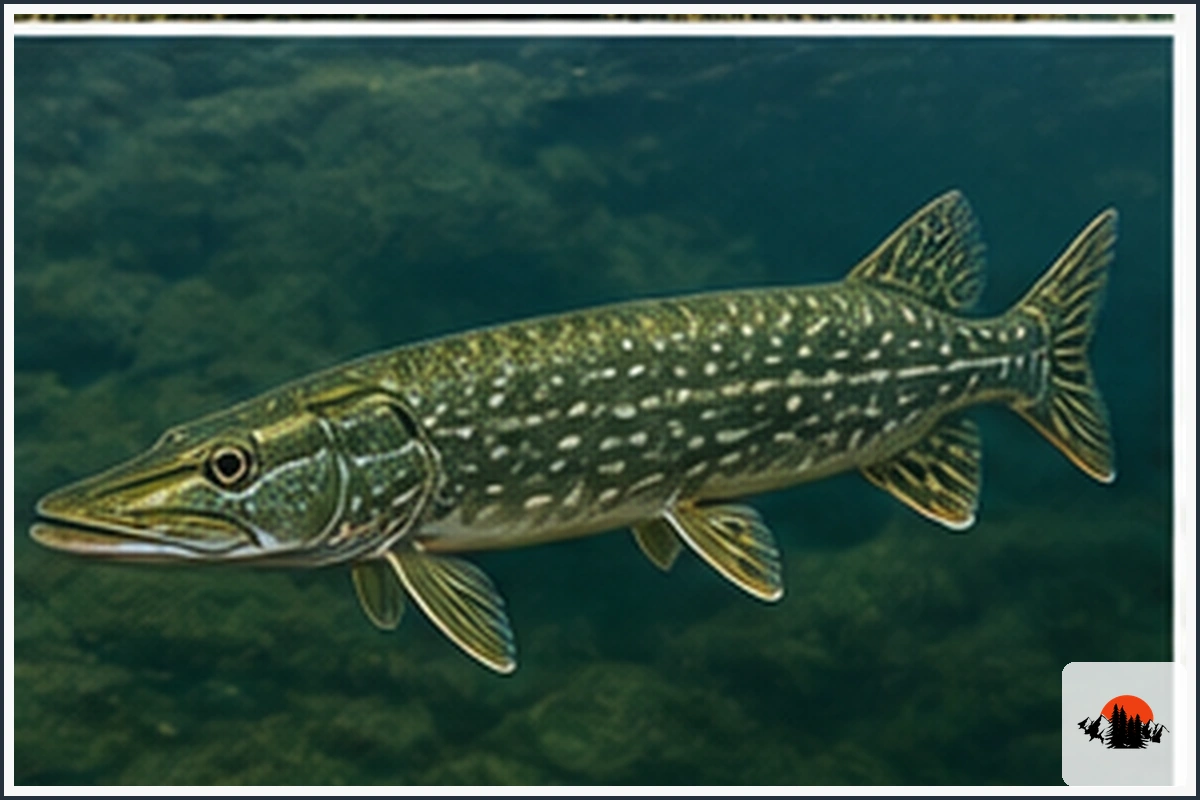
Scientific name: Esox lucius. Northern pike have a long, torpedo-shaped body, a duckbill-like snout, sharp teeth, and pale oval markings on a green background. Adults often measure 20 to 35 inches.
They occur in weedy lakes, marshes, rivers, bays, and cool backwaters. Northern pike are ambush predators that eat fish, frogs, crayfish, and occasionally small mammals or birds. Look for them near weed lines, reed beds, and current breaks.
12. Lake Trout
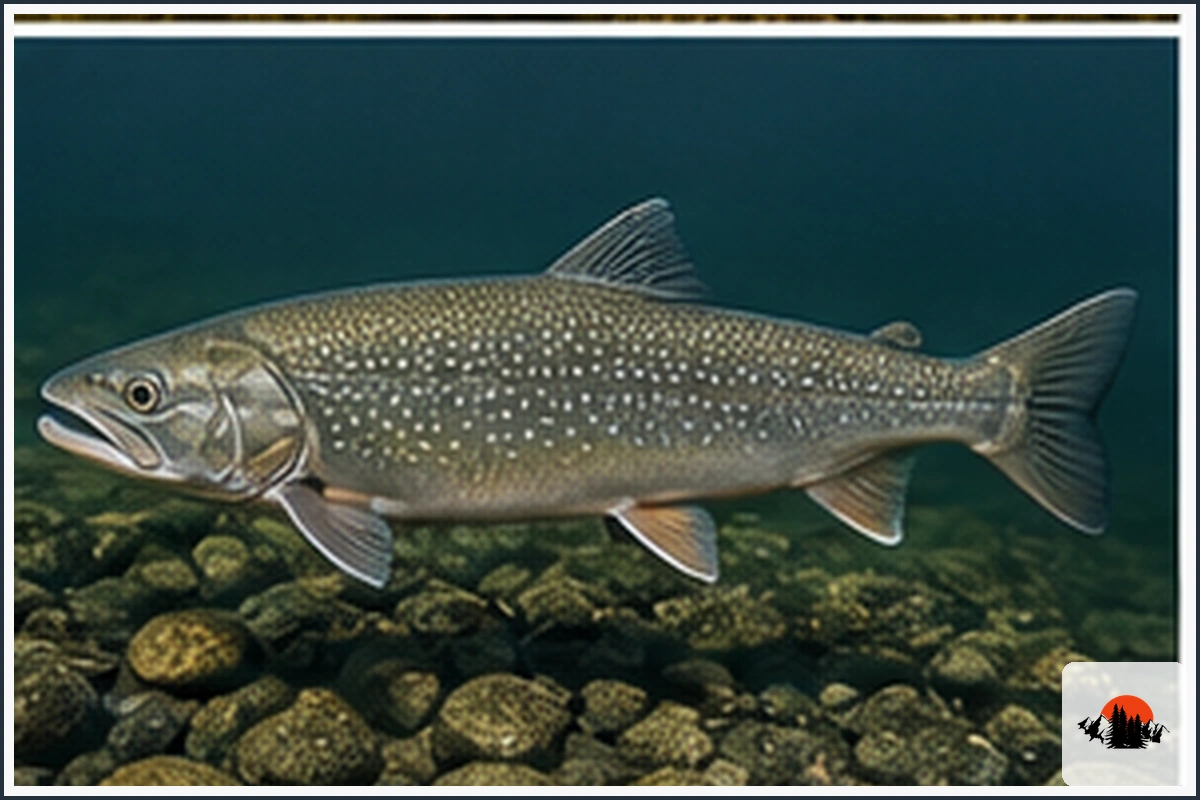
Scientific name: Salvelinus namaycush. Lake trout have a deeply forked tail, light spots on a dark body, and a cream or yellow edge on the lower fins. They are Michigan’s native char and can grow very large.
Lake trout prefer cold, oxygen-rich water and are common in the Great Lakes and deep inland lakes. Their diet includes ciscoes, smelt, alewives, sculpins, and other fish. In summer, they often occupy deep water, while spring and fall can bring them into shallower areas.
13. Brook Trout
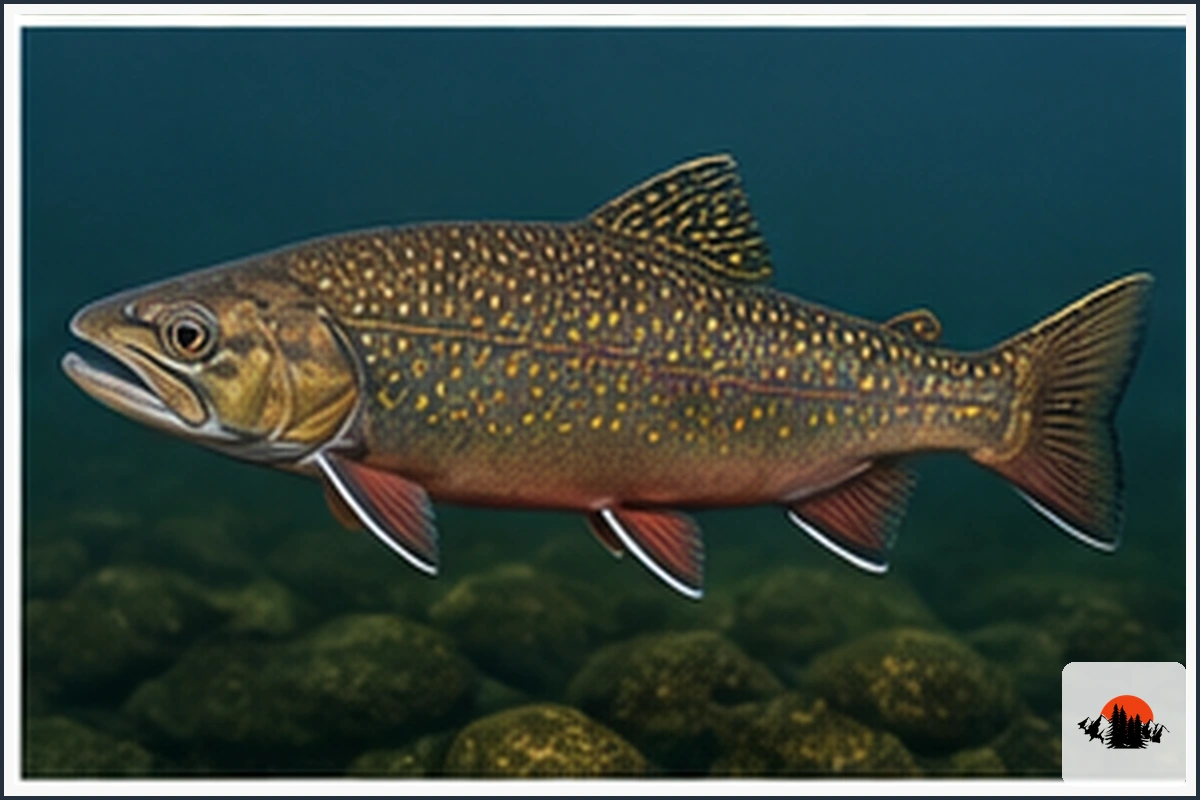
Scientific name: Salvelinus fontinalis. Brook trout are recognized by wormlike markings on the back, red spots with blue halos, and white leading edges on the lower fins. They are usually smaller than lake trout.
They need cold, clean, well-oxygenated streams, spring-fed creeks, and cold lakes. Brook trout eat aquatic insects, terrestrial insects, crustaceans, and small fish. Their presence often indicates good water quality, although habitat changes and warming water can reduce suitable habitat.
14. Brown Trout
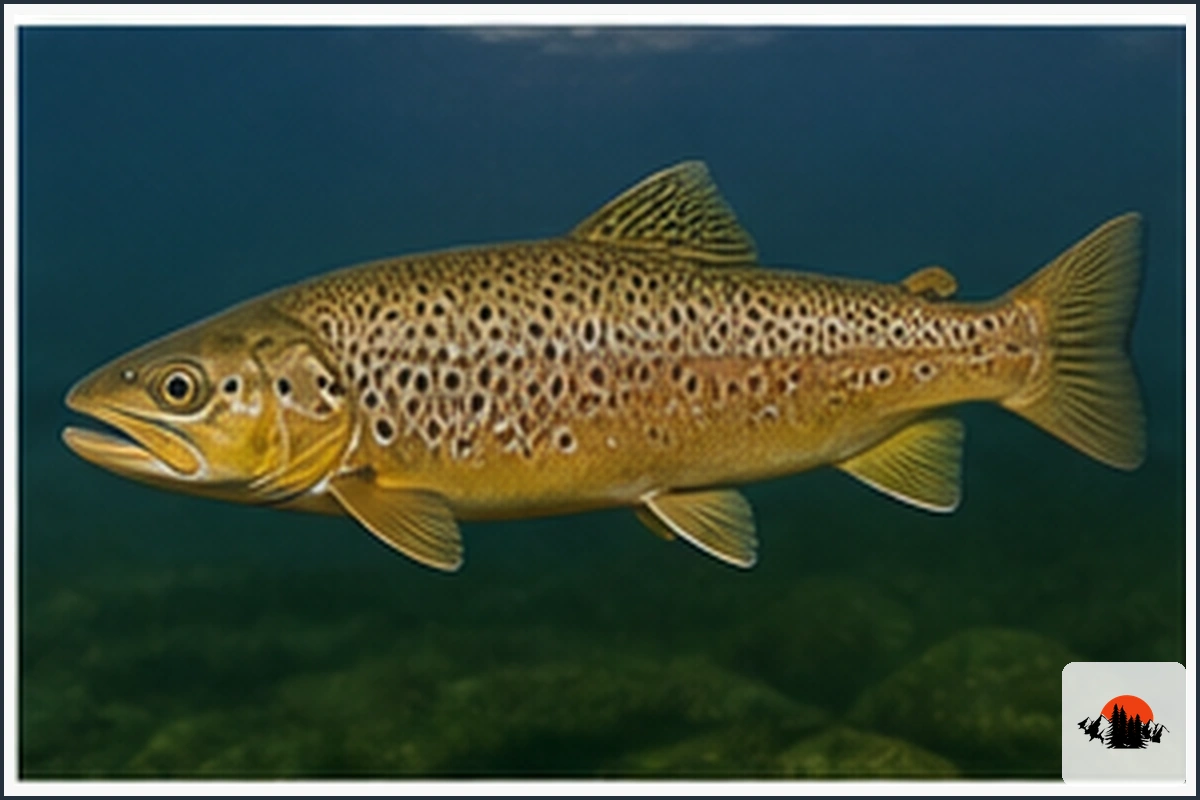
Scientific name: Salmo trutta. Brown trout have golden-brown sides, dark spots, and red spots that may be surrounded by pale halos. Their appearance varies widely by habitat and age.
They live in cold rivers, streams, inland lakes, and Great Lakes tributaries. Brown trout eat insects, crayfish, minnows, and other fish. They are cautious and often become more active during low light, making dawn, dusk, and overcast conditions productive for anglers.
15. Rainbow Trout
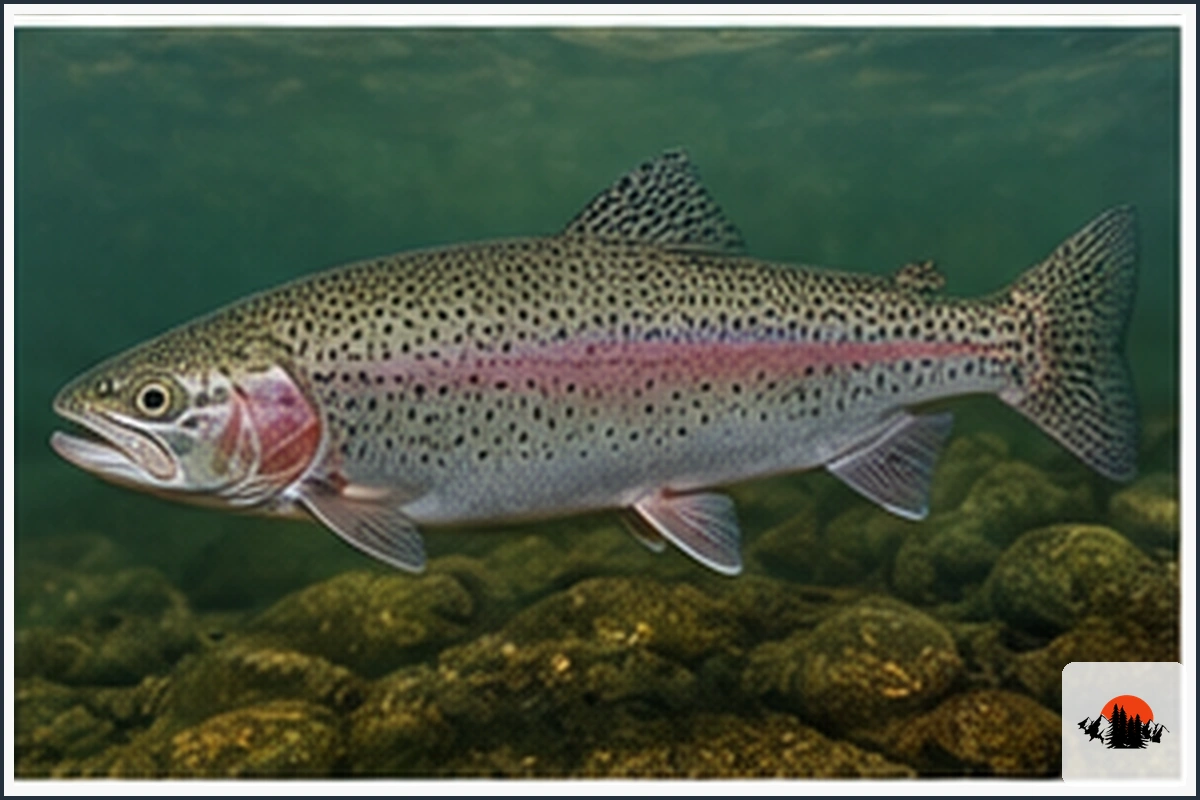
Scientific name: Oncorhynchus mykiss. Rainbow trout are identified by a pink or reddish stripe along the side, dark spots on the back and tail, and a silvery body. Steelhead are lake- or river-run forms of rainbow trout that can grow much larger.
They favor cold streams, rivers, lakes, and Great Lakes tributaries. Their diet includes aquatic insects, eggs, crustaceans, and small fish. Michigan anglers often pursue steelhead during seasonal migrations into tributaries.
16. Chinook Salmon
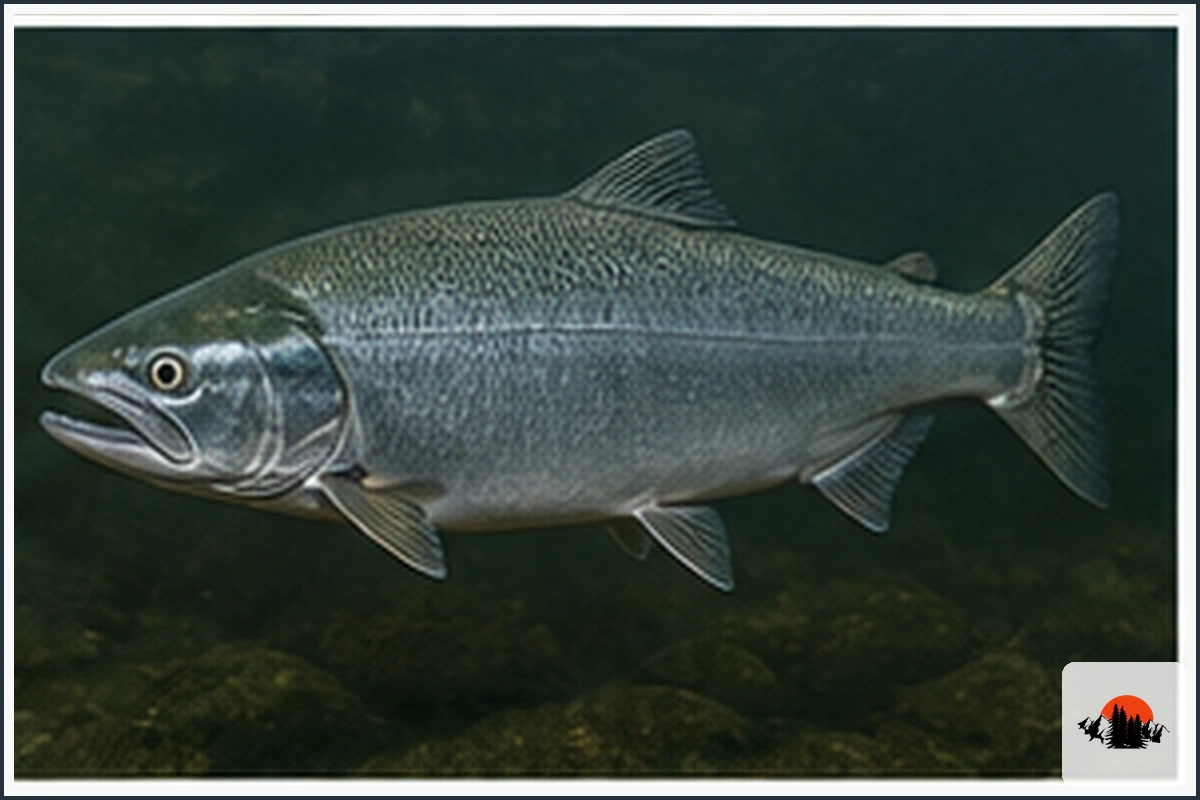
Scientific name: Oncorhynchus tshawytscha. Chinook salmon, also called king salmon, have dark backs, black spots on the upper body and tail, and a powerful build. They are among Michigan’s largest salmonids.
They spend much of their lives in the Great Lakes before entering tributaries to spawn. Young fish eat aquatic insects and small fish, while adults in the lake feed heavily on alewives and other forage fish. Their strong runs attract anglers in rivers and nearshore waters.
17. Coho Salmon
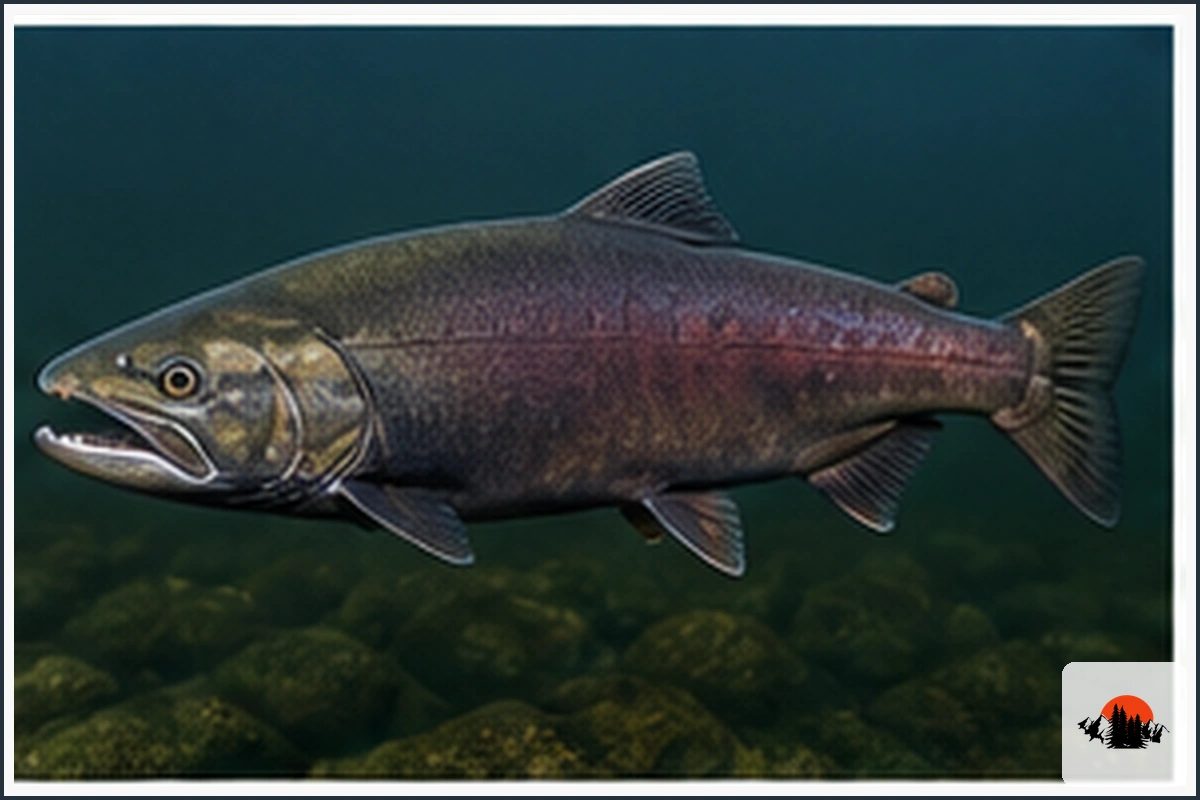
Scientific name: Oncorhynchus kisutch. Coho salmon are generally smaller than Chinook salmon and have black spots mainly on the upper lobe of the tail. Spawning adults develop darker bodies and reddish coloration.
Coho use Great Lakes waters and tributaries. They eat insects and small fish as juveniles and forage fish as adults. Their seasonal stream migrations are important recreational events, especially in western Michigan rivers.
18. Atlantic Salmon
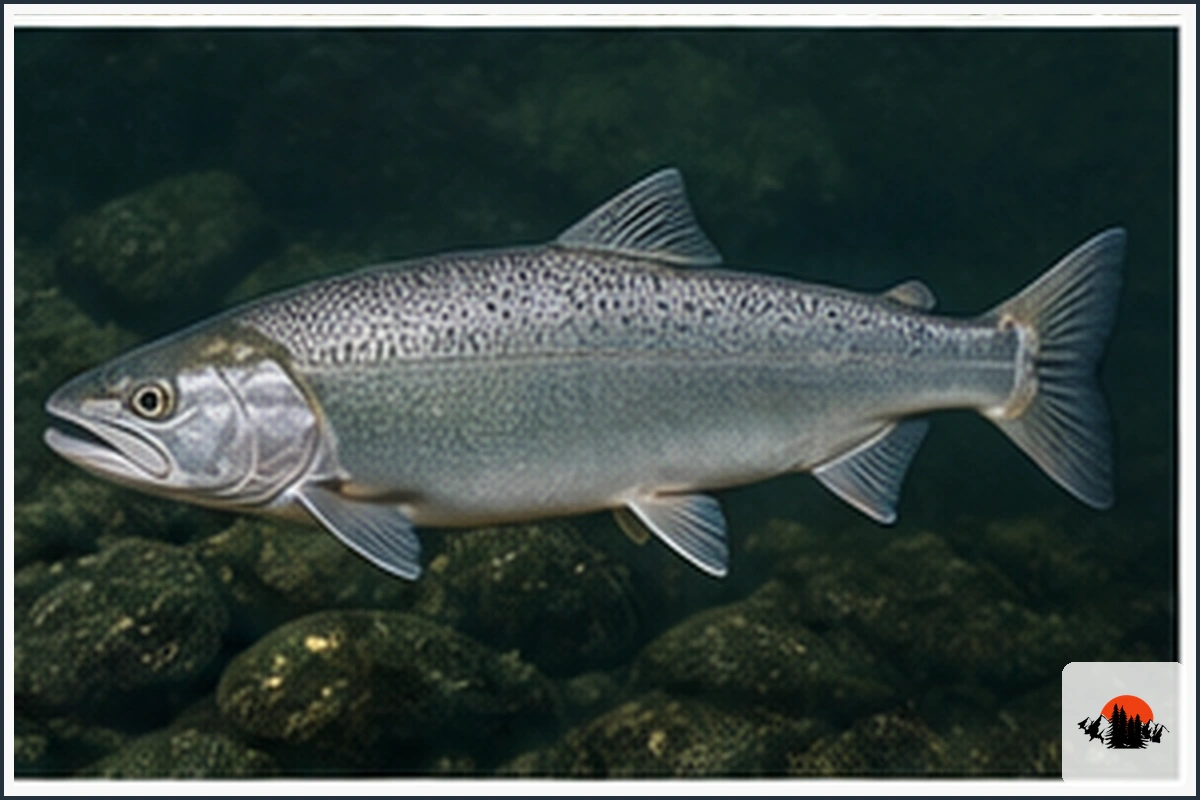
Scientific name: Salmo salar. Atlantic salmon have a streamlined body, dark spots, and a relatively large mouth. In Michigan they are uncommon compared with Chinook, coho, and lake trout.
They may occur in selected Great Lakes waters and connected rivers through stocking or management programs. Atlantic salmon require cold, clean water and feed on insects, crustaceans, and fish. Regulations can be specific, so anglers should verify current rules before keeping one.
19. Lake Whitefish
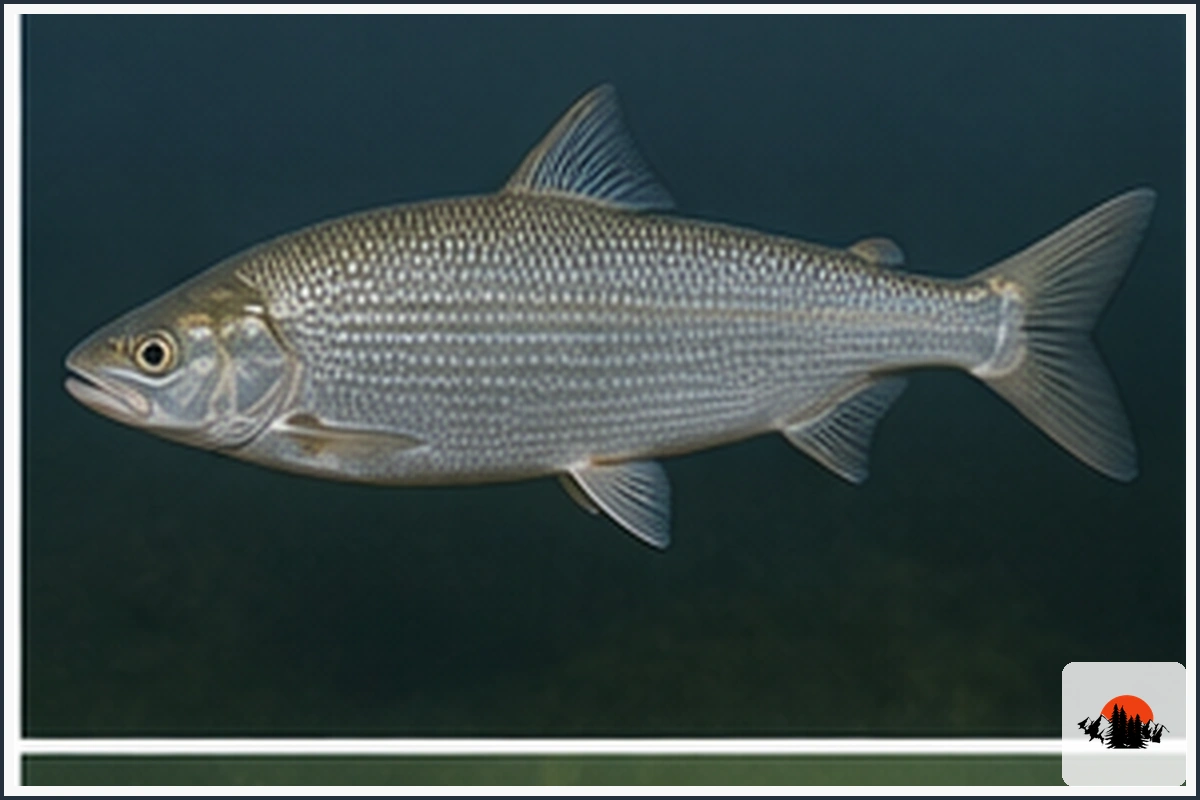
Scientific name: Coregonus clupeaformis. Lake whitefish have a silvery body, small head, deeply forked tail, and slightly projecting lower jaw. They are commonly 15 to 24 inches long.
They live in cold, deep areas of the Great Lakes and some inland waters. Lake whitefish feed on insect larvae, clams, snails, crustaceans, and other bottom-dwelling organisms. They are both ecologically important and commercially harvested in parts of the Great Lakes.
20. Cisco
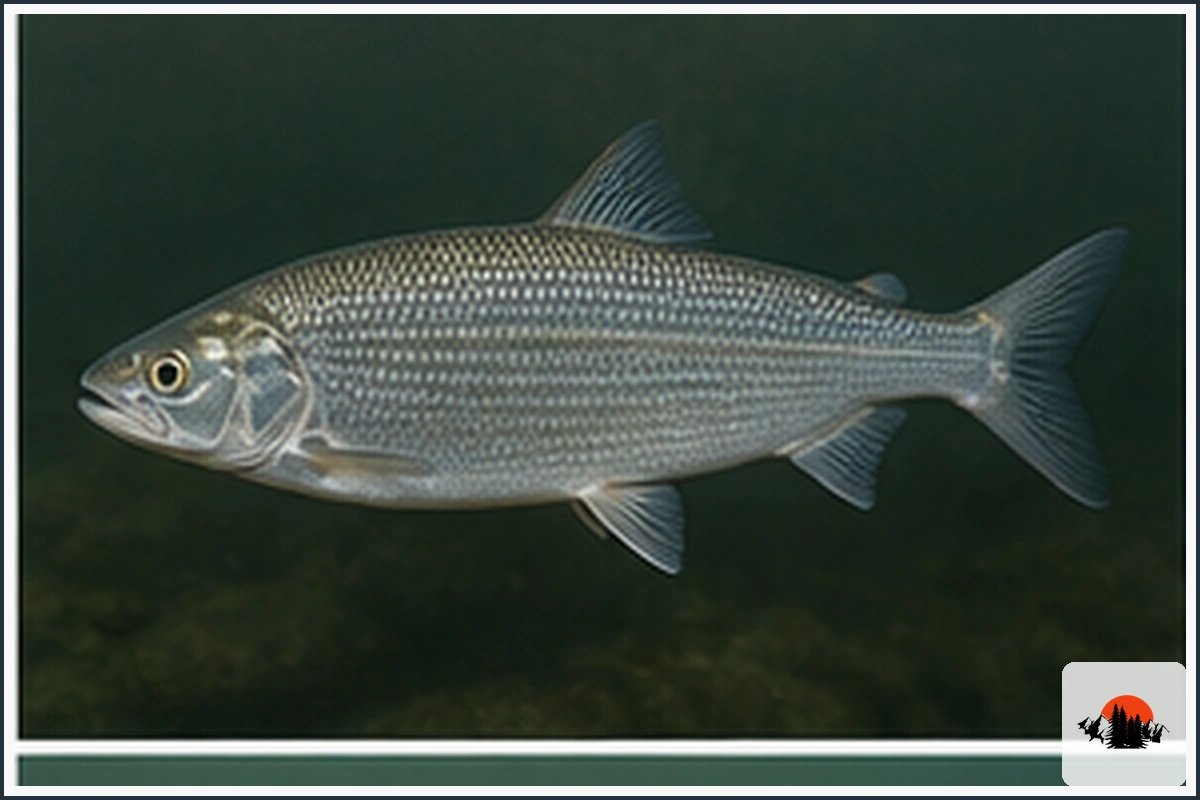
Scientific name: Coregonus artedi. Cisco, sometimes called lake herring, have a slender silvery body, deeply forked tail, and small head. They are an important native forage fish.
Cisco inhabit cold, well-oxygenated lakes and Great Lakes waters. They eat plankton and small aquatic organisms, while larger predators such as lake trout, walleye, and muskellunge feed on them. Cisco populations can be sensitive to warming water and habitat changes.
21. Lake Sturgeon
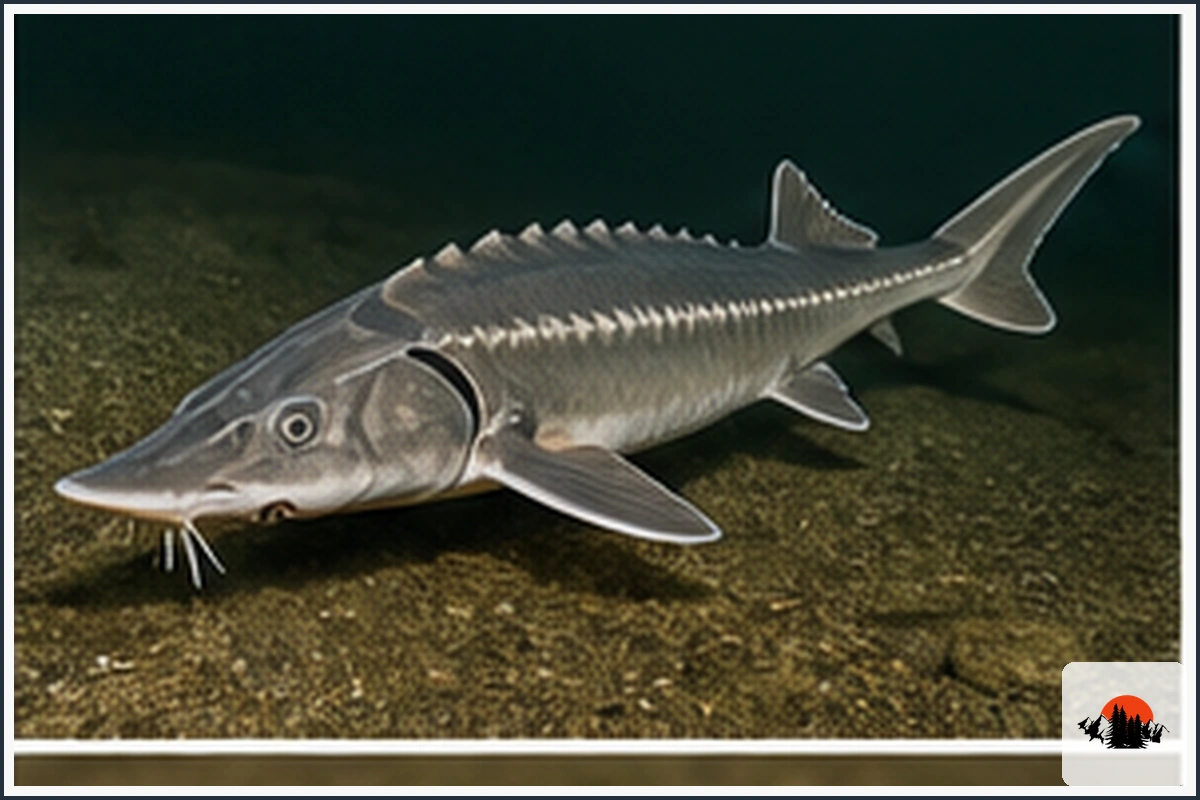
Scientific name: Acipenser fulvescens. Lake sturgeon are ancient-looking fish with rows of bony plates, a long snout, a sharklike tail, and barbels near the mouth. They can become very large and live for many decades.
They use large rivers, connected lakes, and Great Lakes habitats. Lake sturgeon feed mainly on worms, insect larvae, crayfish, mollusks, and other bottom organisms. Habitat loss, overharvest, and slow reproduction have affected populations, so conservation programs are important.
22. Channel Catfish
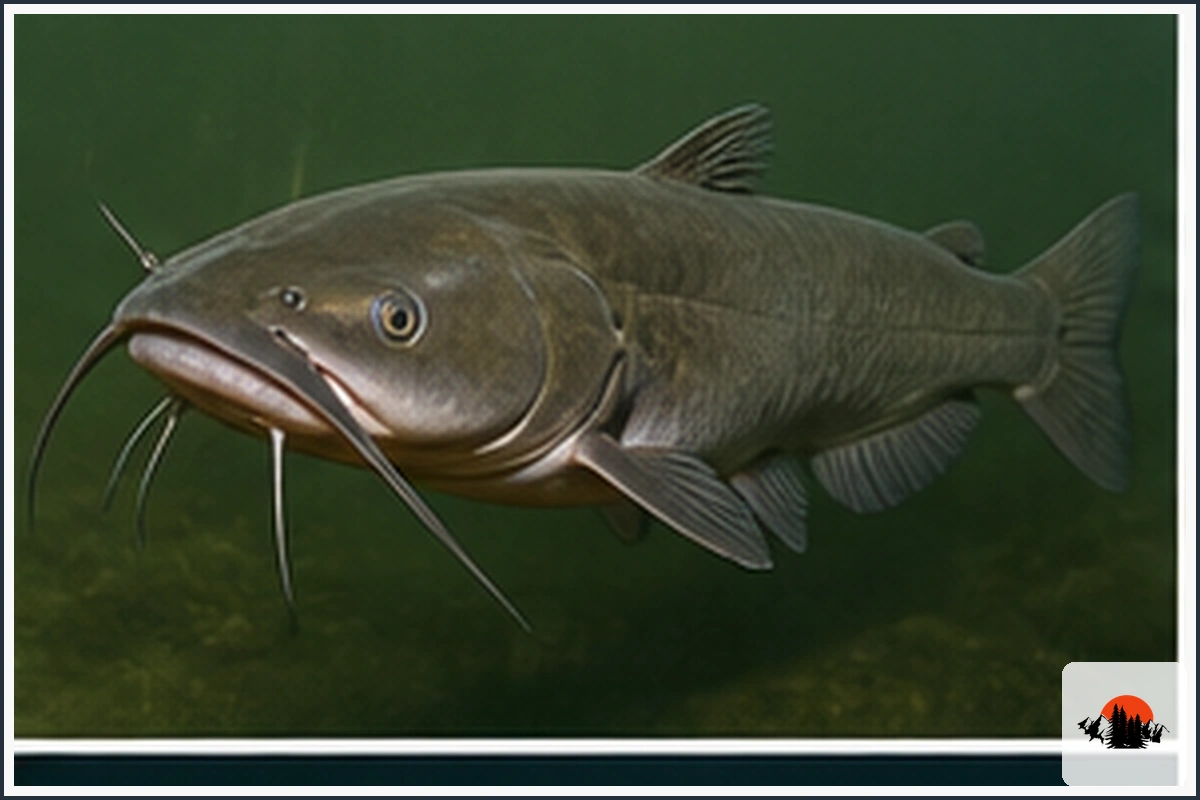
Scientific name: Ictalurus punctatus. Channel catfish have a deeply forked tail, smooth scaleless skin, dark spots on younger fish, and barbels around the mouth. Adults often weigh several pounds.
They inhabit rivers, reservoirs, lakes, and warm Great Lakes bays. Channel catfish eat insects, crayfish, mussels, dead fish, and other food found near the bottom. They are commonly caught with natural baits near deep holes, current seams, and submerged structure.
23. Flathead Catfish
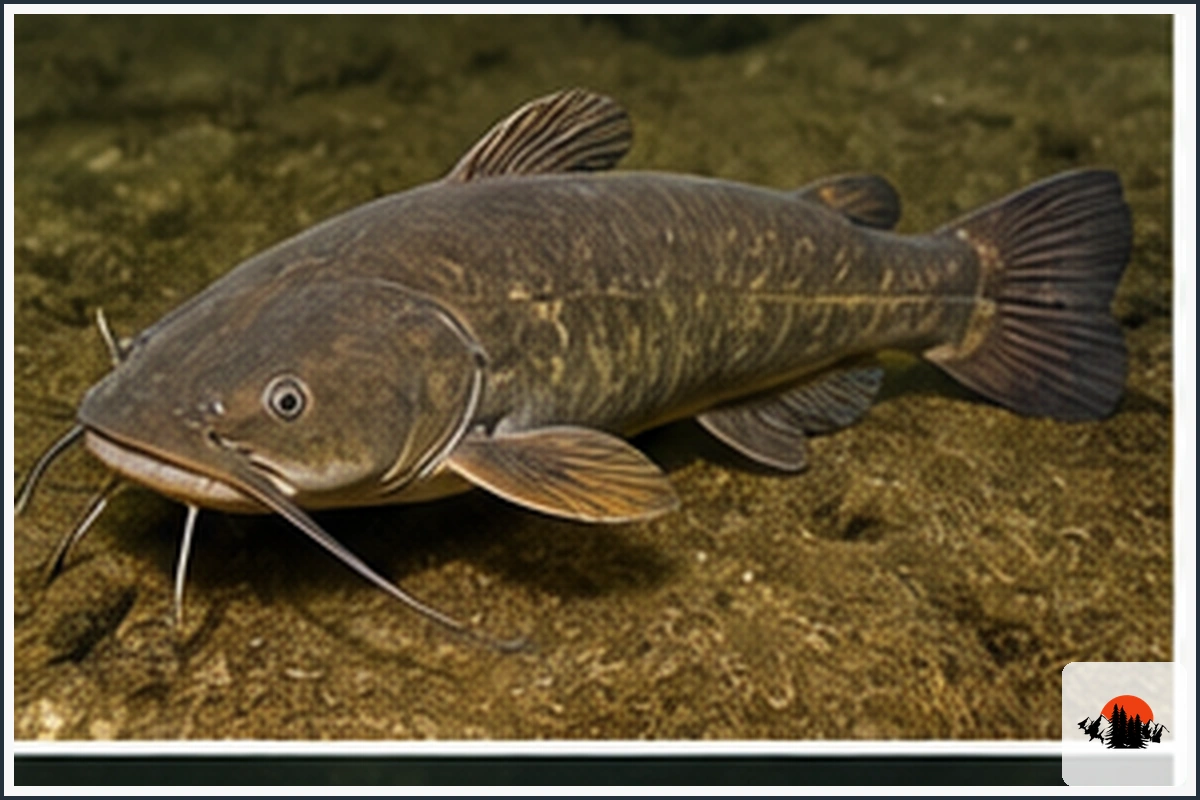
Scientific name: Pylodictis olivaris. Flathead catfish have a broad flattened head, small eyes, a protruding lower jaw, and a yellow-brown body. They can grow much larger than many other Michigan catfish.
They favor warm rivers, reservoirs, deep pools, and areas with cover. Flathead catfish are primarily predators and often eat live fish. They are less widespread than channel catfish in Michigan, but anglers may encounter them in suitable southern waters.
24. White Sucker
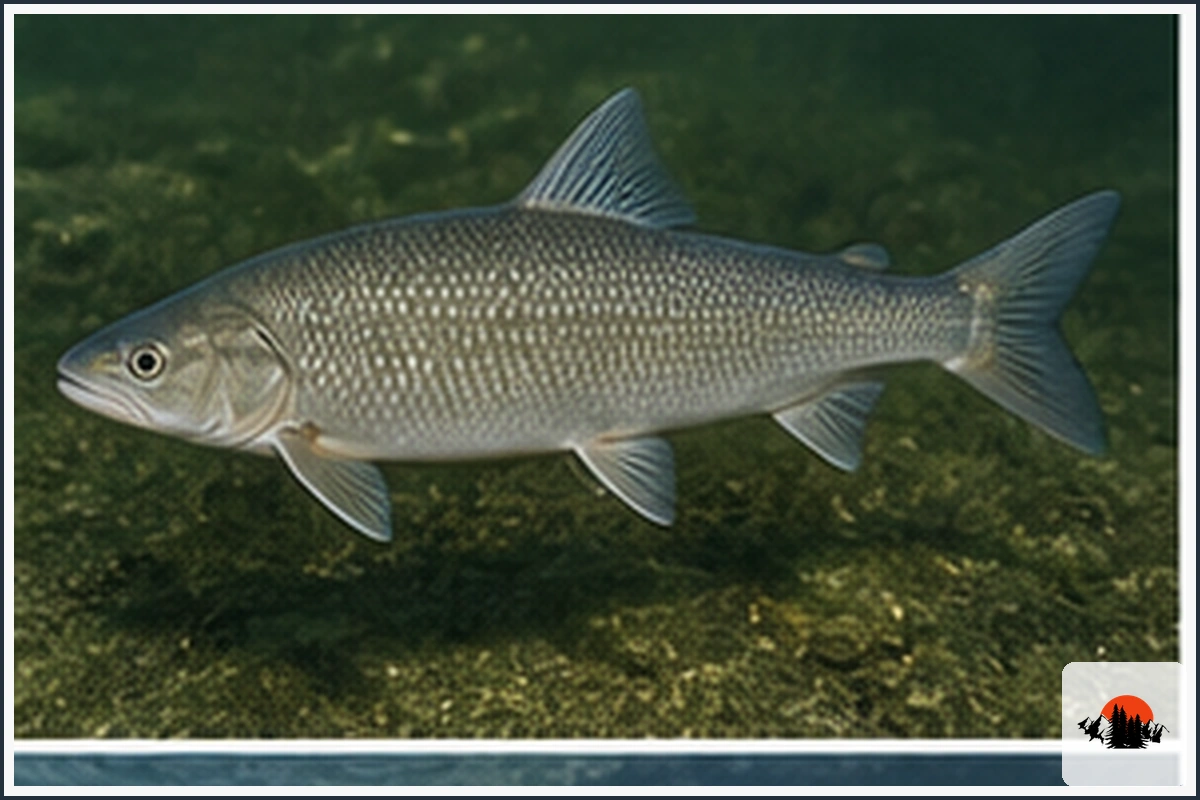
Scientific name: Catostomus commersonii. White suckers have a cylindrical body, rounded snout, inferior mouth, and dark back with lighter sides. Most are 10 to 18 inches long.
They are widespread in streams, rivers, lakes, and ponds. White suckers feed by rooting along the bottom for insect larvae, crustaceans, worms, algae, and other organic material. They are an important food source for larger predators and can be useful indicators of broad freshwater habitat conditions.
25. Longnose Sucker
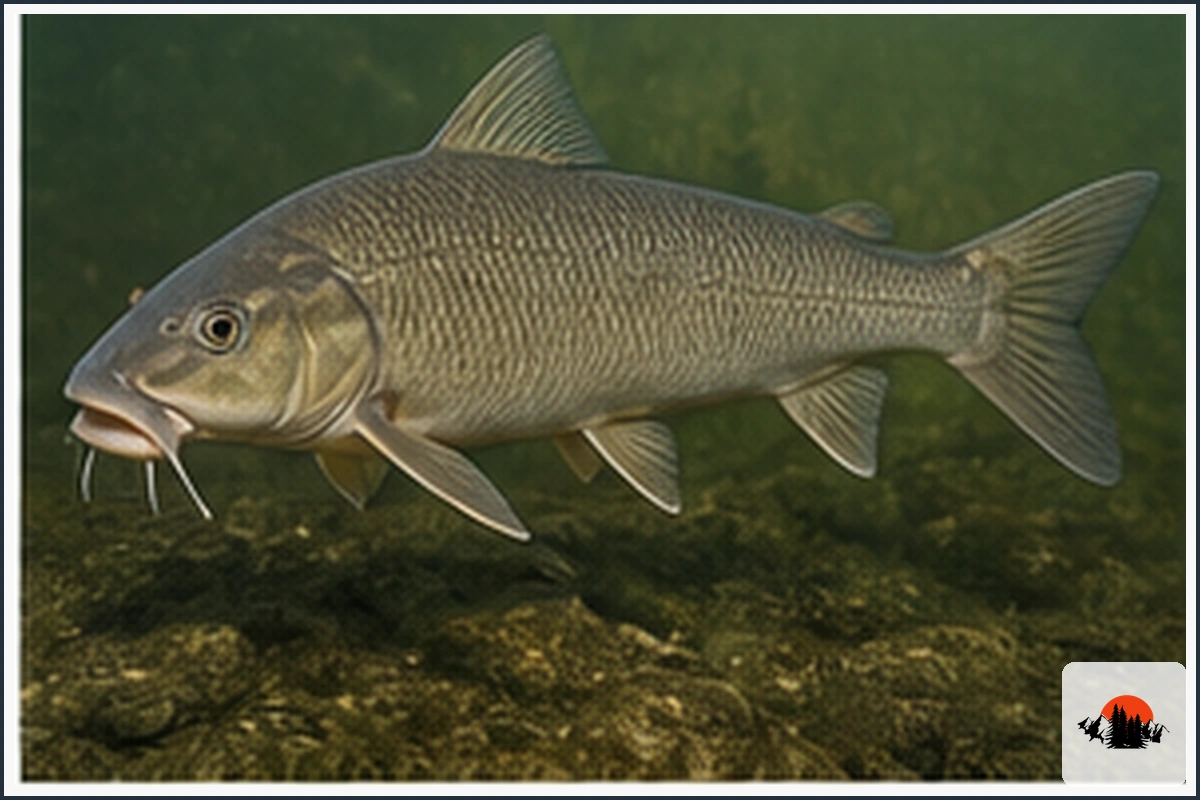
Scientific name: Catostomus catostomus. Longnose suckers are named for their extended snout and downturned mouth. Their back is generally dark, while the sides are lighter and may show subtle mottling.
They live in cool lakes and streams, often over gravel or rocky bottoms. Longnose suckers eat bottom-dwelling invertebrates, algae, and organic matter. They are native fish and contribute to nutrient movement within freshwater ecosystems.
26. Common Carp
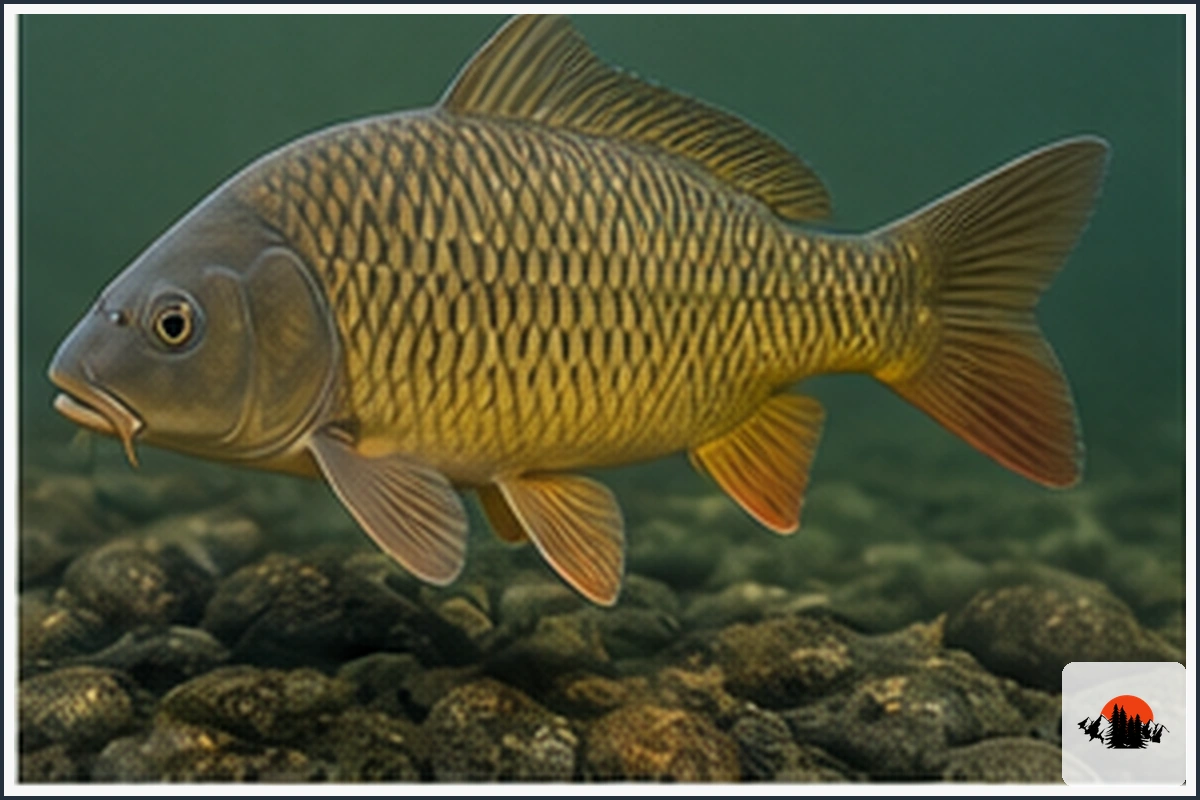
Scientific name: Cyprinus carpio. Common carp have large golden-brown scales, a deep body, and small barbels near the mouth. They can grow heavy and are powerful fighters on fishing tackle.
They tolerate warm, turbid water and occur in lakes, rivers, canals, and bays. Common carp feed by stirring bottom sediments while searching for insects, plants, seeds, and small organisms. Their feeding can increase turbidity and disturb aquatic vegetation, so they are managed differently from native sport fish.
27. Round Goby
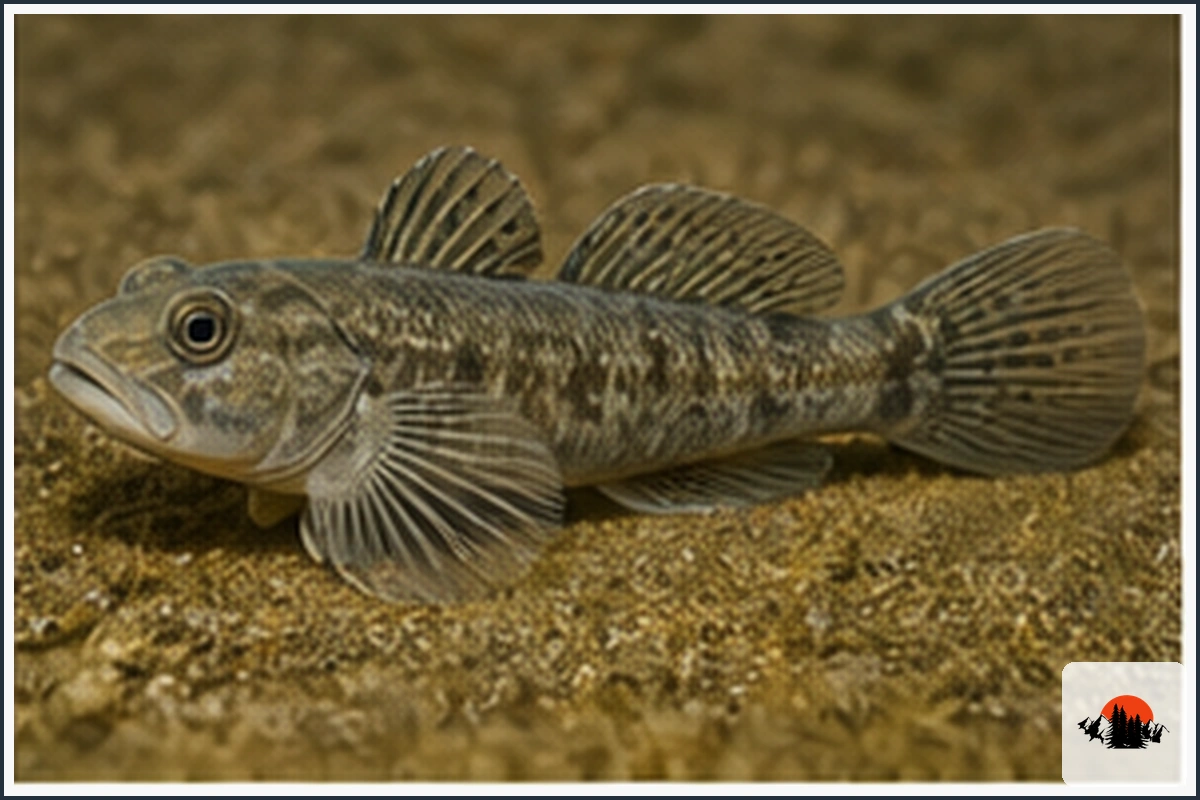
Scientific name: Neogobius melanostomus. Round gobies are small bottom-dwelling fish with mottled brown coloring, a blunt head, and a distinctive fused pelvic fin that acts like a suction disc.
They are invasive in the Great Lakes and connected waterways. Round gobies eat aquatic invertebrates, mussels, and fish eggs, and they compete with native bottom fish. Anglers should never move live gobies between waters and should follow bait regulations carefully.
28. Alewife
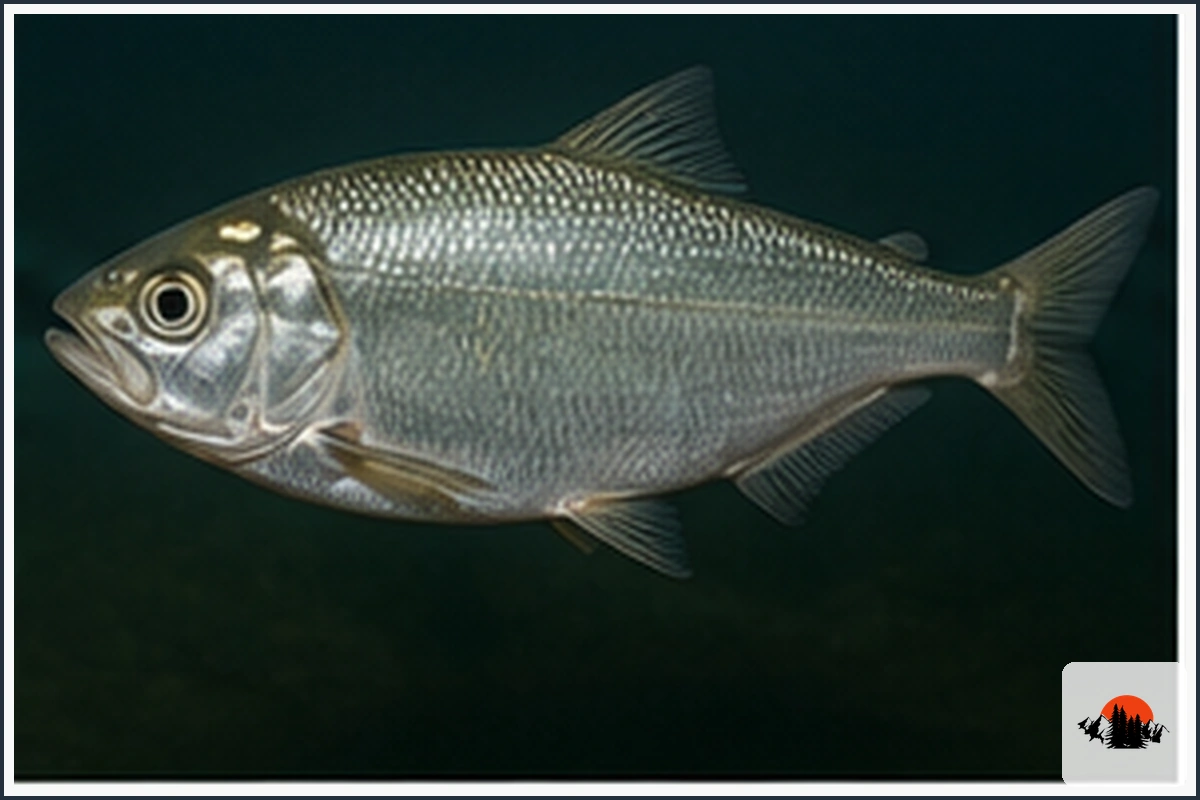
Scientific name: Alosa pseudoharengus. Alewives are slender, silvery schooling fish with a dark spot behind the gill cover. They are important forage fish in the Great Lakes food web.
Alewives feed mainly on plankton and are eaten by salmon, trout, walleye, bass, and other predators. Large die-offs can occur when changing temperatures and weather conditions affect weakened populations. Their abundance strongly influences Great Lakes predator fish.
29. Burbot
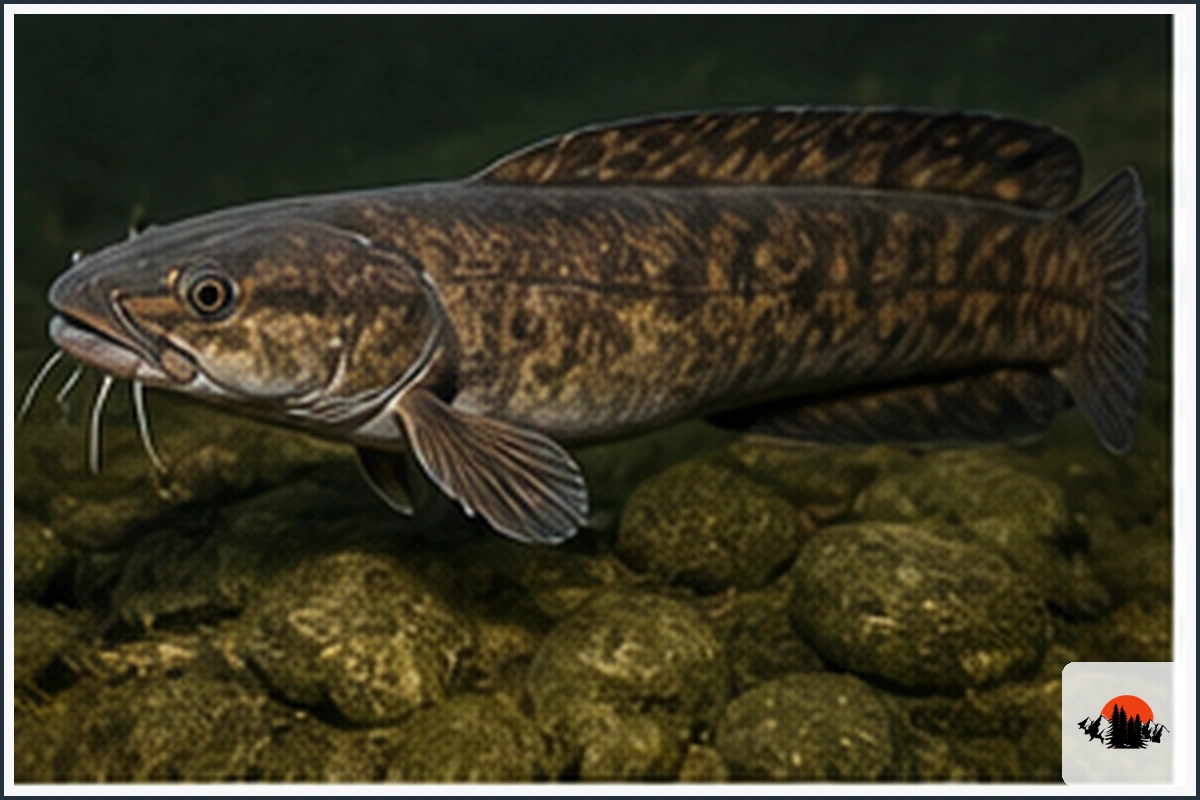
Scientific name: Lota lota. Burbot are freshwater relatives of cod with long bodies, mottled brown or olive coloring, a single chin barbel, and soft fins. They are often mistaken for catfish or eelpout.
Burbot prefer cold lakes, deep rivers, and rocky bottoms. They feed on fish, crayfish, insect larvae, and other bottom organisms. They are most active in cold weather and may become more noticeable during winter fishing and late-season sampling.
30. Freshwater Drum
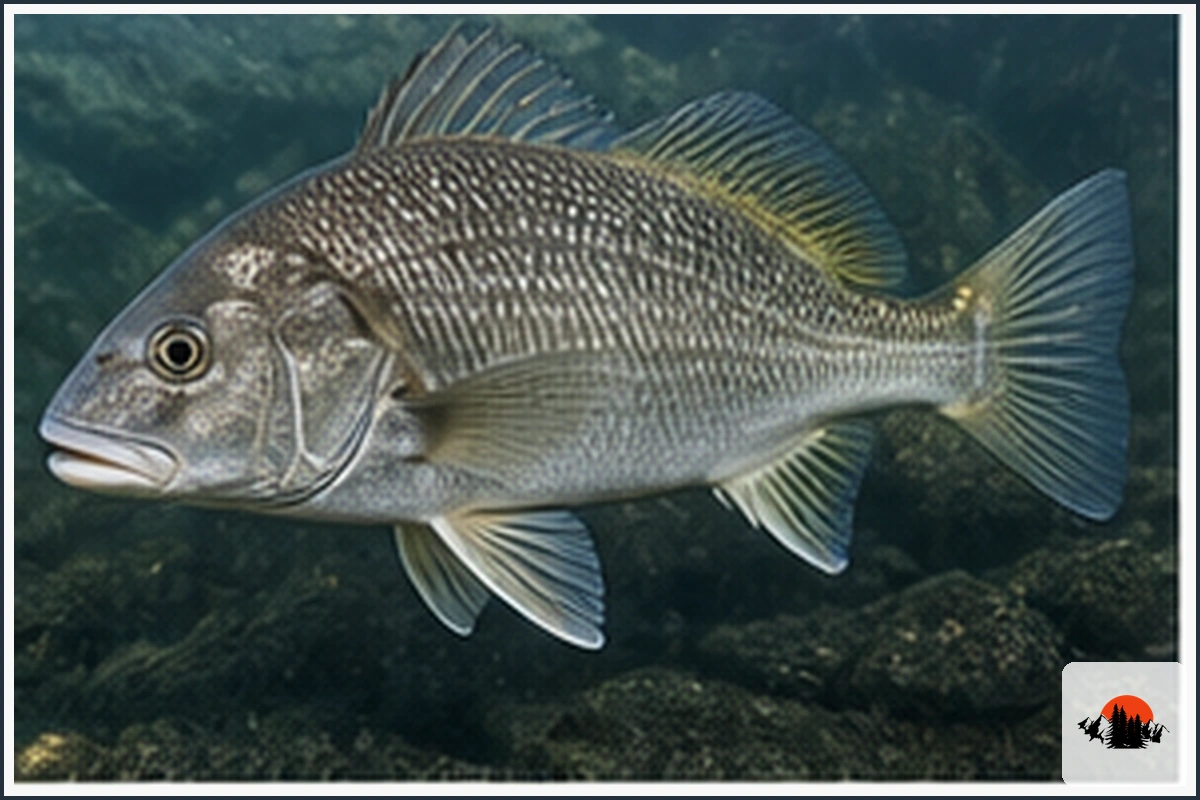
Scientific name: Aplodinotus grunniens. Freshwater drum have a deep, silvery body, blunt head, and rough-looking dorsal fin. Adults commonly weigh a few pounds, though larger fish occur.
They inhabit large rivers, lakes, reservoirs, and Great Lakes waters. Freshwater drum eat mussels, snails, crayfish, insect larvae, and small fish. They are named for the grunting or drumming sound produced by muscles near the swim bladder.
How Are These Types of Fish Classified?
Michigan fish can be classified in several useful ways:
- Sport fish: Bass, walleye, pike, muskellunge, trout, salmon, perch, and crappie are popular targets for anglers.
- Coldwater fish: Lake trout, brook trout, brown trout, rainbow trout, cisco, and burbot need cooler, oxygen-rich habitats.
- Warmwater fish: Largemouth bass, bluegill, pumpkinseed, carp, and many catfish tolerate warmer water.
- Forage fish: Alewives, ciscoes, and small minnows provide food for larger predators.
- Bottom-oriented fish: Suckers, sturgeon, catfish, drum, and burbot commonly feed near the lake or river bottom.
- Native and introduced species: Michigan contains naturally occurring native fish as well as managed or invasive introduced species.
Where Do These Fish Live?
Michigan fish occupy a wide range of habitats. The Great Lakes support lake trout, whitefish, salmon, steelhead, walleye, perch, lake sturgeon, and many forage fish. Inland lakes commonly hold bass, bluegill, perch, pike, muskellunge, crappie, and trout.
Cold streams provide habitat for brook trout, brown trout, rainbow trout, suckers, and sculpins. Warm rivers and reservoirs may support smallmouth bass, channel catfish, flathead catfish, carp, drum, and walleye. Habitat changes with depth, season, water temperature, vegetation, current, and available prey.
How to Identify Different Types of Fish in Michigan
- Check body shape: Long, narrow fish may be pike, muskellunge, trout, or salmon, while deep-bodied fish are often panfish, perch, or drum.
- Examine the mouth: A large jaw suggests bass or a predator; a downturned mouth often indicates a sucker.
- Look at markings: Vertical bars, spots, lateral stripes, red fin edges, and eye color can separate similar species.
- Notice the fins: Count or compare dorsal spines when distinguishing crappie, trout, and other related fish.
- Consider habitat: Cold streams suggest trout, while shallow vegetation often points to bass, pike, bluegill, or pumpkinseed.
- Observe behavior: Schooling fish may be perch, alewives, or forage species; ambush predators often hold near cover.
- Use a regional guide: When identification matters for regulations, confirm the species with a current Michigan DNR guide.
Fishing Tips and Notes
- Match your technique to the habitat rather than fishing every species the same way.
- Use weed edges, rocky points, drop-offs, current seams, and submerged wood as starting locations.
- Fish deeper and slower during cold weather, and search shallow cover during warm-water periods.
- Low-light periods are often productive for walleye, trout, salmon, and other predators.
- Handle trout, salmon, muskellunge, and sturgeon carefully when releasing them.
- Check current Michigan fishing seasons, size limits, possession limits, and bait rules before fishing.
Safety, Sustainability, and Conservation Notes
Follow Michigan fishing regulations and confirm whether a water body has special rules. Never release live bait, aquarium fish, or invasive species into lakes or rivers. Clean, drain, and dry boats, trailers, waders, and fishing equipment to reduce the spread of aquatic invasive species.
Use wet hands when handling fish, support large fish horizontally, and minimize time out of the water. Lake sturgeon, muskellunge, native trout, and other long-lived species deserve especially careful treatment. Keep only the fish you can use, and consult current advisories before eating fish from any Michigan water.
Fun Facts About Fish in Michigan
- Michigan has fish habitats ranging from tiny cold streams to the open waters of four Great Lakes.
- Lake sturgeon can live for many decades and grow to impressive sizes.
- Walleye eyes contain a reflective layer that helps them see in dim light.
- Muskellunge are ambush predators capable of eating surprisingly large prey.
- Brook trout are native char rather than true trout in the strict taxonomic sense.
- Lake trout are native to the Great Lakes and are important coldwater predators.
- Yellow perch often travel in schools and are a major food source for larger fish.
- Burbot are freshwater members of the cod family.
- Freshwater drum can produce a distinctive drumming sound.
- Round gobies have a fused pelvic fin that helps them attach to hard surfaces.
Final Thoughts on Types of Fish in Michigan
The types of fish in Michigan range from colorful panfish and hard-fighting bass to ancient lake sturgeon, coldwater trout, Great Lakes salmon, and invasive species that require careful management. Learning body shape, markings, habitat, and seasonal behavior makes identification easier and helps anglers fish responsibly. Always use current regulations and protect the clean water and healthy habitat these fish need.
Frequently Asked Questions
1. How many fish species are found in Michigan?
Michigan has well over 100 documented fish species when native, introduced, forage, sport, and less commonly encountered fish are included. The exact number depends on classification and whether occasional Great Lakes visitors are counted.
2. What is Michigan’s state fish?
Michigan’s official state fish is the brook trout, a native coldwater fish found in suitable streams and lakes.
3. What are the most popular fish to catch in Michigan?
Popular targets include walleye, smallmouth bass, largemouth bass, yellow perch, bluegill, northern pike, muskellunge, lake trout, salmon, steelhead, and crappie.
4. What is the biggest fish in Michigan?
Lake sturgeon and muskellunge are among Michigan’s largest freshwater fish. Large lake trout and common carp can also reach substantial sizes.
5. Which Michigan fish are native?
Native species include lake trout, brook trout, walleye, yellow perch, lake sturgeon, lake whitefish, cisco, northern pike, muskellunge, suckers, and many others.
6. Which fish in Michigan are introduced?
Brown trout, rainbow trout, Chinook salmon, coho salmon, common carp, and some other species were introduced or expanded through stocking and Great Lakes management programs.
7. What fish live in Michigan’s Great Lakes?
Great Lakes fish include lake trout, whitefish, cisco, walleye, yellow perch, salmon, steelhead, lake sturgeon, alewife, smallmouth bass, and several invasive species.
8. What fish live in Michigan rivers?
River species vary by temperature and watershed but may include trout, salmon, smallmouth bass, walleye, northern pike, suckers, catfish, carp, drum, and sturgeon.
9. What fish live in Michigan streams?
Cold streams may support brook trout, brown trout, rainbow trout, sculpins, suckers, and minnows. Warmer streams may contain bass, sunfish, carp, and other tolerant species.
10. What is the difference between a walleye and a yellow perch?
Walleye are longer, have a large toothy mouth and reflective eyes, and usually show olive-gold coloring. Yellow perch are smaller, deeper-bodied, and marked with distinct dark vertical bars.
11. How can you tell a largemouth bass from a smallmouth bass?
A largemouth bass usually has a jaw extending behind the eye and a broad dark lateral stripe. A smallmouth bass has a smaller jaw, bronze coloring, and commonly shows vertical bars.
12. What is the difference between a northern pike and a muskellunge?
Northern pike typically have light oval spots on a darker body and fully marked cheek and gill covers. Muskellunge markings vary but are often bars or spots, and their cheek and gill covers are generally more lightly marked.
13. What is the difference between lake trout and brook trout?
Lake trout are usually larger, have a deeply forked tail, and show light spots on a dark body. Brook trout have wormlike back markings, red spots with blue halos, and white-edged lower fins.
14. Are salmon native to Michigan?
Atlantic salmon are native to the Atlantic Ocean basin but are not the dominant native salmonid of Michigan. Chinook and coho salmon were introduced into the Great Lakes, while lake trout are native.
15. What is the best fish for beginners to catch in Michigan?
Bluegill, pumpkinseed, yellow perch, and sunfish are excellent beginner targets because they are widespread and commonly respond to simple bait and light tackle.
16. What bait catches bluegill?
Small worms, insects, tiny jigs, and small flies are commonly effective. Fish near weeds, docks, shallow cover, and protected shorelines.
17. What bait catches channel catfish?
Natural baits such as cut bait, worms, chicken liver, and prepared stink baits can attract channel catfish. Deep holes, current edges, and submerged structure are useful locations.
18. When is the best time to catch walleye?
Walleye are often active around dawn, dusk, nighttime, and overcast periods. Spring, fall, and seasonal spawning movements can provide particularly good opportunities.
19. Where do Michigan trout live?
Trout live in cold streams, spring-fed creeks, inland lakes, Great Lakes waters, and tributaries. Brook trout usually need especially cold, clean water.
20. Can you eat fish caught in Michigan?
Many Michigan fish are eaten, but anglers should check current Michigan fish consumption advisories for the specific water body, species, size, and sensitive groups.
21. Are fish consumption advisories important in Michigan?
Yes. Advisories help anglers reduce exposure to contaminants that can vary by species, fish size, location, and meal frequency. Always check current official guidance before eating your catch.
22. Are round gobies dangerous to native fish?
Round gobies can compete with native bottom fish, consume eggs, and alter food-web relationships. They should never be moved alive between waterways.
23. Are common carp native to Michigan?
No. Common carp were introduced to North America and are now widespread. They can disturb bottom sediments and aquatic vegetation while feeding.
24. What fish are found in Michigan during winter?
Ice anglers commonly catch yellow perch, bluegill, crappie, walleye, northern pike, lake trout, and other species depending on the water body and local conditions.
25. What fish are easiest to identify?
Bluegill, yellow perch, northern pike, muskellunge, lake sturgeon, and walleye have distinctive features that make them relatively recognizable with practice.
26. Can fish species look different in different habitats?
Yes. Color, body shape, markings, and size can vary with water clarity, depth, age, diet, season, and whether the fish lives in a lake, river, or Great Lakes environment.
27. Should you handle fish with dry hands?
No. Wet your hands before touching fish, especially trout and salmon, because dry hands can remove the protective slime layer on their skin.
28. How should you release a large fish?
Keep the fish in the water as much as possible, support its body horizontally, avoid the gills, remove the hook carefully, and allow it to recover before release.
29. What should anglers do with leftover bait?
Never release live bait or unused aquarium fish into Michigan waters. Dispose of bait properly or follow current regulations for legal reuse.
30. Where can I confirm Michigan fish regulations?
Use the current Michigan Department of Natural Resources fishing guide and local regulations for seasons, licenses, size limits, possession limits, and special water-body rules.