

Which Flowers Do Hummingbirds Like Most?
Hummingbirds do not rely on red alone: flower shape, nectar supply, visibility, and a steady succession of bloom all matter. Cluster plants in generous drifts, combine spring, summer, and fall performers, and include shrubs or small trees for perching. Avoid systemic insecticides and keep cats away from feeding areas. Trumpet creeper can spread aggressively, while nonnative honeysuckles may be invasive; choose the native trumpet honeysuckle rather than Japanese honeysuckle.
26 Notable Types at a Glance
| Flower | Scientific name | Typical bloom | Light | Best feature |
|---|---|---|---|---|
| Cardinal flower | Lobelia cardinalis | Late summer–fall | Sun–part shade | Native wet-garden standout |
| Trumpet honeysuckle | Lonicera sempervirens | Late spring–summer | Sun–part shade | Long red tubular flowers |
| Trumpet creeper | Campsis radicans | Summer | Full sun | Vigorous native vine |
| Scarlet beebalm | Monarda didyma | Summer | Sun–part shade | Dense scarlet flower heads |
| Wild bergamot | Monarda fistulosa | Summer | Full sun | Prairie perennial |
| Coral honeysuckle | Lonicera sempervirens ‘Major Wheeler’ | Late spring–fall | Full sun | Long-flowering cultivar |
| Red buckeye | Aesculus pavia | Spring | Sun–part shade | Early woody nectar source |
| Fire pink | Silene virginica | Spring–early summer | Sun–part shade | Native scarlet wildflower |
| Eastern red columbine | Aquilegia canadensis | Spring | Part shade–sun | Pendant spurred flowers |
| Scarlet sage | Salvia coccinea | Summer–frost | Full sun | Reseeding warm-season annual |
| Pineapple sage | Salvia elegans | Late summer–fall | Full sun | Late scarlet flowers |
| Anise hyssop | Agastache foeniculum | Summer | Full sun | Long lavender spikes |
| Hummingbird mint | Agastache rupestris | Summer–fall | Full sun | Orange tubular flowers |
| Foxglove beardtongue | Penstemon digitalis | Late spring–summer | Sun–part shade | Eastern U.S. native |
| Scarlet bugler | Penstemon centranthifolius | Spring–summer | Full sun | Dry western gardens |
| Firecracker penstemon | Penstemon eatonii | Spring–summer | Full sun | Desert-red spikes |
| Royal catchfly | Silene regia | Summer | Full sun | Prairie scarlet blooms |
| Standing cypress | Ipomopsis rubra | Summer | Full sun | Tall red flower spires |
| Cigar plant | Cuphea ignea | Late spring–frost | Sun–part shade | Container-friendly tubular blooms |
| Firebush | Hamelia patens | Summer–frost | Full sun | Tropical shrub or annual |
| Mexican bush sage | Salvia leucantha | Late summer–fall | Full sun | Late-season purple spikes |
| Autumn sage | Salvia greggii | Spring–fall | Full sun | Heat-tolerant shrub |
| Coral bells | Heuchera sanguinea | Late spring–summer | Part shade | Airy red flower stalks |
| Red hot poker | Kniphofia uvaria | Summer | Full sun | Torchlike flower spikes |
| Crocosmia | Crocosmia × crocosmiiflora | Summer | Full sun | Arching orange-red flowers |
| Zinnia | Zinnia elegans | Summer–frost | Full sun | Open landing-friendly blooms |
Detailed Identification and Growing Notes
1. Cardinal flower
Scientific or horticultural identity: Lobelia cardinalis
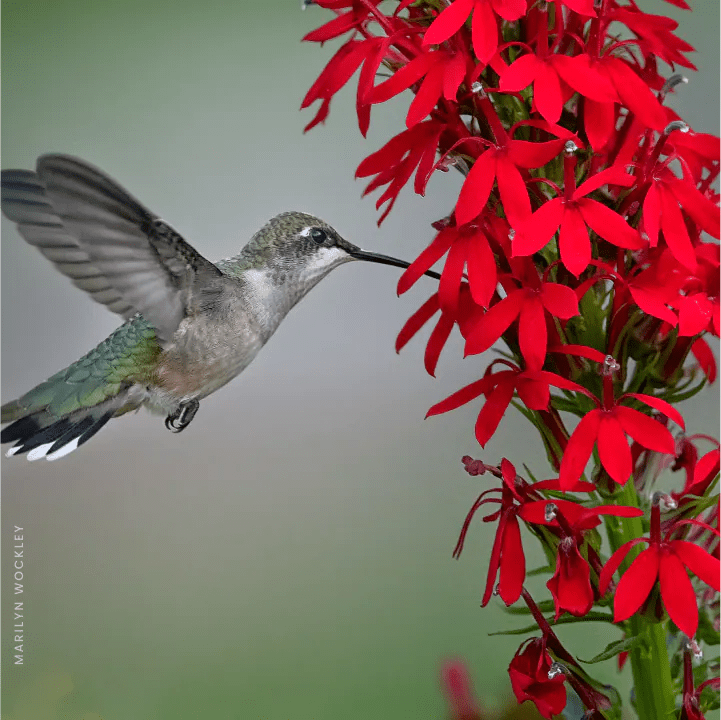
Cardinal flower is included because it represents a distinct plant type rather than a duplicate common name. Its identifying profile is typical bloom: Late summer–fall; light: Sun–part shade; and best feature: Native wet-garden standout. Local heat, soil moisture, and latitude can shift flowering and plant size.
2. Trumpet honeysuckle
Scientific or horticultural identity: Lonicera sempervirens

Trumpet honeysuckle is included because it represents a distinct plant type rather than a duplicate common name. Its identifying profile is typical bloom: Late spring–summer; light: Sun–part shade; and best feature: Long red tubular flowers. Local heat, soil moisture, and latitude can shift flowering and plant size.
3. Trumpet creeper
Scientific or horticultural identity: Campsis radicans
Trumpet creeper is included because it represents a distinct plant type rather than a duplicate common name. Its identifying profile is typical bloom: Summer; light: Full sun; and best feature: Vigorous native vine. Local heat, soil moisture, and latitude can shift flowering and plant size.
4. Scarlet beebalm
Scientific or horticultural identity: Monarda didyma
Scarlet beebalm is included because it represents a distinct plant type rather than a duplicate common name. Its identifying profile is typical bloom: Summer; light: Sun–part shade; and best feature: Dense scarlet flower heads. Local heat, soil moisture, and latitude can shift flowering and plant size.
5. Wild bergamot
Scientific or horticultural identity: Monarda fistulosa
Wild bergamot is included because it represents a distinct plant type rather than a duplicate common name. Its identifying profile is typical bloom: Summer; light: Full sun; and best feature: Prairie perennial. Local heat, soil moisture, and latitude can shift flowering and plant size.
6. Coral honeysuckle
Scientific or horticultural identity: Lonicera sempervirens ‘Major Wheeler’
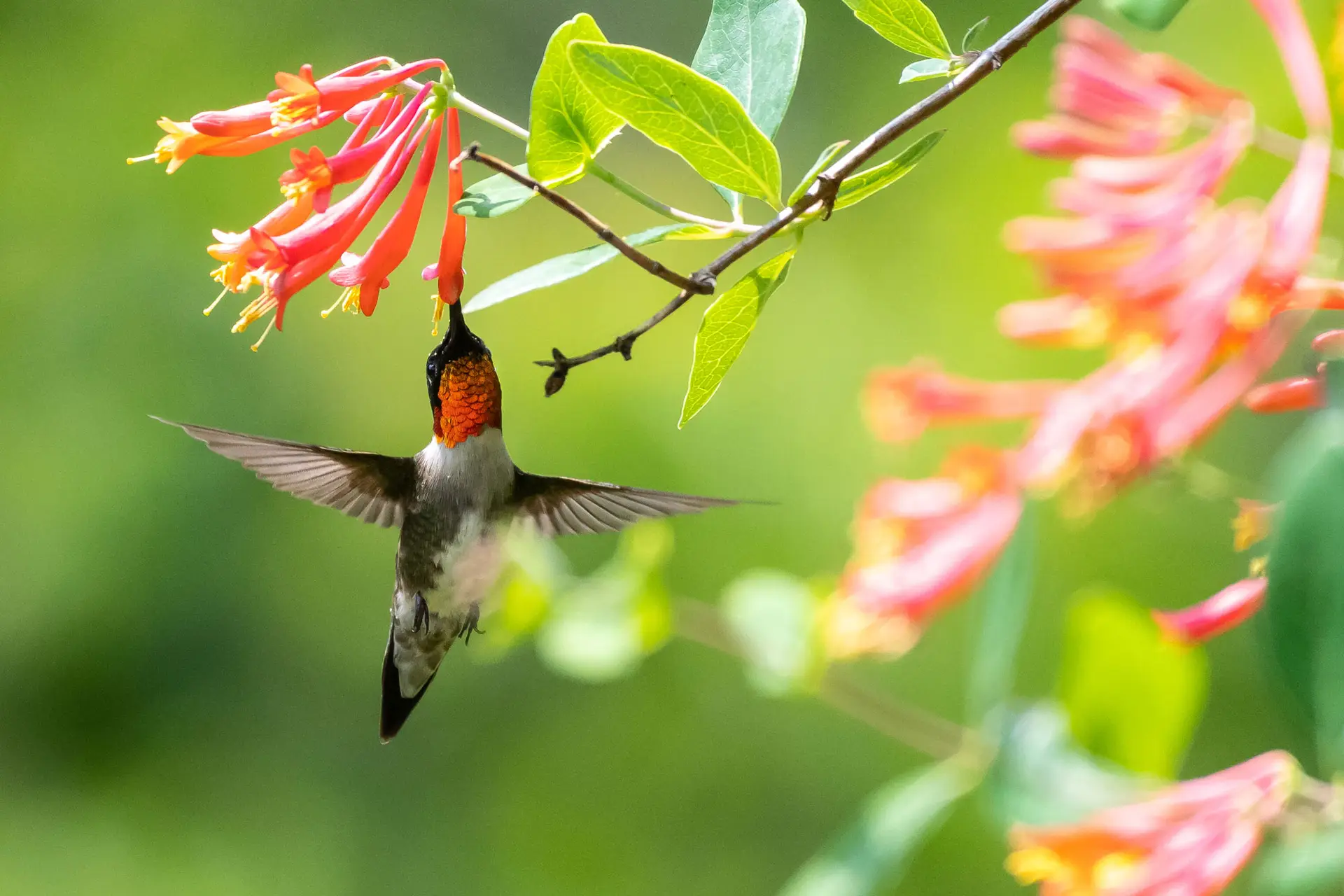
Coral honeysuckle is included because it represents a distinct plant type rather than a duplicate common name. Its identifying profile is typical bloom: Late spring–fall; light: Full sun; and best feature: Long-flowering cultivar. Local heat, soil moisture, and latitude can shift flowering and plant size.
7. Red buckeye
Scientific or horticultural identity: Aesculus pavia
Red buckeye is included because it represents a distinct plant type rather than a duplicate common name. Its identifying profile is typical bloom: Spring; light: Sun–part shade; and best feature: Early woody nectar source. Local heat, soil moisture, and latitude can shift flowering and plant size.
8. Fire pink
Scientific or horticultural identity: Silene virginica
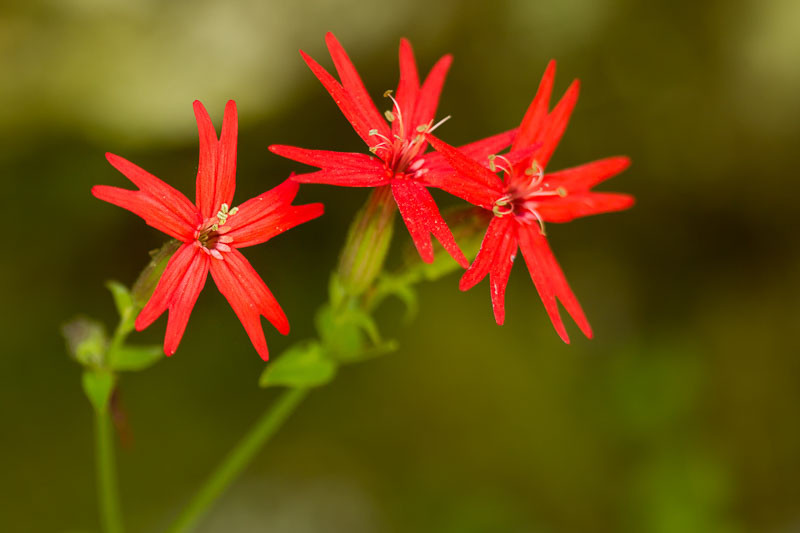
Fire pink is included because it represents a distinct plant type rather than a duplicate common name. Its identifying profile is typical bloom: Spring–early summer; light: Sun–part shade; and best feature: Native scarlet wildflower. Local heat, soil moisture, and latitude can shift flowering and plant size.
9. Eastern red columbine
Scientific or horticultural identity: Aquilegia canadensis
Eastern red columbine is included because it represents a distinct plant type rather than a duplicate common name. Its identifying profile is typical bloom: Spring; light: Part shade–sun; and best feature: Pendant spurred flowers. Local heat, soil moisture, and latitude can shift flowering and plant size.
10. Scarlet sage
Scientific or horticultural identity: Salvia coccinea
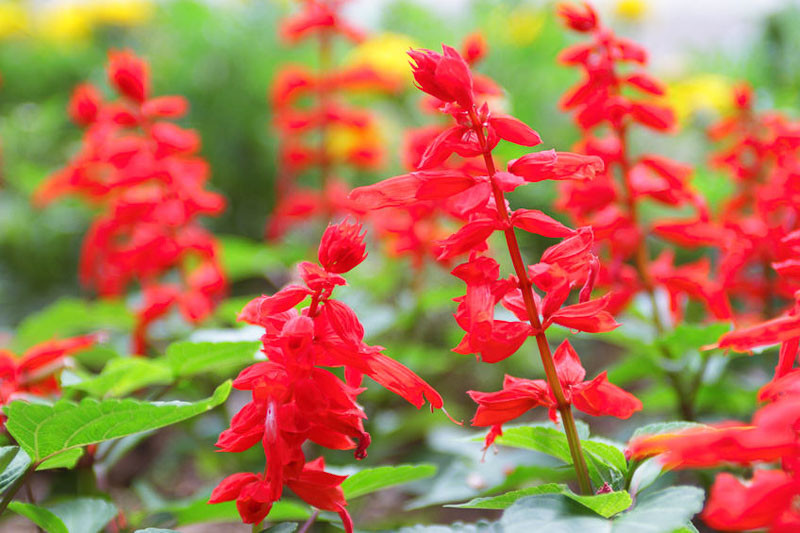
Scarlet sage is included because it represents a distinct plant type rather than a duplicate common name. Its identifying profile is typical bloom: Summer–frost; light: Full sun; and best feature: Reseeding warm-season annual. Local heat, soil moisture, and latitude can shift flowering and plant size.
11. Pineapple sage
Scientific or horticultural identity: Salvia elegans
Pineapple sage is included because it represents a distinct plant type rather than a duplicate common name. Its identifying profile is typical bloom: Late summer–fall; light: Full sun; and best feature: Late scarlet flowers. Local heat, soil moisture, and latitude can shift flowering and plant size.
12. Anise hyssop
Scientific or horticultural identity: Agastache foeniculum
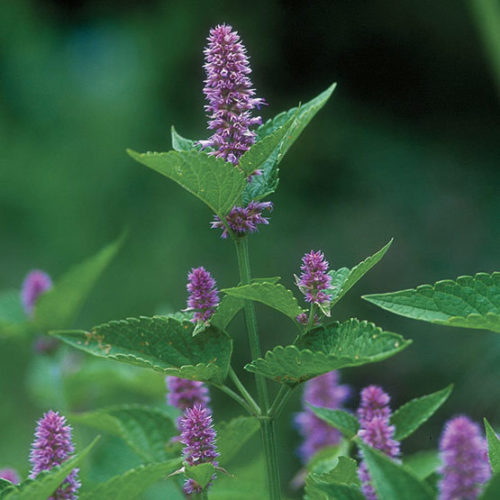
Anise hyssop is included because it represents a distinct plant type rather than a duplicate common name. Its identifying profile is typical bloom: Summer; light: Full sun; and best feature: Long lavender spikes. Local heat, soil moisture, and latitude can shift flowering and plant size.
13. Hummingbird mint
Scientific or horticultural identity: Agastache rupestris
Hummingbird mint is included because it represents a distinct plant type rather than a duplicate common name. Its identifying profile is typical bloom: Summer–fall; light: Full sun; and best feature: Orange tubular flowers. Local heat, soil moisture, and latitude can shift flowering and plant size.
14. Foxglove beardtongue
Scientific or horticultural identity: Penstemon digitalis
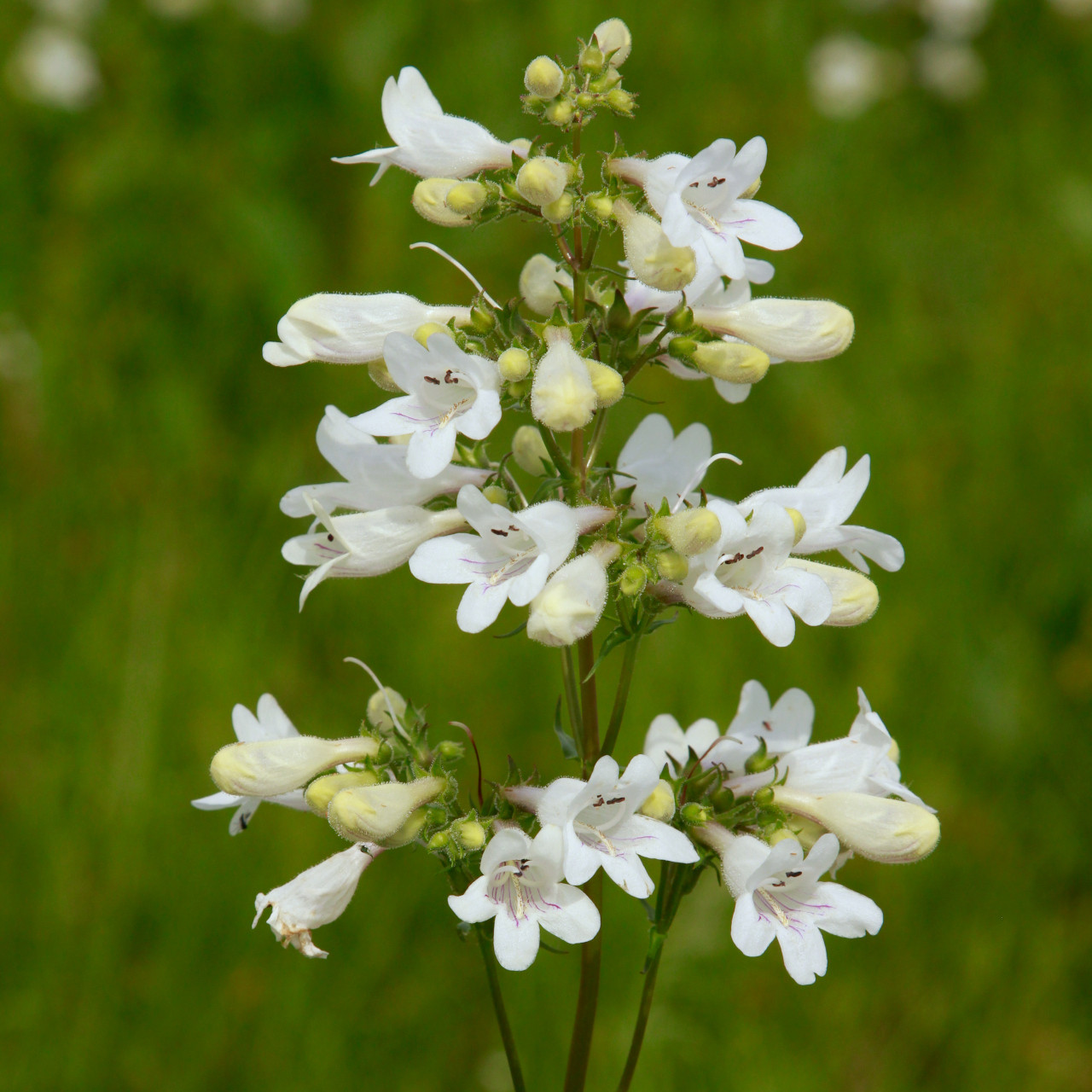
Foxglove beardtongue is included because it represents a distinct plant type rather than a duplicate common name. Its identifying profile is typical bloom: Late spring–summer; light: Sun–part shade; and best feature: Eastern U.S. native. Local heat, soil moisture, and latitude can shift flowering and plant size.
15. Scarlet bugler
Scientific or horticultural identity: Penstemon centranthifolius
Scarlet bugler is included because it represents a distinct plant type rather than a duplicate common name. Its identifying profile is typical bloom: Spring–summer; light: Full sun; and best feature: Dry western gardens. Local heat, soil moisture, and latitude can shift flowering and plant size.
16. Firecracker penstemon
Scientific or horticultural identity: Penstemon eatonii
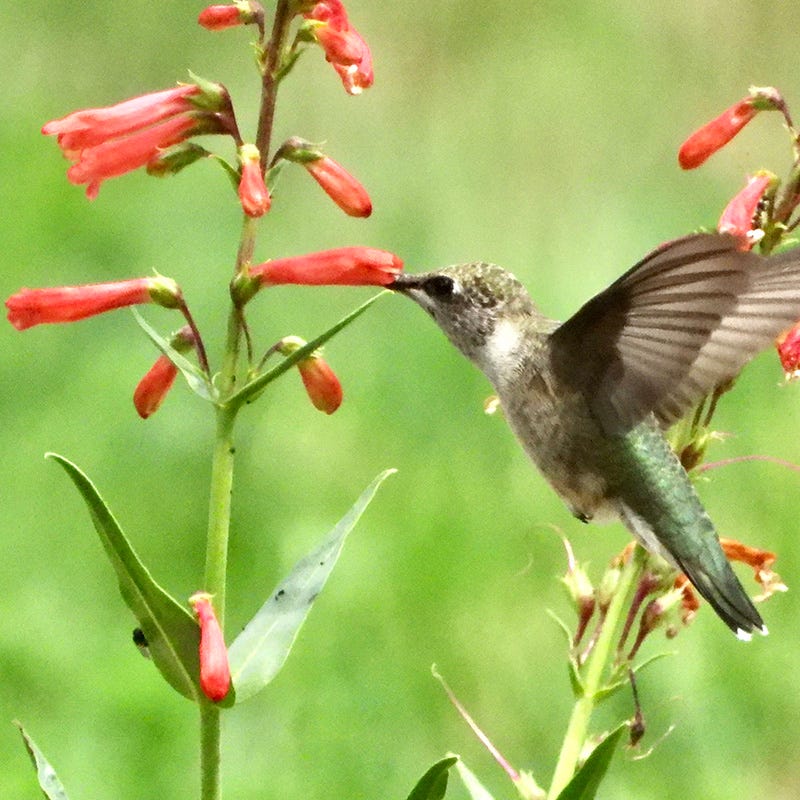
Firecracker penstemon is included because it represents a distinct plant type rather than a duplicate common name. Its identifying profile is typical bloom: Spring–summer; light: Full sun; and best feature: Desert-red spikes. Local heat, soil moisture, and latitude can shift flowering and plant size.
17. Royal catchfly
Scientific or horticultural identity: Silene regia
Royal catchfly is included because it represents a distinct plant type rather than a duplicate common name. Its identifying profile is typical bloom: Summer; light: Full sun; and best feature: Prairie scarlet blooms. Local heat, soil moisture, and latitude can shift flowering and plant size.
18. Standing cypress
Scientific or horticultural identity: Ipomopsis rubra
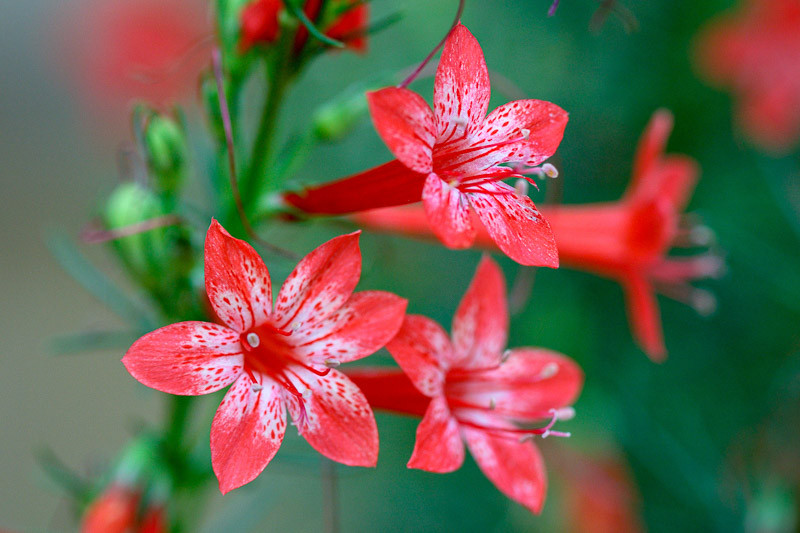
Standing cypress is included because it represents a distinct plant type rather than a duplicate common name. Its identifying profile is typical bloom: Summer; light: Full sun; and best feature: Tall red flower spires. Local heat, soil moisture, and latitude can shift flowering and plant size.
19. Cigar plant
Scientific or horticultural identity: Cuphea ignea
Cigar plant is included because it represents a distinct plant type rather than a duplicate common name. Its identifying profile is typical bloom: Late spring–frost; light: Sun–part shade; and best feature: Container-friendly tubular blooms. Local heat, soil moisture, and latitude can shift flowering and plant size.
20. Firebush
Scientific or horticultural identity: Hamelia patens
Firebush is included because it represents a distinct plant type rather than a duplicate common name. Its identifying profile is typical bloom: Summer–frost; light: Full sun; and best feature: Tropical shrub or annual. Local heat, soil moisture, and latitude can shift flowering and plant size.
21. Mexican bush sage
Scientific or horticultural identity: Salvia leucantha
Mexican bush sage is included because it represents a distinct plant type rather than a duplicate common name. Its identifying profile is typical bloom: Late summer–fall; light: Full sun; and best feature: Late-season purple spikes. Local heat, soil moisture, and latitude can shift flowering and plant size.
22. Autumn sage
Scientific or horticultural identity: Salvia greggii
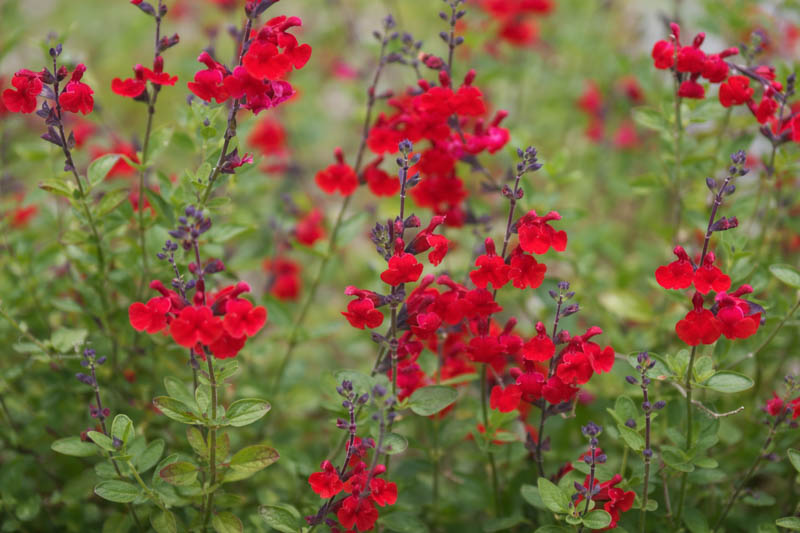
Autumn sage is included because it represents a distinct plant type rather than a duplicate common name. Its identifying profile is typical bloom: Spring–fall; light: Full sun; and best feature: Heat-tolerant shrub. Local heat, soil moisture, and latitude can shift flowering and plant size.
23. Coral bells
Scientific or horticultural identity: Heuchera sanguinea
Coral bells is included because it represents a distinct plant type rather than a duplicate common name. Its identifying profile is typical bloom: Late spring–summer; light: Part shade; and best feature: Airy red flower stalks. Local heat, soil moisture, and latitude can shift flowering and plant size.
24. Red hot poker
Scientific or horticultural identity: Kniphofia uvaria
Red hot poker is included because it represents a distinct plant type rather than a duplicate common name. Its identifying profile is typical bloom: Summer; light: Full sun; and best feature: Torchlike flower spikes. Local heat, soil moisture, and latitude can shift flowering and plant size.
25. Crocosmia
Scientific or horticultural identity: Crocosmia × crocosmiiflora
Crocosmia is included because it represents a distinct plant type rather than a duplicate common name. Its identifying profile is typical bloom: Summer; light: Full sun; and best feature: Arching orange-red flowers. Local heat, soil moisture, and latitude can shift flowering and plant size.
26. Zinnia
Scientific or horticultural identity: Zinnia elegans
Zinnia is included because it represents a distinct plant type rather than a duplicate common name. Its identifying profile is typical bloom: Summer–frost; light: Full sun; and best feature: Open landing-friendly blooms. Local heat, soil moisture, and latitude can shift flowering and plant size.
How These Flowers Are Classified
A botanical species is a naturally recognized taxon, while a cultivar is a selected cultivated plant and a horticultural group gathers related garden selections. The labels above deliberately preserve those differences. Common names are useful for shopping, but the scientific or cultivar identity is the safer key for identification, care, hardiness, and invasive-status checks.
How to Identify the Different Types
Start with growth habit and the underground structure, then compare flower shape, petal arrangement, leaves, stems, fragrance, bloom season, and habitat. Color alone is unreliable because numerous cultivars share a color. Photograph the entire plant as well as the front and side of a flower, record location and date, and compare those details with a regional flora or extension resource.
Growing and Selection Tips
Hummingbirds do not rely on red alone: flower shape, nectar supply, visibility, and a steady succession of bloom all matter. Cluster plants in generous drifts, combine spring, summer, and fall performers, and include shrubs or small trees for perching. Avoid systemic insecticides and keep cats away from feeding areas. Trumpet creeper can spread aggressively, while nonnative honeysuckles may be invasive; choose the native trumpet honeysuckle rather than Japanese honeysuckle.
Climate and Regional Considerations
USDA Hardiness Zones primarily describe average annual extreme minimum temperatures in the United States; they do not measure summer heat, humidity, drainage, or rainfall. Native status also changes by region. Confirm suitability with a local extension office or native-plant organization, and remember that planting and bloom seasons reverse between the Northern and Southern Hemispheres.
Safety, Ecology, and Invasive-Species Notes
Never assume that a hummingbird plant is edible or pet-safe. Red buckeye seeds and other parts are toxic if swallowed, and several ornamentals may irritate people or animals. Wear gloves when handling unfamiliar plants, supervise children and pets, and contact an appropriate medical or veterinary professional after suspected ingestion.
Common Mistakes to Avoid
- Buying by flower color without checking the botanical label.
- Treating a cultivar, species, and horticultural group as the same rank.
- Ignoring drainage, mature size, and local winter or summer conditions.
- Assuming “natural” means edible, pet-safe, native, or noninvasive.
- Using systemic insecticides on plants intended to support wildlife.
Fun Facts About types of flowers hummingbirds like
- Common names can describe plants from unrelated genera.
- Flowering time can change by weeks between warm urban sites and cooler rural sites.
- Cultivars propagated from cuttings or division retain selected traits more reliably than seedlings.
- Single flowers often provide easier access to nectar and pollen than densely doubled forms.
- Plant labels are valuable records for future care and identification.
- Regional native plants often support specialized local ecological relationships.
- Good drainage depends on both soil texture and the depth of the root zone.
- A plant can be well behaved in one climate but invasive in another.
Final Thoughts on types of flowers hummingbirds like
These 26 selections show how varied types of flowers hummingbirds like can be without presenting cultivars or common-name synonyms as separate species. Use the table to shortlist plants, then verify hardiness, invasive status, and safety locally. A smaller collection matched carefully to light, moisture, and climate will perform better than a longer list planted without regard to site conditions.
Frequently Asked Questions
1. Are these entries all botanical species?
No. The article labels species, hybrid groups, and cultivar series so they are not mistaken for equivalent taxonomic ranks.
2. Is this a complete list?
No. It is a practical selection of notable, identifiable garden types; the broader group contains additional species and many cultivars.
3. Which type is easiest for beginners?
Choose a locally available, disease-resistant type whose light, drainage, and winter hardiness match the planting site.
4. Do bloom times stay the same everywhere?
No. Bloom shifts with latitude, elevation, hardiness zone, rainfall, heat, and the hemisphere.
5. When is the best planting time?
Plant hardy perennials in spring or early fall in many U.S. regions; set out tender plants after frost danger has passed.
6. Can these flowers grow in containers?
Many can, provided the pot has drainage, enough root space, suitable potting mix, and regular water and fertilizer.
7. How much sun do they need?
Light needs differ by type. Use the comparison table as a starting point and protect shade-preferring plants from harsh afternoon sun.
8. What soil is best?
Most garden selections prefer fertile soil with reliable drainage, although wetland species and dryland species require different conditions.
9. How often should they be watered?
Water deeply when the upper soil begins to dry, then adjust for plant type, rainfall, temperature, container size, and drainage.
10. Are they perennial?
Some are hardy perennials, some annuals, and some tender perennials grown as annuals where winters are cold.
11. Can they survive frost?
Hardiness varies sharply. Check the botanical name and a reputable regional hardiness source before leaving a plant outdoors in winter.
12. Should faded flowers be removed?
Deadheading often improves appearance and may prolong bloom, but leave selected seed heads when wildlife value or self-sowing is desired.
13. Do they attract pollinators?
Many do, but visitors depend on flower form, nectar or pollen availability, local wildlife, and pesticide use.
14. Are they deer-resistant?
No flowering plant is deer-proof. Browsing changes with local deer pressure, season, and available food.
15. Are they safe for dogs and cats?
Safety depends on the exact species and amount eaten. Verify the botanical name with a veterinary toxicity resource.
16. Are the flowers edible?
Do not eat a plant based on a common name or online list. Confirm the species, edible part, preparation, allergies, and chemical-free source.
17. Can I collect them from the wild?
Avoid digging wild plants. Collection may be illegal or ecologically harmful; buy responsibly propagated stock or seed.
18. How can I identify a type accurately?
Compare flowers, leaves, stems, growth habit, bloom season, habitat, and geographic range rather than relying on color alone.
19. Why does the nursery label matter?
A botanical label prevents confusion between similar common names and supports accurate care, hardiness, and safety decisions.
20. Can two common names refer to one plant?
Yes. Common names overlap frequently, which is why this guide includes scientific names and identifies synonyms or repeated horticultural names.
21. What is the difference between a species and a cultivar?
A species is a botanical taxon; a cultivar is a selected plant maintained in cultivation and written with a capitalized name in quotation marks.
22. What is a hybrid?
A hybrid results from crosses between genetically distinct parents; horticultural hybrid groups may contain many named cultivars.
23. Can I grow them from seed?
Some grow readily from seed, while hybrids may not come true and are usually propagated vegetatively.
24. When should plants be divided?
Divide clump-forming perennials when growth is active but weather is mild, following guidance for the particular genus.
25. What causes poor flowering?
Common causes include incorrect light, excess nitrogen, drought, waterlogged roots, immature plants, wrong pruning time, or winter damage.
26. Should I fertilize them?
Use compost or a balanced fertilizer only when soil or plant performance indicates a need; excess nitrogen can favor leaves over flowers.
27. What pests are most common?
Aphids, mites, thrips, slugs, and species-specific borers or diseases may occur. Identify the problem before treating it.
28. Can pesticides harm beneficial wildlife?
Yes. Broad-spectrum and systemic insecticides can expose pollinators and other organisms; start with cultural and mechanical controls.
29. How do I choose a noninvasive type?
Check current state extension or invasive-species lists and favor regionally native or well-behaved alternatives.
30. What is the best way to start a collection?
Begin with three to five types suited to different bloom periods, label them, observe performance, and expand only after they establish.