

Japan is home to remarkable wildlife shaped by snowy northern forests, subtropical islands, alpine mountains, wetlands, and coastal waters. This guide to the types of animals in Japan highlights 25 notable native or strongly associated species, including mammals, birds, reptiles, amphibians, and marine animals. You will learn how to identify them, where they live, what they eat, how they behave, and why conservation matters.
What Are the Main Types of Animals in Japan?
The main types of animals in Japan include endemic mammals such as the Japanese macaque, Japanese serow, and Amami rabbit, along with iconic birds, reptiles, amphibians, and marine species. Some animals are found across the country, while others are limited to islands such as Hokkaido, Honshu, Shikoku, Kyushu, Amami-Oshima, and Okinawa. Japan’s wildlife includes forest dwellers, wetland birds, mountain animals, island specialists, and ocean species.
1. Japanese Macaque
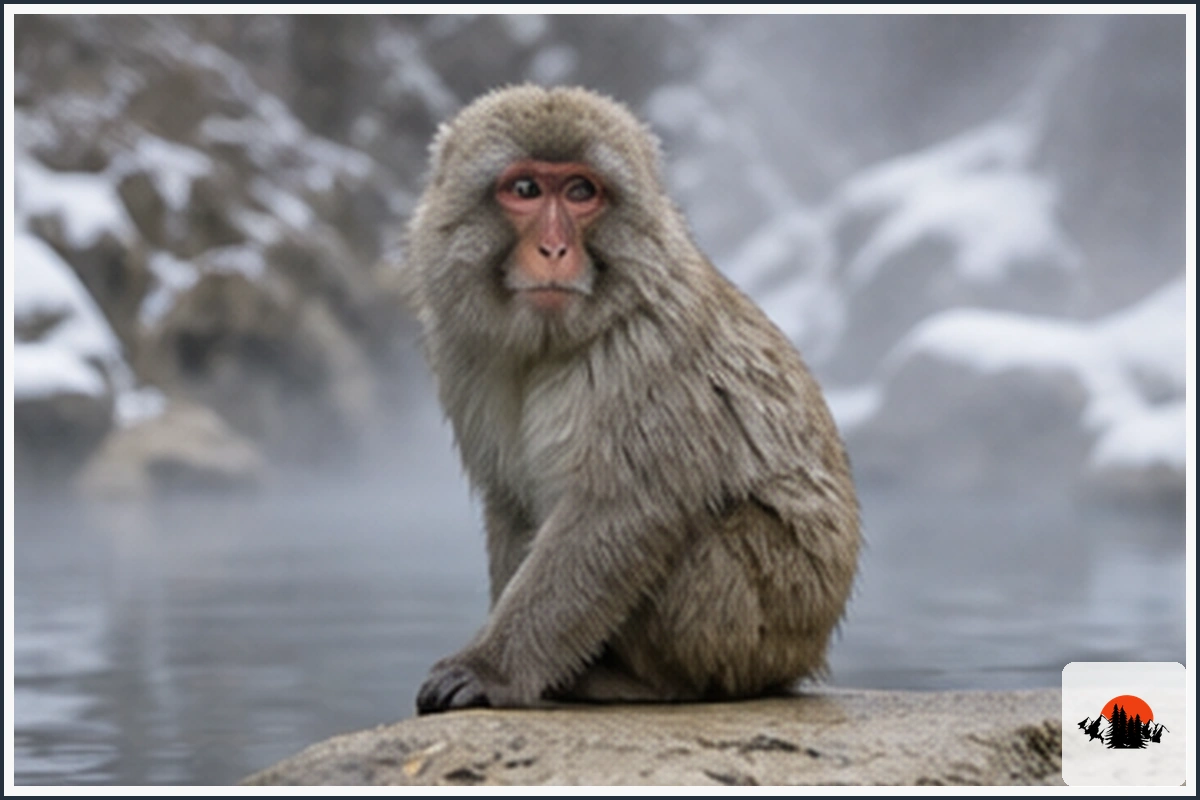
Scientific name: Macaca fuscata
The Japanese macaque, often called the snow monkey, is one of Japan’s best-known mammals. It has a pinkish face, brown-gray fur, and a short tail. Northern populations are famous for soaking in warm volcanic springs during winter, although the monkeys naturally live in forests rather than in the pools themselves.
Japanese macaques occur on Honshu, Shikoku, Kyushu, and several smaller islands. They eat fruit, seeds, leaves, insects, bark, and other available foods. Highly social troops are led by complex relationships and established rank. Never feed or approach wild macaques, because habituated animals can become aggressive.
2. Japanese Serow
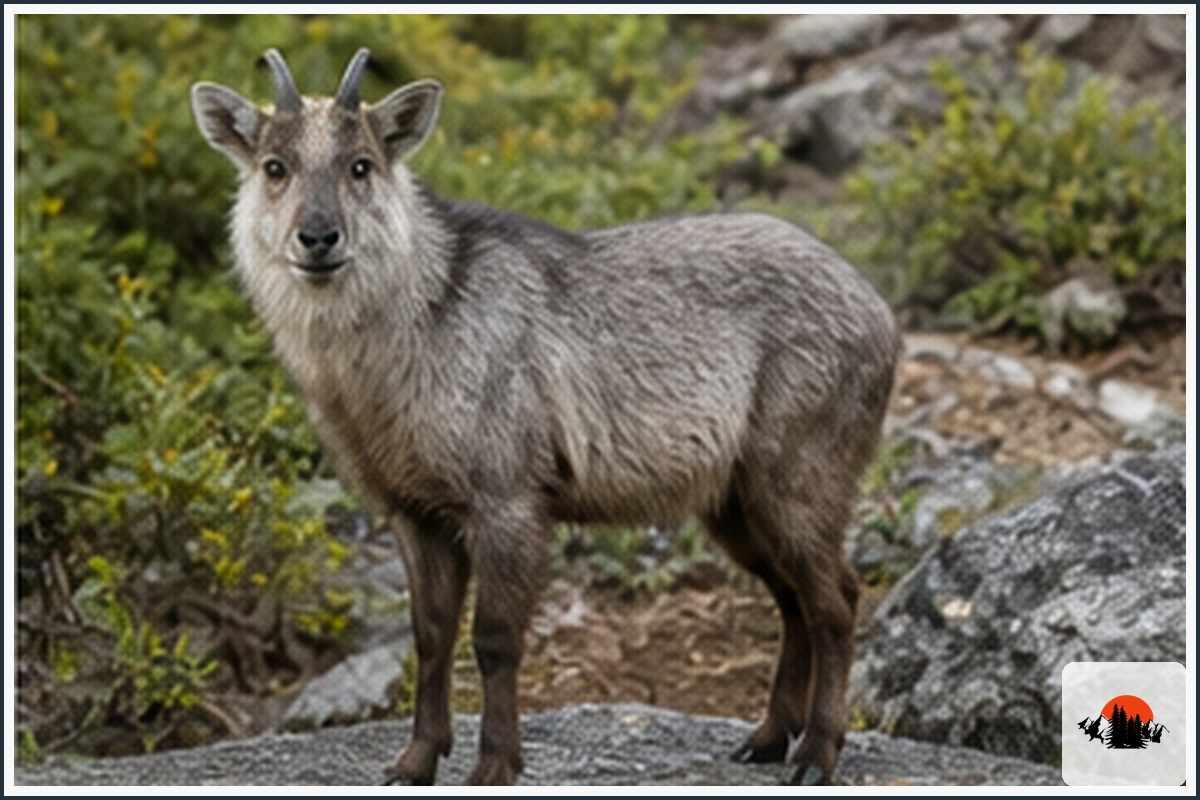
Scientific name: Capricornis crispus
The Japanese serow is a stocky, goat-like mammal found in wooded mountain regions of Honshu, Shikoku, and Kyushu. It has thick dark fur, short horns in both males and females, and a compact body suited to steep terrain.
This herbivore browses on leaves, shoots, bark, and grasses. Japanese serows are generally solitary or found in pairs and use scent marking to defend territories. Their sure-footed movement makes them well adapted to rocky slopes and forested mountains.
3. Sika Deer
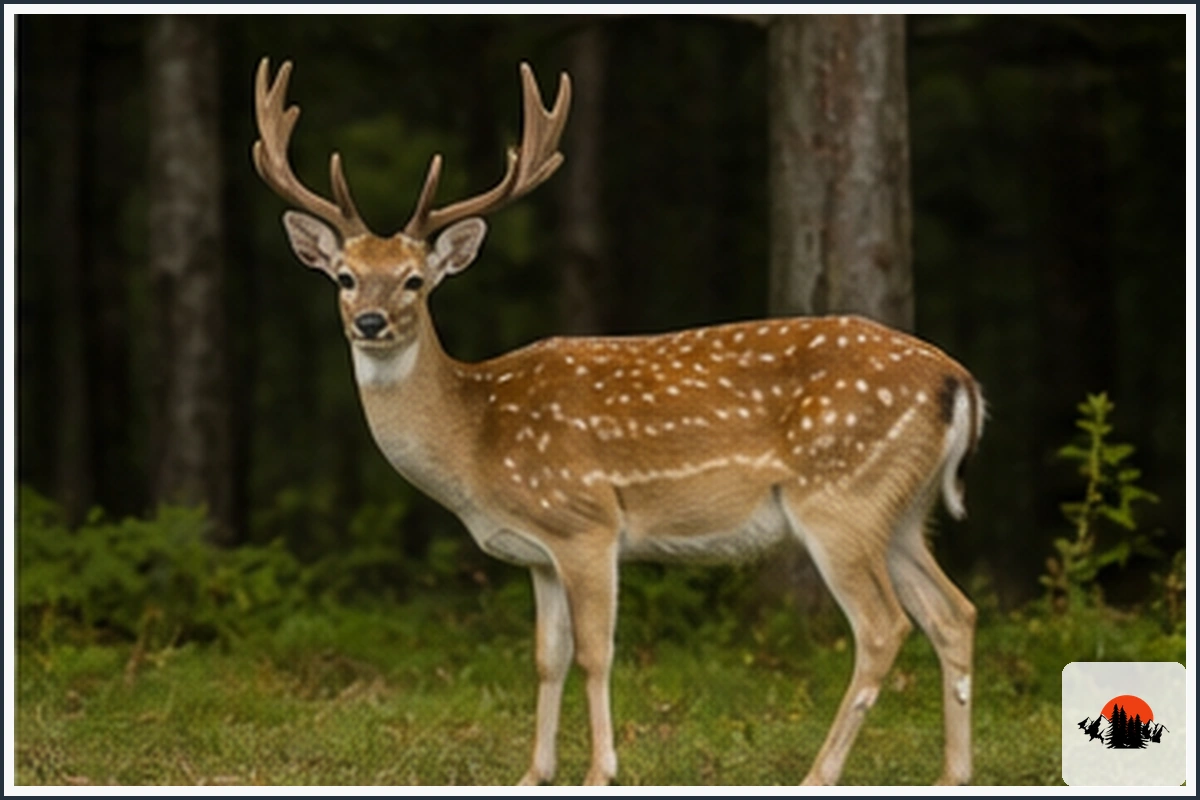
Scientific name: Cervus nippon
Sika deer are medium-sized deer recognized by their spotted summer coats, white rump patches, and branching antlers in males. They live in forests, grasslands, wetlands, and open parkland throughout much of Japan.
They feed on grasses, leaves, acorns, twigs, and crops. Deer at Nara Park are culturally famous, but wild sika deer behave differently and should be observed from a safe distance. In some regions, growing deer populations can place pressure on forests and agriculture, making responsible wildlife management important.
4. Ezo Red Fox
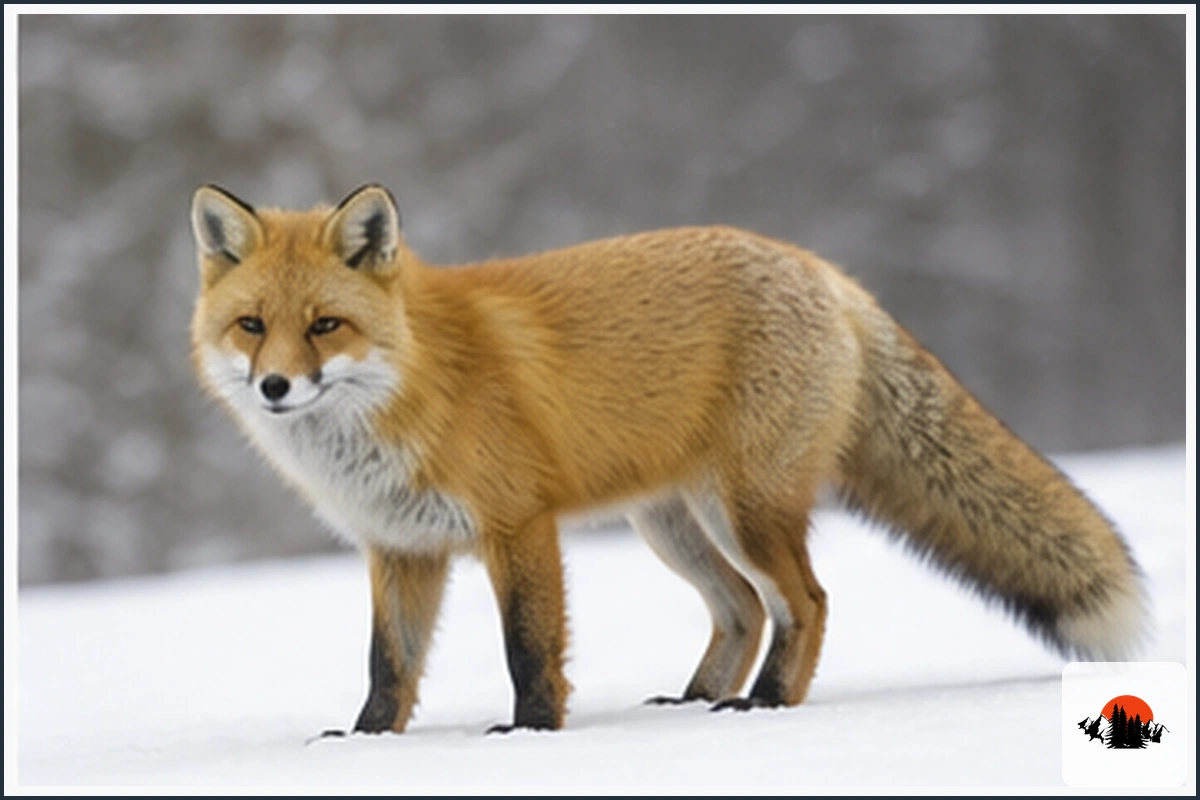
Scientific name: Vulpes vulpes schrencki
The Ezo red fox is the large red fox subspecies associated with Hokkaido. It has reddish fur, black legs, pointed ears, and a bushy tail with a pale tip. It occupies forests, farmland, coastal areas, and open landscapes.
Its diet includes rodents, birds, insects, fruit, fish, and carrion. Ezo red foxes are mainly solitary and most active around dawn, dusk, or at night. Visitors should never feed them, because feeding can encourage dangerous dependence and disease transmission.
5. Japanese Raccoon Dog
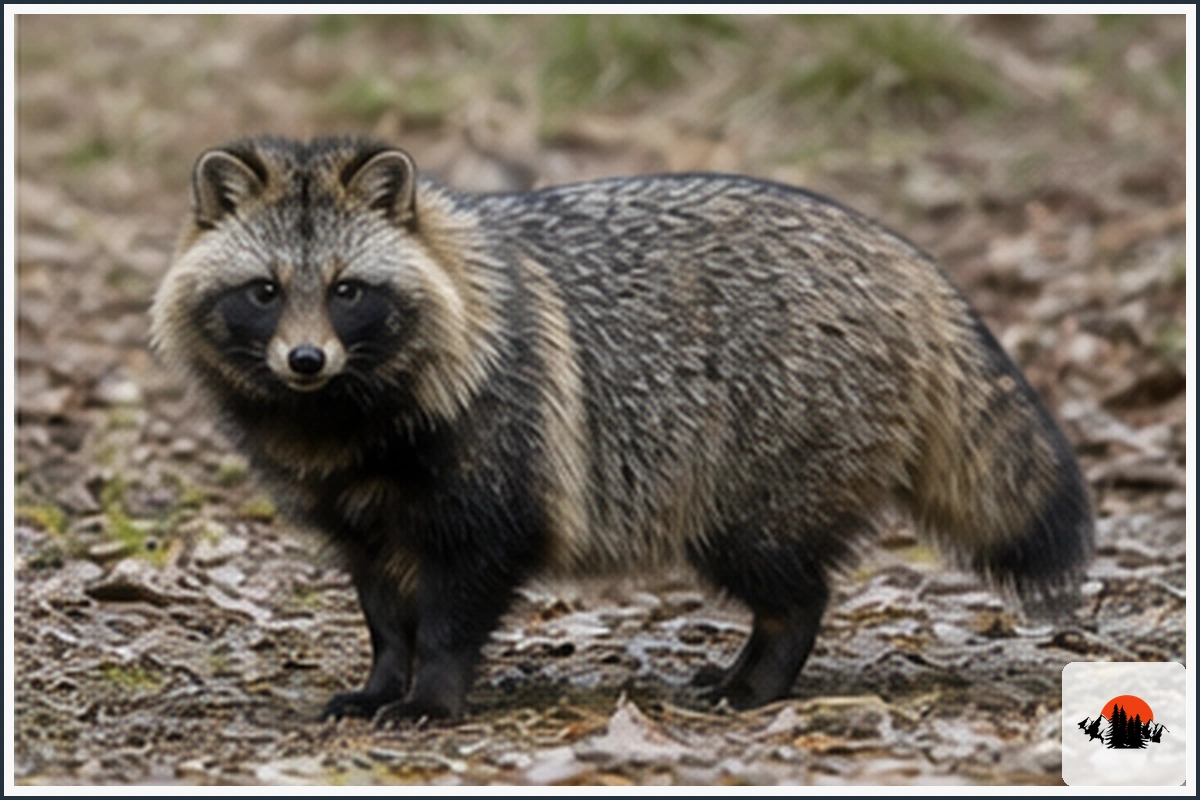
Scientific name: Nyctereutes viverrinus
The Japanese raccoon dog, or tanuki, is a distinct canid native to Japan. It has a rounded body, facial markings, short legs, and a thick coat. Although it resembles a raccoon, it is not related to raccoons.
Tanuki are adaptable omnivores that eat insects, frogs, small animals, fruit, seeds, and human-associated food when available. They live in forests, farmland, and suburban edges and are mainly nocturnal. Their cultural importance is considerable, but wild animals should still be treated as wildlife.
6. Japanese Weasel
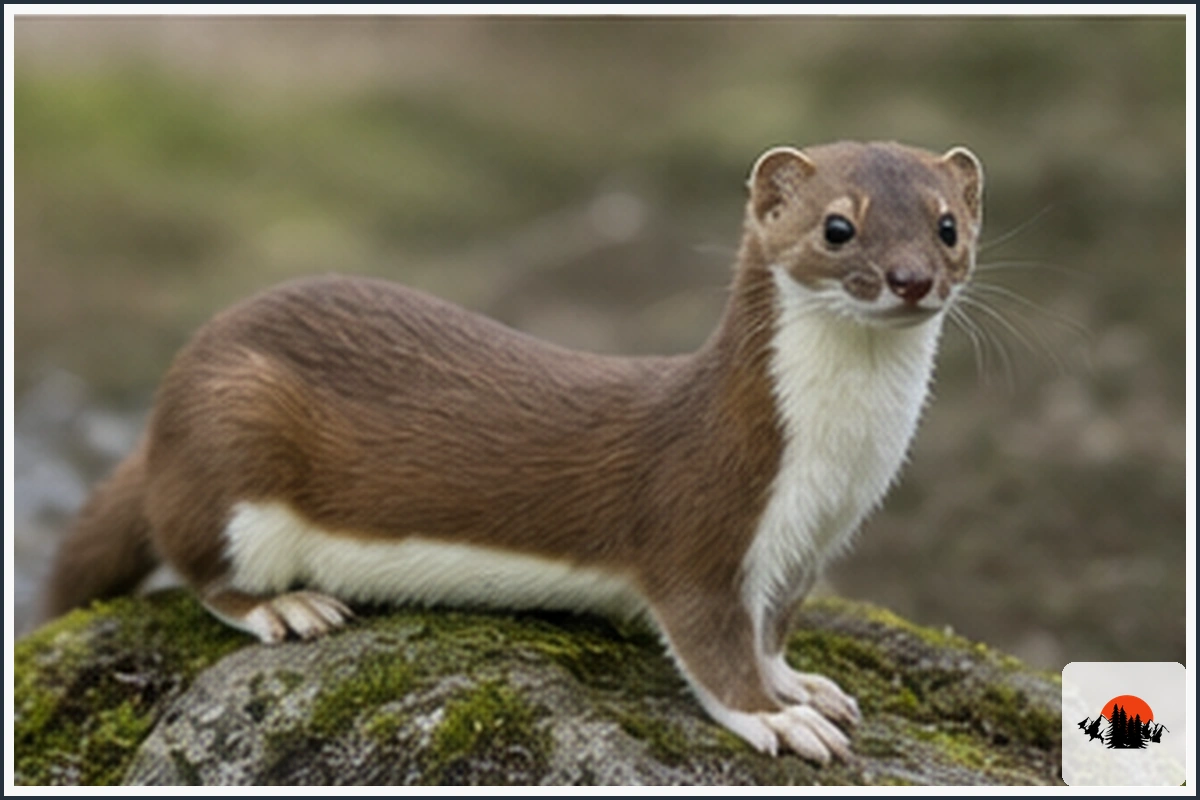
Scientific name: Mustela itatsi
The Japanese weasel is a slender carnivore with a long body, short legs, and brown fur that becomes lighter in some winter conditions. It is found mainly on Honshu, Shikoku, Kyushu, and nearby islands.
Japanese weasels hunt rodents, frogs, lizards, insects, and small birds. They are agile predators that use narrow spaces and streamside vegetation. Their presence can be difficult to notice because they move quickly and often remain hidden.
7. Iriomote Cat
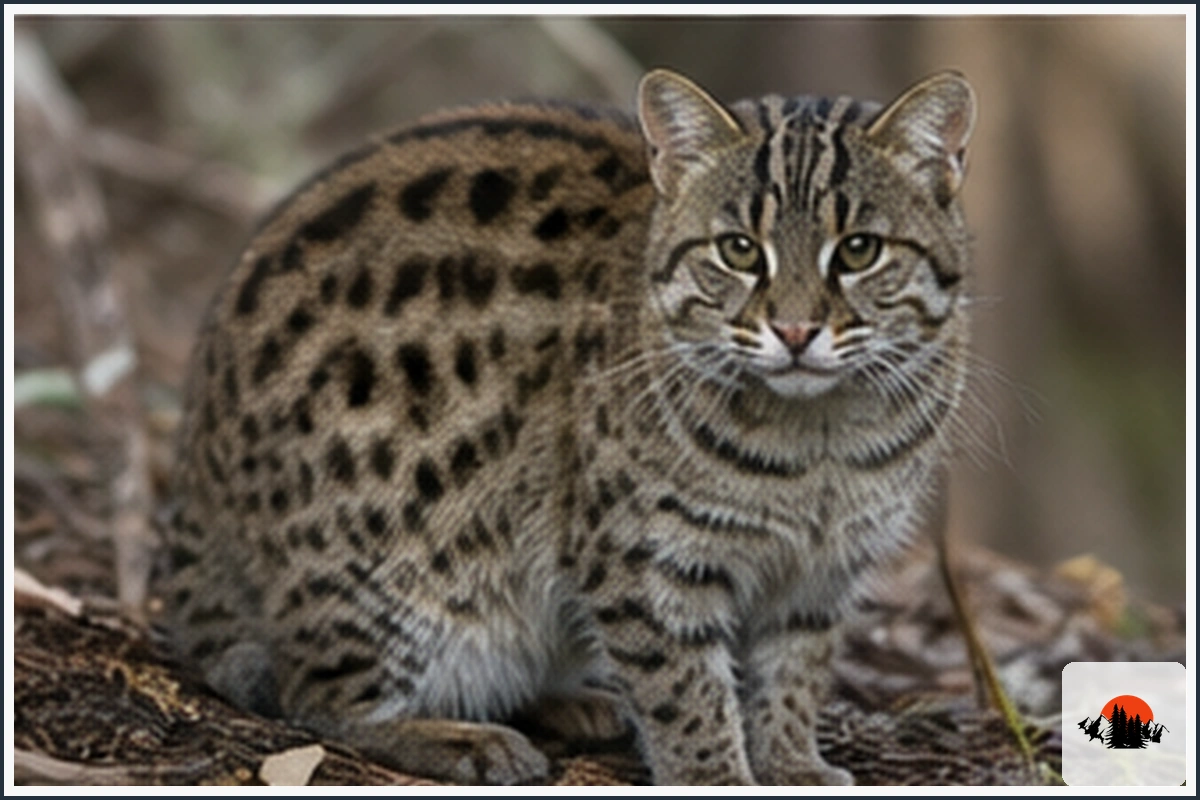
Scientific name: Prionailurus bengalensis iriomotensis
The Iriomote cat is a small wildcat found only on Iriomote Island in Okinawa Prefecture. It has a compact body, rounded ears, dark spots, and stripes on the face and tail. It uses forests, mangroves, wetlands, and coastal areas.
This cat eats rodents, birds, reptiles, amphibians, insects, and other small prey. It is critically endangered, with threats including road traffic, habitat fragmentation, disease from domestic cats, and accidental conflict with people. Drivers and visitors on Iriomote should follow local wildlife guidance carefully.
8. Amami Rabbit
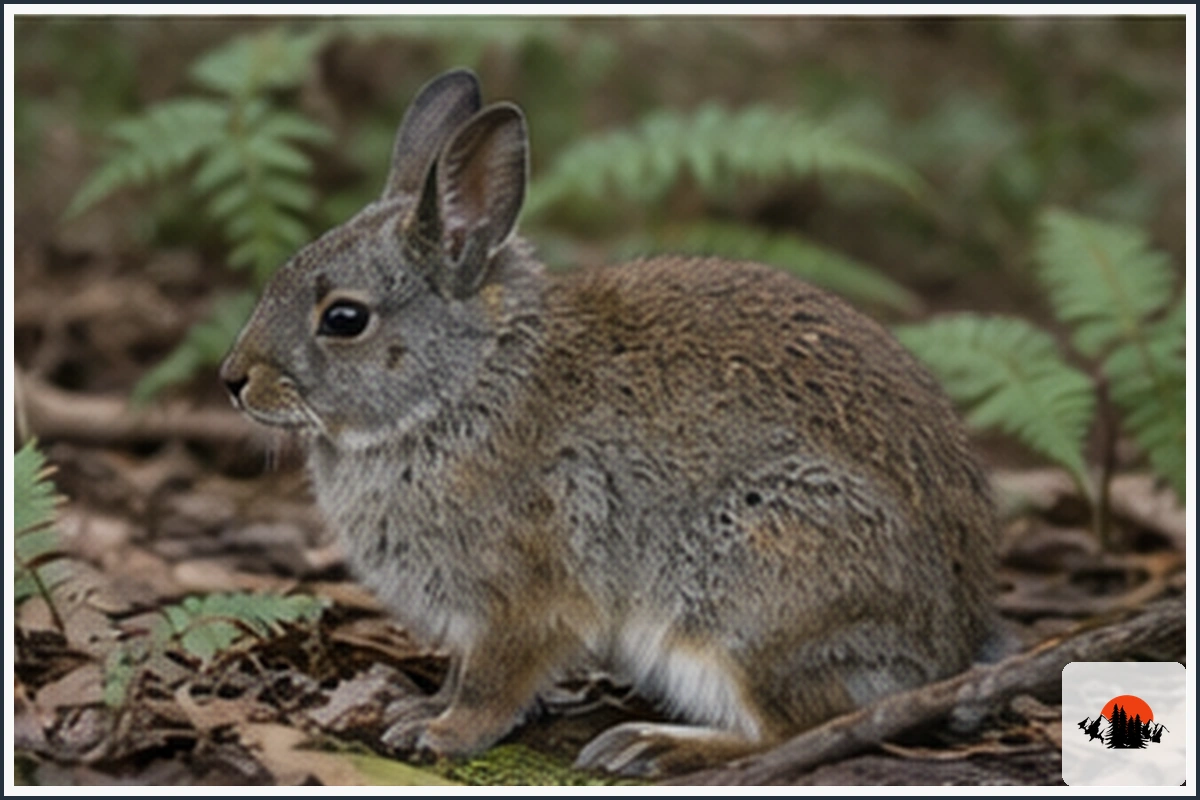
Scientific name: Pentalagus furnessi
The Amami rabbit is an ancient-looking rabbit found only on Amami-Oshima and Tokunoshima. It has dark brown fur, short ears, small eyes, and a compact body unlike familiar domestic rabbits.
It feeds on grasses, leaves, bark, and shoots and is mostly nocturnal. The species depends on island forests and is threatened by habitat change, introduced predators, traffic, and other human pressures. It is often described as a living remnant of an older island fauna.
9. Japanese Flying Squirrel
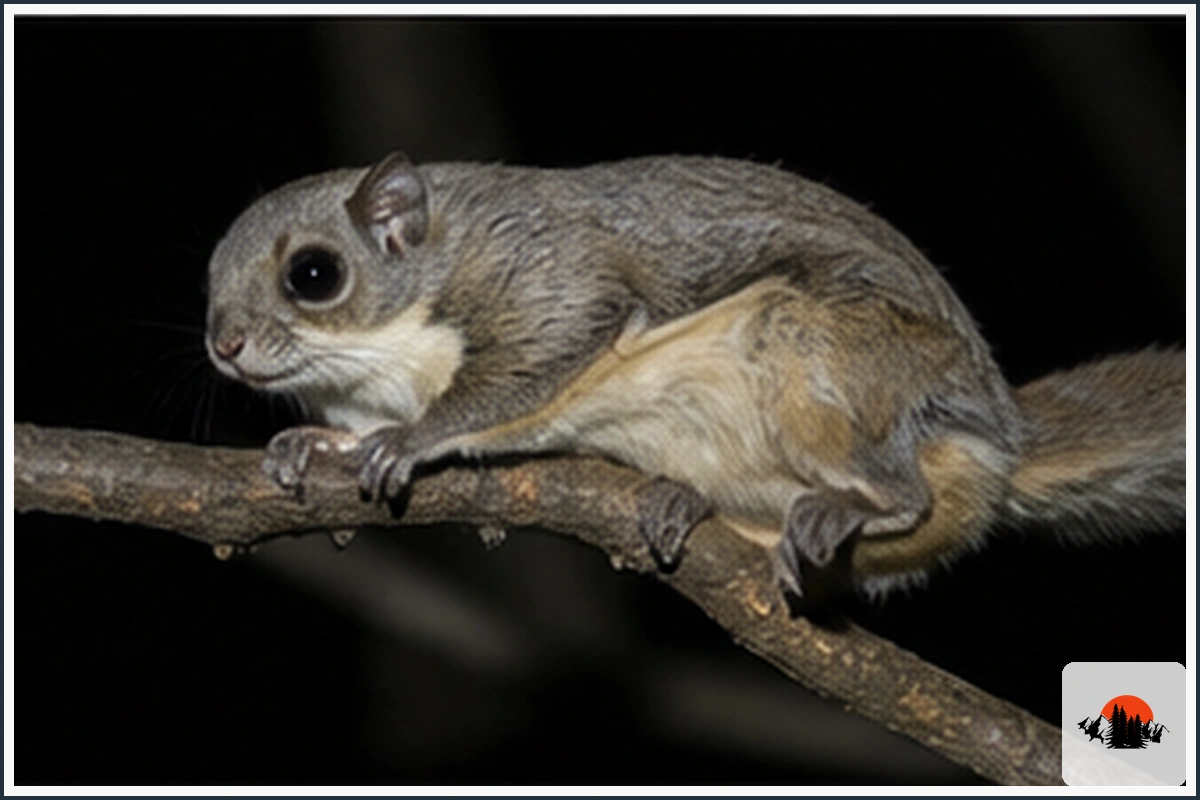
Scientific name: Pteromys momonga
The Japanese flying squirrel is a small nocturnal rodent with large eyes and a furry membrane stretching between its limbs. This membrane allows it to glide between trees rather than truly fly.
It eats buds, leaves, seeds, bark, and fruit and shelters in tree cavities. Mature forests with connected branches are especially valuable because they provide nesting sites and safe routes through the canopy.
10. Japanese Giant Flying Squirrel
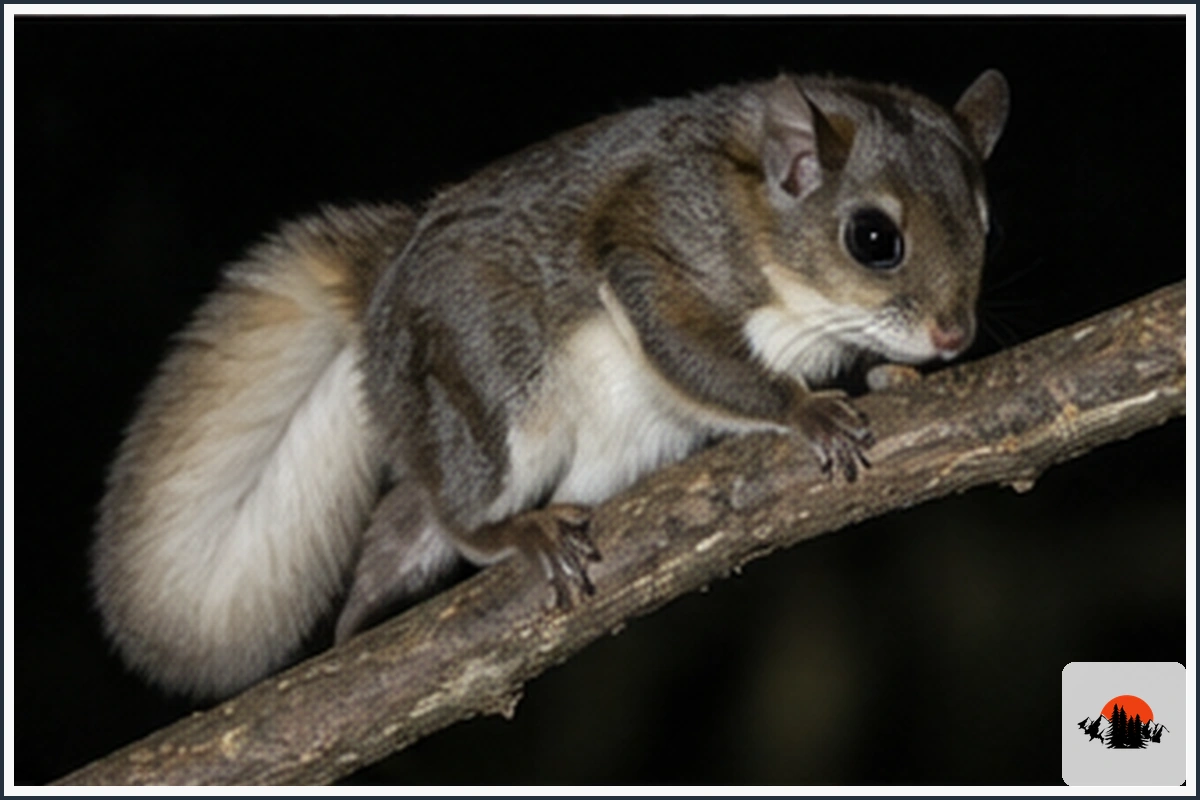
Scientific name: Petaurista leucogenys
The Japanese giant flying squirrel is considerably larger than the Japanese flying squirrel. It has gray-brown fur, a pale underside, large eyes, and a broad gliding membrane.
It is active at night and uses forests with tall trees for feeding, nesting, and movement. Seeds, leaves, flowers, and fruit make up much of its diet. Its gliding ability helps it cross forest gaps while avoiding ground predators.
11. Japanese Giant Salamander
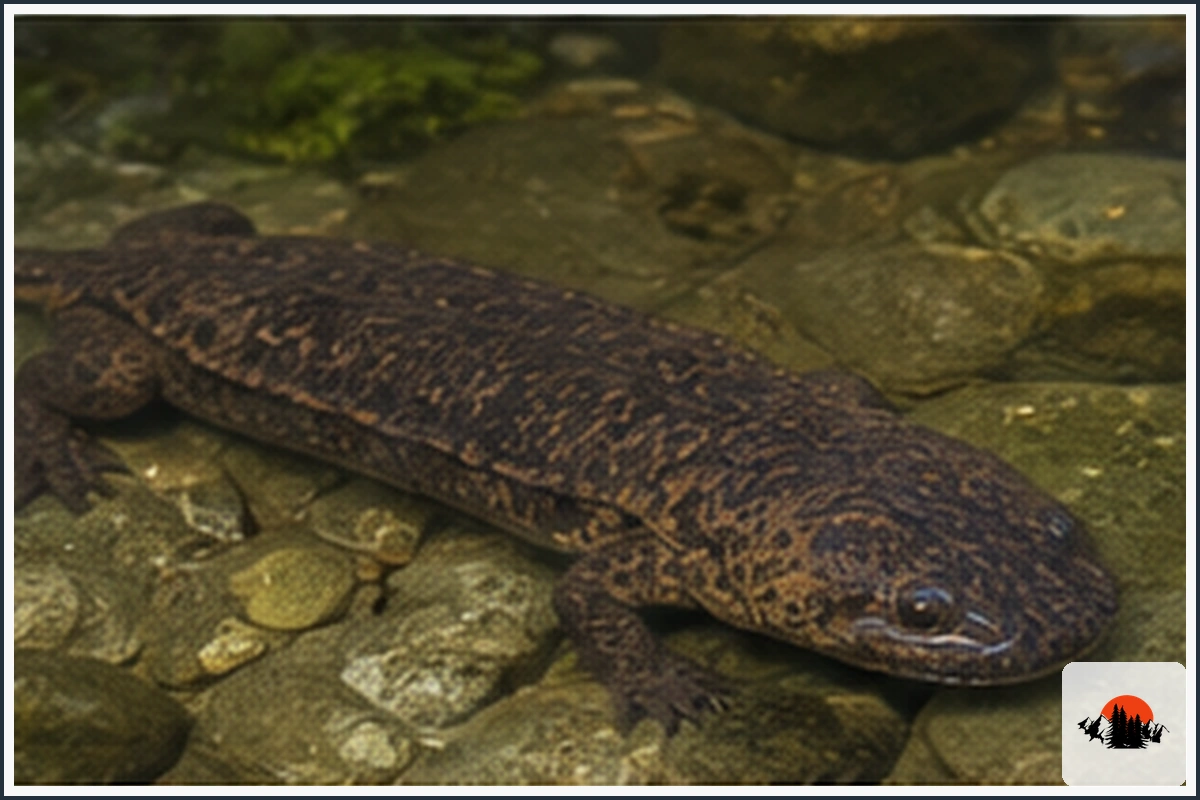
Scientific name: Andrias japonicus
The Japanese giant salamander is one of the world’s largest amphibians, with a broad flattened head, wrinkled skin, tiny eyes, and a long tail. It lives in cool, clear mountain streams in western Honshu, Shikoku, and Kyushu.
This nocturnal predator eats fish, frogs, crustaceans, insects, and other aquatic animals. It relies on clean, well-oxygenated water and suitable stream habitat. Habitat alteration, pollution, dams, and introduced related salamanders are important conservation concerns.
12. Japanese Giant Flying Fox
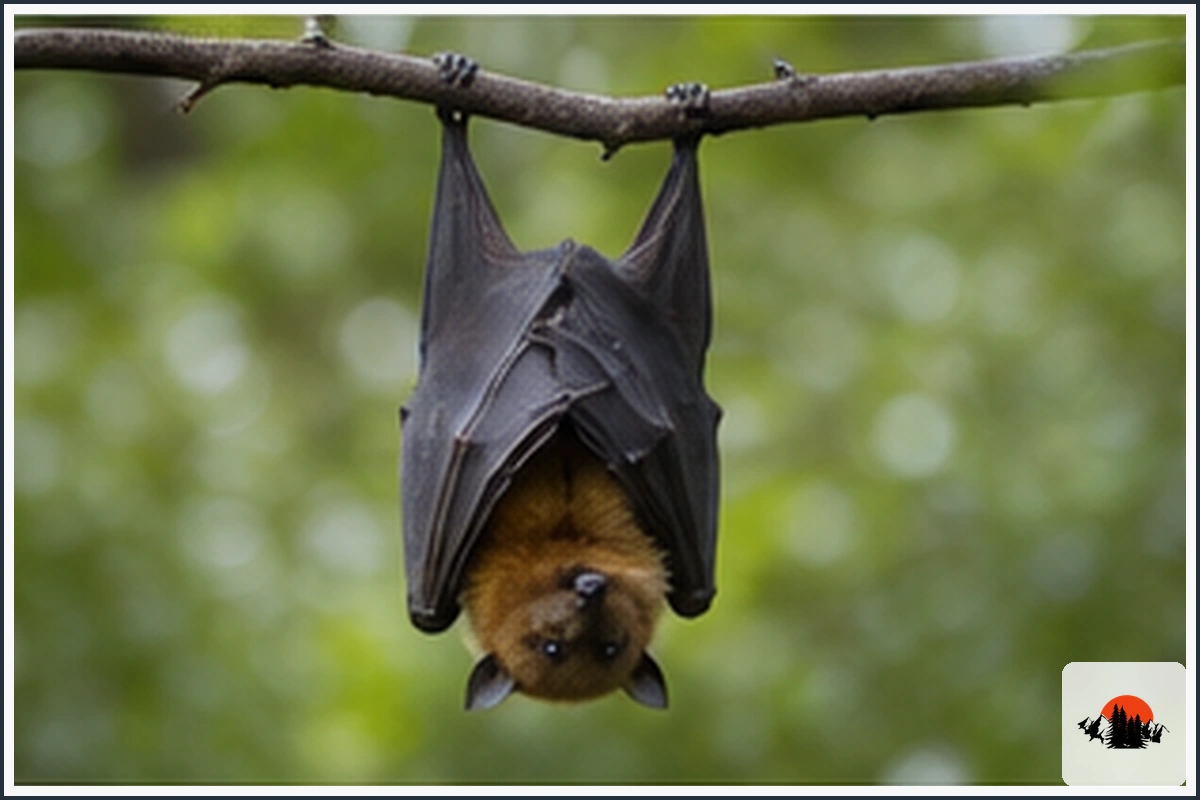
Scientific name: Pteropus dasymallus
The Japanese giant flying fox is a large fruit bat found mainly in the Ryukyu Islands. It has dark brown fur, a fox-like face, and broad wings. Unlike insect-eating bats, it feeds mainly on fruit, flowers, nectar, and leaves.
These bats help disperse seeds and pollinate plants. They roost in trees and are generally active after sunset. Island habitat loss and disturbance can affect local populations.
13. Red-Crowned Crane
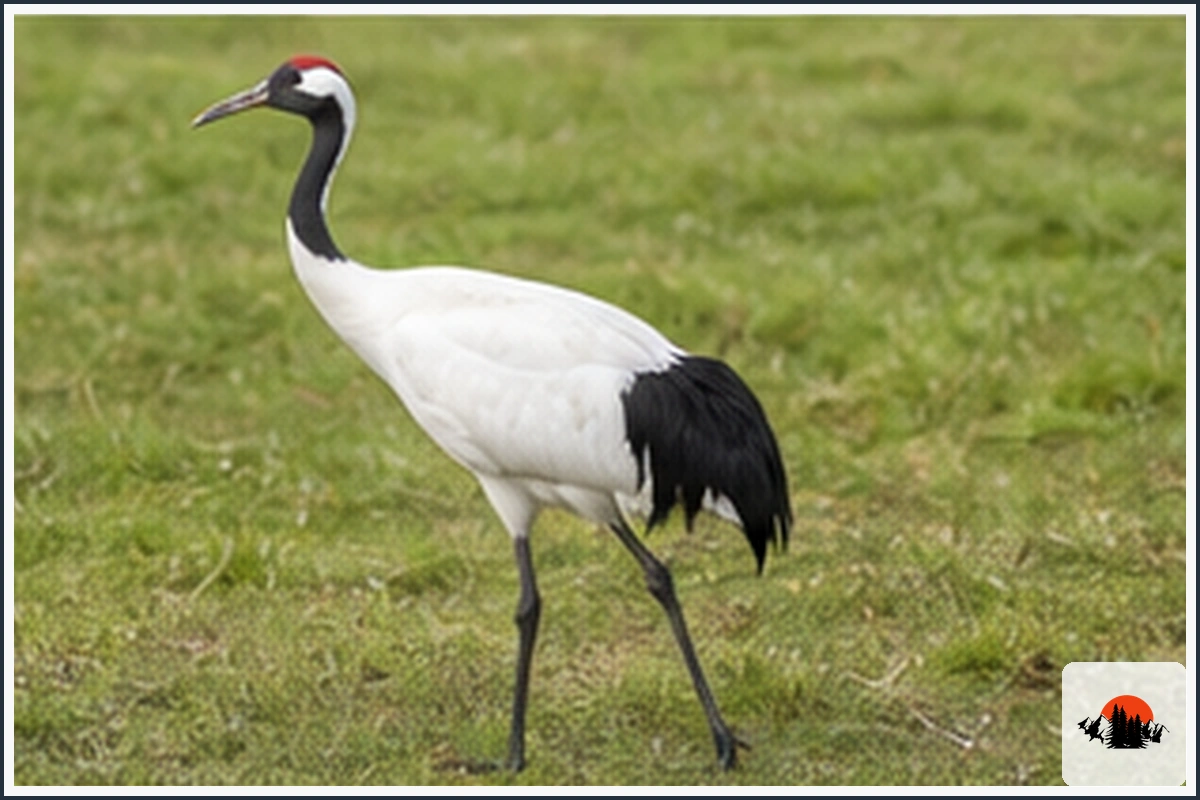
Scientific name: Grus japonensis
The red-crowned crane has a white body, black neck and wing feathers, and a vivid red patch on the crown. Hokkaido supports a resident population, while other cranes may visit Japan seasonally.
These tall wetland birds eat plants, insects, fish, amphibians, and small animals. They form strong pair bonds and perform dramatic courtship displays involving calls, wing movements, and jumps. Wetland protection and careful winter feeding management support their survival.
14. Steller’s Sea Eagle
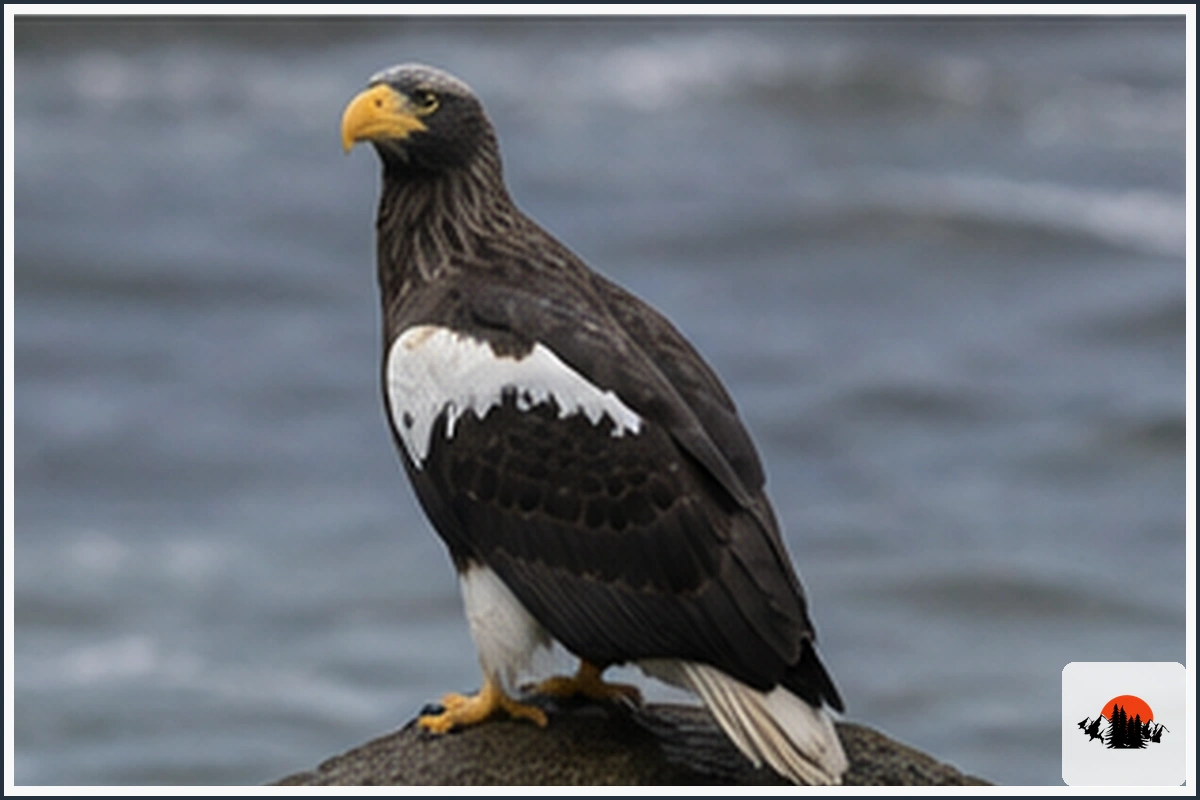
Scientific name: Haliaeetus pelagicus
Steller’s sea eagle is a massive coastal raptor with dark plumage, white shoulders and tail, and a powerful yellow bill. It winters in and around Hokkaido, especially near ice-free coastal waters and rivers.
Its diet includes fish, waterbirds, and carrion. The species depends on healthy coastal and river ecosystems and is vulnerable to pollution, disturbance, and changes in prey availability.
15. Blakiston’s Fish Owl
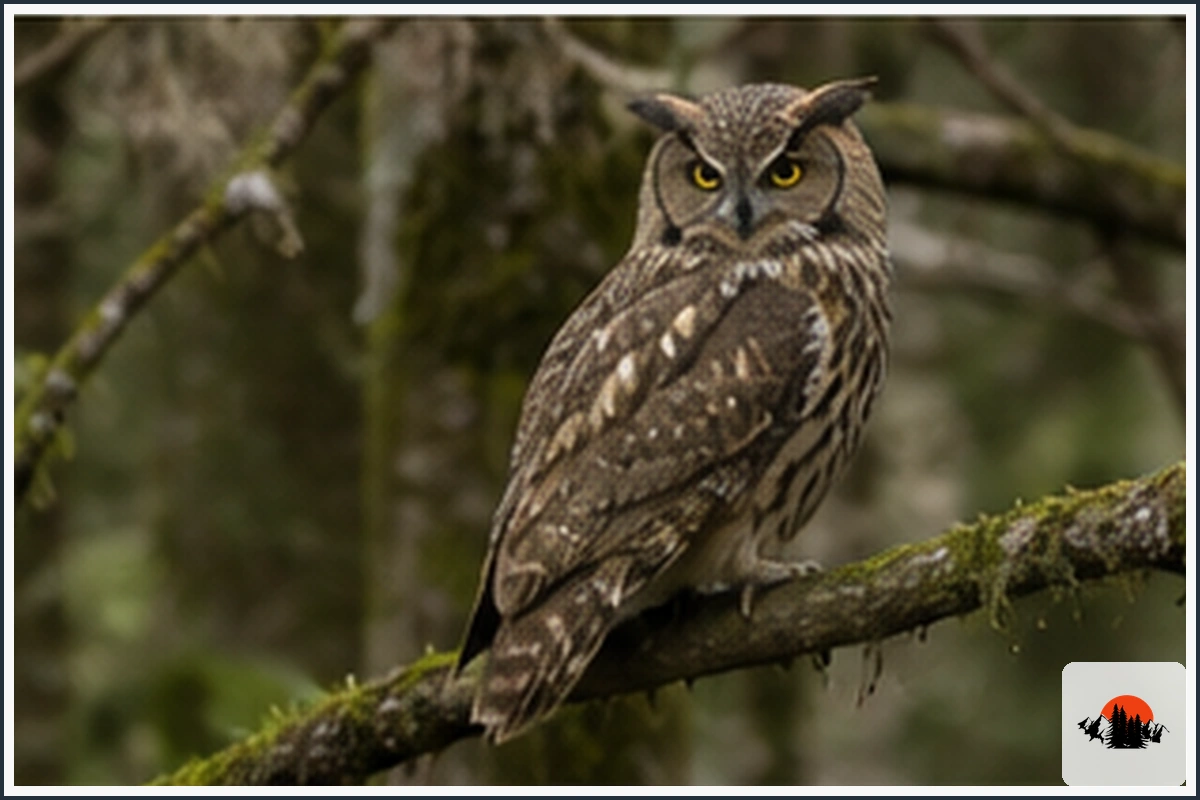
Scientific name: Ketupa blakistoni
Blakiston’s fish owl is one of the world’s largest owls. It has large ear tufts, broad wings, and striking orange-yellow eyes. In Japan it is strongly associated with old-growth forests and rivers in eastern Hokkaido.
The owl catches fish, frogs, and other aquatic or riverside prey. Large trees for nesting and unfrozen waterways for feeding are essential. It is endangered and sensitive to river modification, forest loss, and human disturbance.
16. Japanese Green Pheasant
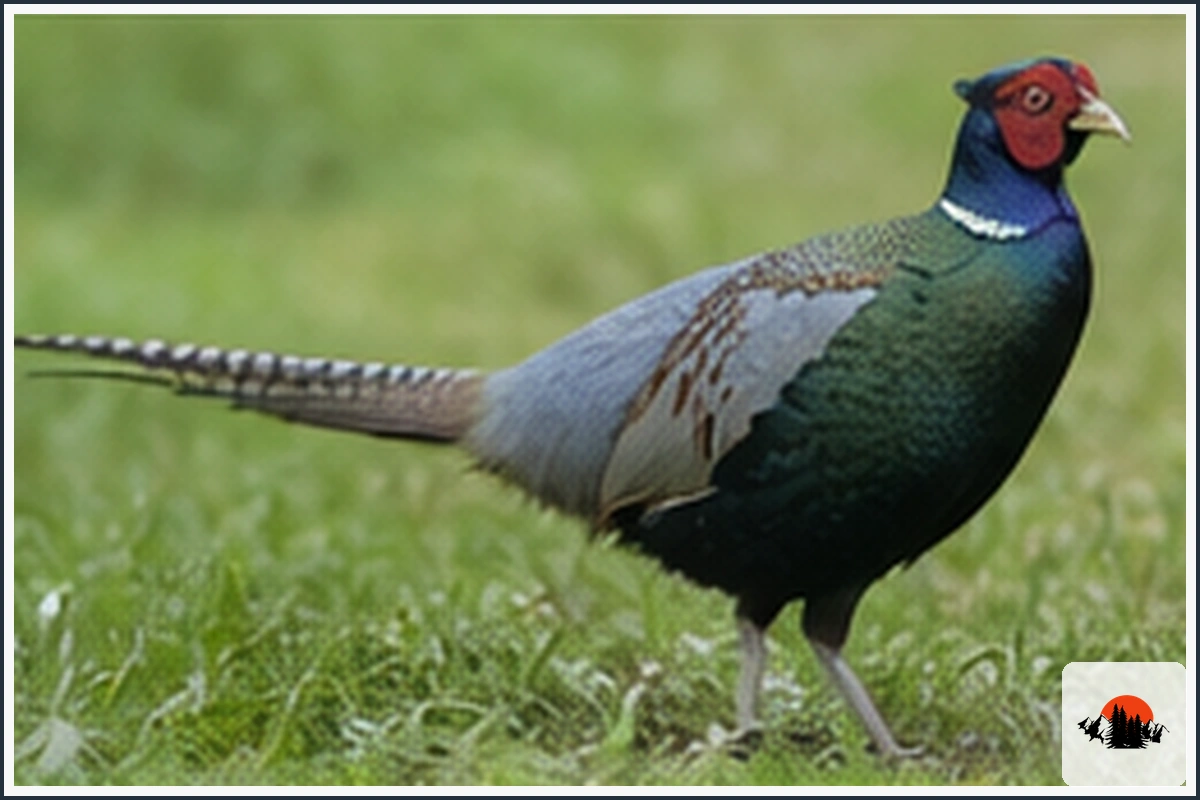
Scientific name: Phasianus versicolor
The Japanese green pheasant is a colorful ground bird native to Japan. Males have greenish plumage, red facial skin, and a long tail, while females are more camouflaged in brown tones.
It lives in grasslands, farmland, woodland edges, and scrub. Seeds, grains, insects, and small invertebrates form its diet. It usually runs through vegetation but can fly strongly when startled.
17. Copper Pheasant
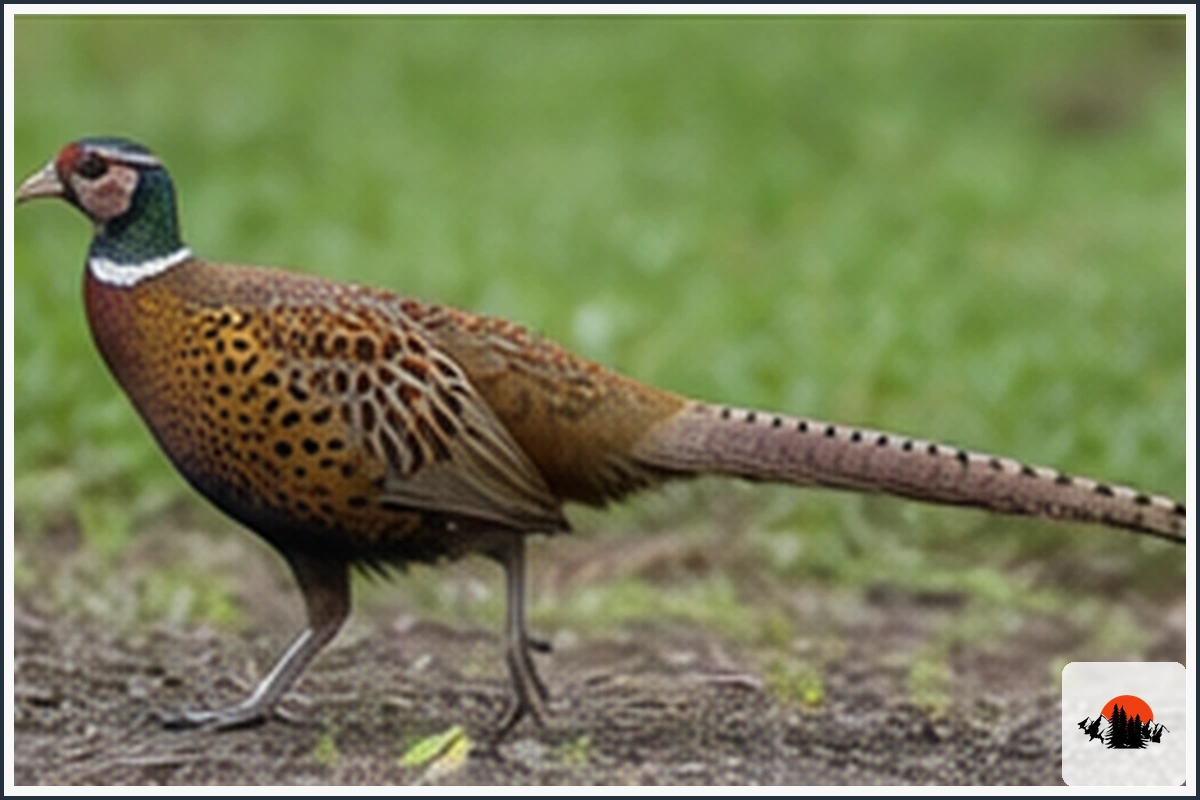
Scientific name: Syrmaticus soemmerringii
The copper pheasant is a forest bird found mainly on Honshu, Shikoku, and Kyushu. Males have rich copper-colored plumage and long tails, while females are less brightly marked.
It feeds on seeds, berries, insects, and other small items found on the forest floor. Dense woodland and quiet habitats are important for nesting and feeding. Its secretive habits make it easier to hear than see.
18. Japanese Murrelet
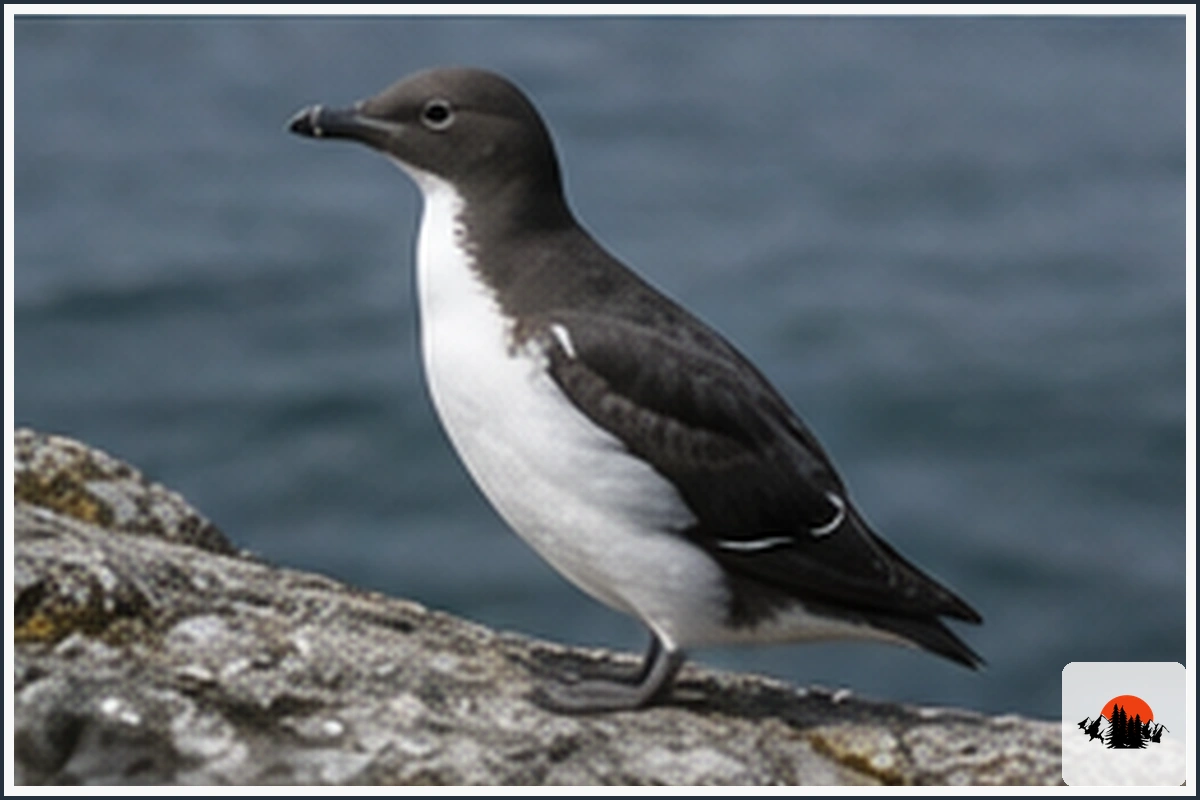
Scientific name: Synthliboramphus wumizusume
The Japanese murrelet is a small seabird with a dark back, white underside, and compact body adapted to diving. It breeds on a limited number of islands and rocky coastal sites around Japan.
It catches small fish and marine invertebrates underwater. Breeding colonies are vulnerable to introduced predators, human disturbance, and changes in coastal conditions. Quiet observation near nesting islands is essential.
19. Japanese Pond Turtle
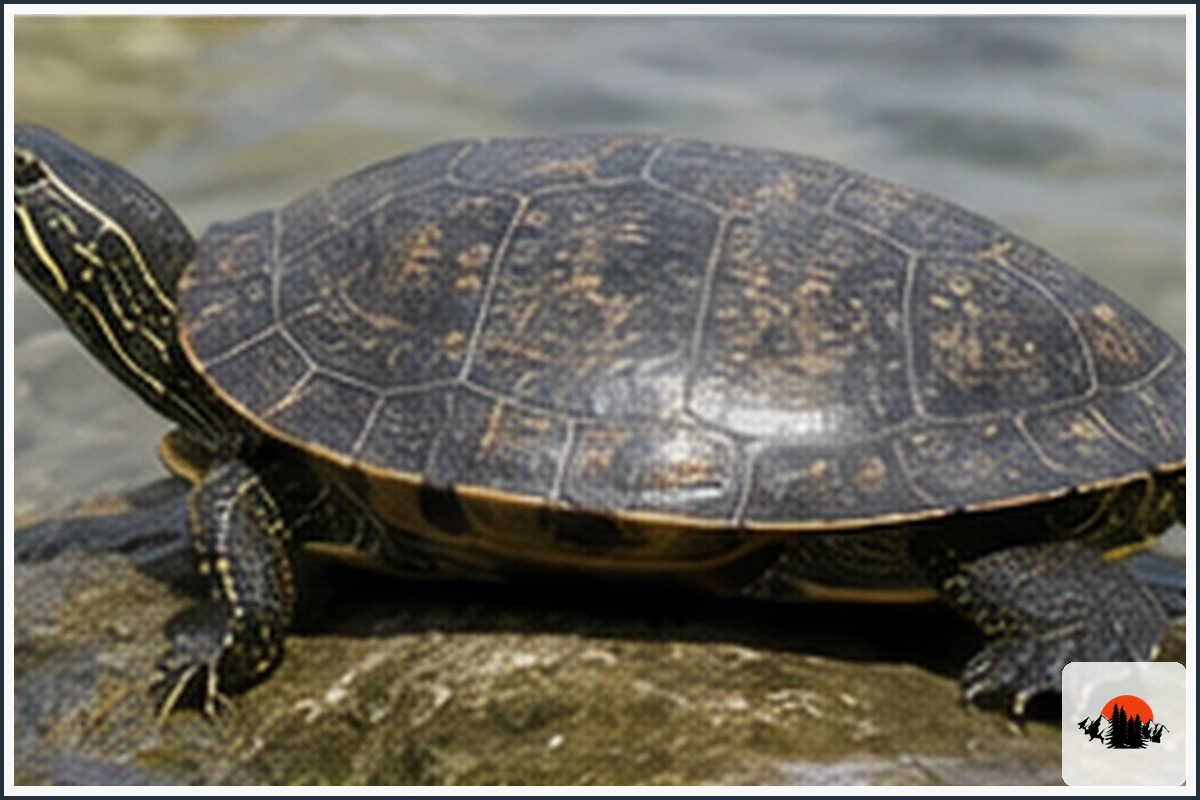
Scientific name: Mauremys japonica
The Japanese pond turtle is a freshwater turtle with a brown shell, yellowish markings, and a relatively flattened body. It inhabits ponds, streams, marshes, rice fields, and slow-moving waterways.
It eats aquatic plants, insects, snails, worms, and other small animals. Habitat loss, pollution, collection, and competition with introduced turtles can threaten local populations.
20. Japanese Grass Lizard
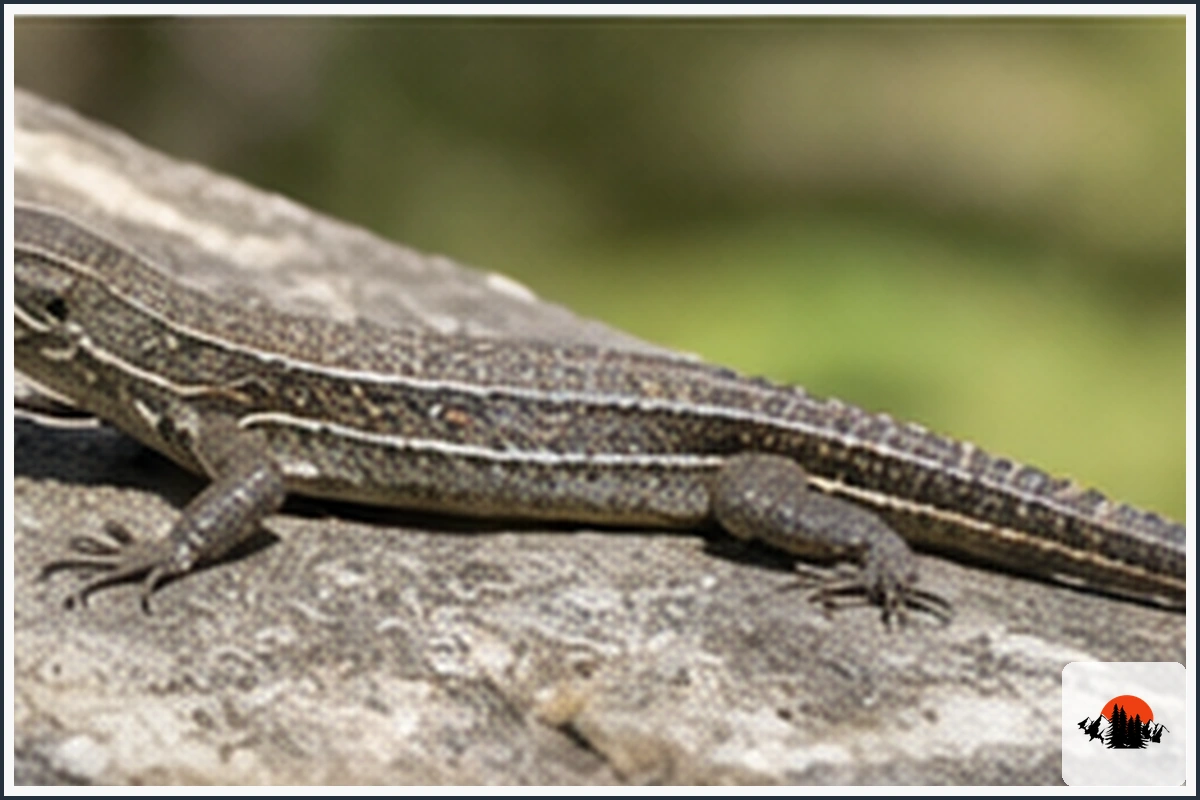
Scientific name: Takydromus tachydromoides
The Japanese grass lizard is a slender, fast-moving lizard with a long tail and narrow body. It is commonly found in sunny grasslands, woodland edges, gardens, and open slopes across much of Japan.
It feeds mostly on insects and other small invertebrates. The lizard relies on vegetation for cover and warmth and often disappears quickly when approached.
21. Okinawa Rail
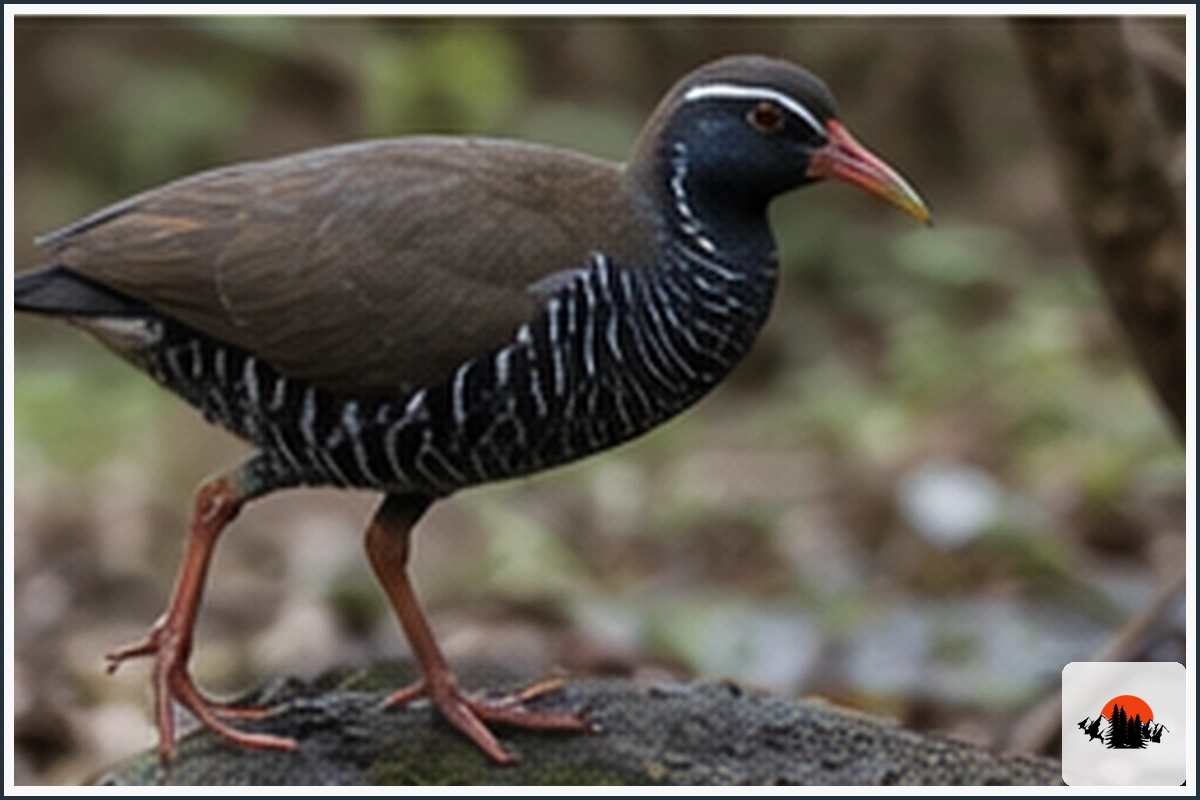
Scientific name: Hypotaenidia okinawae
The Okinawa rail is a flightless forest bird found only in northern Okinawa Island. It has a dark body, white facial markings, red legs, and a bold red bill.
It searches the forest floor for insects, lizards, frogs, seeds, and other food. Introduced mongooses, cats, dogs, habitat fragmentation, and road traffic have contributed to its decline. It is critically endangered and should never be approached or chased.
22. Okinawa Habu
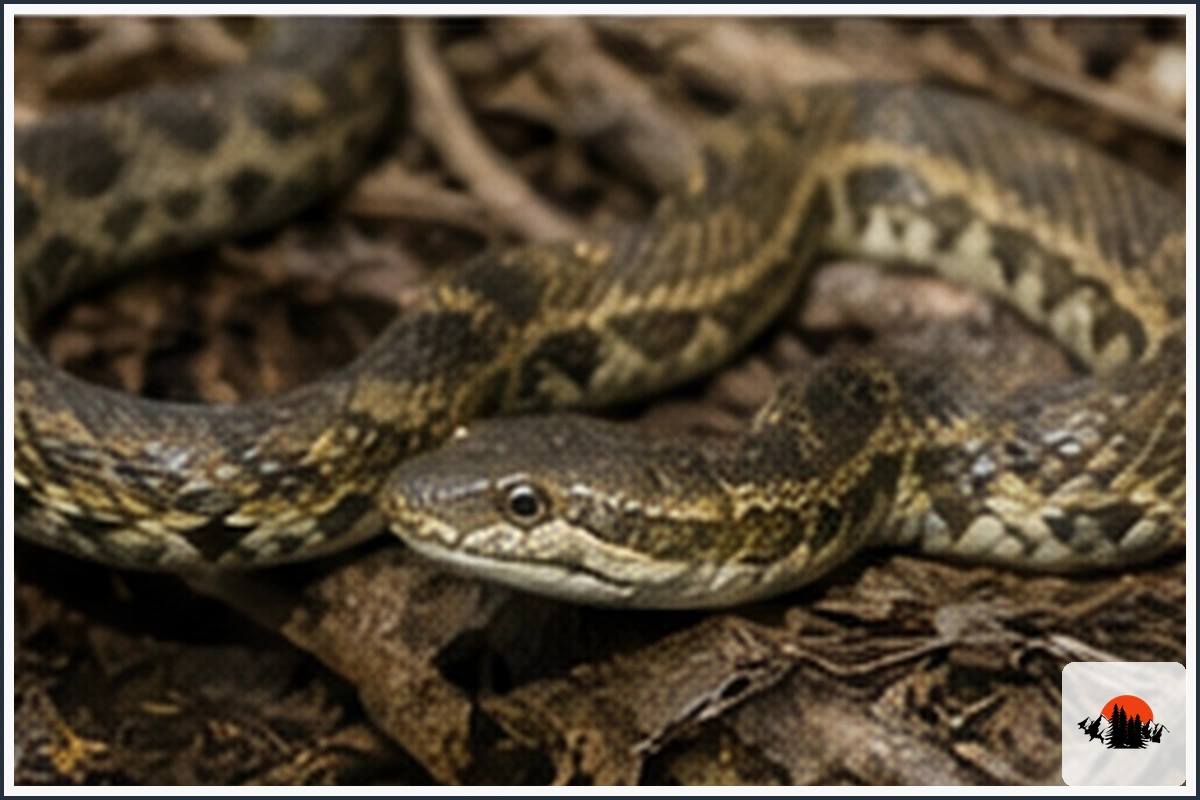
Scientific name: Protobothrops flavoviridis
The Okinawa habu is a venomous pit viper found in the Ryukyu Islands. It has a broad triangular head and variable brown, olive, or yellowish patterns that provide camouflage among vegetation and rocks.
It hunts rodents, birds, frogs, and other small animals, often at night. Hikers should use a flashlight after dark, stay on established paths, and never handle an unidentified snake. Medical attention is essential after any suspected bite.
23. Japanese Horseshoe Crab
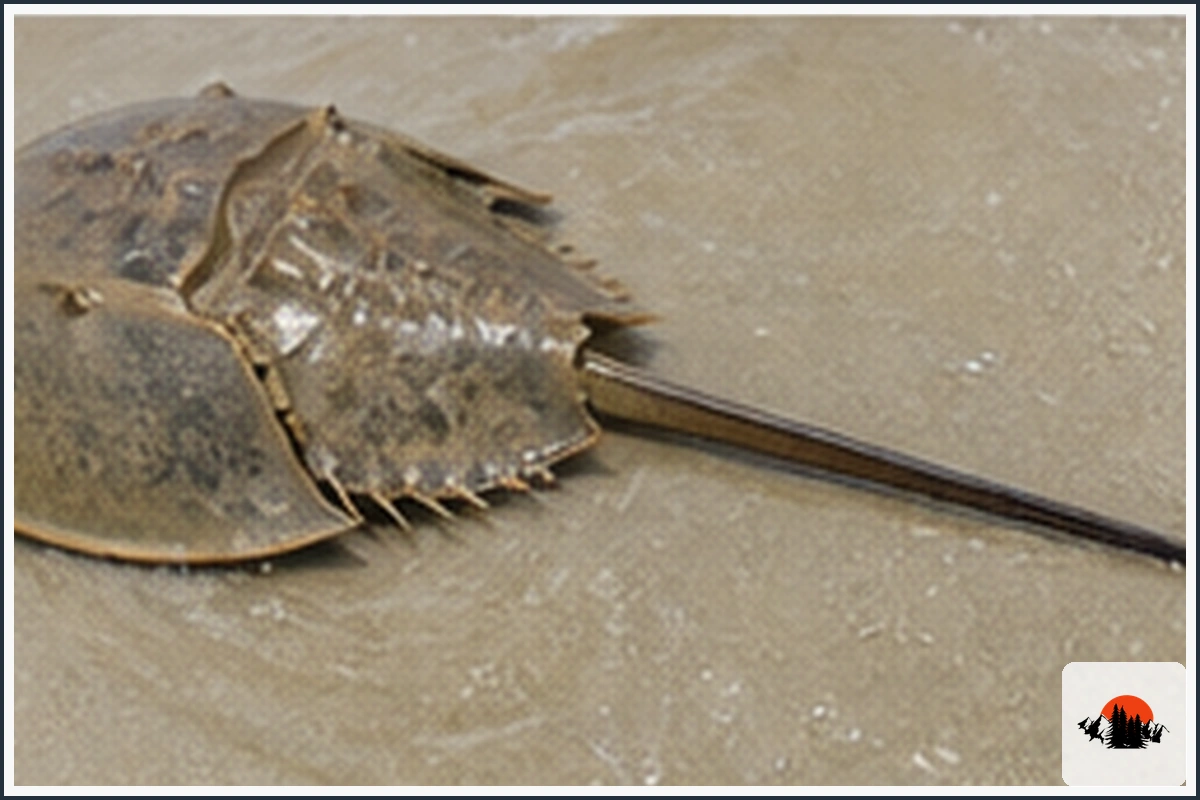
Scientific name: Tachypleus tridentatus
The Japanese horseshoe crab is an ancient marine arthropod with a rounded shell, long pointed tail spine, and several pairs of legs. Despite its name, it is more closely related to spiders and scorpions than true crabs.
It lives in shallow coastal waters and sandy or muddy tidal habitats. Adults feed on worms, mollusks, and small bottom-dwelling organisms. Coastal development, pollution, and loss of spawning beaches threaten this species in parts of its range.
24. Dugong
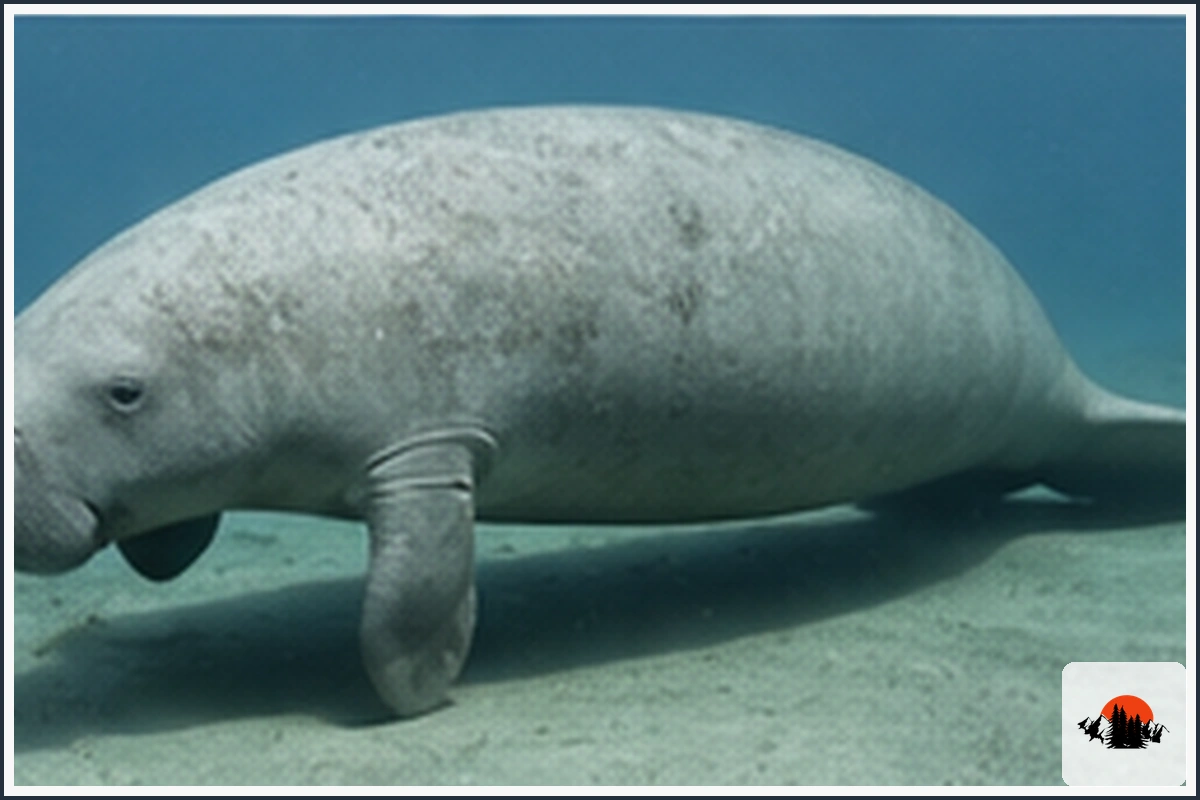
Scientific name: Dugong dugon
The dugong is a large marine mammal associated with warm coastal waters and seagrass beds. In Japan it is extremely rare and mainly linked with the Ryukyu Islands. It has a rounded body, paddle-like flippers, and a broad tail.
Dugongs graze on seagrass and can travel through shallow bays and coastal habitats. Seagrass loss, boat traffic, fishing interactions, and coastal development are major concerns. Any sighting should be reported to local wildlife authorities rather than pursued.
25. Finless Porpoise
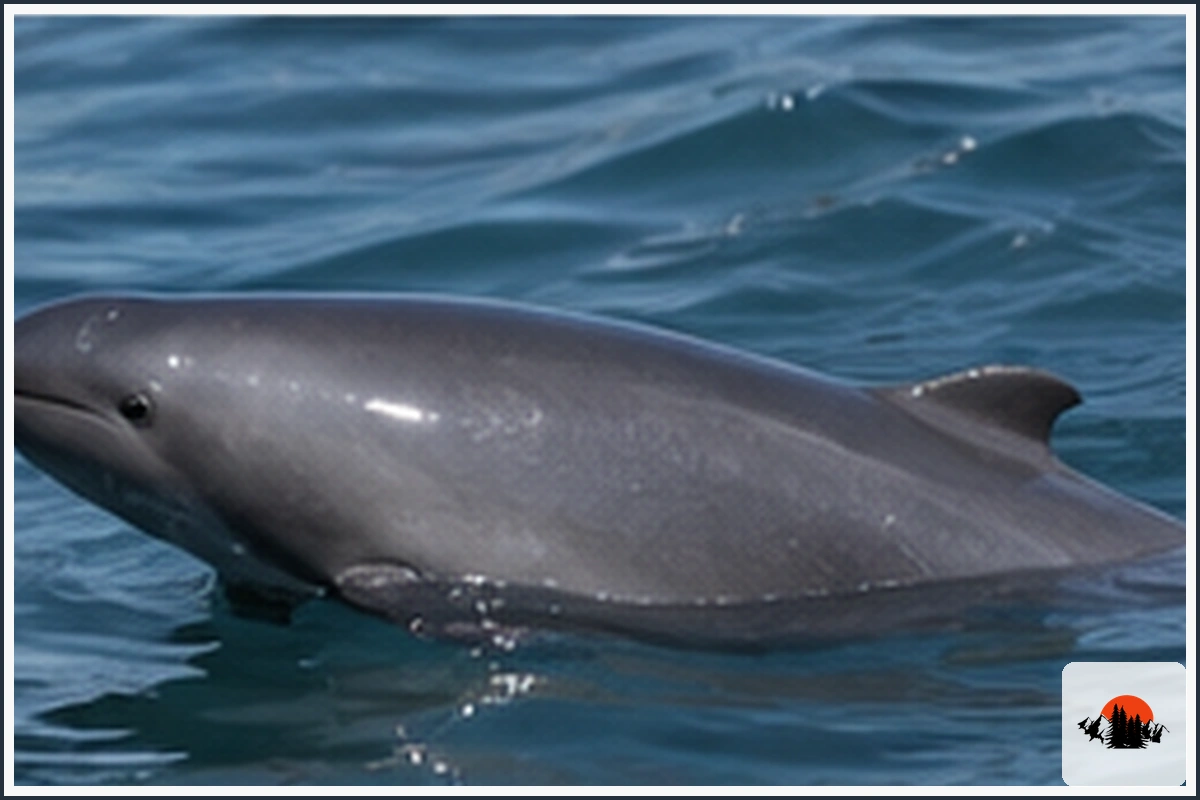
Scientific name: Neophocaena asiaeorientalis
The finless porpoise is a small toothed whale with a rounded head, dark gray body, and no dorsal fin. It occurs in coastal waters around parts of Japan, especially sheltered bays and inland seas.
It eats fish, shrimp, squid, and other small marine animals. Finless porpoises are vulnerable to entanglement, underwater noise, pollution, and loss of shallow-water habitat. They are usually seen briefly as they surface quietly.
How Are These Wild Animals Classified?
The animals in this guide belong to several major groups:
- Mammals: Japanese macaques, deer, foxes, serows, wildcats, bats, dugongs, and porpoises.
- Birds: Cranes, eagles, owls, pheasants, rails, murrelets, and other feathered species.
- Reptiles: Turtles, lizards, and venomous snakes.
- Amphibians: The Japanese giant salamander.
- Marine arthropods: The Japanese horseshoe crab.
They can also be grouped by ecology, such as forest animals, mountain wildlife, wetland species, island specialists, coastal animals, and open-ocean species.
Where Do These Wild Animals Live?
Japan’s wildlife is distributed across several major environments:
- Hokkaido: Red foxes, red-crowned cranes, Steller’s sea eagles, and Blakiston’s fish owls.
- Honshu, Shikoku, and Kyushu: Macaques, serows, sika deer, pheasants, weasels, and giant salamanders.
- Ryukyu Islands: Iriomote cats, dugongs, habu snakes, giant fruit bats, and Okinawa rails.
- Forests and mountains: Serows, squirrels, owls, pheasants, and salamanders.
- Wetlands and rivers: Cranes, pond turtles, fish owls, and water-dependent amphibians.
- Coastal waters: Murrelets, porpoises, dugongs, sea eagles, and horseshoe crabs.
What Do Animals in Japan Eat?
Japanese wildlife uses many different food sources:
- Herbivores: Deer, serows, and dugongs eat plants, grasses, leaves, bark, or seagrass.
- Carnivores: Foxes, weasels, wildcats, owls, and eagles hunt smaller animals.
- Omnivores: Macaques and tanuki eat a wide range of plant and animal foods.
- Insectivores: Lizards, rails, pheasants, and some bats consume insects and other invertebrates.
- Aquatic predators: Salamanders, porpoises, and seabirds catch fish, crustaceans, or marine invertebrates.
How Do These Animals Behave?
Animal behavior varies widely across Japan’s habitats. Macaques live in social groups, while many foxes, cats, weasels, and serows are solitary. Cranes form strong pair bonds, flying squirrels glide between trees, and porpoises communicate and travel through coastal waters. Island species often have especially restricted ranges, making habitat protection vital to their behavior and survival.
How to Identify Different Wild Animals
- Check the habitat: Note whether the animal is in forest, mountain, wetland, farmland, beach, river, or ocean.
- Observe body shape: A long body may suggest a weasel, while a stocky goat-like form may indicate a serow.
- Look for signature markings: Red crowns, facial stripes, spotted coats, white rumps, or red legs can be useful clues.
- Estimate size carefully: Compare the animal with nearby plants, rocks, or known objects without approaching it.
- Watch behavior: Gliding, diving, troop movement, nocturnal activity, or ground running can narrow identification.
- Consider the location: Iriomote cats, Amami rabbits, and Okinawa rails have highly restricted island ranges.
- Use photographs responsibly: Photograph from a distance and avoid flash near nocturnal or nesting animals.
Outdoor Tips for Finding and Observing These Species
- Use binoculars and a telephoto lens instead of approaching animals.
- Stay on trails and follow local park or reserve instructions.
- Keep food packed away and never feed monkeys, foxes, deer, or other wildlife.
- Travel slowly and quietly near wetlands, forest edges, and rivers.
- Use extra caution around snakes, cliffs, fast water, and remote island terrain.
- Check local rules before entering protected areas or photographing nesting colonies.
- Record the date, location, habitat, and behavior when making a wildlife observation.
Safety, Sustainability, and Conservation Notes
Japan’s wildlife faces pressures including habitat fragmentation, roads, invasive species, pollution, coastal development, climate change, and disturbance. Visitors can help by keeping distance, avoiding feeding, reducing litter, preventing the spread of invasive organisms, and respecting protected areas.
Do not touch wild animals, eggs, nests, turtles, or marine life. Treat every unfamiliar snake as potentially dangerous, and seek immediate medical help after a suspected bite. Responsible wildlife tourism supports conservation when it benefits local communities and does not disrupt animals.
Fun Facts About Animals in Japan
- Japanese macaques are the northernmost nonhuman primates in the world.
- The Japanese serow has horns in both males and females.
- Tanuki are canids, not raccoons.
- The Amami rabbit is found naturally on only two Japanese islands.
- Flying squirrels glide using a furry membrane between their limbs.
- The Japanese giant salamander can grow to an extraordinary size for an amphibian.
- Red-crowned cranes are known for elaborate courtship dances.
- The Okinawa rail is unable to fly and lives only on Okinawa Island.
- Horseshoe crabs are ancient marine arthropods rather than true crabs.
- Dugongs depend heavily on healthy seagrass meadows.
Final Thoughts on Types of Animals in Japan
The types of animals in Japan reflect the country’s extraordinary variety of forests, mountains, wetlands, islands, and coastal waters. From snow monkeys and serows to endangered island species and rare marine mammals, each animal has a specialized role in its ecosystem. Careful observation, responsible travel, and support for habitat conservation help keep Japan’s wildlife thriving.
Frequently Asked Questions
1. What is the most famous animal in Japan?
The Japanese macaque, or snow monkey, is among Japan’s most famous animals. Sika deer, red-crowned cranes, and tanuki are also widely recognized.
2. How many native animal species live in Japan?
Japan has a large variety of native mammals, birds, reptiles, amphibians, fish, and invertebrates. The exact number depends on classification and whether subspecies and marine animals are included.
3. Are snow monkeys native to Japan?
Yes. Japanese macaques are native to Japan and naturally occur on several major islands, including Honshu, Shikoku, and Kyushu.
4. Where can I see Japanese macaques?
They can be seen in suitable forests and mountain areas, including protected parks and designated viewing locations. Always follow local rules and maintain distance.
5. Are Japanese macaques dangerous?
They can bite or scratch if threatened, fed, or approached too closely. Never touch them, stare at them, or show them food.
6. What animals are unique to Japan?
Examples include the Japanese serow, Japanese giant salamander, Amami rabbit, Iriomote cat, Okinawa rail, and Japanese green pheasant.
7. What is Japan’s national animal?
Japan does not have one universally designated official national animal. Several species, including the green pheasant and Japanese macaque, have strong cultural associations.
8. Are there wild bears in Japan?
Yes. Brown bears live in Hokkaido, while Asian black bears occur in parts of Honshu and historically other areas. Bear safety is important in their habitats.
9. What is the largest land animal in Japan?
The brown bear is the largest land mammal found in Japan. It is native to Hokkaido.
10. What is the rarest animal in Japan?
Several species are extremely rare, including the Iriomote cat, Okinawa rail, Amami rabbit, and dugong. Rarity varies by island and population.
11. What animals live in Hokkaido?
Hokkaido supports Ezo red foxes, brown bears, sika deer, red-crowned cranes, Steller’s sea eagles, and Blakiston’s fish owls.
12. What animals live on Okinawa?
Okinawa and the Ryukyu Islands support Okinawa rails, habu snakes, dugongs, fruit bats, sea turtles, and many subtropical reptiles and birds.
13. What animals live in Japanese forests?
Forest wildlife includes macaques, serows, deer, squirrels, flying squirrels, foxes, pheasants, owls, and salamanders.
14. What animals live in Japan’s rivers?
Rivers and streams support fish, frogs, Japanese giant salamanders, pond turtles, kingfishers, and mammals that forage along the banks.
15. What do Japanese animals eat?
Their diets range from grasses, leaves, fruit, and seeds to insects, rodents, fish, frogs, reptiles, crustaceans, and seagrass.
16. Are there dangerous animals in Japan?
Japan has venomous snakes, bears, aggressive wild mammals, and marine hazards. Most risks can be reduced by following local guidance and avoiding close contact.
17. Are there venomous snakes in Japan?
Yes. Habu snakes occur mainly in the Ryukyu Islands, and other venomous snakes live in different parts of Japan. Never handle an unidentified snake.
18. What should I do if I see a bear?
Stay calm, do not run, avoid approaching it, and slowly create distance. Follow current instructions from local authorities and park officials.
19. Can tourists feed deer in Japan?
Feeding is allowed only in specific managed locations using approved food. Do not feed wild deer elsewhere, and never feed wildlife human snacks.
20. Are Japanese deer wild?
Many Japanese deer are wild, even when they live near towns or cultural sites. Deer in managed parks may be accustomed to people but remain animals that require respectful treatment.
21. Is the Iriomote cat a domestic cat?
No. It is a rare wildcat subspecies found only on Iriomote Island and has specialized conservation protection.
22. Can I keep a wild animal from Japan as a pet?
No. Wild animals should not be taken from nature. Ownership of native wildlife may also be illegal and can harm the animal and local ecosystems.
23. Why are island animals in Japan vulnerable?
Island species often have small populations and limited habitats. Roads, invasive predators, disease, development, and natural disasters can affect them quickly.
24. What is the best way to photograph wildlife in Japan?
Use a long lens, remain quiet, avoid flash near nocturnal animals, and never block an animal’s path or disturb feeding, nesting, or resting behavior.
25. Are Japanese giant salamanders endangered?
They face serious threats from habitat changes, water pollution, dams, and introduced related salamanders. Protecting clean mountain streams is essential.
26. What is Japan’s most famous bird?
The red-crowned crane is one of Japan’s most famous birds. The green pheasant and Blakiston’s fish owl are also strongly associated with the country.
27. Are there wild foxes in Japan?
Yes. Red foxes are widespread, and the Ezo red fox is especially associated with Hokkaido.
28. What is a tanuki?
A tanuki is the Japanese raccoon dog, a native canid with a rounded body and facial markings. It is not a raccoon.
29. Are dugongs found in Japan?
Yes, but they are exceptionally rare and mainly associated with the Ryukyu Islands. Sightings should be reported rather than pursued.
30. How can visitors help Japanese wildlife?
Stay on trails, keep distance, avoid feeding, reduce waste, respect protected areas, follow wildlife rules, and support reputable conservation programs.