

South America is home to one of the world’s richest collections of monkeys, from tiny marmosets to powerful howler monkeys and agile spider monkeys. This guide to the types of monkeys in South America covers recognizable species and groups, including their scientific names, appearance, habitat, diet, behavior, size, and conservation concerns.
What Are the Main Types of Monkeys in South America?
The main types of monkeys in South America include marmosets, tamarins, capuchins, squirrel monkeys, howler monkeys, spider monkeys, woolly monkeys, sakis, uakaris, titi monkeys, and night monkeys. Most are New World monkeys belonging to the families Cebidae, Callitrichidae, Atelidae, Pitheciidae, and Aotidae. They live mainly in tropical forests, although some species also occupy dry woodland, savanna edges, mangroves, and high-elevation forests.
1. Golden Lion Tamarin
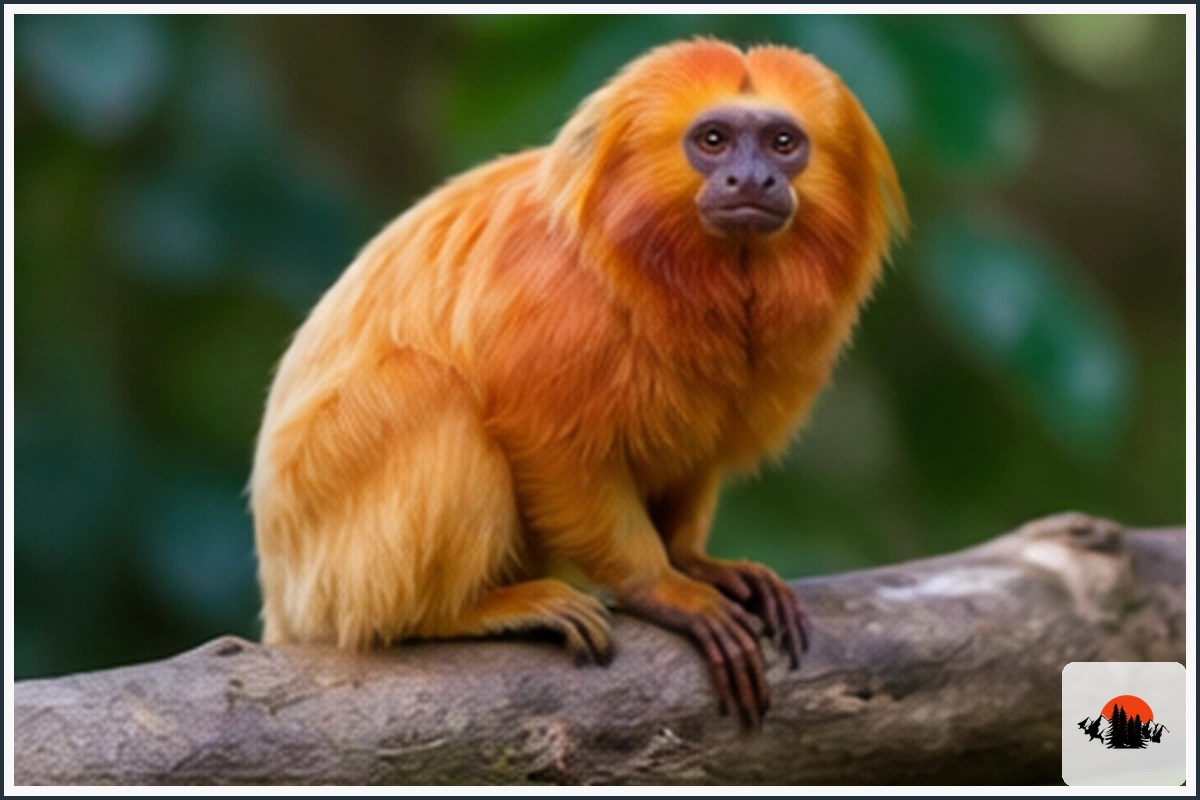
Scientific name: Leontopithecus rosalia. The golden lion tamarin is recognized by its brilliant orange-gold mane, small body, and expressive face. It lives in fragmented Atlantic Forest habitats of southeastern Brazil and spends much of its time in the canopy.
Adults usually weigh less than 1 kilogram. Their diet includes fruit, insects, nectar, small vertebrates, and tree exudates. Golden lion tamarins live in family groups and often use tree hollows as sleeping sites. Habitat loss once pushed the species close to extinction, but protected areas, forest restoration, and reintroduction programs have helped its population recover. It remains conservation-dependent and vulnerable to habitat fragmentation.
2. Golden-Headed Lion Tamarin
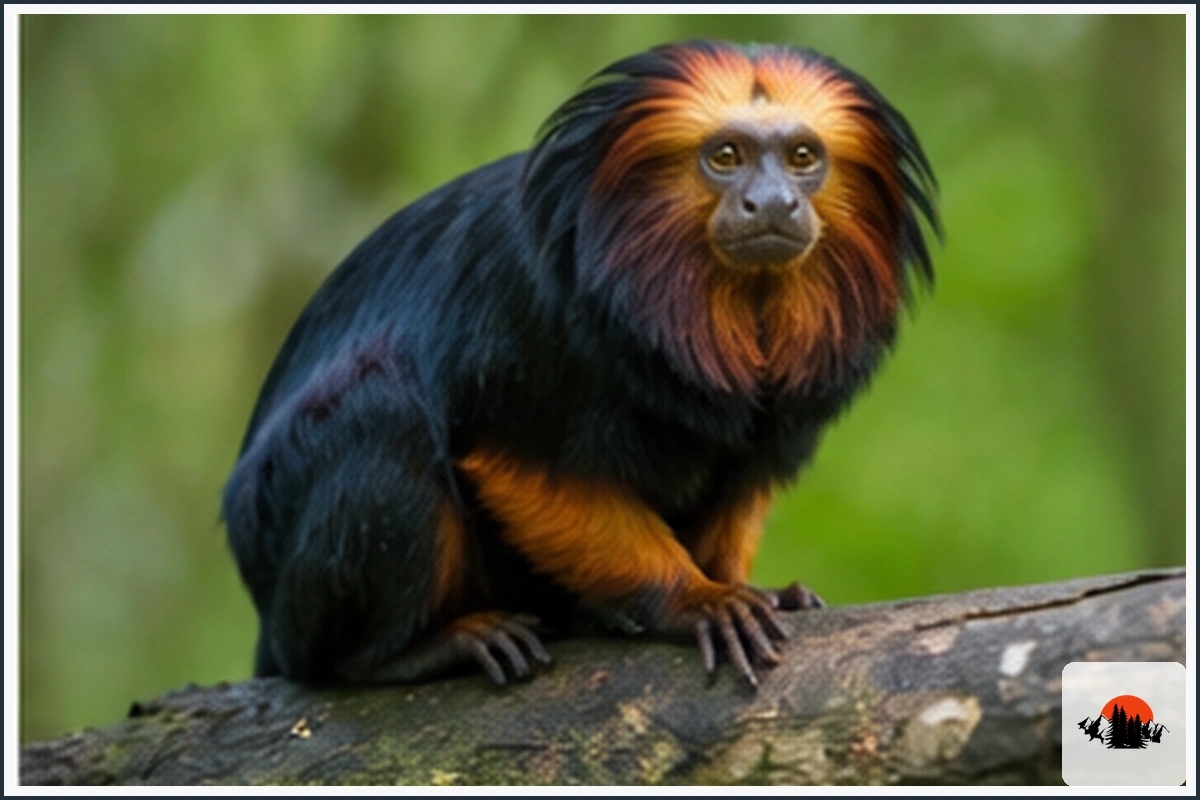
Scientific name: Leontopithecus chrysomelas. This small Brazilian monkey has a dark body and a striking golden crown and mane. It is native to the Atlantic Forest of Bahia, where it uses dense vegetation and connected treetops for shelter and travel.
Golden-headed lion tamarins eat fruit, insects, nectar, flowers, and small animals. They are active during the day and usually live in cooperative family groups. Like other lion tamarins, they may search tree cavities, bromeliads, and vines for food. Forest clearing, agriculture, and habitat fragmentation remain important threats.
3. Black-Tufted Marmoset
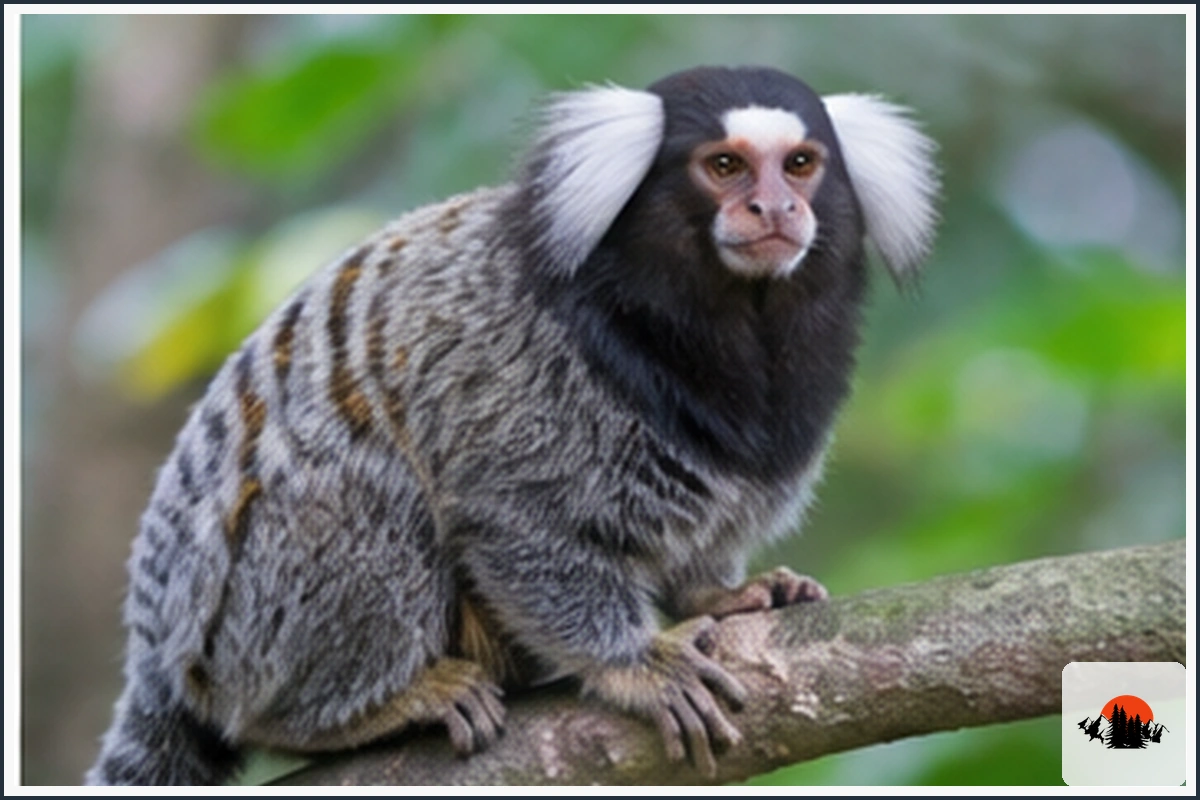
Scientific name: Callithrix penicillata. The black-tufted marmoset is a small monkey with dark ear tufts, a gray-brown body, and a ringed tail. It occurs in central and eastern Brazil in woodland, savanna, forest edges, and some urban-adjacent habitats.
This marmoset feeds heavily on tree gum and sap, but it also eats fruit, insects, nectar, eggs, and small vertebrates. Its claw-like nails help it cling to trunks and gouge bark. Groups communicate with high-pitched calls and cooperate in raising young. Introduced marmosets can compete or hybridize with native species in some regions, making responsible wildlife management important.
4. Common Marmoset
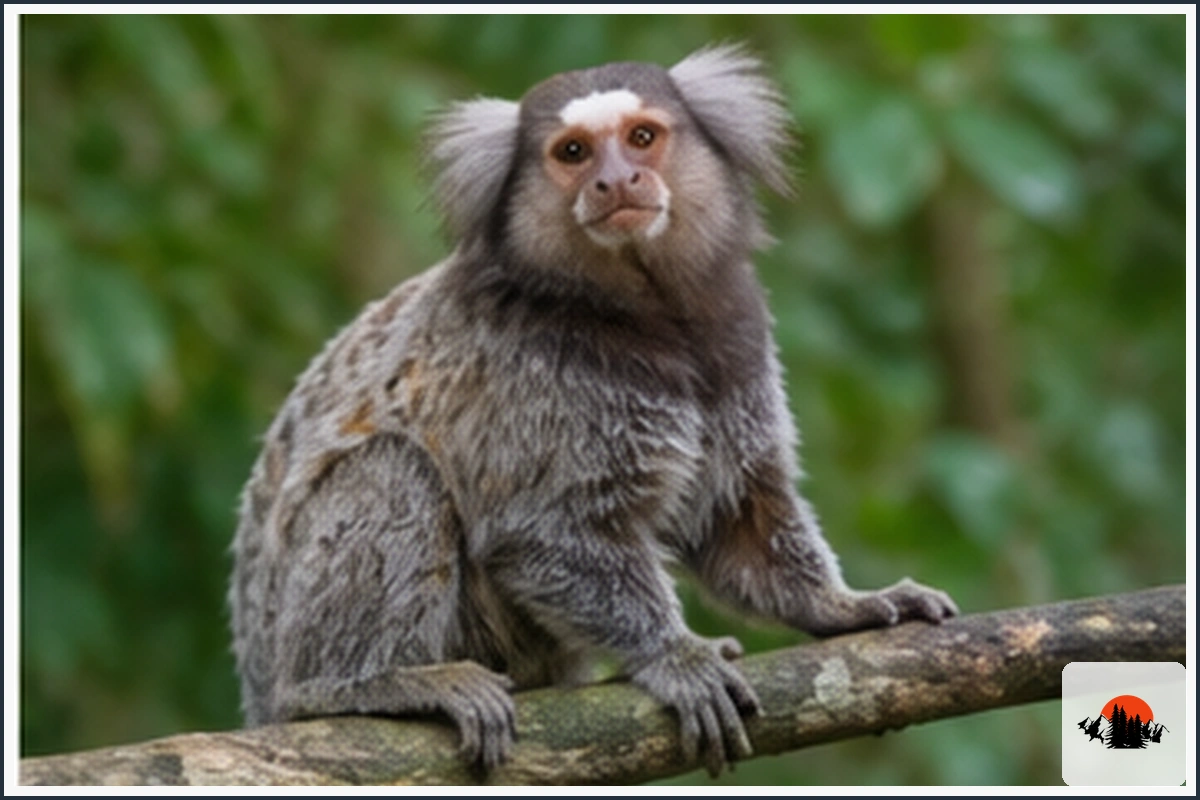
Scientific name: Callithrix jacchus. The common marmoset is a small Brazilian monkey with white ear tufts, a banded tail, and a pale face. It is native to northeastern Brazil but has been introduced into parts of southeastern Brazil.
It lives in family groups and spends much of the day climbing tree trunks in search of gum, sap, fruit, insects, and other small foods. Its specialized incisors allow it to make small wounds in bark and collect tree exudates. Common marmosets adapt well to disturbed habitats, but introduced populations can create problems for native marmosets through competition and hybridization.
5. Pygmy Marmoset
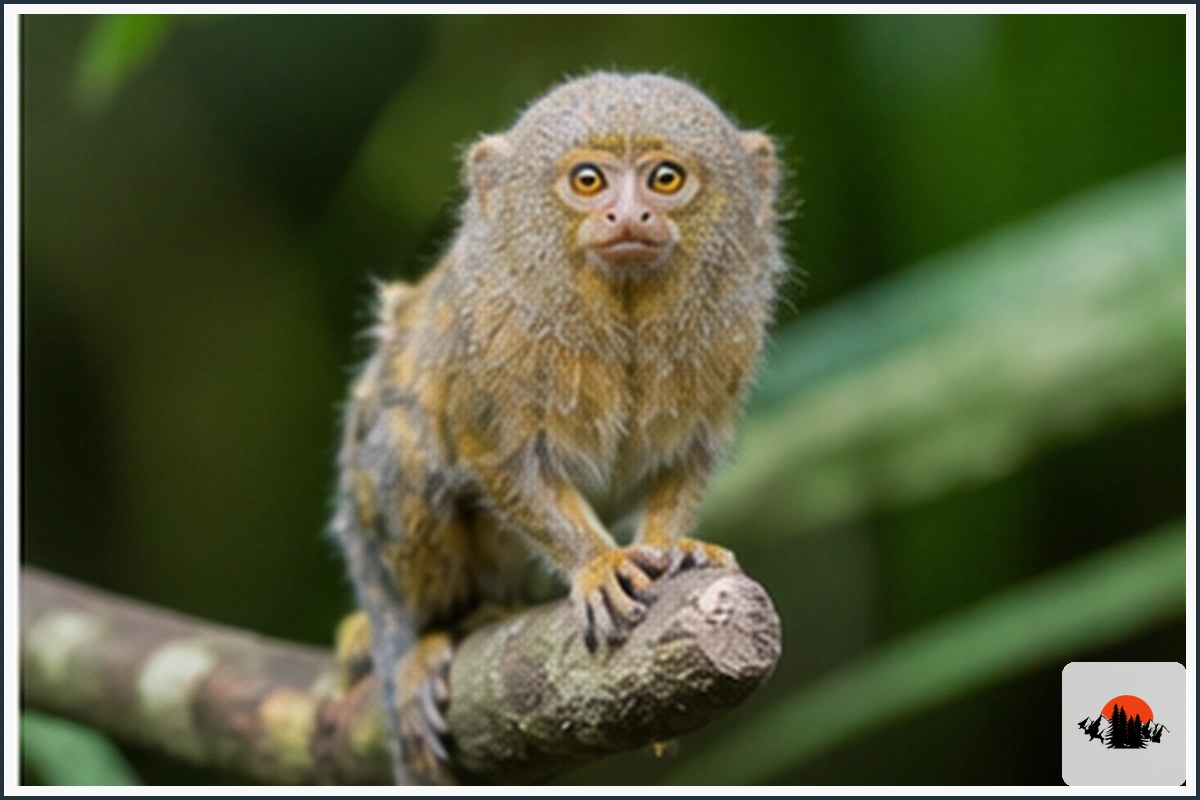
Scientific name: Cebuella pygmaea. The pygmy marmoset is one of the smallest monkeys in the world, with a body often only about 12 to 16 centimeters long, excluding the tail. It has brownish fur, a long tail, and a delicate appearance.
It inhabits western Amazonian forests, especially areas near rivers, floodplains, and dense vegetation. Pygmy marmosets feed mainly on tree gum and sap, supplemented by insects, fruit, and flowers. Their small size helps them move through thin branches, while their sharp claws support vertical climbing. They usually live in small family groups and use rapid calls to maintain contact.
6. Cotton-Top Tamarin

Scientific name: Saguinus oedipus. The cotton-top tamarin is named for the white crest of hair extending from its forehead down the back of its head. Its body is mostly gray and brown, with a pale underside and a long, nonprehensile tail.
This species is found only in northwestern Colombia, especially in tropical forest and forest-edge habitats. It eats fruit, insects, nectar, small vertebrates, and plant material. Cotton-top tamarins live in cooperative groups in which older siblings and other adults help care for infants. Deforestation, illegal capture, and habitat fragmentation have made this one of the most threatened monkey species in South America.
7. Common Squirrel Monkey
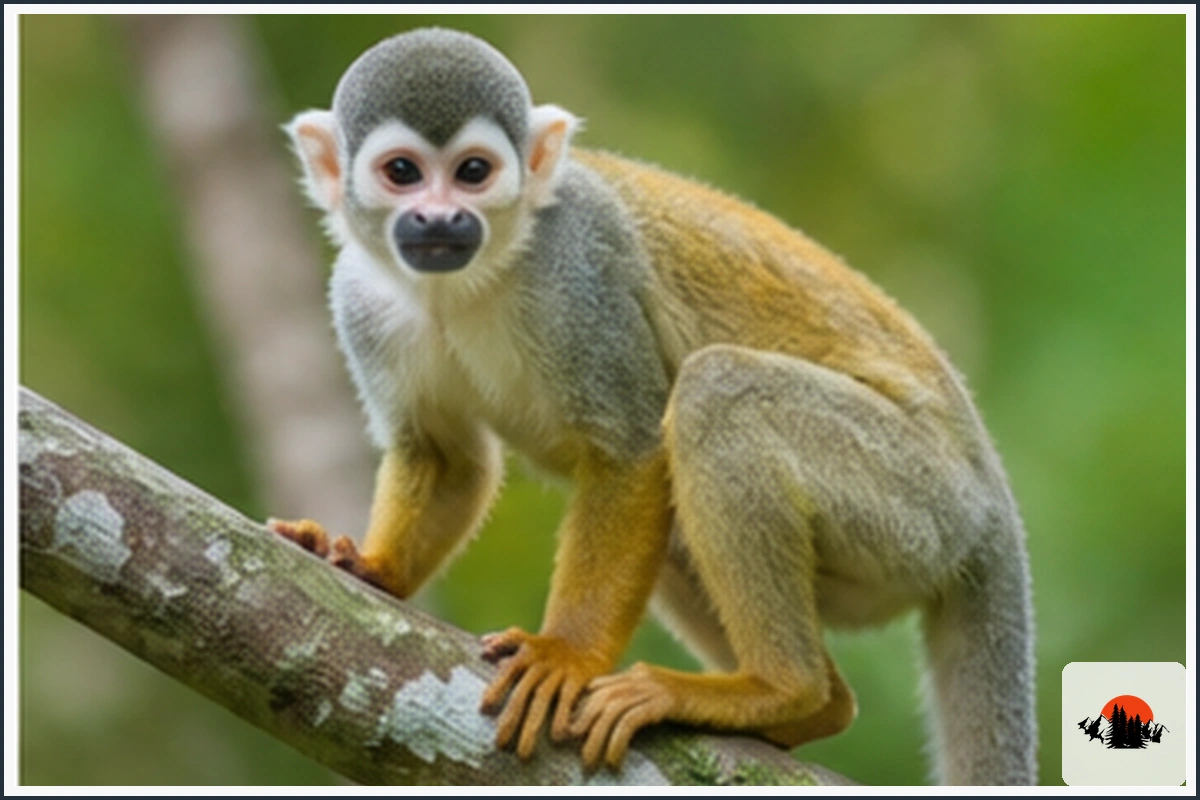
Scientific name: Saimiri sciureus. The common squirrel monkey is a small, quick-moving monkey with a pale face, dark cap, short muzzle, and long tail. It lives in northern and western South America, particularly in Amazonian forests, river corridors, and seasonally flooded woodland.
Squirrel monkeys travel through the middle and lower canopy in lively groups that may contain many individuals. Their diet includes fruit, insects, flowers, seeds, and small animals. They are highly social and use a wide range of calls, postures, and facial expressions. Their flexible diet helps them use several forest types, although hunting and habitat loss can reduce local populations.
8. White-Fronted Capuchin
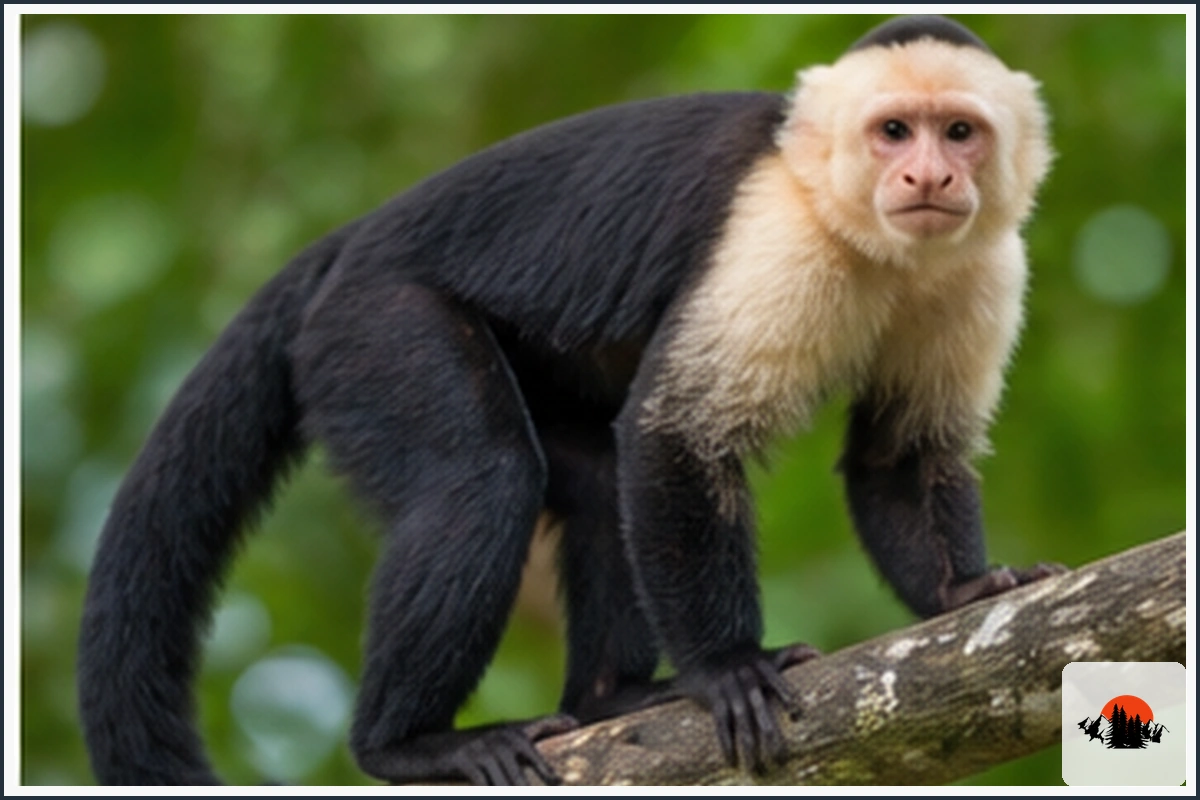
Scientific name: Cebus albifrons. The white-fronted capuchin has a pale forehead and cheeks contrasting with darker fur on its crown, shoulders, and back. Several regional forms are recognized, and appearances can vary across its broad range.
It occurs in forests of northern and western South America, including Amazonian lowlands and foothill areas. White-fronted capuchins eat fruit, seeds, insects, eggs, and small vertebrates. They are intelligent, curious, and adaptable, often using their hands to manipulate food and investigate objects. Groups can travel widely through the canopy and occasionally descend to the ground.
9. Black Capuchin
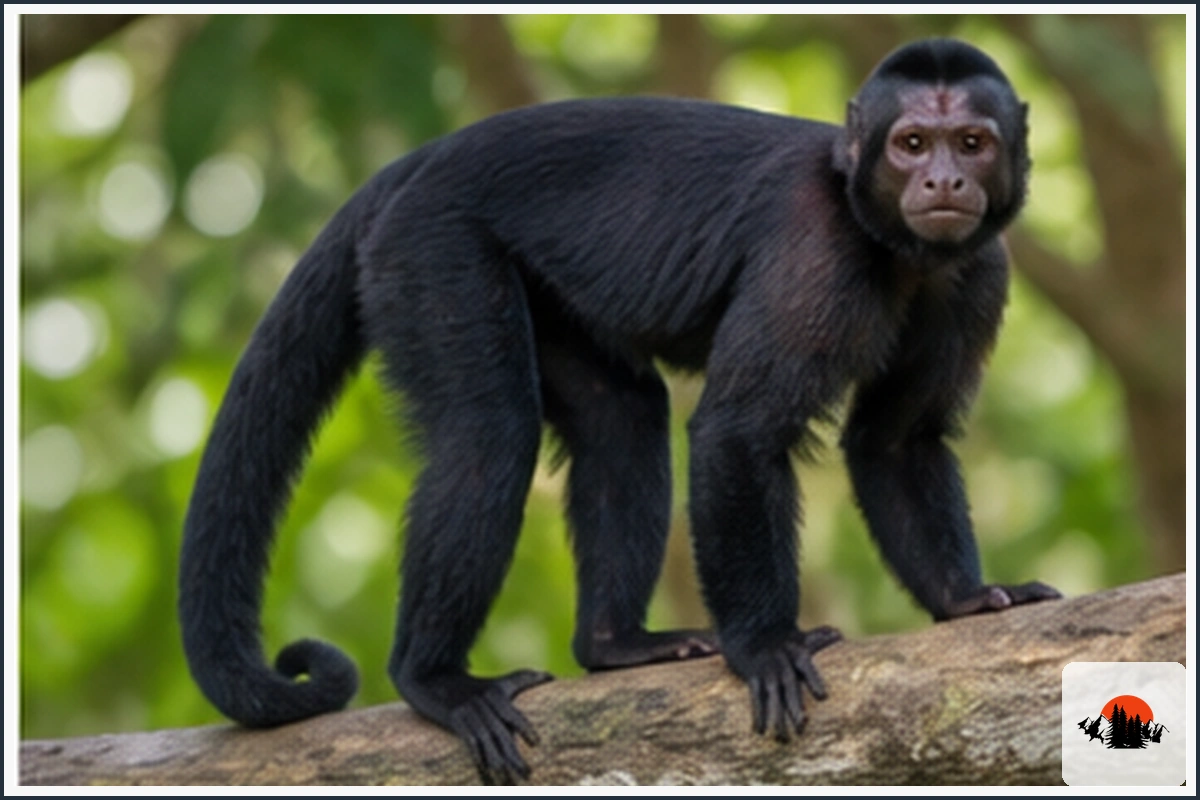
Scientific name: Sapajus nigritus. The black capuchin, also called the black-horned capuchin, has dark fur, a lighter face, and distinctive tufts or raised hair around the crown. It is associated mainly with the Atlantic Forest of southeastern Brazil and northeastern Argentina.
These monkeys eat fruit, seeds, flowers, insects, eggs, and small animals. Their strong hands and intelligent behavior allow them to open tough foods and explore complex forest environments. Black capuchins live in social groups and communicate with calls, gestures, and facial expressions. Forest clearing and conflict near crops can threaten local populations.
10. Tufted Capuchin

Scientific name: Sapajus apella. The tufted capuchin is a robust monkey with dark crown tufts, a brown or black body, and a long tail that may assist with balance. It is widespread across much of northern and central South America.
It occupies rainforests, seasonally dry forests, river margins, and disturbed woodland. Its varied diet includes fruit, nuts, seeds, insects, bird eggs, and small vertebrates. Tufted capuchins are known for problem-solving abilities and complex social lives. They may use tools in captivity and have been observed manipulating objects in the wild, although tool use varies among populations.
11. Mantled Howler Monkey
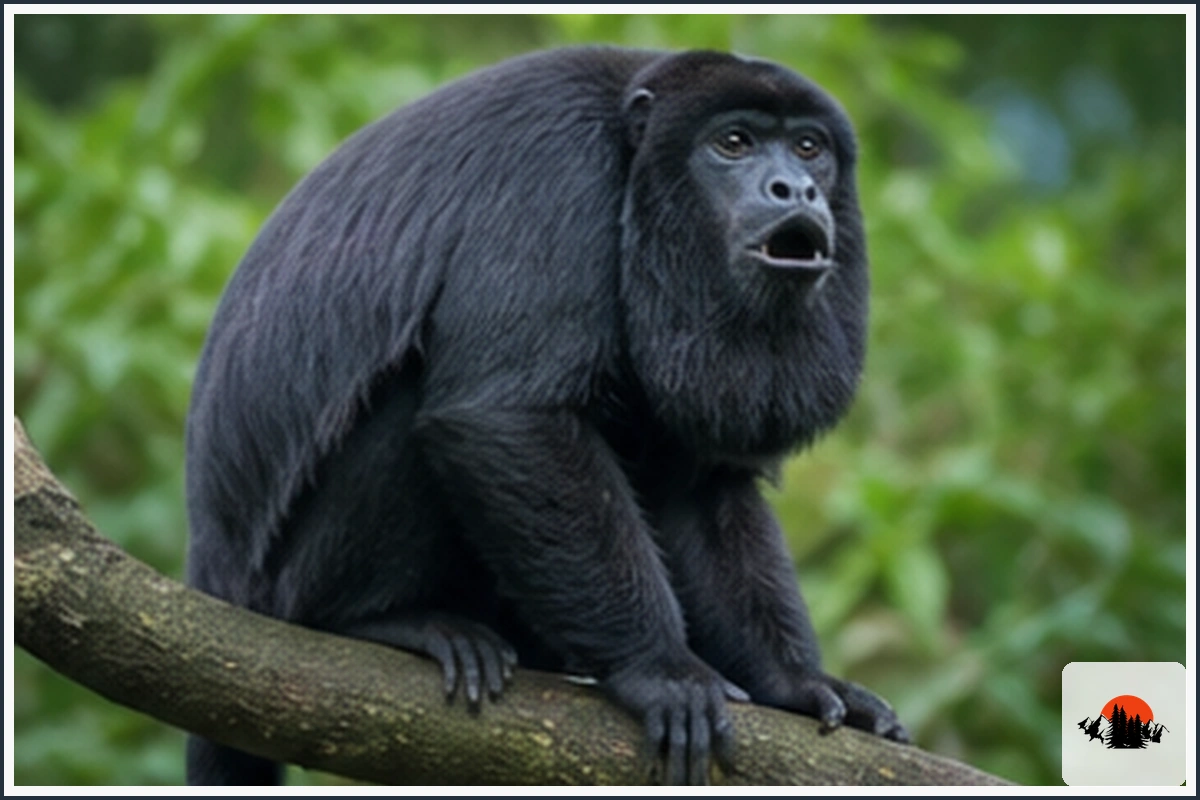
Scientific name: Alouatta palliata. The mantled howler monkey has dark fur, often with golden or reddish-brown fringes along its sides. Its deep roar carries across the forest and is produced with help from an enlarged throat and specialized vocal anatomy.
In South America, it occurs mainly in western Colombia and Ecuador, with related populations extending through Central America. Mantled howlers eat mostly leaves, fruit, and flowers. They spend much of the day resting because a leafy diet provides relatively low energy. Their loud calls help groups announce their location and defend space without constant physical confrontation.
12. Red Howler Monkey
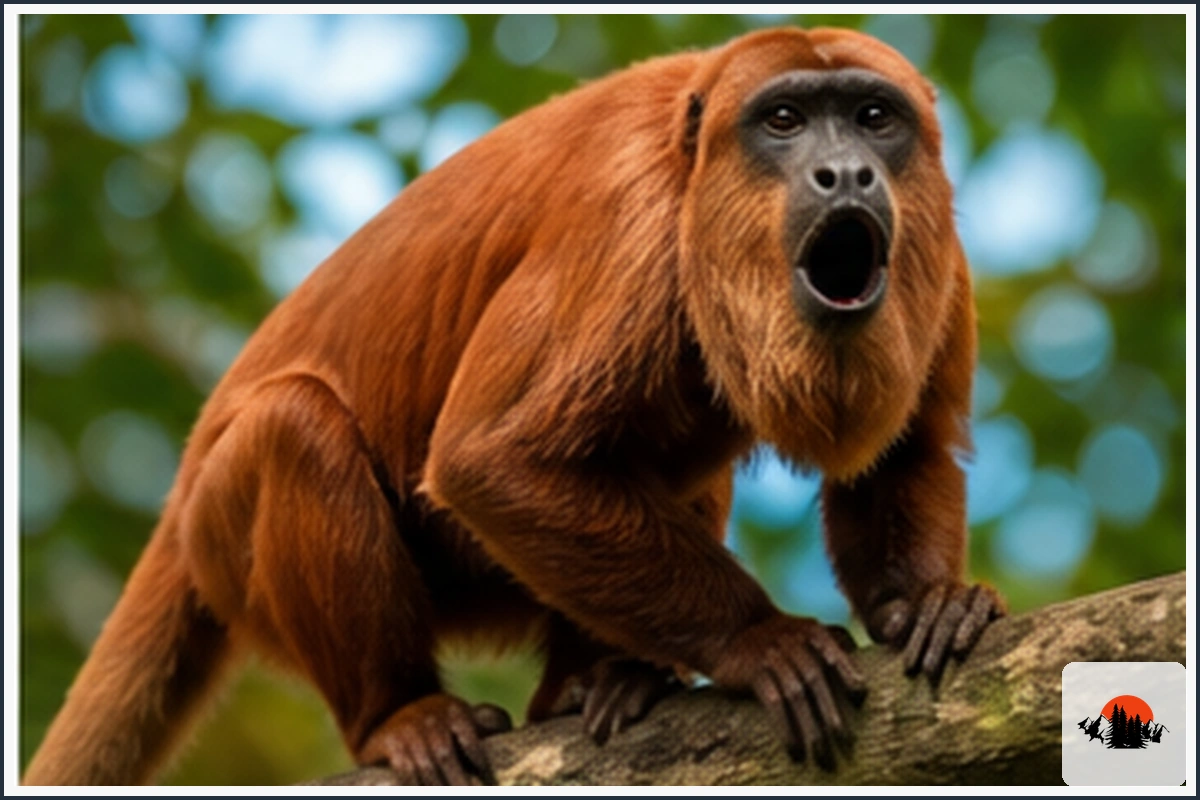
Scientific name: Alouatta seniculus. The red howler monkey has reddish-brown fur, a strong body, and a prehensile tail capable of gripping branches. It is found across northern and western Amazonia, including forests in Colombia, Venezuela, Ecuador, Peru, Bolivia, and Brazil.
Red howlers are primarily leaf eaters but also consume fruit, flowers, and young shoots. Their large jaws and specialized digestive system help process fibrous vegetation. Groups often remain in a limited home range and use powerful howls to communicate across the canopy. They are important seed dispersers when they eat fruit, but hunting and forest loss affect some populations.
13. Brown Howler Monkey

Scientific name: Alouatta guariba. The brown howler monkey is native to the Atlantic Forest of Brazil and nearby areas. Fur color varies from brown to reddish or dark shades, and males and females may differ noticeably in appearance.
It feeds mainly on leaves, fruit, and flowers and spends much of its time resting in the canopy. The species lives in social groups and uses loud calls to signal territory and maintain spacing between neighboring groups. Atlantic Forest fragmentation is a major concern, while disease outbreaks and hunting can create additional local pressure.
14. Black Spider Monkey
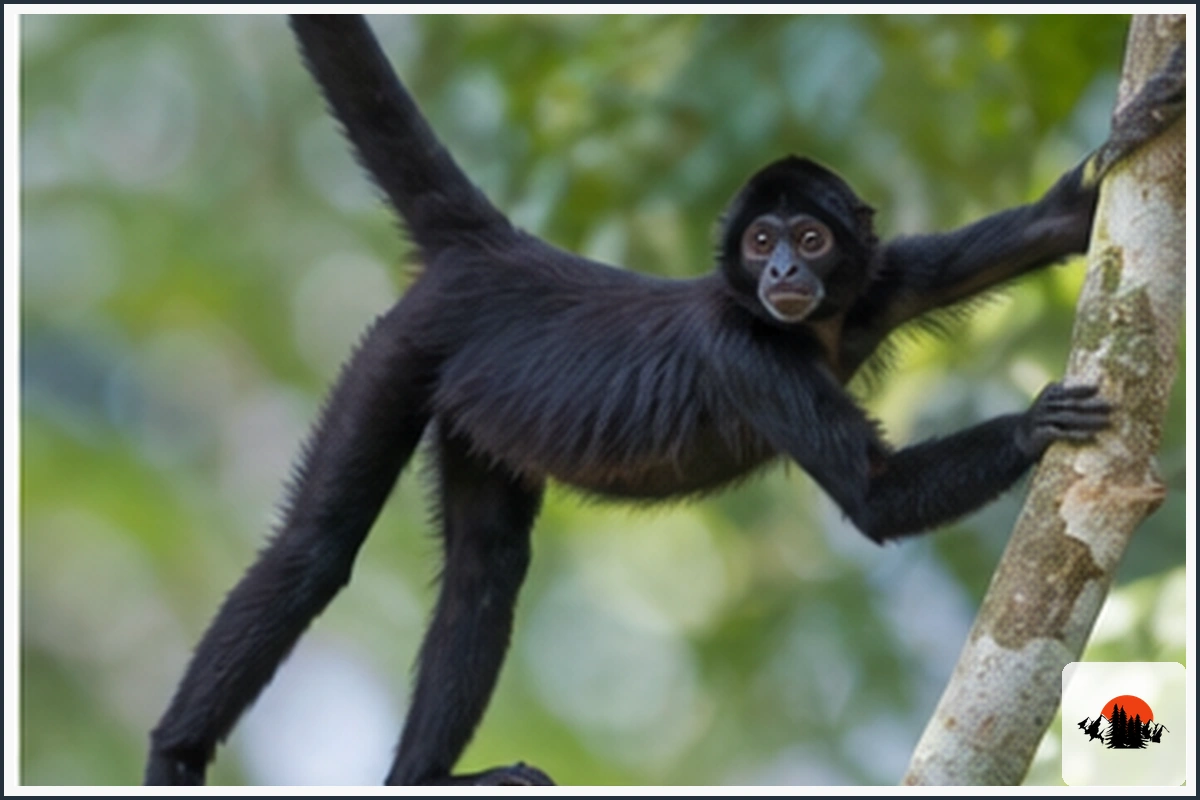
Scientific name: Ateles paniscus. The black spider monkey has long, slender limbs, a small head, and a powerful prehensile tail. Its tail acts almost like a fifth limb, allowing it to hang, climb, and move efficiently through the upper canopy.
This species inhabits northern Amazonian forests, including parts of Brazil, French Guiana, and Suriname. It eats mostly ripe fruit and also consumes leaves, flowers, and seeds. Black spider monkeys often form flexible communities that split into smaller feeding parties. Because they rely heavily on large fruiting trees, logging and hunting can seriously affect them.
15. Brown Spider Monkey

Scientific name: Ateles hybridus. The brown spider monkey has long limbs and a gripping tail, with fur ranging from brown to gray and a pale facial area. It occurs in fragmented forests of Colombia and Venezuela.
Its diet consists primarily of fruit, supplemented by leaves, flowers, and seeds. Brown spider monkeys spend much of their time high in the canopy and can travel significant distances while searching for seasonal fruit. They are important seed dispersers, but habitat destruction, hunting, and the loss of mature forest have placed this species at serious risk.
16. Woolly Monkey

Scientific name: Lagothrix lagotricha. The common woolly monkey is a large, thick-furred monkey with a rounded body, strong limbs, and a prehensile tail. It inhabits western Amazonian forests in countries such as Colombia, Ecuador, Peru, Bolivia, and Brazil.
Woolly monkeys eat fruit, leaves, seeds, flowers, and occasional insects. They are active, social animals that travel through the middle and upper canopy. Their movement and fruit-eating habits make them valuable seed dispersers. Hunting for meat and the conversion of forest to farmland are important threats, especially where large groups are easy to locate.
17. White-Bellied Spider Monkey
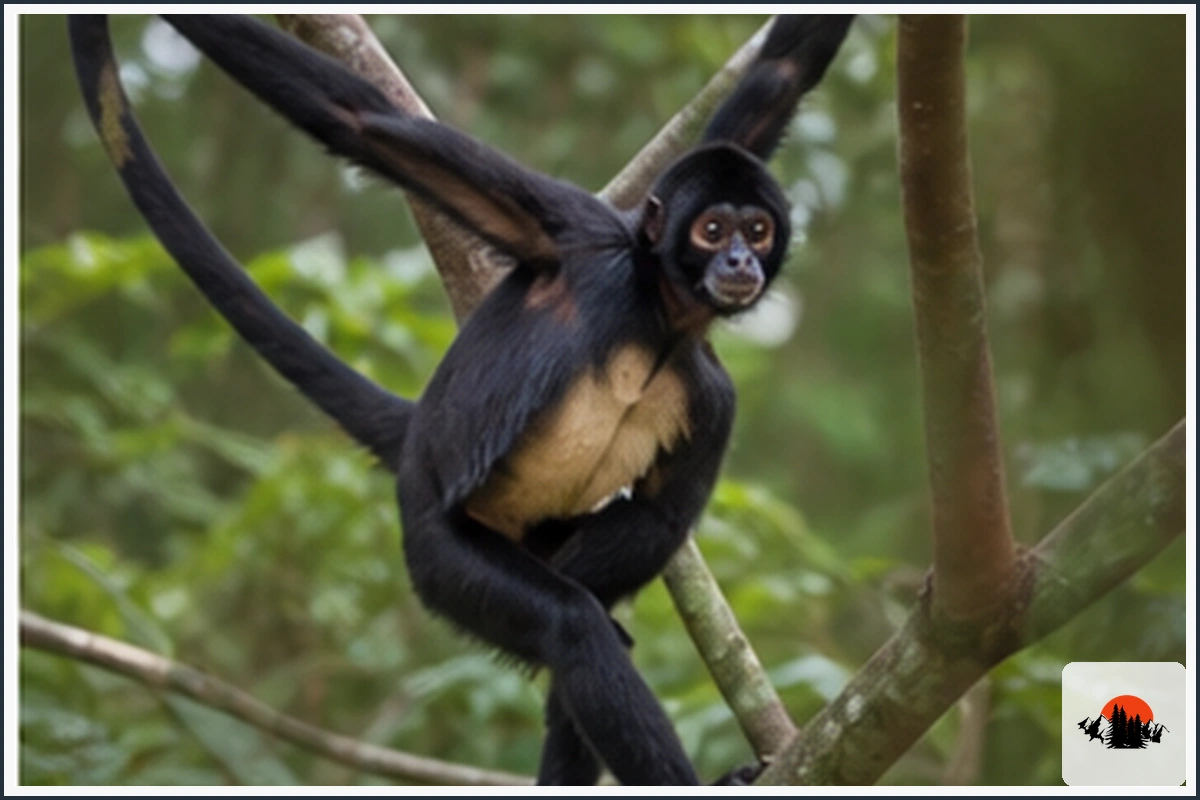
Scientific name: Ateles belzebuth. The white-bellied spider monkey has dark limbs and back with a lighter underside, although color can vary. Like other spider monkeys, it has extremely long arms and a prehensile tail adapted for life high in the trees.
It lives in western Amazonian forests, including parts of Colombia, Ecuador, Peru, and Brazil. Fruit forms the core of its diet, with leaves and flowers added when fruit is scarce. These monkeys usually travel in flexible subgroups and communicate with calls, branch shaking, and body movements. Forest fragmentation and hunting remain serious concerns.
18. Red Uakari
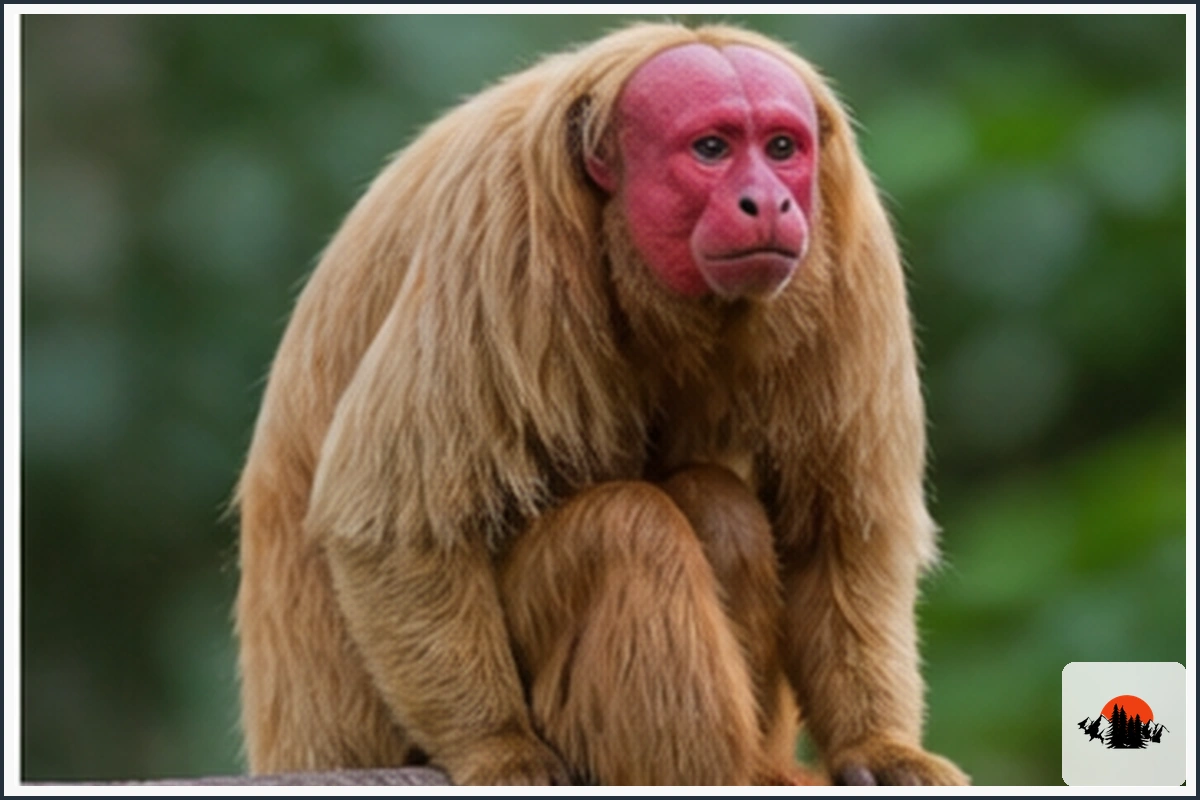
Scientific name: Cacajao calvus. The red uakari is famous for its bright red, hairless face and short tail, which is unusual among many arboreal South American monkeys. Its thick coat may be reddish, brownish, or pale depending on the subspecies.
Red uakaris live mainly in seasonally flooded forests of western Amazonia. They eat fruit, seeds, flowers, and leaves and often travel through the canopy in large groups. Their short tail does not provide the gripping function seen in spider monkeys, but their powerful limbs make them capable climbers. Floodplain forest disturbance and hunting can reduce populations.
19. White-Faced Saki
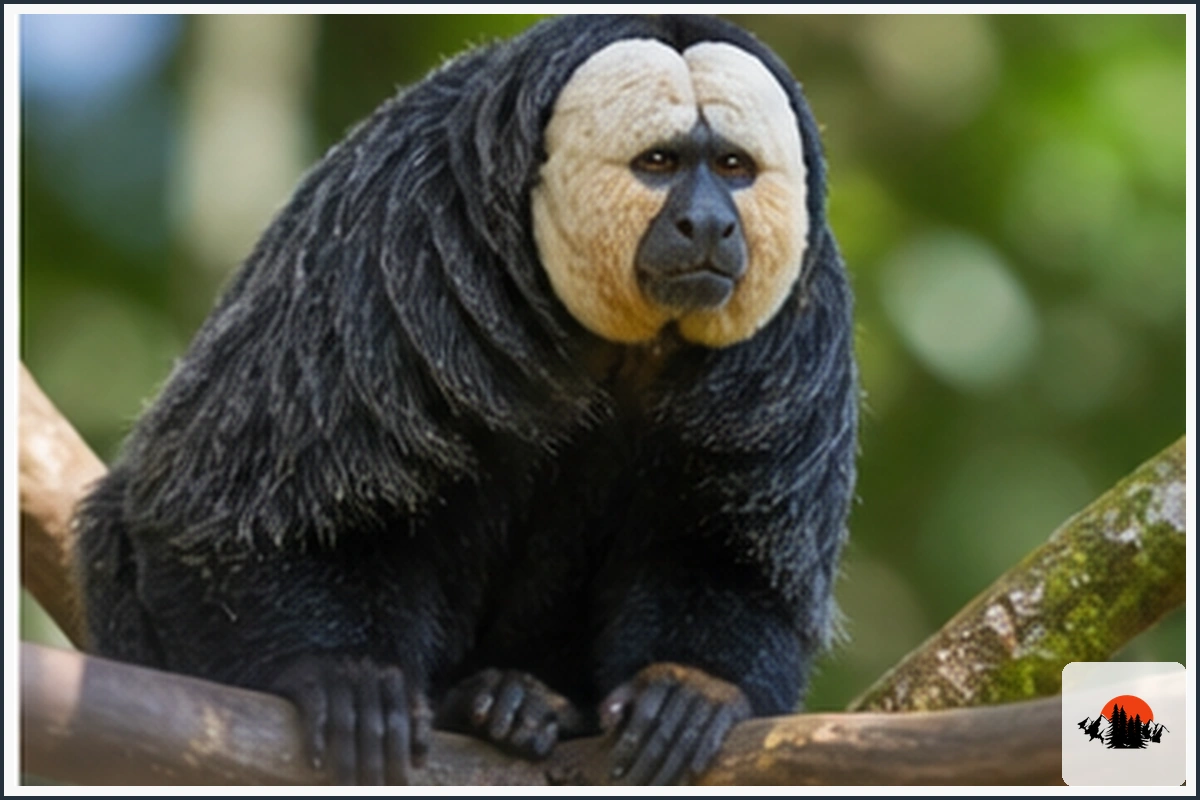
Scientific name: Pithecia pithecia. The white-faced saki, especially the male, has a dark body with a contrasting pale face and forehead. Females are generally browner and lack the male’s strong facial contrast.
It occurs in forests of northern South America, including parts of Venezuela, Guyana, Suriname, French Guiana, and northern Brazil. White-faced sakis eat fruit, seeds, leaves, and insects. They often move through the middle and lower canopy in small family groups. Their strong jaws help them process hard seeds, and their thick fur gives them a distinctive rounded appearance.
20. Red Titi Monkey
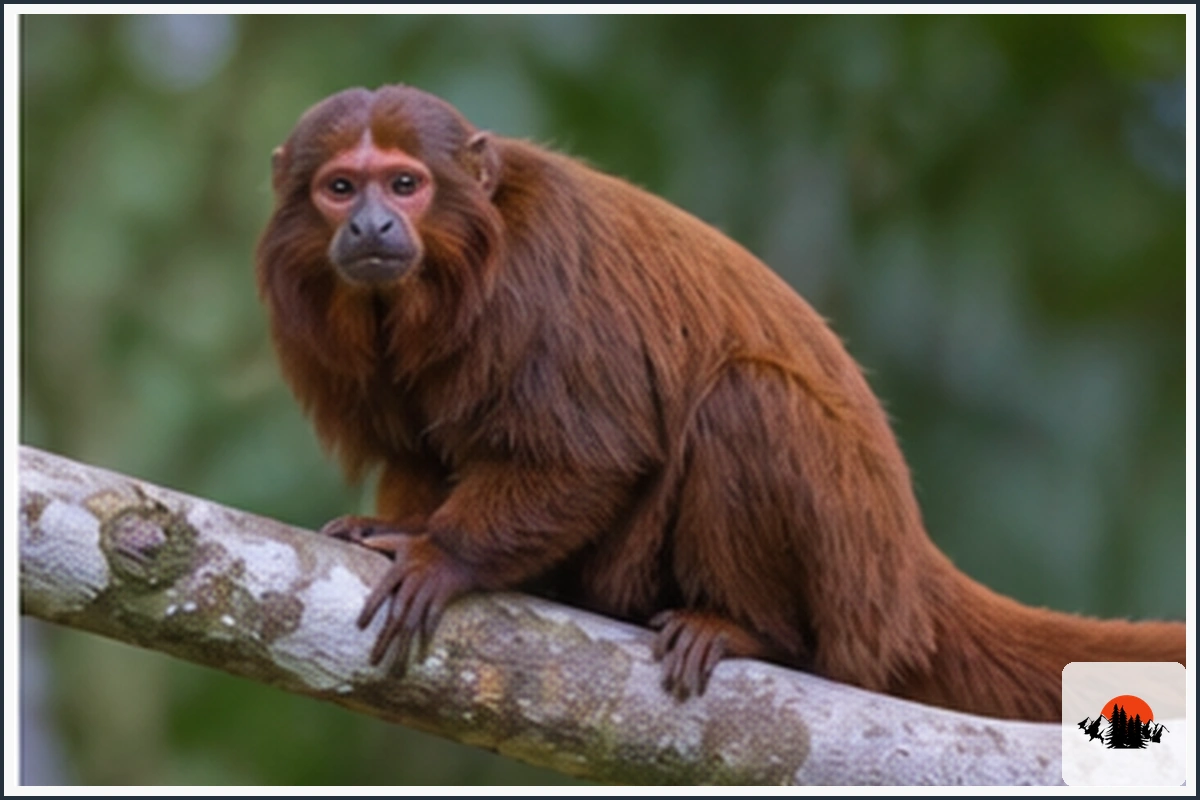
Scientific name: Plecturocebus cupreus. The red titi monkey has coppery or reddish fur, a long nonprehensile tail, and a small, compact body. It lives in western Amazonian forests, including parts of Colombia, Ecuador, Peru, and Brazil.
Red titi monkeys commonly live in small family groups and are known for strong pair bonds. They eat fruit, leaves, flowers, and insects and often sit close together while resting. Their soft calls help family members remain in contact through dense vegetation. Although some populations occur in protected forests, clearing and fragmentation can isolate groups.
How Are These Monkeys Classified?
South American monkeys are New World monkeys, or platyrrhines. They differ from African and Asian monkeys in features such as nose shape, dental structure, and, in several species, the presence of a prehensile tail.
- Callitrichids: Marmosets and tamarins, which are generally small and often feed on tree gum, insects, fruit, and nectar.
- Cebids: Capuchins and squirrel monkeys, known for active foraging, social intelligence, and flexible diets.
- Atelids: Howler monkeys, spider monkeys, and woolly monkeys, many of which have prehensile tails.
- Pitheciids: Uakaris, sakis, and related monkeys with strong jaws adapted for seeds and hard foods.
- Aotids and titi monkeys: Small forest monkeys that often live in close family groups and rely on vocal communication.
Where Do These Monkeys Live?
Most South American monkeys inhabit tropical forests, especially the Amazon Basin and Atlantic Forest. Their habitats include terra firme rainforest, seasonally flooded forest, river islands, cloud forest, dry woodland, savanna edges, mangroves, and forest fragments. Some species spend nearly all their time high in the canopy, while others regularly use lower branches or the forest floor.
Rivers, elevation, rainfall, tree diversity, and seasonal fruit availability strongly influence where each species can survive. Forest corridors are especially valuable because they connect isolated groups and allow monkeys to move between feeding and sleeping areas.
What Do South American Monkeys Eat?
The diet varies by species and habitat. Many monkeys eat fruit, leaves, flowers, seeds, nectar, insects, eggs, and small vertebrates. Marmosets specialize more heavily in tree gum and sap, while spider monkeys and woolly monkeys often depend on ripe fruit. Howler monkeys are adapted to digest large amounts of leaves, and sakis and uakaris can process hard seeds.
This dietary variety makes monkeys important parts of forest ecosystems. Fruit-eating species spread seeds through their droppings, while insect-eating monkeys can influence insect populations and help move nutrients through the forest.
How to Identify Different Monkeys in South America
- Face: Look for white facial fur, a red hairless face, dark masks, ear tufts, or a prominent crown.
- Tail: A gripping prehensile tail is common in spider monkeys, howlers, and woolly monkeys but absent in uakaris and many smaller species.
- Body size: Pygmy marmosets are tiny, while woolly monkeys and spider monkeys are much larger and longer-limbed.
- Fur pattern: Golden manes, cotton-white crests, reddish coats, and black bodies can be useful clues.
- Location: Atlantic Forest species differ from Amazonian species, and floodplain specialists may be found near rivers.
- Behavior: Loud howling suggests an howler monkey, while long, swinging movements through the upper canopy may indicate a spider monkey.
- Group size: Some species travel in small family units, while squirrel monkeys and uakaris may gather in larger groups.
- Vocalizations: Calls, whistles, roars, and soft contact sounds help monkeys maintain group cohesion.
Outdoor Tips for Finding and Observing These Species
- Use local field guides and checklists because several species look similar.
- Search quietly near fruiting trees, river edges, forest trails, and canopy gaps.
- Listen before looking; howlers can be detected by their deep calls, while small monkeys often give sharp contact calls.
- Use binoculars rather than approaching wildlife.
- Never feed, chase, touch, or call wild monkeys toward you.
- Record the location, habitat, behavior, and visible features without disturbing the group.
- Follow park rules and use an experienced local guide in unfamiliar rainforest.
Safety, Sustainability, and Conservation Notes
Wild monkeys should be observed from a respectful distance. Feeding can change their behavior, increase conflict with people, and spread disease. Do not attempt to keep a wild monkey as a pet; their social, dietary, and environmental needs are extremely difficult to meet, and ownership may be illegal.
Major threats include deforestation, forest fragmentation, hunting, illegal wildlife capture, disease, road construction, and the pet trade. Travelers can help by choosing responsible ecotourism operators, avoiding wildlife selfies that involve handling animals, supporting protected areas, and never purchasing live monkeys or products made from threatened wildlife.
Fun Facts About Monkeys in South America
- Some howler monkey calls can travel for several kilometers through suitable forest.
- The pygmy marmoset is one of the smallest monkeys on Earth.
- Spider monkeys use their prehensile tails for gripping branches and supporting their bodies.
- Golden lion tamarins often sleep in tree hollows.
- Many marmosets use specialized teeth to scrape tree bark for sap.
- Capuchins are known for flexible problem-solving and complex social behavior.
- Uakaris have unusually short tails compared with many other arboreal monkeys.
- Several monkey species are important seed dispersers in tropical forests.
- Male and female monkeys may have different fur colors in some species.
- Family members often cooperate in carrying, protecting, and raising young.
Final Thoughts on Types of Monkeys in South America
The types of monkeys in South America range from tiny pygmy marmosets and colorful tamarins to loud howlers, agile spider monkeys, and distinctive red uakaris. Learning their appearance, range, diet, and behavior makes rainforest wildlife easier to understand and observe responsibly. Protecting connected forests is essential for preserving these remarkable primates and the ecosystems they help support.
Frequently Asked Questions
1. How many types of monkeys live in South America?
South America has well over 100 recognized monkey species, depending on current taxonomic treatment. This guide highlights 20 recognizable examples rather than listing every species.
2. What is the smallest monkey in South America?
The pygmy marmoset is generally considered the smallest monkey in South America and one of the smallest monkeys in the world.
3. What is the largest monkey in South America?
Woolly monkeys are among the largest South American monkeys. Some spider monkeys are also large and have especially long limbs.
4. Are monkeys native to all of South America?
Monkeys are native mainly to tropical and subtropical regions of South America. They are not naturally distributed across every desert, high mountain, or cold southern habitat.
5. Which South American monkeys have prehensile tails?
Spider monkeys, howler monkeys, woolly monkeys, and some other atelids have prehensile tails that can grip branches.
6. Do all South American monkeys live in trees?
Most are strongly arboreal, but some species occasionally descend to the ground, especially near rivers, fallen fruit, or forest edges.
7. What do monkeys in South America eat?
Their diets may include fruit, leaves, seeds, flowers, nectar, tree gum, insects, eggs, and small vertebrates. Diet varies substantially between species.
8. Which monkeys in South America eat mostly leaves?
Howler monkeys are especially well adapted to a leafy diet. They also eat fruit and flowers when available.
9. Which South American monkeys eat tree sap?
Marmosets commonly eat tree gum and sap. Their specialized teeth help them create small openings in bark.
10. Are capuchin monkeys found in South America?
Yes. Capuchins are widespread in many South American forests and include both tufted and untufted forms.
11. What is the loudest monkey in South America?
Howler monkeys are famous for their exceptionally loud calls, which help groups communicate and advertise their location.
12. Why do howler monkeys howl?
Howling helps establish spacing between groups, defend feeding areas, and maintain communication through dense forest.
13. What is special about spider monkeys?
Spider monkeys have very long limbs and a strong prehensile tail. These adaptations allow efficient swinging and climbing in the upper canopy.
14. What is special about the red uakari?
The red uakari has a vivid, hairless red face and a short tail. It is strongly associated with seasonally flooded Amazonian forests.
15. Are golden lion tamarins endangered?
Golden lion tamarins remain threatened by habitat loss and fragmentation, although conservation programs have improved their numbers in some protected areas.
16. Which South American monkey has a white crest?
The cotton-top tamarin has a distinctive white crest extending from its forehead over the back of its head.
17. Which monkeys live in the Amazon rainforest?
Amazonian species include squirrel monkeys, capuchins, howler monkeys, spider monkeys, woolly monkeys, uakaris, sakis, marmosets, and titi monkeys.
18. Which monkeys live in Brazil?
Brazil contains many species, including common marmosets, golden lion tamarins, capuchins, howler monkeys, spider monkeys, woolly monkeys, uakaris, and squirrel monkeys.
19. Are South American monkeys dangerous?
Wild monkeys usually avoid people, but they can bite or scratch if cornered, fed, or handled. Observe them from a safe distance.
20. Can South American monkeys be kept as pets?
Wild monkeys are unsuitable pets because they need complex social groups, specialized diets, large climbing spaces, and expert care. Ownership may also be illegal.
21. Do monkeys in South America live in groups?
Most species are social and live in family groups, pairs, or larger communities. Group structure differs by species.
22. How do monkeys communicate?
They communicate through calls, facial expressions, body movements, scent, grooming, and branch shaking. Vocal signals are especially important in dense forests.
23. Are monkeys important to rainforest ecosystems?
Yes. Fruit-eating monkeys disperse seeds, while their feeding and movement help connect ecological processes across the forest.
24. What threatens monkeys in South America?
Deforestation, habitat fragmentation, hunting, illegal capture, roads, disease, agriculture, and climate-related changes can threaten populations.
25. How can tourists help South American monkeys?
Choose ethical guides, avoid feeding or touching animals, reject wildlife selfies involving handling, follow protected-area rules, and support legitimate conservation projects.
26. How can I identify a monkey in the rainforest?
Note its size, fur color, face pattern, tail shape, location, group behavior, and calls. A regional field guide or local naturalist can confirm the identification.
27. Why are some monkey species difficult to identify?
Closely related species may have similar colors and body shapes, while age, sex, lighting, and regional variation can change their appearance.
28. Do male and female monkeys look different?
In some species, males and females have noticeably different fur patterns or body sizes. In others, the differences are subtle.
29. What is a New World monkey?
New World monkeys are monkeys native to Central and South America. They are also called platyrrhines and have several anatomical features that distinguish them from Old World monkeys.
30. Are marmosets and tamarins the same?
No. Both are small New World monkeys in the callitrichid family, but they belong to different groups and often differ in facial markings, teeth, habitat, and behavior.
31. Are squirrel monkeys aggressive?
Squirrel monkeys are generally wary of people in the wild. Like any wild animal, they may defend themselves if approached, trapped, or fed.
32. Why do monkeys have long tails?
Long tails can help with balance, steering, climbing, and, in some species, gripping branches. Not every monkey has a prehensile tail.
33. Do monkeys in South America migrate?
Most do not migrate over long distances like birds, but groups may travel through large home ranges as they search for fruit, water, and safe sleeping sites.
34. Where is the best place to see South American monkeys?
Protected rainforests, national parks, reputable reserves, and guided wildlife lodges in the Amazon and Atlantic Forest offer some of the best opportunities.
35. Should I use flash photography around monkeys?
Avoid flash unless park authorities or guides specifically permit it. Flash can disturb wildlife, especially at close range or near sleeping sites.