

Europe is home to an impressive variety of mammals, birds, reptiles, amphibians, and marine animals. From Arctic reindeer and brown bears to Mediterranean dolphins and alpine ibex, the continent’s wildlife lives in forests, mountains, wetlands, grasslands, rivers, coastlines, and cities. This guide to the types of animals in Europe highlights 30 notable species, including their appearance, range, habitat, diet, behavior, and conservation importance.
What Are the Main Types of Animals in Europe?
The main types of animals in Europe include large mammals such as brown bears, wolves, moose, and European bison; smaller mammals such as red foxes, European hedgehogs, and Eurasian otters; and many birds, reptiles, amphibians, and marine species. Some are widespread across several countries, while others survive mainly in protected areas or specialized habitats. Europe’s wildlife varies greatly between northern tundra, temperate forests, mountain regions, wetlands, and southern Mediterranean landscapes.
1. European Bison
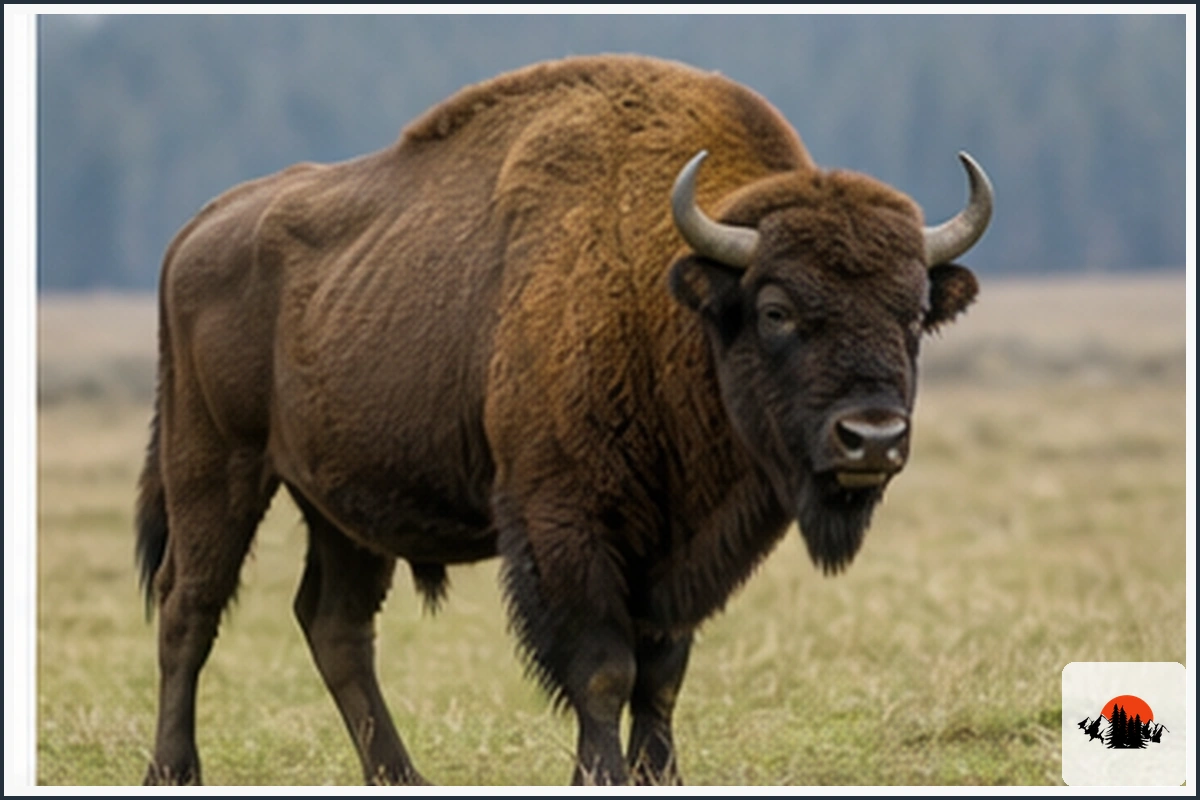
Scientific name: Bison bonasus
The European bison is Europe’s heaviest land animal and a powerful symbol of wildlife recovery. It has a large shoulder hump, shaggy brown coat, short horns, and a substantial head. Mature males are especially massive, while females are smaller and more lightly built.
European bison once ranged across much of the continent but disappeared from the wild in the early twentieth century. Reintroduction programs have helped establish herds in Poland, Belarus, Romania, Russia, and other areas. They prefer broadleaf and mixed forests with nearby meadows and clearings.
These herbivores feed on grasses, leaves, shoots, bark, and other vegetation. They usually live in herds, although older bulls may spend more time alone. Conservation depends on protected habitats, genetic management, and safe movement between forested areas.
2. Brown Bear
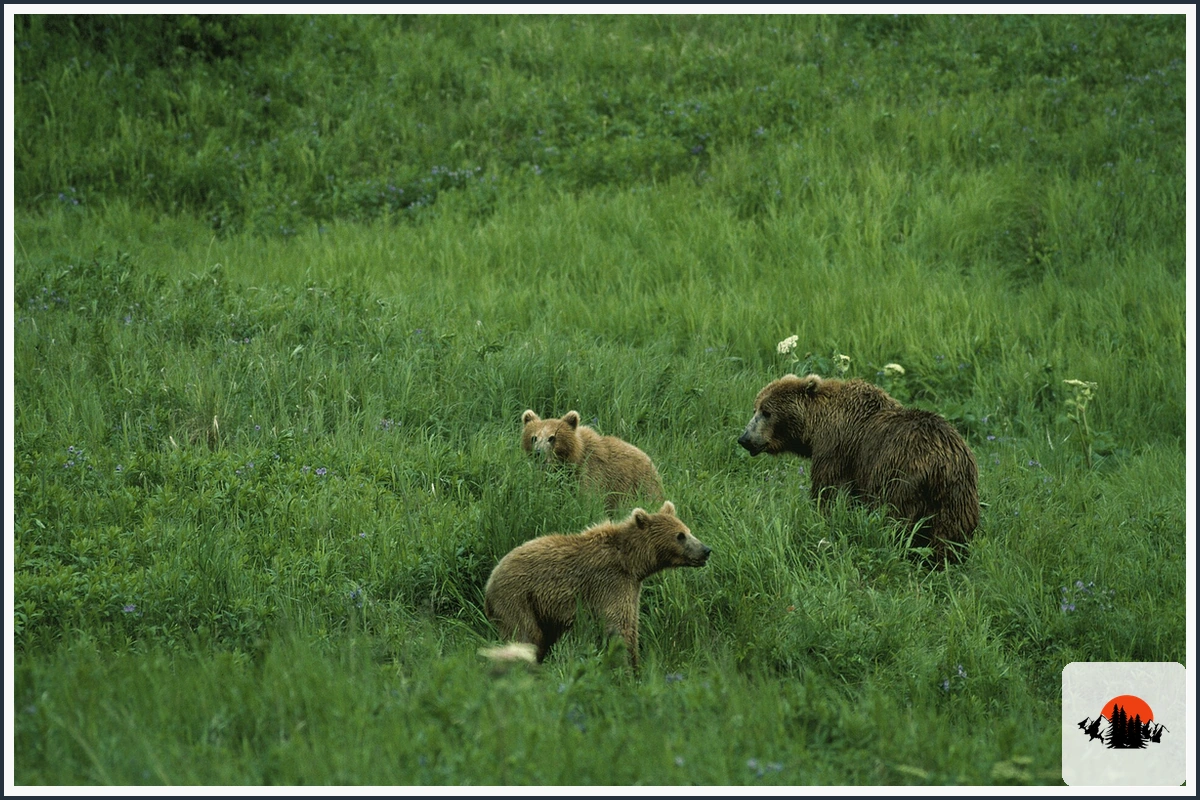
Scientific name: Ursus arctos
Brown bears are among Europe’s best-known large predators. Their fur may range from blond or reddish brown to nearly black, and a muscular shoulder hump helps distinguish them from other bears. They are found mainly in northern, eastern, and southeastern Europe, including Scandinavia, the Carpathians, the Balkans, and parts of Russia.
Brown bears are omnivores with diets that include berries, roots, nuts, insects, fish, carrion, and occasionally young mammals. They often use forests, mountain valleys, and remote woodland landscapes. In colder regions, they spend winter in dens and enter a period of reduced activity.
Most European brown bear populations avoid people, but conflicts can occur where bears find unsecured food. Respecting warning signs, storing food properly, and maintaining distance are essential for safe wildlife observation.
3. Eurasian Wolf
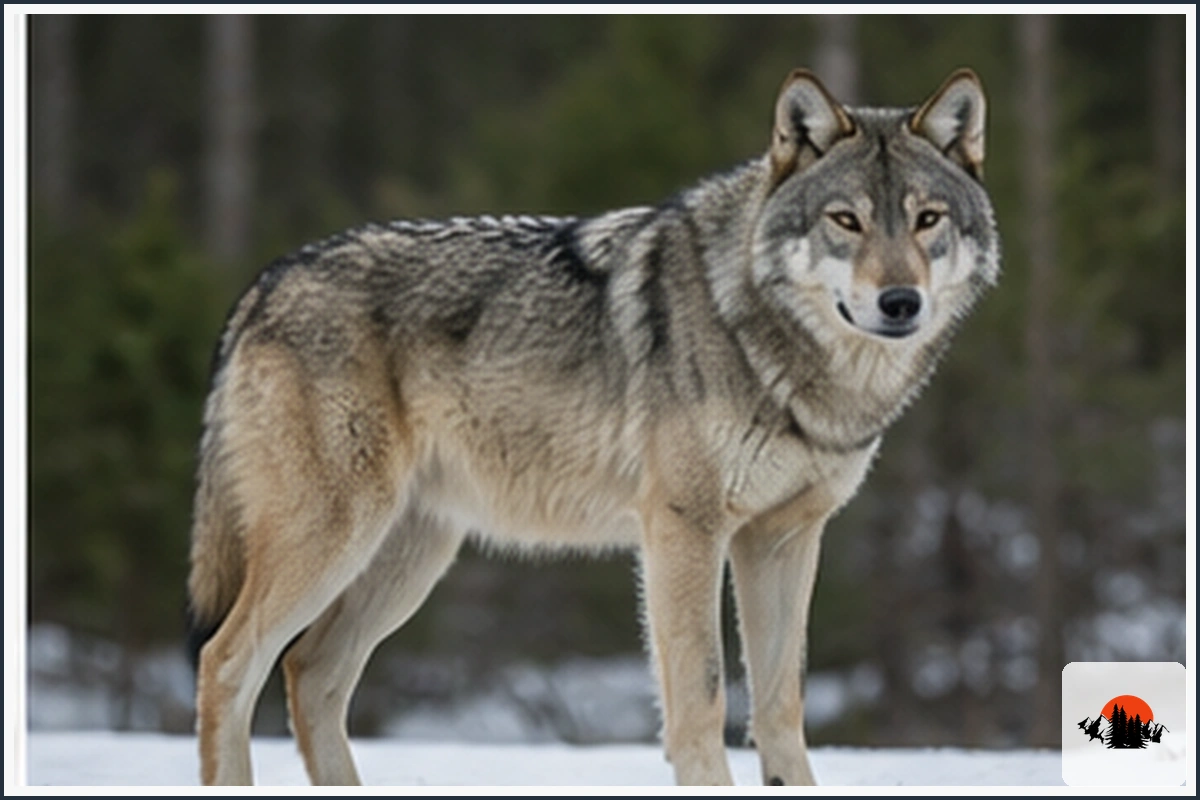
Scientific name: Canis lupus lupus
The Eurasian wolf is a highly adaptable predator with a thick gray, brown, black, or cream-colored coat. It is generally larger than many wolf populations in warmer regions and has long legs suited to traveling across forests, plains, and mountain landscapes.
Wolves occur in parts of eastern, northern, southern, and central Europe. They live in family-based packs, although pack size varies according to food availability and habitat. Their diet can include deer, wild boar, roe deer, smaller mammals, livestock, and carrion.
Wolves help regulate prey populations and can influence how herbivores use landscapes. Their return to some areas has created conservation success but also raised management challenges involving livestock protection and public safety.
4. Eurasian Lynx
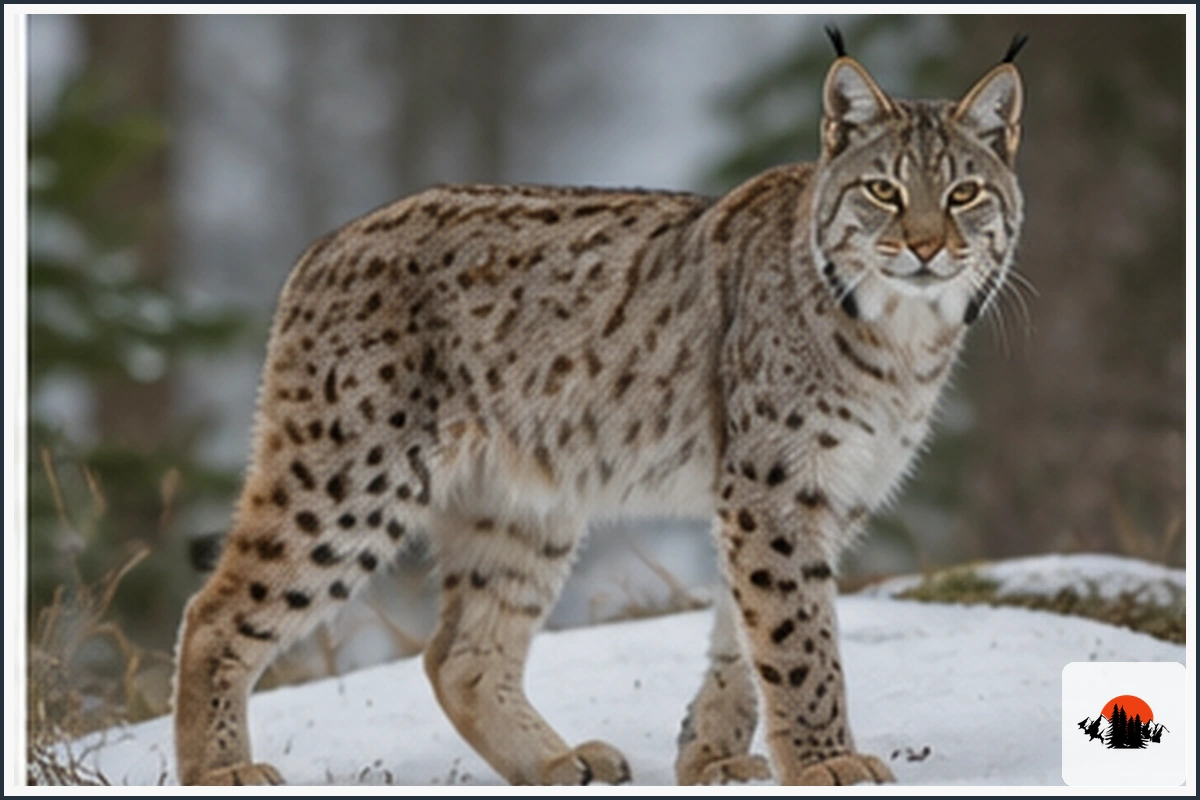
Scientific name: Lynx lynx
The Eurasian lynx is Europe’s largest wild cat. It has long legs, a short tail with a black tip, tufted ears, and a spotted or lightly patterned coat. Its broad paws help it move through deep snow.
This solitary predator occupies forests, mountains, and rugged woodland regions from Scandinavia and the Baltic area to the Carpathians and parts of southeastern Europe. It usually hunts at dawn, dusk, or night and feeds mainly on roe deer, hares, rodents, and birds.
Lynx are difficult to observe because they are quiet, secretive, and wide-ranging. Protecting connected forests, reducing illegal killing, and maintaining healthy prey populations are important for their future.
5. Red Fox

Scientific name: Vulpes vulpes
The red fox is one of Europe’s most widespread mammals. Its familiar appearance includes reddish fur, a white or pale underside, pointed ears, dark legs, and a long bushy tail. Coat colors vary considerably, especially in northern regions.
Red foxes live in forests, farmland, grasslands, mountains, suburbs, and cities. They are opportunistic omnivores that eat rodents, rabbits, birds, insects, fruit, carrion, and discarded human food. Their excellent hearing helps them locate prey beneath grass or snow.
Foxes are usually solitary or live in small family groups. They may use underground dens for raising cubs but often rest above ground. Observers should never feed them because artificial feeding can create aggressive behavior and disease risks.
6. European Wildcat
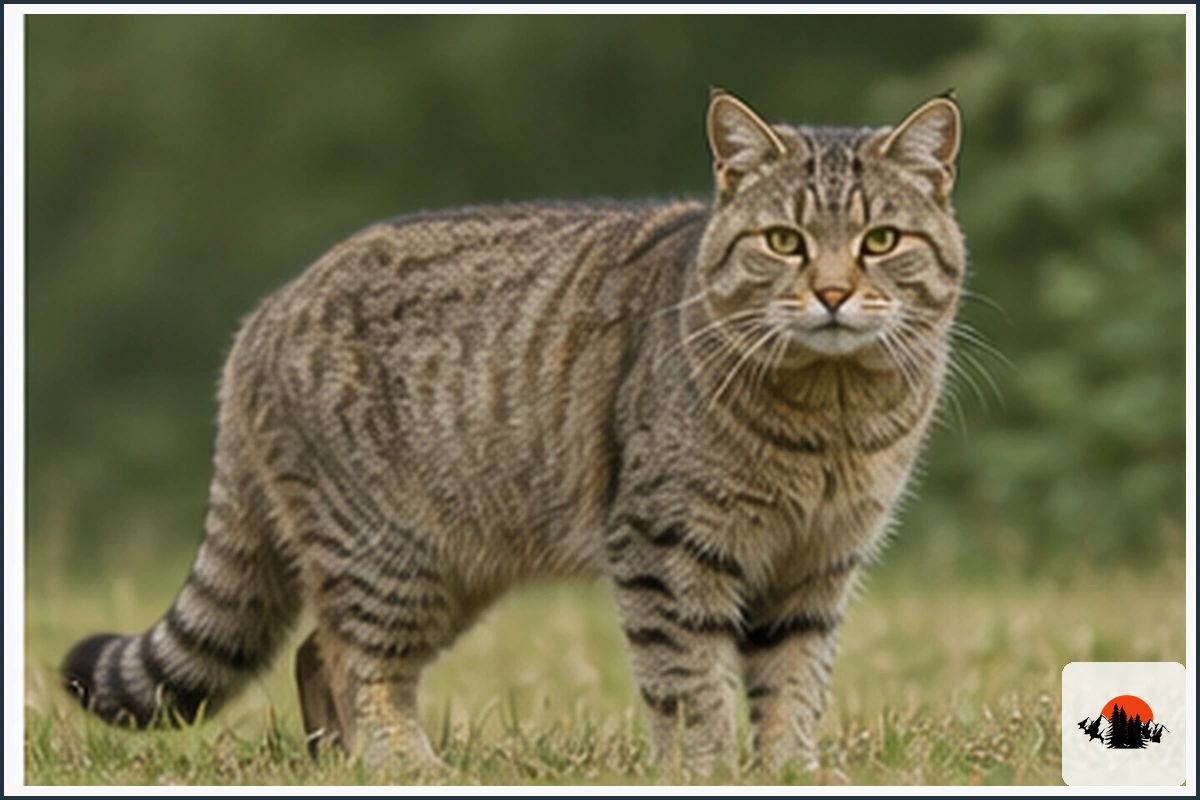
Scientific name: Felis silvestris
The European wildcat resembles a large, heavily built domestic cat but has a thicker coat, a broad head, and a distinctive blunt, ringed tail with a dark tip. Its gray-brown body usually carries faint stripes.
European wildcats live in forests, scrub, and woodland edges, especially in parts of Scotland, central Europe, the Balkans, and the Iberian Peninsula. They hunt mainly at night, feeding on rodents, rabbits, birds, and other small animals.
Hybridization with domestic cats is a major concern in some populations because it can reduce the genetic distinctiveness of wildcats. Avoiding releases of domestic cats and protecting forest habitat can support conservation.
7. Moose
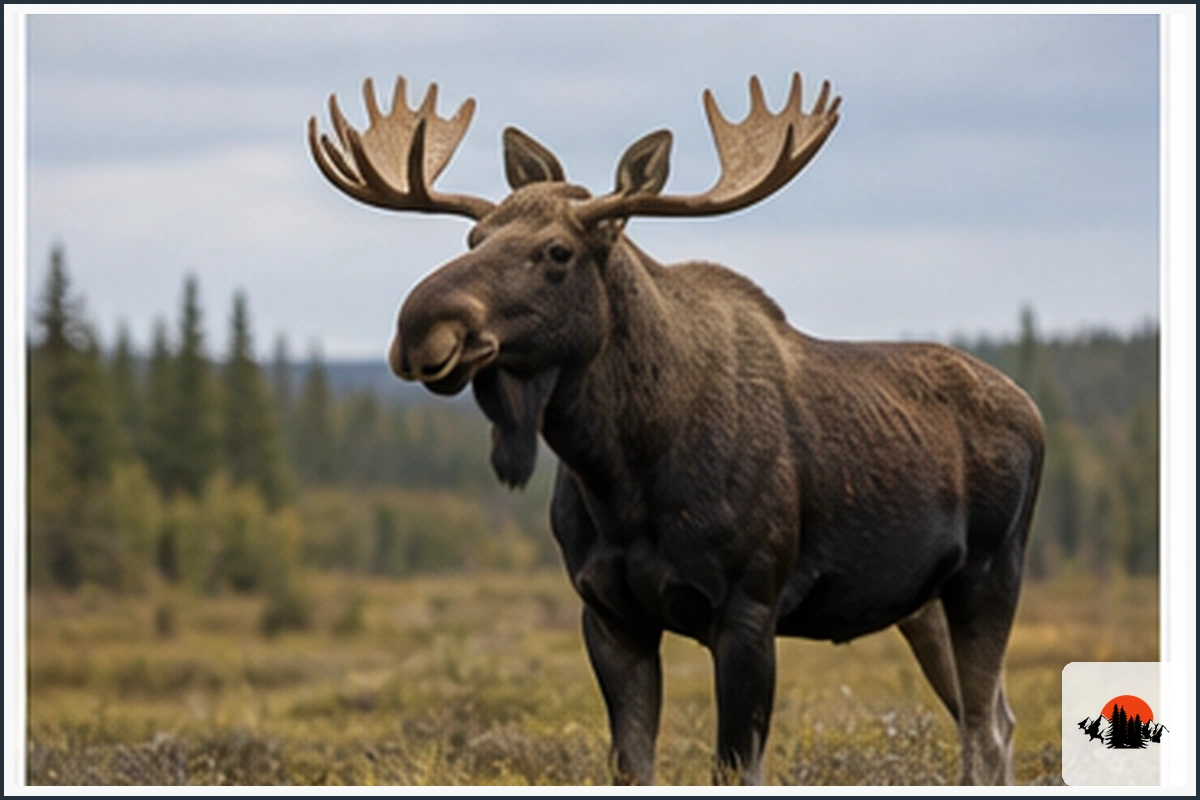
Scientific name: Alces alces
The moose, called elk in some regions outside North America, is Europe’s largest deer. It has long legs, a heavy body, a drooping nose, and, in adult males, broad palmate antlers. Moose are especially associated with Scandinavia, Finland, the Baltic region, and Russia.
They prefer boreal forests, wetlands, lake margins, and young woodland. Moose browse on willow, birch, aquatic plants, shrubs, and tree shoots. Their long legs allow them to move through snow and shallow water.
Moose are generally solitary outside the breeding season. Drivers should be especially cautious in areas marked for moose because collisions can be dangerous for both animals and people.
8. Reindeer
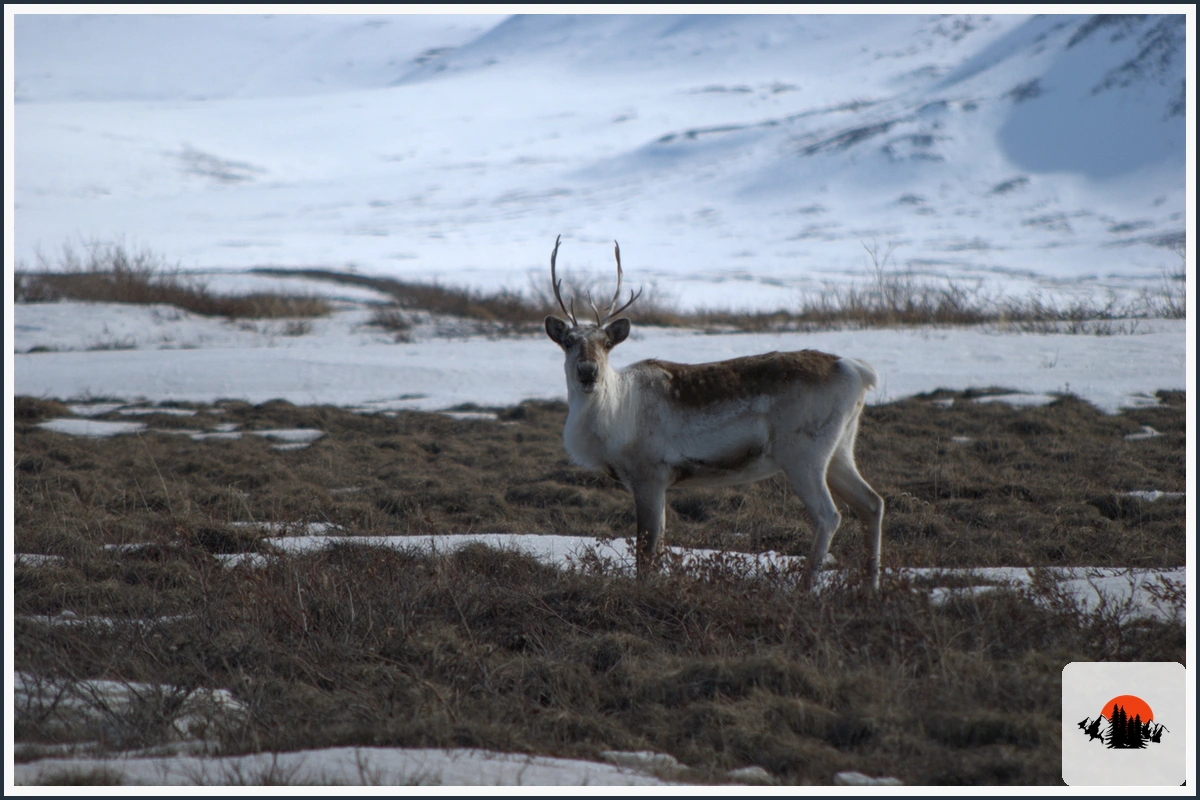
Scientific name: Rangifer tarandus
Reindeer are adapted to cold northern environments and are the only deer species in which both males and females commonly grow antlers. Their wide, flexible hooves help them walk across snow, marshes, and rocky tundra.
Wild reindeer occur in northern Scandinavia and Russia, while semi-domesticated herds are important to Sámi communities. They feed on lichens, grasses, leaves, herbs, and shrubs, changing their diet with the seasons.
Reindeer migrate between seasonal feeding grounds. Roads, fences, mining, climate change, and habitat fragmentation can interfere with these movements. Protecting migration routes is central to their conservation.
9. Red Deer
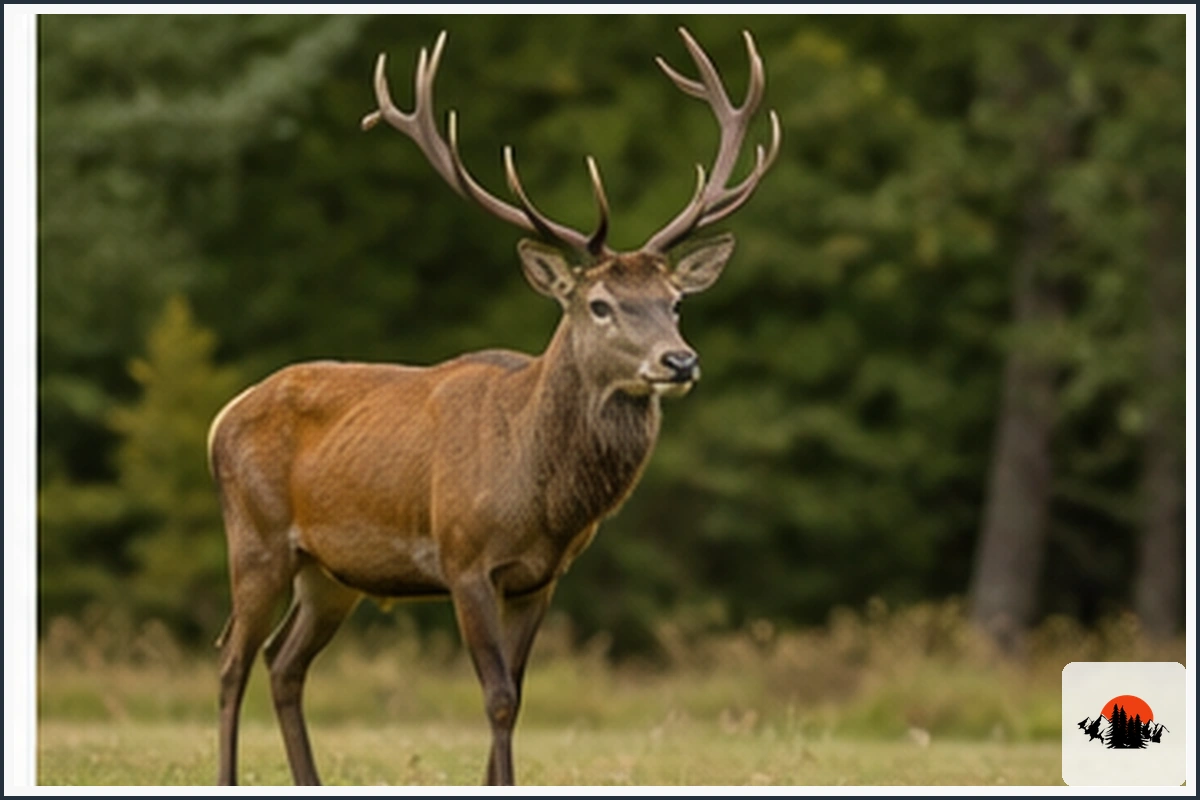
Scientific name: Cervus elaphus
The red deer is one of Europe’s largest native deer. Males develop branching antlers and become especially impressive during the autumn rut. Their summer coat is often reddish brown, while winter coats are darker and thicker.
Red deer occupy forests, moorlands, grasslands, and mountain valleys across much of Europe. They browse on leaves and shrubs and graze on grasses and other vegetation. During the rut, males roar and compete for access to females.
Large deer populations can influence forest regeneration through browsing. Wildlife managers may use habitat planning and regulated population control where deer numbers become too high.
10. Roe Deer
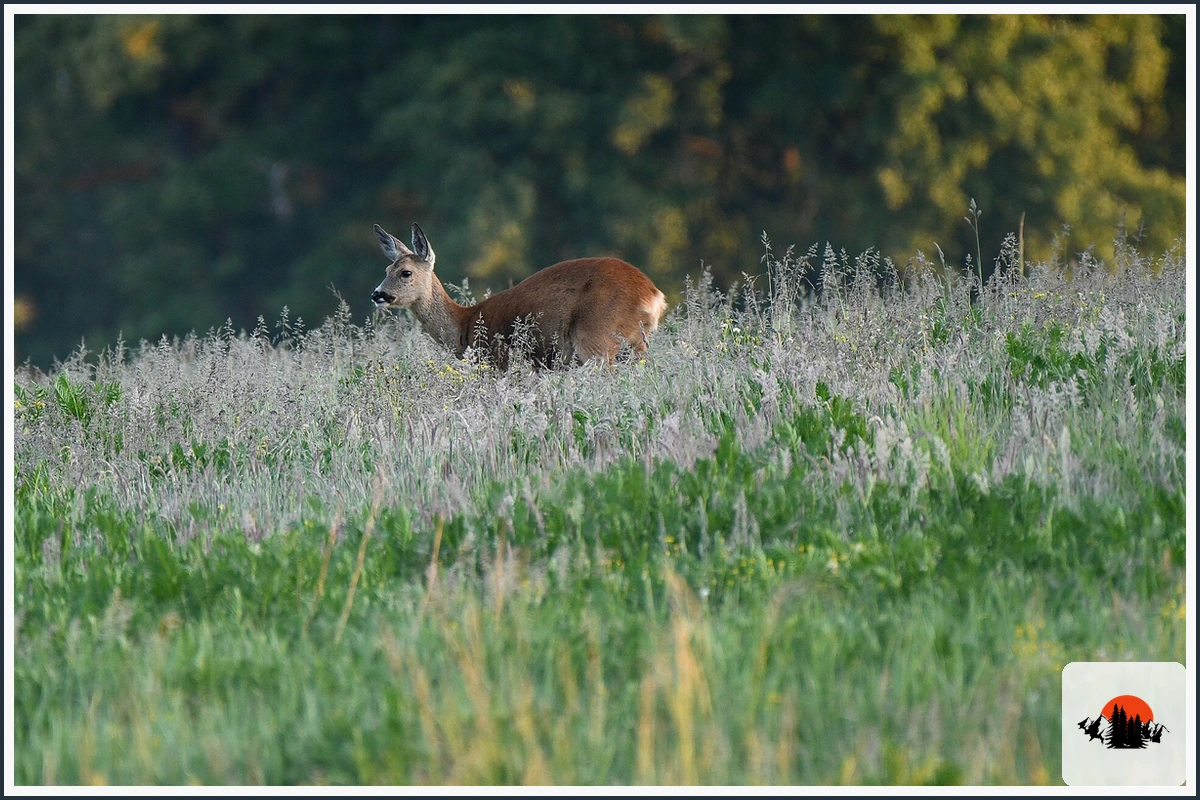
Scientific name: Capreolus capreolus
Roe deer are small, graceful deer with a reddish summer coat, gray-brown winter fur, and a distinctive white rump patch. Adult males grow short, three-pointed antlers.
They are common in forests, farmland, hedgerows, and suburban green spaces throughout much of Europe. Roe deer feed on leaves, herbs, buds, shoots, and agricultural plants. They are often most active around dawn and dusk.
Although widespread, roe deer face local pressures from road traffic, habitat fragmentation, and hunting. Young animals should not be handled if found alone, as mothers often leave fawns hidden while feeding nearby.
11. Wild Boar
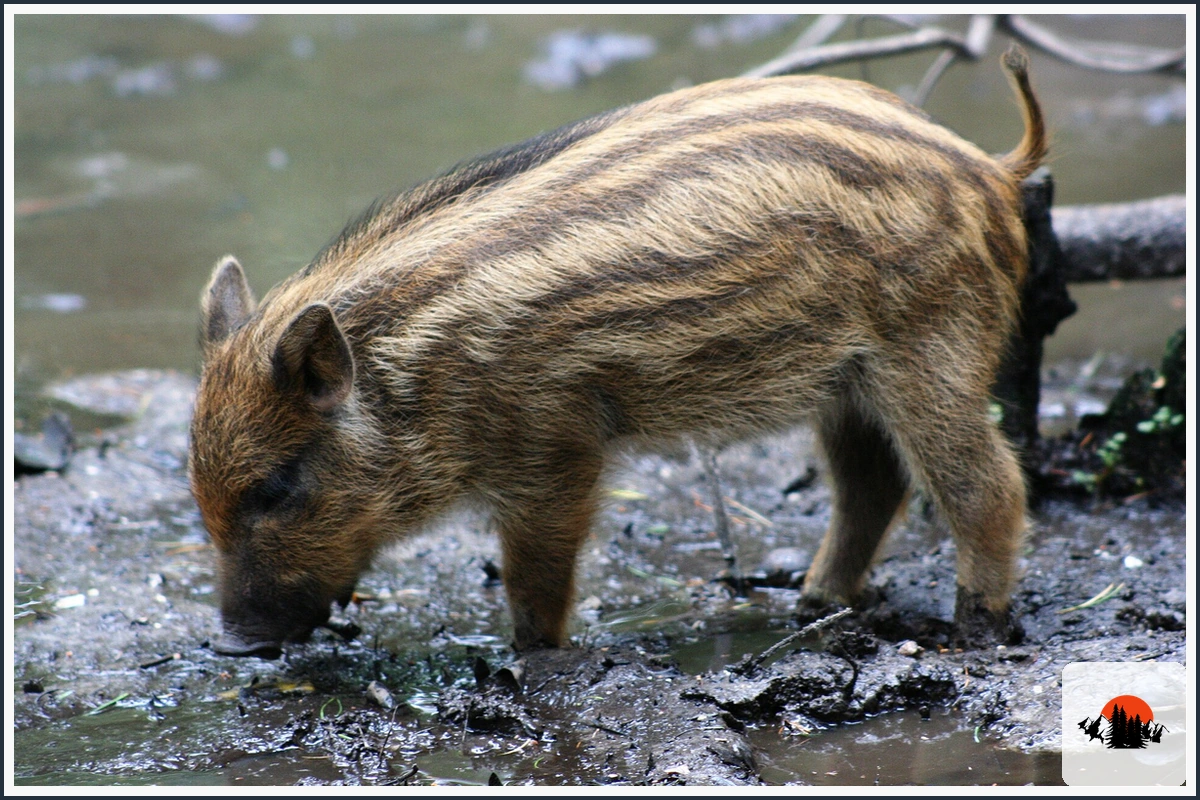
Scientific name: Sus scrofa
Wild boar are sturdy, bristly mammals with wedge-shaped heads, powerful shoulders, and tusks in adult males. Their coat is usually dark brown, gray, or black, while young piglets often have pale stripes.
They live in forests, wetlands, farmland, and urban-edge habitats across Europe. Wild boar are omnivores that root for roots, tubers, insects, worms, nuts, crops, carrion, and small animals.
Boar can be dangerous when cornered, especially females defending piglets. Keep dogs leashed where boar are present, never approach young animals, and avoid feeding them.
12. European Beaver
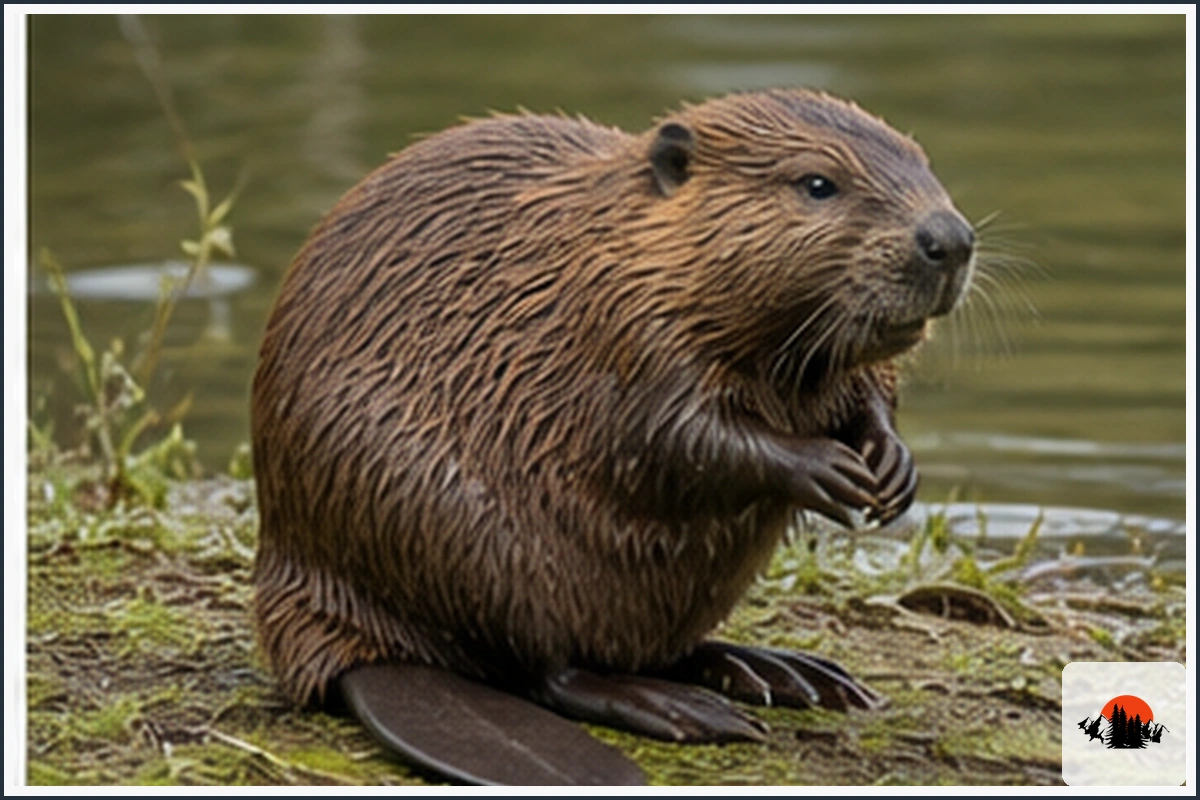
Scientific name: Castor fiber
The European beaver is a large semi-aquatic rodent with dense waterproof fur, webbed hind feet, and a broad, scaly tail. It is mainly active at night and spends much of its life in and around freshwater.
Beavers build lodges, burrows, canals, and sometimes dams using branches and mud. Their diet consists primarily of bark, twigs, leaves, aquatic plants, and grasses. Beaver engineering creates ponds and wetlands used by fish, amphibians, birds, and insects.
After severe historical declines, beavers have been reintroduced or protected in many European countries. Their activities can occasionally flood roads or farmland, so nonlethal management is preferred where conflicts occur.
13. Eurasian Otter

Scientific name: Lutra lutra
The Eurasian otter is a sleek freshwater mammal with a streamlined body, short legs, webbed feet, and dense brown fur. It lives along clean rivers, lakes, marshes, and coastal waters.
Otters eat fish, amphibians, crustaceans, insects, and small mammals. They are excellent swimmers and may travel through water systems over large areas. Their presence can indicate suitable aquatic habitat, although otters may also use modified waterways if food and cover remain available.
Pollution, road crossings, loss of riverbank vegetation, and accidental capture in fishing gear can threaten otters. Healthy riparian buffers and wildlife passages help reduce these risks.
14. European Hedgehog
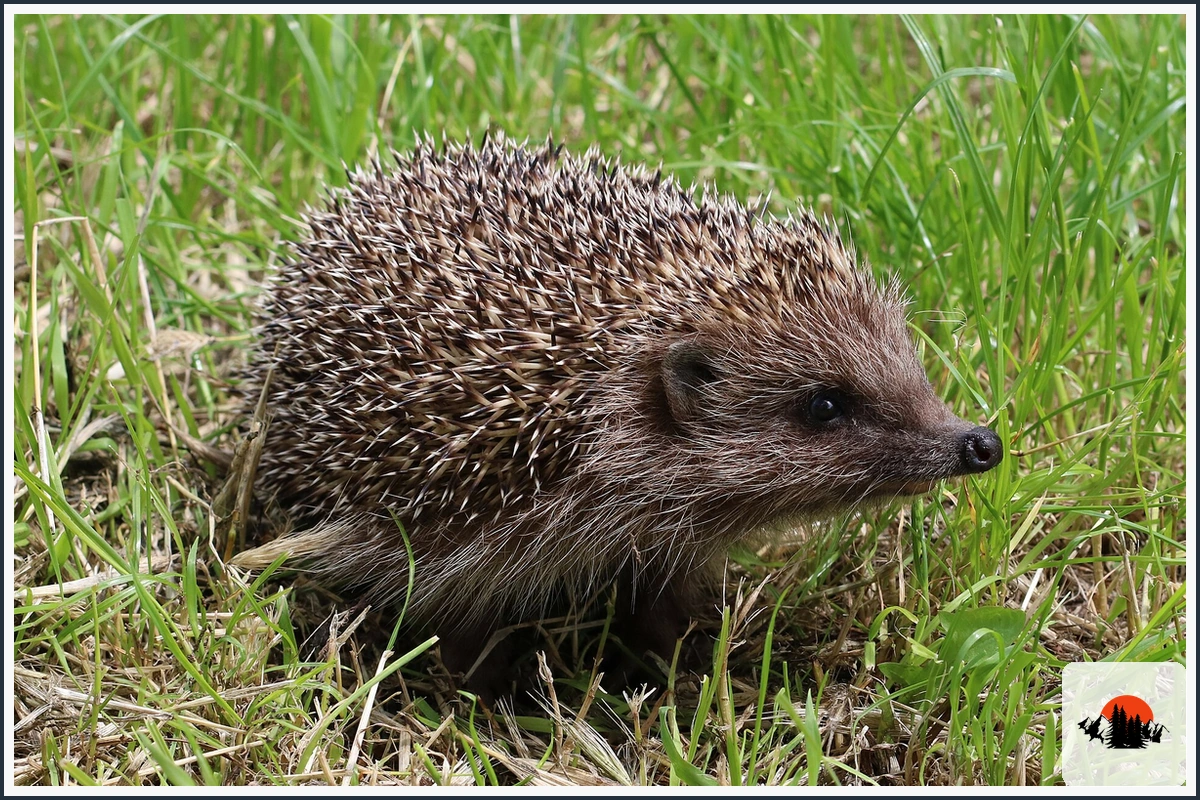
Scientific name: Erinaceus europaeus
The European hedgehog is a small nocturnal mammal covered in protective spines. When threatened, it curls into a tight ball. Its pointed snout helps it search through leaf litter and soil.
Hedgehogs live in gardens, parks, hedgerows, woodland edges, farmland, and urban neighborhoods. They eat beetles, caterpillars, earthworms, slugs, snails, and other invertebrates. They hibernate during cold periods in many parts of their range.
Fences, roads, pesticides, garden hazards, and habitat loss can harm hedgehogs. Small openings beneath fences, wildlife-friendly gardens, and careful use of garden chemicals can make urban areas safer.
15. European Hare

Scientific name: Lepus europaeus
The European hare is a long-legged, fast-running mammal with large ears tipped in black and powerful hind limbs. Unlike rabbits, hares are born relatively well developed and usually live above ground rather than in deep burrows.
They favor open farmland, grasslands, meadows, and field margins. Hares feed on grasses, herbs, crops, bark, and tender shoots. They are mainly active at night and may remain motionless in shallow depressions during the day.
Modern intensive agriculture can reduce food variety and shelter. Hedgerows, uncultivated margins, and wildlife-friendly farming practices benefit hare populations.
16. Golden Eagle
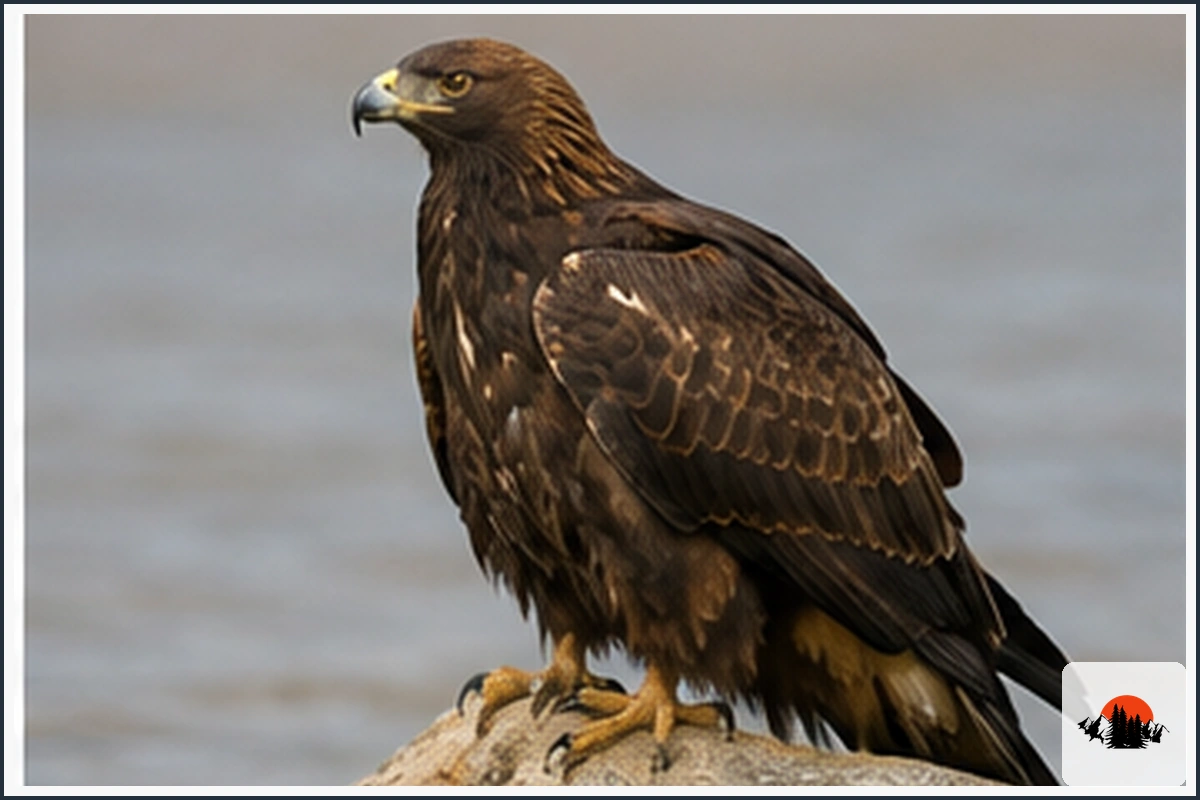
Scientific name: Aquila chrysaetos
The golden eagle is a large raptor with broad wings, powerful talons, and golden-brown feathers around the back of its head and neck. It is strongly associated with mountains, cliffs, open moorlands, and rugged landscapes.
Golden eagles hunt rabbits, hares, marmots, birds, and occasionally young ungulates. They use soaring flight to survey large areas and may defend extensive territories. Pairs often remain together for many years.
Disturbance near nests, illegal persecution, poisoning, and collisions with infrastructure can threaten local populations. Keeping away from nesting cliffs during breeding season is important for responsible observation.
17. White-Tailed Eagle
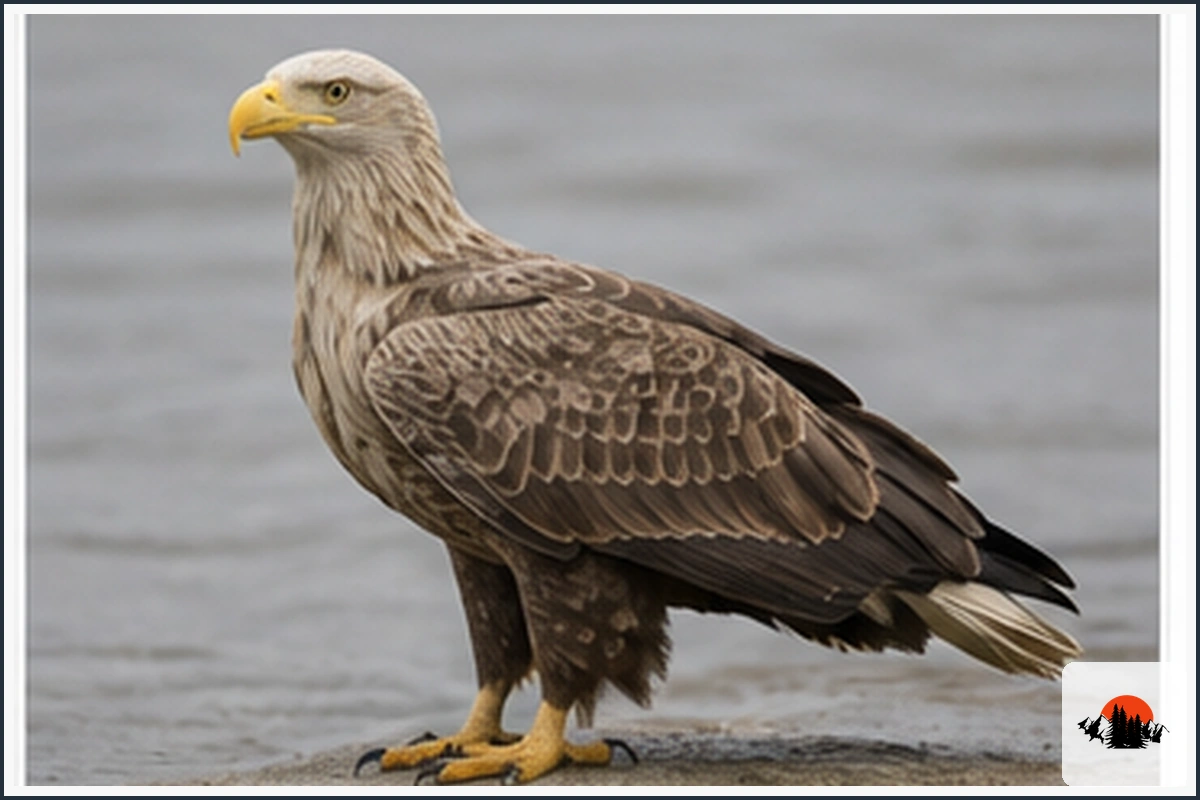
Scientific name: Haliaeetus albicilla
The white-tailed eagle is Europe’s largest eagle, recognizable by its broad wings, large yellow bill, powerful legs, and white tail in adults. Juveniles are darker and take several years to develop adult plumage.
It lives near large lakes, rivers, wetlands, and coastlines. Fish and waterbirds form much of its diet, but it also takes carrion and small mammals. It often perches in tall trees or on cliffs overlooking water.
Protection from pesticides, persecution, and disturbance has helped this species recover in several parts of Europe. Wetland conservation remains essential to its long-term success.
18. Atlantic Puffin
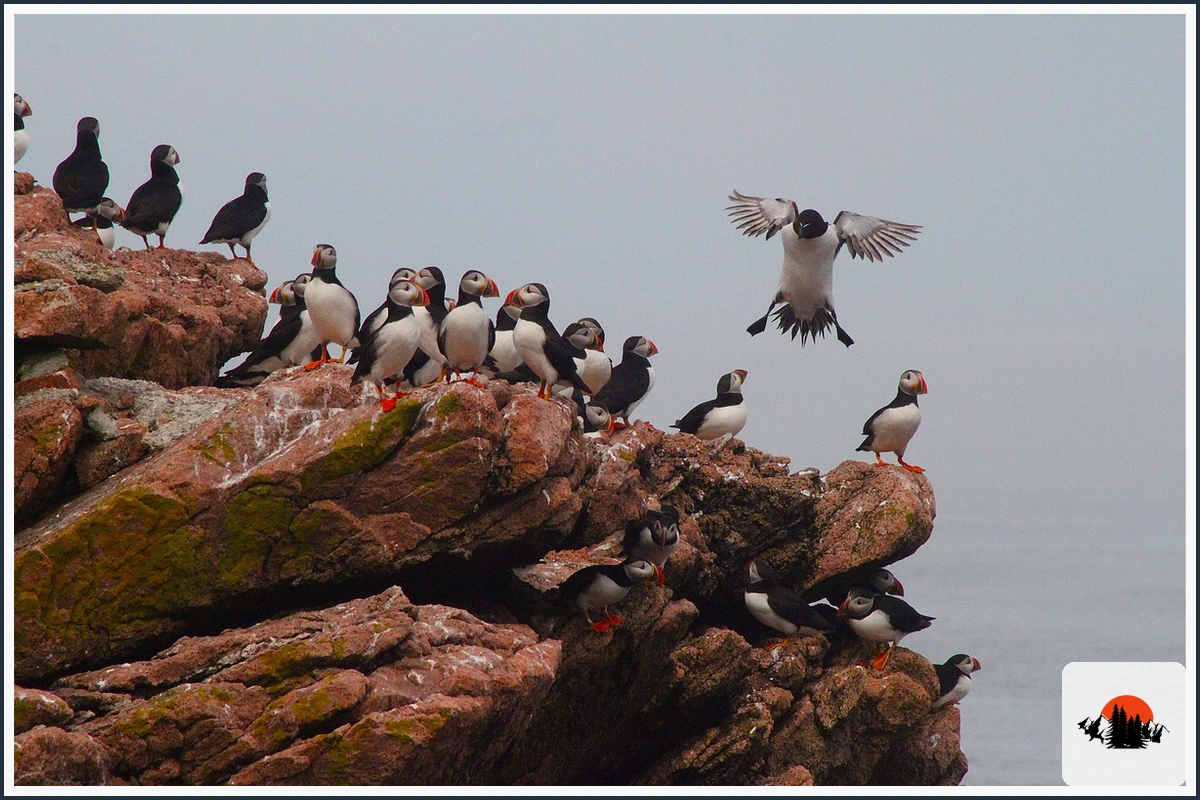
Scientific name: Fratercula arctica
The Atlantic puffin is a compact seabird with a black back, white underside, bright seasonal bill, and orange legs. It breeds on northern European islands and coastal cliffs, including areas around Iceland, the United Kingdom, Norway, and the North Atlantic.
Puffins catch small fish by diving underwater. Their beaks can hold several fish at once, allowing adults to bring food back to chicks in cliffside burrows.
Outside the breeding season, puffins spend much of their time at sea. Food shortages, warming oceans, changing fish distribution, and storm events can affect breeding success.
19. Common Crane
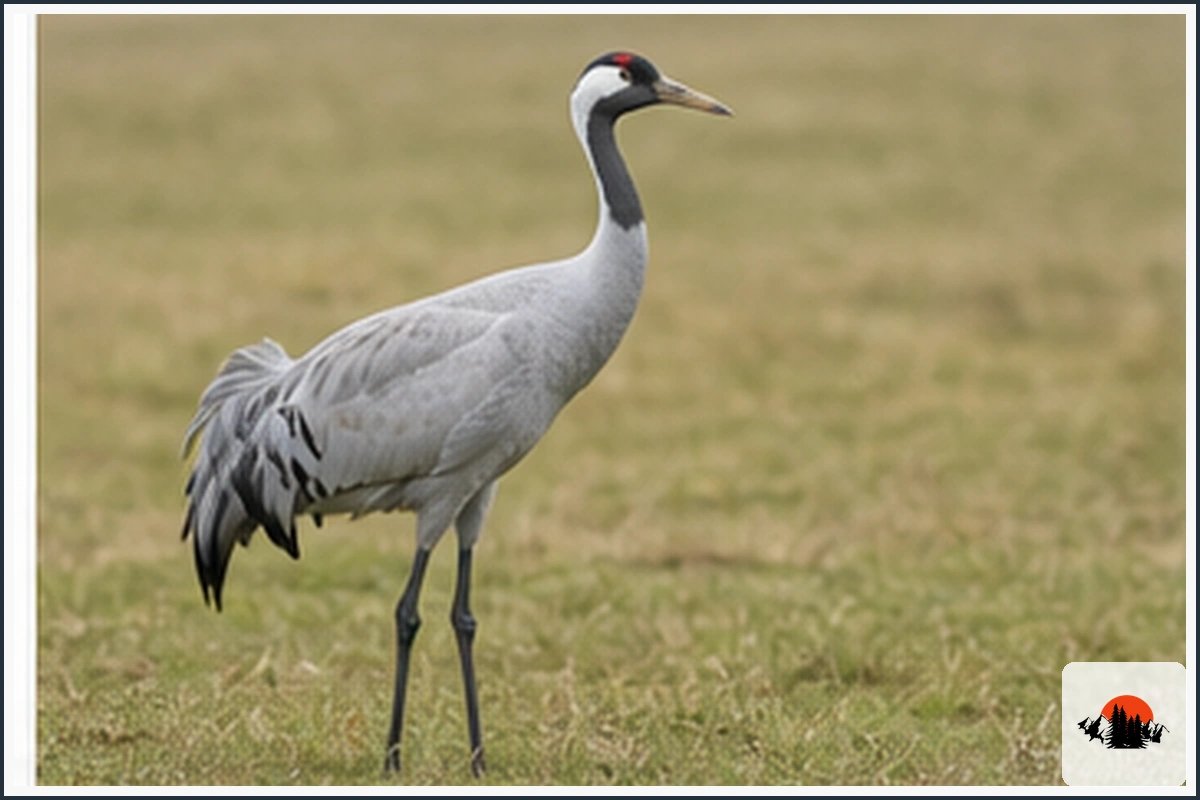
Scientific name: Grus grus
The common crane is a tall, elegant bird with long legs, a long neck, gray body feathers, a black-and-white head pattern, and a red crown patch. Its loud trumpeting calls are often heard before the birds are seen.
Common cranes breed in northern and eastern wetlands and migrate through or winter in parts of western and southern Europe. They eat seeds, roots, grains, insects, frogs, and small animals.
Large flocks gather at migration stopovers and agricultural fields. Protecting wetlands and reducing disturbance at roosting sites helps support their spectacular seasonal movements.
20. European Green Woodpecker
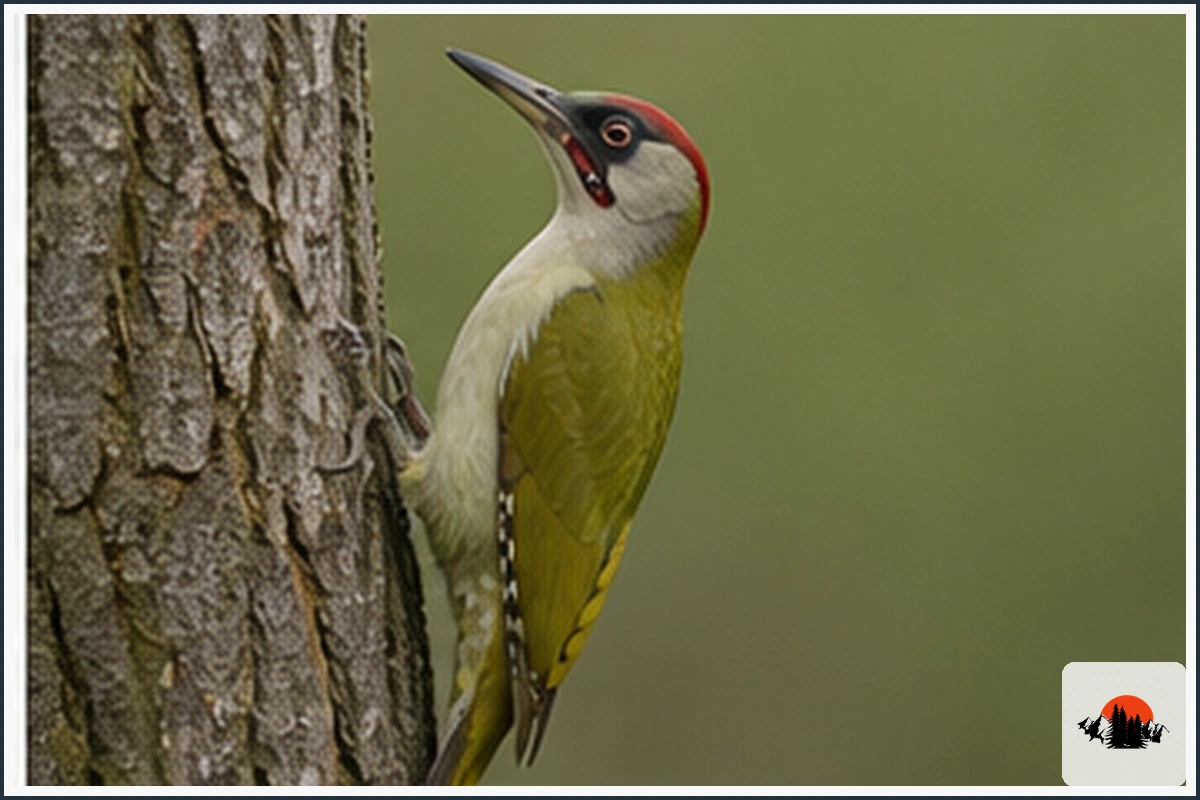
Scientific name: Picus viridis
The European green woodpecker has green upperparts, a pale underside, a red crown, and a distinctive dark facial pattern. It is often detected by its loud laughing call rather than by drumming.
This woodpecker prefers open woodland, parks, orchards, and grassland with mature trees. It feeds heavily on ants, using its long tongue to extract them from soil and nests. It also eats other insects and occasionally fruit.
Retaining old trees, deadwood, grassy areas, and pesticide-free habitat benefits green woodpeckers and many other woodland species.
21. European Robin

Scientific name: Erithacus rubecula
The European robin is a familiar small songbird with an orange-red face and breast, brown upperparts, and a pale belly. It occurs in gardens, woodlands, hedgerows, parks, and urban spaces across much of Europe.
Robins eat insects, spiders, worms, seeds, and berries. They are often seen searching leaf litter or following gardeners as soil is turned. Males and females may defend territories aggressively, especially during breeding season.
Dense shrubs, native plants, leaf litter, and pesticide-free gardens provide valuable food and cover for robins.
22. European Goldfinch
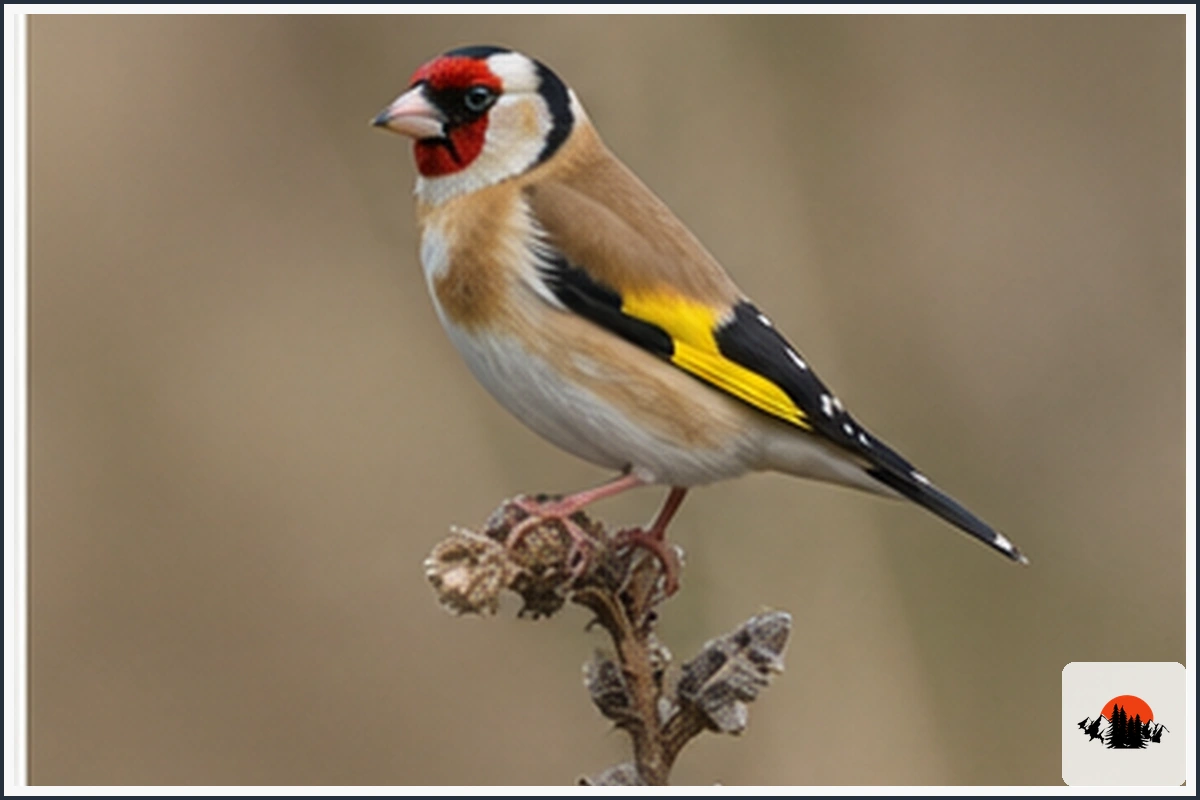
Scientific name: Carduelis carduelis
The European goldfinch is a colorful finch with a red face, black-and-white head, golden wing stripe, and pale brown body. It commonly inhabits gardens, woodland edges, orchards, farmland, and open scrub.
Goldfinches specialize in small seeds, particularly those from thistles and teasels, although they also feed insects to nestlings. Their lively calls and bright plumage make them popular garden visitors.
Leaving seed-producing plants standing through winter can provide natural food. Clean feeders and regular maintenance help reduce disease transmission.
23. Common European Adder
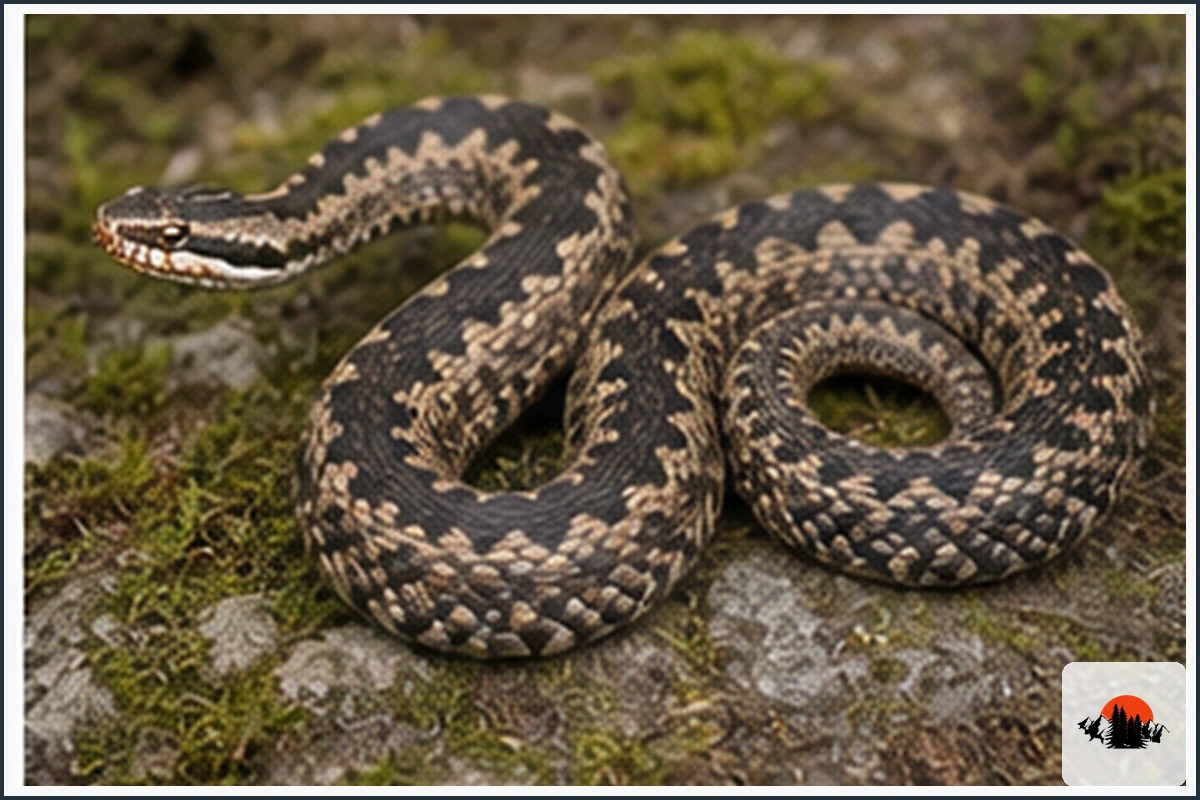
Scientific name: Vipera berus
The common European adder is a small venomous snake with a stocky body and a dark zigzag pattern along its back. Color varies widely, and some individuals are almost entirely black. It is found across northern and central Europe in heathlands, woodland edges, moors, grasslands, and wetlands.
Adders eat small mammals, lizards, frogs, and occasionally nestling birds. They are generally shy and avoid people, using basking sites to warm themselves.
Never handle an adder or attempt to kill it. Give the snake space, wear suitable footwear in known habitats, and seek medical attention after a suspected bite.
24. European Green Lizard

Scientific name: Lacerta viridis
The European green lizard is a large, quick-moving lizard with vivid green coloration in males, often accompanied by blue throat markings during the breeding season. Females and young animals may be browner or more patterned.
It lives in sunny grasslands, scrub, vineyard edges, rocky slopes, and woodland clearings in central and southeastern Europe. It eats insects, spiders, snails, and other small invertebrates.
Dense vegetation, stone walls, sunny basking places, and reduced pesticide use help maintain suitable lizard habitat.
25. Fire Salamander
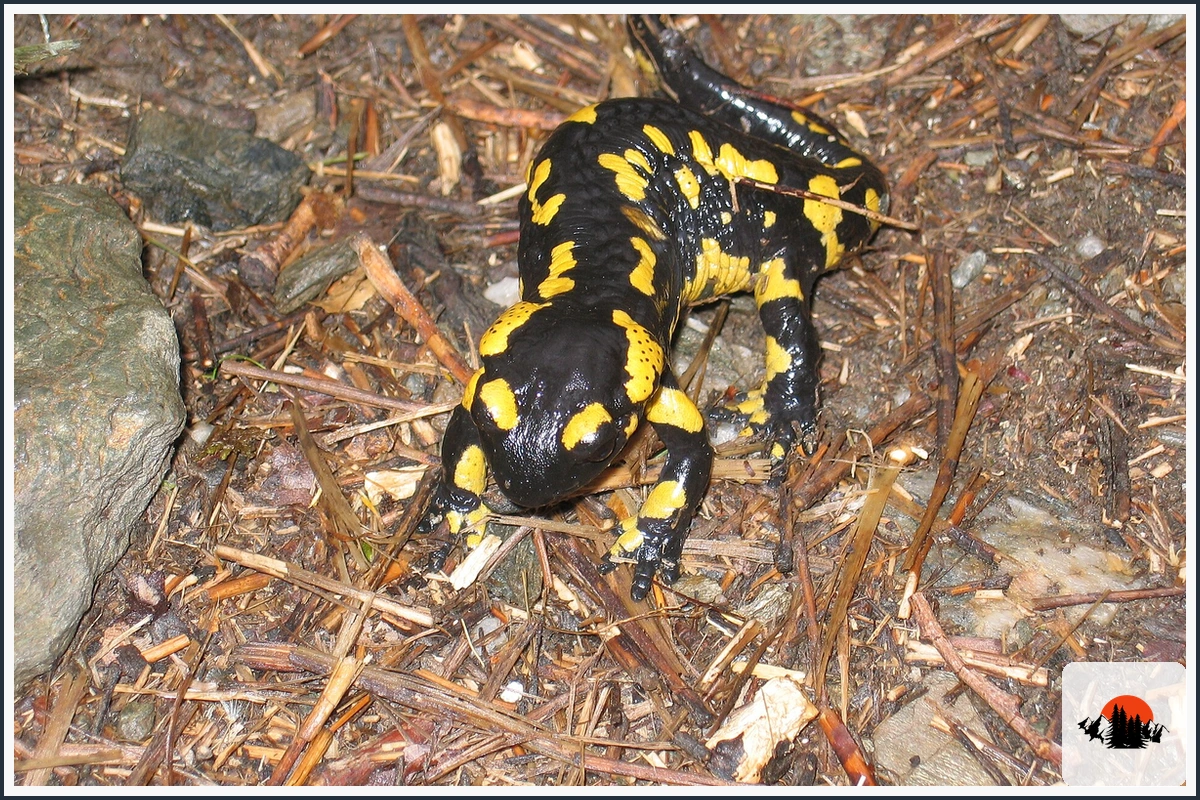
Scientific name: Salamandra salamandra
The fire salamander is a striking amphibian marked with yellow or orange patches and bands on a black body. Its bold colors warn potential predators that its skin secretions are unpleasant.
Fire salamanders favor damp deciduous forests, springs, streams, and shaded ravines in western, central, and southern Europe. Adults eat insects, worms, slugs, and other small invertebrates, while larvae develop in clean water.
Pollution, drying streams, road mortality, and disease threaten some populations. Avoid moving salamanders between waterways because amphibian diseases can spread through contaminated equipment or hands.
26. European Pond Turtle
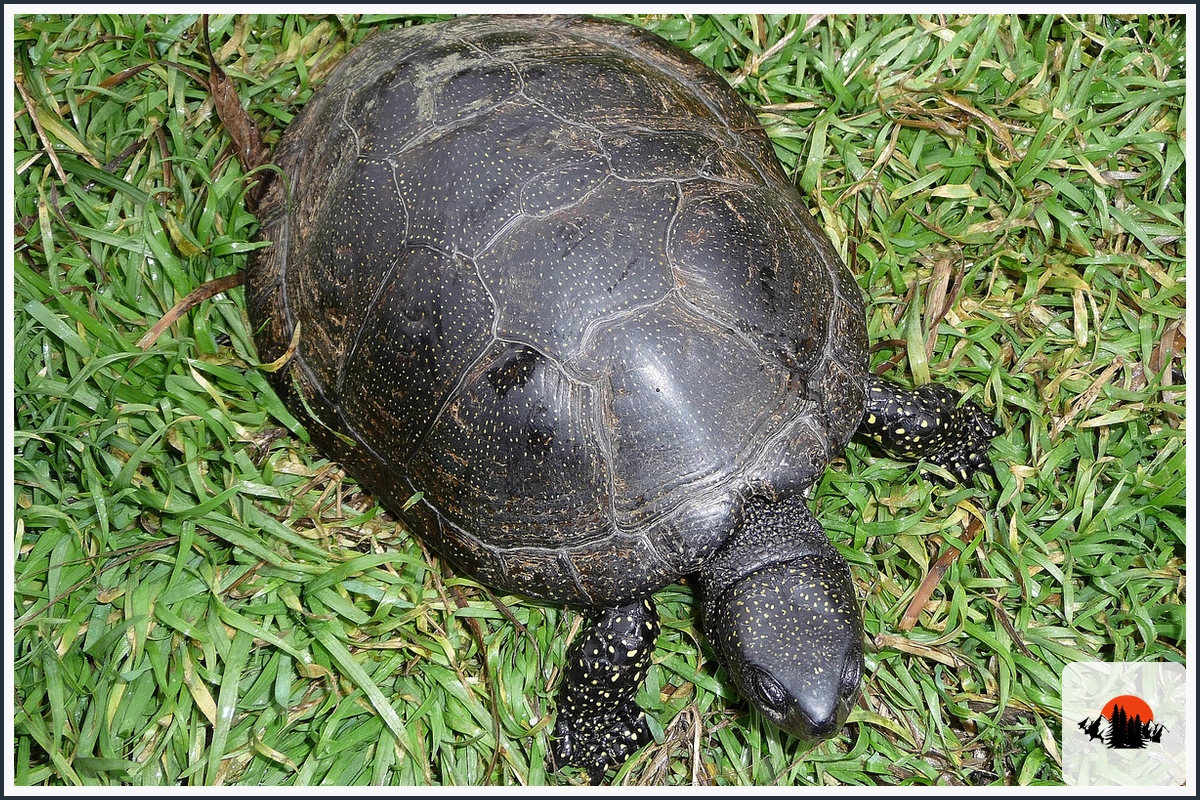
Scientific name: Emys orbicularis
The European pond turtle is a freshwater turtle with a dark shell marked by yellow spots or streaks. It occurs mainly in warmer parts of Europe, especially near slow rivers, ponds, marshes, and oxbow lakes.
It eats aquatic invertebrates, fish, amphibians, carrion, and plant material. European pond turtles bask on logs or banks and retreat quickly into water when disturbed.
Wetland drainage, introduced turtles, road crossings, and the loss of nesting areas can reduce populations. Keeping wetlands connected and avoiding the release of pet turtles are important conservation steps.
27. Alpine Ibex
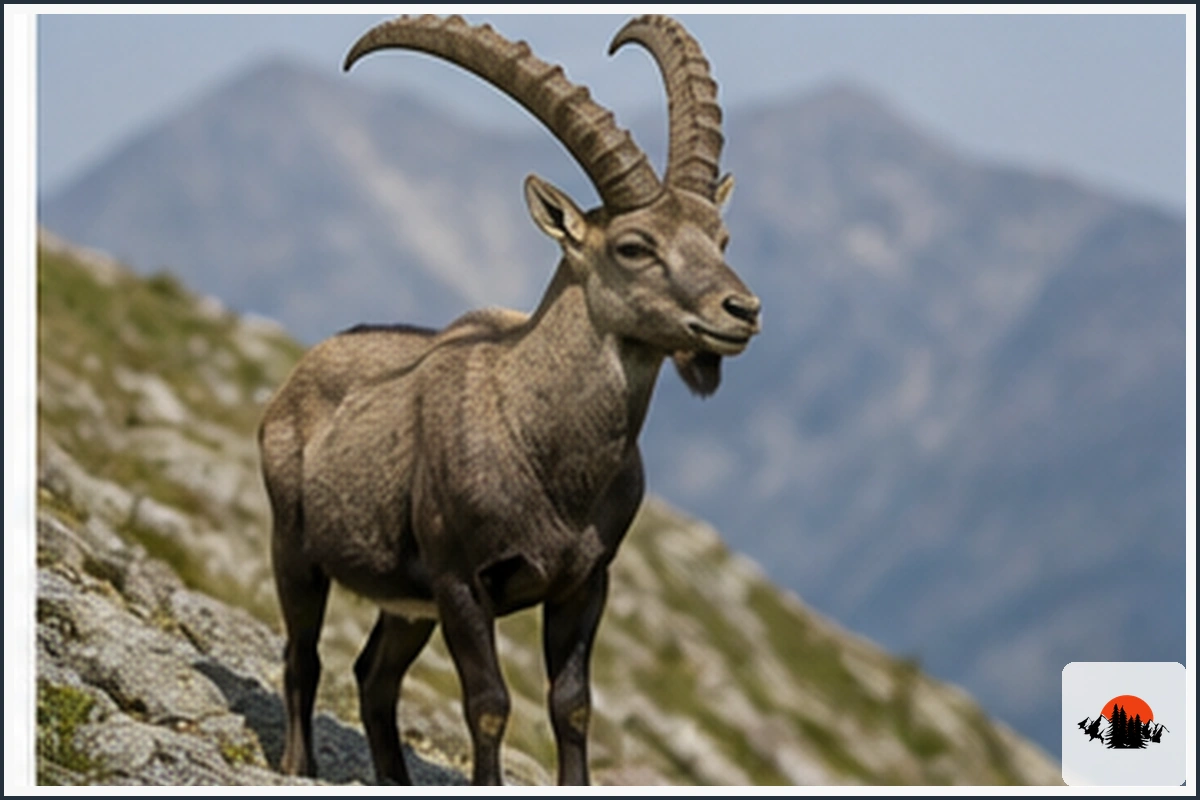
Scientific name: Capra ibex
The Alpine ibex is a mountain goat with short brown fur, strong hooves, and enormous backward-curving horns in adult males. Females have smaller horns. Its specialized hooves provide excellent grip on steep rocky terrain.
Alpine ibex live in the high Alps, often moving between lower slopes and higher elevations according to season. They graze on grasses, herbs, mosses, and shrubs and may gather on sunny slopes during winter.
Strict protection helped the species recover from historic declines. Disturbance from hikers, climbers, dogs, and winter recreation can still affect animals during sensitive periods.
28. Chamois
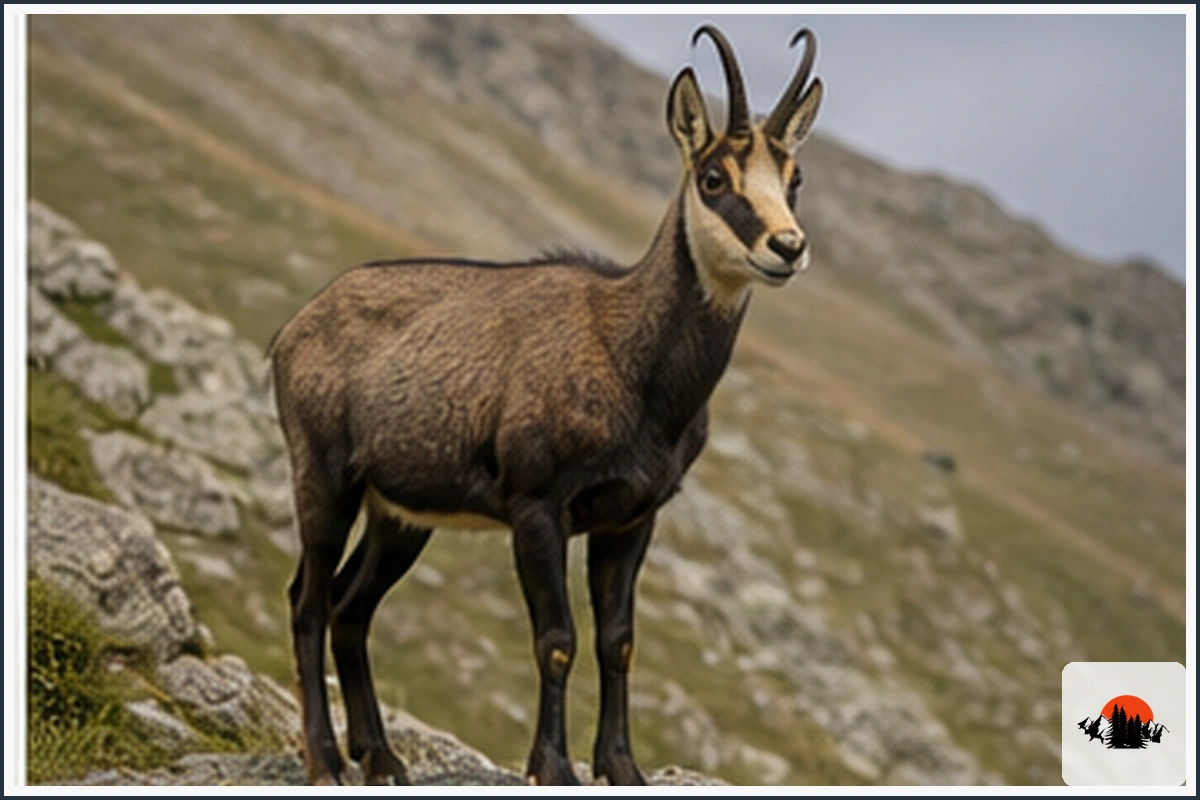
Scientific name: Rupicapra rupicapra
Chamois are agile goat-like mammals with compact bodies, dark facial stripes, short hooked horns, and strong legs. They inhabit the Alps, Carpathians, Balkans, Pyrenees, and other European mountain ranges.
They graze on grasses, herbs, and alpine plants during warmer months and browse on shrubs, lichens, and tree shoots in winter. Chamois can move rapidly across steep slopes and rocky terrain.
Watching from a distance is essential because sudden approach can force animals into dangerous terrain. Binoculars are a better choice than attempting a close view.
29. Bottlenose Dolphin

Scientific name: Tursiops truncatus
The bottlenose dolphin is a highly intelligent marine mammal with a rounded forehead, curved dorsal fin, streamlined body, and gray coloration. It occurs in European coastal waters, including the Atlantic, Mediterranean, and some nearby seas.
Bottlenose dolphins eat fish, squid, and crustaceans. They live alone, in pairs, or in social groups and communicate with clicks, whistles, and body movements. Some populations remain near coasts, while others travel widely offshore.
Pollution, accidental capture in fishing gear, underwater noise, boat traffic, and depleted prey can threaten dolphins. Responsible marine tours keep a safe distance and avoid chasing or surrounding animals.
30. Harbor Seal
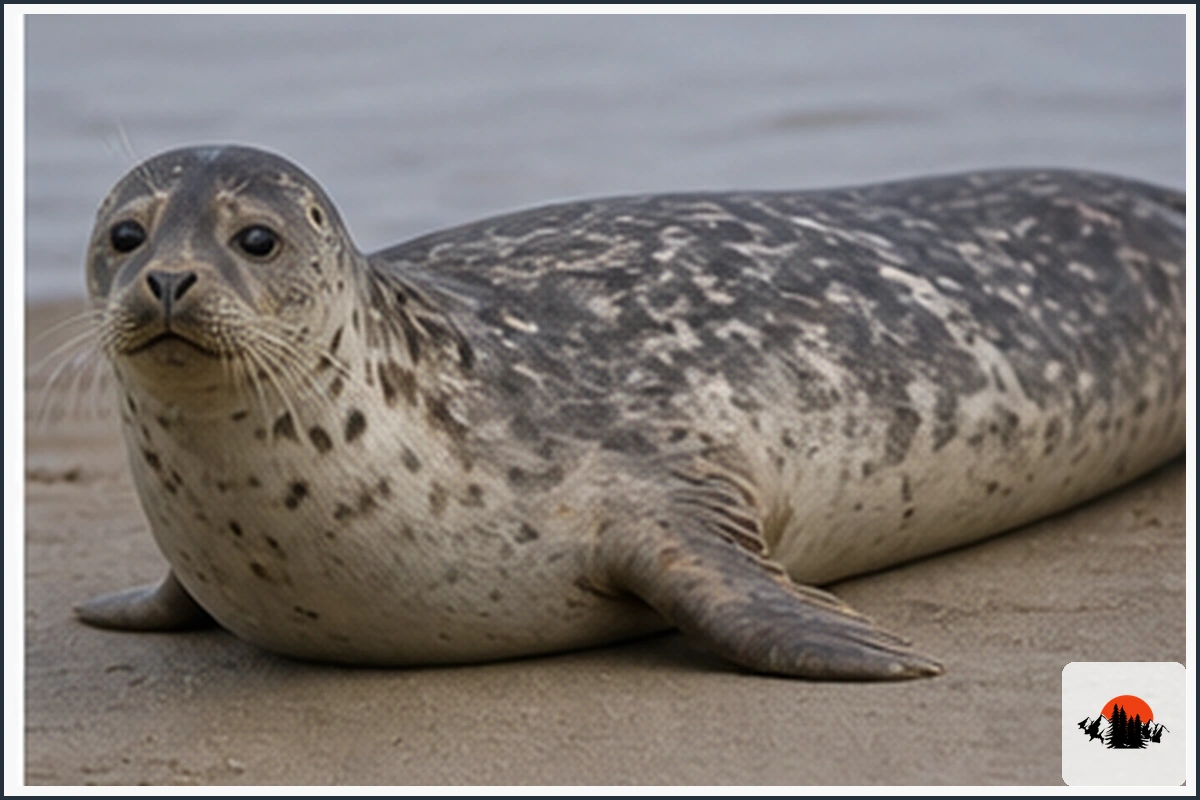
Scientific name: Phoca vitulina
The harbor seal is a compact seal with a rounded head, short foreflippers, visible ear openings, and a coat patterned with spots or rings. It is found along northern and western European coasts, estuaries, sandbanks, and rocky shores.
Harbor seals feed on fish, squid, crustaceans, and other marine prey. They haul out on beaches and mudflats to rest, warm themselves, and raise pups. Their excellent underwater vision and sensitive whiskers help them hunt.
Never approach a hauled-out seal or return a healthy seal pup to the water. Mothers may be feeding offshore, and disturbance can prevent them from reuniting with their young.
How Are These Animals Classified?
The animals in this guide can be classified by biological group, habitat, diet, and body structure.
- Mammals: Brown bears, wolves, deer, foxes, beavers, otters, and seals breathe air, have hair, and nurse their young.
- Birds: Golden eagles, puffins, cranes, woodpeckers, robins, and goldfinches have feathers, wings, and beaks.
- Reptiles: Adders, green lizards, and pond turtles are cold-blooded animals with scales or shells.
- Amphibians: Fire salamanders depend on moist environments and usually have life stages associated with water and land.
- Herbivores: Bison, moose, reindeer, and ibex mainly eat plants.
- Carnivores and predators: Wolves, lynx, eagles, and dolphins consume animal prey.
- Omnivores: Brown bears, wild boar, foxes, and some turtles eat both plant and animal foods.
Where Do These Animals Live?
European wildlife occupies a wide range of habitats:
- Boreal forests and tundra: Reindeer, moose, brown bears, and wolves.
- Temperate forests: Wild boar, roe deer, wildcats, beavers, and woodpeckers.
- Mountains: Alpine ibex, chamois, golden eagles, lynx, and brown bears.
- Wetlands and rivers: Otters, beavers, cranes, pond turtles, and white-tailed eagles.
- Grasslands and farmland: Hares, hedgehogs, foxes, goldfinches, and European green lizards.
- Coasts and seas: Puffins, bottlenose dolphins, harbor seals, and white-tailed eagles.
- Urban and suburban areas: Hedgehogs, foxes, robins, goldfinches, and roe deer.
What Do European Animals Eat?
European animals use nearly every available food source. Large herbivores browse leaves, graze grass, or feed on bark and shrubs. Predators such as wolves and lynx hunt deer and smaller mammals, while raptors take birds, rabbits, and rodents. Otters and dolphins depend heavily on fish and other aquatic prey. Omnivores such as bears, foxes, and wild boar adjust their diets seasonally, eating fruit, insects, roots, carrion, crops, or small animals.
How Do European Animals Behave?
- Social behavior: Wolves, cranes, bison, and reindeer often live or travel in groups.
- Solitary behavior: Lynx, many foxes, wildcats, and adult brown bears commonly spend much of their time alone.
- Migration: Reindeer, cranes, puffins, and some marine animals travel seasonally.
- Hibernation or winter dormancy: Hedgehogs and some reptiles reduce activity during cold weather.
- Territorial behavior: Robins, wolves, otters, and many raptors defend areas containing food or nesting sites.
- Burrowing and denning: Foxes, badgers, puffins, rabbits, and beavers use protected shelters for rest or reproduction.
How to Identify Different Animals in Europe
- Start with habitat: Decide whether the animal is in a forest, mountain, wetland, field, coast, or city.
- Check body shape: Note whether it has hooves, paws, wings, scales, a shell, flippers, or a long body.
- Look at size: Compare the animal with nearby trees, rocks, birds, or vegetation.
- Study markings: Facial stripes, tail shape, antlers, horns, wing patterns, and coat colors can be decisive.
- Listen for sounds: Cranes trumpet, green woodpeckers laugh, robins sing, and wolves howl.
- Observe behavior: Burrowing, soaring, diving, grazing, rooting, or basking can narrow identification.
- Consider the season: Antlers, breeding colors, migration, hibernation, and winter coats may change the animal’s appearance.
- Use location carefully: Regional range is useful, but species can overlap and introduced animals may occur outside their natural range.
Outdoor Tips for Finding and Observing European Wildlife
- Use binoculars or a camera with a telephoto lens instead of approaching animals.
- Stay on marked paths and obey protected-area rules.
- Keep dogs controlled, especially around deer, livestock, ground nests, and mountain wildlife.
- Never feed wild animals or leave food scraps behind.
- Watch quietly near dawn and dusk, when many mammals are most active.
- Look for tracks, droppings, feathers, feeding marks, nests, and other signs.
- Learn local wildlife laws before photographing nests, collecting specimens, fishing, or entering restricted areas.
- Do not handle young animals, reptiles, amphibians, or apparently stranded marine mammals.
Safety, Sustainability, and Conservation Notes
Wild animals should be observed without interference. Keep a safe distance from bears, wild boar, wolves, seals, and large deer. Do not approach venomous snakes, and seek medical care after a suspected bite. Anglers and boaters should follow local regulations, use legal gear, and avoid disturbing protected species.
Habitat loss, pollution, road traffic, climate change, illegal persecution, invasive species, and disturbance affect different European animals in different ways. Supporting protected areas, wildlife corridors, wetland restoration, native planting, responsible tourism, and sustainable seafood practices can help protect biodiversity. Never release aquarium pets, exotic turtles, or unwanted animals into the wild.
Fun Facts About Animals in Europe
- European bison is the continent’s heaviest native land animal.
- Both male and female reindeer can grow antlers.
- Beavers create wetlands that benefit many other species.
- The Eurasian lynx is Europe’s largest wild cat.
- Golden eagles can use rising air currents to soar for long periods.
- European hedgehogs often visit gardens at night while searching for invertebrates.
- Atlantic puffins can carry several small fish in their bills at once.
- Fire salamanders use striking colors as a warning to predators.
- European green woodpeckers often find ants on the ground rather than drilling deeply into trees.
- Harbor seals may rest on beaches while their mothers are temporarily feeding offshore.
Final Thoughts on Types of Animals in Europe
The types of animals in Europe reflect the continent’s extraordinary variety of habitats, from Arctic forests and alpine peaks to wetlands, farmland, and coastal seas. Learning their appearance, behavior, range, and habitat makes wildlife encounters safer and more meaningful. Whether you are hiking, birdwatching, fishing, photographing nature, or exploring a city park, careful observation can reveal far more European wildlife than you might expect.
Frequently Asked Questions
1. What are the most iconic animals in Europe?
European bison, brown bears, wolves, Eurasian lynx, reindeer, golden eagles, and Alpine ibex are among the continent’s most iconic wild animals.
2. What is the largest land animal in Europe?
The European bison is generally considered Europe’s largest native land animal by body mass.
3. Are there wild bears in Europe?
Yes. Brown bears still live in parts of Scandinavia, eastern Europe, the Carpathians, the Balkans, and several other regions.
4. Are wolves still found in Europe?
Yes. Wolves survive in northern, eastern, southern, and parts of central Europe, with populations varying by country and habitat.
5. What is Europe’s largest wild cat?
The Eurasian lynx is Europe’s largest wild cat.
6. Where can European bison be found?
European bison occur in several protected and reintroduced populations, especially in Poland, Belarus, Romania, Russia, and nearby regions.
7. What animals live in European forests?
Forest animals include wild boar, roe deer, red deer, foxes, wolves, lynx, wildcats, beavers, woodpeckers, and owls.
8. What animals live in the European mountains?
Mountain wildlife includes Alpine ibex, chamois, golden eagles, brown bears, lynx, marmots, and several specialized birds and reptiles.
9. What animals live in European wetlands?
Wetlands support beavers, otters, cranes, white-tailed eagles, pond turtles, frogs, fish, and many migratory birds.
10. What animals live in European seas?
European marine wildlife includes bottlenose dolphins, harbor seals, puffins, porpoises, whales, seabirds, fish, and marine invertebrates.
11. What do European animals eat?
Their diets range from grasses, leaves, seeds, and berries to insects, fish, rodents, deer, carrion, and other animal prey.
12. Which European animals are herbivores?
European bison, moose, reindeer, red deer, roe deer, Alpine ibex, chamois, and hares are primarily herbivorous.
13. Which European animals are predators?
Wolves, lynx, foxes, golden eagles, white-tailed eagles, otters, dolphins, and adders are examples of European predators.
14. Are European foxes dangerous?
Red foxes generally avoid people and are not dangerous when left alone. Do not feed or approach them, and seek advice if an animal appears unusually aggressive or ill.
15. Are European wolves dangerous to people?
Wolves normally avoid people. Risk is very low, but hikers should never approach, feed, corner, or follow wolves.
16. What should I do if I see a bear?
Remain calm, keep your distance, avoid running, and slowly move away without blocking the bear’s escape route. Follow local wildlife guidance.
17. What should I do if I see a wild boar?
Give the animal plenty of space, keep dogs close, and never approach piglets or a female with young.
18. Can European animals be seen in cities?
Yes. Foxes, hedgehogs, robins, goldfinches, roe deer, bats, and other adaptable species can live in or near European towns and cities.
19. Which European animals hibernate?
European hedgehogs hibernate in many regions. Some reptiles and amphibians enter winter dormancy, while bears experience a period of reduced winter activity.
20. Which European animals migrate?
Reindeer, common cranes, puffins, many songbirds, bats, fish, and marine animals may undertake seasonal movements or migrations.
21. Are European adders poisonous?
European adders are venomous, not poisonous. They are generally shy, but a bite requires prompt medical attention.
22. Are European green lizards dangerous?
No. European green lizards are harmless to people and usually flee quickly when approached.
23. Can I touch a wild hedgehog?
Do not handle a healthy hedgehog unnecessarily. If it appears injured or active in dangerous conditions, contact a licensed wildlife rehabilitator.
24. Should I return a seal pup to the sea?
No. Keep your distance and contact a local marine wildlife rescue service. The mother may be nearby or feeding offshore.
25. What is the best way to photograph European wildlife?
Use a long lens, remain quiet, avoid blocking escape routes, and never bait animals or disturb nests and dens.
26. How can I help European wildlife at home?
Plant native species, reduce pesticide use, provide safe shelter, keep cats and dogs controlled, leave small wildlife passages, and avoid feeding wild mammals.
27. Why are wildlife corridors important?
Corridors connect separated habitats, allowing animals to find food, mates, seasonal ranges, and safer routes around roads and development.
28. Which European animal creates wetlands?
The European beaver creates ponds, channels, and wetlands by building dams and changing water flow.
29. Are all animals in Europe native?
No. Europe also contains introduced and invasive species. Some nonnative animals can compete with native wildlife or spread disease.
30. What is the best field guide for identifying European animals?
A regional guide with range maps, clear photographs, tracks, calls, and seasonal information is usually most useful. Local park and nature organization resources can add current details.