

Australia is home to an extraordinary range of fish, from tropical reef hunters and powerful estuary predators to freshwater species found in rivers, billabongs, and mountain streams. This guide to the types of fish in Australia introduces 30 notable native and widely encountered species, including their scientific names, appearance, habitat, diet, behavior, and importance to anglers and aquatic ecosystems.
What Are the Main Types of Fish in Australia?
The main types of fish in Australia include freshwater species such as Australian bass, Murray cod, golden perch, and rainbowfish, as well as marine and estuarine fish such as barramundi, snapper, coral trout, giant trevally, and flathead. Australia’s fish fauna is shaped by tropical reefs, long coastlines, seasonal rivers, floodplain wetlands, and isolated inland waterways. Some species are popular sport fish, while others are important aquarium fish, food fish, or conservation priorities.
1. Barramundi
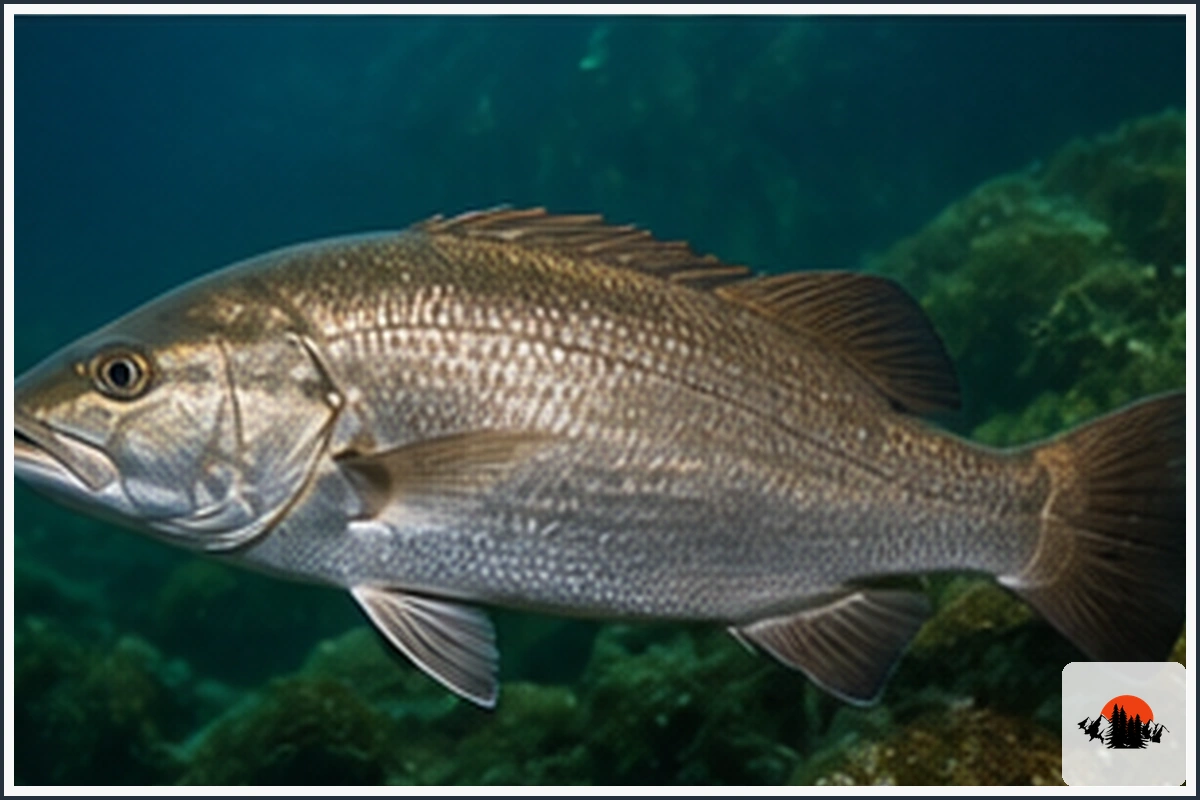
Scientific name: Lates calcarifer. Barramundi is one of Australia’s best-known fish and a prized target for recreational anglers. It has a long, silvery body, a sloping forehead, and a large mouth. Adults commonly reach 60 to 100 centimetres, although much larger fish occur.
Barramundi live in tropical and subtropical rivers, estuaries, coastal lagoons, and nearshore waters across northern Australia. They can tolerate both fresh and salt water and often move between habitats during their life cycle. Their diet includes prawns, smaller fish, and other aquatic animals. They are powerful ambush predators, especially active around structure, weed beds, snags, and changes in current.
2. Murray Cod
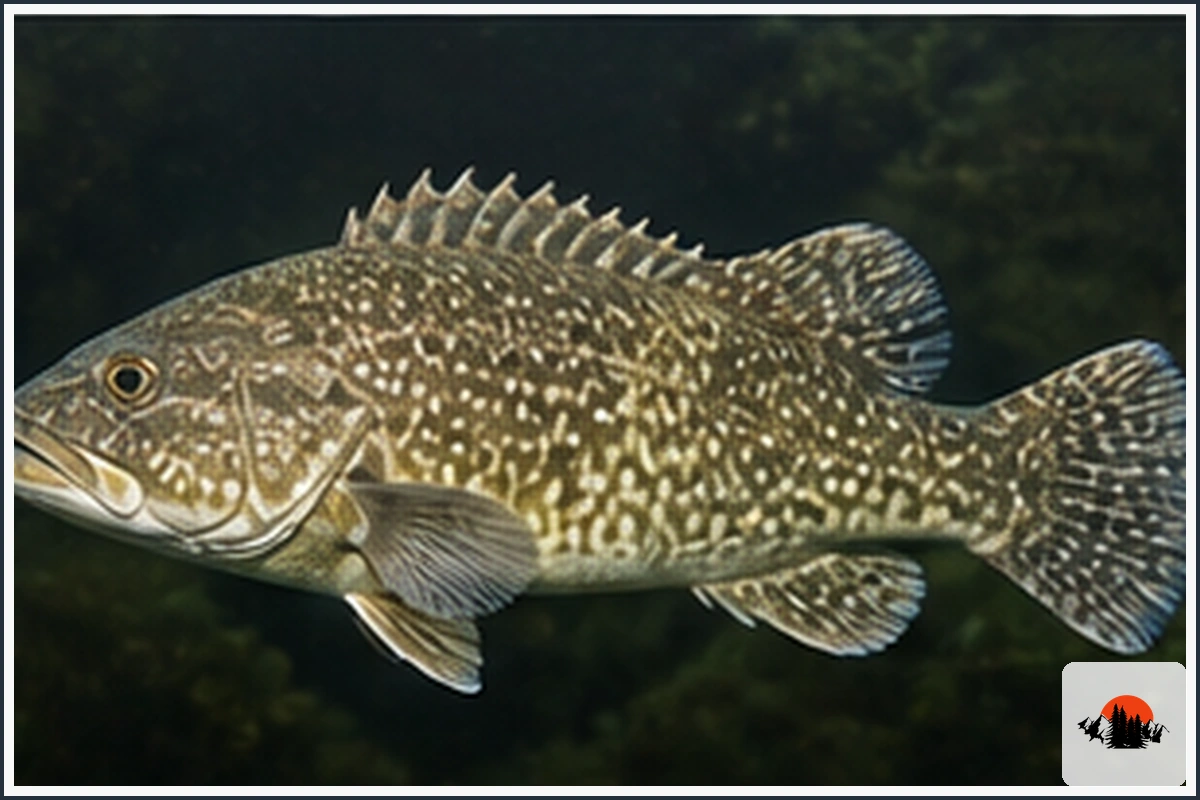
Scientific name: Maccullochella peelii. Murray cod is Australia’s largest freshwater fish and a highly recognizable inland species. It has a broad head, a deep body, a large mouth, and mottled green, grey, or olive coloring that helps it blend with submerged timber and rocky habitat.
This species inhabits the Murray-Darling Basin, particularly large rivers, connected lagoons, and reservoirs. Murray cod are ambush predators that eat fish, crayfish, frogs, and other animals. They grow slowly and may live for decades, making mature fish especially valuable to healthy river ecosystems. Catch-and-release fishing is strongly encouraged, and local size and seasonal rules must be followed.
3. Golden Perch
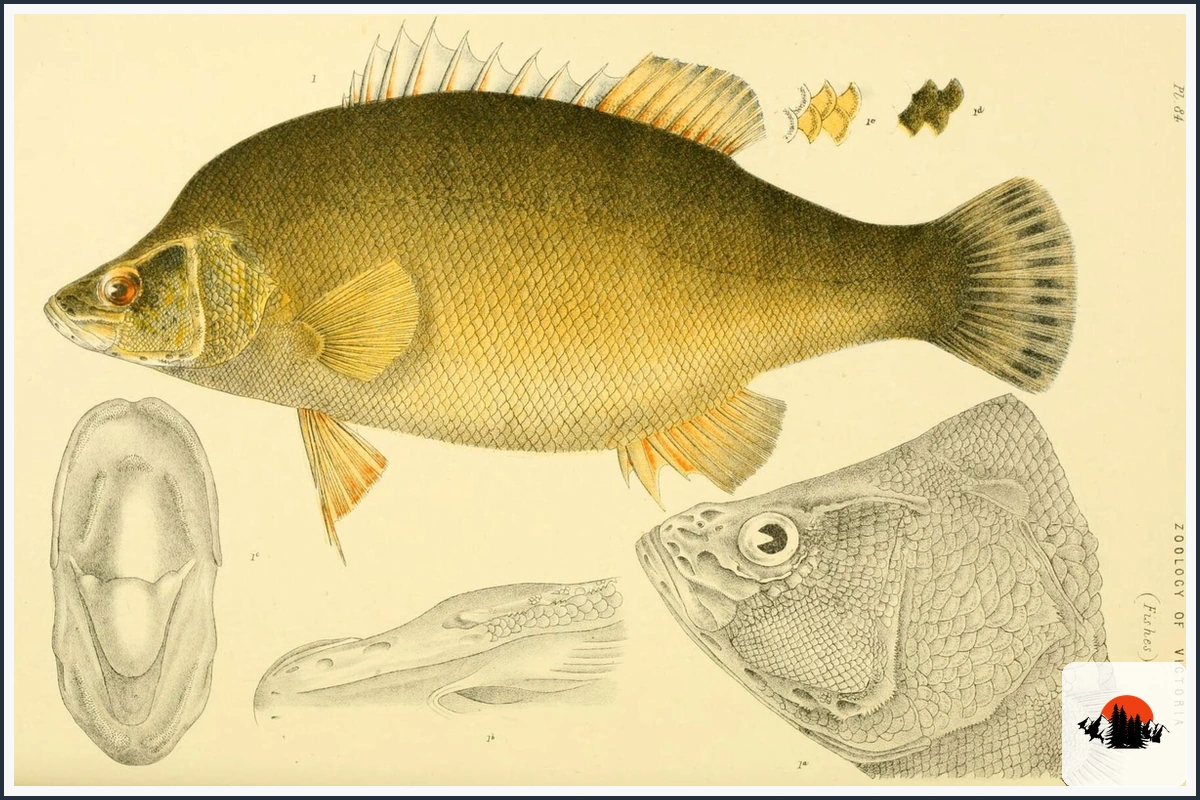
Scientific name: Macquaria ambigua. Golden perch, often called yellowbelly, has golden or yellow-green sides, a compact body, and a dark back. It is usually smaller than Murray cod but can exceed 50 centimetres in favorable waters.
Golden perch occur throughout parts of the Murray-Darling Basin in rivers, billabongs, lakes, and impoundments. They eat insects, prawns, crayfish, and smaller fish. Their ability to move through connected waterways helps them recolonize areas after floods. Anglers often find them around timber, rocky edges, drop-offs, and submerged vegetation.
4. Australian Bass
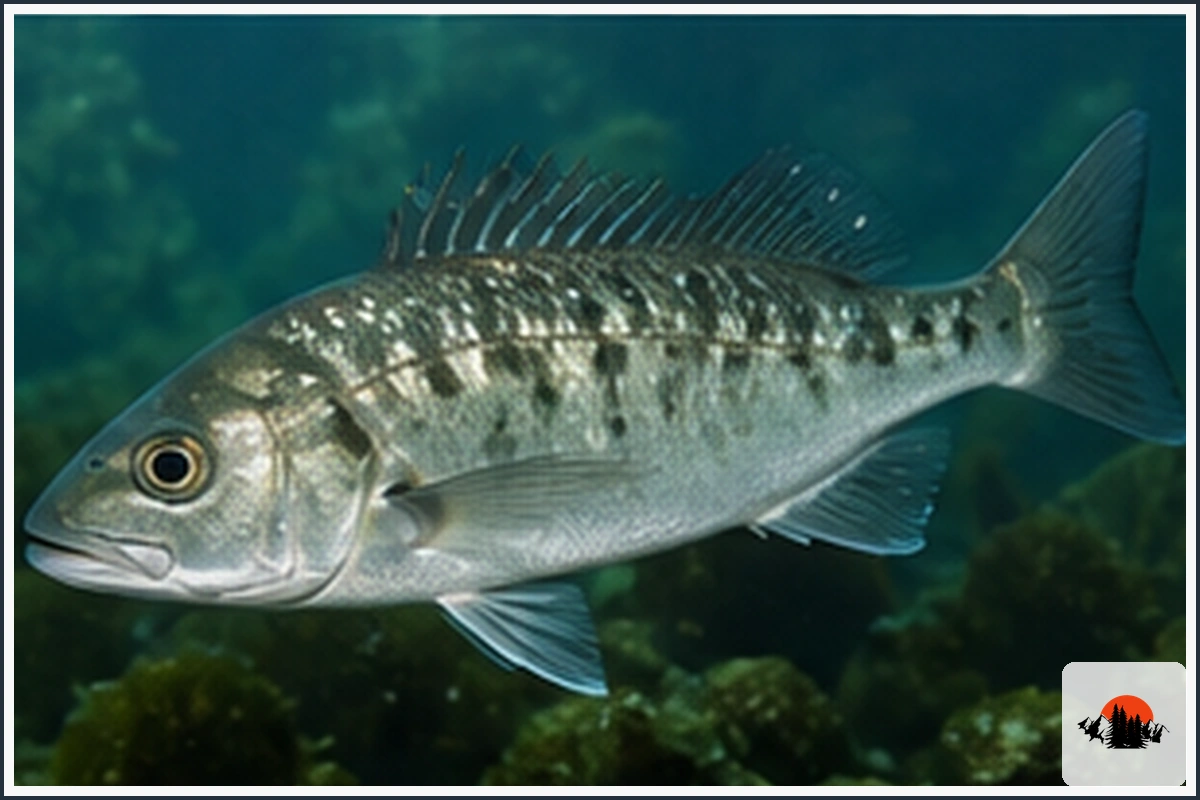
Scientific name: Macquaria novemaculeata. Australian bass is a streamlined native fish with a greenish, bronze, or olive back and a lighter belly. It is a popular sport fish because it strikes lures aggressively and often lives in scenic rivers and forested waterways.
Australian bass spend much of their lives in freshwater rivers and streams along the southeastern coast. Mature fish migrate downstream toward estuaries to spawn, while young fish move back upstream. They feed on insects, crustaceans, and small fish. Fallen trees, shaded banks, undercut edges, and deep pools are important habitat features.
5. Flathead
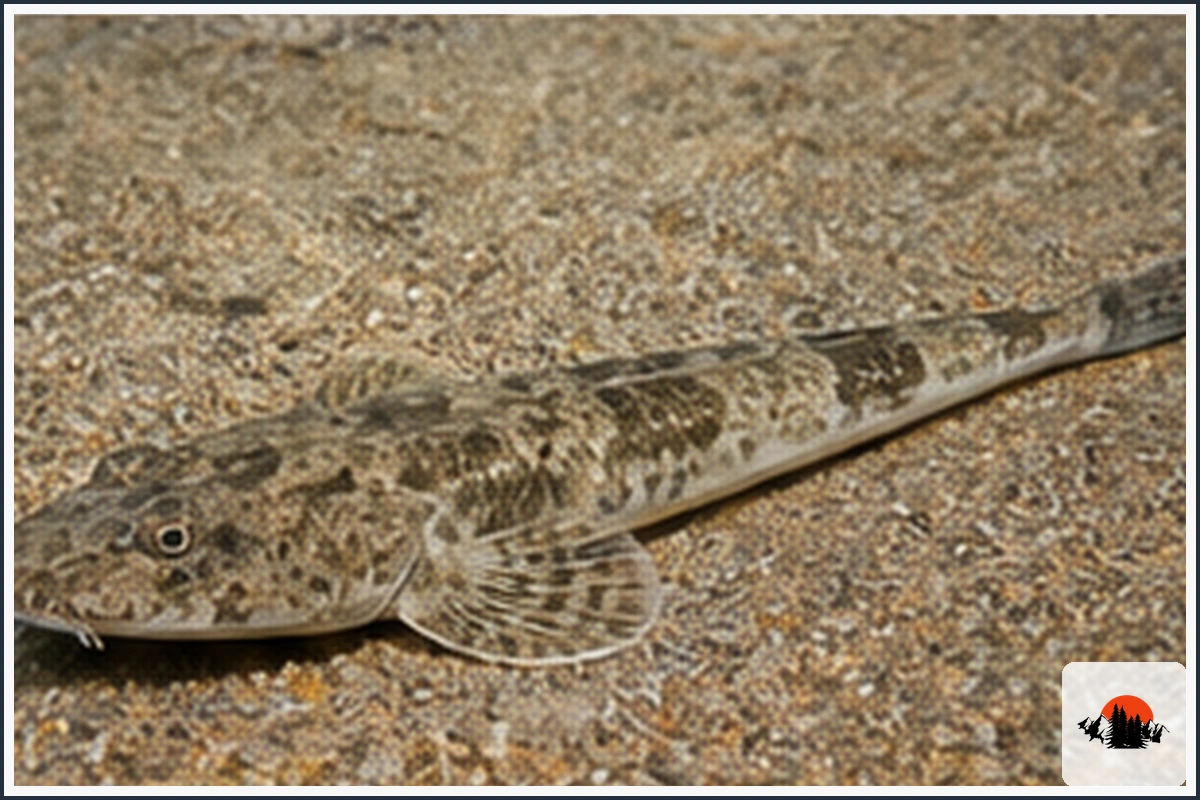
Scientific name: Common flathead belong mainly to the family Platycephalidae. Dusky flathead, Platycephalus fuscus, is one of the best-known species. Flathead have flattened heads, wide mouths, camouflaged bodies, and eyes positioned near the top of the head.
They are common in estuaries, tidal creeks, sandy channels, mudflats, and shallow bays. Flathead bury themselves in sediment and wait for prey such as prawns and smaller fish. Their camouflage makes them difficult to see, but their distinctive broad head and tapered body are useful identification features. Size and possession limits vary by state.
6. Australian Snapper
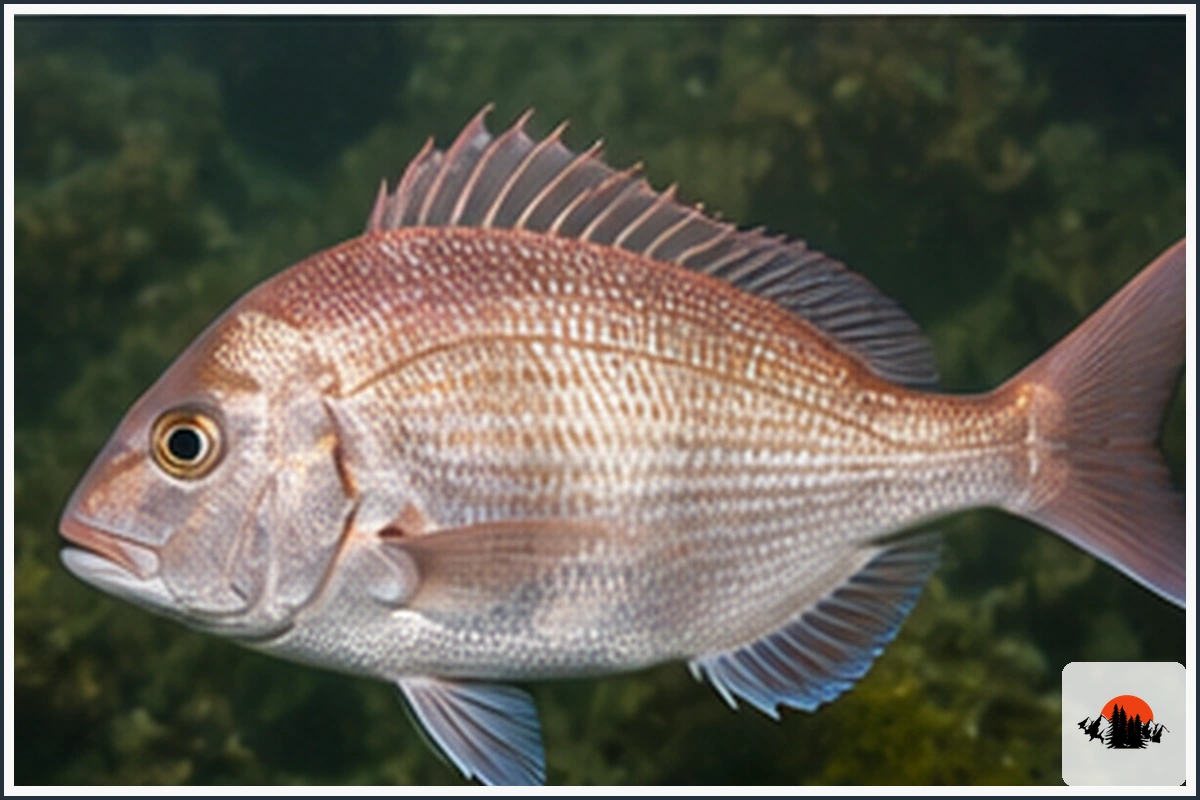
Scientific name: Chrysophrys auratus. Australian snapper has a deep, pinkish or silvery body, a sloping forehead, and strong canine-like teeth. Mature fish may develop a pronounced hump behind the head.
Snapper live around reefs, rocky bottoms, offshore structures, estuaries, and sandy areas. They eat fish, prawns, crabs, mollusks, and other bottom-dwelling prey. Juveniles may enter sheltered coastal waters, while larger adults often occupy deeper reef habitat. Snapper are important recreational and commercial fish, so responsible harvest is essential.
7. Coral Trout
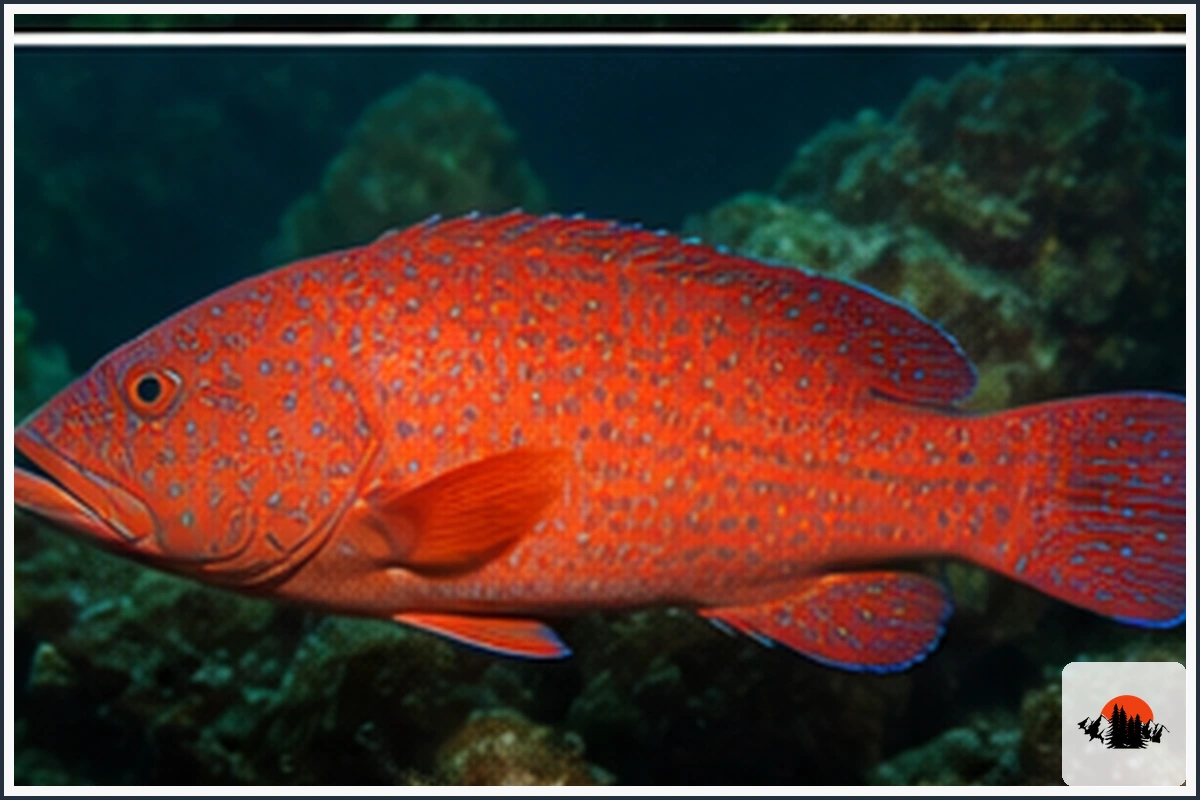
Scientific name: Plectropomus leopardus. Coral trout is a reef fish with a robust body covered in blue, red, or orange spots. The common leopard coral trout is especially valued for its striking appearance and firm white flesh.
It lives around coral reefs, rocky outcrops, drop-offs, and clear tropical coastal waters, particularly along the Great Barrier Reef and northern Australian reefs. Coral trout are ambush predators that eat smaller fish and crustaceans. They are usually associated with reef structure and may defend favored hunting areas.
8. Giant Trevally
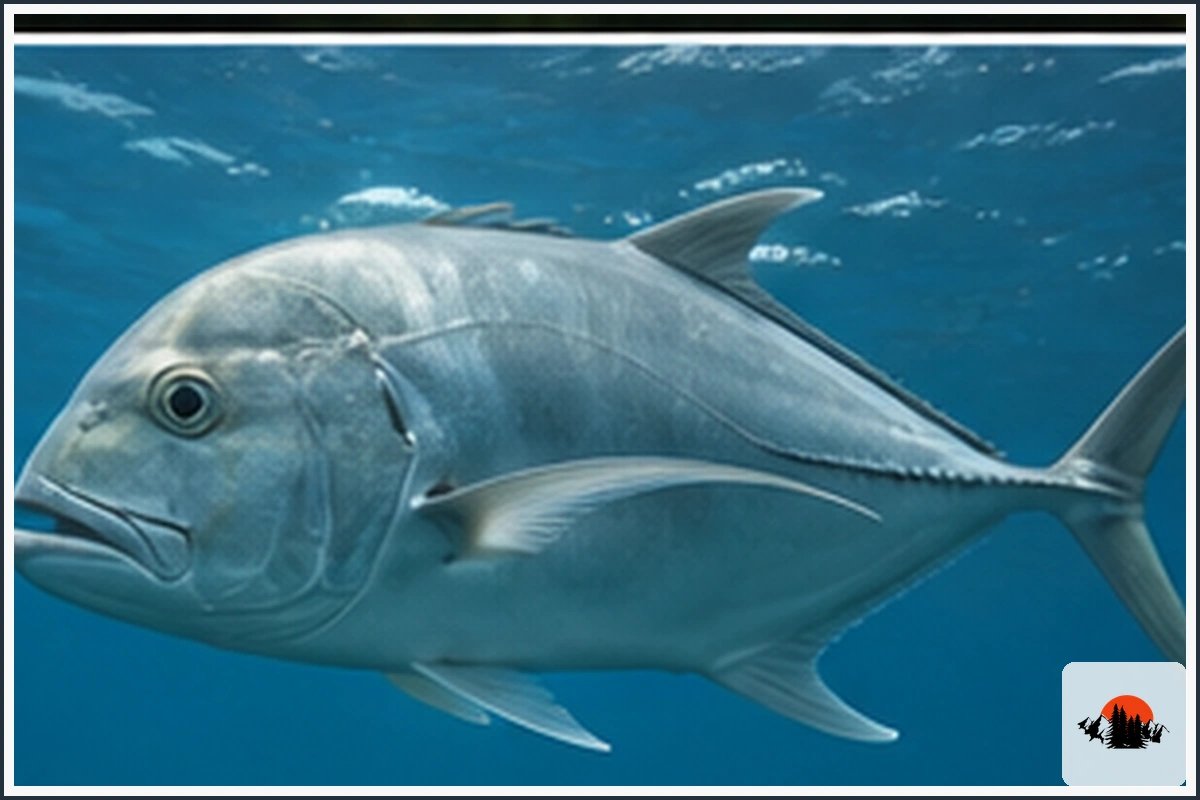
Scientific name: Caranx ignobilis. Giant trevally is a powerful, deep-bodied fish with a large blunt head, strong jaws, and a dark or silvery body. It can grow to well over a metre and is famous for its speed and strength.
This tropical predator occurs around reefs, islands, headlands, channels, and coastal drop-offs. It hunts fish, squid, crustaceans, and occasionally birds. Giant trevally often use current lines and ambush points when feeding. Anglers should handle large fish carefully and support their body during release.
9. Yellowtail Kingfish
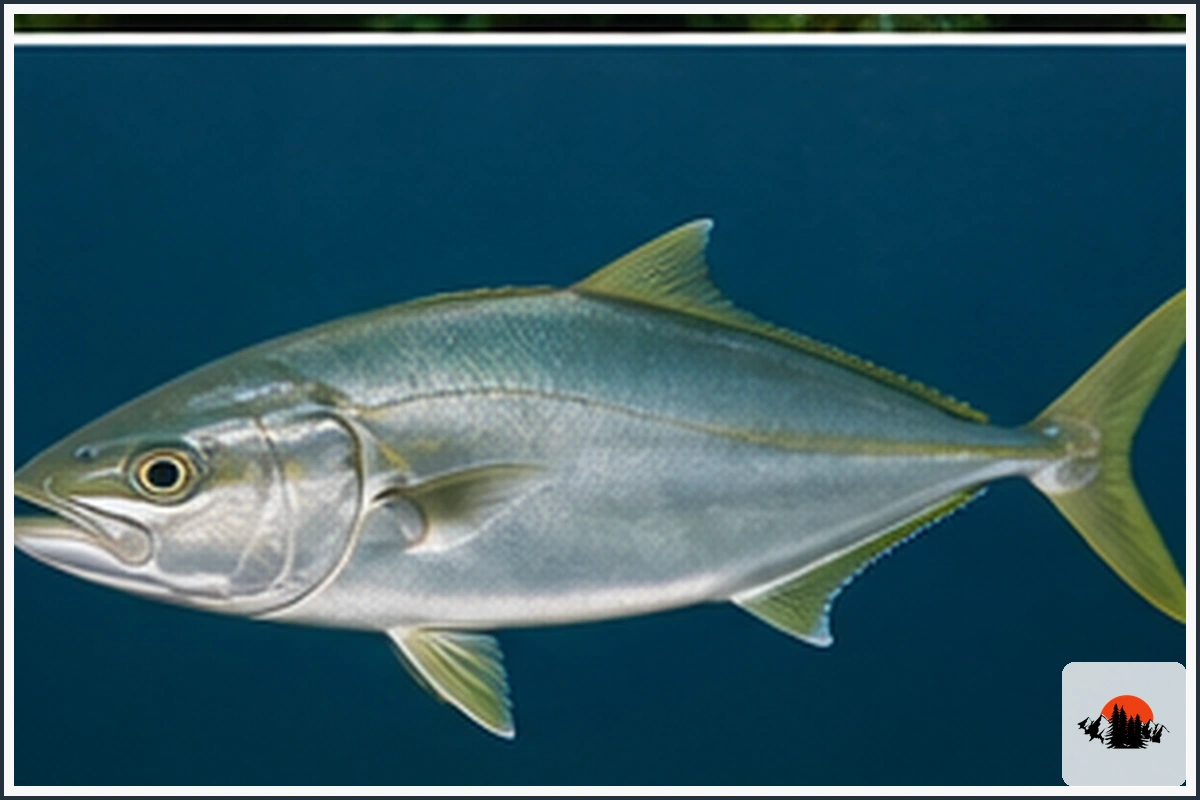
Scientific name: Seriola lalandi. Yellowtail kingfish has a streamlined silver body, a yellow stripe along the side, and a yellowish tail. It is a fast pelagic predator capable of long, powerful runs.
Kingfish commonly occur around reefs, offshore pinnacles, jetties, islands, and current-swept coastal structure. They eat smaller fish, squid, and crustaceans. Schools of juvenile fish may occupy shallower water, while larger adults often patrol deeper structure. Their streamlined shape and yellow lateral stripe help distinguish them from other trevally.
10. Yellowfin Tuna
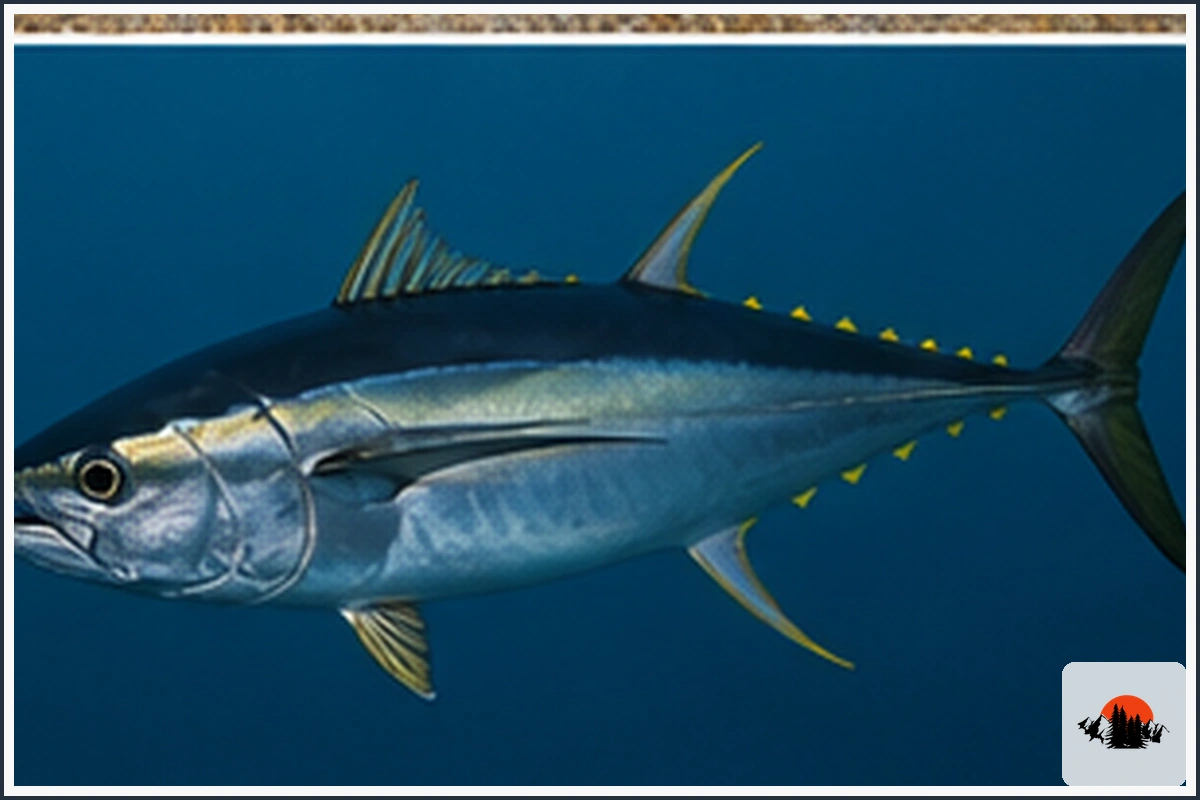
Scientific name: Thunnus albacares. Yellowfin tuna has a torpedo-shaped body, metallic blue-black back, silver sides, and bright yellow fins. It is built for continuous swimming and can cover large distances across tropical and temperate oceans.
Yellowfin tuna feed on fish, squid, and crustaceans. They are found offshore, around current breaks, bait schools, seamounts, and other productive areas. Their warm-water distribution means they are more common in northern and eastern Australian waters, although their range can be broad.
11. Southern Bluefin Tuna
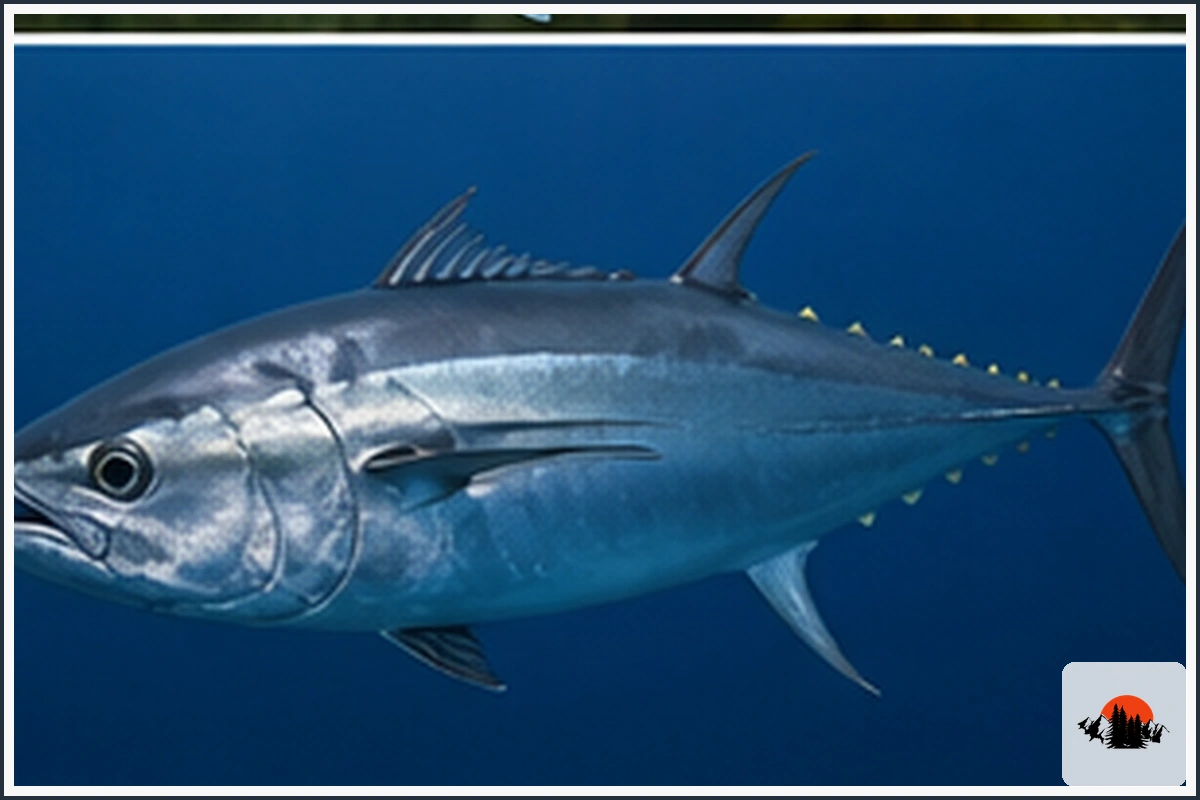
Scientific name: Thunnus maccoyii. Southern bluefin tuna is a large, powerful pelagic fish with a dark blue back and silver underside. It is highly migratory and can maintain impressive swimming speeds.
This species ranges through the southern oceans and Australian waters. It feeds on fish, squid, and crustaceans and plays an important role as a large marine predator. Southern bluefin tuna has faced substantial fishing pressure, so management, quotas, monitoring, and sustainable seafood practices are particularly important.
12. Australian Salmon
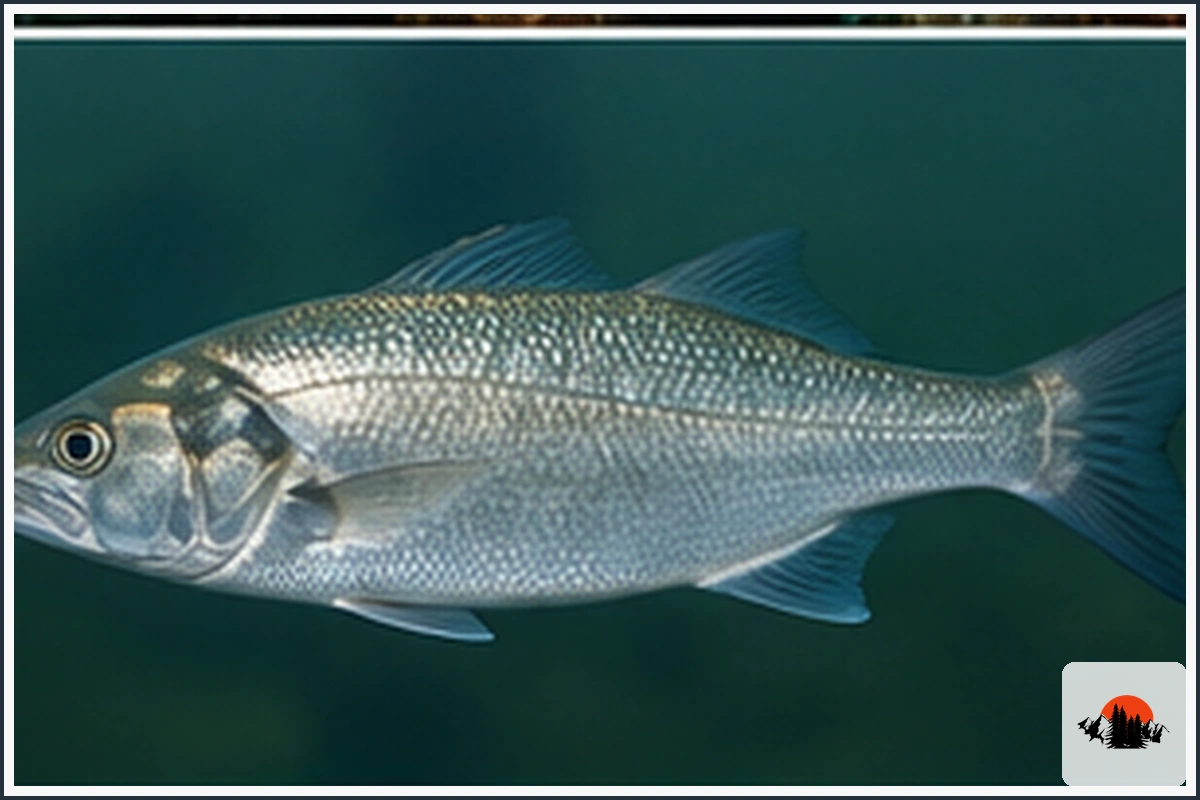
Scientific name: Arripis trutta and Arripis truttaceus. Australian salmon are streamlined coastal fish with dark backs, silver sides, and strong tails. Despite their common name, they are not closely related to North American salmon.
They form schools around beaches, rocky headlands, reefs, bays, and offshore islands. Australian salmon eat smaller fish, squid, and crustaceans. Their schooling behavior makes them an exciting target for shore anglers, especially where baitfish are concentrated.
13. Pink Snapper
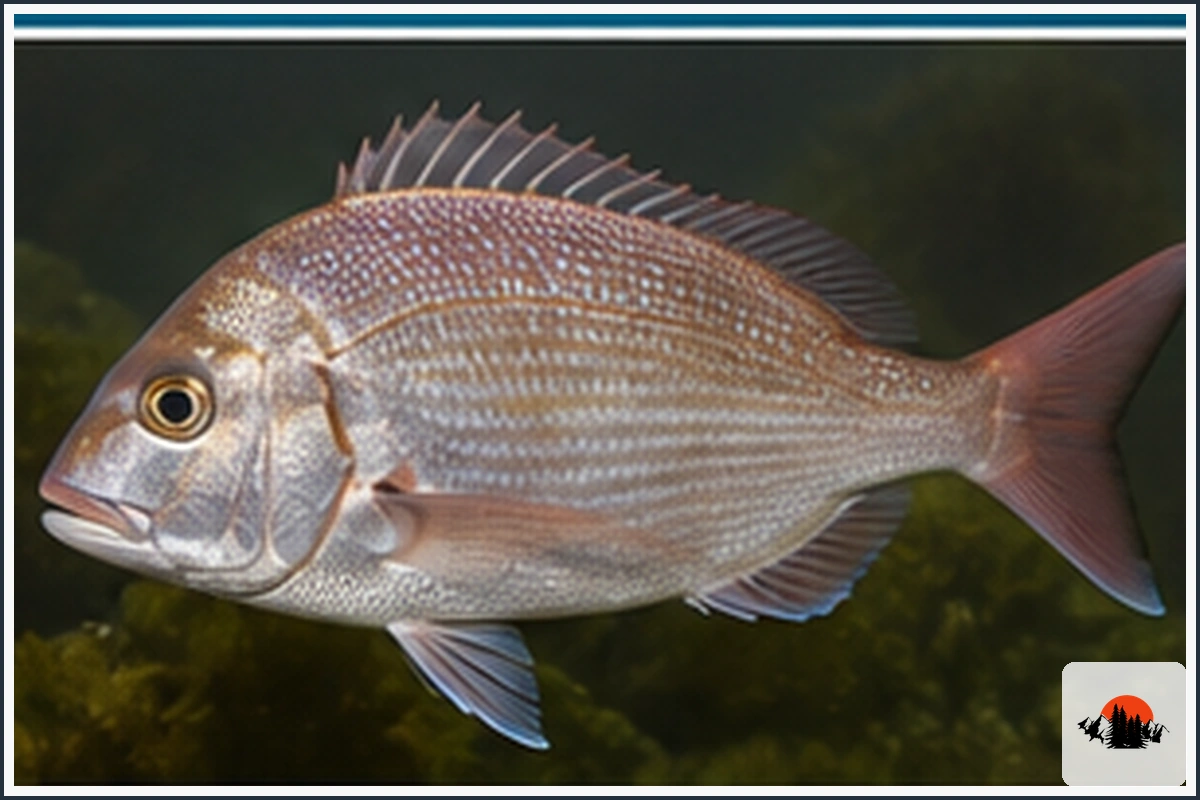
Scientific name: Chrysophrys auratus. Pink snapper is the name commonly used for Australian snapper in many regions. It has pink, bronze, or silver coloring and a strong, deep body.
These fish live near reefs, rubble, sand, seagrass, and offshore structure. They often feed close to the seabed but may rise through the water column when hunting baitfish. Pink snapper are valued as food fish and recreational targets, but local regulations should always be checked before fishing.
14. Mulloway

Scientific name: Argyrosomus japonicus. Mulloway, also known as jewfish in some areas, is a large silver fish with a firm body and distinctive ear stones called otoliths. Large adults can exceed a metre.
Mulloway occur in estuaries, surf zones, coastal rivers, beaches, and offshore reefs. They feed on fish, prawns, and squid and are often more active around low light or moving tides. Deep holes, river mouths, bridges, rock walls, and current edges can provide suitable habitat.
15. Bream
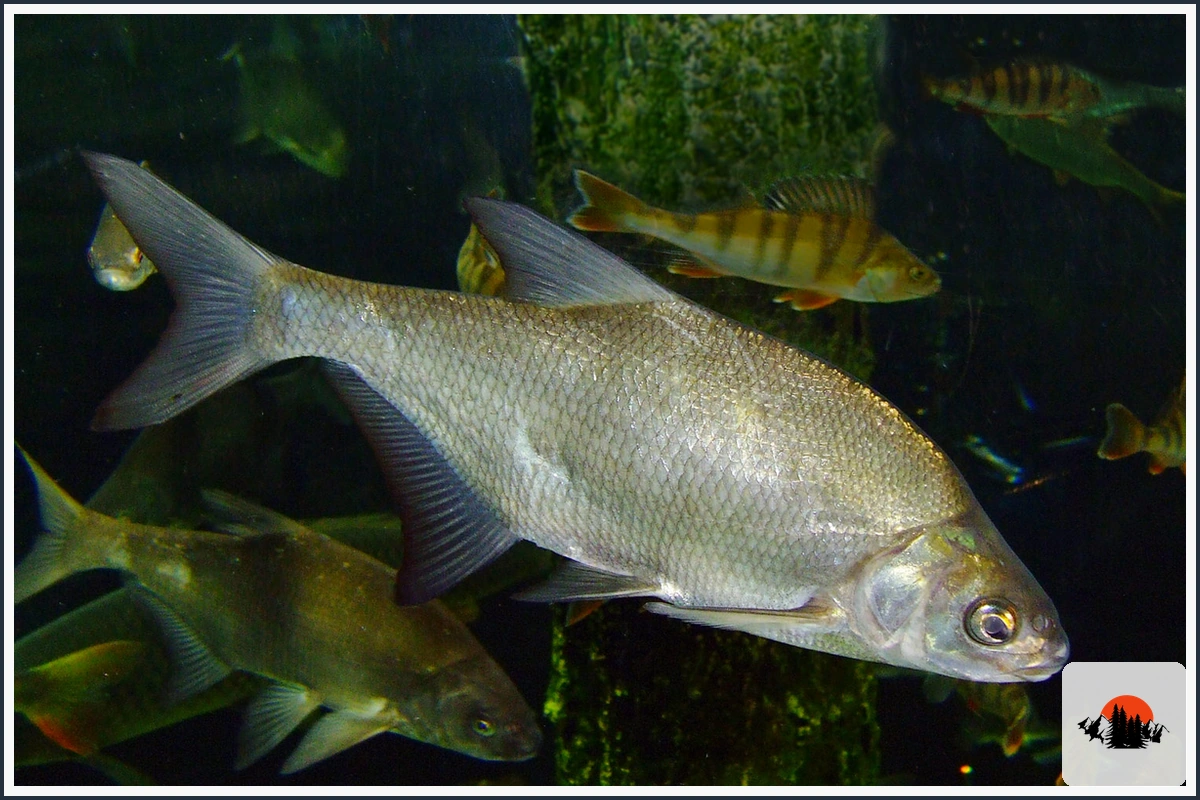
Scientific name: Common Australian bream include Acanthopagrus australis, the yellowfin bream. Bream have deep bodies, silvery sides, yellowish fins, and strong teeth suited to crushing shellfish.
They inhabit estuaries, tidal rivers, mangrove edges, beaches, rock walls, and sheltered bays. Bream eat prawns, crabs, worms, mollusks, and small fish. Their adaptability makes them one of the most accessible coastal fish for beginners, although they can be cautious around artificial lures and fishing line.
16. Black Bream
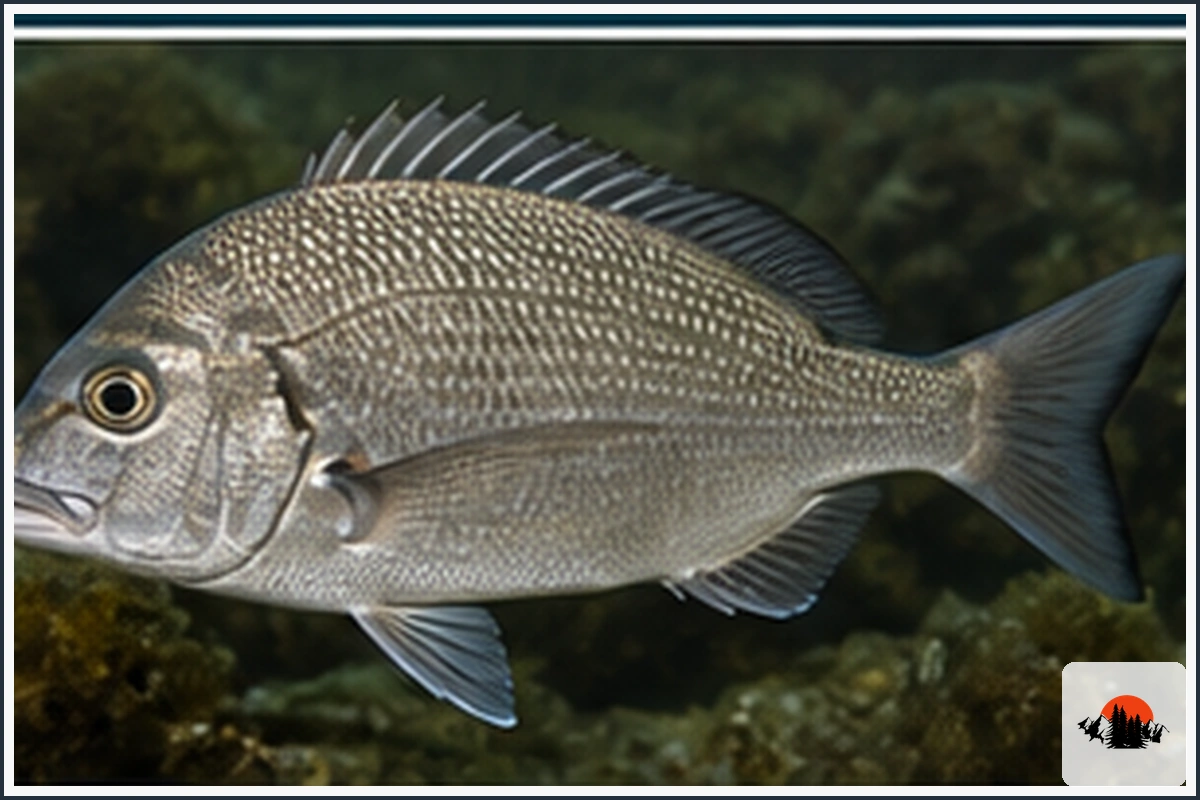
Scientific name: Acanthopagrus butcheri. Black bream has a deep, dark silver to bronze body and strong jaws. It is primarily associated with southern Australian estuaries and coastal rivers.
Black bream tolerate changing salinity and may spend their entire lives within an estuary. They eat crabs, prawns, mollusks, insects, and smaller fish. Structure such as fallen branches, rock bars, bridge pylons, and deep bends often attracts them.
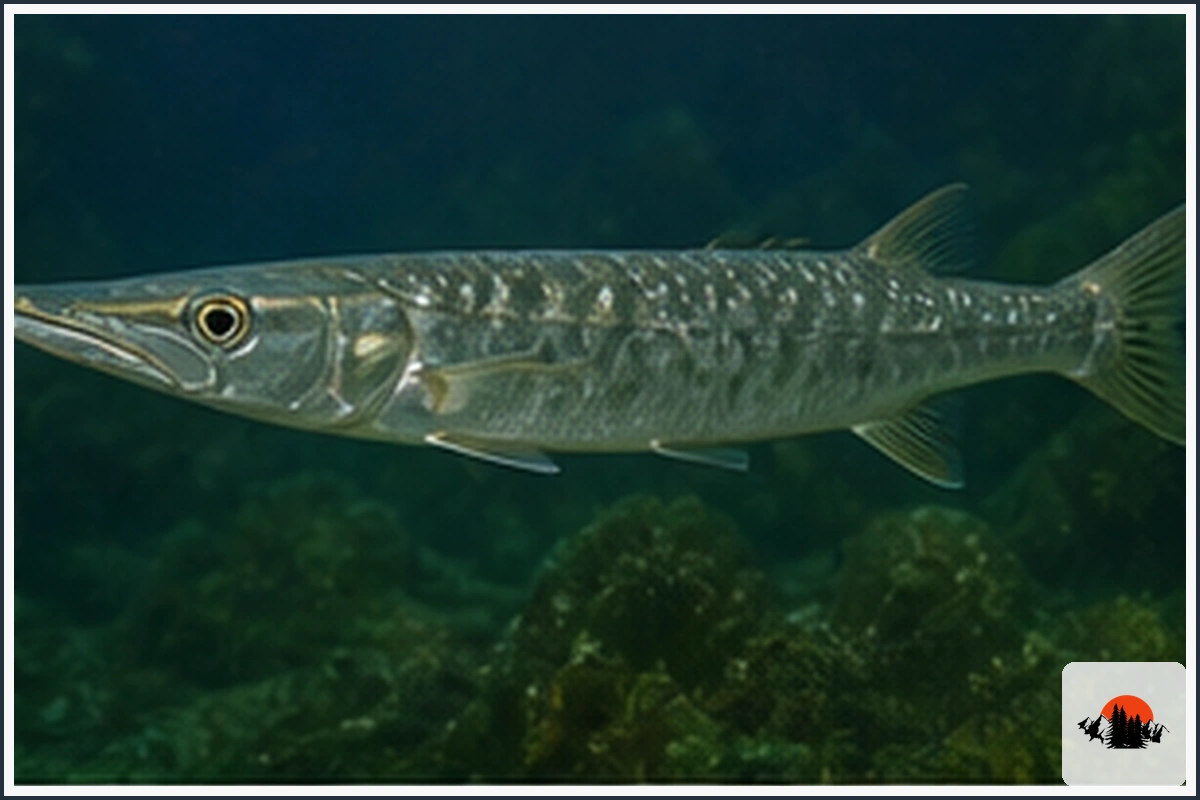
17. Barracuda
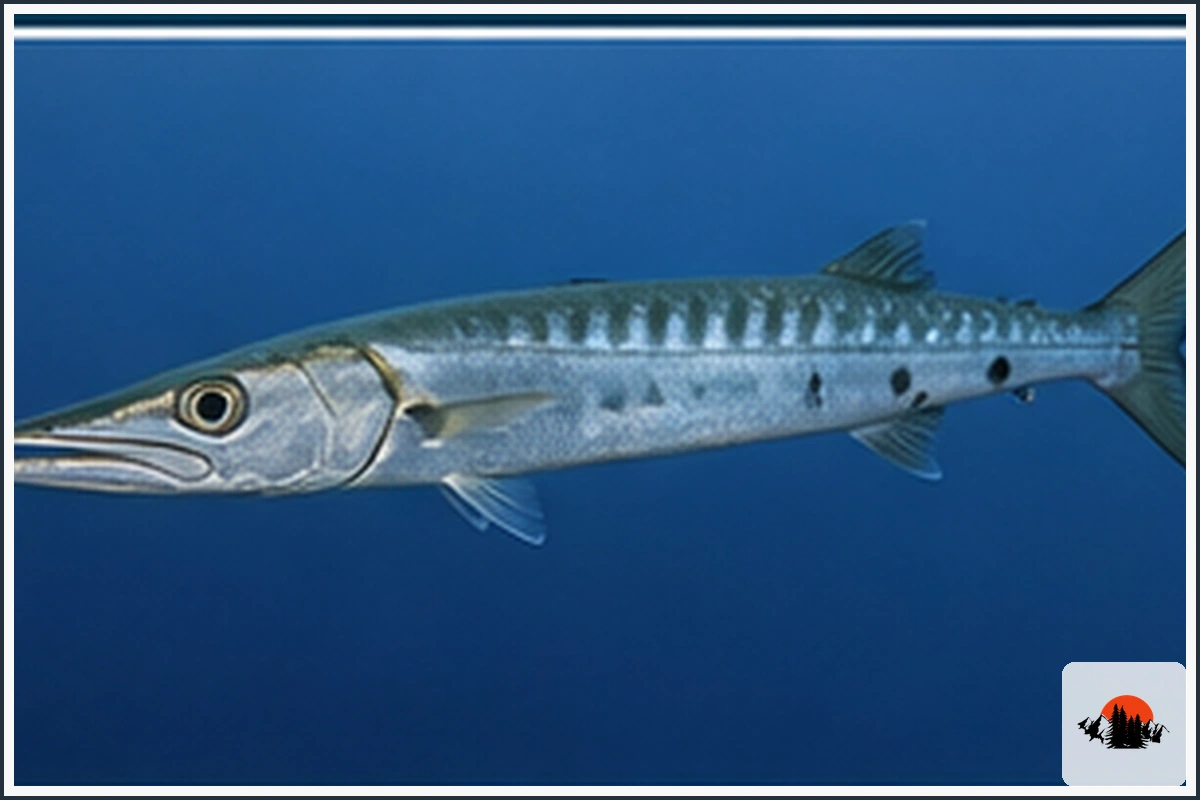
Scientific name: Australian barracuda species include Sphyraena novaehollandiae. Barracuda have long cylindrical bodies, pointed heads, large jaws, and sharp teeth. Their silver coloring and dark lateral markings help them blend into open water.
They occur around reefs, bays, estuaries, jetties, and offshore waters. Barracuda are fast predators that ambush smaller fish. Anglers should avoid placing fingers near the mouth, even when the fish appears calm.
18. Wobbegong Shark
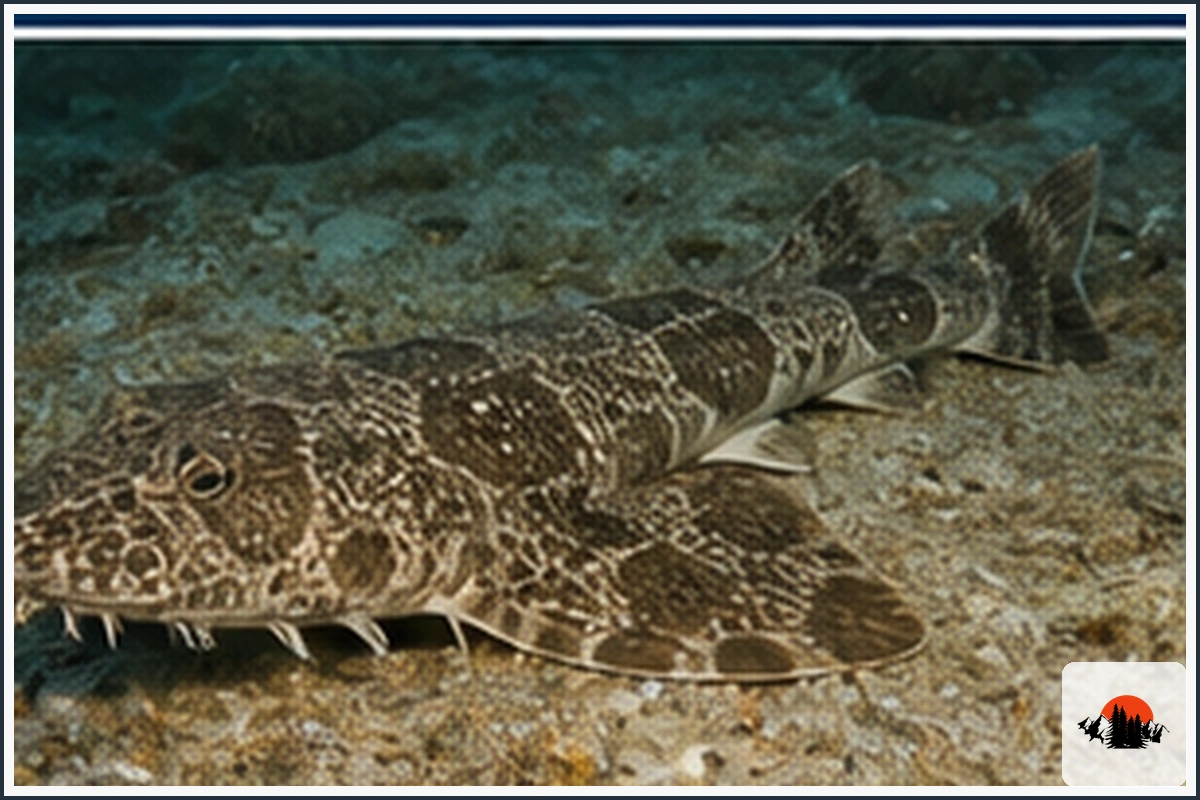
Scientific name: Wobbegongs belong to the family Orectolobidae. These bottom-dwelling sharks have flattened bodies, patterned skin, and fleshy lobes around the head that provide excellent camouflage.
Wobbegongs rest on rocky reefs, sandy bottoms, caves, and ledges along much of Australia’s coast. They eat fish, octopuses, and crustaceans by ambushing prey at close range. They are generally sedentary but should never be stepped on, touched, or handled casually.
19. Bull Shark
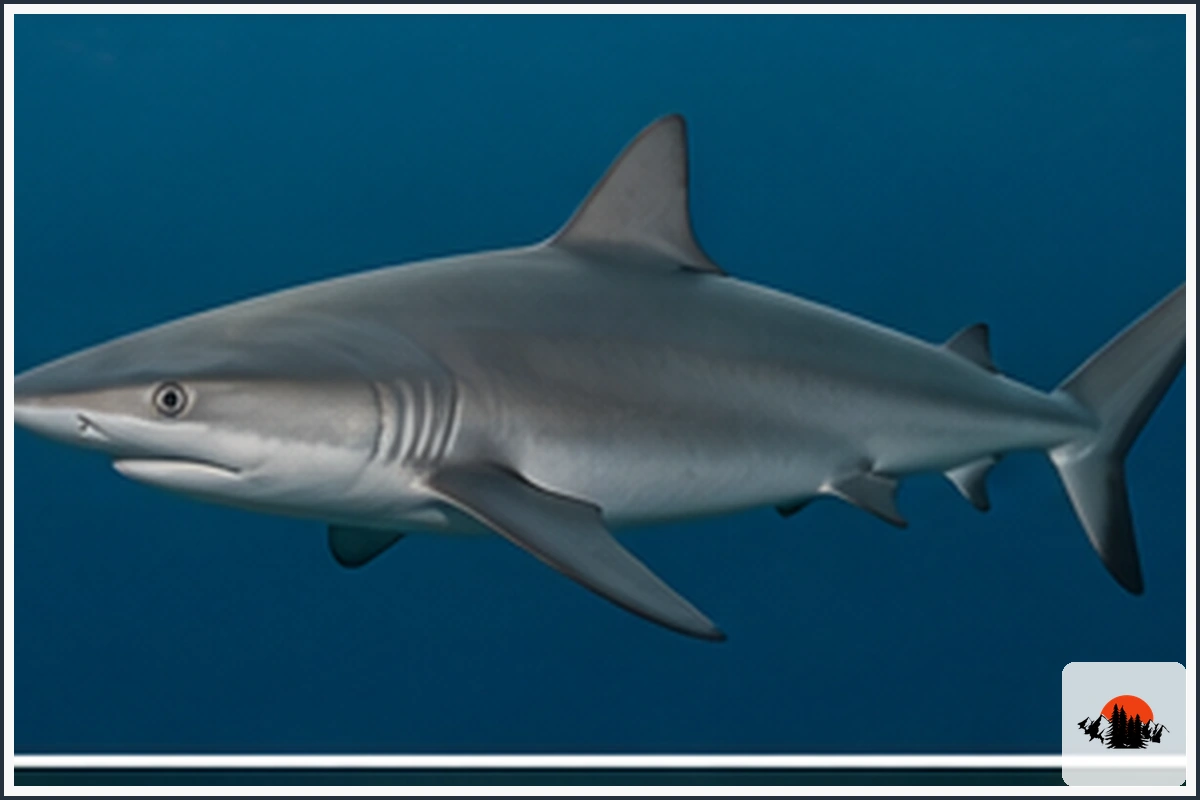
Scientific name: Carcharhinus leucas. Bull sharks have a thick body, broad snout, small eyes, and gray coloring. They are unusual among sharks because they can tolerate low-salinity water and travel far into rivers.
They occur in coastal waters, estuaries, rivers, and tropical or subtropical regions. Bull sharks eat fish, rays, turtles, birds, and other animals. Their presence in rivers is natural, but swimmers and anglers should follow local safety warnings and avoid murky water where visibility is poor.
20. Port Jackson Shark
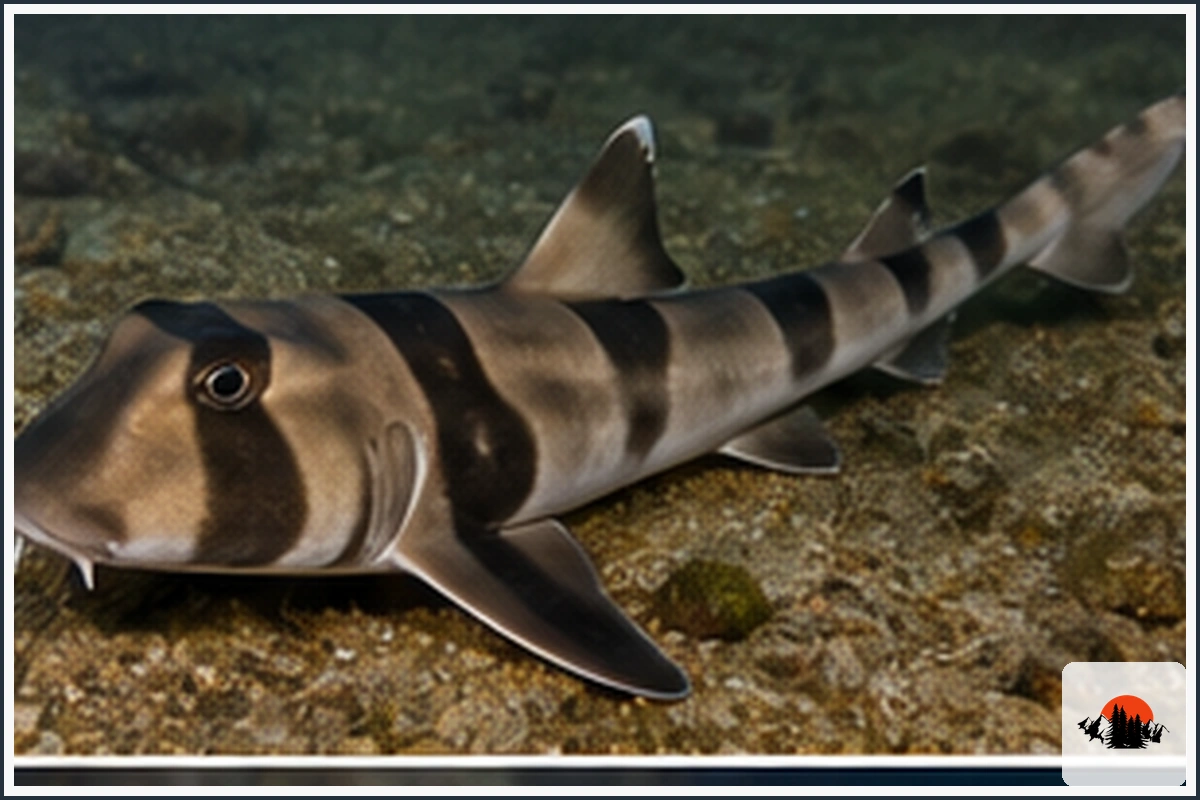
Scientific name: Heterodontus portusjacksoni. Port Jackson sharks have blunt heads, ridged teeth, dark harness-like markings, and a distinctive body shape. They are generally slow-moving bottom feeders.
This species lives around rocky reefs, caves, sandy seabeds, and coastal waters of southern Australia. It feeds on shellfish, sea urchins, worms, and other bottom-dwelling animals. Port Jackson sharks are harmless to observe when left undisturbed.
21. Eastern Blue Groper
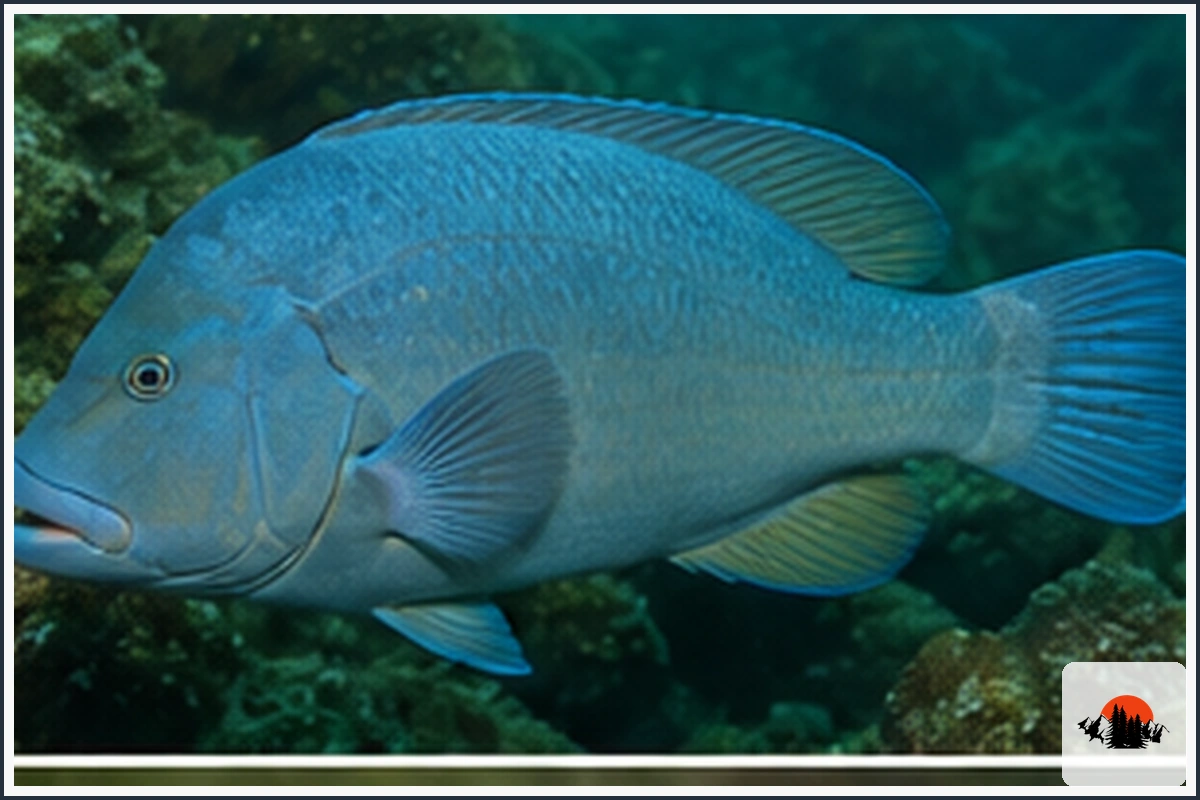
Scientific name: Achoerodus viridis. Eastern blue groper is a large wrasse with thick lips and a powerful body. Adults may be blue-green, while younger fish can have different reddish, brown, or spotted patterns.
They inhabit rocky reefs, kelp forests, caves, and coastal reefs along eastern Australia. Blue gropers crush crabs, shellfish, sea urchins, and other hard-bodied prey. They are curious and important reef animals, but in many areas they are protected or subject to strict regulations.
22. Queensland Grouper
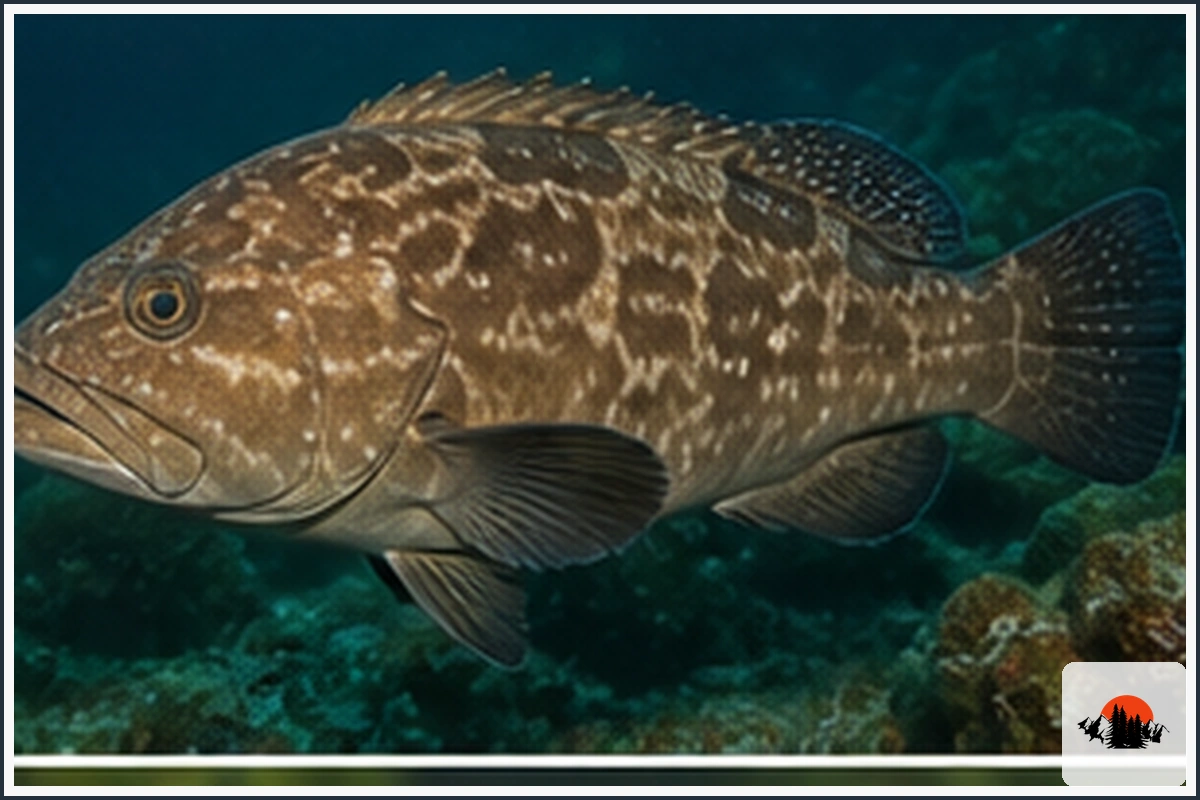
Scientific name: Epinephelus lanceolatus. Queensland grouper, also called the giant grouper, is one of the largest reef fish in the world. It has a broad head, large mouth, thick body, and mottled coloration.
It lives around coral reefs, rocky reefs, caves, wrecks, and coastal structure in tropical Australian waters. Queensland groupers ambush fish, crustaceans, and other prey. Their slow growth and large size make them vulnerable to overharvesting, so conservation protection is important.
23. Barramundi Cod
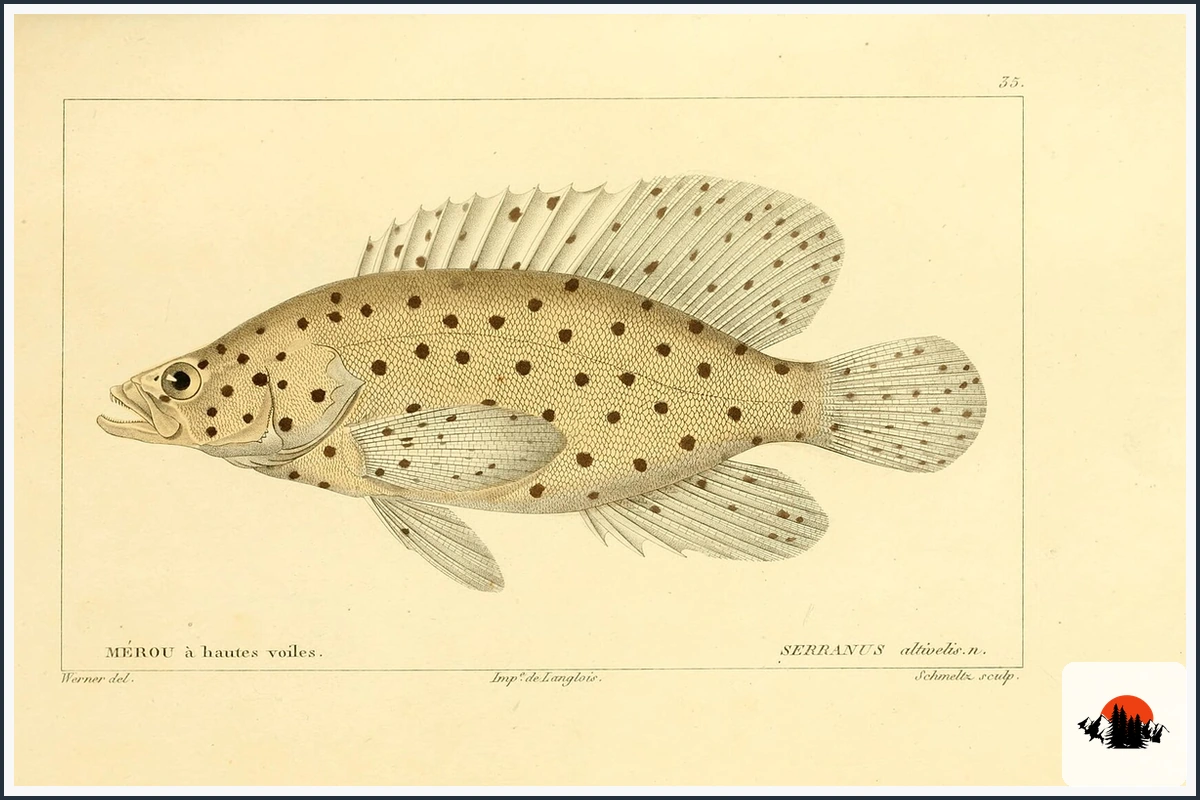
Scientific name: Cromileptes altivelis. Barramundi cod has a high dorsal fin, pale body, dark spots, and a distinctive sloping profile. Despite its common name, it is a reef grouper rather than a freshwater barramundi.
This species lives around tropical reefs, rubble, caves, and coastal structure. It feeds on fish and crustaceans by remaining still and striking suddenly. Its unusual body shape and spotted pattern make identification easier for divers and reef observers.
24. Rainbowfish
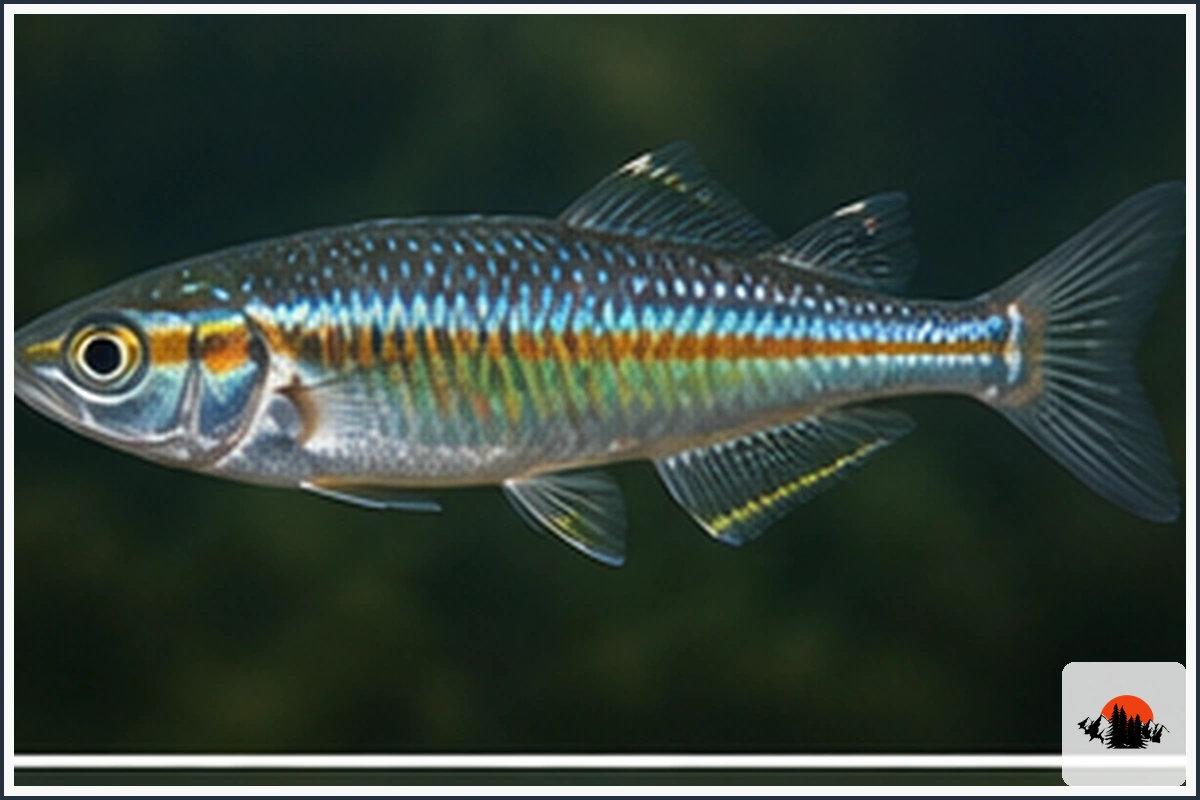
Scientific name: Rainbowfish belong to the family Melanotaeniidae. They are small, colorful freshwater fish with reflective scales, slender bodies, and often bright blue, red, yellow, or orange markings.
Australia has many native rainbowfish species, especially in northern rivers, streams, billabongs, and wetlands. They eat algae, small aquatic insects, tiny crustaceans, and plant matter. Rainbowfish are popular aquarium species, but captive fish should never be released into natural waterways.
25. Saratoga
Scientific name: Australian saratoga include Scleropages jardinii and Scleropages leichardti. Saratoga have long bodies, large scales, upturned mouths, and distinctive patterns. Northern saratoga occur in tropical northern Australia, while southern saratoga are associated with the Fitzroy River system in Queensland.
They inhabit slow rivers, billabongs, lagoons, and wetlands. Saratoga feed near the surface on insects, small fish, frogs, and crustaceans. Their ability to strike upward makes overhanging vegetation and shaded banks productive habitat.
26. Freshwater Catfish
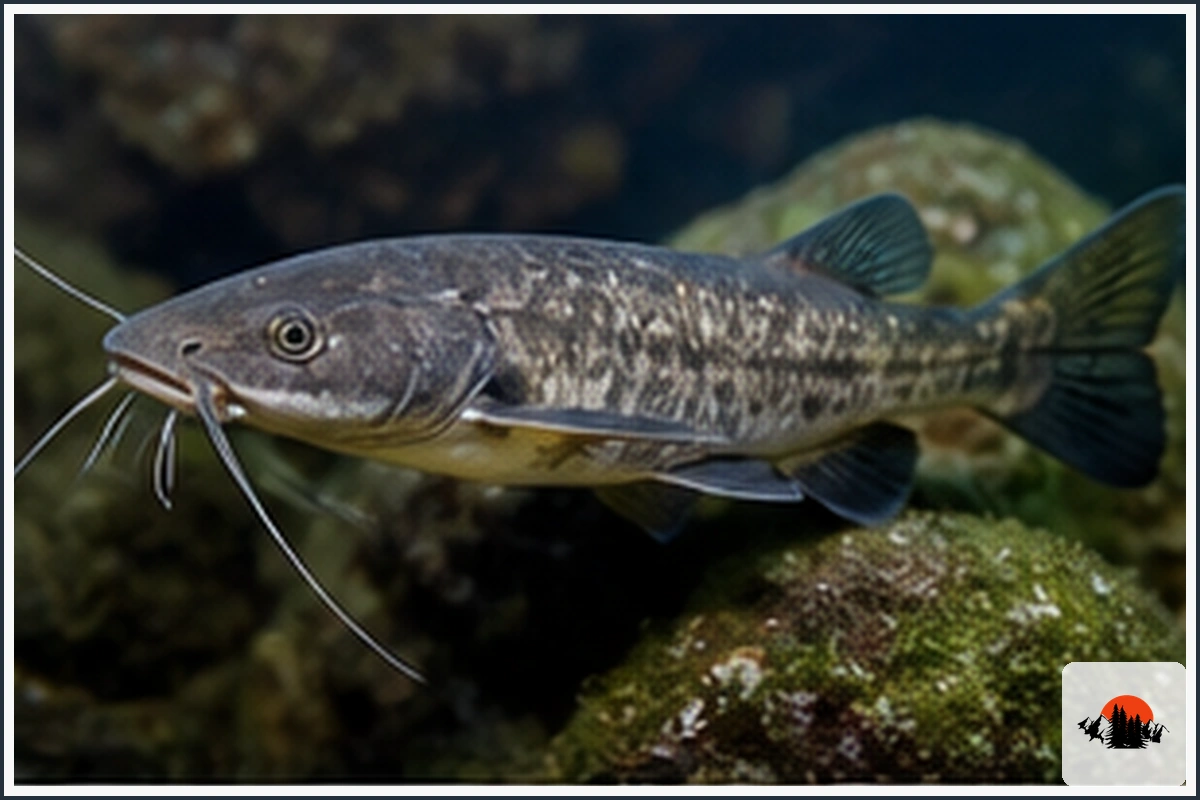
Scientific name: Australian freshwater catfish include species such as Tandanus tandanus. These fish have smooth scaleless bodies, whisker-like barbels, rounded fins, and bottom-oriented behavior.
They live in rivers, lakes, billabongs, and slow-moving freshwater habitats. Catfish use their barbels to locate food such as insects, crustaceans, mollusks, and small fish. Healthy populations depend on clean water, stable river flows, cover, and suitable nesting areas.
27. Sleepy Cod
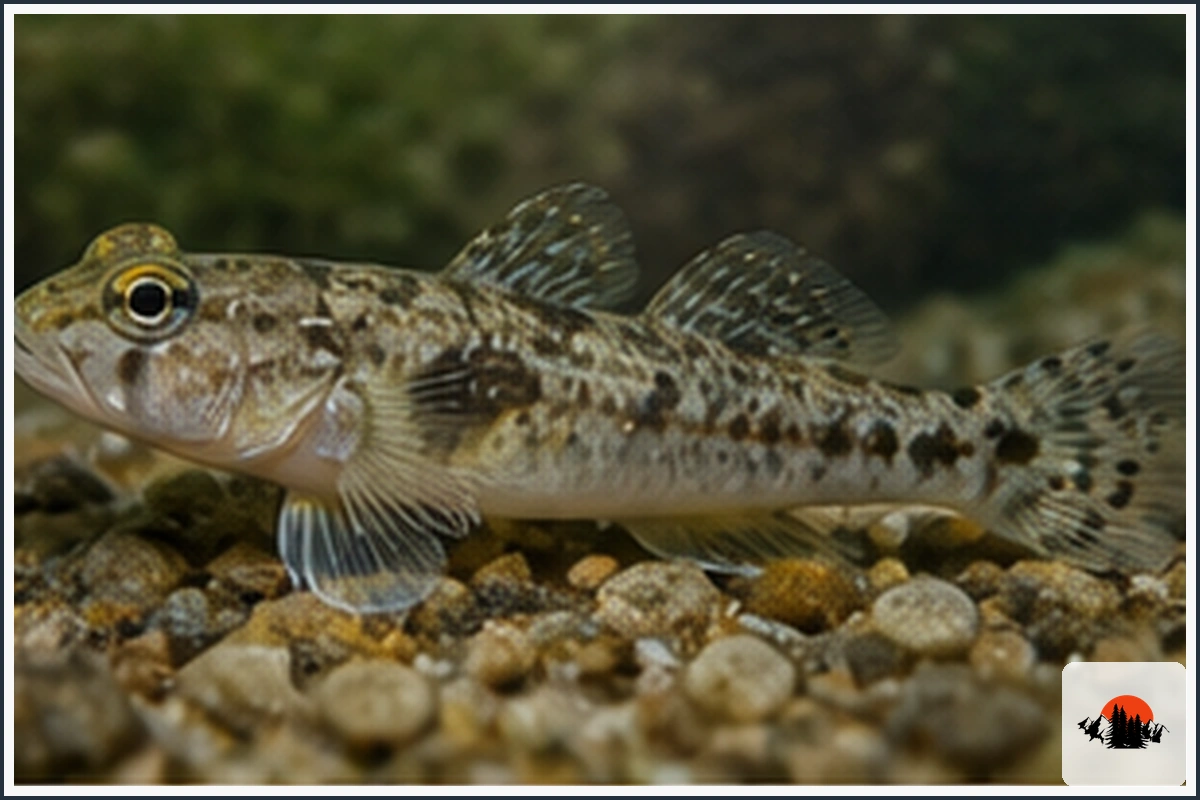
Scientific name: Oxyeleotris lineolata. Sleepy cod is a freshwater gudgeon with a stocky body, broad head, and mottled coloration. It is native to northern Australian waterways.
These fish occupy rivers, lagoons, billabongs, and other slow-moving habitats. They remain close to cover and feed on small fish, crustaceans, insects, and aquatic animals. Their common name reflects their slow, resting appearance, although they can strike quickly when prey comes close.
28. Crimson-Spotted Rainbowfish
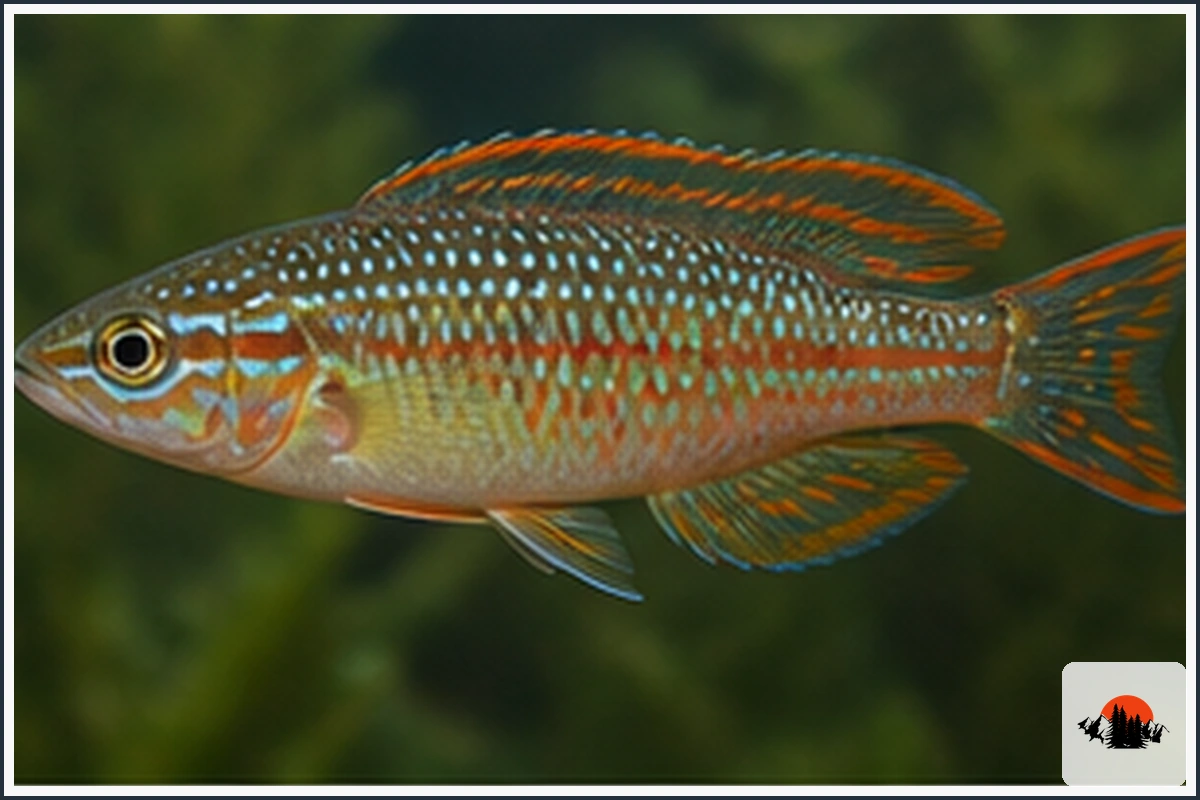
Scientific name: Melanotaenia duboulayi. This small freshwater fish has a slender body with iridescent blue, silver, yellow, and reddish markings. Males are often more vividly colored than females.
Crimson-spotted rainbowfish occur in coastal streams and rivers of eastern Australia. They prefer clear water, aquatic plants, woody cover, and gentle current. Their peaceful behavior and manageable size have made them popular in home aquariums.
29. Australian Lungfish
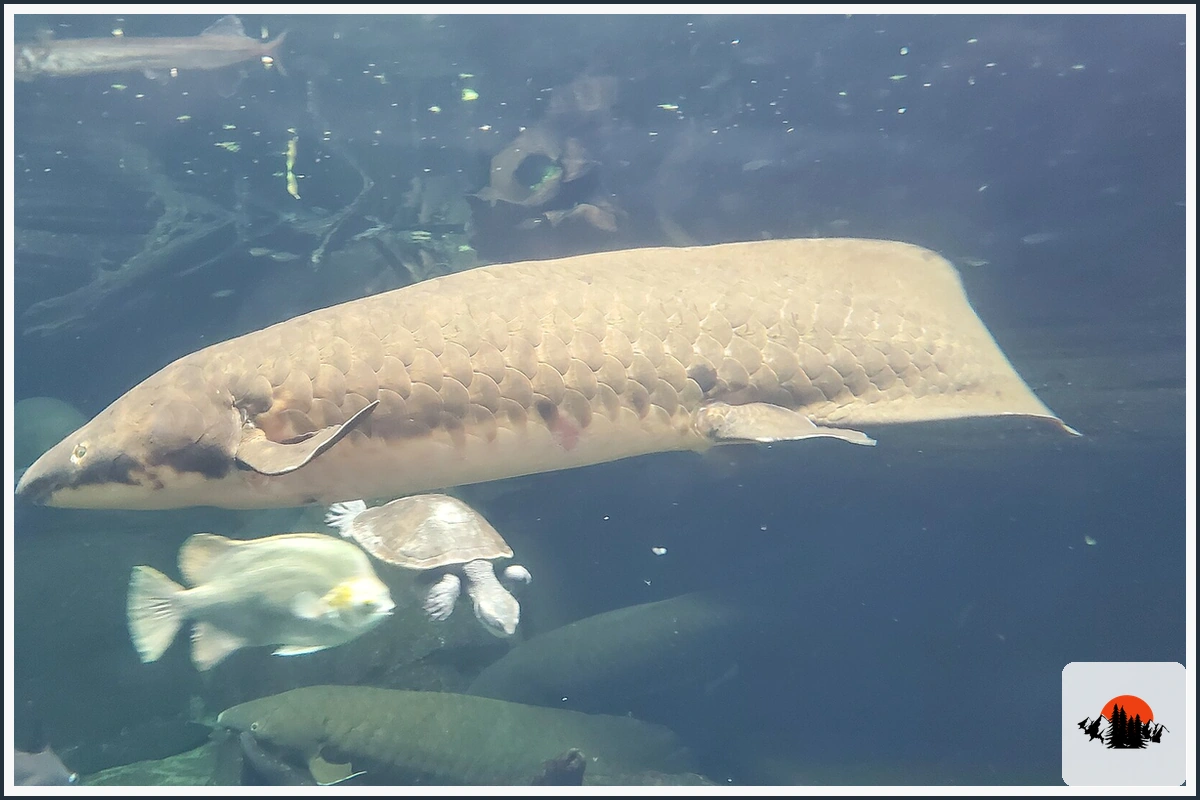
Scientific name: Neoceratodus forsteri. Australian lungfish is an ancient freshwater fish with a long, heavy body, paddle-like fins, and a single functional lung that allows it to breathe atmospheric air.
It is native mainly to southeastern Queensland, including the Burnett and Mary river systems and some protected waters. Australian lungfish feed on aquatic vegetation, small animals, and organic material. They are protected and should never be collected from the wild. Their survival depends on healthy river habitat and appropriate flow conditions.
30. Southern Pygmy Perch
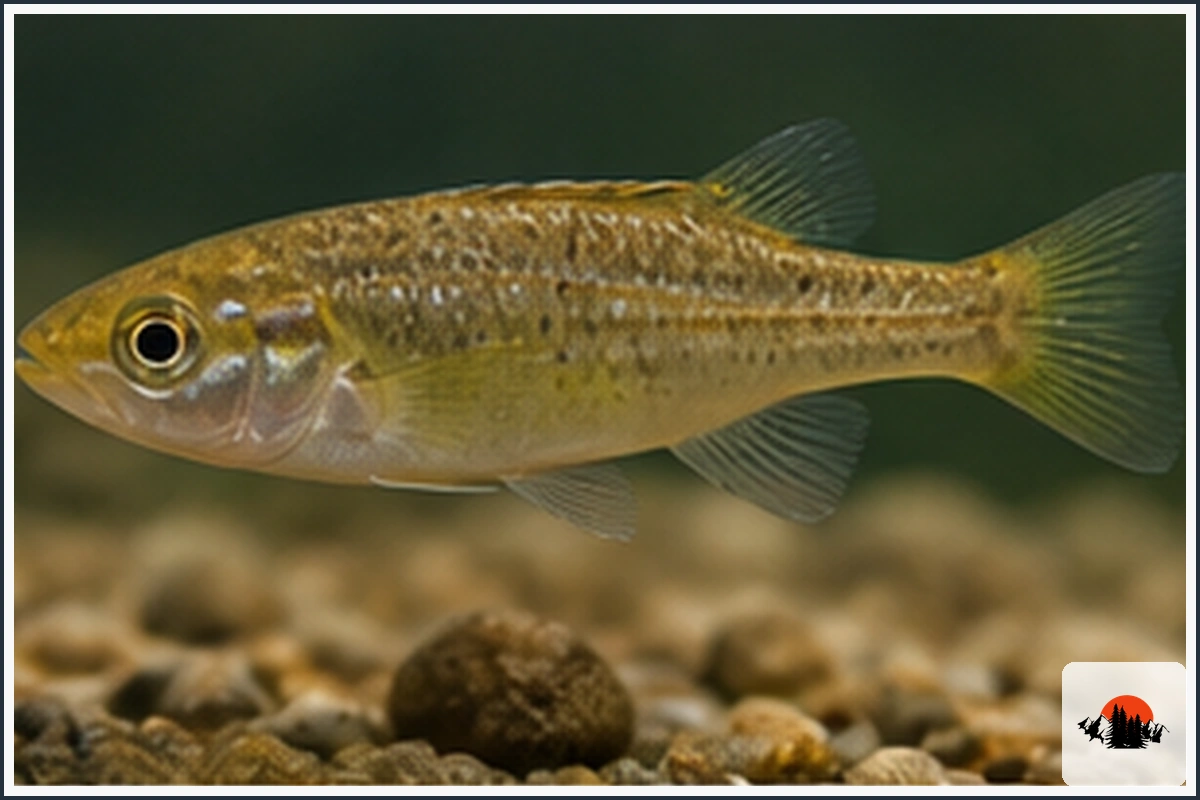
Scientific name: Southern pygmy perch species belong to the genus Nannoperca. These small freshwater fish have compact bodies, rounded fins, and attractive golden, olive, or reddish markings.
They occur in slow streams, wetlands, swamps, and vegetated freshwater habitats in southern Australia. They eat tiny crustaceans, insect larvae, and other small aquatic organisms. Dense aquatic plants and clean, well-connected wetlands are especially important for their survival.
How Are These Types of Fish Classified?
Australian fish can be classified in several practical ways:
- Habitat: Freshwater, estuarine, coastal, reef, offshore, and deep-water fish occupy different environments.
- Body structure: Sharks, rays, bony fish, lungfish, catfish, wrasse, groupers, and tuna have different skeletons and adaptations.
- Feeding behavior: Some are ambush predators, while others graze on plants, sift sediment, crush shellfish, or pursue baitfish.
- Life cycle: Species such as Australian bass and barramundi may move between freshwater and saltwater during their lives.
- Taxonomy: Scientific classification groups fish by evolutionary relationships rather than simply by appearance or fishing value.
Where Do These Fish Live?
Australia’s fish live across a wide range of habitats. Tropical species occur around northern reefs, mangroves, tidal creeks, and warm coastal waters. Temperate fish use southern reefs, rocky shores, kelp forests, beaches, and estuaries. Inland species inhabit the Murray-Darling Basin, northern rivers, billabongs, wetlands, and isolated freshwater systems.
Water temperature, salinity, river flow, shelter, food supply, and breeding habitat all influence where a species can survive. Floods may connect rivers and wetlands, allowing some freshwater fish to disperse, while drought and barriers can isolate populations.
How to Identify Different Types of Fish in Australia
- Check body shape: A flat head, deep body, torpedo shape, or long cylindrical form can quickly narrow identification.
- Look at the fins: Count or compare dorsal fins, tail shape, fin color, and the position of the pelvic fins.
- Notice markings: Stripes, spots, bars, yellow lateral lines, and reef patterns are useful clues.
- Consider habitat: A fish found in a freshwater billabong is unlikely to be a fully marine reef species.
- Estimate size carefully: Size helps, but young fish can look very different from adults.
- Observe behavior: Schooling, bottom-resting, surface feeding, ambushing, and fast open-water swimming are valuable clues.
- Use location: State, river system, coastline, water temperature, and salinity can distinguish similar species.
- Take a photograph: Photograph the side of the fish and note the exact location before using a regional field guide.
Fishing Tips and Notes
Match your approach to the habitat and species. Estuary fish such as bream and flathead often respond to lightly presented lures or natural baits around channels, weed edges, rock walls, and structure. Barramundi and Australian bass are commonly targeted near snags, shaded banks, drop-offs, and current changes. Reef species such as coral trout and snapper are associated with structure, while tuna and kingfish often follow bait schools offshore.
Use tackle strong enough for the fish and surroundings, handle fish with wet hands, support larger fish horizontally, and release unwanted catches quickly. Always check the fishing rules for the state or territory where you are fishing.
Safety, Sustainability, and Conservation Notes
- Check current size, possession, seasonal, gear, and protected-area rules before fishing.
- Do not handle sharks, barracuda, large groupers, or other potentially dangerous fish without proper knowledge.
- Never release aquarium fish, bait, plants, or live food into Australian waterways.
- Use sustainable seafood choices and follow local guidance for vulnerable species such as southern bluefin tuna.
- Protect riverbank vegetation, wetlands, mangroves, seagrass, and reef habitat.
- Remove fishing line, hooks, and rubbish from the environment.
- Take photographs instead of collecting protected native fish.
- Report unusual fish deaths, invasive species, or pollution to the relevant environmental authority.
Fun Facts About Fish in Australia
- Australia has both freshwater and marine fish found nowhere else in the world.
- Murray cod is Australia’s largest freshwater fish.
- Barramundi can live in both fresh and salt water.
- Australian lungfish can breathe air using a functional lung.
- Rainbowfish are popular aquarium fish because of their bright colors.
- Wobbegong sharks rely on camouflage rather than constant swimming.
- Port Jackson sharks crush shellfish with specialized teeth.
- Giant trevally are among the strongest reef predators in Australian waters.
- Australian salmon are not closely related to northern hemisphere salmon.
- Some Australian fish migrate between rivers, estuaries, and the sea during their life cycle.
Final Thoughts on Types of Fish in Australia
The types of fish in Australia range from tiny rainbowfish and southern pygmy perch to giant groupers, tuna, sharks, and iconic barramundi. Learning to identify fish by body shape, habitat, markings, behavior, and location makes fishing and wildlife observation more rewarding. Explore responsibly, follow local rules, and help protect the rivers, wetlands, reefs, estuaries, and oceans these remarkable fish depend on.
Frequently Asked Questions
1. What are the most common types of fish in Australia?
Commonly encountered fish include bream, flathead, Australian snapper, Australian salmon, rainbowfish, golden perch, barramundi, and various reef species. Availability depends strongly on region and habitat.
2. What is Australia’s most famous fish?
Barramundi is one of Australia’s most famous fish because of its size, fighting ability, northern distribution, and cultural importance to recreational fishing.
3. What is Australia’s largest freshwater fish?
Murray cod is generally recognized as Australia’s largest freshwater fish. Very large individuals can exceed a metre in length.
4. Are barramundi freshwater or saltwater fish?
Barramundi can live in both freshwater and saltwater. They often move between rivers, estuaries, coastal lagoons, and the sea during their life cycle.
5. What freshwater fish are native to Australia?
Native freshwater fish include Murray cod, golden perch, Australian bass, saratoga, Australian lungfish, rainbowfish, freshwater catfish, sleepy cod, and southern pygmy perch.
6. What saltwater fish are common in Australia?
Common marine species include snapper, flathead, coral trout, giant trevally, yellowtail kingfish, Australian salmon, tuna, mulloway, sharks, and many reef fish.
7. What is the best fish to catch in Australia?
The best target depends on location and experience. Bream and flathead are accessible for beginners, while barramundi, giant trevally, tuna, and kingfish provide challenging sport fishing.
8. What fish are popular with Australian anglers?
Barramundi, Murray cod, golden perch, Australian bass, snapper, flathead, mulloway, coral trout, kingfish, and tuna are popular recreational targets.
9. Are Australian fish safe to eat?
Many Australian fish are eaten safely when legally caught, properly handled, and fully cooked. Follow local health advisories, especially for fish from polluted waters or areas with consumption warnings.
10. What is the difference between Australian salmon and true salmon?
Australian salmon belong to the family Arripidae and are not closely related to the salmon species of the Northern Hemisphere.
11. What fish live in the Murray-Darling Basin?
Murray cod, golden perch, silver perch, freshwater catfish, carp gudgeons, and several other native species live in parts of the Murray-Darling Basin.
12. Are rainbowfish native to Australia?
Yes. Australia has many native rainbowfish species, particularly in northern and eastern freshwater systems.
13. Can Australian freshwater fish live in aquariums?
Some species, including rainbowfish and selected smaller native fish, can be kept in suitable aquariums. Care requirements, tank size, legal restrictions, and ethical sourcing must be considered first.
14. Can wild fish be taken home as aquarium pets?
Usually, wild fish should not be collected without checking local laws and conservation rules. Captive-bred fish from responsible sources are generally a better choice.
15. What fish can live in both rivers and the ocean?
Barramundi and Australian bass are examples of fish that may use freshwater, estuarine, and marine environments during their lives.
16. What Australian fish are dangerous?
Bull sharks, barracuda, stingrays, stonefish, and some large predatory fish can cause injury if handled or approached carelessly. Observe wildlife from a safe distance.
17. Are wobbegong sharks dangerous?
Wobbegongs are usually calm when left alone, but they can bite if stepped on, touched, or restrained. Never handle one casually.
18. What do Australian freshwater fish eat?
Depending on the species, freshwater fish eat insects, insect larvae, prawns, crayfish, mollusks, smaller fish, frogs, algae, aquatic plants, and organic material.
19. What do reef fish in Australia eat?
Many reef fish eat smaller fish, squid, crabs, prawns, mollusks, sea urchins, or algae. Feeding strategies vary widely between species.
20. How can I identify an Australian fish?
Record the location, habitat, size, body shape, color, markings, fin structure, and behavior. A regional field guide or fish identification app can then help confirm the species.
21. Why are some Australian fish protected?
Protection may be needed because of slow growth, limited distribution, habitat loss, overfishing, breeding-season vulnerability, or declining populations.
22. What is the smallest fish in Australia?
Australia has numerous tiny native fish, including small gobies, gudgeons, pygmy perch, and other species. The exact smallest species depends on how juveniles and adults are compared.
23. What fish live in Australian estuaries?
Estuaries may contain bream, flathead, mulloway, barramundi, Australian bass, mullet, juvenile snapper, sharks, rays, and many smaller baitfish.
24. Why are estuaries important for fish?
Estuaries provide nursery areas, feeding grounds, shelter, migration routes, and connections between freshwater rivers and the sea.
25. What fish are found around the Great Barrier Reef?
The Great Barrier Reef supports coral trout, groupers, trevally, snapper-like species, wrasse, parrotfish, sharks, rays, damselfish, butterflyfish, and many other reef fish.
26. What is the difference between Murray cod and barramundi?
Murray cod is a large inland freshwater fish of the Murray-Darling Basin, while barramundi is a tropical species that can occupy rivers, estuaries, lagoons, and coastal waters.
27. Are Australian lungfish protected?
Australian lungfish are protected native animals. They should not be collected from the wild, and their river habitat should be treated with care.
28. What should I do if I catch a protected fish?
Release it carefully and immediately according to local fishing guidance. Avoid unnecessary handling, keep the fish in the water where possible, and report serious incidents to the relevant authority.
29. How can anglers protect Australian fish?
Use legal gear, respect closed seasons and size limits, release unwanted fish properly, remove litter and line, avoid damaging habitat, and prevent the spread of invasive species.
30. Why does Australia have so many unique fish?
Australia’s long isolation, varied climate, extensive coastline, tropical reefs, seasonal rivers, and separate drainage systems have allowed many distinctive fish lineages to evolve.