

The main types of Manx cats are described by tail length, not by separate breed status. A Manx may have no visible tail, a tiny rise of bone, a short stump, a partial tail, or a full-length tail. Coat length also creates shorthaired Manx and longhaired Cymric varieties.
This guide explains the major forms, how to tell them apart, what they are best known for, and the care and selection questions that matter most. Names and standards can differ among organizations, so use current local rules when registration or showing is important.
What Are Manx cats?
The Manx is closely linked with the Isle of Man, where a naturally occurring short-tail mutation became established in the island cat population. Folklore offers colorful explanations, but genetics—not an accident or deliberate docking—causes the characteristic tail.
The word type is used broadly online. It can mean a formal breed, a recognized variety, a color or coat pattern, or a practical production category. Keeping those meanings separate prevents misidentification.
Quick Comparison of Manx cats
| Type | Tail or coat feature | Key note |
|---|---|---|
| Rumpy | No visible tail vertebrae; the rump is rounded. | Most strongly associated with the show-ring image of the Manx. |
| Rumpy Riser | A small rise of cartilage or vertebrae can be felt, especially when the cat is excited. | The rise should not interfere with the rounded outline. |
| Stumpy | A short, obvious tail stump with several vertebrae. | Length and shape vary considerably. |
| Stubby or Short-Tailed | A partial tail longer than a typical stumpy but shorter than normal. | Informal terminology varies among breeders and registries. |
| Longy | A near-normal or full-length tail. | Still genetically and genealogically Manx when born in a pedigreed litter. |
| Cymric or Longhaired Manx | The same Manx body and tail-length range with a semi-long double coat. | Treated as a variety or separate breed depending on registry. |
6 Main Manx cats
1. Rumpy
Tail or coat feature: No visible tail vertebrae; the rump is rounded.

Key note: Most strongly associated with the show-ring image of the Manx.
2. Rumpy Riser
Tail or coat feature: A small rise of cartilage or vertebrae can be felt, especially when the cat is excited.

Key note: The rise should not interfere with the rounded outline.
3. Stumpy
Tail or coat feature: A short, obvious tail stump with several vertebrae.
:strip_icc()/GettyImages-87584783-438490f69bac4ac7b90a75a70e76eef6.jpg)
Key note: Length and shape vary considerably.
4. Stubby or Short-Tailed
Tail or coat feature: A partial tail longer than a typical stumpy but shorter than normal.
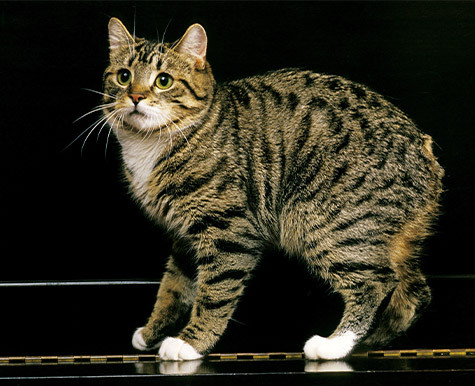
Key note: Informal terminology varies among breeders and registries.
5. Longy
Tail or coat feature: A near-normal or full-length tail.
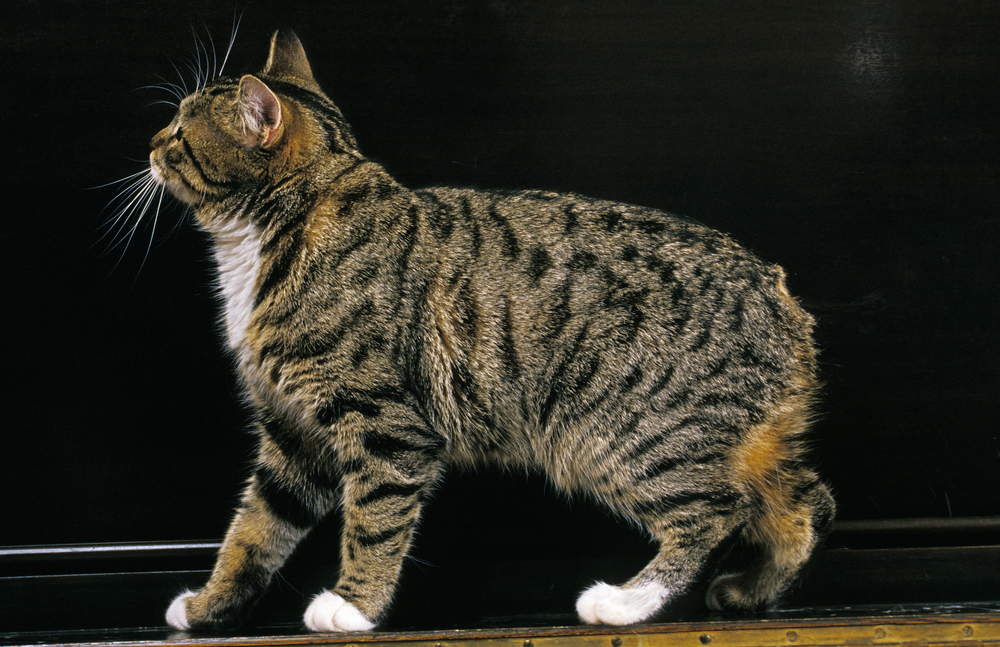
Key note: Still genetically and genealogically Manx when born in a pedigreed litter.
6. Cymric or Longhaired Manx
Tail or coat feature: The same Manx body and tail-length range with a semi-long double coat.
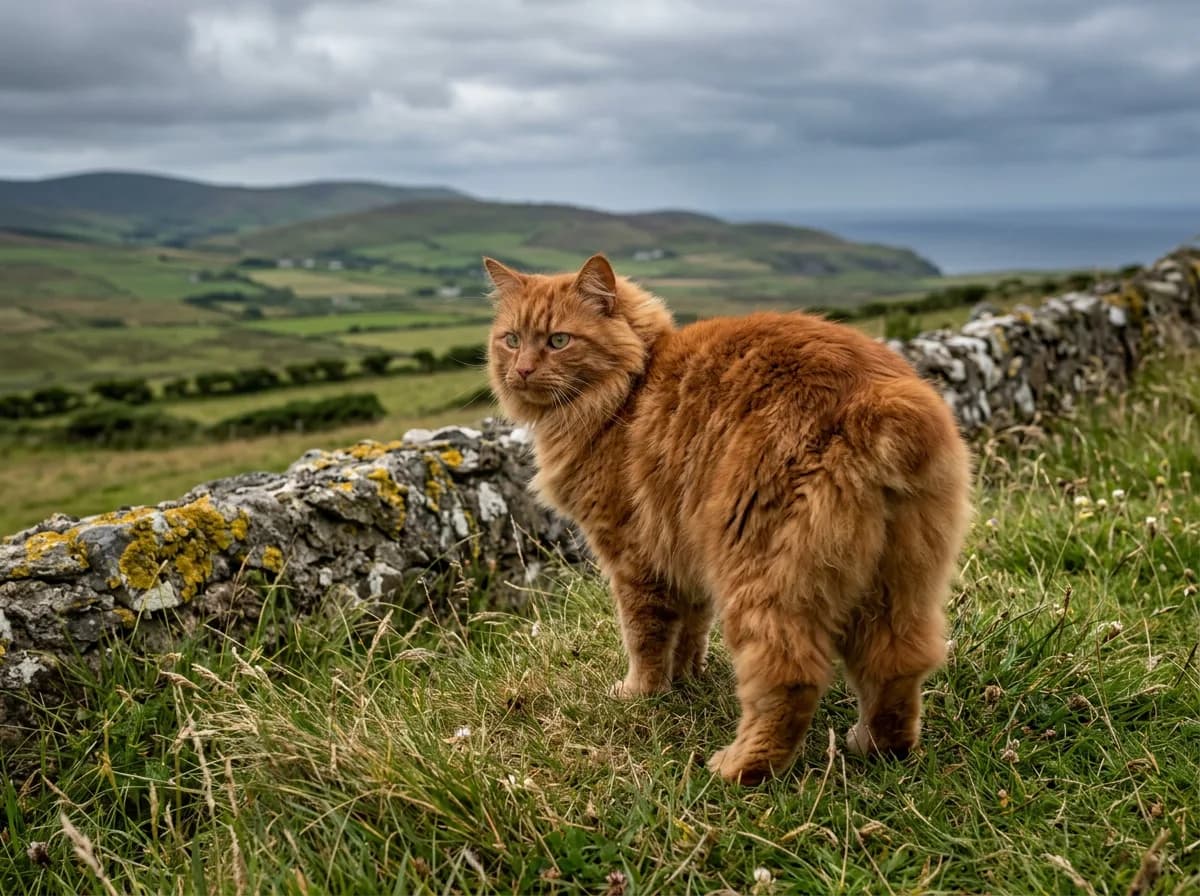
Key note: Treated as a variety or separate breed depending on registry.
How to Identify the Right Type
- Check the category: Decide whether the name describes a breed, variety, color, or production purpose.
- Study structure: Look beyond color to proportions, coat or hide, tail or horn form, movement, and mature size.
- Review records: Registration, pedigree, health, and origin records provide evidence that appearance cannot.
- Compare current standards: Use the organization relevant to your country or intended activity.
- Ask an expert: A veterinarian, extension specialist, or responsible breed club can clarify uncertain identification.
Temperament, Behavior, and Daily Needs
Breed tendencies can help set expectations, but they never guarantee an individual’s behavior. Early experience, humane handling, housing, health, age, and daily routine all matter. Observe the animal calmly and ask for honest behavioral history.
Brush the dense double coat at least weekly, increasing frequency for longhaired cats and during shedding. Encourage moderate daily play because the breed is powerful and can gain excess weight. Use ramps or low-entry litter boxes if an individual has mobility limitations.
Health and Responsible Selection
The gene affecting the tail can also affect the lower spine and nerves. Responsible breeders plan matings carefully and monitor kittens for movement, bowel, and bladder problems. A veterinary examination is essential; never assume a short tail alone proves good health or purebred status.
Do not interpret an unusual body feature as proof of breed or quality. Pain, poor movement, breathing difficulty, chronic digestive trouble, or abnormal elimination requires professional assessment.
How to Choose the Best Type for You
- Define your purpose and realistic experience level.
- Check local climate, space, housing, and legal requirements.
- Calculate recurring feed, veterinary, equipment, and emergency costs.
- Prioritize health, sound movement, and manageable temperament.
- Choose a seller who provides records and continuing support.
- Plan for the animal’s mature size and full lifespan.
Safety, Welfare, and Conservation Notes
Use humane, low-stress handling and provide species-appropriate shelter, nutrition, clean water, social contact, and veterinary care. Never release domestic animals outdoors or abandon them. Protect native wildlife, prevent uncontrolled breeding, and follow identification, transport, zoning, and welfare laws. Supporting well-managed rare-breed programs can conserve genetic diversity, but conservation should never excuse poor welfare.
Fun Facts About Manx cats
- Manx kittens in one litter can have different tail lengths.
- A full-tailed kitten can still be a pedigree Manx.
- The short tail is caused by a naturally occurring mutation.
- The breed is known for a rounded outline.
- Hind legs are typically longer than the forelegs.
- Cymric refers to the longhaired form in many registries.
- Tail terminology is partly informal and can vary.
- Manx cats can occur in many colors and patterns.
- The breed has a dense double coat.
- Short-tailed cats should never be lifted by the tail area.
Final Thoughts on Types of Manx cats
Understanding types of Manx cats starts with separating formal breed names from informal descriptions. Compare structure, documented ancestry, health, behavior, and practical suitability before choosing an animal. The best match is a healthy, responsibly raised individual whose needs fit your home or farm.
Frequently Asked Questions
1. What are types of Manx cats?
The phrase refers to the recognized breeds, working categories, tail forms, colors, or coat varieties explained in this guide. It is a practical search term, not always a formal scientific classification.
2. How many Manx cats are there?
There is no single worldwide number because registries, breed associations, and countries use different recognition rules. This guide covers 6 important examples or commonly discussed forms.
3. Which Manx cat is best for beginners?
The best choice depends on space, budget, climate, care experience, and the individual animal. Beginners should favor sound health, suitable temperament, and reliable support over rarity or appearance.
4. How can I identify Manx cats?
Start with overall body shape, coat, color, tail structure, eye color, and documented origin. Pedigree or herd records are more reliable than visual identification alone.
5. Are all Manx cats separate breeds?
No. Some names describe recognized breeds, while others describe varieties, coat forms, production groups, or informal types. Always check the terminology used by the relevant registry or association.
6. Does color determine temperament?
No. Color is mainly an appearance trait. Genetics, early socialization, handling, health, and environment have much greater influence on behavior.
7. Do Manx cats need special food?
They need a complete, balanced cat food appropriate for life stage and health. A veterinarian can help with portions and therapeutic diets.
8. How much space do Manx cats need?
Indoor cats need usable vertical and horizontal territory, hiding places, resting areas, scratching surfaces, and daily play. Quality and arrangement matter as much as floor area.
9. Are Manx cats good with families?
Many can be excellent companions when well socialized, but children must learn gentle handling. Match the individual cat’s energy and tolerance to the household.
10. What health checks are important?
Use routine veterinary examinations and prevention appropriate to the species. Ask for transparent records and any breed-specific screening recommended by recognized veterinary or breed organizations.
11. Can two types live together?
Usually, compatible animals can live together when introductions, resources, nutrition, and space are managed carefully. Monitor competition, stress, injury, and individual needs.
12. Does a rare type require more care?
Rarity does not automatically mean difficult care, but it can make experienced breeders, replacement stock, genetic diversity, and specialized advice harder to find.
13. How do I choose a responsible breeder?
Look for transparent health testing, clean conditions, accurate records, sound socialization or handling, realistic answers, and a written agreement. Avoid sellers who guarantee perfection or hide the parents and premises.
14. Should I choose by appearance alone?
No. Health, temperament, function, climate fit, mature size, lifetime cost, and your ability to provide daily care are more important than color or novelty.
15. Are crossbreeds the same as purebreds?
No. A crossbred has ancestry from more than one breed, while a purebred follows a recorded breed population and standard. Crossbreeding can be useful when planned for clear goals.
16. Can climate affect the best choice?
Yes. Heat, cold, humidity, parasites, housing, and seasonal feed supply can strongly affect comfort and performance. Choose animals proven in conditions similar to yours.
17. What is the most common mistake beginners make?
A common mistake is selecting on looks or headline performance without budgeting for housing, feed, preventive care, enrichment or handling, and emergencies.
18. Where can I verify breed standards?
Consult the current standard from a recognized national or international breed registry or association. Standards can differ, so verify the organization relevant to your location or event.
19. How important is temperament?
Temperament affects safety, welfare, training, handling time, and the human-animal relationship. Evaluate the individual and, when possible, close relatives.
20. Do males and females look different?
They may differ in mature size, build, and sex-linked traits, but variation within each sex can be substantial. Reproductive status also affects behavior and management.
21. How long do Manx cats live?
Lifespan varies with genetics, health, nutrition, environment, preventive care, and accident risk. Avoid treating a broad average as a prediction for an individual.
22. Are Manx cats endangered?
Some rare breeds or regional populations have small numbers, while widely distributed breeds do not. Conservation status should be checked through a reputable livestock or breed-conservation organization.
23. Can DNA testing confirm the type?
DNA tests may identify traits, parentage, or breed similarities, but their accuracy depends on the reference database. Pedigree and registry records remain important.
24. What records should an owner keep?
Keep identification, pedigree, purchase, vaccination, parasite-control, illness, medication, reproduction, weight or production, and veterinary records in an organized format.
25. How often should grooming or inspection happen?
Inspect the coat, skin, ears, eyes, teeth, nails, and tail weekly, with brushing based on coat length and shedding. Seek veterinary advice for abnormalities.
26. Are these animals suitable for small spaces?
Cats can thrive indoors when provided with vertical territory, enrichment, clean litter facilities, and daily interaction. Individual activity level still matters.
27. What should I ask before buying?
Ask about ancestry, age, health history, screening, diet, behavior, registration, return policy, and ongoing support. Confirm the seller can legally and ethically transfer the animal.
28. Why do sources list different types?
Sources may mix formal breeds with varieties, colors, working categories, or local populations. Registry recognition also changes by region and over time.
29. Is the rarest type the most valuable?
Not necessarily. Value depends on health, documented ancestry, suitability, demand, and ethical breeding or production—not rarity alone.
30. What is the best way to learn more?
Use current breed-association standards, university extension resources, veterinary guidance, experienced ethical keepers, and direct observation. Compare sources and note regional differences.