

Alaska is home to an extraordinary range of wildlife, from massive brown bears and moose to Arctic foxes, sea otters, whales, and bald eagles. This guide to the types of animals in Alaska highlights 25 representative species found across the state’s forests, mountains, tundra, rivers, coastal waters, and islands. You will learn how to identify them, where they live, what they eat, and why they matter to Alaska’s ecosystems.
What Are the Main Types of Animals in Alaska?
The main types of animals in Alaska include large land mammals, marine mammals, birds of prey, waterfowl, smaller predators, and hoofed animals. Notable examples include moose, caribou, brown bears, wolves, Dall sheep, mountain goats, bald eagles, sea otters, walruses, and several whale species. Alaska’s wildlife varies greatly by region, so the animals seen in the Arctic may differ from those found in Southeast Alaska or the Aleutian Islands.
1. Moose
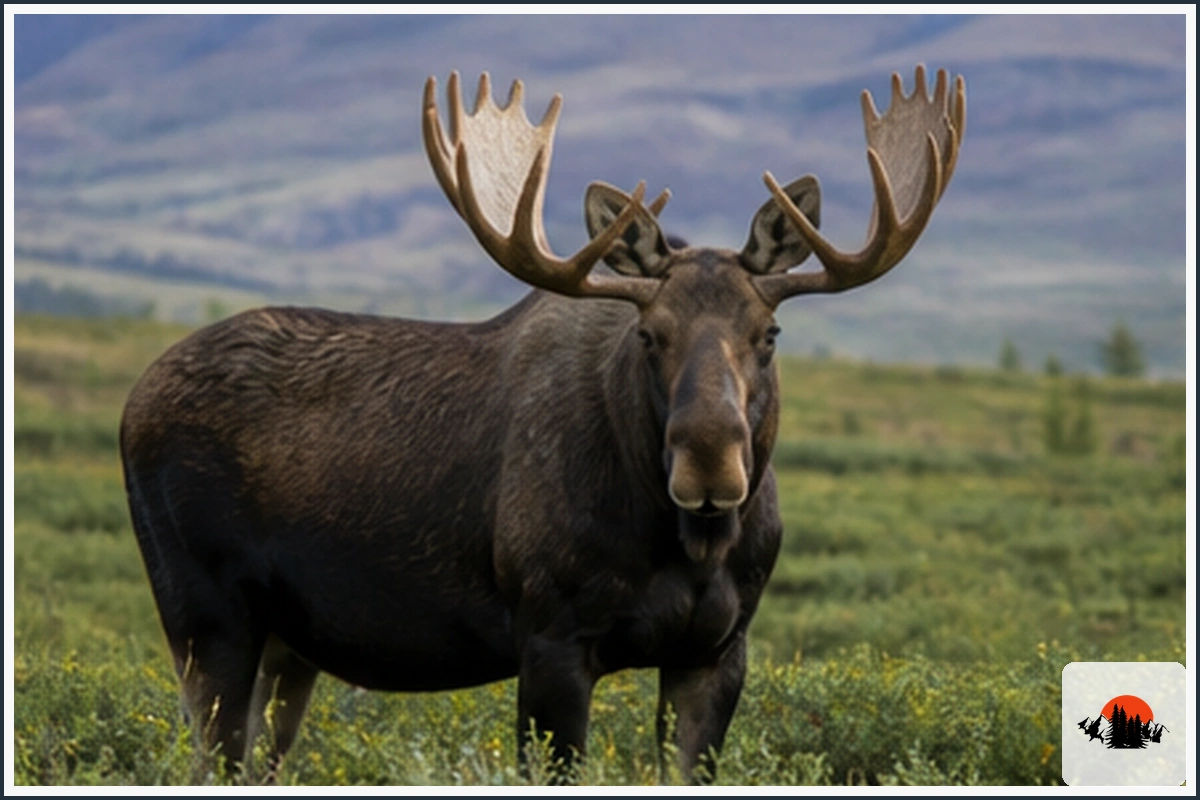
Scientific name: Alces alces
Moose are among the largest land animals in Alaska and are especially recognizable by their long legs, broad muzzle, humped shoulders, and, in males, enormous palmate antlers. Adult bulls can weigh well over 1,000 pounds, while cows are generally smaller and lack antlers.
They live in forests, wetlands, river valleys, and areas of young vegetation throughout much of Alaska. Moose browse on willow, birch, aspen, aquatic plants, and other woody growth. Calves are born in spring and remain vulnerable to wolves and bears. Drivers should be especially careful because moose frequently cross roads, particularly during dawn, dusk, and winter.
2. Brown Bear
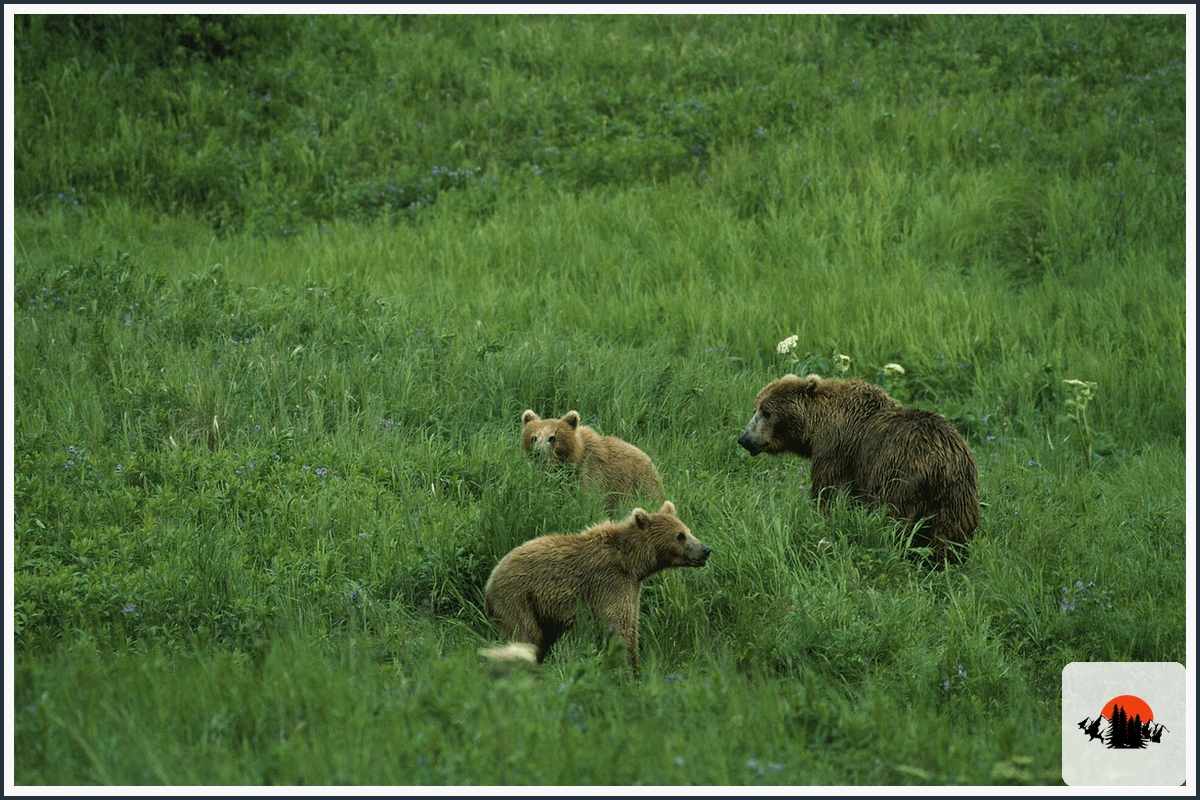
Scientific name: Ursus arctos
Alaska’s brown bears include coastal bears and inland grizzlies, which are the same species but may differ greatly in size because of habitat and food availability. Their fur ranges from blond to dark brown, and a prominent shoulder hump helps distinguish them from black bears.
Brown bears eat salmon, berries, roots, grasses, insects, carrion, and small or large mammals when available. Coastal bears can become exceptionally large while feeding on rich salmon runs. They occupy forests, alpine slopes, tundra, and coastal lowlands. Give every bear plenty of space, never approach cubs, and store food securely in bear country.
3. Black Bear
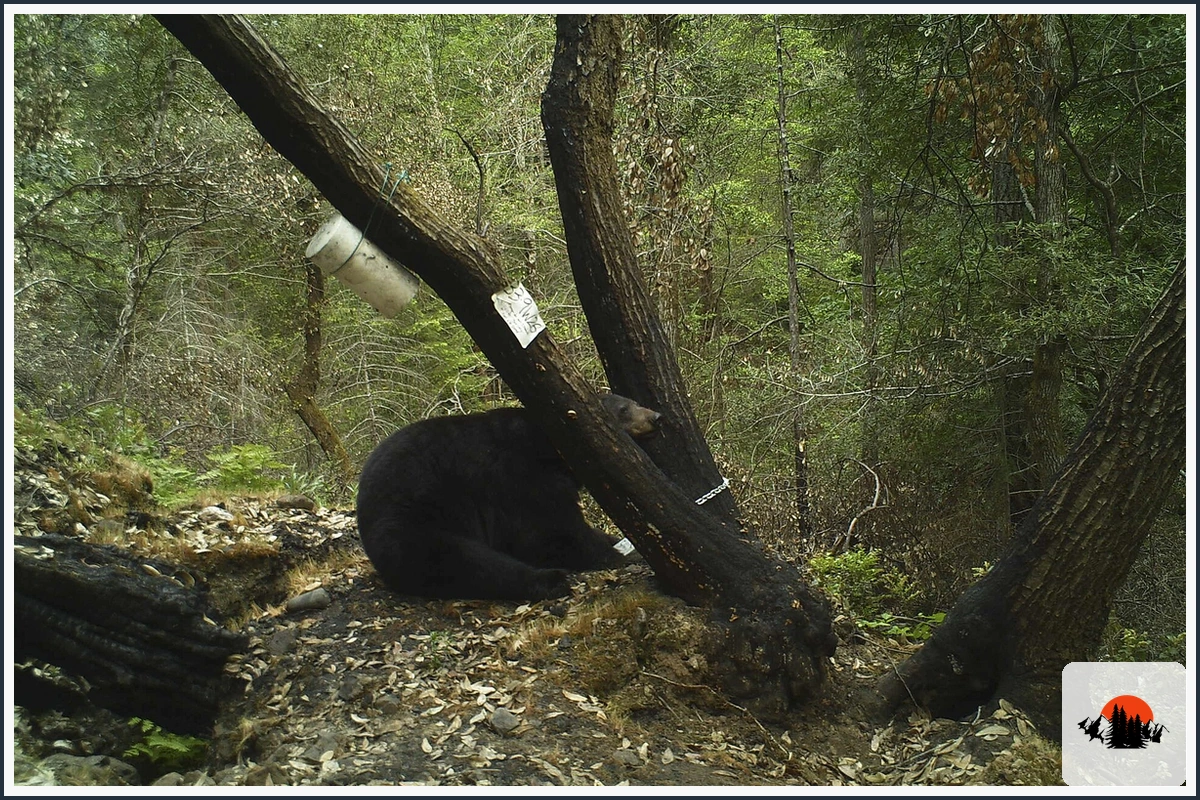
Scientific name: Ursus americanus
Black bears are widespread in Alaska, although they are absent from some northern and far-western areas. Despite their name, their fur may be black, brown, cinnamon, or even blond. Their straight facial profile and lack of a pronounced shoulder hump help separate them from brown bears.
Black bears eat berries, roots, insects, fish, carrion, and vegetation. They are capable climbers, especially when young, and often use dense forests for cover. In summer, they spend many hours feeding to build energy reserves before winter denning.
4. Polar Bear
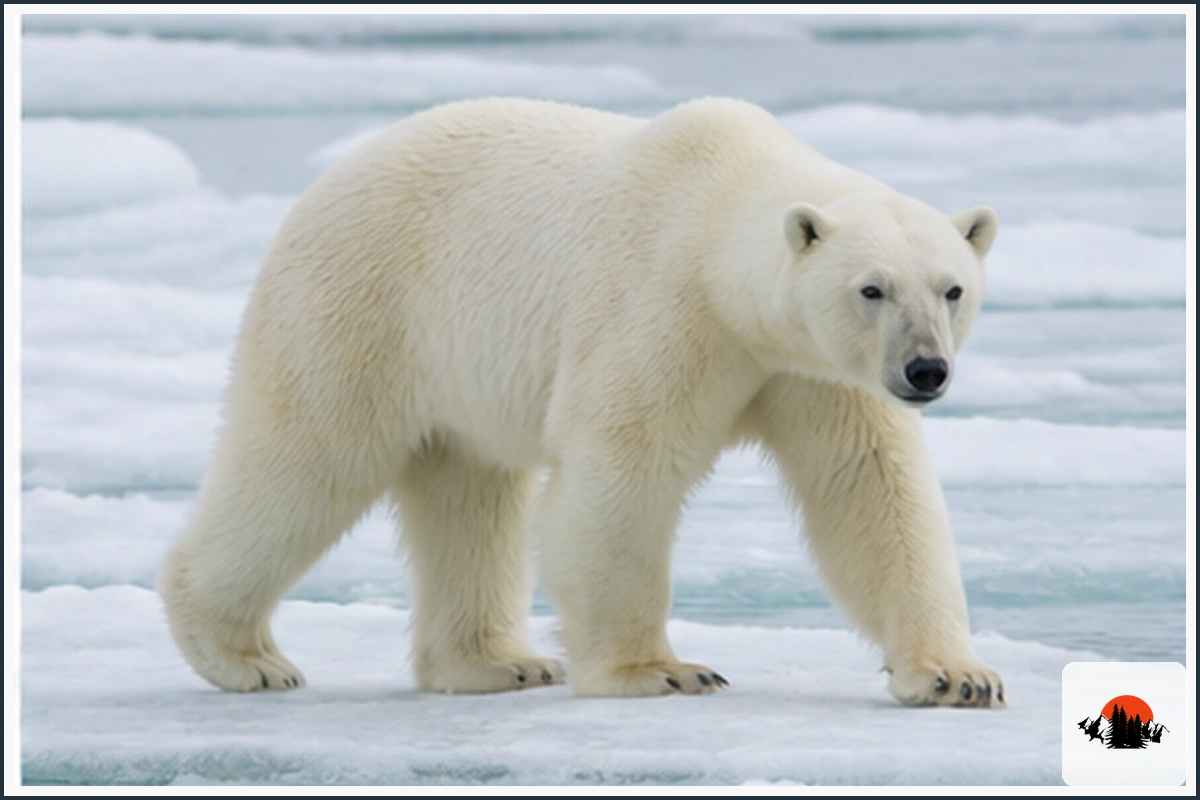
Scientific name: Ursus maritimus
Polar bears are specialized Arctic marine mammals and are most strongly associated with northern and western Alaska. Their creamy white fur, long neck, large paws, and streamlined body help them survive on sea ice and along Arctic coasts.
Seals are their primary prey, although polar bears may also eat carrion, birds, eggs, and other available foods. They depend heavily on sea ice for hunting and travel, making them especially sensitive to changing Arctic conditions. Never approach a polar bear; sightings should be reported to local wildlife authorities.
5. Gray Wolf

Scientific name: Canis lupus
Gray wolves live across much of Alaska in forests, tundra, mountains, and coastal regions. Their coats may be gray, brown, black, or nearly white. Wolves have long legs, large paws, strong jaws, and a social lifestyle centered around family packs.
They hunt moose, caribou, Dall sheep, deer, beavers, and smaller mammals. Packs cooperate when pursuing large prey, but wolves may also feed on carrion. Their presence influences prey behavior and helps shape the balance of Alaska’s ecosystems.
6. Coyote
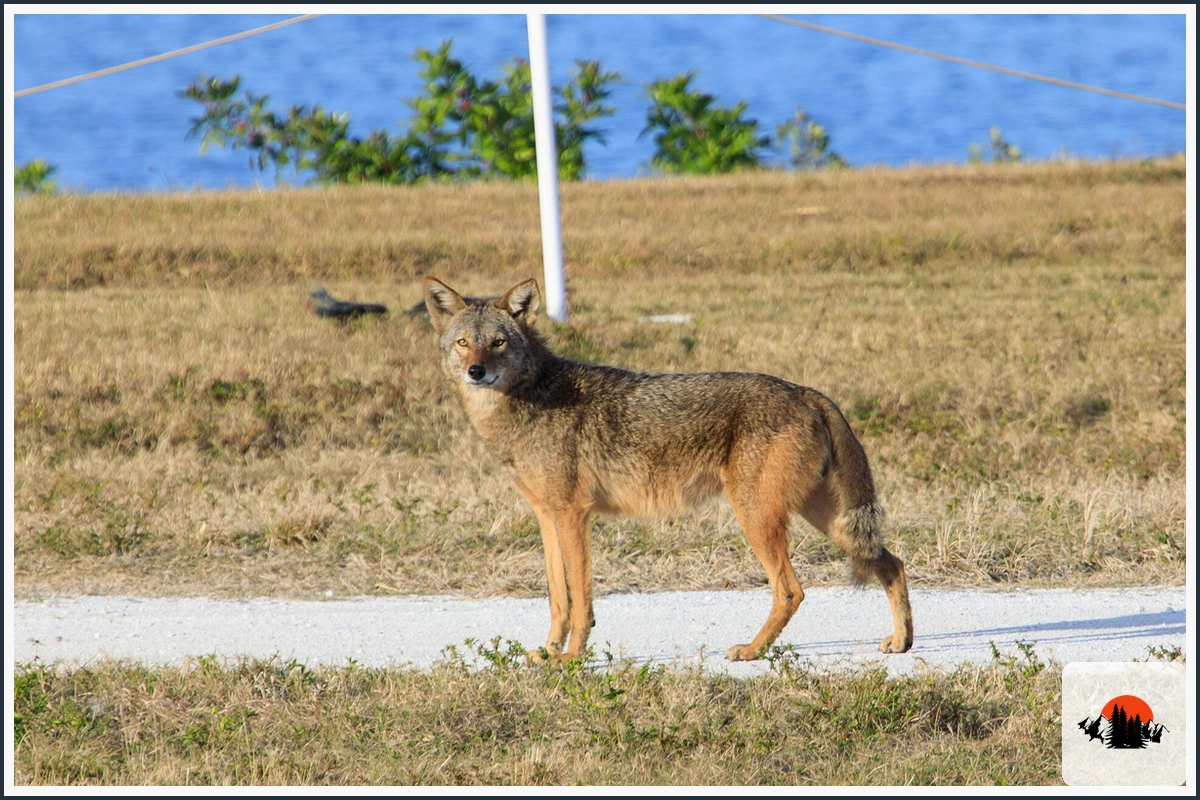
Scientific name: Canis latrans
Coyotes occur mainly in parts of interior and southern Alaska and are less widespread than wolves. They are smaller and more slender than wolves, with pointed ears, a narrow muzzle, and a bushy tail often carried low.
Coyotes are adaptable omnivores that eat rodents, hares, birds, insects, berries, and carrion. They may occupy tundra edges, forests, river valleys, and disturbed areas. Their flexible diet allows them to survive in a wide variety of landscapes.
7. Canada Lynx
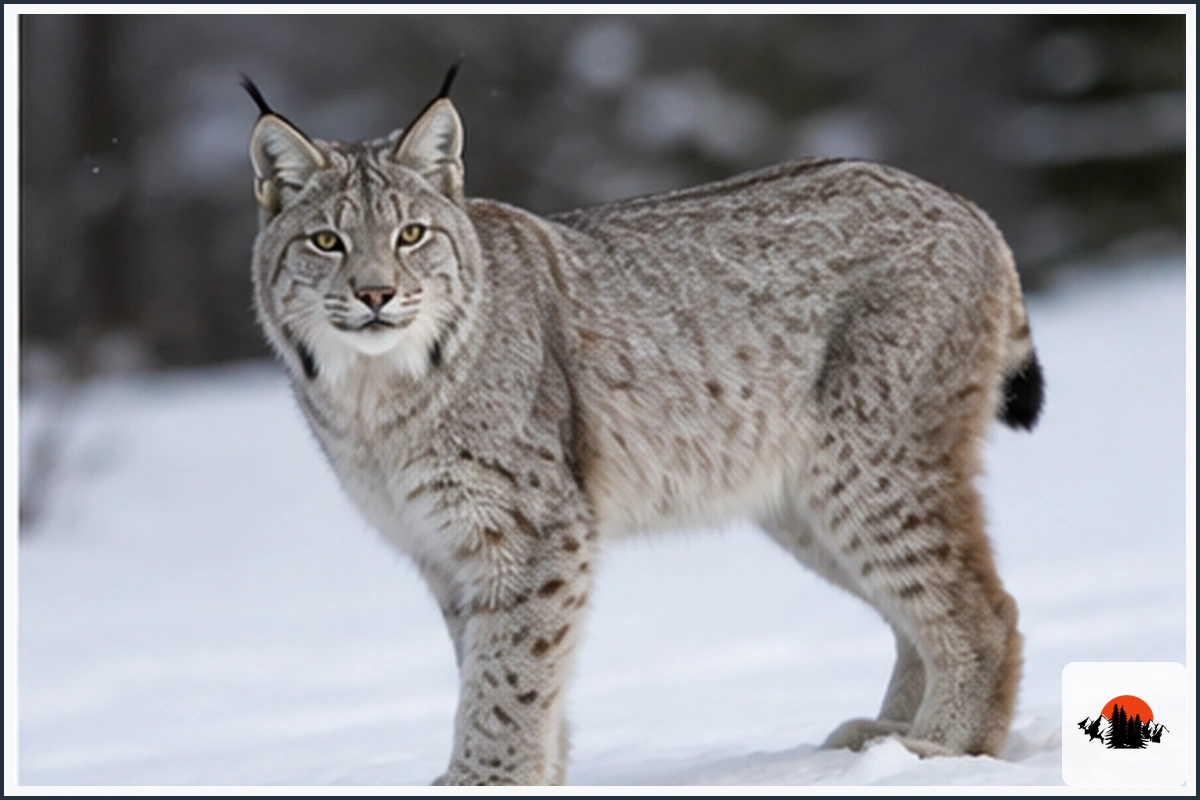
Scientific name: Lynx canadensis
The Canada lynx is a secretive forest cat with long legs, broad snowshoe-like paws, ear tufts, and a short black-tipped tail. Its thick coat provides insulation during Alaska’s severe winters.
Snowshoe hares are its principal prey, and lynx populations often rise and fall with hare numbers. They are excellent hunters in deep snow and generally avoid people. A lynx may be difficult to spot because it moves quietly through dense spruce and birch forests.
8. Dall Sheep
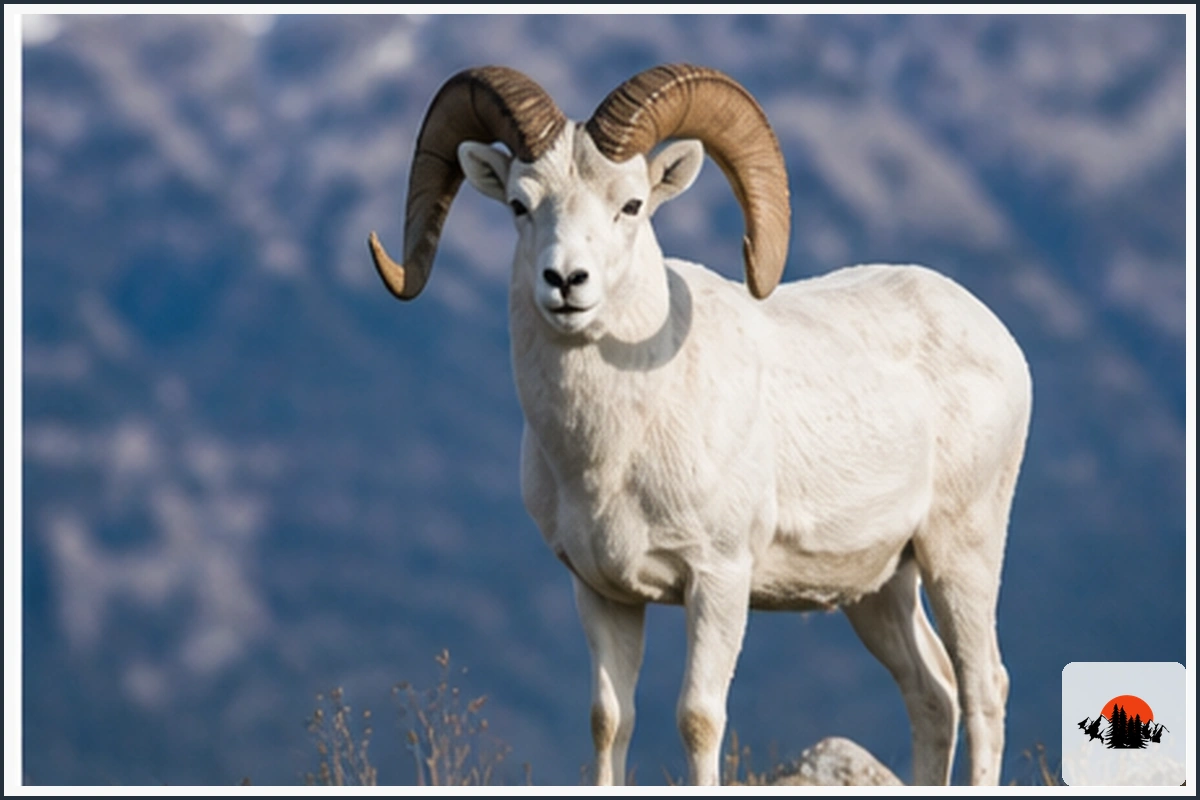
Scientific name: Ovis dalli
Dall sheep are famous for their white coats and curling horns. Adult rams develop large, curved horns, while ewes have smaller horns. Their bright color makes them visible on Alaska’s rocky mountainsides, although they can blend surprisingly well with pale rock.
They live in alpine terrain, steep cliffs, and high mountain valleys. Dall sheep graze on grasses, sedges, and other alpine plants. Their sure-footed movements help them escape many predators, and newborn lambs can climb remarkably difficult slopes soon after birth.
9. Mountain Goat
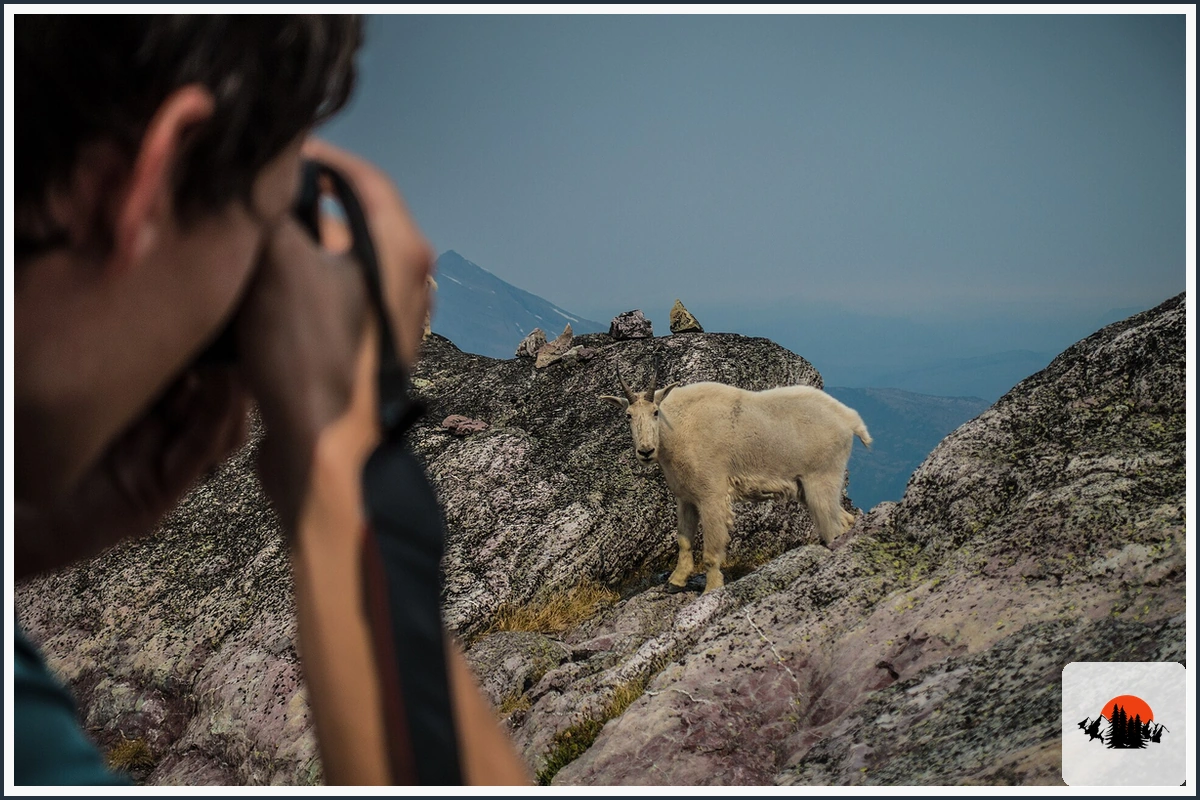
Scientific name: Oreamnos americanus
Mountain goats have shaggy white coats, short black horns, and specialized hooves designed for steep, rocky ground. They are not true goats but belong to a distinct group of mountain-dwelling hoofed mammals.
In Alaska, mountain goats are common in rugged coastal and interior mountains. They feed on grasses, herbs, shrubs, lichens, and other vegetation. Goats may appear calm on cliffs, but they are wild animals and should never be approached closely.
10. Caribou
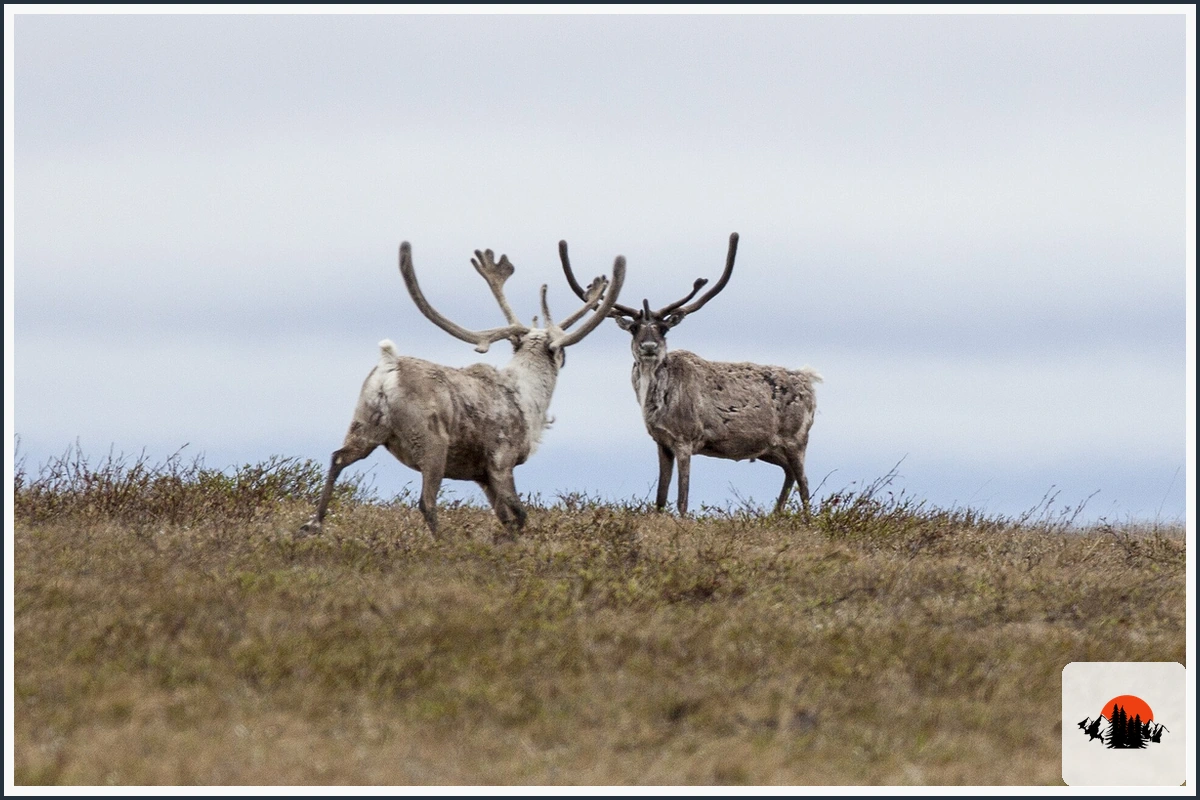
Scientific name: Rangifer tarandus
Caribou are one of Alaska’s most important migratory mammals. Both males and females can grow antlers, although bulls generally have larger ones. Their broad hooves help them walk across snow, mud, and wet tundra.
Caribou eat lichens, grasses, sedges, willow, and other tundra plants. Large herds travel between seasonal feeding and calving grounds. Several herds support subsistence traditions and are ecologically important to Alaska’s northern landscapes.
11. Muskox
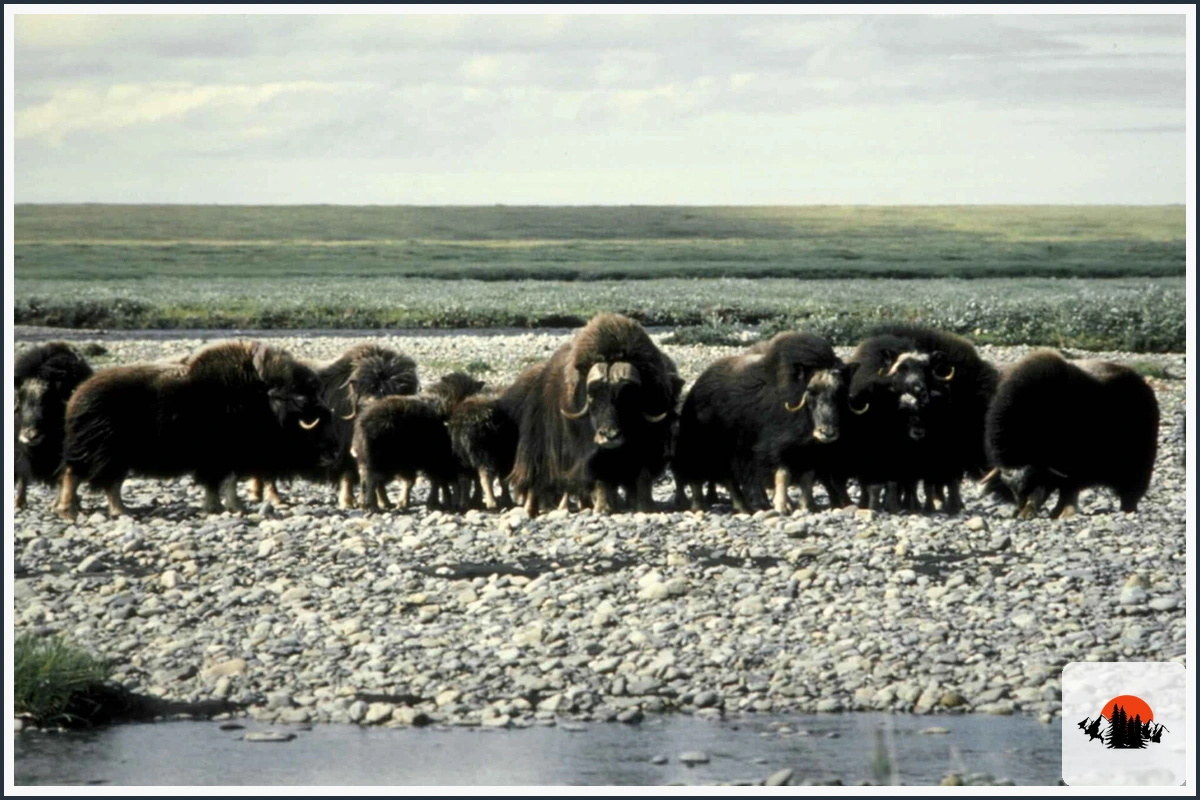
Scientific name: Ovibos moschatus
Muskoxen are shaggy Arctic herbivores with massive bodies, short legs, curved horns, and a long layer of insulating wool called qiviut. They are built to withstand freezing temperatures and strong winds.
Muskoxen graze on grasses, sedges, willows, and other tundra vegetation. When threatened, adults may form a defensive circle around calves. In Alaska, they are most associated with Arctic and western regions, including areas where populations have been restored or managed.
12. Sitka Black-Tailed Deer

Scientific name: Odocoileus hemionus sitkensis
Sitka black-tailed deer are compact deer found mainly in Southeast Alaska and coastal forests. Their dark tail, relatively small body, and brown-gray coat help distinguish them from larger deer species.
They browse on shrubs, grasses, herbs, and tree foliage. Thick coastal forests provide cover, while milder maritime winters allow them to remain active year-round. They are important prey for wolves, black bears, and other predators.
13. Arctic Fox
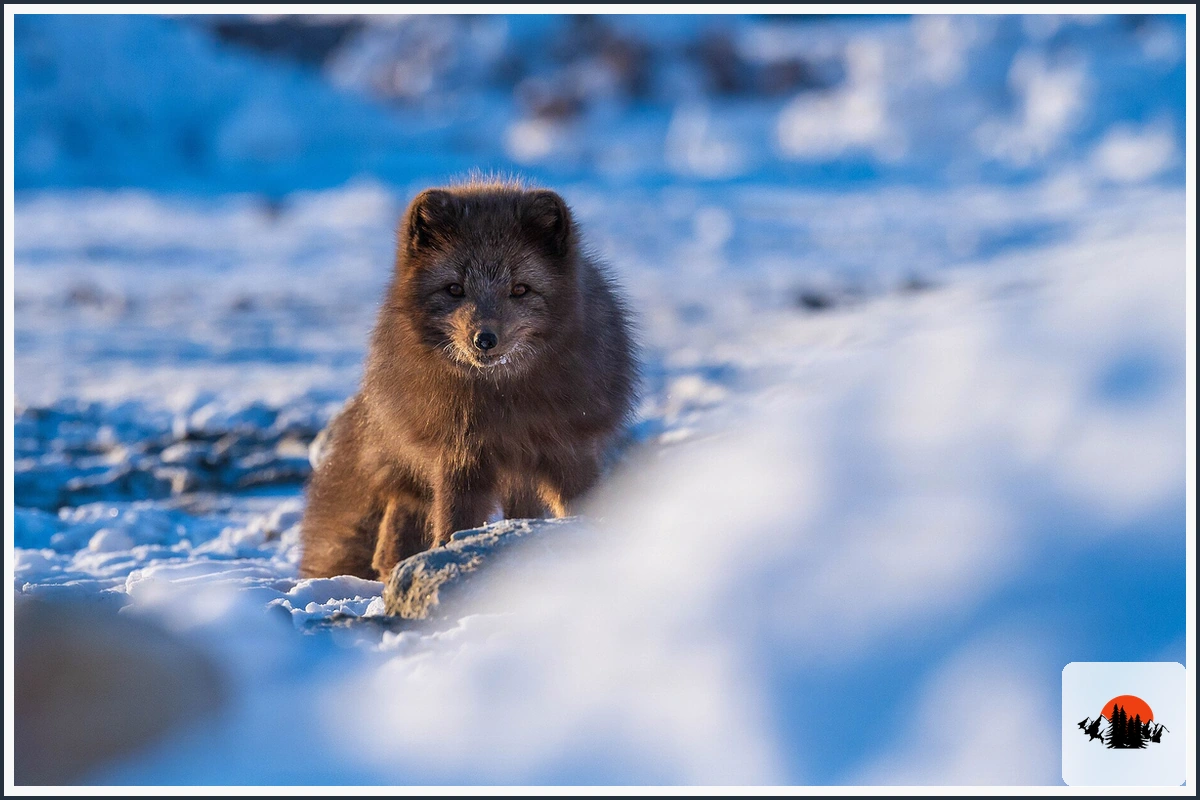
Scientific name: Vulpes lagopus
The Arctic fox is a small predator adapted to Alaska’s far northern tundra and coastal islands. Its coat changes from brown or gray in summer to white in winter in many populations. Small ears and a compact body reduce heat loss.
Arctic foxes eat lemmings, voles, birds, eggs, fish, carrion, and marine invertebrates. They may follow polar bears to scavenge leftovers. Their thick fur, furry footpads, and ability to lower their metabolism help them survive severe cold.
14. Red Fox

Scientific name: Vulpes vulpes
Red foxes occur across much of Alaska and may have red, silver, black, or cross-color coats. They are smaller than wolves and coyotes, with pointed ears, a narrow face, and a long bushy tail.
They eat rodents, hares, birds, eggs, insects, berries, fish, and carrion. Red foxes are adaptable and may live near forests, tundra, wetlands, farms, and communities. Their excellent hearing helps them locate prey beneath snow.
15. Wolverine
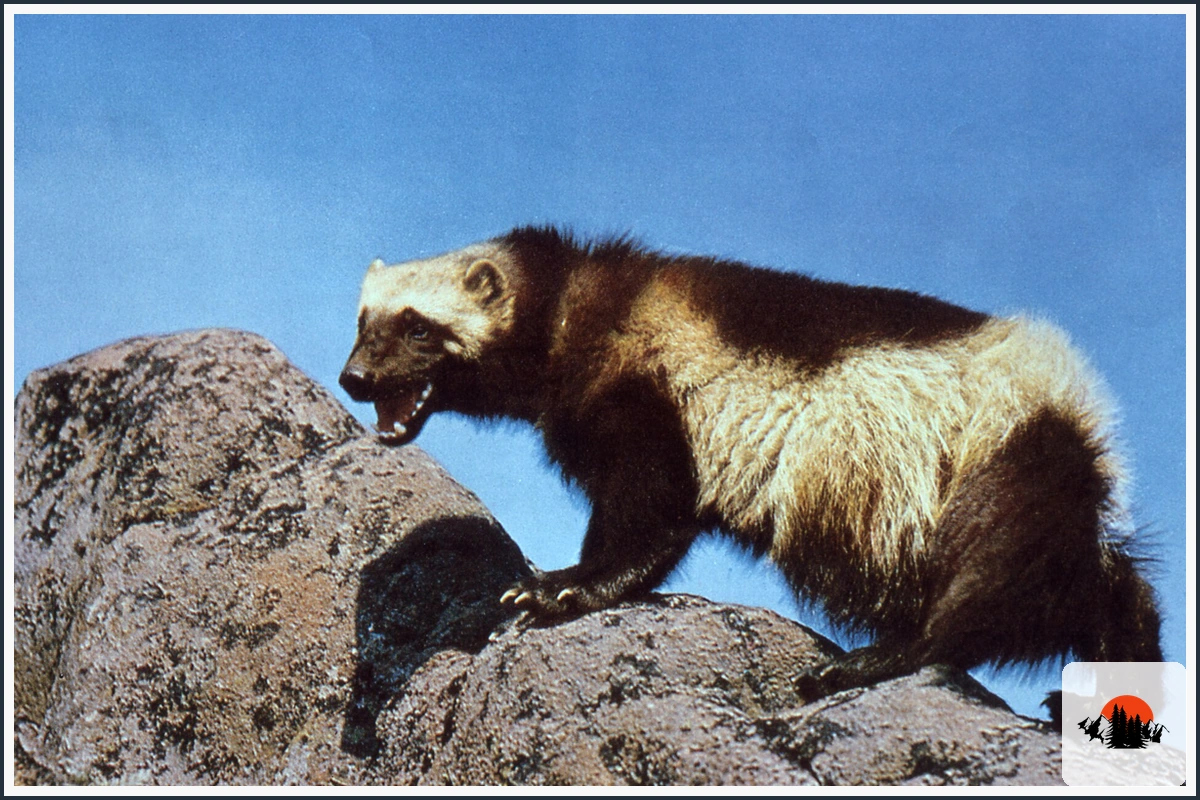
Scientific name: Gulo gulo
Wolverines are powerful members of the weasel family with broad heads, short legs, strong claws, and dark brown fur marked by pale side stripes. Despite their stocky appearance, they can travel long distances across rugged terrain.
They eat carrion, small mammals, birds, eggs, berries, and occasionally larger prey. Wolverines are solitary and secretive, using remote forests, alpine areas, and tundra. Their large paws help them move across deep snow.
16. River Otter

Scientific name: Lontra canadensis
North American river otters are sleek, playful mammals with webbed feet, dense waterproof fur, and muscular tails. They are found in Alaska’s rivers, lakes, streams, wetlands, and sheltered coastal waters.
River otters eat fish, crayfish, mussels, frogs, and other aquatic prey. Their streamlined bodies make them agile swimmers. Look for slides, tracks, scat, or quick ripples along quiet waterways.
17. Sea Otter

Scientific name: Enhydra lutris
Sea otters live along Alaska’s southern and western coasts and spend most of their lives in marine water. They have exceptionally dense fur, floating habits, and sensitive paws used to locate prey.
Sea otters eat sea urchins, clams, crabs, mussels, and other invertebrates. By controlling sea urchins, they can help kelp forests thrive. They often float on their backs while feeding or resting and may use stones to crack open hard shells.
18. Pacific Walrus

Scientific name: Odobenus rosmarus divergens
Pacific walruses are large Arctic marine mammals recognized by their long tusks, whiskered muzzle, thick skin, and powerful flippers. They gather in large groups on sea ice or remote coastal haulouts.
Walruses primarily feed on clams and other seafloor invertebrates, locating them with sensitive whiskers. Their dependence on sea ice and shallow feeding grounds makes them vulnerable to changes in Arctic habitat. Keep far away from haulouts because disturbances can cause dangerous stampedes.
19. Harbor Seal
Scientific name: Phoca vitulina
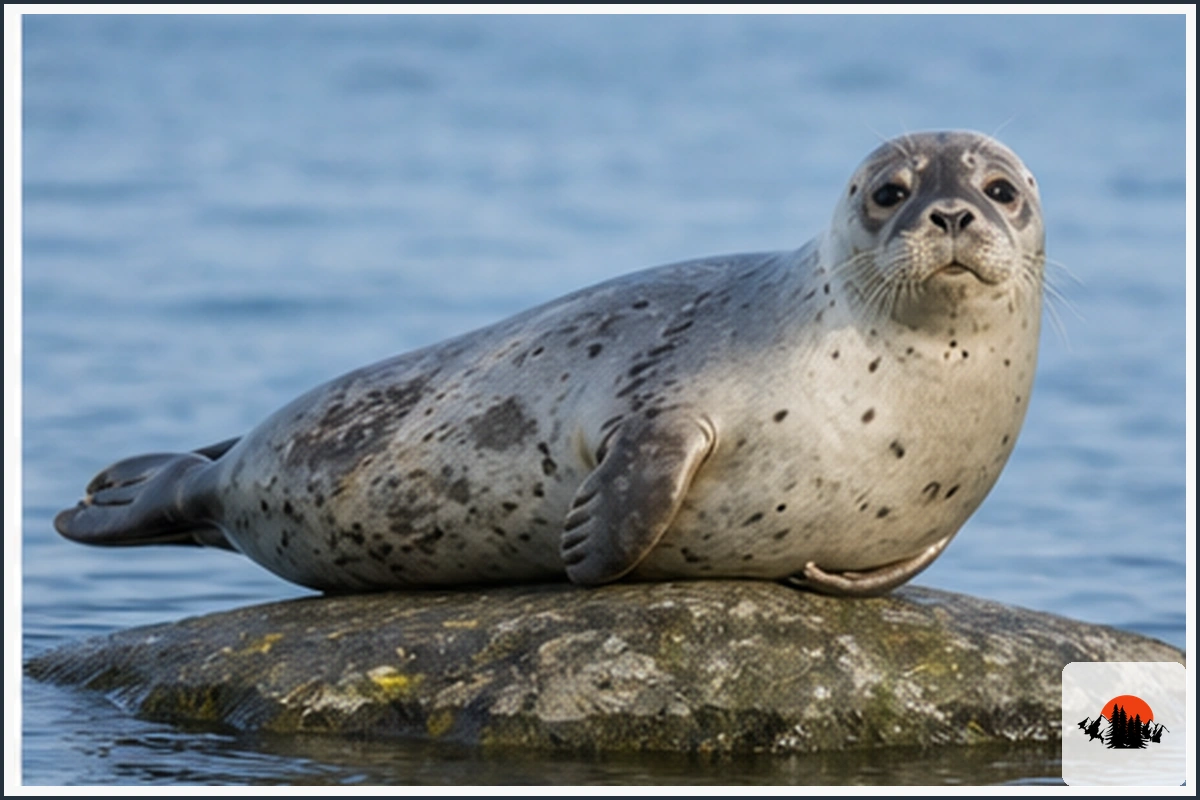
Harbor seals are common along Alaska’s coast and may be seen resting on rocks, beaches, ice, or sandbars. Their spotted coats vary from pale gray to dark brown, and their rounded heads lack external ear flaps.
They eat fish, squid, shrimp, and other marine animals. Harbor seals are strong swimmers but haul out regularly to rest, give birth, and care for pups. A seal pup alone on shore may not be abandoned; observe quietly from a distance.
20. Steller Sea Lion

Scientific name: Eumetopias jubatus
Steller sea lions are Alaska’s largest eared seals. They have broad heads, visible ear flaps, long front flippers, and powerful bodies. Adult males are much larger than females and develop a thick neck.
They eat pollock, salmon, herring, squid, and other marine prey. Large groups gather on rocky haulouts and islands. Steller sea lions are an important part of Alaska’s coastal food web and are protected under federal law.
21. Humpback Whale
Scientific name: Megaptera novaeangliae
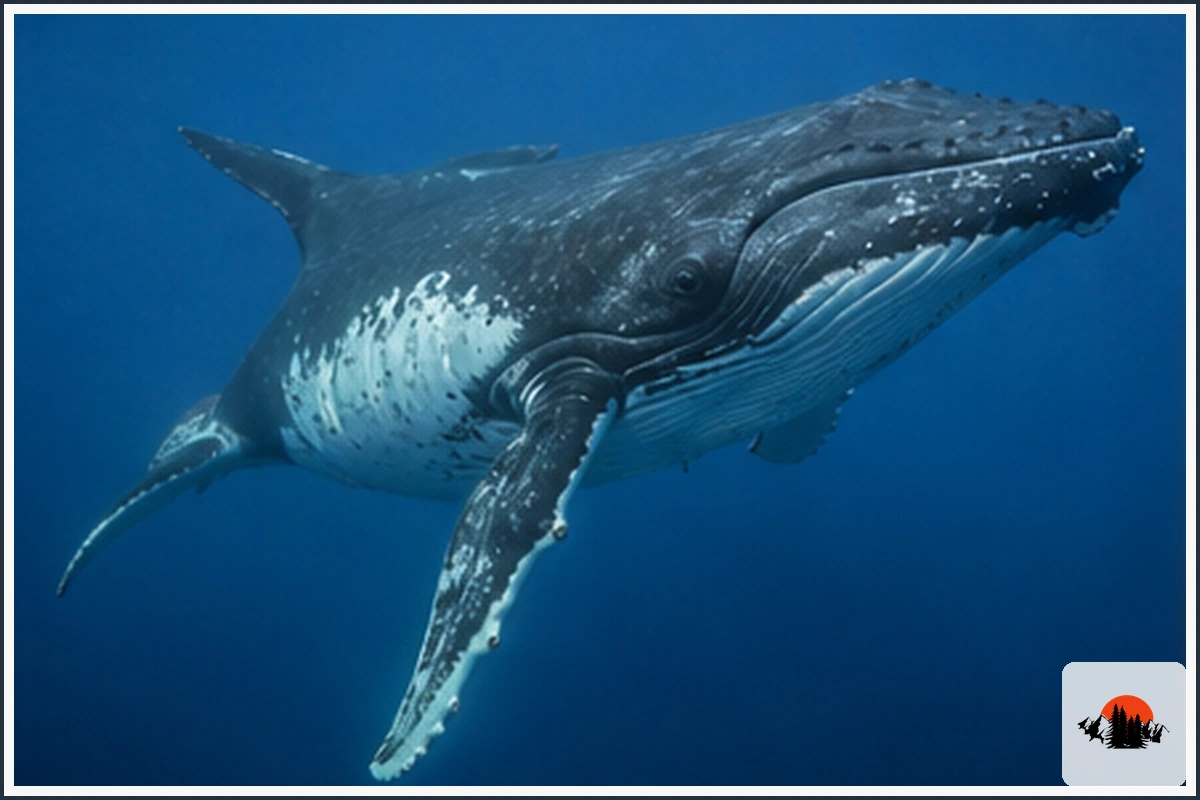
Humpback whales are regular seasonal visitors to Alaska’s coastal waters. They are identified by long pectoral fins, a distinctive tail pattern, knobby head structures, and dramatic behaviors such as breaching and bubble-net feeding.
Many humpbacks migrate to warmer breeding waters after feeding in Alaska. They consume krill and schooling fish, often cooperating to concentrate prey. Whale watching should always follow distance and approach rules.
22. Orca
Scientific name: Orcinus orca
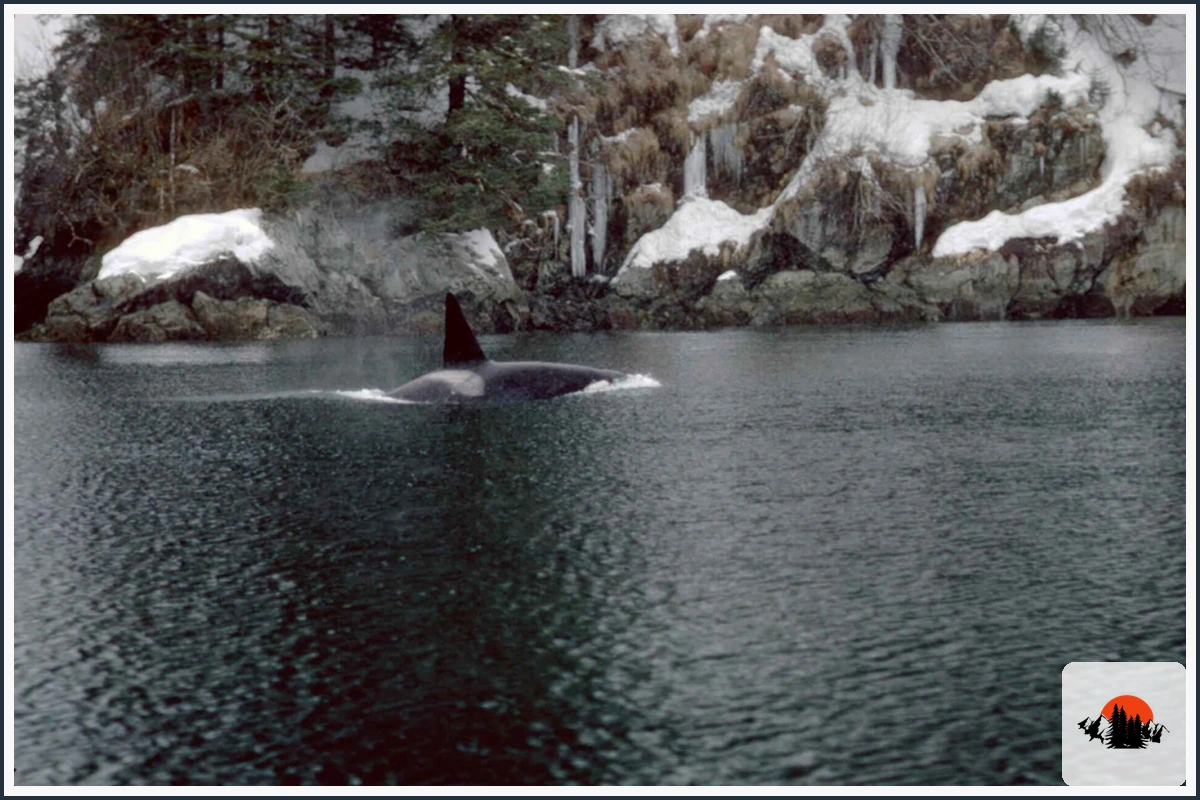
Orcas, or killer whales, are highly social dolphins with black-and-white bodies and prominent dorsal fins. They occur in coastal waters throughout Alaska, including Southeast Alaska, the Gulf of Alaska, and the Aleutian region.
Different populations specialize in different foods. Resident groups commonly eat fish, while transient groups often hunt marine mammals. Orcas live in family groups and communicate with clicks, calls, and whistles.
23. Bald Eagle
Scientific name: Haliaeetus leucocephalus
Bald eagles are one of Alaska’s most recognizable birds. Adults have dark brown bodies, white heads and tails, yellow feet, and hooked beaks. Younger birds are mostly brown until their adult coloring develops.
They feed on fish, waterfowl, carrion, and other animals. Alaska supports a large bald eagle population because of its abundant rivers, coastal waters, and salmon runs. Observe nests from a respectful distance and never feed wild eagles.
24. Golden Eagle
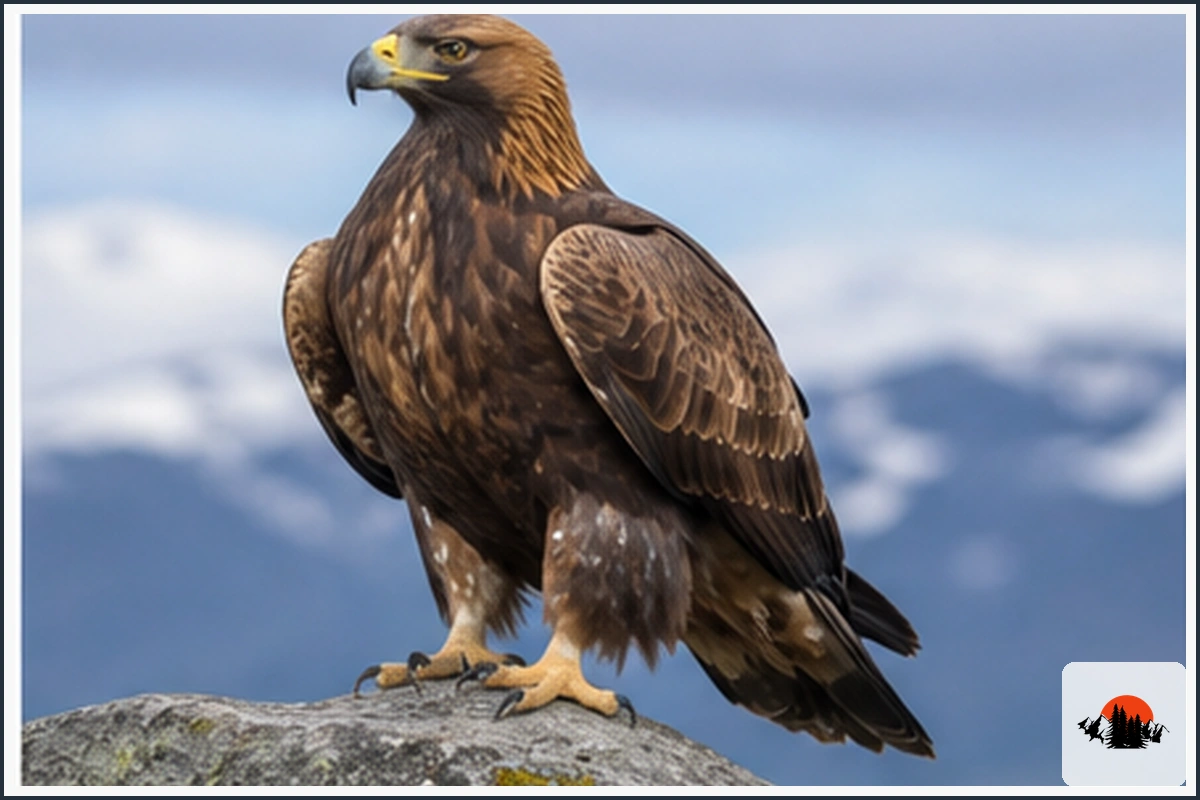
Scientific name: Aquila chrysaetos
Golden eagles are powerful mountain raptors with broad wings, dark brown plumage, and golden feathers on the crown and nape. They are often seen soaring over cliffs, valleys, and open tundra.
Their prey includes rabbits, ground squirrels, ptarmigan, and other birds or mammals. Golden eagles build nests on cliffs or large trees and defend broad territories. Their flight silhouette can help distinguish them from bald eagles.
25. Trumpeter Swan

Scientific name: Cygnus buccinator
Trumpeter swans are North America’s largest native waterfowl. They have completely white adult plumage, black bills, long necks, and a deep, resonant call. Young birds are grayish before acquiring adult feathers.
They breed in wetlands, ponds, lakes, and slow-moving rivers across parts of Alaska. Trumpeter swans eat aquatic plants, grasses, and some small aquatic animals. Wetland protection is essential for their nesting and feeding habitat.
How Are These Types of Animals in Alaska Classified?
Alaska’s wildlife can be grouped in several practical ways:
- Land mammals: Moose, caribou, bears, wolves, foxes, lynx, wolverines, sheep, goats, and deer.
- Marine mammals: Polar bears, sea otters, walruses, seals, sea lions, whales, and orcas.
- Birds: Bald eagles, golden eagles, and trumpeter swans represent Alaska’s raptors and waterfowl.
- Herbivores: Moose, caribou, muskoxen, Dall sheep, mountain goats, deer, and swans mainly consume plants.
- Carnivores and omnivores: Bears, wolves, foxes, lynx, wolverines, otters, and many marine predators eat animal prey.
- Migratory species: Caribou, humpback whales, trumpeter swans, and many other animals travel seasonally between feeding and breeding areas.
Where Do These Wild Animals Live?
Alaska contains several major habitats, each supporting different wildlife communities.
- Arctic tundra: Polar bears, Arctic foxes, caribou, muskoxen, walruses, and snowy-season birds.
- Boreal forest: Moose, black bears, lynx, wolves, red foxes, and wolverines.
- Alpine mountains: Dall sheep, mountain goats, golden eagles, and some wolverines.
- Coastal rainforest: Brown bears, black bears, Sitka black-tailed deer, bald eagles, and river otters.
- Rivers and wetlands: Moose, trumpeter swans, river otters, bald eagles, and many fish-eating animals.
- Marine waters: Sea otters, harbor seals, Steller sea lions, humpback whales, orcas, and sea birds.
What Do Animals in Alaska Eat?
Alaska’s animals depend on seasonal food supplies. Herbivores browse shrubs, graze grasses, eat lichens, or feed on aquatic plants. Predators hunt deer, moose calves, caribou, hares, rodents, fish, and birds. Coastal bears, eagles, sea lions, and whales often take advantage of seasonal salmon and schooling fish. Omnivores such as bears, foxes, and wolverines switch between plant and animal foods as opportunities change.
How Do Animals in Alaska Behave?
- Seasonal migration: Caribou and humpback whales travel long distances between feeding and breeding areas.
- Winter survival: Bears den, foxes grow insulating coats, and many mammals conserve energy during the coldest months.
- Pack and family living: Wolves, orcas, and some swans depend on close social groups.
- Solitary hunting: Lynx, wolverines, polar bears, and many foxes usually forage alone.
- Haulout behavior: Walruses, seals, and sea lions gather on beaches, rocks, or ice to rest and raise young.
- Seasonal feeding: Bears and eagles may concentrate around salmon runs, while whales gather where prey is abundant.
How to Identify Different Types of Animals in Alaska
- Look at body shape: A shoulder hump suggests a brown bear, while long legs and a large muzzle suggest a moose.
- Check antlers or horns: Caribou antlers occur in both sexes; Dall sheep have curled horns, and mountain goats have short black horns.
- Observe the habitat: Sea otters float offshore, Dall sheep occupy cliffs, and muskoxen favor open tundra.
- Notice tracks and signs: Broad paw prints, hoof marks, scat, feeding remains, and trails can reveal an animal’s presence.
- Use behavior: Wolves travel in family groups, eagles soar over water, and harbor seals haul out on shorelines.
- Consider the season: Coat color, antlers, migration, and breeding behavior may change throughout the year.
- Keep your distance: Binoculars and telephoto lenses are safer and more ethical than approaching wildlife.
Outdoor Tips for Finding and Observing These Species
- Carry binoculars, a field guide, and a wildlife-safe camera setup.
- Scan shorelines, river bends, alpine slopes, berry patches, and wetland edges.
- Travel quietly and watch the wind direction when observing bears or other mammals.
- Never crowd an animal, block its route, or separate a mother from its young.
- Store food, fish, and scented items in approved bear-resistant containers where required.
- Follow park rules, seasonal closures, boating regulations, and wildlife-viewing distances.
- Tell someone your route before exploring remote areas and prepare for rapidly changing weather.
Safety, Sustainability, and Conservation Notes
Alaska wildlife should be viewed as wild, even when an animal appears calm or familiar. Do not feed wildlife, approach dens or nests, chase animals for photographs, or handle young animals. Keep dogs controlled where regulations require it, especially near nesting birds and large mammals.
Responsible visitors support conservation by following fishing and hunting regulations, respecting protected areas, reducing waste, and choosing ethical wildlife tours. Marine mammals, migratory birds, polar bears, and several other species are protected by federal or state laws. If you see an injured animal or suspected wildlife disturbance, contact the appropriate local agency rather than intervening yourself.
Fun Facts About Animals in Alaska
- Both male and female caribou can grow antlers.
- Sea otters use rocks as tools to open hard-shelled prey.
- Moose are strong swimmers and can feed on aquatic plants.
- Wolverines can travel great distances across snowy landscapes.
- Brown bears and grizzly bears are members of the same species.
- Trumpeter swans are North America’s largest native waterfowl.
- Arctic foxes may change coat color between summer and winter.
- Orcas live in close family groups with distinctive social traditions.
- Dall sheep can move across steep mountain terrain with remarkable agility.
- Bald eagles often gather where salmon are abundant.
Final Thoughts on Types of Animals in Alaska
The types of animals in Alaska reflect the state’s remarkable variety of habitats, from Arctic sea ice and tundra to rainforests, mountains, rivers, and coastal waters. Learning to identify species by appearance, tracks, habitat, and behavior makes outdoor adventures more rewarding while encouraging safer and more respectful wildlife watching. Protecting habitat and following responsible recreation practices helps keep Alaska’s wild animals thriving.
Frequently Asked Questions
1. What are the most famous animals in Alaska?
Moose, brown bears, polar bears, caribou, wolves, bald eagles, whales, sea otters, and Dall sheep are among Alaska’s best-known animals.
2. What is Alaska’s state land mammal?
The moose is Alaska’s official state land mammal.
3. What is Alaska’s state bird?
The willow ptarmigan is Alaska’s state bird, although bald eagles are among the state’s most recognizable birds.
4. Are grizzly bears and brown bears different animals?
They are forms of the same species, Ursus arctos. Inland bears are commonly called grizzlies, while large coastal individuals are often called brown bears.
5. Where can visitors see moose in Alaska?
Moose may be seen near Anchorage, Fairbanks, Denali, forest edges, wetlands, roadsides, and river valleys. Always watch from a safe distance.
6. Are polar bears found throughout Alaska?
No. Polar bears are concentrated in Arctic and northern coastal areas where sea ice and marine prey are available.
7. What do Alaska’s bears eat?
Bears eat a varied diet that can include berries, grasses, roots, insects, fish, carrion, small mammals, and larger prey.
8. Are wolves common in Alaska?
Wolves are widespread across much of Alaska, although their density varies according to prey, habitat, human activity, and management.
9. What is the difference between a wolf and a coyote?
Wolves are generally larger, heavier, and broader-headed. Coyotes are smaller and more slender, with narrower muzzles and relatively large ears.
10. Can visitors see lynx easily?
Canada lynx are difficult to see because they are quiet, solitary, and well camouflaged in forest habitats.
11. What is Alaska’s largest land animal?
The moose is generally considered Alaska’s largest land animal, although large coastal brown bears can also reach enormous weights.
12. Do female caribou have antlers?
Yes. Caribou are unusual because females commonly grow antlers, while most other deer species have antlered males only.
13. Are muskoxen native to Alaska?
Muskoxen are native to the Arctic region. Alaska populations have also been restored or managed in areas where they had disappeared.
14. What animals live in Alaska’s oceans?
Alaska’s marine waters support sea otters, seals, sea lions, walruses, humpback whales, orcas, belugas, and many fish and seabirds.
15. Are sea otters endangered?
Sea otter status varies by population and region. They face threats including oil spills, disease, predation, habitat changes, and human disturbance.
16. What should you do if you see a bear?
Stay calm, give the bear plenty of space, avoid running, and slowly leave the area while keeping the bear in view. Follow local bear-safety guidance.
17. Should visitors feed Alaska wildlife?
No. Feeding wildlife can make animals dependent on people, increase conflicts, and lead to dangerous behavior or removal of the animal.
18. What animals can be seen in Denali National Park?
Visitors may see moose, caribou, grizzly bears, wolves, Dall sheep, and smaller mammals, although sightings are never guaranteed.
19. Where are Dall sheep found?
Dall sheep live in Alaska’s high mountains, alpine valleys, and steep rocky terrain.
20. How can you tell a mountain goat from a Dall sheep?
Mountain goats have shaggy white coats and short black horns. Dall sheep have white coats but larger curled horns, especially in adult males.
21. What do Alaska’s bald eagles eat?
Bald eagles eat fish, waterfowl, carrion, and other animals. Salmon are especially important in many coastal and river habitats.
22. Are whales in Alaska year-round?
Some whale species remain in Alaska year-round, while others, including many humpback whales, migrate seasonally.
23. What is the difference between a seal and a sea lion?
Sea lions have visible external ear flaps and can rotate their rear flippers to move on land. True seals lack external ear flaps and move differently on shore.
24. Are walruses dangerous?
Walruses are powerful wild animals and can be dangerous if approached or disturbed. Observe haulouts from a substantial distance.
25. What is the best way to photograph Alaska wildlife?
Use binoculars or a telephoto lens, remain quiet, avoid blocking travel routes, and follow all park and wildlife-viewing regulations.
26. What animals live in Alaska’s tundra?
Arctic foxes, caribou, muskoxen, polar bears, lemmings, wolves, migratory birds, and many insects use tundra habitats.
27. What animals live in Alaska’s forests?
Black bears, brown bears, moose, wolves, lynx, wolverines, red foxes, deer, and many birds live in Alaska’s boreal and coastal forests.
28. Are Alaska’s wild animals protected by law?
Many species are protected by state or federal laws. Regulations differ by species and location, so visitors should check current local rules.
29. What is the best season for seeing Alaska wildlife?
Summer usually offers abundant activity and long daylight, while spring and fall can provide migration, calving, rutting, or seasonal feeding opportunities.
30. Why is habitat conservation important in Alaska?
Healthy habitats provide food, shelter, breeding areas, migration routes, and protection from extreme weather. Conserving them supports entire food webs.