

The Mediterranean Sea supports an extraordinary variety of fish, from familiar sardines and groupers to unusual seahorses, rays, sharks, and colorful reef species. This guide to the types of fish in the Mediterranean Sea highlights 30 representative species and groups that anglers, divers, aquarium keepers, seafood lovers, and wildlife observers may encounter.
Each entry covers identification features, habitat, range, diet, behavior, size, and practical notes. Because the Mediterranean contains hundreds of native and introduced fish species, this is a carefully selected field guide rather than a complete scientific checklist.
What Are the Main Types of Fish in the Mediterranean Sea?
The main types include bony fish such as groupers, seabreams, wrasses, mullets, sardines, anchovies, tunas, and moray eels, along with cartilaginous fish such as sharks, rays, and skates. Mediterranean fish live in rocky reefs, seagrass meadows, sandy bottoms, open water, caves, estuaries, and deep offshore habitats. Some are important commercial seafood species, while others are best observed while diving or snorkeling.
1. European Sea Bass
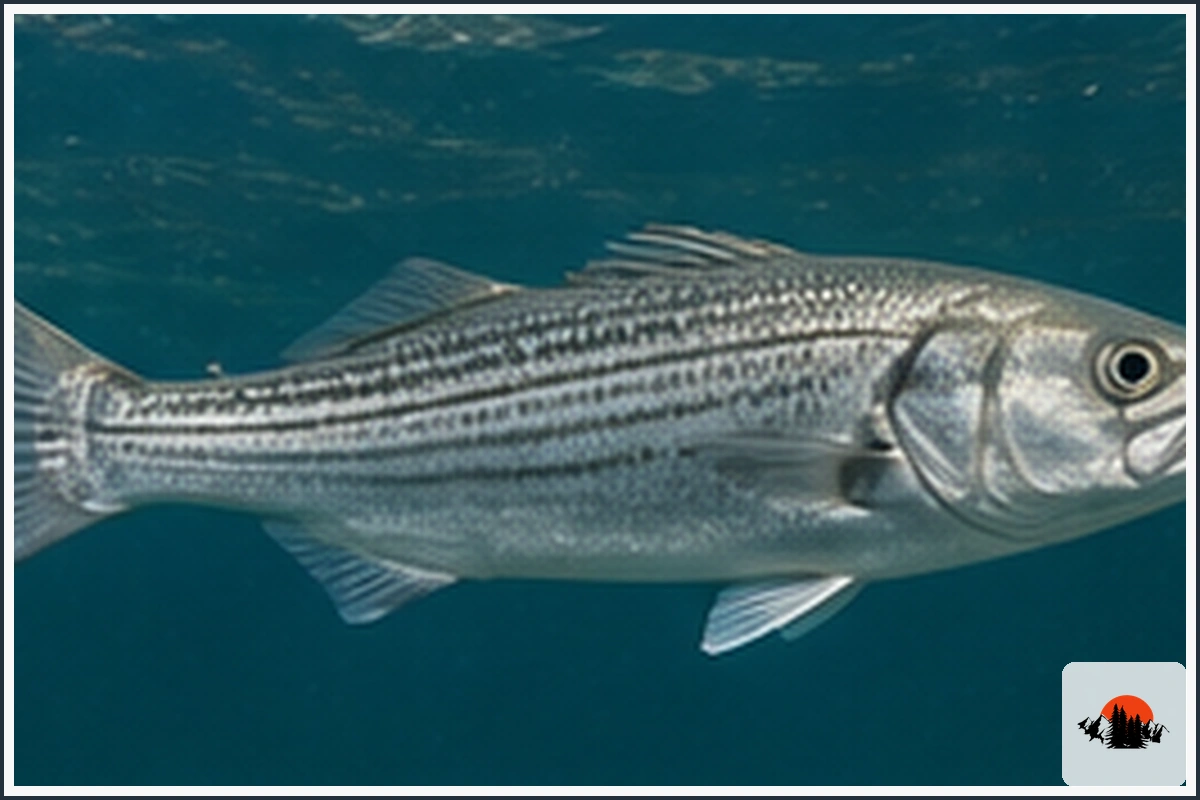
Scientific name: Dicentrarchus labrax. The European sea bass has a silvery body, a dark back, and two dorsal fins. It commonly reaches 40–70 cm, although larger fish occur. This adaptable predator lives along rocky coasts, sandy areas, lagoons, estuaries, and near river mouths throughout much of the Mediterranean and nearby Atlantic waters.
It feeds on small fish, shrimp, crabs, and other marine animals. Young sea bass often enter sheltered coastal water, while adults may patrol surf zones and rocky structure. Sea bass is highly valued by recreational anglers and commercial fisheries. Handle released fish carefully and follow local size limits and seasonal rules.
2. Gilthead Seabream
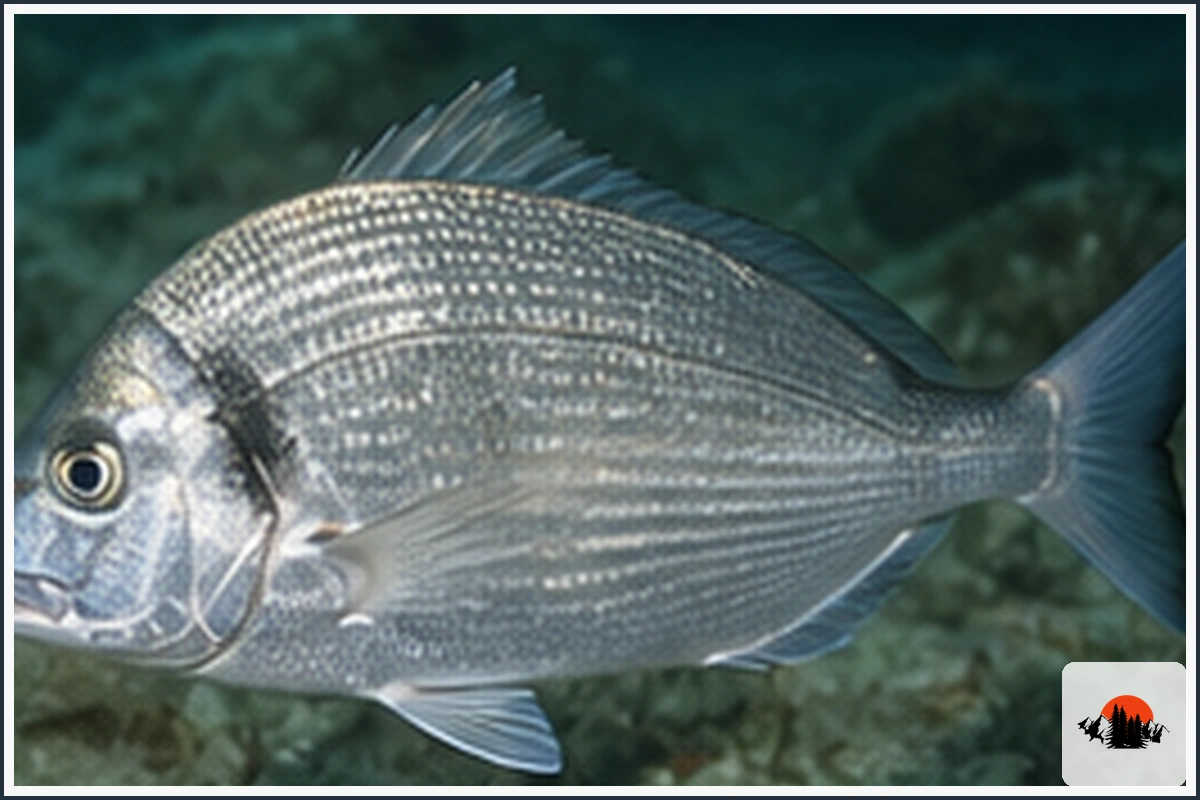
Scientific name: Sparus aurata. The gilthead seabream is recognized by its silver body and distinctive golden band between the eyes. It usually grows to 20–40 cm but can become larger. This strong-jawed fish inhabits seagrass beds, rocky bottoms, lagoons, sandy areas, and coastal reefs.
Its powerful teeth crush mussels, clams, crabs, and other hard-shelled prey. Gilthead seabream is an important Mediterranean food fish and is also widely raised in aquaculture. Look for it around structure and mixed sand-and-rock habitat, especially where shellfish are abundant.
3. European Anchovy
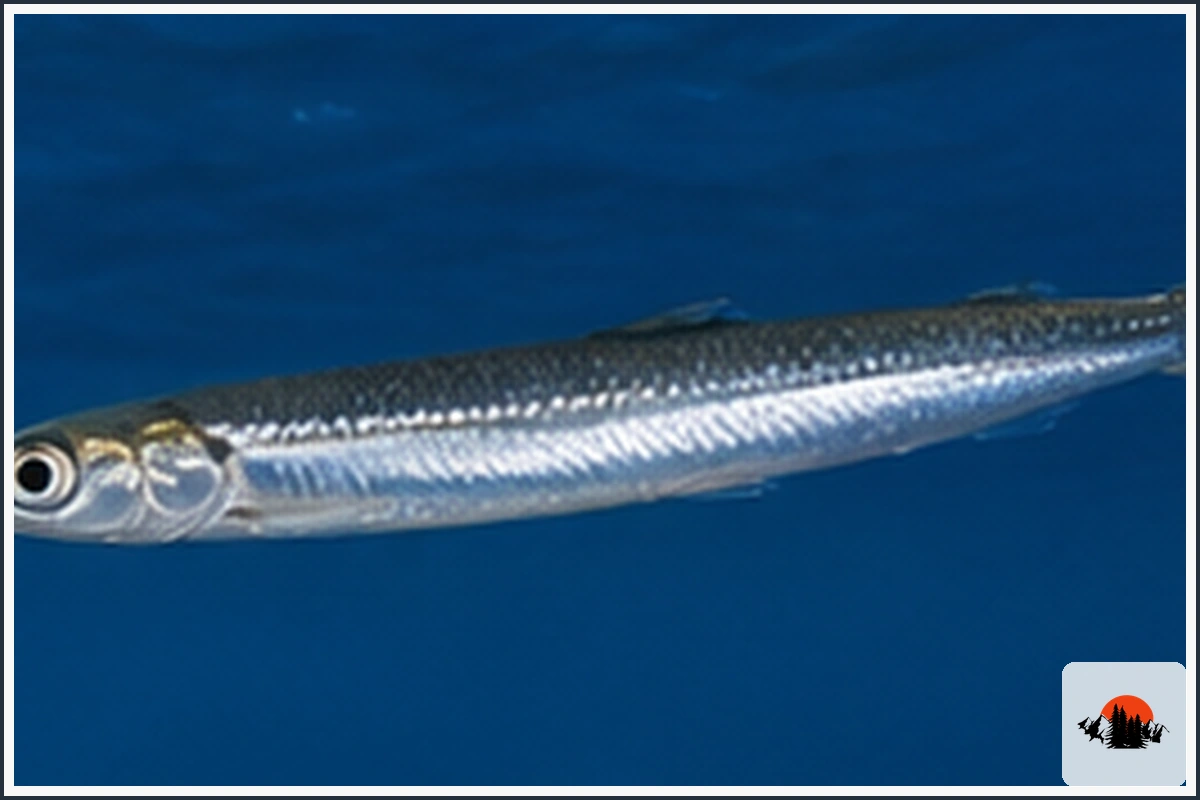
Scientific name: Engraulis encrasicolus. The European anchovy is a small, slender, silver fish with a blue-green back. Most are approximately 10–15 cm long. Anchovies form dense schools in coastal and offshore waters and are especially common in productive areas influenced by currents and seasonal plankton blooms.
They feed mainly on plankton and are an important food source for tuna, dolphins, seabirds, larger predatory fish, and other marine animals. Anchovies are commercially harvested and commonly preserved in salt, oil, or sauces. Their abundance can vary greatly with ocean conditions and fishing pressure.
4. European Sardine
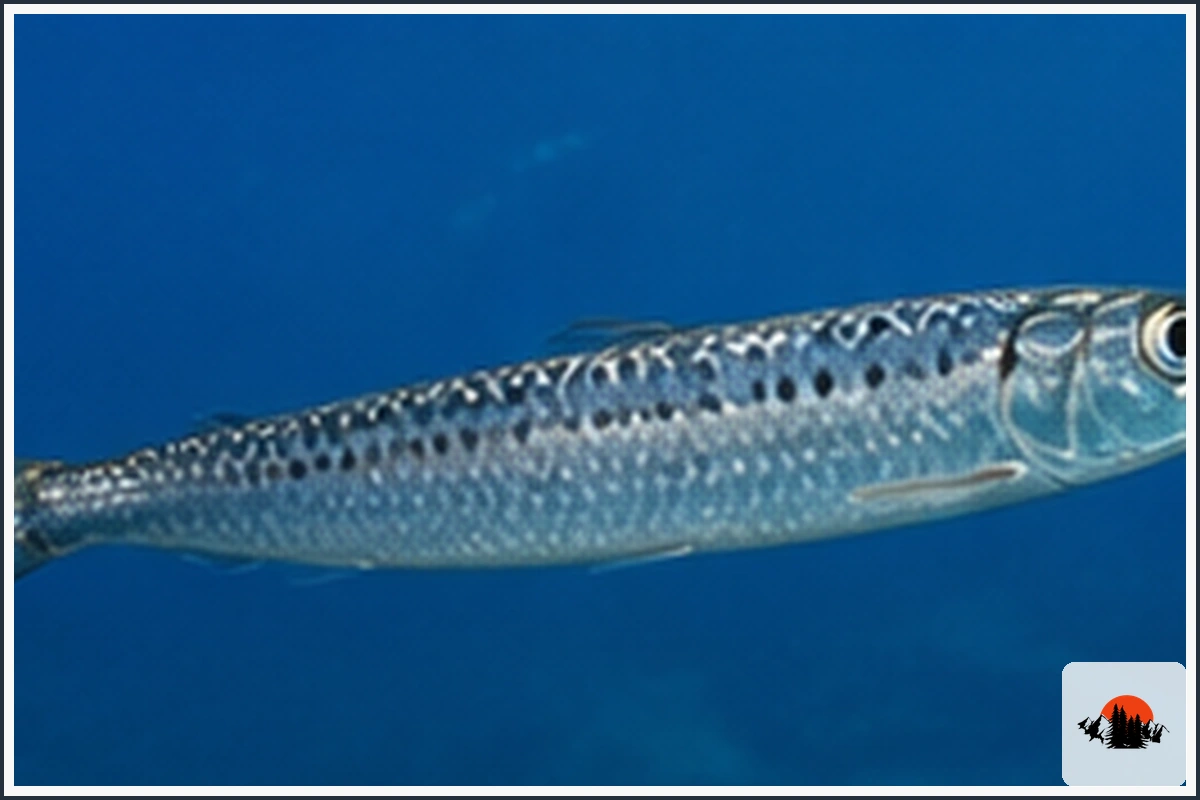
Scientific name: Sardina pilchardus. The European sardine has a streamlined silver body, darker back, and rows of small scales. It often reaches 15–20 cm. Sardines swim in large schools near the surface or in midwater and commonly occur along continental shelves and productive coastal zones.
They consume plankton and transfer energy to larger fish, seabirds, and marine mammals. Sardines are among the Mediterranean’s most important forage and commercial fish. Populations may be sensitive to changes in water temperature, food availability, and fishing intensity.
5. Atlantic Bluefin Tuna
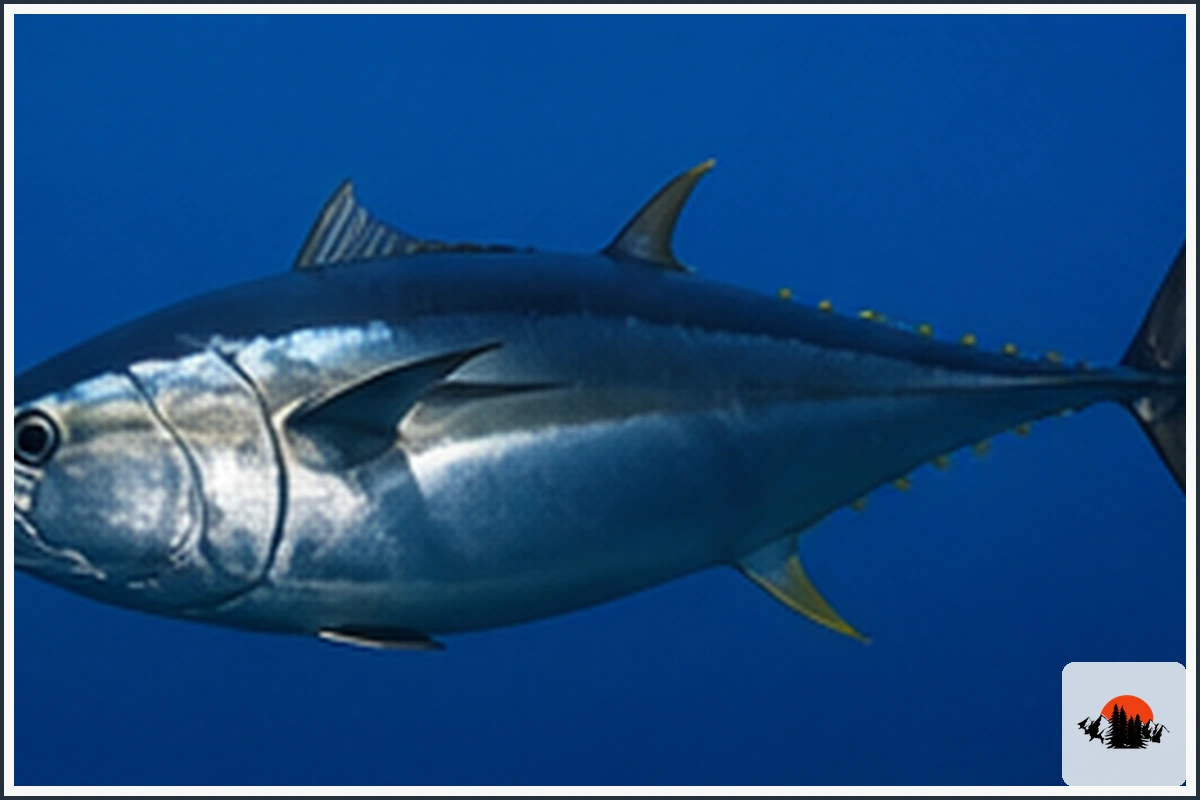
Scientific name: Thunnus thynnus. The Atlantic bluefin tuna is a powerful, warm-blooded predator with a torpedo-shaped body, dark blue back, and silvery lower sides. It can exceed 2 m in length and weigh hundreds of kilograms. The Mediterranean is a major spawning region for this species.
Bluefin tuna migrate through open water and pursue sardines, anchovies, mackerel, squid, and other prey. Their speed, endurance, and ability to regulate body temperature make them exceptional ocean predators. Strict international management has improved the outlook for bluefin tuna, but responsible fishing remains essential.
6. Little Tunny
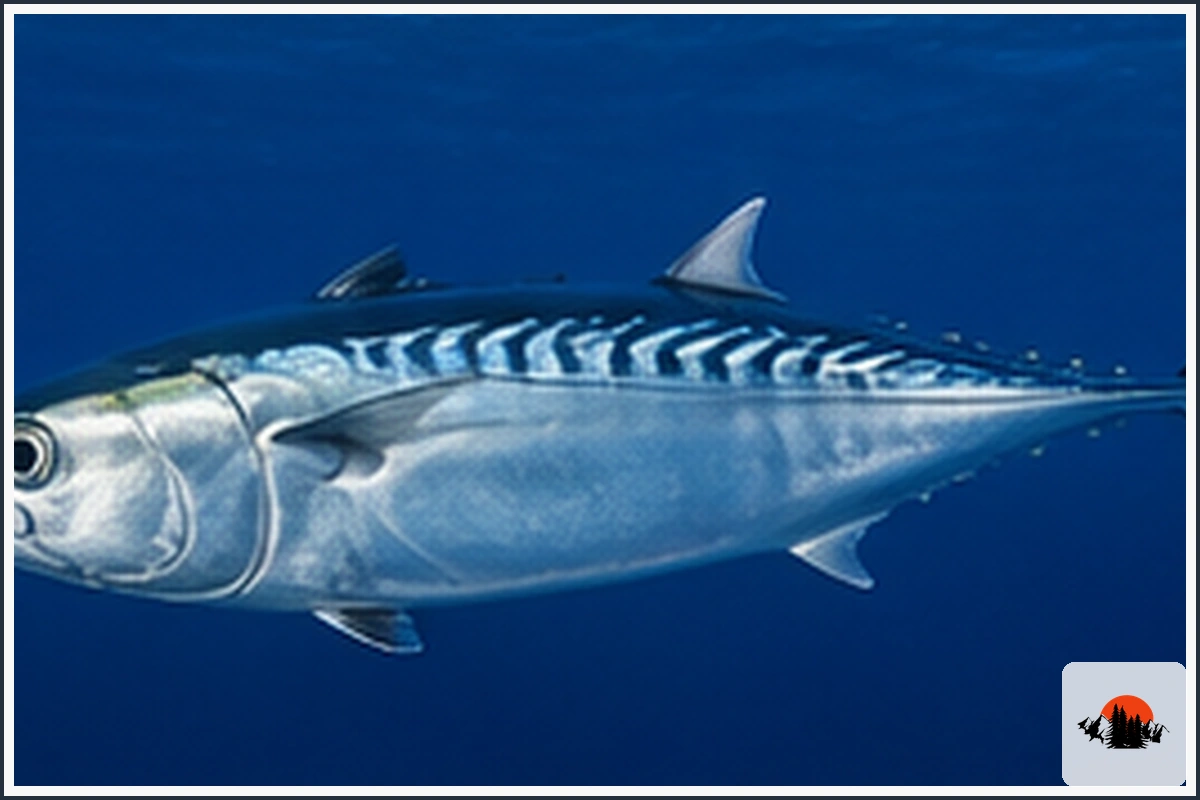
Scientific name: Euthynnus alletteratus. Also called the little tunny or false albacore, this streamlined tuna has dark wavy markings on its back and several dark spots below the pectoral fin. It often measures 40–80 cm and travels in fast-moving schools.
Little tunnies feed on small schooling fish, squid, and crustaceans. They prefer warm coastal and offshore waters and are popular targets for recreational anglers. Their rapid movements and strong runs make them easy to recognize as powerful open-water predators.
7. Atlantic Mackerel
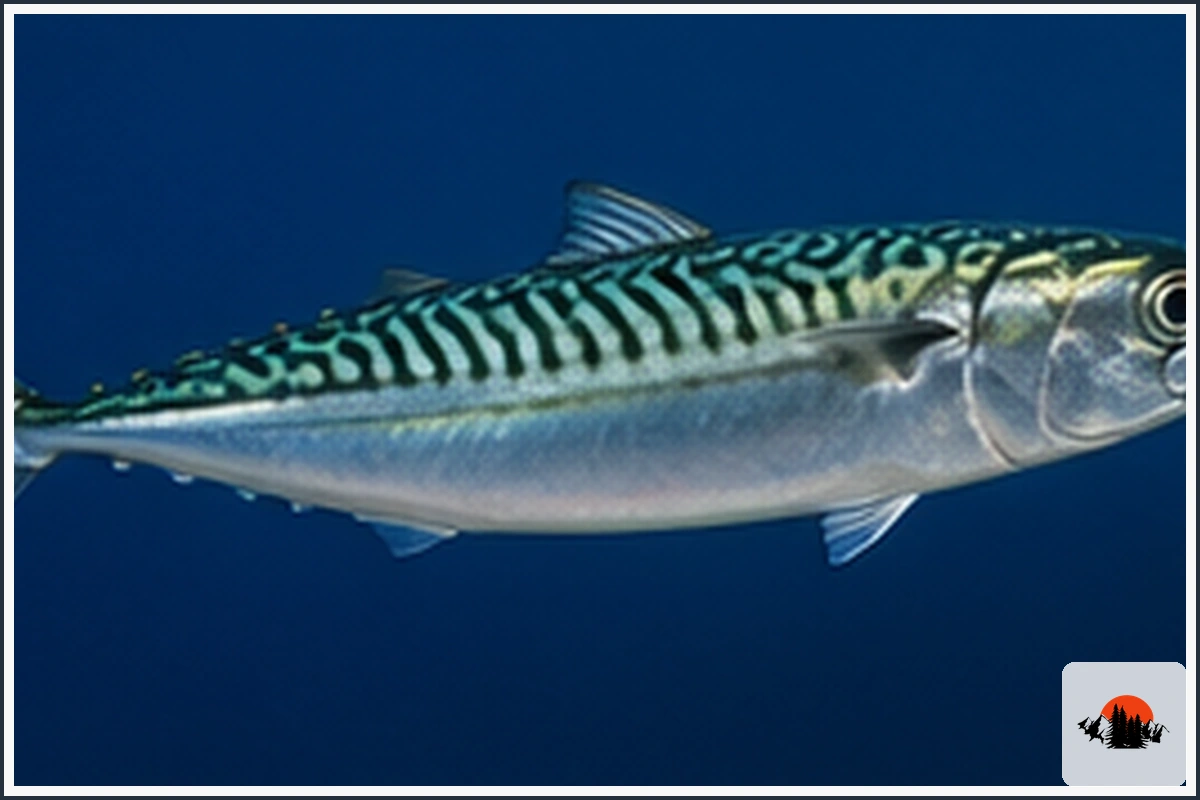
Scientific name: Scomber scombrus. Atlantic mackerel have slender bodies, deeply forked tails, iridescent sides, and distinctive dark wavy bands across the back. They commonly reach 25–40 cm. In the Mediterranean, they occur in open water and coastal areas where plankton and small fish are plentiful.
Mackerel feed on plankton, fish larvae, and small fish. They form schools and are important prey for tuna, dolphins, seabirds, and larger predatory fish. Their oily flesh makes them valuable as food, but it should be kept cold soon after capture.
8. Dusky Grouper
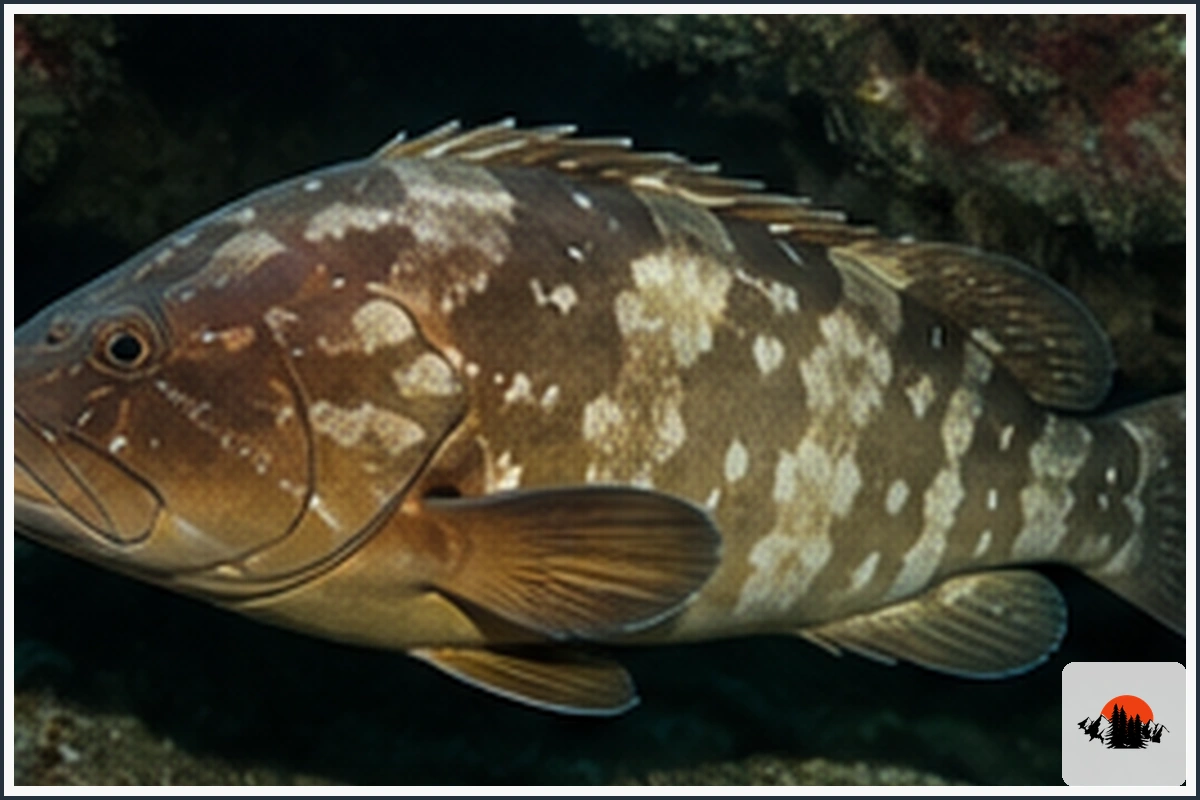
Scientific name: Epinephelus marginatus. The dusky grouper is a large, thick-bodied reef fish with a broad mouth and mottled brown, gray, or greenish coloration. Adults can exceed 1 m in length. It lives around rocky reefs, caves, drop-offs, and boulder fields, often remaining close to shelter.
This ambush predator eats fish, octopuses, crabs, and other sizable prey. Dusky groupers are generally solitary and can live for many years. They are vulnerable to overfishing because they grow slowly and change sex during their life cycle, so local protection and catch regulations are important.
9. White Grouper
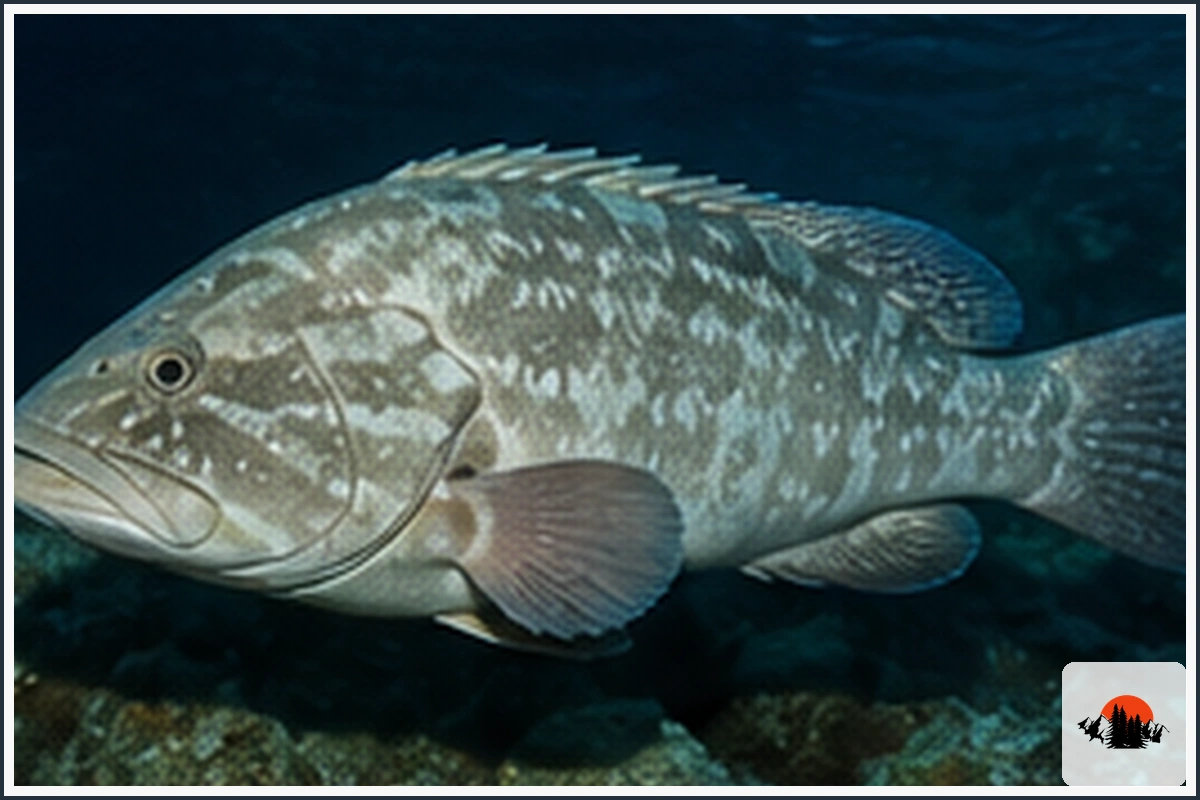
Scientific name: Epinephelus aeneus. The white grouper has a pale gray or tan body marked with subtle darker spots and a robust head. It may grow beyond 1 m. This species occurs on rocky and sandy bottoms, often near reefs, caves, and coastal structure.
White groupers ambush fish, squid, and crustaceans. Juveniles may occupy shallower coastal habitats, while larger adults use deeper reef environments. Because groupers are easily affected by intensive fishing, releasing large breeding adults can help support healthy populations where regulations permit catch-and-release.
10. Common Dentex
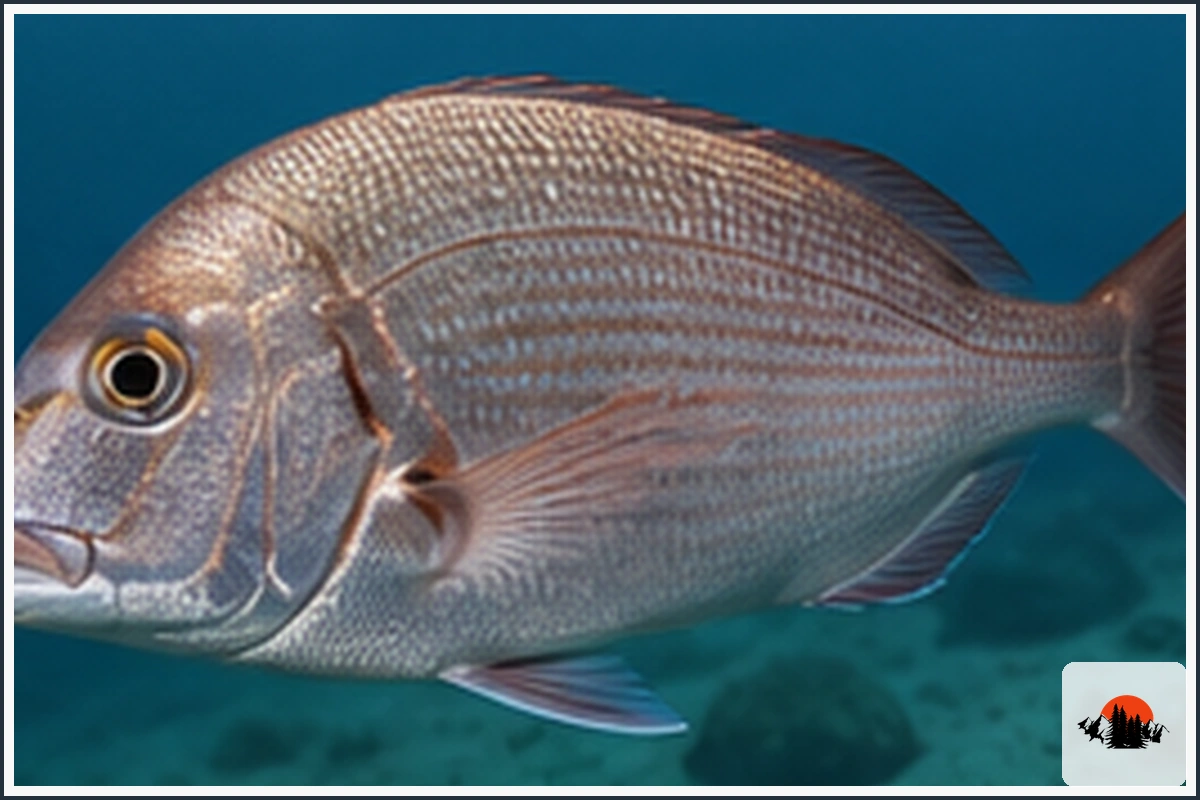
Scientific name: Dentex dentex. The common dentex is a powerful seabream with a deep body, large canine teeth, and blue-gray or reddish coloration. It often reaches 30–70 cm. Adults favor rocky bottoms, reef edges, and deeper coastal water.
It is an active predator that eats fish, cephalopods, and crustaceans. Dentex are prized by anglers for their strength and by seafood markets for their firm white flesh. Their teeth and bulky head distinguish them from smaller, more delicate seabream species.
11. Red Scorpionfish
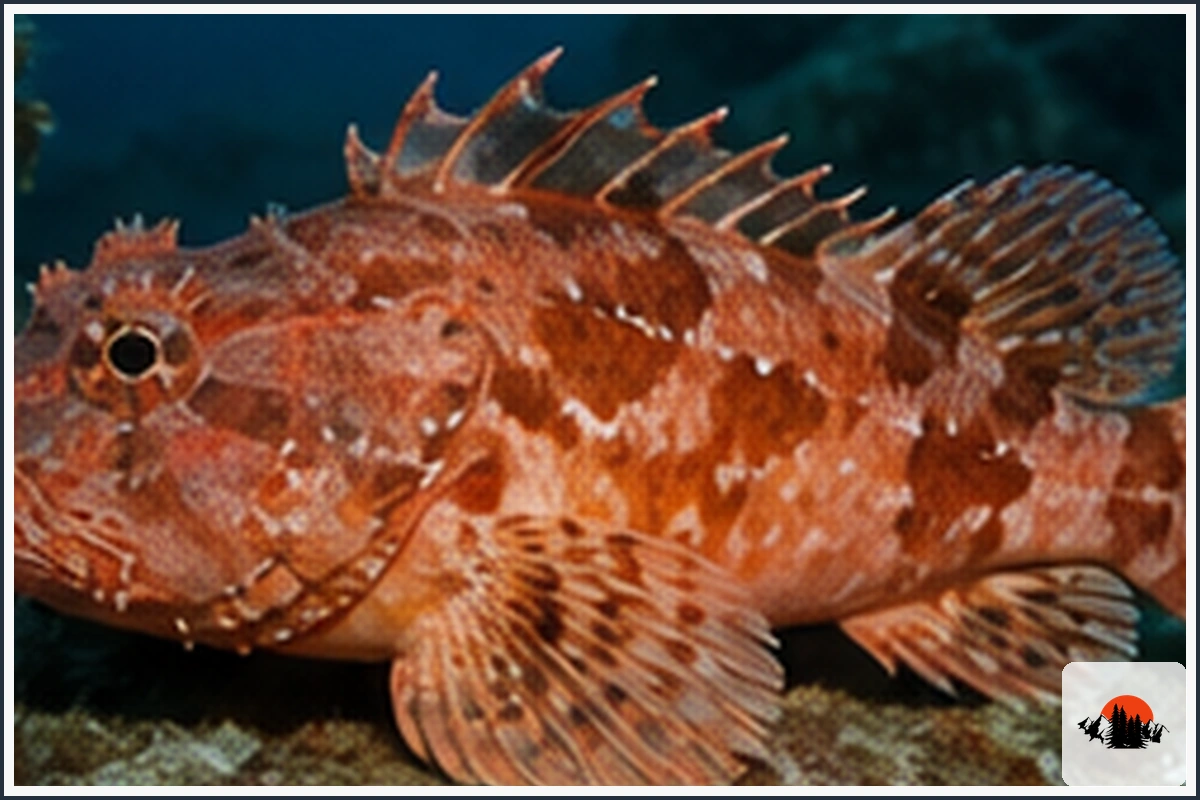
Scientific name: Scorpaena scrofa. The red scorpionfish has a large head, broad mouth, rough skin, and mottled red, orange, brown, and cream coloration. It commonly reaches 20–40 cm. Excellent camouflage allows it to blend into rocky reefs, algae-covered stones, and uneven seabeds.
This ambush predator waits for fish and crustaceans to approach. Sharp spines on its dorsal, anal, and pelvic fins can deliver a painful venomous sting, even after the fish has died. Divers should never touch one, and anglers should use care when removing hooks.
12. European Conger Eel
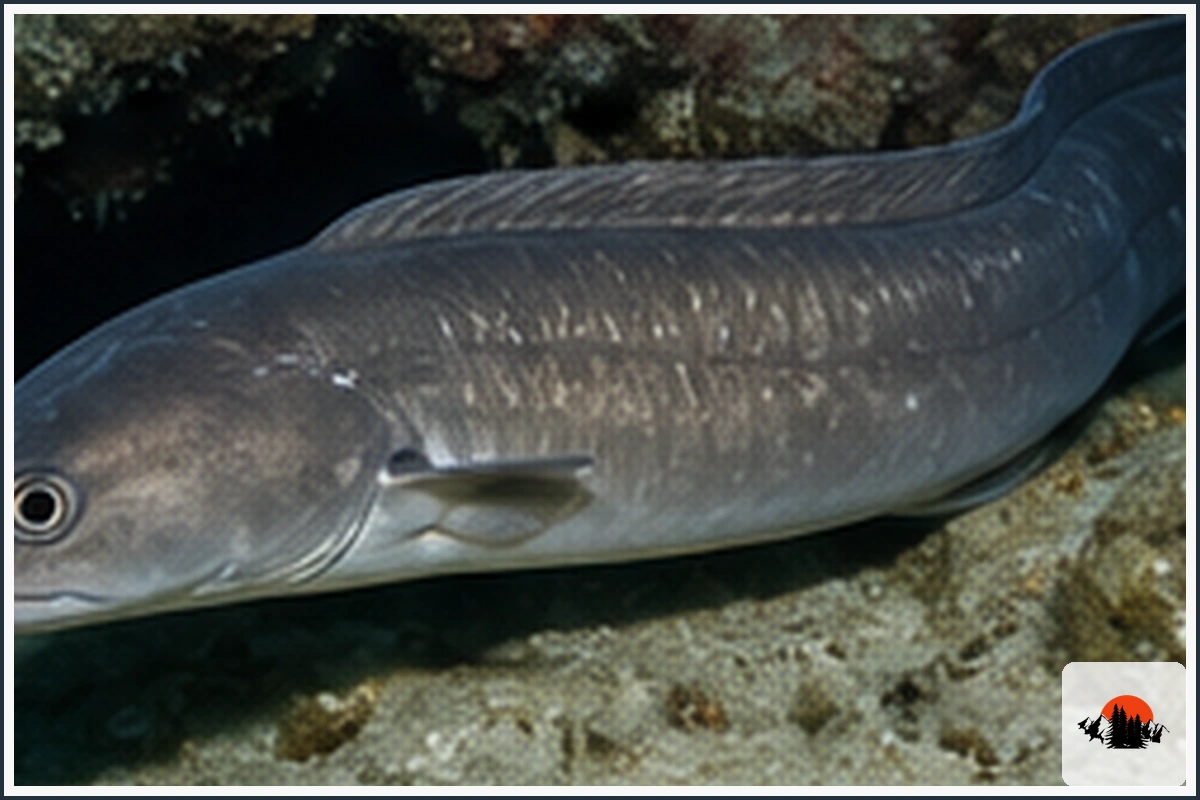
Scientific name: Conger conger. The European conger eel is a long, muscular eel with a gray or brown body and a large head. It can exceed 2 m in length. Congers live in rocky crevices, caves, wrecks, and reef holes from shallow coastal habitats to considerable depths.
They are nocturnal predators that eat fish, crabs, lobsters, and octopuses. During the day, only the head may protrude from a shelter. Congers are not true freshwater eels and should not be confused with smaller moray eels.
13. Mediterranean Moray
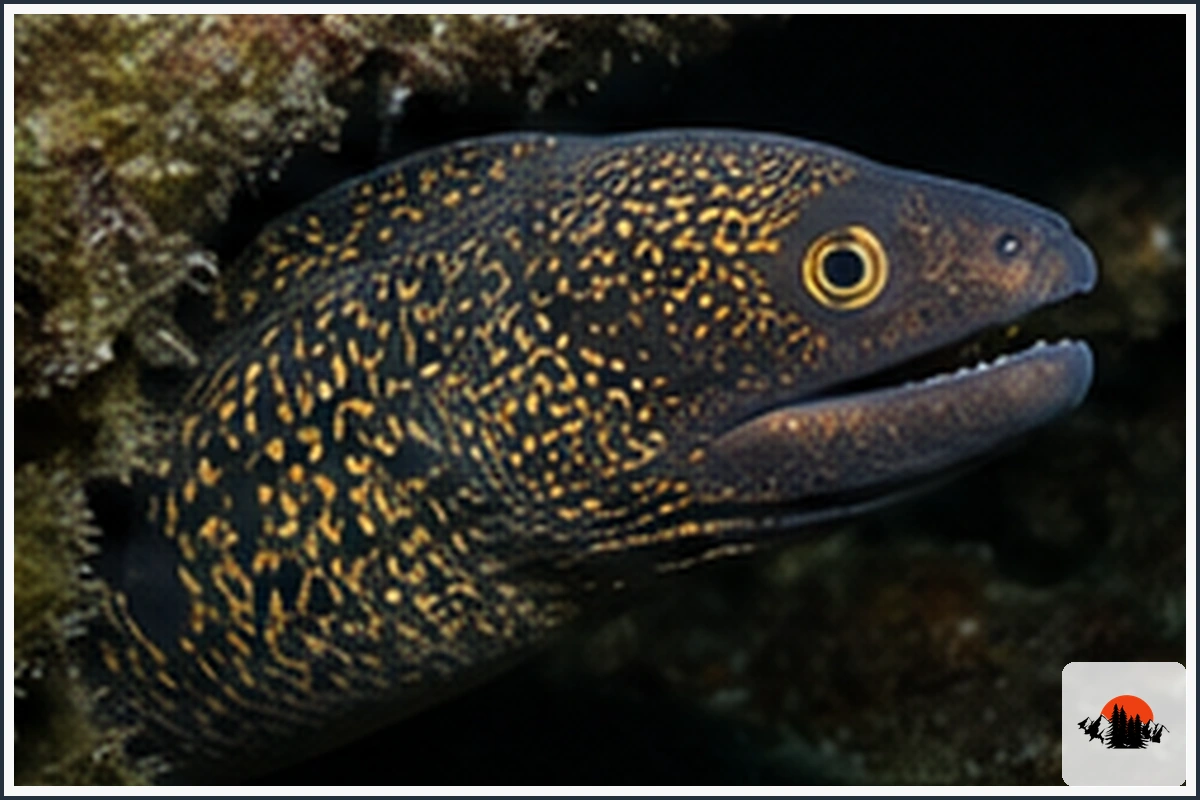
Scientific name: Muraena helena. The Mediterranean moray has a long, muscular body with brown, yellow, and cream markings and a rounded head. It may reach more than 1 m. Morays hide in reef holes, caves, and crevices, often exposing only their head.
They feed on fish, octopuses, crabs, and other animals captured with a sudden lunge. Morays constantly open and close their mouths to move water across their gills; this behavior is normal and does not necessarily signal aggression. Never place hands near a moray’s shelter.
14. Striped Red Mullet
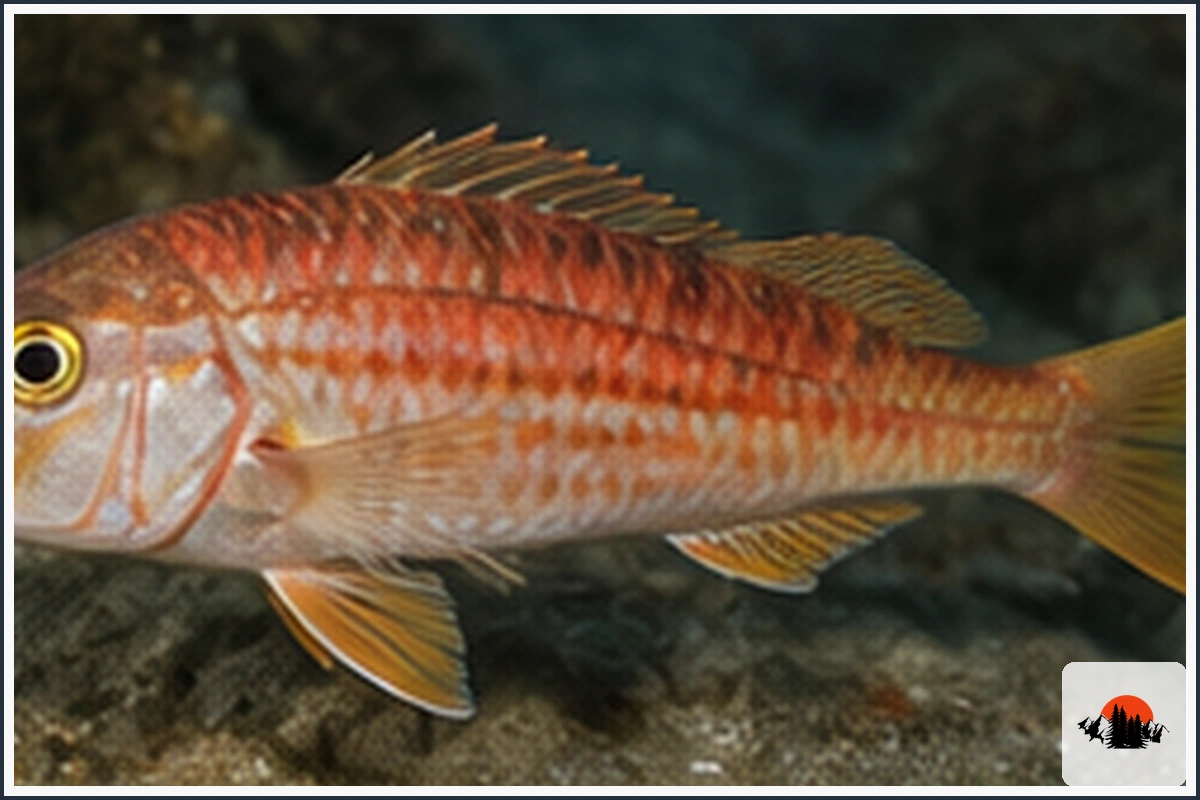
Scientific name: Mullus surmuletus. The striped red mullet is a small bottom-feeding fish with reddish or pink sides, yellowish stripes, and two noticeable chin barbels. It usually reaches 15–30 cm. These barbels help detect prey in sand, mud, and gravel.
Red mullet search the seabed for worms, small crustaceans, and other invertebrates. They often travel in loose groups over sandy patches beside rocky habitat. Their delicate, sweet flesh makes them a popular Mediterranean food fish.
15. European Barracuda
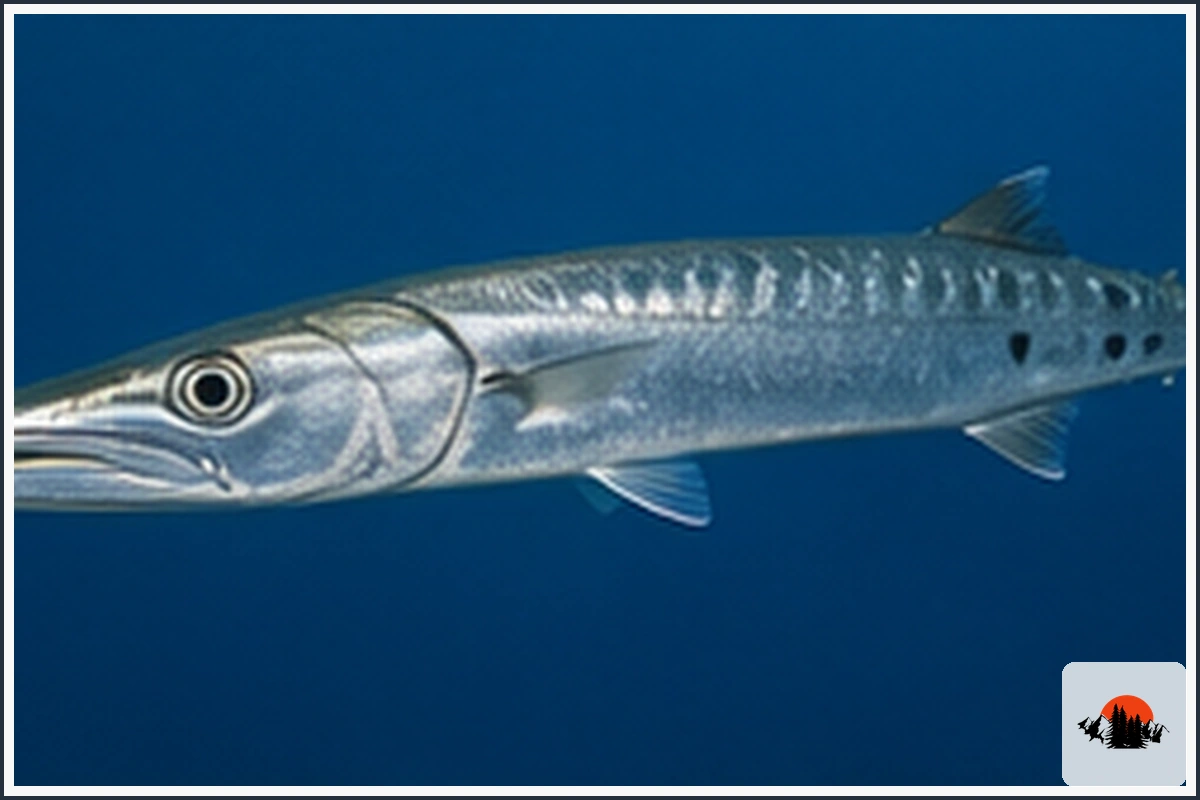
Scientific name: Sphyraena sphyraena. The European barracuda has a long, silver body, pointed head, large teeth, and dark vertical bars along the sides. It commonly reaches 50–100 cm. Barracudas patrol coastal reefs, harbors, seagrass areas, and open water.
They are fast visual predators that attack smaller fish. Juveniles may gather in schools, while adults are often more solitary. Divers should avoid provoking them, especially around baitfish or during feeding activity.
16. Salema Porgy
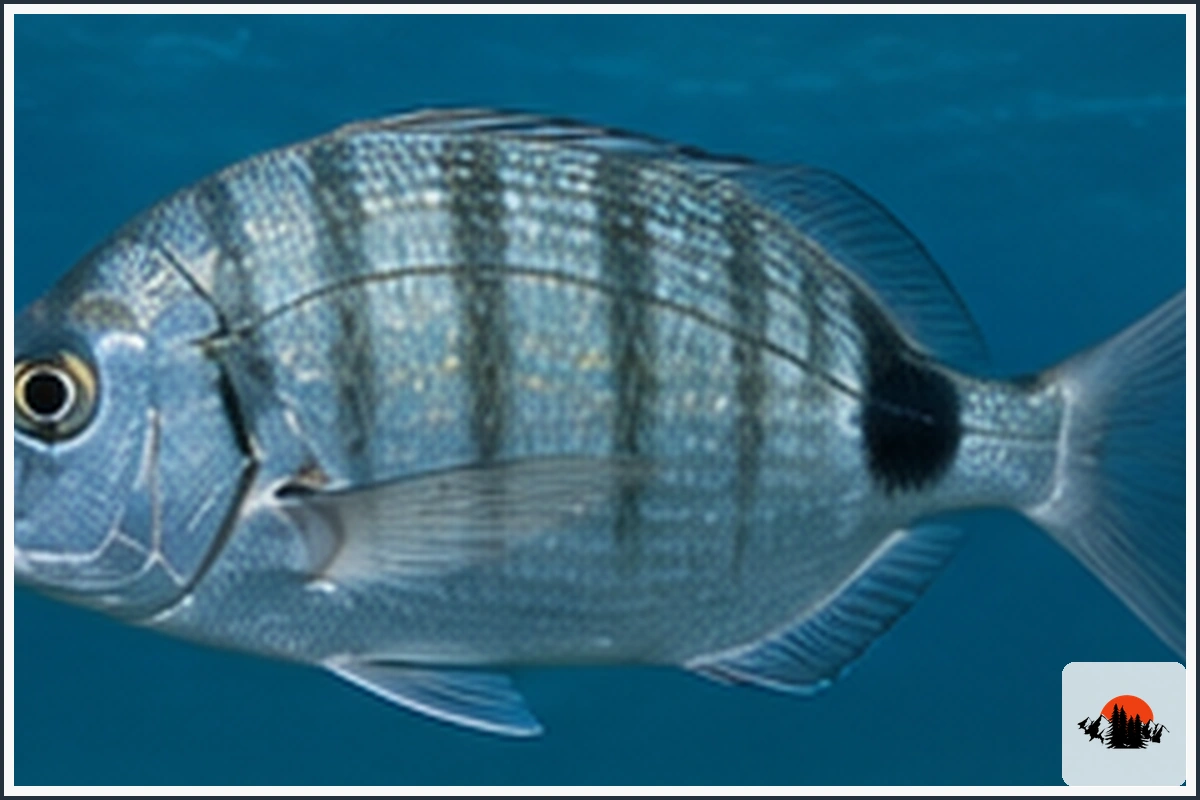
Scientific name: Sarpa salpa. The salema porgy is easily identified by its silver body and several bright golden longitudinal stripes. It commonly grows to 20–35 cm and is frequently seen in shallow rocky areas and seagrass meadows.
Salema feed mainly on algae and seagrass, although their diet can include other plant material. They often move in schools and are familiar sights for snorkelers. Rare poisoning incidents have been associated with eating fish that consumed certain toxic algae, so local seafood guidance should always be followed.
17. Rainbow Wrasse
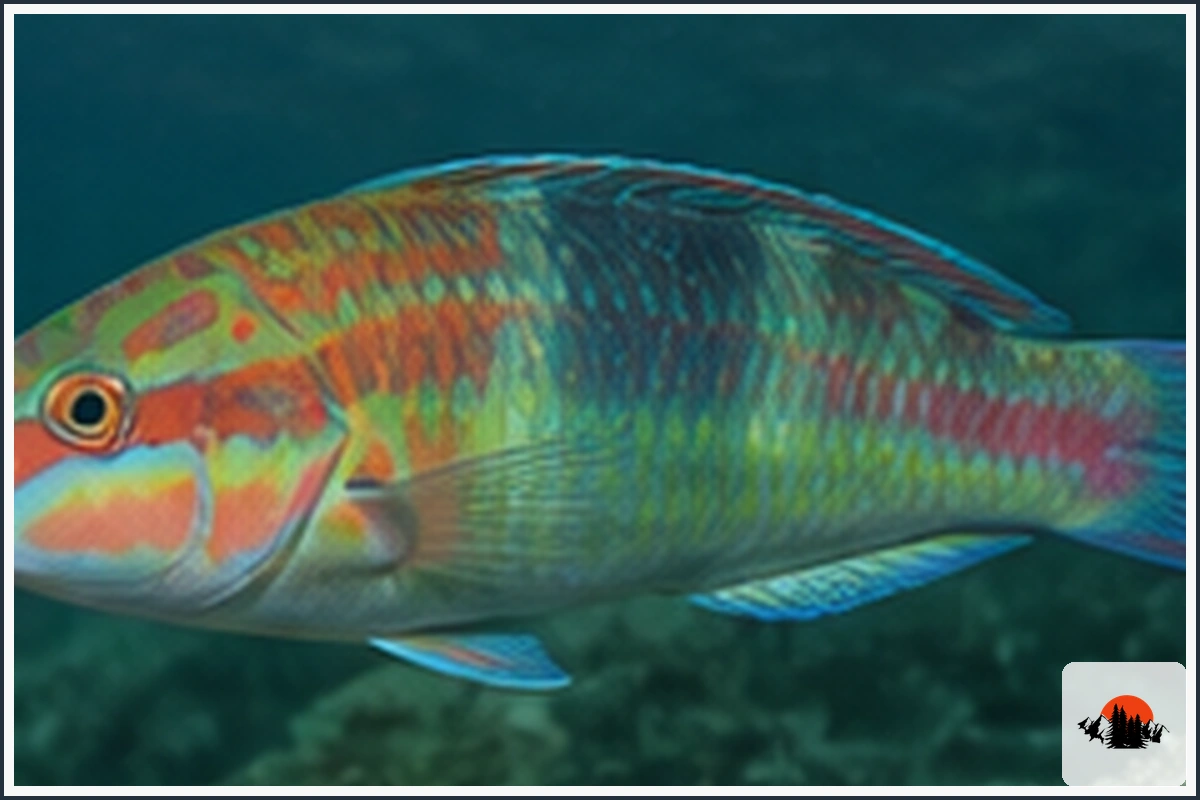
Scientific name: Coris julis. The rainbow wrasse is a slender, colorful fish with strong differences between male and female coloration. Males often show green, blue, orange, and red markings, while females are generally less vividly patterned. It usually reaches 15–25 cm.
This active wrasse lives around rocky reefs, seagrass beds, and algae-covered shallows. It eats small crustaceans, mollusks, worms, and other invertebrates. Rainbow wrasse may bury themselves in sand when threatened or resting.
18. Ornate Wrasse
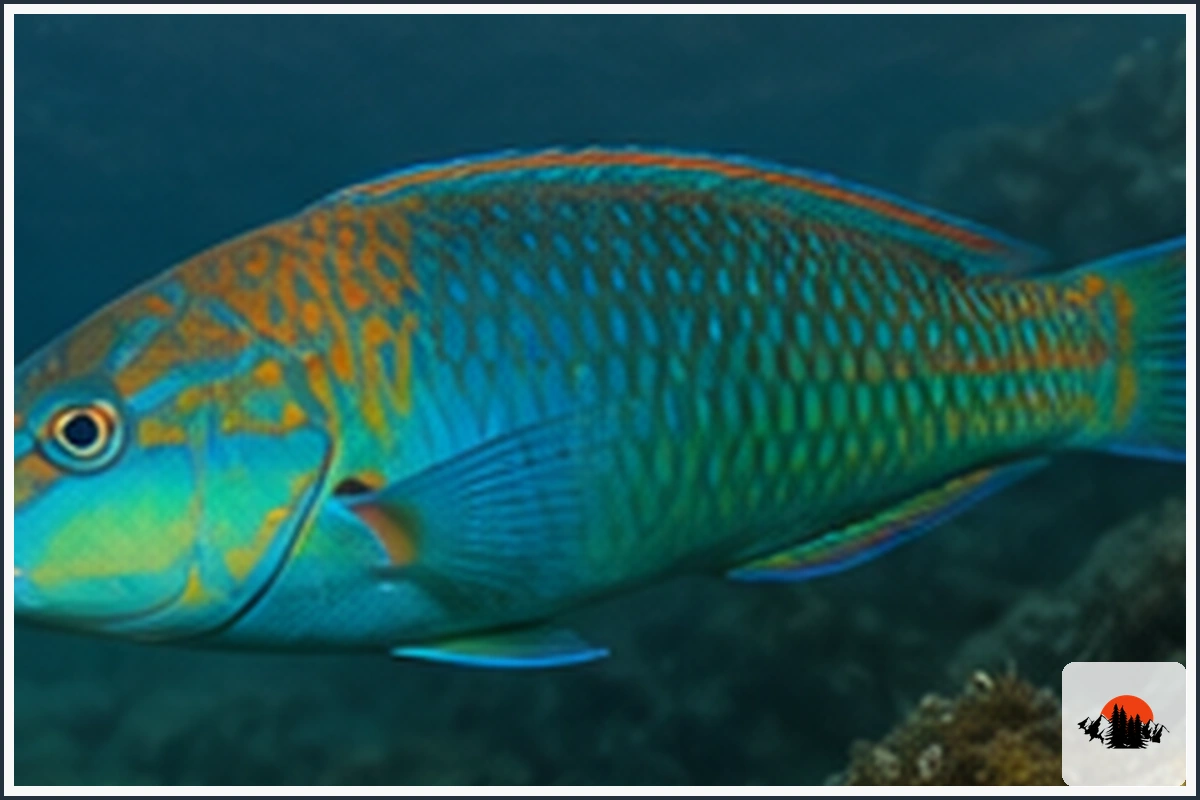
Scientific name: Thalassoma pavo. The ornate wrasse is one of the Mediterranean’s most colorful shallow-water fish. It has green, blue, yellow, and reddish markings and may grow to approximately 25 cm. It favors rocky reefs, seagrass meadows, and clear coastal water.
Ornate wrasses feed on small invertebrates and frequently inspect rocks and algae for prey. They are active during daylight and are excellent subjects for underwater observation. Their vivid colors often make them easier to identify than many uniformly colored reef fish.
19. Salema
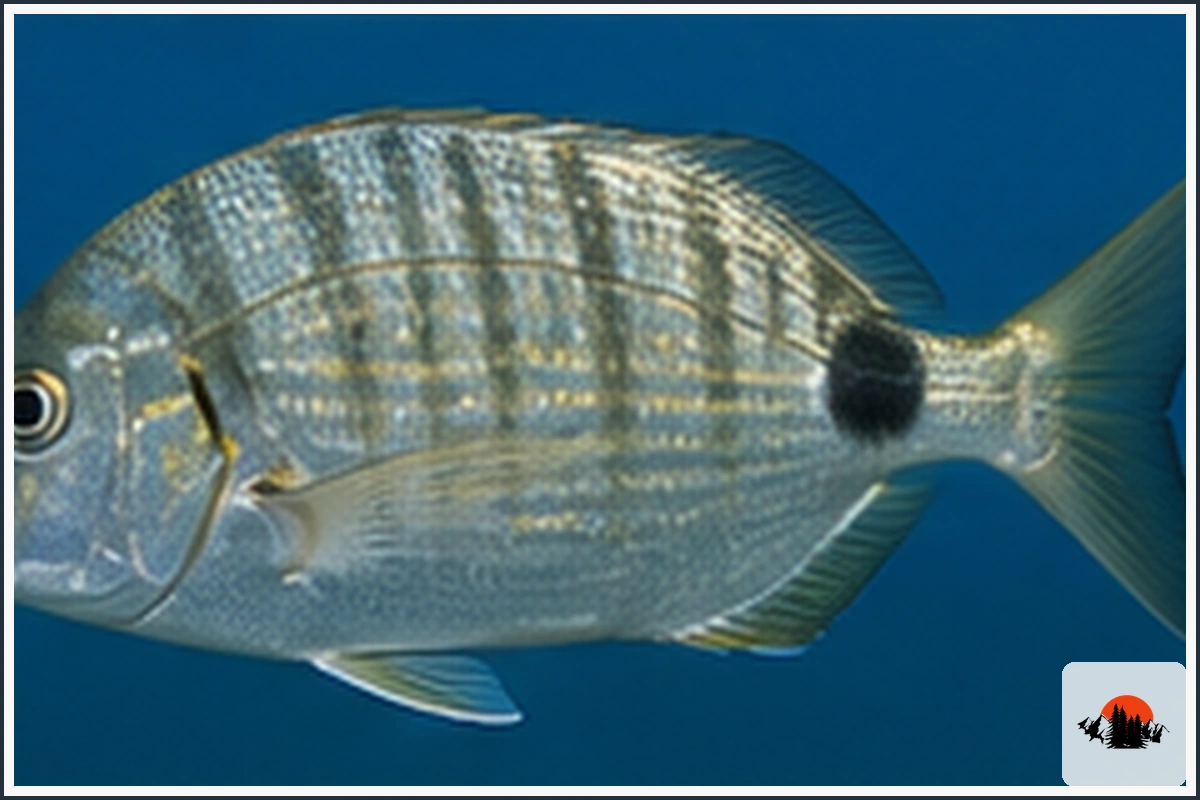
Scientific name: Sarpa salpa. Salema are schooling herbivorous seabreams with narrow golden stripes running from head to tail. They are usually found in shallow water over seagrass, algae-covered rocks, and coastal reefs.
The species is sometimes listed under different common names in regional seafood markets. Its plant-heavy diet separates it from predatory seabreams such as dentex. Identification is important because unusual poisoning cases have occasionally been linked with consuming salema from specific locations.
20. Mediterranean Rainbow Garfish
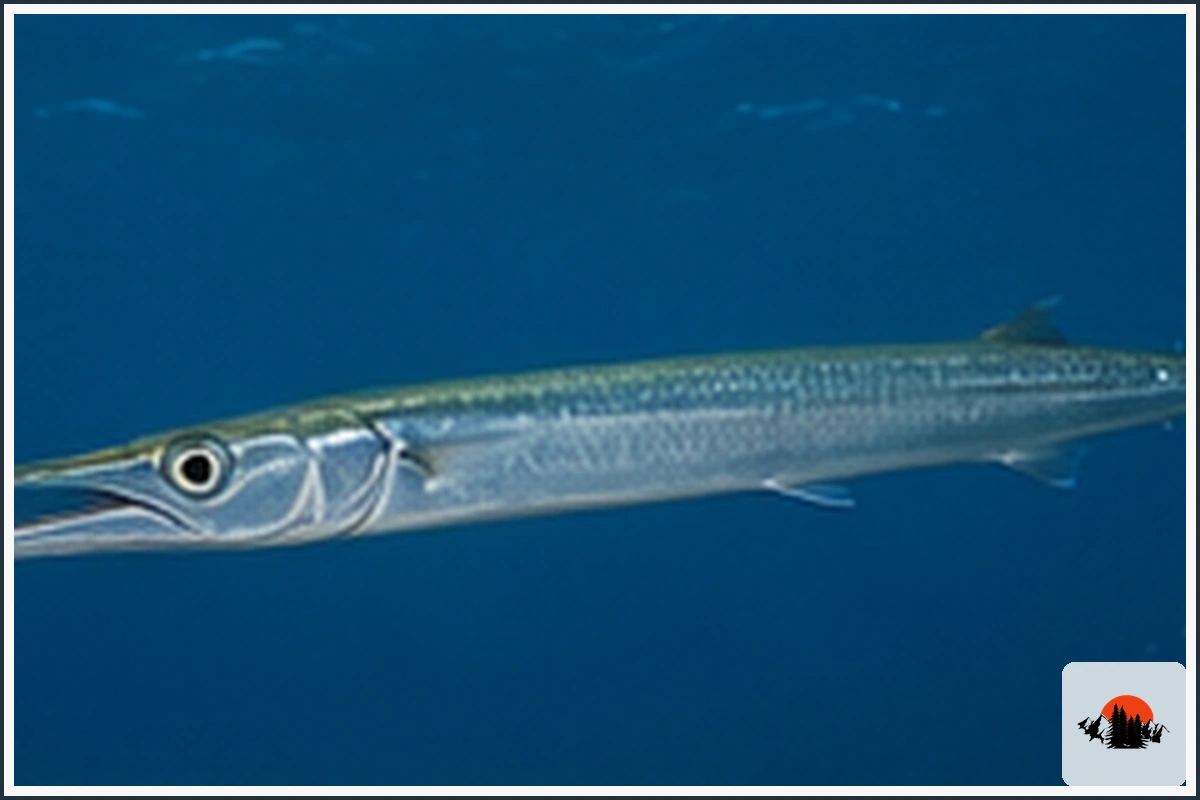
Scientific name: Belone belone. The garfish has a long, needle-like body, narrow jaws, and bright silver sides. It can reach roughly 60–90 cm. Garfish often swim near the surface in coastal waters, especially around baitfish schools.
They feed on small fish and crustaceans and may leap when startled. Their greenish bones are a harmless natural feature caused by pigments in the skeleton. The long bill and surface-oriented behavior make garfish easy to distinguish from mackerel and sardines.
21. Common Two-Banded Seabream
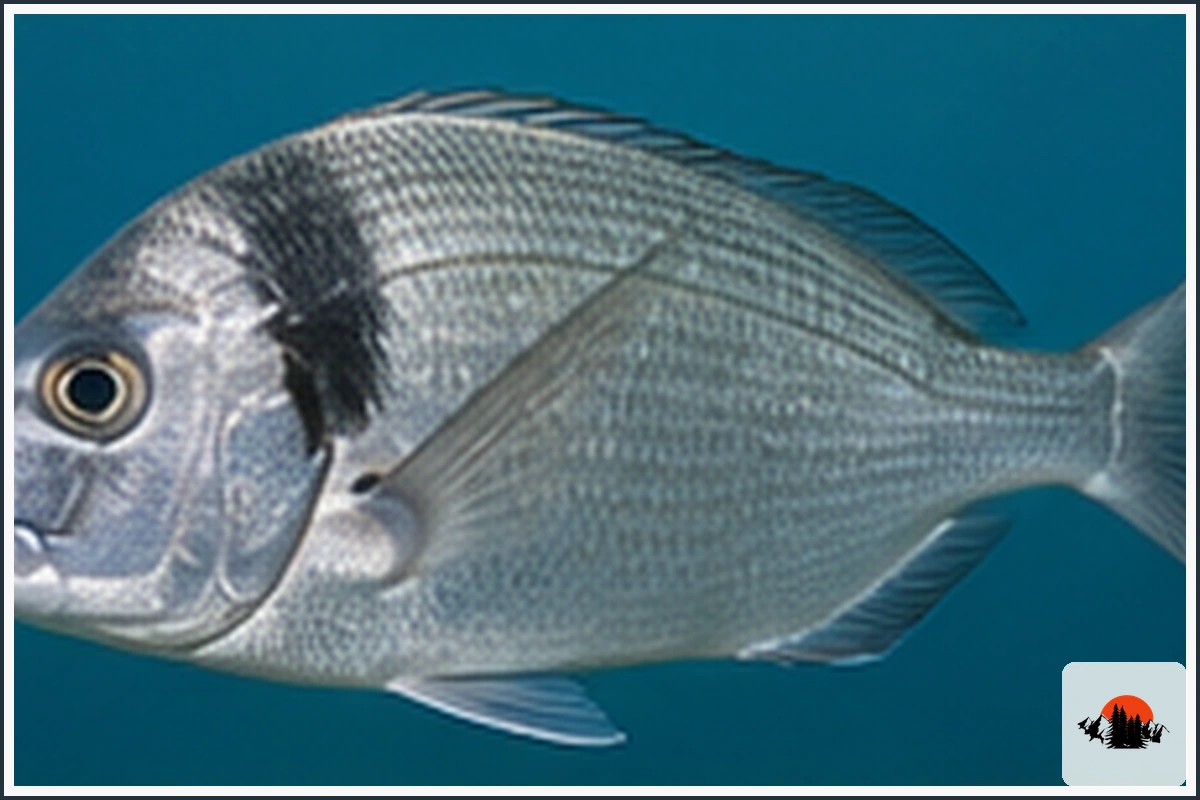
Scientific name: Diplodus vulgaris. This seabream has a silver body with two prominent dark bands, one behind the head and one near the tail. It commonly reaches 20–30 cm and occurs around rocky shores, seagrass beds, harbors, and mixed sand-and-rock habitat.
It eats algae, small mollusks, worms, and crustaceans. Two-banded seabream are common in shallow coastal areas and are frequently encountered by shore anglers and snorkelers. Their paired dark bands are the quickest field mark.
22. Saddled Seabream
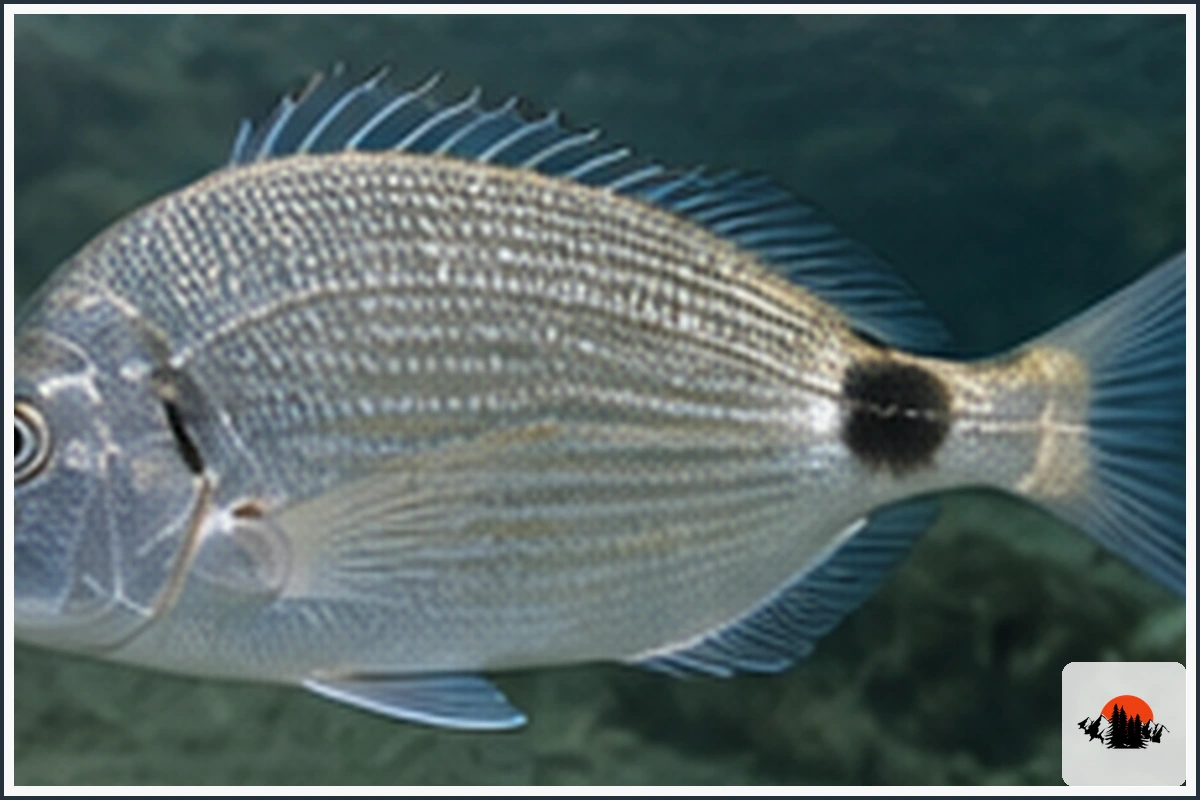
Scientific name: Oblada melanura. The saddled seabream has a silvery, oval body and a distinctive black spot at the base of the tail. It often measures 15–25 cm. Schools gather around rocky reefs, seagrass, breakwaters, and harbor structures.
This opportunistic feeder consumes algae, small crustaceans, worms, and drifting food. It is active in daylight and may approach divers or piers where food is available. The tail spot separates it from several similar silver seabreams.
23. Mediterranean Chromis
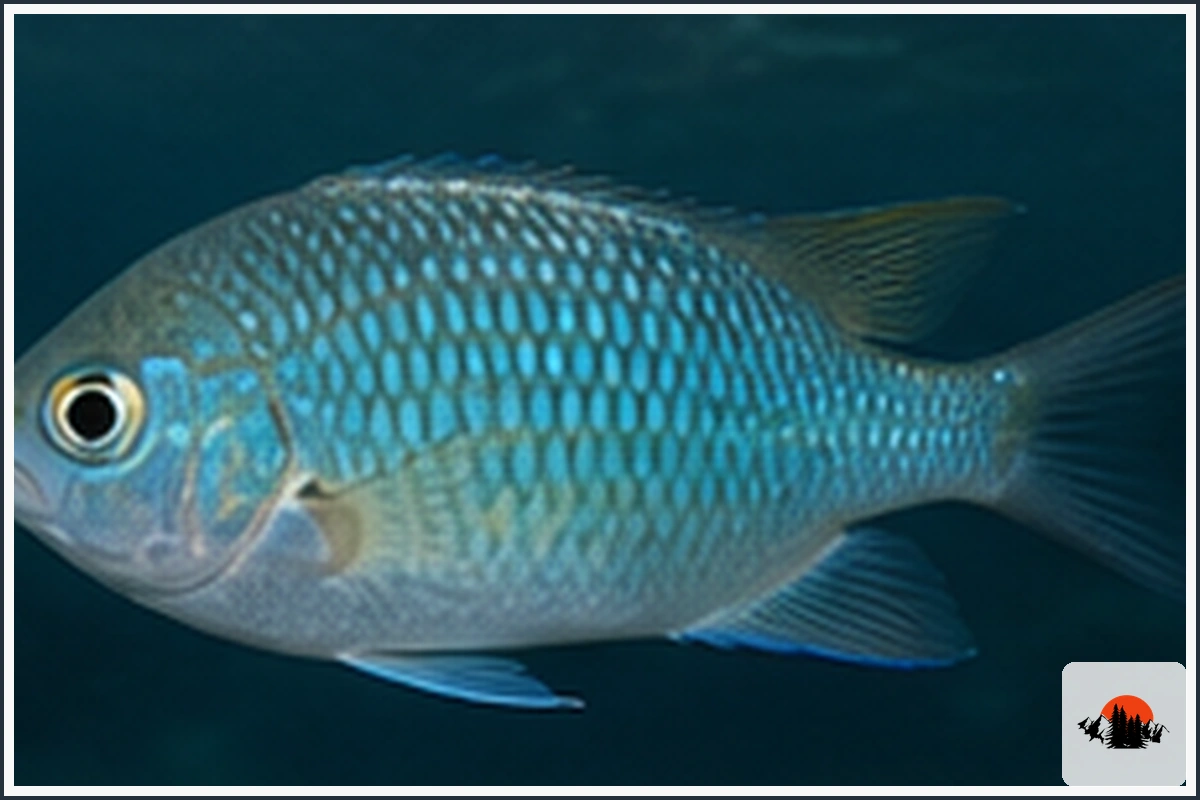
Scientific name: Chromis chromis. The Mediterranean chromis is a small, deep-bodied damselfish with brownish or dark coloration as an adult and brighter blue-gray tones as a juvenile. It usually grows to 8–15 cm.
Chromis form dense schools above rocky reefs and drop-offs, feeding on plankton in the water column. They are common sights for divers and help reveal current direction as they hold position above reef structures. Adults may guard eggs laid on rocky surfaces.
24. Mediterranean Killifish
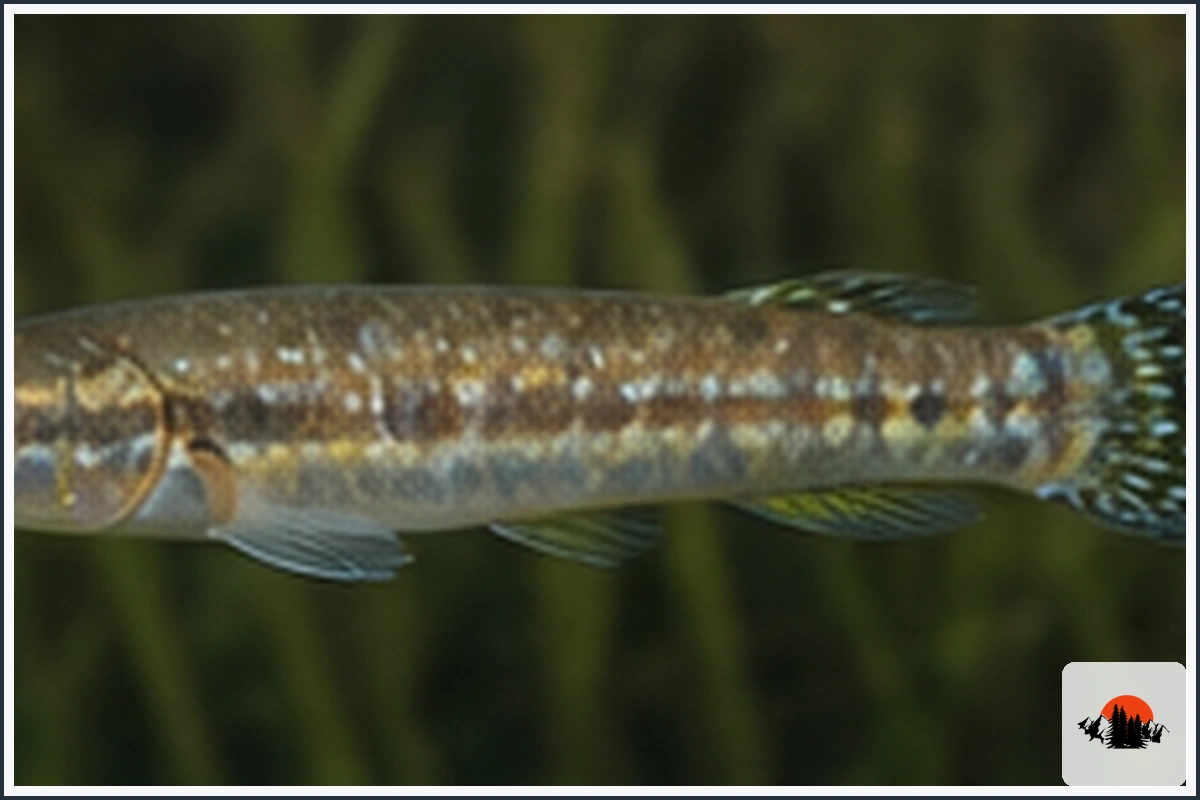
Scientific name: Aphanius fasciatus. The Mediterranean killifish is a small fish found in coastal lagoons, salt marshes, estuaries, and brackish pools. Males often display stronger bands and brighter markings than females. It usually remains under 10 cm long.
This hardy species feeds on small aquatic invertebrates, algae, and tiny organisms. It tolerates changing salinity and warm, shallow water. Coastal wetland loss and competition from introduced species can threaten local populations.
25. European Flying Squid-Eating Fish: John Dory
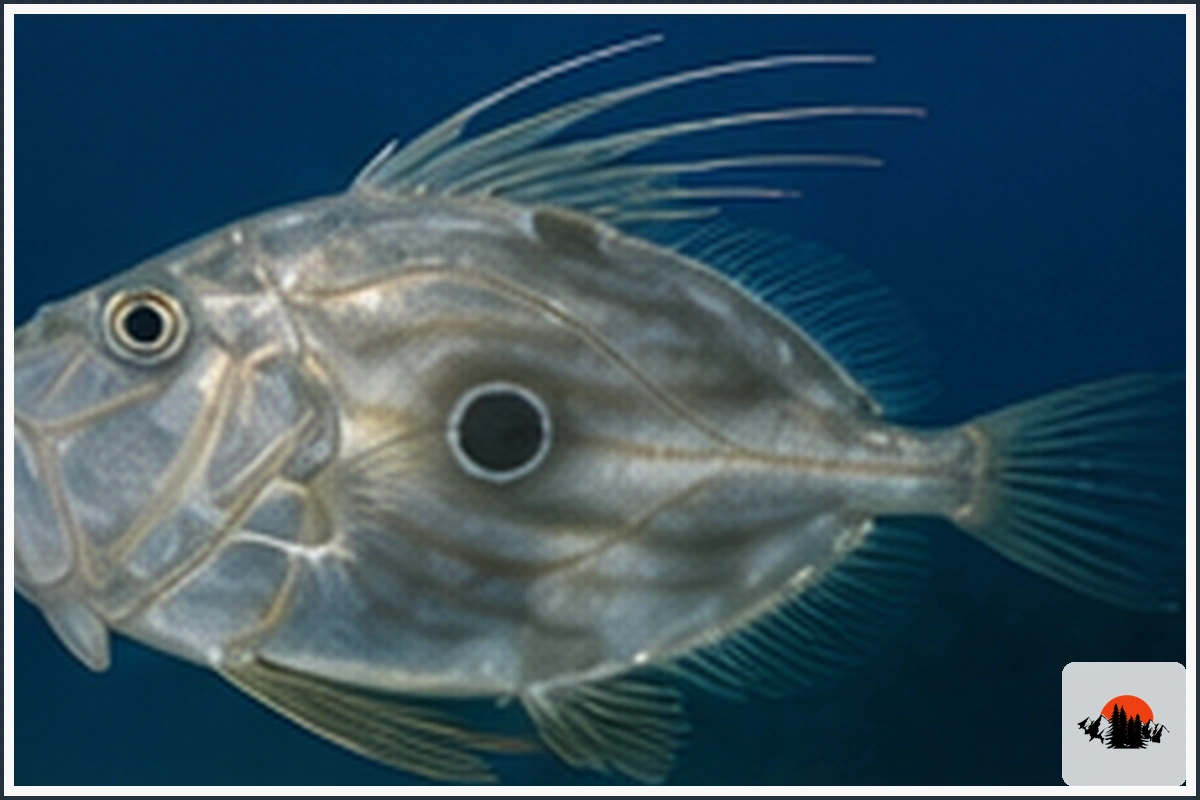
Scientific name: Zeus faber. John Dory has a tall, laterally compressed body, a large mouth, and a prominent dark spot on each side. It can reach 50–60 cm. This species usually lives over sandy or muddy bottoms from coastal water to deeper offshore habitat.
John Dory is a stealthy predator that approaches prey from the side and consumes fish, squid, and crustaceans. Its unusual shape and dark flank spot make identification straightforward. It is highly regarded as a food fish for its delicate white flesh.
26. Common Seahorse
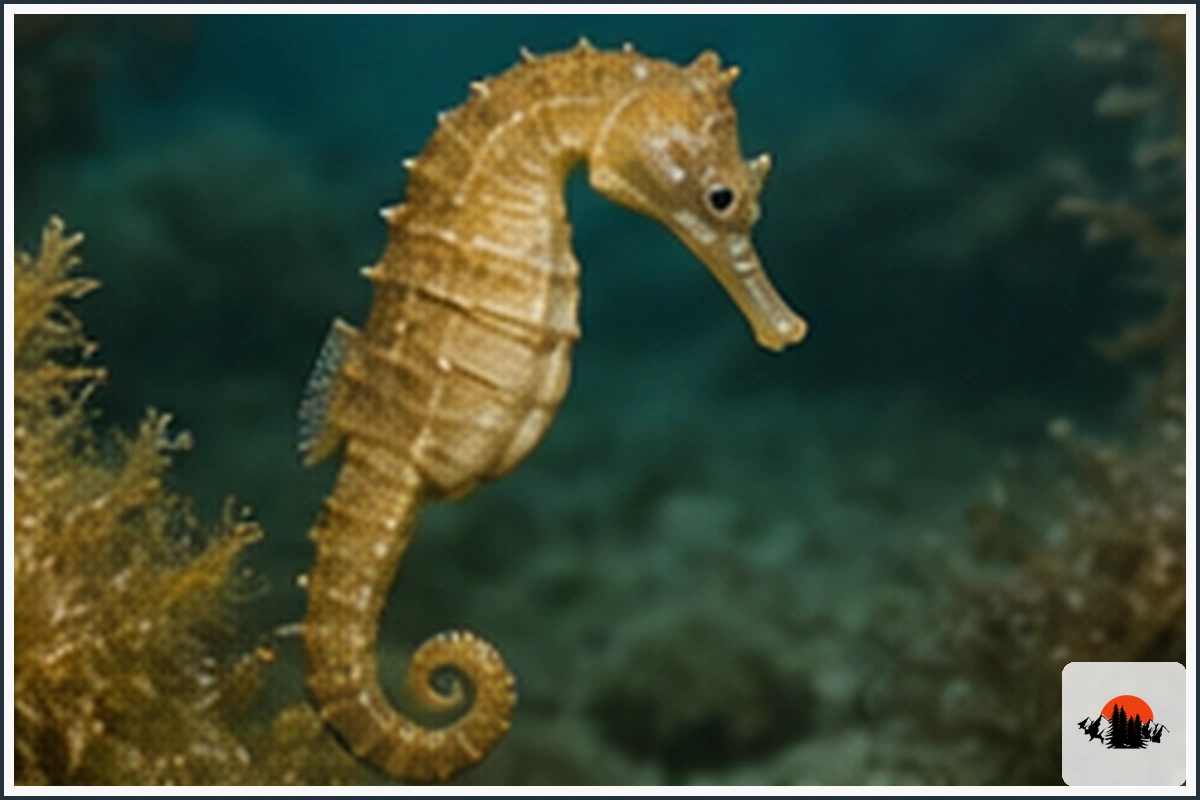
Scientific name: Hippocampus hippocampus. The common seahorse has a horse-like head, curled tail, upright posture, and bony body plates. It is generally small, often around 10–15 cm long. Seahorses live in seagrass beds, algae, sheltered bays, and shallow coastal habitats.
They use their tails to grasp vegetation and feed by sucking tiny crustaceans and planktonic prey through a tubular snout. Seahorses are weak swimmers and depend on camouflage. Avoid touching or collecting them, because disturbance and habitat damage can harm local populations.
27. Blue Shark
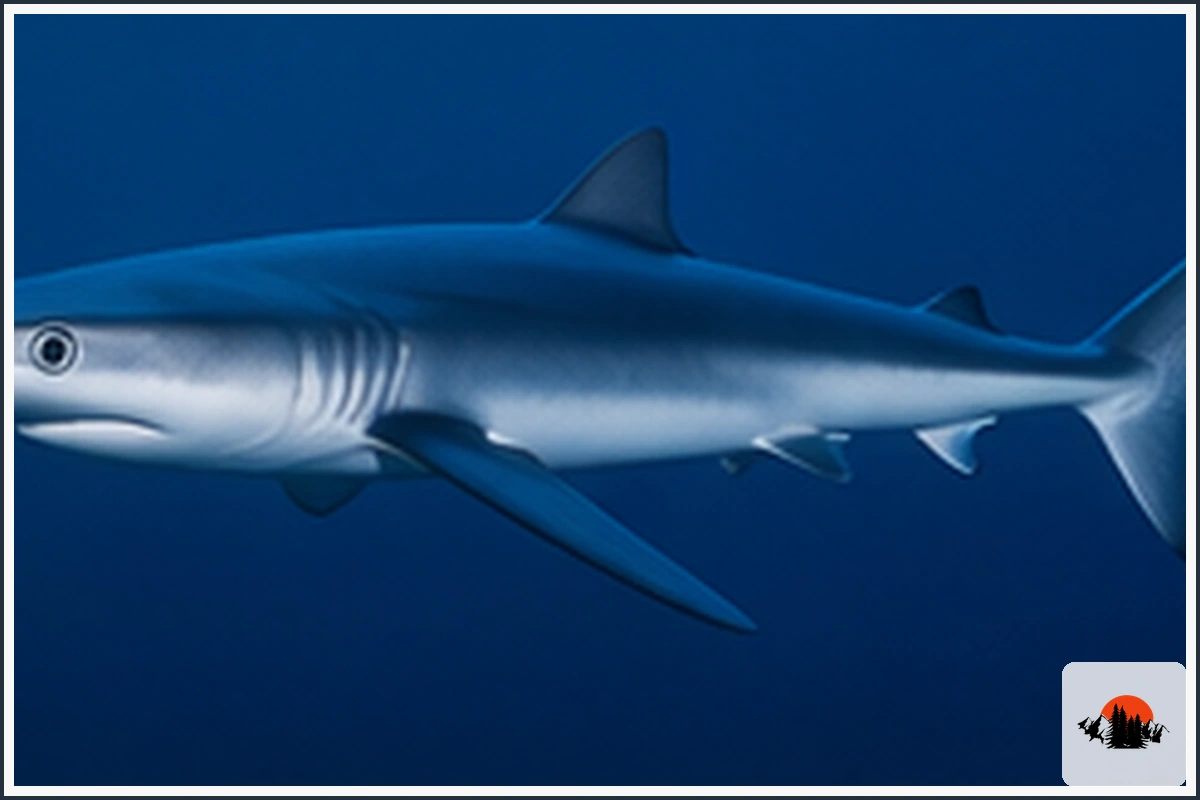
Scientific name: Prionace glauca. The blue shark has a slender body, long pointed pectoral fins, and a deep blue upper surface that fades to white below. It can exceed 2 m. Blue sharks are mostly open-water animals but may occur across broad Mediterranean areas.
They feed on fish, squid, and other oceanic prey. Blue sharks are generally not a danger to divers, but they deserve careful observation and respect as wild predators. Bycatch and overfishing remain important conservation concerns.
28. Shortfin Mako Shark
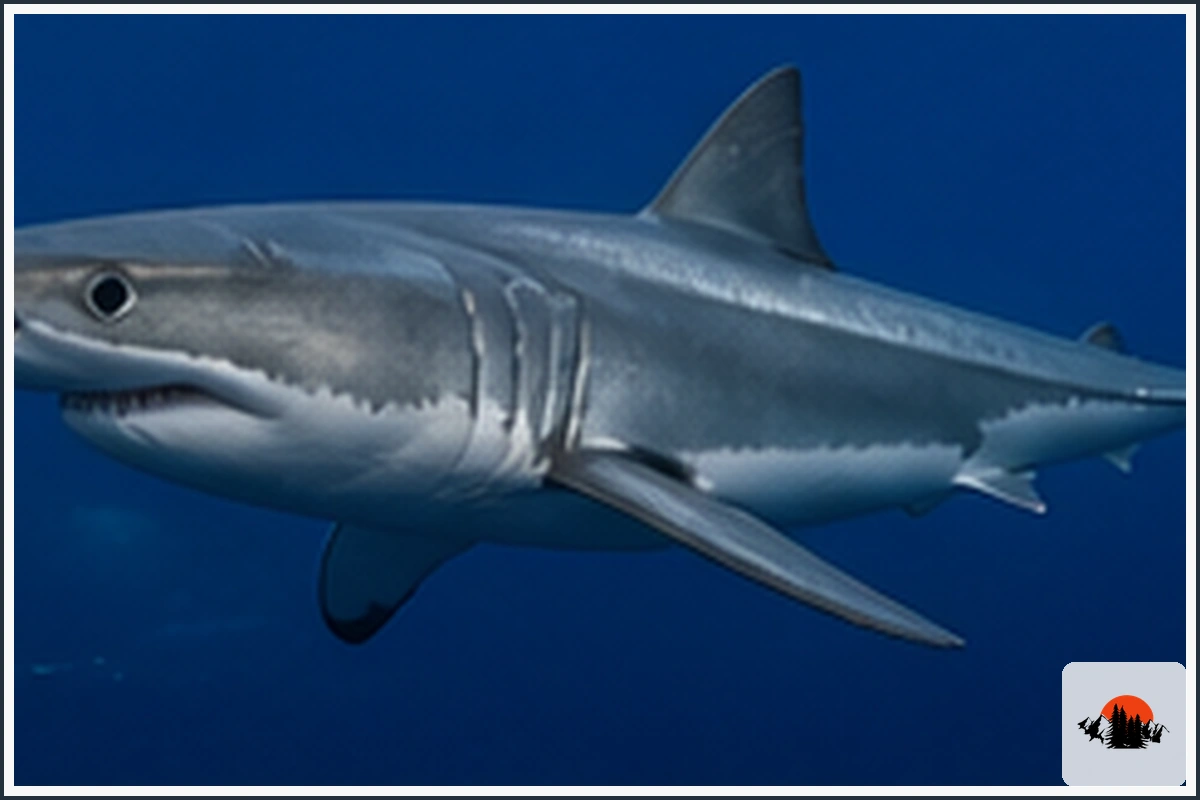
Scientific name: Isurus oxyrinchus. The shortfin mako is a streamlined, fast-swimming shark with a pointed snout, dark blue back, and powerful crescent-shaped tail. It may reach more than 3 m. Mako sharks are open-water predators that pursue tuna, mackerel, squid, and other fast prey.
They are rarely encountered by casual beach visitors. Their low reproductive rate makes them vulnerable to fishing pressure. Anglers should follow regulations and use safe release practices where mako fishing is permitted.
29. Common Eagle Ray
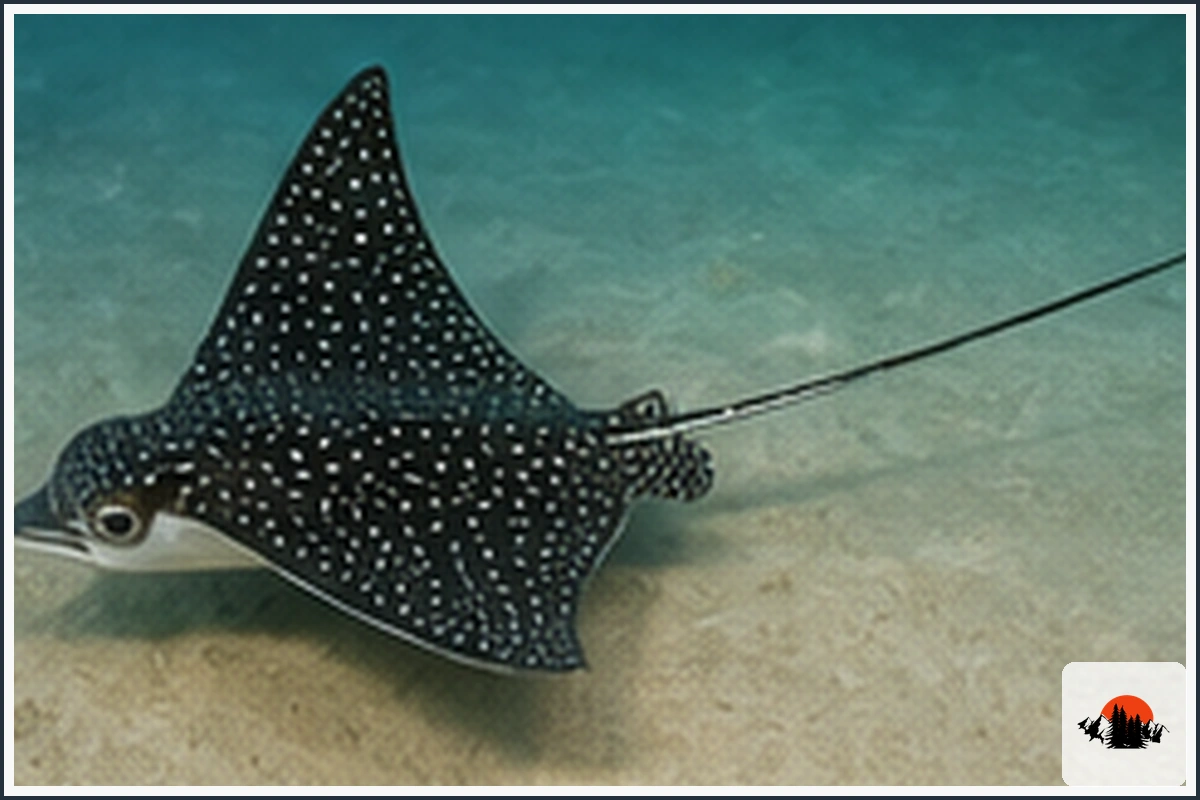
Scientific name: Myliobatis aquila. The common eagle ray has broad, wing-like pectoral fins, a pointed head, and a long tail. It may reach more than 1 m across. Eagle rays glide over sandy bottoms, seagrass areas, and coastal reefs.
They use flattened teeth and powerful jaws to crush shellfish, crabs, and other bottom-dwelling prey. Their tail may carry venomous spines, so they should never be approached or handled. Seeing one glide over the seabed is a memorable Mediterranean wildlife experience.
30. Common Stingray
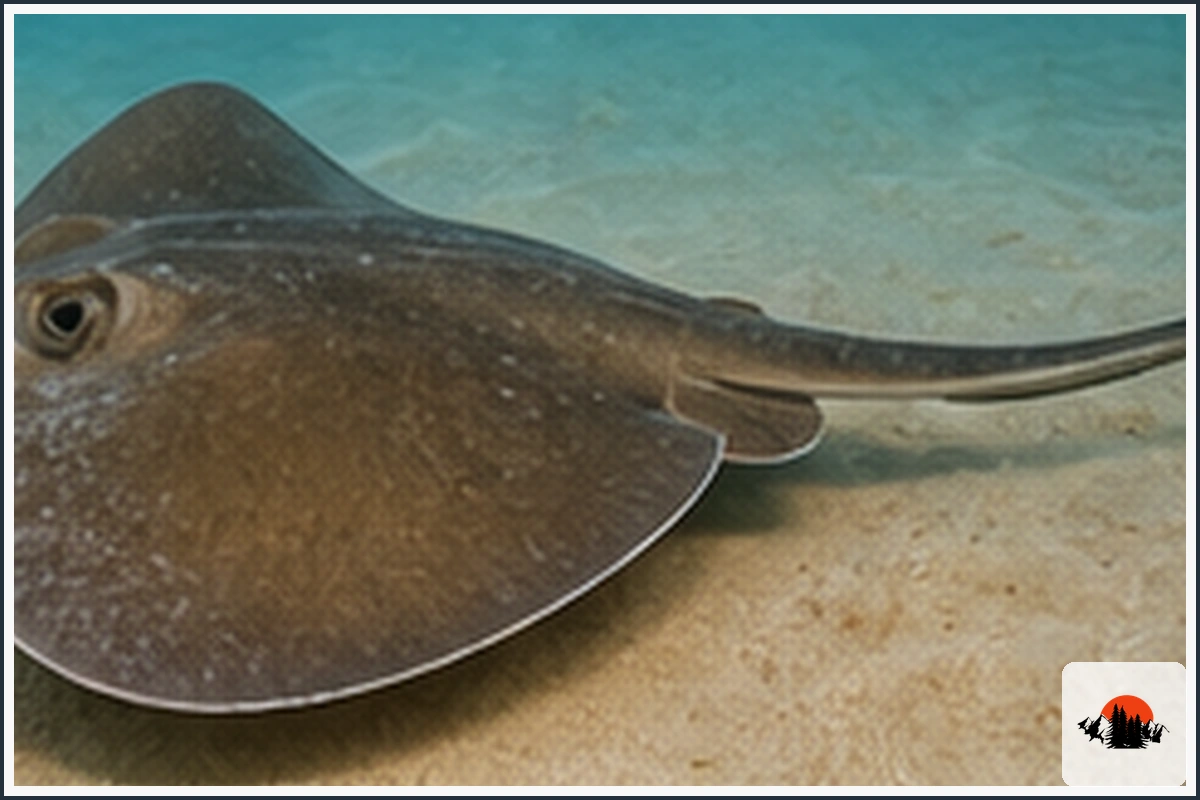
Scientific name: Dasyatis pastinaca. The common stingray has a diamond-shaped body, a pointed snout, and a long whip-like tail with one or more venomous spines. It often lives on sandy or muddy bottoms in shallow coastal water.
Stingrays bury themselves beneath sediment and feed on worms, crustaceans, mollusks, and small fish. Shuffle your feet rather than taking large steps when wading in areas where rays may occur. This gives a resting ray a chance to move away and reduces accidental contact.
How Are These Types of Fish Classified?
Mediterranean fish can be classified in several useful ways:
- Bony fish: Most familiar Mediterranean species, including sardines, seabreams, groupers, wrasses, tunas, and mullets, have skeletons made primarily of bone.
- Cartilaginous fish: Sharks, rays, and skates have skeletons made mainly of cartilage rather than bone.
- Pelagic fish: Sardines, anchovies, mackerel, and tuna spend much of their time in open water.
- Demersal fish: Groupers, red mullet, dentex, and John Dory usually remain near the seabed or reef structure.
- Reef and rocky-shore fish: Wrasses, morays, scorpionfish, chromis, and many seabreams depend on rocks, caves, algae, or seagrass.
- Herbivores and predators: Salema and some seabreams feed heavily on plant material, while barracuda, groupers, tuna, and morays hunt animal prey.
Where Do These Fish Live?
Mediterranean fish occupy many habitats, including rocky coastlines, coral-like reef communities, seagrass meadows, sandy bottoms, muddy offshore plains, coastal lagoons, estuaries, caves, wrecks, and open pelagic water. Rocky habitats commonly shelter groupers, morays, wrasses, chromis, and scorpionfish.
Seagrass beds provide nursery habitat for young fish and support species such as seahorses, salema, seabreams, and killifish. Open-water species such as tuna, anchovies, sardines, mackerel, and blue sharks follow food, currents, and seasonal temperature patterns across the basin.
How to Identify Different Types of Fish in the Mediterranean Sea
- Check body shape: Tuna and mackerel are streamlined, while seabreams are deeper-bodied and rays are flattened.
- Look for markings: Gilthead seabream have a gold band, two-banded seabream have two dark bands, and saddled seabream have a tail spot.
- Examine the habitat: Morays hide in holes, chromis school above reefs, and stingrays rest on sand or mud.
- Observe behavior: Sardines and anchovies school tightly, while groupers and scorpionfish often remain near cover.
- Estimate size carefully: Use nearby rocks or plants for scale, but never approach wildlife closely.
- Notice defensive features: Scorpionfish have venomous spines, stingrays have tail spines, and morays have sharp teeth.
- Use regional guides: Color can vary with age, depth, lighting, and breeding condition, so compare several features.
Fishing and Wildlife Observation Tips
- Check local fishing licenses, minimum sizes, seasons, protected areas, and gear restrictions before fishing.
- Use tackle suited to the species and avoid targeting vulnerable large groupers, sharks, rays, or breeding fish.
- Handle fish with wet hands and support the body when releasing them.
- Never remove seahorses, shells, rays, or reef animals from the sea.
- When snorkeling, maintain distance and avoid standing on seagrass or rocky reef habitat.
- Use polarized sunglasses from shore to reduce glare and spot shallow fish.
- Record location, habitat, color, body shape, and behavior rather than relying on one photograph.
Safety, Sustainability, and Conservation Notes
Several Mediterranean fish require careful handling. Scorpionfish and stingrays can injure people with venomous spines, while morays and larger predators can bite if cornered or fed. Do not touch unfamiliar fish, and seek medical attention for serious puncture wounds.
Responsible seafood choices matter because many Mediterranean species face pressure from overfishing, habitat loss, pollution, warming water, and accidental capture. Follow local regulations, choose legally caught seafood, avoid buying protected species, and support fisheries that provide clear information about origin and management.
Seagrass meadows, rocky reefs, lagoons, and coastal wetlands are essential fish habitat. Anchoring outside marked zones, reducing plastic pollution, and respecting marine protected areas help preserve the Mediterranean’s fish diversity.
Fun Facts About Fish in the Mediterranean Sea
- The Mediterranean Sea contains hundreds of recorded fish species.
- Atlantic bluefin tuna use parts of the Mediterranean as important spawning grounds.
- Some groupers can change sex during their life cycle.
- Seahorses use their tails to hold onto seagrass and algae.
- Salema have golden stripes and feed largely on algae and seagrass.
- Garfish can have naturally greenish bones.
- Morays breathe by repeatedly opening and closing their mouths to move water over their gills.
- Chromis can form large schools above Mediterranean reefs.
- Rays use flattened bodies to move efficiently over sandy seabeds.
- Scorpionfish rely on camouflage instead of chasing prey over long distances.
Final Thoughts on Types of Fish in the Mediterranean Sea
The types of fish in the Mediterranean Sea range from tiny schooling anchovies and colorful wrasses to powerful tuna, secretive morays, reef-dwelling groupers, and graceful rays. Learning their body shapes, markings, habitats, and behaviors makes identification easier and encourages more responsible fishing and wildlife observation. Whether you explore from shore, snorkel above seagrass, fish legally from a boat, or enjoy Mediterranean seafood, protecting healthy marine habitat benefits every species.
Frequently Asked Questions
1. How many fish species live in the Mediterranean Sea?
More than 700 fish species have been recorded in the Mediterranean region, although the exact number changes as taxonomy, surveys, and introduced species records are updated.
2. What is the most common fish in the Mediterranean Sea?
Anchovies, sardines, several seabreams, mullets, wrasses, and small damselfish are among the commonly encountered fish, but abundance varies by habitat and season.
3. What is the largest fish in the Mediterranean Sea?
The basking shark is among the largest fish recorded in the Mediterranean, while Atlantic bluefin tuna is one of the largest regularly encountered bony fish.
4. Are there sharks in the Mediterranean Sea?
Yes. Mediterranean waters support blue sharks, shortfin makos, porbeagles, thresher sharks, several dogfish, and other shark species.
5. Are Mediterranean sharks dangerous to swimmers?
Shark encounters with swimmers are uncommon. Sharks should still be treated as wild animals, and people should avoid feeding, chasing, or provoking them.
6. What fish are common around Mediterranean reefs?
Wrasses, chromis, seabreams, scorpionfish, groupers, morays, and damselfish are common reef-associated fish, depending on location and depth.
7. What fish live in Mediterranean seagrass meadows?
Seagrass habitats may support seahorses, salema, seabreams, wrasses, juvenile fish, killifish, and many small invertebrates used as food.
8. Are groupers native to the Mediterranean Sea?
Yes. Several grouper species are native Mediterranean fish, including dusky grouper and white grouper.
9. What do Mediterranean fish eat?
Diets vary widely. Anchovies and sardines eat plankton, salema graze on algae, while tuna, groupers, barracuda, morays, and dentex hunt fish, squid, crustaceans, or other animals.
10. Which Mediterranean fish are herbivores?
Salema are one of the best-known primarily herbivorous Mediterranean fish. Some other species also consume algae or plant material as part of a broader diet.
11. Which Mediterranean fish are good for beginner identification?
Gilthead seabream, two-banded seabream, saddled seabream, salema, ornate wrasse, garfish, and Mediterranean chromis have distinctive shapes or markings.
12. How can I tell a sardine from an anchovy?
Sardines generally have a deeper body and smoother-looking head, while anchovies have a more slender body and a noticeably large mouth extending behind the eye.
13. How can I identify a gilthead seabream?
Look for its silvery body and bright golden band between the eyes. It also has a relatively deep body and strong teeth for crushing shellfish.
14. Are red scorpionfish dangerous?
They can cause painful injuries because their fin spines contain venom. Do not touch them, even when they appear motionless or dead.
15. Do Mediterranean stingrays have venomous spines?
Yes. Common stingrays can have one or more venomous spines on the tail. Give all rays plenty of space and avoid stepping on sandy bottoms where they may be buried.
16. What should I do if I see a seahorse?
Observe it without touching, collecting, feeding, or blocking its movement. Avoid damaging seagrass and report unusual sightings to a reputable local marine monitoring project if appropriate.
17. Are Mediterranean fish suitable for aquariums?
Some small species may be kept in specialized marine systems, but collecting wild Mediterranean fish is often restricted and challenging. Marine aquariums require advanced filtration, stable water quality, and species-appropriate space.
18. Can Mediterranean fish live in freshwater aquariums?
Most Mediterranean marine fish cannot live in freshwater. They require saltwater with appropriate salinity, temperature, oxygen, filtration, and water movement.
19. What are the best Mediterranean fish for eating?
Gilthead seabream, European sea bass, red mullet, dentex, sardines, anchovies, mackerel, and some groupers are popular food fish. Availability and legal status vary by region.
20. Which Mediterranean fish are oily fish?
Sardines, anchovies, mackerel, and tuna are well-known oily fish. Their fat content can vary with season, age, diet, and reproductive condition.
21. Are Mediterranean fish safe to eat?
Fish can be safe when legally caught, properly identified, kept cold, and cooked or prepared according to local food-safety guidance. Follow local advisories concerning pollution, algae, and species-specific risks.
22. Can salema cause poisoning?
Rare poisoning incidents have been associated with salema from certain areas, possibly related to toxic algae in their diet. Follow local health advice and avoid consuming fish from questionable sources.
23. What is the most colorful fish in the Mediterranean Sea?
The ornate wrasse and rainbow wrasse are among the most colorful shallow-water fish, showing combinations of green, blue, yellow, orange, and red.
24. What Mediterranean fish lives in caves?
Morays, groupers, conger eels, and some scorpionfish commonly use caves, crevices, holes, and reef overhangs for shelter.
25. Why do Mediterranean fish live near seagrass?
Seagrass provides shelter, feeding areas, nursery habitat, and attachment points for small animals. It also supports invertebrates that many fish eat.
26. Are Mediterranean fish affected by climate change?
Yes. Warming water, changing currents, marine heatwaves, habitat loss, and the arrival of warm-water species can alter distributions and food webs.
27. Are invasive fish found in the Mediterranean Sea?
Yes. Species arriving through the Suez Canal, shipping, aquaculture, or other pathways have established in some areas. Their effects differ by species and location.
28. What is a Lessepsian migrant?
A Lessepsian migrant is a species that moves from the Red Sea into the Mediterranean through the Suez Canal. Many are fish and other marine organisms.
29. How should anglers release Mediterranean fish?
Use suitable tackle, minimize air exposure, wet your hands, support the fish horizontally, remove hooks carefully, and return it promptly unless regulations require retention.
30. What is the best way to photograph Mediterranean fish?
Use natural light, avoid chasing the animal, keep a safe distance, and photograph distinctive features such as bands, spots, fins, body shape, and habitat.
31. Are moray eels aggressive?
Morays usually avoid people and defend themselves when cornered, touched, fed, or threatened. Keep hands away from crevices and never offer food to wild morays.
32. What is the difference between a ray and a skate?
Rays generally have a long, whip-like tail and may possess venomous spines, while skates often have a shorter, thicker tail and different reproductive structures. Identification can require close examination.
33. Where can I see Mediterranean fish?
Snorkelers and divers may see fish around rocky reefs, seagrass meadows, breakwaters, caves, and clear coastal bays. Always use designated access points and respect protected areas.
34. Do Mediterranean fish migrate?
Some migrate seasonally or across large distances. Tuna, mackerel, sardines, anchovies, and other species move in response to food, temperature, spawning, and currents.
35. Why are large groupers important?
Large groupers are predators that help structure reef food webs. Protecting older breeding fish can support population recovery because many groupers grow slowly.
36. What is the best field mark for a common eagle ray?
Its broad, pointed wings, projecting head, and long tail make it distinctive. It often glides smoothly over sandy or shallow coastal bottoms.
37. Can Mediterranean fish be caught from shore?
Yes. Species such as seabreams, mullets, sea bass, garfish, wrasses, and small predators may be caught from shore where local regulations allow.
38. What is the biggest mistake beginners make when identifying fish?
Relying on color alone is a common mistake. Color changes with depth, lighting, age, stress, and breeding condition, so body shape, markings, habitat, and behavior should also be considered.
39. How can people protect Mediterranean fish?
Respect marine protected areas, avoid litter, anchor away from seagrass, choose sustainable seafood, follow fishing laws, and observe wildlife without touching or feeding it.
40. Are all fish in the Mediterranean Sea native?
No. The Mediterranean contains native species as well as introduced and range-expanding species. Their presence and ecological effects vary among regions.