

Florida’s warm Atlantic and Gulf waters support a remarkable variety of sharks, from small coastal species to powerful offshore predators. Learning the different types of sharks in Florida can make beach visits, fishing trips, boating, diving, and wildlife watching more informed and respectful. This guide covers 15 commonly recognized shark species found in or strongly associated with Florida waters, including their appearance, habitat, size, diet, behavior, and conservation importance.
What Are the Main Types of Sharks in Florida?
The main types of sharks in Florida include blacktip, bull, lemon, nurse, bonnethead, great hammerhead, scalloped hammerhead, tiger, sandbar, spinner, Atlantic sharpnose, blacknose, lemon, shortfin mako, and whale sharks. Some live in shallow coastal habitats, while others prefer reefs, offshore waters, estuaries, or the open ocean. Their presence changes with season, water temperature, food availability, and migration patterns.
1. Blacktip Shark
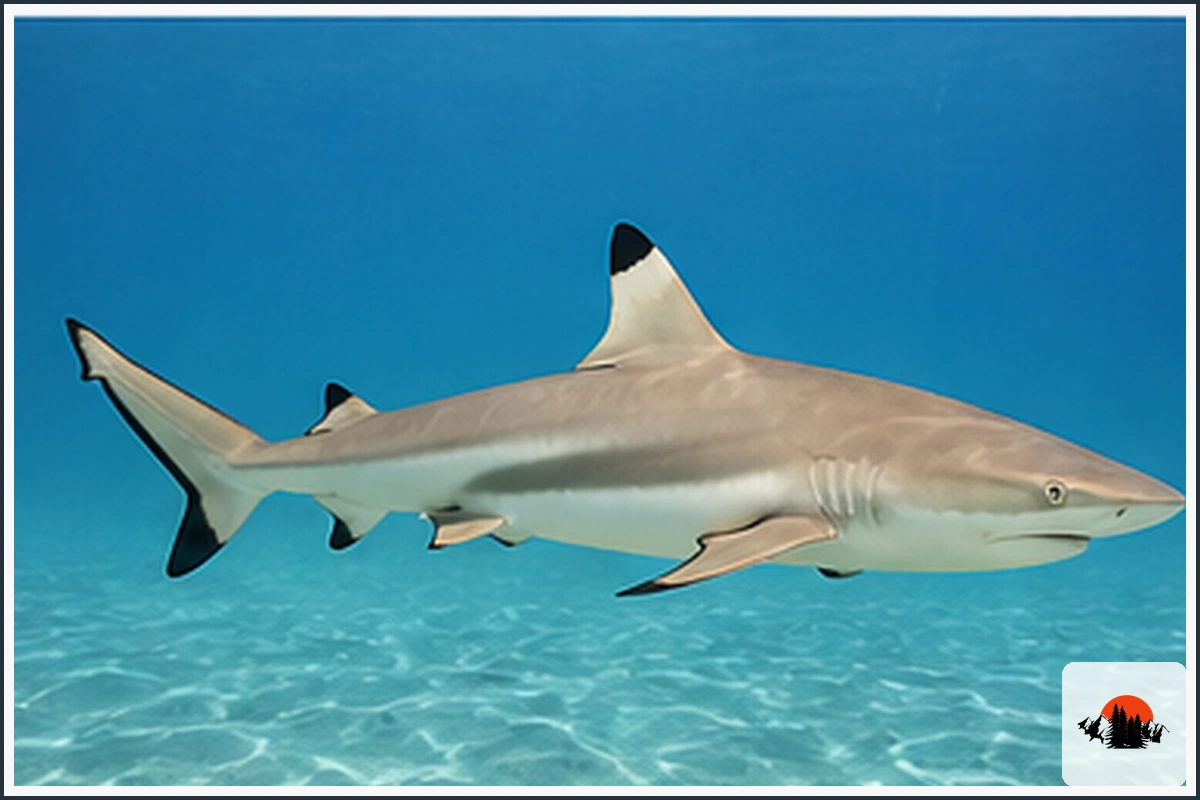
Scientific name: Carcharhinus limbatus
Blacktip sharks are among Florida’s most familiar coastal sharks. They are usually gray above and white below, with distinctive black markings on the tips of the dorsal and pectoral fins. Most adults measure about 4 to 6 feet long, although larger individuals occur.
They live near beaches, bays, lagoons, inlets, and continental shelf waters. Blacktips eat fish, rays, squid, and small crustaceans. In winter, large seasonal movements can occur along Florida’s Atlantic coast as groups follow baitfish and seek suitable water temperatures. They are active, fast swimmers and may leap from the water while chasing prey.
2. Bull Shark
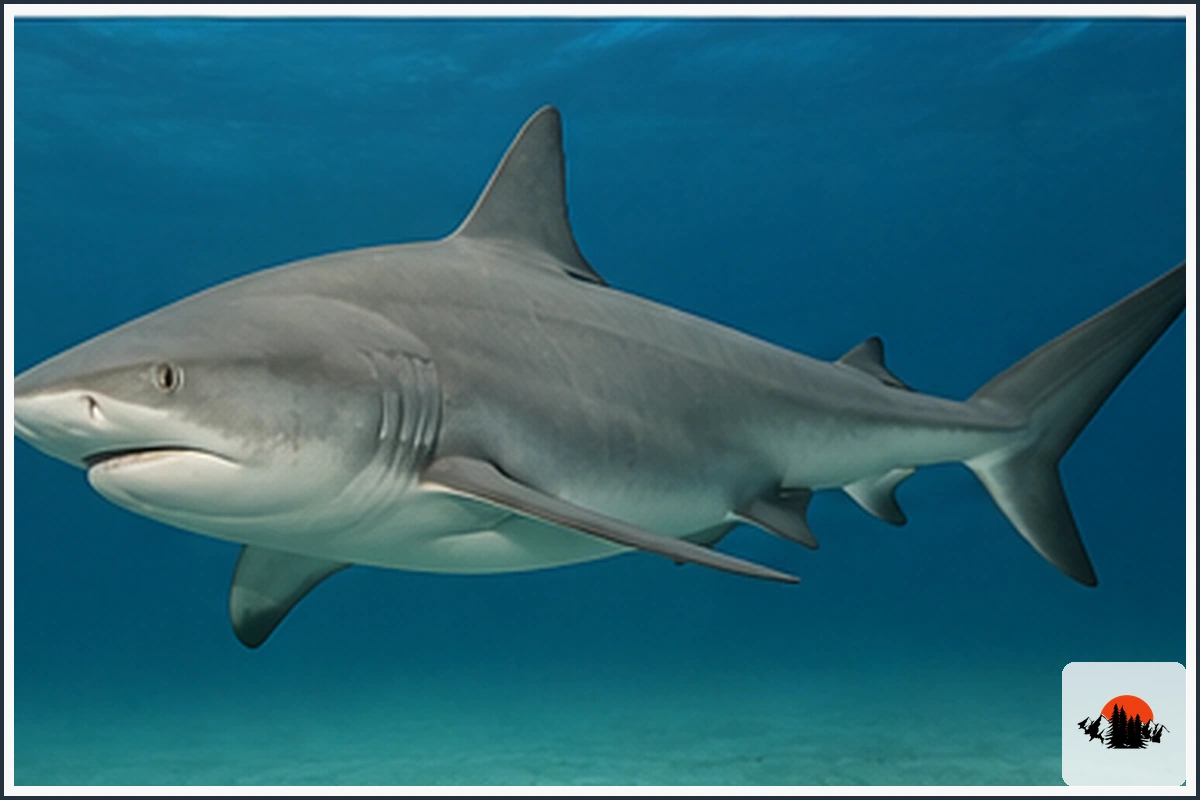
Scientific name: Carcharhinus leucas
Bull sharks are thick-bodied, broad-headed sharks that can tolerate both saltwater and freshwater. Their upper body is gray, while the underside is pale. Adults commonly reach 7 to 10 feet, with some growing larger.
In Florida, bull sharks occur around beaches, estuaries, bays, rivers, and nearshore waters. Their diet includes fish, rays, turtles, birds, and other available prey. They are known for entering rivers and low-salinity areas, which makes them especially adaptable. Anglers and swimmers should give bull sharks plenty of space because of their size, strength, and preference for shallow water.
3. Lemon Shark
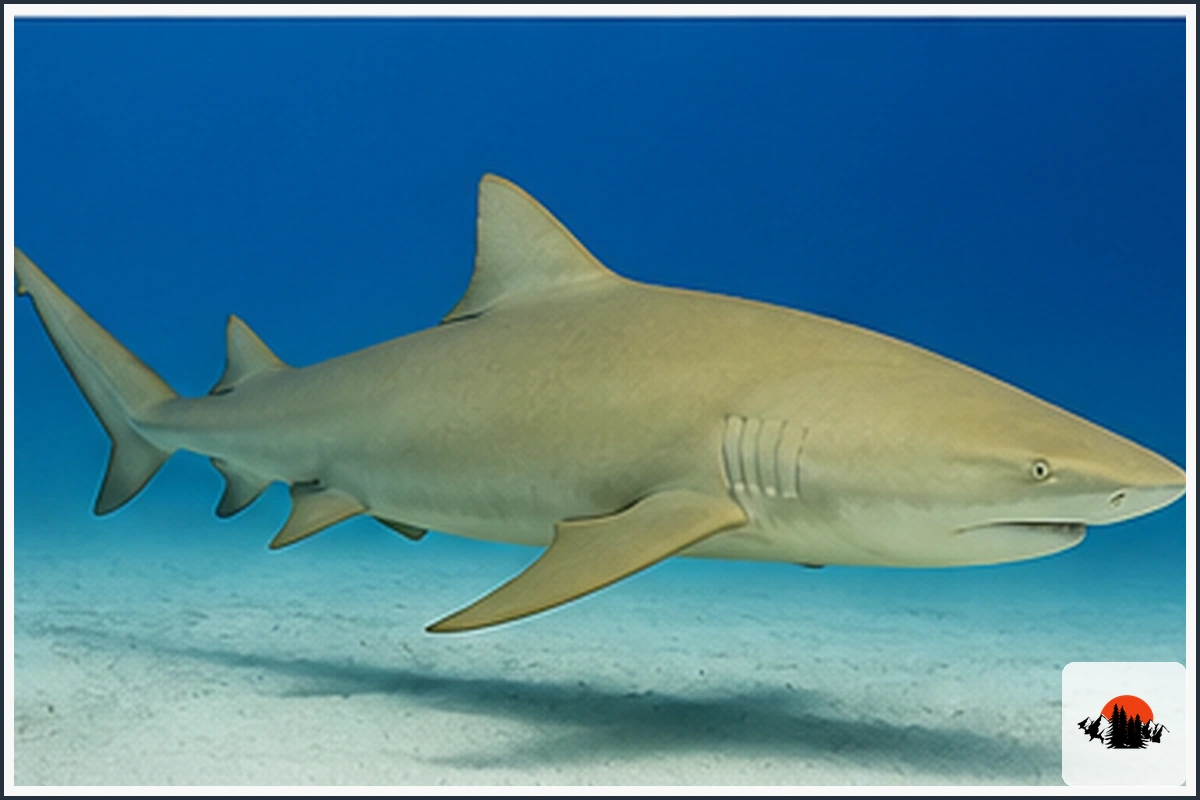
Scientific name: Negaprion brevirostris
Lemon sharks are named for their yellowish or olive-brown color, which helps them blend with sandy bottoms. They have a broad, flattened head and two similarly sized dorsal fins. Adults often measure 8 to 10 feet long.
They are common around shallow coastal areas, mangroves, bays, reefs, and the Florida Keys. Lemon sharks feed mainly on fish, rays, crustaceans, and occasionally seabirds. Juveniles often use protected shallow habitats as nursery areas. Although generally calm when undisturbed, they are powerful wild animals and should never be approached or fed.
4. Nurse Shark
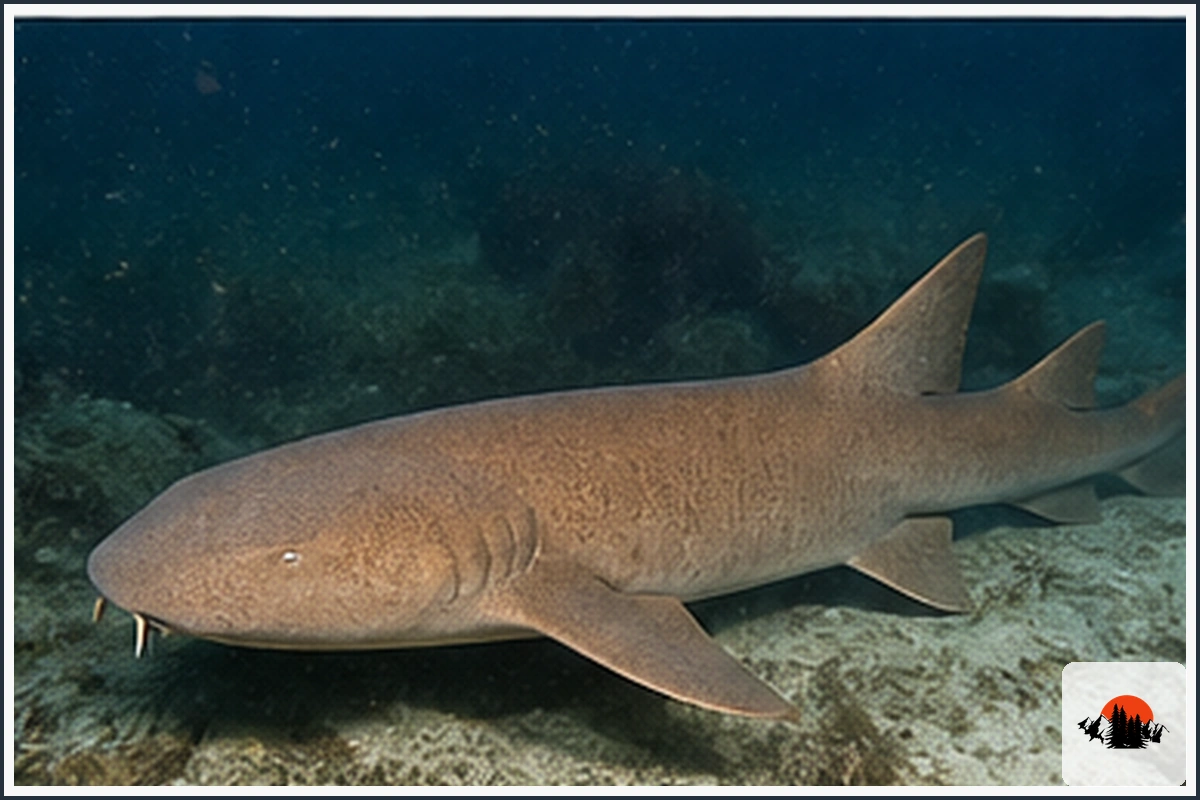
Scientific name: Ginglymostoma cirratum
Nurse sharks are slow-moving bottom dwellers with a broad head, small eyes, rounded fins, and whisker-like barbels near the mouth. Their bodies are usually brown, tan, or gray, and adults commonly reach 7 to 9 feet.
They rest beneath ledges, around reefs, near wrecks, and on sandy bottoms throughout Florida’s coastal waters. Nurse sharks use strong suction to pull up prey such as crabs, shrimp, sea urchins, squid, and small fish. They are often seen resting during the day and becoming more active at night. Their docile appearance can be misleading, so touching, riding, or feeding them is unsafe and irresponsible.
5. Bonnethead Shark
Scientific name: Sphyrna tiburo
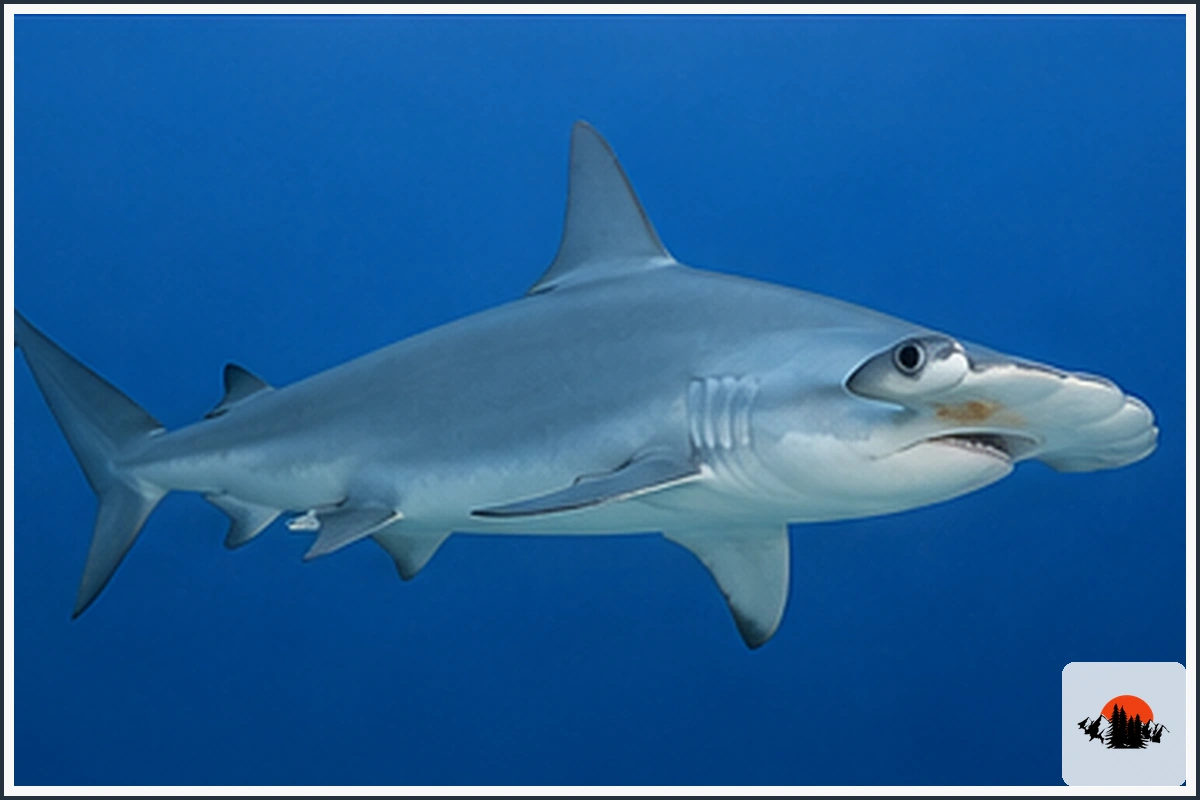
The bonnethead is a small hammerhead shark with a smooth, rounded head shaped somewhat like a shovel. It is usually brownish-gray above and pale underneath. Most adults are about 2 to 4 feet long.
Bonnetheads favor shallow bays, seagrass beds, estuaries, and protected coastal waters. Their diet consists largely of crabs, shrimp, and other bottom-dwelling animals. Research indicates that bonnetheads may obtain plant material while feeding in seagrass habitats, making them unusual among sharks. They are generally not considered a threat to people and are important predators in shallow Florida ecosystems.
6. Great Hammerhead Shark
Scientific name: Sphyrna mokarran
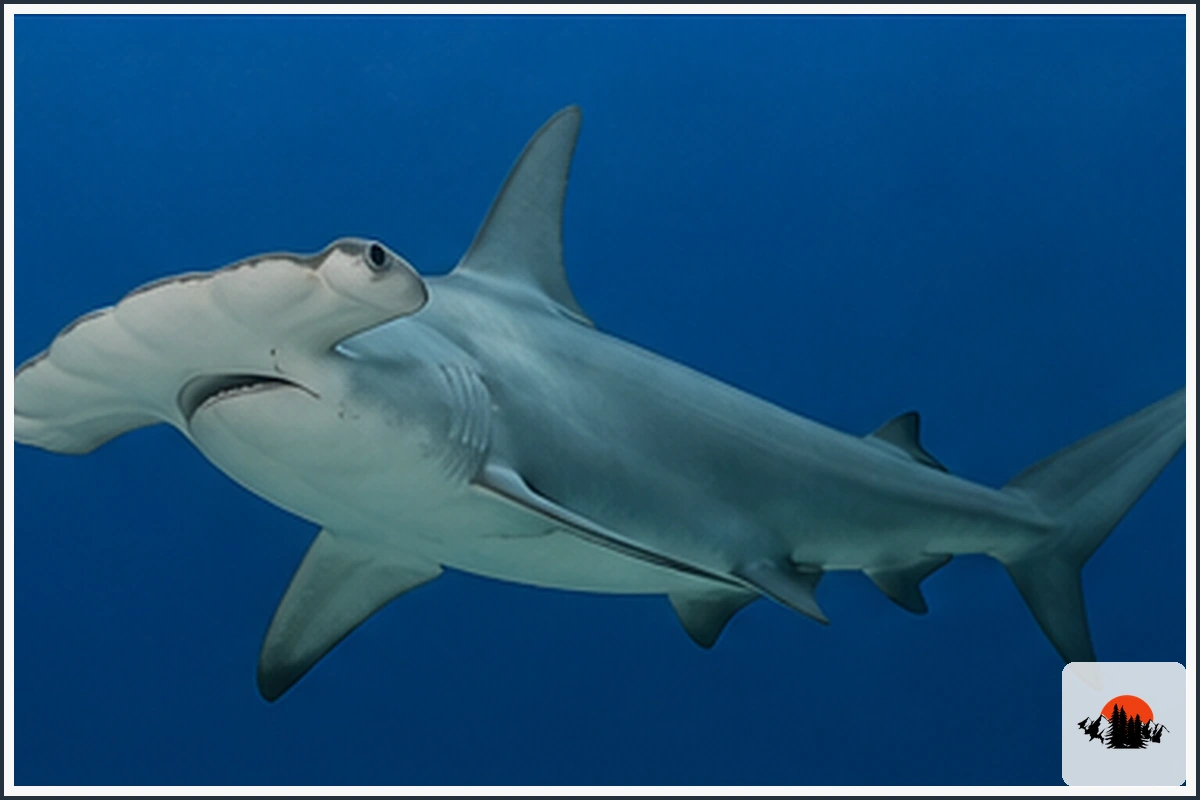
The great hammerhead is the largest hammerhead species. It has a broad, nearly straight-edged head, a tall dorsal fin, and a dark gray to brownish back. Adults can exceed 12 feet and occasionally grow much larger.
These sharks occur in coastal and offshore waters, including areas around reefs, channels, and continental shelf edges. They eat fish, squid, crustaceans, and stingrays. Their wide head may improve sensory abilities and help them pin rays against the seafloor. Great hammerheads are powerful but vulnerable to fishing pressure, so careful handling and release practices are essential.
7. Scalloped Hammerhead Shark
Scientific name: Sphyrna lewini
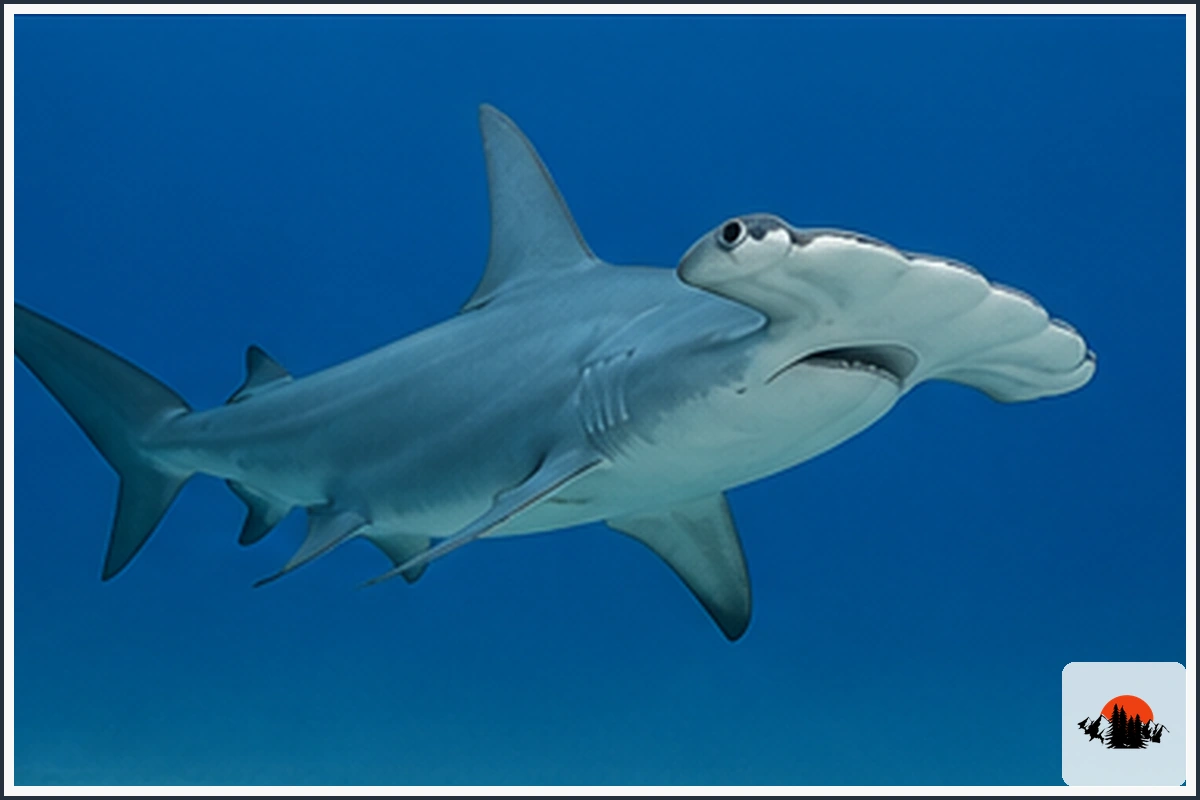
Scalloped hammerheads have a distinctive hammer-shaped head with a central indentation along the front edge. Their body is gray-brown above and pale below, and adults commonly reach 6 to 10 feet.
They use coastal, offshore, and island habitats, sometimes entering bays and channels. Their prey includes small fish, squid, shrimp, and crabs. Scalloped hammerheads may form large groups during parts of their life cycle, especially around productive feeding or nursery areas. Because their populations have declined in many regions, they are a high-priority conservation species.
8. Tiger Shark
Scientific name: Galeocerdo cuvier
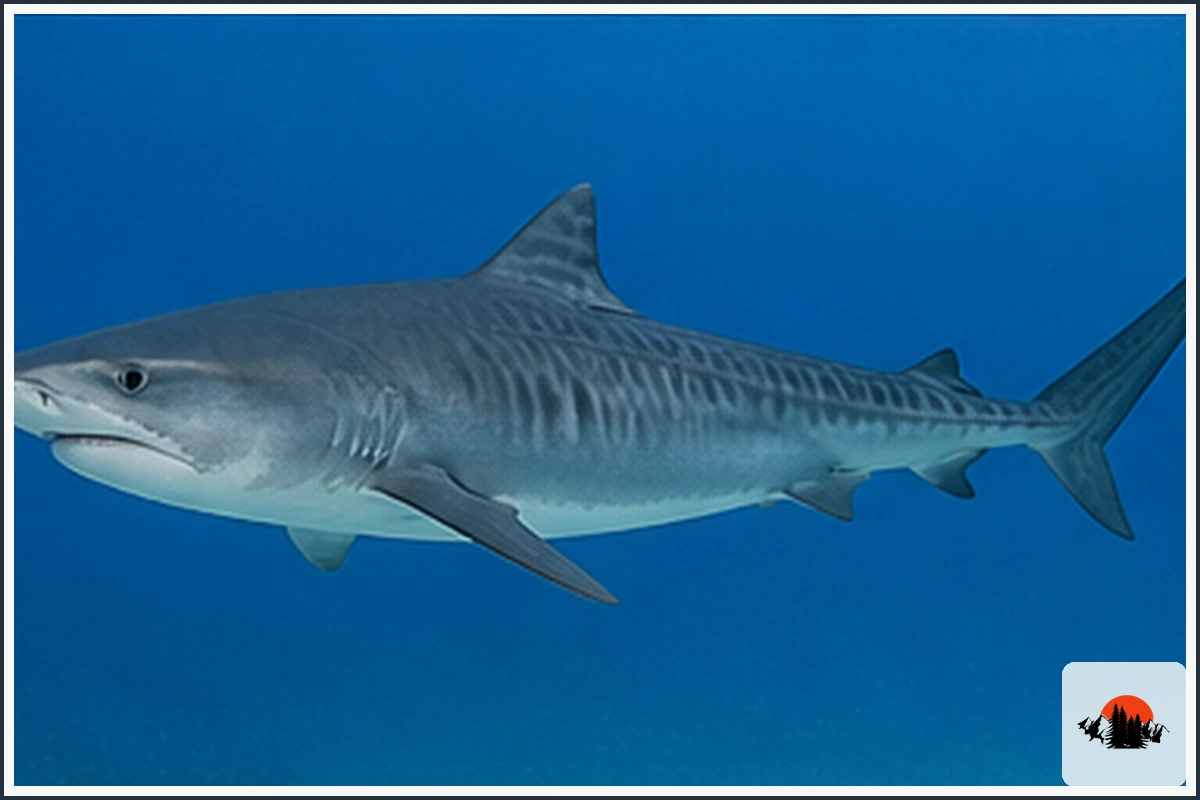
Tiger sharks are large, heavy-bodied predators with a blunt head and dark vertical bars or stripes that are most visible in younger animals. Adults commonly reach 10 to 14 feet, with some much larger.
They occur in warm coastal and offshore waters around Florida, including reefs, bays, and deeper channels. Tiger sharks have a broad diet that can include fish, rays, turtles, seabirds, marine mammals, and other items. Their flexible feeding habits make them important apex predators. They should always be observed from a safe distance, especially near fishing activity or areas where prey is concentrated.
9. Sandbar Shark
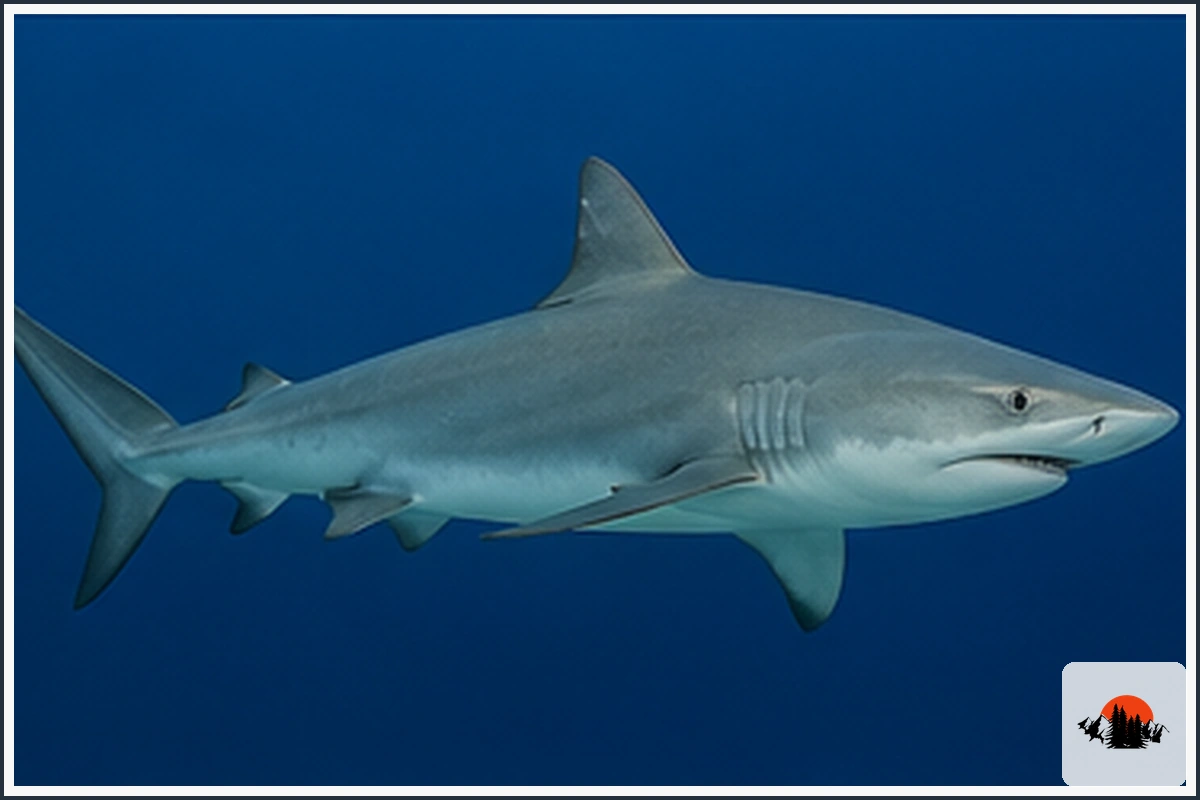
Scientific name: Carcharhinus plumbeus
Sandbar sharks are robust coastal sharks with a tall triangular dorsal fin, a broad head, and a gray or brownish back. Adults often measure 5 to 7 feet long, though larger individuals occur.
They are common around sandy bottoms, bays, estuaries, channels, reefs, and offshore waters. Sandbar sharks eat fish, rays, squid, and crustaceans. Juveniles use shallow coastal areas as nursery habitat, while adults may move farther offshore. Their large dorsal fin makes them relatively easy to recognize from a distance, but identification should never replace safe wildlife practices.
10. Spinner Shark
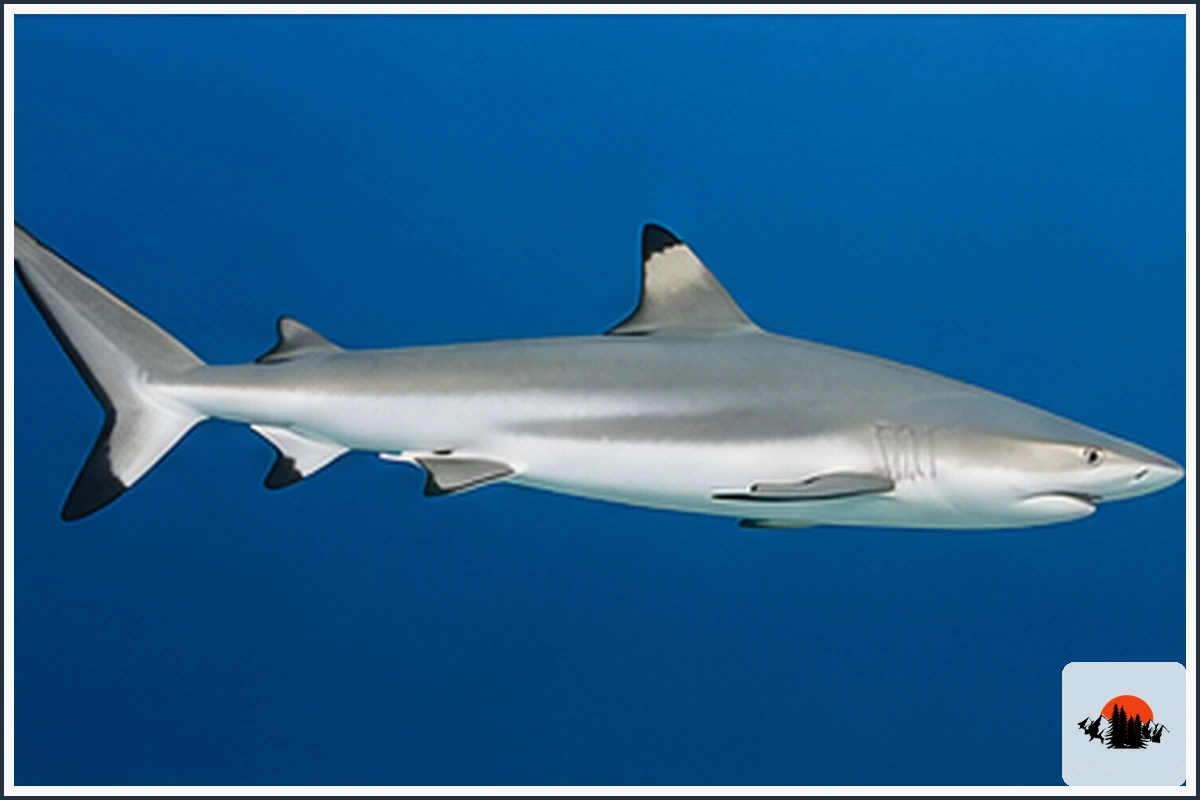
Scientific name: Carcharhinus brevipinna
Spinner sharks are slender, streamlined sharks with long pointed snouts and black markings on several fins. They are famous for leaping and spinning through the air when chasing schools of small fish. Adults commonly reach 6 to 8 feet.
They often gather near Florida’s beaches, inlets, bays, and offshore waters where baitfish are abundant. Their diet consists mainly of sardines, mullet, anchovies, and other schooling fish. Spinner sharks can be confused with blacktip sharks, but their slimmer build and spinning feeding behavior are useful clues.
11. Atlantic Sharpnose Shark
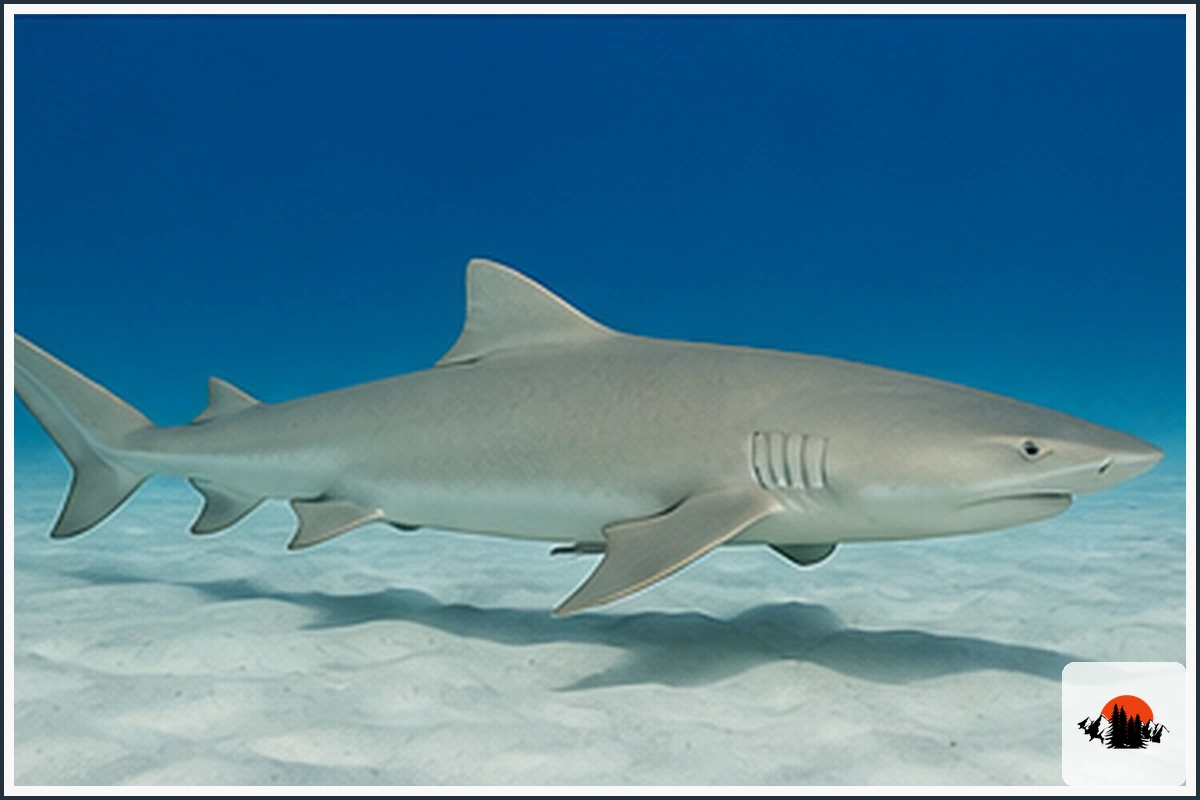
Scientific name: Rhizoprionodon terraenovae
Atlantic sharpnose sharks are small, slender coastal sharks with a pointed snout and gray or olive coloring. Most adults are approximately 2 to 4 feet long. Young sharks may show small dusky or dark markings on their sides and fins.
They inhabit shallow bays, estuaries, beaches, and nearshore waters along Florida’s coast. Their diet includes small fish, shrimp, crabs, and squid. Because of their modest size, they are common in recreational fisheries, but anglers should follow current Florida regulations and handle released sharks carefully.
12. Blacknose Shark
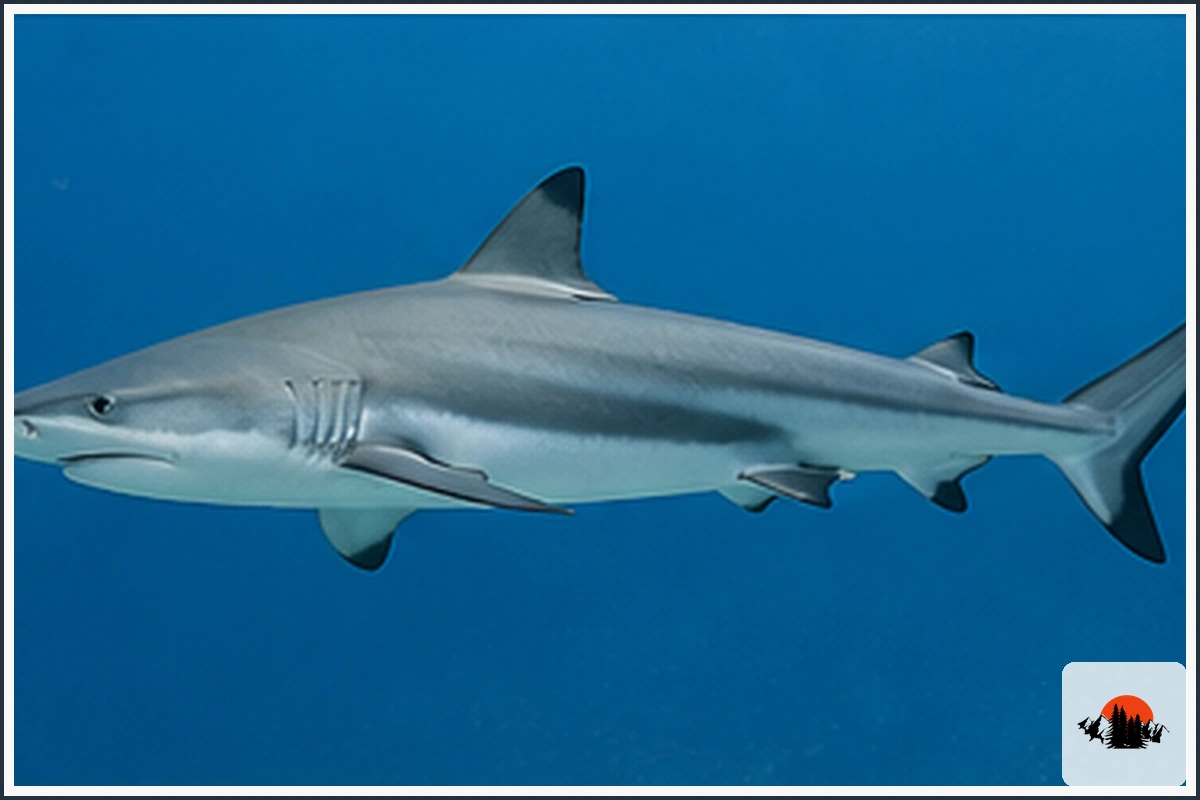
Scientific name: Carcharhinus acronotus
Blacknose sharks are small coastal sharks identified by the dark mark on the tip of the snout. Their backs are gray or bronze-gray, and adults generally measure around 3 to 5 feet.
They occur over sandy bottoms, seagrass areas, reefs, and continental shelf waters. Blacknose sharks feed on small fish, squid, and crustaceans. They are often associated with warm coastal environments and may be found in both the Gulf and Atlantic regions of Florida. The dark snout marking is useful, but lighting, water clarity, and distance can make identification difficult.
13. Shortfin Mako Shark
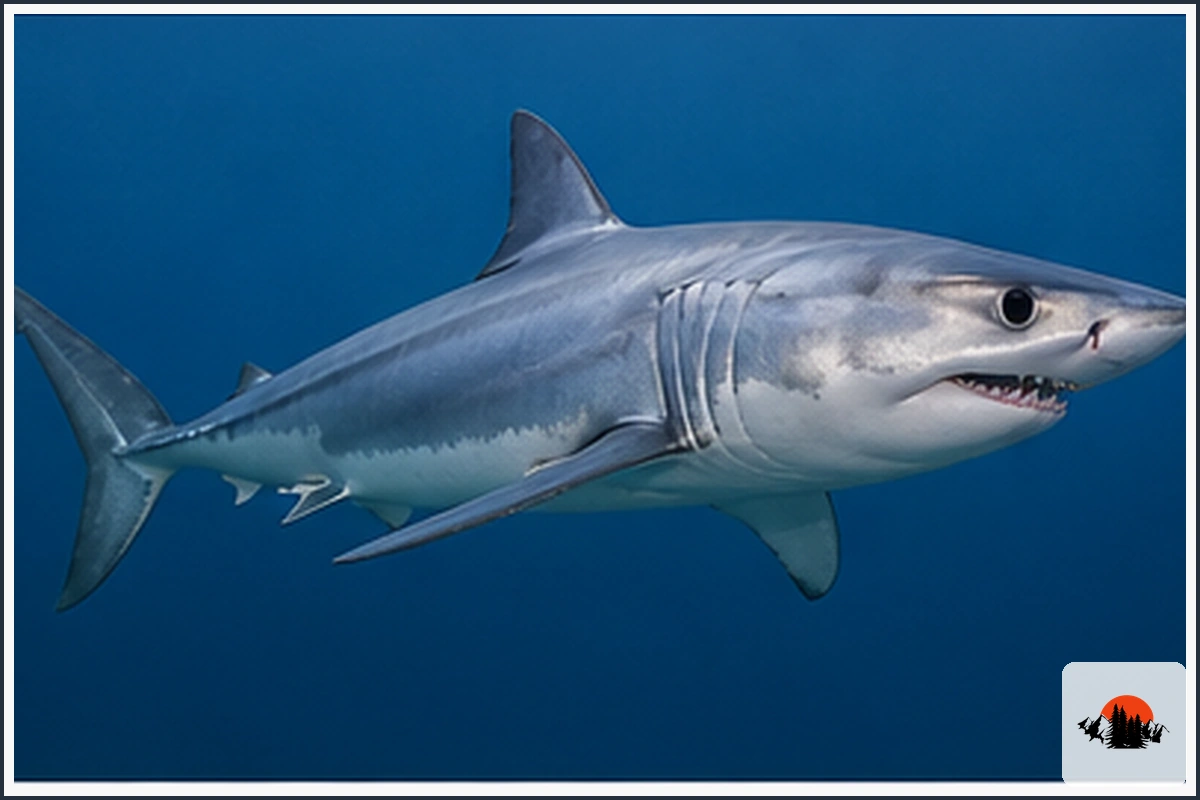
Scientific name: Isurus oxyrinchus
The shortfin mako is a fast, streamlined shark with a pointed snout, blue-gray back, white underside, and long, narrow teeth. Adults commonly reach 8 to 10 feet and are built for speed in open water.
Makos are pelagic sharks found offshore in the Atlantic and Gulf waters near Florida. They feed on fast-moving fish such as tuna, mackerel, and bonito, as well as squid. Their speed and athletic behavior make them well known among offshore anglers. The species faces conservation concerns because of fishing pressure and slow reproduction.
14. Silky Shark
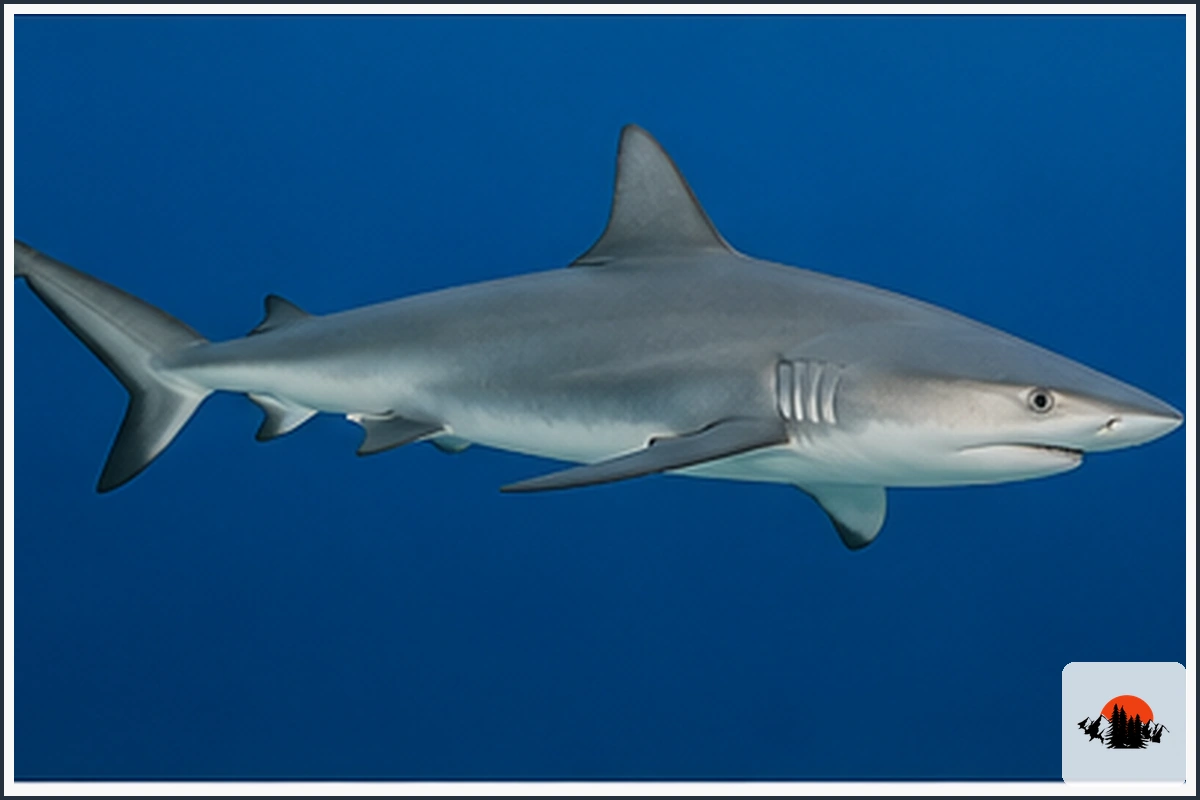
Scientific name: Carcharhinus falciformis
Silky sharks are slender, smooth-looking sharks with a long rounded snout, large eyes, and a gray-bronze body. Adults often reach 6 to 8 feet. Their fins may have subtle darker edges rather than bold markings.
They are primarily offshore sharks associated with warm tropical and subtropical waters, including Florida’s deeper Atlantic and Gulf habitats. Silky sharks eat schooling fish, squid, and crustaceans. They may follow productive areas where prey gathers, but they are less frequently seen from shore than nearshore species.
15. Whale Shark
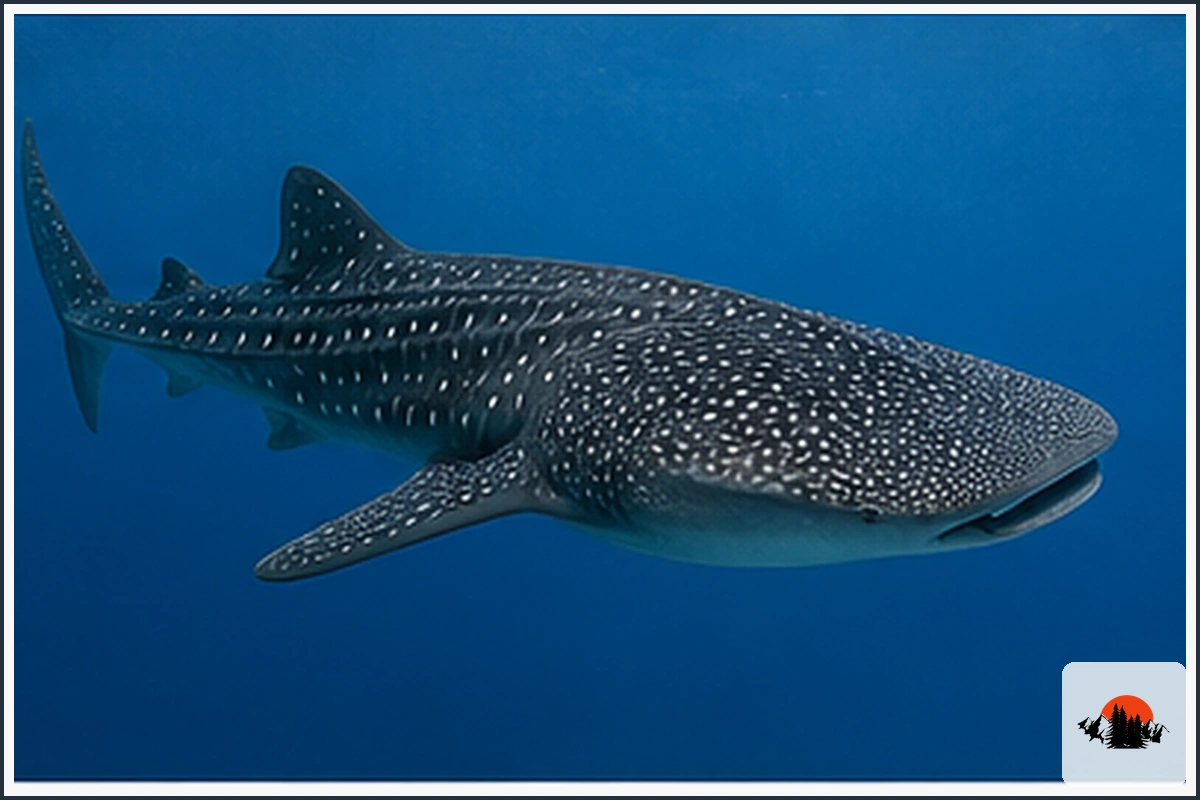
Scientific name: Rhincodon typus
Whale sharks are the world’s largest fish and can grow more than 30 feet long. They have broad, flattened heads and dark bodies covered with pale spots and stripes. Despite their size, they are gentle filter feeders.
In Florida, whale sharks are occasional visitors, especially in warm offshore waters where plankton, fish eggs, or spawning events provide abundant food. They filter plankton and small organisms from the water rather than hunting large prey. Whale sharks are protected in many places, and swimmers and boaters should never touch, chase, block, or harass them.
How Are These Sharks Classified?
Florida’s sharks can be grouped in several practical ways. Coastal sharks, such as blacktips, bull sharks, lemon sharks, and nurse sharks, spend much of their time near shore, reefs, estuaries, or bays. Pelagic sharks, including shortfin makos and silky sharks, live mainly in open offshore waters. Hammerheads are recognized by their unusual head shape, while filter-feeding whale sharks form a separate feeding group.
Sharks are also classified scientifically as cartilaginous fish. Unlike bony fish, their skeletons are made primarily of cartilage. Species are further organized into families, genera, and species according to anatomy, genetics, behavior, and evolutionary relationships.
Where Do These Sharks Live?
- Beaches and surf zones: Blacktip, spinner, bull, and Atlantic sharpnose sharks.
- Bays and estuaries: Bull, lemon, bonnethead, nurse, and Atlantic sharpnose sharks.
- Seagrass and sandy bottoms: Bonnethead, lemon, nurse, and blacknose sharks.
- Reefs and wrecks: Nurse, lemon, sandbar, and larger coastal sharks.
- Offshore waters: Hammerheads, tiger sharks, silky sharks, makos, and whale sharks.
- Florida Keys and southern waters: Lemon, nurse, reef-associated, hammerhead, and occasional whale sharks.
Seasonal movements are influenced by temperature, prey, reproduction, and water conditions. A shark seen near Florida in one month may move offshore or northward later in the year.
What Do Florida Sharks Eat?
Most Florida sharks are opportunistic predators. Their prey may include fish, rays, shrimp, crabs, squid, sea turtles, seabirds, and marine mammals, depending on the species. Small sharks often focus on crustaceans and small fish, while large predators can consume bigger prey. Whale sharks are different because they filter plankton and tiny organisms from the water.
How Do Florida Sharks Behave?
- Many coastal sharks move into shallow water to feed or use nursery habitat.
- Some species migrate seasonally as water temperature and prey availability change.
- Hammerheads may gather in groups at certain times or locations.
- Nurse sharks often rest on the seafloor during the day.
- Spinner sharks may leap and rotate while feeding on schooling fish.
- Bull sharks can tolerate low-salinity water and enter rivers.
- Most shark encounters occur when sharks are feeding, migrating, or passing through an area rather than targeting people.
How to Identify Different Types of Sharks in Florida
- Head shape: Hammerheads have expanded hammer-shaped heads, while nurse sharks have broad rounded heads.
- Snout markings: Blacknose sharks have a dark nose tip, and sharpnose sharks have a distinctly pointed snout.
- Fin markings: Blacktips have dark fin tips, while sandbar sharks have a tall first dorsal fin.
- Body shape: Makos are streamlined and powerful; bull sharks are thick-bodied; nurse sharks are broad and bottom-oriented.
- Color pattern: Tiger sharks may show vertical bars, and whale sharks have pale spots and stripes.
- Habitat: Location helps narrow identification, but it should not be used alone.
- Behavior: Spinning leaps suggest spinner sharks, while bottom resting is typical of nurse sharks.
- Size: Estimate carefully and never approach a shark to measure it.
Fishing and Wildlife-Watching Tips
- Check current Florida Fish and Wildlife regulations before fishing for or keeping any shark.
- Do not chum or discard fish scraps near swimmers, docks, or crowded beaches.
- Keep a respectful distance from sharks while boating, diving, snorkeling, or surf fishing.
- Never touch, feed, ride, corner, or chase a shark.
- If releasing a shark, minimize handling and keep it in the water whenever regulations and safety allow.
- Use polarized sunglasses and observe from a stable position rather than approaching wildlife.
- Follow local beach warnings and leave the water if baitfish, birds, or sharks become unusually concentrated.
Safety, Sustainability, and Conservation Notes
Sharks are wild animals and should be treated with caution, even when a species is usually calm. Avoid swimming near active fishing, schools of baitfish, or murky water at dawn, dusk, and night. Do not assume that a small shark is harmless.
Many shark species grow slowly, mature late, or produce relatively few young, which makes them vulnerable to overfishing. Responsible anglers should follow size, season, gear, and possession rules; release prohibited or unwanted sharks carefully; and support habitat protection. Never move a live shark to another location, and never release aquarium animals or bait species into Florida waters.
Fun Facts About Sharks in Florida
- Florida waters support sharks in both the Atlantic Ocean and the Gulf of Mexico.
- Whale sharks are the largest fish in the world.
- Bonnetheads are among the smallest hammerhead sharks.
- Bull sharks can travel between saltwater and freshwater environments.
- Nurse sharks often rest motionless on the seafloor.
- Spinner sharks can leap and rotate while feeding.
- Blacktip sharks may form large seasonal groups along Florida’s coast.
- Great hammerheads can grow longer than 12 feet.
- Sharks have skeletons made primarily of cartilage rather than bone.
- Sharks play important roles in maintaining healthy marine food webs.
Final Thoughts on Types of Sharks in Florida
The types of sharks in Florida range from small estuary hunters and reef-bottom feeders to fast offshore predators and enormous filter-feeding whale sharks. Learning their shapes, habitats, behavior, and seasonal movements helps people identify them more accurately and enjoy Florida’s marine life responsibly. Give every shark plenty of space, follow fishing regulations, and support healthy coastal habitats.
Frequently Asked Questions
1. How many types of sharks live in Florida?
Florida waters support dozens of shark species, although the exact number depends on whether occasional offshore visitors are included. This guide highlights 15 commonly recognized and useful examples.
2. What is the most common shark in Florida?
Blacktip sharks are among the most commonly seen sharks along Florida’s coast. Other frequently encountered species include Atlantic sharpnose, bonnethead, nurse, bull, and lemon sharks.
3. Are sharks common near Florida beaches?
Yes. Several species regularly pass through nearshore waters, especially where baitfish are present. Most sharks move through rather than remain in one small swimming area.
4. What is the largest shark found in Florida?
The whale shark is the largest shark that may be encountered in Florida waters. Great white, tiger, and great hammerhead sharks can also become very large.
5. What is the smallest shark in Florida?
Species such as bonnetheads, Atlantic sharpnose sharks, and blacknose sharks are among Florida’s smaller commonly encountered sharks.
6. Which Florida sharks have hammer-shaped heads?
Bonnethead, scalloped hammerhead, and great hammerhead sharks are examples of hammerhead sharks found in or associated with Florida waters.
7. Are bonnethead sharks dangerous?
Bonnetheads are small and generally not considered a significant danger to people. They are still wild sharks and should never be handled, fed, or cornered.
8. Are bull sharks dangerous?
Bull sharks are powerful, adaptable predators that may enter shallow water and rivers. Give them a wide berth and avoid swimming near fishing activity or murky water.
9. Can bull sharks live in Florida rivers?
Yes. Bull sharks tolerate low-salinity conditions and can travel into some rivers and estuaries, although their distribution varies with water conditions.
10. Are nurse sharks dangerous to swimmers?
Nurse sharks are usually calm when left alone, but they can bite if grabbed, stepped on, fed, or harassed. Observe them without touching.
11. Why do blacktip sharks gather near Florida?
Blacktip sharks may gather where seasonal water temperatures and abundant baitfish create favorable feeding and migration conditions.
12. When is the best time to see sharks in Florida?
There is no single best time for every species. Winter movements are notable for some Atlantic coastal sharks, while warm months may bring other species closer to shore or offshore feeding areas.
13. Do sharks migrate in Florida?
Many sharks move seasonally in response to temperature, prey, reproduction, and habitat conditions. Migration patterns differ greatly between species.
14. What shark has black tips on its fins?
Blacktip sharks are known for dark tips on several fins. Spinner sharks can also show dark fin markings, so body shape and behavior should be considered too.
15. How can I identify a shark from shore?
Look at the overall body shape, dorsal fin, snout, color pattern, and swimming behavior. Avoid getting close for a better view; photographs taken from a safe distance can help with later identification.
16. What shark has a dark nose?
The blacknose shark has a distinctive dark marking on the tip of its snout, although visibility depends on distance and water clarity.
17. What do sharks in Florida eat?
Depending on the species, they eat fish, rays, squid, crabs, shrimp, turtles, seabirds, marine mammals, or plankton. Whale sharks specialize in filter feeding.
18. Do sharks eat people?
Shark bites on people are uncommon, and most sharks do not seek humans as prey. Risk can be reduced by avoiding murky water, fishing areas, bait schools, and dawn or dusk swimming.
19. Are whale sharks dangerous?
Whale sharks are generally gentle filter feeders, but their enormous size can injure people accidentally. Never touch, ride, block, or chase one.
20. Are tiger sharks found in Florida?
Yes. Tiger sharks occur in Florida’s warm coastal and offshore waters, although sightings vary by location and season.
21. Are great white sharks found in Florida?
Great white sharks can occasionally pass through Florida waters, particularly during broad coastal movements. They are not usually the most common shark seen near shore.
22. Are great hammerhead sharks found in Florida?
Yes. Great hammerheads occur in Florida’s coastal and offshore waters and are recognizable by their broad, nearly straight-edged head.
23. What is the fastest shark in Florida?
The shortfin mako is widely regarded as one of the fastest sharks in the ocean. Its streamlined body and powerful tail help it pursue fast prey offshore.
24. Which sharks live in Florida estuaries?
Bull, lemon, bonnethead, nurse, Atlantic sharpnose, and blacktip sharks may use Florida estuaries, depending on salinity, season, habitat, and food availability.
25. Do sharks live in the Florida Keys?
Yes. The Florida Keys support species such as nurse, lemon, bonnethead, blacktip, hammerhead, reef-associated sharks, and occasional larger visitors.
26. Do sharks live in the Florida Gulf Coast?
Yes. Gulf Coast habitats support blacktip, bull, bonnethead, nurse, lemon, sharpnose, sandbar, and other coastal and offshore sharks.
27. Do sharks live on Florida’s Atlantic Coast?
Yes. The Atlantic Coast is used by blacktip, spinner, bull, lemon, hammerhead, tiger, sharpnose, and several offshore species.
28. Can I feed sharks in Florida?
Feeding wild sharks is unsafe, can alter natural behavior, and may violate local rules. Wildlife should be observed without attracting or conditioning it.
29. Can I keep a shark caught in Florida?
Only if the species, season, size, gear, and possession rules allow it. Regulations change, so consult the current Florida Fish and Wildlife rules before fishing.
30. What should I do if I see a shark while swimming?
Stay calm, avoid splashing, keep the shark in sight if possible, and move slowly toward shore or a boat. Do not chase, touch, or block its path.
31. Are shark populations protected in Florida?
Many shark species are managed through fishing regulations, protected status, size limits, closed seasons, gear rules, or possession restrictions. Conservation needs vary by species.
32. Why are sharks important to Florida ecosystems?
Sharks help regulate marine food webs by influencing the abundance, behavior, and distribution of prey species. Healthy shark populations are part of balanced coastal ecosystems.
33. How should an angler release a shark?
Follow current regulations, use appropriate tackle, avoid dragging the shark onto dry surfaces, minimize handling, and release it quickly when safe and legally required.
34. Can sharks enter freshwater in Florida?
Bull sharks are the Florida species best known for entering low-salinity and freshwater environments. Other species generally remain in marine or brackish habitats.
35. What is the difference between a blacktip and spinner shark?
Both may have dark fin markings, but spinner sharks are often slimmer and are famous for spinning leaps while feeding. Careful observation of the snout, fins, and body shape helps separate them.
36. What is the difference between a nurse shark and a lemon shark?
Nurse sharks have a broad head, barbels, rounded fins, and a bottom-resting lifestyle. Lemon sharks are more streamlined, yellowish, and active swimmers with two similarly sized dorsal fins.
37. What is the difference between a bull shark and a lemon shark?
Bull sharks are stockier with a broad snout and can tolerate freshwater. Lemon sharks are often more yellow-brown, have a flatter head, and are strongly associated with warm coastal habitats and mangroves.
38. Do sharks have bones?
Sharks do not have skeletons made of true bone. Their internal skeletons are composed primarily of flexible cartilage.
39. Do all Florida sharks have sharp teeth?
No. Tooth shape reflects diet. Nurse sharks have crushing or grinding teeth, while species that pursue fish may have sharper cutting teeth.
40. Why should people protect Florida shark habitat?
Sharks depend on healthy beaches, estuaries, seagrass beds, reefs, and offshore waters. Protecting these habitats supports sharks and the many other species in Florida’s marine ecosystem.