

Hawaii is home to a remarkable variety of sharks, from small reef species that shelter in coral habitats to powerful open-ocean predators that travel through the Pacific. Learning about the types of sharks in Hawaii can make snorkeling, diving, fishing, and coastal exploration more interesting while encouraging respectful wildlife observation.
This guide covers 12 shark species commonly recorded in Hawaiian waters, including their appearance, size, habitat, diet, behavior, and conservation importance. It also explains how to identify Hawaiian sharks and how to share the ocean with them safely.
What Are the Main Types of Sharks in Hawaii?
The main types of sharks in Hawaii include tiger sharks, Galápagos sharks, gray reef sharks, whitetip reef sharks, blacktip reef sharks, scalloped hammerheads, smooth hammerheads, oceanic whitetip sharks, blue sharks, shortfin makos, silky sharks, and great white sharks. Some live around reefs and islands, while others are pelagic species that spend most of their lives in the open Pacific. Their presence varies by habitat, season, depth, and food availability.
1. Tiger Shark
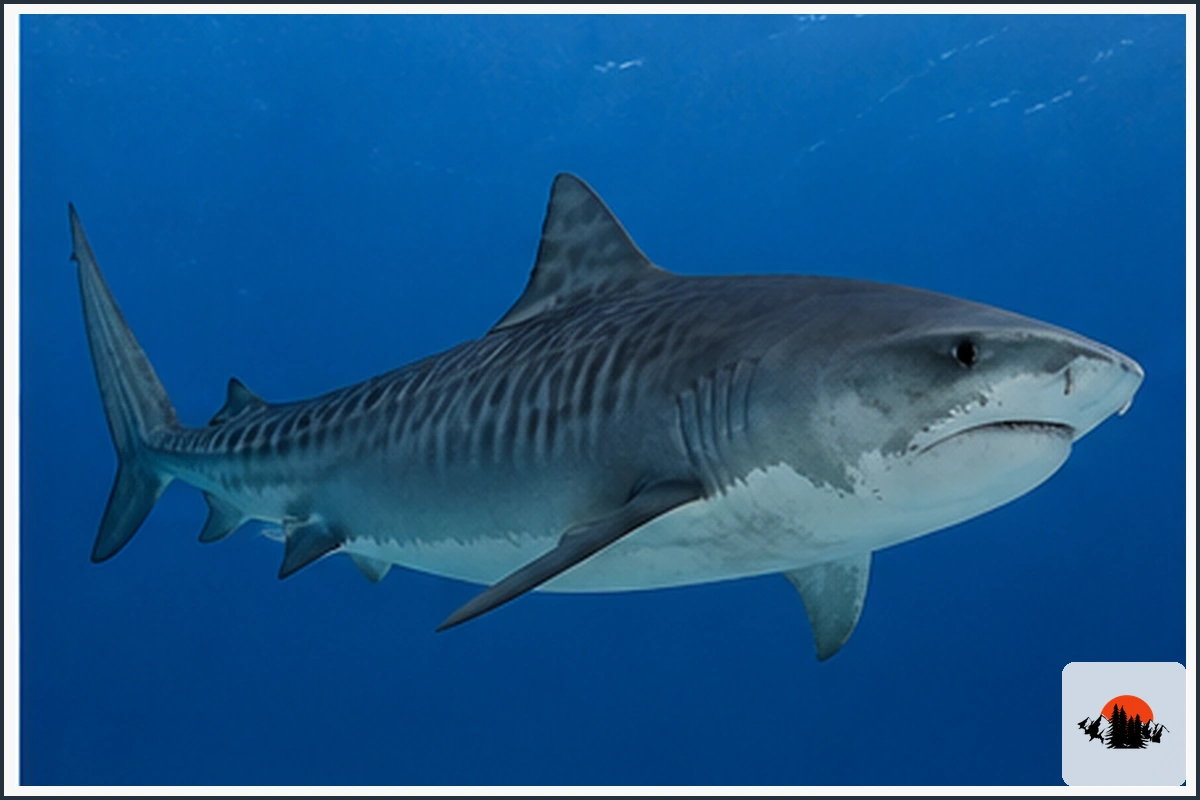
Scientific name: Galeocerdo cuvier
Tiger sharks are among the best-known sharks in Hawaii. Adults usually have a broad head, a blunt snout, a long upper tail, and dark vertical bars that may fade as they mature. Large individuals can exceed 12 feet and occasionally grow much larger.
They occur around coastal waters, reefs, bays, channels, and offshore areas throughout the Hawaiian Islands. Tiger sharks are flexible hunters that eat fish, sea turtles, seabirds, rays, squid, and other available prey. Their varied diet and ability to move between shallow and deep water help explain their wide distribution.
Tiger sharks are generally solitary, although several may gather where food is concentrated. They are important apex predators, but people should give them plenty of space and follow local beach and ocean-safety guidance.
2. Galápagos Shark
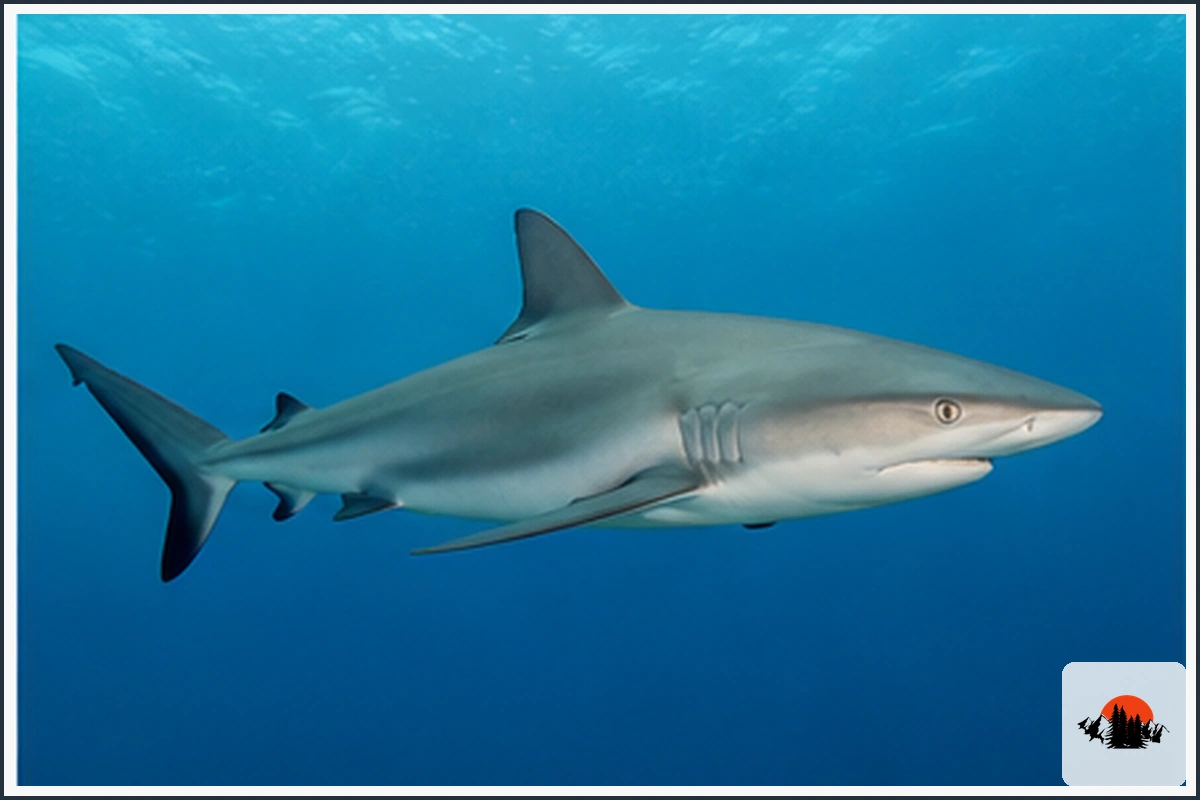
Scientific name: Carcharhinus galapagensis
Galápagos sharks are sturdy gray sharks associated with island reefs, steep drop-offs, and offshore banks. They have a broad, rounded snout, a powerful body, and a relatively tall first dorsal fin. Their size commonly reaches about 8 to 10 feet.
In Hawaii, they are found around rocky reefs and isolated islands, including areas with strong currents. Their diet consists mainly of reef fish, squid, octopuses, and crustaceans. They may investigate divers but are not normally considered a routine threat when left undisturbed.
Galápagos sharks can resemble gray reef sharks, so body size, build, dorsal-fin shape, and location are helpful identification clues. They are valuable predators in remote reef ecosystems.
3. Gray Reef Shark
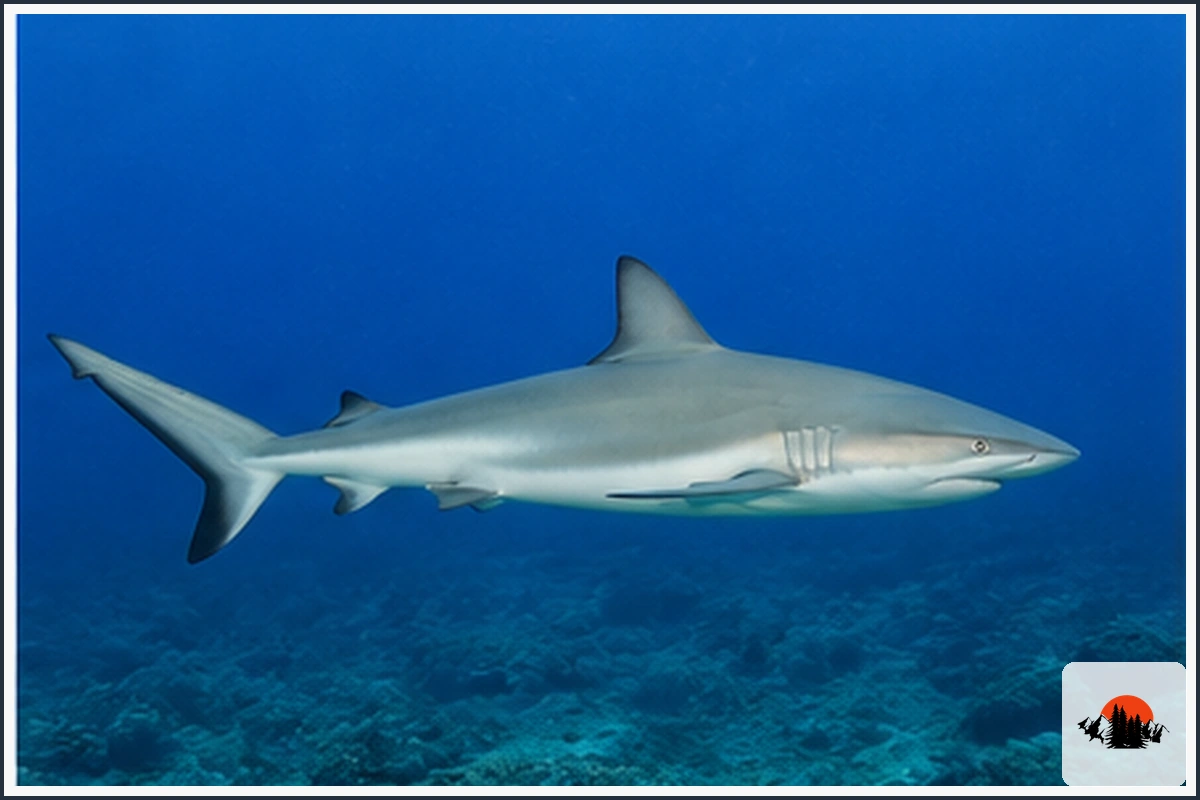
Scientific name: Carcharhinus amblyrhynchos
Gray reef sharks are common reef-associated sharks in parts of Hawaii. They usually have a medium-gray back, a pale underside, a rounded snout, and a dark or dusky edge on the rear portion of the tail. Many adults measure between 4 and 6 feet.
These sharks favor coral reefs, channels, lagoons, and outer reef slopes. They eat reef fish, squid, crabs, lobsters, and other small marine animals. Gray reef sharks often patrol predictable areas and may be seen by divers near reef drop-offs.
They are curious and may become assertive if repeatedly approached, fed, or cornered. Observers should maintain distance, avoid chasing them, and never attempt to touch or feed them.
4. Whitetip Reef Shark
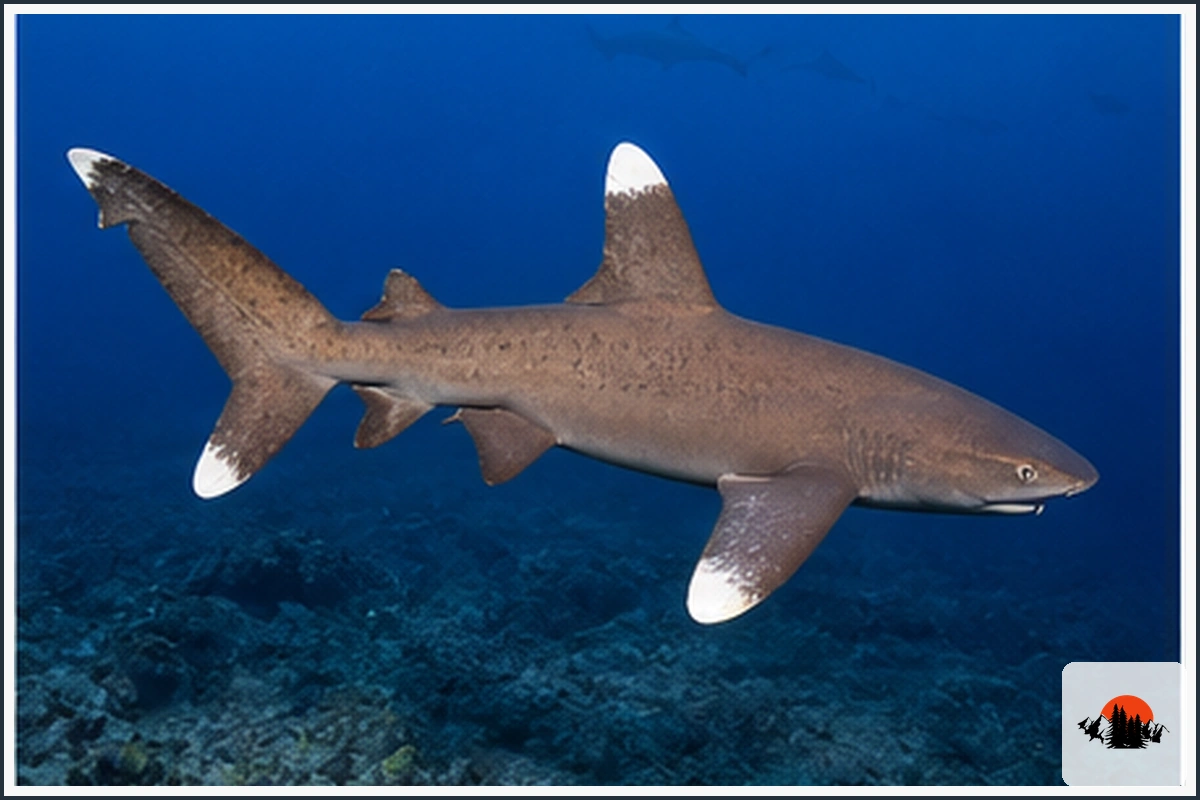
Scientific name: Triaenodon obesus
The whitetip reef shark is easy to recognize by the bright white tips on its dorsal and upper tail fins. It has a slender body, a broad head, and a short, blunt snout. Most adults are about 4 to 6 feet long.
Unlike many sharks, whitetip reef sharks often rest during the day in reef caves, ledges, and crevices. They become more active at night, when they search among coral rubble for sleeping fish, eels, octopuses, crabs, and other prey.
These sharks are usually calm around divers and are a favorite sighting for responsible snorkelers. Their resting behavior makes them especially vulnerable to harassment, so divers should not block cave entrances or shine lights directly into their eyes.
5. Blacktip Reef Shark
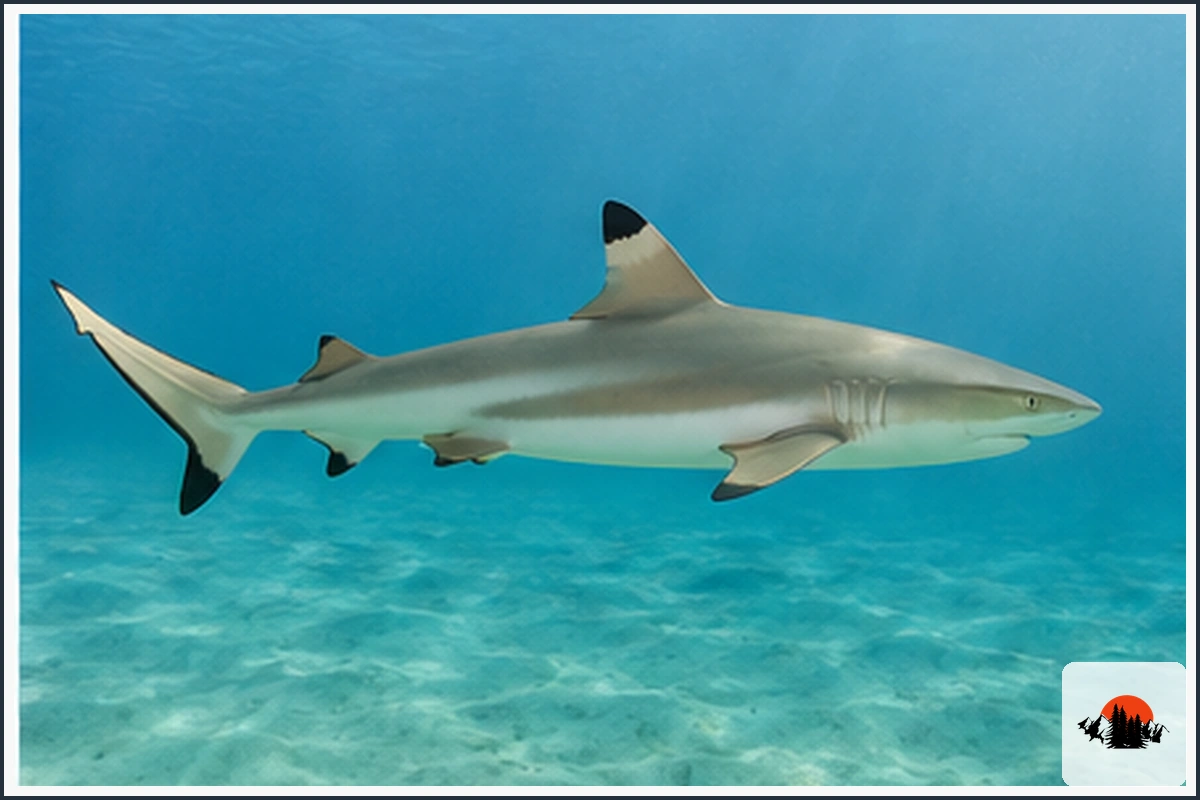
Scientific name: Carcharhinus melanopterus
Blacktip reef sharks have distinctive black markings on the tips of their dorsal and pectoral fins. They are streamlined, gray-brown above, and pale below, with adults commonly reaching about 5 feet.
They prefer shallow lagoons, sandy flats, reef edges, and protected coastal areas. Young blacktip reef sharks may use shallow nursery habitats, where they feed on small fish, shrimp, crabs, and other bottom-dwelling animals.
Blacktip reef sharks are generally wary and quickly move away from people. Their dark fin markings make them one of the easier Hawaiian reef sharks to identify, especially in clear, shallow water.
6. Scalloped Hammerhead
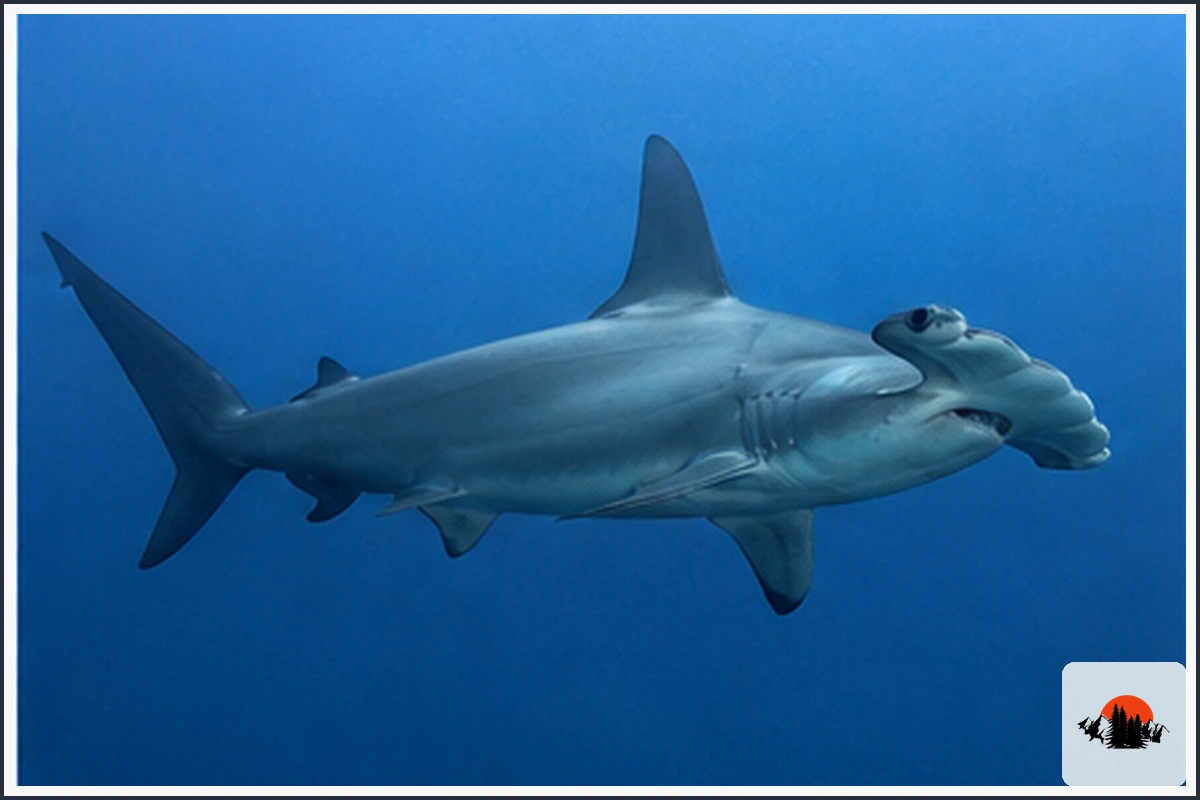
Scientific name: Sphyrna lewini
The scalloped hammerhead has the characteristic hammer-shaped head, known as a cephalofoil. The front edge of the head has a central indentation and several scalloped curves. Adults may reach approximately 10 feet or more.
In Hawaii, scalloped hammerheads are found around islands, offshore reefs, channels, and deeper coastal waters. Young sharks may use protected bays and shallow areas as nursery habitat. They eat bony fish, squid, crustaceans, and smaller sharks.
The wide head may improve sensory detection by spreading the shark’s electrical and smell receptors across a larger area. Scalloped hammerheads are fast swimmers and can form groups, particularly during certain life stages.
7. Smooth Hammerhead
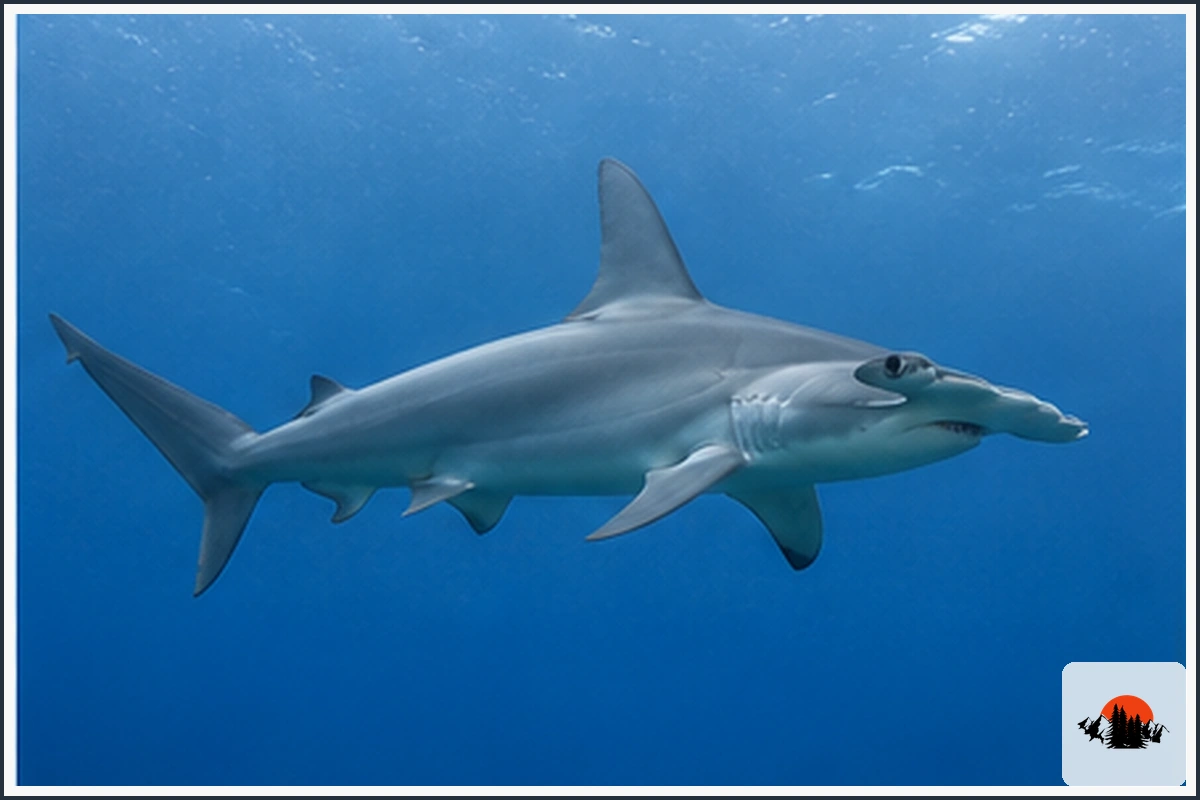
Scientific name: Sphyrna zygaena
Smooth hammerheads have a broad, hammer-shaped head with a smoothly curved front edge rather than the central notch seen in scalloped hammerheads. They are large sharks that may grow beyond 10 feet and have an olive-gray to brownish upper body.
They occur in coastal and offshore waters around Hawaii, sometimes traveling considerable distances. Their diet includes fish, squid, rays, and other marine animals. Smooth hammerheads are more often encountered in open water than in shallow reef areas.
When identifying one, focus on the smooth head outline, large size, tall dorsal fin, and relatively streamlined body. Like other hammerheads, they should be observed from a safe distance.
8. Oceanic Whitetip Shark
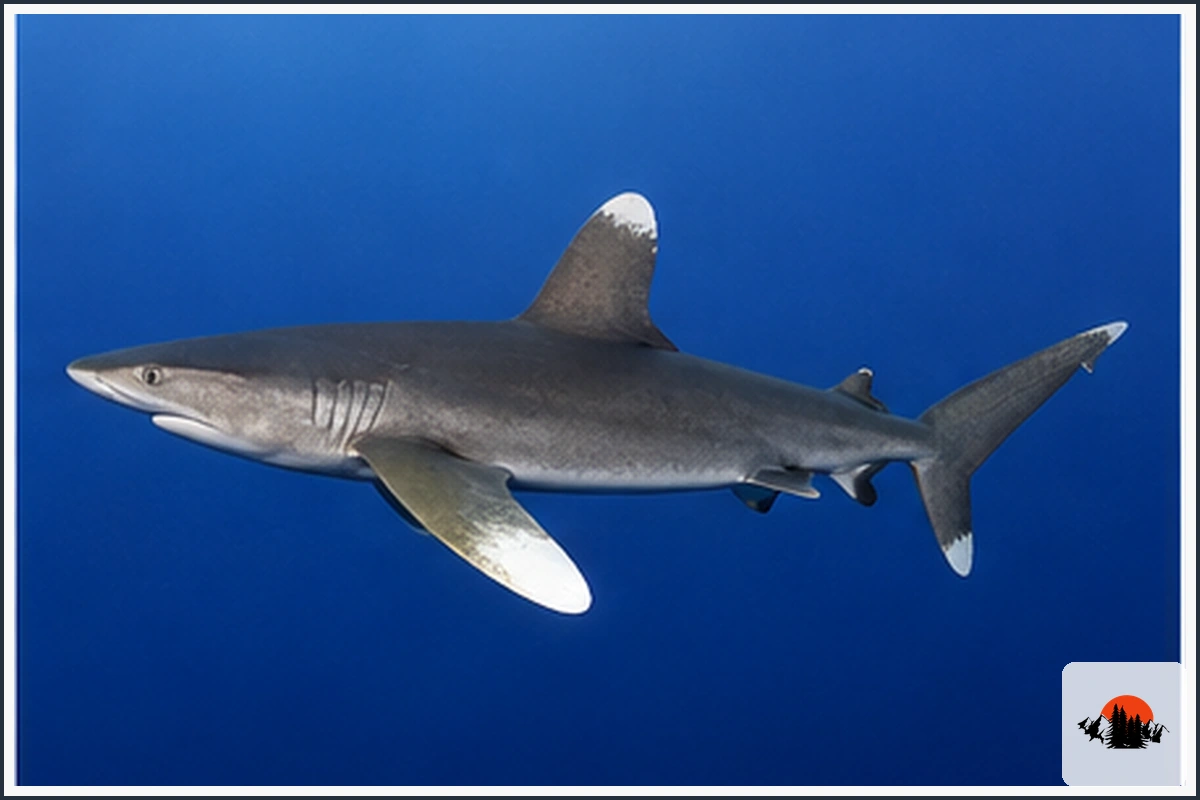
Scientific name: Carcharhinus longimanus
Oceanic whitetip sharks are open-ocean predators recognized by their long, rounded pectoral fins and white markings on the fin tips. They can grow to more than 10 feet and often have a broad, powerful appearance.
They are associated with warm pelagic waters far from shore, although they may approach islands when conditions and food supplies allow. Their diet includes tuna, other fish, squid, sea turtles, seabirds, and floating marine animals.
Oceanic whitetip sharks are strong, persistent swimmers and have historically faced pressure from commercial fishing. Their slow reproduction makes conservation and responsible fisheries management especially important.
9. Blue Shark
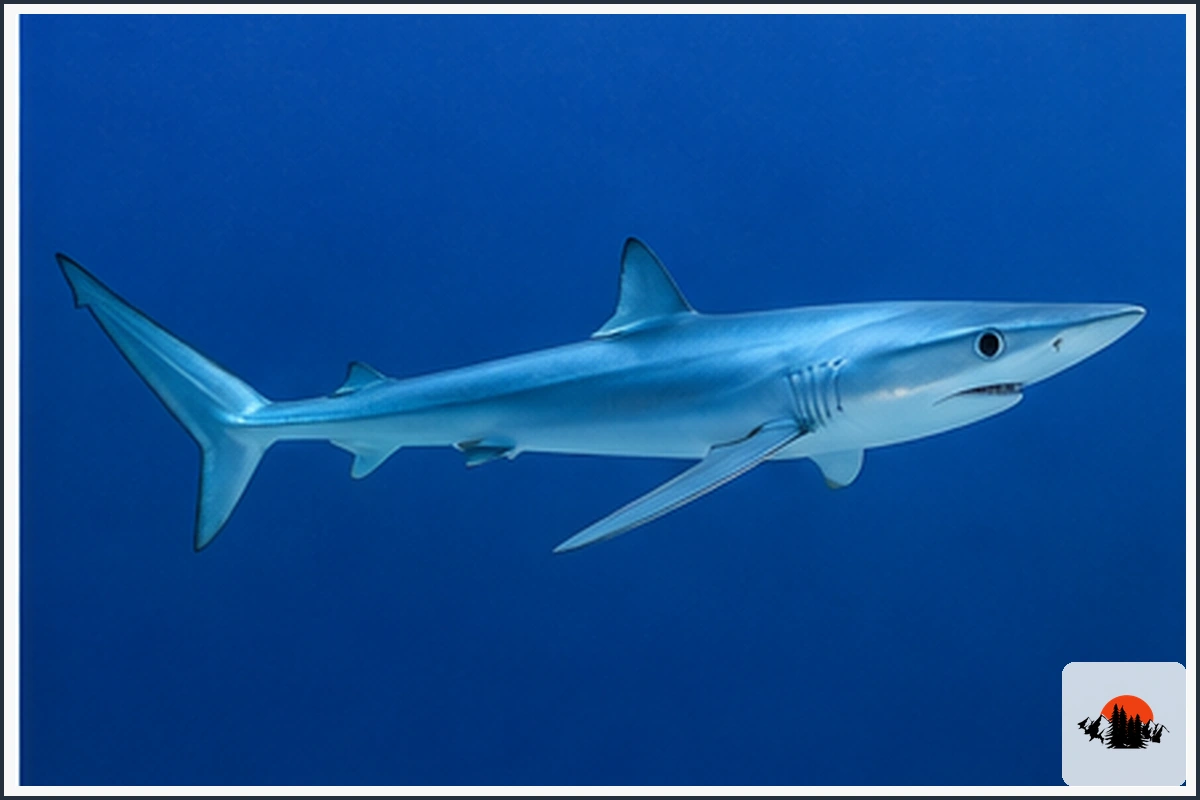
Scientific name: Prionace glauca
Blue sharks are slender pelagic sharks with a deep blue upper body, bright white underside, long pointed pectoral fins, and a narrow snout. Adults commonly reach 6 to 10 feet, with some growing larger.
They are found in deep offshore waters around Hawaii and across much of the world’s oceans. Blue sharks feed on squid, small schooling fish, and other open-water prey. Their long, narrow body is built for efficient travel over great distances.
Blue sharks are not typical shallow-water reef sightings. Anglers, boaters, and offshore researchers may encounter them in deeper water, where their blue coloration can blend with the surrounding ocean.
10. Shortfin Mako Shark
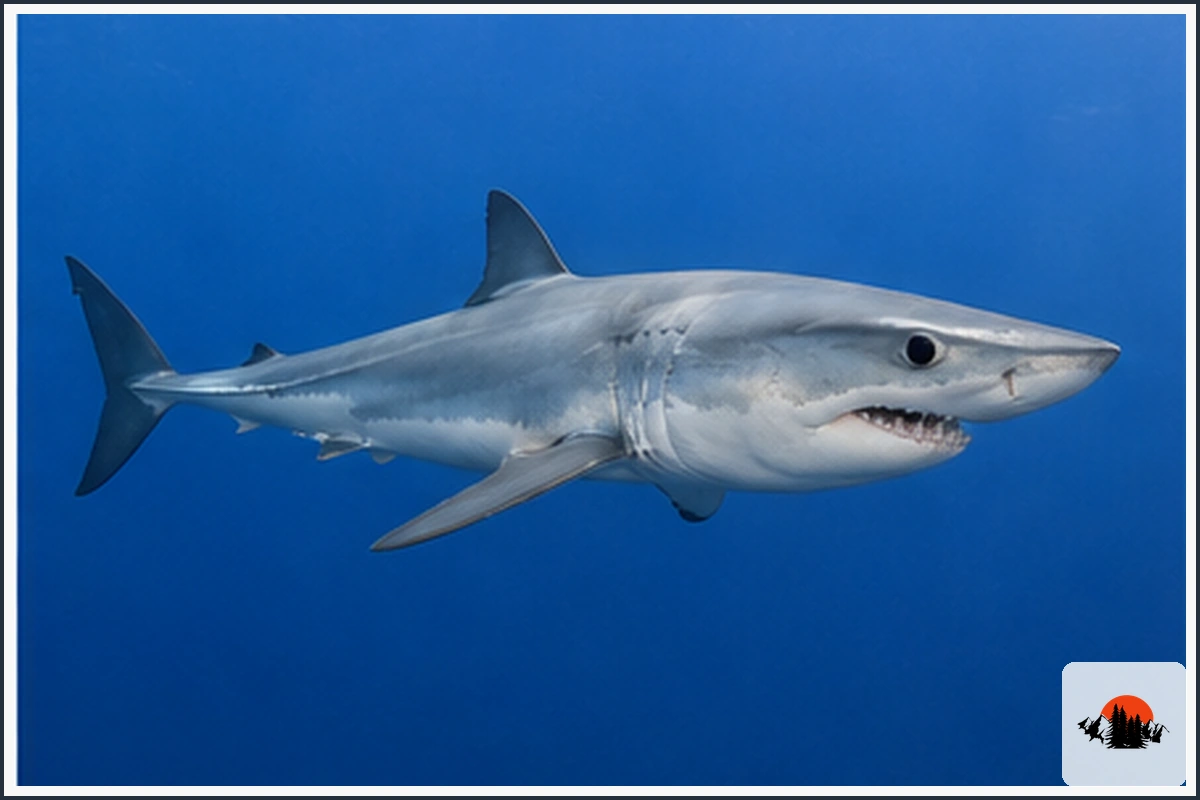
Scientific name: Isurus oxyrinchus
The shortfin mako is a fast, streamlined shark with a pointed snout, dark blue back, white belly, and long, narrow teeth. It may reach 10 to 12 feet or more and is one of the fastest sharks in the ocean.
Makos live in offshore waters and pursue active prey such as tuna, mackerel, squid, and other fast-moving fish. Their muscular tail, compact body, and strong swimming ability help them chase prey in the open Pacific.
Shortfin makos are important pelagic predators but face pressure from fishing because of their value as a game fish and incidental capture in longline fisheries. Responsible handling and release practices are essential where fishing regulations permit interaction.
11. Silky Shark
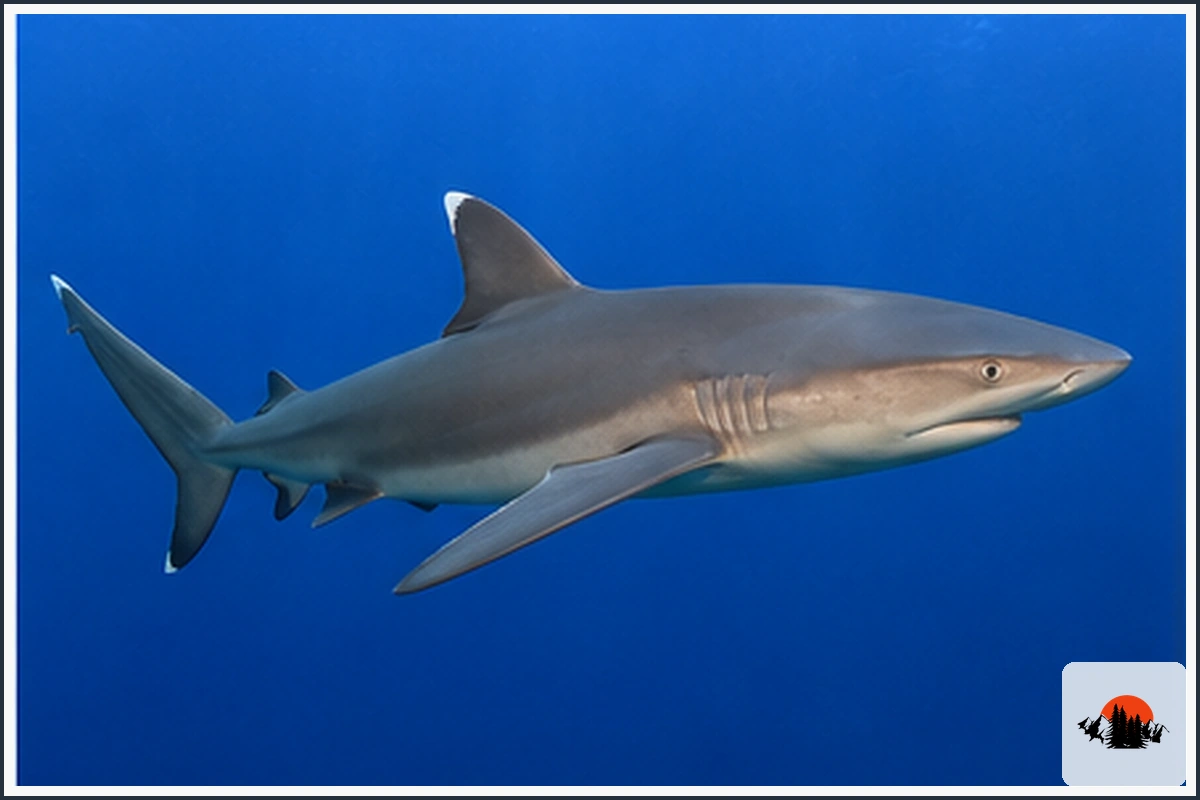
Scientific name: Carcharhinus falciformis
Silky sharks are slender gray sharks with a long, pointed snout, large eyes, and a relatively low first dorsal fin. Adults often reach 6 to 8 feet. Their skin has a smooth appearance, which gives the species its common name.
They occur in warm offshore waters and may gather around oceanic islands, banks, and areas where prey concentrates. Silky sharks eat tuna, other fish, squid, and crustaceans.
They are active, mobile predators that may follow schools of pelagic fish. Silky sharks are vulnerable to fishing pressure, so sustainable fisheries practices and accurate species identification are important for their protection.
12. Great White Shark
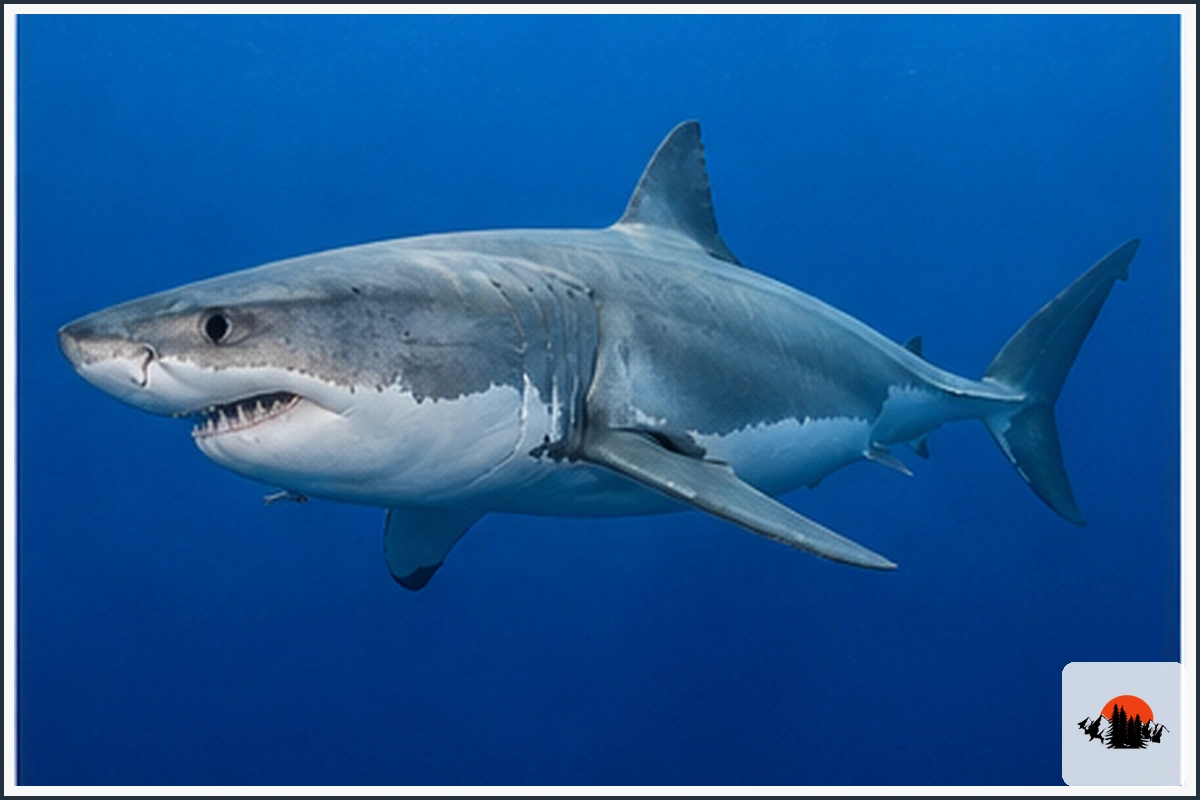
Scientific name: Carcharodon carcharias
Great white sharks are powerful, large-bodied sharks with a conical snout, broad triangular teeth, dark gray upper body, and sharply contrasting white underside. They can exceed 15 feet, although sightings around Hawaii are uncommon.
Great whites are occasionally recorded in Hawaiian waters, particularly during cooler months when some individuals travel long distances through the Pacific. They may feed on fish, rays, seals in other parts of their range, and marine mammals.
Because encounters are rare, most visitors will never see one. A sighting is an important wildlife observation, not an invitation to approach. Report unusual sightings to local authorities or research programs when appropriate.
How Are These Sharks Classified?
Hawaiian sharks can be grouped by habitat, body form, and evolutionary family. Reef sharks spend much of their time near coral reefs, rocky bottoms, lagoons, and island shelves. Pelagic sharks live mainly in the open ocean and often travel long distances.
- Reef-associated sharks: Whitetip reef, blacktip reef, gray reef, and Galápagos sharks.
- Coastal and island sharks: Tiger sharks and hammerheads may use bays, channels, reefs, and offshore slopes.
- Open-ocean sharks: Blue, mako, silky, oceanic whitetip, and some great white sharks spend much of their time offshore.
- Hammerhead sharks: Scalloped and smooth hammerheads are identified by their broad, laterally expanded heads.
- Requiem sharks: Many Hawaiian reef and coastal species belong to the family Carcharhinidae.
Where Do These Sharks Live?
Hawaiian sharks occupy nearly every marine habitat surrounding the islands. Shallow lagoons and reef flats provide nursery and feeding areas for smaller reef sharks. Outer reef slopes and channels attract sharks that patrol strong currents and feeding zones. Deep offshore water supports pelagic species such as blue sharks, makos, silky sharks, and oceanic whitetips.
Remote Northwestern Hawaiian Islands often provide especially important habitat because they contain extensive reefs, fewer developed shorelines, and protected marine areas. Shark distribution can change with season, water temperature, prey availability, breeding activity, and ocean conditions.
How to Identify Different Types of Sharks in Hawaii
- Look at the head: A hammer-shaped head indicates a hammerhead, while a blunt broad snout may suggest a tiger or Galápagos shark.
- Check fin markings: White fin tips suggest a whitetip reef or oceanic whitetip shark; black fin tips are typical of blacktip reef sharks.
- Notice the body shape: Slender, narrow-bodied sharks are often pelagic species such as blue sharks or makos.
- Consider the habitat: A shark resting in a reef cave is likely a whitetip reef shark, while a shark far offshore may be a blue, silky, or mako shark.
- Estimate size carefully: Size can help, but perspective underwater is misleading, so avoid relying on length alone.
- Observe behavior: Resting, circling, schooling, and fast open-water travel can provide useful clues.
- Use location: Shallow protected lagoons and deep offshore waters attract different species.
- Never approach for a closer look: Identification should be based on observation, not touching or chasing.
Fishing and Wildlife Observation Tips
When fishing in Hawaii, learn current state and federal regulations before going offshore. Use legal gear, release protected species carefully, and avoid retaining sharks unless regulations clearly allow it. Never drag a shark onto shore for photographs.
For snorkeling and diving, remain calm, keep the animal in sight, and allow it a clear path to leave. Do not feed sharks, corner them in caves, or pursue them with cameras. A guide familiar with local conditions can help visitors interpret shark behavior and choose responsible viewing practices.
Safety, Sustainability, and Conservation Notes
Shark encounters in Hawaii are uncommon, but ocean users should still make sensible choices. Avoid entering the water near river mouths after heavy rain, and use extra caution during low-light periods such as dawn, dusk, and nighttime. Follow lifeguard instructions and leave the water promptly if a shark is sighted nearby.
Sharks grow slowly, mature relatively late, and often produce few young compared with many bony fish. These traits can make populations vulnerable to overfishing. Supporting sustainable seafood practices, respecting protected areas, reducing marine pollution, and reporting illegal wildlife activity all help protect Hawaiian shark populations.
Fun Facts About Sharks in Hawaii
- Hawaii has both reef-dwelling sharks and far-ranging pelagic sharks.
- Tiger sharks are among the largest regularly observed sharks around the Hawaiian Islands.
- Whitetip reef sharks often rest in reef caves during daylight hours.
- Blacktip reef sharks are named for their dark fin tips.
- Hammerhead sharks use their wide heads as specialized sensory surfaces.
- Blue sharks are built for long-distance travel in the open ocean.
- Shortfin makos are among the fastest shark species.
- Great white sightings in Hawaii are unusual compared with sightings of reef sharks.
- Young sharks may use shallow coastal areas as nursery habitat.
- Sharks help maintain healthy marine food webs by controlling prey populations.
Final Thoughts on Types of Sharks in Hawaii
The types of sharks in Hawaii range from quiet reef residents to powerful open-ocean travelers. Understanding their identifying features, habitats, diets, and behavior helps swimmers, divers, anglers, and wildlife enthusiasts appreciate these animals without disturbing them. Responsible observation and sustainable ocean practices are essential for keeping Hawaii’s shark populations and marine ecosystems healthy.
Frequently Asked Questions
1. How many types of sharks live in Hawaii?
Hawaii has more than a dozen shark species recorded in its surrounding waters. The 12 species in this guide represent important, recognizable, or commonly discussed examples rather than every rare visitor.
2. What is the most common shark in Hawaii?
Common sightings vary by location, but whitetip reef sharks, gray reef sharks, blacktip reef sharks, and tiger sharks are among the better-known species around the islands.
3. Are there great white sharks in Hawaii?
Yes. Great white sharks are occasionally recorded in Hawaiian waters, but sightings are uncommon compared with encounters involving reef sharks and tiger sharks.
4. What is the largest shark found in Hawaii?
Whale sharks can be larger than all of the species listed here, but they are filter-feeding sharks and are not included in this predatory shark-focused list. Among predatory species, tiger sharks and great white sharks can become especially large.
5. Are tiger sharks common in Hawaii?
Tiger sharks are regularly recorded around Hawaii, although their visibility varies by island, season, habitat, and food availability.
6. Are Hawaiian reef sharks dangerous?
Most reef sharks are wary of people and usually avoid close contact. Risk increases when sharks are fed, chased, cornered, or approached in poor visibility.
7. Which shark has white-tipped fins?
Whitetip reef sharks have bright white tips on their dorsal and upper tail fins. Oceanic whitetip sharks also have white markings but are larger, more open-ocean species.
8. Which shark has black fin tips?
Blacktip reef sharks are recognized by dark markings on the tips of their dorsal and pectoral fins.
9. Where are sharks most often seen in Hawaii?
Sharks may be seen around reefs, channels, bays, offshore banks, deep drop-offs, and open ocean. The species depends strongly on the habitat.
10. Do sharks live near Hawaii’s beaches?
Some species, particularly tiger sharks and juvenile reef sharks, may enter coastal waters. Their presence is natural and does not necessarily indicate aggressive behavior.
11. What do Hawaiian sharks eat?
Depending on the species, sharks eat reef fish, pelagic fish, squid, octopuses, crustaceans, rays, sea turtles, seabirds, and marine mammals.
12. Do sharks migrate around Hawaii?
Some sharks travel long distances through the Pacific, while reef-associated species may remain near island habitats for extended periods. Movement depends on species, age, reproduction, and food.
13. Are hammerhead sharks found in Hawaii?
Yes. Scalloped hammerheads and smooth hammerheads are both recorded in Hawaiian waters.
14. How can I tell a scalloped hammerhead from a smooth hammerhead?
The front edge of a scalloped hammerhead’s head has several curves and a central indentation. A smooth hammerhead has a more evenly curved front edge.
15. Are blue sharks found near Hawaii?
Blue sharks occur in deep offshore waters around Hawaii and are more likely to be encountered by offshore boaters, anglers, or researchers than by beach swimmers.
16. What is the fastest shark around Hawaii?
The shortfin mako is generally considered one of the fastest sharks in Hawaiian waters and throughout the world’s oceans.
17. Do whitetip reef sharks attack divers?
Whitetip reef sharks are usually calm around divers. Problems are more likely when people disturb resting sharks, block their retreat, or attempt to touch them.
18. Should I swim away if I see a shark?
Stay calm, avoid sudden splashing, maintain awareness of the shark, and slowly leave the water when it is safe. Follow lifeguard instructions immediately.
19. Is it safe to snorkel where sharks are present?
Many people safely snorkel in areas where reef sharks occur. Use a reputable guide, avoid feeding wildlife, keep your distance, and follow local safety advice.
20. Are sharks attracted to river mouths?
River mouths can carry nutrients, sediment, and prey into coastal water. For that reason, many safety authorities recommend extra caution near river mouths, especially after heavy rain.
21. Are sharks more active at dawn or dusk?
Some shark species are more active during low-light periods. Visibility is also reduced then, so avoiding dawn, dusk, and nighttime swimming can reduce risk.
22. Can I feed sharks in Hawaii?
Do not feed wild sharks. Feeding can change natural behavior, create conflicts, and may violate local rules or protected-area regulations.
23. What should I do if a shark approaches while diving?
Remain calm, keep the shark in sight, avoid touching it, and maintain a respectful distance. Signal your dive group and follow your guide’s instructions.
24. Are shark populations protected in Hawaii?
Protection varies by species, location, and fishery. Some areas and regulations provide strong safeguards, so anglers should check current state and federal rules before fishing.
25. Why are sharks important to Hawaii’s ecosystem?
Sharks help regulate marine food webs by consuming prey and influencing the distribution and behavior of other animals.
26. Are tiger sharks aggressive?
Tiger sharks are large, curious predators with a broad diet, but the label “aggressive” oversimplifies their behavior. Most encounters do not result in an attack, and people should still give them space.
27. Are blacktip reef sharks dangerous to swimmers?
Blacktip reef sharks are generally wary and tend to avoid people. As with any wild predator, they should not be approached, fed, or chased.
28. Can sharks smell blood from far away?
Sharks have highly developed chemical senses, but popular claims about detecting a tiny drop of blood from extreme distances are exaggerated. Water movement, concentration, and current direction all matter.
29. How should anglers handle a shark they plan to release?
Use appropriate tackle, minimize fight time, keep the shark in the water when possible, avoid handling the gills, and follow current release regulations and best practices.
30. Are sharks fish?
Yes. Sharks are fish, but unlike bony fish, they have skeletons made primarily of cartilage rather than bone.
31. What makes sharks different from most fish?
Sharks have cartilaginous skeletons, multiple gill openings, replaceable teeth, and specialized sensory systems that help them detect movement, chemicals, and electrical signals.
32. Can sharks be identified by their teeth alone?
Teeth can provide clues, but reliable identification usually also considers body shape, fins, color, head form, size, habitat, and behavior.
33. Are shark sightings increasing in Hawaii?
Reported sightings can change because of weather, ocean conditions, prey movements, public reporting, and increased observation. A change in reports does not automatically prove a population increase.
34. What is the best way to photograph a Hawaiian shark?
Use a zoom lens or underwater camera from a respectful distance. Never pursue, corner, touch, or feed the shark for a photograph.
35. What should children know about sharks in Hawaii?
Children should learn that sharks are wild animals and important parts of the ocean ecosystem. They should stay with adults, follow lifeguard directions, and never approach marine wildlife.
36. Are sharks protected in marine parks?
Many marine areas have special rules that protect wildlife and restrict fishing or feeding. Check the regulations for the exact beach, reef, island, or marine reserve.
37. Do sharks sleep?
Sharks rest in different ways. Some remain active while resting, while species such as whitetip reef sharks can settle on the seafloor or in reef shelters.
38. Why do some sharks gather around islands?
Islands can concentrate currents, prey, shelter, cleaning stations, and breeding habitat. These conditions may attract several shark species.
39. Are oceanic whitetip sharks common near beaches?
No. Oceanic whitetip sharks are primarily open-ocean animals and are not typical shallow-water beach sightings.
40. What is the safest way to learn about Hawaiian sharks?
Use reputable local guides, observe from a distance, follow current regulations, and learn basic species identification without disturbing wildlife.