

North America is home to several distinct wolf types, from widespread gray wolves to rare red wolves and specialized Mexican gray wolves. This guide to the types of wolves in north america explains how they differ in appearance, range, habitat, behavior, diet, conservation status, and ecological importance.
What Are the Main Types of Wolves in North America?
The main recognized wolf types in North America include the gray wolf, Mexican gray wolf, red wolf, eastern wolf, and Arctic wolf. Some are classified as full species, while others are subspecies, regional populations, or scientifically debated groups. Their differences are most noticeable in size, coat color, habitat, geographic range, and genetics.
1. Gray Wolf
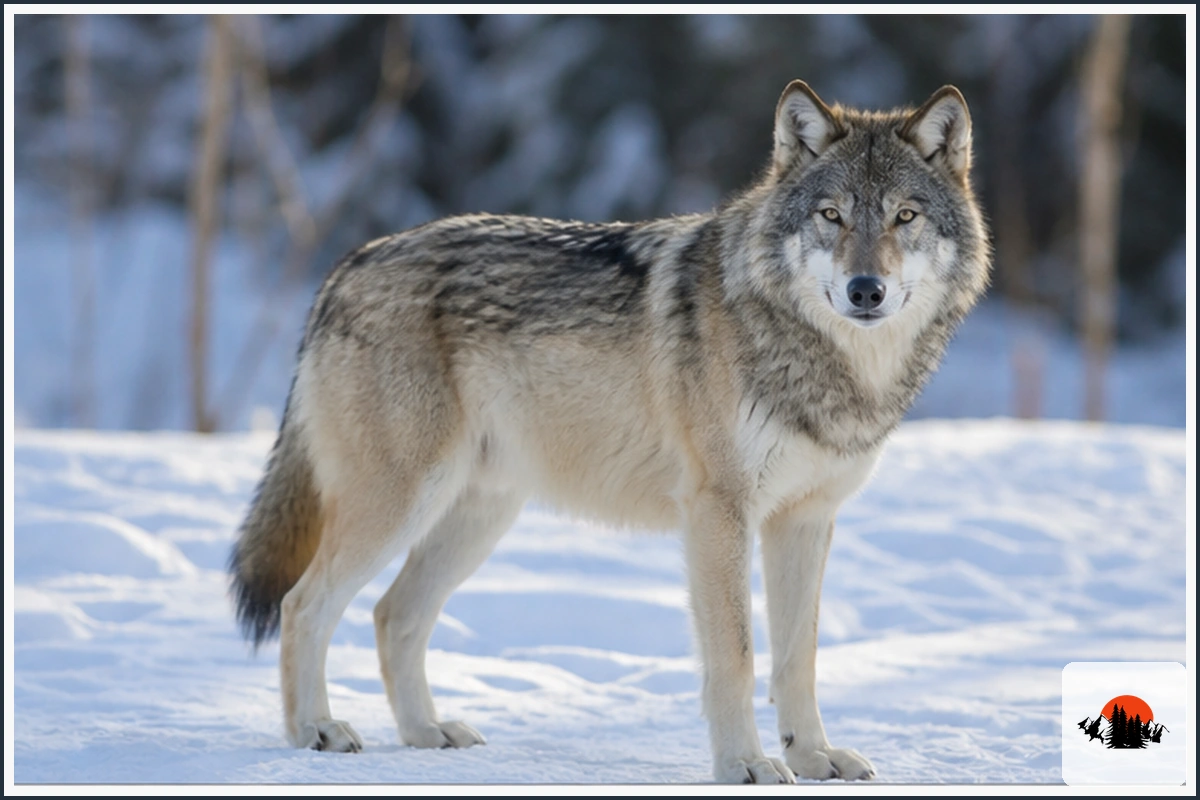
Scientific name: Canis lupus
The gray wolf is the most widespread and best-known wolf in North America. Despite its name, its coat may be gray, brown, black, white, or a mixture of several colors. It typically has a large head, long legs, a bushy tail, and a thick coat suited to cold conditions.
Gray wolves live in forests, mountains, tundra, grasslands, and some desert regions. In North America, they occur mainly in Alaska, Canada, parts of the northern Rocky Mountains, and a few protected areas in the western United States. Adult wolves commonly weigh between 60 and 145 pounds, although size varies by region and sex.
These social predators usually live in family packs led by a breeding pair. Their diet includes deer, elk, moose, caribou, bison, beavers, and smaller mammals. By influencing prey numbers and movement, gray wolves can help maintain healthier ecosystems.
2. Arctic Wolf
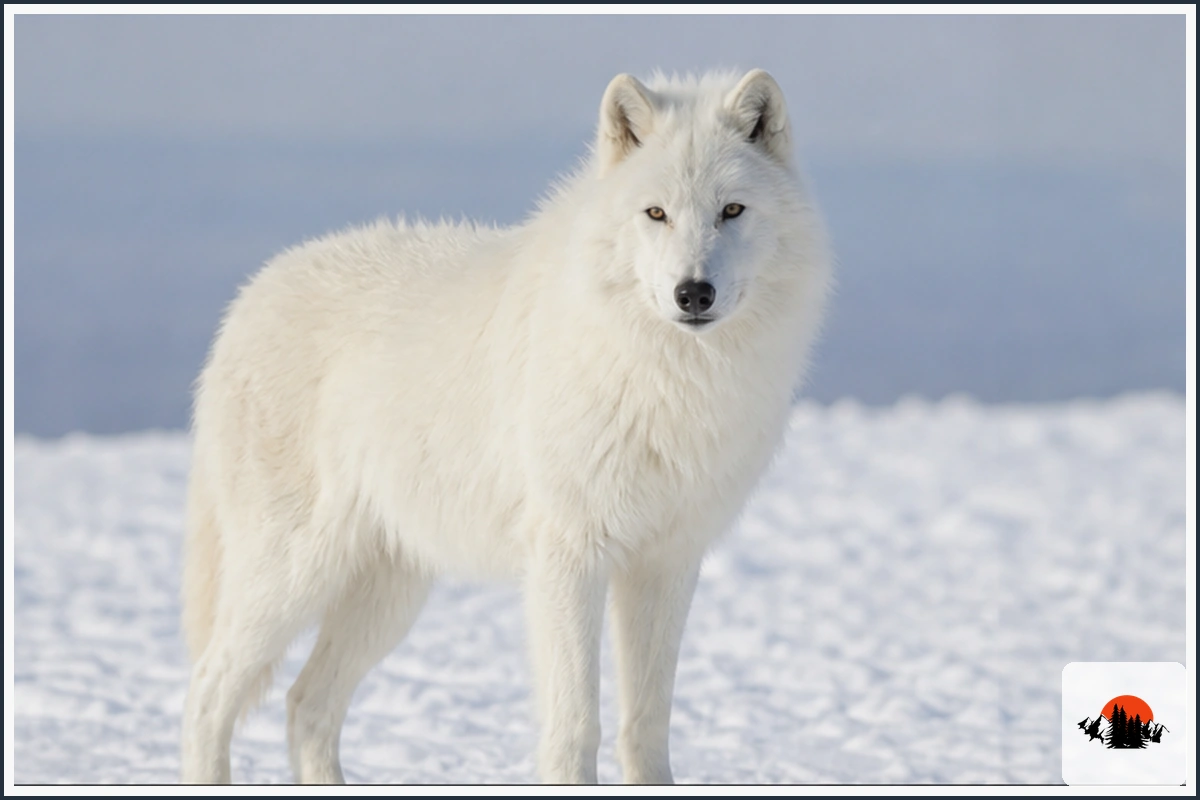
Scientific name: Canis lupus arctos
The Arctic wolf is a white-coated subspecies of gray wolf adapted to the extreme conditions of the High Arctic. Its compact ears, short muzzle, thick fur, and heavily insulated paws help reduce heat loss. The coat may appear cream-colored or pale gray during parts of the year.
Arctic wolves inhabit Canada’s Arctic islands and the northernmost mainland regions. They may travel over large distances across tundra and sea ice while searching for food. Their prey includes muskoxen, Arctic hares, caribou, lemmings, and other small animals.
Arctic wolves often live in smaller packs than wolves in areas with abundant large prey. They are highly adaptable hunters and may survive long periods when food is scarce. Climate change, changing sea ice, reduced prey access, and human development can affect their habitat.
3. Mexican Gray Wolf
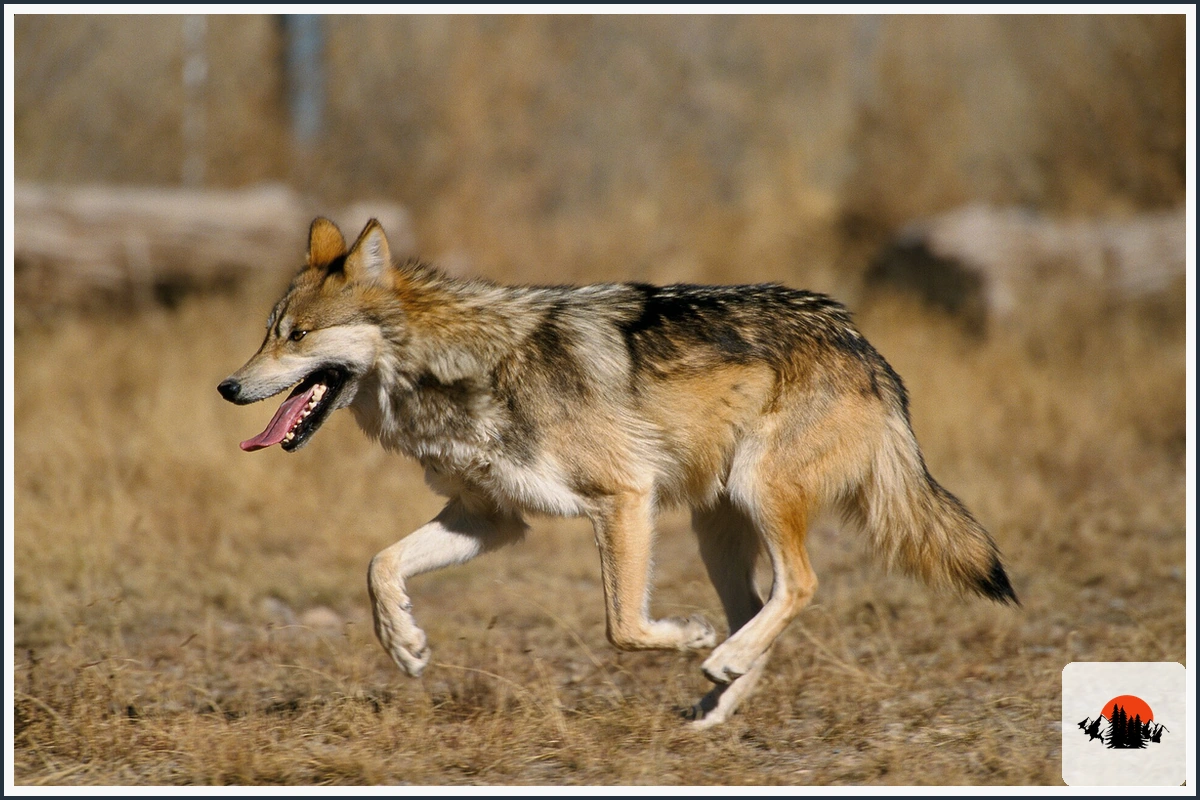
Scientific name: Canis lupus baileyi
The Mexican gray wolf is the smallest and one of the rarest gray wolf subspecies in North America. It usually has a mottled coat of gray, tan, rust, and buff, with a narrow face and a relatively delicate build. Adults often weigh about 50 to 80 pounds.
Historically, Mexican gray wolves ranged through parts of Arizona, New Mexico, Texas, and Mexico. Today, reintroduced populations are found primarily in portions of Arizona and New Mexico, with additional animals living in Mexico. Their preferred habitat includes mountain forests, oak woodland, pine forest, and rugged grassland.
Mexican gray wolves hunt deer, elk, javelina, rabbits, rodents, and other available prey. They live in family packs and communicate through body language, scent marking, and vocalizations. Captive breeding, careful releases, genetic management, and public cooperation have been important to their recovery.
4. Red Wolf
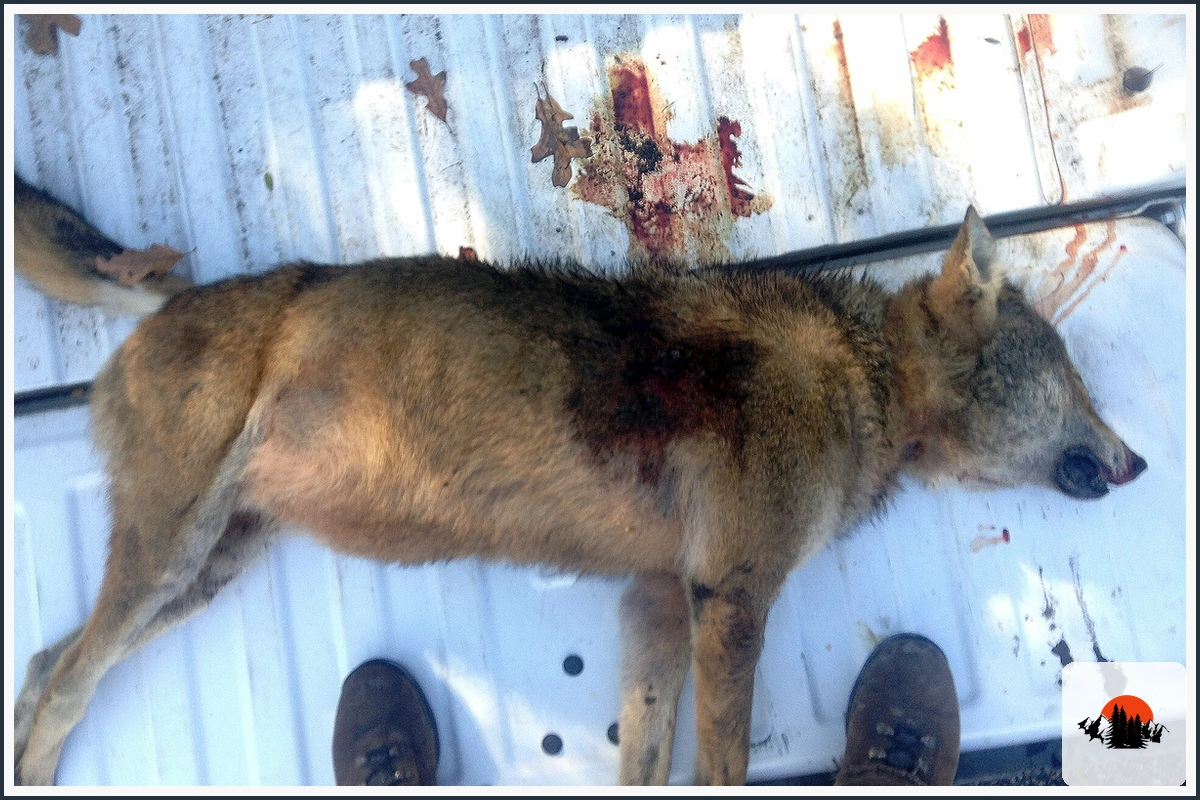
Scientific name: Canis rufus
The red wolf is a slender, medium-sized canid with reddish or cinnamon coloring around the ears, head, neck, and legs. Its coat can also include gray, brown, and black tones. Red wolves are generally smaller than most gray wolves but larger than typical coyotes.
The species historically occupied much of the southeastern United States. Habitat loss, persecution, vehicle collisions, and interbreeding with coyotes caused a severe decline. A managed population has been maintained in eastern North Carolina, although the species remains critically endangered.
Red wolves eat rabbits, raccoons, nutria, rodents, deer, and other small or medium-sized animals. They may live in family groups and are especially associated with coastal prairie, wetlands, forests, and brushy habitats. Identifying a red wolf in the wild can be difficult because it may resemble a large coyote or a hybrid canid.
5. Eastern Wolf
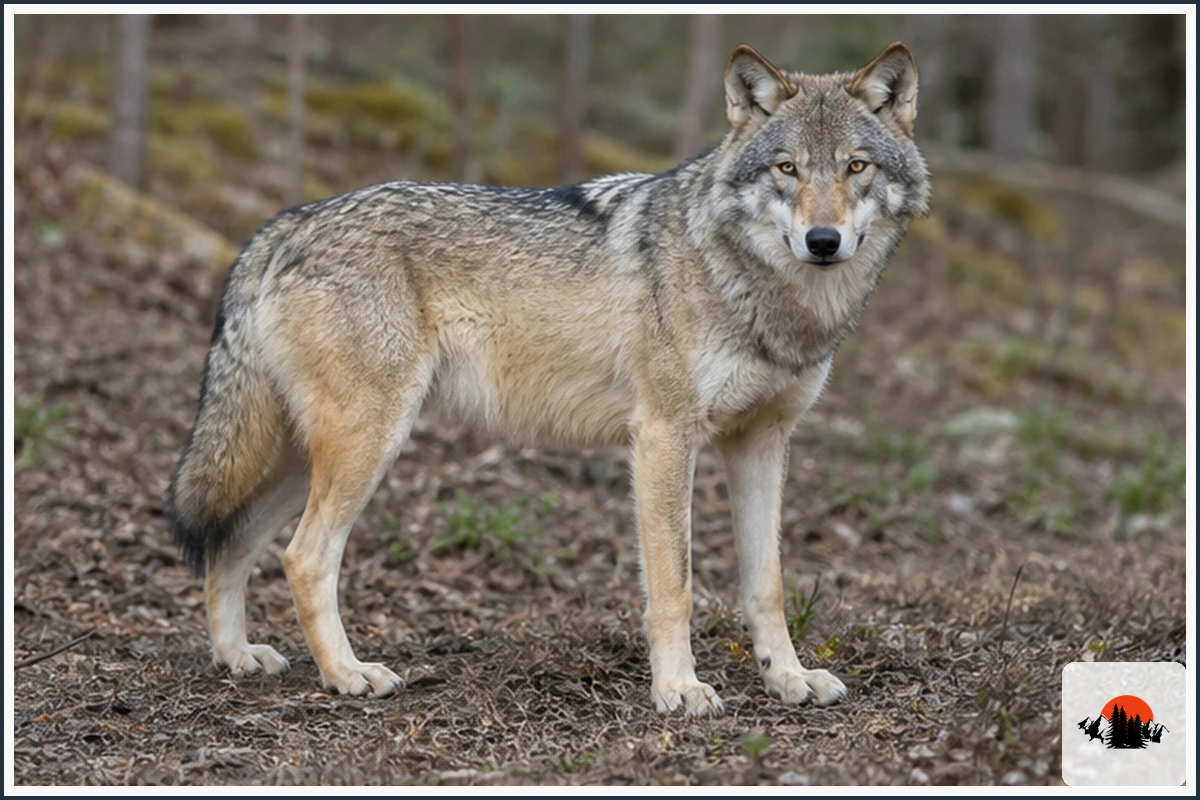
Scientific name: Often associated with Canis lycaon; classification remains debated.
The eastern wolf is a medium-sized wolf-like canid associated primarily with central and eastern Canada, especially Ontario and Quebec. Scientists continue to debate whether it should be treated as a separate species, a gray wolf subspecies, or part of a genetically complex group influenced by historical hybridization.
Eastern wolves are generally smaller than large northern gray wolves and often have gray, brown, or reddish coats. They occupy forests and mixed landscapes where prey such as white-tailed deer, beavers, moose, and smaller mammals are available.
The eastern wolf is important because it represents the complicated evolutionary history of North American canids. Genetic exchange among wolves, coyotes, and dogs has occurred in some regions, making classification and conservation management challenging. Local laws and conservation policies vary across its range.
How Are These Wolves Classified?
Wolves can be classified using taxonomy, genetics, physical appearance, geography, and conservation management. The gray wolf is generally recognized as Canis lupus, with several regional subspecies. The Mexican gray wolf and Arctic wolf are commonly treated as gray wolf subspecies.
The red wolf and eastern wolf are more complicated. Researchers have different interpretations of their evolutionary history and taxonomic rank because wolf and coyote lineages have sometimes interbred. For general identification, range, body size, coat pattern, skull shape, behavior, and habitat are useful, but genetic testing may be needed for reliable identification.
Where Do These Wolves Live?
- Gray wolves: Alaska, Canada, the northern Rocky Mountains, and selected western U.S. regions.
- Arctic wolves: Arctic islands and far northern mainland tundra.
- Mexican gray wolves: Mountain forests and grasslands in Arizona, New Mexico, and Mexico.
- Red wolves: Historically the southeastern United States; current managed populations occupy a limited area in eastern North Carolina.
- Eastern wolves: Forested areas of central and eastern Canada.
What Do North American Wolves Eat?
Wolves are opportunistic carnivores whose diets depend on region, season, pack size, and prey availability. Large gray wolf packs may pursue elk, moose, caribou, deer, or bison. Arctic wolves commonly eat muskoxen, Arctic hares, caribou, and smaller tundra animals. Mexican gray wolves often take deer, elk, rabbits, and rodents, while red wolves frequently consume rabbits, raccoons, rodents, and deer.
Wolves also scavenge when opportunities arise. Their ability to switch between large prey, small mammals, carrion, and seasonal food sources helps them survive in changing environments.
Wolf Behavior and Social Life
Most wolves are highly social animals that live in family groups. A pack commonly includes a breeding pair, their young, and sometimes older offspring. Pack members cooperate in raising pups, defending territory, traveling, and hunting.
Communication includes howling, growling, whining, scent marking, facial expressions, posture, and physical contact. Howling helps wolves locate one another, defend territory, and maintain social bonds. Pack size and territory size vary according to prey abundance and habitat.
How to Identify Different Types of Wolves
- Range: Geographic location is often the most useful first clue.
- Body size: Northern gray wolves are generally larger than Mexican gray wolves and red wolves.
- Coat color: Arctic wolves are usually pale, while red wolves often show reddish or cinnamon tones.
- Head and ears: Wolves typically have broader heads, larger feet, and longer legs than coyotes.
- Tail: A wolf’s tail is usually thick and bushy, often carried low while walking.
- Tracks: Wolf tracks are large, symmetrical, and show four toes with visible claw marks.
- Habitat: Tundra, boreal forest, mountains, grasslands, and coastal wetlands may point toward different types.
- Behavior: Pack travel, coordinated hunting, and long-distance howling are common wolf traits.
Outdoor Tips for Finding and Observing Wolves
Seeing a wild wolf is rare, and responsible observation should always come first. Look for tracks, scat, hair, travel routes, and distant howling rather than approaching an animal. Use binoculars or a spotting scope, remain quiet, and keep a substantial distance.
- Never feed or call wolves toward roads, campsites, or people.
- Keep dogs leashed in wolf country and follow local regulations.
- Do not approach dens, pups, carcasses, or active hunting sites.
- Store food and garbage securely while camping.
- Report unusual sightings to local wildlife authorities or park staff.
Safety, Sustainability, and Conservation Notes
Wolves are wild predators and should never be treated like domestic dogs. Conflicts can be reduced by securing livestock, using appropriate fencing, supervising pets, and removing attractants. Regulations concerning wolves, trapping, hunting, photography, and protected habitat differ by province, territory, state, and country.
Conservation efforts include habitat protection, wildlife crossings, conflict prevention, population monitoring, genetic management, and public education. Red wolves and Mexican gray wolves require especially careful management because their populations remain small. Protecting large connected landscapes benefits wolves as well as the many species that share their ecosystems.
Why Wolves Matter to North American Ecosystems
Wolves influence ecosystems by preying on herbivores and scavenging carcasses. Their presence can affect where prey animals feed and travel, which may influence vegetation, riverbank conditions, and habitat used by other wildlife. These effects vary by landscape and should not be assumed to occur identically everywhere.
Fun Facts About Types of Wolves in North America
- Gray wolves are the largest wild members of the dog family in North America.
- Arctic wolves can survive in one of the coldest terrestrial environments on Earth.
- Mexican gray wolves are among the rarest wolf populations in the world.
- Red wolves are generally intermediate in size between coyotes and gray wolves.
- Wolf packs are usually family groups rather than random collections of animals.
- Wolves can travel many miles while searching for food or defending territory.
- A wolf’s large paws help it move across snow and uneven ground.
- Howling can strengthen social bonds within a pack.
- Wolf coats may contain several colors rather than one uniform shade.
- Scientists continue to study the complex relationships among wolves, coyotes, and domestic dogs.
Final Thoughts on Types of Wolves in North America
The types of wolves in north america range from widespread gray wolves to highly specialized Arctic wolves and recovery-dependent Mexican gray and red wolves. Understanding their appearance, habitat, diet, behavior, and conservation needs makes wildlife observation more accurate and respectful. When exploring wolf country, keep your distance, follow local rules, and help protect the connected habitats these remarkable animals need.
Frequently Asked Questions
1. How many types of wolves are in North America?
There are five useful types to discuss in a general North American guide: gray wolf, Arctic wolf, Mexican gray wolf, red wolf, and eastern wolf. Their taxonomic status is not identical, and some classifications remain debated.
2. What is the most common wolf in North America?
The gray wolf is the most widespread wolf type in North America. It occurs across Alaska, Canada, and selected regions of the western United States.
3. What is the largest wolf in North America?
Large northern gray wolves are generally the largest. Individuals vary considerably, but wolves from northern regions are often heavier than southern populations.
4. What is the smallest wolf in North America?
The Mexican gray wolf is commonly described as the smallest gray wolf subspecies in North America. Red wolves are also relatively small compared with northern gray wolves.
5. Are Arctic wolves a separate species?
Arctic wolves are usually classified as a subspecies of the gray wolf, Canis lupus arctos, rather than a separate species.
6. Are Mexican gray wolves dangerous?
Mexican gray wolves are wild predators and should never be approached, but attacks on people are extremely rare. Keeping distance and following wildlife rules is essential.
7. Where can Mexican gray wolves be found?
Wild Mexican gray wolves are found in parts of Arizona and New Mexico in the United States, as well as in portions of Mexico.
8. Are red wolves still alive?
Yes. Red wolves still survive through conservation and managed recovery programs, although they remain one of the most endangered canids in North America.
9. How can a red wolf be distinguished from a coyote?
Red wolves are usually larger and heavier than coyotes, with broader heads, longer legs, and more reddish coloring. Field identification can still be difficult.
10. Are eastern wolves a separate species?
Scientists do not universally agree. Some recognize the eastern wolf as Canis lycaon, while others consider it part of a gray wolf or wolf-coyote evolutionary complex.
11. What do wolves eat?
Wolves eat mammals such as deer, elk, moose, caribou, bison, beavers, rabbits, rodents, and muskoxen. Their exact diet depends on location and season.
12. Do wolves eat plants?
Wolves are carnivores, but they may occasionally consume small amounts of plant material or fruit. Most of their nutrition comes from animal prey.
13. Do all wolves live in packs?
Most wolves are social and live in family packs, but individuals may temporarily travel alone, disperse from their birth pack, or form new pairs.
14. How large is a wolf pack?
Pack size varies widely. Some packs contain only a breeding pair and young animals, while others include many related wolves when prey is abundant.
15. How do wolves communicate?
Wolves communicate through howling, scent marking, body posture, facial expressions, growls, whines, and physical contact.
16. Why do wolves howl?
Howling helps wolves locate pack members, defend territory, coordinate movement, and maintain social connections.
17. How can wolf tracks be identified?
Wolf tracks are usually large and oval, with four toes, visible claws, and a broad heel pad. Track size alone is not always enough for certain identification.
18. How are wolf tracks different from coyote tracks?
Wolf tracks are generally larger and broader than coyote tracks. Wolves also often leave a straighter, more purposeful trail when traveling.
19. What habitats do wolves prefer?
Wolves may use boreal forests, tundra, mountains, grasslands, deserts, wetlands, and mixed woodland. Prey availability and human disturbance strongly influence habitat use.
20. Do wolves live in deserts?
Yes. Some gray wolves and Mexican gray wolves use dry grasslands, shrublands, and desert-edge habitats when sufficient prey and cover are available.
21. Are wolves endangered in North America?
Conservation status varies by type and location. Red wolves and Mexican gray wolves are especially vulnerable, while some gray wolf populations are stable or recovering under regional protections.
22. What is the rarest wolf in North America?
The red wolf is among the rarest wolves in North America. The Mexican gray wolf is also extremely rare and depends on intensive conservation management.
23. Do wolves mate for life?
Breeding pairs often remain together for multiple years and may stay paired for life, but this is not guaranteed. Social conditions, death, and pack changes can alter pair bonds.
24. When are wolf pups born?
Wolf pups are usually born in spring after a gestation of about two months. This timing gives pups a better chance of growing before winter.
25. How long do wolves live?
Wild wolves commonly live several years, although some survive longer. Injuries, disease, food availability, human conflict, and habitat conditions affect lifespan.
26. Can wolves climb trees?
Wolves are not adapted for climbing trees. They may climb over obstacles or steep terrain, but they do not climb trees like some other mammals.
27. Can wolves swim?
Yes. Wolves can swim across rivers, lakes, and channels when necessary, although water crossings depend on temperature, current, and distance.
28. Are wolves related to dogs?
Yes. Domestic dogs descended from ancient wolf populations and remain closely related to modern gray wolves.
29. Can wolves and coyotes interbreed?
Yes. Wolves and coyotes can produce hybrids, and genetic exchange has occurred in several regions. This contributes to classification challenges involving red and eastern wolves.
30. Should people feed wild wolves?
No. Feeding wolves can make them associate people with food, increasing the chance of dangerous encounters and human-wildlife conflict.
31. What should campers do if they see a wolf?
Stay calm, keep children and pets close, do not run, make yourself appear large, and slowly create distance. Never approach, chase, or feed the animal.
32. Are wolves important to ecosystems?
Yes. Wolves help regulate prey populations, influence prey behavior, and provide food for scavengers when they leave carcasses behind.
33. Do wolves always kill large prey?
No. Wolves also eat smaller mammals, carrion, and seasonally available food. Large prey is important in many regions but is not their only food source.
34. What is the difference between a wolf and a coyote?
Wolves are generally larger, heavier, broader-headed, and more powerfully built. Coyotes have narrower faces, proportionally larger ears, and slimmer bodies.
35. Can wolves be kept as pets?
Pure wolves are not suitable pets. They have complex social, behavioral, dietary, and space requirements, and wolf-dog hybrids may also be restricted or difficult to manage.
36. What is the best way to photograph wolves?
Use a long lens, remain far away, avoid baiting, and follow park or wildlife-area rules. Ethical photography should never disturb hunting, resting, or denning animals.
37. Why are Mexican gray wolves important?
They represent a unique regional lineage and play an important predator role in southwestern ecosystems. Their recovery also preserves genetic and ecological diversity.
38. Why are red wolves important?
Red wolves are a distinctive North American canid with an important place in southeastern ecosystems. Their survival protects biodiversity and preserves a rare evolutionary lineage.
39. What is the best clue for identifying a wolf?
Location combined with body shape is usually more reliable than coat color alone. Tracks, behavior, size, and habitat should all be considered together.
40. Are black wolves a separate type?
No. Black wolves are usually color variants of gray wolves. Their dark coat results from genetic variation rather than a separate species.