

South America is home to some of the most remarkable wildlife on Earth, from Amazon rainforest mammals and colorful birds to giant river animals, mountain specialists, and unusual reptiles. This guide to the types of animals in South America introduces 30 representative species, including where they live, what they eat, how to identify them, and why they matter to healthy ecosystems.
What Are the Main Types of Animals in South America?
The main types of animals in South America include mammals, birds, reptiles, amphibians, fish, and invertebrates. They live across Amazonian rainforests, Andes Mountains, grasslands, wetlands, deserts, coastal waters, and polar habitats. This list focuses on distinctive and well-known species that represent the continent’s extraordinary biodiversity.
1. Jaguar
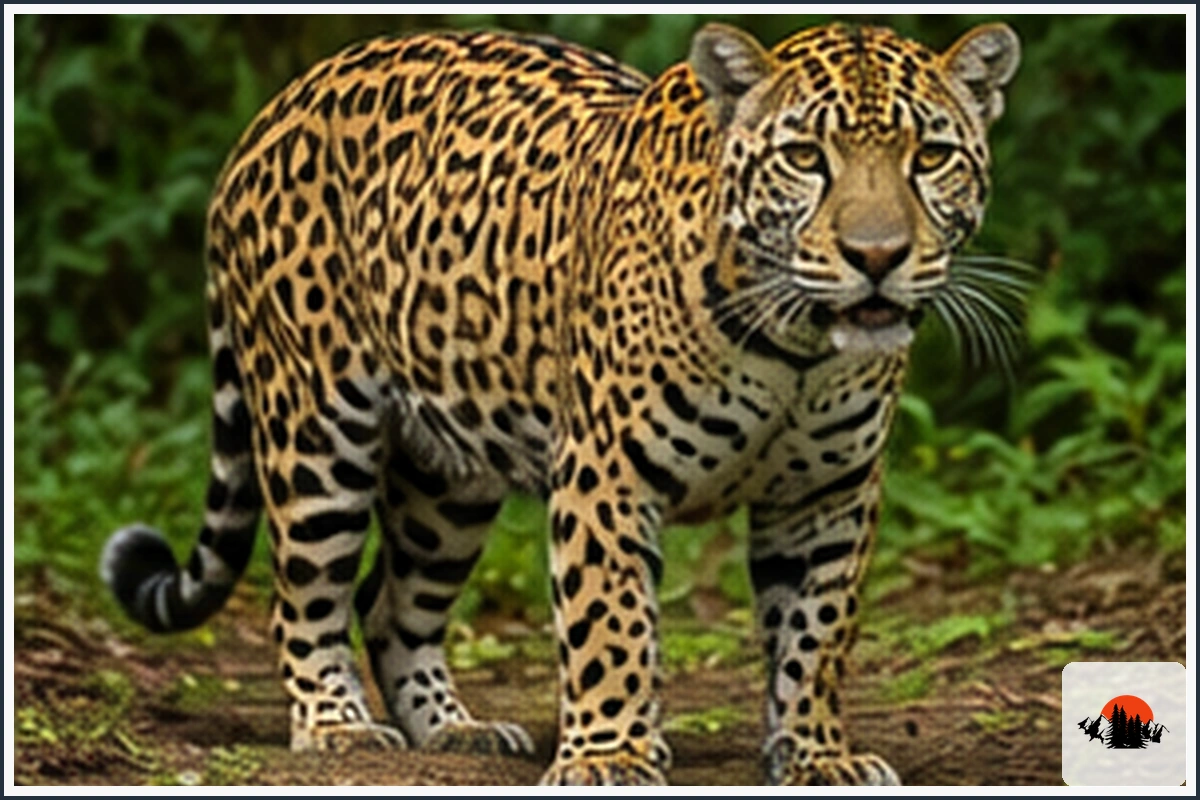
Scientific name: Panthera onca. The jaguar is South America’s largest cat and a powerful predator of forests, wetlands, and savannas. Its golden coat has dark rosettes, often with spots inside them. Jaguars may weigh more than 200 pounds and are excellent swimmers. They eat fish, reptiles, capybaras, deer, and other animals. Although once widespread, habitat loss, hunting, and conflict with livestock have reduced their range.
2. Giant Otter
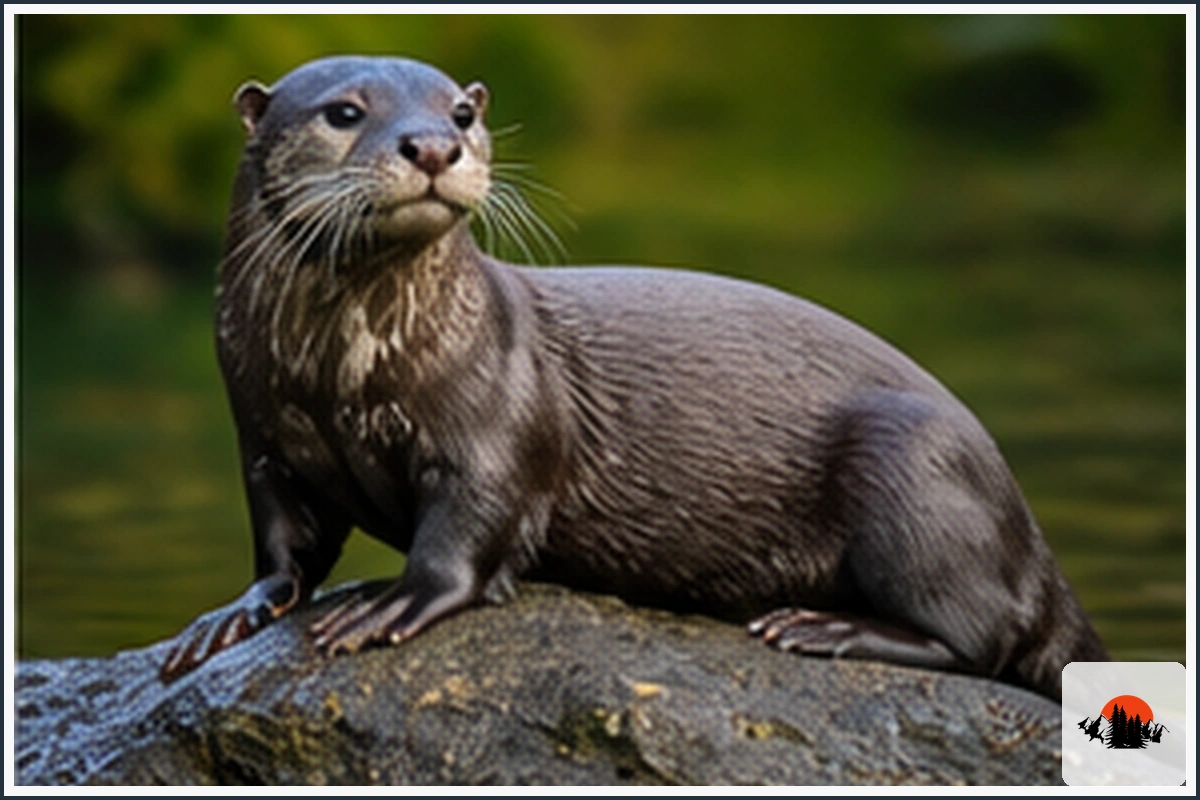
Scientific name: Pteronura brasiliensis. Found in Amazonian rivers, oxbow lakes, and wetlands, the giant otter is one of the world’s longest freshwater otters. It has a dark brown body, a pale throat marking, webbed feet, and a muscular tail. Family groups cooperate while hunting fish, crustaceans, and amphibians. Their loud calls and social behavior make them especially interesting to observe, but pollution, fishing pressure, and habitat disturbance remain threats.
3. Capybara
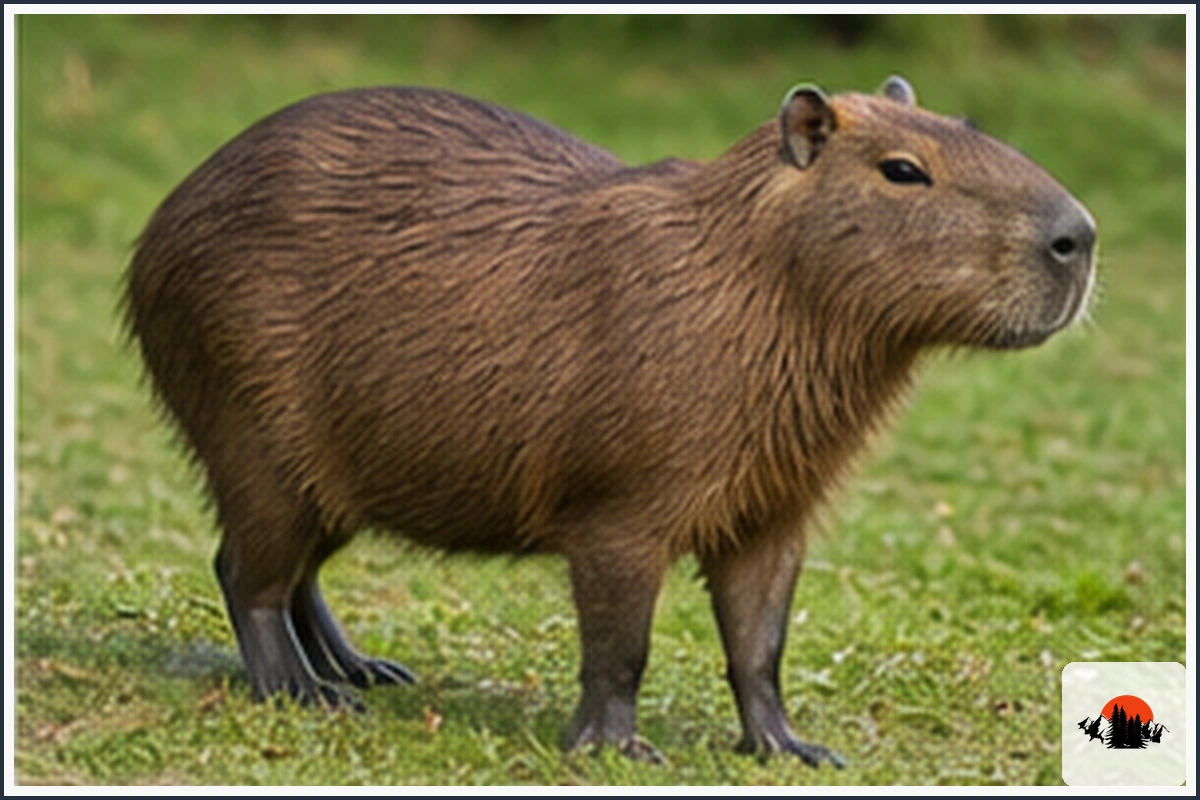
Scientific name: Hydrochoerus hydrochaeris. The capybara is the world’s largest living rodent. It has a barrel-shaped body, short legs, coarse brown fur, and partially webbed feet. Capybaras live near rivers, marshes, and flooded grasslands, where they graze on grasses and aquatic plants. They are social animals and often gather in groups. When threatened, they can escape into water, where they swim surprisingly well.
4. Giant Anteater
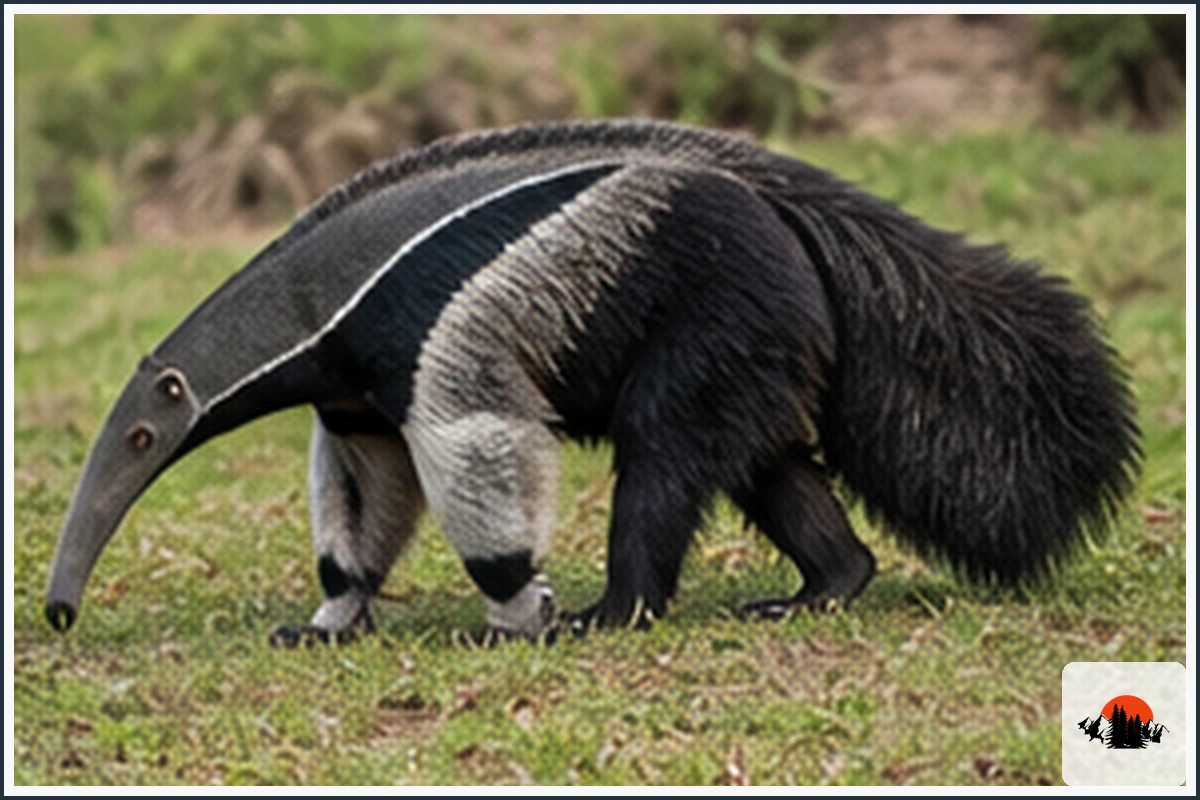
Scientific name: Myrmecophaga tridactyla. This unusual mammal has a long snout, a narrow head, powerful claws, and a large bushy tail. It uses a sticky tongue to collect ants and termites from nests. Giant anteaters occur in grasslands, savannas, and open forests. They usually walk alone and avoid confrontation, but their long claws provide strong defense. Habitat conversion and road collisions affect some populations.
5. Sloth
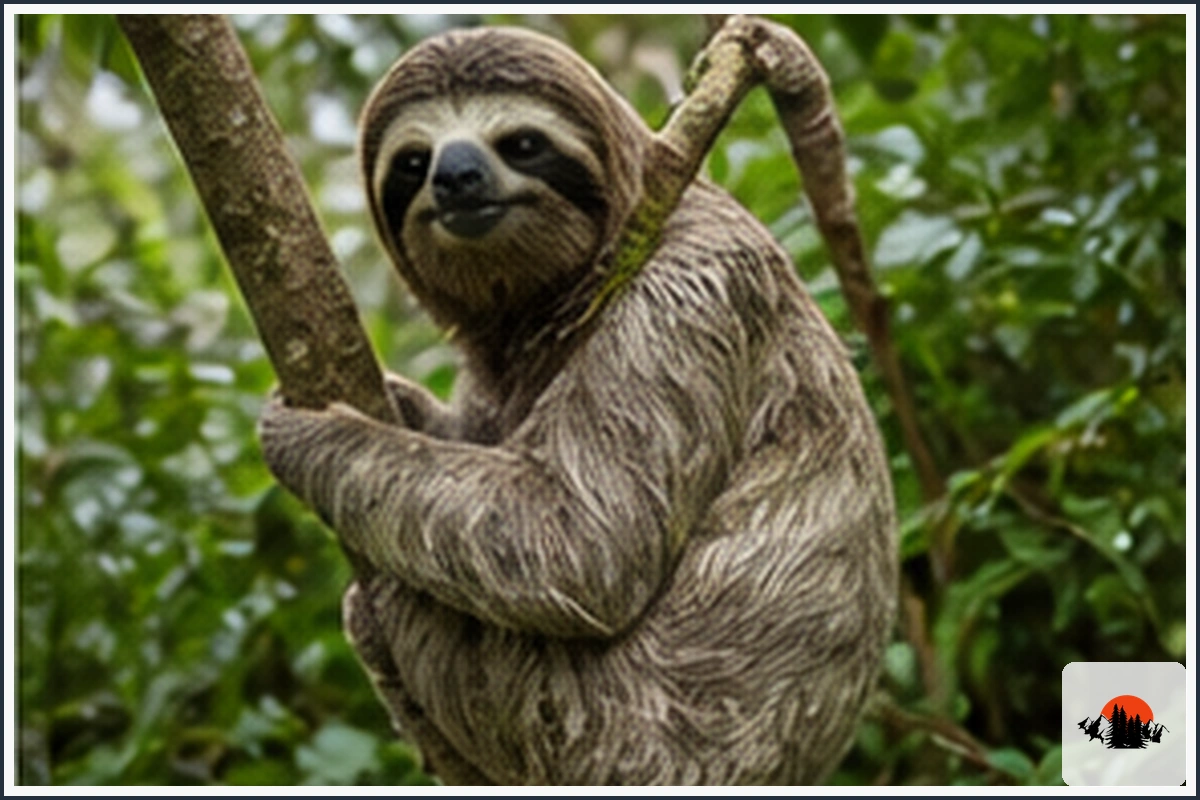
South America has several sloth species, including the brown-throated three-toed sloth (Bradypus variegatus) and the pale-throated three-toed sloth (Bradypus tridactylus). Sloths spend much of their lives hanging from trees and move slowly to conserve energy. Their diet consists mainly of leaves, and their greenish appearance can be enhanced by algae growing in their fur. They are important parts of tropical forest food webs.
6. Llama
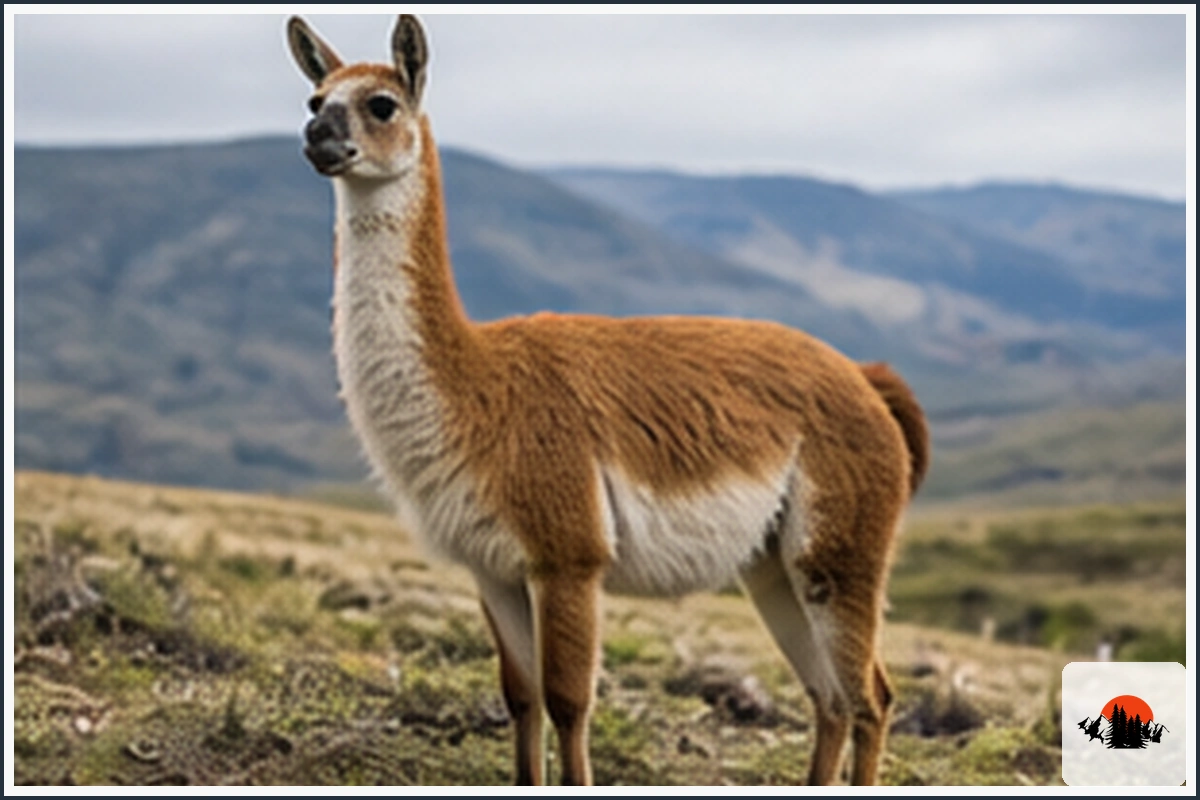
Scientific name: Lama glama. Llamas are domesticated South American camelids descended from wild guanacos. They are strongly associated with the Andes, where people have used them for transport, fiber, and meat for thousands of years. Llamas have long necks, padded feet, thick coats, and excellent balance on steep terrain. They eat grasses and other vegetation and can thrive in cool, high-elevation environments.
7. Alpaca
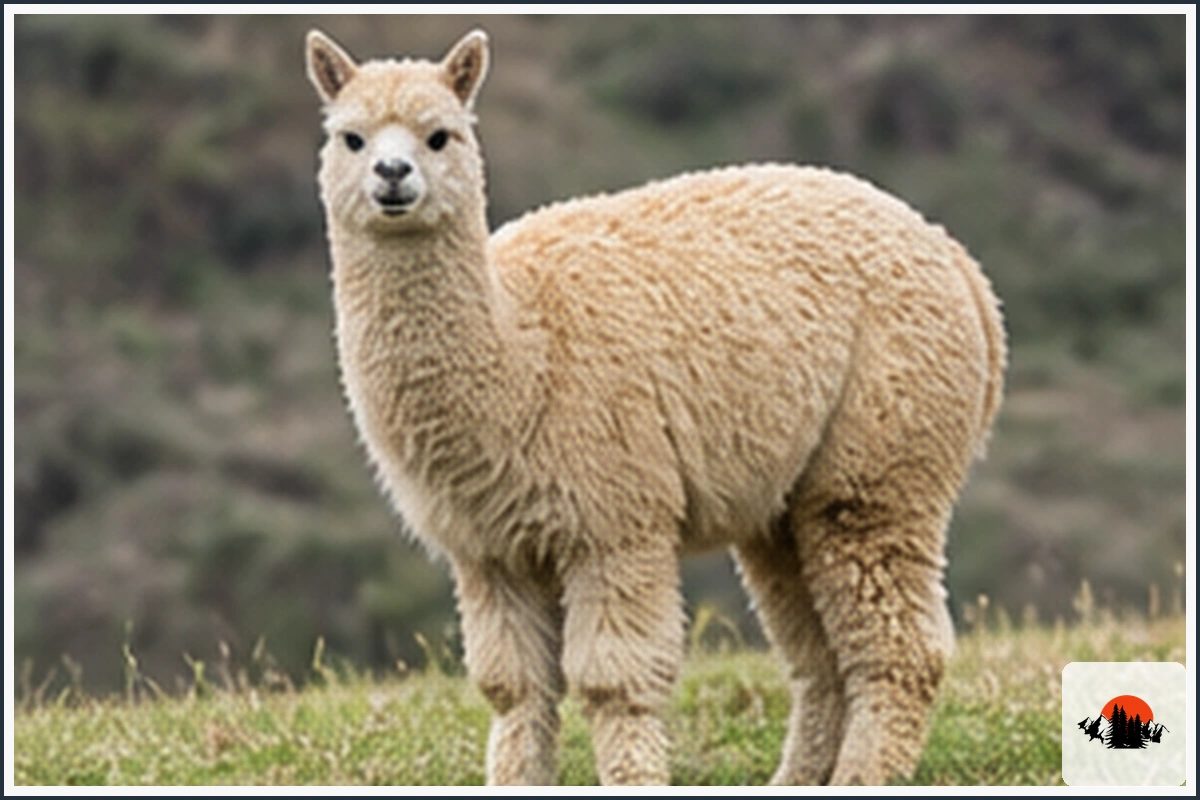
Scientific name: Vicugna pacos. Alpacas are domesticated relatives of vicuñas and are raised mainly for their soft, dense fiber. They live in high Andean regions and graze on grasses and low vegetation. Their smaller bodies and rounded appearance distinguish them from llamas. Alpacas are adapted to cold, dry mountain conditions and are an important part of traditional rural livelihoods in Peru, Bolivia, Chile, and nearby areas.
8. Guanaco
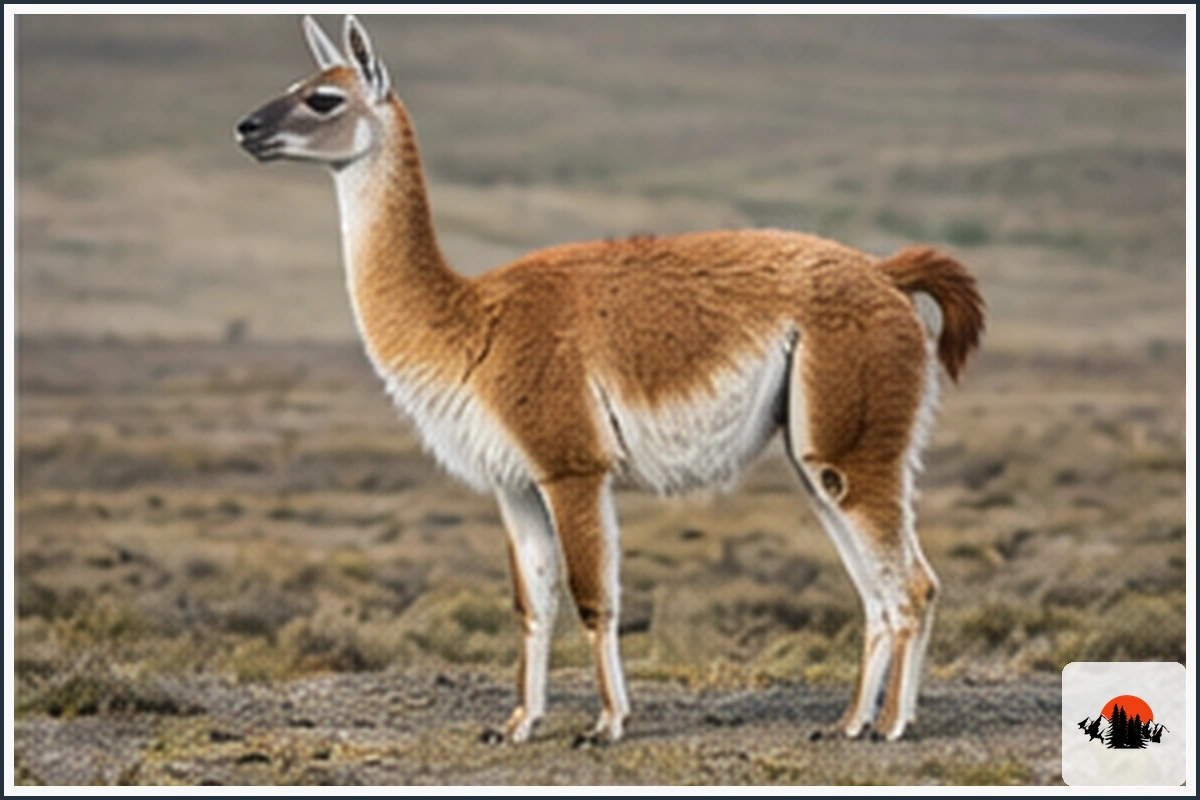
Scientific name: Lama guanicoe. The guanaco is a wild camelid found from the Andes and high plains to Patagonia. It has a reddish-brown back, a pale underside, long legs, and a slender build. Guanacos eat grasses, shrubs, and other tough plants. They live in herds and can survive cold, windy landscapes with limited water. Their close relative is the domesticated llama.
9. Vicuña
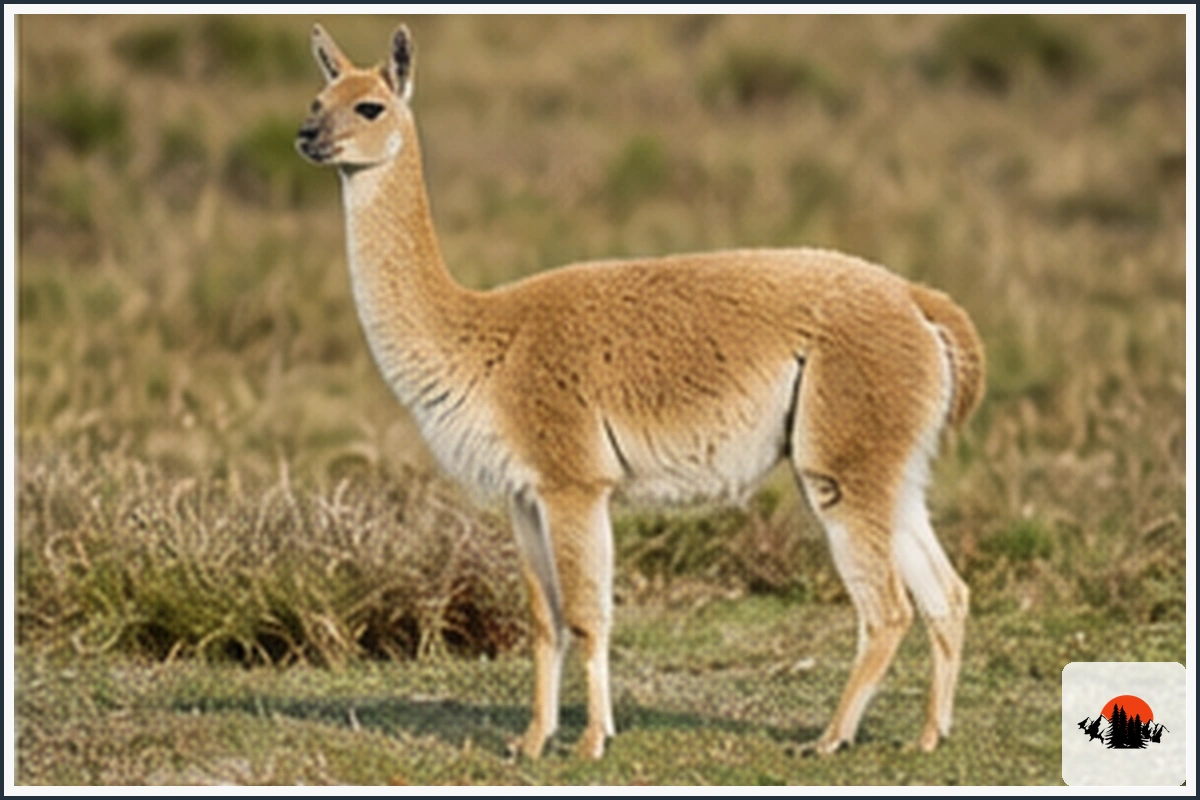
Scientific name: Vicugna vicugna. Vicuñas are small, elegant camelids that inhabit high Andean grasslands. Their exceptionally fine wool is highly valued, which historically contributed to overhunting. Vicuñas have slender legs, a long neck, and tan-and-white coloring. They graze on short grasses and form groups consisting of females, young animals, and territorial males. Protected management has helped some populations recover.
10. Andean Condor
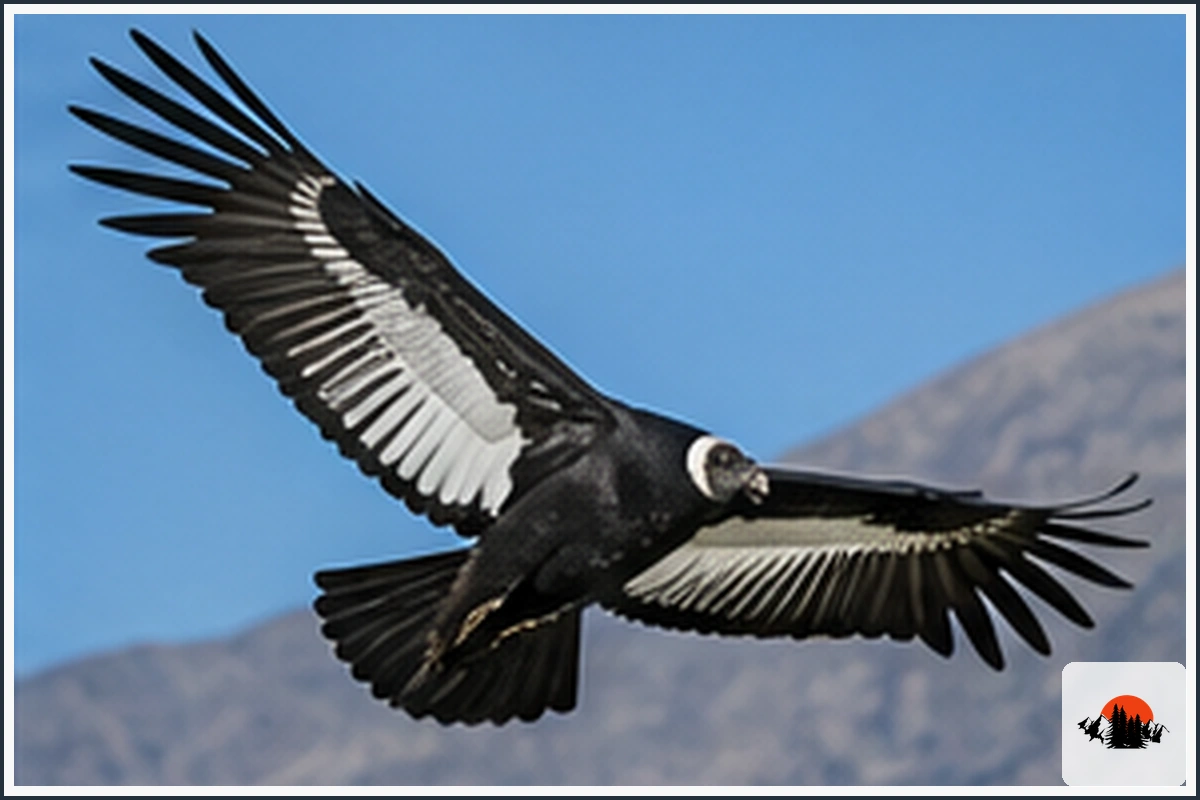
Scientific name: Vultur gryphus. The Andean condor is one of the largest flying birds in the world, with an enormous wingspan and broad flight feathers. Adults have mostly black plumage, white wing patches, and a bare head. They soar over mountains and open valleys while searching for carrion. Their powerful flight depends on rising air currents, allowing them to travel long distances with little wing flapping.
11. Harpy Eagle
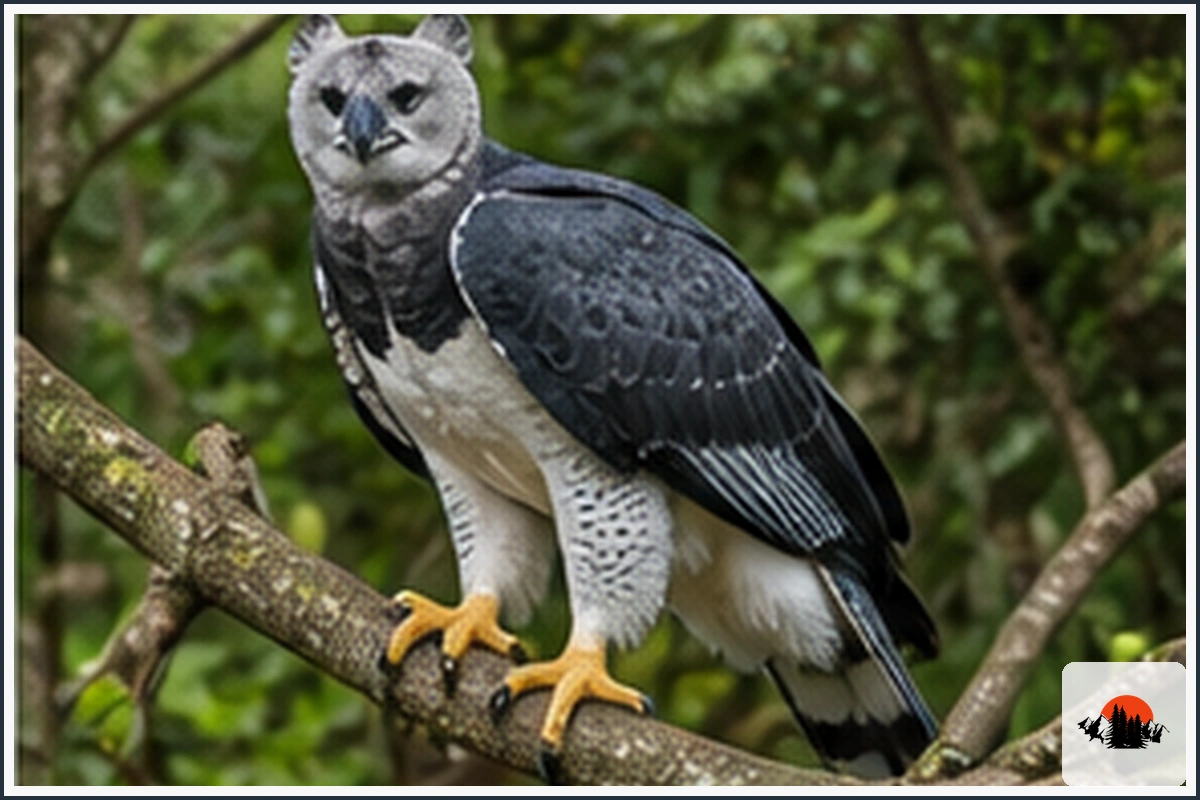
Scientific name: Harpia harpyja. The harpy eagle is a massive forest raptor with a broad wingspan, strong legs, and powerful talons. It hunts from the canopy and can capture sloths, monkeys, birds, and reptiles. Harpy eagles need large, mature trees for nesting and hunting. Forest clearing has reduced their habitat in many areas, making protection of old-growth rainforest especially important.
12. Hoatzin
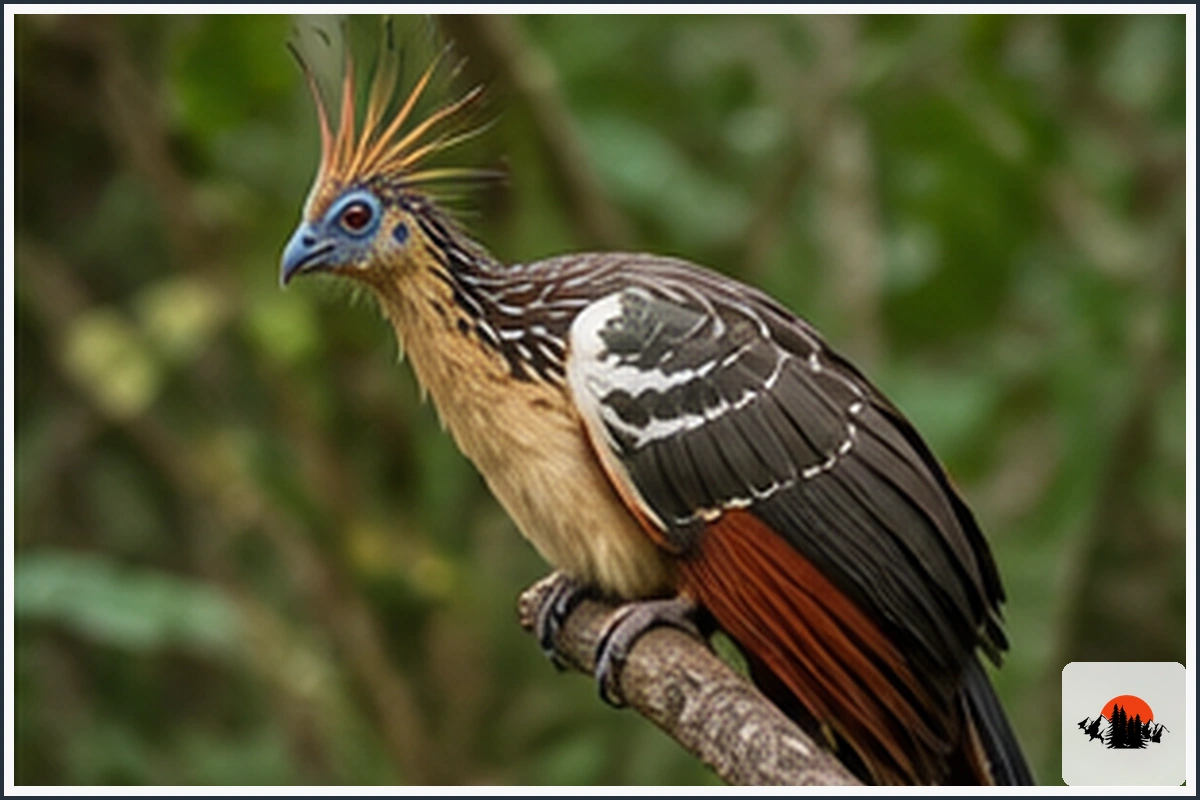
Scientific name: Opisthocomus hoazin. The hoatzin is an unusual Amazonian bird recognized by its spiky crest, blue facial skin, and reddish-brown wings. It feeds mainly on leaves and lives around rivers, marshes, and flooded forests. Young hoatzins have claws on their wings that help them climb through vegetation. Their specialized digestive system is somewhat similar to that of grazing mammals.
13. Scarlet Macaw
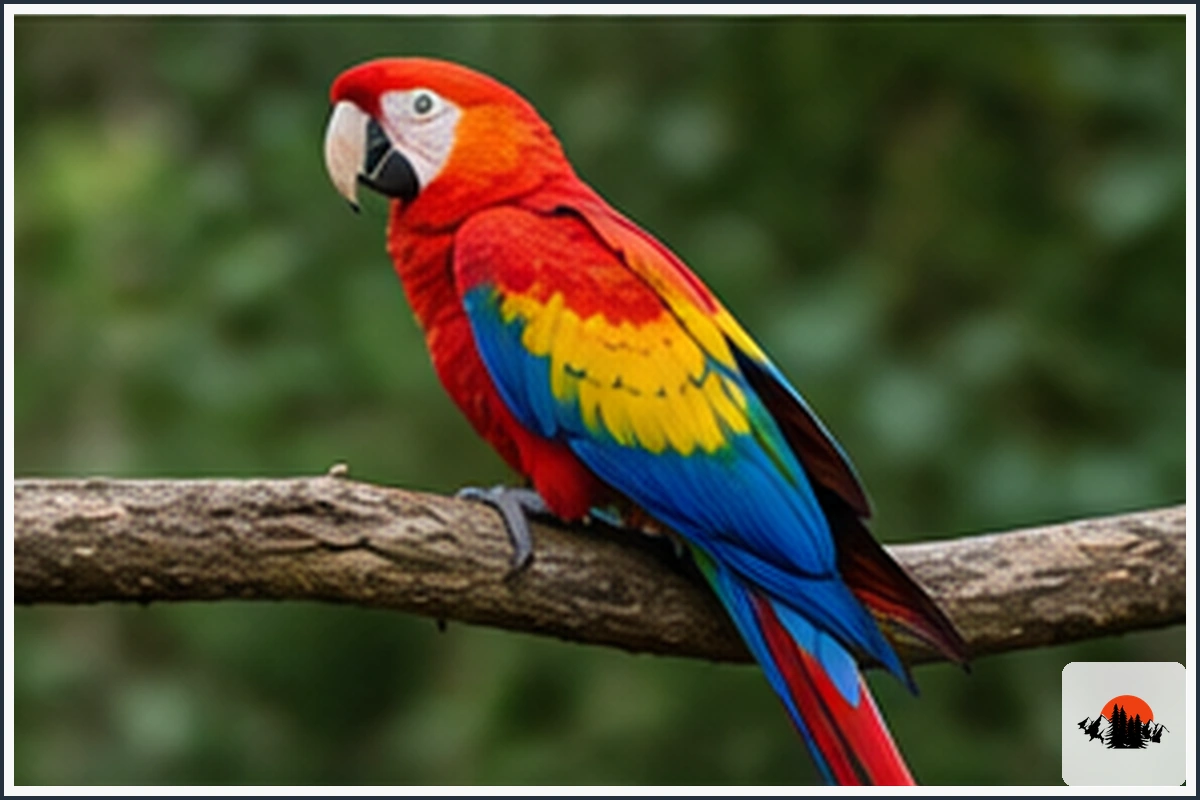
Scientific name: Ara macao. Scarlet macaws are large, vividly colored parrots with red, yellow, and blue feathers. They live in tropical forests and eat fruits, seeds, nuts, and plant material. Their loud calls carry through the canopy, and bonded pairs often remain together. The birds help disperse seeds, although habitat loss and illegal capture have harmed some populations.
14. Toco Toucan
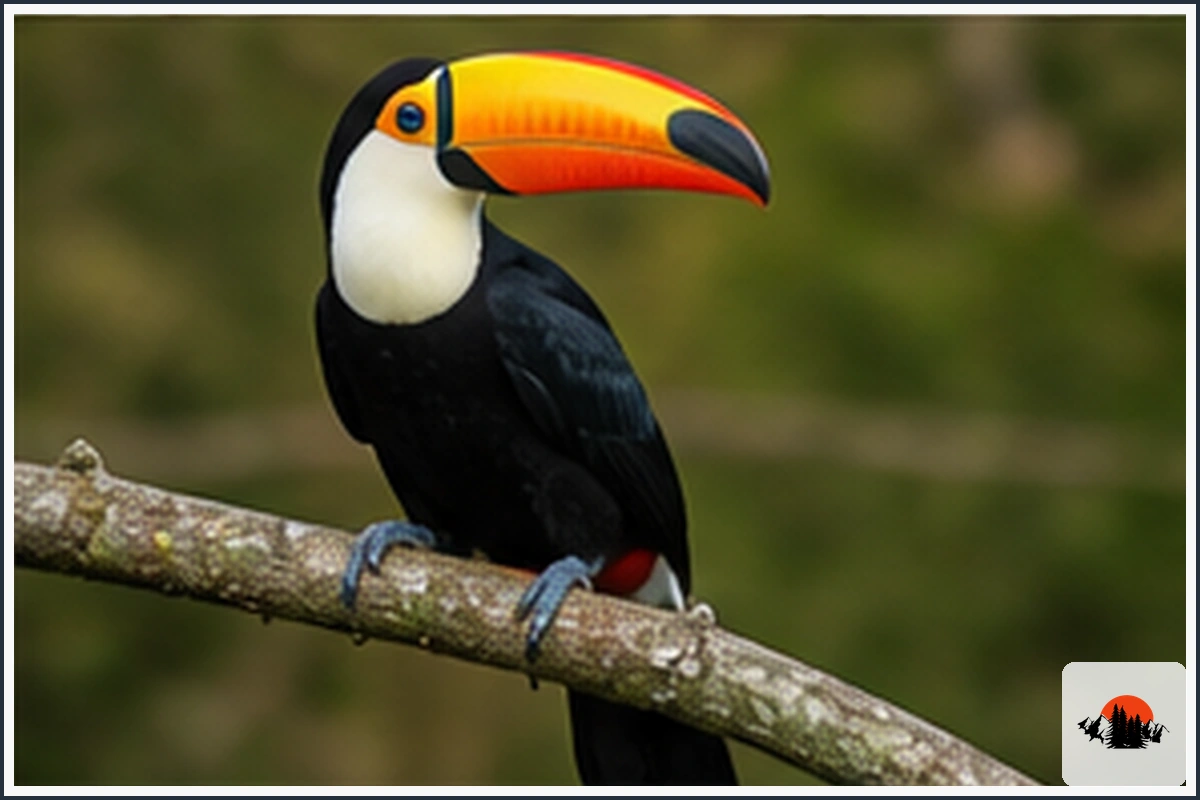
Scientific name: Ramphastos toco. The toco toucan is famous for its oversized orange bill, black body, white throat, and bright blue skin around the eyes. Despite its size, the bill is relatively lightweight. Toco toucans eat fruit, insects, eggs, and small vertebrates. They occur in forests, woodland edges, and savannas, where their bills help them reach food on branches.
15. Greater Rhea
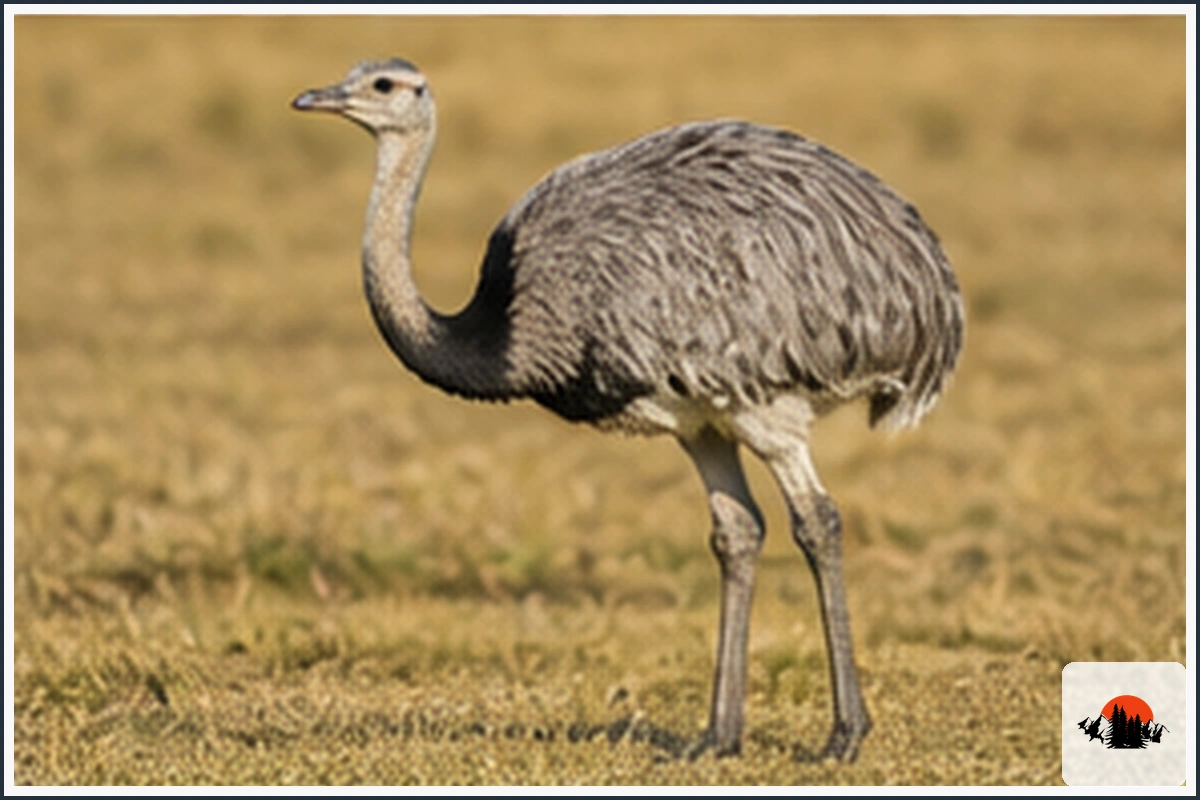
Scientific name: Rhea americana. The greater rhea is South America’s largest bird and resembles an ostrich, although it belongs to a different family. It cannot fly but can run quickly across grasslands and open woodland. Rheas eat plants, seeds, fruits, insects, and small animals. Males help incubate eggs and care for young, making their family behavior particularly notable.
16. Galápagos Penguin
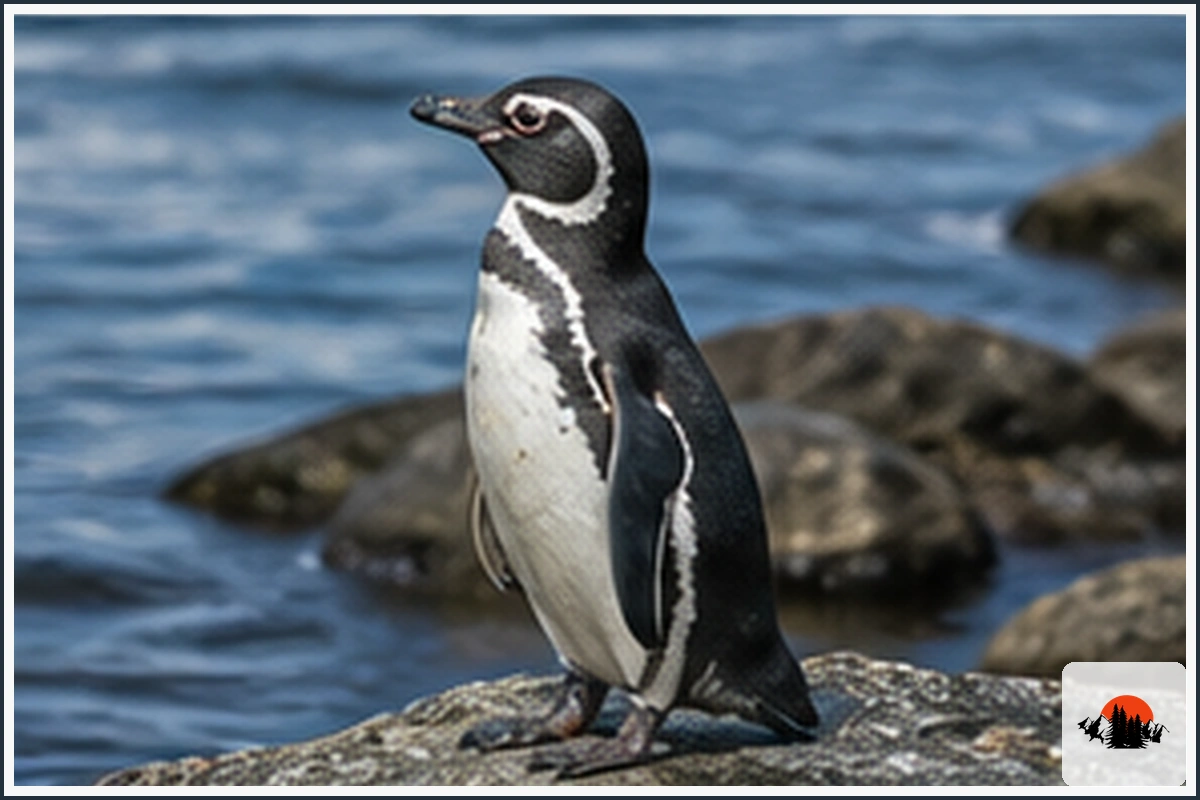
Scientific name: Spheniscus mendiculus. The Galápagos penguin is the only penguin species naturally found north of the equator. It lives around the Galápagos Islands, where cool ocean currents provide food despite the tropical location. These small penguins eat fish and marine invertebrates. Their limited range makes them vulnerable to changing ocean conditions, food shortages, and extreme climate events.
17. Green Anaconda

Scientific name: Eunectes murinus. The green anaconda is a massive semiaquatic snake of South American wetlands, slow rivers, and flooded forests. It has an olive-green body marked with dark spots and a thick, muscular build. Anacondas ambush fish, birds, turtles, caimans, and mammals. They are constrictors rather than venomous snakes and spend much of their time in or near water.
18. Black Caiman
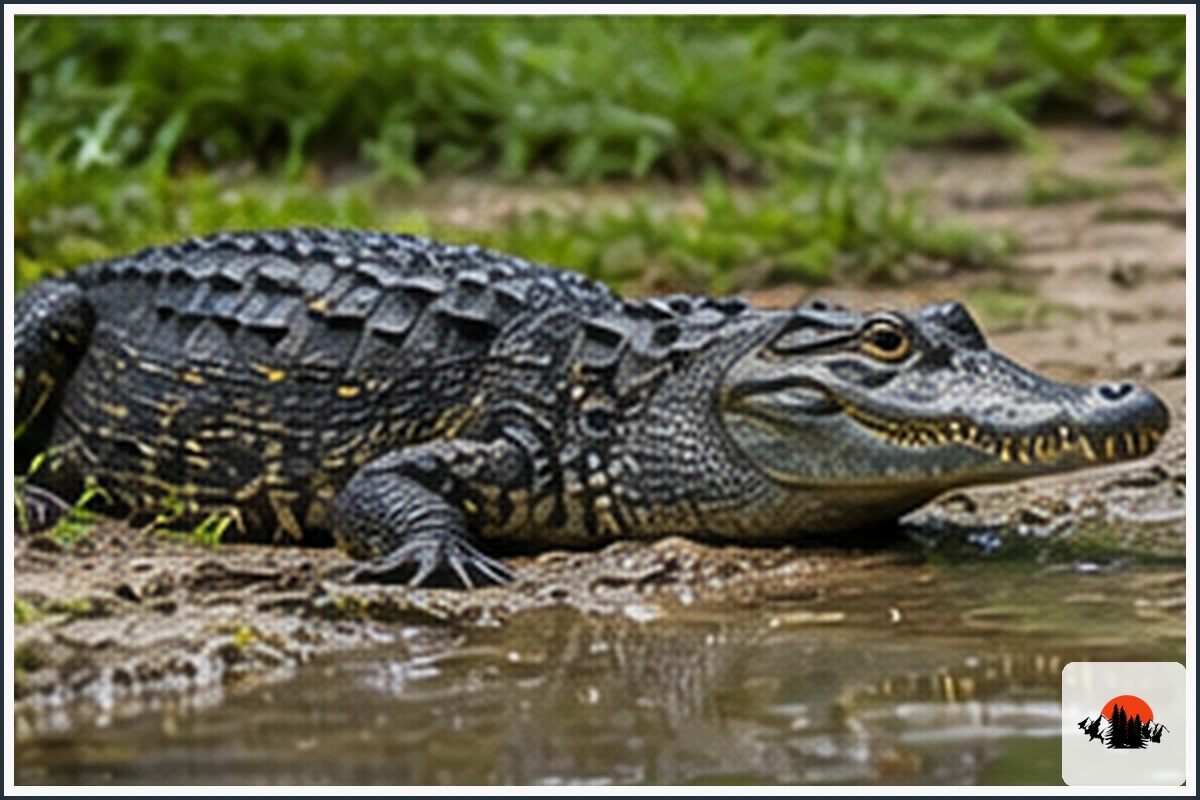
Scientific name: Melanosuchus niger. The black caiman is one of the largest reptiles in the Amazon Basin. Adults have dark coloration, strong jaws, and rows of teeth adapted for catching fish, turtles, birds, and mammals. Young black caimans often eat smaller aquatic prey. They inhabit rivers, lakes, and flooded forests, and their populations have benefited in some areas from legal protection.
19. Spectacled Caiman
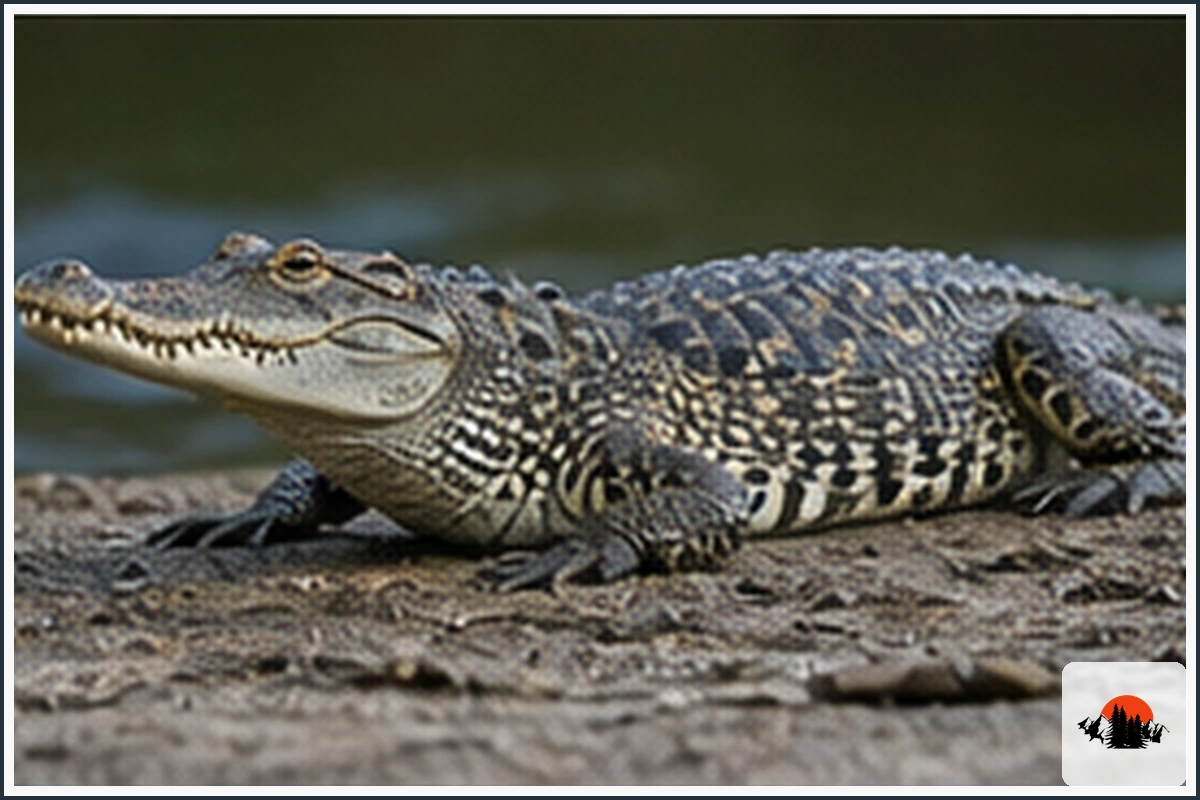
Scientific name: Caiman crocodilus. This adaptable crocodilian gets its name from a bony ridge between the eyes that resembles spectacles. It occurs in rivers, ponds, marshes, and other freshwater habitats across much of northern South America. Spectacled caimans eat fish, amphibians, crustaceans, and small vertebrates. They are generally smaller than black caimans and can tolerate a range of habitats.
20. Galápagos Marine Iguana
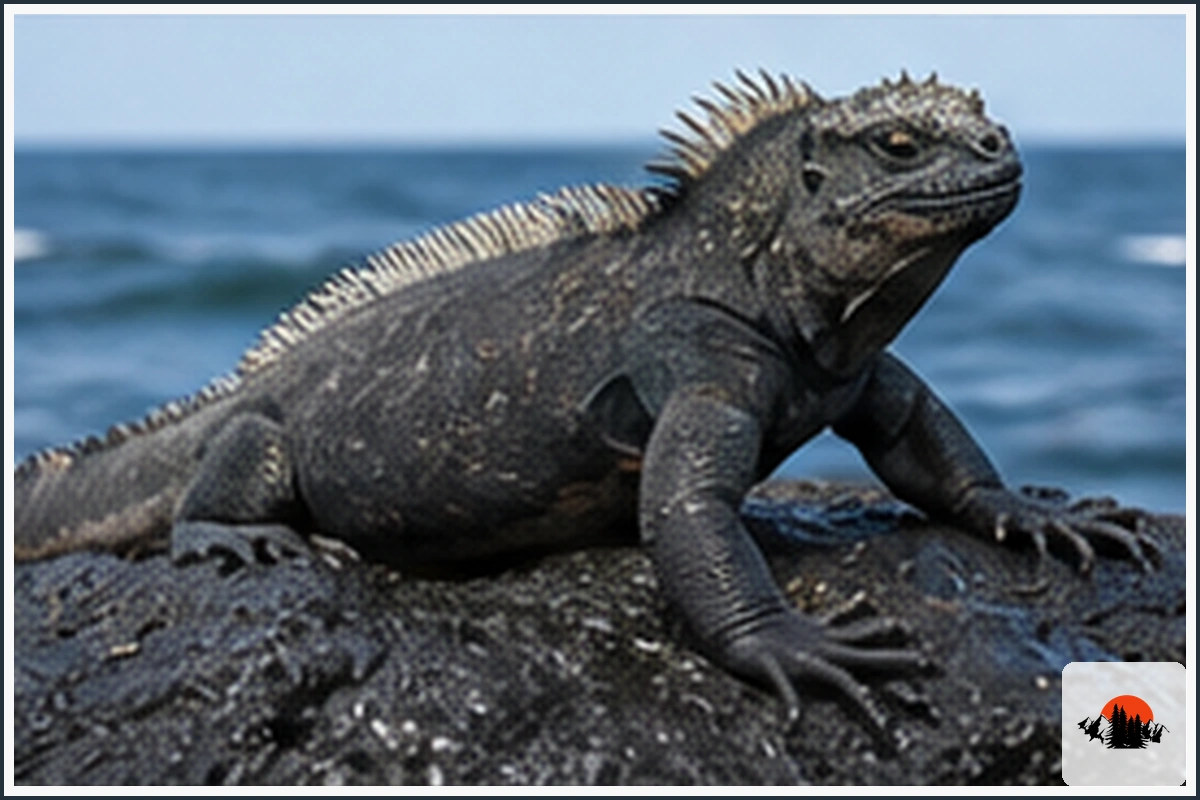
Scientific name: Amblyrhynchus cristatus. The marine iguana is found only in the Galápagos Islands. It has a dark, rugged body, flattened tail, and claws suited for gripping volcanic rocks. These reptiles dive into the ocean to feed on algae and can slow their metabolism while underwater. They bask in the sun after feeding to restore body temperature.
21. Poison Dart Frog
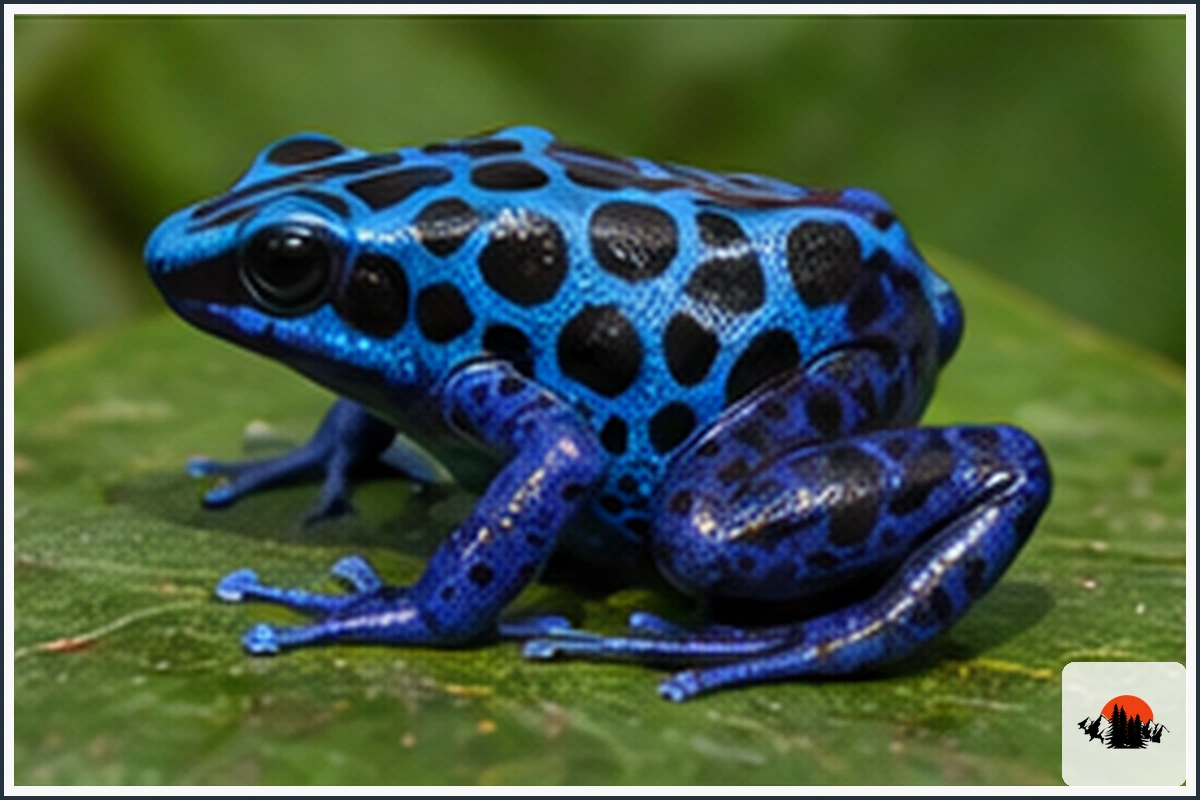
South America contains many colorful poison dart frogs, including species in the genera Dendrobates and Oophaga. Their bright colors warn predators that some species possess powerful skin toxins. These small amphibians live in humid tropical forests and feed on tiny insects. Captive-bred frogs usually do not develop the same toxicity because their natural diet is absent.
22. Titicaca Water Frog
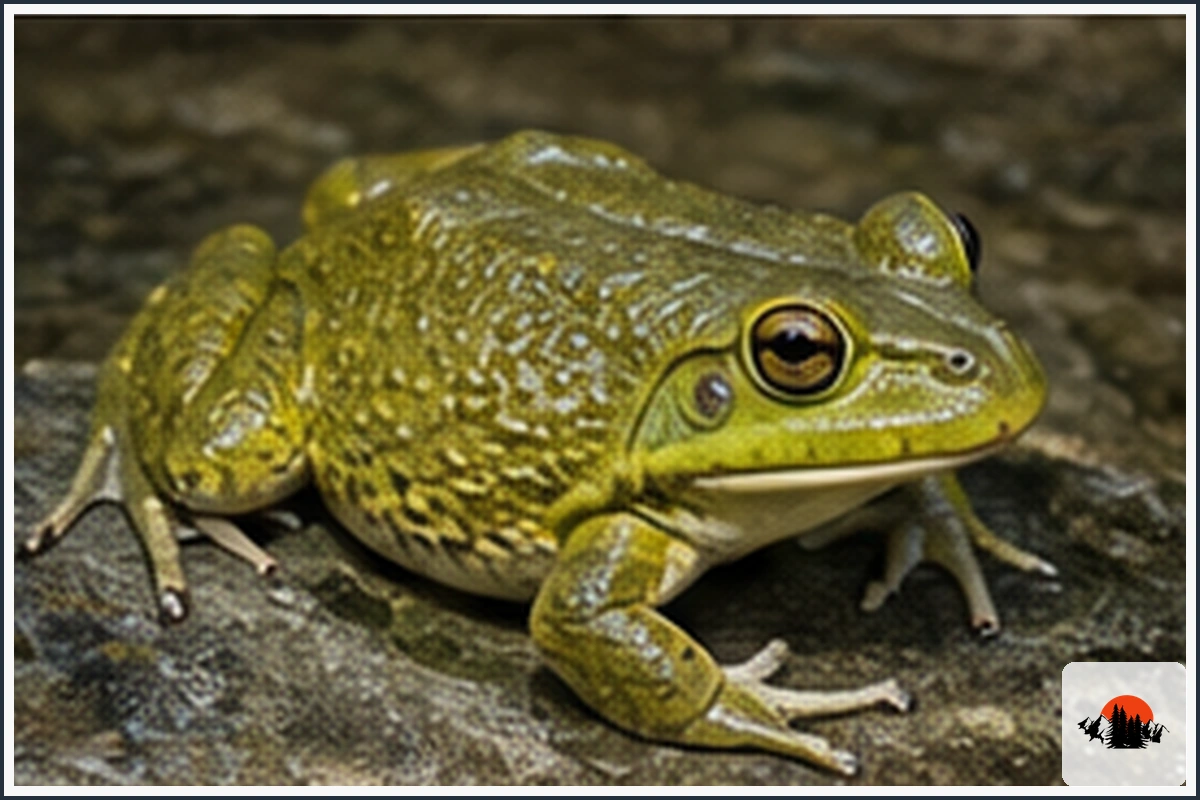
Scientific name: Telmatobius culeus. The Titicaca water frog is a highly specialized amphibian found in Lake Titicaca in the Andes. It has loose folds of skin that increase the surface area available for absorbing oxygen underwater. This adaptation helps it spend much of its life submerged. Pollution, introduced predators, disease, and habitat pressure have contributed to serious conservation concerns.
23. Arapaima
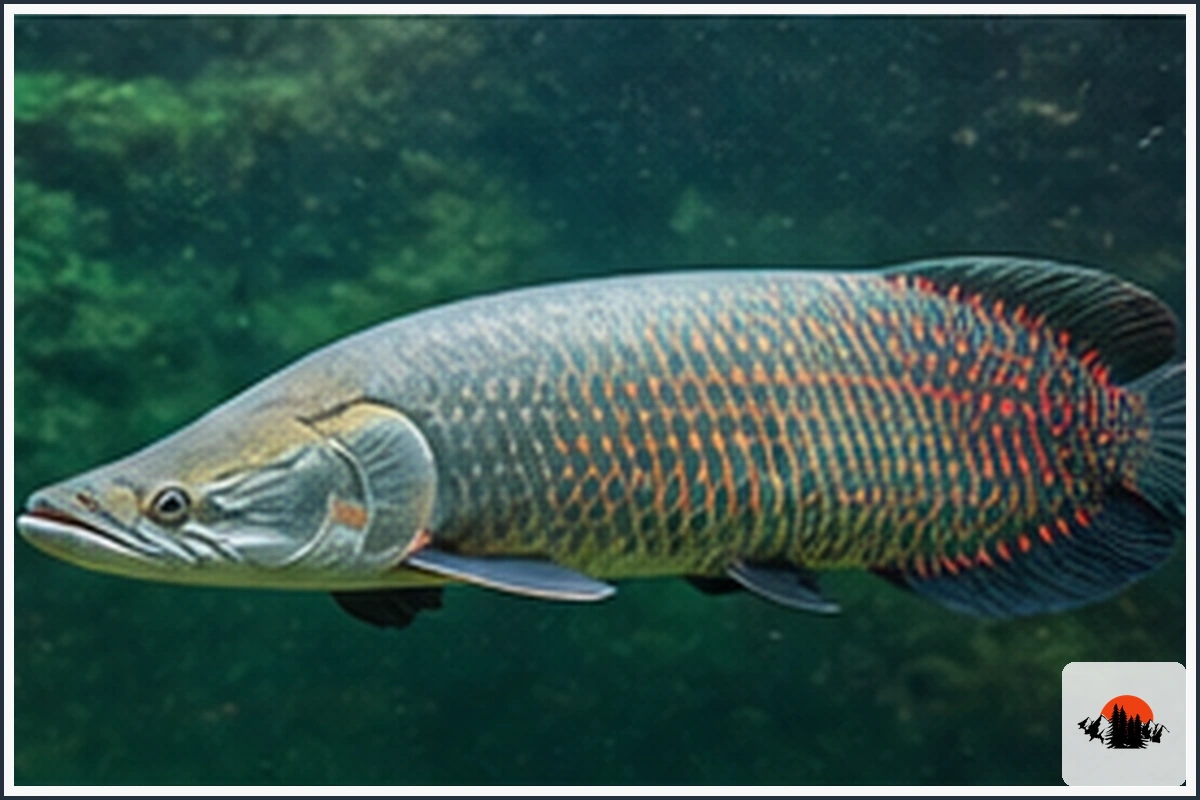
Scientific name: Arapaima gigas. Arapaima are giant freshwater fish from Amazonian rivers, lakes, and flooded forests. They have long bodies, armored scales, and a broad head. Arapaima breathe air at the surface as well as using gills, an adaptation suited to oxygen-poor waters. They eat fish, crustaceans, and other animals and are important to local fisheries.
24. Piranha
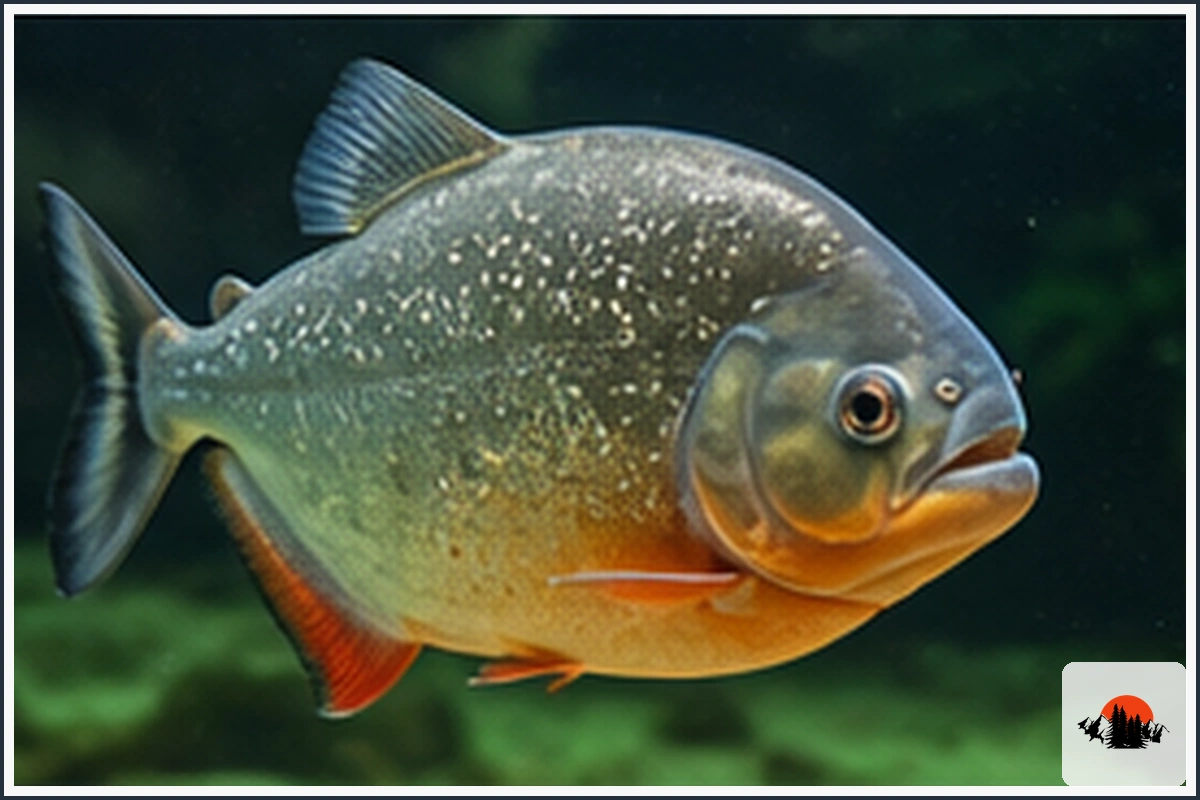
Piranhas are freshwater fish in several genera, including Pygocentrus and Serrasalmus. Their deep bodies, sharp teeth, and strong jaws are distinctive. Many species eat fish, insects, fruits, seeds, or carrion rather than constantly attacking large animals. Piranhas inhabit rivers, lakes, and flooded forests throughout tropical South America and play useful roles as predators and scavengers.
25. Electric Eel
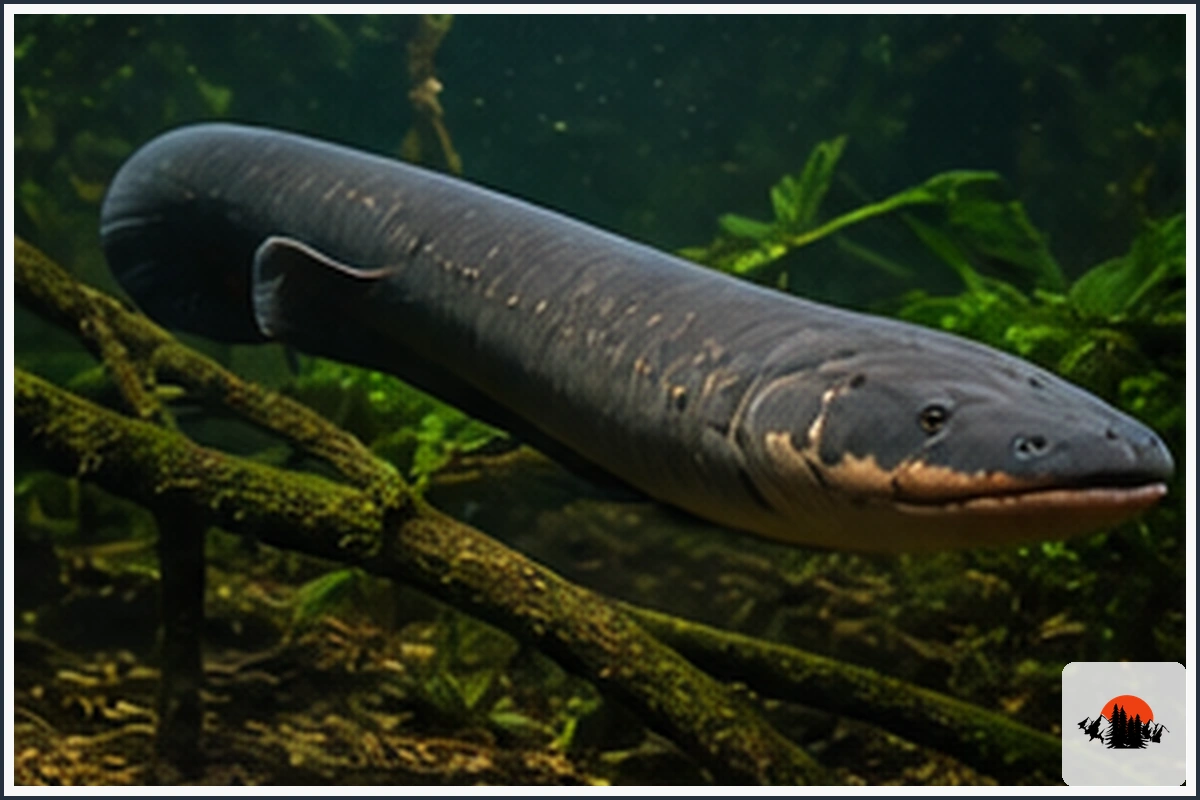
Scientific name: Electrophorus electricus and related species. Electric eels are freshwater knifefish capable of producing powerful electrical discharges. They use weaker electrical signals to sense their surroundings and stronger discharges to stun prey or defend themselves. Despite the name, they are not true eels. They live in slow-moving Amazonian waters and must surface regularly to breathe air.
26. Pink River Dolphin

Scientific name: Inia geoffrensis. The Amazon river dolphin, often called the pink river dolphin or boto, lives in rivers, tributaries, and flooded forests. Adults may become pinker with age, especially males. Their flexible necks help them maneuver around submerged branches, and they use echolocation to find fish and other prey. Dams, fishing gear, pollution, and habitat disturbance affect populations.
27. Maned Wolf
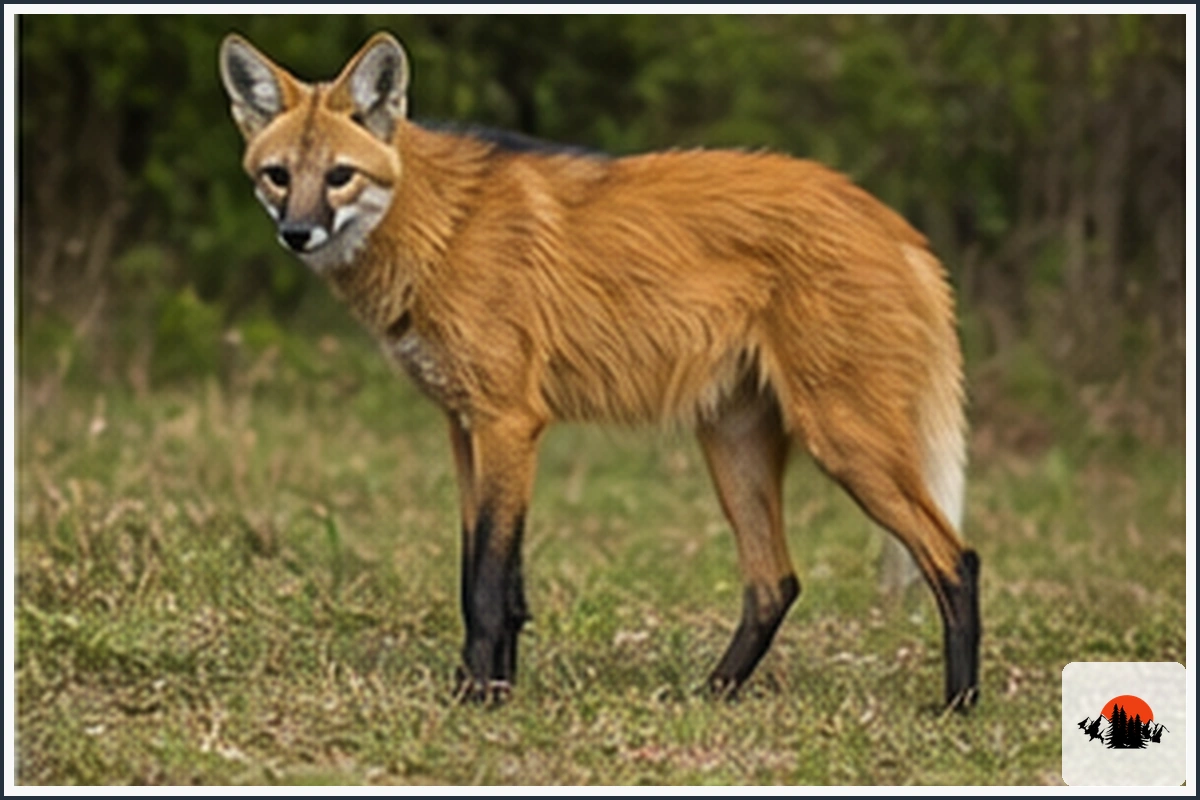
Scientific name: Chrysocyon brachyurus. The maned wolf is a tall, long-legged canid of the grasslands and cerrado. Its reddish coat, black mane, large ears, and slender body give it a distinctive appearance. It eats fruits, especially the lobeira fruit, as well as rodents, birds, insects, and other small animals. Habitat conversion for agriculture is a major concern.
28. Ocelot
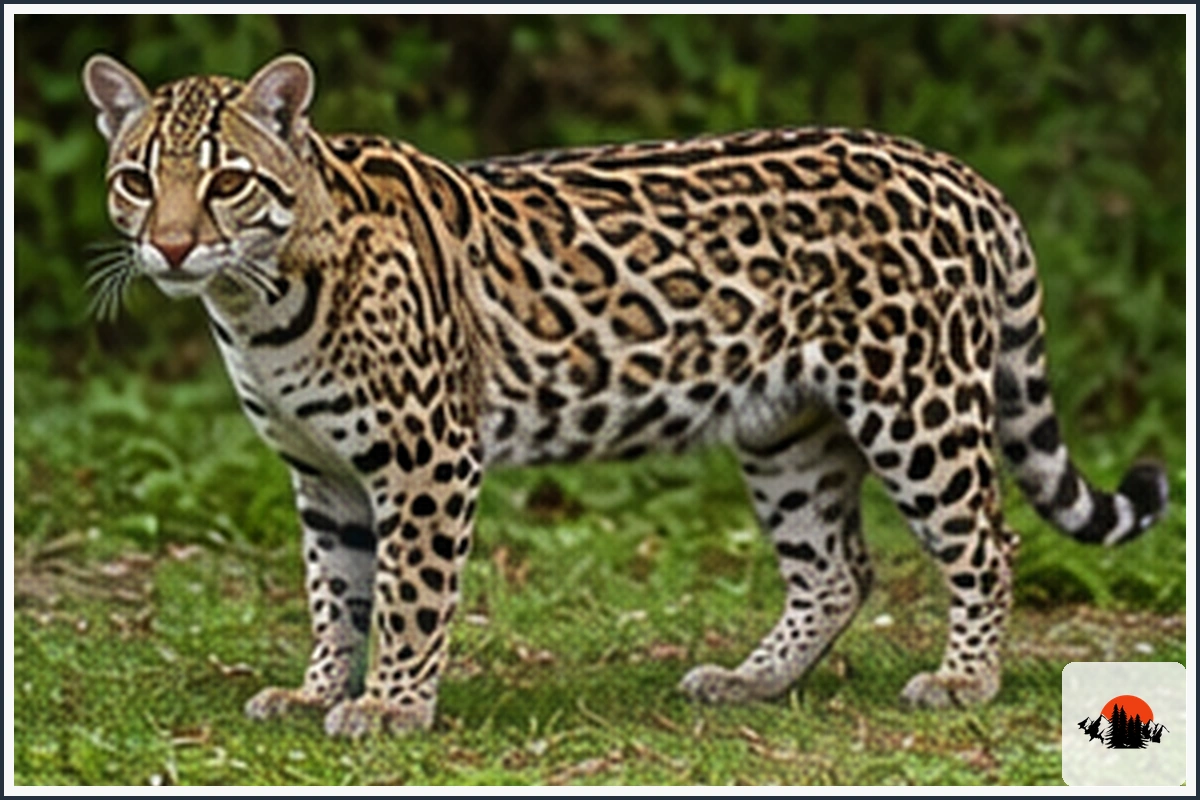
Scientific name: Leopardus pardalis. The ocelot is a medium-sized spotted cat found in forests, mangroves, grasslands, and scrublands. Its coat has dark rosettes and stripes arranged over a golden or gray background. Ocelots hunt at night and eat rodents, birds, reptiles, and fish. Their adaptability helps them persist in some altered landscapes, although habitat fragmentation remains a threat.
29. Lowland Tapir
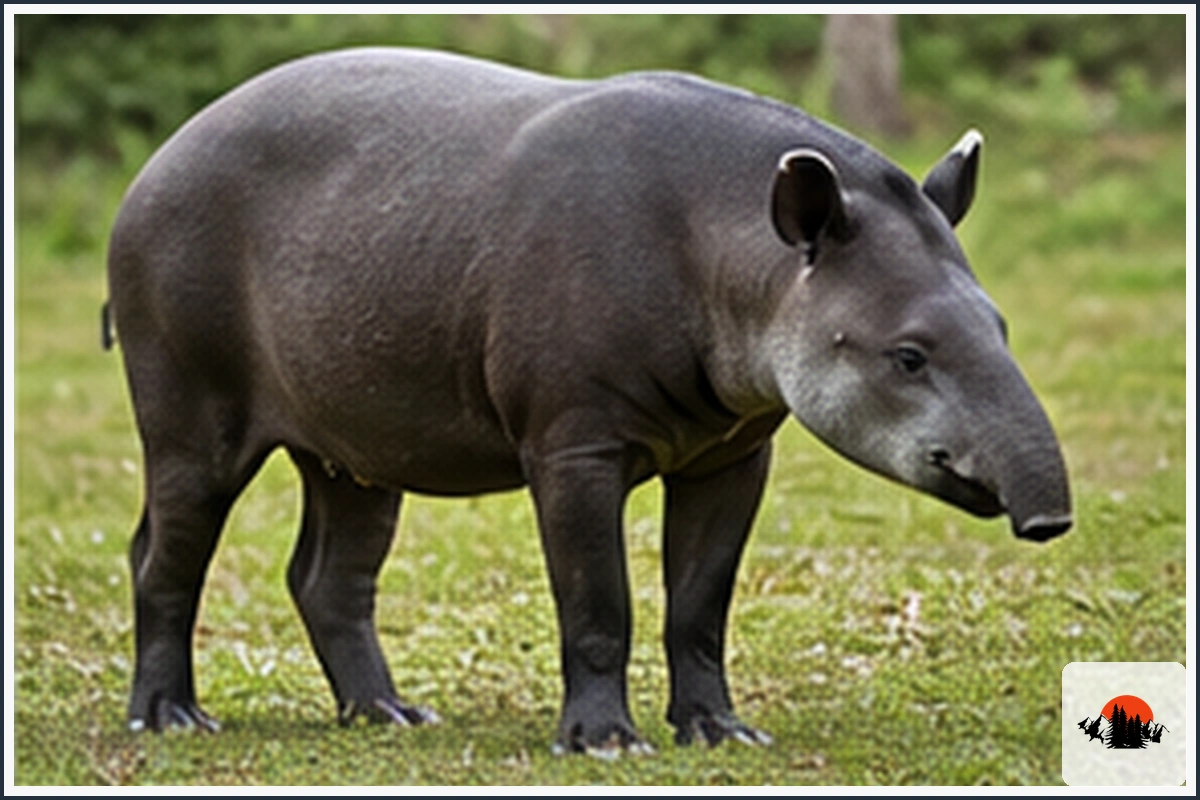
Scientific name: Tapirus terrestris. The lowland tapir is South America’s largest land mammal. It has a bulky body, short mane, flexible snout, and dark brown coat. Tapirs browse on leaves, fruit, shoots, and aquatic plants and help disperse seeds through their droppings. They prefer forests near water and are often most active at night. Hunting and habitat loss have reduced local populations.
30. Southern Right Whale

Scientific name: Eubalaena australis. Southern right whales migrate along the Atlantic and Pacific coasts of South America. They have broad heads, no dorsal fin, and rough patches of skin called callosities. These baleen whales filter small organisms such as krill from seawater. Coastal waters serve as important breeding and calving areas, so boat traffic and fishing gear require careful management.
How Are These Animals Classified?
The animals in this guide belong to several major biological groups:
- Mammals: Jaguars, capybaras, sloths, llamas, whales, and other mammals produce milk for their young and usually have hair.
- Birds: Condors, macaws, toucans, rheas, and penguins have feathers and lay eggs.
- Reptiles: Anacondas, caimans, and marine iguanas have scales and rely on external heat to regulate body temperature.
- Amphibians: Poison dart frogs and Titicaca water frogs have permeable skin and life cycles closely connected to moisture.
- Fish: Arapaima, piranhas, electric eels, and river dolphins occupy freshwater or marine environments, although river dolphins are mammals.
- Invertebrates: South America also supports countless insects, spiders, mollusks, and other animals without backbones.
Where Do These Animals Live?
South America includes a remarkable range of habitats:
- Amazon Rainforest: Jaguars, sloths, harpy eagles, anacondas, river dolphins, and many insects.
- Andes Mountains: Condors, vicuñas, alpacas, llamas, and high-altitude frogs.
- Grasslands and Cerrado: Maned wolves, rheas, giant anteaters, and armadillos.
- Wetlands and Rivers: Capybaras, caimans, giant otters, arapaima, and piranhas.
- Patagonia: Guanacos, penguins, southern right whales, and marine wildlife.
- Galápagos Islands: Marine iguanas, Galápagos penguins, giant tortoises, and many endemic species.
What Do South American Animals Eat?
Diet varies widely across the continent. Jaguars and ocelots are predators, while capybaras, guanacos, and vicuñas mainly eat plants. Giant anteaters specialize in ants and termites. Macaws consume fruits and seeds, condors feed on carrion, and river dolphins hunt fish. Many species are omnivores and adjust their diet seasonally according to local food availability.
How Do These Animals Behave?
Behavior is closely linked to habitat and survival. Sloths conserve energy by moving slowly, condors use rising air to travel, and capybaras rely on groups for safety. Jaguars and ocelots often hunt alone, while giant otters cooperate in family groups. Many rainforest animals are active at night, when temperatures are lower and some prey are easier to find.
How to Identify Different Types of Animals in South America
- Check the habitat: A high mountain, flooded forest, grassland, or coastal setting narrows the possibilities.
- Study body shape: Long legs suggest runners such as rheas or maned wolves, while webbed feet point toward aquatic animals.
- Look at markings: Jaguar rosettes, macaw colors, toucan bills, and condor wing patches are useful clues.
- Notice behavior: Swimming, soaring, climbing, grazing, and burrowing each suggest different animal groups.
- Estimate size carefully: Compare the animal with nearby vegetation, rocks, or known objects.
- Listen for calls: Parrots, toucans, howler monkeys, and giant otters can often be detected by sound before they are seen.
- Use location and season: Range maps and local wildlife guides help distinguish similar species.
- Keep your distance: Never approach wildlife simply to obtain a better photograph.
Outdoor Tips for Finding and Observing These Species
- Use a local naturalist or licensed guide in unfamiliar rainforest, mountain, or wetland areas.
- Travel quietly and watch trails, riverbanks, fruiting trees, and water edges.
- Carry binoculars, a field notebook, water, sun protection, and appropriate clothing.
- Observe animal tracks, scat, feathers, feeding marks, and calls without disturbing them.
- Visit at dawn or dusk when many mammals and birds are most active.
- Never feed wild animals or attempt to touch them.
- Follow park rules, remain on marked trails, and respect nesting or breeding areas.
Safety, Sustainability, and Conservation Notes
South American wildlife faces habitat loss, illegal hunting, pollution, road development, invasive species, climate change, and unsustainable fishing. Visitors can help by supporting protected areas, choosing responsible ecotourism operators, avoiding wildlife products, and following local regulations. Never release aquarium fish, reptiles, or other pets into rivers or forests. If you encounter a potentially dangerous animal, give it space and contact local authorities or guides rather than attempting to intervene.
Why South American Animals Matter
These animals help maintain healthy ecosystems. Predators regulate prey populations, birds and mammals disperse seeds, scavengers recycle nutrients, and aquatic species connect rivers, wetlands, and forests. Some animals also support local communities through carefully managed tourism, traditional livelihoods, and scientific research. Protecting habitats benefits wildlife and people at the same time.
Fun Facts About Animals in South America
- The jaguar is the largest cat in the Americas.
- Capybaras are the largest living rodents.
- Giant otters use vocal calls to communicate with family members.
- Sloths can host algae and small organisms in their fur.
- Vicuña fiber is among the finest natural animal fibers.
- Harpy eagles have powerful talons adapted for capturing tree-dwelling prey.
- Some electric eels can produce strong electrical discharges.
- Marine iguanas feed on algae in the ocean.
- Male rheas help incubate eggs and raise chicks.
- Andean condors can soar for long periods using rising air currents.
Final Thoughts on Types of Animals in South America
The types of animals in South America reflect the continent’s extraordinary variety of forests, rivers, mountains, grasslands, islands, and coastal waters. Learning to recognize species such as jaguars, capybaras, condors, anacondas, macaws, and river dolphins is a rewarding way to understand nature. Responsible observation and habitat protection are essential for keeping this wildlife diverse and healthy.
Frequently Asked Questions
1. What is the most famous animal in South America?
The jaguar is one of the most famous animals in South America, especially because it is the continent’s largest cat and an important rainforest predator.
2. What is the largest animal in South America?
The southern right whale is much larger than any land animal in South America. Among land mammals, the lowland tapir is one of the largest native species.
3. What is the largest land predator in South America?
The jaguar is the largest land predator and largest wild cat in South America.
4. Are there elephants in South America?
No. South America has no native elephants. Some animals, including tapirs and capybaras, may look unusual or large but are not related to elephants.
5. What animals live in the Amazon rainforest?
Amazon wildlife includes jaguars, sloths, giant otters, anacondas, caimans, macaws, toucans, river dolphins, monkeys, frogs, fish, and millions of invertebrates.
6. What animals live in the Andes Mountains?
Andean animals include condors, vicuñas, llamas, alpacas, guanacos, mountain tapirs, pumas, and specialized high-altitude frogs.
7. What is the largest bird in South America?
The greater rhea is the largest bird in South America. It is flightless but can run quickly across open terrain.
8. What is the largest flying bird in South America?
The Andean condor is one of the largest flying birds in the world by wingspan.
9. Are capybaras dangerous?
Capybaras are generally peaceful and avoid conflict, but they are still powerful wild animals with strong teeth. They should never be cornered, handled, or fed.
10. Are jaguars dangerous to people?
Jaguars are powerful predators, but attacks on people are uncommon. Give them plenty of space and never approach, feed, or follow one in the wild.
11. Are anacondas venomous?
No. Anacondas are nonvenomous constrictors that subdue prey with muscular coils.
12. What do piranhas eat?
Depending on the species, piranhas eat fish, insects, fruits, seeds, carrion, and other aquatic animals. Their diet is more varied than popular stories often suggest.
13. Can electric eels really produce electricity?
Yes. Electric eels generate electrical discharges using specialized cells. They use electricity for sensing, hunting, and defense.
14. Are pink river dolphins actually pink?
Some adult Amazon river dolphins become pinker with age, particularly males. Their color can also vary according to skin condition, blood circulation, and lighting.
15. What is the smallest animal in South America?
There is no single answer because South America contains enormous numbers of tiny insects, mites, worms, frogs, and other organisms. Some hummingbirds and frogs are among the smallest recognizable vertebrates.
16. Which South American animals are endangered?
Threat levels vary by species and region. Giant otters, harpy eagles, jaguars, Titicaca water frogs, marine iguanas, and many other species face serious local or global conservation concerns.
17. Why is the Amazon rainforest important to animals?
The Amazon provides food, nesting sites, shelter, breeding areas, and connected waterways for an immense range of species. Its layered vegetation supports animals from the forest floor to the canopy.
18. What animals live in South American grasslands?
Grassland wildlife includes rheas, maned wolves, giant anteaters, pampas deer, guanacos, armadillos, foxes, and many ground-nesting or grassland birds.
19. What animals live in Patagonia?
Patagonia supports guanacos, rheas, pumas, foxes, penguins, seals, sea lions, and migrating whales.
20. What animals are unique to the Galápagos Islands?
Galápagos penguins, marine iguanas, giant tortoises, flightless cormorants, and several specialized finches are among the islands’ best-known endemic animals.
21. What is the difference between a llama and an alpaca?
Llamas are generally taller and were traditionally used more for carrying loads, while alpacas are smaller and mainly valued for their fine fiber.
22. What is the difference between a jaguar and an ocelot?
Jaguars are much larger and heavier. Ocelots are medium-sized cats with more delicate bodies and elaborate spotted coats.
23. Do South American animals migrate?
Yes. Whales, penguins, birds, fish, and some land animals move seasonally for food, breeding, or suitable temperatures.
24. What is the most unusual animal in South America?
Many species could qualify, including the hoatzin, electric eel, marine iguana, giant anteater, and maned wolf. The hoatzin is especially unusual because young birds have wing claws and adults digest leaves in a specialized way.
25. Are sloths found only in South America?
Most living sloth species occur in Central and South America. They inhabit tropical forests and spend much of their lives in trees.
26. What is the most important thing to remember when watching wildlife?
Keep a respectful distance, remain quiet, avoid feeding animals, and follow local park or guide instructions. Good wildlife watching should not change the animal’s behavior.
27. Can people keep South American wild animals as pets?
Wild animals generally have complex care needs and may be illegal to own. Responsible pet ownership means choosing domesticated species and never removing wildlife from nature.
28. Why are vultures and condors important?
They consume carrion and help recycle nutrients. By removing animal remains, they also support cleaner ecosystems.
29. How can travelers help South American wildlife?
Travelers can support legitimate conservation programs, use responsible guides, avoid wildlife souvenirs, follow protected-area rules, and choose tourism businesses that respect habitats and local communities.
30. What is the best way to learn more about South American animals?
Use regional field guides, visit reputable museums or conservation centers, join ethical nature tours, and study animals by habitat, appearance, behavior, and geographic range.