

The Great Lakes contain one of North America’s most diverse freshwater fish communities. These waters support native species, stocked game fish, commercially important fish, and invasive species found in lakes Erie, Huron, Michigan, Ontario, and Superior. This guide covers 30 important types of fish in the Great Lakes, including their appearance, habitat, diet, behavior, size, and fishing or conservation importance.
What Are the Main Types of Fish in the Great Lakes?
The main types of fish in the Great Lakes include lake trout, walleye, yellow perch, lake whitefish, smallmouth bass, northern pike, muskellunge, salmon, steelhead, ciscoes, suckers, sturgeon, and several introduced species. Some live mainly near the bottom, while others prefer open water, rocky shorelines, wetlands, or tributary rivers. Fish communities vary among the five lakes because each has different depths, temperatures, habitats, and food webs.
1. Lake Trout
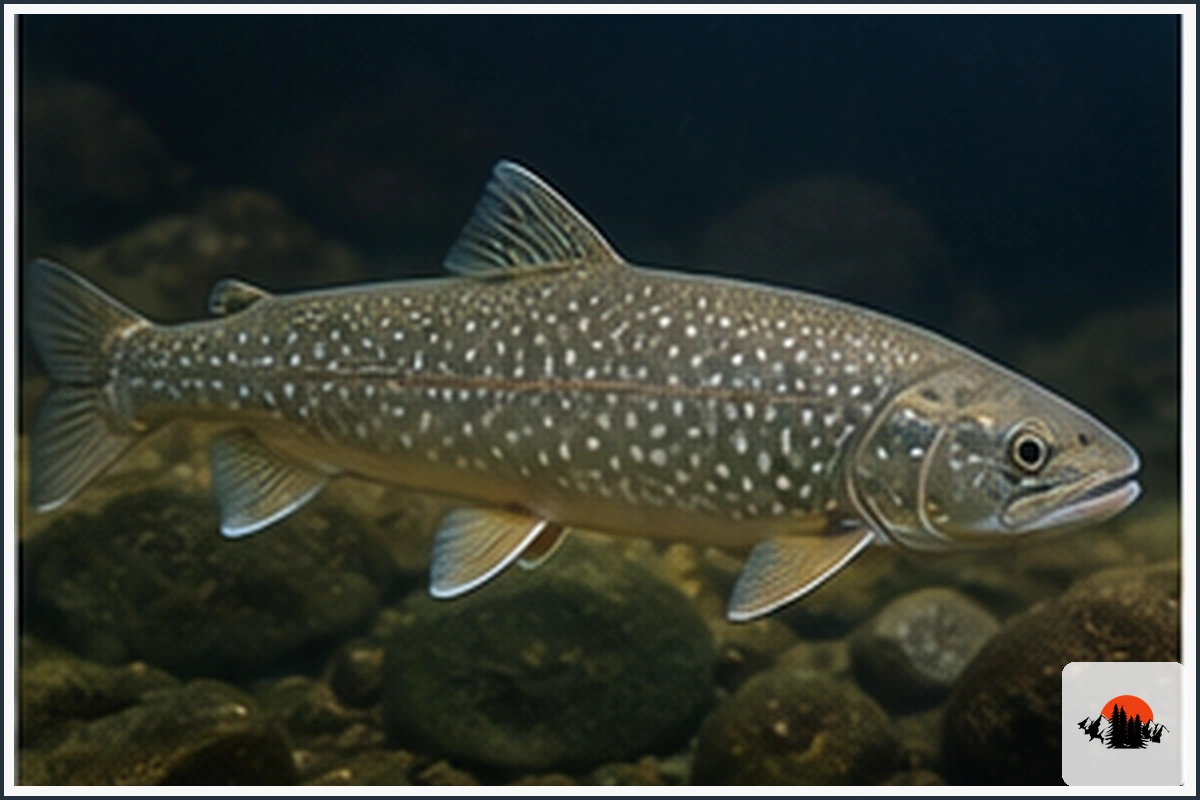
Scientific name: Salvelinus namaycush
Lake trout are native to the Great Lakes and remain one of the region’s most important cold-water fish. They have a long body, deeply forked tail, light spots, and a dark back that helps them blend with deep water. Adults commonly measure 20 to 30 inches, although larger fish occur.
Lake trout prefer cold, oxygen-rich water and often stay near deep reefs, drop-offs, and lake bottoms. They eat ciscoes, smelt, alewives, sculpins, and other smaller fish. Lake trout are prized by anglers, but populations have been affected by sea lamprey predation, habitat changes, and competition from invasive species.
2. Walleye
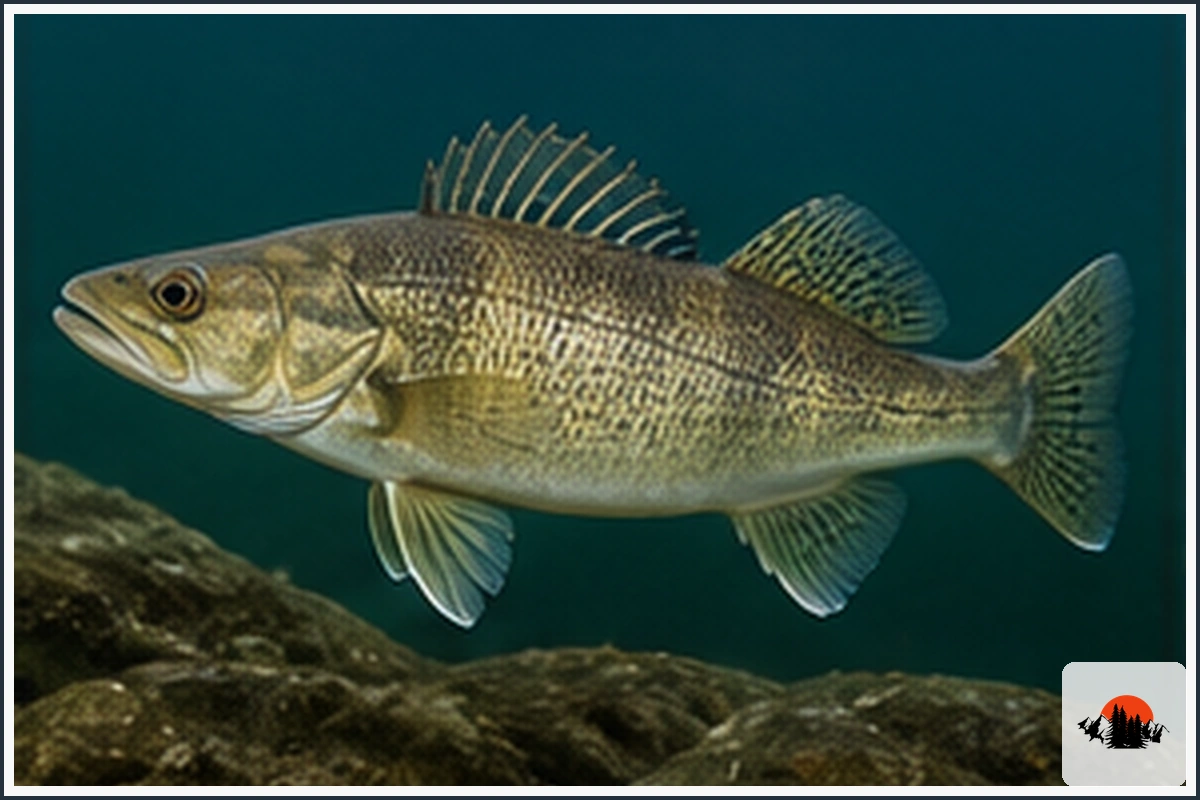
Scientific name: Sander vitreus
Walleye are among the most popular sport fish in the Great Lakes. Their olive-gold body, white belly, large glassy eyes, and sharp canine teeth make them easy to recognize. The reflective layer behind the eyes helps them see in dim water, giving them an advantage at dawn, dusk, and night.
Walleye use rocky shoals, reefs, river mouths, and offshore structures. Adults commonly reach 15 to 25 inches and eat yellow perch, shiners, alewives, smelt, and other fish. Spring spawning runs attract anglers to tributaries throughout the Great Lakes region.
3. Yellow Perch
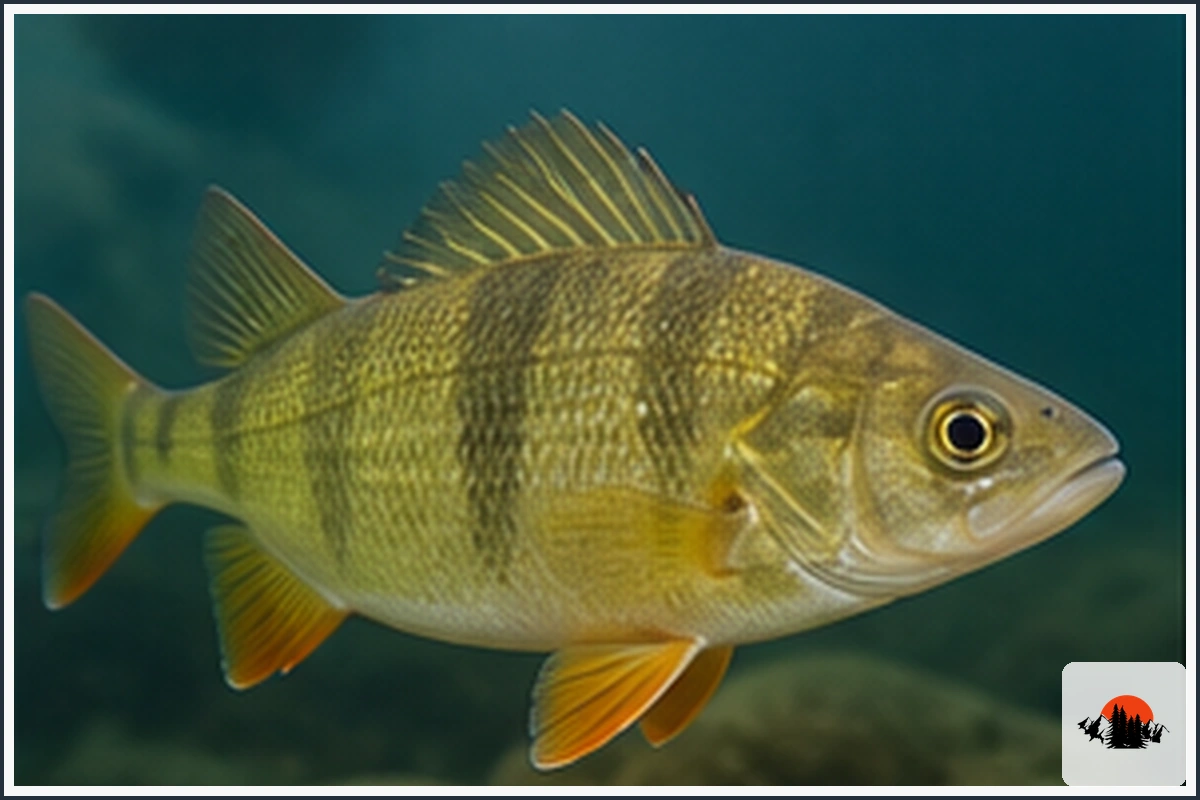
Scientific name: Perca flavescens
Yellow perch have golden-yellow sides marked by several dark vertical bars. They are usually smaller than walleye, often measuring 6 to 12 inches, although large specimens can exceed that range.
These schooling fish live around vegetation, sandy bottoms, reefs, and nearshore areas. Young perch eat zooplankton and aquatic insects, while adults consume insects, crayfish, minnows, and smaller fish. Yellow perch are important prey for walleye, lake trout, bass, and other predators and are also popular panfish.
4. Lake Whitefish
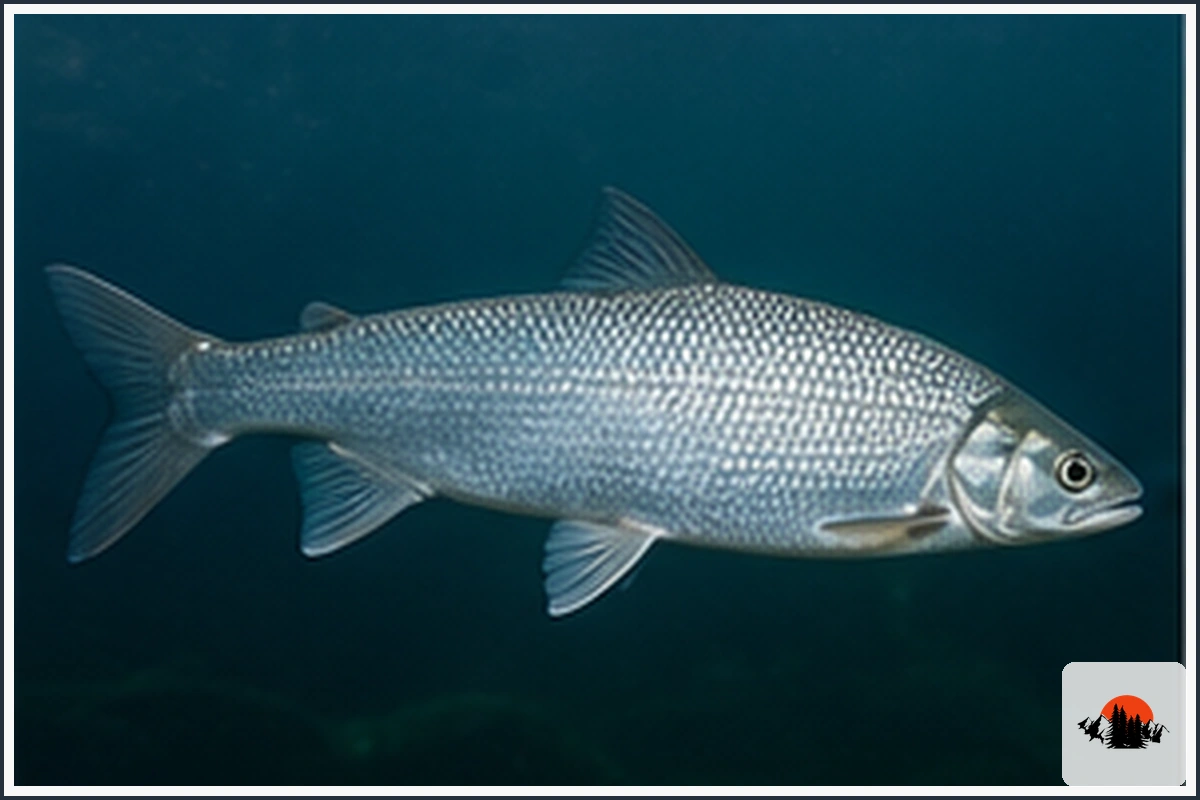
Scientific name: Coregonus clupeaformis
Lake whitefish are native cold-water fish with a silvery body, small head, and deeply forked tail. Their lower jaw usually projects slightly beyond the upper jaw. Most adults measure 17 to 24 inches.
They are commonly found over deep, cool water and rocky or sandy bottoms. Lake whitefish feed on aquatic insect larvae, snails, clams, amphipods, and other bottom-dwelling organisms. They are important commercial and recreational fish, especially in Lakes Michigan, Huron, and Superior.
5. Chinook Salmon
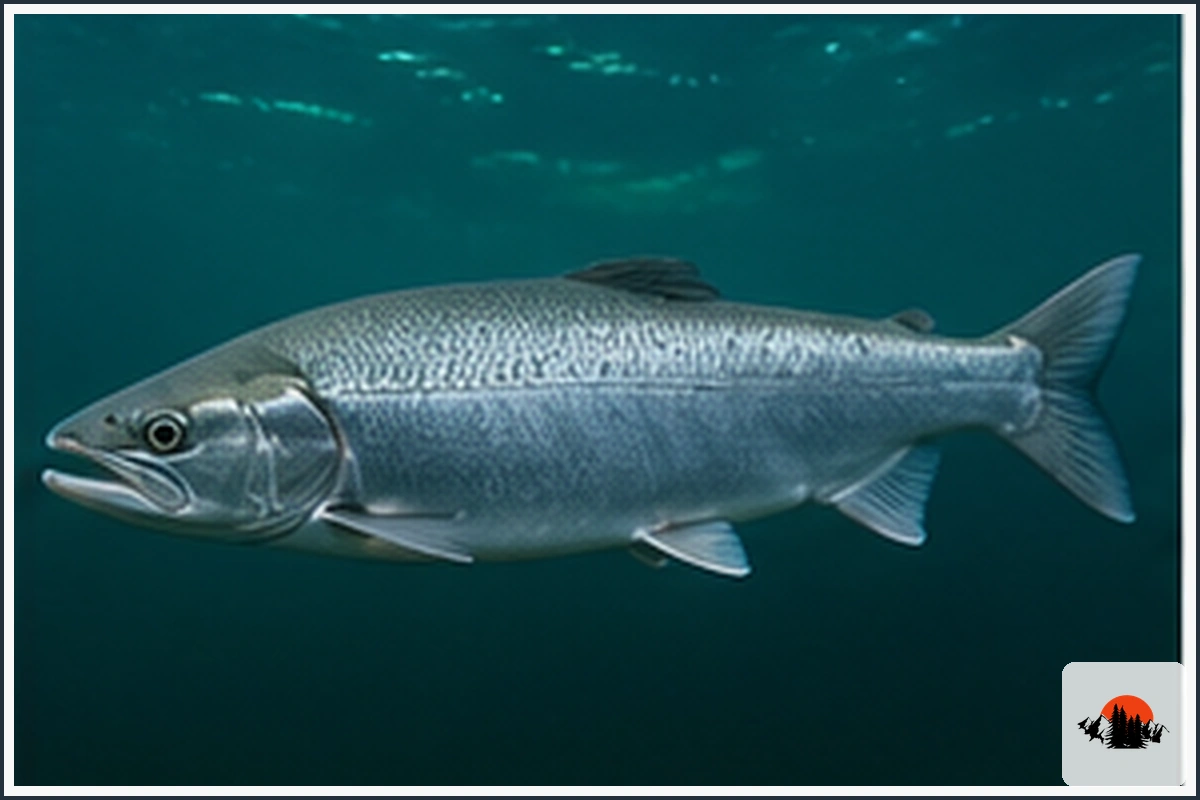
Scientific name: Oncorhynchus tshawytscha
Chinook salmon, also called king salmon, were introduced to the Great Lakes and are now one of the region’s best-known sport fish. They have dark backs, silver sides, black gums, and scattered black spots on the upper body and tail.
Chinook spend much of their adult life in open water, feeding heavily on alewives and other baitfish. They migrate into tributaries to spawn, usually in late summer or fall. Many adults weigh 10 to 25 pounds, with larger fish possible. Anglers value them for their size and powerful runs.
6. Coho Salmon
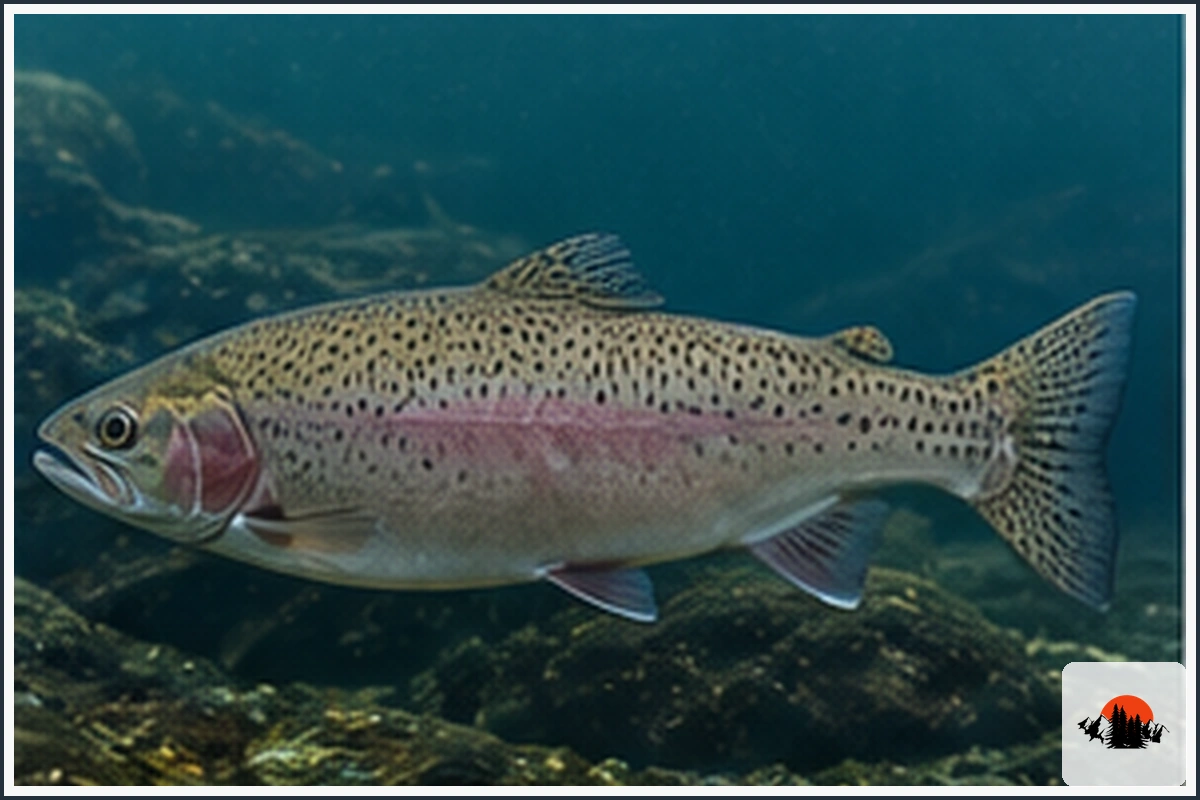
Scientific name: Oncorhynchus kisutch
Coho salmon are another introduced Pacific salmon established in the Great Lakes. They are generally smaller than Chinook salmon and have silver sides, dark backs, and black spots on the upper lobe of the tail.
Coho feed on alewives, smelt, and other forage fish. They often enter tributaries during fall spawning migrations. Mature males may develop a hooked jaw and reddish coloration. Coho are popular with boat anglers, shore anglers, and fly fishers.
7. Atlantic Salmon
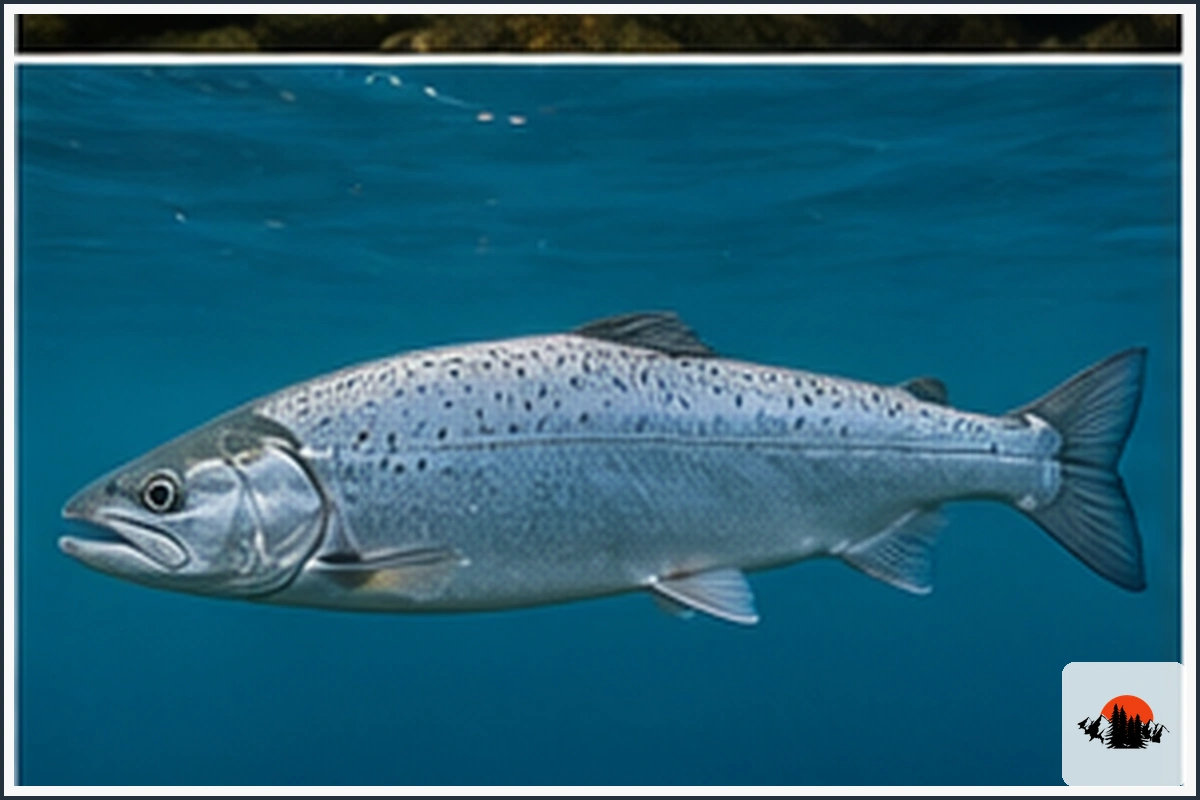
Scientific name: Salmo salar
Atlantic salmon are native to the Atlantic Ocean and nearby rivers but have been stocked in parts of the Great Lakes. They have silver sides, dark spots, and a streamlined body designed for strong swimming.
Great Lakes Atlantic salmon fisheries are generally more limited than Chinook or coho fisheries. These fish use cool tributaries for spawning and feed on insects and smaller fish. Their presence depends heavily on stocking programs, suitable stream habitat, and survival through different life stages.
8. Steelhead
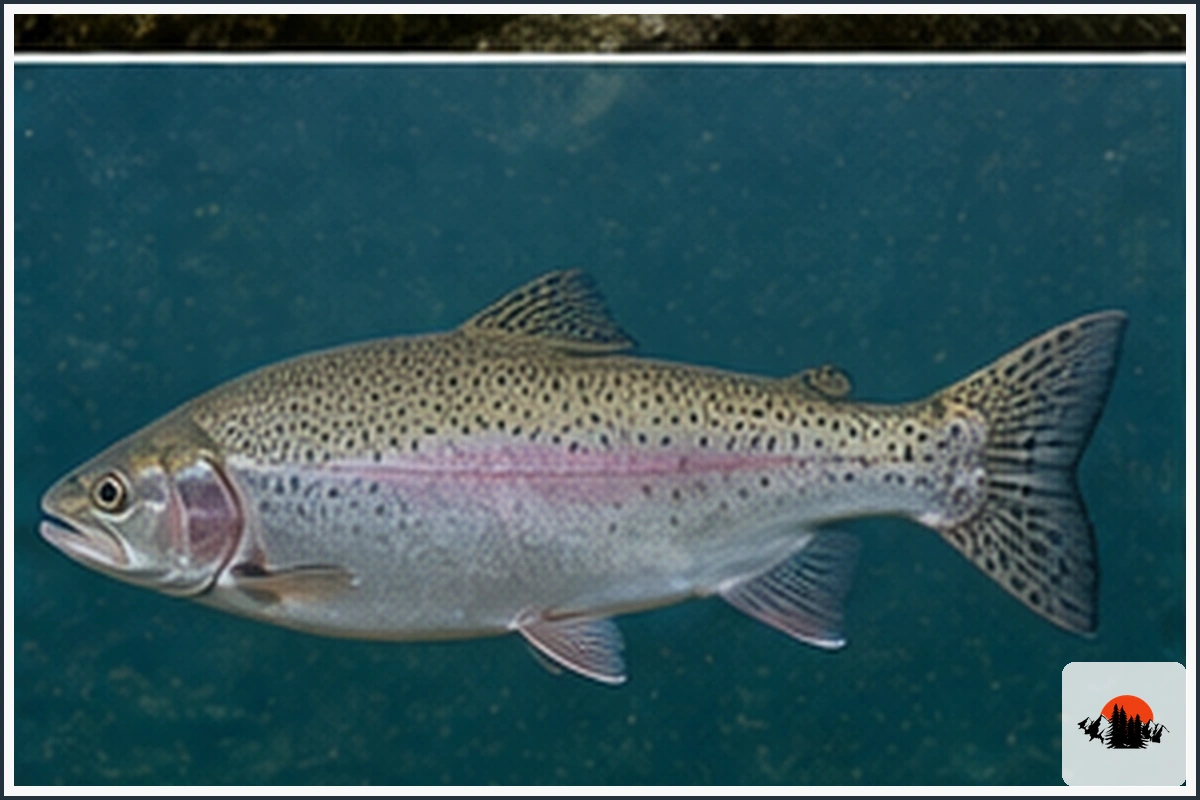
Scientific name: Oncorhynchus mykiss
Steelhead are the migratory form of rainbow trout. In the Great Lakes, they are often called steelhead even though they remain in freshwater. They have a pink or reddish lateral stripe, dark spots, and a powerful, streamlined body.
Steelhead spend much of their adult life in lakes before entering tributaries to spawn. They eat aquatic insects, eggs, crayfish, and smaller fish. Their size varies widely, but fish between 4 and 10 pounds are common in productive waters. Cool, clean rivers are essential for successful reproduction.
9. Rainbow Trout
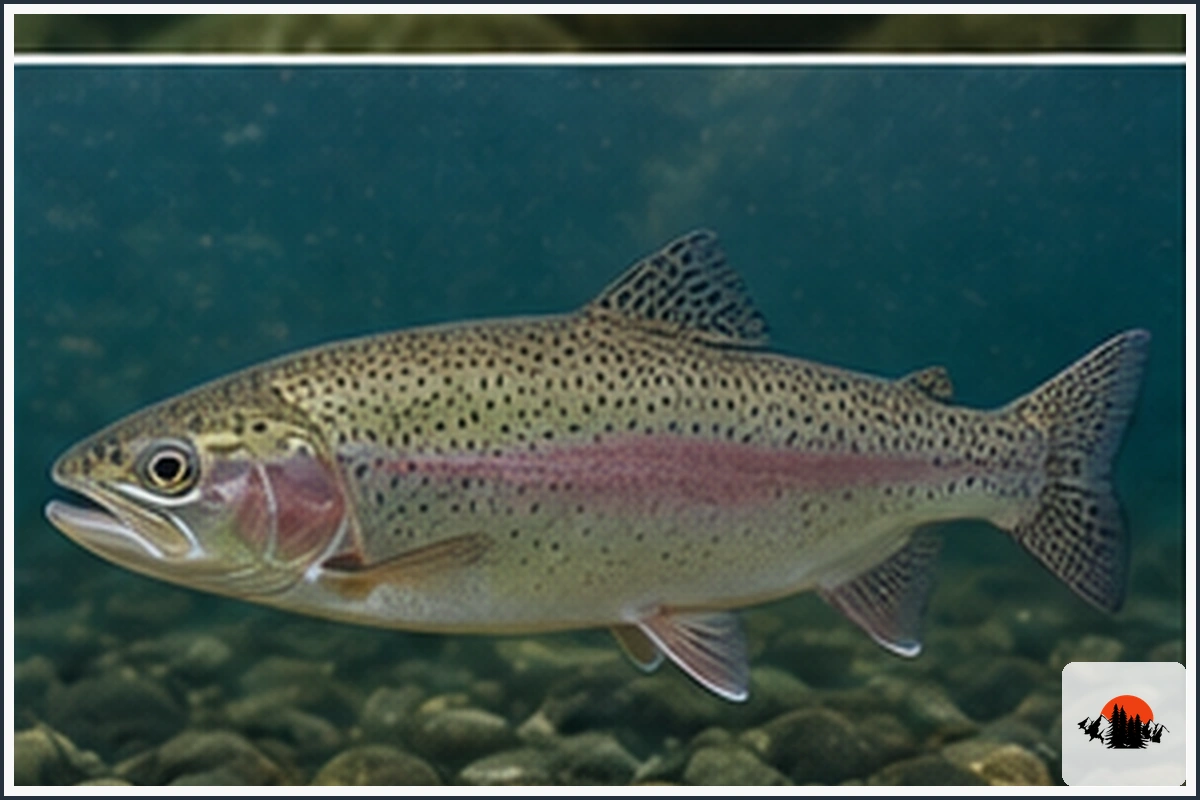
Scientific name: Oncorhynchus mykiss
Rainbow trout are closely related to steelhead but typically remain in smaller streams, rivers, or nearshore waters rather than making long lake migrations. They have a colorful lateral stripe, dark spots, and a silvery or golden body.
They prefer cold, clear, well-oxygenated water. Rainbow trout eat insects, crustaceans, eggs, and small fish. Some populations are naturally reproducing, while others are supported by stocking. Habitat quality and water temperature strongly influence their distribution.
10. Brown Trout
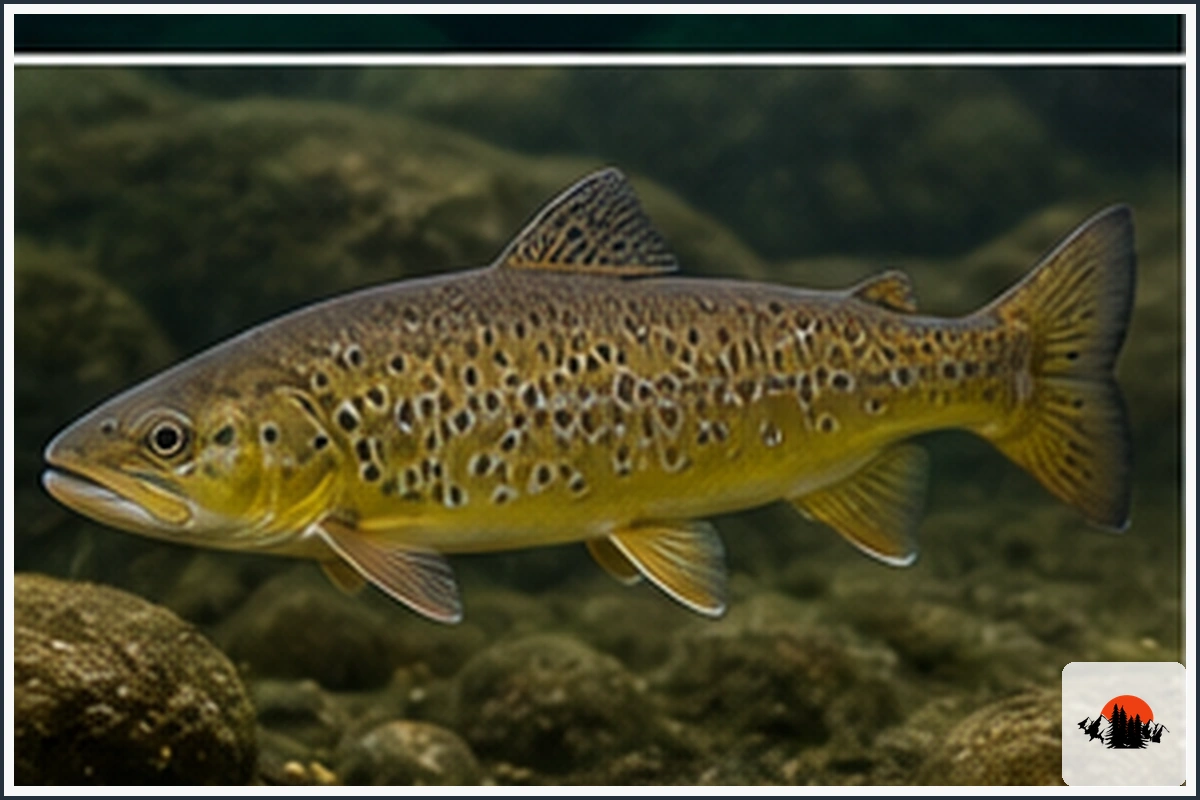
Scientific name: Salmo trutta
Brown trout were introduced from Europe and are now established in many Great Lakes tributaries and nearshore areas. Their appearance varies, but they commonly have brown or golden sides covered with dark and red spots.
Brown trout are adaptable and can tolerate somewhat warmer water than lake trout. They feed on aquatic insects, crayfish, minnows, and small fish. Large adults are cautious and often hold near undercut banks, submerged wood, boulders, and deep pools.
11. Smallmouth Bass
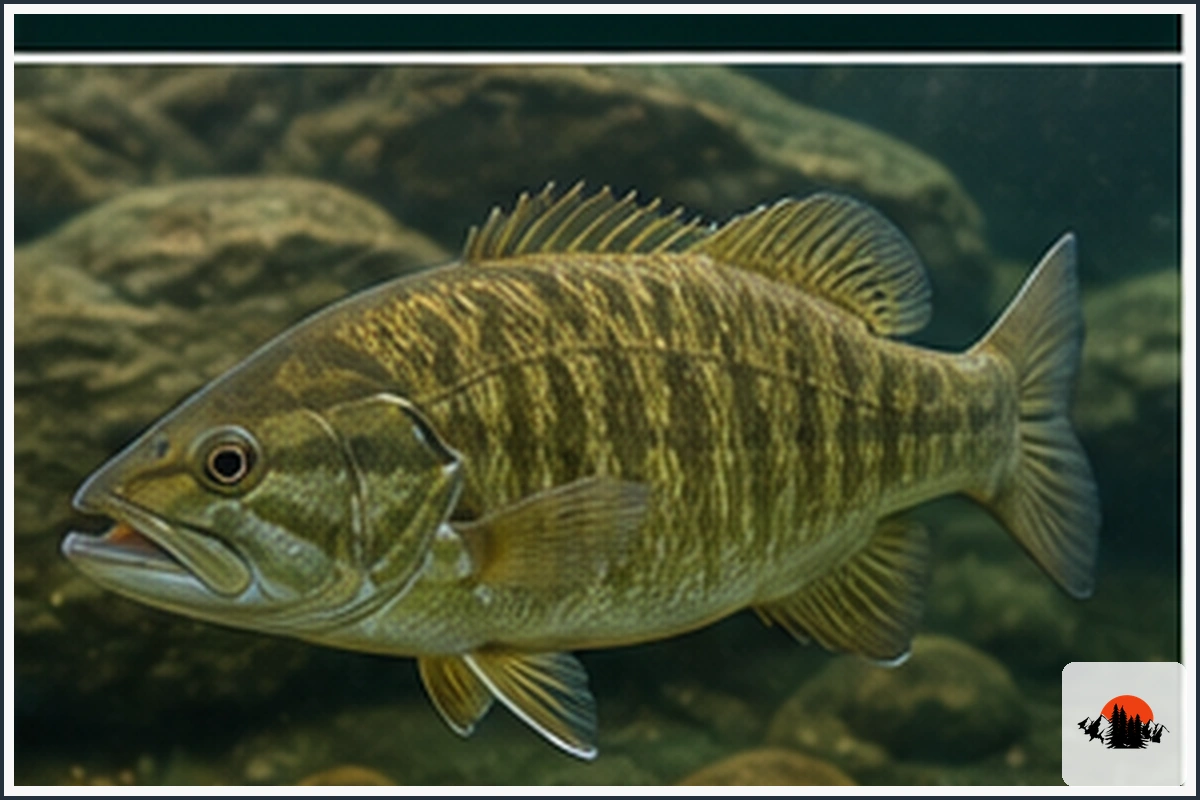
Scientific name: Micropterus dolomieu
Smallmouth bass are native to the Great Lakes and are especially associated with rocky shorelines, reefs, islands, and clear tributaries. Their bronze body, dark vertical bars, red eyes, and upper jaw that does not extend beyond the eye help distinguish them from largemouth bass.
Adults commonly measure 12 to 20 inches. They eat crayfish, minnows, insects, and young fish. Smallmouth bass are aggressive fighters and highly popular with anglers. During summer, they may move from shallow spawning areas to deeper rock and structure.
12. Largemouth Bass
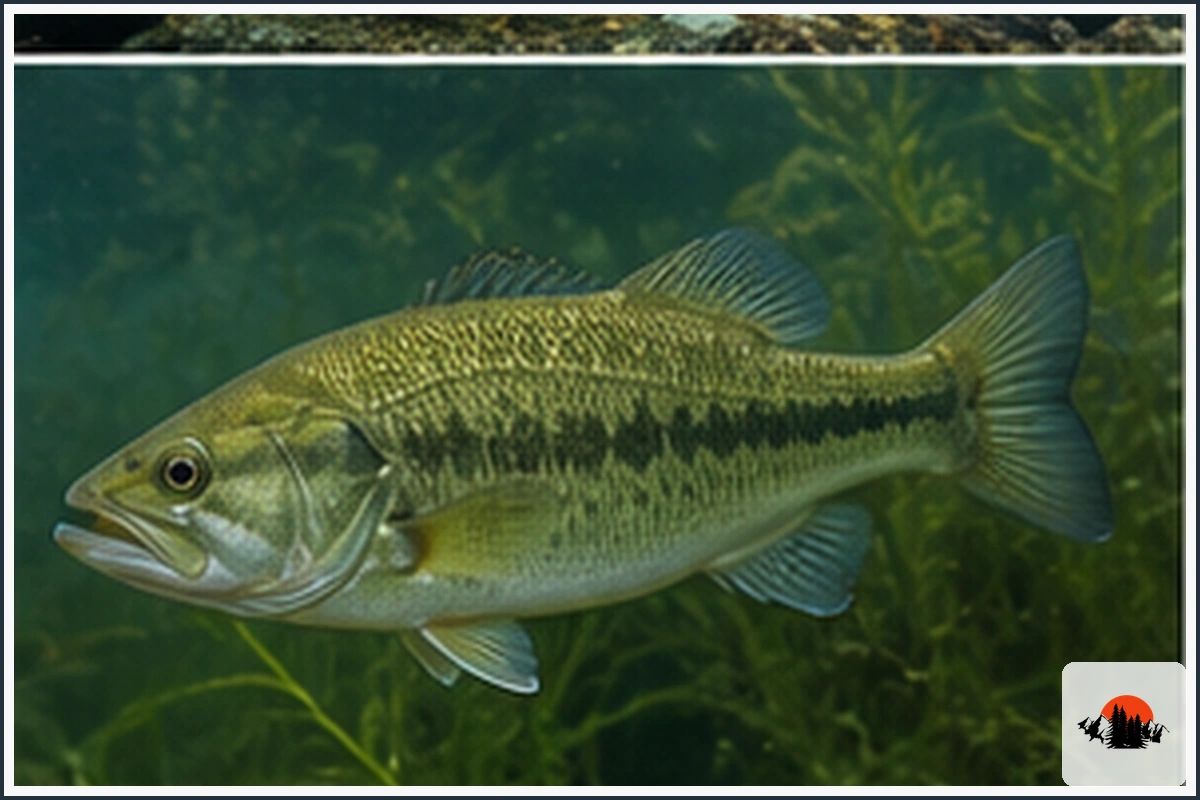
Scientific name: Micropterus salmoides
Largemouth bass are recognized by their large mouth, green body, dark lateral stripe, and upper jaw that extends behind the eye. They prefer warmer, shallow habitats with vegetation, woody cover, docks, and soft-bottom bays.
Adults often reach 12 to 20 inches and eat crayfish, frogs, insects, minnows, and other fish. In the Great Lakes, largemouth bass are most common in protected bays, wetlands, harbors, and connected inland waters rather than the coldest offshore areas.
13. Northern Pike
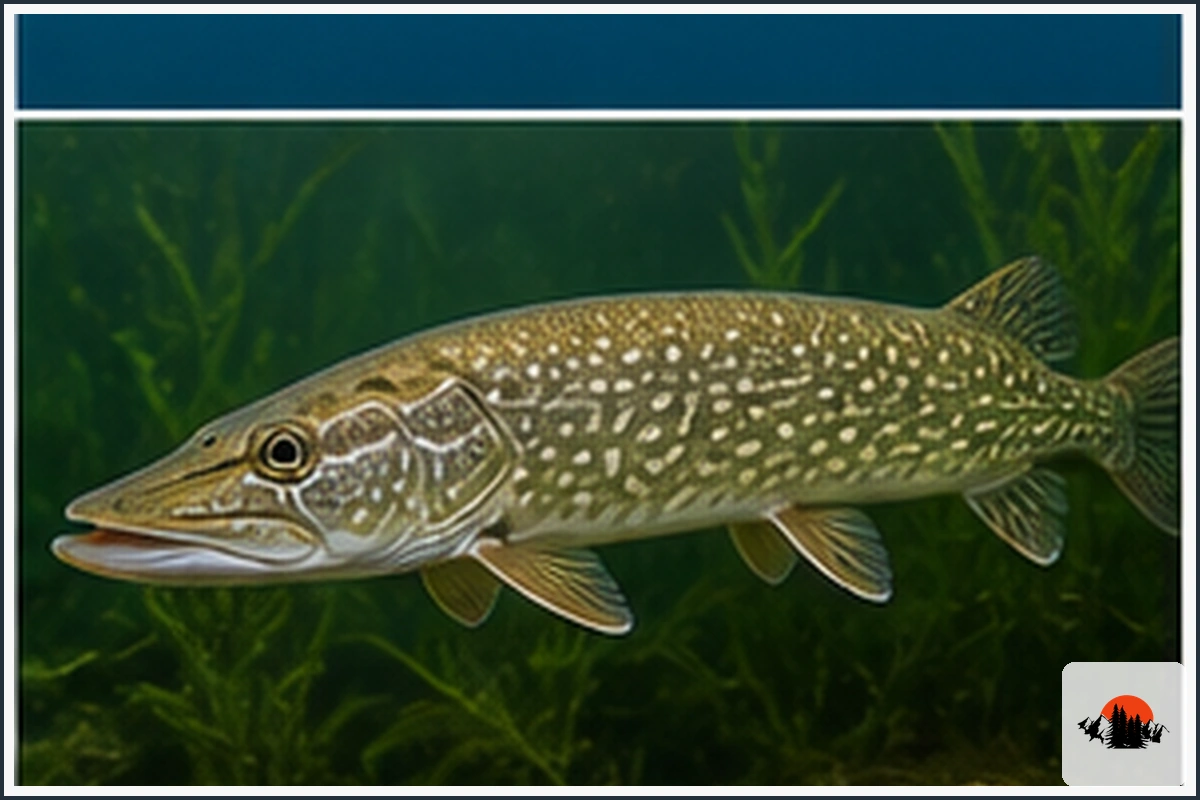
Scientific name: Esox lucius
Northern pike have a long, torpedo-shaped body, pointed snout, ducklike jaw, and pale bean-shaped markings. Adults commonly measure 20 to 35 inches, with larger fish possible.
Pike prefer weedy bays, marshes, river mouths, and protected shorelines. They are ambush predators that hide among vegetation before striking minnows, perch, suckers, frogs, and young waterfowl. Their sharp teeth require careful handling by anglers.
14. Muskellunge
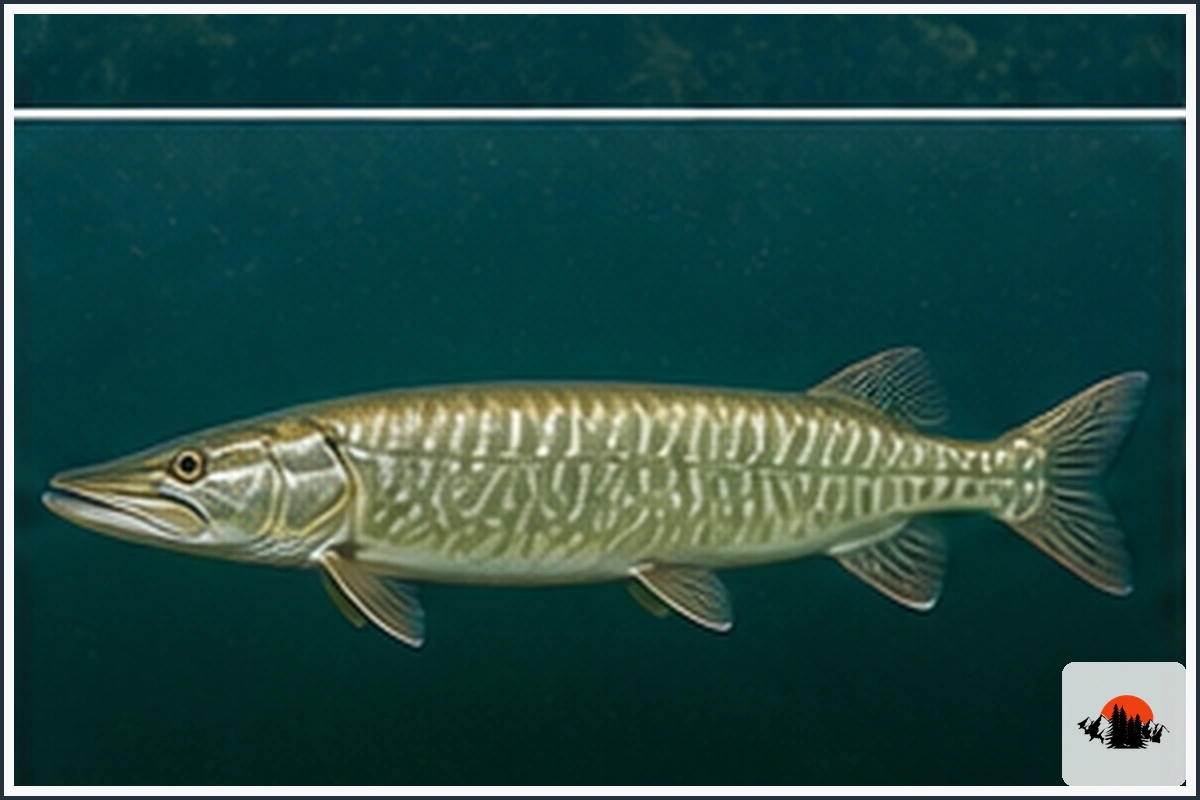
Scientific name: Esox masquinongy
Muskellunge, commonly called muskie, are among the largest freshwater predators in the Great Lakes basin. They have elongated bodies, flat heads, large mouths, and markings that may appear as spots, bars, or nearly disappear depending on the population.
Muskies use weed edges, rocky points, bays, and deep structure. They eat suckers, perch, ciscoes, carp, and other fish. Many exceed 40 inches, making them a prized trophy species. Anglers commonly practice careful catch-and-release because large muskies are valuable breeding fish.
15. Lake Sturgeon
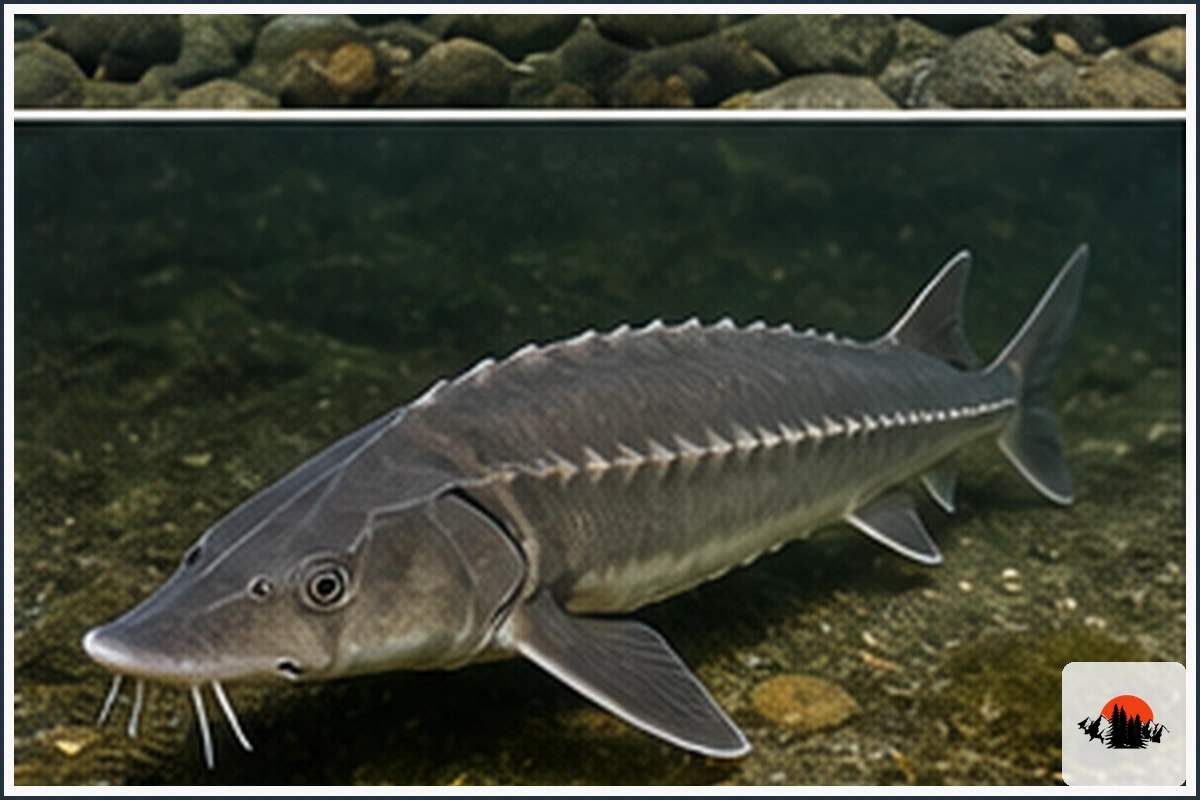
Scientific name: Acipenser fulvescens
Lake sturgeon are ancient, bottom-feeding fish with armored rows of bony plates, a pointed snout, four barbels, and a long sharklike body. They can exceed 6 feet and live for many decades.
They inhabit deep channels, river mouths, and rocky spawning areas. Lake sturgeon feed mainly on insect larvae, mollusks, worms, crayfish, and other bottom organisms. Dams, habitat loss, pollution, overharvest, and slow maturity caused major declines, although restoration programs have helped some populations recover.
16. Burbot
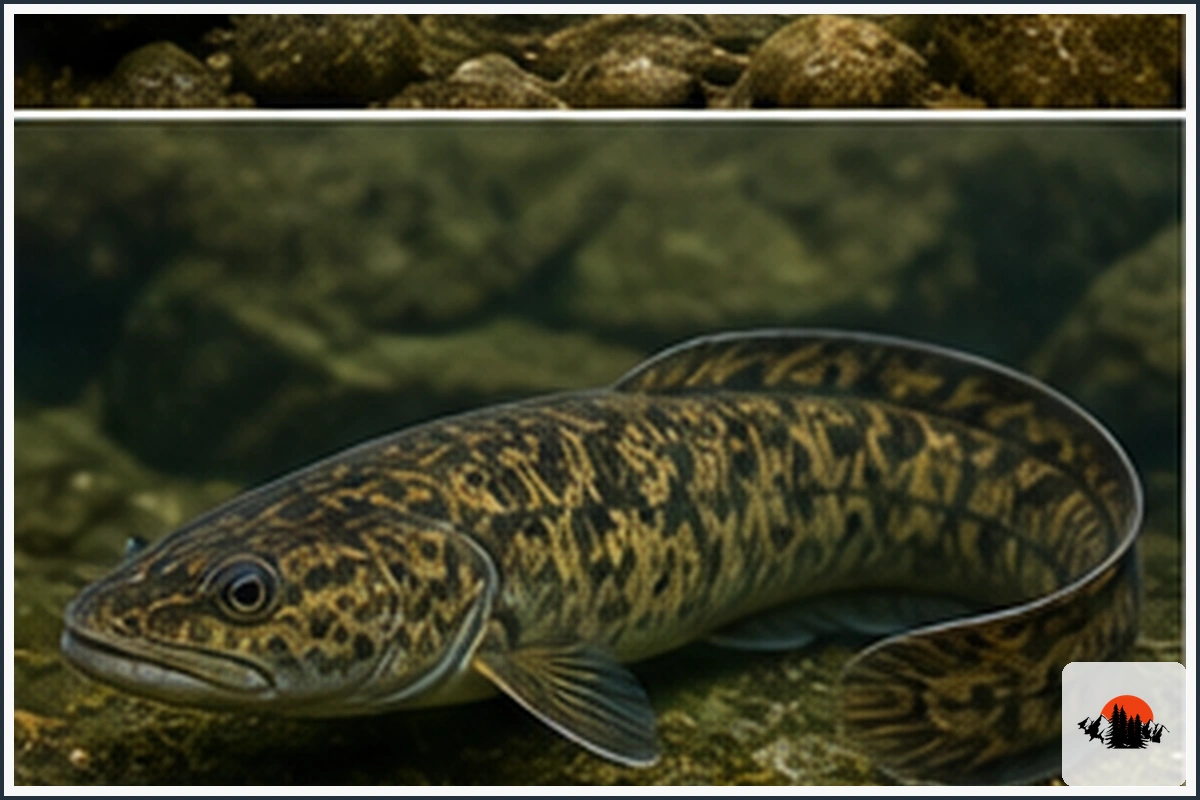
Scientific name: Lota lota
Burbot are the only freshwater member of the cod family. They have long, mottled bodies, a flattened head, a single chin barbel, and soft fins. Their unusual appearance makes them easy to identify.
Burbot prefer cold, deep water and are often active during winter or at night. They eat fish, crayfish, insects, and other bottom-dwelling animals. Adults commonly measure 15 to 30 inches. They are native to the Great Lakes and are especially associated with colder waters.
17. Cisco
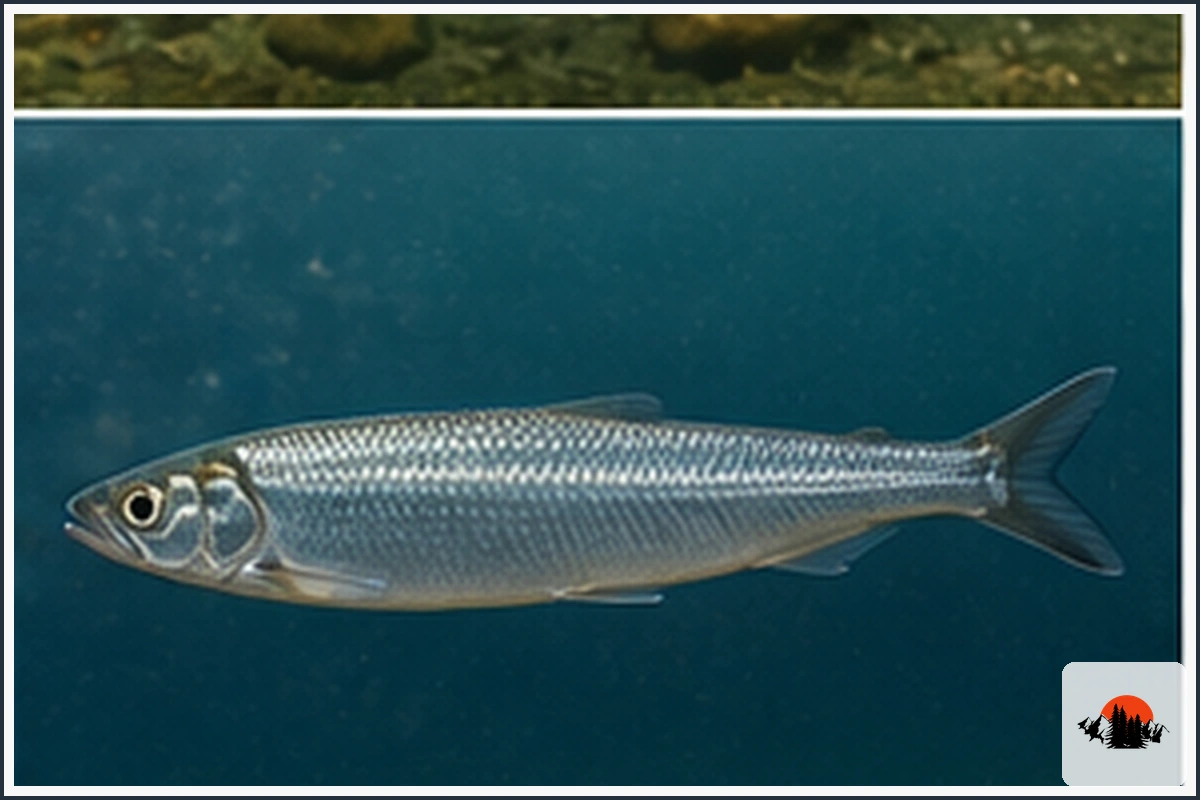
Scientific name: Coregonus artedi
Cisco, sometimes called lake herring, are slender silver fish with deeply forked tails. They are smaller than lake whitefish and usually live in open, cold water.
Cisco eat zooplankton and small aquatic organisms, while larger fish become important prey for lake trout, salmon, walleye, and other predators. Historically abundant in the Great Lakes, cisco populations declined in some areas because of overfishing, pollution, habitat changes, and invasive species. Restoration work continues in several locations.
18. Bloater
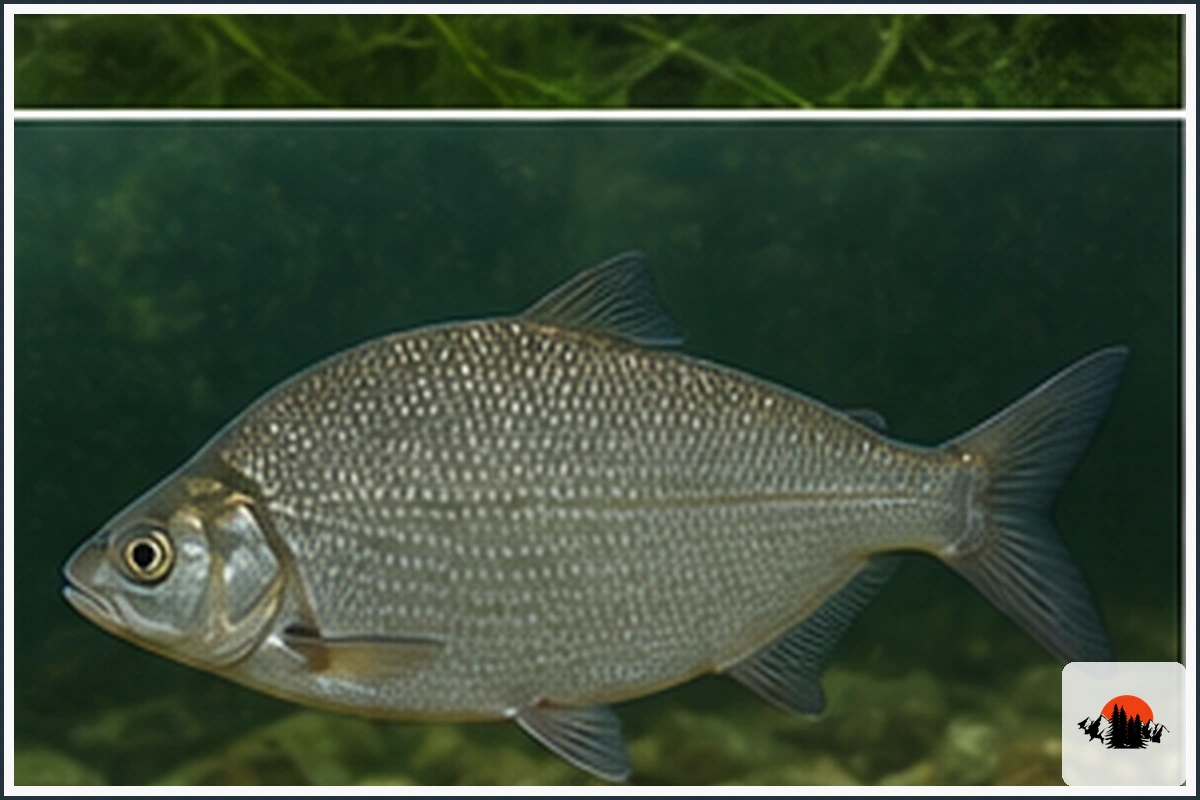
Scientific name: Coregonus hoyi
Bloaters are deep-water ciscoes with silvery sides and a relatively slender body. They are adapted to cold offshore habitats and may occupy considerable depths during parts of the year.
They feed mainly on zooplankton and small bottom organisms. Bloaters were once important in commercial fisheries and remain a key forage fish for lake trout and other predators. Their populations have changed substantially in response to invasive mussels, alewife competition, and shifts in the Great Lakes food web.
19. Round Whitefish
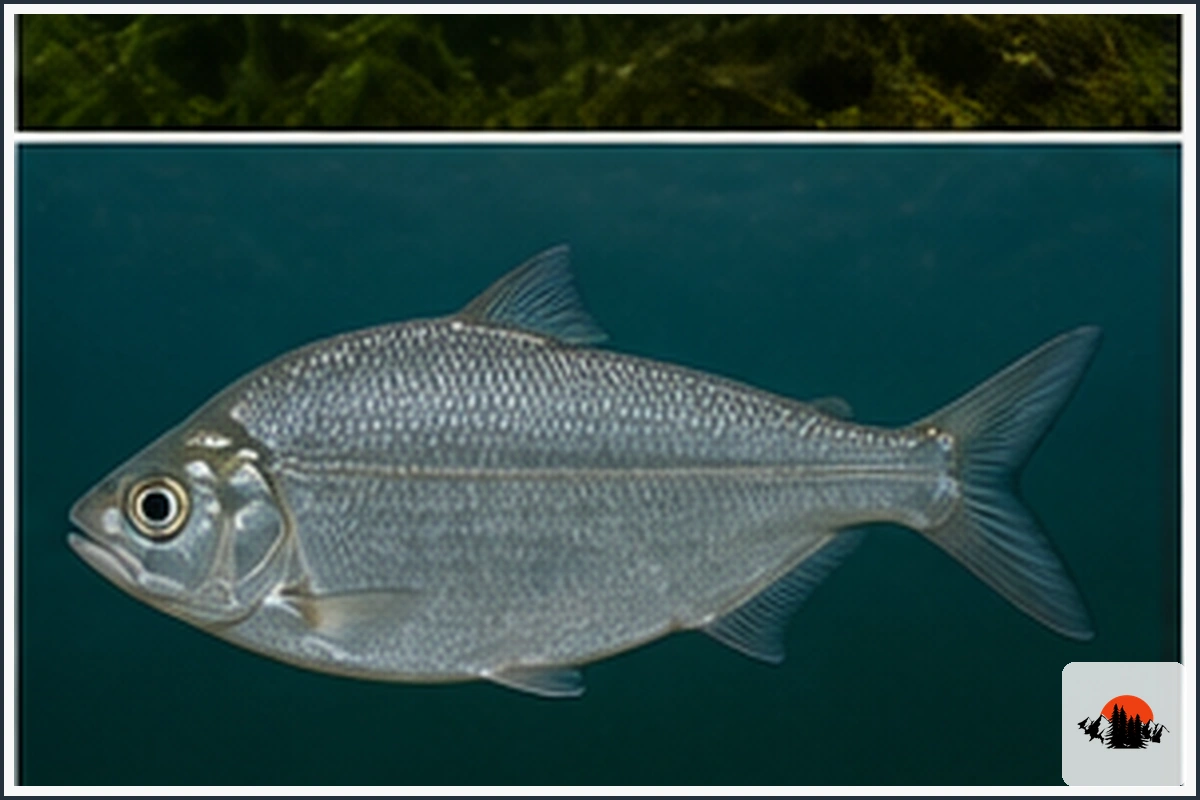
Scientific name: Prosopium cylindraceum
Round whitefish have a cylindrical body, small mouth, silvery sides, and rounded snout. They are generally smaller and less deep-bodied than lake whitefish.
These native fish live in cold lakes and streams, often near rocky bottoms. They eat insect larvae, mollusks, crustaceans, and other small organisms. Round whitefish are not as widely targeted as lake whitefish, but they contribute to the food web and provide prey for larger fish.
20. Lake Herring
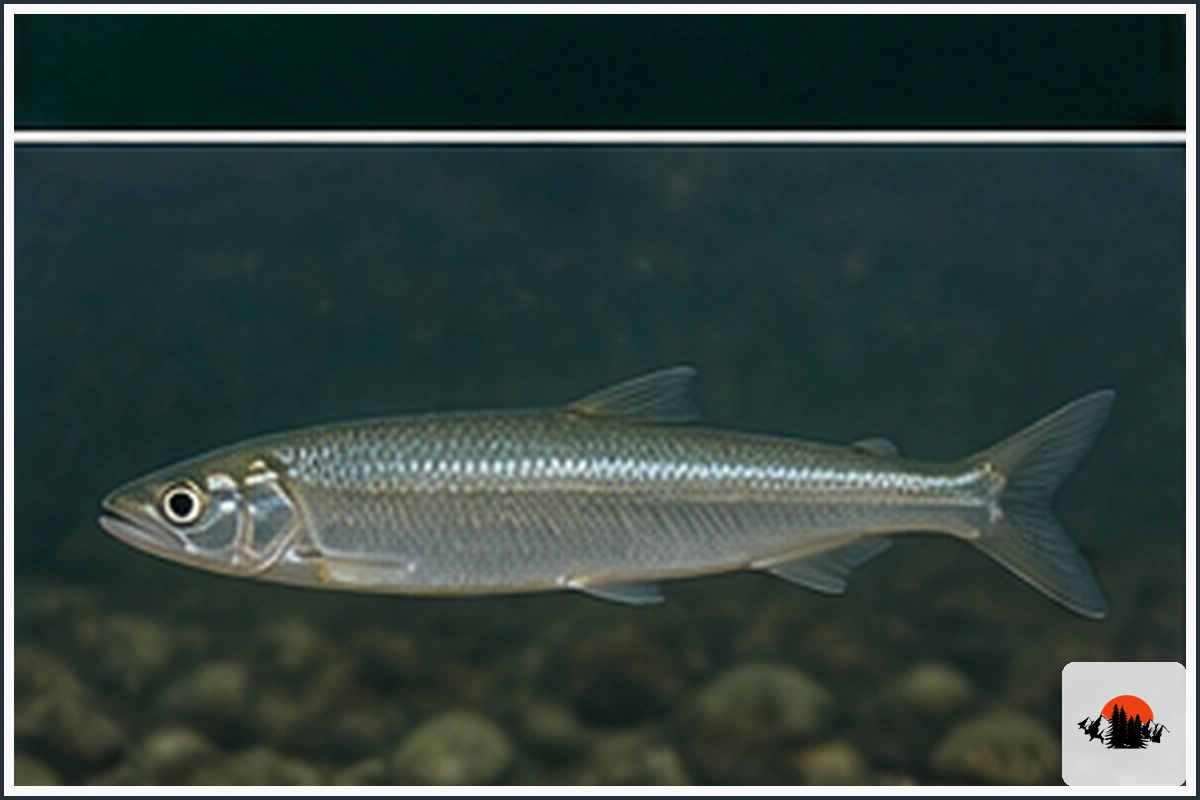
Scientific name: Coregonus artedi
Lake herring is a common name often used for cisco. It should not be confused with marine herring. This fish has a silvery body, forked tail, and streamlined shape suited to open-water swimming.
Lake herring feed on zooplankton and small aquatic invertebrates. They form an important link between tiny drifting organisms and larger predators. Because common names vary among Great Lakes communities, checking the scientific name helps avoid confusion with related cisco species.
21. Alewife
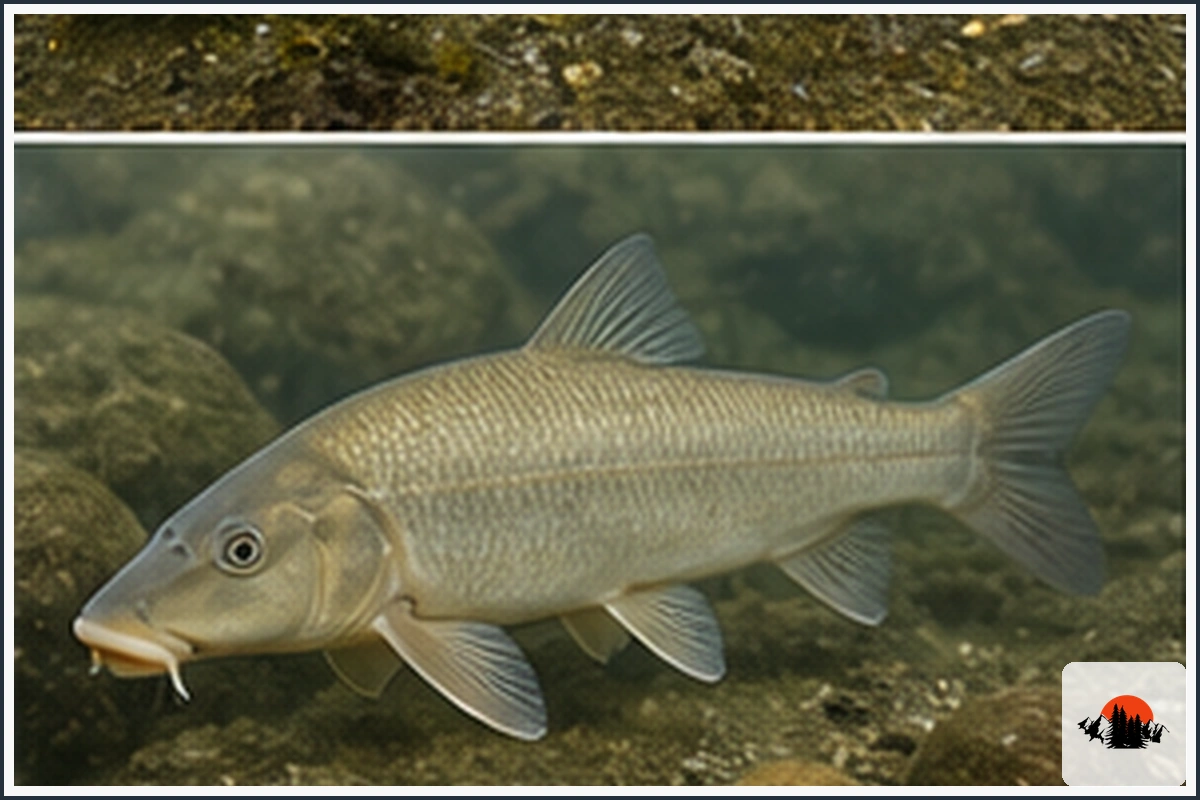
Scientific name: Alosa pseudoharengus
Alewives are small, silvery, laterally compressed fish that were introduced to the Great Lakes. They typically have a dark back and a distinctive shoulder spot.
Alewives feed on plankton and can form large schools in open water. They became a major food source for introduced salmon and trout, but their numbers can fluctuate sharply, sometimes producing large die-offs along shorelines. Their abundance has been affected by predation, invasive mussels, and changing food availability.
22. Rainbow Smelt
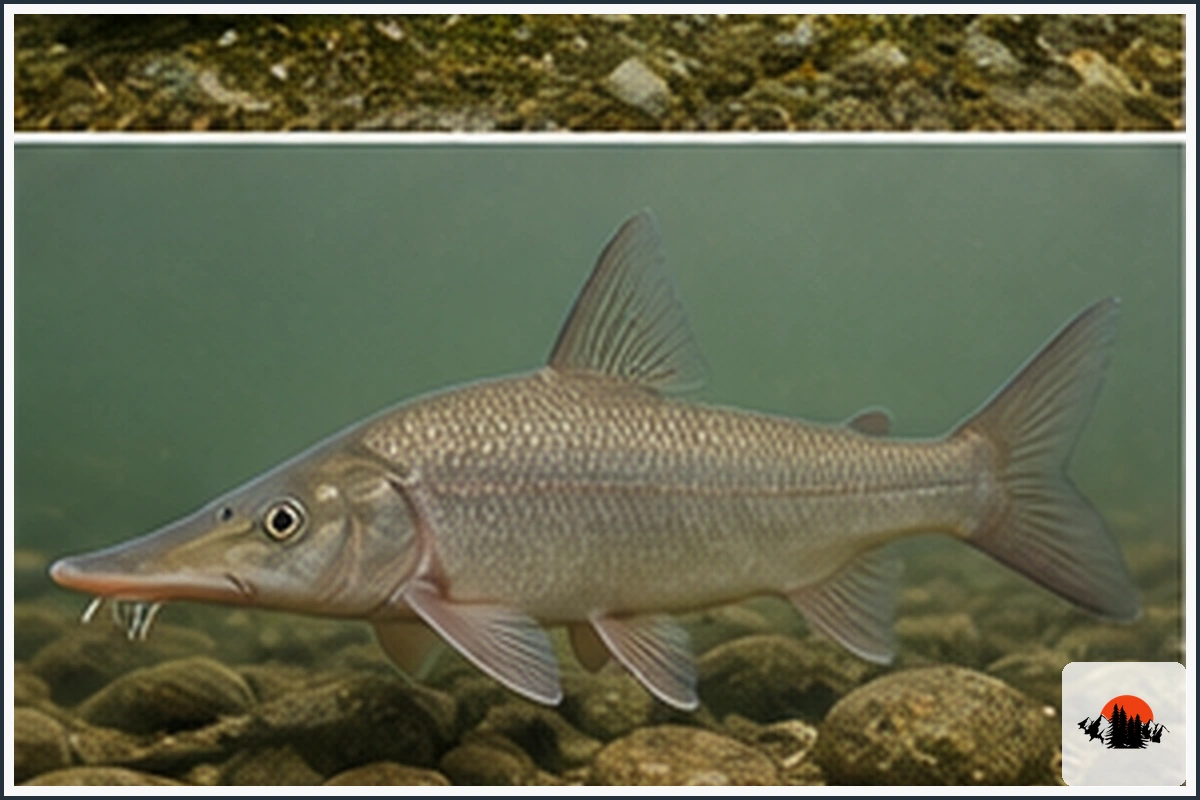
Scientific name: Osmerus mordax
Rainbow smelt are slender, silver-green fish with a prominent lower jaw and a distinctive cucumberlike odor when freshly caught. They were introduced to parts of the Great Lakes and now occur widely.
Smelt feed on zooplankton, insects, and small fish. They are important prey for lake trout, salmon, walleye, and other predators. Smelt move into tributaries or nearshore areas to spawn in spring and have traditionally supported dip-netting and recreational fisheries in some communities.
23. White Sucker
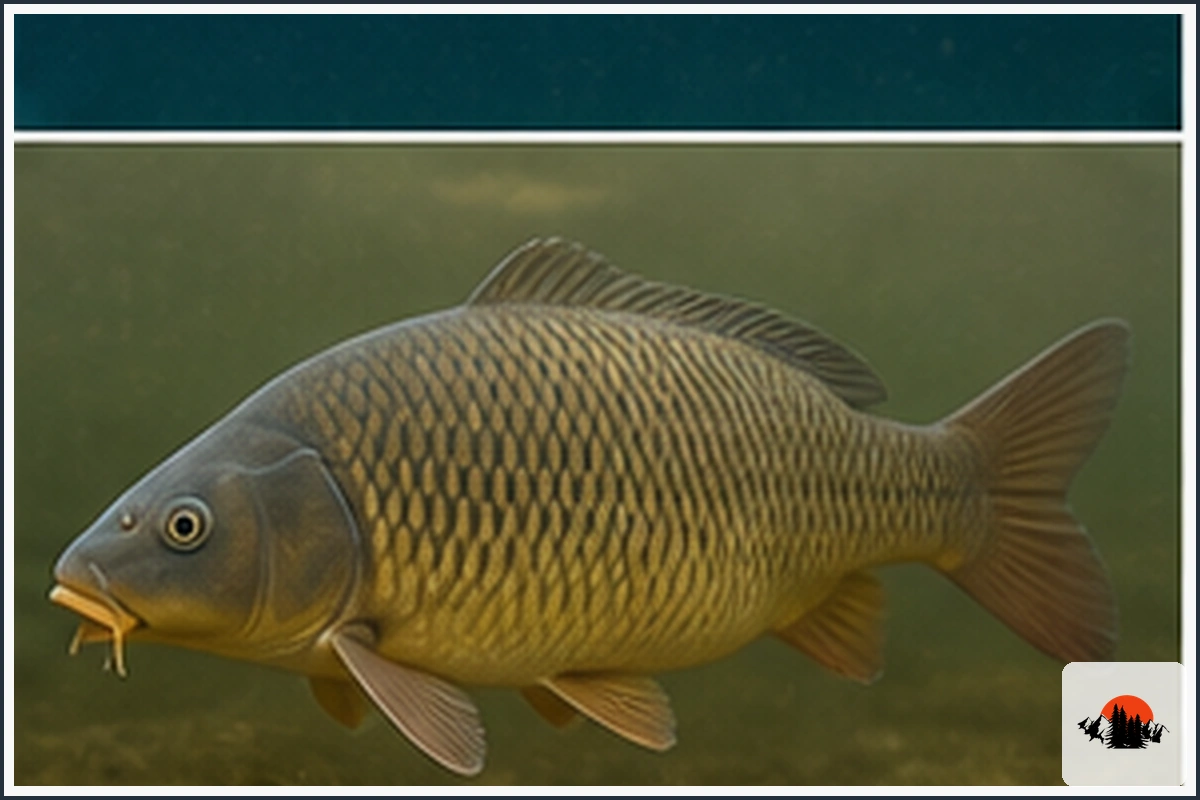
Scientific name: Catostomus commersonii
White suckers have cylindrical bodies, thick lips, and a downturned mouth adapted for feeding along the bottom. Their sides are usually silver or gray, with a darker back.
They live in lakes, rivers, streams, and tributaries throughout the Great Lakes basin. White suckers consume insect larvae, worms, algae, and other bottom material. Although sometimes overlooked by anglers, they are important prey and help transfer energy from bottom habitats to larger predators.
24. Longnose Sucker
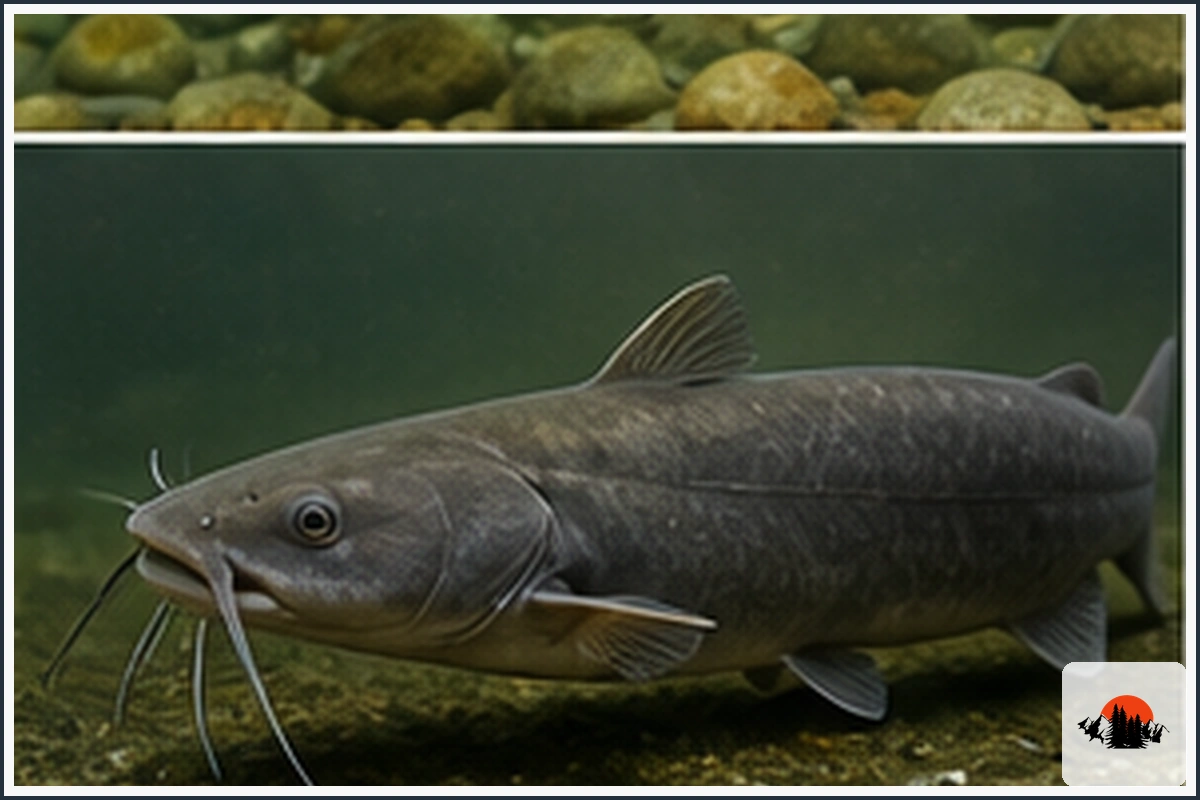
Scientific name: Catostomus catostomus
Longnose suckers have a noticeably elongated snout and downward-facing mouth. Their body is usually gray, olive, or silver, and adults often reach 12 to 20 inches.
They prefer cool lakes, rivers, and gravel-bottom tributaries. Their diet consists largely of aquatic insect larvae, small invertebrates, and organic material. Longnose suckers can be found in northern portions of the Great Lakes region and provide food for larger fish.
25. Common Carp
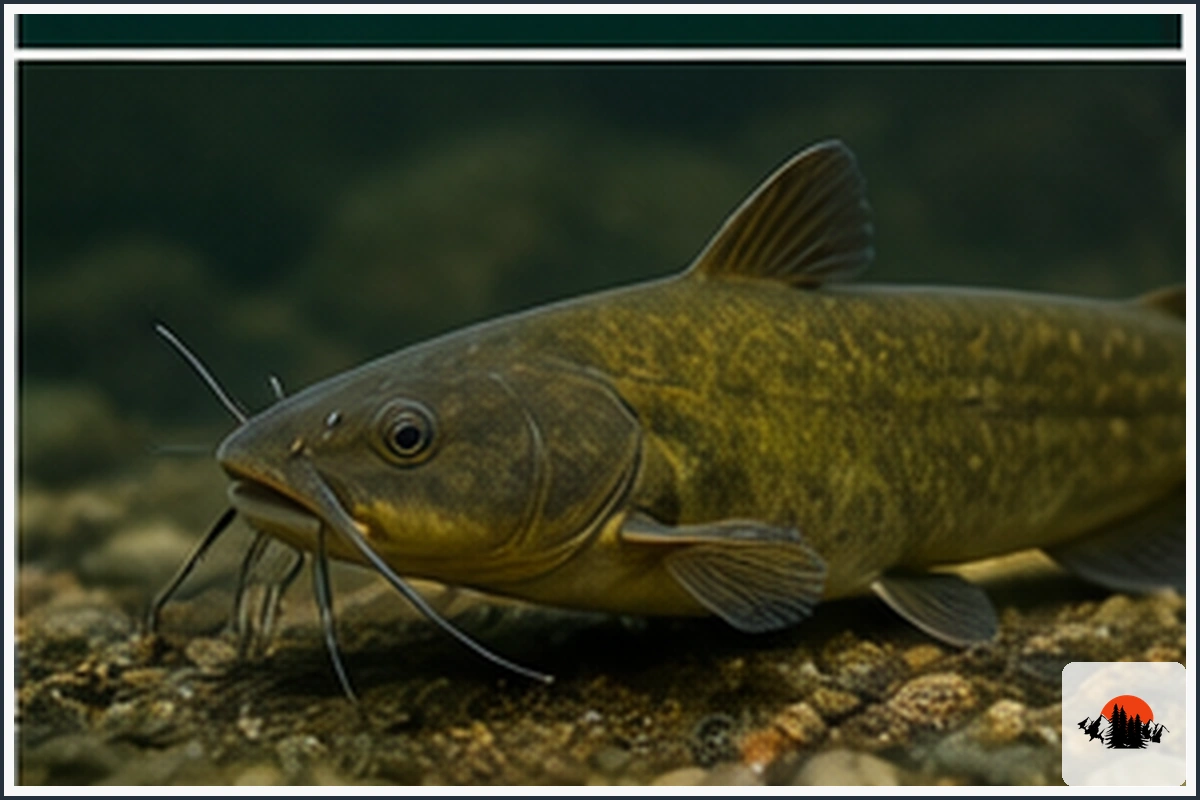
Scientific name: Cyprinus carpio
Common carp are large, deep-bodied fish with golden-brown coloring, large scales, and two small barbels near the mouth. Some individuals have sparse scales and are called mirror carp.
Carp tolerate warm, turbid water and often occupy shallow bays, river mouths, wetlands, and harbors. They feed by rooting through bottom sediments for insects, plant material, mollusks, and other food. They are widely introduced and can disturb vegetation and muddy the water while feeding.
26. Channel Catfish
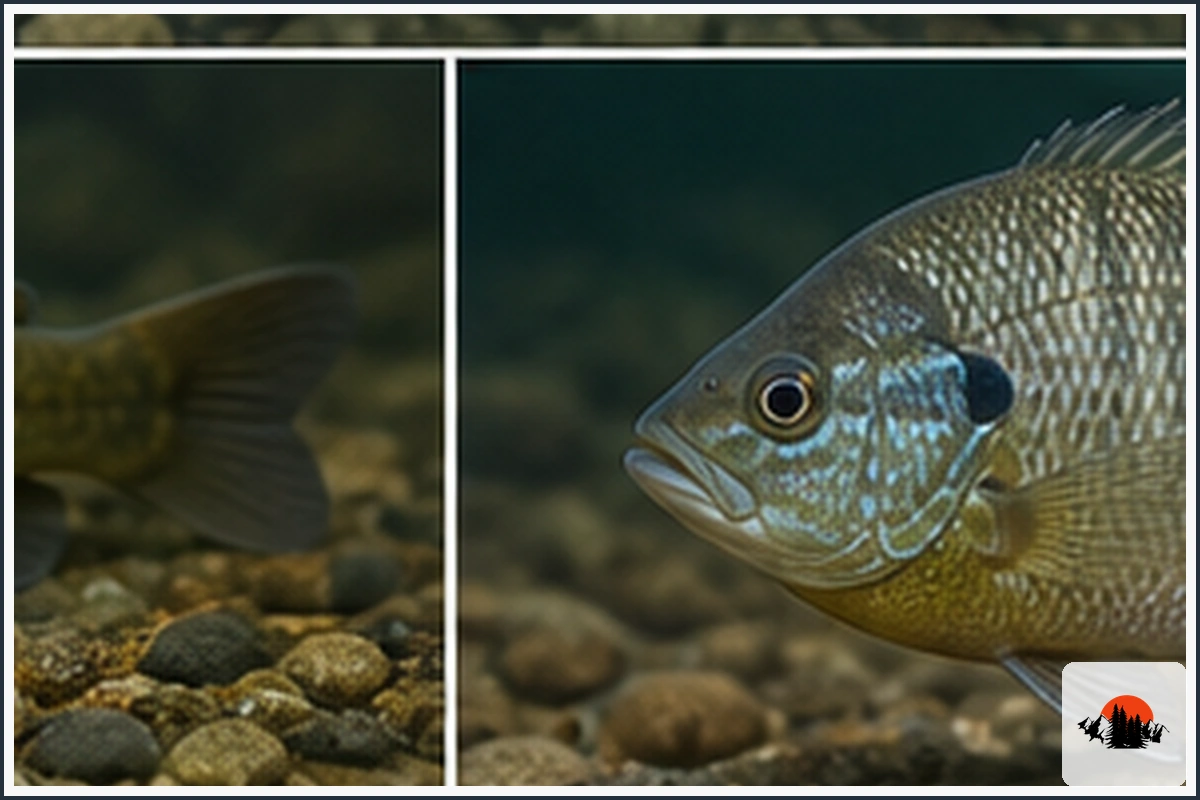
Scientific name: Ictalurus punctatus
Channel catfish have smooth scaleless skin, a deeply forked tail, dark spots, and four pairs of barbels around the mouth. Their color ranges from silver-gray to olive or blue-gray.
They prefer warm rivers, channels, reservoirs, bays, and areas with submerged cover. Channel catfish eat insects, crayfish, mussels, fish, and plant material. Many Great Lakes anglers target them in tributaries and warm shallow waters, especially during summer.
27. Brown Bullhead
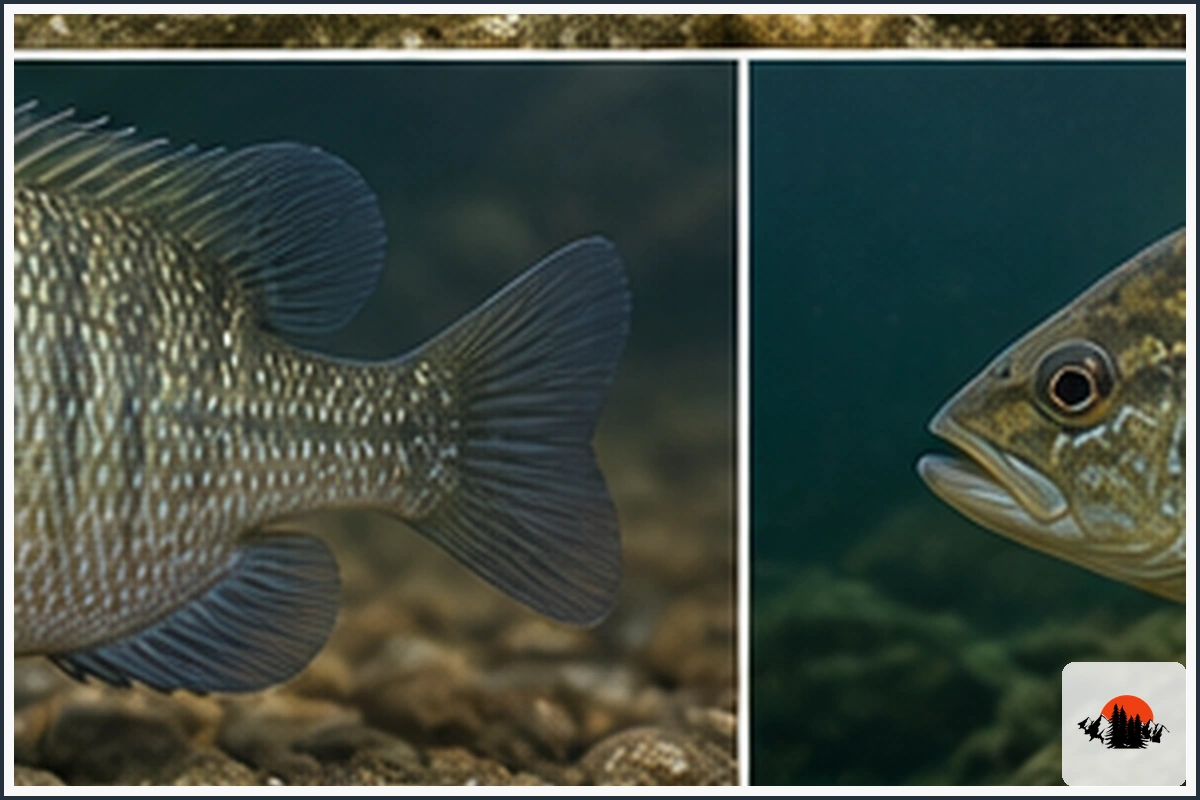
Scientific name: Ameiurus nebulosus
Brown bullheads are stocky catfish with rounded tails, dark mottled bodies, and prominent barbels. Their sharp pectoral spines require careful handling.
They thrive in warm, slow-moving water, muddy bays, ponds, marshes, and quiet tributaries. Brown bullheads feed mostly at night on insects, worms, crayfish, mollusks, fish eggs, and plant material. They are tolerant of conditions that are difficult for many cold-water fish.
28. Bluegill
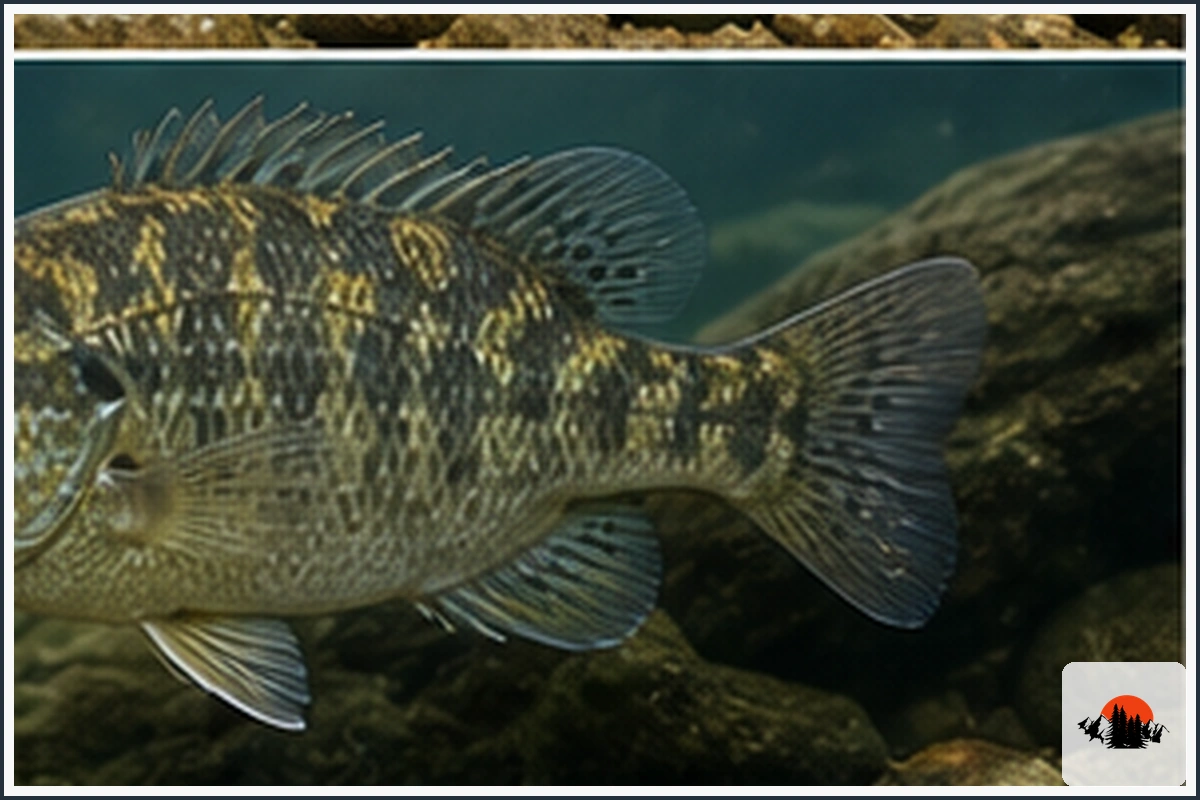
Scientific name: Lepomis macrochirus
Bluegill are deep-bodied sunfish with a small mouth, dark ear flap, and blue or turquoise coloring around the head and gill cover. Adults often measure 6 to 10 inches.
They prefer warm, weedy bays, ponds, wetlands, and protected shorelines. Bluegill eat insects, snails, small crustaceans, and tiny fish. They are common in connected waters throughout the Great Lakes basin and are popular with beginning anglers.
29. Rock Bass
Scientific name: Ambloplites rupestris
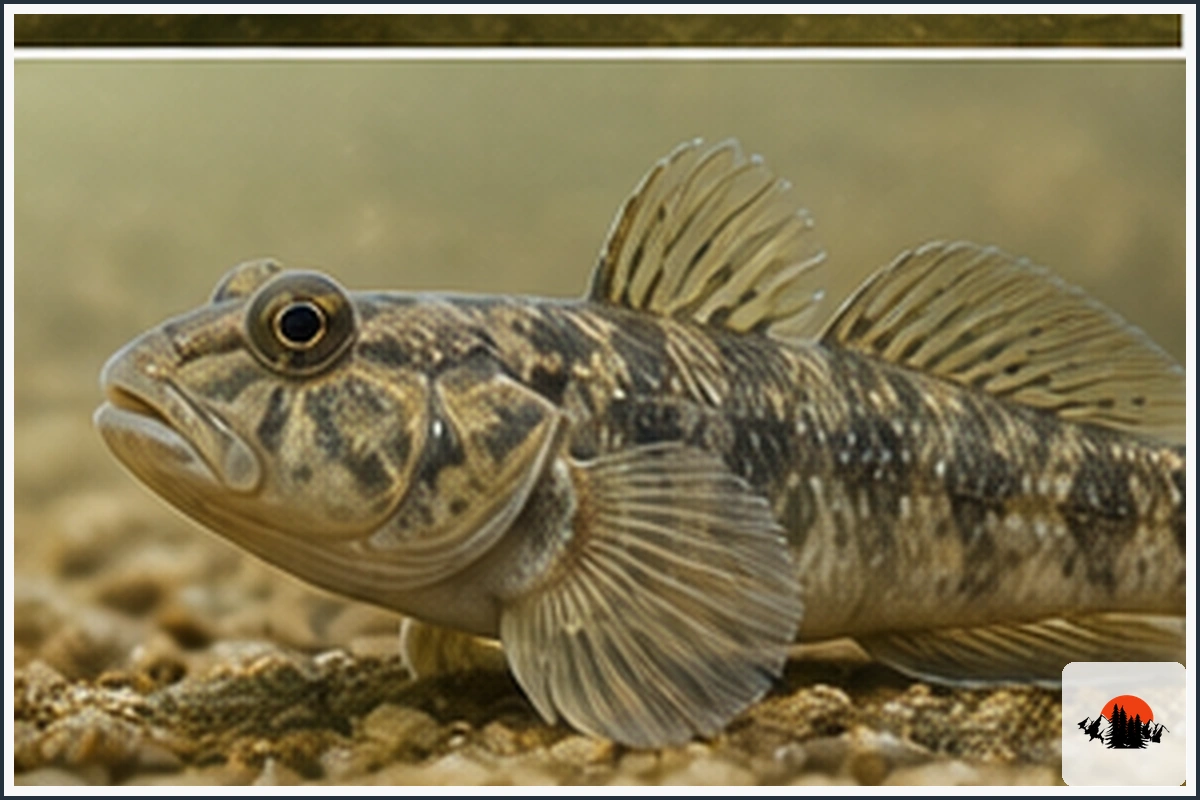
Rock bass are chunky sunfish with large red eyes, a large mouth, and dark mottled sides. They often have a rounded body that distinguishes them from sleeker smallmouth bass.
Rock bass live around rocks, docks, submerged wood, and clear shorelines. They eat crayfish, insects, minnows, and other small animals. Adults usually measure 6 to 10 inches and are common bycatch for anglers targeting bass, walleye, and panfish.
30. Round Goby
Scientific name: Neogobius melanostomus
Round gobies are invasive bottom-dwelling fish with large heads, thick lips, mottled brown or gray coloring, and a distinctive black spot near the rear of the first dorsal fin. Their pelvic fins are fused into a suction-cup-like disk.
They thrive around rocks, breakwalls, ports, and lake bottoms. Round gobies eat zebra mussels, insect larvae, eggs, and small fish. They can compete with native species and consume the eggs of valuable fish, although some predators now eat them. Never release live gobies into another waterway.
How Are These Types of Fish Classified?
Great Lakes fish can be classified in several useful ways:
- Native fish: Species such as lake trout, walleye, yellow perch, lake sturgeon, and lake whitefish evolved in the Great Lakes basin or nearby waters.
- Introduced sport fish: Chinook salmon, coho salmon, brown trout, rainbow trout, and Atlantic salmon were introduced or stocked to create recreational fisheries.
- Cold-water fish: Lake trout, ciscoes, whitefish, burbot, and some trout depend on cool, oxygen-rich water.
- Warm-water fish: Largemouth bass, bluegill, bullheads, carp, and channel catfish prefer warmer bays, rivers, and wetlands.
- Predators: Walleye, pike, muskellunge, salmon, trout, and bass eat smaller fish or other aquatic animals.
- Bottom feeders: Sturgeon, suckers, carp, catfish, and round gobies commonly search sediments, rocks, or vegetation for food.
- Forage fish: Alewives, smelt, ciscoes, and bloaters provide essential food for larger fish.
Where Do These Fish Live?
Fish distribution differs among the five Great Lakes. Lake Superior is especially important for cold-water species, while Lakes Erie and Ontario include extensive warmer habitats and productive tributaries. Lakes Michigan and Huron support both deep-water fish and diverse nearshore communities.
- Deep offshore water: Lake trout, ciscoes, bloaters, burbot, and lake whitefish.
- Rocky reefs and shorelines: Walleye, smallmouth bass, lake trout, rock bass, and round gobies.
- Weedy bays and wetlands: Northern pike, largemouth bass, bluegill, bullheads, and carp.
- Tributary rivers: Steelhead, rainbow trout, brown trout, salmon, suckers, sturgeon, and walleye.
- Warm channels and harbors: Channel catfish, common carp, bullheads, largemouth bass, and panfish.
How to Identify Different Types of Fish
- Body shape: Long, streamlined bodies often indicate pike, muskellunge, trout, or salmon; deep bodies are common in sunfish and carp.
- Mouth position: Downturned mouths suggest suckers, while large toothy mouths suggest pike or muskellunge.
- Fin and tail shape: Forked tails, adipose fins, and spiny dorsal fins can separate related species.
- Color and markings: Walleye have reflective eyes, yellow perch have dark bars, and round gobies have a black dorsal spot.
- Habitat: Note whether the fish came from deep cold water, a weedy bay, a rocky shoreline, or a tributary.
- Size: Estimate length before handling, but do not rely on size alone because many species overlap.
- Season: Spawning migrations can bring salmon, trout, walleye, suckers, and sturgeon into rivers.
- Local regulations: Use an official identification guide when species look similar or have different size and possession limits.
Fishing Tips and Notes
- Use temperature and depth to locate cold-water trout, salmon, whitefish, and ciscoes.
- Search rocky structure for smallmouth bass, walleye, rock bass, and round gobies.
- Look for weeds, reeds, and warm shallow bays when targeting pike, largemouth bass, bluegill, and bullheads.
- River mouths and tributaries can attract walleye, steelhead, salmon, suckers, and sturgeon during migrations.
- Check the current regulations for the specific lake, tributary, season, size limit, and possession limit.
- Handle trout, salmon, sturgeon, and other released fish with wet hands and return them quickly to the water.
Safety, Sustainability, and Conservation Notes
Great Lakes anglers should follow local fishing regulations and avoid moving live fish, bait, plants, or water between waterways. Clean, drain, and dry boats and equipment to reduce the spread of invasive species. Never release aquarium fish or unwanted bait into a lake or river.
Some Great Lakes fish may carry site-specific consumption advisories because contaminants can vary by species, size, location, and waterbody. Check current state, provincial, or tribal advisories before eating your catch. Lake sturgeon and other sensitive species may have special rules, and round gobies should never be transported or released.
Fun Facts About Fish in the Great Lakes
- Lake Superior is the largest freshwater lake by surface area in the world.
- Lake sturgeon can live for many decades and mature slowly.
- Burbot are freshwater relatives of marine cod.
- Walleye eyes reflect light, helping them hunt in dim conditions.
- Steelhead are rainbow trout that adopt a migratory lifestyle.
- Chinook salmon were introduced to support sport fishing.
- Lake trout are native apex predators of the Great Lakes food web.
- Round gobies can use their fused pelvic fins to cling to hard surfaces.
- Yellow perch often travel in schools.
- Sea lampreys played a major role in historical declines of native lake trout.
Final Thoughts on Types of Fish in the Great Lakes
The types of fish in the Great Lakes range from tiny forage fish and colorful sunfish to powerful salmon, trout, muskellunge, and ancient lake sturgeon. Learning their body shapes, habitats, markings, and seasonal movements makes identification easier and encourages responsible fishing. Always follow local regulations, protect aquatic habitat, and help prevent invasive species from spreading.
Frequently Asked Questions
1. How many types of fish live in the Great Lakes?
The Great Lakes basin supports well over 150 fish species when native, introduced, tributary, and invasive species are considered. The exact number depends on whether the count includes the entire watershed or only open-lake fish.
2. What is the most common fish in the Great Lakes?
There is no single most common species across all five lakes. Yellow perch, alewives, round gobies, white suckers, and several other species can be abundant in particular lakes or habitats.
3. What is the largest fish in the Great Lakes?
Lake sturgeon are among the largest fish in the Great Lakes. Large individuals can exceed 6 feet and weigh well over 100 pounds.
4. What is the most popular Great Lakes sport fish?
Walleye, smallmouth bass, salmon, steelhead, lake trout, yellow perch, and muskellunge are all highly popular. Preferences vary by lake, season, and fishing method.
5. Are salmon native to the Great Lakes?
Chinook, coho, and most Atlantic salmon in the Great Lakes are introduced or maintained through stocking. They reproduce naturally in some tributaries, but they did not originally evolve in the Great Lakes.
6. Are trout native to the Great Lakes?
Lake trout are native to the Great Lakes. Rainbow trout, steelhead, brown trout, and many stocked populations of other trout were introduced or expanded through management programs.
7. What fish are native to the Great Lakes?
Native species include lake trout, walleye, yellow perch, lake whitefish, lake sturgeon, ciscoes, suckers, muskellunge, northern pike, smallmouth bass, burbot, and several others.
8. What invasive fish are found in the Great Lakes?
Round goby, alewife, rainbow smelt, common carp, and sea lamprey are among the best-known nonnative fish or fishlike invaders. Their effects differ by lake and habitat.
9. Are round gobies dangerous?
Round gobies are not generally dangerous to people, but they can damage native fish communities by eating eggs, competing for habitat, and altering food-web relationships. Handle them carefully and never move or release them.
10. What fish live in the deepest parts of the Great Lakes?
Lake trout, ciscoes, bloaters, lake whitefish, and burbot are commonly associated with deep, cold water. Exact depth preferences change with season, temperature, oxygen levels, and food availability.
11. Where are walleye found in the Great Lakes?
Walleye use reefs, rocky shoals, river mouths, islands, drop-offs, and tributaries. During low-light periods they may move into shallower water to feed.
12. Where are lake trout found?
Lake trout are usually found in cold, oxygen-rich water near deep reefs, drop-offs, rocky bottoms, and offshore areas. They may move shallower during spring and fall.
13. What fish live near Great Lakes shorelines?
Nearshore species include yellow perch, smallmouth bass, rock bass, walleye, round gobies, bluegill, largemouth bass, carp, and seasonal trout or salmon.
14. What fish live in Great Lakes tributaries?
Tributaries can contain steelhead, rainbow trout, brown trout, salmon, walleye, suckers, northern pike, lake sturgeon, and many smaller resident fish.
15. What do Great Lakes fish eat?
Diets include plankton, aquatic insects, crayfish, mollusks, worms, eggs, minnows, alewives, smelt, perch, and other fish. Diet depends on species, age, habitat, and season.
16. What are the main forage fish in the Great Lakes?
Alewives, rainbow smelt, ciscoes, bloaters, and young yellow perch are important forage fish. They support larger predators such as lake trout, salmon, walleye, and bass.
17. What is the best fish to catch in the Great Lakes?
Walleye, salmon, steelhead, lake trout, smallmouth bass, yellow perch, and muskellunge are popular choices. The best species depends on the lake, season, regulations, and fishing style.
18. Are Great Lakes fish safe to eat?
Many are eaten safely when prepared according to current local advisories. Check official consumption guidance for the exact species, location, fish size, and serving limits before eating your catch.
19. What is the best bait for Great Lakes fish?
Bait varies by species. Minnows work for walleye and perch, crayfish imitate bass prey, flies attract trout and steelhead, and cut bait or prepared baits can attract catfish and carp.
20. When is the best time to fish the Great Lakes?
Spring and fall are productive for many species because fish move between deep, shallow, and tributary habitats. Summer can be excellent when anglers match depth and temperature, while winter offers opportunities for ice fishing in suitable areas.
21. How can you tell a walleye from a sauger?
Walleye usually have a larger white area on the lower tail, a more uniform body, and a distinctive reflective eye. Sauger often show darker saddle markings and spotted dorsal fins. Use a regional guide when identification affects regulations.
22. How can you tell a steelhead from a salmon?
Steelhead generally have a pink lateral stripe and many dark spots, while salmon species differ in tail spotting, gum color, body shape, and spawning coloration. Identification can be difficult, so consult local regulations.
23. How can you identify a lake sturgeon?
Look for rows of bony plates, a long pointed snout, four barbels, a sharklike tail, and a bottom-oriented mouth. Lake sturgeon are protected or specially regulated in many areas.
24. Are muskellunge and northern pike the same fish?
No. They are related members of the pike family but are different species. Muskellunge are generally longer, have different markings, and possess distinctive pore patterns on the underside of the jaw.
25. Are lake whitefish and cisco the same fish?
No. They are related members of the whitefish family. Lake whitefish are deeper-bodied and usually larger, while ciscoes are slimmer and more adapted to open-water feeding.
26. What fish can beginners catch in the Great Lakes?
Yellow perch, bluegill, rock bass, white suckers, smallmouth bass, and bullheads are often approachable for beginners. Local conditions and regulations should guide species selection.
27. Why are Great Lakes fish important?
They support food webs, commercial and recreational fisheries, tourism, cultural traditions, and ecological processes. Some species also indicate the health of cold-water, wetland, river, or deep-lake habitats.
28. How do invasive species affect Great Lakes fish?
Invasive species can compete for food, alter habitats, eat eggs or young fish, and change nutrient movement. Their effects may be harmful in one relationship but create new prey opportunities in another.
29. How can anglers help protect Great Lakes fish?
Follow regulations, release protected fish carefully, avoid moving live bait or water, clean boats and gear, report invasive species, and respect spawning areas and seasonal closures.
30. What should you do if you catch a round goby?
Do not release it alive into another location. Follow local guidance for disposal or reporting, and never use it as transported live bait unless regulations specifically permit it.