

Australia is home to more than 240 known native frog species, ranging from colorful tree frogs and tiny corroboree frogs to burrowing desert specialists. This guide to the types of frogs in Australia highlights 20 distinctive species and groups, with practical details about identification, size, habitat, diet, behavior, calls, and conservation.
Australian frogs live in rainforests, mountain bogs, woodland streams, tropical wetlands, farm dams, deserts, and even suburban gardens. Because many species are difficult to identify by appearance alone, their call, location, season, and habitat are often important clues.
What Are the Main Types of Frogs in Australia?
The main types include tree frogs, ground frogs, burrowing frogs, stream frogs, marsh frogs, and highly specialized species such as corroboree frogs. Some are widespread and adaptable, while others occupy very small ranges. The examples below represent notable Australian frogs rather than every species found across the continent.
1. Green Tree Frog
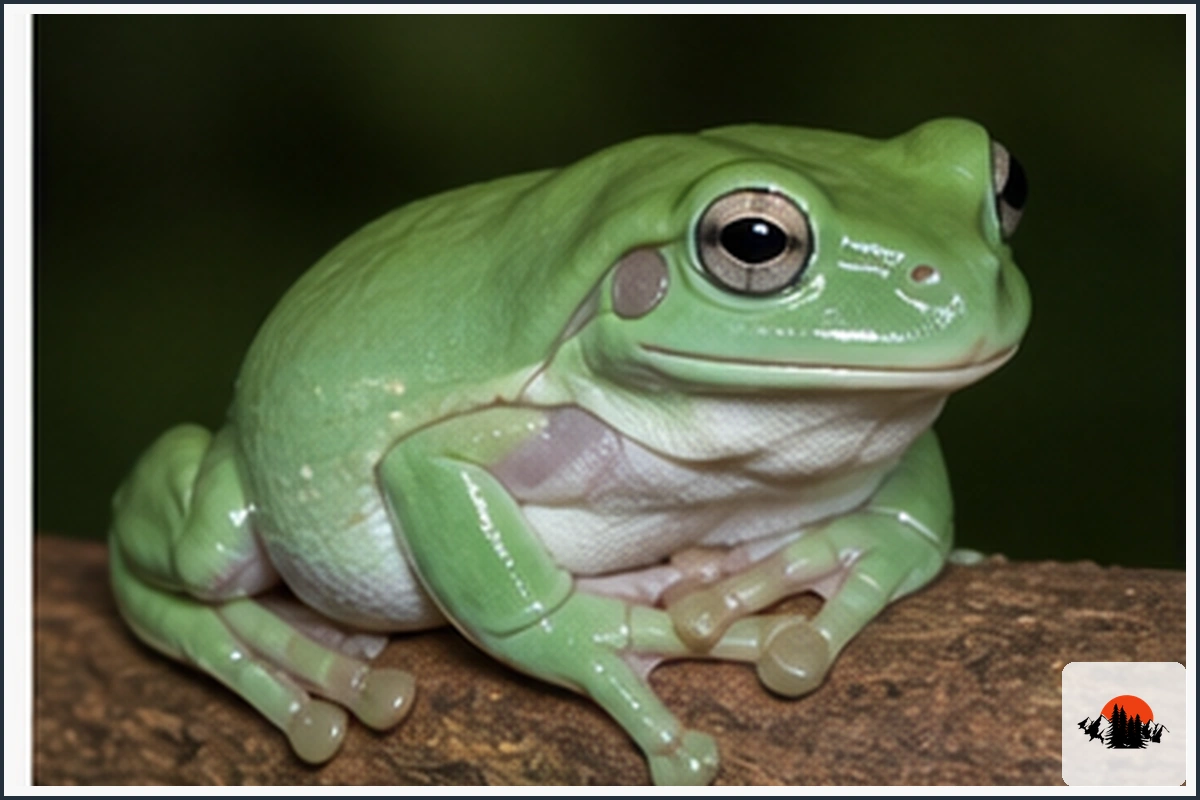
Scientific name: Litoria caerulea
The green tree frog is one of Australia’s best-known frogs. It usually has a broad body, smooth green skin, large golden or bronze eyes, and rounded toe pads for climbing. Color can vary from bright green to brownish depending on temperature, background, and activity.
It occurs across much of northern and eastern Australia, living in forests, wetlands, grasslands, gardens, sheds, letterboxes, and other damp places. Adults may reach about 10 centimeters, with females generally larger than males. This species eats insects, spiders, small reptiles, and other suitable prey.
Green tree frogs are mostly nocturnal. Their loud, deep call is often heard after rain. They are popular in captivity, but keeping native frogs requires responsible care and compliance with local wildlife laws.
2. Dainty Green Tree Frog
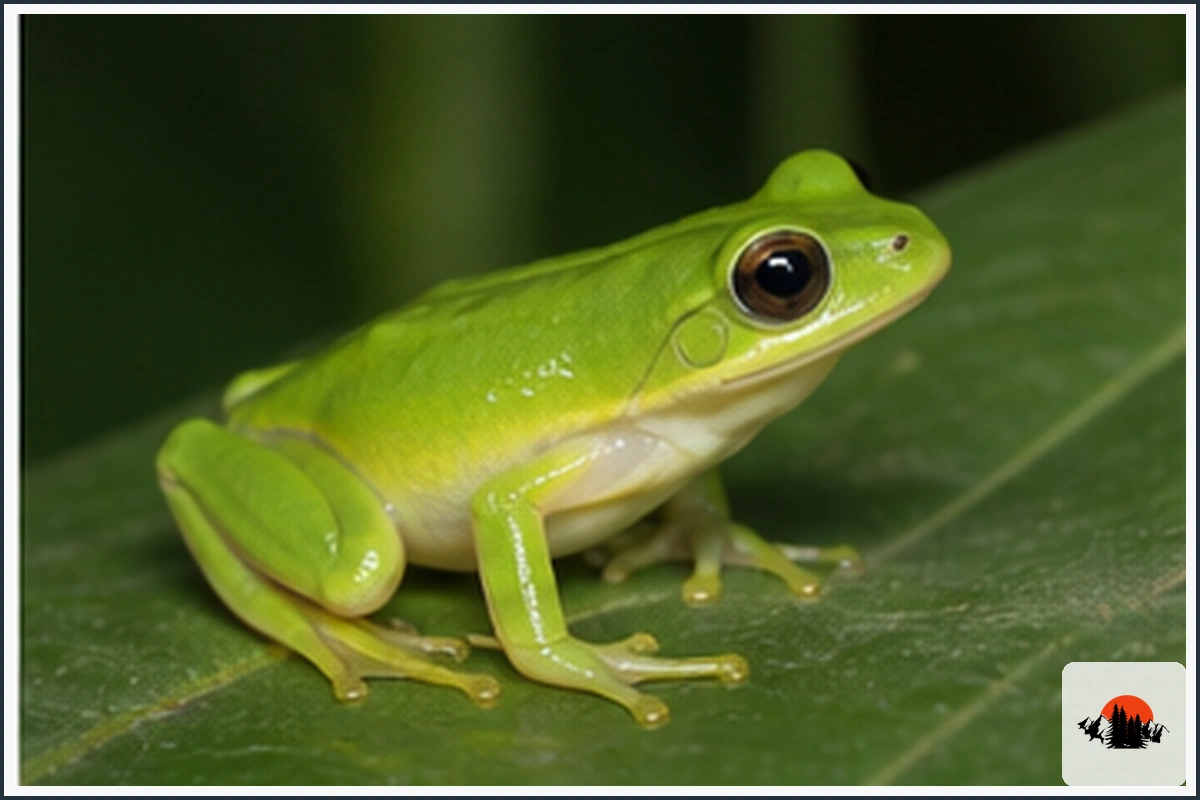
Scientific name: Litoria gracilenta
The dainty green tree frog is a slender, attractive frog with green upperparts, a narrow body, and a distinctive pale or yellowish stripe along the side. It is associated mainly with eastern Australia, especially moist forests, wetlands, streamside vegetation, and cultivated areas with suitable humidity.
This small tree frog climbs through foliage and shelters in leaves or dense vegetation during the day. It feeds mostly on insects and other small invertebrates. Breeding usually occurs in temporary or permanent water after suitable rainfall.
Its delicate appearance can make it easy to confuse with other green tree frogs. Location, body markings, toe structure, and call are useful identification clues.
3. Green and Golden Bell Frog
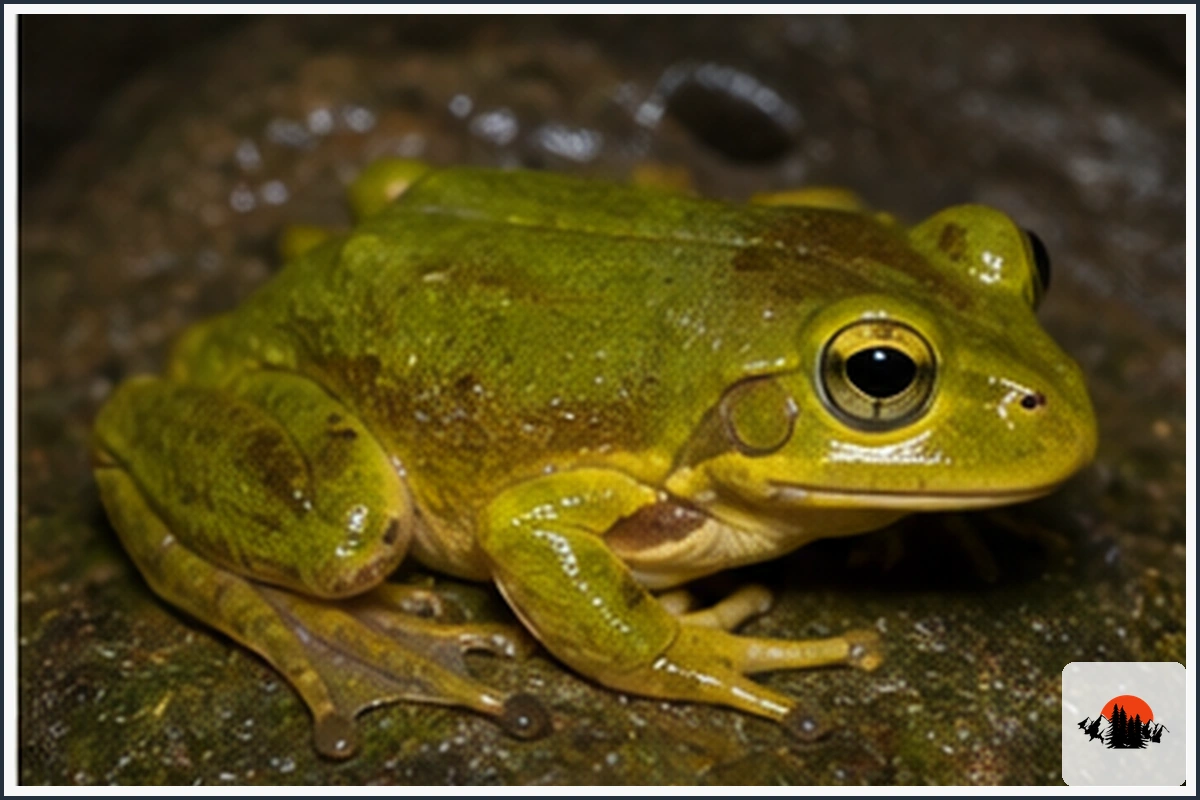
Scientific name: Litoria aurea
The green and golden bell frog is a large, striking frog with green, bronze, or golden-brown coloring and irregular darker markings. A bright golden or cream stripe commonly runs along the side of the body. It is found mainly in southeastern Australia, particularly around wetlands, dams, ponds, and slow-flowing waterways.
Adults can grow to roughly 8 centimeters or more. They eat insects, spiders, smaller frogs, and other prey. Unlike many tree frogs, they often spend considerable time on the ground around water.
This species has declined in many areas because of habitat loss, introduced predators, disease, pollution, and changes to wetlands. Protecting breeding ponds and maintaining connected habitat are important conservation measures.
4. Red-eyed Tree Frog
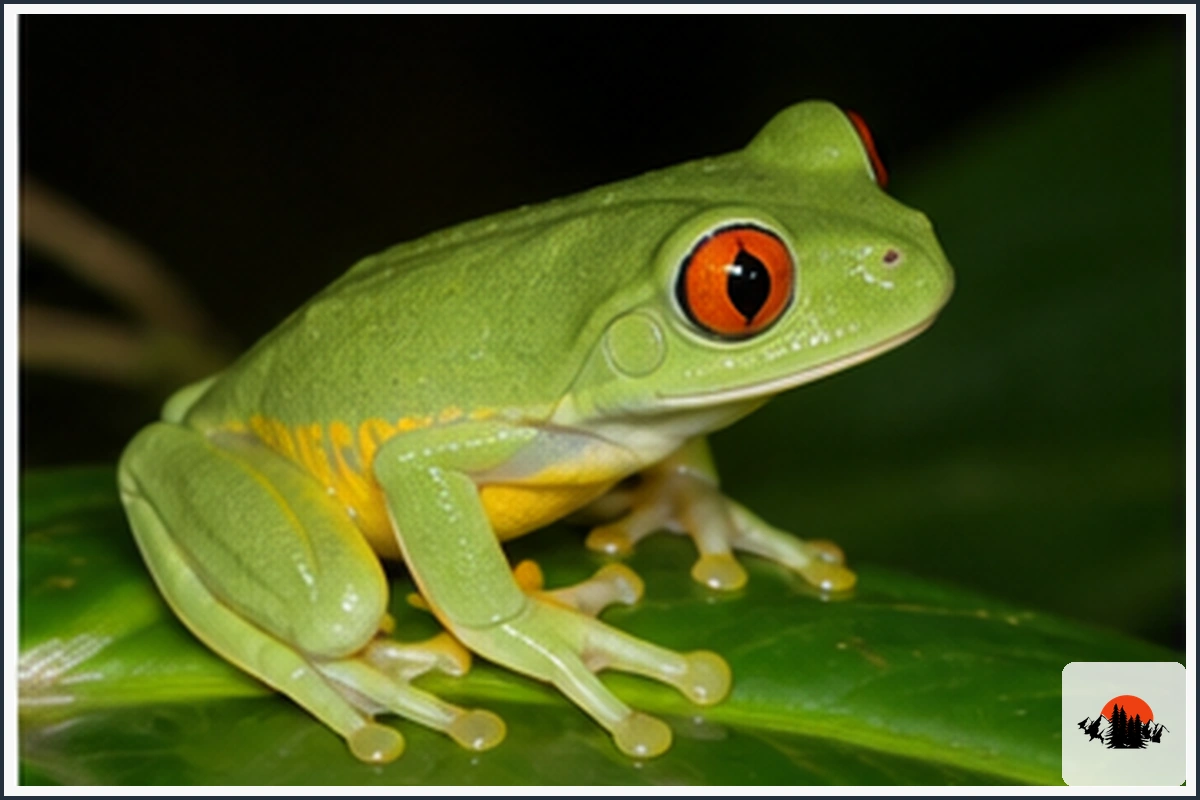
Scientific name: Litoria chloris
The red-eyed tree frog has vivid red or orange eyes, green upperparts, and bold blue, purple, or yellow markings on the limbs and sides. It lives in coastal and near-coastal parts of eastern Australia, especially in rainforests, wet forests, and vegetation near streams and pools.
This nocturnal frog climbs efficiently using adhesive toe pads. It feeds on insects and other small invertebrates, usually hunting from leaves or low branches. Its bright colors make it memorable, but individuals may remain hidden during daylight.
Breeding is linked to warm, wet conditions. Calling males gather near water, where eggs are laid on vegetation or other surfaces above the waterline.
5. Blue Mountains Tree Frog
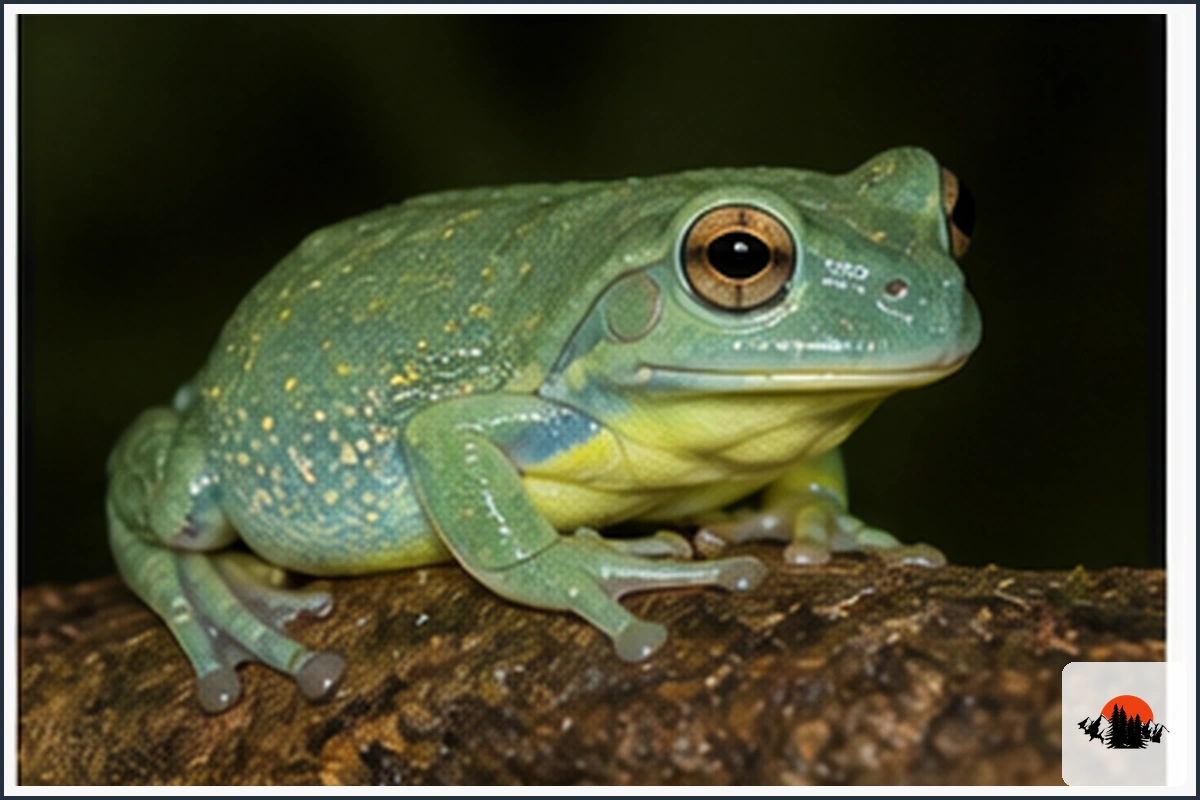
Scientific name: Litoria citropa
The Blue Mountains tree frog is a stream-associated frog from southeastern Australia. It has a compact body, brown or olive coloring, and markings that help it blend with rocks, leaf litter, and forest debris.
It is strongly linked to clean, flowing streams in forested mountain country. Adults may shelter beneath rocks, logs, and vegetation near the water. The species eats small insects and other invertebrates.
Its tadpoles are adapted to stream environments and may be found in pools or quieter sections of rocky waterways. Because it depends on healthy stream habitat, it can be affected by sediment, altered water flow, pollution, and vegetation clearing.
6. Pouched Frog
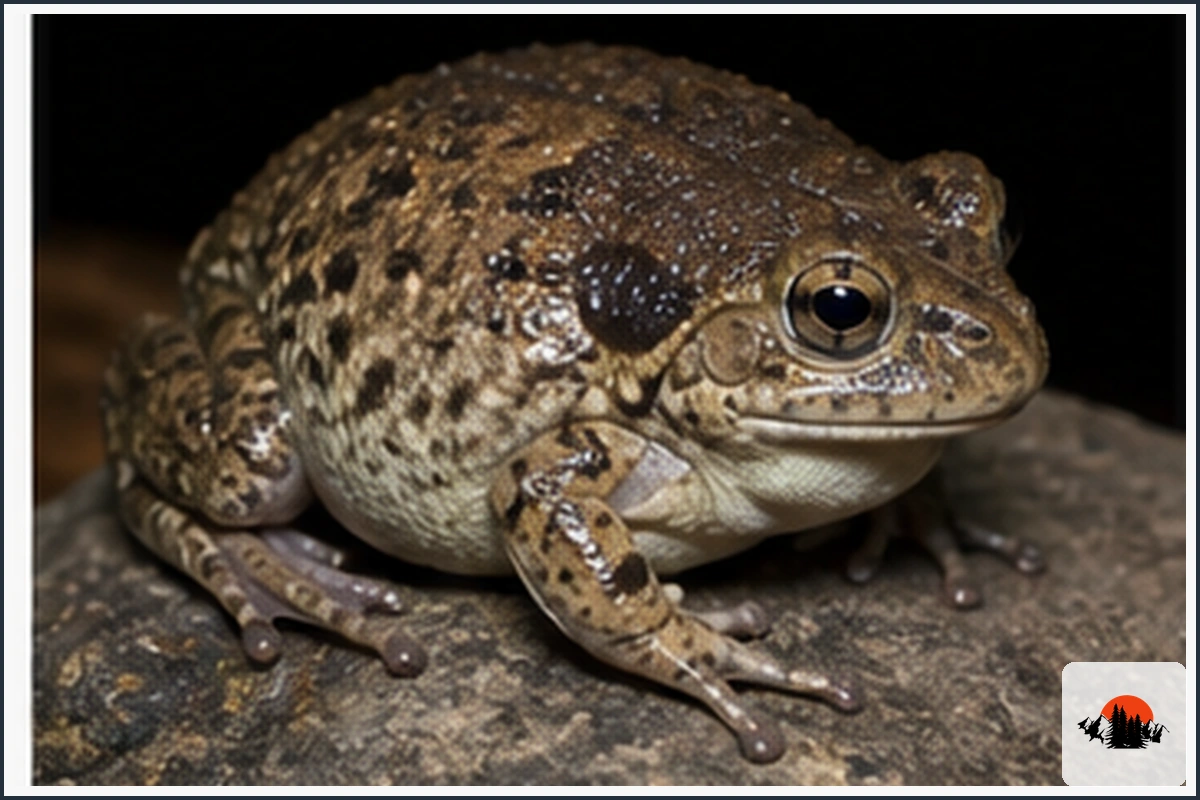
Scientific name: Assa darlingtoni
The pouched frog is a small, secretive frog of cool, wet forests in eastern Australia. It has a rounded body, brownish coloring, and a habit of sheltering under leaf litter, logs, rocks, and damp forest debris.
This frog is unusual because males have specialized skin pouches near the hips. After hatching, tadpoles may develop in these pouches rather than passing through a typical free-swimming stage in open water.
Pouched frogs eat tiny invertebrates and are most active in moist conditions. Their dependence on cool forest-floor habitat makes them vulnerable to drying, wildfire changes, habitat fragmentation, and disturbance of rotting logs and leaf litter.
7. Southern Corroboree Frog
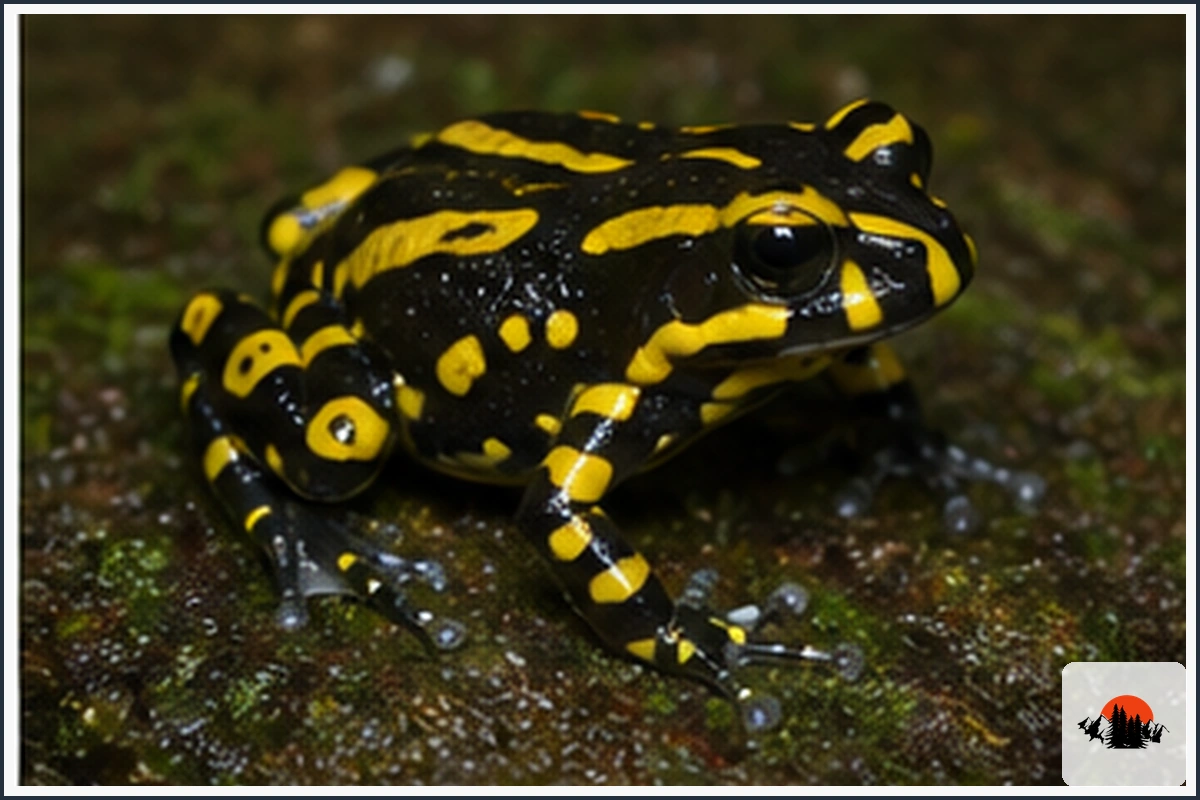
Scientific name: Pseudophryne corroboree
The southern corroboree frog is a small, brilliantly patterned frog from alpine areas of southeastern Australia. It has bold yellow or greenish-yellow stripes over a black body, making it one of the continent’s most recognizable frogs.
It lives in high-elevation sphagnum bogs, heathlands, and wet subalpine habitats. Adults are only a few centimeters long and feed on small insects and other tiny invertebrates.
This species is critically endangered. Chytrid fungus, changing temperatures, altered snow and rainfall patterns, habitat damage, and small population size have placed intense pressure on it. Conservation programs include captive breeding, reintroduction, monitoring, and habitat protection.
8. Northern Corroboree Frog
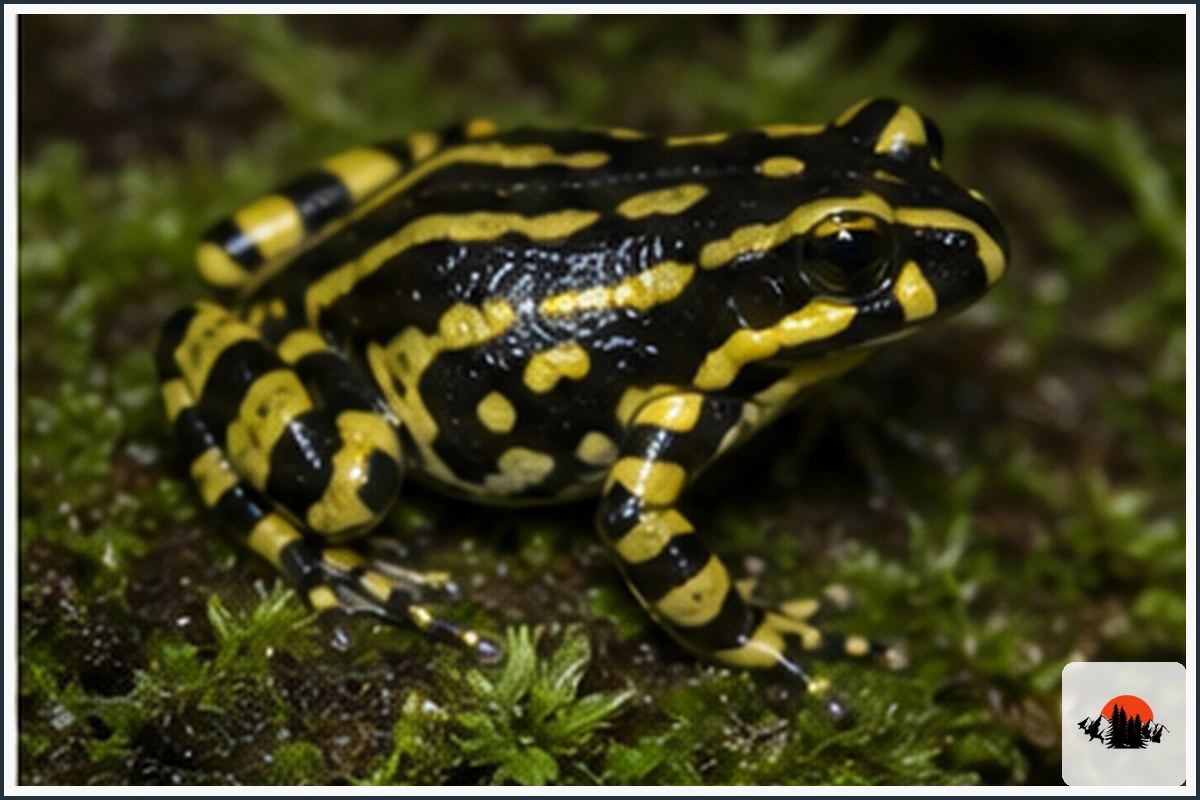
Scientific name: Pseudophryne pengilleyi
The northern corroboree frog resembles the southern corroboree frog but has a different range and pattern. It occurs in alpine and subalpine areas of the Australian Capital Territory and New South Wales.
Its yellow and black markings provide a strong field clue, although exact patterns vary. It breeds in shallow pools, seepages, and wet vegetation rather than relying only on large permanent ponds.
The northern corroboree frog is threatened by disease, climate change, habitat shifts, and other pressures affecting alpine wetlands. Visitors should avoid trampling bog vegetation and should never handle frogs without a strong conservation or research reason.
9. Great Barred Frog
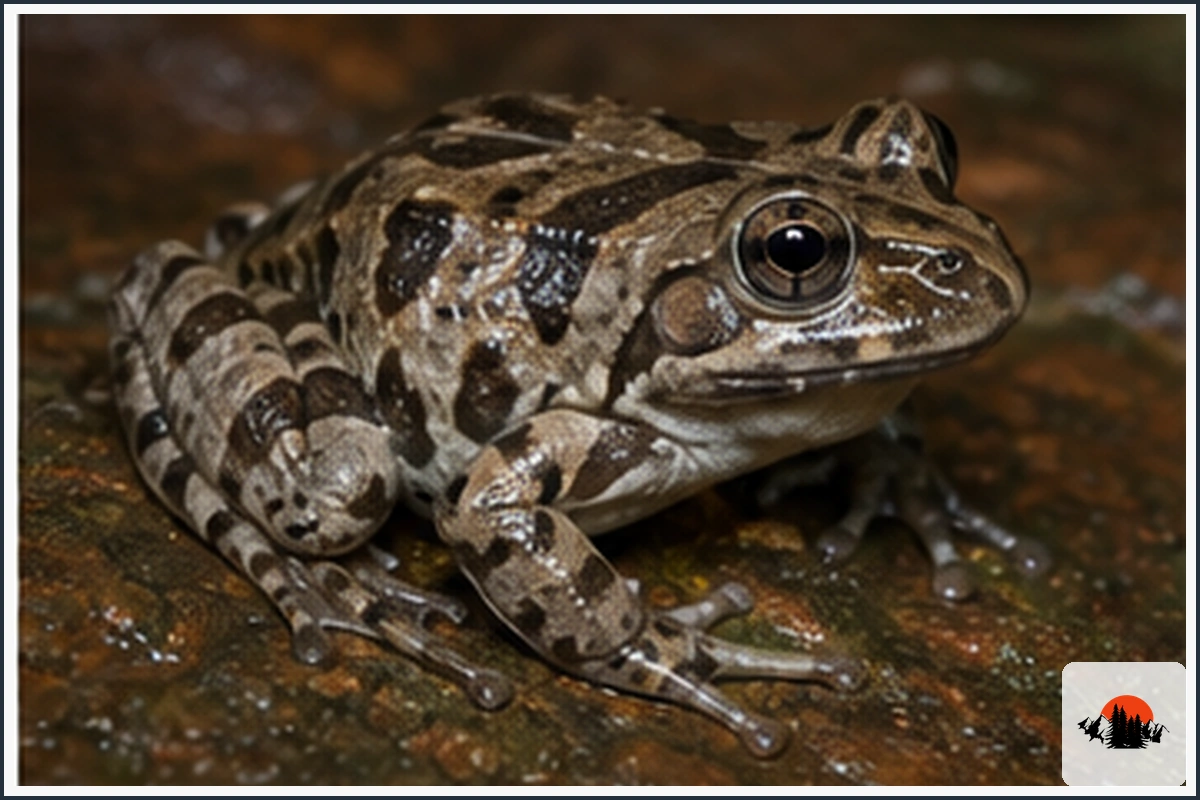
Scientific name: Mixophyes fasciolatus
The great barred frog is a large ground-dwelling frog with dark transverse bars or bands across the limbs and body. It occurs in eastern Australia, especially near rainforest streams, wet forests, and moist gullies.
Females can exceed 10 centimeters, making this one of the larger frogs in its range. It feeds on insects, spiders, worms, and other small animals. Adults often remain concealed during the day and become active at night.
Breeding commonly takes place beside streams. Tadpoles develop in water, while adults rely on intact forest-floor cover and clean waterways. Stream clearing, sedimentation, and changes to surrounding vegetation can reduce suitable habitat.
10. Spotted Grass Frog
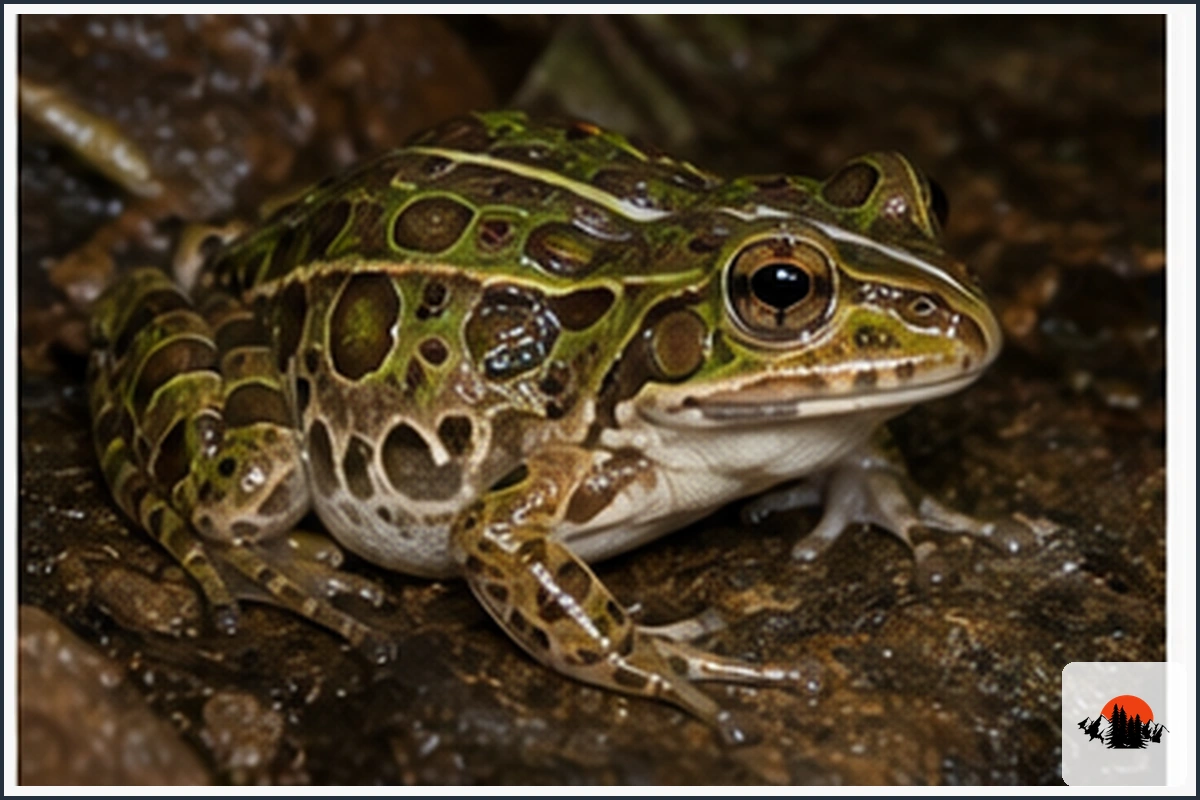
Scientific name: Limnodynastes tasmaniensis
The spotted grass frog is a widespread southeastern Australian species. It usually has a brown, olive, or greenish back with darker spots or markings. Its appearance varies across its range, so habitat and call are useful for confirmation.
It lives around marshes, dams, ponds, flooded grassland, and slow-moving water. Adults eat insects and other invertebrates and may be active both during the day and at night.
This adaptable frog can occupy human-modified landscapes, but it still needs suitable water for breeding and nearby shelter. Temporary wetlands are especially valuable because they may provide breeding areas with fewer aquatic predators.
11. Pobblebonk Frog
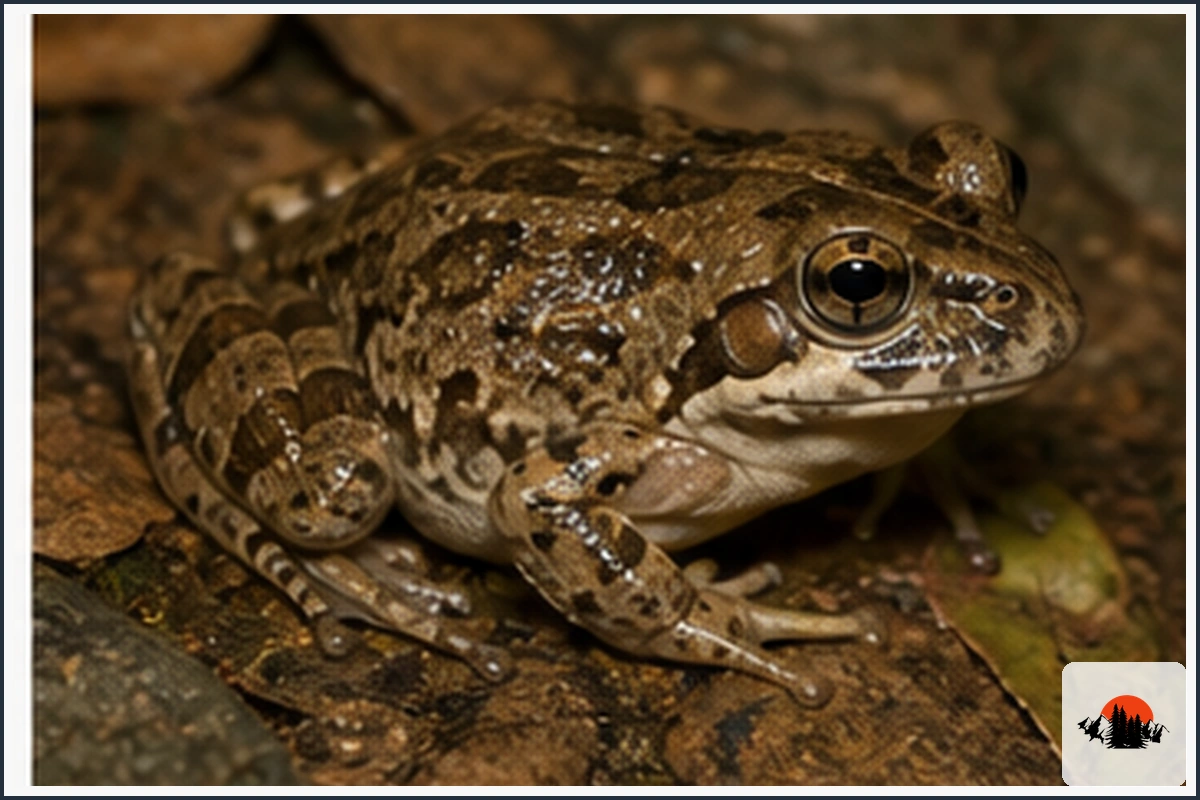
Scientific name: Limnodynastes dumerilii
The pobblebonk, also called the banjo frog, is a robust ground frog found across much of southeastern Australia. It commonly has brown or olive coloring, darker patches, and a strong body built for life among leaf litter and wet ground.
Its name comes from its distinctive resonant call, which can sound like a plucked banjo string. Pobblebonks live near dams, ponds, swamps, creeks, gardens, and woodland waterways.
They eat insects, spiders, worms, and other small prey. They may burrow or shelter under debris during dry weather and emerge after rain. Their tolerance of some disturbed habitats makes them familiar to many Australian gardeners.
12. Giant Barred Frog
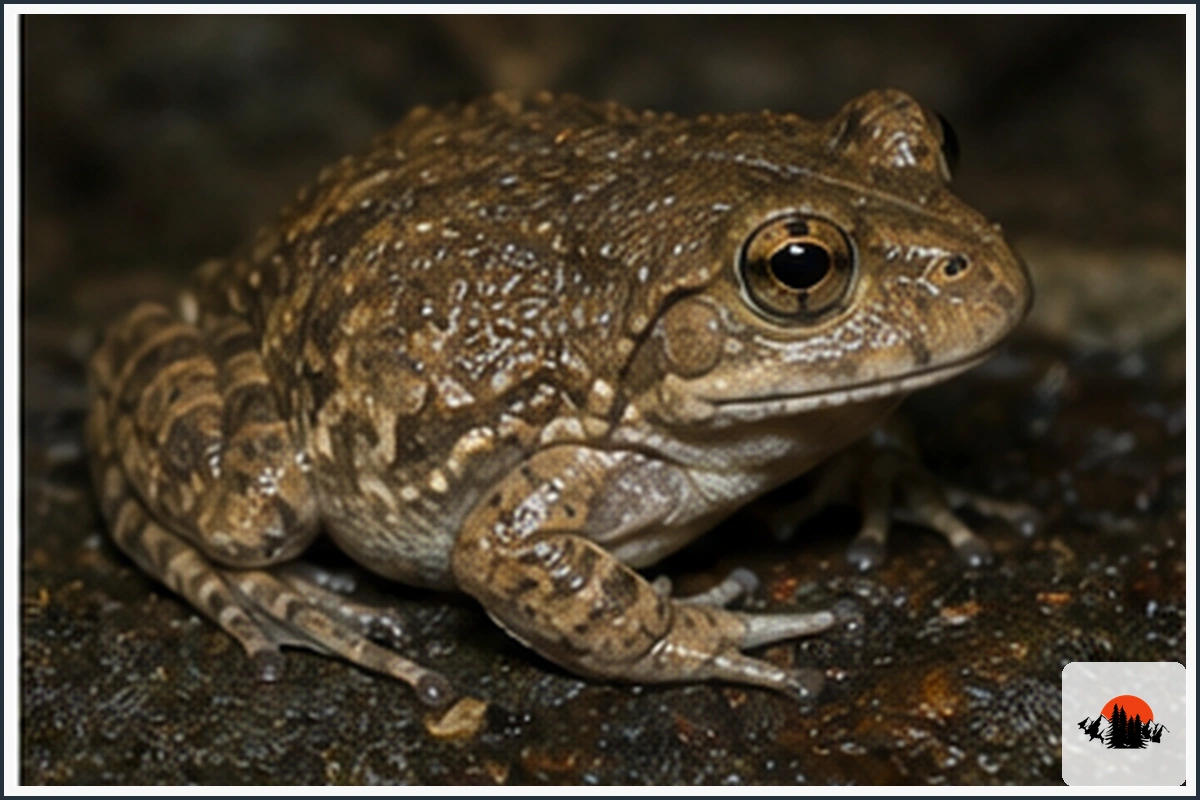
Scientific name: Mixophyes iteratus
The giant barred frog is one of Australia’s largest ground frogs. It has dark bands across the limbs and body, a broad head, and a powerful build. It occurs in parts of coastal New South Wales and southeastern Queensland, generally in or near rainforest and wet forest.
Adults spend much of their time on the forest floor, often close to streams. They eat a range of invertebrates and may take small vertebrate prey when available.
The species depends on clean flowing water and intact riparian vegetation. Habitat clearing, sediment, weeds, altered stream conditions, and disease can threaten local populations.
13. Southern Orange-eyed Tree Frog
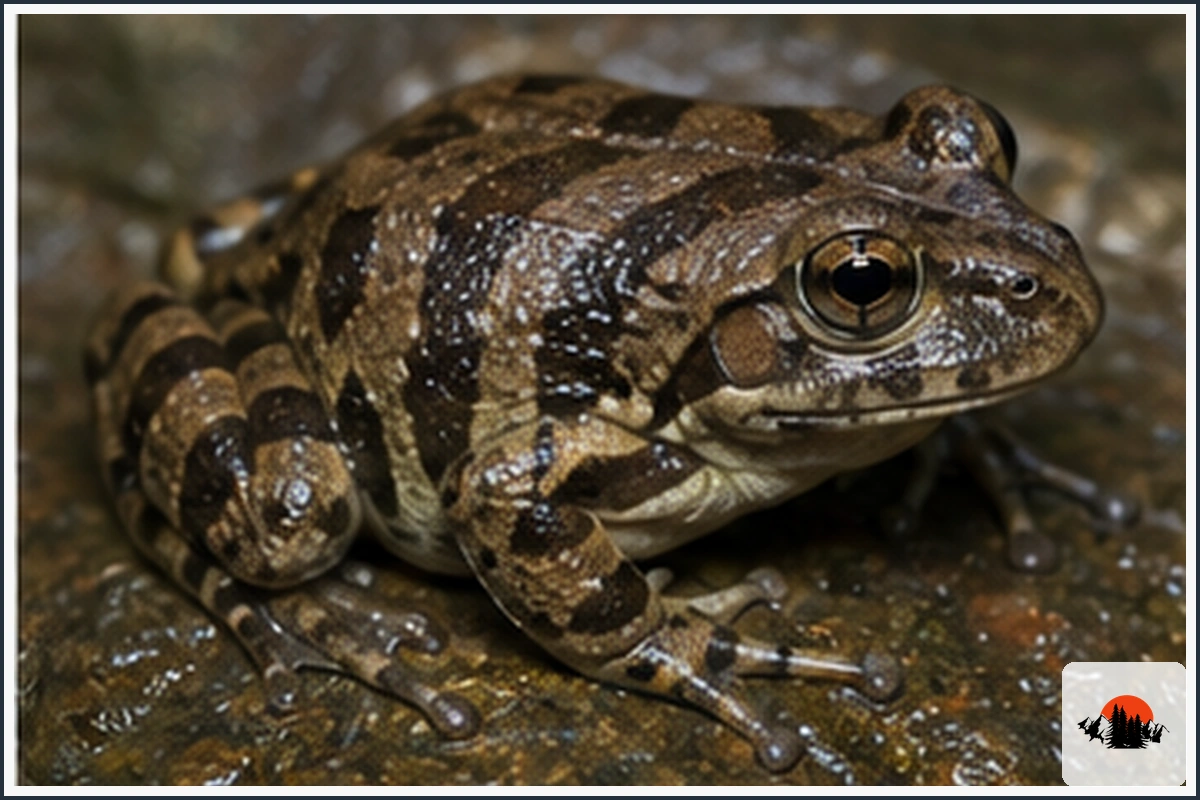
Scientific name: Litoria chloris
The southern orange-eyed tree frog is a colorful eastern Australian tree frog known for its orange or coppery eyes and green body. It is closely associated with moist forest, rainforest edges, streams, and pools in subtropical and temperate regions.
This climbing species uses toe pads to move through foliage and generally hunts insects at night. Its call is an important identification feature, especially when the frog is hidden.
Local populations can be affected by vegetation clearing, polluted water, and loss of breeding pools. Garden ponds without chemicals and with native vegetation may provide useful habitat when positioned safely.
14. Broad-palmed Rocket Frog
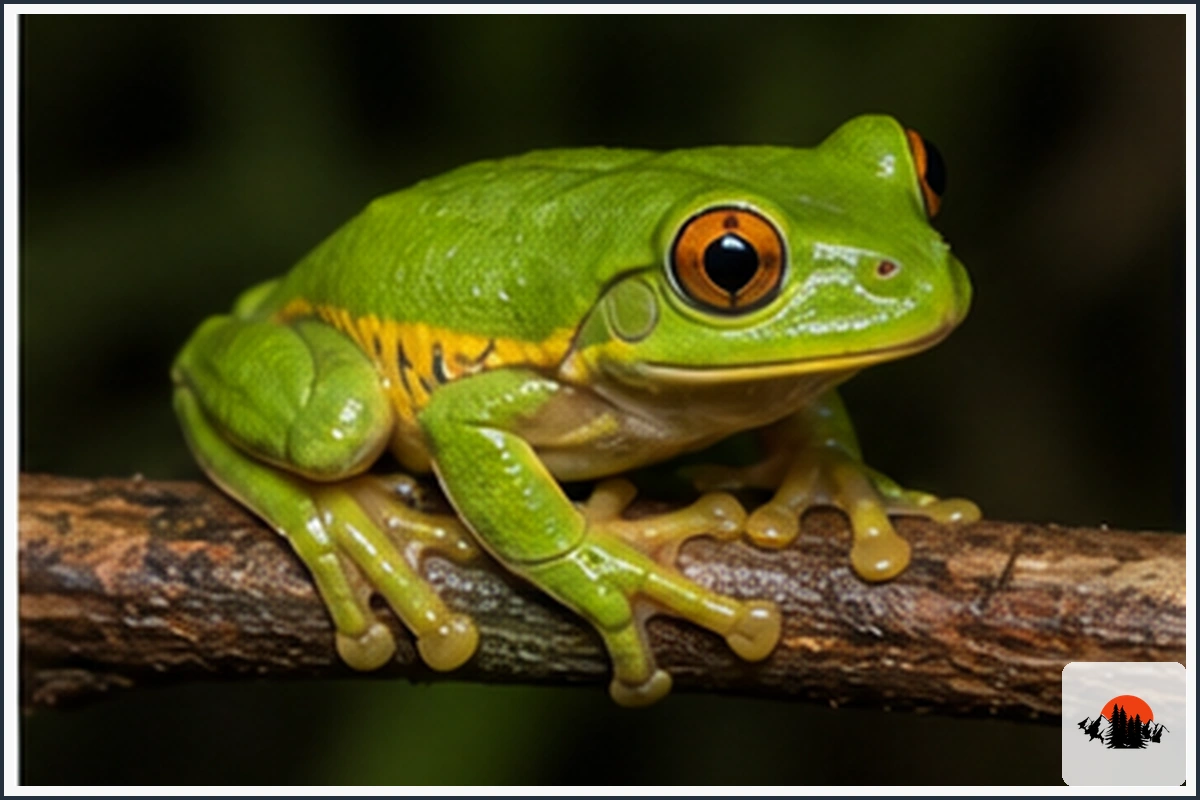
Scientific name: Litoria latopalmata
The broad-palmed rocket frog is a small to medium-sized frog from eastern Australia. It has broad fingers and toes, a streamlined body, and coloring that commonly ranges from brown to olive with darker markings.
It occurs near temporary pools, creeks, swamps, woodland, forest, and other moist habitats. The frog is an active insect hunter and may move quickly across the ground or vegetation when disturbed.
Breeding often follows rainfall. Temporary pools can be important because they may dry before fish and other aquatic predators become established.
15. Australian Green Tree Frog
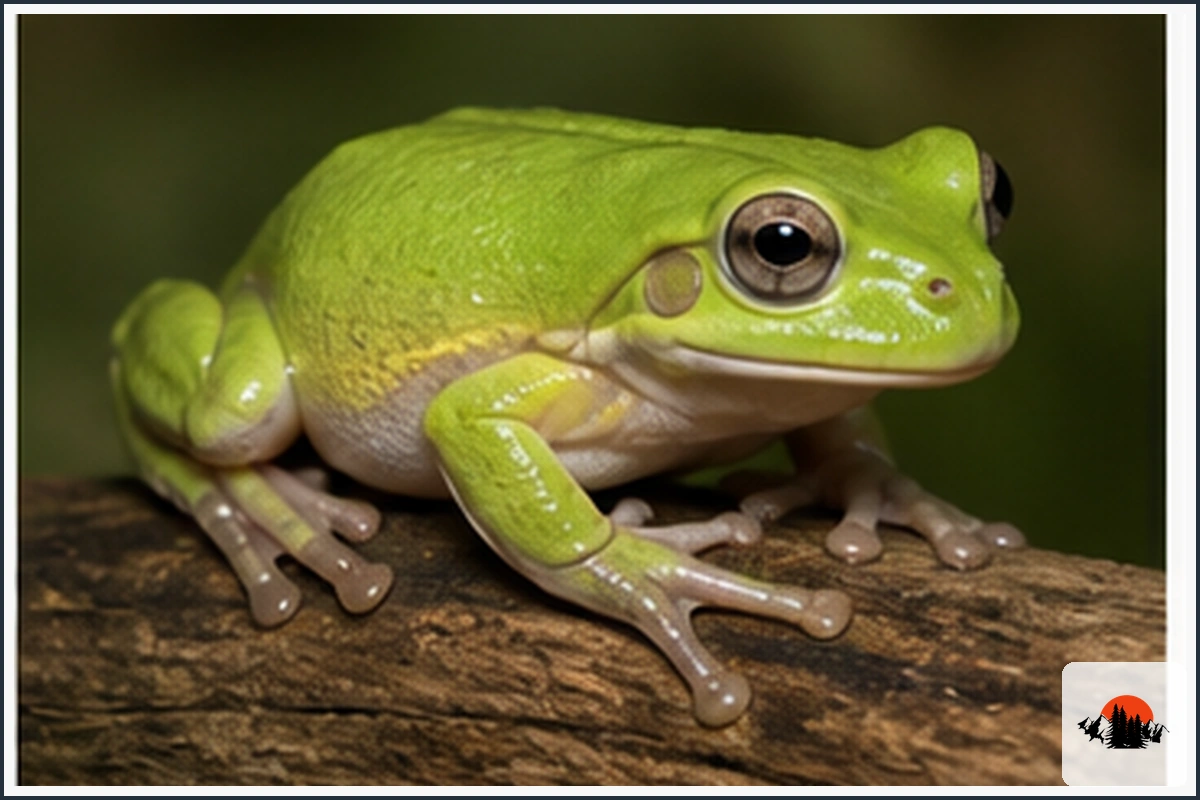
Scientific name: Litoria peronii
The Australian green tree frog, also called Peron’s tree frog, is recognized by its variable green, bronze, or brown coloring and often striking black-and-yellow patterning on the inner thighs. The skin may appear textured or granular compared with some other tree frogs.
It occurs across eastern Australia in forests, wetlands, farmland, suburban areas, and vegetation near water. Adults eat insects, spiders, and other small prey.
Its call can include a harsh, unusual sound that helps separate it from smoother-sounding tree frogs. It is primarily nocturnal and may shelter in tree hollows, crevices, roof spaces, or dense foliage.
16. Giant Burrowing Frog
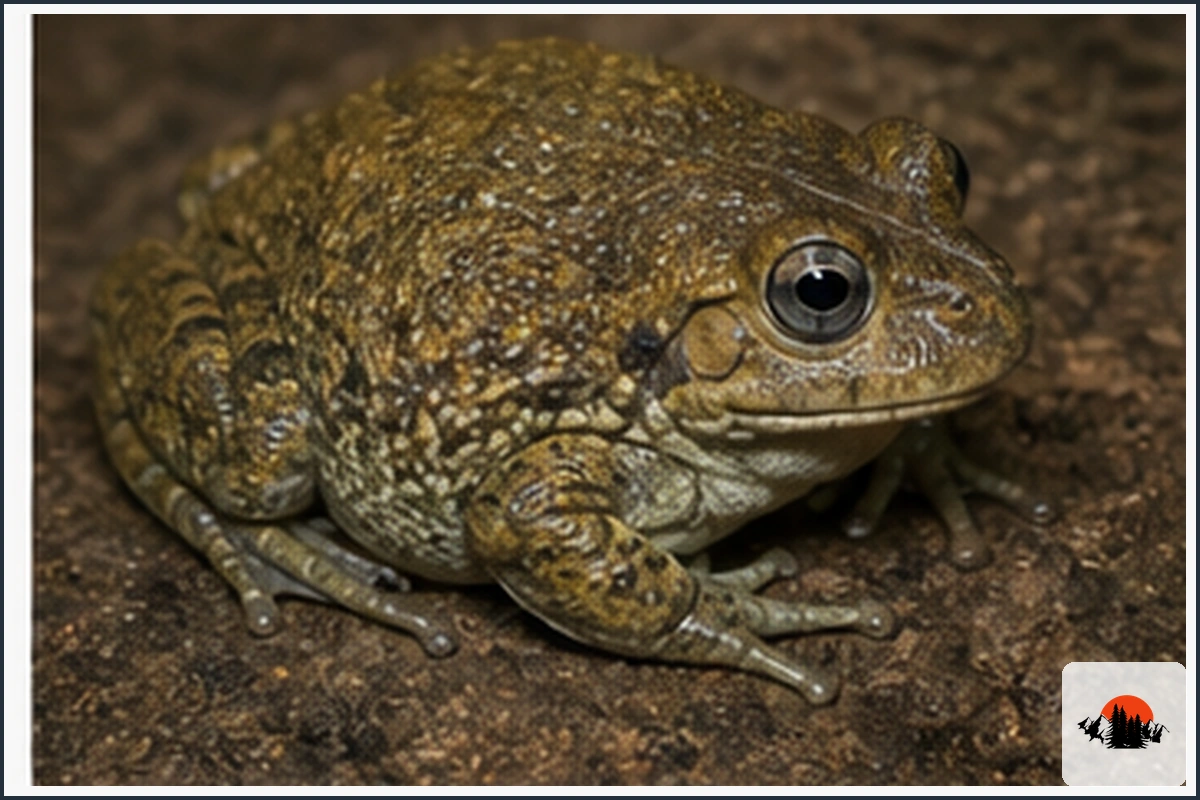
Scientific name: Heleioporus australiacus
The giant burrowing frog is a large, powerful frog from southeastern Australia. It has a dark brown or gray body, a broad head, and yellowish or orange markings around the groin and limbs.
As its name suggests, it spends much of its life underground or in deep shelters. It is associated with sandy soils, heathland, woodland, forest, and temporary breeding pools. Adults emerge after rain to feed on insects and other invertebrates.
Breeding sites may be shallow pools or water-filled depressions. Off-road vehicles, development, altered drainage, and habitat fragmentation can damage the burrows and wetlands this species needs.
17. Striped Rocket Frog
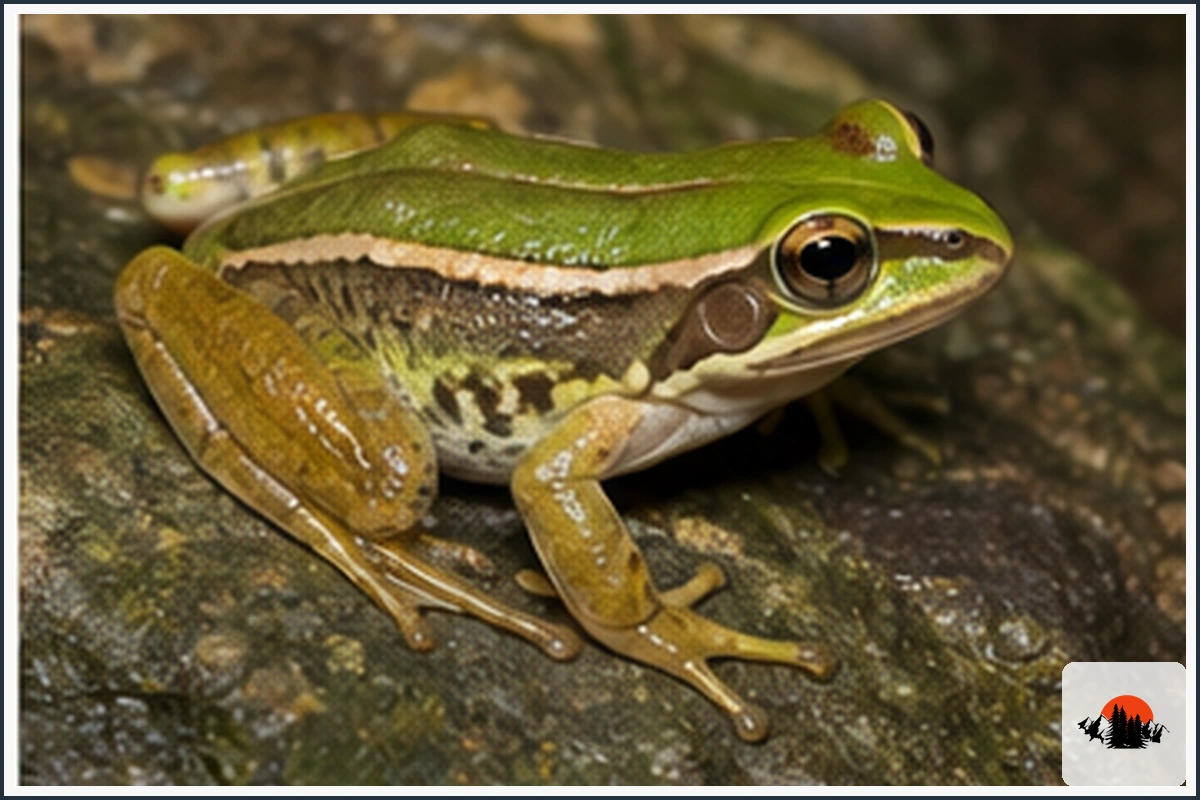
Scientific name: Litoria nasuta
The striped rocket frog is a slender, long-legged frog with a pointed appearance and dark stripes running along the body. It is found in eastern and northern parts of Australia, often in wet forests, coastal habitats, grasslands, and areas near temporary pools.
It is known for powerful jumping ability and may launch itself away when approached. Adults eat small insects and other invertebrates, usually at night.
Breeding often occurs in shallow temporary water following rain. Its ability to use ephemeral pools helps it avoid some aquatic predators, but loss of wetlands and changes to rainfall can reduce breeding success.
18. Ornate Burrowing Frog
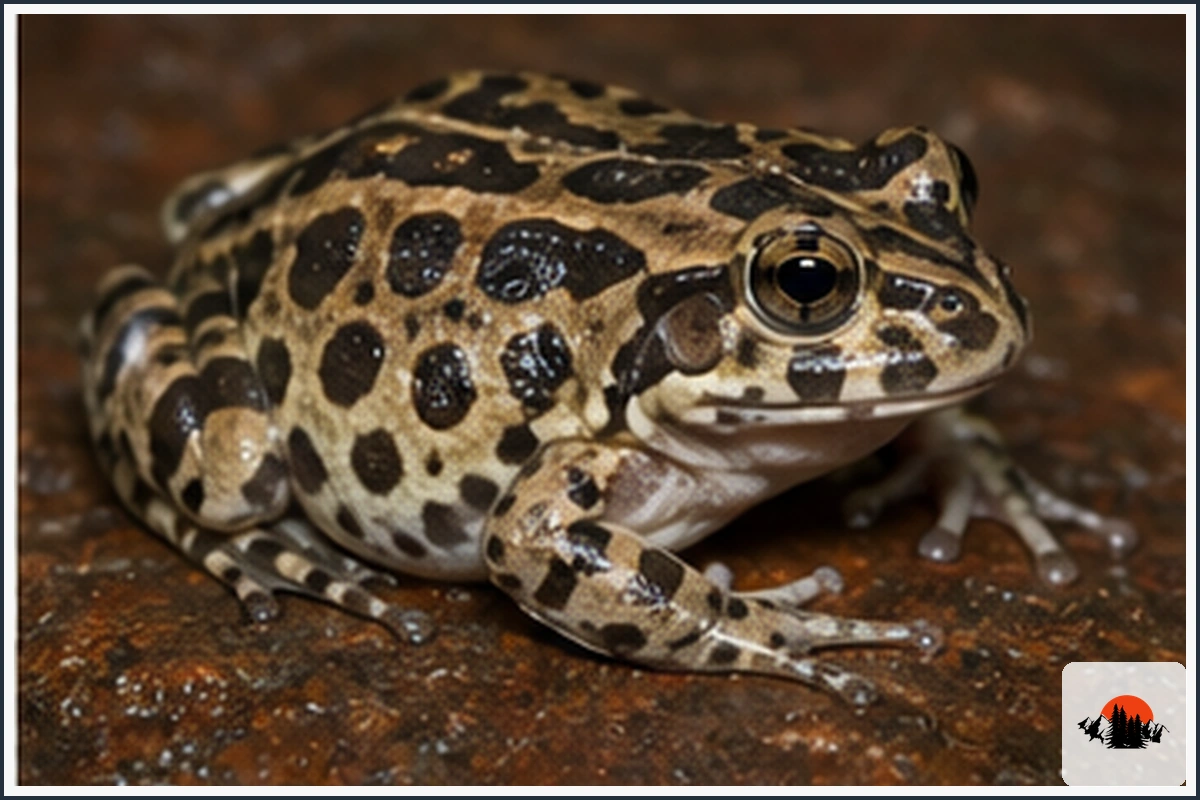
Scientific name: Platyplectron ornatum
The ornate burrowing frog is a compact frog with attractive markings and a rounded body. It occurs in parts of northern and eastern Australia, where it uses soil, leaf litter, grassland, woodland, and seasonal wetlands.
This frog spends dry periods in shelter underground or beneath debris. After heavy rain, it may emerge to feed and breed. Its diet consists mainly of insects and other small invertebrates.
Burrowing frogs are often heard before they are seen. Their sudden appearance after rain demonstrates how amphibians can survive in landscapes that experience long dry periods.
19. Tusked Frog
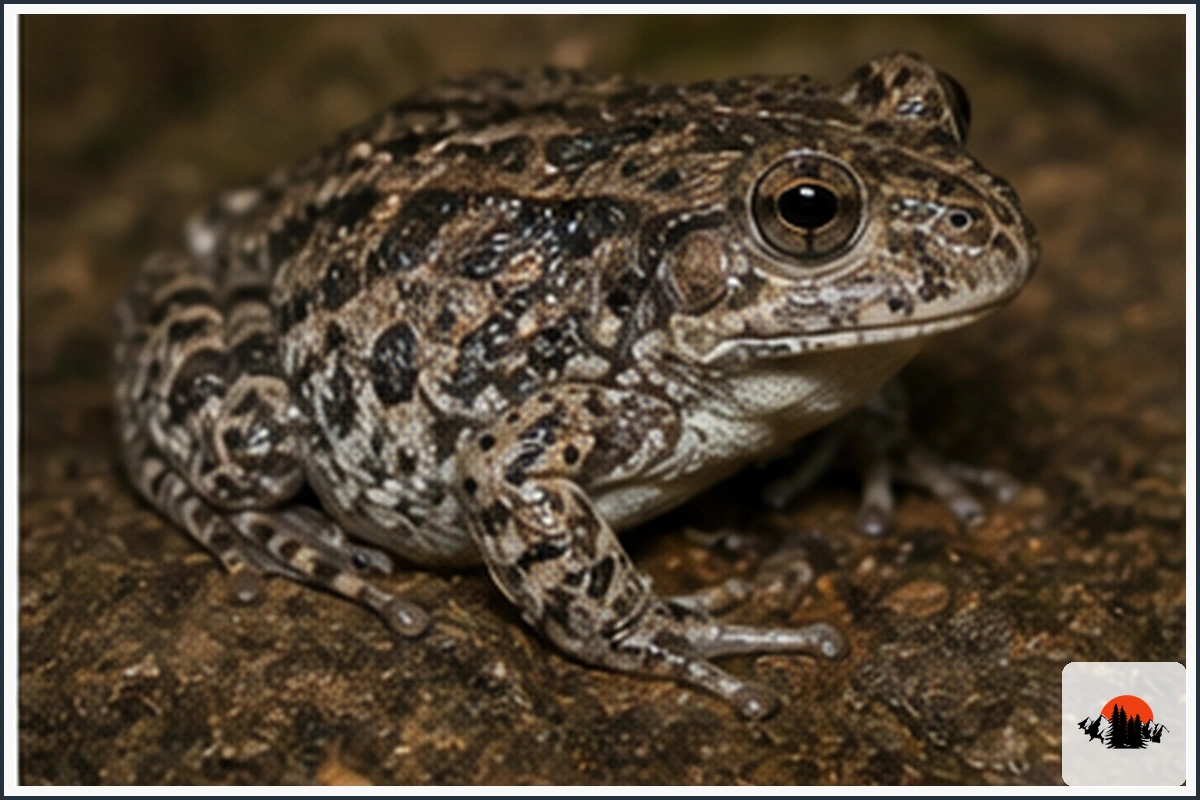
Scientific name: Adelotus brevis
The tusked frog is a stocky frog from eastern Australia. Males have enlarged tooth-like projections in the lower jaw, which give the species its common name. It is generally brown or darkly patterned and blends well with wet leaf litter.
It lives in rainforest, wet forest, creeks, ponds, and damp ground. Adults eat insects and other small animals. Breeding may occur in shallow water, and males can show unusual parental behavior by guarding eggs or tadpoles in some situations.
Healthy streamside vegetation and clean water are important for this species. Removing logs, rocks, and leaf litter can eliminate important shelter sites.
20. Marsupial Frog
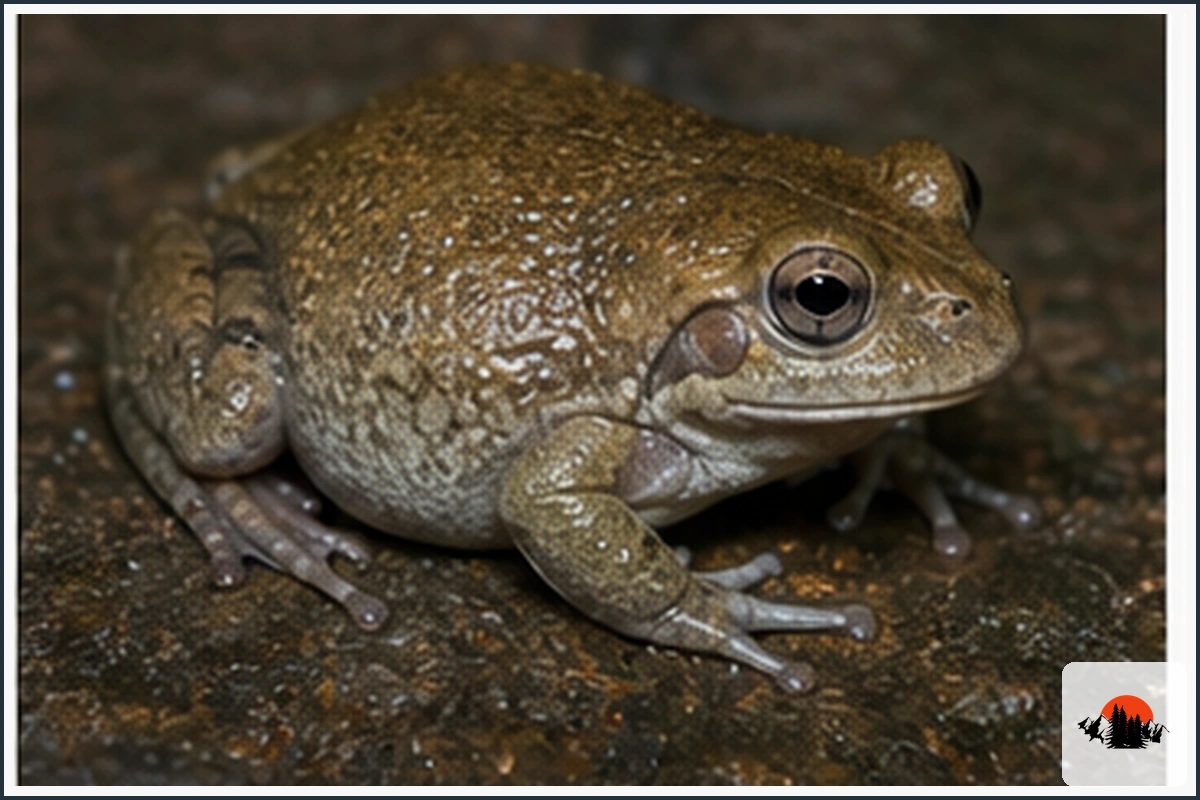
Scientific name: Assa darlingtoni
The marsupial frog is another name commonly used for the pouched frog, a small species from cool, moist forests of eastern Australia. It has a short, rounded body and subdued brown coloring that helps it disappear among leaves and decaying wood.
The unusual reproductive method is its most notable feature. Tadpoles develop in specialized pouches on the male’s body, protecting them from some hazards associated with open-water development.
This secretive frog eats tiny invertebrates and is most likely to be encountered during wet weather. Because it depends on moist forest-floor microhabitats, retaining logs, leaf litter, and shaded ground is important.
How Are These Types of Frogs Classified?
Australian frogs can be classified in several practical ways:
- Tree frogs: Often have adhesive toe pads and spend much of their time in vegetation. Many belong to the family Hylidae.
- Ground frogs: Usually have sturdy bodies and live among leaf litter, grass, rocks, or wet soil.
- Burrowing frogs: Use soil or underground shelters to survive dry conditions.
- Stream frogs: Depend on flowing water, rocky creeks, or forested waterways for breeding and shelter.
- Alpine frogs: Live in high-elevation bogs, heathlands, and subalpine wetlands.
- Temporary-pool breeders: Reproduce in shallow seasonal water bodies that may dry after tadpoles develop.
Where Do Australian Frogs Live?
Australian frogs occupy almost every major habitat type except the driest areas without seasonal water. Rainforest frogs live among dense vegetation and streams, while woodland and grassland species use ponds, dams, marshes, and temporary pools. Desert and semi-arid frogs may remain underground for long periods and emerge after heavy rain.
Important frog habitats include:
- Rainforests and wet eucalyptus forests
- Creeks, rivers, rock pools, and stream margins
- Swamps, marshes, dams, and farm ponds
- Alpine bogs and subalpine wetlands
- Coastal heathlands and dune wetlands
- Woodland, grassland, gardens, and urban waterways
What Do Australian Frogs Eat?
Most adult Australian frogs are carnivorous. Common prey includes mosquitoes, flies, moths, beetles, crickets, spiders, worms, and other small invertebrates. Larger frogs may eat smaller frogs, lizards, fish, or other small animals.
Tadpole diets vary. Some graze on algae and plant material, while others consume detritus, microorganisms, or animal matter. Never feed wild frogs processed food, bread, or pet food. It can harm them and may encourage unhealthy dependence on people.
How to Identify Different Types of Frogs in Australia
- Listen to the call: Frog calls are often more reliable than color alone.
- Check the habitat: Note whether the frog is beside a stream, pond, marsh, forest, garden, or alpine bog.
- Look at body shape: Broad-bodied frogs differ from slender rocket frogs and climbing tree frogs.
- Inspect markings: Stripes, bars, spots, eye color, and inner-thigh colors can be useful.
- Estimate size: Compare the frog with a ruler or familiar object without touching it.
- Observe toe pads: Large pads suggest climbing behavior, while strong hind limbs may indicate ground or jumping species.
- Record the location: State, region, elevation, and nearby water can narrow identification.
- Use a reputable guide: FrogID and state wildlife resources can help confirm a sighting.
Frog Watching Tips
Search for frogs after rain, especially from dusk through the evening. Walk slowly around ponds, drains, creeks, and wet vegetation. Use a dim light pointed beside the frog rather than directly into its eyes, and keep voices low near calling sites.
Do not handle frogs unnecessarily. Oils, sunscreen, soap, insect repellent, and chemicals on human skin can damage their sensitive skin. Clean footwear and equipment between wetland visits to reduce the risk of spreading pathogens.
Safety, Sustainability, and Conservation Notes
Australian frogs face pressures including habitat loss, pollution, invasive predators, altered water flow, climate change, and chytrid fungus. Some species are restricted to small areas and may be particularly vulnerable to disturbance.
- Never collect wild frogs or tadpoles without the required permits.
- Do not release aquarium or pet frogs into drains, ponds, or waterways.
- Keep dogs away from sensitive wetlands and breeding sites.
- Avoid trampling alpine bogs, stream edges, and temporary pools.
- Use clean equipment when moving between frog habitats.
- Report unusual frog deaths or suspected disease through appropriate local authorities.
- Plant native vegetation and avoid pesticides around garden ponds.
Why Frogs Matter in Australia
Frogs are important predators of insects and valuable prey for birds, snakes, fish, reptiles, and mammals. They also connect aquatic and terrestrial food webs. Because their skin is sensitive to environmental change, declining frog populations can warn of problems with water quality, disease, habitat, or climate.
Fun Facts About Australian Frogs
- Australia has more than 240 known native frog species.
- All native Australian amphibians are frogs; Australia has no native salamanders or newts.
- Many frogs are easier to identify by their call than by appearance.
- Some Australian frogs can survive long dry periods underground.
- Tree frogs use toe pads to climb smooth leaves and surfaces.
- Corroboree frogs have some of the most memorable black-and-yellow patterns in Australia.
- Temporary pools can be excellent breeding sites because they may lack fish.
- Some Australian frogs breed only after major rainfall.
- Male pouched frogs can carry developing tadpoles in skin pouches.
- Frogs help control insect populations in forests, wetlands, farms, and gardens.
Final Thoughts on Types of Frogs in Australia
The types of frogs in Australia range from colorful tree frogs and stream specialists to secretive burrowers and critically endangered alpine species. Learning their calls, habitats, markings, and seasonal behavior makes outdoor observation more rewarding while encouraging responsible wildlife protection. Watch quietly, avoid handling frogs, and help keep wetlands, forests, streams, and gardens healthy.
Frequently Asked Questions
1. How many frog species are found in Australia?
More than 240 native frog species are recognized in Australia, although the exact total can change as scientists revise classifications and describe new species.
2. What is the most common frog in Australia?
Common species vary by region. Green tree frogs, spotted grass frogs, pobblebonks, and other adaptable frogs are frequently encountered in suitable habitats.
3. What is Australia’s largest frog?
Several large frogs occur in Australia, including giant barred frogs and great barred frogs. Adult size varies by species and sex.
4. What is the smallest frog in Australia?
Australia has several very small frogs, including tiny species in the families Myobatrachidae and Hylidae. Exact size records depend on how species and life stages are compared.
5. Are Australian frogs poisonous?
Australian frogs are not generally considered dangerously poisonous to people, but some can produce skin secretions that irritate the eyes or mouth. Wash thoroughly after accidental contact.
6. Can Australian frogs hurt dogs?
Some frogs can cause irritation or illness if a dog mouths them. Contact a veterinarian promptly if a dog develops drooling, pawing at the mouth, vomiting, weakness, or unusual behavior after contacting a frog.
7. What do Australian frogs eat?
Adult frogs mostly eat insects, spiders, worms, and other small animals. Larger species may also eat smaller frogs, reptiles, fish, or other suitable prey.
8. Where do green tree frogs live?
Green tree frogs live across much of northern and eastern Australia in forests, wetlands, gardens, sheds, urban areas, and places near water.
9. Do all Australian frogs live in water?
No. Adult frogs may live in trees, leaf litter, soil, grassland, or forest, although most need water or moist conditions for reproduction.
10. Why do frogs call after rain?
Rain increases humidity, improves movement conditions, and creates temporary breeding opportunities. Male frogs often call to attract females and defend calling sites.
11. How can I identify a frog by its call?
Record the call without disturbing the frog, note the location and date, and compare it with a reputable frog-call guide such as FrogID or a state wildlife resource.
12. Are green tree frogs good pets?
They can be suitable for experienced keepers where legal, but they require correct humidity, temperature, enclosure design, food, hygiene, and veterinary care. Never take one from the wild.
13. Can I keep a wild frog I find in my garden?
It is usually best to leave it where it is. Wildlife collection and keeping rules vary by state, and wild frogs have specialized needs that are difficult to meet without proper knowledge.
14. What is the difference between a frog and a tree frog?
Tree frogs are frogs adapted for climbing, often with enlarged adhesive toe pads. The term does not mean every tree frog spends all of its time in trees.
15. What is a pobblebonk frog?
Pobblebonk is a common name for a banjo frog in the genus Limnodynastes. Its deep, resonant call is often compared with a banjo note.
16. What are corroboree frogs?
Corroboree frogs are small, boldly patterned alpine frogs found in southeastern Australia. The southern and northern corroboree frogs are highly threatened.
17. Why are corroboree frogs endangered?
Major pressures include chytrid fungus, climate change, habitat alteration, small population size, and changes to alpine wetlands.
18. What is chytrid fungus?
Chytrid fungus is a disease-causing pathogen that affects amphibian skin. It has contributed to severe declines in frog populations around the world, including Australia.
19. Should I touch an Australian frog?
No. Avoid touching frogs unless you are trained and have a genuine conservation reason. Human chemicals can damage their skin, and handling can spread disease.
20. What is the best time to see Australian frogs?
Dusk and nighttime after rain are often best. Warm, humid evenings can produce especially high frog activity and calling.
21. Do Australian frogs hibernate?
Most Australian frogs do not hibernate in the strict northern sense, but some become inactive during cold or dry periods and shelter underground, beneath debris, or in vegetation.
22. Can frogs live in suburban gardens?
Yes. Gardens with native plants, chemical-free water, leaf litter, shaded shelter, and safe access to ponds can support several frog species.
23. Should I add fish to a frog pond?
Usually not. Fish may eat frog eggs and tadpoles. A fish-free pond with shallow edges and native plants is often more suitable for local frogs.
24. What should I feed a frog in my garden?
Do not feed wild frogs. Provide habitat instead. A healthy garden naturally supplies insects and other prey.
25. Why are frogs important to ecosystems?
Frogs control invertebrates, provide food for predators, move nutrients between water and land, and can indicate environmental changes.
26. Are Australian frogs declining?
Many frog populations are under pressure, although trends differ among species and regions. Habitat loss, disease, climate change, pollution, and invasive species are major concerns.
27. Can frogs survive in deserts?
Yes. Some Australian frogs survive dry conditions by burrowing or sheltering underground and emerge rapidly after rain to feed and breed.
28. What is the difference between a frog and a toad in Australia?
“Toad” is often used informally for introduced cane toads, while native Australian species are generally called frogs. Appearance alone is not always reliable for identification.
29. Are cane toads native to Australia?
No. Cane toads were introduced to Australia and have become invasive in many areas. They can harm native predators and compete with local wildlife.
30. How can I help Australian frogs?
Protect wetlands, avoid pesticides, keep pets away from breeding sites, clean footwear between waterways, retain native vegetation, and report sightings through reputable citizen-science programs.
31. What should I do if I find a sick or dead frog?
Avoid touching it with bare hands and contact a local wildlife authority, museum, university, or amphibian monitoring program for advice.
32. Can frog calls identify a species?
Often, yes. Calls are especially useful when several species look similar, but location, season, habitat, and a recording are still important for reliable identification.
33. Do frogs drink water?
Frogs absorb much of the water they need through their skin, especially through a highly permeable area on the underside of the body.
34. Why do frogs have moist skin?
Moist skin helps frogs breathe through the skin and prevents dehydration. It also makes them sensitive to pollutants and chemicals.
35. Can frogs climb glass?
Many tree frogs can climb smooth surfaces because their toe pads create strong adhesion. Ground frogs generally lack the same climbing ability.