

North America is home to an extraordinary range of animals, from Arctic polar bears and massive bison to desert tortoises, bald eagles, sea otters, and colorful monarch butterflies. This guide to the types of animals in North America highlights 30 representative species found across the continent’s forests, grasslands, mountains, deserts, wetlands, rivers, coastlines, and Arctic regions.
Each entry includes identification details, scientific names, habitat, diet, behavior, size, and conservation information where useful. The list focuses on well-known native wildlife rather than attempting to include every species on the continent.
What Are the Main Types of Animals in North America?
The main types of animals in North America include mammals, birds, reptiles, amphibians, fish, and invertebrates. North American wildlife ranges from marine species and Arctic specialists to forest predators, grassland grazers, desert reptiles, and wetland birds. Climate, habitat, migration, and food availability strongly influence where each animal lives.
1. American Bison
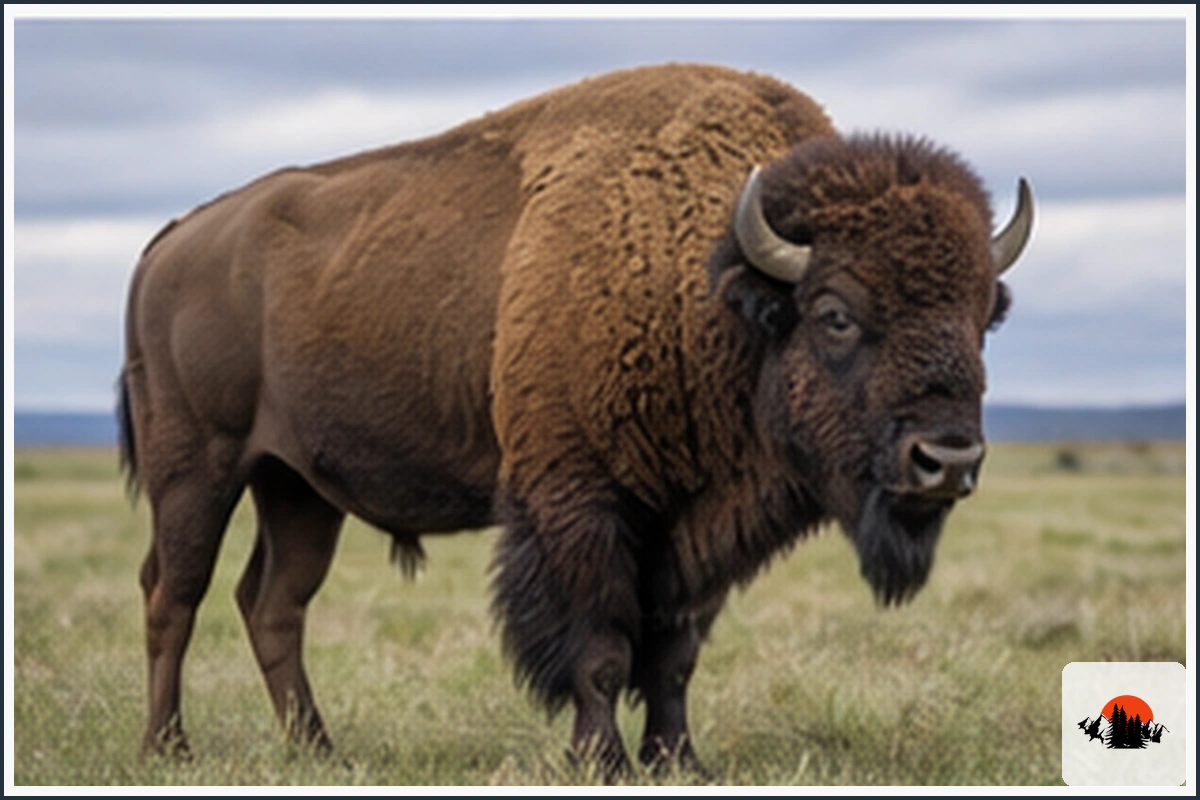
Scientific name: Bison bison
The American bison is one of North America’s most recognizable mammals. It has a large shoulder hump, shaggy front coat, short curved horns, and a heavy head. Adult bison commonly weigh between 900 and 2,000 pounds, with males usually larger than females.
Bison once moved across enormous grassland herds, but hunting and habitat loss caused a dramatic decline during the nineteenth century. Today, they live in protected areas, national parks, private conservation herds, and several Native-managed lands. Their diet consists mainly of grasses, sedges, and other low-growing plants.
Bison are important grazers because their feeding and movement help shape prairie ecosystems. They can appear calm but are powerful wild animals. Visitors should never approach, feed, or attempt to photograph them from close range.
2. Bald Eagle
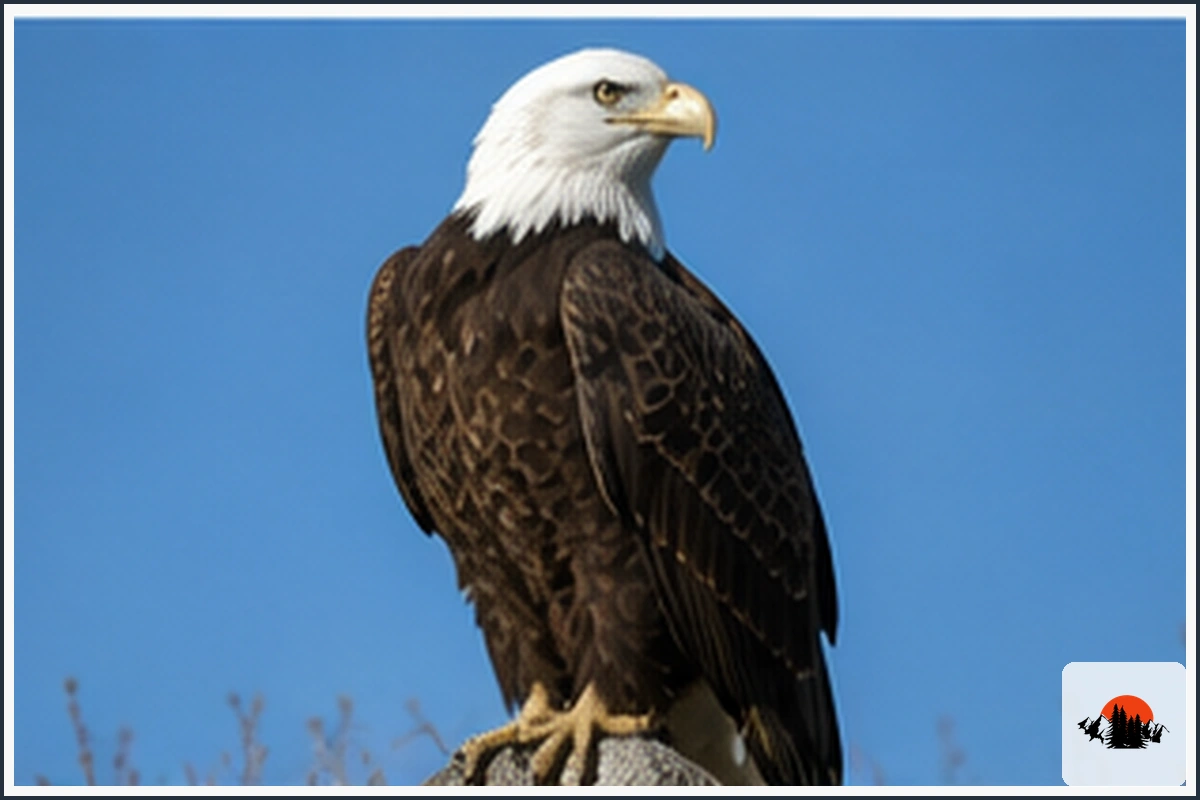
Scientific name: Haliaeetus leucocephalus
The bald eagle is a large bird of prey with a dark brown body, white head and tail, yellow eyes, hooked bill, and strong talons. Adults develop their distinctive white head and tail after several years, while juveniles are mostly brown.
It lives near lakes, rivers, reservoirs, marshes, and coastlines where fish are available. Bald eagles also eat waterfowl, carrion, and small mammals. They often perch in tall trees or soar on rising air currents while searching for food.
Once severely affected by habitat loss, shooting, and pesticide contamination, bald eagle populations recovered after legal protection and restrictions on harmful chemicals. The species is now a powerful example of successful wildlife conservation in North America.
3. Grizzly Bear
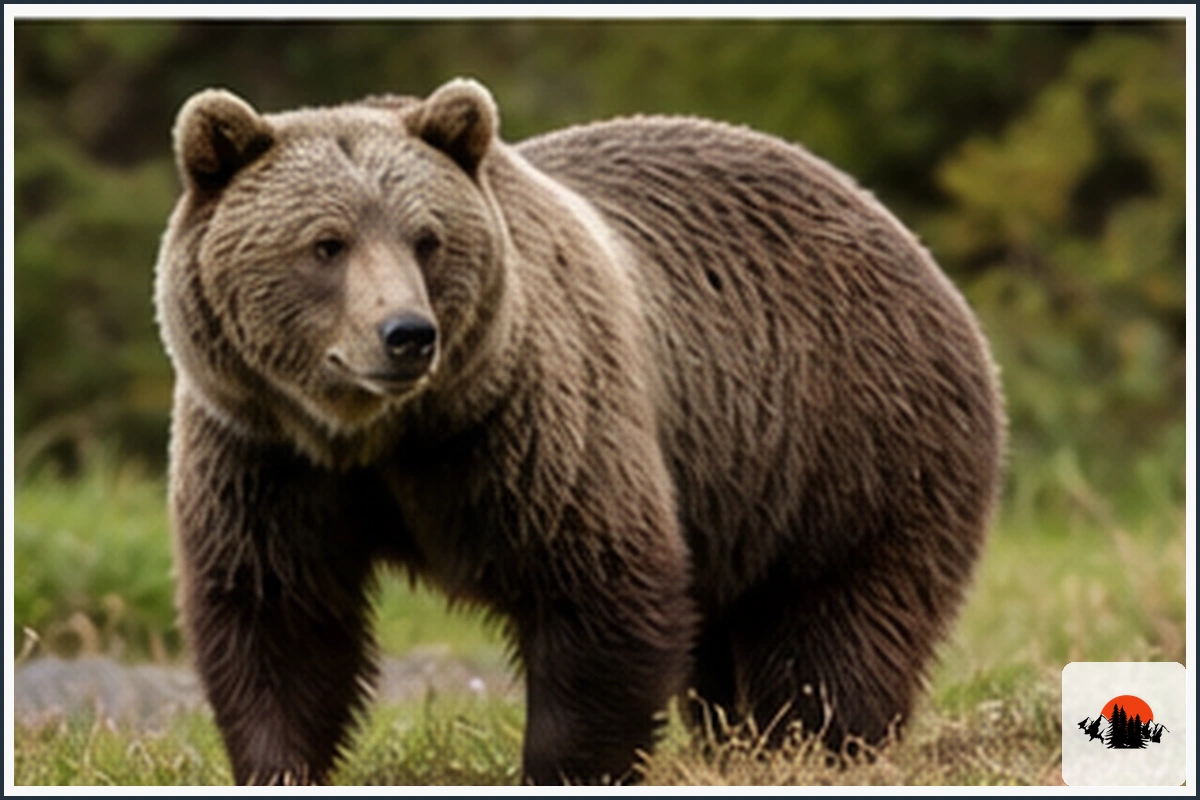
Scientific name: Ursus arctos horribilis
The grizzly bear is a North American population of brown bear recognized by its shoulder hump, long claws, rounded ears, and often silver-tipped fur. Coat color varies from blond to dark brown. Adult males can weigh several hundred pounds and occasionally much more.
Grizzlies occupy forests, alpine meadows, river valleys, and coastal areas in parts of western Canada, Alaska, and the northwestern United States. They are omnivores that eat berries, roots, insects, fish, carrion, and occasionally large mammals.
These bears usually avoid people but can become dangerous when surprised, approached near food, or encountered with cubs. Hikers should carry approved bear spray where appropriate, make noise on trails, and store food securely.
4. American Black Bear

Scientific name: Ursus americanus
American black bears are the most widely distributed bears in North America. Despite their name, individuals may be black, brown, cinnamon, or even pale. They have a straight facial profile, short claws, and no pronounced shoulder hump.
Black bears live in forests, mountains, swamps, and wooded suburbs from Alaska and Canada through much of the United States and into Mexico. Their varied diet includes berries, nuts, insects, grasses, fish, carrion, and human food when it is left accessible.
Black bears are excellent climbers and swimmers. Their ability to adapt to changing habitats helps explain their broad range, but communities must prevent conflicts by securing garbage, birdseed, pet food, and camping supplies.
5. Polar Bear
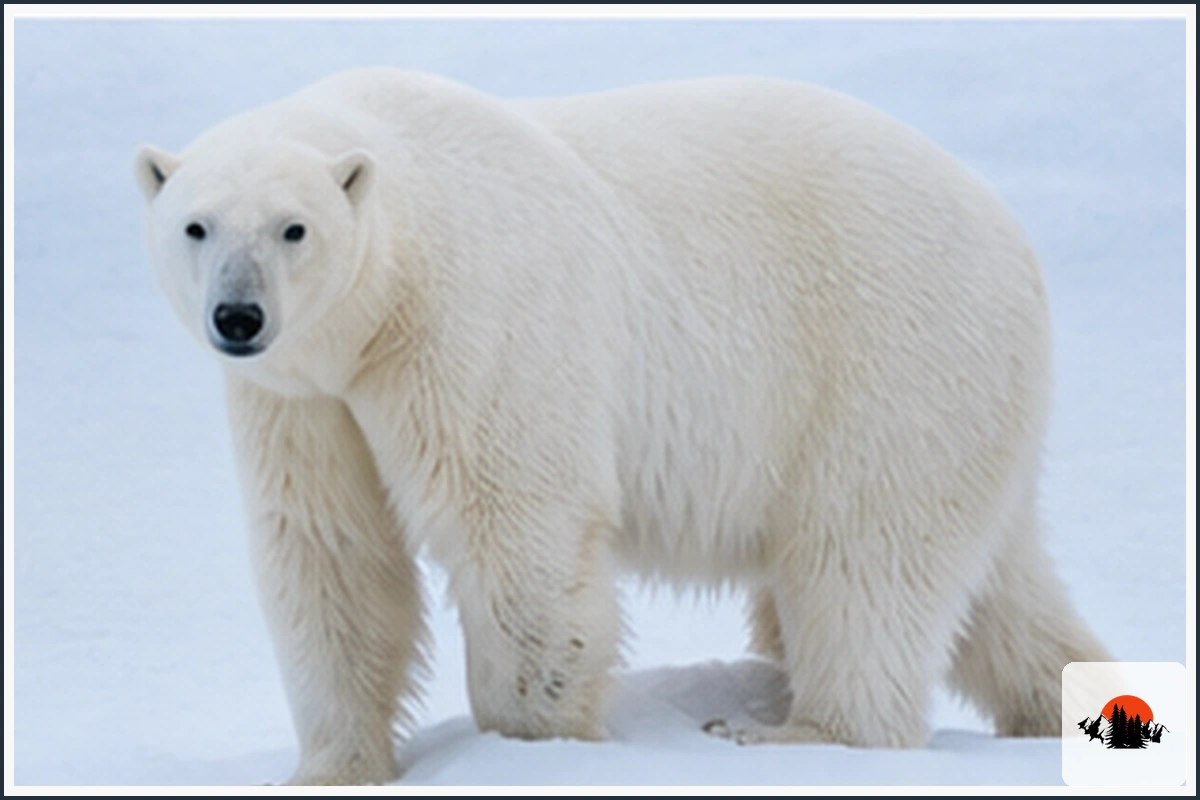
Scientific name: Ursus maritimus
The polar bear is the largest land carnivore and a highly specialized Arctic predator. It has translucent hollow hairs that appear white, a long neck, large paws, and a thick layer of body fat that provides insulation in freezing conditions.
Polar bears depend heavily on sea ice, where they hunt seals near breathing holes and ice edges. They are powerful swimmers and may travel long distances across frozen marine environments. Their range includes Arctic regions of Canada, Alaska, Greenland, Russia, and Norway.
Loss of sea ice caused by climate change is the greatest long-term threat to polar bears because it reduces access to hunting platforms and forces bears to spend more time on land.
6. Gray Wolf
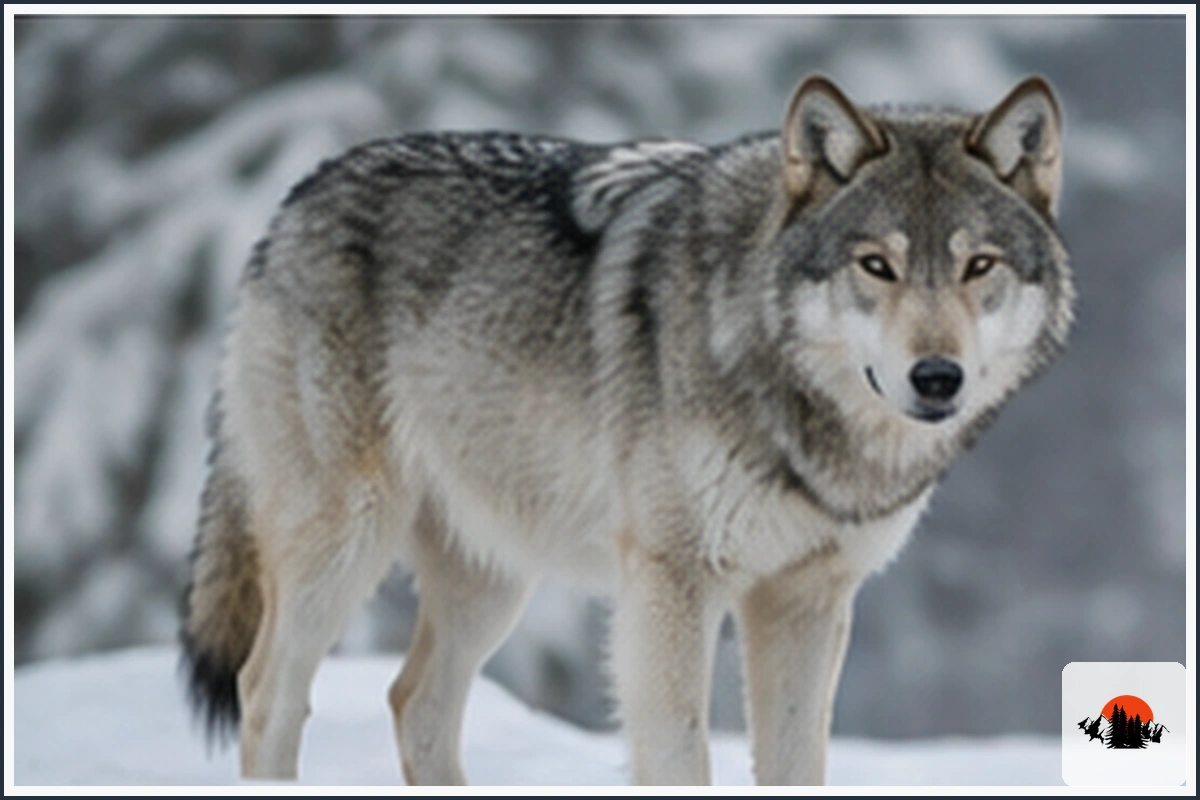
Scientific name: Canis lupus
The gray wolf is a social predator with a bushy tail, long legs, pointed ears, and a broad range of coat colors. Although called “gray,” wolves may be black, brown, cream, or nearly white depending on their population and genetics.
Gray wolves live in packs made up of related adults, young animals, and sometimes unrelated individuals. They communicate with body language, scent marking, and howling. Their prey includes deer, elk, moose, smaller mammals, and occasionally livestock.
Wolves once occupied much of North America, but persecution reduced their range. Reintroduction, legal protection, and habitat management have helped some populations recover, although conservation status varies by region.
7. Coyote
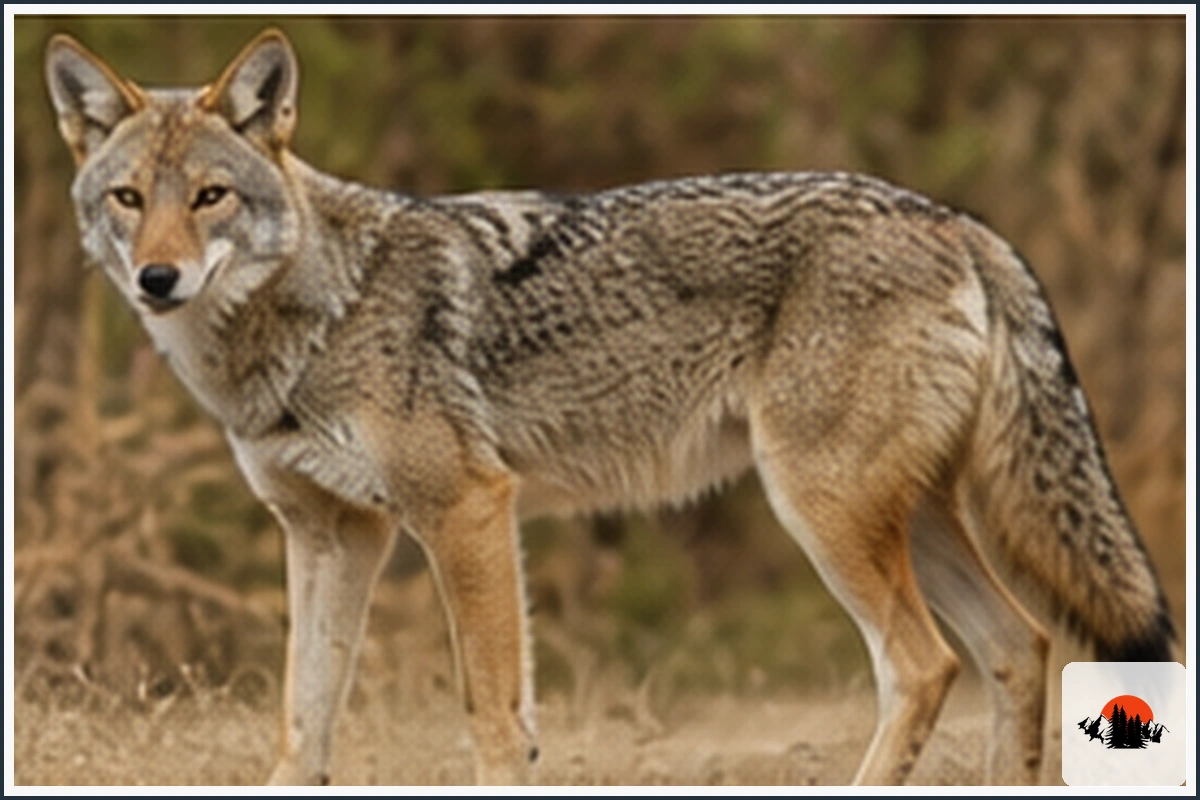
Scientific name: Canis latrans
The coyote is a slender, adaptable member of the dog family. It usually has gray or reddish-brown fur, a narrow muzzle, large ears, and a bushy tail often carried low. Coyotes are smaller than wolves but can be highly successful in both wild and developed landscapes.
They occupy deserts, prairies, forests, wetlands, mountains, farmland, and cities. Coyotes eat rabbits, rodents, insects, fruits, birds, reptiles, carrion, and occasionally larger prey. Their flexible diet allows them to survive where many specialized predators cannot.
Coyotes are usually wary of people. Never feed them, and keep small pets supervised, especially at night. Secure garbage and remove outdoor food sources to reduce conflict.
8. North American River Otter

Scientific name: Lontra canadensis
The North American river otter is a sleek semi-aquatic mammal with dense brown fur, a muscular tail, webbed feet, and a streamlined body. Adults commonly measure about three to four feet long, including the tail.
River otters live in clean streams, rivers, lakes, marshes, and coastal areas. They eat fish, crayfish, frogs, turtles, and other aquatic animals. Their playful sliding, rolling, and swimming behavior makes them exciting wildlife to observe.
Otters are sensitive to water quality and healthy shorelines. Their presence can indicate functioning aquatic habitat, although they may be difficult to spot because they are quick and secretive.
9. Sea Otter
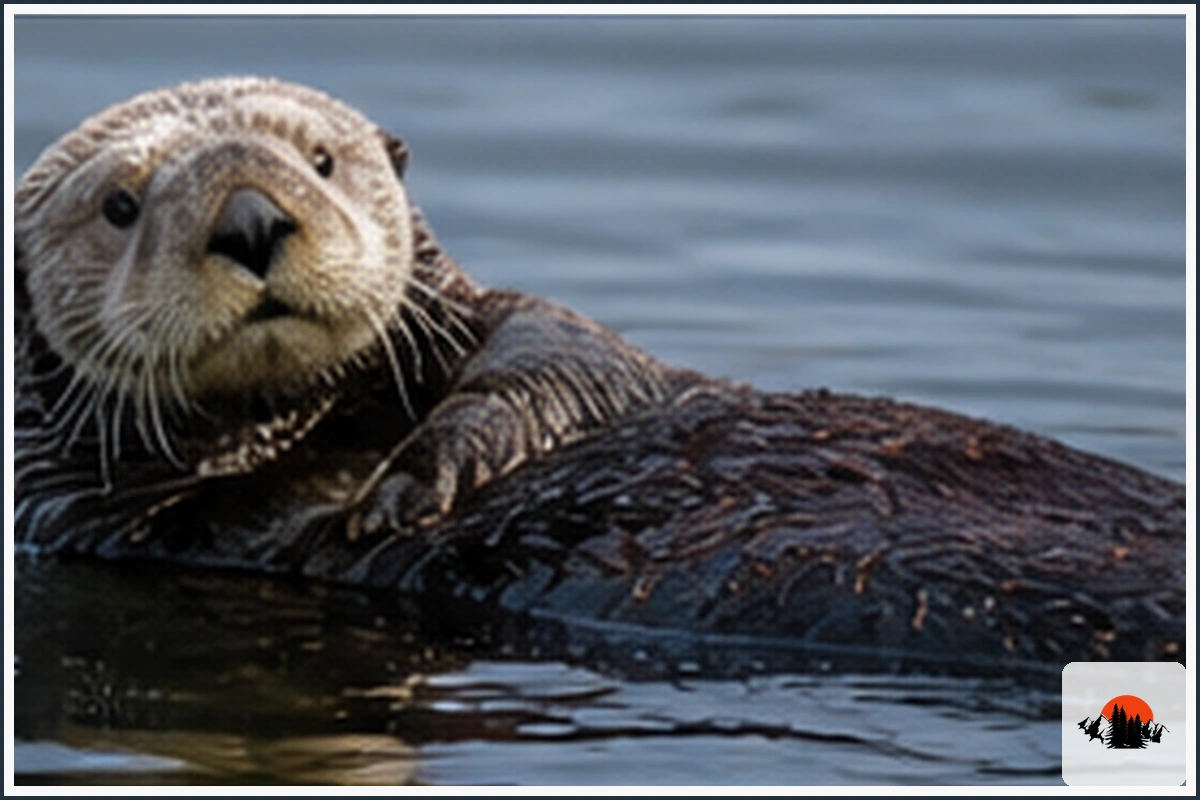
Scientific name: Enhydra lutris
Sea otters are marine mammals with exceptionally dense fur, broad hind feet, and a flattened tail. They often float on their backs while resting, grooming, or cracking shellfish with stones held against their chests.
They live along coastal waters of the North Pacific, including parts of Alaska and the western coast of North America. Sea otters eat sea urchins, crabs, clams, mussels, and other invertebrates.
By feeding on sea urchins, sea otters can help protect kelp forests. Oil pollution, disease, entanglement, predation, and habitat changes remain important concerns for some populations.
10. Moose
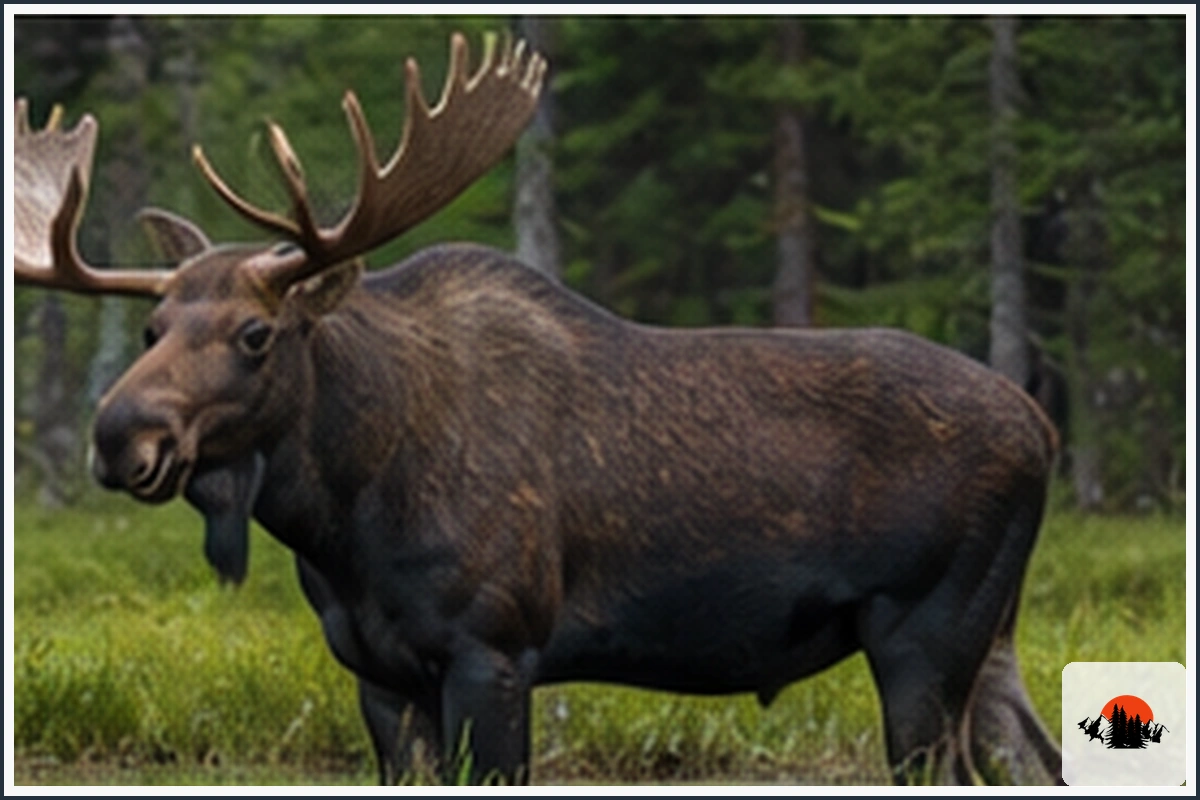
Scientific name: Alces alces
The moose is the largest member of the deer family. It has long legs, a large nose, a hanging throat flap called a bell, and broad antlers in adult males. Moose are especially adapted to cold northern forests and wetlands.
They browse on willow, birch, aquatic plants, shrubs, and other woody vegetation. Moose commonly live in Canada, Alaska, the northern United States, and mountainous areas farther south.
Despite their size, moose can swim well and move quietly through dense vegetation. They are most active during cooler parts of the day. Drivers should watch for moose on roads because collisions can be extremely dangerous.
11. Elk
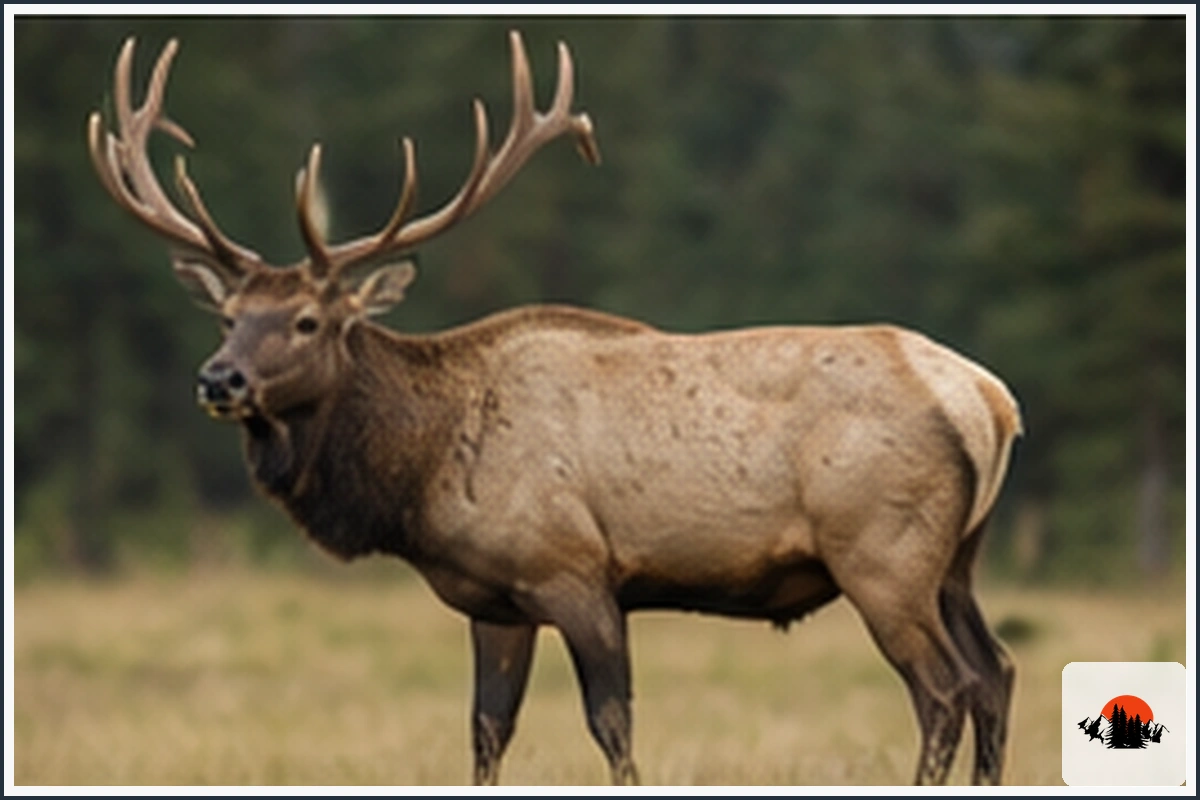
Scientific name: Cervus canadensis
Elk are large members of the deer family with tan bodies, dark necks, pale rumps, and impressive antlers on adult males. Their bugling calls during the breeding season are among the most recognizable sounds of autumn in mountain country.
Elk live in forests, meadows, grasslands, and mountainous regions. They graze on grasses and forbs while also browsing shrubs and tree growth. Large herds occur in western North America, with additional populations in other regions.
Elk are important prey for wolves, mountain lions, and bears. During the rut, males can become aggressive, so wildlife watchers should keep a safe distance.
12. White-Tailed Deer
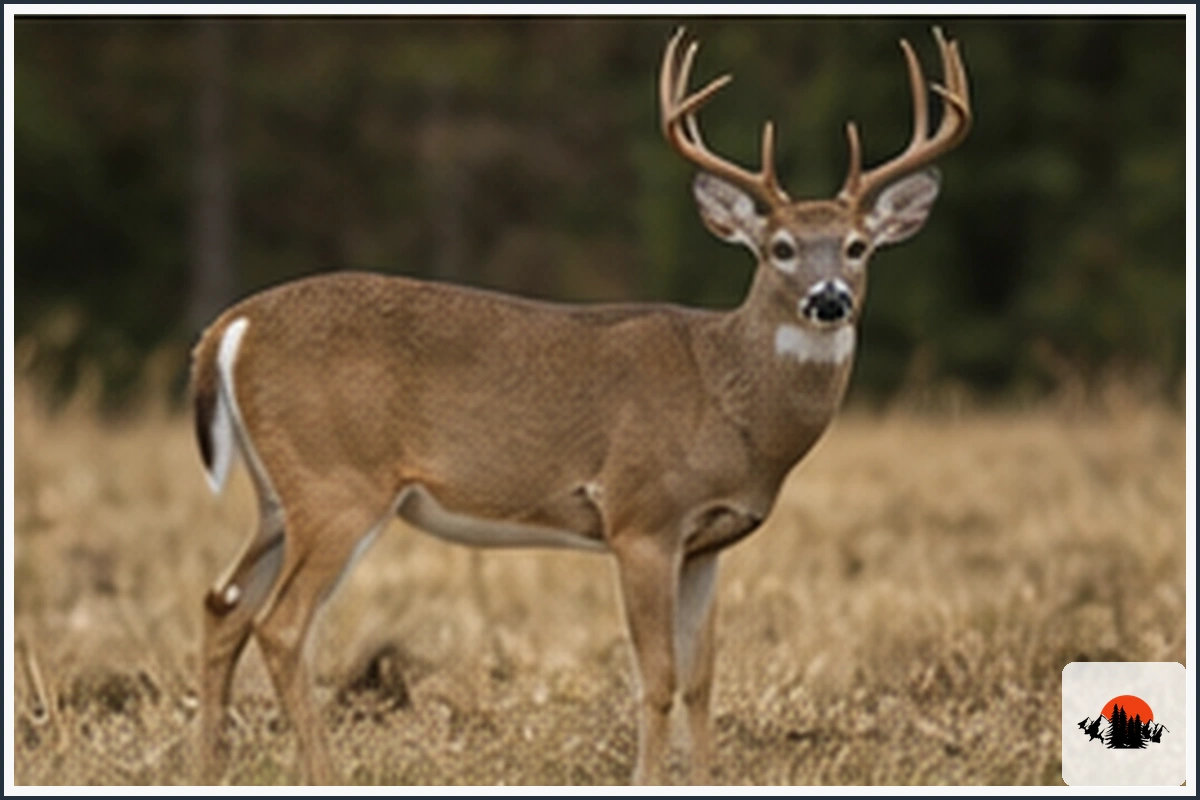
Scientific name: Odocoileus virginianus
White-tailed deer are among the most widespread large mammals in North America. They are named for the bright underside of the tail, which flashes upward when the animal senses danger. Males grow antlers annually.
They occupy forests, fields, wetlands, suburbs, and agricultural landscapes. Their diet includes leaves, grasses, fruits, nuts, buds, and agricultural crops. Deer are most active at dawn and dusk, although they may move at any time.
White-tailed deer are important prey animals but can also create vehicle hazards and browsing damage where populations are high. Never feed wild deer, as artificial feeding can increase disease and conflict.
13. American Beaver
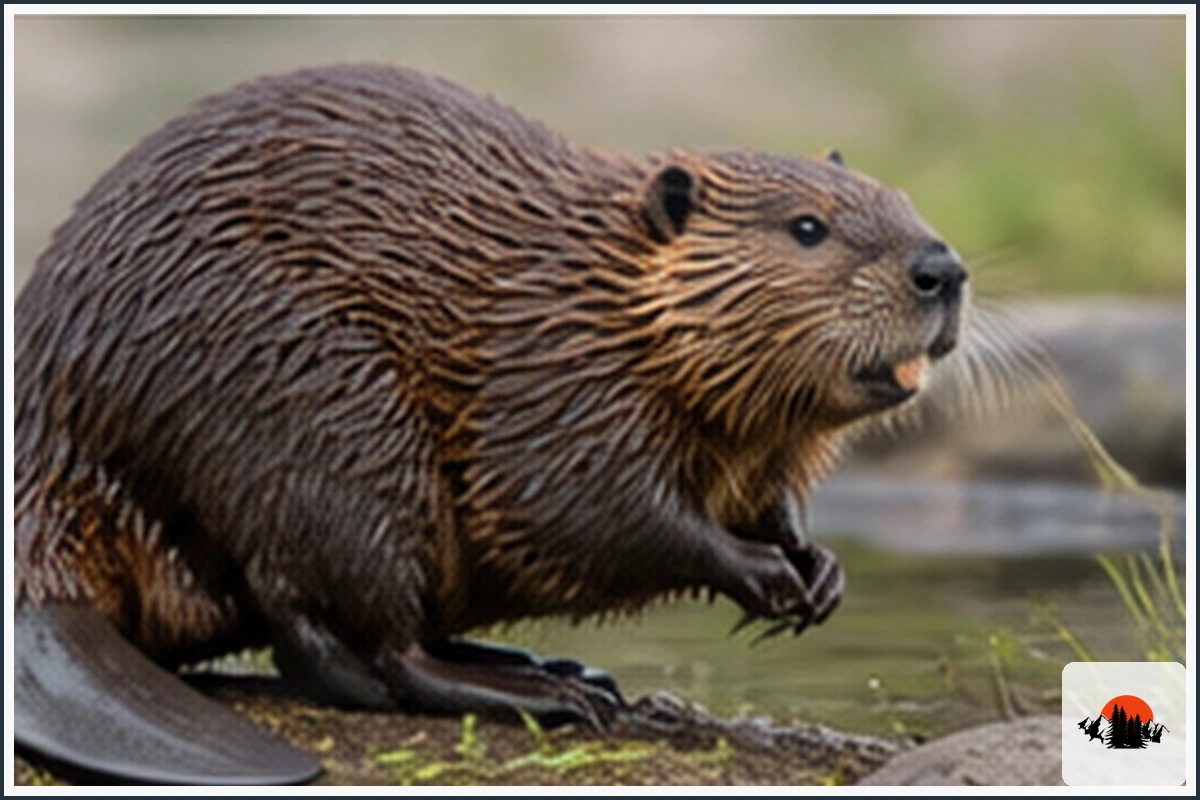
Scientific name: Castor canadensis
The American beaver is North America’s largest rodent. It has orange front teeth, webbed hind feet, dense fur, and a broad, scaly tail. Beavers use branches, mud, and stones to build dams and lodges.
They eat bark, twigs, leaves, aquatic plants, and some grasses. Their ponds slow water flow, create wetlands, and provide habitat for fish, frogs, turtles, birds, insects, and many other species.
Beavers are ecosystem engineers because their activities can transform entire waterways. Although dams sometimes conflict with roads or farmland, beavers are highly valuable for wetland creation and water retention.
14. American Alligator
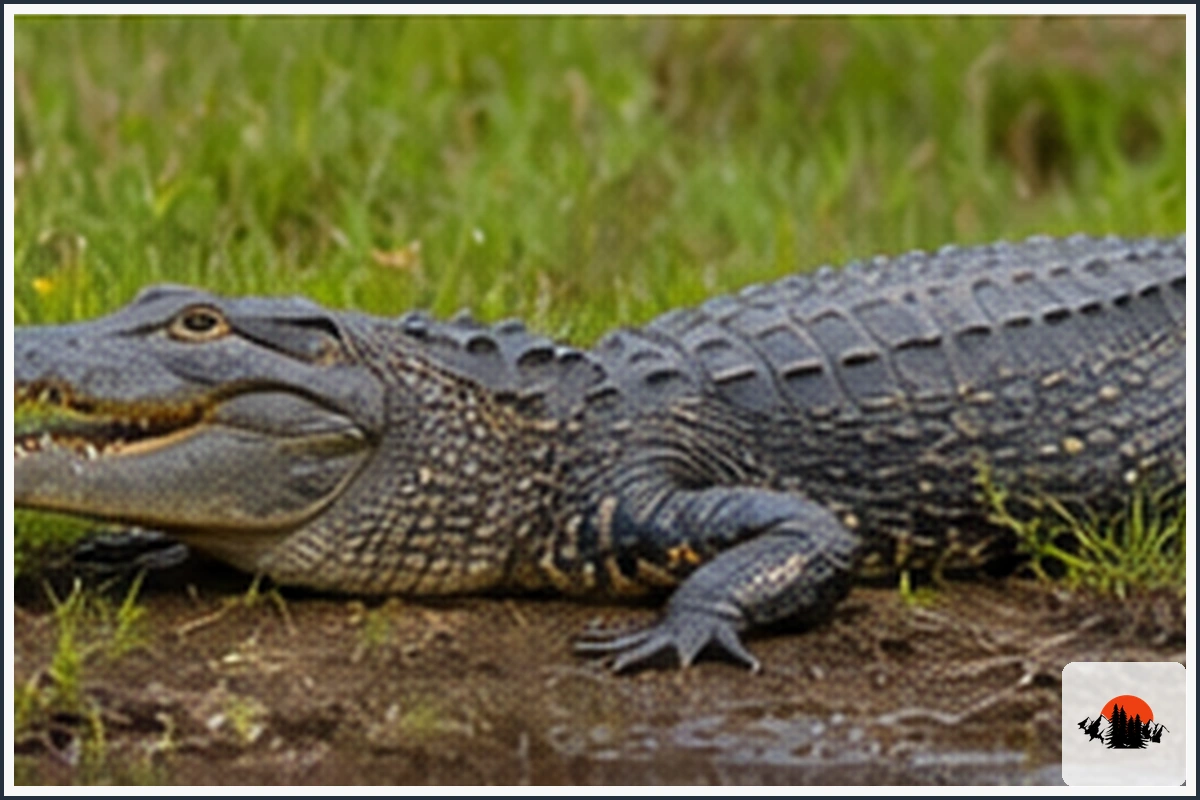
Scientific name: Alligator mississippiensis
The American alligator is a large freshwater reptile with a broad snout, powerful tail, armored back, and strong jaws. Adults can exceed 10 feet in length, although size varies by sex, age, and habitat.
Alligators live in swamps, marshes, ponds, lakes, rivers, and slow-moving waterways across the southeastern United States. They eat fish, turtles, birds, mammals, and other animals that come within reach.
Alligators are important wetland predators. People should never feed them, approach them, or allow pets to swim in waters known to contain large alligators.
15. American Crocodile
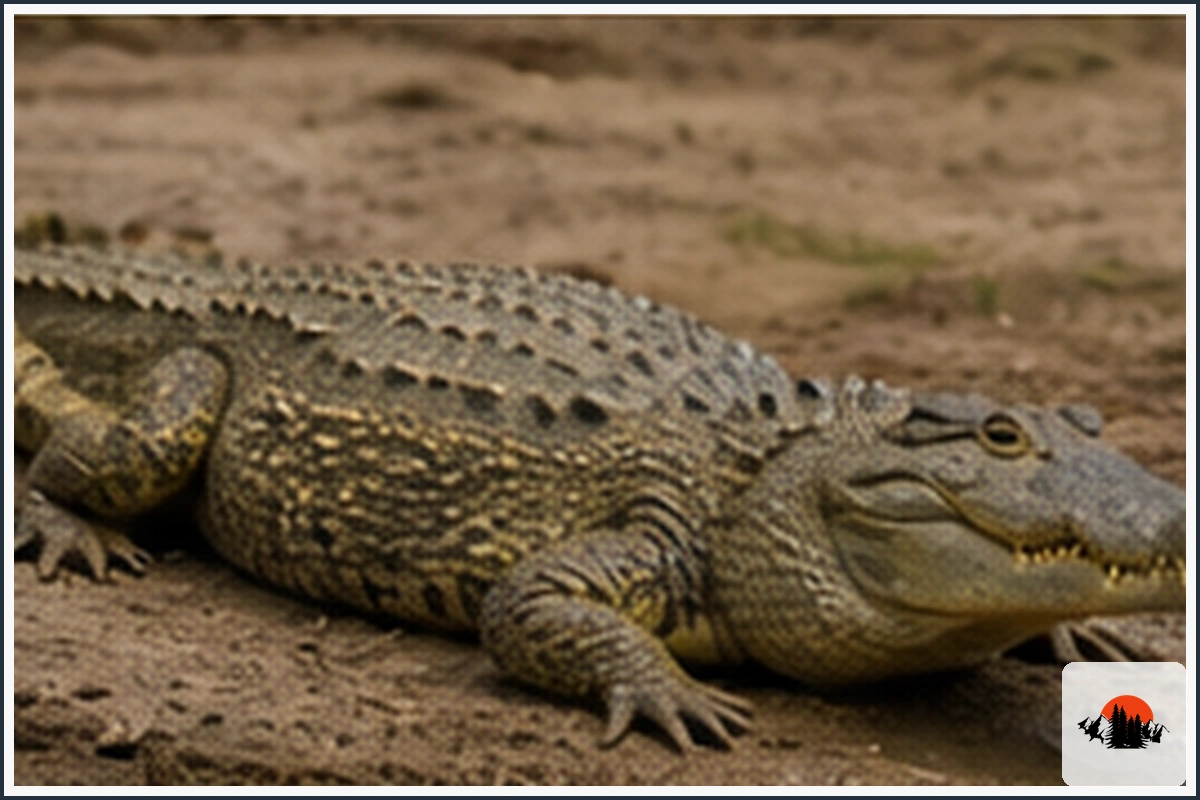
Scientific name: Crocodylus acutus
The American crocodile has a long, relatively narrow snout and a lighter gray or olive body. It is generally more tolerant of saltwater than the American alligator and can live in coastal lagoons, mangrove forests, rivers, and estuaries.
In North America, it occurs mainly in southern Florida and parts of the Caribbean and Central American region. Young crocodiles eat insects, fish, and small animals, while adults take larger fish, birds, reptiles, and mammals.
Habitat loss, road mortality, disturbance of nesting sites, and accidental capture can threaten local populations. Crocodiles should always be observed from a safe distance.
16. Gila Monster
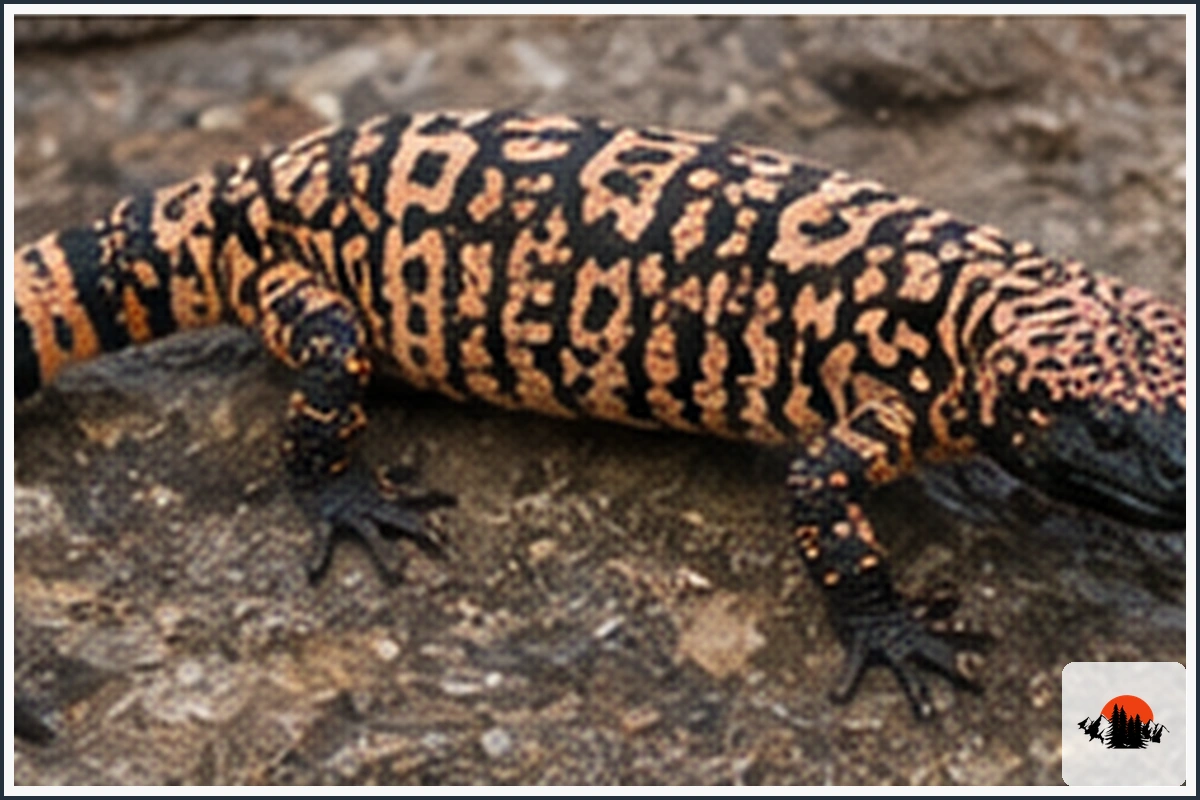
Scientific name: Heloderma suspectum
The Gila monster is a large, heavy-bodied lizard with beadlike scales and striking orange, pink, yellow, and black patterns. It is one of the few venomous lizards in the world, although it is generally secretive and slow-moving.
This reptile lives in desert regions of the southwestern United States and northwestern Mexico. It spends much of its time in burrows or sheltered spaces and feeds on eggs, young mammals, reptiles, insects, and other small animals.
Gila monsters are protected in many areas. Never handle or provoke one, and do not attempt to remove it from the wild.
17. Common Snapping Turtle
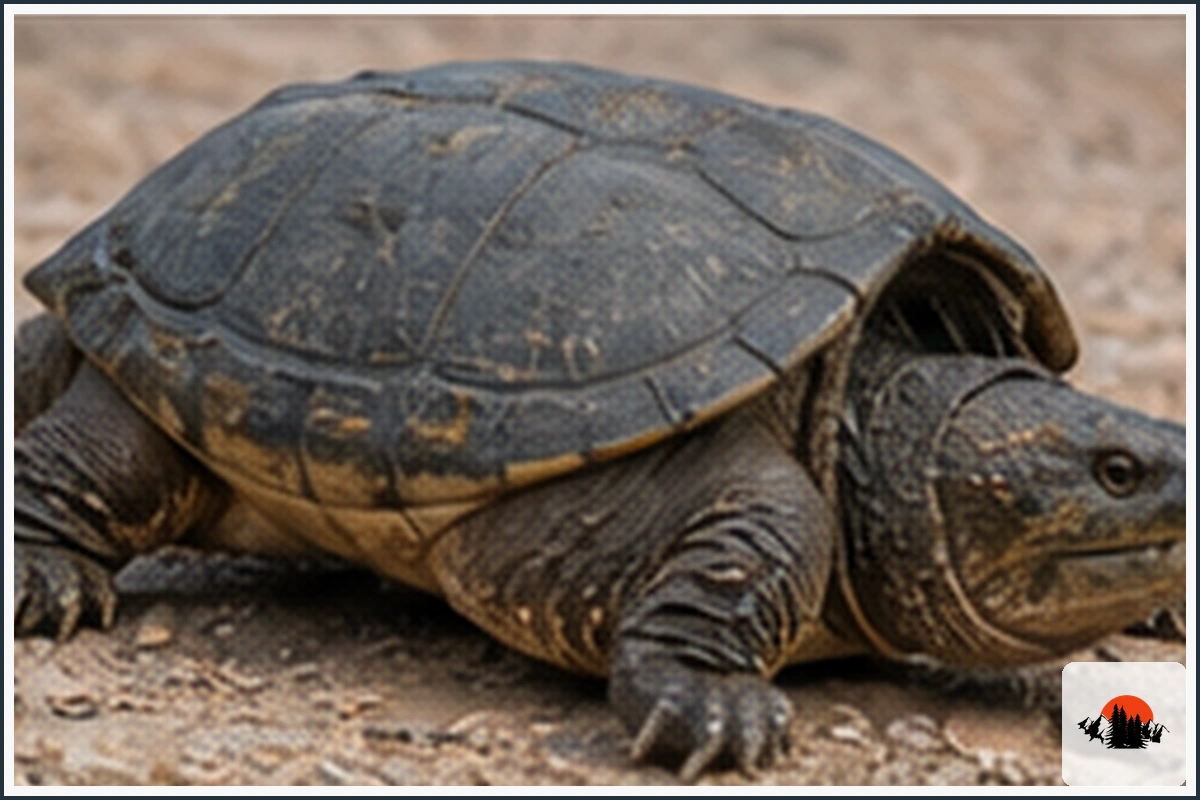
Scientific name: Chelydra serpentina
The common snapping turtle has a large head, hooked jaws, a rough shell, and a long tail. It is widely distributed in freshwater habitats across much of North America.
Snapping turtles eat fish, frogs, aquatic plants, insects, carrion, and many other foods. They often remain still on muddy bottoms, using camouflage to ambush prey. On land, they can be defensive and should never be picked up by the tail.
These turtles are long-lived and play useful roles as aquatic scavengers and predators. Road crossings during nesting season are a common source of mortality.
18. Green Sea Turtle
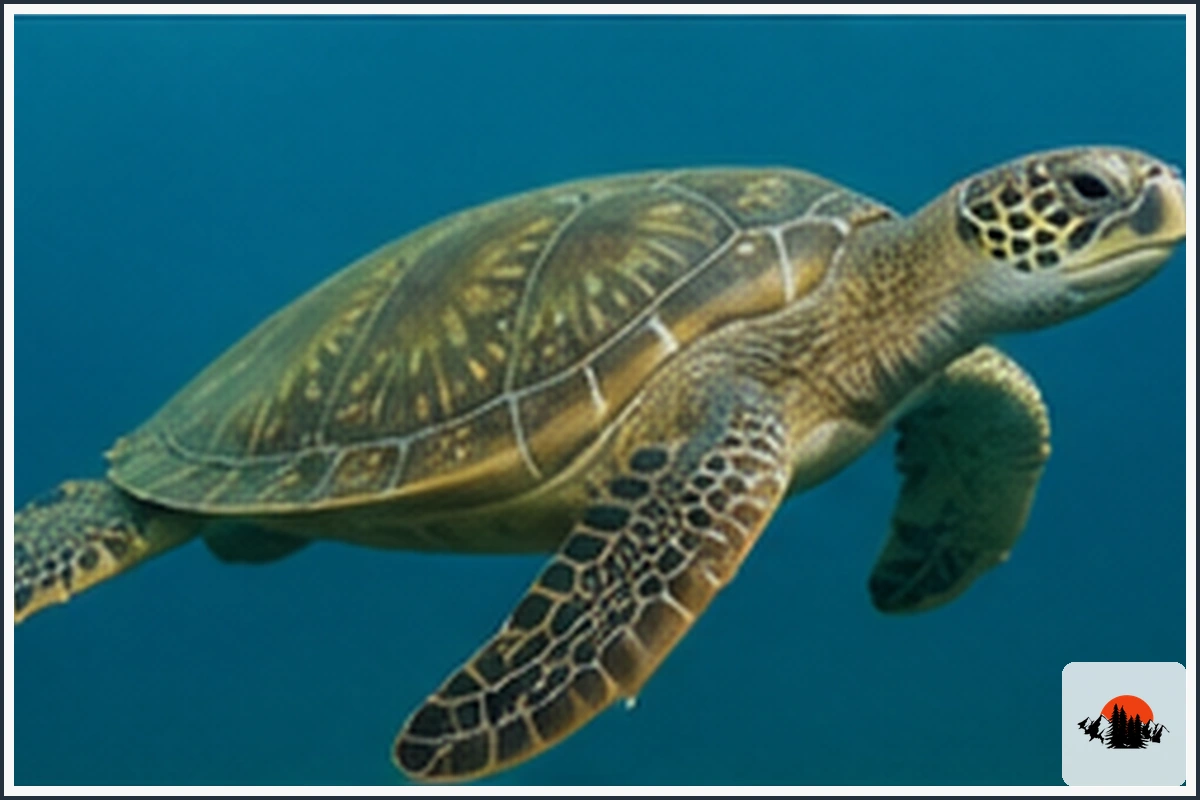
Scientific name: Chelonia mydas
The green sea turtle has a smooth, streamlined shell, paddle-shaped flippers, and a rounded head. Adults may feed on seagrasses and algae, although young turtles are more varied in their diet.
Green sea turtles use tropical and subtropical coastal waters, coral reefs, seagrass beds, and sandy beaches. Some populations migrate long distances between feeding and nesting areas.
Threats include accidental capture in fishing gear, boat strikes, coastal development, plastic pollution, and disturbance of nesting beaches. People should avoid touching turtles or interfering with nesting females and hatchlings.
19. Monarch Butterfly
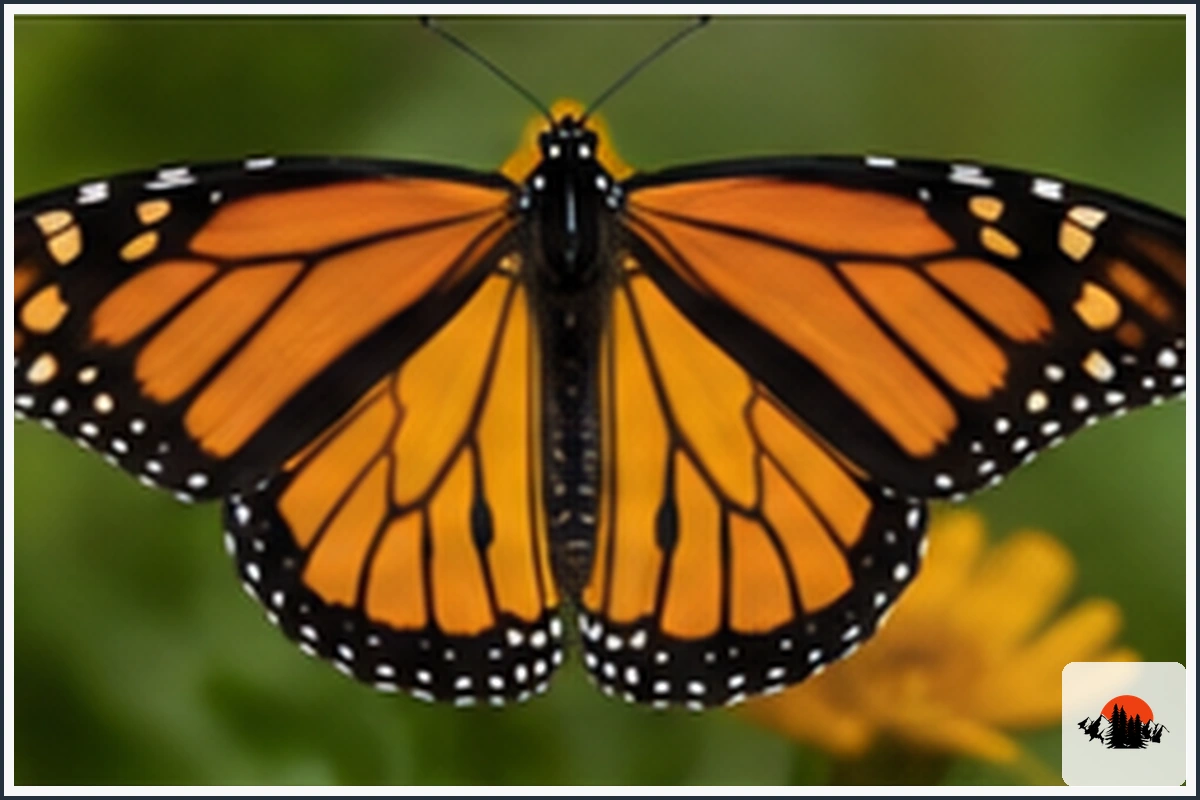
Scientific name: Danaus plexippus
The monarch butterfly is recognized by orange wings marked with black veins and white spots. Caterpillars feed primarily on milkweed, which provides the chemical protection associated with the species’ warning coloration.
Monarchs occur across much of North America and are famous for seasonal migration. Eastern populations travel between Canada, the United States, and central Mexico, while western populations use overwintering sites in coastal California.
Loss of milkweed, fewer flowering plants, pesticides, habitat conversion, and climate pressures can affect monarch populations. Planting native milkweed and nectar-producing flowers can provide useful habitat.
20. American Flamingo
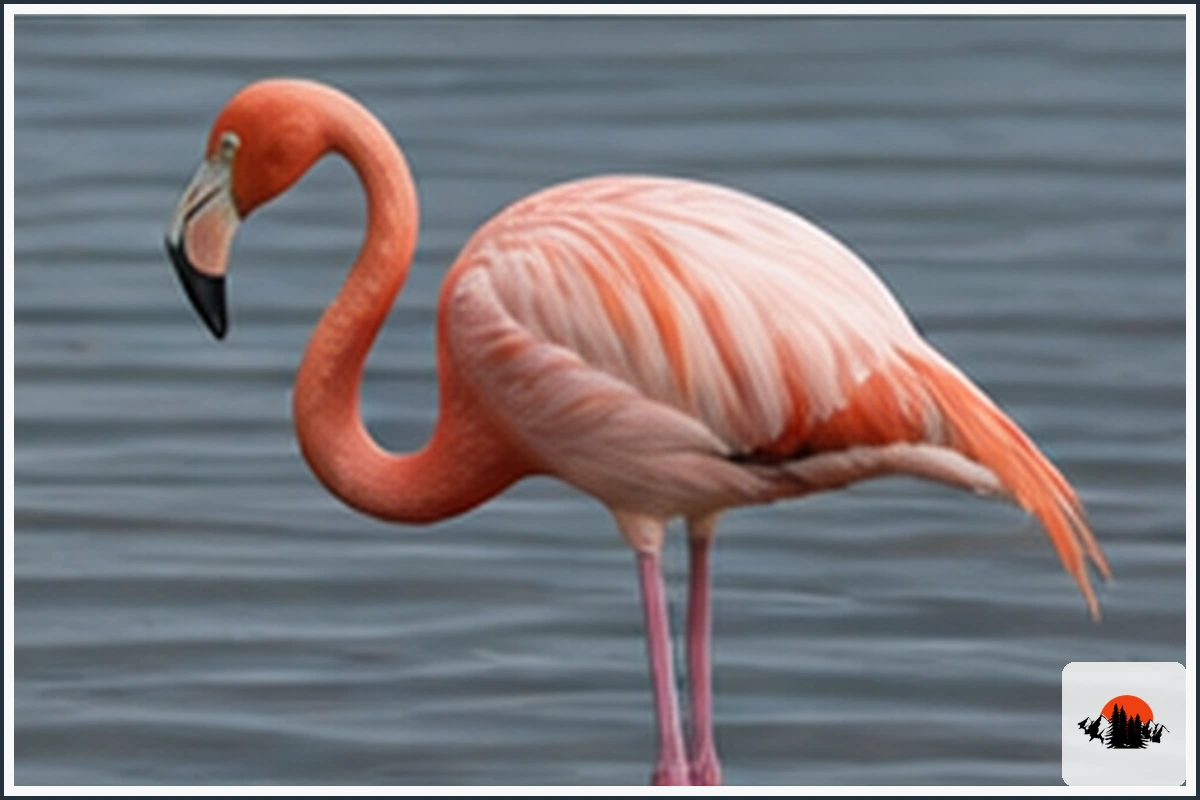
Scientific name: Phoenicopterus ruber
The American flamingo is a tall wading bird with bright pink to red plumage, long legs, and a strongly curved bill. It filters small aquatic organisms from shallow water while standing or walking through lagoons and mudflats.
In the wider North American region, it is associated especially with southern Florida, the Caribbean, and nearby tropical areas. Its diet includes algae, tiny crustaceans, and other small water organisms.
Flamingo color comes partly from pigments in their food. Wetland protection is essential because feeding, nesting, and resting areas can be disturbed by development and human activity.
21. Whooping Crane
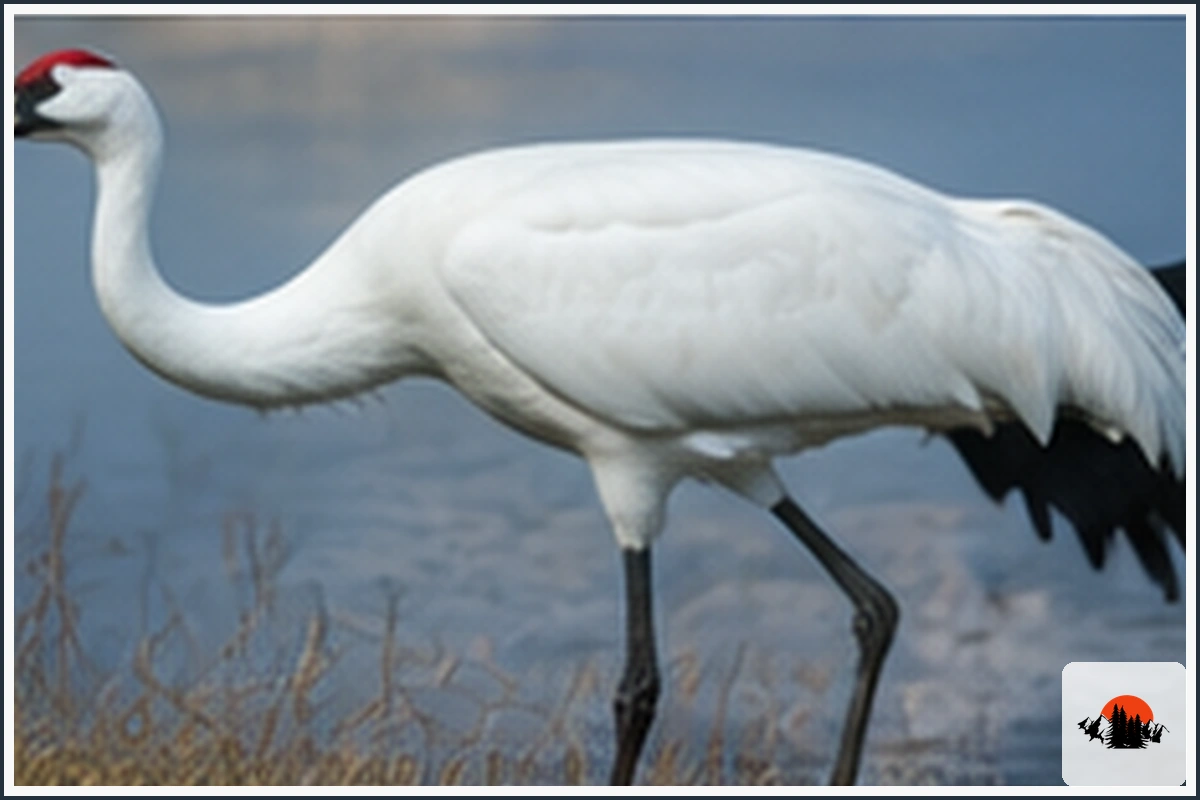
Scientific name: Grus americana
The whooping crane is one of North America’s tallest birds. It has a white body, black wing tips, a red crown, and a long bill and legs. Its loud, bugling call carries across wetlands and grasslands.
Whooping cranes use freshwater marshes, coastal wetlands, prairies, and agricultural areas during migration. They eat insects, aquatic animals, grains, berries, and small vertebrates.
Habitat loss and historic hunting reduced the species to a very small population. Conservation programs, protected wetlands, and carefully managed breeding and reintroduction efforts have helped improve its outlook, although it remains threatened.
22. California Condor
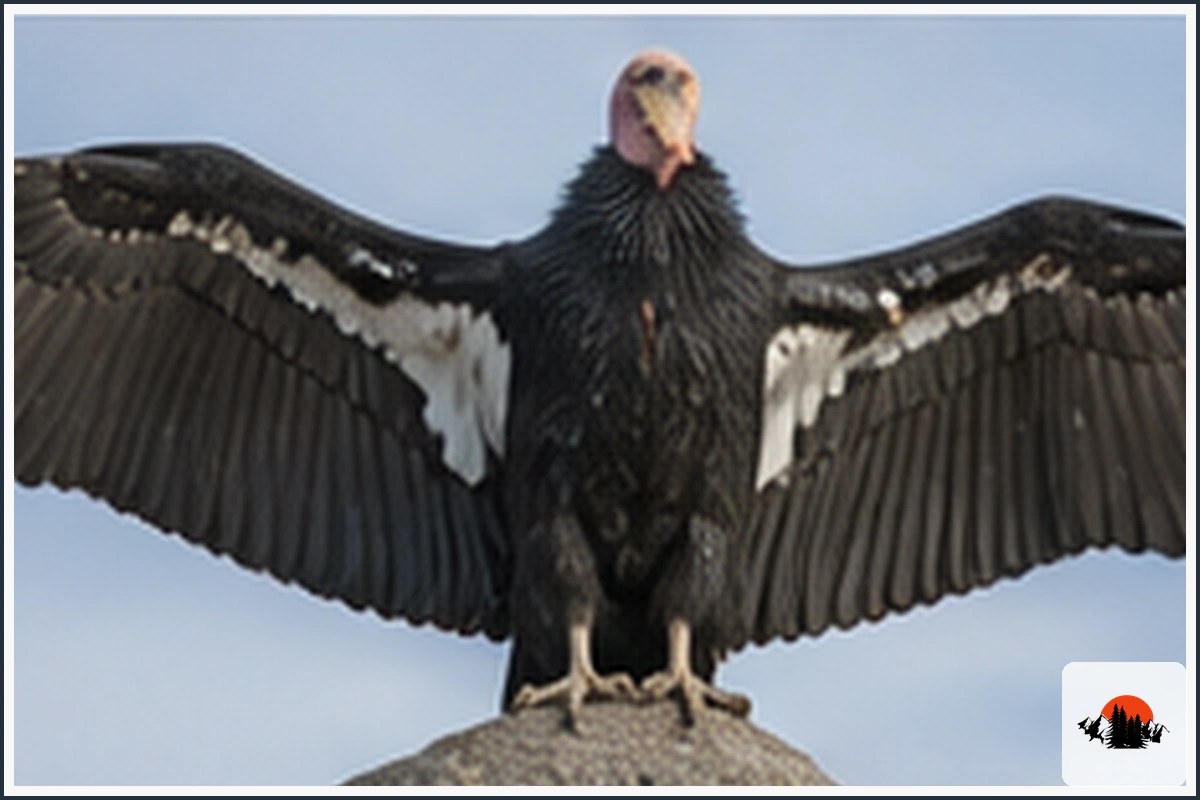
Scientific name: Gymnogyps californianus
The California condor is North America’s largest flying land bird. Adults have broad black wings, white patches beneath the wings, and a bare orange-pink head. Their wingspan can approach 10 feet.
Condors are scavengers that feed on carrion, especially large mammals. They soar over mountains, canyons, deserts, and coastal areas while searching for food.
Lead poisoning from ammunition, habitat disturbance, and other human-related threats caused a severe decline. Captive breeding and release programs have returned condors to portions of their historic range, but ongoing monitoring remains essential.
23. Great Horned Owl

Scientific name: Bubo virginianus
The great horned owl is a powerful nocturnal predator with prominent feather tufts, large yellow eyes, and a deep hooting call. It is one of the most widely distributed owls in North America.
It lives in forests, deserts, grasslands, suburbs, and city parks. Its prey includes rodents, rabbits, birds, reptiles, amphibians, and occasionally skunks or other surprisingly large animals.
Great horned owls often use abandoned nests made by other birds rather than building their own. Their camouflage and silent flight make them difficult to spot during daylight.
24. Peregrine Falcon

Scientific name: Falco peregrinus
The peregrine falcon is a streamlined bird of prey with pointed wings, a dark head, barred underside, and extremely fast hunting flight. It captures birds in midair, often diving from considerable height.
Peregrines nest on cliffs, but many now use bridges, skyscrapers, and other tall structures. They occur across North America in coastal, mountainous, urban, and open-country habitats.
Population recovery followed restrictions on certain pesticides, legal protection, and successful captive-breeding programs. Peregrines are an excellent example of how conservation action can restore a threatened species.
25. American Bullfrog
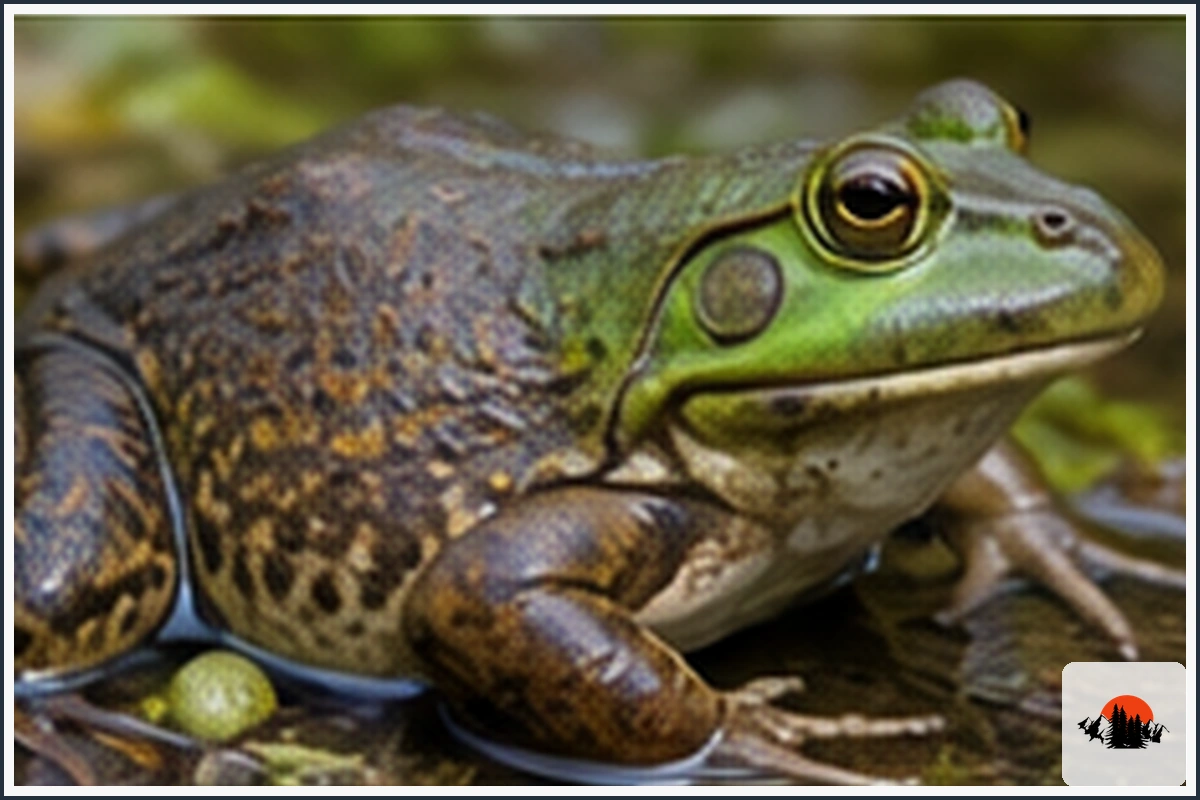
Scientific name: Rana catesbeiana
The American bullfrog is a large aquatic frog with a broad head, powerful hind legs, and a deep call that resembles a low bellow. It lives in ponds, lakes, marshes, slow streams, and reservoirs.
Adult bullfrogs eat insects, crayfish, fish, frogs, snakes, birds, and small mammals. They are ambush predators that sit near the water’s edge and strike quickly.
Although native to much of eastern North America, bullfrogs have been introduced elsewhere and can compete with native amphibians or prey on them. Moving live bullfrogs or releasing pets can spread ecological problems.
26. Axolotl
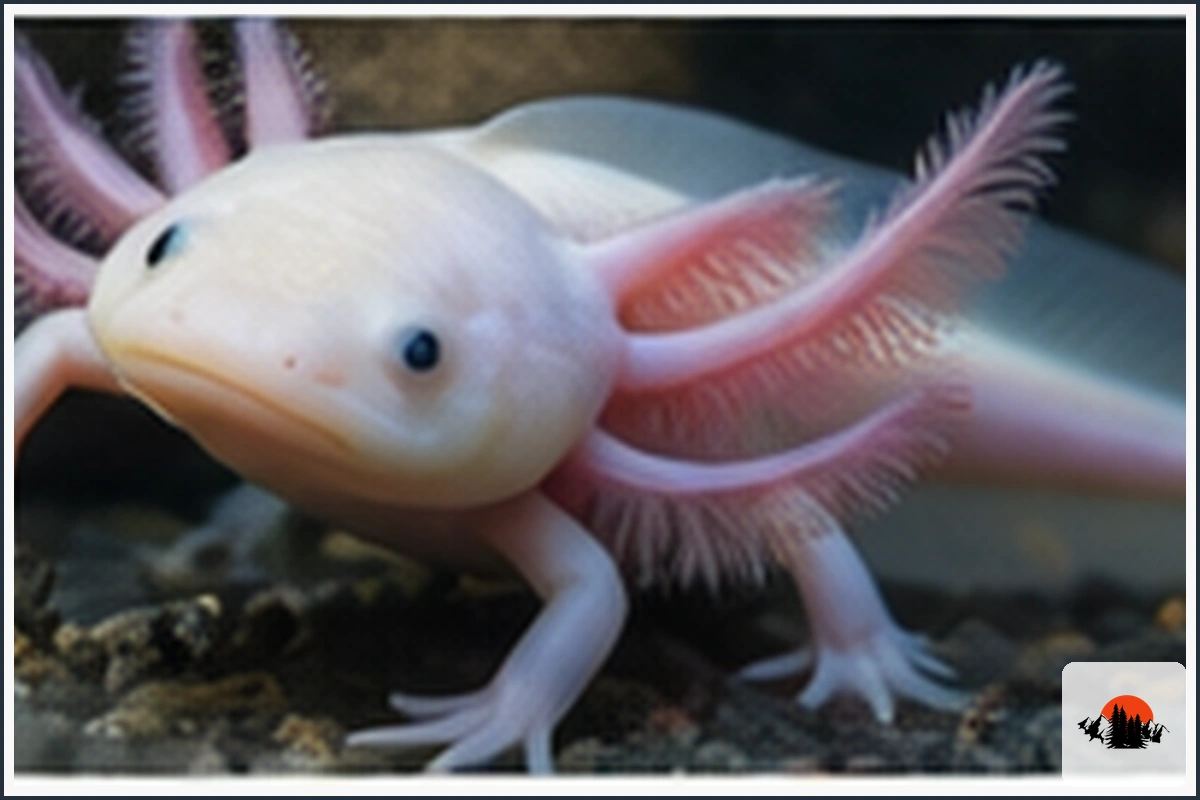
Scientific name: Ambystoma mexicanum
The axolotl is an aquatic salamander famous for its external feathery gills, broad head, and ability to retain juvenile features throughout life. It is native to the lake and canal system around Mexico City rather than the United States or Canada.
Axolotls eat worms, insects, small fish, and other aquatic organisms. They are popular aquarium animals, but captive care requires cool, clean water and careful handling.
Wild axolotls are critically threatened by habitat loss, water pollution, invasive species, and urban pressure. Captive-bred axolotls should never be released into natural waterways.
27. Rainbow Trout
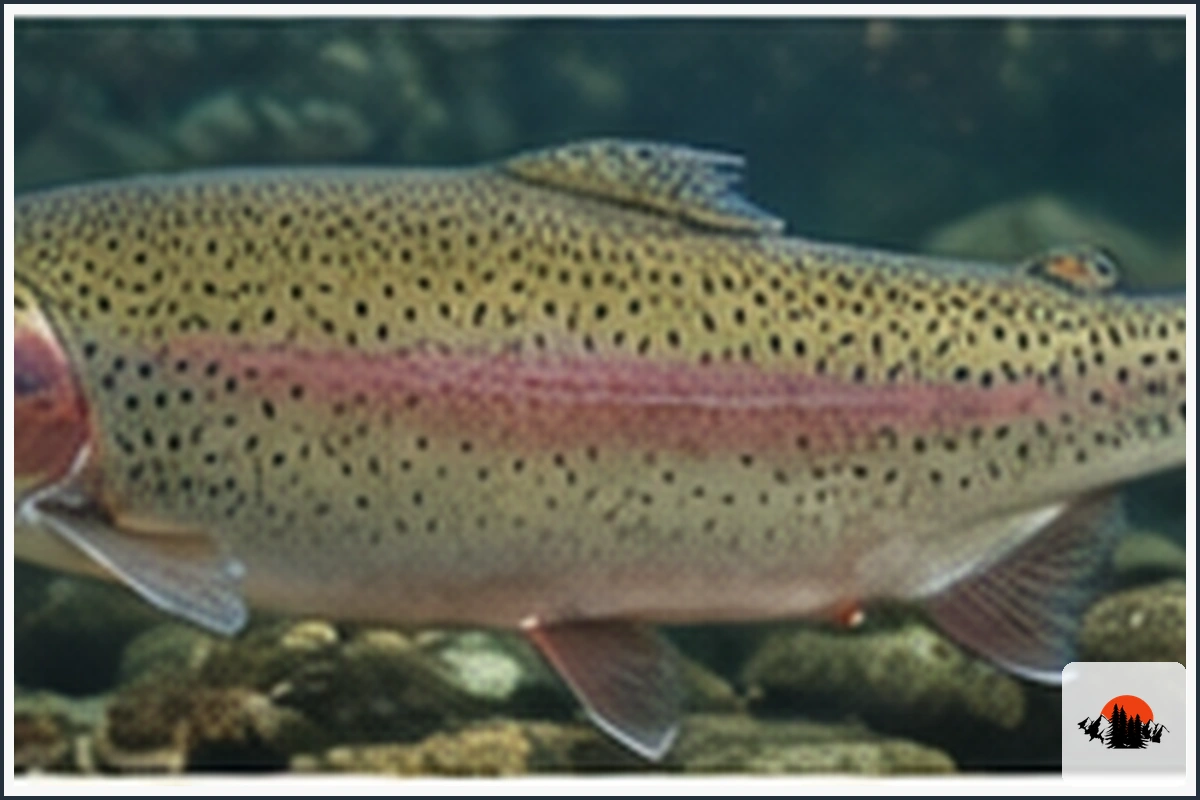
Scientific name: Oncorhynchus mykiss
Rainbow trout are freshwater and anadromous fish recognized by a pink or red lateral stripe, dark spots, and a streamlined body. Their appearance varies widely depending on water conditions, age, and population.
They live in cold, well-oxygenated rivers, streams, lakes, and coastal waters. Trout eat aquatic insects, terrestrial insects, crustaceans, fish eggs, and small fish. Steelhead are migratory rainbow trout that spend part of their lives in the ocean.
Rainbow trout are popular with anglers and are widely raised in aquaculture. Healthy cold-water habitat, clean gravel spawning beds, and careful fisheries management are important for wild populations.
28. Atlantic Salmon
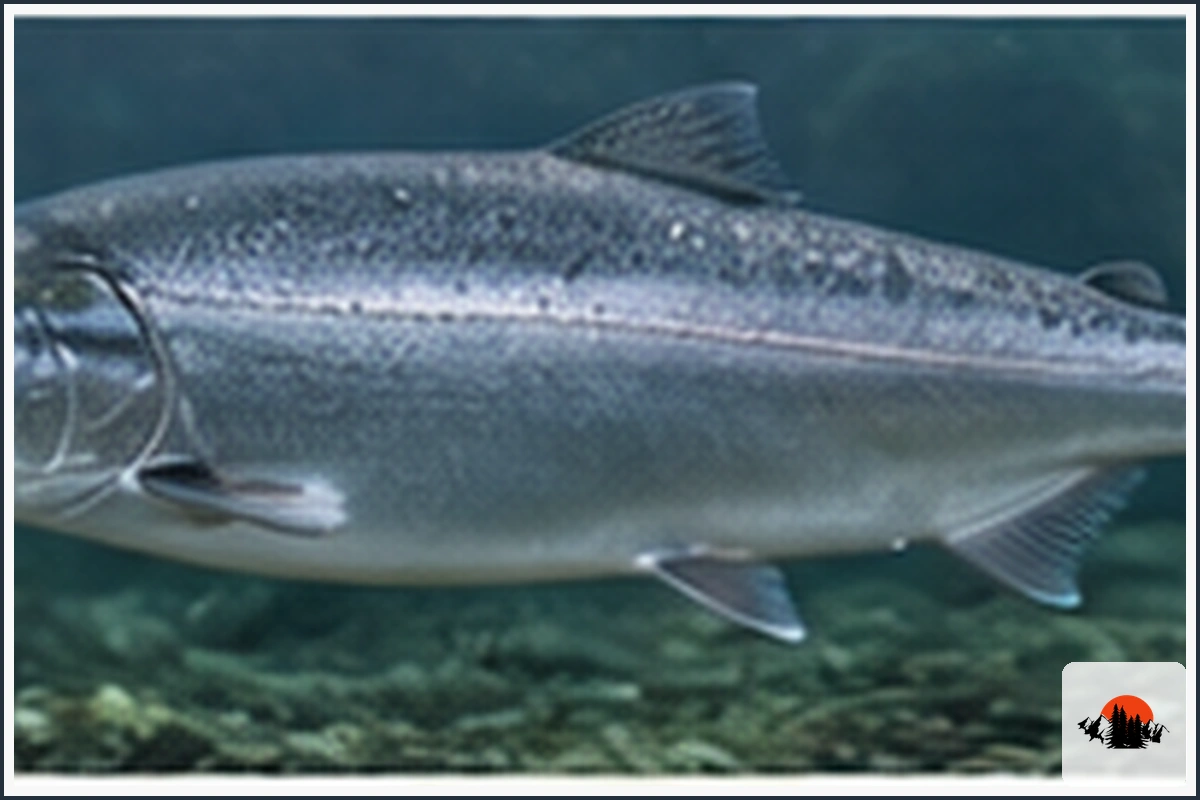
Scientific name: Salmo salar
Atlantic salmon are powerful migratory fish with silvery sides, dark backs, and distinctive spots. They hatch in freshwater, migrate to the ocean to grow, and return to rivers to spawn.
In North America, wild Atlantic salmon are strongly associated with rivers of eastern Canada and historically with parts of the northeastern United States. Young salmon eat aquatic insects, while adults at sea feed on smaller fish and invertebrates.
Dams, warming rivers, pollution, overfishing, and habitat degradation have affected wild populations. Restoration efforts focus on fish passage, river protection, and responsible fisheries management.
29. Pacific Bluefin Tuna
Scientific name: Thunnus orientalis
Pacific bluefin tuna are large, fast-swimming ocean fish with streamlined bodies, dark blue backs, and metallic sides. They maintain elevated body temperatures in parts of their bodies, helping them hunt efficiently in cool water.
They range across the Pacific Ocean and may travel long distances between feeding and spawning areas. Their diet includes squid, sardines, anchovies, mackerel, and other schooling fish.
Bluefin tuna are important commercial and sport fish but require careful management because of high demand and their long life cycle. Consumers should consider current sustainability guidance when purchasing bluefin products.
30. North American Porcupine
Scientific name: Erethizon dorsatum
The North American porcupine is a large rodent covered with thousands of modified hairs called quills. Its short legs, rounded body, and slow deliberate movement make it easy to distinguish from other mammals.
Porcupines live in forests, rocky areas, shrublands, and sometimes deserts. They eat bark, leaves, twigs, roots, and other plant material. Their quills provide strong protection against many predators.
Porcupines are generally peaceful but should not be handled. Dogs may be injured if they investigate too closely, and wildlife should always be given room to move away.
How Are These Animals Classified?
North American animals can be grouped by biological class and by ecological role:
- Mammals: Bison, bears, wolves, otters, moose, deer, beavers, and porcupines have hair or fur and feed their young with milk.
- Birds: Bald eagles, cranes, condors, owls, falcons, and flamingos have feathers, wings, and beaks.
- Reptiles: Alligators, crocodiles, turtles, Gila monsters, and sea turtles are generally cold-blooded and covered with scales or protective plates.
- Amphibians: Bullfrogs and salamanders typically depend on moist environments during part of their life cycle.
- Fish: Trout, salmon, and tuna live in water and use gills to obtain oxygen.
- Invertebrates: Monarch butterflies lack backbones and pass through complete metamorphosis.
Where Do These Animals Live?
North America includes a remarkable variety of habitats:
- Arctic regions: Polar bears and migratory birds depend on sea ice, tundra, and coastal wetlands.
- Forests: Black bears, wolves, moose, porcupines, owls, and beavers use northern, temperate, and mountain forests.
- Grasslands and prairies: Bison, elk, coyotes, cranes, and prairie-associated birds depend on open landscapes.
- Deserts: Gila monsters, coyotes, owls, and desert-adapted reptiles use dry habitats with limited water.
- Freshwater habitats: River otters, beavers, alligators, trout, frogs, and turtles depend on rivers, lakes, ponds, and marshes.
- Coastal and marine areas: Sea otters, sea turtles, tuna, salmon, flamingos, and shorebirds use oceans, estuaries, beaches, and kelp forests.
What Do North American Animals Eat?
Diet varies widely among species. Bison, moose, and porcupines are primarily herbivores. Wolves, crocodiles, peregrine falcons, and many fish are predators. Bears, coyotes, raccoons, beavers, and river otters are more flexible feeders. Condors and other scavengers help recycle nutrients by consuming carrion, while monarch caterpillars depend on milkweed.
How Do North American Animals Behave?
Behavior is closely connected to survival. Wolves cooperate in packs, beavers modify waterways, monarchs migrate, salmon return to natal rivers, and bears reduce activity during winter. Many animals are most active at dawn, dusk, or nighttime, while others move during seasonal migrations to find food, reproduce, or avoid harsh weather.
How to Identify Different Types of Animals in North America
- Start with habitat: Note whether the animal is in a forest, wetland, prairie, desert, mountain, freshwater, or coastal environment.
- Estimate size: Compare the animal with nearby trees, vehicles, fences, or known species, but avoid approaching it.
- Study body shape: Look at the tail, ears, legs, wings, bill, horns, shell, or body profile.
- Observe color and markings: Stripes, spots, facial patches, wing bars, and tail patterns are often useful.
- Watch behavior: Swimming, soaring, digging, grazing, climbing, flocking, or hunting can narrow identification.
- Listen for sounds: Calls and songs help identify wolves, coyotes, owls, frogs, cranes, and other vocal species.
- Consider season: Antlers, breeding colors, migration, nesting, and winter coats may change an animal’s appearance.
- Use tracks and signs: Footprints, scat, chewed trees, feathers, nests, and burrows can reveal wildlife that is not visible.
Outdoor Tips for Finding and Observing These Species
- Use binoculars or a telephoto lens instead of moving closer.
- Stay on marked trails and respect wildlife closures.
- Never feed wild animals or leave food scraps behind.
- Keep dogs leashed where required, especially in bear, wolf, and nesting-bird habitat.
- Store food, garbage, and scented items securely while camping.
- Move slowly and quietly, but make noise in dense bear country to avoid surprising animals.
- Keep a field notebook with location, date, habitat, behavior, and identifying features.
- Check local regulations before fishing, collecting, photographing nests, or entering protected areas.
Safety, Sustainability, and Conservation Notes
Wild animals should be observed, not approached, touched, chased, or fed. Give predators, bears, bison, moose, alligators, crocodiles, and nesting birds extra space. When fishing, follow local seasons, size limits, license rules, and catch-and-release guidance. Prevent invasive species by never releasing aquarium animals, bait, or plants into natural waterways.
Conservation also means protecting habitat. Support native plants, keep waterways clean, reduce plastic waste, use wildlife-safe practices, and avoid disturbing breeding or nesting areas. For seafood choices, consult current regional sustainability guidance because populations and fishery conditions can change.
Fun Facts About Animals in North America
- American bison can run much faster than many people expect.
- Beaver dams can create wetlands used by dozens of other species.
- Bald eagles may reuse large nests for many years.
- Sea otters use stones as tools to open hard-shelled prey.
- Monarch butterflies use milkweed as a critical caterpillar food plant.
- Peregrine falcons are among the fastest animals during a hunting dive.
- Moose are strong swimmers and can browse on aquatic plants.
- Condors rely on scavenging rather than hunting live prey.
- Some salmon travel from freshwater rivers to the ocean and back again.
- Porcupine quills are modified hairs rather than true spines.
Final Thoughts on Types of Animals in North America
The types of animals in North America reflect the continent’s remarkable range of habitats, from Arctic ice and mountain forests to deserts, grasslands, wetlands, rivers, and oceans. Learning to recognize these species makes hiking, fishing, wildlife watching, gardening, and outdoor exploration more rewarding. Observe responsibly, protect habitat, and continue learning about the animals that share these landscapes.
Frequently Asked Questions
1. How many types of animals live in North America?
North America contains thousands of animal species, including mammals, birds, reptiles, amphibians, fish, insects, and other invertebrates. The exact number changes as scientists revise classifications and discover or document species.
2. What is the largest land animal in North America?
The American bison is generally considered the largest land animal native to North America.
3. What is the largest predator in North America?
The polar bear is the largest land predator associated with North America. Large coastal brown bears and grizzly bears are also among the continent’s most powerful predators.
4. What is the most common wild mammal in North America?
There is no single answer because abundance varies by region. White-tailed deer, raccoons, squirrels, coyotes, and rodents are common in many areas.
5. Which North American animals are endangered?
Threatened species include the whooping crane, California condor, axolotl, some sea turtle populations, and certain regional populations of wolves, salmon, and other animals.
6. What animals live in North American forests?
Forests support black bears, wolves, coyotes, moose, deer, beavers, porcupines, owls, salamanders, and many songbirds and insects.
7. What animals live in North American deserts?
Desert wildlife includes Gila monsters, coyotes, desert tortoises, roadrunners, rattlesnakes, jackrabbits, owls, and many insects and small mammals.
8. What animals live in North American wetlands?
Wetlands support alligators, beavers, frogs, turtles, river otters, cranes, ducks, herons, fish, dragonflies, and many other species.
9. Which animals migrate in North America?
Monarch butterflies, salmon, whooping cranes, sea turtles, many birds, elk, and some whale species migrate between seasonal habitats.
10. What is North America’s most famous animal?
American bison, bald eagles, grizzly bears, wolves, and monarch butterflies are among the continent’s most recognizable animals.
11. Are bison dangerous?
Yes. Bison are wild, powerful animals that can move quickly and become aggressive when approached, cornered, or disturbed. Always stay well back.
12. Are black bears and grizzly bears the same animal?
No. They are different species. Black bears can have several coat colors, while grizzly bears are a North American form of brown bear with a shoulder hump and longer claws.
13. Do coyotes live in cities?
Yes. Coyotes can live in urban and suburban areas when food, water, and shelter are available. Never feed them or leave pet food outdoors.
14. What do wolves eat?
Wolves mainly eat large and medium-sized mammals such as deer, elk, moose, and smaller prey. They may also consume carrion when available.
15. What do bears eat?
Bears are opportunistic omnivores. Depending on the species and season, they eat berries, nuts, roots, insects, fish, carrion, plants, and mammals.
16. What is the difference between an alligator and a crocodile?
Alligators generally have broader, more rounded snouts and tolerate freshwater well. American crocodiles usually have longer, narrower snouts and are more associated with coastal and brackish habitats.
17. Are Gila monsters dangerous?
Gila monsters possess venom and can deliver a painful bite, but they are usually secretive and avoid people. Never handle or provoke one.
18. Can North American wild animals be kept as pets?
Most wild animals should not be kept as pets. They have specialized needs, may be illegal to own, and can carry risks to people, pets, and native ecosystems.
19. Can I release an aquarium animal into a river?
No. Released aquarium animals can become invasive, spread disease, or die because local conditions are unsuitable. Contact a responsible rescue or rehoming organization instead.
20. What is the best way to observe wildlife?
Use binoculars, remain quiet, stay on trails, and keep a safe distance. Avoid feeding animals or changing their behavior for a photograph.
21. What animals are good for beginner wildlife watchers?
White-tailed deer, squirrels, songbirds, beavers, ducks, great blue herons, and bald eagles are often easier to spot than secretive predators.
22. What North American animals are active at night?
Coyotes, bats, raccoons, opossums, owls, foxes, many frogs, and some snakes are commonly active during nighttime hours.
23. Why are beavers important?
Beavers create ponds and wetlands that provide water, shelter, breeding sites, and food for many species. Their dams also influence water flow and sediment movement.
24. Why are monarch butterflies important?
Monarchs are important pollinators and indicators of healthy native plant habitat. Their migration also connects ecosystems across multiple countries.
25. What do monarch caterpillars eat?
Monarch caterpillars primarily eat milkweed plants. Adult monarchs feed on nectar from many flowering plants.
26. Are all North American animals native?
No. North America also contains introduced and invasive species. Domestic animals, escaped pets, and transported wildlife can establish populations outside their original ranges.
27. What should I do if I find an injured wild animal?
Do not handle it unless a trained professional instructs you to do so. Contact a licensed wildlife rehabilitator, animal control agency, or local nature authority.
28. Can wildlife become dependent on human food?
Yes. Feeding wildlife can change natural behavior, increase disease transmission, attract predators, and create conflicts. It is safer to keep wild animals wild.
29. How can people help North American wildlife?
Protect habitat, plant native species, keep cats indoors or supervised, reduce pesticide use, secure garbage, avoid disturbing nests, and support reputable conservation programs.
30. What is the best field guide for identifying North American animals?
A regional field guide with clear photographs, range maps, tracks, calls, and seasonal information is usually most useful. Local wildlife agencies and natural history organizations can also provide reliable identification help.