

There are seven widely recognized true salmon species of major ecological and commercial importance: one Atlantic salmon and six Pacific salmon. This guide to types of salmon fish explains how Atlantic, Chinook, coho, sockeye, chum, pink, and masu salmon differ in appearance, range, migration, flavor, texture, fishing relevance, and conservation. It also clarifies why several unrelated fish carry the word salmon in their common names.
What Are the Main Types of Salmon Fish?
The seven principal true salmon are Atlantic, Chinook, coho, sockeye, chum, pink, and masu salmon. Atlantic salmon belongs to the genus Salmo, while the six Pacific species belong to Oncorhynchus. Their sizes, spawning colors, life cycles, flesh characteristics, and geographic ranges differ, but most are strongly associated with cold, clean water and migratory river systems.
Quick Comparison of 7 Salmon Fish
| Fish | Scientific Name | Group | Relative Size | Typical Habitat |
|---|---|---|---|---|
| Atlantic Salmon | Salmo salar | true Atlantic salmon | large | cold rivers, coastal seas, and the North Atlantic |
| Chinook Salmon | Oncorhynchus tshawytscha | Pacific salmon | very large | large rivers, estuaries, and the North Pacific |
| Coho Salmon | Oncorhynchus kisutch | Pacific salmon | large | coastal rivers and the North Pacific |
| Sockeye Salmon | Oncorhynchus nerka | Pacific salmon | medium to large | lake-linked rivers, coastal waters, and the North Pacific |
| Chum Salmon | Oncorhynchus keta | Pacific salmon | large | coastal rivers, estuaries, and the North Pacific |
| Pink Salmon | Oncorhynchus gorbuscha | Pacific salmon | small to medium | short coastal rivers and the North Pacific |
| Masu Salmon | Oncorhynchus masou | Asian Pacific salmon | medium | cool rivers and northwestern Pacific coasts |
1. Atlantic Salmon
Scientific name: Salmo salar. Atlantic Salmon is a large true Atlantic salmon associated with cold rivers, coastal seas, and the North Atlantic in North Atlantic basin. Its clearest identification feature is silver at sea; spawning adults darken and may develop reddish spotting. That combination of color, body shape, habitat, and behavior is more reliable than color alone when comparing similar fish.
In the wild, it feeds mainly on insects when young, then fish and crustaceans at sea. For readers interested in fishing, wildlife observation, food fish, or aquariums, it matters because it is the only true salmon native to the Atlantic. Always check adult size, water conditions, legal harvest rules, and conservation guidance before collecting, keeping, or targeting this species.
2. Chinook Salmon
Scientific name: Oncorhynchus tshawytscha. Chinook Salmon is a very large Pacific salmon associated with large rivers, estuaries, and the North Pacific in North Pacific basin. Its clearest identification feature is black gums, spotting on both tail lobes, and a heavy body. That combination of color, body shape, habitat, and behavior is more reliable than color alone when comparing similar fish.
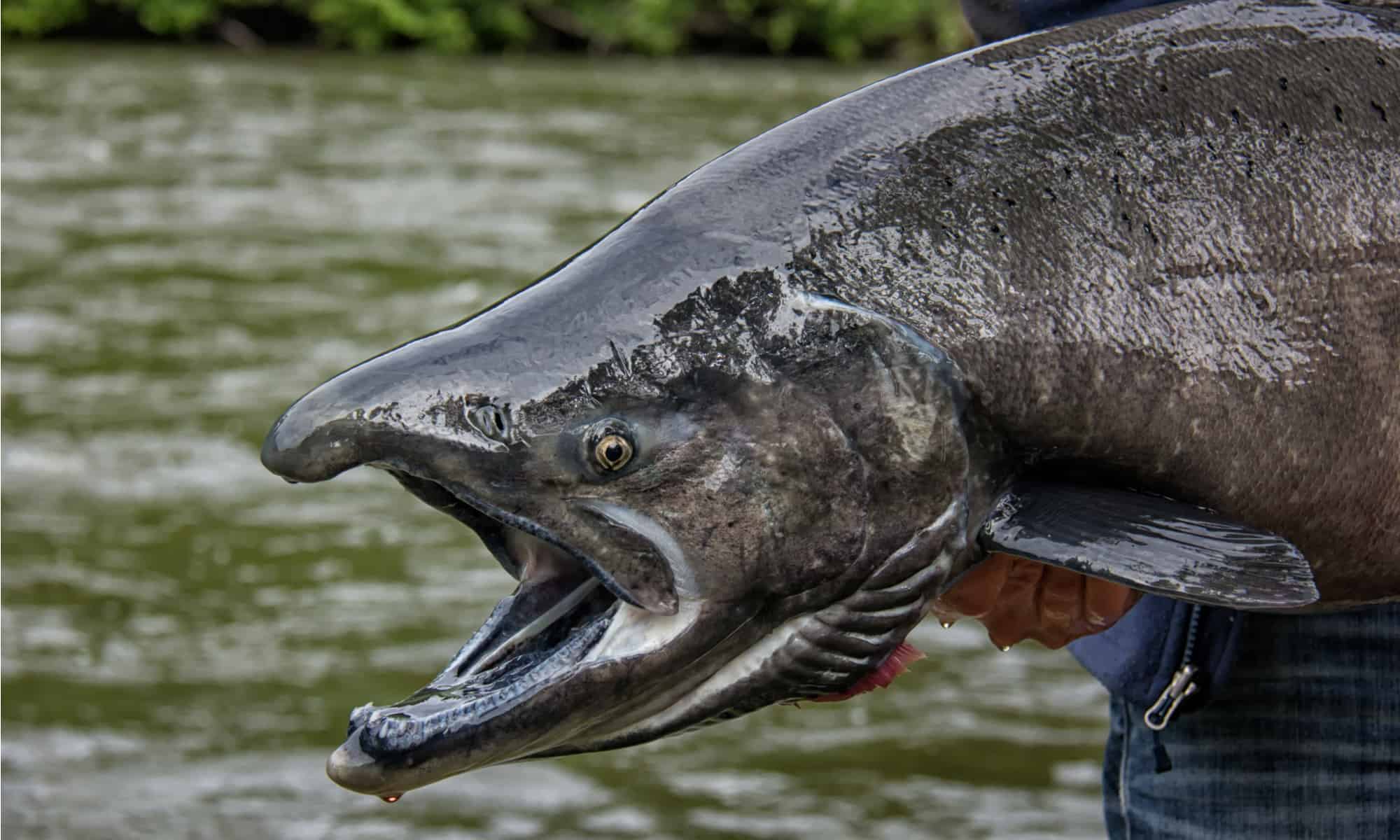
In the wild, it feeds mainly on aquatic insects when young and fish at sea. For readers interested in fishing, wildlife observation, food fish, or aquariums, it matters because it is also called king salmon and prized by anglers and cooks. Always check adult size, water conditions, legal harvest rules, and conservation guidance before collecting, keeping, or targeting this species.
3. Coho Salmon
Scientific name: Oncorhynchus kisutch. Coho Salmon is a large Pacific salmon associated with coastal rivers and the North Pacific in North Pacific basin. Its clearest identification feature is silver sides at sea; spawning males become red with a hooked jaw. That combination of color, body shape, habitat, and behavior is more reliable than color alone when comparing similar fish.
In the wild, it feeds mainly on insects and small fish. For readers interested in fishing, wildlife observation, food fish, or aquariums, it matters because it is also called silver salmon and known for firm, moderately rich flesh. Always check adult size, water conditions, legal harvest rules, and conservation guidance before collecting, keeping, or targeting this species.
4. Sockeye Salmon
Scientific name: Oncorhynchus nerka. Sockeye Salmon is a medium to large Pacific salmon associated with lake-linked rivers, coastal waters, and the North Pacific in North Pacific basin. Its clearest identification feature is spawning adults turn bright red with green heads. That combination of color, body shape, habitat, and behavior is more reliable than color alone when comparing similar fish.
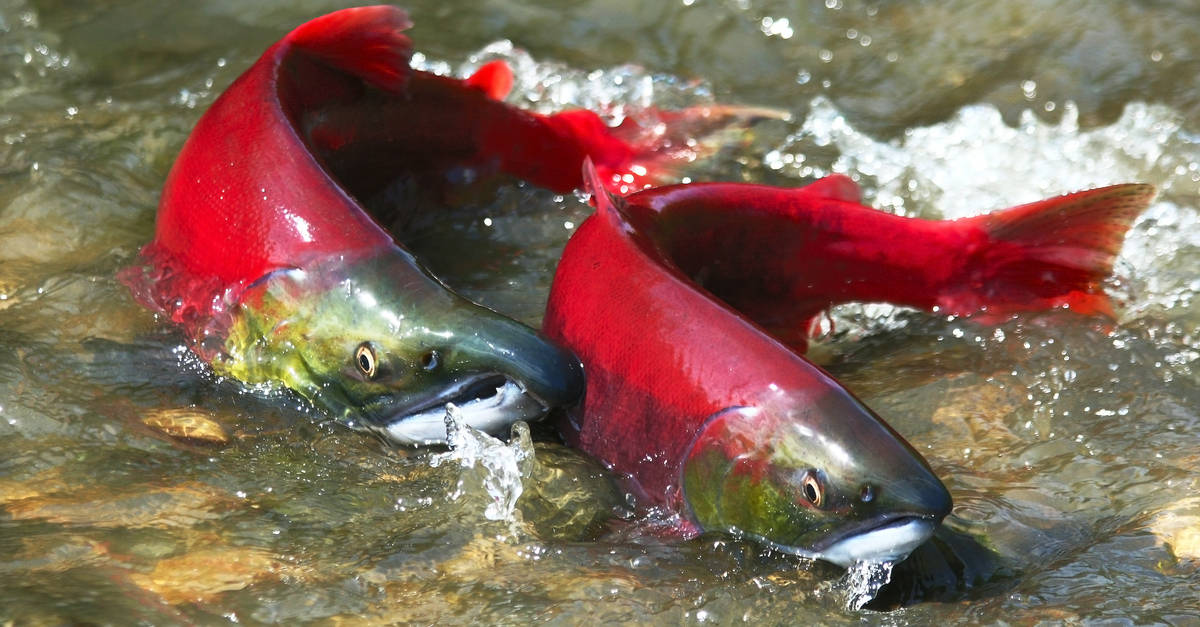
In the wild, it feeds mainly on zooplankton, insects, and small aquatic animals. For readers interested in fishing, wildlife observation, food fish, or aquariums, it matters because it is also called red salmon and valued for deep-colored flesh. Always check adult size, water conditions, legal harvest rules, and conservation guidance before collecting, keeping, or targeting this species.
5. Chum Salmon
Scientific name: Oncorhynchus keta. Chum Salmon is a large Pacific salmon associated with coastal rivers, estuaries, and the North Pacific in North Pacific basin. Its clearest identification feature is spawning adults show green, purple, and dark vertical patterning. That combination of color, body shape, habitat, and behavior is more reliable than color alone when comparing similar fish.
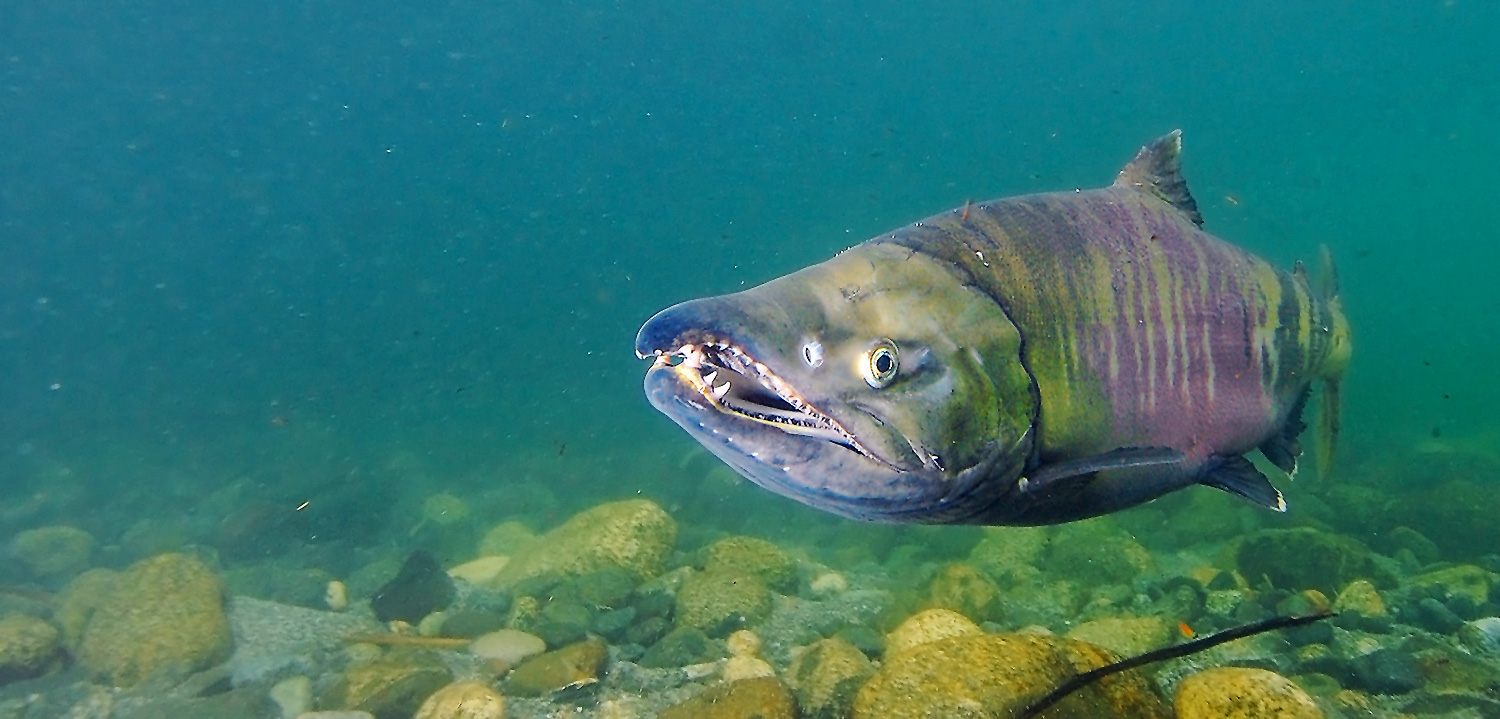
In the wild, it feeds mainly on plankton, insects, and small fish. For readers interested in fishing, wildlife observation, food fish, or aquariums, it matters because it is also called keta or dog salmon and noted for large roe. Always check adult size, water conditions, legal harvest rules, and conservation guidance before collecting, keeping, or targeting this species.
6. Pink Salmon
Scientific name: Oncorhynchus gorbuscha. Pink Salmon is a small to medium Pacific salmon associated with short coastal rivers and the North Pacific in North Pacific basin. Its clearest identification feature is spawning males develop a pronounced hump. That combination of color, body shape, habitat, and behavior is more reliable than color alone when comparing similar fish.

In the wild, it feeds mainly on plankton, squid, and small fish. For readers interested in fishing, wildlife observation, food fish, or aquariums, it matters because it is the smallest and often most abundant Pacific salmon. Always check adult size, water conditions, legal harvest rules, and conservation guidance before collecting, keeping, or targeting this species.
7. Masu Salmon
Scientific name: Oncorhynchus masou. Masu Salmon is a medium Asian Pacific salmon associated with cool rivers and northwestern Pacific coasts in East Asia. Its clearest identification feature is parr marks may remain visible, while spawning fish develop pink-red tones. That combination of color, body shape, habitat, and behavior is more reliable than color alone when comparing similar fish.
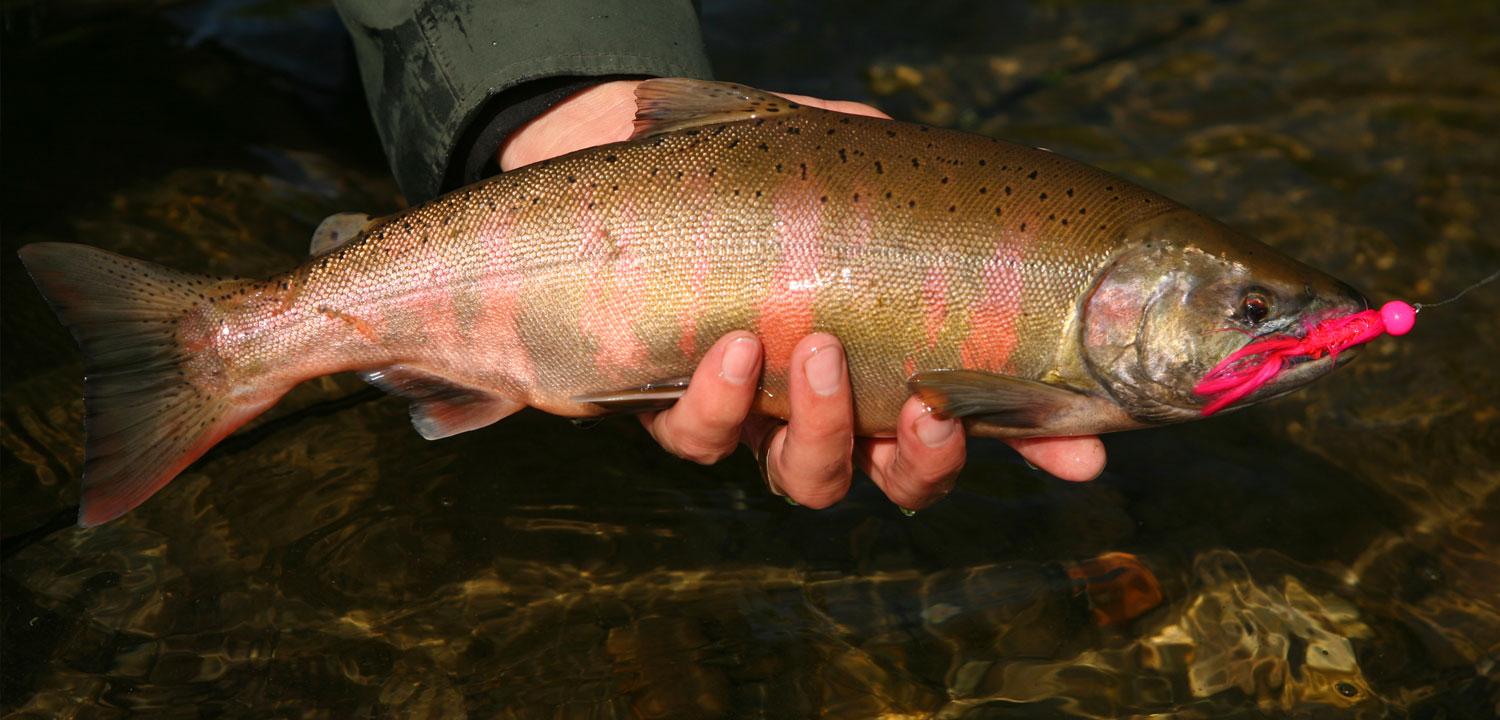
In the wild, it feeds mainly on insects, crustaceans, and fish. For readers interested in fishing, wildlife observation, food fish, or aquariums, it matters because it is also called cherry salmon and closely tied to East Asian rivers. Always check adult size, water conditions, legal harvest rules, and conservation guidance before collecting, keeping, or targeting this species.
How Are These Types of Fish Classified?
True salmon are salmonids in the family Salmonidae. Atlantic salmon is Salmo salar. Chinook, coho, sockeye, chum, pink, and masu salmon belong to the Pacific genus Oncorhynchus. Trout and char are close salmonid relatives, while Australian salmon, Indian salmon, and several other market fish are not true salmon despite their common names.
Where Do Salmon Fish Live?
Most salmon are anadromous: they hatch in freshwater, migrate to the ocean to feed and grow, then return to freshwater to spawn. Some populations remain landlocked in lakes. Healthy salmon habitat includes cool, oxygen-rich rivers, accessible migration routes, clean gravel, productive estuaries, and marine feeding areas.
How to Identify Different Types of Salmon Fish
- Tail spots: Chinook commonly show spots on both tail lobes; coho usually show fewer spots concentrated on the upper lobe.
- Gum color: Chinook are known for dark gums, while coho typically have paler gums.
- Spawning color: Sockeye become red with green heads; pink males develop a hump; chum develop bold vertical patterns.
- Body size: Chinook are generally the largest, while pink salmon are usually the smallest.
- Range: Atlantic salmon are native to the North Atlantic; the other six are native to the North Pacific region.
- Market name: King, silver, red, keta, humpback, and cherry salmon are common alternative names.
Fishing, Buying, and Cooking Tips
- Check current river, season, run, hatchery-mark, and retention rules before fishing.
- Match cooking methods to fat level: richer salmon tolerate grilling, while leaner portions benefit from gentle cooking.
- Look for a clean smell, firm flesh, and transparent sourcing information when buying.
- Do not assume all Atlantic salmon are wild; retail Atlantic salmon is commonly farmed.
- Protect cold-water habitat by preventing litter, avoiding redd disturbance, and following boating and access rules.
Safety, Sustainability, and Conservation Notes
- Salmon depend on connected rivers, estuaries, and oceans, so barriers and habitat loss can affect an entire life cycle.
- Never walk through visible spawning redds or disturb paired spawning fish.
- Use barbless hooks where required and minimize air exposure during release.
- Choose seafood using current regional sustainability guidance rather than broad species labels alone.
- Support habitat restoration, fish passage, water quality, and responsible hatchery and aquaculture practices.
Fun Facts About Salmon Fish
- Salmon can use chemical cues to help locate their natal waters.
- Most Pacific salmon die after spawning, while Atlantic salmon may survive and spawn again.
- Sockeye rely heavily on plankton during key life stages.
- Pink salmon commonly follow a two-year life cycle.
- Chinook are also called king salmon.
- Coho are also called silver salmon.
- Chum salmon roe is widely valued.
- Masu salmon are native to East Asia.
- Landlocked salmon populations complete their life cycle without reaching the ocean.
- Spawning colors can be dramatically different from ocean-phase silver coloration.
Final Thoughts on types of salmon fish
Understanding the seven true types of salmon fish makes it easier to identify catches, choose seafood, compare flavor and texture, and appreciate the migration needs of each species. Focus on scientific names, geographic origin, spawning features, and current local regulations. Responsible fishing, transparent seafood sourcing, and protection of cold connected waterways are essential to salmon conservation.
Frequently Asked Questions
1. What does the term “types of salmon fish” mean?
The phrase refers primarily to seven true salmon species: Atlantic salmon and six Pacific salmon. It may also be used loosely in markets for unrelated fish.
2. How many types of salmon fish are covered in this guide?
This guide profiles 7 carefully selected examples. The number is a practical editorial list, not a claim that only 7 such fish exist worldwide.
3. Are all types of salmon fish closely related?
Yes. The seven true salmon are all members of the salmon family, although Atlantic and Pacific salmon belong to different genera.
4. Which is the easiest types of salmon fish to identify?
Atlantic Salmon is a useful starting point because silver at sea; spawning adults darken and may develop reddish spotting. However, identification should also consider body shape, fin placement, range, and habitat.
5. Which types of salmon fish is the largest in this list?
Chinook salmon is generally the largest of the seven principal salmon species.
6. Which types of salmon fish is the smallest in this list?
Pink salmon is generally the smallest of the commonly recognized true salmon species.
7. Where do types of salmon fish live?
They use cold freshwater rivers and lakes, estuaries, coastal zones, and the North Atlantic or North Pacific, depending on species and population.
8. What do types of salmon fish eat?
Young salmon eat aquatic insects and small crustaceans. Ocean-going adults consume fish, squid, and crustaceans, while sockeye rely more heavily on plankton.
9. Can types of salmon fish live in freshwater?
All seven use freshwater for spawning, and some populations remain landlocked for their entire lives.
10. Can types of salmon fish live in saltwater?
Most populations spend a major growth phase at sea, although landlocked populations do not.
11. Are any types of salmon fish suitable for home aquariums?
Salmon are not ordinary home aquarium fish. Their migration, oxygen, temperature, space, and legal requirements make them unsuitable for typical private tanks.
12. Do types of salmon fish need to be kept in groups?
Juveniles and ocean-feeding salmon may school, but spawning adults focus on migration, territory, and reproduction.
13. How can beginners identify types of salmon fish?
Begin with body shape, fin arrangement, mouth position, color pattern, adult size, and habitat. Photograph the fish from the side when possible and compare it with a regional field guide rather than relying on a single color.
14. Can fish color change with age or season?
Yes. Many fish change color as they mature, breed, migrate, become stressed, or move between habitats. Lighting and water clarity also affect how color appears.
15. Why are scientific names useful?
Common names vary between countries and fisheries. A scientific name points to one recognized species and helps prevent confusion between unrelated fish that share a similar nickname.
16. Are any types of salmon fish dangerous to handle?
They are not venomous, but large adults have strong teeth and powerful bodies. Anglers should use safe handling and appropriate tools.
17. Can people eat types of salmon fish?
Yes. Salmon is widely eaten fresh, frozen, smoked, canned, cured, or cooked. Source, species, fat content, and harvest method affect flavor and sustainability.
18. How should edible fish be stored?
Keep fresh fish cold immediately after capture or purchase, use clean food-safe containers, and follow local food-safety guidance. Refrigerate promptly and freeze portions that will not be used soon.
19. How can anglers fish responsibly for these species?
Follow current seasons, size limits, bag limits, protected-area rules, and gear restrictions. Use appropriate tackle, minimize handling, release unwanted fish quickly, and never transport live fish between waters.
20. Why should fish never be released from an aquarium?
Released aquarium fish can become invasive, spread disease, or die from unsuitable conditions. Rehome unwanted fish through a responsible aquarium store, club, rescue, or experienced keeper.
21. How does habitat loss affect these fish?
Dams, polluted runoff, sedimentation, wetland loss, reef damage, and coastal development can remove feeding, nursery, and spawning habitat. Species with small ranges are often especially vulnerable.
22. Are color-based fish names always accurate?
No. Names based on red, silver, black, or blue may describe only one life stage, sex, regional form, or market appearance. Taxonomy and location provide a more dependable identification.
23. What equipment helps with fish identification?
A camera, polarized sunglasses, regional field guide, ruler or measuring board, and notes about depth, water type, substrate, and location are useful. Handle wild fish only when legal and necessary.
24. Should I use an identification app?
An app can narrow the possibilities, but it should not be the only source for legal harvest or conservation decisions. Confirm important identifications with an authoritative regional guide or fisheries agency.
25. What is the most common identification mistake?
The most common mistake is choosing a species from color alone. Similar species may differ in fin rays, tail shape, mouth size, body proportions, spots, stripes, or geographic range.
26. Do juvenile fish look like adults?
Not always. Juveniles may have bars, spots, or colors that disappear with age, and some move from sheltered nursery areas to deeper adult habitats.
27. Are wild populations stable?
Population status varies by species, river, and management unit. Some runs are healthy, while others are threatened by habitat loss, warming, dams, disease, and fishing pressure.
28. Can climate change affect their distribution?
Yes. Warming water, altered river flow, ocean acidification, oxygen loss, and changing food webs can shift suitable habitat. Effects vary by species and region.
29. What should I check before buying one as a pet?
Confirm the exact species, adult size, social behavior, diet, water chemistry, temperature, tank length, filtration, and legal status. Avoid buying fish that cannot be housed responsibly for their full lifespan.
30. What is the best way to learn more about types of salmon fish?
Use regional fish guides, museum and university resources, fisheries agencies, responsible aquarium organizations, and direct observation. Keep notes and compare several identification features at once.